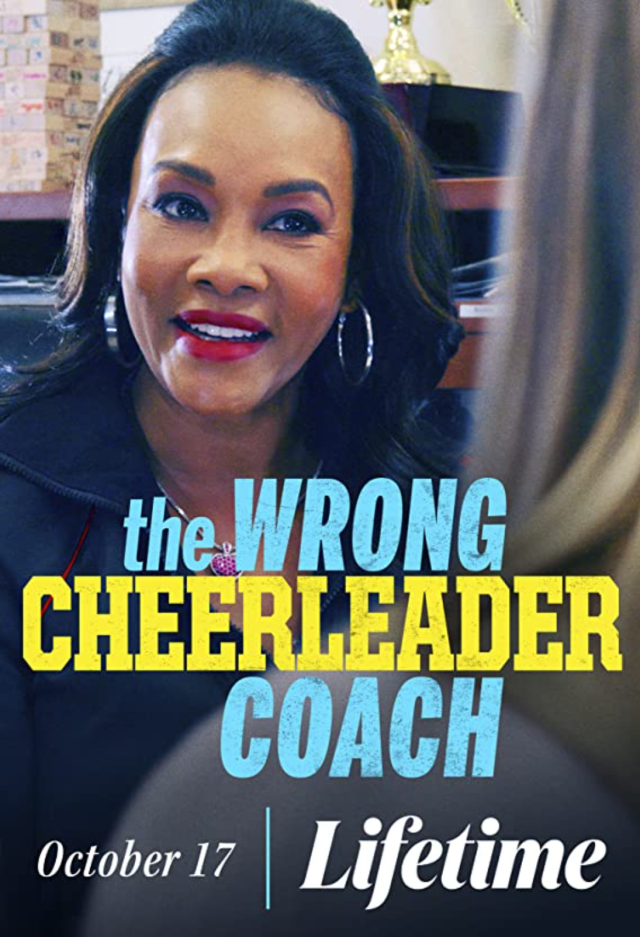
Take 3: JL Family Ranch: The Wedding Gift Review

It’s been four months since I last reviewed a Hallmark Movies & Mysteries film. To fix this, I chose to write about the newest sequel, JL Family Ranch: The Wedding Gift! I saw the first movie when it premiered four years ago, which I thought was just ok. Therefore, I was not asking Hallmark to grant this title a second chapter. Despite not being a fan of JL Family Ranch, I wanted to watch the sequel with an open mind. Providing Hallmark Movies & Mysteries related content was also my intent. Earlier this month, in a Word on the Street story, I talked about JL Family Ranch: The Wedding Gift’s trailer. In that article, I said the trailer made the movie feel like it took a tonal shift from the first movie. But unless I watched the movie for myself, I wouldn’t know how this shift would affect my movie-viewing experience.

JL Family Ranch: The Wedding Gift poster created by Crown Media Family Networks and Hallmark Movies & Mysteries.

Things I liked about the film:

The acting: Most of the cast members from JL Family Ranch appeared in the sequel. This worked in the cast’s favor, as they knew what to expect from each other, talent-wise! Teri Polo had good on-screen chemistry with her co-stars, especially those that appeared in the first movie. She also gave her character, Rebecca Landsburg, a stoic persona. This creative choice allowed the audience to see how having so much on her plate really affected her. When James Caan’s character, Tap Peterson, appeared in the film, a sense of defeat could be seen and felt. This was caused by events that take place within Tap’s subplot. In a scene where he goes to the bank to ask for a large sum of money, facial expressions and body language effectively show what is going on in Tap’s mind. New faces in this cast also found their way to shine! Judson Mills is one example, portraying a new character named Caleb Peterson. Though he was only in select scenes, his performance still left a memorable impression on me. One scene showed Caleb on his phone, talking about an important matter. As the scene plays out, Caleb goes from looking concerned to being on the verge of tears.

The scenery: The scenery in JL Family Ranch: The Wedding Gift effectively reflected the characters’ rural lifestyle, presenting a stylized version of a ranch family. Sweeping establishing shots captured the green pastures surrounding the family’s bed and breakfast. Picturesque fields were shown in scenes where characters ride their horses. When Rebecca and her fiancé, Henry, are having a private picnic, they are sitting next to a river. The clear blue of the water paired with the surrounding grass nicely. These locations promoted the ideas of the calm and tranquility a rural setting can offer!

Tap Peterson’s house: There have been some gorgeous houses to grace the backgrounds of Hallmark’s productions. Tap Peterson’s house in JL Family Ranch: The Wedding Gift is one of them! Its white exterior boasts a traditional colonial style, complete with a manicured front yard. The interior design within the house displayed a well-to-do setting fit for the prominent rancher Tap is. In one room, the rich wood on the walls complimented a cream armchair with a red pattern. Another room contained white walls showcasing blue and green glass plates. Each design choice was elegant and classy, creating a timeless look in each room presented on screen!

Horse with saddle photo created by Topntp26 at freepik.com. <a href=’https://www.freepik.com/free-photo/stallion-black-equine-race-sky_1104246.htm’>Designed by Freepik</a>. <a href=”https://www.freepik.com/free-photos-vectors/background”>Background image created by Topntp26 – Freepik.com</a>. Image found at freepik.com.

What I didn’t like about the film:

Poor audio: While I haven’t seen Follow Me to Daisy Hills or Falling for Look Lodge, I have heard there are audio problems within these movies. It seems like poor audio has become commonplace in Hallmark’s productions lately, as JL Family Ranch: The Wedding Gift contained the same flaw. All of the characters sounded muffled whenever they spoke, especially when scenes took place outdoors. Because of this, it was difficult at times to understand what was being said. I’m not sure if music or microphone related issues are what caused the movie’s audio to be poor. What I am sure about is this problem was consistent throughout the film.

Too many cliches: I know Hallmark loves their cliches like Santa loves milk and cookies. But JL Family Ranch: The Wedding Gift incorporated too many cliches that have been featured in many other Hallmark films. Four of these cliches were discussed in my list of the top ten worst cliches from Hallmark movies: the “we’re not together” cliché, the “it’s not what you think” cliché, the “protagonist’s ex showing up unannounced” cliché, and the “planning a wedding in an unrealistic time period” cliché. JL Family Ranch: The Wedding Gift also showcased cliches that I’ve never talked about on my blog before, such as the “save the (insert establishment here)” cliché and the “owner of a bed & breakfast trying to impress a travel critic/writer” cliché. If Hallmark knew they were going to use any of these clichés in this movie, they should have put a new twist on them. One idea is to have the travel critic/writer be one of the character’s exes. This way, it creates a compelling conflict of interest dynamic.

Convenient resolutions: On multiple occasions, situations in JL Family Ranch: The Wedding Gift were resolved too conveniently. One example can be found toward the beginning of the film. After a surprise wedding proposal, two travel writers that had come to the bed and breakfast a day early decide to leave sooner than expected. When John tells them there will be an engagement brunch that same morning and when the writers discover all the food of the brunch are “farm to table”, the writers’ impression of the bed and breakfast quickly begins to change. The circumstances that caused these writers to change their perspective were placed at a convenient time in the story.  But because of how everything in that situation happened so quickly, it made the resolution seem like it was met too conveniently.

First wedding dance image created by Teksomolika at freepik.com. <a href=’https://www.freepik.com/free-photo/newlyweds-dancing-at-their-wedding_983404.htm’>Designed by Freepik</a>. <a href=”https://www.freepik.com/free-photos-vectors/wedding”>Wedding image created by Teksomolika – Freepik.com</a>. Image found at freepik.com.

My overall impression:

In 2018, I named Marrying Mr. Darcy the tenth worst movie I saw that year. My reason was how the film could have been better than its predecessor, but ended up being a disappointment. JL Family Ranch: The Wedding Gift made me feel the same way. The 2020 sequel was a disappointingly average film that never reached its full potential. Instead of receiving an exciting new chapter, the story was drowned in clichés and convenient resolutions. It also didn’t help that the project’s audio was poor. While there are things about this movie I liked, such as the talented cast and Tap Peterson’s house, the script itself didn’t hold up its end of the bargain. When it comes to movies, a story is what makes or breaks that project. In the case of JL Family Ranch: The Wedding Gift, the narrative didn’t do it a lot of favors. As a matter of fact, the movie itself is proof why its predecessor did not need a second part.

Overall score: 5.6 out of 10

Did you watch JL Family Ranch: The Wedding Gift? If so, what are your thoughts on it? Tell me in the comment section below!

Have fun at the movies!

Sally Silverscreen

Take 3: Nicholas Nickleby (2002) Review

For A Shroud of Thoughts’ 7th Annual Rule, Britannia Blogathon, I decided to choose a film that was already located on my DVR. Since last February, I have had a recording of the 2002 adaptation of Nicholas Nickleby. Because this story takes place in 19th century England and because this blogathon celebrates British cinema, reviewing the movie seemed like a perfect choice! Nicholas Nickleby is not the first adaptation based on a Charles Dickens novel I’ve written about. Within these two years, I have reviewed Oliver!, Oliver & Company, and The Death of Poor Joe. To tell you the truth, I didn’t even know Nicholas Nickleby was based on a book by Charles Dickens until I saw the film’s opening credits. This film selection is a blessing in disguise. It not only gives me an opportunity to watch more movies from my DVR, but it also allows me to expand my cinematic horizons!

This is a screenshot I took with my phone of the movie’s poster that was displayed on my television. Screenshot taken by me, Sally Silverscreen.

Things I liked about the film:

The acting: Nicholas and Smike have one of the most beautiful friendships I’ve ever seen put on film! This is the result of good screen-writing and good acting! Charlie Hunnam and Jamie Bell put emotion and heart into their individual roles. Together, they display strong on-screen camaraderie. A great example is when Nicholas is trying to read a story to Smike at Dotheboys Hall. Nicholas Nickleby contained an ensemble cast. Each actor and actress worked well with one another, as the performances complimented and highlighted every talent shown on screen. From Anne Hathaway’s use of various emotions to Christopher Plummer’s consistency, all the interactions brought out the best in each cast member!

The dialogue: As I just mentioned, Nicholas and Smike’s friendship was partly the result of good screen-writing. The movie’s screen-writing is also what caused the dialogue to be so memorable! Every piece of conversation reflected this film’s time period. However, the dialogue sounded eloquent without being pretentious. It was also easy to understand, allowing the audience to make sense of what the characters are saying. In one scene, Nicholas is helping Smike escape his kidnapping. The way he told Smike to hurry out of his current location contained urgency and importance. Conversations like the one I just referenced were a consistent and present component of this film!

A balance of despair and joy: I haven’t read Nicholas Nickleby, but I have read Oliver Twist. From what I remember, Charles Dickens found a way to balance the ideas of despair and joy. This balance can be found in the 2002 film! In the movie’s darker moments, despair could be seen and felt. It showed how ugliness presented itself in Nicholas’ world. But there was not so much of this ugliness and despair to make the audience feel depressed. Moments of joy and happiness served to counteract the darker moments. When joyous scenes occurred, they felt earned by the characters. At the same time, they didn’t make it seem like the rest of the film couldn’t be taken seriously. Instead, the incorporation of joy showed how there was beauty in the world, especially if Nicholas searched for it.

The 7th Annual Rule, Britannia Blogathon banner created by Terence from A Shroud of Thoughts. Image found at http://mercurie.blogspot.com/2020/06/announcing-7th-annual-rule-britannia.html.

What I didn’t like about the film:

Lots of content in a limited time-frame: Having read two of Charles Dickens’ books, I know there is a lot of content in his stories. While watching Nicholas Nickleby, I could see there was a significant amount of content. The movie is two hours and twelve minutes. But because each plot point was seen as important, the run-time was bogged down by the large number of storylines. This caused the film to feel longer than its run-time. It makes me wonder if this particular narrative would have benefitted from a mini-series format?

Some unsmooth scene transitions: There were a few scene transitions in Nicholas Nickleby that weren’t given smooth transitions. When the story shows Kate’s, Nicholas’ sister’s, perspective, the chapter comes and ends more abruptly than other scenes. It almost feels like the plot temporarily shifts the protagonist role from Nicholas to Kate. Even though Kate plays an important role in Nicholas’ life, she is a supporting character, while her brother is the main character.

Hand-written letter image created by Veraholera at freepik.com. <a href=”https://www.freepik.com/free-photos-vectors/background”>Background vector created by Veraholera – Freepik.com</a>. <a href=’https://www.freepik.com/free-vector/love-letter-pattern_1292902.htm’>Designed by Freepik</a>. Image found at freepik.com.

My overall impression:

Nicholas Nickleby is the fourth adaptation of one of Charles Dickens’ works I’ve reviewed on 18 Cinema Lane. Out of these four, the best one is still the 1968 musical Oliver! Because I have read its source material, I know there was some content that was cut from the movie, likely for reasons relating to the run-time. Unlike Oliver!, Nicholas Nickleby contained a lot of content that effected its run-time. However, the story was understandable and the screen-writing was strong! Even though there were a few unsmooth scene transitions in Nicholas Nickleby, it never became a common occurrence. What was common was great acting performances, well-written dialogue, and relatable messages! Nicholas Nickleby does a good job at showing how there is both darkness and goodness in our world. In a year like 2020, where it seems like there is one conflict after another, it can be easy to forget the beauty this world can offer. Because of his bad and good experiences, Nicholas Nickleby always perseveres and never takes anything for granted. This is what we can learn from Nicholas’ story, whether or not Charles Dickens intended to teach his readers.

Overall score: 8.2 out of 10

Have you seen any adaptations from Charles Dickens’ work? Are there any British films you enjoy watching? Share your thoughts in the comment section!

Have fun at the movies!

Sally Silverscreen
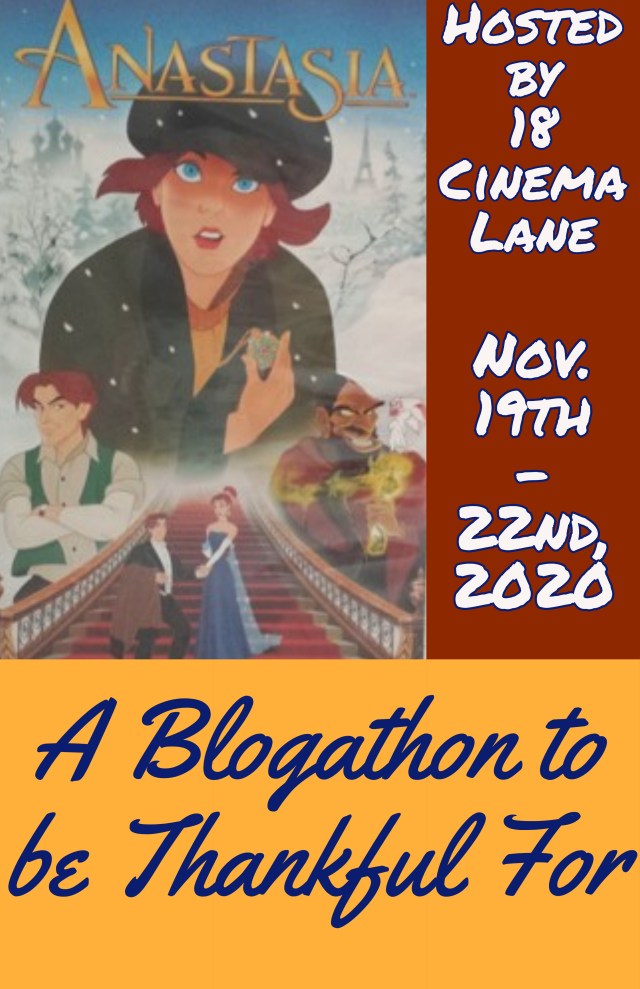
Take 3: Date with an Angel Review

Teen movies from the ‘80s are September’s theme for Genre Grandeur! Since I knew some of the other participants would talk about more well-known movies from this particular selection, I decided to choose a film that doesn’t always get included in the conversation. On the website, Ranker, there was a list focusing on the greatest teen movies of the ‘80s. A film called Date with an Angel was placed on that list. I have not seen or heard of this title prior to this year. Based on its synopsis, Date with an Angel, shares a similar premise with the film, Splash. While I haven’t seen the 1984 movie in many years, I do remember enjoying it. Because of this, I believed there was a chance I might like Date with an Angel!

Date with an Angel poster created by De Laurentiis Entertainment Group. Image found at https://www.imdb.com/title/tt0092834/mediaviewer/rm1734887424

Things I liked about the film:

The acting: While I don’t watch soap operas, I am aware its actors and actresses are required to give a consistent performance in every episode. I was told Michael E. Knight starred on All My Children as Tad Martin. From what I could tell from his performance in Date with an Angel, his soap opera experiences seemed to have paid off! Michael’s portrayal of Jim felt genuine, as the different expressions he showcases appear believable! This is especially the case anytime Jim interacts with the Angel. When he first encounters her after his bachelor party, the shock and awe of the situation can be seen on his face. Very little dialogue is needed to express the feelings in a moment like that one. Speaking of little dialogue, the Angel herself barely has any lines in this movie. Portrayed by Emmanuelle Béart, she was able to use the lack of dialogue to her advantage by relying on facial expressions and body language. In a scene where Jim is determining if the Angel’s wing is healed, she winces and hides her face from him. The consistency of the performance is also what worked in Emmanuelle’s favor. Another actress that did a good job with the acting material she was given was Phoebe Cates! What I liked about her performance was how emotional it was. As the movie progresses, Phoebe’s character, Patty, transforms from a beloved socialite to a woman who let jealousy get the best of her. Similar to Michael and Emmanuelle, Phoebe effectively incorporated facial expressions into her portrayal.

The music: I was really impressed by the soundtrack found in Date with an Angel! One of the best uses of music in this film takes place in a scene where the Angel and Jim find a treehouse in the middle of the forest. When this happens, the song, ‘The Finer Things’ by Steve Winwood, plays in the background, emphasizing how the simpler things in life are, sometimes, the best. There were times when music highlighted the tone of a particular scene. Anytime Jim is with his friends, rock tunes are heard. Meanwhile, piano/music-box music softly plays in the scenes featuring Jim and the Angel. This musical collection definitely added enjoyment to the movie’s audio!

The use of light and fog: Anytime the Angel appears in Date with an Angel, she is highlighted through the use of light and fog. A great example is when the Angel first lands in Jim’s pool. The lights from the pool are the primary source of light in this scene. Fog wraps around the pool area, creating a mysterious oasis with its presence. These creative techniques emphasized how magical and otherworldly the Angel was. In the scenes where the Angel and Jim are in the forest, fog could be seen in the background. Because of its inclusion, it made this location feel secluded, almost like it was Heaven on earth.

String of musical notes image created by Freepik at freepik.com. <a href=’https://www.freepik.com/free-vector/pentagram-vector_710290.htm’>Designed by Freepik</a> <a href=”https://www.freepik.com/free-photos-vectors/background”>Backgroundvector created by Freepik</a>. Image found at freepik.com.

What I didn’t like about the film:

The Angel is not her own character: In Splash, having a mermaid engage with the human world was a phenomenon. However, Madison was not defined by her mermaid roots. Not only was this character given a name (Madison, in this case), but she was also given her own dialogue. This allowed Madison to play a significant contribution to Splash’s plot. The Angel in Date with an Angel was presented more as a phenomenon than a character. As I mentioned before, the Angel wasn’t given a lot of dialogue. She also didn’t receive a name, being simply referred to as “Angel”. The other characters viewed her as a rarity instead of another individual who happened to appear human. Seeing the Angel not be her own character was disappointing.

Jim’s insignificant composing dreams: Date with an Angel’s synopsis on IMDB reveals that Jim is “an aspiring composer”. Because this particular occupation is not often found in contemporary stories on film, I was curious to see how this would factor into the overall plot. While this detail was brought up on a few occasions, it never served an important part of the story. Music was not used to resolve any conflicts or make any personal discoveries. In retrospect, Jim could have held almost any occupation and it wouldn’t have made a difference.

The cosmetics campaign subplot: One of the subplots in Date with an Angel revolves around Patty’s father trying to salvage a cosmetics advertising campaign. He ultimately decides on finding the Angel so she can be the new face of the campaign. The subplot itself supplies an interesting concept to the overall story. But shortly after this subplot is introduced, it’s quickly dropped from the movie. I found this to be a shame because it could have provided commentary to the plot. One example is how natural beauty is more timeless than the power of any piece of make-up.

I found this angel in my house and I knew it’d be perfect for this review! Screenshot taken by me, Sally Silverscreen.

My overall impression:

Oscar Wilde once said, “Be yourself; everyone else is already taken”. This is a message Date with an Angel needed to hear. While its inevitable for stories to be repeated over time, this movie felt like an imitation of Splash. As I said in the introduction, I haven’t seen Splash in many years. Therefore, I can’t say if it is a better movie than Date with an Angel. What I can say is this imitation didn’t really allow Date with an Angel to be its own movie with its own identity. Looking back on this film, I’m having difficulty understanding why Ranker would put it on their list of ‘80s teen films. I will admit there are elements in the story that would likely be found in an ‘80s teen movie. A group of goofy, scheming friends and a hilarious misunderstanding are two examples. However, Date with an Angel is not an ‘80s teen film by definition, especially since the characters are adults. Maybe this specific premise, where a human crosses paths with an angel, would have worked better in an ‘80s teen movie. If that were the case, it might have had a better chance of being its own story.

Overall score: 6.4 out of 10

Have you seen any teen movies from the ‘80s? If so, which one is your favorite? Share your thoughts in the comment section!

Have fun at the movies!

Sally Silverscreen

Here is the link to the Ranker list I mentioned in this review (Date with an Angel is listed at number 107): https://www.ranker.com/list/best-80s-teen-movies/ranker-film

Take 3: Anchors Aweigh Review

This is it, my 200th movie review! It’s hard to believe I’ve reached this accomplishment in only two years! The recent occurrence and my participation in Pure Entertainment Preservation Society’s Joe Pasternak Blogathon caused me to choose Anchors Aweigh as the next movie to review! This film was recommended to me by The Classic Movie Muse from the blog, The Classic Movie Muse. Anchors Aweigh is also the fourth Frank Sinatra picture I’ve written about in 2020. When reading about Joe Pasternak in the announcement post for the blogathon, I learned that Joe put a lot of thought into the films he produced. Prior to joining the event, the only movie of his I’ve seen is The Unfinished Dance. Back in April, when I reviewed the project, I said it was a good, solid picture! I also mentioned how the movie did a good job at exploring thought-provoking ideas, such as the disappearance of truth. I’m looking forward to talking about Anchors Aweigh, as it is very different from The Unfinished Dance!

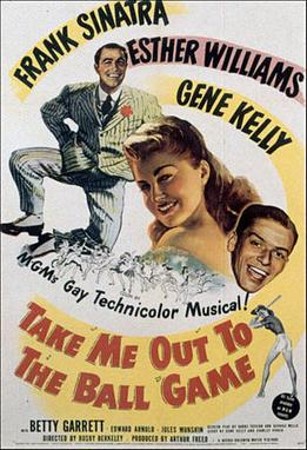
Anchors Aweigh poster created by Metro-Goldwyn-Mayer, M-G-M Cartoons, and Loew’s Inc. Image found at en.wikipedia.org/wiki/File:Anchors_aweigh.jpg

Things I liked about the film:

The acting: Anchors Aweigh is the fourth movie of Frank Sinatra’s I’ve seen, as I said in the introduction. His performance as Clarence “Brooklyn” Doolittle was different from his roles in Marriage on the Rocks, High Society, and Ocean’s Eleven. This is because his on-screen personality was sweet-natured. It was a good contrast to Gene Kelly’s character, Joseph “Joe” Brady. In Anchors Aweigh, Gene displayed a confident and headstrong personality. This set of opposites is what helped Gene and Frank become one of the best on-screen duos I’ve ever seen in film! Despite watching only one of Joe Pasternak’s films, I have noticed how the female characters are intelligent women who always hold their head up high. Kathryn Grayson’s character, Susan Abbott, is a great example! Even though she is a single parent, she never gives up on her dreams of being a singer. Because of a believable performance, Kathryn made Susan someone worth rooting for! While Pamela Britton appears in Anchors Aweigh for a limited time, I really liked her character! She not only had a good on-screen personality, but she also had good-screen chemistry with Frank Sinatra. Watching Pamela in Anchors Aweigh was a joy to watch, as her presence brought a bright light to any of her scenes!

The comedy: I found Anchors Aweigh to be a genuinely funny movie. That’s because the humor in this film was well-written and delivered! When Susan and Clarence are on their way to dinner, Clarence suggests that Joe join them. When Joe asks Clarence why he should go, Clarence tells him he won’t know what was said in Joe’s phone conversation. Not only was this conversation clever, but it was also executed well by Frank and Gene. Another funny scene involving Gene and Frank is when Joe is chasing Clarence around the service lodge. This moment was caused by Joe sleeping in, making him miss his meeting with Lola.

The musical numbers: In Anchors Aweigh, the musical numbers were definitely a highlight! There were so many good scenes, it is difficult to choose a favorite. Gene’s dancing talents were utilized to their fullest extent, from his duet with Jerry (the animated mouse) to his Latin inspired solo. These dance numbers were very colorful. The costumes and set design were bright and cheery, allowing the overall mood to be light-hearted and joyful. Frank’s singing abilities were also well incorporated into the story. His solos were slower, ballad pieces. This choice complimented the more romantic moments of the narrative. Having Frank and Gene perform together was a great decision! They were able to keep up with each other’s fortes as well as work well with one another. “I Begged Her” and “If You Knew Susie” showcases this creative partnership wonderfully!

The joining of animation and live-action: In one scene, Joe finds himself in a magical make-believe land where he interacts with animated animals. This is because he is telling a story to the children of Hollywood Day School how he earned his Silver Star. This part of the movie looked really good, especially for a film released in the mid-‘40s! It felt like Gene was actually in that world, as the technology of the time appeared top-notch. I also liked the quality of the animation! It contained bright colors and clear lines, reminding me of the older films from Disney.  Seeing Gene and Jerry dance together was impressive, as it seemed like they were in the same room. Before the actual dance routine, Gene led Jerry onto the ballroom floor by holding his hand. Because of how good the technology looked, this interaction between these two characters was convincing!

The Joe Pasternak Blogathon banner created by Tiffany and Rebekah Brannan from Pure Entertainment Preservation Society. Image found at https://pureentertainmentpreservationsociety.wordpress.com/2020/08/21/announcing-the-joe-pasternak-blogathon/.

What I didn’t like about the film:

A drawn-out conflict: The main conflict of Anchors Aweigh shows Joe and Clarence trying to set up an audition for Susan. While conflicts take time to be resolved, I wasn’t expecting the conflict in this film to last the entire story. Quality script-writing made the conflict itself interesting. But I honestly feel it could have been resolved sooner.

Less Tom, More Jerry: Tom and Jerry, the famous animated cat and mouse, are listed in the opening credits of Anchors Aweigh. I was not expecting this special guest appearance, so seeing these characters in the film was a pleasant surprise. Even though I liked Jerry’s duet with Gene, Tom showed up for only a few seconds. I found their cast listing misleading, as an equal amount of screen time is expected when Tom and Jerry are included in a program.

I had this patch lying around my house and thought it would be perfect to include in this review! Screenshot taken by me, Sally Silverscreen.

My overall impression:

For someone who had never seen any of Frank Sinatra’s films, I have really made up for lost time in 2020. By selecting Anchors Aweigh for the Joe Pasternak Blogathon, I gave myself an opportunity to watch one of Frank’s earlier works. It also gave me an excuse to see more of Joe’s films. I can honestly say Anchors Aweigh is, so far, the best movie I’ve watched this year! There is so much to like about this project and it was pleasantly joyful! I spent most of my time smiling and laughing, as the humor was one of the strengths of this story. The entire movie was well thought out, showcasing an engaging film that was also entertaining. Thank you, Classic Movie Muse, for suggesting this film to me. If not for your recommendation, I might have never seen this delightful movie!

Overall score: 8.9 out of 10

Have you seen any of Joe Pasternak’s films? If so, which one is your favorite? Share your thoughts in the comment section!

Have fun at the movies!

Sally Silverscreen
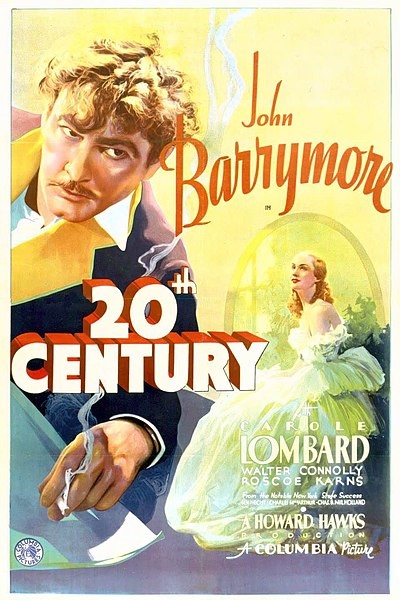
Take 3: Perry Mason: The Case of the Shooting Star Review

I am so close to publishing 200 movie reviews! Because of this, I have devoted this week to publishing my 199th and 200th movie reviews. Next week, I will publish a celebratory post to commemorate this accomplishment. Yesterday, I watched Perry Mason: The Case of the Shooting Star. When I posted my review of Perry Mason Returns last month, it ended up becoming more popular than I expected, with the article receiving nine likes! These factors are the reason why I chose to review Perry Mason: The Case of the Shooting Star. For the most part, I have enjoyed this particular series. While some films have been better than others, I haven’t come across an installment that was bad. What works in Perry Mason’s favor is having consistent elements, such as the acting performances. Because these elements have been, more often than not, strong, it has helped the memorability of the series!

While searching the internet for this film’s poster, I took a screenshot of this one, as I love the overall design! Screenshot taken by me, Sally Silverscreen.

Things I liked about the film:

The acting: Joe Penny is an actor I’m familiar with because of his performance in Hallmark’s Jane Doe series. What I liked about his portrayal of Robert McCay in Perry Mason: The Case of the Shooting Star is how he was given more opportunities to use emotion! A great example is when Robert is being questioned by Perry Mason at the police station. For most of this scene, the sadness and concern of the situation can be seen on Joe’s face. As the scene progresses, Robert’s anger explodes. Another actor that uses facial expressions well is Jennifer O’Neill! Portraying the murder victim’s wife, Alison Carr, Jennifer used her eyes to enhance the emotions her character was feeling. Her best scene was when Alison and Perry are having a conversation at a law library event. During this conversation, Alison tries to convince Perry that despite everything she has experienced, she is fine. But because her eyes contain so much pain, it appears that Alison is falling apart at the seams. Something I enjoy about the Perry Mason TV movie series is how new, memorable characters have been introduced in each story. Michelle Benti, portrayed by Wendy Crewson, is one of these characters. A photo journalist from New York City, Michelle plays an integral part of the story. She also had a great on-screen personality! Because of these things, it makes me wish Michelle became one of the series’ regulars.

The cinematography: There are times when a mystery movie offers visually appealing cinematography to their audience. Perry Mason: The Case of the Shooting Star is one of these films, as I noticed some interesting cinematography while watching the movie! In the scene where Robert is being questioned by Perry, light is pouring into the room through the blinds of the windows. Both the light and shadows reflect off of Robert’s face, highlighting his facial expressions. Toward the beginning of the film, Robert is walking through the city at night. Smoke could be seen at various moments in that scene. This element helped add to the mysterious nature of the story!

Scenes that tricked the audience: Throughout Perry Mason: The Case of the Shooting Star, Robert McCay is filming a movie in New York City. This caused a few scenes to be presented in a way that tricked the audience. In the aforementioned beginning scene, Robert finds himself in the city at night. At one point, he is surrounded by two sets of gang members. As the scene goes on, it is revealed that Robert and the gang members are in the middle of shooting a film scene. Later in the film, Robert and one of his co-stars, Kate, are seen having a conversation with each other. At first, it seems like they are gaining a mutual understanding of the murder case. But, like the previously mentioned scene, this moment is also revealed to be a part of Robert’s movie.

New York City skyline with letters image created by Freepik at freepik.com. <a href=’https://www.freepik.com/free-vector/new-york-skyline-typographic-silhouette_719554.htm’>Designed by Freepik</a>. <a href=”https://www.freepik.com/free-photos-vectors/background”>Background vector created by Freepik</a>. Image found at freepik.com.

What I didn’t like about the film:

Characters with wasted potential: While each character in Perry Mason: The Case of the Shooting Star gets their moment to shine, there are a few characters that could have had a greater significance in the story. The gang members from the very first scene serve as a good example. I understand these characters were meant to be extras in Robert’s movie. However, I feel at least one of them could have been given more lines and screen time. Who knows? Maybe they would have become a series regular.

The funeral/memorial dinner: When I reviewed the Murder, She Wrote episode, ‘Hannigan’s Wake’, I mentioned how one funeral visitation felt more like a light-hearted dinner party. There was one scene in this movie that made me feel similar to the aforementioned episode. In Perry Mason: The Case of the Shooting Star, the funeral/memorial dinner for the murder victim felt more like an award ceremony. This is because of two things; the fact that some characters don’t wear black attire and how one of the murder victim’s closest friends incorporated jokes during his speech. As I said in my review of ‘Hannigan’s Wake’, funeral services are unique to the family hosting that gathering. However, the two factors I brought up prevented this scene from displaying strong feelings of sadness and grief.

An unbelievable stunt scene: I am aware how fictional stories make their audience suspend their disbelief to varying degrees. But in Perry Mason: The Case of the Shooting Star, there was one scene involving a stunt that didn’t seem believable to me. The stunt itself is not what caused me to feel this way. This was brought on by the stunt coordinator’s decision to allow a civilian, Perry’s colleague Paul, to participate in a stunt without taking precautionary steps beforehand. I understand this particular scene was meant to serve as a comedic moment. But I just can’t believe any stunt coordinator would willingly overlook details like that, especially in a mystery movie that appears grounded in reality.

Magnifying glass image created by Freepik at freepik.com. <a href=’https://www.freepik.com/free-vector/magnifying-glass-with-fingerprint-in-flat-style_2034684.htm’>Designed by Freepik</a>. <a href=”https://www.freepik.com/free-photos-vectors/flat”>Flat vector created by Freepik</a>. Image found at freepik.com.

My overall impression:

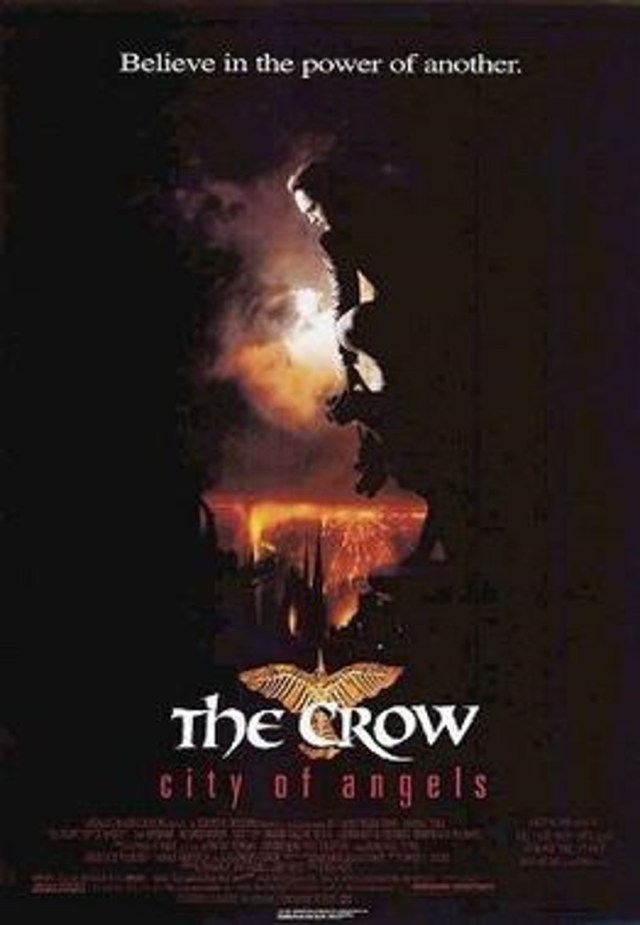
As the eighth movie I’ve seen in the Perry Mason TV movie series, I’d say Perry Mason: The Case of the Shooting Star is the best one! Despite its flaws, this film did contain a mystery that was not only intriguing, but also captivating from start to finish! Almost every series features at least one chapter that revolves around show business. When this creative decision is chosen, Hollywood usually serves as that chapter’s backdrop. In Perry Mason: The Case of the Shooting Star, a movie was being filmed in New York City. This allows a nice change of scenery and a different perspective to this tried-and-true plot point. While watching the film, I couldn’t help being reminded of the Brandon Lee tragedy. It is due to the murder victim also being killed by a prop weapon in Perry Mason: The Case of the Shooting Star. There’s no denying the major differences between the real-life and fictional situations. But after watching Perry Mason: The Case of the Shooting Star, it does make me wonder if there would have been a heightened sense of awareness had someone working on the film or a person who knew a cast or crew member had seen the 1986 movie prior to production on The Crow?

Overall score: 7.8 out of 10

What are your thoughts on the Perry Mason TV movie series? Do you have a favorite mysteries series? Let me know in the comment section!

Have fun at the movies!

Sally Silverscreen

Take 3: Luna: Spirit of the Whale Review + 245 Follower Thank You

Four days ago, my blog received 245 followers! To everyone who helped 18 Cinema Lane become this successful, thank you! None of this could have been a reality without you. BYU-TV recently aired Luna: Spirit of the Whale on their network. Because I don’t get many opportunities to talk about films that feature Native American stories, I felt this film would make a good selection for this blog follower dedication review! The movie is one I had never heard of prior to this year. So, this was also a great chance to expand my cinematic horizons! As I’ve said on multiple occasions, I try to give lesser-known films a “standing ovation”. Luna: Spirit of the Whale is one of those films, as I didn’t see any other blogger on WordPress talk about this movie. By choosing to review this project at all, it will hopefully give this movie a little more recognition than it might be currently receiving.

This is a screenshot of the poster for Luna: Spirit of the Whale that I took with my phone. Screenshot taken by me, Sally Silverscreen.

Things I liked about the film:

The acting: While watching Luna: Spirit of the Whale, I noticed strong performances within this cast! One of them came from Adam Beach, who portrayed the protagonist, Mike Maquinna! Throughout the film, Adam did a good job giving his character a wide range of emotions. In one scene, Mike is happy to take a youth named Adam on a short canoe trip. In another scene, Mike is tearfully reflecting on a regret from his past. These emotions helped make Adam’s character well-rounded! Speaking of the aforementioned youth, I also liked Aaron Miko’s portrayal of Adam! A sense of believability is what made this performance enjoyable to watch! With the emotions, facial expressions, and body language, Aaron was able to show the audience that his character had experienced so much in his young life. Prior to watching Luna: Spirit of the Whale, I have seen Erin Karpluk’s performances in Hallmark Movies & Mysteries’ Fixer Upper Mystery series. While she’s in the film for a certain amount of time, the acting material Erin was given in this film was different from the aforementioned series. This is because her performance was allowed to be more dramatic. Erin was able to use that opportunity to her advantage by creating a portrayal that was interesting to watch!

The scenery: As someone who has seen many Hallmark movies, I know that Canada has a reputation for showcasing great scenery! Luna: Spirit of the Whale is no exception to this. Most of the scenery revolves around the water, as the story focuses on a whale. Anytime these scenes appeared in the film, they were appealing to look at! The green hues of the surrounding trees compliment the blues and grays of the water. More often than not, a clear sky enveloped the entire space. Some scenes took place on the shore, an area that was also photogenic! The rocky edge and calm waters set the stage for an inviting place! It really did look like a backdrop you’d see in a Hallmark movie!

The incorporation of Native American culture: Because some of the characters in Luna: Spirit of the Whale are from a Native American/First Nations community, elements of Native American culture are found in this story. The way they are incorporated into the movie is not only educational, but also insightful. These elements are showcased in a reverent and respectful way. During Chief Ambrose Maquinna’s funeral, two men were dressed in wolf fur and crawled on the ground in front of the procession. Before this shot was shown in the film, Mike explains that this particular community believes a deceased chief will have his spirit carried through a wolf (protector of the land) or a whale (protector of the sea). Before any of the canoes go out into the water, a blessing is placed on them, complete with a series of chants. Traditional chants also play a role during the story’s climax.

Canada postage stamp image created by Ibrandify at freepik.com <a href=’https://www.freepik.com/free-vector/canadian-flag-stamp-template_836872.htm’>Designed by Freepik</a> <a href=”https://www.freepik.com/free-photos-vectors/template”>Template vector created by Ibrandify – Freepik.com</a> Image found at freepik.com

What I didn’t like about the film:

An unclear time period: According to IMDB, Luna: Spirit of the Whale was released in 2007. Erin Karpluk’s character, Jill, mentions that some people have discovered the story of Luna the whale through the internet. However, all of the televisions in this film look older than 2007. On a canoe trip, one of the youths pulls out a camcorder that appears to have been sold sometime in the 1990s. Everything I just said made it difficult to decipher when this story took place.

A somewhat meandering story: The movie’s main conflict is about a Native American/First Nations community’s attempt to protect a whale they believe physically embodies the spirit of their deceased chief. While this conflict was interesting to see unfold, it didn’t appear until about forty minutes into the film. Personally, I feel this conflict should have been introduced a lot sooner. This not only could have helped the narrative get straight-to-the-point, but it also could have shaved off some of the run-time.

Some scenes that lasted too long: There were some scenes in this film that felt longer than necessary. The scenes where the characters were in the canoes suffered the most from this flaw. Because these scenes emphasized the scenery surrounding the characters, it caused the plot to feel delayed. Scenes like these could have benefited by being shortened.

Orca Whale image created by Freepik at freepik.com. Label vector created by freepik – www.freepik.com. Image found at freepik.com.

My overall impression:

Native American stories are not often found in mainstream cinema. This fact can cause movie-goers to look beyond the surface and seek out titles located off the beaten path. Luna: Spirit of the Whale is a part of this discussion, as the film is not well-known. Despite this, I found it to be a fine, decent movie! The elements of Native American culture were incorporated in a reverent and respectful way, while also being educational and insightful. Watching the film’s main conflict unfold was interesting to see, even if it did start later than I would have liked. But if someone were looking for Native American stories told through a cinematic lens, I would recommend Luna: Spirit of the Whale! Finding likable films on BYU-TV is always a treat, so I do appreciate the network’s efforts to introduce their audience to various titles! If I hadn’t came across this film, I might never have discovered it.

Overall score: 7.2 out of 10

Do you have a favorite Native American story told through film? Are there any you’d like to recommend? Let me know in the comment section!

Have fun at the movies!

Sally Silverscreen
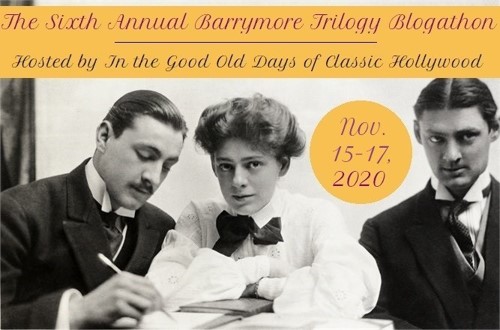
Word on the Street: New Trailers for Upcoming Hallmark movies + Official synopsis for next ‘Aurora Teagarden’ movie revealed

I’ll be honest, it hasn’t been easy finding movie news stories to discuss on 18 Cinema Lane. However, I am thankful when I come across news about Hallmark productions! While I did talk about stories revolving around Hallmark films last month, those projects were Christmas related. In this Word on the Street article, I will address Hallmark films that will premiere outside the Christmas season! With the ‘Fall Harvest’ line-up just around the corner, it’s common for viewers to see trailers rolled out as the weeks go by. My Word on the Street story will focus on the first new trailer for the line-up. Before the Christmas season begins, Hallmark Movies & Mysteries likes to air some new films during the Fall. This Word on the Street story will feature a discussion about two upcoming movies; with one receiving a trailer and the other receiving a synopsis. As I sometimes do, I will share my opinion on these pieces of movie news.

Poppy and chamomile pattern image created by Klyaksun at freepik.com. <a href=’https://www.freepik.com/free-vector/seamless-pattern-with-chamomile-and-poppies-flowers_1308007.htm’>Designed by Klyaksun</a>. <a href=”https://www.freepik.com/free-photos-vectors/background”>Background vector created by Klyaksun – Freepik.com</a>. Image found at freepik.com.

Two new trailers have been released from Hallmark; with one for a ‘Fall Harvest’ film and the other for an upcoming movie from Hallmark’s second network! The first one represents the Hallmark Channel movie Follow Me to Daisy Hills, which currently has a release date of September 19th. In the trailer, there were three scenes that featured good cinematography! These scenes revolved around a river during the autumn season. The acting from the leads, Cindy Busby and Marshall Williams, appeared stiff to me. However, this is not a reflection of their performances in the film, as the movie has not been released yet. I am disappointed that with a project called Follow Me to Daisy Hills, there were no daisies to be found. It makes me wonder why the film’s town is even called ‘Daisy Hills’ at all?

Horse with saddle photo created by Topntp26 at freepik.com. <a href=’https://www.freepik.com/free-photo/stallion-black-equine-race-sky_1104246.htm’>Designed by Freepik</a>. <a href=”https://www.freepik.com/free-photos-vectors/background”>Background image created by Topntp26 – Freepik.com</a>. Image found at freepik.com.

The other trailer is for one of Hallmark Movies & Mysteries’ newest titles, JL Family Ranch: The Wedding Gift. This movie is advertised on the main page of Hallmark Movies & Mysteries’ official website and boasts a release date of September 27th. As I look back on this specific trailer, I noticed how this movie feels like a complete tonal shift from its predecessor. From what I remember, JL Family Ranch was a gritty, modern western that had a certain amount of adrenaline and suspense. According to the trailer, however, the sequel is a heart-felt drama that focuses on family and second chances. Even the color scheme and lighting appear brighter than the first film.

Female detective image created by Brgfx at freepik.com. <a href=’https://www.freepik.com/free-vector/female-detective-with-magnifying-glass_1250814.htm’>Designed by Freepik</a>. <a href=”https://www.freepik.com/free-photos-vectors/background”>Background vector created by Brgfx – Freepik.com</a>. Image found at freepik.com.

Speaking of Hallmark Movies & Mysteries, an official synopsis for Aurora Teagarden Mysteries: Reunited and it Feels So Deadly has been posted on Hallmark Movies & Mysteries’ website! Below is the description for the movie:

“Aurora’s high school reunion turns deadly when a body is found in the hotel pool. Aurora and her Real Murders Club help investigate which classmate was most likely to kill.”

Even though the movie sounds interesting, I am disappointed that the “reunited” part of the film will not have anything to do with Aurora’s ex, Martin. In a Word on the Street story back in February, I wondered if Martin would return to the series, based on the film’s title. A dynamic that hasn’t been featured in a Hallmark Movies & Mysteries film before could have been found in this project. But I guess there’s always the next film. What I do wonder is if any mentions of Nick and Aurora’s engagement will be found within the script? Will we see any wedding planning in the film? If we do, it would continue the story’s overarching continuity.  

What are your thoughts on these pieces of movie news? Are you looking forward to any of the films I talked about? Share your thoughts in the comment section!

Have fun at the movies!

Sally Silverscreen
Here are the links if you want to check out each source:

https://www.hallmarkchannel.com/love-at-daisy-hills/videos/preview-follow-me-to-daisy-hills

https://www.hallmarkmoviesandmysteries.com/jl-family-ranch-the-wedding-gift/videos/preview-j-l-family-ranch-the-wedding-gift

https://www.hallmarkmoviesandmysteries.com/aurora-teagarden-mysteries-reunited-and-it-feels-so-deadly

Take 3: Ocean’s Eleven (1960) Review

Peter Lawford is an actor I was not familiar with prior to my participation in the 1st Annual Peter Lawford Blogathon. But, like I’ve said in past blogathons, I didn’t let this stop me to joining Kristen’s event! As I was looking through Peter’s filmography on IMDB, I discovered he had starred in the original Ocean’s Eleven. This is the movie I chose to review for the blogathon because of how rarely heist films are talked about on 18 Cinema Lane. Two years ago, I wrote a review for Logan Lucky when I participated in my very first blogathon. Anyone who has read that article would know how I did not like that film. Another point I’d like to make is how Frank Sinatra, Dean Martin, and Cesar Romero (who all appear in Ocean’s Eleven) starred in another movie I reviewed for a blogathon; Marriage on the Rocks. Like Logan Lucky, I was not a fan of the 1965 movie. With my review of Ocean’s Eleven, however, I’m hoping my luck will start to turn around!

Ocean’s Eleven (1960) poster created by Warner Bros. Image found at http://www.tcm.com/tcmdb/title/18360/Ocean-s-Eleven/#tcmarcp-196918.

Things I liked about the films:

The acting: As I said in the introduction, I have seen and reviewed Marriage on the Rocks. Three of the film’s stars, Frank Sinatra, Dean Martin, and Cesar Romero, reunite in Ocean’s Eleven! The 1960 picture allowed Dean and Cesar to work with acting material that was different from Marriage on the Rocks, with their performances appearing more dramatic. Meanwhile, Frank’s portrayal of Danny Ocean contained the same ease he displayed in the aforementioned 1965 movie. Ocean’s Eleven also introduced me to talent that I had never seen before, such as Peter Lawford and Sammy Davis Jr. What I liked about Peter’s performance was how he was able to adapt to any situation placed in his character’s path. Even though this was the first time I’ve ever seen Sammy act, I was impressed with the smooth confidence he consistently carried throughout the story! One thing that stood out to me was the on-screen chemistry among the cast! Every actor appeared to work well with each other and compliment their co-stars.

The differentiation among the casinos: In a movie showcasing five casinos, it’s important to differentiate these locations for the audience. This choice avoids confusion and prevents the casinos from blending in with each other. The various New Year’s Eve parties feature creative ways these facilities were able to set themselves apart! At the party in the Flamingo casino, pink balloons served as party decorations. Down the street at the Sands casino, blue balloons could be seen. The costumes of the on-stage performers also highlighted the differences between each location. Dancers wearing burnt orange and white checkered costumes were found at the Desert Inn. Meanwhile, black costumes were worn by dancers at the Sands.

The dialogue: For the most part, the dialogue in Ocean’s Eleven was smartly written and sounded clever! One example takes place during a conversation between Danny’s ex-wife and Sam Harmon. When she is talking about her relationship with her ex-husband, Sam responds by saying how Cloud 9 must have been boring. Another example of smart writing happens when Josh Howard to talking with one of the members of Danny’s group. In their conversation, they talk about bravery. Josh shares that being brave doesn’t make someone invincible. These two examples I shared show how there was effort placed in the script.

The 1st Annual Peter Lawford Blogathon banner created by Kristen from KN Winiarski Writes. Image found at https://knwiniarski.com/peter-lawford-blogathon/.

What I didn’t like about the film:

A dialogue heavy first half: Every heist movie sets aside time to lay out the plans for the heist. While the first half of Ocean’s Eleven does feature these plans, it also included explanations of why the members of Danny’s group wanted to pull off the heist. The first half of the story featured explanations of the characters’ personal issues as well. This caused the movie’s entire first half to be dialogue heavy. If some of these explanations had been shortened or cut, it would have presented the heist sooner.

A “bait and switch” third act: With a movie titled Ocean’s Eleven, the audience expects a good portion of the story to focus on the heist itself. While the planning and execution of the heist was shown, the story transitions its focus to Duke Santos and his investigation after the heist takes place. This creative choice made the third act seem like a “bait and switch”. It also caused this part of the story to drag a little bit, preventing the film from ending earlier than it did.

Too many characters: Despite the film containing an all-star cast, I felt there were too many characters in this story. There were times when I had difficulty keeping track of who was who. The large number of cast members also caused some actors to receive less screen time than others, with Red Skelton being one of them. When I saw his name on a casino marquee, I was given the impression he would perform a comedy sketch on the casino’s stage. However, Red was briefly featured in one scene where he was seen arguing with a casino employee. I wondered why this film’s creative team would recruit such a well-known star for such a small part, especially when Red Skelton’s claim to fame, comedy, wasn’t utilized?

Money image created by Freepik at freepik.com. <a href=’https://www.freepik.com/free-vector/bills-and-coins-in-isometric-design_1065328.htm’>Designed by Freepik</a>. <a href=”https://www.freepik.com/free-photos-vectors/business”>Business vector created by Freepik</a>. Image found at freepik.com.

My overall impression:

Ocean’s Eleven is the first film of Peter Lawford’s I have ever seen. But I have not seen the “Ocean” movies from the 21st century, so I cannot make a comparison. Despite all this, I found the 1960 movie to be a fine first impression! Unlike Logan Lucky, Ocean’s Eleven showcased a heist that was interesting, exciting, and even suspenseful. Clever dialogue and creative set design at each casino were worth seeing and listening. Even the acting was solid, not just from Peter, but from the cast as a whole! However, there are factors that held Ocean’s Eleven back from being a stronger film. While I liked the dialogue, I found the movie’s first half very dialogue heavy. There were also too many characters and the third act felt like a “bait and switch”. But I still thought it was better than Logan Lucky and Marriage on the Rocks. If Kristen brings this blogathon back next year, it’ll be interesting to see what I choose!

Overall score: 7.2 out of 10

Have you seen any of the “Ocean” movies? Which film of Peter Lawford’s would you want to check out? Please share your thoughts in the comment section!

Have fun at the movies!

Sally Silverscreen
Take 3: The Death of Poor Joe (1901) Review (A Month Without the Code #5)

As Pure Entertainment Preservation Society’s A Month Without the Code comes to a close, I wanted to review a movie that served as the grand finale. Since I found every movie I reviewed so far to be just ok, I knew whichever film I chose had to be memorable in some way. The more I think about my choice, the more confident I feel it will leave an impression. The Death of Poor Joe is not only the oldest film I have written about, it is the shortest film featured on 18 Cinema Lane! This movie is a minute long, revolving around the death of Joe from Bleak House. I read this book several years ago, with Joe being my favorite character. I’m not going to lie; I was not a fan of Charles Dickens’ decision to have Joe die in the story. But after reading Oliver Twist, I gained an understanding for why that decision was made. The Death of Poor Joe also serves as an important piece of film history. It is the oldest existing adaptation of any work from Charles Dickens. It is a former lost film as well, with a curator from the British Film Institute, Bryony Dixon, finding the film in 2012.

This is a screenshot from my phone of the film’s image. It is the closest thing to a film poster I was able to find on the internet. Screenshot taken by me, Sally Silverscreen.

Things I liked about the film:

The acting: As I said in my Wild Oranges review, the actors in a silent film have to rely on body language, facial expressions, and actions/behaviors to portray what their characters are saying and feeling. Laura Bayley, the actress who is cast as the titular character, does a great job using these acting techniques to show what her character is experiencing. Right before Joe dies, the audience sees him looking toward the sky and holding his hands in a praying position. This tells them that Joe is begging God for mercy. The only other actor in this film is Tom Green, who portrays a police officer. Similar to Laura’s performance, Tom also utilized body language, facial expressions, and actions/behaviors in his favor. When the police officer first encounters Joe, he is seen pointing at the protagonist and waving his hand. These gestures indicate the police officer telling the young boy to move off the sidewalk.

The costume design: Another important piece of a silent film is costume design, as this specific component can help express character development. Though the movie’s costume designer is unknown, I was impressed with the costume design I saw! Both outfits, Joe’s and the police officer’s, appeared historically accurate and fit each characterization. They were also distinct, allowing the characters to contrast one another. The police officer can be seen wearing a dark suit and a top hat. This ensemble signifies the police officer’s importance and social standing within that time period. Meanwhile, Joe is shown wearing a shirt and pants that are torn and ragged. Joe’s outfit reminds the audience of how he lacks a parental figure who will look out for his best interests.

The use of snow: I don’t remember if it was snowing when Joe died, as it has been several years since I last read Bleak House. In this short film, however, I like how snow was incorporated into the characters’ surroundings! Snow has a consistent presence in this story, as it covers the ground and top of the wall behind Joe and the police officer. It can also be seen falling from the sky. Because of the black-and-white presentation of the movie, the snow helps create an image that is haunting. The presence of snow instills a feeling sadness as well, warning the audience that an uncontrollable fate is about to take place in the story.

A Month Without the Code Blogathon banner created by Tiffany and Rebekah Brannan from Pure Entertainment Preservation Society. Image found at https://pureentertainmentpreservationsociety.wordpress.com/2020/07/27/announcing-amonthwithoutthecode2020/.

What I didn’t like about the film:

Lack of title cards: Most silent films feature title cards, which help give context to what is happening on screen. This staple of silent movies was absent from The Death of Poor Joe. Audience members who are not familiar with the source material might wonder why they should care about the characters. There is no preparation leading up to Joe’s death, as the event itself happens in mere seconds. If title cards had been included in this film, it may have resolved some of these issues.

No music: Music can strength a movie’s tone and set the mood for the story. But music was excluded from The Death of Poor Joe, causing the film to be very silent. While the narrative itself is sad, music could have enhanced the movie-viewing experience. Dramatic sounds from a violin or a somber piano tune could accompany the visuals well. Certain beats might match up with specific events, promoting a sense of musicality. I know live music would play during a silent film if it were presented in a movie theater. But I wish music was added to The Death of Poor Joe.

A shorter run-time: In this review’s introduction, I mentioned how The Death of Poor Joe was a minute long. Even though I knew this was a short film, I still feel it should have received a longer run-time. Pieces of Joe’s and the police officer’s backstory could have been included in the movie. The audience might be able to spend more time with Joe as a character, which would have made his death more heartbreaking. Seeing how the police officer deals with Joe’s death is an interesting concept to think about. Because The Death of Poor Joe’s run-time was only a minute long, it limits how much story was allowed to be told.

Sketch of London image created by Archjoe at freepik.com. <a href=’https://www.freepik.com/free-vector/hand-drawn-houses-of-parliament_1133950.htm’>Designed by Archjoe</a>. <a href=”https://www.freepik.com/free-photos-vectors/background”>Background vector created by Archjoe – Freepik.com</a>. Image found at freepik.com.

My overall impression:

The history of The Death of Poor Joe might be more interesting than the film itself. In its 119-year lifespan, the film gained the mysterious title of “lost film”. This status has been placed on the project for about 66 years. Eight years ago, the movie received a new title: found. As someone who has taken an interest in lost media, I am grateful for Bryony Dixon’s and the British Film Institute’s efforts to preserve The Death of Poor Joe! As for the film itself, I thought it was fine. The story was straight-to-the-point and the production quality was impressive. However, I wish the film was longer. As someone who has chosen Joe as their favorite character from Bleak House, it would have been nice to see his story fleshed out more. Music and title cards also would have added to the movie-viewing experience as well. Joe’s on-screen death is the only thing that would need to change if this was a Breen Code era film. While this event is an important part of the story, it would need to meet Breen Code standards.

Overall score: 7 out of 10

Have you seen any adaptations of Charles Dickens’ work? Are there any found films you’d like to see? Let me know in the comment section!

Have fun at the movies!

Sally Silverscreen

Take 3: A Matter of Time Review (A Month Without the Code #4)

Because I’m participating in Pure Entertainment Preservation Society’s A Month Without the Code and the 5th Wonderful Ingrid Bergman Blogathon, I wanted to review one of Ingrid’s films from outside the Breen Code era. On her IMDB filmography, the 1976 movie, A Matter of Time caught my eye. After reading the synopsis, I chose this film as my submission for the blogathon! I was able to watch the movie through a series of videos from the Youtube channel, BroadwaytoRio. The film was broken down into ten parts, each video about ten minutes long. Prior to these blogathons, the only movies of Ingrid Bergman’s I have seen are Casablanca and Gaslight. Both of these films were not only released in the ‘40s, they were also released in the Breen Code era. As this is the first time I’m reviewing a post-1954 movie of Ingrid’s, it’ll be interesting to see how A Matter of Time differs from her two previously mentioned films!

A Mater of Time poster created by American International Pictures. Image found at https://www.imdb.com/title/tt0074878/mediaviewer/rm3625653248.

Things I liked about the film:

The acting: Since I chose to review this movie for the Ingrid Bergman Blogathon, I’m going to talk about her performance first. Ingrid’s role in A Matter of Time is different from her other roles I’ve seen so far. In this film, she carried herself with a sense of power and authority, demanding the audience to focus their attention on her. At the same time, she held mystery and sorrow close to her character’s heart. In the scene where Ingrid’s character, the Contessa, is talking to her ex-husband, she brings so much emotion during the conversation, that the scene itself feels earth-shaking. Even toward the end of her acting career, Ingrid still had what it took, acting wise, to carry a film! Last October, I reviewed the 1991 film, Stepping Out. While watching A Matter of Time, I immediately noticed how Liza’s character was different from the one she portrayed in the aforementioned ‘90s film. Nina, the protagonist of this story, grew as a person over time. She transformed from a timid young woman to someone who knew what she wanted in life. One scene shows Nina having a disagreement about the Contessa with a screenwriter. During this scene, she breaks out of her timid shell to defend her friend. It causes a fire to break forth from Nina, something the audience hadn’t seen up until that point. Similar to Ingrid’s performance, Liza’s portrayal of Nina in that scene was so powerful, it made this character a force to be reckoned with. The emotionality was very strong in Liza’s performance!

The scenery: Even though most of this movie takes place indoors, it did feature some nice scenery! A scene where Nina travels to the city showcases some of the sights of Rome and Venice, where A Matter of Time was filmed. Through her bus window, monuments and mammoth sized buildings are set against a clear, blue sky. Earth tone limestone covered some of the facilities, contrasting the black concrete roads leading to them. More sights from Rome and Venice could be seen in a montage where Nina goes sightseeing. Shots of the city’s landscape emphasis the large scope of this particular location. Statues served as everlasting art that patrons could enjoy in any season. Even some foliage was included in this montage, with red-ish trees located near a ledge and around a town center. These shots highlighted some of the most photogenic parts of these cities, potentially encouraging some viewers to plan their next vacation!

The messages and themes: While I wasn’t expecting A Matter of Time to contain relatable messages and themes, I appreciate their inclusion in this story. They were timeless and felt just as relevant now as they did in the mid to late ‘70s. One message revolved around being yourself. Even though this particular message has been shared on numerous occasions, it was nice to hear it coming from the Contessa. It was given as wisdom to Nina, in an effort to help her create her own path in life. An unexpected theme in A Matter of Time was mortality. Throughout the movie, the Contessa refuses to share her life story, saying, “My life belongs to me alone. I tell it only to myself”. She also says, “No one is dead. No one dies unless we wish them to”. These quotes speak volumes about the importance of a life story and the effort of keeping a person’s memory alive. It also reminds viewers how long life can feel, even when time seems so short.

The 5th Wonderful Ingrid Bergman Blogathon banner created by Virginie from The Wonderful World of Cinema. Image found at https://thewonderfulworldofcinema.wordpress.com/2020/06/12/announcing-the-5th-wonderful-ingrid-bergman-blogathon/.

What I didn’t like about the film:

Lack of magic: There was a crawling text at the beginning of the film. In this text, it says “What you are about to see may appear like a fairy tale…as we all know some fairy tales come true”. The text also says that Nina experienced a “magic moment”. This gave me the impression that A Matter of Time would be a modern fairy tale, similar to a film like the Hallmark production, Midnight Masquerade. If that was the creative team’s intention for the 1976 movie, they forgot one important ingredient: magic. In a modern fairy tale story, there needs to be a sense of whimsy or magic included in the narrative. The Halloween party in Midnight Masquerade showcases how a feeling of magic can be incorporated into a modern setting. A Matter of Time does not contain that feeling. If anything, it feels more like a drama than a fantasy. The movie makes it seem like Nina was conveniently at the right place and time instead of stumbling across a bit of magic.

The dream sequences:  Dream sequences appeared at certain points in the movie. These sequences were elaborate in nature, showing Nina living a life of glamour and luxury. While the dream sequences looked nice, I found them confusing. There was no distinction if they were dreams or future events from Nina’s life. Smooth transitions were not given to these scenes, making it feel like they were plunked into the story. I understand the dream sequences were meant to add some pizzazz to the overall picture. But their randomness prevented them from making a significant impression.

Grainy film quality: I know the quality of film from the 1970s is going to be different by today’s standards. Since that time period, technology and film-making have progressed tremendously. The presentation of A Matter of Time was grainy, making the production look like it hasn’t aged as well as other movies from the ‘70s. Because of the overall film quality, there were times when I had difficulty seeing characters’ facial expressions. I’m not sure if the videos I watched were recorded from a VHS tape or if that was the movie’s original presentation. But it’s not a good sign if I have trouble seeing what’s on screen.

A Month Without the Code Blogathon banner created by Tiffany and Rebekah Brannan from Pure Entertainment Preservation Society. Image found at https://pureentertainmentpreservationsociety.wordpress.com/2020/07/27/announcing-amonthwithoutthecode2020/.

My overall impression:

To me, A Matter of Time is an ok film. It has components of value; which are strong acting performances, nice scenery, and relatable messages and themes. However, the story is one that audiences have heard before and after the film’s 1976 release. Stories are inevitably going to get repeated over the course of time. When this happens, it’s important for a film’s creative team to find something that sets their project apart. With A Matter of Time, nothing new or unique is offered to the table. It feels like the overall production is ignoring their own message of being yourself. Even though this was a theatrically released project, it came across like a made-for-TV movie with a slightly higher budget. This statement is not made to disrespect television films, as there have been some good ones created over the years. What I mean is the presentation of this movie didn’t justify a theater release. Even though A Matter of Time has a PG rating, there are some pieces that would not appear in a Breen Code era film. These pieces are the following:

  • Some of the language in this script would be objectionable by Breen Code standards. There were times when the characters either swore or used God’s name in vain.
  • Some sexual references were made throughout the story, from Nina referring to a specific body part to a screenwriter wanting to create a violent scene for his upcoming movie.
  • A screenwriter named Mario attacks Nina while she is cleaning his room. Though he is acting out a scene from his script, the act itself would never appear in a Breen Code era movie.
  • Nina wears three dresses that have a low neckline. Even though one of these dresses is paired with a sweater, the sweater is never buttoned up.
  • There are two scenes where it is implied that Nina is not wearing any clothes. One of these scenes is briefly shown during a montage, showing a profile of Nina from her shoulders upward. The second scene shows Nina changing from one outfit to another. Only her back and her shoulders are visible.

Overall score: 6 out of 10

Have you seen any movie from Ingrid Bergman’s filmography? Which actress would you like to see receive their own blogathon? Feel free to share your thoughts in the comment section!

Have fun at the movies!

Sally Silverscreen