I’m not going to lie, I don’t have a movie in my life that I would consider “so bad it’s good”. But, because of my involvement in the So Bad It’s Good Blogathon from Taking Up Room, I wanted to find that film that I could finally call “so bad it’s good”. For this review, I could have chosen a film that has a reputation for being “so bad it’s good”. However, just because other people say that a movie is “so bad it’s good” doesn’t necessarily mean I would feel the same way about that movie. So, I approached the topic with this mindset: find a movie that might be less-than-stellar but has qualities about it that are redeemable. When I thought about a film that could fit these criteria, my first thought was a Don Bluth film that hasn’t been well remembered. One of my favorite movies is Anastasia from 1997. Don Bluth’s animation style is one of the things that make that movie so memorable. But I know that not all of Don Bluth’s films were created equally. With that said, I have chosen All Dogs Go to Heaven 2 as my pick for this blogathon! Since I’ve only seen half of the first film and bit and pieces of its sequel, I coordinated a double feature so I could figure out if All Dogs Go to Heaven 2 is “so bad it’s good”. Even though it had some flaws, I thought that All Dogs Go to Heaven was a good film. It also gave me some perspective as to what I could or could not expect from All Dogs Go to Heaven’s successor. Now that I have revealed which movie I’m reviewing, it’s time to see if All Dogs Go to Heaven 2 is truly “so bad it’s good”!
The animation: Even though Don Bluth was not involved in the production of All Dogs Go to Heaven 2, I still liked the animation within the film. Like in the first movie, there was a good balance between dark and bright colors. A good example of this is during the movie’s climax, when the darkness of the prison is balanced out with the bright red of the villain and the bright pink that came from Heaven. I also thought that the quality of the animation was sharper than in the first film. Even though the animation was good in All Dogs Go to Heaven, it was softer in terms of the lines and shape of characters, buildings, and landscapes. In the sequel, this softer style of animation was just reserved for landscapes.
Revisiting the characters of Charlie and Itchy: When it comes to sequels, one of the best parts is seeing familiar faces from the previous film. A highlight of All Dogs Go to Heaven 2 was having Charlie and Itchy return from the first movie! Their involvement in the sequel’s story helped provide some continuity between the two films. It was also nice to see both of these characters receive more character development. While in San Francisco, Charlie shares a memory of his youth with a new character named David. Not only did David learn more about his friend, the audience got to learn more about Charlie. Moments like this help characters like Charlie and Itchy gain more likability.
The villain: As I was watching All Dogs Go to Heaven, I noticed that one of the flaws of the film was Carface. While he was a good villain, Carface wasn’t as strong of a villain as the movie wanted him to be. He seemed to show up in the film only for plot convenience, which made him not as big of a threat to the protagonists as he could have been. In All Dogs Go to Heaven 2, the villain was a cat named Red. To me, this villain was scarier than Carface, even upstaging Carface’s villainy. No matter if Red was on or off-screen, the sense of dread and doom was always there. Even his transformations in the film were pretty terrifying. This helped make Red an even bigger threat to Charlie, Itchy, and their friends.
No references to the first movie: Something that I look for in a sequel is how the story connects to its predecessor. Unfortunately, All Dogs Go to Heaven 2 didn’t really make an effort to address the events of the first film. One example of this is the absence of Anne-Marie. In the previous movie, Anne-Marie played a significant role within the overall story. Her friendship with Charlie and Itchy was depicted as being very meaningful. But in the sequel, when Itchy joins Charlie in Heaven, Charlie does not ask about Anne-Marie’s whereabouts. Because these important details were ignored, it almost seemed like everything that happened in the first movie meant nothing.
A rehashed story: The overall narrative of All Dogs Go to Heaven 2 felt like it copied some of the key plot points from the first film. David’s involvement in the sequel is a good example of this. Similar to Anne-Marie, David spends the majority of the film by himself. Charlie not only befriends the child protagonist in both films, he also helps them find their family. At one point in their respective films, Anne-Marie and David get taken by Carface. These coincidences made this story feel like it wasn’t as creative as it could have been.
The main plot being an afterthought: In All Dogs Go to Heaven 2, the primary plot was about Charlie and Itchy going back to Earth in order to retrieve Gabriel’s Horn. But as I watched the film, it seemed like the story focused more on the whereabouts of David than returning Gabriel’s Horn back to Heaven. The audience doesn’t see the consequences of not having Gabriel’s Horn until the climax of the film. After the initial loss of Gabriel’s Horn, it doesn’t show up in the film again until the half-way point. While this part of the story was an interesting way to continue the overall narrative, it felt like more emphasis was placed on recapturing the magic of the first film.
As a movie, I thought All Dogs Go to Heaven 2 was just ok. As a sequel, this movie felt very unnecessary. Instead of complimenting or adding to the previous chapter, All Dogs Go to Heaven 2 almost rejected everything that came before it. All Dogs Go to Heaven ended on such a good, definitive note. This made for a memorable and enjoyable stand-alone film. As I mentioned earlier, the sequel made the events in the first movie feel like they meant nothing. However, I do think that the creative team behind All Dogs Go to Heaven 2 had their hearts in the right place. We did get to see Charlie and Itchy again, as well as being introduced to new characters. The animation was good and so were the songs. While I wouldn’t call the sequel “so bad it’s good”, I don’t think it’s as enjoyable as the previous film.
Overall score: 6 out of 10
What are your thoughts on my review? Which movie do you think is “so bad it’s good”? Share your thoughts in the comment section!
This editorial was written before Valentine’s Day.
Ah, Valentine’s Day. A day when the general theme of love is celebrated. The colors of red and pink are a signature staple whenever February 14th comes around. Hearts are the official shape of the holiday, sometimes filled with candy. This special day is usually known as a happy occasion, a time we can set aside to show the people around us how much we truly care about them. Movie fans sometimes take part in Valentine’s Day festivities by talking about their favorite cinematic couples, sharing their opinions on why they think these relationships are romantic and using a selection of movie quotes and scenes to prove their point. However, we movie fans know that not every cinematic relationship is a healthy one. Some of them are down-right toxic. In this editorial, I will be talking about a cinematic relationship that I, personally, feel is very problematic. By looking at the title, you might already know which on-screen couple I will be talking about. Last October, when I reviewed Queen of the Damned, I mentioned that, to me, Lestat and Akasha’s relationship was one of the most problematic relationships I’ve ever seen in a movie. However, I was only able to briefly explain why I feel this way. Because of my involvement in the Ultimate 2000s blogathon, I now have a chance to explain, in detail, why this particular cinematic relationship is not a healthy one. Before I begin this editorial, I would just like to say that I am only creating this post out of pure honesty and based on my opinion. I am in no way creating this post to be mean-spirited or be negative toward anyone’s cinematic preferences/opinions. In this editorial, I will specifically be referencing the characters and story from the Queen of the Damned film. I will be bringing up specific scenes and quotes in order to prove my point. Now, let’s talk about why Lestat and Akasha’s relationship is problematic by looking at five key areas: lack of consent, lack of communication, a power imbalance, intentional harm toward a significant other, and a not-so-loving significant other.
One of the most important components to any romantic relationship is consent. Asking someone’s permission and making sure that both members of a relationship are comfortable before putting themselves and each other in any situation is usually seen as a sign of how much the other person cares for the one they love. Unfortunately, Lestat and Akasha’s relationship is lacking in this department. In my Queen of the Damned review, I mentioned that Akasha is the one who controlled the relationship, using the analogy of Akasha driving a car and Lestat being stuck in the passenger seat. This is not only true, but it’s also important to keep this truth in mind when discussing these five key areas of Lestat and Akasha’s problematic relationship. The first instance of Akasha not asking for Lestat’s consent happens at his concert. During a performance at his concert, a group of vampires climb up on stage and try to hurt Lestat. Marius tries to fight off these vampires in order to protect Lestat, but eventually he and Lestat are surrounded by even more vampires. While Akasha shows up, in the middle of the concert, and defeats these vampires, she ends up taking advantage of the situation. Akasha crashes through the stage (as if the concert were her own, making a showstopping entrance in the process), takes Lestat against his will, and leaves. We, the audience, never see her ask Lestat if he wants to go anywhere with her or if he even wants to leave his concert. In fact, we never see Akasha make an effort to contact Lestat and make plans with him ahead of time. While Akasha took away Lestat’s chance to choose whether or not he wanted to leave, this is not the last time Akasha refused to ask for his consent.
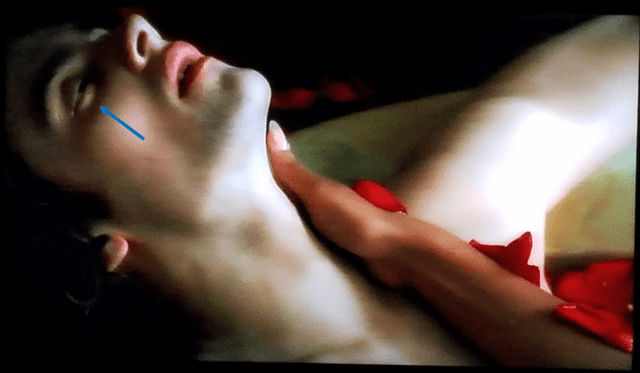
After Akasha and Lestat leave his concert, they arrive at her house. During their conversation, Akasha briefly mentions her deceased husband. When Lestat asks Akasha about her late husband’s whereabouts, she tells him, “He’s no more. Now you are my consort”. Here, Akasha is not only forcing Lestat to be her new husband, but also forcing Lestat into a marriage that he has very little interest in being a part of. Once again, Akasha chose not to ask Lestat if he was ok with being in a relationship with her or if he wanted to be married to her at all. She refuses to give him a choice or a chance to voice his concerns. After this conversation, Lestat and Akasha have an intimate moment with each other in a tub filled with water and red rose petals. We, the audience, don’t see Akasha asking Lestat if he’s comfortable with the situation or if he even wants to be in the situation. During this scene, it appears, at times, that Lestat is comfortable sharing this intimate moment with Akasha. However, there are a few times when Lestat appears as if he’s slipping out of consciousness. While body language can be helpful in figuring out what someone wants or needs, body language only tells a part of the story. It seems as if Akasha only relied on a select portion of Lestat’s body language in order to receive the message she wanted to hear. Whenever Lestat appears to be slipping out of consciousness, Akasha never addresses Lestat’s reaction or asks him if anything is wrong. She just acts like nothing out of the ordinary is happening.
If you focus on Lestat’s eye in the picture (highlighted by the blue arrow), it appears that it is very close to closing. His eye also shows that Lestat is not focusing on the situation that he is a part of. Screenshot taken by me, Sally Silverscreen.
Lack of Communication
A necessary component that is interwoven with consent is communication. In a romantic relationship, words are needed to share feelings, address concerns, and build/strengthen a bond. As I mentioned before, Akasha is the one controlling her relationship with Lestat. Therefore, she is controlling their conversation. During their first conversation at her house, Akasha is talking at Lestat and not to him, leaving very little room for Lestat to contribute to their conversation. In fact, half of this conversation is about Akasha. For example, when she tells Lestat about things she has observed about him, she says “You live your life in the open, like I did”. After she tells Lestat that he is now her husband, Akasha tells him “That’s why I kept you safe. Alive”. It seems like Akasha always finds a way to insert herself into the conversation. She doesn’t want to bother with Lestat’s perspective on anything. It is clear that Akasha is not interested in participating in an equally balanced conversation between her and Lestat.
It’s also important to observe how Akasha talks about Lestat. She mostly refers to him as “my love” or “my king”. However, she only addresses Lestat by his name on less than three occasions. Based on this observation, it appears that Akasha wants to highlight her connection to Lestat, almost as if she holds a sort of ownership over him. During the film’s climax, when Lestat is drinking some of her blood, Akasha tells the other vampires in her presence “You see how he obeys me”. In that sentence alone, Akasha not only refuses to address Lestat by his name, but it also seems like Akasha does not see Lestat as an equal sigfinicant other to her, but instead something she feels she can control.
In a healthy relationship, both members should be equal to one another. Any type of power should be shared amongst each other and a balanced amount of control should be given to each member of that relationship. Unfortunately, this is not the case for Lestat and Akasha’s relationship. Because Akasha is a queen and one of the first vampires ever created, according to Queen of the Damned, Akasha feels she has the right to do, say, act, and treat others whatever and however she wants. This is why Akasha is the one controlling her relationship with Lestat, because she feels she is the most important and powerful vampire in that particular cinematic world. In the morning, after Akasha takes Lestat to her house, she tells him “This is but a taste of what we shall share, my love. My king. Behold our kingdom”. However, Akasha purposefully leaves him out of the process of building their “kingdom”. Lestat wakes up all alone and, later, finds several dead mortals at the pool and on the beach. He has no idea where Akasha is until she shows up minutes later. During this conversation, Lestat appears to be unhappy with what Akasha is telling him, even looking disgusted when Akasha talks about the dead mortals on her property. In their relationship, Lestat and Akasha never make any decisions together, don’t discuss any matters of importance, or comtemplate Lestat’s new “title”. It honestly feels as if Lestat and Akasha aren’t on the same page, let alone the same book.
Because of Akasha’s title and her amount of control in their relationship, it appears to be negatively affecting Lestat as a person. Earlier in the film, Lestat is interacting with two female fans. When one of the fans tries to physically take adventage of him, Lestat pushes her hands away and tells her “Don’t do that”. Since there was no power imbalance present in this interaction, Lestat appeared comfortable addressing this fan’s error in not asking for his consent. In his relationship with Akasha, Lestat says very little to her. In the two conversations they had at her house, Lestat only asks short questions. At Marahet’s house, during the film’s climax, Lestat mostly stays silent, more often than not speaking when someone is addressing him. During their intimate moment in the rose petal filled tub, Lestat doesn’t say a word to Akasha, even when she bites his chest. Based on his reaction, it seems like Lestat was negatively affected by her actions. But he doesn’t speak up about these actions to Akasha. It’s hard to tell if he is remaining quiet out of fear or to play along with Akasha’s plan in order to defeat her. Throughout their relationship, the audience doesn’t receive any voice-overs from Lestat like in previous scenes within this film.
In this photo, Lestat is clearly not pleased with what Akasha has said and done regarding the dead mortals on her property. Unfortunately, Akasha doesn’t seem to want to address Lestat’s feelings about the situation. Screenshot taken by me, Sally Silverscreen.
Intentional Harm toward a Significant Other
When we think of a typical, healthy relationship, we think of significant others who treat each other with kindness and respect. Images of loving actions, such as hugging and snuggling on the couch, sometimes come to mind. In Lestat and Akasha’s relationship, we never see them perform loving actions toward each other, such as hugging. Even though they have an intimate moment on two separate occasions, both of them involving a lot of kissing, that is the closest thing to a loving action we see throughout their relationship. During Lestat and Akasha’s intimate moment in the rose petal filled tub, Akasha decides to bite Lestat’s chest. This causes him to flinch in pain and have a bloody wound on his chest. Akasha, however, does not seem to care that she has physically hurt her “husband”. Instead, she continues to kiss Lestat as if nothing ever happened. Lestat also never mentions this incident to Akasha or anyone else. The next day, at Maharet’s house, Lestat drinks some of Akasha’s blood. When Akasha is trying to make Lestat stop, she physically pushes him to the point of, practically, throwing him. This causes Lestat to fall on cement stairs. Fortunately, Lestat does not appear to receive any injuries from this incident. As for Lestat, the only thing closest to a harmful action toward Akasha happens on two occasions; a) When Lestat is drinking her blood, but in this situation, he is pretending not to stop in order to provide a distraction so the other vampires can have a chance to defeat Akasha and b) When Lestat drinks Akasha’s blood again, but this time, to protect himself and the others at Maharet’s house from Akasha’s dangerous and villainous ways.
If you look inside the blue circle in the picture, Akasha’s act of biting Lestat’s chest caused him to be wounded. Even though it’s a little difficult to see, you can still tell that Lestat’s wound looks like it needs some sort of medical care. Screenshot taken by me, Sally Silverscreen.As you can see in the photo, those stairs look like they are made of rough cement. Though Lestat didn’t receive any injuries from falling on these stairs, he could have gotten painful scrapes and bruises. Screenshot taken by me, Sally Silverscreen.
A not-so-loving significant other
For any romantic relationship, there needs to be a significant amount of love between those two people. A true love where both individuals love that person for who they are as well each other’s characters is an important ingredient. In Lestat and Akasha’s relationship, however, it never feels like they truly love each other. Because Lestat was forced into the relationship by Akasha, it doesn’t seem like he is invested in the relationship. Meanwhile, Akasha claims to love Lestat, but her reasons for loving him make one wonder if her intentions are self-centered. Earlier in Queen in the Damned, Akasha visits a vampire bar. When she arrives, she sees Lestat on television. When a patron at the bar asks if she likes Lestat, Akasha replies by saying “He reminds me of someone”. Days later, when Akasha forcibly takes Lestat to her house, she tells Lestat “Now you are my consort. That’s why I kept you safe. Alive”. As Lestat asks her if she really did save him at his concert, Akasha asks him “You thought it was all you” and then says “The ego of a king as well”. Based on what Akasha has said, it seems like she loves Lestat because he reminds her of her deceased husband. Though she never directly tells Lestat or anybody this, it is left to be assumed by the audience.
During their relationship, Akasha doesn’t really make an effort to get to know Lestat. In fact, she assumes she knows enough about him in order for their relationship to work. In their first conversation at her house, she tells him “all your wishes are come true”. When Lestat asks Akasha to specify what wishes she’s referring to, she tells him “For a companion. To share eternity”. Prior to this interaction, Lestat never mentioned anything about wanting or needing a companion. In fact, when Marius visits Lestat in Los Angeles, he tells Marius “I only have myself. You taught me that”. Also, during Akasha and Lestat’s first conversation at her house, she tells him “You’re bold, like your music” and “I know you, Lestat. I know that you crave to have the world at your feet”. Two things happen because of Akasha’s assumptions. The first thing is Akasha is basing her knowledge of Lestat on the image he’s presented as a musical performer. She’s only listened to a few of his songs, seen him on television once, and interrupted his concert. The musical side of Lestat is only a small part of him, so Akasha does not have as much information about him as she thinks she does. The second thing is Akasha assumes she knows what Lestat wants. Throughout the film, Lestat has said that he wants to walk in the light and not hide in the shadows. But, because Akasha does not take the time to ask Lestat what he wants, she gives him a royal title that he did not want or ask for. In Lestat’s case, he knows enough about Akasha to know what kind of a person she is. All of his knowledge of her comes from Marius, after Lestat stumbled across Akasha’s statue-esque being in Marius’ house. While in Los Angeles, Marius shares with Lestat that not only has his music woken Akasha up, but that she also killed her husband and took his blood and powers.
As I’ve said before, Akasha is the one controlling this relationship. This causes her to feel like she can do and say whatever her vampire heart desires. Despite the fact that she is the film’s villain, she doesn’t seem to have any trace of kindness or empathy toward others. At Maharet’s house, during the film’s climax, Akasha asks Lestat if he loves her. When Lestat says “Yes”, Akasha says “Then prove it” and orders him to kill Jesse, a woman that Lestat not only knows quite well, but also would rather be in a romantic relationship with. If two people love each other, they do not need to prove anything to the other person. Their actions and choices should speak for themselves. By Akasha forcing Lestat to prove his “love” for her by hurting someone else shows that Akasha doesn’t really think that highly of Lestat or anybody that he personally knows. If their relationship was healthy, Lestat’s love for his significant other would be enough proof that he cares about that person. It seems no matter what Lestat does or says, it will never be good enough for Akasha.
If you look at Lestat’s eye (highlighted by the blue arrow), you can see that he looks sad about being forced to hurt Jesse. It also seems like he is sad about the way he is treated by Akasha. Screenshot taken by me, Sally Silverscreen.
While Lestat and Akasha’s relationship is very problematic, it fortunately does not last long. Lestat and the other vampires at Maheret’s house are able to successfully defeat Akasha. This allows Lestat to escape this toxic relationship and enter a healthy, romantic relationship with Jesse. When I’ve read reviews for Queen of the Damned, no one had brought up Lestat and Akasha’s horrible, but short-lived relationship. It also doesn’t help that this film’s marketing campaign paints their relationship in a very different light. On the film’s poster, Lestat and Akasha are the only two people featured in the image. In the trailer, not only are Lestat and Akasha the only two characters who are prominently featured, but the movie’s footage and the voice-overs are set up in a way that makes it seem like Lestat chose to be in a relationship with Akasha and had contemplated turning to the dark side. As my editorial and the film itself shows, this is far from the truth. Even though movie fans would, probably, rather talk about the cinematic relationships worth rooting for, it’s important to take the time to talk about the not-so-healthy relationships in film. When observing these choices and behaviors, we movie fans and people in general can learn how not to treat others as well as leading a better example in our own real-life relationships, whether or not they’re romantic. It will not only make for a better Valentine’s Day, but also for better and many years to come.
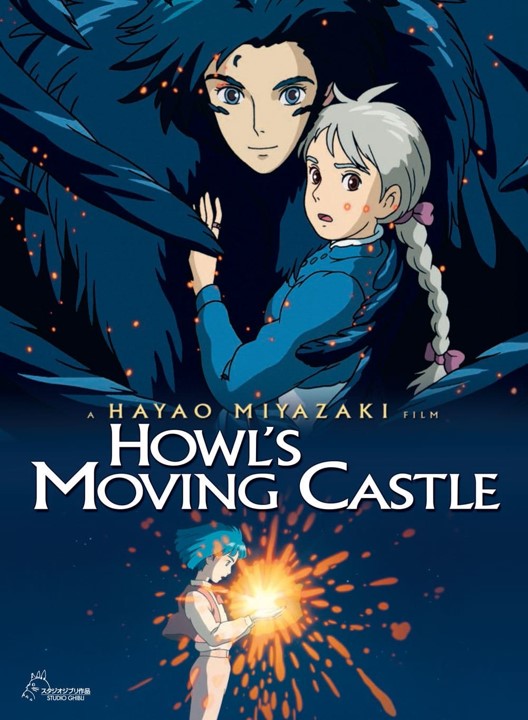
I’m not going to lie, I didn’t know who Jean Simmons was before I signed up for The Wonderful World of Cinema and Phyllis Loves Classic Movies’ 90 Years of Jean Simmons blogathon. So, I had to take a trip to Jean’s IMDB Filmography page. What I discovered was a voice acting credit for the film, Howl’s Moving Castle. Since I’ve never seen this movie and since no other blogathon participant was planning to talk about this movie, I decided to contribute to this blogathon by reviewing this film! Before watching Howl’s Moving Castle, I had seen three other Studio Ghibli films. These movies are Kiki’s Delivery Service, Ponyo, and Tales from Earthsea. I have enjoyed all three of these movies, so I had a feeling that Howl’s Moving Castle would be somewhat enjoyable. How does this movie compare with the other three? Fly through this review if you want to find out!
The characters: Like any movie, Howl’s Moving Castle has a cast of characters that are very unique from one another. Not only do these characters have their own distinct physical features, they also have their own personalities. A good example is Howl himself. He has characteristics that help him stand out from the other characters (his hair can change colors more than once) and has a personality that adds to the uniqueness of his character (he is a powerful magician who has his fears and insecurities, but doesn’t let these feelings show easily). These two major concepts make Howl an interesting character. They also help shape the rest of the characters in this film.
The animation: Studio Ghibli films are known for their artistic animation. Howl’s Moving Castle is no different, filling up the screen with exquisite creations. In fact, the animation in this movie was so good, it honestly looked like priceless art. Everything that was featured on-screen was very detailed, even down to the very look of Howl’s castle. I also liked how the use of color was applied to this film’s animation. The bright colors that were found in some scenes complimented one another and, for the most part, made these scenes feel cheery and light-hearted. Whenever darker colors were used in other scenes, it never looked dull or devoid of color. Instead, these colors accompanied the darker moments unfolding on-screen.
The humor: When I watched Howl’s Moving Castle, I knew there would be some light-hearted moments sprinkled throughout the film. However, I wasn’t expecting this movie to have as much humor as it did. There were several moments in this movie that I found to be genuinely funny. One of these scenes was when Howl was freaking out over his hair changing from blonde to orange. These scenes, as well as the other humorous moments in this movie, were not only well-written, but also well-executed.
Lack of exposition: While Howl’s Moving Castle had a basic story that was fairly easy to understand, I found this movie to have very little exposition. Characters were not really given fleshed out backstories and certain events within this story aren’t given a significant amount of explanations. Within this film’s narrative, there’s a war that happens which affects the characters’ environment. However, it is never explained why this war is taking place or how the war started. I was very frustrated by this flaw of Howl’s Moving Castle.
An underwhelming villain: This film actually has two villains and I found both of them to be very underwhelming. Not only were they not given strong backstories, but they weren’t given any villainous qualities that made them very memorable. Because of this, the only real sense of danger that was found within this story came from the war itself. When it came to the villains themselves, I did not find them to be threatening or scary. To me, both of these villains were wasted potential.
The run-time: Howl’s Moving Castle is approximately two hours long. This caused the story to feel more drawn out and a little bit too long. Because of this, I felt that the first half of the movie was stronger than the second half. In my opinion, I don’t think this particular story needed this long of a run-time. Having the movie be an hour and twenty or thirty minutes long would have worked better for Howl’s Moving Castle.
At best, Howl’s Moving Castle was decent. It was a fine movie-viewing experience and I enjoyed the film for what it was. However, out of the now four Studio Ghibli films I’ve seen, Howl’s Moving Castle was weaker than the previous three films. This movie does have its merits, but it also has its flaws. It felt like this story was trying to accomplish too much at once, causing some of the film’s meanings and messages to get lost in the shuffle. But, like I’ve already mentioned, most of these issues within the movie’s narrative come from the length of the run-time. I would suggest that people, especially those who haven’t seen this movie, give Howl’s Moving Castle a chance. However, if you have seen other Studio Ghibli films before watching Howl’s Moving Castle and if you really enjoyed those movies, you might want to lower your expectations.
Overall score: 7.1 out of 10
Have you seen any of Jean Simmons’ films? Do you like watching movies from Studio Ghibli? Let me know in the comment section!
Happy New Year, everybody! I have a feeling 2019 is going to be a great year for 18 Cinema Lane! Last year, my blog was more successful than I ever imagined. This is because of all of you, my readers and followers, who have played an integral role in making 18 Cinema Lane so great. From liking my posts and leaving comments, these simple, small gestures have not only helped build my blog’s success, but have also helped 18 Cinema Lane’s future. Here are the stats from last year to see how many triumphs this blog has achieved:
2018
Total blog posts: 132
Total followers: 52
(technically, I have 53 followers because I’m following my own blog)
Now that we’ve reviewed some of the major successes that 18 Cinema Lane achieved in 2018, it’s time for me to talk about some of the things that are coming up in my blog’s near future. I wanted to share these exciting pieces of news with you so that you can know what to expect in the upcoming months of this new year. Each piece of news with be broken down into four separate categories. Since I’ve now gotten through all the necessary introductions, let’s start discussing what new things are taking place in 2019!
Blogathons
If you have ever looked at the section on my blog’s home-page titled “Blogathons I Will Be Participating In!”, then you would see I will be participating in three upcoming blogathons! These blogathons are Pop Culture Reverie and In The Good Old Days of Classic Hollywood’s Made in 1938 blogathon, The Wonderful World of Cinema and Phyllis Loves Classic Movies’ 90 Years of Jean Simmons blogathon, and Taking Up Room’s So Bad It’s Good blogathon. Later this year, I will even be hosting my own blogathon! I will share more details about my blogathon either in April or May, but I will share that it will be movie themed. If you want to see what other blogathons I will be participating in throughout the year, just look in the right-hand side of my blog’s home-page under the title “Blogathons I Will Be Participating In!”.
A New Folder Tab
Speaking of blogathons, I will be moving all of my blogathon posts to a new folder tab titled “My Blogathon Folder”. When I first started my blog, I thought that blogathons were exclusive, invitation-only events. Therefore, I didn’t expect to be participating in as many blogathons as I have. Since my list of blogathon posts is growing, I feel it is time to place these posts in their own special section.
A Special Movie Awards
Next month will be 18 Cinema Lane’s first anniversary! In honor of this special occasion, I have decided to host a special movie awards! To determine the winners, I will allow my readers and followers to vote on each category. More details for these movie awards will be announced later this month, but I will say that Hallmark will be the overall theme.
What the Code Means to Me
In June, I will be participating in Pure Entertainment Preservation Society’s “What the Code Means to Me” series! This series is created to showcase different people’s perspectives about the 1930 Motion Picture Production Code. I’m not sure what exactly I’ll be writing about, but stay tuned for this post to be published this summer! You can visit Pure Entertainment Preservation Society’s blog for more information about this code and this series.
Now that Thanksgiving leftovers have been stored away in the refrigerator and Christmas shopping has officially begun, it’s time that I share some good news. Last week, I was nominated for The Blog Complainer’s Appreciation Award! This prize was created by The Blog Complainer (a.k.a. Cameron), who nominated me as well. Thank you, Cameron, for not only creating this award, but also for nominating me! Here is the link to where this award began:
For this award, there are a set of rules that must be followed. These rules are:
Mention who made this award and who picked you
Name your top 5 (insert topic here)
Mention something about yourself
Complete a small Challenge
Nominate 4 people for this award
Since I’ve already completed step #1, I’ll now move on to step #2. Instead of talking about snacks (an example that was used in the original post), I’m going to share my Top 5 Best Hallmark movies I have seen this year (so far). Here is my list:
Royally Ever After
Cooking with Love
Wedding of Dreams
Love, of Course
Christmas at Pemberley Manor
For step #3, I will say that I am planning to create a special movie awards on my blog! These awards will correlate with 18 Cinema Lane’s first anniversary, so stay tuned! I’m also planning on hosting a blogathon in 2019! I will probably make an announcement in April or May of next year.
From December 3rd to 9th, Zoe, from the Youtube channel Readerbee, and Georgia, from the Youtube channel Reading Euphoria, are hosting a readathon called Cosyathon! My small challenge for this award will be to read two books for this readathon! These two books will count for three of the readathon’s challenges.
We have now arrived at the last step! The four bloggers that I will nominate for this award are:
Kaycee from Hallmark My Words
DM from Pointless Overthinking
The Soundtrack Man from Soundtrack Alley
K from K at the Movies
For steps 2 through 4, they have to be something movie related. If you need suggestions or questions answered, you can share your thoughts in the comment section below.
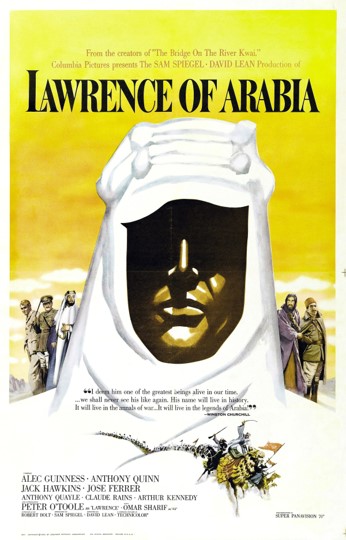
For Maddy Loves Her Classic Films’ blogathon, The World War One On Film Blogathon, I had originally planned on reviewing the movie, Sgt. Stubby: An American Hero. However, because the film changed its DVD release date several times, with December 11th being the latest date, I had to come up with a different movie to review. Remembering MovieBabble’s list of the Top 10 Best World War I Movies, I visited this post to see what options were available at such short notice. I decided to pick Lawrence of Arabia because a) I’ve never seen it before and b) I’ve heard a lot of good things about the movie throughout the years. In fact, until I read MovieBabble’s aforementioned list, I had no idea that Lawrence of Arabia had anything to do with World War I. Despite the change of plans, I was looking forward to finally seeing this movie. Was it truly as good as almost everyone says it is? Let’s find out in my review for Lawrence of Arabia!
The acting: The cast of Lawrence of Arabia was really good! Everyone on-screen brought a significant amount of believability to their roles. Peter O’Toole gave such a great performance, bringing the emotional depth that made his performance so memorable. Two of the stand-out performers in this movie were Omar Sharif and Anthony Quinn! Both of their performances were so good, it felt like their characters were truly coming to life as the events played out on-screen. The acting overall was definitely a highlight to this film!
The scenery: The scenery in this film is great to look at! Any scene that took place in the desert was filmed very well, making that environment appear beautiful. I also liked the architecture that was featured in the film. My favorite building in Lawrence of Arabia was the British offices in Cairo because that facility looked majestic and breath-taking.
Seeing World War I from a unique perspective: Whenever events from World War I or World War II are depicted in film, either characters are shown fighting on the European front or the conflicts of World War I or II are shown affecting various European countries. In Lawrence of Arabia, however, the effects of World War I are shown through the eyes of those stationed in Arabia. Like a lot of war movies or movies discussing the subject of war, there were several shared ideas in Lawrence of Arabia, such as looking out for fellow comrades, questioning the ethics of war, and individuals from various backgrounds coming together to reach a common goal. There were also ideas in Lawrence of Arabia that added uniqueness to this perspective, such as religion and the characters’ views on the two Arab tribes that were amongst Lawrence’s troop. These shared ideas and unique views of World War I make Lawrence of Arabia an interesting and compelling war movie!
An interesting four minutes: During the first four minutes of this movie, the screen was blank while the film’s score played. I was so caught off-guard by this, that I thought something was wrong with my television.
Some scenes feeling more drawn out than others: While watching Lawrence of Arabia, I noticed that some scenes were drawn out more than others. The scenes that were drawn out were any of them that involved the characters traveling in the desert. Because these scenes didn’t involve a lot of action or intrigue, this affected the continuity of my interest in the film.
A limited amount of battles: When one thinks of a war movie, the idea of the characters fighting in at least one battle is almost always expected. Before I saw Lawrence of Arabia, I thought it would contain two smaller battles and one big, climatic battle. However, this movie contained several military confrontations and political negotiations. While these things made the film interesting, I was expecting a little more action.
One three-hour movie and a film review later, I can honestly say that Lawrence of Arabia was a good movie! However, I, personally, feel that it’s not as great as some people have made it out to be. Over the years, I think it has become a bit over-hyped. But, I can definitely see why people like it as much as they claim to. This film does have its merits and has stood the “test of time” for good reason. Lawrence of Arabia is a film that is worth checking out, whether it’s your first time seeing it or if you’re re-watching it for the billionth time. Looking back on it, Lawrence of Arabia does make a good war movie. Its unique perspective and cinematic qualities set this movie apart from all the rest.
Overall score: 7.7-7.8 out of 10
Have you seen Lawrence of Arabia? What’s your favorite war movie? Leave your thoughts below in the comment section!
Have fun at the movies!
Sally Silverscreen
If you want to check out MovieBabble’s post that I mentioned in this review, you can visit this link:
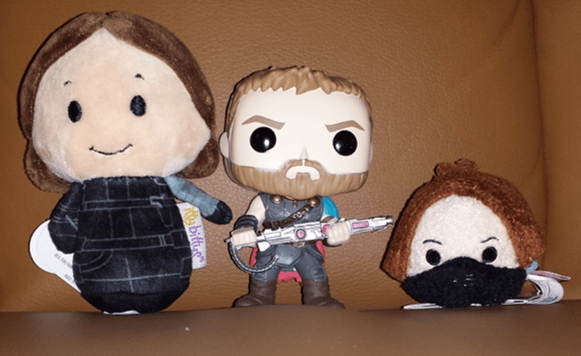
As I was trying to come up with ideas for what to write about for the 2nd Disability In Film Blogathon, I came across the book and movie, Wonderstruck. While reading the story’s synopsis, I discovered that it was about two children who go on an adventure in two very different time periods. Even though these characters lead very different lives from one another and are unique individuals from each other, they both have something in common: both of these children are deaf. The idea of these characters having similar life experiences and stories of disability, despite existing in separate time periods, is what inspired me to create this editorial. My favorite superhero from the Marvel Cinematic Universe is Bucky Barnes and Matthew Rogers is my favorite character from Little House on the Prairie. After watching Captain America: The Winter Soldier for the first time, I started to notice that Bucky and Matthew shared more in common than one would think. Like the protagonists in Wonderstruck, Bucky’s and Matthew’s story takes place in two very different time periods: the late 1800s and the present day. Also like the protagonists in Wonderstruck, Bucky and Matthew have a disability: Bucky is an amputee and Matthew is non-verbal. In my post, “My Top 5 Dream Double Features at the Cinema”, I talked about how I would want to discuss the similarities in Bucky’s and Matthew’s story if I paired both episodes of “The Wild Boy” with Captain America: The Winter Soldier. Now, I finally get the chance to explore these similarities in honor of the 2nd Disability In Film Blogathon!
The 2nd Disability In Film Blogathon banner created by Crystal from In the Good Old Days of Classic Hollywood and Robin from Pop Culture Reverie. Image found at https://crystalkalyana.wordpress.com/2018/08/19/announcing-the-2nd-disability-in-film-blogathon/ and https://popculturereverie.wordpress.com/2018/08/19/announcing-the-2nd-disability-in-film-blogathon/.
The Introduction of Bucky and Matthew
Bucky Barnes and Matthew Rogers are introduced into a series that already had an established story prior to their appearance (the Captain America trilogy/MCU and Little House on the Prairie). When they make their official appearances in these series, Bucky’s movie and Matthew’s episodes were centered around them, even though they are not one of the main characters. Though this movie is a part of the Captain America trilogy, the title of this film is Captain America: The Winter Soldier because the movie explores Bucky’s story. On Little House on the Prairie, the episode where Matthew makes his debut is titled “The Wild Boy” because, like Captain America: The Winter Soldier, Matthew’s story is the primary focus. Because this episode is told in two parts, it allows for Matthew and his story to have a meaningful impact on the residents of Walnut Grove.
When Bucky and Matthew first appear on screen, the audience sees them carrying dangerous and violent identities. At the beginning of “The Wild Boy” Part 1, Matthew is introduced as The Wild Boy, a young, unkempt boy who reacts violently when Dr. McQueen, a traveling medicine man, tries to get his attention. In Captain America: The Winter Soldier, Bucky is known as The Winter Soldier, a dangerous antagonist from Hydra, a criminal organization, who causes chaos and destruction. At first, the protagonists in each story see the personas of The Wild Boy and The Winter Soldier for face value, believing that these individuals are truly as violent and dangerous as they appear. This also allows the audience to share similar thoughts and beliefs with the protagonists, with the delivery of the truth about The Wild Boy and The Winter Soldier being executed as a surprise for the audience.
The unmasking of The Winter Soldier: a moment that shocked the Marvel fandom. Screenshot taken by me, Sally Silverscreen.
The Truth about Bucky and Matthew
As their stories go on, the truth about The Winter Soldier and The Wild Boy are revealed. When Steve Rogers removes The Winter Soldier’s mask during a confrontation in Captain America: The Winter Soldier, he discovers that The Winter Soldier is really his friend, Bucky Barnes. After that scene, the audience is given the opportunity to learn about how Bucky ended up with Hydra. While Bucky has his prosthetic arm repaired by Hydra members, a flash-back montage is shown. This montage shows the audience that after he fell off the train in Captain America: The First Avenger, Bucky lost his left arm while he was falling. He was then kidnapped by Hydra and kept against his will. During this montage, the audience discovers how Bucky receives his prosthetic arm, but also sees Bucky getting mistreated by members of Hydra. The audience also learns that Bucky had The Winter Soldier persona forced upon him and was brainwashed by Hydra to hurt other people. When the story returns to present day, Bucky is still getting mistreated and abused by Hydra. Alexander Pierce, the head of Hydra, feels that the mistreatment toward Bucky, such as unexpectedly slapping him in the face and having Bucky involuntarily go through electroshock treatments, is justifiable. Brock Rumlow, a fellow Hydra member, witnesses the abuse toward Bucky, but chooses not to do anything about it. Steve Rogers finds out about Bucky’s traumatic situation after Captain America: The Winter Soldier but before Captain America: Civil War.
Like Bucky, the audience gets to learn more about The Wild Boy in “The Wild Boy” Part 1. Toward the beginning of this episode, The Wild Boy is shown getting physically abused by Dr. McQueen (he hits his hand with his cane) and being neglected (Dr. McQueen refuses to feed him). Dr. McQueen is also verbally abusive toward The Wild Boy, referring to him as “creature” and “animal” as well as saying he “acquired” him. Luther Abbott, the assistant of Dr. McQueen, recognizes that The Wild Boy is being mistreated, but doesn’t really do anything about the situation. He even assumes that The Wild Boy has a small amount of intelligence and doesn’t understand what’s going on around him. When Dr. McQueen visits Walnut Gove, Jenny Wilder, Laura Ingalls Wilder’s niece, suspects there’s more to The Wild Boy than meets the eye after she and her friends sneak into the tent where The Wild Boy is kept. The next day, when Jenny finds The Wild Boy hiding in her family’s barn, she discovers the truth about The Wild Boy. She not only learns that The Wild Boy is really Matthew Rogers, but also that he is non-verbal. The audience learns in the Little House on the Prairie episode “Hello and Goodbye” that Matthew became non-verbal due to having Lye forced down his throat by a farming couple who only wanted to adopt Matthew as a work-hand, not as their son. The audience also learns, later on in “The Wild Boy” Part 1, that Matthew developed Morphinism due to Dr. McQueen using the morphine laced elixir he was selling to control Matthew’s behavior, causing him to act “wild”.
Why the heck would Dr. McQueen think this “Wild Boy” idea is ok? Screenshot taken by me, Sally Silverscreen.
Bucky and Matthew Break Free
Fortunately, Bucky and Matthew find a way to escape their abusive situations. Despite Luther assuming that Matthew has a lack of intelligence, Matthew figures out how to dismantle his cage, giving him a chance to run away from Dr. McQueen’s capture. While Steve and Bucky fight each other during the Triskelion Battle in Captain America: The Winter Soldier, Steve rescues Bucky from Hydra’s capture by reminding Bucky of who he is and of the friendship they have. These reminders help Bucky break through Hydra’s brainwashing and escape their clutches. It’s also important to point out that after their initial escape, Bucky and Matthew never return to their captors’ control. Dr. McQueen comes back to Walnut Grove in an attempt to reclaim Matthew in “The Wild Boy” Part 2. This causes a judge to be called in and a hearing to take place in order to determine who should be the guardian of Matthew. Because of Luther confessing the truth about Dr. McQueen’s abuse toward Matthew and that he was bribed by Dr. McQueen to lie about Matthew’s situation, the judge decides to revoke Dr. McQueen’s guardianship but also decides to have Matthew sent to an asylum. After some convincing from Matthew and Mr. Edwards, the judge decides to grant guardianship to Mr. Edwards. Because a large portion of Hydra’s members were killed during the Triskelion Battle or went into hiding after that battle, Bucky has been able to live a life free of anything Hydra related.
Why is Bucky, sometimes, still referred to as “The Winter Soldier” when he’s no longer the Winter Soldier? Screenshot taken by me, Sally Silverscreen.
Bucky’s and Matthew’s Support System
Because their families are mostly absent from their stories, Bucky and Matthew have to build their support system from scratch. In each support system, there’s at least three key individuals that are present throughout Bucky’s and Matthew’s journey. For Matthew, these people are Mr. Edwards, Laura Ingalls Wilder, and Jenny Wilder. In Bucky’s story, these individuals are Steve Rogers, T’Challa, and Shuri. The people in these support systems approach their roles in their own ways, but their goal is the same: helping their friend or loved one and keeping their best interests in mind.
The biggest role in both of these support systems is the advocate, the person who spends the most time with their friend or loved one and makes sure their best interests are met. These roles are given to Mr. Edwards and Steve Rogers. After Matthew escapes from Dr. McQueen’s capture, he ends up having no place to go. Mr. Edwards volunteers to be his temporary guardian and takes care of Matthew. When Matthew faces the threat of being sent to an asylum, Mr. Edwards makes a speech before Sunday Service, with all the residents of Walnut Grove present, about how Matthew is no different from the other members of Walnut Gove. During this speech, Mr. Edwards was advocating for Matthew to stay in Walnut Grove so he could live in a stable, loving, and supportive environment. This speech convinced the judge to allow Matthew to live in Walnut Grove with Mr. Edwards. In Bucky’s case, Steve has been his friend prior to the events that caused Bucky to become disabled. During Bucky’s time in the MCU, Steve Rogers not only rescued Bucky from Hydra’s capture, but he also defends Bucky throughout Captain America: Civil War. When Bucky is wrongly accused of committing murder, Steve tries to explain to the members of “Team Iron Man” that not only is Bucky innocent, but that he also experienced a very traumatic and violent past. During the final battle between Captain America, Bucky, and Iron Man, Steve puts Bucky’s needs before his own by giving up his shield and choosing to help his friend.
The other two roles in this support system are the resource gatherer (the one who finds the resources for their loved one or friend) and the understanding soul (the one who, through understanding, comes to accept and appreciate the person they are going to help). The role of resource gatherer is given to Shuri and Laura Ingalls Wilder. Shortly after the events of Captain America: Civil War, Bucky comes to Wakanda to receive the medical care that he needs, wants, and deserves. Not only does Shuri help Bucky overcome his trauma, she also creates a new prosthetic arm, using Wakanda’s vibranium, for Bucky at the beginning of Avengers: Infinity War. In Matthew’s situation, Laura teaches him sign language so he can communicate with the people around him. For Jenny and T’Challa, they have taken on the role of the understanding soul. In Captain America: Civil War, T’Challa assumes that Bucky killed his father because Helmut Zemo, the film’s villain, was dressed up as Bucky when he murdered several people in Vienna. After T’Challa learns the truth about how his father died, he accepts Bucky into his social circle and helps him receive the resources he needs and wants. T’Challa also discovers Bucky’s past and realizes that he has been a victim of abuse and trauma. After she stops Nancy Oleson from tormenting Matthew and, later, finds Matthew hiding in her family’s barn, Jenny discovers that Matthew’s “wild boy” persona was forced upon him by his captors. She also learns about Matthew’s disability and agrees to become his friend.
Laura teaching Matthew, Jenny, and Mr. Edwards how to say “coffee pot” in sign language. Screenshot taken by me, Sally Silverscreen.
An Assistive Tool for Bucky and Matthew
After breaking free from their traumatic and abusive life, Bucky and Matthew are able to surround themselves with people who truly care about them and strive to meet their best interests. One way that their best interests are met is when they each receive an assistive tool that will help them live as independent and productive of a life as possible. As mentioned earlier, Laura teaches Matthew sign language in order to help him communicate with the people in his life. She also teaches Mr. Edwards and Jenny sign language so they can understand what Matthew is trying to say. This assistive tool of language helps Matthew to form friendships and make his wishes and thoughts known to others. Without it, Matthew would probably feel excluded from the community, feeling like he had limited opportunities to contribute to any conversations.
Even though Bucky received his prosthetic arm during his time under Hydra’s capture, that arm was created and controlled by Hydra, meaning that Bucky couldn’t use his assistive tool in his favor. After he was rescued from Hydra’s capture, Bucky was able to have more control over his prosthetic arm, being able to use his assistive tool the way he wants to, such as picking up plums from the market and fighting alongside “Team Cap” in Captain America: Civil War. During the battle between Captain America, Bucky, and Iron Man, Bucky’s prosthetic arm was destroyed after a failed attempt to remove Iron Man’s arc reactor. He not only receives a new prosthetic arm at the beginning of Avengers: Infinity War, but this prosthetic arm has no connection to Hydra, meaning that Bucky can have total control over his assistive tool. It’s also important to point out that throughout Avengers: Infinity War, Bucky seems comfortable with his new prosthetic arm, that he was given enough time to get used to his assistive tool and operate it the way he wants to.
Bucky and Bucky being invited by Thor to a screening of Avengers: Infinity War! Screenshot taken by me, Sally Silverscreen.
The language used toward/about Bucky and Matthew
When Bucky and Matthew start their new lives, the audience gets to see how others interact with them. During Bucky’s time in the MCU and in both parts of “The Wild Boy”, Bucky and Matthew are welcomed into their communities. There are never bullied, made fun of, treated differently, or judged because of their disability. While looking at Bucky’s and Matthew’s stories, however, there was language used either toward or about them that could be seen as problematic. In both parts of “The Wild Boy”, some of the characters refer to Matthew as a “mute”. This is the only example of problematic language I could find within Matthew’s story. Because Little House on the Prairie takes place sometime between the 1870s to 1890s, I found this language to be more reflective of that time-period. Throughout Bucky’s time in the MCU, I found three instances where language was used either toward or about Bucky as a person with a disability that one could find as problematic. Below are the list of these instances and how they could be perceived as problematic.
“You have a metal arm?! That is awesome, dude!” – This is what Spider-Man tells Bucky during their fight in Captain America: Civil War. What Spider-Man said could be seen as problematic for two reasons. The first is by Spider-Man pointing out Bucky’s prosthetic arm, it seems like Bucky’s disability is being acknowledged before Bucky as a person. The second is if Spider-Man knew how Bucky acquired his prosthetic arm, he probably wouldn’t sound as enthusiastic as he did. Personally, I don’t have a problem with what Spider-Man said because his compliment truly sounded genuine and he appeared excited to meet and interact with people that were different from those he interacted with on a daily basis.
“Great! Another broken white boy for us to fix.” – Though Shuri doesn’t explicitly say who she’s referring to in Black Panther, it is assumed that the first “broken white boy” is Bucky. Implying that Bucky, a person with a disability, is broken and needs to be fixed is very problematic because this would suggest that, by having a disability, something is wrong with him and he should feel ashamed or embarrassed about being disabled. Because Shuri volunteers to help Bucky overcome his trauma and joins Bucky’s Support System, I don’t believe Shuri meant to be hurtful toward him. However, I do think that any screenwriter of any Marvel movie should be a bit more mindful when referring to any character with any type of disability and how their audience might perceive what is being said about a character with a disability.
“Okay, how much for the arm? (Bucky walks away) Oh, I’ll get that arm” – During Avengers: Infinity War, Bucky and Rocket teamed up in an attempt to stop the threat against Wakanda. The aforementioned quote is what Rocket said toward the end of his interaction with Bucky. Even though I think this moment was meant to be hilarious and what Rocket said is more in line with his sense of humor, I can see why someone would think that what Rocket said was problematic. By Rocket implying that he wants to take Bucky’s arm away from him, it would make Rocket appear is if he wants Bucky’s independence to be taken away from him. As I mentioned earlier, Bucky’s prosthetic arm is an assistive tool, which helps him live as independent and productive of a life as possible. Suggesting that Bucky, an individual with a disability, shouldn’t be able to use his assistive tool is very demeaning.
Jenny and Matthew teaching their friend, Jeb, how to say “friend” in sign language. Screenshot taken by me, Sally Silverscreen.
The Future of Bucky and Matthew
Though Bucky and Matthew experience positivity throughout their stories, their journeys are far from over. They may never be able to fully escape their traumatic pasts, but the audience can see that Bucky and Matthew have the strength and resilience to continue to move forward to a better and brighter day. Even though they had horrible identities forced upon them by horrible people, Bucky and Matthew never became the person that their captors tried desperately to turn them into. When Mr. Edwards suggests that he and Matthew run away in order to prevent Matthew from getting sent to an asylum, Matthew refuses and tells him that following the law and respecting the judge are more important than keeping their temporary family together. Because Matthew truly cared about Mr. Edwards, he sought out the best interests of Mr. Edwards and stopped him from making one of the biggest mistakes of his life. Shortly after Bucky was rescued from Hydra’s capture, one of the first things Bucky does is save Steve from potentially drowning. Because of what Steve did for Bucky, he realizes that Steve still cares about his friend and wants the best for him. Bucky’s act of kindness shows the audience that he is expressing his gratitude toward his friend by helping him out in a dire situation. Both of these situations are an example of, when given the choice, Bucky and Matthew consciously choose to be good people despite the terrible hands they had been dealt in the past.
Because of where Bucky’s and Matthew’s story leaves off in their respective series, it makes it unclear of what exactly will happen to them. In the Little House on the Prairie episode “Hello and Goodbye”, Matthew reunites with his biological father, Philip Rogers. Since this episode was not only Matthew’s last appearance on the show, but also the final episode in the series, it is assumed that Matthew received a happy ending when he chose to live with his father. At the end of Avengers: Infinity War, Bucky disappeared as a result of Thanos’ plan being successful. Because ‘Avengers 4’ is listed on Sebastian Stan’s filmography on IMDB, it is assumed that Bucky will return in the next film. Some people even speculate that he could become the next Captain America if Steve Rogers were to step away from the title. No matter what happens to Bucky and Matthew, the most important thing to remember is that their disability is a part of their story. They do not let the past define them, but instead use it as a source of strength and perseverance. Bucky and Matthew are, more often than not, given opportunities to show others what they are capable of, especially when they set their minds to it. They never let their struggles or their hardships get in the way of achieving their goals and following their dreams. Within their respective series and even in the world of pop culture, Bucky Barnes and Matthew Rogers are just as significant and meaningful as the other characters surrounding them.
Bucky’s ready to make his return in ‘Avengers 4″! Screenshot taken by me, Sally Silverscreen. Matthew gives Mr. Edwards a hug as the credits are rolling. Screenshot taken by me, Sally Silverscreen.Have fun at the movies!
For the second part of my Year of the Dog Double Feature for Often Off Topic’s Dog Day Blogathon, I chose to review a movie that was released in 2018, the Year of the Dog! Because Hallmark was premiering a brand-new movie this past weekend, I decided to include Season for Love in this Double Feature. When I first heard about this movie, I will admit that it was not one of my most anticipated movies out of these five summer themed films. To me, the plot sounded a lot like other stories that have been seen on the Hallmark Channel. However, BBQ cooking has never been featured in a Hallmark movie before and Texas has rarely been the primary location for any Hallmark production. So, like I do with every movie I review, I watched it with low expectations and an open mind. Want to find out my opinion of Season for Love? Square dance your way to my review to find out!
Season for Love poster created by Crown Media Family Networks and Hallmark Channel. Image found at https://www.crownmediapress.com/Shows/PRShowDetail?SiteID=142&FeedBoxID=845&NodeID=302&ShowType=&ShowTitle=Season+for+Love
Things I liked about the film:
The acting: I thought the acting in Season for Love was good! Marc Blucas and Autumn Reeser really shined in this movie with performances that appeared genuine and versatile! Not only did the lead actors give a memorable performance, the supporting actors did as well. Shelley Thompson was a stand-out performer in this movie, her portrayal of Jo Dawson was so pleasant to watch on-screen! Even Lola Flanery gave a very believable performance, especially for being the only young actor within the main cast!
The on-screen chemistry: Though this was Marc and Autumn’s first time starring in a Hallmark movie together, their on-screen chemistry came across as very believable! I think what helped was that Marc’s and Autumn’s acting talents complimented one another. Marc and Autumn’s characters appeared as if they truly got along, like their relationship on-screen was genuine. I’m hoping that Marc and Autumn are cast in another Hallmark movie together in the near future!
The incorporation of BBQ cooking: Season for Love is not the first Hallmark movie that features cooking within the main plot. However, this is the first Hallmark movie that showcases BBQ cooking. I liked the way the BBQ competition was filmed, as the process of preparing a BBQ meal was shown enough to satisfy the interest of the audience. I also liked learning about the different ingredients that can go into BBQ because it felt informative while being entertaining.
Offical Dog Day Blogathon banner created by Allie from Often Off Topic. Image found at https://oftenofftopic.wordpress.com/2018/08/08/announcing-the-dog-day-blogathon/
What I didn’t like about the film:
Predictability: Most of Hallmark’s movies have a certain amount of predictability to them. But for a film that showcased new ideas (like BBQ cooking and a location in Texas), I was hoping Season for Love’s plot would contain more originality. A lot of story-points that were written into this movie were ones that I’ve seen in several other Hallmark movies. Because of this, it made this movie feel very predictable.
Situations happening too quickly: In Season for Love, there were about three situations that happened too quickly. One example is when Autumn’s character, Tyler, tells Corey, Marc’s character, that revisiting their relationship might not be a good idea. That same night, after she sees one of her daughter’s drawings, Tyler visits Corey to apologize for doubting their relationship. Moments like these seemed to interrupt the overall flow within the film.
Something was missing: Season for Love made me feel the same way Love at First Dance did: all of the pieces for this to be good movie were there, but something special felt like it was missing. Because of this, I wasn’t able to connect with this movie like I had wanted to.
Season for Love was a decent movie. Though I did enjoy watching this movie, I still like Pearl in Paradise more. Since Season for Love was the last movie in the “Summer Nights” line-up, I can now give my complete and honest opinion about the line-up as a whole. As a “Summer Nights” line-up, the overall quality felt about the same as last year’s. As a line-up in general, this was a little stronger than the other line-ups on Hallmark Channel so far. There’s one more line-up left before the Christmas movies start premiering: Fall Harvest. I’m hoping these movies and the line-up as a whole end Hallmark’s seasonal movie collections on a positive note, especially since Hallmark has plenty more stories to tell. Thank you to everyone who read my Year of the Dog Double Feature and a special thank you to Allie from Often Off Topic for letting me join the Dog Day Blogathon. This definitely encouraged me to seek out other blogathons and let my creativity go as far as it will let me.
Overall score: 7.4 out of 10
What did you think of Hallmark Channel’s “Summer Nights” line-up this year? What was your favorite 2018 “Summer Nights” movie? Let me know in the comment section!
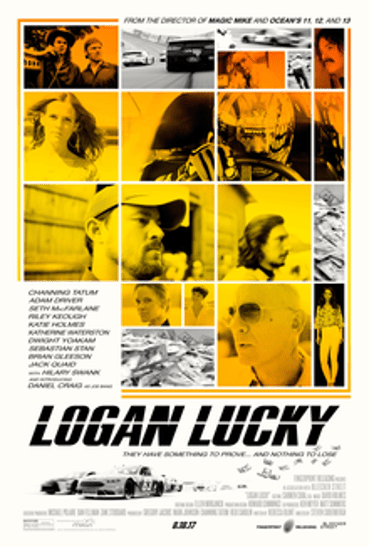
Often Off Topic’s Dog Day Blogathon is the first blogathon I have ever participated in! Because this particular blogathon’s theme is dogs and film, I wanted to make a contribution that was unique and creative. So, I decided to write a double feature movie review that correlated with the Year of the Dog. When I was thinking about which two movies to write about, my favorite MCU superhero, Bucky Barnes, came to mind. The actor who portrays Bucky, Sebastian Stan, was born in 1982, which was the Year of the Dog. Also, Sebastian’s birthday falls in August, the same month that National Dog Day happens to fall in. With those facts in mind, I chose to review Logan Lucky for the first part of this double feature movie review. I had not seen this film prior to reviewing it, but I do remember when it was being advertised. After seeing Logan Lucky achieve a 92 to 93 percent on Rotten Tomatos, I watched the film with an open mind and low expectations. Did I like this movie? Cruise through my review to find out!
The acting: I thought the cast in Logan Lucky was good. Daniel Craig’s performance was the most impressive, as he disappeared into his role to bring a character to life that stood out from the rest. Accents in a movie can be hit or miss, but all the actors, in this film, portraying a character with an accent really pulled it off in a way that added believable to their characters!
Connectivity of the characters: At the beginning of this film, there were several characters that were introduced. This brought up questions of who these characters were and what their significance to each other was. As the film goes on, the connections between these characters and the impact of their interactions was interesting to watch. It reminded me, a little bit, of The Christmas Hope.
Offical Dog Day Blogathon banner created by Allie from Often Off Topic. Image found at https://oftenofftopic.wordpress.com/2018/08/08/announcing-the-dog-day-blogathon/
What I didn’t like about the film:
A very slow pace: Despite the fact that Logan Lucky is a heist film, the pace of this movie was rather slow. This not only made the film feel boring, it made the plot feel more drawn out that it might have been intended.
Disconnection of the plots: There are about four plots featured in Logan Lucky. But, the connection between the subplots and the main plot (the heist itself and preparation surrounding it) was absent. Because of this disconnection, the three subplots felt so separate from the main story, that their placement in the film didn’t really feel significant. One of these subplots made me question why it was featured in the film at all.
The under-utilization of Sebastian Stan: As I mentioned in this review’s introduction, Sebastian’s involvement in this movie was one of the reasons why I chose to review Logan Lucky for my Year of the Dog double feature. However, out of all the actors that were cast in this film, Sebastian was the most under-utilized. His character, Dayton White, felt like he was featured in the film just for the sake of it. Dayton’s subplot was not only weak, it also had no connection to the main plot whatsoever. When I first learned that Sebastian had been cast in Logan Lucky and what role he would be portraying, I had speculated that Dayton could be a long-lost relative of the Logan family and the Logan family kidnapped him in an attempt to receive more money. Sadly, my aforementioned speculation sounds a lot more interesting than the subplot Dayton was given in this film.
Loads of exposition: On 18 Cinema Lane, I’ve mentioned before that exposition is an important component to any story. But, there is such a thing as having too much exposition. In Logan Lucky, there was about 40 minutes of it. This made the first quarter of the film feel like it dragged.
No excitement: In almost every heist or action film, there is a certain amount of excitement that keeps the audience invested in the movie. Whether it is adrenaline or an intriguing concept, these things help viewers stay on the edge of their seat as they watch everything unfold onscreen. Logan Lucky, unfortunately, had none of those aforementioned things. Even when the actual heist was taking place, the movie felt very dull. The lack of excitement in this film contributed to the movie feeling boring.
Logan Lucky was so bad, I couldn’t finish watching the movie (even though I had 30 minutes left of run-time). This is, honestly, the worst and most boring heist film I’ve ever seen. But, as I was watching this movie, I could see that Sebastian was trying the best he could with the limited amount of acting material he was given. Even though Logan Lucky was a dud, I’m still looking forward to seeing which movies, outside of the MCU, Sebastian chooses to appear in. If I come across a film starring Sebastian Stan that, to me, sounds interesting, I will definitely check it out! If you are a Bucky fan like myself and appreciate Sebastian’s acting abilities as well what he brings, talent wise, to the MCU, please do yourself a favor and don’t watch Logan Lucky. Even if I haven’t seen some of them and don’t know, exactly, which ones they are, I have a good feeling there are movies out there starring Sebastian Stan that are better than Logan Lucky, whether or not the film is MCU affiliated.
Overall score: 4.7 out of 10
Have you seen Logan Lucky? What is your favorite movie that Sebastian Stan has starred in? Share your thoughts in the comment section!












![20181025_214145[1]](https://18cinemalane.com/wp-content/uploads/2018/10/20181025_2141451-e1540518282979.jpg?w=583)
![20180726_200105[1]](https://18cinemalane.com/wp-content/uploads/2018/07/20180726_2001051-e1532651351591.jpg?w=656&h=348)
![20181025_204037[1]](https://18cinemalane.com/wp-content/uploads/2018/10/20181025_2040371-e1540518405748.jpg?w=479&h=609)
![20181025_205258[1]](https://18cinemalane.com/wp-content/uploads/2018/10/20181025_2052581-e1540518476918.jpg?w=725)
![20181025_205720[1]](https://18cinemalane.com/wp-content/uploads/2018/10/20181025_2057201-e1540518534512.jpg?w=640)
![20181025_203412[1]](https://18cinemalane.com/wp-content/uploads/2018/10/20181025_2034121-e1540518626696.jpg?w=435)
![20181025_210239[1]](https://18cinemalane.com/wp-content/uploads/2018/10/20181025_2102391-e1540518687301.jpg?w=640)



 18 Cinema Lane
