When I was invited by The Classic Movie Muse to join their It’s a Wonderful Life Blogathon, I had no idea what to write about. Because there are so many moving parts to this seventy-five-year-old film, it was kind of overwhelming to choose just one aspect. But then I remembered an editorial written by fellow blogger, J-Dub. On his blog, Dubsism, he has a series called ‘Movies Everybody Loves That I Hate’. The first entry was about It’s a Wonderful Life. In his editorial, J-Dub explains, without the sugar-coating, bells, or whistles, why he does’t like the Christmas classic. While I respect J-Dub’s opinion, I personally disagree with him. These differing viewpoints inspired me to write my editorial, where I defend It’s a Wonderful Life. Like I have said in previous editorials, my article is not meant to be mean-spirited or negative. It is only meant to express my opinion and present a different view to the subject of It’s a Wonderful Life. If you are interested in reading J-Dub’s article, you can visit his blog at dubsism.com.
Throughout the editorial, ‘Movies Everybody Loves That I Hate’: Episode 1 – “It’s A Wonderful Life”, J-Dub claims the film is a lie. He believes the film is not only filled with nihilism, but that Pottersville is wrongfully villainized. J-Dub also says the film tells the viewer they are among “jerks who will crush our dreams for no other reason so they can suck the life out of us”. This statement relates to J-Dub’s belief that everyone in George’s life is trying to hold him back. For this part of the editorial, I’m going to discuss three points. The first point is about Pottersville. While the glitzy sparkle of the “dream town” may give the appearance of a successful paradise, it’s what the city represents that is important.
When George first visits Pottersville, he is unfamiliar with his surroundings. Beloved locals have drastically changed, but so have its citizens. One of these citizens is Nick, a bartender who works at Martini’s Bar. In the “dream town”, Nick owns the bar. With this ownership comes a mean attitude. He not only treats George and Clarence horribly, he also embarrasses Mr. Gower. The pharmacist in this “dream town” is now an ostracized criminal who is known for poisoning a patient. This leads me to my second point. The idea of success is not a bad one. However, it has the ability to change people for the worse. Pottersville is also the complete opposite of Bedford Falls, with Bedford Falls representing familiarity. Why do so many movie studios and companies choose to revisit well known franchises and IPs? It’s because they can, sometimes, capitalize on a fandom’s familiarity with certain characters and stories. Familiarity can also be experienced during the Christmas/holiday season, as people may choose to gather with those they are familiar with or carry on familiar traditions. Therefore, Bedford Falls’ representation of familiarity debunks J-Dub’s claim of the film containing nihilism.
My third point involves the people in George’s life. Earlier in this part of my argument, I mentioned how J-Dub feels the characters surrounding George are holding him back. But when you pay attention to what these same characters are saying and doing, this is not the case. Let me bring up Mary as just one example. Ever since they were children, Mary knew George wanted to travel the world. That was the plan after they got married. But when the Bailey Building & Loan was in financial trouble due to the Great Depression, those plans quickly changed. After seeing George desperately trying to help his clients, it was Mary’s idea to use their honeymoon money to pay these clients. To make up for the financial sacrifice, Mary organizes a honeymoon dinner at the infamous Sycamore House. The living room in this house is decorated with posters of faraway lands. Music fills the room to help elaborate the immersion of travel. Throughout the scene, Bert and Ernie can be seen assisting Mary in her plan of giving George a thoughtful alternative. If she was truly a “millstone” around George’s neck, why would Mary bother helping George save the Building & Loan on more than one occasion? Why would she plan the honeymoon dinner on the same day as the aforementioned crisis? Heck, why would Mary take the time to pray for George at the beginning of the movie? Personally, I think Mary serves as George’s reminder of what really matters the most.
Because this blogathon is celebrating one of the most iconic Christmas movies of all time, I thought sharing my cat ornament would make sense. Screenshot taken by me, Sally Silverscreen.
George is the “Every Person”, Not a Criminal
A point J-Dub stresses in his editorial is how George Bailey is a criminal. This is because he sees the protagonist as “a predatory lender” by “economically enslaving a large part of the town’s population by saddling them with debt they can never pay”. There are instances throughout the movie where Bailey’s Building & Loan is struggling to get by. Potter has explained the operations of “Bailey Park”, where the homes are lower in initial value. But these things are not done to cheat the system or live above the law. As the audience can see even from George’s younger years, the folks at Bailey’s Building & Loan simply care about people.
When the viewer is first introduced to George’s father, he is conducting a meeting with Potter. In this meeting, Potter claims the establishment’s payments are late. While this statement is true, Mr. Bailey tells Potter he is waiting payment from his clients, as he extended their deadline in order to prevent them from losing their homes. As George grows up and eventually takes over the Building & Loan, he chooses to follow in his father’s footsteps by putting the customer first. The purpose of “Bailey Park” was to provide their customers with the option of owning a house, instead of renting one through Potter. Even when Uncle Billy loses the $8,000 the Building & Loan needs to stay afloat, the situation is nothing more than an accident. Though Potter does threaten to have George arrested for the missing $8,000, he does this because he thinks his plan will help him finally achieve the Building & Loan, the same establishment he has always wanted to own. As George’s father said about Potter, “He hates anybody that has what he can’t have”.
George Bailey is one of the most beloved characters in not only the realm of Christmas movies, but within the world of cinema. Like I said in the title of my second argument, George is the “every person”, which makes him a memorable and likable character. Throughout the story of It’s a Wonderful Life, George experiences his ups and downs. He can become so frustrated, he destroys the architectural corner of his living room. But there are moments where he places others before himself, with George helping Violet start a new chapter in her life by giving her money as one example. Even though George’s life plays out differently from those in the audience, it does contain a sense of relatability. While working in the drug store one day, George is mistreated by Mr. Gower. The pharmacist physically hurts and yells at George for not delivering a bundle of pills. During this ordeal, George stands up to his employer, explaining how the pharmacist mistakenly placed poison in the pill capsules. This mistake was caused by Mr. Gower’s consuming grief, due to his son, Robert, dying of Influenza. Everyone has experienced a time in their life when bravery was needed. Because bravery can look different for each individual, the audience may see George’s decision as a huge step in his story. They may also see it as “something big, something important”.
Similar to what I said about my cat ornament, I thought posting my Christmas tree from last year would make sense for this editorial. Screenshot taken by me, Sally Silverscreen.
Standing Up for Clarence
Another aspect of disagreement between J-Dub and I is Clarence the Angel. J-Dub is not a fan of this character. He claims Clarence uses “predatory skills” to give George a false narrative by “misrepresenting reality in order to make an exceptionally nihilistic point”. Even as the film begins, the script makes it pretty clear Clarence really wants to earn his wings. But if you’ve been waiting over 200 years to get what you wanted, you’d make sure you did your job as best you could. Plus, with Clarence having the “heart of a child”, he wants to find the best in George’s character. While Clarence accepts his mission with awaiting wings in mind, he is not selfish. At the end of the film, Clarence gives George his copy of Tom Sawyer. Also, when George makes his ultimate wish of having never been born, Clarence gives George what he wants. But this granted wish is used as a teachable moment; showing how getting what you want doesn’t always mean getting it the way you want.
The “dream world” Clarence creates was never meant to be literal or mess up time. Instead, this exaggerated alternate universe was simply a visual example of a very important point. After being kicked out of Nick’s Bar in the “dream world”, Clarence tells George “Each man’s life touches so many other lives”. Even though this can be said about any other character in this film, George is the one who needed to hear it the most. At that point in the story, George is filled with fear, insecurities, and self-doubt. In fact, one of George’s reasons for considering suicide was Potter’s harsh claim that George is “worth more dead than alive”. If it’s anybody giving a false narrative, it’s Potter. With that said, Clarence tries to expose Potter’s lies throughout his mission.
Since Clarence is an angel, sharing this angel ornament was appropriate for this part of the editorial. Screenshot taken by me, Sally Silverscreen.
George Plays His Part
In his editorial, J-Dub claims George “runs into a gigantic example of “crab in the bucket” syndrome”. This connects to his previously stated belief that the people in George’s life are holding him back. Toward the beginning of the film, George told his father he wanted to do “something big, something important”. That’s why he had dreams of going to college to become an architect. George’s father reminds him how working at the Building & Loan is important, as they are helping people acquire a home. As the story plays out, George’s father is proven right. Another way Mr. Bailey is proven right is during World War II. Everyone in Bedford Falls does their part to help the war effort. One of George’s responsibilities is hosting various drives, such as a scrap metal drive. Even though this seems like a small role in the grand scheme of things, it is “something big, something important”. United States history will tell you every aspect of the war effort provided a huge help in winning World War II. This includes things like scrap metal drives, as the metal was used to create weapons and machinery for the U.S. troops. Having those materials available was not only “big”, but “important” as well. George’s role may not have been glamourous like Potter’s life or news worthy like Harry’s military achievements. But to everyone who was helped by George, his role made a tremendous difference.
Though this editorial was submitted to celebrate the 75th anniversary of It’s a Wonderful Life, it was written to present a different opinion from that of a fellow blogger. J-Dub is not wrong for disliking this film and I’m not correct for defending it. What I’m emphasizing is how subjective film is. Both J-Dub and I approached the same movie. We each wrote an editorial, presenting the material in two differing ways. This provides more content for the reader and an opportunity to keep the conversation going. Maybe this is why It’s a Wonderful Life has been well-regarded for so long. Remember when I said how there are so many moving parts to this film? Well, I’m starting to realize that’s the beauty of it. No matter which aspect of the story you choose, there’s a conversation waiting to be spoken. With that said, I hope you check out J-Dub’s editorial. He put as much work into his as I did into mine. When it comes to blogathons, that’s what it’s really all about.
Two years ago, I wrote an editorial on why I felt Lestat and Akasha’s relationship from Queen of the Damned was very problematic. When I published that editorial, I had no idea how popular it would become. As of late October 2021, my editorial has garnered 1,301 views and counting! So, that success is a reason for this new editorial. I’ve read many articles and seen many videos about The Crow. But no one has talked about how toxic Top Dollar and Myca’s relationship is. In fact, I’d go so far as to say their relationship is worse than Lestat and Akasha’s. Like my previous editorial, I will present five key reasons why Top Dollar and Myca’s relationship is unhealthy. But before I start my explanations, let me bring up some disclaimers:
In this editorial, I will be addressing the subjects of inappropriate sibling relationships, violence, drug use, and crime. That is because the movie itself addresses these subjects. If you are sensitive to any of the aforementioned subjects, take this disclaimer as a fair warning.
This editorial was not written to be mean-spirited or negative. Its intent is to showcase my honest opinion about this topic.
This editorial was not written to disrespect any persons who worked on The Crow. This includes Michael Wincott and Bai Ling, who portrayed Top Dollar and Myca.
Like most of my editorials, this article is going to be long in length. If you are interested in reading this post, please allow yourself enough time to consume the content.
Unless I say otherwise, the screenshots in this editorial are screenshots I took with my cellphone.
A typical sibling relationship is meant to teach empathy, show how to get along with others, and help maintain a family unit. But with Top Dollar and Myca’s relationship, nothing about it is typical. In fact, it is downright inappropriate. In The Crow, it is revealed these characters are half-siblings. But instead of treating each other like siblings, they interact with each other like a romantic couple. In the very first scene Top Dollar and Myca appear in, it is heavily implied they engage in intercourse. Their physical interactions also appear more sensual in nature. The existence of Top Dollar and Myca’s relationship is illegal, especially in Michigan, the state The Crow takes place in. According to Michigan Legislature, they would be guilty of Criminal Sexual Conduct in the First Degree. This is because Top Dollar and Myca meet these two circumstances: “The actor is a member of the same household as the victim” and “The actor is related to the victim by blood or affinity to the fourth degree”. When the true nature of their relationship is revealed, Top Dollar says Myca is “my father’s daughter, that’s right”. This means both Top Dollar and Myca were fully aware of their involvement in an inappropriate sibling relationship.
While Top Dollar and Myca are aware of their relationship’s nature, they go out of their way to keep their relationship private. Any time Top Dollar and Myca engage in displays of affection, it is done when few people or no one is around. In the first scene these characters appear in, there is another woman in the room. However, this woman is dead. In their next scene, Top Dollar and Myca partake in consuming drugs or creating mystical concoctions. When T-Bird and Grange arrive at Club Trash’s lair, Top Dollar and Myca are careful when displaying their affection for one another. Myca sits beside Top Dollar, with his arm draped across her lap. But when T-Bird and Grange leave, Top Dollar places his hand on Myca’s thigh, a gesture that is typically known for being sensual. It should also be noted how this gesture was performed under the table. Out of all the characters in The Crow, only two of them know about Top Dollar and Myca’s relationship. These characters are Grange and Gideon. It’s safe to assume Grange was already aware of Top Dollar and Myca’s relationship prior to the film’s events. But Gideon finds out about this relationship when he visits Top Dollar at Club Trash’s lair.
Because it can be difficult to see, I put a yellow line next to Top Dollar’s arm. This shows how his arm is draped across Myca’s lap when T-Bird and Grange are around.
This time, I put a circle around Top Dollar’s hand, showing how it is now on Myca’s thigh. You can also see how Myca is holding back Top Dollar’s hair, a gesture I will talk about later in this editorial.
In this picture, it is clear to see how Top Dollar and Myca appear “professional” to keep up appearances.
One of my criticisms of The Crow is how some parts of the story don’t receive context. Top Dollar and Myca’s story is one of them. But based on what was said and not said by these characters, it is assumed their relationship is the result of an absent/dysfunctional family unit. In Top Dollar and Myca’s first scene, Top Dollar reveals the origin of a snow globe. This snow globe, displaying a miniature grave yard, was a birthday gift from their father when Top Dollar turned five. He tells Myca “Dad gave me this. Fifth birthday. He said ‘Childhood is over the moment you know you’re gonna die’.” Top Dollar brings up their father on two other occasions: when he tells Gideon Myca is his father’s daughter and when he tells Eric “Ya know, my daddy always used to say ‘Every man has a devil, and you can’t rest till you find him’.” Meanwile, Myca never brings their father up. In fact, when Top Dollar is talking about the snow globe, she doesn’t express any emotion toward her parent. According to David J. Schow, one of The Crow’s screenwriters, Top Dollar and Myca’s “father was in Vietnam”. In the book, The Crow: The story behind the film, “Top Dollar’s motivation would be to punish the world for Myca’s tragic life”. Taking all of this into account, it seems like Top Dollar and Myca’s father had no qualms about exposing his children to dark and harmful things, especially at a young age.
For this picture, an arrow points out the tear near Top Dollar’s eye, emphasizing how emotional the snow globe is making him.
Meanwhile, as Top Dollar is sharing the snow globe’s origin, Myca expresses no emotion.
They Enable Each Other
If you knew someone who was causing harm to themselves or other people, would you intervene and help them turn toward better choices? Most people would say “yes” if asked this question. But, in The Crow, Top Dollar and Myca do the complete opposite. During their introduction in the movie, Myca asks if the woman in the room is dead. Top Dollar responds by saying, “I think we broke her”, heavily implying they had something to do with the woman’s death. Myca then proceeds to remove the woman’s eyes, with Top Dollar silently watching her perform this act. Top Dollar was fully aware of how much damage he and Myca made in one evening. Despite this, he never tried to stop Myca from obtaining the eyes or question her reason for committing the act. In fact, Top Dollar never intervened during the process. While Myca’s desire to snatch someone’s eyes is explained, Top Dollar continues to enable Myca.
As you can see in this picture, Top Dollar expresses no concern for Myca’s harmful behavior.
In the next scene Top Dollar and Myca appear in, they engage in activities only they would leisurely choose to do. While Myca uses the aforementioned eyes to create a concoction involving smoke, Top Dollar is consuming drugs. During Myca’s “activity of leisure”, Top Dollar silently watches the entire time. He only gets involved when Myca creates smoke, as he ends up breathing it in. While this scene is taking place, Top Dollar’s plate of drugs are located right next to Myca’s goblet. Myca is fully aware of their presence, yet chooses to do nothing about it. What she does do is ignore Top Dollar’s drug use. When Grange and T-Bird arrive at Club Trash’s lair, Myca can be seen turning her body away from Top Dollar, facing her guests. Before Top Dollar consumes the drugs for the second time in this scene, Myca gets up from the table she is laying on and walks away from the situation. Even though she does return to sit beside Top Dollar, she ends up holding his hair back as he consumes the drugs for the third and final time in this scene.
An arrow pointing to Myca’s goblet and a circle around Top Dollar’s plate of drugs highlight how close they are to each other.
Before T-Bird and Grange show up, Myca is facing Top Dollar.
After T-Bird and Grange arrive, Myca turns away from Top Dollar and faces her guests.
The arrow is pointing to Myca’s shoulder, as she is rolling off the table and moving away from Top Dollar.
The previous scene I talked about isn’t the only time Myca turns a blind eye to Top Dollar’s harmful choices. When Gideon pays a visit to Club Trash’s lair, the intent of his visit is to call Top Dollar out for his lack of involvement. This is in relation to Gideon’s Pawn Shop being burned down in an earlier scene. It is in this current scene where Top Dollar reveals he and Myca are half-siblings. After this secret is revealed, Myca places her foot on Gideon’s chest as Top Dollar points his sword at Gideon, both actions attempting to intimidate their guest. Shortly after Gideon tells Top Dollar and Myca “I ain’t twisted like you two fucks”, Top Dollar proceeds to stab Gideon with his sword. Before Top Dollar receives a gun from Grange, Myca can be seen turning her head away from the situation. She turns her head back after Top Dollar kills Gideon.
This picture illustrates how Myca is enabling Top Dollar’s behavior by helping him intimidate Gideon.
This is the same picture/scene as above, but from a different angle.
This is a photo of Myca as she is turning her head away from Top Dollar’s crime, before he shoots Gideon.
This photo shows Top Dollar and Myca after he shoots Gideon, with Myca turning her head back.
When I first watched The Crow, I was really confused by Top Dollar and Myca’s decision to enable each other. Judging by their body language, their love for one another seems obvious. So, seeing them enable the other to hurt themselves or other people told a conflicting story. After talking with some fans of this film, I came up with three likely reasons why Top Dollar and Myca choose to enable one another. The first reason relates to the possible upbringing I talked about in my first point. Because Top Dollar and Myca were likely exposed to dark and harmful things for so long and often, these things have become their “normal”. The second reason is the precedent Top Dollar places on his environment. Since he is the leader of his villainous group, he is the one who sets that precedent, which is a “I don’t care because it’s none of my business” attitude/mindset. With that said, why should Myca be expected to care about Top Dollar’s drug use or violence when he doesn’t seem to care how or where she acquires eyeballs? The third and final reason is how the final product benefits them. As I already mentioned, Top Dollar only gets involved in Myca’s “activity of leisure” after she makes the smoke. This allows him to enjoy the fruits of her labor without worrying about how the smoke is created. In a meeting at Club Trash’s lair, Myca says “I like the pretty lights”, referencing the fires taking place throughout Detroit. This statement alone shows that Myca doesn’t seem to care how those fires came to fruition, but instead how these “pretty lights” make her feel.
This picture from The Crow: The Movie clearly shows Top Dollar and Myca looking disinterested in each other’s concerns and needs.
No Meaningful Conversations
As I said in my editorial, ‘Toxic Valentine: Why Lestat and Akasha’s relationship is very problematic in Queen of the Damned (2002)’, words are needed to build/strengthen a bond. In The Crow, the audience can hear Top Dollar and Myca talking to each other instead of at each other. But when one truly listens to what these characters are saying, it is evident how Top Dollar and Myca are not having meaningful conversations with one another. There are two scenes showing them carrying on a conversation. In the first scene, Myca sees Top Dollar becoming emotional over a snow globe. She acknowledges this by telling him “You are thinking about the past”. However, after Top Dollar tells her the story behind the snow globe, she changes the subject to the dead woman in the room. While Myca does give Top Dollar physical affection by hugging him and kissing him on the head, she doesn’t use words to get to the root of the unidentified problem. No questions about why this snow globe causes Top Dollar to get so emotional are asked. Similar personal moments or comforting sentiments are not shared either. Because of Myca’s decision to not verbally help Top Dollar through his emotions, those feelings and personal turmoil are bottled up and unaddressed instead of being resolved.
A picture of Top Dollar and Myca hugging before she learns the origins of the snow globe.
Instead of verbally comforting Top Dollar, Myca kisses his head.
In the second scene, Top Dollar wishes he were hungrier. He reveals this to Myca after she tells him “You are very restless”. But instead of trying to help Top Dollar find a solution to his problem, Myca says “Be careful what you ask for”. Hunger is a basic need, with eating being an important part of human life. The fact Myca is ignoring this basic need, especially after Top Dollar addressed it to her is concerning. In this same scene, Myca tells Top Dollar “There are energies aligning against you”. His response to her concern is “Seeing is believing, isn’t it?”. Like Myca’s response to Top Dollar’s hunger, Top Dollar’s reaction is also concerning. He doesn’t question what these “energies” are or try to verbally put Myca’s worries at ease. These examples in this point highlight what I talked about earlier: the precedent in Top Dollar and Myca’s environment carrying a “I don’t care because it’s none of my business” attitude/mindset.
In this picture, Top Dollar clearly looks like he doesn’t care about Myca’s concerns.
They Treat Others Horribly
Similar to Akasha from Queen of the Damned, Top Dollar and Myca treat other people horribly. This horrible treatment is experienced by most of the members of their community as well. Like I mentioned earlier, Top Dollar intimidates and kills Gideon, with Myca helping Top Dollar intimidate their guest. I also mentioned the dead woman whose eyes were removed by Myca. However, these are just two examples of their hurtful ways toward others. Whenever something bad happens to someone with a lower social ranking, Top Dollar does not show any amount of sympathy for them. Instead, he treats their misfortune as a joke. When T-Bird visits Club Trash’s lair, he informs Top Dollar of Tin Tin’s death. Top Dollar says he’ll provide a moment of silence for Tin Tin, but uses that time to consume more drugs. Later in the movie, at a meeting in Club Trash’s lair, Top Dollar tells the attendees how T-Bird will not come to their gathering. He says T-Bird has “a kind of a slight case of death” as if passing away is simply an inconvenience. This causes some of the meeting attendees to chuckle, like Top Dollar told a funny joke.
This photo highlights how annoyed Top Dollar looks by T-Bird’s death.
It should also be noted how complete strangers are not safe from Top Dollar and Myca’s harmful choices. As the story progresses, Eric Draven learns his and Shelly’s murders were caused by Top Dollar, as he ordered some of his members to remove Eric and Shelly from their apartment. When Eric crashes the meeting at Club Trash’s lair, Top Dollar orders the meeting’s attendees to kill Eric. While these attendees shoot Eric, Myca stands beside Top Dollar and watches the violence upfold. After the meeting ends earlier than expected, Top Dollar and Myca kidnap Sarah. They do this in an attempt to lure Eric and The Crow toward them, planning to kill both of them in the process. Based on the examples I provided, it is obvious that Top Dollar is the one who causes most of this harm, with Myca as his bystander.
As Top Dollar orders the meeting’s attendees to shoot Eric, Myca simply watches the violence unfold.
This is the same picture/scene as above, but from a closer angle.
No Sense of Shame
The most blatant aspect of Top Dollar and Myca’s part of the story is how they have no sense of shame for what they say and do. This is because they are never given a reason to feel a sense of shame. In Top Dollar and Myca’s environment, there are no “voices of reason” to hold them accountable for their actions and choices. Even when someone, like Gideon, tries to become a “voice of reason”, they end up facing consequences instead of Top Dollar and Myca. Two reasons are likely why “voices of reason” don’t exist in Top Dollar and Myca’s world. Like I’ve been saying in this editorial, the precedent in this environment carries a “I don’t care because it’s none of my business” attitude/mindset. Since Top Dollar and Myca don’t express any concern for others, the people in their environment have no incentive to care what Top Dollar and Myca do. Fear can also be a contributing factor. Top Dollar and Myca have the two highest social ranks in their environment. So, this fact can be a motivator to keep others in line. Out of all the people who work for Top Dollar and Myca, Skank is the only one who openly expresses this fear. After being forced to attend the meeting at Club Trash’s lair, Skank cowers in his seat when Top Dollar calls him out. Skank’s demeanor clearly displays unease, like he is afraid of upsetting Top Dollar. In a community where people are too afraid to speak up, it is no wonder Top Dollar and Myca’s behavior is allowed to run rampant.
This picture illustrates how Skank is cowering in his seat.
This other picture shows the fear in Skank’s face, emphasizing how uncomfortable he is near Top Dollar.
The one person who should have been a “voice of reason” is Grange. As Top Dollar and Myca’s bodyguard and the closest person to them, his job is to look out for their best interests. What he does instead is enable Top Dollar and Myca, as well as encourage them, to carry on their harmful ways. When T-Bird goes to Club Trash, he tells Grange he’d like to meet with Top Dollar. Grange says that won’t be possible because Top Dollar is in a meeting. The next scene reveals Grange’s lie, as Top Dollar is in a bedroom with Myca and a dead woman. This scene shows how Grange is enabling Top Dollar and Myca’s inappropriate sibling relationship while also turning a blind eye to it. When Top Dollar stabs Gideon during his visit to Club Trash’s lair, Grange gives Top Dollar the gun that would ultimately kill Gideon. He also tells Top Dollar and Myca he’ll get someone to remove the dead body. Later in the movie, when Myca discovers a connection between Eric and The Crow, Grange says “So kill the crow, then destroy the man”. He tells Top Dollar and Myca this as a way to enable them to hurt Eric and The Crow. Grange’s reaction to Top Dollar and Myca’s other harmful decisions, like kidnapping Sarah and enabling one another, is either silently playing along or ignoring the problem altogether. With all things considered, Grange shows how he isn’t doing his job well.
When Grange visits Top Dollar and Myca in Club Trash’s lair, he never points out their “activities of leisure” or calls them out for hurting themselves or others.
After I published my editorial about Lestat and Akasha’s relationship, I naively thought I would never come across or even talk about a relationship worse than theirs. But when I watched The Crow for the first time, Top Dollar and Myca proved that idea wrong. I can say with all honesty their relationship is one of the worst I’ve ever seen in cinema. It is so toxic, red flags pop up every time they appear on screen. At first glance, it seems like Top Dollar and Myca love each other. But when one looks beyond the surface, it is plain to see how weak their relationship is. They don’t have a strong sense of care for one another. When something important is addressed, whether it’s a concern, need, or feelings, Top Dollar and Myca ignore them. They also allow each other to hurt themselves or other people with no attempts at intervention. With the way they care so little about the other, it makes me wonder why Top Dollar and Myca are even together at all? But because their backstory would probably be as dark and harmful as the choices they make, maybe it’s better to leave that question unanswered.
Have fun at the movies!
Sally Silverscreen
References:
The Crow 1994
The Crow: The story behind the film by Bridget Baiss
Anyone who knows me would know that one of my favorite movies is the Disney Channel film, Phantom of the Megaplex. In fact, this movie has had a great influence on my life, as it showed me that the world of film and the movie-going experience could be fun. Because its milestone 20th birthday was on November 10th, I decided to use my entry for my blogathon, A Blogathon to be Thankful For, to celebrate this special occasion. A lot has changed since 2000, especially the movie-going experience. With that said, this editorial will highlight how different a trip to the theater is now compared to its depiction in Phantom of the Megaplex. The actual birthday itself looked very different than expected, due to the months-long Coronavirus pandemic. For the sake of this editorial, I will be discussing today’s theater-going experience as if 2020 were a typical year. Also, all of the photos are screenshots I took, unless stated otherwise.
In Phantom of the Megaplex, Karen, the younger sister of the film’s protagonist, Pete, plans on arriving at the theater at 7:30 in order to catch a 7:50 showing of a movie called ‘University of Death’. When she and her younger brother, Brian, get to the theater, they are stuck waiting in a long line. This is the result of Movie Mason, a patron of the theater, spending more time persuading guests to see better films than taking their tickets. Fortunately, Karen isn’t late to her film. But, when she meets her friend outside the auditorium’s door, Karen and her friend briefly discuss the idea of their other friend saving seats for them. The example I just described shows how movie-goers in 2000 used to arrive much earlier than their movie’s run-time to not only purchase a ticket, but to also claim their seat of choice. In addition, movie-goers arrived early to the theater to avoid any unexpected hiccups like the one I mentioned. Twenty years later, it’s still encouraged to show up early to the theater so you’re not late to your film. However, buying tickets and choosing seats are not an issue like they were before. Thanks to the internet, movie-goers can purchase their tickets on their local theater’s website or from a third-party site like Fandango or Atom Tickets. Movie-goers are given an opportunity to reserve their seats as well. Had the story of Phantom of the Megaplex taken place now, all Karen and Brian would have to do is show an employee their pre-paid, printed out ticket and avoid a line like the one Movie Mason created.
The line on the left gives viewers an idea of how long Karen and Brian’s line was. They could have been walking up the stairs on the right with their pre-paid, printed out ticket if this movie was released in 2020.
Several scenes in Phantom of the Megaplex show the auditoriums inside the theater. All of the chairs featured are covered in a red material with a folding seat. Theater-goers in 2000 would have this style of chair as their only option. But since then, more cinemas have adopted recliners. There are even theaters that have chosen other forms of seating, such as couches and lounge chairs. However, if you would like to sit in a theater chair from twenty years ago, there is one theater chain that has put these chairs to good use. Two Emagine theaters in Minnesota offer “retro seating”. According to the theater’s website, these are “retro auditoriums that don’t feature recliners, but have throwback seats with throwback prices”.
The Cotton Hills Megaplex is filled with red covered chairs with folding seats like the ones pictured above.
Because Phantom of the Megaplex is a family friendly film, bars would not be found at the cinema. However, theaters have added bars to their facilities within the past two decades. One example is AMC Theaters’ MacGuffins Bar. AMC’s official website states “the term “macguffin,” coined by Alfred Hitchcock, refers to a plot device that propels a movie forward”. The website, Run Pee (a site that informs audience members of the best times to take bathroom breaks during a movie), shares that MacGuffins Bar sometimes correlates drinks with the movies shown at the theater. One example is “a dino-themed bevvie when Jurassic World 2 was showing”.
Throughout the Cotton Hills Megaplex, the theater where Phantom of the Megaplex takes place, a movie’s poster is located in front of the auditorium the movie will be playing. In a scene where the “Phantom” causes mischief, a poster for a movie titled ‘Glimpses of Genevieve’ is located right next to the theater’s twenty third auditorium. The film’s title is also electronically shown above the poster. Personally, I have never seen this particular set-up at any theater I’ve attended. Also, theaters today will either not have any indicator (besides the ticket itself) of what movie is playing in the auditorium or the film’s title will be electronically shown above the auditorium’s door. The poster itself will be located in another area of the theater, such as near the main entrance.
This image shows the poster for ‘Glimpses of Genevieve’ sitting right in front of Cotton Hills Megaplex’s twenty third auditorium.
My screenshot features an entrance to a cinema’s auditorium showing 2020’s Tenet. At this specific cinema, the film’s title is above the door.
Cinema Sitter
One of the characters in Phantom of the Megaplex is a “cinema sitter”, an elderly woman who walks around the premises and makes sure the theater’s patrons are on their best behavior. Her role is similar to that of a hall monitor, reprimanding guests who wander the halls of the Cotton Hills Megaplex. This is another concept that I have never seen or heard of at any theater I’ve attended. I’m also not aware of “cinema sitters” being an official component of movie theaters prior to the release of Phantom of the Megaplex. The only thing closest to a “cinema sitter” in real life is Harkins Theatres’ PlayCenter. This space, located in select Harkins Theatres, is dedicated to looking after children while their parents are seeing a movie. The PlayCenter itself would be compared to a typical day care center, a place where children can be occupied while their parents are away. According to the official Harkins Theatres website, “PlayCenter staff members are trained professionals who work exclusively in the PlayCenter. They are background checked and fingerprinted.”
Karen is trying to find Brian with the help of this cinema sitter. The cinema sitter takes her job so seriously, that her title is labeled on the back of her smock.
A row of payphones can be occasionally seen throughout Phantom of the Megaplex. From Pete calling his mom to one of Pete’s co-workers, Lacy, putting a phone back in the payphone holder, these payphones are used to scare Julie, Pete’s mom, and George, Julie’s boyfriend, into going to the cinema to check on Julie’s children. While I’m not denying the existence of payphones in movie theaters, I personally don’t remember seeing payphones in the cinema. Since the film’s release, cellphones, particularly the smart phone variety, have become more common in society. This modern advancement has ultimately led payphones to become more obsolete.
The row of payphones behind Pete are a reminder of how communication devices have changed.
Can you spot the payphone in this theater lobby?
The Projection Booth
The projection booth in Phantom of the Megaplex is operated by Merle, the head projectionist at the Cotton Hills Megaplex. When Pete and Brian ask Merle to resolve one of the “Phantom’s” shenanigans, Merle inspects the projector equipment to show Pete and Brian what likely happened. He even pulls a piece of film strip, proving that the movie itself had not been tampered with. In 2000, movie theaters were not utilizing digital cinema like they are today. Instead of using a digitized film reel or hard drives and internet links, theaters used film reels with strips of film. The closest thing to “state of the art” film projection cinemas had in 2000 was IMAX. Today, theaters are developing their own versions of this projecting concept. One example is Cinemark XD, found at Cinemark Theatres. According to the official website, Cinemark XD uses a “state-of-the-art projector capable of 35 trillion colors”.
In this scene, Merle pulls at a piece of film strip to show how it is perfectly intact.
In an effort to figure out the “Phantom’s” next scheme, Brian visits a movie spoiler website to discover the plot of an upcoming movie called “Midnight Mayhem”. The idea of spoilers has not changed in twenty years. However, the reveal of movie details has expanded beyond websites devoted to the concept. Spoilers can be found everywhere. Social media platforms have been avoided when big blockbusters are released. Warnings for spoilers can be featured toward the beginning of film reviews. Causal word of mouth may slip a major plot point into the conversation. With recent technological progress and the ability to connect with people from across the globe, it has actually become harder to prevent surprises in movies from being spoiled.
While today’s spoilers may be found on the internet, they’re not limited to exclusive websites, like the one pictured above, anymore.
Conclusion
Change is inevitable, especially when it comes to the movie-going experience. Through the lens of film, we are given an opportunity to glimpse the past, even if it is only for a few hours. Phantom of the Megaplex captures how the cinema operated in the beginning of the millennium. It serves as a time capsule for those who remember that specific place in time. The movie is also a reminder of how far cinematic technology and the cinema itself has come. As of November 2020, it is unclear to determine what the landscape of movie theaters will look like by the time Phantom of the Megaplex turns twenty-five. While technology in film has made tremendous strides, there is still a lot that can be done. But will there be a facility to showcase these discoveries? There is no straightforward answer that can be given right now. However, we can still celebrate a movie’s milestone birthday through home entertainment and the internet. Like Movie Mason once said, “tell my theater that even when I’m not here, its magic is never far from my heart”.
Created by me, Sally Silverscreen, on Adobe Spark.
Welcome to A Blogathon to be Thankful For, the second blogathon hosted on 18 Cinema Lane! From November 19th to the 22nd, participants will share posts about movies, people, and subjects related to Thanksgiving! This post will host the list of participates and their articles of choice, separated by the categories that were set up in May. Each participant put time and effort into their entry/entries, so please check out as many posts as you’d like!
Created by me, Sally Silverscreen, on Adobe Spark.
Within the blogging community, it’s impossible not to bring up the Coronavirus at one point or another. Some plans were forced to change and anticipated events were either cancelled or rescheduled. A situation like this can make it easy to lose sight of what’s really important. I can only speak for myself, but in times like these, I try to think about things that I’m thankful for. Originally, I was going to host this blogathon in 2021. But, due to the global pandemic, I thought this year would be a better time to host it. Hallmark is one area of film I cover on 18 Cinema Lane. Over the years, I’ve noticed the network’s diminishing recognition toward Thanksgiving. It’s not just a Hallmark related issue, as I’ve seen this happen in stores and other retail establishments. So, because of that, I chose to dedicate this year’s blogathon to Thanksgiving! It will take place from November 19th to November 22nd. If you want to participate, you can sign up in one of the following categories:
Write about a movie or television show episode that either revolves around Thanksgiving or features, at least, one scene taking place on Thanksgiving
Talk about something movie related you’re thankful for (can be about people, places, props, memorabilia, etc.)
Write about a movie or television show episode that has premiered in November (any genre and year is acceptable)
Talk about someone who has a birthday in November (can be about an actor/actress, director, producer, screenwriter, costume designer, etc. If you have a family member or friend with a November birthday, you are allowed to talk about them in your post.)
The Official Blogathon Rules
Please be respectful toward other bloggers and the subject you are writing about.
If you plan on publishing your post(s) earlier or later than the allotted time-frame (November 19th to the 22nd), please let me know in advance.
New posts are required.
Because this subject is so broad, no duplicates are allowed
Each participant is allowed to publish a maximum of three entries.
All entries must be original work and creativity is encouraged.
If you’re interested in participating, please share your idea(s) in the comment section below.
Pick one of the four banners and spread the word about A Blogathon to be Thankful For!
Created by me, Sally Silverscreen, on Adobe Spark.
Created by me, Sally Silverscreen, on Adobe Spark.
Created by me, Sally Silverscreen, on Adobe Spark.
Created by me, Sally Silverscreen, on Adobe Spark.
Participant List
Category A
Rob from MovieRob — (Review) The Myth of Fingerprints (1997), The Object of My Affection (1998), The Daytrippers (1997), The Vicious Kind (2009)
Neil from Neil “The Musical Man” Powell — (Review) The Gold Rush
Ruth from Silver Screenings — (Review) The Thanksgiving Visitor
Rebecca from Taking Up Room — (Review) Episode of ‘Christy’ titled “Sweetest Gift”
Tiffany from Pure Entertainment Preservation Society — (Review) The Plymouth Adventure
Janis from themomshiediaries — Don’t You Love New York in the Fall?
A You’ve Got Mail Review
Hamlette from Hamlette’s Soliloquy — (Review) Rocky (1976)
Moviecriticqueen from Movies Meet Their Match — (Review) Holiday Inn (1942)
Category B
Tiffany from Pure Entertainment Preservation Society — Thankful for The Breen Code
Le from Critica Retro — Thankful for the comedies of Marcel Perez
Kristen from KN Winiarski Writes — Thankful for ‘Singin in the Rain’
Category C
Sally from 18 Cinema Lane — (Editorial) ‘Phantom of the Megaplex’ at 20: A Reflection on the Movie-Going Experience
Heidi from Along the Brandywine — (Review) Pride & Prejudice (2005)
Category D
J-Dub from Dubsism — (Editorial) “Sports Analogies Hidden in Classic Movies: Why I’m Thankful For The Comedy of Jonathan Winters.”
Last week, AMC and Regal theaters made the bold decision to ban movies from Universal Studios. This came on the heels of an unexpected, yet successful, VOD (video on demand) run of Trolls: World Tour. Since this announcement, a debate over which side made the right choice has started on the internet. After some consideration, I thought I’d join this debate by expressing my perspectives through this editorial. As you read in the title, I have sided with Universal Studios. In my editorial, I will highlight three reasons why I think Universal is in the right when it comes to this situation. Before I begin, I would like to point out that this post is not meant to be mean-spirited and negative toward anyone. This article is created to simply express my opinion.
It’s no secret that the Coronavirus has taken a heavy toll on the economy. Many industries have lost their finances as well as their employees. Because of the orders to “social-distance” and self-quarantine, businesses that attract large crowds have been forced to temporarily close their doors. Movie theaters are just one of them, with studios postponing some of their theatrical releases until it is safe for everyone to enjoy their films. Even though movie theaters have a legitimate place in communities around the world, they only offer one service: showing movies. The employees that work for any movie theater play an important role. But every job at that theater comes back to making the movie-going experience the best it can be. AMC Theatres offers a video on demand service, which means they have some more employees than a typical theater. However, Universal has different key components to their company. Besides the movie division, Universal also has a television department, with the ownership of NBC and other affiliated networks. Comcast is owned by Universal as well and they have four theme parks. Movie theaters have been financially impacted by the Coronavirus, but Universal Studios is also in the same boat.
Universal Had Always Planned on Releasing Films Theatrically
When the CEOs of Regal and AMC Theaters have been asked about their decision to ban Universal’s movies, they have made it seem like Universal intentionally tried to hurt the movie theaters. Mooky Greidinger, the CEO of Regal’s parent company, Cineworld, said “not only did Universal provide no commitment for the future window – but Universal was the only studio that tried to take advantage of the current crisis and provide a ‘day-and-date’ release of a movie that was not yet released”. Meanwhile, Adam Aron, AMC’s CEO, said “this radical change by Universal to the business model that currently exists between our two companies represents nothing but downside for us and is categorically unacceptable to AMC Entertainment”. Despite AMC and Regal’s animosity toward Universal, Universal claims they never intended to shut the theaters out. The studio said in a response to AMC that “we expect to release future films directly to theatres, as well as on PVOD when that distribution outlet makes sense”. Their recent actions seem to match these words. One of the first films that was rescheduled due to the Coronavirus was the latest James Bond installment, No Time to Die. It will get a theatrical release, but not until November 25th. Fast and Furious9 was also postponed, receiving a theatrical date next April. While Universal has released some of their titles on VOD, most of them were smaller films. One of these films was the 2020 remake of Jane Austin’s Emma. Similar to Trolls: World Tour, this movie was released around the “eye of the storm”. To make up for financial losses, Universal adapted to the global situation the best they could and tried to keep their business afloat.
Before writing this editorial, I read several articles and watched several videos about this subject. I have come to the conclusion that the arguments presented by the movie theaters are very weak. In an article from the website, Pirates & Princesses, Kambrea reports that John Fithian, the President and CEO of the National Association of Theatre Owners, stated “Universal heavily marketed the title as a theatrical release, in theaters and elsewhere, for weeks on end”. As I mentioned before in this editorial, Trolls: World Tour was released around the Coronavirus’ “eye of the storm”. Universal, or any other company, did not know how bad the Coronavirus was going to get. If this had never happened and things had gone according to plan, Universal would have continued to release Trolls: World Tour in theaters. Earlier in this editorial, I also mentioned that AMC Theatres has a video on demand service. If they offered Trolls: World Tour on this service, wouldn’t AMC and Universal benefit from that decision? Even though AMC and Regal have banned Universal’s projects, the studio is not the only one to put their upcoming movies on VOD. Kambrea, from Pirates & Princesses, reported how Disney’s Artemis Fowl, which had a May 29th theatrical release, will now receive a June 12th release date on Disney+. In theory, Disney did the exact same thing Universal did. However, AMC and Regal have not announced any plans to ban Disney’s films from being shown at their theaters. This makes the theaters look hypocritical.
The 21st century has never experienced a medical situation of this magnitude before. Because of this, all divisions of the economy were forced to respond the best they could. This includes Universal, who have multiple components to their company. I don’t believe they did anything wrong by releasing Trolls: World Tour on VOD. If anything, the movie theaters’ reaction to this choice has made them appear out-of-touch with not only the digital consumer landscape, but also with how this virus has affected the financial health of the economy. I understand that movie theaters need to make money to keep the lights on. But intentionally hurting another business is not going to make the Coronavirus go away any sooner. This kind of mindset is what makes companies regress, reminding me a lot of Blockbuster’s demise. Just because we are “social-distancing” doesn’t mean we have to push each other away.
On WordPress, I’ve gained a reputation among fellow bloggers as being the “Hallmark expert”. While I personally don’t see myself as an expert in this blogging space, I do appreciate people’s high regard toward my knowledge of Hallmark productions. During my years of watching Hallmark films, I’ve learned that a good number of movies are filmed in Canada. Also, every scripted television show from the network either currently films in Canada or has filmed in Canada before. Production websites like What’s Filming and Creative B.C. continually feature Hallmark titles on their websites, with productions for movies usually taking place within a month’s time. Others have taken notice of this particular creative choice, with publications like Refinery29 bringing it up in one of their Hallmark related articles. But what causes the company to choose Canada as a prime filming destination over other locations? How beneficial is it anyway? This editorial will explore some reasons why Hallmark has chosen Canada as their best friend when it comes to movie and television production. Negative results that could be caused by Hallmark’s choice will also be discussed. Hallmark has filmed their movies in a variety of locations, but Canada seems to be their favorite.
Every movie or television show has a budget that a creative team is required to work within. If there is an opportunity to save money, any creative team is likely to take advantage of it. With the creation of tax incentives, certain states or countries can appear more viable to companies and studios than other locations. Canada first introduced their tax incentives for the television and film industry in 1995, with more tax incentives coming into existence two years later. While it’s unclear when Hallmark started to film their programs in Canada, recent trends would indicate the company first made this decision sometime around 2010. In the past few years, Hallmark has created more than fifty movies a year. These projects, according to Shane Snoke and Kays Alatrakchi from quora.com, can carry a price tag between $300,000 to $2 million. To figure out how much Hallmark would likely pay annually for their films, let’s look at the amount of films the company created for Hallmark Channel and Hallmark Movies & Mysteries last year. On the first network, Hallmark released 64 films. The second network aired 41 films. Let’s say that each movie cost $1 million to make. In total, Hallmark would end up spending $105,000,000 each year among both channels. With this big of a price tag, it makes sense for the company to look for ways to save any amount of money they can.
Because every province of Canada has their own tax incentives for the film and television industry, it’s difficult to determine the exact amount of money Hallmark saves on each Canadian filmed production. But there is no denying that wherever a movie or television show is created, Hallmark ends up saving a significant amount of money. The company can apply those savings toward other programs. One example of how this money could have been used is for the creation of Hallmark Drama. Coordinating a television channel is a time-consuming and costly endeavor. Because Hallmark’s third channel first aired in late 2017, it’s likely that Hallmark collected these funds over time in order to fund that project. Another time-consuming and costly endeavor are television shows. A deciding factor for a show’s renewal is whether its respective network can afford to keep it going. With three continuing series on Hallmark Channel, Hallmark needs all the money they can get to keep these shows running. All three series have chosen Canada for their filming needs. This makes Hallmark’s financial goals more attainable.
The longest running and one of the most popular television shows in Hallmark history is When Calls the Heart. Ever since the show about the Canadian Frontier first premiered in 2014, it has cultivated a loyal and devoted fanbase famously known as the “Hearties”. The success of the series has inspired fans to create a special event called “Hearties Family Reunion”. Started in 2016, this event gives “hearties” an opportunity to celebrate their favorite show. It has also given them a chance to travel to the show’s Canadian roots. Some of the activities that took place at last year’s event include a Q&A segment with the cast, a tour of the Hope Valley set, and even a special movie night. While “Hallmark isn’t officially involved” with the formation of the “Hearties Family Reunion”, according to Meghan Overdeep from Southern Living, Crown Media was one of the sponsors for the 2019 event.
One of the reasons why When Calls the Heart has lasted as long as it has is because of the community that formed among the fans. The “Hearties Family Reunion” official website acknowledges this by stating, “Hearties are a community”. To recognize this sentiment, regional mini-parties were a part of the schedule at last year’s event. These parties were intended to help fans connect with other fans from their geographical location. One example is a regional party dedicated to the fans who live in the Southern and/or Midwest regions of the United States. Based on the website’s photos and the continuation of the event, it seems like it has been met with positive responses. One testimonial comes from Ruth, who is the creator of the blog, My Devotional Thoughts. She attended the event in 2017 and even wrote an article about her experience. The focus of that blog post was to highlight her interviews during the event. By reading Ruth’s article, you can hear the enthusiasm in her writing. In fact, when recounting her time at the “Hearties Family Reunion”, she says, “I am forever grateful to everyone who worked to make this a weekend I shall never forget”. With responses like Ruth’s, I wouldn’t be surprised if this event returned in 2020!
Actors and actresses come from various locations of the world. When a state or country has tax incentives that benefit the film and television industry, performers from those locations can sometimes find success with the companies that film there. Hallmark’s decision to film in Canada has helped several actors and actresses grow their careers through their involvement in Hallmark’s productions. Andrew Francis is an actor from Vancouver, British Columbia. He made his Hallmark debut in the 2011 movie, Trading Christmas. In that nine-year time frame, Andrew starred in twelve Hallmark movies, had a recurring role on Cedar Cove, and is a regular cast member on Chesapeake Shores. Another British Columbia native, Pascale Hutton, has also achieved success through Hallmark. After her first Hallmark movie, A Family Thanksgiving from 2010, she has gone on to star in a total of twelve Hallmark films. Similar to Andrew, Pascale became a regular cast member on the aforementioned show, When Calls the Heart. She also made a guest appearance on Hallmark’s first spin-off, When Hope Calls.
Canadian actors are not the only talents that have developed on-going careers through Hallmark. Crew members who work behind the camera have also benefited from Hallmark’s partnership with Canada. Michael Robison is a director from Toronto, Ontario. According to his filmography on IMDB, he has been directing since the late ‘80s. Despite working with Hallmark for only three years, Michael has directed thirteen movies, including the upcoming Hallmark Movies & Mysteries film, Mystery 101: An Education in Murder. These opportunities have allowed him to grow his career as a director. Another Ontario talent whose career has excelled with Hallmark is Ivan Hayden, who is from the London area. A multi-talented individual, Ivan currently has twenty-six producing credits on IMDB. Fifteen of these credits are for Hallmark films, including the 2020 “Spring Fever” film, Just My Type. Like Michael Robison, Ivan has been working on Hallmark projects since 2017. Also, like Michael, Ivan accomplished so much in such a short amount of time.
Missed Opportunities for Other States and Countries
As I have been mentioning in this editorial, states and countries besides Canada may have tax incentives. This factor can encourage companies and studios to work in those locations. By Hallmark continually choosing to work with Canada, it means that other states and countries with tax incentives miss out on beautiful business partnerships. Michigan is just one example. On Michigan Economic Development Corporation’s official website, an entire division of the state’s economy is shown to be dedicated to the film industry. Hallmark rarely creates their programs in the Great Lakes state. Because of this, the state isn’t able to work with a well-known client like Hallmark. Hallmark’s decision also denies the company the chance to take advantage of Michigan’s tax incentives. This situation causes both parties to lose out on great business opportunities.
Even though Hallmark films a lot of their programs in Canada, there are few opportunities for Canadians to see these programs. That’s because all three of Hallmark’s channels are shown exclusively in the United States. Despite Canadian fans asking Hallmark’s business leaders on social media for access to their networks, nothing has been done about this specific situation as of March 2020. There have been some solutions made to alleviate this problem. Released in 2007, the Super Channel is a Canadian network that has given its viewers an opportunity to watch some of Hallmark’s programs. This is made possible through one of their divisions; Super Channel Heart & Home. Another current solution has been the invention of the streaming service, Hallmark Movies Now. This service can be accessed on various devices and through different media outlets.
As I just mentioned, Hallmark’s channels are shown exclusively in the United States. This means that businesses based in the United States have an advantage when it comes to product placement and sponsorships. One of Hallmark’s sponsors has been the coffee company, Folgers. Even though this particular product is available in both the United States and Canada, the company is headquartered in Ohio and was founded in California. This makes Folgers a United States based business. It also provides more opportunities for Folgers to advertise with Hallmark. Canadian stores like Chapters/Indigo and services like Pizza Pizza haven’t had commercials featured on any of Hallmark’s channels or their products showcased in any of Hallmark’s programs, as of March 2020. Hallmark’s partnership with Canada seems to have overlooked Canadian businesses.
There is no such thing as a perfect business. The decisions that any business makes are not going to be everyone’s cup of tea. Even when a business does make a good choice, it can sometimes lead to undesirable results. This is the case with Hallmark and their partnership with Canada. There have been positives that have come from this choice where both parties have benefited. Canada’s tax incentives have the power to fund the country’s economy and help Hallmark save money. But, after evaluating the pros and cons of Hallmark’s business decision, it appears somewhat one sided. So many of Hallmark’s programs are filmed in a variety of Canadian locations. Yet, Canadians are not able to watch most of the programs that are created in their home country. As I mentioned in this editorial, there are ways for Canadians to watch Hallmark’s movies and shows. However, they aren’t able to watch the newer productions from Hallmark, especially the mystery films from Hallmark Movies & Mysteries. Hopefully, as time goes on, Hallmark will recognize Canada as more than just a pretty filming location.
Now that the first day of November has finally arrived, it’s time for me to reflect on my participation in this year’s ‘31 Spooks of October’. First of all, I’d like to thank K, from K at the Movies, for allowing me to contribute to their event. I enjoyed reading their thoughts on various short stories and I can’t wait to see what’s in store for next year’s line-up. As I look at the collection of articles that I’ve published, I can honestly say that I’m proud of what I accomplished. While I didn’t complete everything I wanted to, I did create a variety of posts that are interesting and, hopefully, entertaining. These articles are:
What disappoints me is how I wasn’t able to complete my reading goal. But this experience has taught me a lesson. Before the month of October started, I thought that I would be able to read five books in one month. However, several blog related projects prevented this from happening. I did read more for this year’s Spookathon readathon by reading two books instead of just one! Also, this was my first year taking part in the Sbooktober readathon! After this experience, I think it would be better to focus on reading two books a month. As for the books I didn’t read? I’ll read them this November, especially since I have started Murder on Ice. If I were to participate in ‘31 Spooks of October’ again, I think publishing a post a week is a good idea. That way, I can contribute to the event and complete others projects that I want to publish.
This is a question that I asked when I saw Queen of the Damned for the first-time last year. I was curious how this particular character was able to afford his lavish lifestyle while balancing his endeavors as a rock-star. The more I thought about my question, the more I thought about the wealth of the other characters from this movie. How did they acquire their wealth? What is their net worth? Since I haven’t seen a post like this on WordPress before, I decided to write an editorial where I attempt to figure out these characters’ net worth. I’m not a historical or financial expert, so my information will be based on guesses and assumptions. I haven’t read any of the source material that Queen of the Damned is based on, so I turned to Vampire Chronicles Wiki only to determine birth dates and the years when these characters became vampires. However, I didn’t rely too much on this site because the film and the source material share more differences than similarities. To determine net worth, I looked at items from the auction website, Sotheby’s, that correlated with these significant years of the characters. All of the items’ prices will be included with its United States Dollar value. Because we don’t know the year when the film takes place, we will assume it takes place around Halloween of 2002, especially since Marius was seen reading a magazine where the back cover says “All Hallow’s Eve”. I also turned to Jen, from the blog, Bookworm, because she has read the books and seen the movie. This means that she would know these characters better than me. Here’s the link to Jen’s blog if you want to check it out!
This post is not only created for the Gothic Horror Blogathon, it also corelates with ‘31 Spooks of October’ and my recent achievement of publishing 125 movie reviews! Before we begin, I just want to let you know that this is probably the longest editorial I’ve ever written. Also, all of the pictures that are featured in this editorial are screenshots that I took with my cellphone.
Here is photo evidence that the concert took place around Halloween. Screenshot taken by me, Sally Silverscreen.
Khayman
In the Queen of the Damned film, Khayman is one of members of the Ancients group. According to Vampire Chronicles Wiki, Khayman was Akasha’s chief steward. But this detail was not brought up in the film, so we will assume that this was his occupation before he became a vampire. The reason for Khayman’s negative feelings toward Akasha is unknown in the movie, but it seems like she made a decision that did not sit well with Khayman. On Sothebys, I found three items that shared the date of or around 4,000 B.C.; the approximate date when Khayman was born and became a vampire. The first item, An Anatolian Figure, was sold in 2001 for $6,600. For the sake of this discussion, we will assume that if Khayman owned this item, the aforementioned price will be the worth of the item. Another item that sold in 2001 was a set of Three Stone Mace-heads. This set had a final price tag of $2,700, so this will the worth of the set for this conversation. The last item, an Egyptian Hardstone Jar, has an approximate worth somewhere between $8,000 and $12,000, so we’ll just say that it’s worth $12,000. If we add these prices up, it totals to $21,300. Remember when I mentioned that Khayman was Akasha’s chief steward? Well, let’s say that throughout his career, he received a third of her finances, which would be approximately $11,944. When we include that number with the prices of the previously stated items, Khayman’s net worth totals to the amount of $33,244.
Before starting this project, I had assumed that Akasha would be one of the film’s more wealthier vampires. But Jen, from Bookworm, brought up an excellent point that changed my perspective on Akasha’s net worth. Jen told me that Akasha wouldn’t have any money due to Marius taking care of her while she was in her semi-comatose, statuesque state. In the film, Akasha was seen in this state and stayed that way for the majority of the story. For this editorial, however, we’re going to assume that she was able to keep at least three possessions before she turned into a statue. The first possession would be an Egyptian Cosmetic Case, which sold for $1,693 in 2002. One year earlier, in 2001, a Stone Figure from the 6th Millennium sold for $19,150. An Egyptian Porphyritic Diorite Vase, which has a date of around the time when Akasha became a vampire, is worth $10,000 to $15,000. For this project, we will guess that this vase is worth $15,000. Adding up those numbers together, the total worth of these items would be $35,843. This means that this number represents Akasha’s total net worth.
For the first vampire ever created, this financial amount seems low. But, in the movie, Akasha spent more time in a semi-comatose, statuesque state than she did ruling over Egypt. Because she broke out of this state in 2002 after thousands of years, she probably wouldn’t be able to access the money she had as easily as the other vampires. In fact, she probably squatted the California house that she took Lestat to after taking him from his concert. Jen, from Bookworm, brought up another good point that puts Akasha’s financial situation into an interesting perspective. Even though, in the film, she doesn’t have any known family or children in existence, we would assume that she had a will. But if she did have a will, it wouldn’t be effective when she eventually died at the end of the film. Akasha traveled to Death Valley, California to take Lestat from his concert and she later died in Maharet’s house in the Sonoma area. As Jen told me, there’s a good chance that Akasha did not have any sort of legal U.S. citizenship, so any legal documents relating to finances would likely not be accounted for.
Not much is known about this particular character. Even in the movie, the only information that’s shared about him is that he’s an Ancient. But, according to Vampire Chronicles Wiki, Mael was born and became a vampire in 10 A.D. By taking a look at three items from this time period, we can guess his potential net worth. Two of these items are manuscripts. One of them is a Collection of Large Papyrus Documents, which has a worth of about $4,908 to $8,180. For this discussion, this collection will be worth $8,180. The other one, a Collection of Egyptian Papyrus Manuscripts, is worth $31,034 to $46,551. We’ll just say that if Mael owned this collection, it would have a worth of $46,551. The last item is a Roman Black-ware Miniature Amphora. For the sake of this project, let’s just say that this one item is worth $1,200. When these numbers are added up, Mael’s total net worth would be $55,931.
On the Vampire Chronicles Wiki website, it says that David was born in the 20th Century. Since his age is never mentioned in the movie, we are going to guess that David is 43 years old during the course of the film. The reason for choosing this age is because that’s how old Paul McGann, the actor who portrayed David, was in the year when the movie was released. As we can see in the film, David has a prominent position in a detective agency known as Talamasca. In fact, the Vampire Chronicles Wiki website clarifies his position is a “superior general”. Because salary was never brought up in the film, we’re going to assume that it would mirror the typical salary of an investigator. Since David’s standing in the Talamasca is pretty respectable, the assumption is that his salary is on the higher end of the spectrum. According to the website, SalaryList, this would be $189,592. Over his 43 years, David would probably have collected family heirlooms. For this project, we will highlight three items that could belong to him. The first item would be a Set of Danish Silver Dinner Plates. This collection is worth $12,000 to $18,000, so we’ll just say that the worth on the plates is $18,000. The next item is a Heriz Carpet, which has the exact same worth as the aforementioned dinner plates. Again, we’ll assume that this particular item is also worth $18,000. The final item is a Library Table, which has a worth of $20,000 to $30,000. Let’s make a guess that if David inherited this item, it would be worth $30,000. All of this means that David’s net worth is likely $255,592.
The Queen of the Damned movie reveals very little about Pandora. Even the Vampire Chronicles Wiki website doesn’t clearly state when she was born or when she became a vampire. After doing the necessary math based on what was written on the previously mentioned website, I assume that Pandora was born in 10 B.C. and that she became a vampire in 21 A.D. Though not mentioned in the film, the Vampire Chronicles Wiki website shares that her father was a Roman Senator, who happened to be wealthy. We’re going to assume that, after Pandora’s father died, she inherited $1,000,000. We’re also going to assume that she was able to hold on to some possessions she might have had before she became a vampire. One of these items would likely be a Conch Pearl Necklace. According to an article from Sotheby’s, “the Romans prized pearls as the ultimate status symbol”, so Pandora having pearls in her collection of heirlooms would make sense. This particular necklace has a worth of $305,784 to $407,712, so we’ll say that it’s worth the latter for this project. Speaking of jewelry, the next item would be a set of Lazuli, Beads, and Pendants from the 1st Millennium, when Pandora was born. This collection’s worth is between $3,000 and $5,000, so we’ll guess that it’s worth $5,000. The final item would be a Roman Marble Fragment, which has a worth of $19,288 to $32,147. In this discussion, we’ll just say that this item is worth $32,147. When we add these values, Pandora’s net worth ends up being $1,444,859.
As Pandora indicated in a deleted scene for the Queen of the Damned film, Armand was taken under Marius’ wing and became his vampire son. Because of this, there’s a chance that he would receive at least half of Marius’ net worth, which would be $3,959,059. Before becoming a member of Marius’ vampire family, Armand was born in 1480. After Armand was taken in by Marius, he became a vampire in 1497. Because we know very little about Armand’s biological family, we will guess that Armand was able to keep at least one item from them. This item, for the sake of this project, will be a Northern European Brass Pot. The brass pot is worth $2,000 to $3,000, so we’ll say that it’s worth $3,000.
In the film adaptation of Queen of the Damned’s predecessor, Interview with the Vampire, Armand owned the building where Theatre des Vampires, a group of performers who are also vampires, hosted shows. Armand was also the leader of this group. To determine the revenue that the theater possibly generated, I searched for theaters that had a similar date and location to Armand’s. The one I chose for this editorial is Théâtre de l’Ambigu-Comique, which, ironically, faced a similar fate to Armand’s theater. Before we talk about that, let’s go back to the discussion of revenue. In the 1800s, when Armand’s part of the story takes place, the cost of a theater ticket was around 30 cents. If there were 1,250 seats in Armand’s theater, the same number of seats that Théâtre de l’Ambigu-Comique had at one point, that means that the total sale of tickets for one show would be $375. If Armand’s theater hosted 36 shows throughout a single year, the total revenue would be $13,500. In the Interview with the Vampire film, Armand’s theater burns down and Armand becomes the only survivor of that situation. He even references this event in the aforementioned deleted scene. Because insurance has been around since the 2nd to 3rd millennia B.C. and because accident insurance existed in the 19th century, we’ll assume that Armand received an insurance settlement of $1,000,000. After all this is said, Armand’s net worth is revealed to be $4,975,559.
When he makes his debut in the Queen of the Damned film, Marius tells Lestat that he’s “a noble by nature”. Since we don’t exactly know what he meant by this statement, we’ll just assume that he was a literal noble before he became a vampire. If this were the case, it would make sense. One of the benefits of being a noble is having access to at least one estate. Through Lestat’s journalistic flashbacks, we see that Marius has a very large home on a private island. This estate would likely be valuable. In fact, I looked toward another structure that was built around the time when Marius became a vampire; 10 A.D., in order to determine the house’s worth. This structure is ‘Pyramid of the Sun’ from Mexico. One of the materials that was used to build this pyramid was limestone, so we’re going to assume that this material was also used to build Marius’s island home. In an article from History Channel, limestone was used to cover the pyramid’s walls. Also, according to Sotheby’s, a Limestone Head is worth somewhere between $6,706 to $10,730. Because one side of the pyramid is 733.2 feet, we’re going to multiply this number with the higher end of the price spectrum of the Limestone Head, which equals $7,867,236. This is the value that we will put on Marius’s island home for the sake of this discussion.
Marius’s house is not the only thing he owns that would be worth a lot of money. One of these items is likely be a pair of Egyptian Glass Eye Inlays, which is worth $7,715 to $10,287. For this project, we will say that this pair is worth the latter amount. Throughout the movie, we see Marius as an artist, creating a few paintings at various moments. Because of his status as an Ancient, let’s just guess that Marius is the Michelangelo of the vampire world. One work of Michelangelo’s, “Profile of a Man” has a worth of $1,504 to $2,257. Let’s say that Marius sold ten paintings for $1,504 each. This means that he collected a total of $15,040. Remember when I talked about Akasha’s net worth? Well, when she and Lestat got “married”, that marriage was not made legitimate. This is because their marriage was based on “he said, she said”. In one of Lestat’s flashbacks, Marius explains that he keeps Akasha and her husband in their statuesque states in his house. After she died, it would make sense for Marius to receive Akasha’s net worth. So, overall, Marius’s net worth rounds out to $7,918,119.
Another wealthy Ancient is Jesse’s aunt, Maharet. On the Vampire Chronicles Wiki website, she lived around the time of Akasha, becoming a vampire in 4,000 B.C. I found three items that share this date that we’re going to guess Maharet would own. The first item is a Porphyritic Diorite Vase that is similar to Akasha’s. Because I already talked about this vase’s worth, we’re going to restate that it’s worth $15,000. The next item is a Stone Figure, which is worth $15,000 to $25,000. For this article, we are going to say that it’s worth $25,000. The last item is a Basalt House Figure, which is worth six to nine thousand dollars. But because this item sold in 2001 for $19,150, let’s say that this is the worth of this figure.
The Queen of the Damned film never reveals how Maharet acquired her wealth. But the Vampire Chronicles Wiki website shares that she “could communicate with spirits”. I’m guessing that this is the equivalent to a “medium”. So let’s say, before she became a vampire, Maharet ran a business where she used her talents to help others. We’re going to assume that the price of these “communication sessions” cost a total of $10. If she conducted four of these sessions throughout a month, she would make $40. Now if she ran this business for a year, she would make $480. If she ran her business for 2,000 years, her total revenue would be $960,000. In the movie, the climax takes place at Marahet’s house, which is located in California. On realtor.com, there’s a listing for a house in a location and with a style similar to the one in the film. It’s listed at $6,700,000. If this was the worth of Maharet’s house, it would be included in her net worth of $7,719,150.
Shortly after meeting Marius for the first time, Lestat tells him that he’s the “lord of a great man”. Like what Marius said about being a “noble”, we’ll just assume that Lestat was being literal about being a lord. On the website, Prestige Property Group, I found two houses that look like a property that Lestat’s family could have owned. One of them has a price tag of $984,500 and the other one has a price tag of $2,267,100. For my editorial, we will guess that Lestat’s family home would be worth $3,251,600. Toward the beginning of the film, we see that Lestat has a run-down house in New Orleans, where his soon-to-be band mates are seen practicing. I found a listing for a house on realtor.com that could resemble the house in the film. In this listing, the New Orleans house is listed for $4,995,000. For the sake of this project, we will assume that this price is the worth of Lestat’s house. We’ll also assume that Lestat held on to three personal possessions from before he became a vampire. The first of these items is a Louis XV Giltwood Mirror, which is worth $3,000 to $5,000. We will say that this mirror has a worth of $5,000. A Louis XVI Tapestry is the next item, with an approximate worth of twelve to eighteen thousand dollars. In this discussion, we’ll just assume that the tapestry is worth $18,000. With a worth of $12,000 to $18,000, a George I Cabinet on Chest is the last item. Like I said about the tapestry, we’ll say that the worth of the cabinet is also $18,000. Because, in the film, Marius turned Lestat into a vampire, he could receive half of Marius’ net worth of $3,959,059.
One of the biggest factors of the Queen of the Damned film is Lestat being a rock star. This definitely plays into Lestat’s total net worth, even though he is a member of a five-person group. In the film, the band’s concert took place in Death Valley, California. The layout was different from that of a typical stadium, which sets separate prices based to where the seats are located. Also, this was the only concert that band was hosting, because Lestat didn’t want to repeat his performance. This means that tickets for this concert might have been very valuable. In an article from Princeton University, it was reported that “in 2001, the average concert ticket price was about $40, with the average high-end cost close to $60”. But because of what I just said about the aforementioned concert, we’re going to make a guess that the range of prices for this concert’s tickets were $50 and $100. Now, let’s say that 1,000 people attended the concert. Half of them bought the $50 tickets, while the other half purchased the $100. When we multiply the first half, we get a total of $25,000. The total of the other half would be $50,000. While the overall revenue would end up being $75,000, it’s important to figure out what Lestat’s piece of the pie would be. Not only do we see at least one music video from this band, we also see several pieces of advertising about the concert. Let’s say that some of the concert revenue went towards paying the music video’s filming team and covering the cost of marketing, which we’ll keep at 10% each. Divide this number with $75,000, this payment would be $7,500 each. This leaves the $60,000 to split between five people, which now means that Lestat would walk away with $12,000. If you think this is a low number, consider that Lestat’s band also made at least one CD. Based on an article from Electronic Musician, which reported in early 2002 that CD prices could be lowered to $9.99, we’ll assume that in the Queen of the Damned film, a typical CD costs $10. We’re also going to assume that a million copies of this CD were sold. When those numbers are multiplied, we get a total of $10,000,000. But remember, there’s five members in this band, so Lestat would end up receiving $2,000,000. After all of this information is accounted for, Lestat’s total net worth is likely $14,258,659.
The Vampire Chronicles Wiki website says that in the Queen of the Damned movie, Jesse was “in her early twenties”. So, for the sake of this discussion, we’ll guess that Jesse was 25 years old. This was the age of Marguerite Moreau, the actress who portrays Jesse, in 2002, so this is why I have chosen this age for this project. As we can see in the movie, Jesse works for the same Talamasca that David is the superior general of. But, since her position is that of an “apprentice”, her salary would be on the lower end of the spectrum. Going back to the website, SalaryList, it would likely be $39,370. Remember, Jesse is Maharet’s niece, so it’s possible that she would receive half of her aunt’s net worth. This number would be $3,859,575. Receiving this money would have allowed her to live in London, travel to California, and attend Lestat’s concert. Speaking of Lestat, he was the one that turned her into a vampire toward the end of the movie. This means that she could have access to half of Lestat’s net worth, which is $5,149,800. While the exact state of Lestat and Jesse’s relationship is unknown, it is assumed that they decided to pursue a romantic relationship at the end of the film. Jen, from Bookworm, told me that vampires do not marry, but it’s possible that Lestat and Jesse would have come up with a financial agreement if their relationship grew stronger. Overall, the grand total of Jesse’s net worth is going to be $9,048,745.
Welcome to my very first blogathon, Siskel and Ebert at the Blogathon! For five days, blogathon participants will share a variety of topics related to Gene Siskel and/or Roger Ebert. All of those posts will be listed on this community post, separated by the categories that were established in the announcement post that was published back in May. Every participant worked very hard on their article, so be sure to check out as many posts as you’d like!
Created by me, Sally Silverscreen, on Adobe Spark.






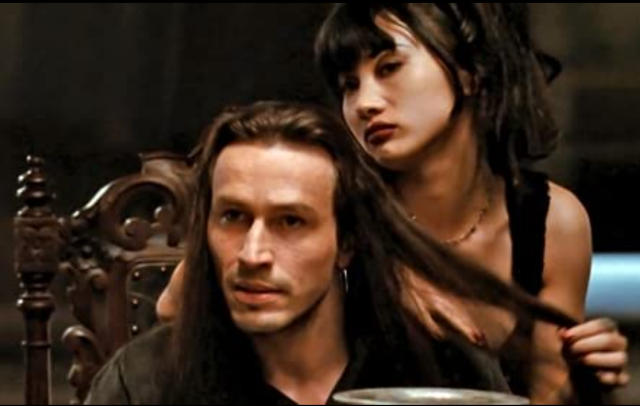


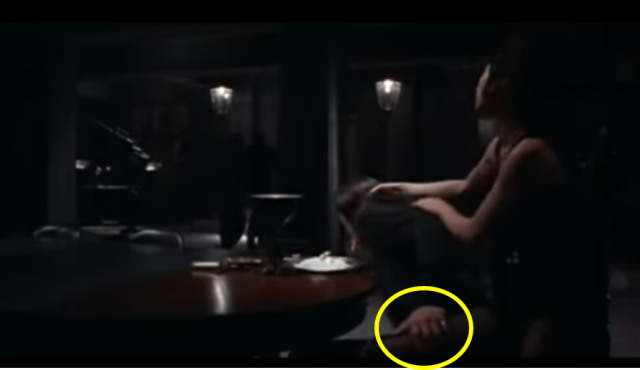
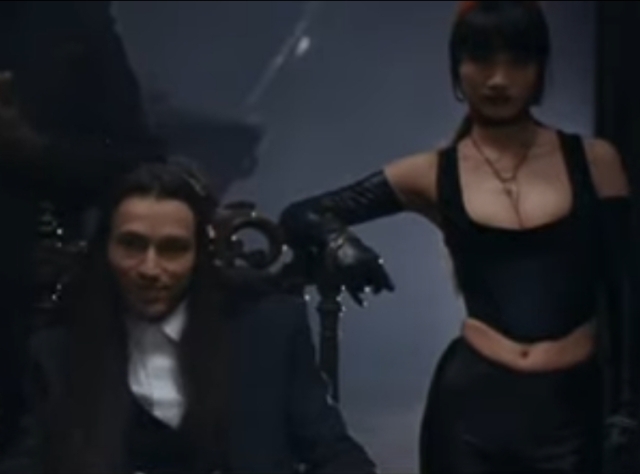


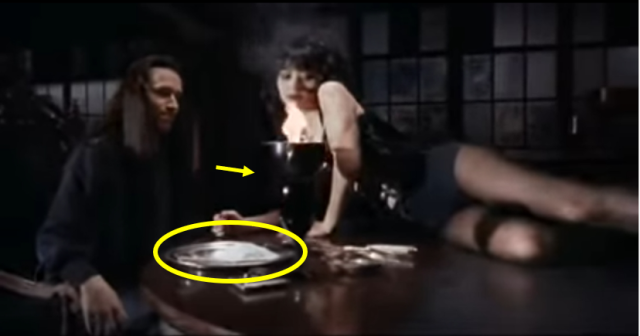


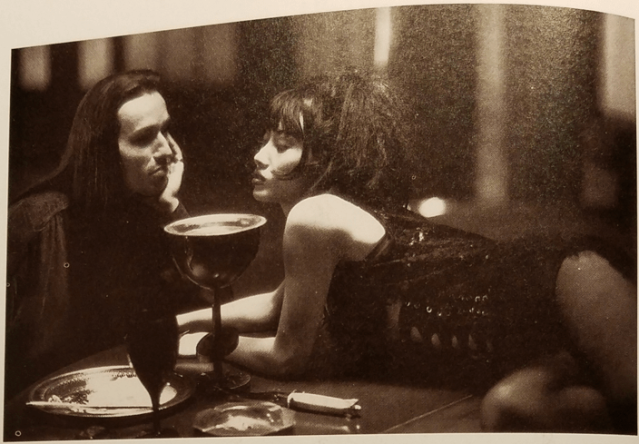




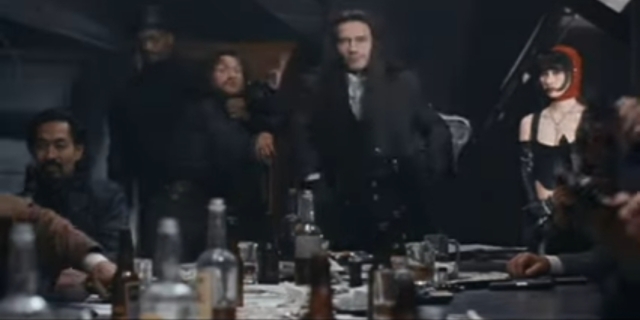








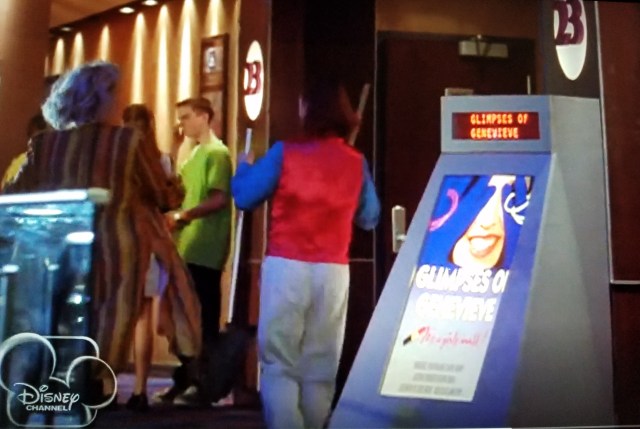



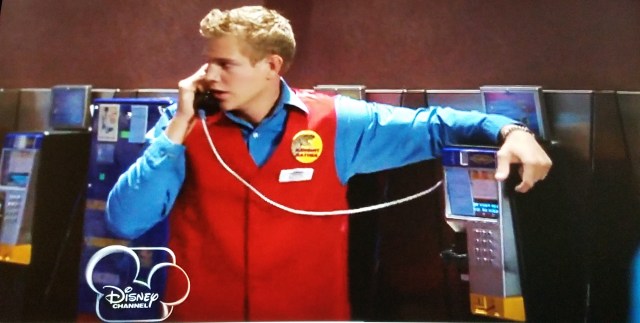














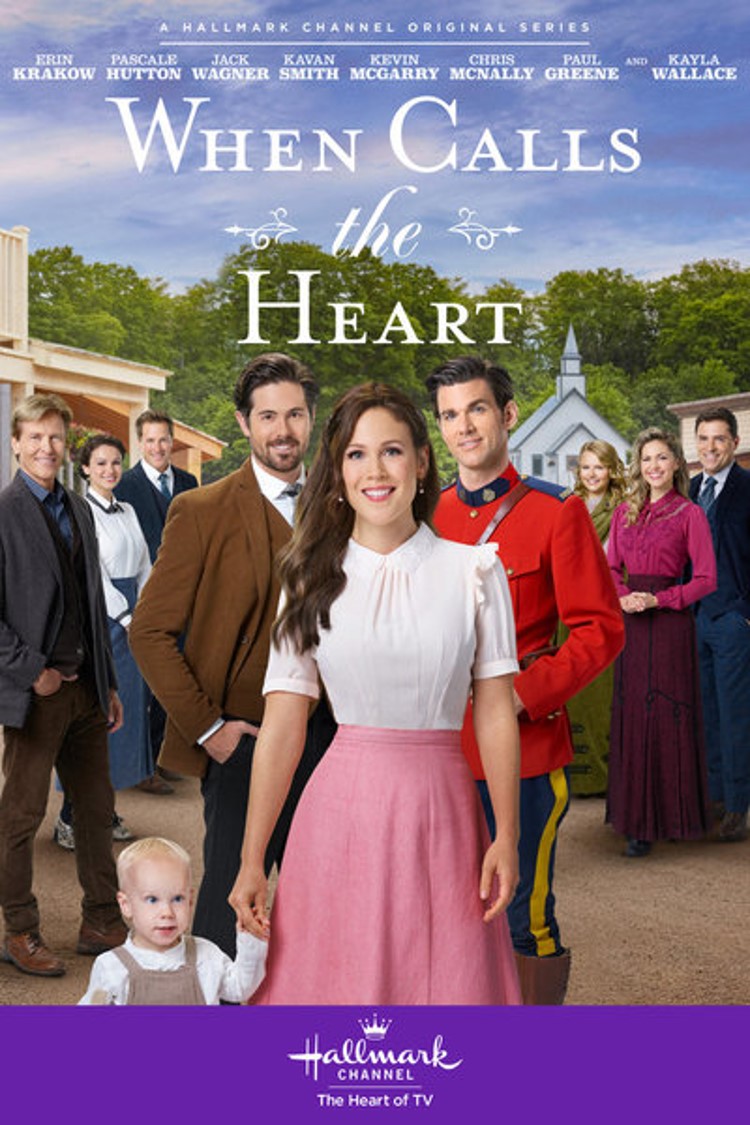






![20191029_225043[1]](https://18cinemalane.com/wp-content/uploads/2019/10/20191029_2250431-e1572404515583.jpg?w=583)
![20191029_225043[1]](https://18cinemalane.com/wp-content/uploads/2019/10/20191029_2250431-1-e1572404842636.jpg)
![20191029_224954[1]](https://18cinemalane.com/wp-content/uploads/2019/10/20191029_2249541-1-e1572405494914.jpg?w=558)
![20191029_225043[1]](https://18cinemalane.com/wp-content/uploads/2019/10/20191029_2250431-2-e1572405002374.jpg)
![20191029_224954[1]](https://18cinemalane.com/wp-content/uploads/2019/10/20191029_2249541-e1572405658224.jpg)
![20191029_224954[1]](https://18cinemalane.com/wp-content/uploads/2019/10/20191029_2249541-2-e1572405810844.jpg)
![20191029_225111[1]](https://18cinemalane.com/wp-content/uploads/2019/10/20191029_2251111-e1572406071945.jpg)
![20191029_224954[1]](https://18cinemalane.com/wp-content/uploads/2019/10/20191029_2249541-3-e1572406181940.jpg)
![20191029_225111[1]](https://18cinemalane.com/wp-content/uploads/2019/10/20191029_2251111-1-e1572406368579.jpg)
![20191029_223812[1]](https://18cinemalane.com/wp-content/uploads/2019/10/20191029_2238121-e1572406541122.jpg)
![20191029_223812[1]](https://18cinemalane.com/wp-content/uploads/2019/10/20191029_2238121-1-e1572406642131.jpg)


 18 Cinema Lane