Take 3: The Man with the Golden Arm Review

On my Movie Recommendations board on Pinterest, I have 107 films listed. The Man with the Golden Arm is one of those films. Maddy, from Maddy Loves Her Classic Films, recommended the 1955 movie to me years ago. With all my movie recommendations, I try to find the perfect opportunity to review them, as a way to show respect to the people who suggested those movies. When the Kim Novak Blogathon was announced, I immediately went to my aforementioned Pinterest board, to see if any of Kim’s films were on there. Sure enough, I came across the poster for The Man with the Golden Arm! This is not the first time I’ve reviewed one of Kim’s films. Back in 2019, I wrote about the 1954 title, Phffft, a movie I thought was just ok. How will the 1955 film compare to Phffft? The only way to find out to keep reading my review!

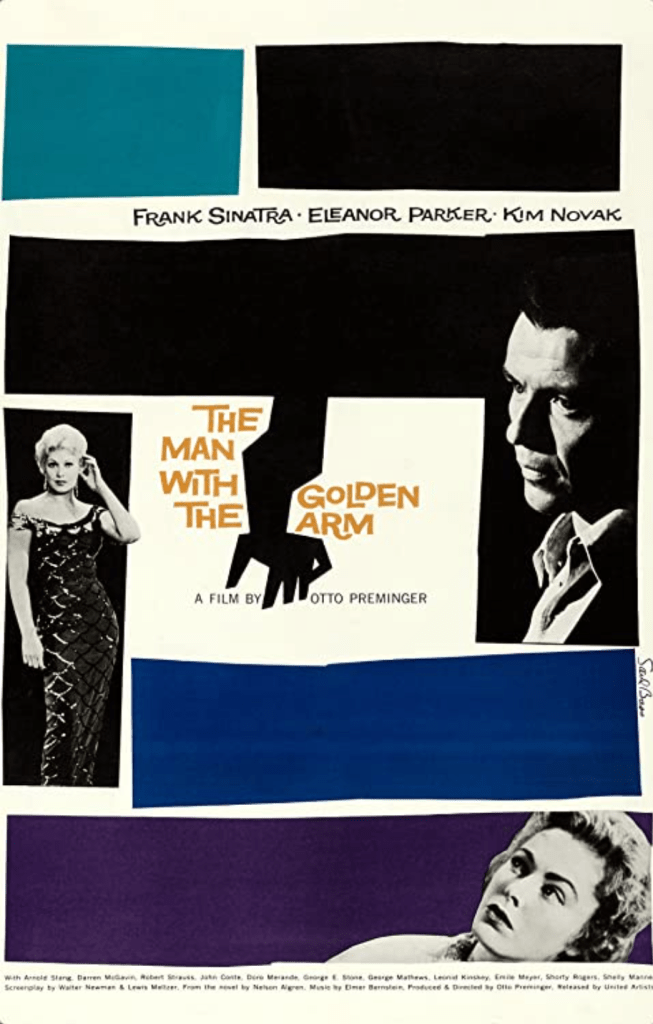
The Man with the Golden Arm poster created by Carlyle Productions and United Artists

Things I liked about the film:

The acting: Because Kim Novak is one of the reasons why I’m reviewing this movie, I’ll talk about her performance first. Portraying Frankie’s lover, Molly, Kim adopted a different persona from her role in Phffft. In The Man with the Golden Arm, she traded flirty for headstrong! Molly is a woman who knows what she wants and finds a way to get it. One of these things is for Frankie to get clean. She says it likes it is by telling Frankie what he needs to hear instead of what he wants to hear. Whenever this happens, Kim uses a tone of voice that is stern enough to be taken seriously. Her approach to emotions in The Man with the Golden Arm is more subtle. However, Kim’s facial expressions and body language perfectly showed the audience what was on her character’s mind. While working at a nightclub, Molly is disappointed by Frankie’s lateness. Her eyes are more downcast, like she doesn’t want Frankie to see her disappointment. Also, her face carries a serious expression, as if she’s tired of being let down.

Most of Kim’s scenes show Molly interacting with Frankie. These scenes presented an on-screen chemistry between Kim Novak and Frank Sinatra I liked seeing! This on-screen chemistry was a strong friendship where both parties seemed to have a deep understanding for one another. It kind of reminded me of the on-screen chemistry between Mercedes Ruehl and Jamey Sheridan in the Hallmark Hall of Fame movie, The Lost Child. While we’re on the subject of Frank Sinatra, let me talk about his performance next! The Man with the Golden Arm is the seventh movie of Frank’s I’m reviewing. In the previous six, he carries this suave charisma that presents an illusion of his character having an effortless existence. While his character, Frankie, does have charisma, it is toned down. What overshadows it is a persona that is more downtrodden and beaten. This makes sense for this particular story, as Frankie is attempting to overcome a drug addiction. Despite the change in acting material, Frank effortlessly pulls it off! His performance was versatile, allowing Frank to adapt to whatever his character faced. His performance was also consistent.

Another consistent performance came from Eleanor Parker! Prior to watching this movie, I had seen and reviewed Interrupted Melody. In that review, I said Eleanor’s portrayal of Marjorie Lawrence was emotional. I can also say that about her portrayal of Zosh, but for different reasons. Zosh is a woman who became paralyzed due to a car accident. While she also wants to see Frankie get clean, she has her own reasons why. Because of the emotionality Eleanor possesses, her portrayal of Zosh caused a ripple affect among the characters. The best example of Eleanor’s emotionality can be seen when Frankie returns from rehab. As their interaction carries on, Eleanor’s demeanor changes over time. It starts with Zosh being excited about Frankie’s return, then leads to concern and frustration over his and her future. Zosh’s reactions ripple through Frankie, presenting some obstacles on his journey to recovery.

Showing the negative effects of drug use: The subject of drug use/drug addictions is one that requires a certain amount of seriousness. Not only is that seriousness found within the story of The Man with the Golden Arm, but it can also be seen in Frank’s performance. When Frankie experiences a relapse, his right hand shakes. Shortly before he relapses, his pupils change in size. Frankie’s attitude changes to agitation, as he attempts to get the “monkey” of his back. He even becomes desperate to appease this “monkey”, putting himself, Zosh, and Molly in danger. Besides being referred to as a “monkey”, Frankie’s addiction is also compared to sugar by a member of the card dealing world. He tells Frankie giving up the addiction is like giving up sugar for the rest of his life, giving Frankie the illusion he can quit whenever he wants. However, these words cause more harm than good. It was interesting to hear the characters in this film talk about drug addictions in a more open sense. The Man with the Golden Arm was released in 1955, a time when drug addictions/drug use wasn’t talked about as openly as today. Therefore, this subject’s inclusion in the script felt ahead of its time.

The use of music: Throughout The Man with the Golden Arm, I noticed how music was used to elaborate on a scene’s particular tone. The music also built up to a tense filled moment. A great example is when Frankie relapses. While on his way to consume drugs, an orchestral tune can be quietly heard in the background. When he gets closer to his destination, the background music gets louder, stopping once Frankie gets what he wants. This specific tune plays every time Frankie relapses, serving as an indicator to the audience what’s to come. A big band tune could be heard when Frankie is looking for Molly later in the film. This tune highlighted Frankie’s urgency to find Molly. It also reflected Frankie’s musical desires and Molly’s place of employment. The use of music I described in this paragraph shows the cleverness incorporated into the movie!

The Kim Novak Blogathon banner created by Classic Movie Muse from The Classic Movie Muse

What I didn’t like about the film:

The underutilization of Kim Novak: Earlier in this review, I talked about how I enjoyed watching Kim’s performance. While I still stand by this statement, I feel her talents were underutilized. Kim appeared in a handful of scenes. Even though she was cast as a main supporting actress and she was one of the few actresses in the film, I was disappointed by how limited Kim’s on-screen appearances were. The Man with the Golden Arm is Frankie’s story, as he is the titular character. Therefore, I knew Frank Sinatra’s character would be focused on the most in this movie. But Eleanor Parker had much more screen time than Kim did. If you’re planning on watching this film specifically for Kim’s performance, like I did, you may be a bit let down.

Too many plots: The Man with the Golden Arm contained five plots, each having something important to say. Because there was no distinction of focus between these plots, they ended up spending the movie’s run-time competing against one another. The competition among the five plots caused them to be resolved in an unsatisfactory way or too conveniently. One example involves a secret Zosh carries throughout the story. This secret will not be shared in this review, in an effort to prevent the film from being spoiled. But when the secret is revealed to the rest of the characters, the timing of this reveal feels presented simply to tie up loose ends. Had some of these plots either been written out or relegated to subplot status, maybe Zosh’s secret would have been revealed sooner.

Limited inclusion of musical talents: I don’t believe there is an unspoken rule that Frank Sinatra has to sing and/or have a musical number whenever he stars in a film. But I do feel there was a missed musical opportunity in The Man with the Golden Arm. At the beginning of the movie, Frankie shares how, while in rehab, he learned how to play the drums. He even plans on joining a band. After these words were spoken, I was so excited to see Frank step out of his comfort zone and try his hand at playing an instrument that may have been new to him. But as the story progressed, Frank was shown playing the drums for a handful of seconds. In one of these scenes, it seemed like Frank was playing the drums alongside the radio, which made it difficult to discern what sounds truly came from the radio. The other two scenes presented a force that prevented me from seeing Frank perform a full drum solo.  That excitement I felt toward the beginning of the movie slowing but surely fizzled.

Poker neon sign image created by Freepik at freepik.com. <a href=’https://www.freepik.com/free-vector/poker-neon-lights-background_1137542.htm’>Designed by Freepik</a>. <a href=”https://www.freepik.com/free-photos-vectors/background”>Background vector created by Freepik</a>. Image found at freepik.com.

My overall impression:

Throughout my years of movie blogging, I have seen films that tried to say so much, but ended up saying so little. The Man with the Golden Arm is one of those films. I recognize the important messages the creative team wanted to share with the audience. But because the movie had five plots, these messages did not have a strong delivery. I can, however, commend the production for addressing a serious issue in a time when that issue was not openly talked about. The strong acting performances and use of music can be acknowledged as well. Kim Novak’s performance was one of the strongest in this film. So, it was disappointing to see Kim receive a limited amount of screen-time, especially since she was one of the reasons why I chose to watch this movie. In the future, I want to seek out Kim’s other film work. I’d also like to watch Frank’s and Eleanor’s other work too.

Overall score: 6.1 out of 10

Have you seen any of Kim Novak’s films? If so, which one would you recommend I review next? Tell me in the comment section below!

Have fun at the movies!

Sally Silverscreen
The 4th Annual Gold Sally Awards Has Arrived!

18 Cinema Lane recently celebrated its fourth anniversary! To commemorate such an important milestone, I am, once again, hosting the Gold Sally Awards! As I said last month, each award post will feature two polls at a time. This decision was made to help the voting process move at a faster pace. With that said, this year’s Gold Sally Awards will begin with the Best Movie and Story polls! Because I didn’t post any announcements for the Gold Sally Awards, the first two polls will be available for two weeks; from February 16th to March 2nd. Like years past, you are allowed to vote for more than one nominee. But you can only vote once per person. The link to the polls will be located under each poll. Just click on the word ‘PollMaker’.

Similar to last year, I thought featuring this anniversary image was appropriate for the start of the Gold Sally Awards! Anniversary image created by WordPress.
What was the Best Movie of 2021?
1. The Karate Kid (1984)
2. The Three Musketeers (1948)
3. The Love Letter
4. Perry Mason: The Case of the Telltale Talk Show Host
5. Sincerely, Yours, Truly
6. Rigoletto
7. Holly and Ivy
8. The King and I (1956)
9. A Star Is Born (1937)
10. Poisoned in Paradise: A Martha’s Vineyard Mystery
 
Created with PollMaker
What was the Best Story of 2021?
1. The Karate Kid (1984)
2. The Three Musketeers (1948)
3. The Love Letter
4. Perry Mason: The Case of the Telltale Talk Show Host
5. Sincerely, Yours, Truly
6. Rigoletto
7. Holly and Ivy
8. The King and I (1956)
9. A Star Is Born (1937)
10. Poisoned in Paradise: A Martha’s Vineyard Mystery
 
Created with PollMaker

Have fun voting!

Sally Silverscreen

Take 3: Hallmark Hall of Fame’s The Lost Child Review + 395 Follower Thank You

To all 395 followers, thank you for helping make 18 Cinema Lane the success it is today! With a new blog follower milestone comes a new blog follower dedication review! I recently read Black Star, Bright Dawn by Scott O’Dell. After reading that book, I realized how rarely I review films revolving around Native American stories. The last one I reviewed was Luna: Spirit of the Whale, with that review published two years ago. To make up for that, I decided to select Hallmark Hall of Fame’s The Lost Child to write about and discuss! It also has been several months since I reviewed a Hallmark Hall of Fame production, with my review of Saint Maybe published last September. Within Hallmark’s library of films, those containing Native American stories are far and few between. These handful of movies have ranged in quality, with Dear Prudence being the best one, in my opinion. So, where does The Lost Child rank? The only way to find out is to keep reading!

Since I had The Lost Child recorded on my DVR, I took a screenshot of the film’s poster with my phone. Screenshot taken by me, Sally Silverscreen

Things I liked about the film:

The acting: Mercedes Ruehl and Jamey Sheridan are no strangers to the world of Hallmark entertainment, as both actors have appeared in at least one Hallmark film besides The Lost Child. Back in 2013, Mercedes starred in Banner 4th of July, a film I haven’t seen. A movie I have seen is 2008’s Dear Prudence, which starred Jamey Sheridan. I don’t believe Mercedes and Jamey appeared in a movie together prior to The Lost Child. Despite this, they had really nice on-screen chemistry! Their characters, Rebecca and Jack, seemed like kindred spirits. The acting abilities of Jamey and Mercedes are part of the reason why this is the case! When Rebecca first meets Jack at a bar, the audience can tell how in sync these two characters are. Jack and Rebecca appear to enjoy each other’s company, with the body language and facial expressions of each actor showing how their characters feel. Mercedes and Jamey not only had good chemistry with each other, they had good chemistry with the other cast members as well! Even though they weren’t on screen together, the scene where Grace, portrayed by Irene Bedard, calls Rebecca is one of the strongest scenes in The Lost Child. Throughout their phone conversation, genuine emotions were shared between both women. The strength of Mercedes’ and Irene’s acting abilities elevated the scene itself, as their conversation revolves around a very emotional subject. A combination of facial expressions, tone of voice, and use of emotionality worked in the favor of each actress, as the scene felt believable!

The scenery: The Lost Child was filmed in Superior, Arizona, according to IMDB. This is because the majority of the story takes place on a Navajo reservation. At several moments in the movie, the film’s creative team took advantage of The Grand Canyon State’s beauty by incorporating the natural landscape within establishing shots or weaving them into the story. A woman named Aunt Mary gives Rebecca a tour of the reservation. During this tour, Aunt Mary takes Rebecca to the spot where Rebecca’s biological parents got married. It’s easy to see why they chose to get married in that spot, as a piece of canyon rock dominates the space. Set against a clear, blue sky, this rock contrasts beautifully with the sky’s hue, as well as the green of nearby cactus. Before Rebecca meets Aunt Mary, she watches the sun rise. The sky gives off hues of orange and yellow, which help the audience focus on this part of natural majesty. Scenes like the two I mentioned are examples of the creative team taking initiative to show how beautiful Arizona can be!

An introduction to Native American culture: As I previously stated, the majority of The Lost Child takes place on a Navajo reservation. Because of this, Rebecca and her family spend time interacting with other members of the Navajo community. Through these interactions, Rebecca’s family, as well as the audience, learn about some aspects of the Navajo culture. When she’s trying to learn how to weave, Aunt Mary tells Rebecca to make a break in her blanket design, in order to prevent losing her spirit in her work. This simple piece of advice teaches Rebecca and the viewers how blankets created by Navajo members carry a special meaning with each design. One evening, Rebecca’s biological family gather around a fire and dance around that fire together. When Rebecca arrives, she asks what her family is celebrating. Her cousin shares how there doesn’t need to be a celebration to have a good time. The Lost Child is not the “end all, be all” when it comes to Navajo culture. However, if one is interested in learning more, this movie provides a good starting point!

Illustrated image of Arizona desert created by pikisuperstar at freepik.com. Background vector created by pikisuperstar – www.freepik.com

What I didn’t like about the film:

A not so compelling conflict: In The Lost Child, Rebecca not only learns she is a Navajo woman, her biological family having been looking for her as well. However, this conflict is resolved within the first thirty minutes of the movie. To make up for the short resolution, the rest of the story focuses on Rebecca and her family acclimating to reservation life. Without spoiling the movie, I can see why Rebecca would make the choices she did. But I didn’t find this overarching conflict to be as compelling as Rebecca’s search for her family. Part of this has to do with how I’m not a fan of “slice of life” stories. The Lost Child is based on a book I haven’t read. Therefore, I’m not sure which parts are straight from the source material and which are creative liberties.

A missing twin brother: When Rebecca is around the age of thirteen, she accidently finds out she has a twin brother. Years later, she posts notices on the internet, in an attempt to find him. These posts are what lead Rebecca to Grace, one of her sisters. But when Rebecca meets her biological family, she abandons the search for her brother. Throughout the story, this twin is brought up in passing. His whereabouts or his name are never mentioned. Like I previously stated, this movie is based on a pre-existing book. Despite that fact, I was frustrated by this huge loose end.

Too many story ideas: I know there is only so much story you can tell in two hours, the run-time for The Lost Child. Therefore, you need enough story material to not only satisfy that run-time, but also hold the audience’s attention. In the case of this movie, there are too many ideas found within the story. Some of these ideas could have warranted its own film. One of them revolves around Rebecca’s daughter, Caroline, being bullied at her new school. Because of how many story ideas were in this film, some of those ideas get lost in the shuffle. A good example is Rebecca’s youngest daughter being diagnosed with a food sensitivity. Looking back on The Lost Child, it felt like the creative team tried to tackle so much in a short amount of time.

White horse image created by Gabor Palla at freeimages.com. “FreeImages.com/Gabor Palla.”

My overall impression:

The Lost Child is the forty-seventh Hallmark Hall of Fame movie I’ve seen in my life. At this point, I know what I like and expect to see in a film of this nature. Personally, I thought the 2000 production was just fine. But it didn’t leave a strong impression on me like other Hall of Fame titles have. I wish the story had focused more on Rebecca’s search for her family, as I found that more interesting than her reservation life. However, I recognize that the film is based on pre-existing material. As I said in the introduction, Hallmark movies revolving around Native American stories are far and few between. This can also be said for the coverage of these films on 18 Cinema Lane. When I do chance upon a movie containing Native American stories, I approach them in the hope they are good. For The Lost Child, it was about as enjoyable as Luna: Spirit of the Whale was, a movie I reviewed back in 2020. A good thing I can say about the Hallmark Hall of Fame project is how it does introduce the audience to the Navajo culture. Having beautiful scenery and containing strong acting performances also help its case. I happen to have other Hall of Fame titles on my DVR. The question is, which one will I review next?

Overall score: 7 out of 10

Do you watch Hallmark Hall of Fame movies? Are there any you’d like to see me review? Let me know in the comment section!

Have fun at the movies!

Sally Silverscreen
Take 3: Harvey (1950) Review

This month’s Genre Grandeur is one I have been anticipating! That’s because of the film I selected for the event! January’s theme is ‘Comedies that feature characters who are either Stoners or Drunk’. After doing some research on the internet, I discovered the 1950 movie, Harvey, would be eligible! Harvey is a film I have been wanting to see for several years. Led by the beloved James “Jimmy” Stewart, so many good things have been said about this film. I was also interested in seeing Harvey because of its release date. Recently, I read an editorial by Jillian Atchley titled ‘It’s A Wonderful Life, James Stewart, and George Bailey’. In the article, Jillian explains there are two kinds of James Stewart films; pre-war and post-war. The post-war films, such as It’s A Wonderful Life, contain depth. I’d also add the post-war films feature higher stakes. Since Harvey was released four years after It’s A Wonderful Life, I was curious to see how deep this story would go. I also wanted to see how James would approach a character who is friends with an imaginary rabbit.

Harvey (1950) poster created by Universal Pictures

Things I liked about the film:

The acting: I have seen some of James Stewart’s movies prior to watching Harvey. What I’ve noticed about his roles in films like The Philadelphia Story, Mr. Smith Goes to Washington, It’s A Wonderful Life, and Rear Window is how there is a certain amount of charm included in his character’s personality. While portraying Elwood P. Dowd, James’ on-screen personality was different from what I’d seen before. In Harvey, Elwood is more laid-back. He also has a gentler persona, not having a care in the world. But there was one point in the movie where Elwood became somewhat philosophical. When asked by Dr. Lyman Sanderson and Miss Kelly how he first met Harvey, Elwood gives a thorough answer that is thoughtful and reminiscent. His answers to Lyman’s and Kelly’s questions not only captivate them, but the audience as well. This conversation shows there is more to Elwood when you look past the drinking and fascination with Harvey.

There were other performances in Harvey I enjoyed seeing. One of them came from Josephine Hull. Portraying Elwood’s sister, Veta, Josephine’s performance reminded me, to an extent, of Frances Bavier’s portrayal of Aunt Bee Taylor from The Andy Griffith Show. Let me explain myself; like Aunt Bee, Veta has her concerns and worries. You can hear the tension in her voice and see the fear in her eyes, illustrating how much Veta had on her plate. But, like Aunt Bee, Veta had her heart in the right place. All she wanted was for her brother to be a functioning and contributing member of society. Even if her actions weren’t always agreeable, Veta put her brother’s needs before her own. Because of her performance’s consistency, Josephine became an actress I looked forward to seeing on screen!

The set design: When I thought of Harvey, impressive set design was not what came to mind. So, when I first saw the set design in this movie, I was pleasantly surprised! A great location is the Dowd family home, which I wish was given more screen-time. While the house boasts a classic Victorian exterior, its interior was shown the most. In the house’s foyer, the stone staircase immediately caught my eye. Bearing a carved design, this staircase felt like it belonged in a castle! Another part of the home that features carved designs are the door frames. Marble fireplaces and stained-glass windows added exquisite details that highlighted the elegance and charm of the house! Another location I loved was Charlie’s! From some character’s descriptions, the bar sounded like a cheap or sleazy place. But when its interior was shown, it actually looked kind of cozy! The wood paneled walls were covered in framed photos. As a viewer, this gave me the impression the establishment is proud of their history. The booth Elwood sits at also gives off a cozy feel! The dark wood, tall backed seats surround a smaller, dark wood table. Above this seating arrangement was a small Tiffany style ceiling light.

Collection of white rabbit images created by freepik at freepik.com Hand drawn vector created by freepik – www.freepik.com

What I didn’t like about the film:

Lack of comedy: According to IMDB, Harvey is partially classified as a comedy. As I’ve said before, comedy is a subjective genre. But personally, I didn’t find this movie very funny. In fact, I only chuckled once during this hour and forty-four-minute film. I could see the jokes the screenwriters were trying to deliver. Unfortunately, none of these jokes stuck the landing. On IMDB, Harvey is also partially classified as a drama. While watching this movie, it felt like the creative team involved leaned too much into the drama genre. There’s typically nothing wrong with having comedic and dramatic elements in a singular story. In the case of Harvey, the balance between these two elements was not there.

Medical negligence: In real life or fiction, members of the medical profession are human. They are not only capable of helping others, but also capable of making mistakes. However, there is a very fine line between making mistakes and committing medical negligence. In an effort to help Elwood, Veta takes him to a mental hospital called Chumley’s Rest. But due to a registration mix-up, Veta gets admitted into the hospital instead. The idea of mistaken identity and being forced to do something against your will sounds terrifying. Paired with the fact this situation is supposed to be played for laughs makes it worse. Because of this and because of how avoidable the situation was, it didn’t sit well with me.

No explanations for Harvey: As the title suggests, a portion of this story revolves around Elwood’s friendship with Harvey, a 6 foot 3 ½ inch, invisible white rabbit. Throughout the movie, I was waiting for an explanation of what Harvey was. I even waited to see if Harvey would show up on screen. Sadly, none of these things happened. Even though suggestions about Harvey’s purpose were given, no definitive answers were presented. Was Harvey truly an imaginary friend? Was he a mythical creature only Elwood could see? Was Harvey used as a tactic by Elwood to test people’s trust? As I continue to write this review, I still don’t know what Harvey is.

Decisions being flip-flopped: There’s nothing wrong with showing a character changing their mind about something. After all, that prevents them from being static. If a character is going to change their mind on something, you need to show the process of that viewpoint being changed. In the case of Harvey, that process was, sometimes, omitted. When visiting the Dowd family home in search of Elwood, Marvin Wilson, an employee from Chumley’s Rest, takes a romantic fancy to Myrtle Mae, Elwood’s niece. During Marvin’s visit, Myrtle expresses no interest in his romantic advances. But when they meet up again, later in the film, Myrtle suddenly wants to pursue a relationship with Marvin. Her change of opinion feels abrupt, with no lead-up to that decision. The omission of decision transitions sometimes left me frustrated.

Heartbeat image created by Freepik at freepik.com. <a href=’https://www.freepik.com/free-vector/medical-logo_763775.htm’>Designed by Freepik</a>. <a href=”https://www.freepik.com/free-photos-vectors/logo”>Logo vector created by Freepik</a>. Image found at freepik.com.

My overall impression:

“What is the point of this movie”? I’m not asking this to be disrespectful or mean-spirited. I’m asking this because I’m genuinely curious to figure out what that point is. Sometimes, a film’s purpose or intended message is either obvious or easier to figure out. But with Harvey, I don’t know what the creative team was trying to say. Was this movie meant to be a cinematic PSA about how those with mental health related issues should be treated with dignity and respect? Is the film supposed to be an exploration of how some adults lose their sense of imagination the older they become? How am I expected to care about the filmmakers’ message when I don’t have a clear idea what it is? Besides being confusing, Harvey was, for me, disappointing. Because of James Stewart’s involvement in this project and because of the inclusion of a 6 foot 3 ½ inch, invisible white rabbit, I thought the movie was going to be whimsical and charming, with a sense of ‘magical realism’. Unfortunately, the 1950 film was none of those things. The lack of comedy and medical negligence did not help either. In all my years of watching movies, I never thought I’d see a James Stewart film I didn’t like. But, as of January 23rd, 2022, here I am.

Overall score: 5 out of 10

Have you seen Harvey? Which film from James Stewart’s filmography would you recommend I review next? Let me know in the comment section!

Have fun at the movies!

Sally Silverscreen

If you’re interested in reading Jillian’s editorial, here is the link:

The Top 10 Best Movies I Saw in 2021

Like I said in my list of the worst movies I saw in 2021, this year is a little different. Since 2018, most of the movies on my best list have been those I have reviewed. But a few titles on those lists weren’t covered on my blog. 2021 is the first year where every film on my best list has been reviewed on 18 Cinema Lane! It should also be noted how each of these titles were either blogathon entries or Blog Follower Dedication Reviews. Therefore, I will include a link to each of these reviews on my list! As I said in my worst movies of 2021 list, I saw several films this year that I liked. This article is reflective of those feelings. But unlike my aforementioned list, there will be Honorable Mentions. So, with that said, let’s end 2021 on a high note with the top ten best movies I saw in 2021!

Honorable Mentions

Cape Fear (1962), Bathing Beauty, Aurora Teagarden Mysteries: Til Death Do Us Part, Elizabeth Is Missing, and The Girl Who Spelled Freedom

<a href=”http://<a href=”https://www.freepik.com/vectors/christmas”>Christmas vector created by BiZkettE1 – http://www.freepik.com</a>&quot; data-type=”URL” data-id=”<a href=”https://www.freepik.com/vectors/christmas”>Christmas vector created by BiZkettE1 – http://www.freepik.com2021 New Year image created by BiZkettE1 at freepik.com.

10. Poisoned in Paradise: A Martha’s Vineyard Mystery

Hallmark Movies & Mysteries’ Martha’s Vineyard Mystery series is a newer story that began last year. Despite how young this series is, it has grown over the course of four movies! This chapter not only recognizes its strengths, but also improves on some of the previous movies’ mistakes. Giving equal focus to the main and side mysteries is one example. Speaking of the mysteries, the overarching story was intriguing and engaging. There were even new characters added to this film I wanted to know more about. In Poisoned in Paradise: A Martha’s Vineyard Mystery, Jeff’s story didn’t receive a lot of development. With this and everything else said, I hope this series continues in 2022!

Take 3: Poisoned in Paradise: A Martha’s Vineyard Mystery Review + 360, 365, 370, and 375 Follower Thank You

9. A Star Is Born (1937)

In my three (soon to be four) years of movie blogging, I never thought I’d ever see any version of A Star Is Born. But now that I have seen the original from the ‘30s, I can honestly say it was better than I expected! The story’s honesty about the entertainment industry and maturity toward heavier subjects was such a surprise. What was also a surprise was the use of mixed-media throughout the film, as it was ahead of its time. Even though A Star Is Born was released toward the beginning of the Breen Code era, it highlights the quality storytelling that came from this period in time. With the constant changes in the entertainment landscape, as well as technology, I can kind of see why this story has been remade on more than one occasion.

Take 3: A Star Is Born (1937) Review

8. The King and I (1956)

In 2021, there is at least one movie from the ‘50s on my best and worst movies list. But since I already talked about I Dream of Jeanie and The Trap, it’s time for The King and I to shine! This was the first time I had seen this version of the story in its entirety. Despite that, I found the film to be quite enjoyable! It is a good looking and sounding film, with the costume design, musical numbers, and set design building an aesthetically pleasing picture. The most memorable part of the movie was Tuptim’s interpretation of Uncle Tom’s Cabin! As I said in my review, it served as a good example of how everyone can view a text differently. The scene itself was more interesting than I expected.

Take 3: The King and I (1956) Review

7. Holly and Ivy

Because Hallmark creates so many Christmas movies, it can sometimes feel like they blend together. However, that is not the case for Holly and Ivy! What helps this title stand out is showing realistic characters dealing with realistic situations. This is quite different from those Hallmark pictures where the conflict either revolves around returning to a small town, saving a beloved establishment, or planning a major event. The emotional balance within this story added to my enjoyment of the picture. It never felt like the creative team was trying to emotionally manipulate me or force a reaction out of me. Looking back on the few Christmas films I reviewed this year, I can say with all honesty that Holly and Ivy was the best one!

Take 3: Holly and Ivy Review

6. Rigoletto

In my opinion, Rigoletto is to Beauty and the Beast what Ever After: A Cinderella Story was for Cinderella. What I mean by this is Rigoletto does an effective job at executing a non-magical version of Beauty and the Beast! Even though there have been musical versions of this particular story, such as the 1991 animated production from Disney, the 1993 film chose music as one of the story’s themes. This was an interesting choice, as it showed the audience the talent and skill it takes to be a good singer. Another interesting choice was the story taking place during The Great Depression. As I said in my review, this creative decision helped the film achieve its own identity.

Take 3: Rigoletto Review + 350 and 355 Follower Thank You

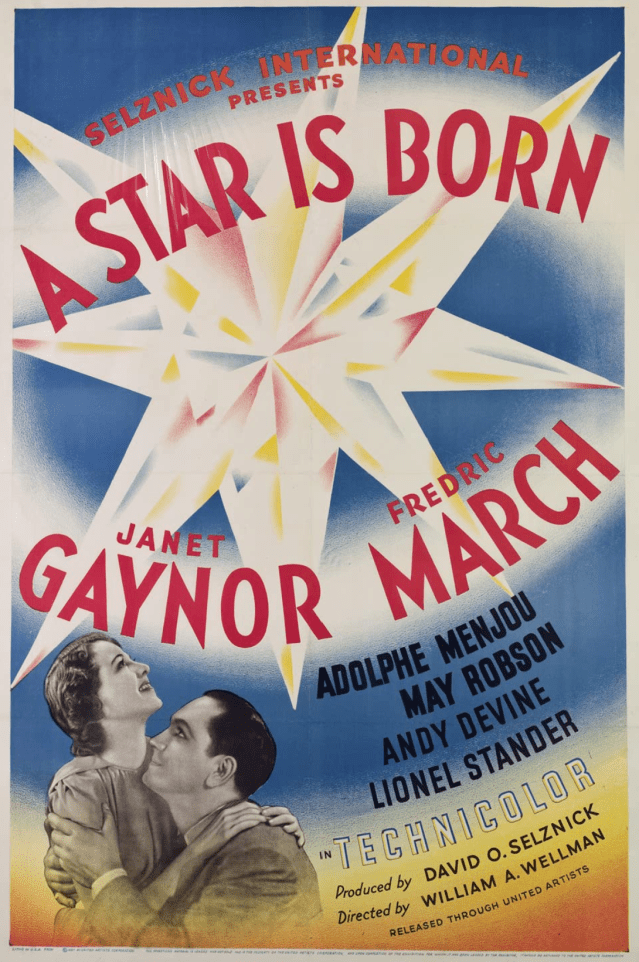
A Star Is Born (1937) poster created by Selznick International Pictures and United Artists

5. Sincerely, Yours, Truly

This is the first year an UP Network movie has appeared on any of my best lists! While Sincerely, Yours, Truly does contain a similar story to those found on Hallmark Channel, it makes up of that in genuineness and sincerity. The movie also presented interesting ideas, such as a grant proposal process and avoiding the “it’s not what you think” cliché. The on-screen chemistry and witty banter between the lead actor and actress definitely added to my enjoyment of this film! I don’t know what’s in store for UP Network in 2022. But I hope they continue to release quality productions like Sincerely, Yours, Truly!

Take 3: Sincerely, Yours, Truly Review + 295, 300, 305, 310, and 315 Follower Thank You

4. Perry Mason: The Case of the Telltale Talk Show Host

This entry in the Perry Mason movie series is one of the most memorable titles! One of the reasons why was the titular talk show host. Featuring real life talk show hosts in this story was a good idea. Having them portray talk show hosts on the radio was an even better idea, especially since some of those hosts had their own television show. That creative decision gave them new material to work with. The engaging nature of the mystery, where the outcome unfolds as the story goes on, maintained a steady amount of intrigue. This served as another way Perry Mason: The Case of the Telltale Talk Show Host stood out in the mystery genre!

Take 3: Perry Mason: The Case of the Telltale Talk Show Host Review + 290 Follower Thank You

3.  The Love Letter

Over the years, I have enjoyed finding and watching Hallmark Hall of Fame movies from years, even decades past. Sometimes, there are hidden gems that can be discovered. 1998’s The Love Letter is one of those gems! Unlike Chasing Leprechauns, the creative team behind the Hallmark Hall of Fame title found a way to allow the realistic and whimsical aspects of the story to co-exist. In fact, the whimsical part of the movie is what made the project one of the most unique in Hallmark Hall of Fame history! The film does contain the elements you’d usually find in a production of this nature, such as historical accuracy. But that just adds to the strength of The Love Letter!

Take 3: Hallmark Hall of Fame’s The Love Letter Review

2. The Three Musketeers (1948)

Isn’t it interesting how another Gene Kelly movie made it to my best list’s top three? Despite the weird coincidence, I did enjoy this version of The Three Musketeers! There was so much about this project I liked, from the strength of the ensemble cast to the stellar fight choreography. However, the best part of the film was how much detail went into it. This can be seen in the set design and costumes, where research and care are also reflected. While I still haven’t gotten around to reading the novel this movie is based on, The Three Musketeers was definitely an entertaining story!

Take 3: The Three Musketeers (1948) Review

1. The Karate Kid (1984)

When it comes to the world of cinema, nothing beats the classics! The timelessness of 1984’s The Karate Kid allows the film to have a strong rate of re-watchability. The film’s story also contained ideas and messages that caused me to think, which is not something I’d expect from a sports movie. As I write this list, Mr. Miyagi’s words immediately come to mind. Whether it’s the famous “Wax on, Wax off” quote or his wisdom about karate, these words not only help The Karate Kid remain a memorable picture, but also give the audience something to apply to their lives. Add some exciting karate sequences and you have a solid film that has stood the test of time!

Take 3: The Karate Kid (1984) Review (Olympic Dreams Double Feature Part 1)

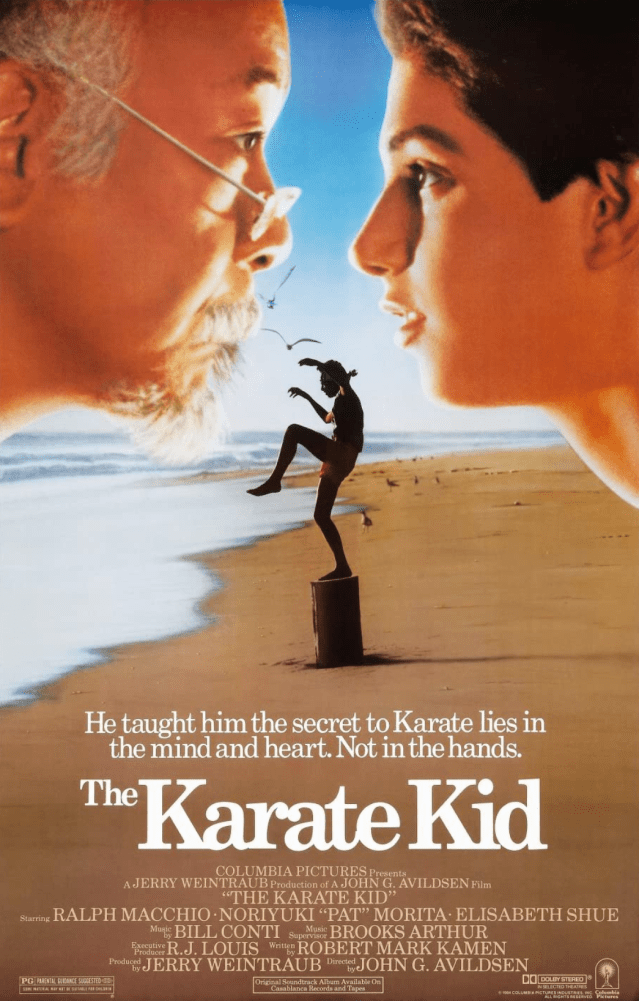
The Karate Kid (1984) poster created by Delphi II Productions, Jerry Weintraub Productions, and Columbia Pictures

Have fun in 2022!

Sally Silverscreen

A Movie Blogger’s Christmas Wish-List 2021

Another year, another Christmas wish list! Since I started my blog in 2018, I have created and maintained this annual tradition. In these posts, I share a list of movie-related things I would like to receive for Christmas. Most of the items on these lists have been realistic, but there have been a few items that were based on wishful thinking. For some of the categories on this year’s list, it took months to figure out what I wanted to wish for. This is much different from years past, as some of the wish list items were chosen almost immediately. But that didn’t stop me from creating a brand-new list! So, without any delay, it’s time for me to share what I’d like for Christmas!

Here is a screenshot of my Christmas tree this year! Screenshot taken by me, Sally Silverscreen.

Something You Want

On my first Movie Blogger’s Christmas Wish-List, I said I wanted to see Hallmark Hall of Fame team up with Trans-Siberian Orchestra to create a Christmas movie musical. But since I published that list three years ago, it doesn’t seem like that is one of Hallmark’s priorities. Instead, I’d like to see the band team up with GAC Family to create a movie! While I haven’t seen any of this network’s films, I have heard good things about them. Plus, Trans-Siberian Orchestra has been known for being a family-oriented musical group. This collaboration could be a win-win situation. Because GAC Family is a newer network, they are probably still looking for new content ideas. As for TSO, it would be a good opportunity to showcase new music. From what I’ve heard, there weren’t any musicals among their selection of Christmas films. So, this would be something new for the network!

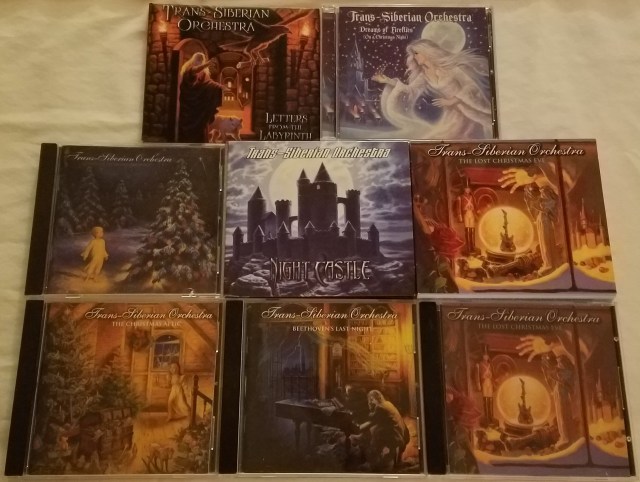
Since I’m talking about Trans-Siberian Orchestra again, I’m including this picture of my TSO CD collection. Screenshot taken by me, Sally Silverscreen.

Something You Need to See

As I mentioned in my post, Top 10 Things I’d Like to See in When Calls the Heart’s Ninth Season, 2021 is the second year in a row Hearties won’t receive a Christmas movie. This is such a puzzling decision for Hallmark Channel, especially since the show draws a lot of viewership numbers for the network. These viewership numbers have led these Christmas movies to be successful. I wish Hallmark, as well as the creative team behind When Calls the Heart, would consider creating another Christmas movie. It would be wonderful to see a Christmas wedding in Hope Valley! In recent years, it seems like Hallmark has made less Christmas-related wedding films. But since Hope Valley has never hosted a wedding at Christmas time, it would bring something new to their table!

Small, western town image created by Freepik at freepik.com. <a href=”https://www.freepik.com/free-photos-vectors/background”>Background vector created by freepik – http://www.freepik.com</a>. Image found at freepik.com.

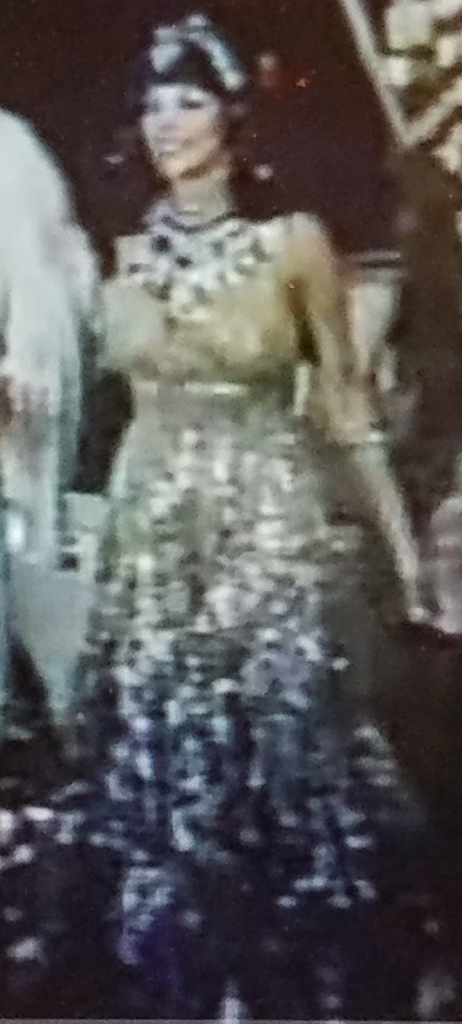
Back in March, I reviewed a movie titled Making of a Male Model. In that review, I talked about how I loved Kay’s (the female protagonist’s) dress, describing it in detail. I even included a photo of the dress in my review, though its quality was poor. Because of how much this dress stood out to me, I knew it was going to appear on my Christmas Wish-List! Once again, I apologize for the photo’s poor quality. It’s one of those outfits that needs to be seen to be believed!

Here is a poor quality picture of the dress I was talking about. Screenshot taken by me, Sally Silverscreen.

A book I’ve read that I’d like to see adapted into a film

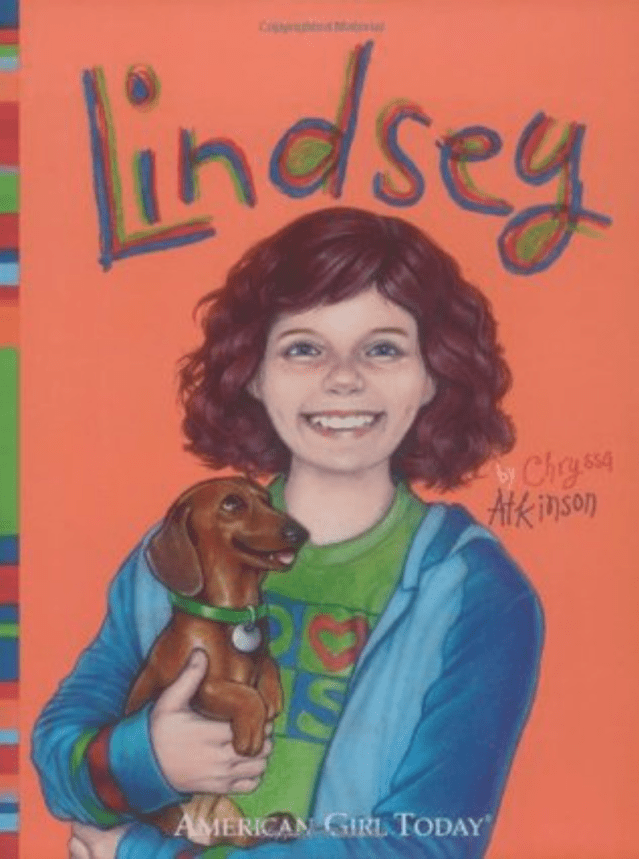
Earlier this year, I ventured into American Girl doll collecting. One aspect of this realm I find fascinating is stop motion short films. There have been several films released under the American Girl banner, with some of these titles focusing on a character from the company’s Girl of the Year line. While looking back on these movies, I took note of how only a few Girl of the Year characters received their own cinematic story. One of the characters that didn’t was Lindsey, who was American Girl’s first Girl of the Year. She was released in 2001, a time when the company never considered making movies for the Girl of the Year characters. To make up for this, I would love to love to see a fan-created, stop motion film based on Lindsey’s story! I reread her book this year and I enjoyed it the second time around. It was funny and intriguing, two qualities that would make a stop motion film interesting!

Lindsey book cover image found on Goodreads and created by American Girl.

What are your thoughts on my Christmas wish list? Which item did you find the most interesting? Let me know in the comment section!

Have fun at Christmas!

Sally Silverscreen

Take 3: The Nutcracker Prince (1990) Review

With 2021 soon coming to a close, this will be my last movie review and my last blogathon entry of the year! Because the Christmas season is upon us, I figured a Christmas flick was the way to go! As was announced by MovieRob, December’s Genre Grandeur theme is Non-Disney Animated Films of the 90’s. While looking for possible titles through a general internet search, I came across The Nutcracker Prince from 1990. Prior to writing this review, I had heard of the film. But I had never seen it. Over the years, it has been said most movie adaptations of The Nutcracker ballet are bad. Since I’ve only seen the Barbie version many years ago, I can’t agree or disagree with this statement. So, for this review of The Nutcracker Prince, I will only be judging the 1990 title.

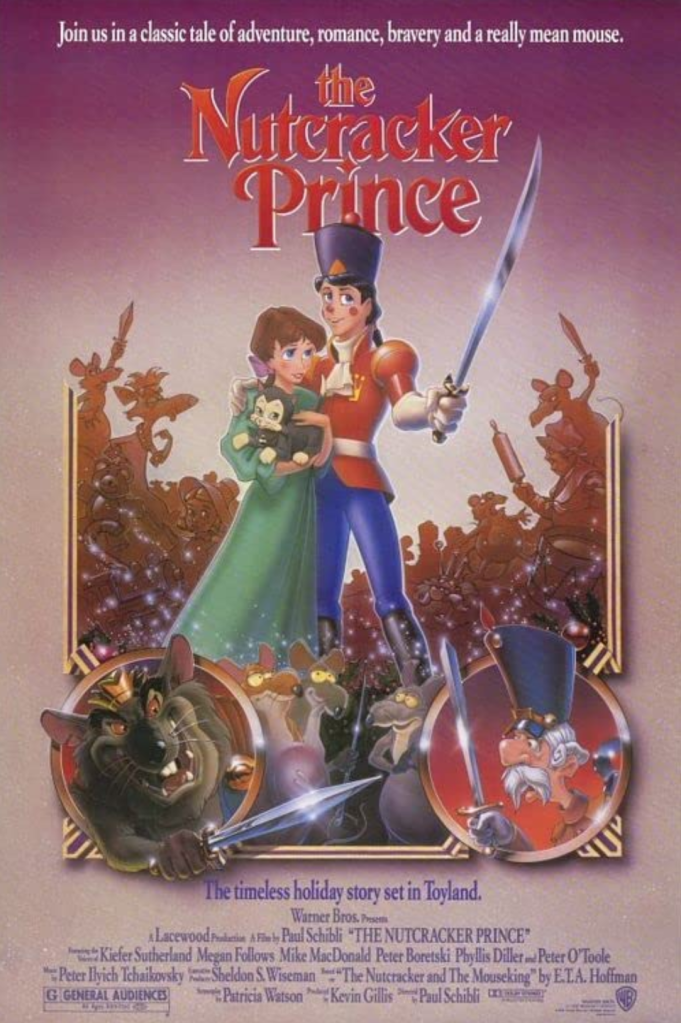
The Nutcracker Prince (1990) poster created by Lacewood Productions, Boulevard Entertainment, Allied Filmmakers, and Cineplex Odeon Films

Things I liked about the film:

Use of color: The Nutcracker ballet is a production that is known for being colorful. Therefore, the use of color in an adaptation of this story can make or break it. The way color was used in The Nutcracker Prince complimented the source material! One good example is the Christmas party at Clara’s family’s house. The primary colors in the background were a faded red and coral. But Clara’s dress boasted a hue of sea foam green. This color selection allowed Clara’s dress to stand out against the background. It also gave Clara as a character definition and focus.

Utilizing the ballet’s musical pieces: Another iconic part of The Nutcracker ballet is its music! From the ‘Dance of the Sugar Plum Fairy’ to ‘Waltz of the Flowers’, these pieces of music have become a staple in not only the soundtrack of Christmas, but also in the world of classical music. What’s interesting about the ballet’s music in The Nutcracker Prince is how it was utilized in different parts of the story from the original show. The ‘Waltz of the Flowers’ can be heard twice in this film. The first time is during Clara’s family’s Christmas party, as the adult attendees are dancing a waltz. The second time is when Clara is dancing with the Nutcracker in the middle of the night. Only this time, she’s singing a song called ‘Save This Dance’, with the music from ‘Waltz of the Flowers’ serving as a background melody. Using these pieces in different contexts show how versatile they are. They elaborate a scene’s specific tone as well.

A backstory for the Nutcracker: In The Nutcracker ballet, the audience watches as the Nutcracker transforms into a human. Since there are no explanations provided for this transformation, the audience is forced to accept what happened at face value. In The Nutcracker Prince, the creative team makes sure to provide their audience with a backstory for the titular character. I can’t get into detail about this part of the story, as I don’t want to spoil the movie. But all I’ll say is there is an explanation given for why this character becomes a nutcracker. I like how this film’s creative team took a part of the ballet and gave it a new story. This shows one example of how they respected the source material while also bringing something new to the table!

Image of ballerina preparing to dance created by Pressfoto at freepik.com. <a href=”https://www.freepik.com/free-photos-vectors/people”>People photo created by pressfoto – http://www.freepik.com</a>. Image found at freepik.com.

What I didn’t like about the film:

No Land of Sweets: What sets The Nutcracker apart from other ballets is the second half of the production, reserved for the Land of Sweets. This is the part of the story where Clara and the Nutcracker visit the aforementioned land where sweet treats are brought to life through dance. The Nutcracker Prince omits the Land of Sweets. Instead, this land is replaced with The Land of the Dolls. From a creative perspective, I understand why the movie’s creative team made this decision, as they didn’t want to copy-and-paste the source material. But, on the other hand, I was disappointed by the lack of the Land of Sweets. That’s because I was curious to see how the ballet’s second half would translate to animation.

The amount of focus on The Mouse King vs. The Nutcracker: Within the ballet’s first half, the Nutcracker fights in a duel with The Mouse King, the villain in the story. Like The Nutcracker Prince, this duel served as a conflict in the ballet. However, it lasted for only one scene. In the movie, the conflict takes up the majority of the plot. Similar to what I said earlier, I understand why the film’s creative team made this decision, as they wanted to provide their story with a solid conflict. But because of that decision, it took away time from exploring The Land of the Dolls and showcasing elements from the Land of Sweets.

Unclear parts of the story: Within The Nutcracker Prince, there were a few parts of the story that I wish were clarified. On Christmas Eve, after Clara receives a doll named Marie, her parents say this is the last doll Clara will get. With little to no context provided, I was unsure if Clara was simply growing up or was about to pass away. At several points in the film, Uncle Drosselmeier mentions his nephew. To prevent spoilers from being revealed, I won’t share too many details about that part of the story. However, when Drosselmeier’s nephew does appear in the film, I was confused of the identity of this character. I’m assuming that information was supposed to be heavily implied. However, if it was related to the plot, it should have been clearly explained.

Merry Christmas banner created by Freepik at freepik.com. <a href=’https://www.freepik.com/free-vector/merry-christmas-decorative-vintage-background_1359013.htm’>Designed by Freepik</a>. <a href=”https://www.freepik.com/free-photos-vectors/background”>Background vector created by Freepik</a>. Image found at freepik.com.

My overall impression:

As I said in my introduction, I’ve heard most movie adaptations of The Nutcracker ballet are bad. The Nutcracker Prince from 1990 has been included in that conversation. But now that I have seen this movie, I can finally give my own honest opinion about it. With that said, I personally thought it was fine. With any adaptation, The Nutcracker Prince is not the “end all, be all”. Sure, there are parts of the story that could have been stronger. But I will give this film credit where it is due. Similar to what I’ve said about remakes, a good adaptation should do two things: respect the source material and bring something new and unique to the table. I can honestly say The Nutcracker Prince does both of those things! The story itself goes in different directions than the ballet. At the same time, the movie’s creative team uses elements of the ballet to their advantage, such as the colorful palette and the musical pieces. So, if you’re a fan of The Nutcracker, animated movies, or lesser-known projects of the ‘90s, then I would suggest adding The Nutcracker Prince to your to-watch list this Christmas season!

Overall score: 7.1 out of 10

Have you seen any film adaptation of The Nutcracker? Are there any animated movies you like watching during the Christmas season? Please tell me in the comment section below!

Have fun at the movies!

Sally Silverscreen
Take 3: Emil and the Detectives (1964) Review

November’s Genre Grandeur focuses on Live Action Disney Films. Since I happen to have a few movies of this nature on my DVR, I had some options for this month’s event. I also wanted to participate in Taking Up Room’s Distraction Blogathon. Because “red herrings” and “dangling carrots” are a part of the movie distractions subject, I decided to review one film for both events; the 1964 title, Emil and the Detectives. Before both blogathons, I had this movie on my DVR for two years. The intention to review the film was there, but I hadn’t gotten around to writing about it. With these aforementioned events, I now have an excuse to finally talk about Emil and the Detectives! So, find a comfy seat and grab your magnifying glasses, as I’m about to review this 1964 live-action project from Disney!

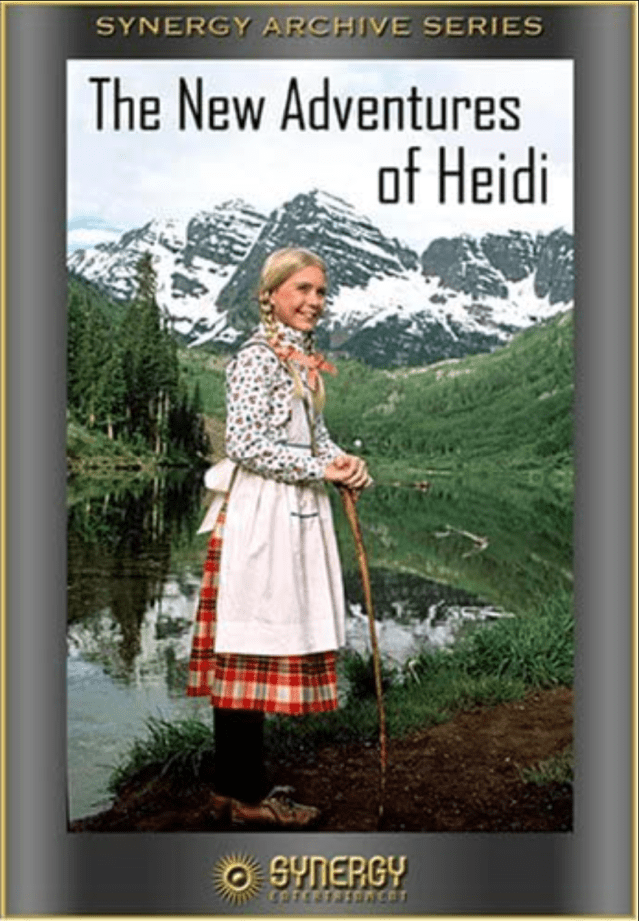
This poster for Emil and the Detectives is a screenshot from my television. Screenshot taken by me, Sally Silverscreen.

Things I liked about the film:

The camaraderie among the younger characters: When a story features a group of young characters who either are friends or become friends, the camaraderie between those characters needs to feel believable, especially if the story primarily revolves around them. With this movie, that camaraderie among Emil and the Detectives was definitely genuine! In the scene where Emil meets Gustav, the leader of the Detectives, the connection between these characters is strong, despite them having never met before. As Emil meets the rest of the Detectives, it feels like these group of boys have been friends all along. The strong camaraderie works with this story, as it gives the audience a reason to stay invested in the journey of the characters. The fact each character has their own distinct personality also works in the characters’ favor, as it allows each one to bring something different to the table. The acting performances and the script add to the strength of the characters’ camaraderie, as it makes the interactions between these characters look and feel realistic!

The German backdrop: Thinking about live-action Disney films from this time-period/era, Germany wouldn’t immediately come to mind for me when it comes to a movie’s setting. Even though this studio has created projects with interesting settings, such as The Moon-Spinners, these titles seem like exceptions to the rule. Emil and the Detectives not only takes place in Germany, but was also filmed there as well. While the story’s setting is the city, some of the buildings possess an old-world charm. The apartments displayed wood and brick styles, carrying a more vintage appearance than their more contemporary counterparts seen today. The details of these apartments were also very distinctive. When Pony meets one of the Detectives, her grandmother’s apartment door boasts a rich dark wood. A small stained-glass window and a gold mail slot can also be seen, emphasizing the antique fixtures of yesteryear. Toward the end of the film, the story takes place in an abandoned structure in ruin. Not only was the structure itself impressive, but it served as a reminder of the state of Germany post World War II. Because this film was released nineteen years after the end of World War II, it shows how these characters are not that far removed from this real-life event, providing a sense of realism to the story.

An introduction to the Film Noir genre: Back in 2018, I reviewed the 1978 Disney production, Return from Witch Mountain. In that review, I said the film and its predecessor, Escape to Witch Mountain, would be good introductions to the Science-Fiction (Sci-Fi) genre. Emil and the Detectives is also a good genre introduction, but to the Film Noir genre this time. While this film is not dark and gritty, the elements of Film Noir are certainly present. One great example is the character of Gustav. When a Film Noir story includes a detective, that character will usually have a strong, magnetic personality. This shows the audience this character can be trusted and is also approachable. Gustav is a charismatic child. Even though he is nowhere near perfect, solving any case is always his number one goal. He also displays strong leadership skills, such as helping the other Detectives use their skills to the case’s advantage. Despite being a child, Gustav is somewhat reminiscent of other detectives from the world of Film Noir, such as Philip from The Big Sleep.

The Distraction Blogathon banner created by Rebecca from Taking Up Room

What I didn’t like about the film:

Limited number of German accents: During the film’s opening credits, German-sounding names were shown on-screen. These opening credits also state Emil and the Detectives was filmed in West Berlin (a term very much of its time). So, I was expecting the majority of the characters to carry German accents. To my disappointment, the only characters using German accents were the adults. The younger characters spoke in either American or British accents, a creative decision I found somewhat jarring. I’m not going to fault the younger actors too much, especially since they were so young when they participated in this project. However, it does make me wonder why the movie’s creative team chose to set this story in Germany if they weren’t able to find actors who could pull off a German accent?

Weaker villains: There are three ingredients to making a stand-out villain: a unique appearance, a strong personality, and a memorable motive. While the Skrinks, the villains of Emil and the Detectives, possess two of the ingredients, they lack the latter: a motive. In one scene, the Skrinks are impressed by how one of the villains, The Mole, escaped from East Berlin by digging a tunnel under the Berlin Wall. But The Mole’s reason for wanting to escape from East Berlin is never revealed. Throughout the film, the Skrinks are attempting to rob a bank. Once again, the reason for committing this crime is not mentioned by any of the villains. The omission of these motives prevent the Skrinks from standing out among other villains from live-action Disney films.

Pony’s under-utilized talents: One of the younger characters, Pony, is interested in writing and journalism. She follows Emil and the Detectives because she wants to write about the Skrinks’ crime for her school’s newspaper. But, throughout the film, the audience doesn’t get to see Pony using any of her writing/journalistic skills. This is a shame because we do get to see the talents of the Detectives. For example, one of the boys happens to be talented in art. Therefore, his talents are used to create an artist’s rendition of one of the villains.

Map of Germany image created by Macrovector at freepik.com. Background vector created by macrovector – www.freepik.com. Image found at freepik.com.

My overall impression:

1964’s Emil and the Detectives is certainly one of Disney’s more unique, interesting projects. On the one hand, it kind of feels like a Disney production. The way two of the Skrinks are captured contains that “Disney magic” you’d expect from one of their stories. But, on the other hand, it kind of doesn’t feel like a production from Disney. That’s because the Detectives assume child-appropriate versions of actions and choices usually adopted by grown-ups. A perfect example is when Emil and one of the Detectives eat chocolate cigarettes as they wait for a phone call from the rest of their group. As I said in my review, Emil and the Detectives is a good introduction to the Film Noir genre, especially for younger viewers. Some of the genre’s elements are present, but the humor and light-heartedness prevent the story from becoming too dark. I can’t believe this movie has been sitting on my DVR for two years. While I always intended to review this picture, I’m glad I found the perfect opportunity to finally talk about it!

Overall score: 7.3-7.4 out of 10

Have you seen Emil and the Detectives? Are there any lesser known, live-action Disney films you’d like me to check out? Please let me know in the comment section below!

Have fun at the movies!

Sally Silverscreen

Here Are The Results of The 3rd Annual Gold Sally Awards!

The results of The 3rd Annual Gold Sally Awards were many months in the making! Like last year’s awards, I continued the tradition of nominating films and talent not exclusive to Hallmark. I also started presenting two voting polls at a time. In 2022, I will publish two polls in each post, as a way to move the polls along at a smoother pace. But, for now, let’s start the moment you’ve been waiting for: the results of my annual awards!

A collage of this year’s winners I created on PowerPoint. Screenshot taken by me, Sally Silverscreen.

Best Movie and Story: From Up on Poppy Hill

Best Ensemble: If You Believe

Best On-Screen Couple: Ally Walker and Tom Amandes — If You Believe

Best Actress: Margaret O’Brien – The Unfinished Dance

Best Actor: Neal McDonough – Grace & Glorie

Best Supporting Actress: Collin Wilcox Paxton – To Kill a Mockingbird

Best Supporting Actor: Fred Savage – The Boy Who Could Fly

Sally’s Star of the Year: Debbie Macomber

Have fun at the movies!

Sally Silverscreen
My Conclusion to the National Read a Book Day Double Feature

For the remaining days of October, I will try my best to “clean house”. This means I will be publishing articles that I’ve been meaning to post for some time. One of these posts is my conclusion to last month’s National Read a Book Day Double Feature! In September, I sought to answer the question, Would these adaptations [of Saint Maybe and At Home in Mitford] encourage the viewers to read their source material or any other book? Now that I’ve seen and reviewed both films, I’ve come to the realization how difficult it is to answer this question.

Library image created by Freepik at freepik.com. <a href=’https://www.freepik.com/free-photo/stack-of-books-on-library-desk_2509490.htm’>Designed by Freepik</a>. <a href=”https://www.freepik.com/free-photos-vectors/school”>School image created by Freepik</a>. Image found at freepik.com.

While reading some of Saint Maybe’s reviews on IMDB, one of them stood out to me. Its title read “Made me want to read the book”. Written by someone named bkgmoonstar, they claim the movie was missing too much detail. After they read the novel, they said “the movie was actually quite faithful to the book”. This review represents the opinion of just one reader. There are many readers who choose to read a given book for various reasons. They also have their own preferences and literary interests.

Interior view of library image created by Macrovector at freepik.com. <a href=”https://www.freepik.com/free-photos-vectors/business”>Business vector created by macrovector – http://www.freepik.com</a>. Image found at freepik.com.

Like readers, there are many movie-goers with their own tastes in cinema. Some of the films of their choosing may be an adaptation. But even if they enjoy an adaptation, it doesn’t mean they’ll reach for the source material. This decision could be made for a variety of reasons. When I asked my aforementioned question in my reviews of Saint Maybe and At Home in Mitford, I wasn’t really able to give a definitive answer. That’s because the only reader I can speak for is myself. Therefore, if I had to answer the question, I think it all depends who you ask.

Have fun at the movies!

Sally Silverscreen
If you want to read the other articles associated with this double feature, I’ll provide the links here:

The National Read a Book Day’s Double Feature Introduction

Take 3: Anne Tyler’s Saint Maybe Review (National Read a Book Day Double Feature Part 1)

Take 3: At Home in Mitford Review (National Read a Book Day Double Feature Part 2)