Take 3: Forsaken (2015) Review (A Month Without the Code #3)

When I reviewed The Crow back in May, I said in the comment section that I wanted to see Michael Wincott cast in a western, as I thought it would be a perfect casting choice. As the months have gone by, I discovered that Michael had starred in the 2015 western film, Forsaken! The Legends of Western Cinema Week is what reminded me of this wish. As a blogger of my word, I chose to review Forsaken as one of my two entries for this event! The western genre is one that isn’t often covered on my blog. While I do re-cap When Calls the Heart, this is an exception to the rule. The last western I reviewed was Little House: Bless All the Dear Children back in July, with the review before that being last year’s When Calls the Heart: Home for Christmas. I figured the Legends of Western Cinema Week served as a good excuse to revisit the western genre for the first time in about a month!

Forsaken (2015) poster created by Momentum Pictures, Mind’s Eye Entertainment, Panacea Entertainment, Rollercoaster Films, and Moving Pictures Media. Image found at en.wikipedia.org/wiki/File:Forsaken_Poster.jpg

Things I liked about the film:

The acting: When I reviewed Caesar and Cleopatra last September, I said in the comment section how Vivien Leigh’s portrayal of Cleopatra felt like Scarlett O’Hara was playing dress-up. This is because I thought the film’s creative team was attempting to take advantage of the popularity and success of Gone with the Wind. As Michael Wincott’s character, Gentleman Dave Turner, was first introduced with the film’s villains, I wondered if this portrayal was going to be a western genre version of Top Dollar from The Crow. Instead, Michael’s performance and the screenwriting presented a character that was his own person with his own story! A consistent aspect of Michael’s portrayal of Dave was the calmness he displayed. Even in the direst of situations, he always appeared to have control of his emotions. When I think of Kiefer Sutherland, I think of his portrayal of Jack Bauer from 24. Spending so much time on a show with a mix of drama and action seems to have paid off for Kiefer, as he was able to display a wide range of emotions! In one scene, Keifer’s character, John Henry, is recalling a fateful decision from his past. As he reflects over the lives of the people he hurt, his demeanor slowly transitions from remorse to sorrowfully sobbing. I’ve seen very few projects from Donald Sutherland’s filmography. However, I did think his portrayal of Reverend Samuel was strong! In a scene where his character is having an argument with John Henry about faith, Donald’s character quickly goes from calm and collected to yelling with anger. His emotionality definitely added to his overall performance!

The scenery: According to IMDB, Forsaken was filmed in Alberta, Canada. This particular landscape was captured very well throughout the film! Distant mountains paired with a blue sky were shown in establishing shots. These natural elements provided a great contrast to the lush, green fields also found in the movie. Forests were a part of the story as well, with sunlight giving this space a natural glow. The overall setting of Forsaken was picturesque and calming, which is different from the rough terrain that is a staple of westerns. This kind of scenery reminded me of shows like Little House of the Prairie and When Calls the Heart!

The on-screen chemistry:  In Forsaken, John Henry reconnects with his former love interest, Mary Alice, who was portrayed by Demi Moore. Keifer and Demi had good on-screen chemistry, as their characters appeared to truly care about each other! Through these performances, John Henry and Mary Alice’s interactions came across as bittersweet. This drove the point home that the romantic nature of their relationship was left in the past. There was also good on-screen chemistry among the other actors! During the film, the tension between John Henry and Reverend Samuel could be felt. It helps that Keifer and Donald had the emotional intensity to deliver performances that a story like this requires.

Legends of Western Cinema Week banner created by Hamlette from Hamlette’s Soliloquy and Heidi from Along the Brandywine. Image found at https://hamlette.blogspot.com/2020/07/announcing-legends-of-western-cinema.html.

What I didn’t like about the film:

The under-utilization of Michael Wincott: As I said in my introduction, the reason I chose to watch Forsaken is because I wanted to see Michael Wincott in a western. While I got what I wanted, I felt his talents were under-utilized. In this hour and thirty-minute film, Michael appeared in about five scenes. His character’s significance in the story was also not made clear. Gentleman Dave Turner can be seen spending his time with the movie’s villains. However, he claims to be John Henry’s friend and doesn’t condone the actions of his villainous cohorts. I found this part of the film frustrating because Michael and his character had a purpose for being in this movie, but I couldn’t figure out what that purpose was.

More emphasis on drama: When it comes to the western genre, a certain amount of action is to be expected. Not all westerns utilize action to its fullest extent, but enough action is incorporated into most westerns to keep the story interesting. In Forsaken, the majority of the plot focused on the drama between John Henry and Reverend Samuel’s strained relationship. This part of the story wasn’t bad, but it did overshadow the action. Throughout the film, there were moments where action could be seen. Most of the action took place in the climax, which happened during the last twenty minutes of the movie. This creative decision caused the action to be used sparingly.

An overshadowed conflict: The overarching conflict in Forsaken is how a group of villains are trying to take over a small town. To me, this was the most compelling part of the plot. Because the story placed more emphasis on the estranged relationship of John Henry and his father, the conflict wasn’t given as much attention as I expected. This conflict was addressed in the film from time to time. However, it didn’t feel like its placement was consistent. While the conflict does get revolved, it doesn’t happen until the film’s last twenty minutes.

A Month Without the Code Blogathon banner created by Tiffany and Rebekah Brannan from Pure Entertainment Preservation Society. Image found at https://pureentertainmentpreservationsociety.wordpress.com/2020/07/27/announcing-amonthwithoutthecode2020/.

My overall impression:

On 18 Cinema Lane, it seems like 2020 is the year when wishes come true. First, it was Words on Bathroom Walls receiving a distributor and a release date. Next, it was seeing and reviewing the film, The Wife of Monte Cristo. Now, it’s watching Michael Wincott in a western! As I said in my review, I got what I wanted. However, I feel there was more to be desired from Forsaken as a whole. The conflict involving the villains’ attempts to take over the town was the most compelling part of the movie. Unfortunately, it was overshadowed by the drama between John Henry and his father. Even though westerns do contain a certain amount of drama, the appeal of this genre is the action/adventure aspect of the world and its characters. This gives the audience the feeling of going on a journey with spirited men and women of the Wild West. Despite this movie being rated R, Forsaken could certainly be transformed into a Breen Code era film! The only two offenses I was able to find were the swearing and the amount of on-screen blood. While violence is expected for a western story, this aspect, along with the language, would need to meet Breen Code standards before production began.

Overall score: 6.1 out of 10

Have you see Forsaken? Are there any western films you’d like to see me review? Share your thoughts in the comment section!

Have fun at the movies!

Sally Silverscreen
Sally Watches…Walker, Texas Ranger!

For the Legends of Western Cinema Week, I was trying to decide if I should write a movie review for the 2015 film, Forsaken or create another television show review for Walker, Texas Ranger. Instead of selecting just one, I chose both options as my submissions for the blogathon! Prior to writing this post, I had never seen Walker, Texas Ranger. When I accepted my fourth Liebster Award back in July, I shared how I had never watched anything from Chuck Norris’ filmography. Hamlette and Heidi’s event gave me an excuse to not only change that, but to also expand my cinematic horizons to more westerns. Similar to last March’s review of Murder, She Wrote, I have randomly selected three episodes that happened to be airing on the INSP channel. This time, the episodes will be in the order of when I watched them, instead of chronologically. Each episode will be broken down into five categories: what I liked about the episode, what I didn’t like about episode, the story itself, other factors from the episode, and my overall thoughts. After reviewing these three episodes, I will share my final assessment of the show as a whole.

Legends of Western Cinema Week banner created by Hamlette from Hamlette’s Soliloquy and Heidi from Along the Brandywine. Image found at https://hamlette.blogspot.com/2020/07/announcing-legends-of-western-cinema.html.

Episode Name: The Covenant

Season 3, Episode 11

Premiere Date: December 9th, 1995

The title card for “The Covenant”. Screenshot taken by me, Sally Silverscreen.

What I liked about this episode:

My favorite scene in ‘The Covenant’ takes place toward the beginning of the episode. During a karate class, Walker notices how one of his students, Ricardo, is missing their purple belt. When he asks Ricardo about the whereabouts of his belt, Ricardo tells Walker he placed the belt in his recently deceased sister’s casket so she could take it to Heaven. After his confession, Walker gives Ricardo another purple belt. When this happens, Ricardo’s face immediately lights up. The music playing during this moment sounded like a tune you’d hear when an athlete in an inspirational sports movie reaches a breakthrough. This scene was both heart-breaking and heart-warming, allowing it to stand out in this episode!

What I didn’t like about this episode:

Chuck Norris’ claim to fame is his karate skills, which have become a huge draw for any of his productions. This fact is the reason why Walker is an intelligent karate master. While karate was incorporated into this episode, its presence was very limited. In fact, the story was 80% crime drama, with 20% action. Before watching ‘The Covenant’, I had expected the episode to be 50/50 when it comes to the drama and action. However, the only times karate could be seen are in a montage during a karate class and in the story’s climax.

The story itself:

When I first read the synopsis for ‘The Covenant’, it caused me to ask two “what ifs” about The Karate Kid (the original 1984 film). What if Daniel had never crossed paths with Mr. Miyagi? What if Daniel had joined Cobra Kai? I thought watching this episode of Walker, Texas Ranger would give me a basic idea of what these “what ifs” might look like. But as I reflect on ‘The Covenant’, I realize that comparing the stories of Daniel and Tommy, a student of Walker’s, is like comparing an apple pie to an Apple computer. While Cobra Kai was the villainous/antagonistic group in The Karate Kid, I don’t recall any member of that group breaking the law. Meanwhile, the gang that Tommy interacts with are comprised of legitimate criminals with violent actions and police records. This makes Tommy’s situation more dire than Daniel’s.

To me, this episode of Walker, Texas Ranger felt rushed, as the overall pace was faster than other shows of this nature. I don’t know if this is because ‘The Covenant’ was the first episode of Walker, Texas Ranger I had ever seen or if this was a legitimate creative error. But whatever caused this to happen, I found it difficult to keep up with the story. Another flaw I noticed was how context was missing in certain areas of the narrative. Even though this episode is called ‘The Covenant’, I am still confused as to what the covenant is in relation to the plot. Was it an ideology or a group? This question was never answered.

The other factors from this episode:

  • I was not expecting this episode to be Christmas-themed. However, the plot did not feel like a Christmas story. Sure, there were decorations shown in the background. But ‘The Covenant’ could have taken place in any time of year and it wouldn’t have made a difference.
  • Every television show is bound to have aspects that feel of its time. With Walker, Texas Ranger, there are elements that definitely look like it came from the ‘90s. This can be seen through the characters’ clothes, the background graffiti, and even the opening montage. These things definitely make any show feel like a time capsule.
  • Throughout my life, I’ve seen established shows include real-life topics in their episodes. Sometimes, these topics are effortlessly woven in with the episode’s plot. The anti-gang message of ‘The Covenant’ seems like a PSA was wedged into the overall story. I was given the impression the show’s creative team had chosen to write a narrative around an actual issue. There was some dialogue that sounded more like potential slogans than actual conversation. Even a message at the end of the episode revealed how the ‘The Covenant’ was dedicated to young victims of gang violence.

My overall thoughts:

 ‘The Covenant’ is the episode that inspired me to write about Walker, Texas Ranger. The “what ifs” relating to The Karate Kid are also a part of that inspiration. This episode ended up being different from what I expected, as the limited presence of karate is one reason why this is the case. Even though I liked the inclusion of karate, there was less of the sport than I had been led to believe. This is because the episode leaned more toward the criminal/police procedural part of the overall story. If anything, ‘The Covenant’ came across as part crime drama, part “after school special”, with the anti-gang message being dropped into the story rather than woven in. While this is not one of the worst television episodes I’ve ever seen, it definitely could have been stronger.

Rating: A 3 out of 5

As Walker says in ‘The Covenant’, “These belts don’t come easy. You have to earn them”. Screenshot taken by me, Sally Silverscreen.

Episode Name: The Juggernaut

Season 3, Episode 16

Premiere Date: February 10th, 1996

The title card for “The Juggernaut”. Screenshot taken by me, Sally Silverscreen.

What I liked about this episode:

In ‘The Juggernaut’, Walker has a limited presence within the story because he has to attend a weekend tournament. This creative decision allows the stakes to be raised to a higher level. It presents a scenario where the hero isn’t always readily available to save the day. It also forces the secondary characters to rely on their own skills to resolve the overarching conflict. Another component is how the episode’s villainous character posed a legitimate threat to Walker and those around him. Connie’s husband, Brad, was a terrifying character because of his realistic nature. Patrick St. Esprit’s performance added to Brad’s sinister persona as well. All of these elements helped make the episode suspenseful and it made me fear for the characters’ lives.

What I didn’t like about this episode:

As I just mentioned, Walker has to attend a weekend tournament. Because of this, Trivette steps in to host a self-defense class at a retreat for domestic violence survivors. I liked how the actual tournament was shown in the episode, as referenced events or situations aren’t always visually presented in TV episodes. But what I didn’t like was how the tournament itself seemed more like a karate clinic. This is because the referee was coaching the athletes during duels and the athletes were surrounding the ring as if listening to an instructor in a class. At the retreat, Trivette led his self-defense class in an interesting way, allowing the survivors to hit him while he was wearing multiple layers of padding. This helped the survivors become comfortable with striking an attacker. The actual lesson didn’t take place until the episode’s halfway point. In my opinion, this moment should have happened sooner in the story.

The story itself:

Unlike ‘The Covenant’, the topic of domestic violence was woven into the story of ‘The Juggernaut’. Instead of dropping this real-life subject into the plot and making it seem like a PSA, the situation presented in this episode feels like it belongs in the show’s world. It gives the message an opportunity to organically grow within the story. Because the retreat is led by Alex, a deputy district attorney and a friend of Walker’s, she’s the one who takes charge of the plot. She was also able to use her skills and expertise to save the day. I like how Alex progressed the narrative forward, as it gave one of the show’s secondary characters a moment to shine. It reminded me of The Babysitter’s Club, where each book is told from a different perspective.

The other factors from this episode:

  • I thought Alex’s cabin looked cute, despite the living room being the only interior shot shown! The green porch was not only eye-catching, but inviting as well. I also think the grounds surrounding the cabin were scenic. I don’t know if this is a real-life house or if it was a set created for the show. However, the location scout did a good job when choosing this particular spot!
  • During the retreat, C.D. tells Connie a story about a retreat participant who was able to turn her life around. After this story was told, C.D. asks Connie if she’ll write a happy ending to her own story. When Connie asks him why he wants to know, C.D. tells her how he wants to share her story with future retreat participants. To me, this was the sweetest moment of the episode!
  • Speaking of C.D., ‘The Juggernaut’ presented the second time I’ve seen C.D. become seriously injured. I’m not sure if this happened often on the show or if it’s just a coincidence. But I felt like bringing it up as a factor of this episode.

My overall thoughts:

When I first reviewed Murder, She Wrote last March, I ended up liking the second episode, ‘Film Flam’ more than the first one, ‘The Legacy of Borbey House’. The exact same thing has happened with ‘The Covenant’ and ‘The Juggernaut’, as I prefer ‘The Juggernaut’ over ‘The Covenant’. The story of the third season’s sixteenth episode contained a better written narrative. It also helped that the delivery of the domestic violence topic didn’t feel forced or preachy. With Walker in the episode for a limited amount of time, it allowed the story to have higher stakes. It also gave secondary characters more screen time and opportunities to be involved in the plot. ‘The Juggernaut’ kind of reminded me of Touched by an Angel, where the series’ regulars approached real-life topics with their wisdom in tow and kindness toward those who needed their help. Maybe this is one of the reasons why I liked ‘The Juggernaut’!

Rating: A solid 4 out of 5

This is one of the few shots of Alex’s cabin that was shown in broad daylight. I wonder how many times it was featured on the show? Screenshot taken by me, Sally Silverscreen.

Episode Name: The Lynching

Season 3, Episode 8

Premiere Date: November 18th, 1995

The title card for “The Lynching”. Screenshot taken by me, Sally Silverscreen.

What I liked about this episode:

There were two scenes in ‘The Lynching’ where Walker interacts with Jonah, a man who is accused of killing a local woman. In the first scene, Walker is questioning Jonah about the murder. When he is asked why he ran away from the crime scene, Jonah reveals he was so afraid, that he wanted to go to “Jonah’s Island”. It is implied that “Jonah’s Island” is an imaginary world Jonah created in his mind. Another scene has Jonah stating that he’s “slow in the head”. Walker tells him how there’s nothing wrong with him and how some people get in trouble for moving too fast. These moments were emotionally touching and contained heart.

What I didn’t like about this episode:

Wilma Casey, a local woman from a smaller Texas town, is killed in broad daylight. The people in this town are so upset by her death, that they form a mob against Jonah. Statements such as “Wilma was a good woman” were spoken among the members of the mob. Other than those vague statements, no explanation was given for why Wilma was so beloved. A small amount of information about Wilma is provided in this episode, revealing how she’s wealthy and how she helped Jonah after his parents died. But her influence in the town is not told. Was she a philanthropist or a former governor? These questions were never answered in ‘The Lynching’.

The story itself:

The story within the ‘The Lynching’ is a murder mystery, as Walker and other members of law enforcement come together to solve Wilma’s case. With a variety of clues and some shady characters, this plot was intriguing as well as engaging! It also made more sense for the plot to rely on the criminal/police procedural aspect of the show, as the majority of murder mysteries incorporate law enforcement officers in the story. The actions and choices of the people involved in the case did raise more questions than I expected to ask. In one scene, Walker comes across an object that could be used in court. However, he chooses not to collect this object as evidence. These questions didn’t take me out of the episode, but it happened more often than it should have.

The other factors from this episode:

  • Wilma’s house in ‘The Lynching’ was absolutely picturesque! Most of this location was captured in exterior shots, with only the kitchen and office being shown on screen. Like Alex’s cabin in ‘The Juggernaut’, I’m not sure if this is a real-life structure. But whoever was the location scout for Walker, Texas Ranger deserves recognition!
  • According to INSP’s website, Trivette “is a little less “high noon,” and more “high tech” when it comes to fighting crime”. Based on the three episodes of Walker, Texas Ranger I saw, Trivette doesn’t use technology more or less than the other characters. INSP’s description makes it seem like he is the go-to guy for technology, similar to Angela’s adopted role on Bones. After seeing this show, I think the article from INSP is a little misleading.
  • At one point, Jonah has to be transferred from the jail to another location. Instead of taking him to a second jail, the people associated with Wilma’s case take Jonah to a secret area. What surprised me was how Walker didn’t suggest Alex’s cabin as a safer place for Jonah to stay. Even though the cabin is used for Alex’s domestic violence survivor retreats, I’d like to think she wouldn’t mind allowing Jonah to temporarily stay at her cabin.

My overall thoughts:

While I didn’t enjoy this episode as much as ‘The Juggernaut’, I did like it more than ‘The Covenant’. As someone who goes out of their way to talk about mysteries from time to time, the story was interesting enough to keep me invested in the plot. It contained the components that are usually found in a mystery: a collection of clues, potential suspects, some surprises, and suspense. Having this episode lean more toward the crime drama side of the show made sense with the narrative being told. This story is not without its flaws, however. Some of the actions and choices of the people involved in the overarching case were questionable in terms of believability. The lack of explanation for Wilma’s importance also didn’t help. Similar to ‘The Juggernaut’, the situation in ‘The Lynching’ felt it belonged in the world of Walker, Texas Ranger. This episode could have easily followed the footsteps of ‘The Covenant’, placing a message in the script and writing a story around it. Instead, ‘The Lynching’ focuses on themes that the audience could relate to; such as treating others as they would like to be treated.

Rating: A 3.6 out of 5

Is is just me or does this house remind anyone of Laura’s boarding house from Little House of the Prairie? Screenshot taken by me, Sally Silverscreen.

My final assessment:

In my first review of Murder, She Wrote, I said the show as a whole, based on the three episodes I wrote about, was fine. I also said that I’d watch the show if I had nothing else to do. With Walker, Texas Ranger, I thought it was fine as well. However, the overall quality of the episodes was more consistent than the ones from my Murder, She Wrote review. Even though ‘The Juggernaut’ was the best episode of the three I chose, I did enjoy watching ‘The Lynching’. My least favorite episode was ‘The Covenant’, as I thought it was just ok. One aspect that stood out to me was how karate was only used during select moments of each episode. There was enough action in ‘The Juggernaut’ and ‘The Lynching’ to keep the plot interesting. However, I thought ‘The Covenant’ was a little light on action. While I probably don’t see myself watching Walker, Texas Ranger religiously, I wouldn’t mind checking out an episode or two if it happened to pop up on my television. But who knows? Since last March, I’ve seen more episodes of Murder, She Wrote than I originally expected.

Have you seen Walker, Texas Ranger? Are there any episodes you’d want to see me review? Tell me in the comment section!

Have fun in Dallas, Texas!

Sally Silverscreen
Take 3: The House of God Review (A Month Without the Code #2)

The theme for August’s Genre Grandeur is “Medical Dramas”. I’m not going to lie, I had to do some research in order to find my entry. This is due to how specific the theme itself is. At first, I was going to review Article 99. But while reading some reviews on IMDB, I saw someone bring up the 1984 film, The House of God. Having never heard of this movie until this week, I read its synopsis on IMDB. After that, I was fortunate to find the movie on Youtube. According to IMDB’s description of The House of God, the film shares similarities with shows like M*A*S*H and St. Elsewhere. In fact, St. Elsewhere is referenced by a character named “The Fatman” in the 1984 title. While I’ve only seen pieces of M*A*S*H, I’ve never seen St. Elsewhere. However, I am familiar with each show’s premise.

The House of God poster created by United Artists. Image found at https://www.imdb.com/title/tt0087429/mediaviewer/rm2187241473.

Things I liked about the film:

The camaraderie between the characters: For a story like The House of God, the camaraderie between the characters is the heart and soul of that project. In the 1984 film, there was camaraderie to be found among the interns! The scene where they go to Dr. Watson’s Pub serves as a perfect example. Within this scene, the audience gets to learn about some of the characters. What the scene also does is showcase each of the characters’ distinct personalities. Because of the actors’ performances and their on-screen chemistry, it gave the impression that these characters got along well with each other. It also provided an interesting component to the movie!

A sense of honesty: In the synopsis for The House of God, it says “this film is closer to the truth than the public wants to know”. While watching the movie, I could tell the creative team wanted to present their story as truthful as possible. The character of “The Fatman” is one example of this honesty. He tells one of the interns that the reason why the doctors approve so many procedures is for the hospital to make money. Later in the film, Roy, one of the interns, questions the practices of Jo, one of the residents. He accuses her of caring more about autopsies than the needs of her patients. I know The House of God is based on a book written a real-life doctor. But I’m glad the film’s creative team chose not to sugar coat or glamorize their version of the medical world.

The informational inclusion of the medical world: Whenever a particular industry is showcased in a piece of media, there is sometimes an opportunity for the audience to learn something new. This is certainly the case for The House of God! One of the topics that “The Fatman” constantly brings up is “gomers”. He tells the interns this is an acronym standing for “get out of my emergency room”. “The Fatman” also explains that “gomers” are older patients who are dealing with a variety of medical situations, but are not high-risk. Dialogue like this is effectively used to educate the audience about the world of medicine. It helps them broaden their horizons and educate themselves in a cinematic way.

Heartbeat image created by Freepik at freepik.com. <a href=’https://www.freepik.com/free-vector/medical-logo_763775.htm’>Designed by Freepik</a>. <a href=”https://www.freepik.com/free-photos-vectors/logo”>Logo vector created by Freepik</a>. Image found at freepik.com.

What I didn’t like about the film:

The House of God’s limited scope: At the beginning of the film, the interns are shown a light-up map of the entire hospital. They are also instructed to follow colorful lines on the floor in order to reach a specific ward. Throughout the movie, however, the only areas of the hospital that are highlighted involve older patients and patients that are dealing with high-risk medical situations. I know there’s only so much story that can be told in an hour and forty-eight minutes. I’m also aware of how people in the medical field have to make rotations among different wards during their training period. But because the hospital’s scope was limited, it felt like a disservice was committed.

Limited amount of character development: While I liked the camaraderie among the characters, I never felt like I truly got to know them. That’s because the character development was limited. During the movie, the audience learns a little bit about some of the interns and the people working alongside them. But, in my opinion, more was desired in this department. In The House of God, there was a doctor named Dr. Alfred Pinkus. The only information about this character that the movie provides is he’s from New Zealand and he’s the resident heart consultant of the hospital. Because he is only in the film for a few scenes, the audience isn’t given the opportunity to learn more about him.

No overarching conflict: When I read the synopsis for The House of God, I thought the story was about a group of interns who oppose a lead doctor at the hospital they work at. This caused me to expect a narrative that features underdogs fighting against the leaders in their medical world. Instead, I got a story that didn’t have an overarching conflict. Sure, there were smaller scenarios within the movie that did get resolved. But this made the overall story feel more mundane than interesting. It also makes the synopsis on IMDB sound misleading.

A Month Without the Code Blogathon banner created by Tiffany and Rebekah Brannan from Pure Entertainment Preservation Society. Image found at https://pureentertainmentpreservationsociety.wordpress.com/2020/07/27/announcing-amonthwithoutthecode2020/.

My overall impression:

When I was searching the internet for medical dramas, suggestions for television shows were included as results. One of the most well-known is St. Elsewhere, which was referenced in The House of God. When I look back on this film, I honestly think the story would have benefited as a TV show rather than a movie. There was so much going on The House of God, but not enough time to explore it to the fullest extent. One of these areas is the character development, where some of the characters received a small amount. But the stronger components should not be ignored. The camaraderie among the interns was one of the most interesting parts of this story. It was brought to the audience through the acting performances and on-screen chemistry. This is not one of the worst films I’ve seen this year, but I can think of medical dramas that are better than this one. Despite The House of God being rated R, it could be “breenable”. However, these are the things that would need to be changed:

  • Throughout the film, there was language used that is not Breen Code friendly. This ranges from swearing to sexual references. More appropriate word choices would need to be chosen before production starts.
  • In one scene, Roy, one of the interns, and a nurse passionately kiss. This scene also heavily implies that they are about to have sex. During the screen-writing process, that particular scene would need to be rewritten to fit Breen Code standards.
  • Another scene in this film heavily implied a male and female intern was about to have sex during an autopsy check. These characters took their shirts/smocks off right before passionately kissing. This is another scene that would need to be rewritten to fit Breen Code standards.
  • One scene shows one of the interns using the bathroom. Because this scene doesn’t serve the plot and is not Breen code appropriate, this scene would be removed.
  • One of the interns ends up committing suicide. Instead of showing the act, it could be implied through Breen Code appropriate dialogue.
  • One of the patients at the hospital is shown bleeding. The amount of blood shown on screen would have to be reduced.

Overall score: 6 out of 10

Have you seen The House of God? Do you like watching medical dramas on television? Tell me your thoughts in the comment section!

Have fun at the movies!

Sally Silverscreen

Word on the Street: Story for Jen Lilley’s Hallmark Christmas Movie Revealed + News about Upcoming Christmas Hallmark Films

Yes, I know I haven’t written a Word on the Street story since June. This is because I either wasn’t able to find a movie news story that interested me or I didn’t get around to discussing movie news. However, I did find some Hallmark related news that I had to write about. The first story features Hallmark favorite, Jen Lilley. In an article from soaps.com, Amy Mistretta reports how Jen revealed the plot of her new movie, which will likely air during the Christmas season. The article states that the film will revolve around a reporter who goes on a Tiger Cruise with members of the United States Navy. Amy explains that “the Navy puts on the special event once a year where their families can come on the ship for Christmas”. From what I can recall, the only film about Tiger Cruises that is known is the 2004 Disney Channel movie, Tiger Cruise. However, that film revolved around the events of 9/11. This news about Jen’s movie is interesting because it fills a creative void that hasn’t been revisited in sixteen years. Also, Hallmark can make a good military related film when they put their mind to it.

Source for this movie news story: https://soaps.sheknows.com/days-of-our-lives/news/574825/days-of-our-lives-jen-lilley-hallmark-christmas-movie-2020/

Children holding American flags during a sunset image created by rawpixel.com at freepik.com. <a href=”https://www.freepik.com/free-photos-vectors/people”>People photo created by rawpixel.com – http://www.freepik.com</a>. Image found at freepik.com.

These next two stories come from the Twitter account, Hotline to Hallmark! In a tweet that was retweeted by Hotline to Hallmark, Rochelle S. Aytes, the star of the upcoming film, A Christmas Tree Grows in Brooklyn, announced that her movie has wrapped production! While the film’s synopsis is not known at this time, the movie will apparently feature horses, as Rochelle mentions petting a horse in her tweet. Another retweeted tweet from Hotline to Hallmark reveals that Will Kemp will co-star alongside Lacey Chabert in the Hallmark Christmas movie, Christmas Waltz! Denise Petski, from Deadline, shares that “Christmas Waltz reunites Kemp and Chabert, who starred in last year’s Valentine-themed Hallmark Channel movie Love, Romance & Chocolate.” As someone who liked the aforementioned Valentine’s film, it’s nice to see actors who had good on-screen chemistry work together again! I’m hoping Will and Lacey’s Christmas project is just as enjoyable to watch as their previous creative endeavor!

Sources for these movie news story: https://deadline.com/2020/08/will-kemp-lacey-chabert-christmas-waltz-hallmark-channel-movie-1203012813/, @HotlineHallmark on Twitter

Blue sparkly Christmas tree image created by Macrovector at freepik.com. <a href=”https://www.freepik.com/free-photos-vectors/frame”>Frame vector created by Macrovector – Freepik.com</a>. <a href=’https://www.freepik.com/free-vector/merry-christmas-card_2875396.htm’>Designed by Macrovector</a>. Image found at freepik.com.

What are your thoughts on these pieces of movie news? Is there a Hallmark Christmas film you’re looking forward to seeing? Please tell me in the comment section!

Have fun at the movies!

Sally Silverscreen
Here Comes Sunshine Blogger Award Number Four!

Four days ago, Eggsandwich04 from KS Blogs was kind enough to nominate me for my fourth Sunshine Blogger Award! On their blog, Eggsandwich04 spends their time discussing Anime and Manga. They even wrote an article featuring the Unpopular Opinions Tag! If you’d like to check out this post or others, you can visit Eggsandwich04 at this link:

Thank you, Eggsandwich04, for nominating me for the Sunshine Blogger Award! Your kindness is appreciated!

The Sunshine Blogger Award logo found on https://theksblogs.wordpress.com/2020/08/08/its-sunshine-time/.

Before I begin, I need to list the Sunshine Blogger Award’s official rules. I’ve already completed rules 1 and 4, but I’ll still include them in the list below.

Rules

  1. Thank the blogger who nominated you in the blog post and link back to their blog.

2. Answer the 11 questions the blogger asked you.

3. Nominate 11 new blogs to receive the award and write them 11 new questions.

4. List the rules and display the Sunshine Blogger Award logo in your post and/or on your blog.

Now, it’s time to answer Eggsandwich04’s questions!

Happy sun image created by Freepik at freepik.com. <a href=”https://www.freepik.com/free-photos-vectors/background”>Background vector created by freepik – http://www.freepik.com</a>. Image found at freepik.com.

Answers

  1. What’s the most repeated song you’re listening to in quarantine?

Lately, I’ve been listening to Nightcore remixes on Youtube. If you don’t know, Nightcore is when a song is played at a slightly higher tempo, in order for the song to have a faster beat. The Nightcore remix of Courtesy Call is the one that I have recently put on repeat.

2. Tell us how your friends describe you in three words

I’d say these words would be kind, funny, and clever.

3. What is number one on your bucket list?

Something that has been on my bucket list for so long is to attend the Cheerleading and Dance Worlds! But I don’t know if spectators are able to purchase tickets. According to the International Cheer Union’s official website, however, spectators are given two opportunities to purchase tickets.

4. Which anime/cartoon/sitcom you’re most interested in right now?

I watch more movies than television shows. But when it comes to sitcoms, the only current one I regularly watch is Last Man Standing. While the show has been renewed for another season, I don’t know when it will go back into production.

5. Which genre do you prefer?

A deciding factor when choosing which movies I watch is whether the story sounds interesting. It doesn’t matter what genre a film is classified under, it all comes down to how compelling the story itself is.

6. What do you enjoy doing most other than blogging?

Reading is one thing I like to do outside of blogging. I’m currently reading My Super Sweet Sixteenth Century by Rachel Harris.

My copy of Julia Walton’s novel. Screenshot taken by me, Sally Silverscreen.

7. What’s your guilty pleasure?

Personally, I don’t see this as a “guilty pleasure”. But for this question, I will say that I like to watch video compilations of television show pilots from years past. I haven’t watched these videos in a while, but I think it’s interesting to see which shows found success and which ones were forgotten by time.

8. Your favorite music artist

Definitely Trans-Siberian Orchestra! I would love to see them create a Christmas movie musical, in order to make up for the disappointment that was The Ghosts of Christmas Eve. I also hope they release an album in honor of their first album’s 25th anniversary.

9. The best manga/book you read so far

So far, the best book I’ve read this year is Words on Bathroom Walls by Julia Walton! It’s one of the few books I’ve given a five out of five stars to and I’m definitely looking to the upcoming film adaptation!

10. How would your perfect day be?

To quote Miss Rhode Island from Miss Congeniality, “I’d have to say April 25th. Because it’s not too hot and not too cold. All you need is a light jacket”.

11. The best moment of your life

Because I don’t feel like I’ve lived my life to the fullest yet, I don’t really have a “best moment”. However, I will say that the day 18 Cinema Lane received its first five followers became a special moment.

Beautiful starry background image created by freepik at freepik.com. <a href=”https://www.freepik.com/free-photos-vectors/background”>Background vector created by freepik – http://www.freepik.com</a>. Image found at freepik.com. 

Nominees

  1. Animegoodreads from animegoodreads
  2. Aizen_Kuro from It’severythinganime
  3. JulieG from Darkside Creative
  4. Bill from Lylelife
  5. Lady Kelleth from Lady Kelleth
  6. Michaela from Love Letters to Old Hollywood
  7. Rachel from Hamlette’s Soliloquy
  8. Heidi from Along the Brandywine
  9. Terence from A Shroud of Thoughts
  10. J-Dub from Dubsism
  11. Ospreyshire from Iridium Eye Reviews

Questions

  1. What is your favorite snack?
  2. Is there a television show episode that you like, but other people do not?
  3. What was the last movie you saw?
  4. Are there any blog posts that you plan on publishing in 2021? If so, what will it be?
  5. Which book would you tell your friends to stay away from?
  6. Did you perform a random act of kindness lately? If so, what was it?
  7. Has there been a moment where you’ve stepped out of your comfort zone? If you want, share your experience!
  8. What was the last thing to make you laugh?
  9. Which movie scene is your favorite?
  10. What is your least favorite Christmas song?
  11. Is there a theatrically released film you’d like to see when it’s a little safer (due to less Coronavirus cases) to visit the cinema?
Woman celebrating victory image created by Freepik at freepik.com. <a href=”https://www.freepik.com/free-photos-vectors/gold”>Gold vector created by freepik – http://www.freepik.com</a>. Image found at freepik.com. 

Have fun at the movies!

Sally Silverscreen

Take 3: Hallmark Hall of Fame’s The Locket Review + 225 & 230 Follower Thank You

At the end of last month, 18 Cinema Lane received 225 followers! Because of my participation in the Esther Williams Blogathon and the 4th Alfred Hitchcock Blogathon, I postponed this blog follower dedication review to this week. In that time, my blog also received 230 followers! Originally, this review was going to serve as an entry for the A Month Without the Code Blogathon. But because of everything I just said, I decided this post was only going to be a blog follower dedication review. I haven’t talked about a Hallmark movie in two months, with Nature of Love being the latest one. So, I chose Hallmark Hall of Fame’s The Locket for this review. This is a movie I’ve wanted to watch for a few years. One of the reasons was Marguerite Moreau’s involvement in the film. After watching Queen of the Damned, I discovered she had starred in this Hallmark project from 2002. When Hallmark Drama aired it recently, I knew I had to record it on my DVR!

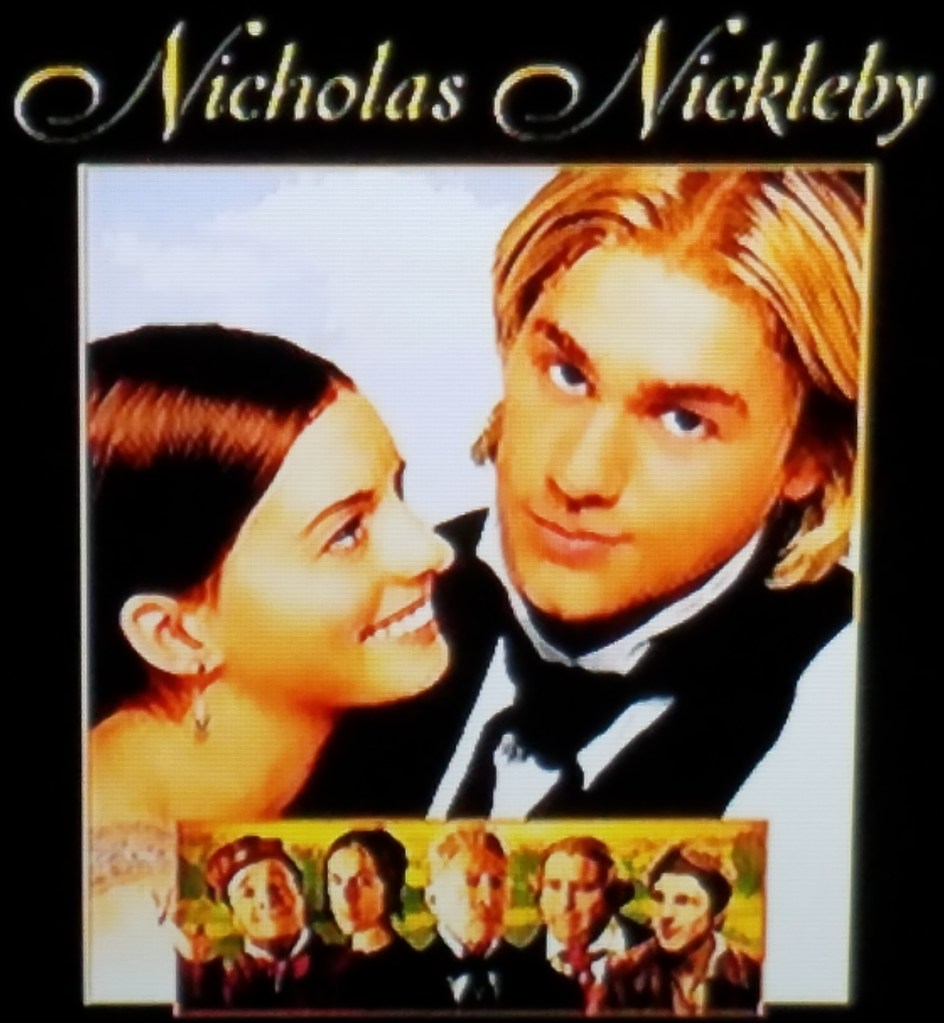
Because I watched this movie through a television recording, I took a screenshot of the poster with my phone. Screenshot taken by me, Sally Silverscreen.

Things I liked about the film:

The acting: Because Marguerite Moreau is one of the reasons why I watched this film, I’ll talk about her performance first. Even though I haven’t watched many of her movies, I’ve noticed how her portrayals feel believable with what her character is experiencing. This is certainly the case for her performance in The Locket! Faye, Marguerite’s character, always appeared natural in her responses to various situations. It allowed me to stay invested in her part of the story. Another aspect to Marguerite’s performance is how her transitions between emotions were flawless! One good example takes place after Faye and Michael deliver Christmas gifts. Toward the beginning of this interaction, Faye is happy to spend time with her boyfriend. As she notices his demeanor, Faye’s face changes to showing an expression of concern. Speaking of Michael, I need to talk about Chad Willett’s performance. Throughout The Locket, Chad used a wide range of emotions. In a scene where Michael visits someone from his past, he appears angry and can be seen crying. Another scene, when Michael is telling Faye about his scholarship, shows him displaying happiness on his face. This part of Chad’s performance made the overall portrayal seem dynamic! I can’t review this movie without discussing Vanessa Redgrave’s performance. What I liked about it was how honest it came across. This component added depth to Vanessa’s portrayal. A good example is her character’s, Esther’s, first encounter with Michael. When he’s changing her bedsheets, Esther compliments Michael for not telling her she’s still beautiful. This is because she thinks that statement is silly.

Whitewood Nursing Home: A significant part of this story takes place at a nursing home called Whitewood. Despite this location serving a medical purpose, it didn’t feel like a medical facility. In fact, it looked and felt like a bed and breakfast! The interior design consistently ran throughout the home. Furniture helped make the rooms seem cozy, with armchairs in the bedrooms and main living room adding to this aesthetic. Detailed and flowery wallpaper displayed soft, pastel colors. This caused the overall location to have a calming effect. Fireplaces made of brick and wood completed the interior design of the rooms, making the home feel inviting. The exterior design of Whitewood is a large white wood structure, hence the name of the facility. These factors gave the impression of the home carrying a sense of importance. Because it is important to take care of the older members of a community, this appearance of the nursing home is fitting.

The on-screen chemistry: As I mentioned earlier in this review, Michael and Faye are in a dating relationship. Anytime they interacted with each other, I could tell Chad and Marguerite had strong on-screen chemistry! This caused their characters to feel like they truly cared about one another. Faye’s first visit to Whitewood is a good example of this. When Faye meets up with Michael, I could see her investment in what is happening in Michael’s life. This investment can also be seen when Michael learns about Faye’s acceptance into medical school. Non-romantic relationships also had good on-screen chemistry! Michael’s friendship with Esther came across like they got along well. It also effectively showed how they tried to understand each other. The scene where Esther explains the locket’s importance to Michael serves as one example.

I couldn’t review this film without featuring a picture of a locket. Screenshot taken by me, Sally Silverscreen.

What I didn’t like about the film:

The under-utilization of Marguerite Moreau: Marguerite is not only the third billed actor in this movie, she is also the main supporting actress. Despite this, she was kind of under-utilized in The Locket. While she was given enough material to make her performance memorable, her on-screen presence was not as consistent as I expected. Most of her appearances can be found in the film’s first half, with her character barely appearing in the second half of the movie. This makes me wonder if Marguerite was working on Queen of the Damned around the same time she was working on The Locket?

The locket is an afterthought: Before watching this film, I had expected the locket itself to affect the lives of the people surrounding it. Because the movie is called The Locket, I thought this artifact would have a large influence over the story. Sadly, this piece of jewelry ends up being an afterthought. Most of the film revolves around Michael and his hardships. When an explanation of the locket’s importance is finally given, happening about forty-five minutes into the movie, it takes place during one dialogue and video heavy scene. What would have made this artifact emotionally affective is if flashbacks from Esther’s life or from around the time Esther received the locket would have been sprinkled throughout the story.

Scenes that feel rushed: There were some scenes in The Locket that, to me, felt rushed. In one scene, Michael is at the VA Hospital, picking up a prescription for a patient at Whitewood. The very next scene shows Michael sharing some good news to Esther. Scenes like the one at the VA Hospital made it seem like the film’s creative team wanted to get certain parts of the story done and over with just to get to the next point. What also doesn’t help is how these scenes didn’t have effective transitions. It caused scenes like the one with Michael and Esther to feel too sudden.

Hand-written letter image created by Veraholera at freepik.com. <a href=”https://www.freepik.com/free-photos-vectors/background”>Background vector created by Veraholera – Freepik.com</a>. <a href=’https://www.freepik.com/free-vector/love-letter-pattern_1292902.htm’>Designed by Freepik</a>. Image found at freepik.com.

My overall impression:

Before I talk about my overall impression, I’d like to thank all of my followers who helped my blog reach this milestone! Your investment in 18 Cinema Lane plays a role in its overall success! Now, time to discuss my final thoughts on The Locket! As glad as I am to have finally seen this movie, I recognize there are Hallmark Hall of Fame titles with similar ideas that are stronger than this one. Two examples are the 1998 film, Grace & Glorie,and 2011’s The Lost Valentine. One thing that The Locket was missing was an emphasis on the locket itself. Instead of having a story where this piece of jewelry impacts the lives surrounding it, the audience received a narrative where the locket is treated as an afterthought. I know there were three Hallmark Hall of Fame movies released in 2002. But, for whatever reason, there were times when The Locket felt rushed. Despite these flaws, the movie did have its strengths. The acting was definitely a high-light of this project, especially Marguerite Moreau’s performance! For me, she stole the show and even outshined the other actors involved! I just wish her on-screen presence would have been more consistent.

Overall score: 7.2 out of 10

Is there a Hallmark Hall of Fame movie that you enjoying? Would you like to recommend a Hallmark Hall of Fame film for me to review? Please let me know in the comment section!

Have fun at the movies!

Sally Silverscreen

Oh, The Places She’ll Go: A Map of Esther Williams’ Travels

When I think of Esther Williams, the pool at Michigan’s Grand Hotel always comes to mind! As one of the hotel’s many amenities, the pool is named after one of Hollywood’s most popular stars because the movie, This Time for Keeps, was filmed at the hotel. As I thought about this beloved place in the Great Lakes State, I started to wonder if there were other places across the country or the world where Esther left her legacy. I also thought about the places where Esther visited or frequented. This became the inspiration for my entry in Michaela’s Esther Williams Blogathon! My list consists of nine locations that share a connection with the actress herself. Each listing will feature facts and insight about that specific spot. I wasn’t able to visit any of these places due to the Coronavirus. Because of this, I had to include screenshots from my phone of photos I found on the internet. Most of the information in this list is from Esther’s Wikipedia page.

https://en.wikipedia.org/wiki/Esther_Williams

The Esther Williams Blogathon banner created by Michaela from Love Letters to Old Hollywood. Image found at http://loveletterstooldhollywood.blogspot.com/2020/06/esther-williams-blogathon-announcement.html.

Manhattan Beach

Location: Los Angeles County, California

Status: Active

If we’re going to talk about the places in Esther’s life, we need to start with the beginning of her story. Born in Inglewood, California, Esther visited Manhattan Beach with her sister, Maurine, according to Wikipedia. While it’s unknown which specific places Esther frequented, it’s safe to assume she would have found a way to partake in the sport that brought her joy. On the Parks and Recreation site for Manhattan Beach, I came across the page for Begg Pool. Offering classes and times for lap and recreational swimming, the Begg Pool provides swimmers with a place to learn new skills and grow as athletes. As I was explored Manhattan Beach’s Park and Recreation site, I discovered the offering of performance arts classes. I also came across the page for the annual Shakespeare by the Sea event. Having these acting opportunities available in Manhattan Beach makes a lot of sense when it comes to discussing Esther Williams. Because she became an actress after she became an established swimmer, the inclusion of acting and swimming in Manhattan Beach serves the best of both worlds.

https://www.citymb.info/departments/parks-and-recreation/aquatics

https://www.citymb.info/departments/parks-and-recreation/special-events/shakespeare-by-the-sea

https://www.citymb.info/departments/parks-and-recreation/cultural-arts/events-camps-and-classes

Screenshot taken by me, Sally Silverscreen. Photo originally found at https://www.citymb.info/departments/parks-and-recreation/aquatics.

Los Angeles Athletic Club

Location: Los Angeles, California

Status: Active

On Wikipedia, there is a picture of Esther at the Los Angeles Athletic Club that was taken in 1939. The site also lists her as one of the club’s notable members. When I explored the official website of the Los Angeles Athletic Club, I got the impression the club served as a place for athletes to take their sport seriously. It would make sense for Esther to spend her time at this location, especially since she was an Olympic hopeful. Similar to Manhattan Beach’s Begg Pool, the Aquatics facility at the Los Angeles Athletic Club offers swimming classes. They also provide a conditioning club and a clinic.  Looking at the photo of the pool itself, the main takeaway is the simple style this space boasts. The black and white color palette makes the area seem like it is frozen in time, with the design choice of stripes bringing a sense of elegance. These elements create a facility that feels as timeless as the actress who went there!

https://en.wikipedia.org/wiki/Los_Angeles_Athletic_Club (the club’s official website is included in this Wikipedia page)

Screenshot taken by me, Sally Silverscreen. Photo originally found at https://laac.com/athletics/aquatics/.

Treasure Island

Location: San Francisco, California

Status: Active

In the year, 1940, Esther starred in a water spectacle called ‘Aquacade’. This show was held during the Golden Gate International Exposition in San Francisco. The official location of this exposition was Treasure Island, “an artificial island in the San Francisco Bay and a neighborhood in the City and County of San Francisco”, according to Wikipedia. If you’ve never visited this island or had no idea this location existed until you read this article, you might think of the famous ‘Pleasure Island’ from the beloved classic Pinocchio. However, Treasure Island is nothing like the island from Pinocchio’s story. In fact, it serves as a community that could be similar to your own backyard. The island’s official website lists many resources that will sound familiar, such as a bike shop and restaurants. What I find interesting is how an extraordinary event like the Golden Gate International Exposition was held on an island that seems ordinary. It would be fun to travel back in time to see Treasure Island transformed into an elaborate world stage!

https://en.wikipedia.org/wiki/Treasure_Island,_San_Francisco

https://sftreasureisland.org/treasure-island-businesses-attractions-and-recreation

Screenshot taken by me, Sally Silverscreen. Photo originally found at https://www.kqed.org/forum/2010101854779/massive-redevelopment-underway-for-treasure-island.

The Beverly Hills Hotel

Location: Beverly Hills, California

Status: Active

Wikipedia states that one of the clauses in Esther Williams’ contract with MGM was “that she receive a guest pass to The Beverly Hills Hotel where she could swim in the pool every day”. After watching a video featuring this pool on the hotel’s website, I definitely see the appeal of this location! Similar to the Los Angeles Athletic Club’s Aquatics facility, stripes are a design staple around the pool. They can be found in the seat cushions and the table umbrellas. Pink, green, and white serve as the the pool area’s color palette. Cabanas surrounding the pool showcase this palette beautifully. With the accent wall boasting a green leaf pattern, the two surrounding walls are a solid pink. A crème sofa and chair serve as seating options in this space. Wood furniture completes the overall look, capturing a classic style that has stood the test of time!

https://www.dorchestercollection.com/en/los-angeles/the-beverly-hills-hotel/the-pool/

Screenshot taken by me, Sally Silverscreen. Image originally found at https://www.dorchestercollection.com/en/los-angeles/the-beverly-hills-hotel/the-pool/.

The Esther Williams Pool

Location: Mackinac Island, Michigan

Status: Active

Another hotel pool Esther frequented that joins this list! Mackinac Island’s Grand Hotel was the filming location for the 1947 film, The Time for Keeps. Because of Esther’s involvement in the movie, the pool has been officially named the Esther Williams Pool!  Tanda Gmiter from MLive writes how Esther Williams and her film benefited the hotel’s longevity. The years when World War II took place were difficult for Mackinac Island’s crown jewel. The article states “during those lean war years, the Grand Hotel faced the same dismal predicament shared by many resorts: A long-term lack of paying guests”. However, a chance encounter would change the course of history for the hotel and those associated with the movie. Tanda says “someone connected to the film had seen a little 10-minute travelogue featuring the island that was done in 1944. When they were scouting sites for the Williams’ film, Mackinac seemed like a natural fit”. Since the release of The Time for Keeps, Grand Hotel has experienced years of success and has become an icon in Michigan.

https://www.mlive.com/travel/2018/07/how_a_hollywood_star_in_a_swim.html

https://www.grandhotel.com/activities/esther-williams-pool/

Screenshot taken by me, Sally Silverscreen. Photo originally found at https://www.mlive.com/travel/2018/07/how_a_hollywood_star_in_a_swim.html.

Cypress Gardens

Location: Winter Haven, Florida

Status: Preserved

The 1953 movie, Easy to Love, was filmed in this particular destination, “where a swimming pool in the shape of the state of Florida had been built specifically for the film”. Wikipedia says “Cypress Gardens was a botanical garden and theme park near Winter Haven, Florida that operated from 1936 to 2009”. It was the Sunshine State’s first theme park, boasting attractions like water skiing, dinner cruises, and garden tours. This location was included in a 2014 list from the National Register of Historic Places.  Easy to Love was not the only Florida-filmed project Esther worked on, as she starred in multiple movies and television programs from the ‘50s and ‘60s. While the theme park has been closed and replaced with another one, Legoland Florida, the botanical garden is preserved inside the new park. In fact, it is included as one of their featured attractions!

https://web.archive.org/web/20070713205521/http://www.cypressgardens.com/

https://en.wikipedia.org/wiki/Cypress_Gardens

https://web.archive.org/web/20140426235832/http://www.nps.gov/nr/listings/20140425.htm

https://www.legoland.com/florida/map-explore/land-views/cypress-gardens/attractions/botanical-gardens/

While the Florida shaped pool still takes residence in Legoland Florida, it’s now used as a fountain. Screenshot taken by me, Sally Silverscreen. Image originally found at https://www.youtube.com/watch?v=tiBkULOrf7Y.

Wembley Arena

Location: London, England

Status: Active

According to Wikipedia, Esther “starred in an aqua-special at Wembley Stadium in London”. A photo from 1956 reveals the event actually took place at Empire Pool, which is located near Wembley Stadium. The website Television Obscurities shares how this event was meant to serve as a part of an on-going tour lasting from 1956 to 1958. Poor reviews for the 1957 show caused this tour to be cut short. While I wasn’t able to find any photos of this event and a recording of the event itself hasn’t resurfaced, the Empire Pool is still part of the English community. Now known as the Wembley Arena, this venue hosts concerts covering a variety of musical genres. The arena is located in Wembley Park, a hub for attractions, entertainment, and leisure activities.

https://www.ssearena.co.uk/your-visit/wembley-park

If you want to learn more about the aqua-special, you can visit the website, tvobscurities.com, and type Esther’s name into the search bar located at the bottom of the page.

Screenshot taken by me, Sally Silverscreen. Photo originally found at https://wembleypark.com/attractions/the-sse-arena-wembley/.

The Raleigh Hotel

Location: Miami Beach, Florida

Status: Active

2010 saw the introduction of the Raleigh Hotel’s Esther Williams suite. This room “incorporates a beach summer theme”, with a basic color palette of white and beige allowing pops of color to be seen. Bright hues of blue, peach, and teal are found in pillows, towels, and curtains. There are three separate areas within the suite: the bedroom, the bathroom, and the main sitting area. Like the pool at The Beverly Hills Hotel and the Los Angeles Athletic Club’s Aquatics facility, the overall design of the suite captures a moment in time. While the style in this space is simple, it does help carry the consistency of the hotel. Its chic and vintage aesthetic make this location appear photogenic.

https://www.suiteness.com/suites/united-states/florida/miami/the-raleigh-hotel/the-esther-williams-suite

https://www.tripadvisor.com/Hotel_Review-g34439-d85180-Reviews-The_Raleigh_Miami_Beach-Miami_Beach_Florida.html

https://www.prnewswire.com/news-releases/mercedes-benz-fashion-week-swim-lets-the-sun-in-98595984.html

Screenshot taken by me, Sally Silverscreen. Photo originally found at https://www.suiteness.com/suites/united-states/florida/miami/the-raleigh-hotel/the-esther-williams-suite.

The Hollywood Roosevelt Hotel

Location: Los Angeles, California

Status: Active

As we come to an end in our journey through Esther’s travels, we return to the place where we began: California. When Esther attended the first annual Turner Classic Movies Classic Film Festival, there was a screening of her film, Neptune’s Daughter, at the Hollywood Roosevelt Hotel’s pool. This choice was fitting, since she spent a lot of time around pools during her life. The style around this area is much simpler than The Beverly Hills Hotel’s pool area. However, it works with its respective hotel’s interior designs. The white pool chairs with the hotel’s official monogram promote a more classic flare that is carried throughout the hotel. It lets the pool itself be the focal point, with the light and dark shades of blue complimenting the chairs surrounding it. This space provides a memorable view from the various suites that are offered. With the hotel itself surrounding the pool, it makes this feature as celebrated as Esther Williams herself.

https://www.thehollywoodroosevelt.com/pool/tropicana-pool-cafe

Screenshot taken by me, Sally Silverscreen. Photo originally found at https://www.thehollywoodroosevelt.com/pool/tropicana-pool-cafe.

Have fun at the movies!

Sally Silverscreen

Take 3: Marnie Review (A Month Without the Code — #1)

For the 4th Alfred Hitchcock Blogathon, I wanted to review a movie that was released after 1954 or before 1934. This is because I’m also participating in Pure Entertainment Preservation Society’s A Month Without the Code Blogathon. While searching through Alfred’s filmography, I came across the 1964 film Marnie. The idea of the female protagonist being the center of the film’s mystery was something I hadn’t seen in the other Alfred Hitchcock projects I saw. As of August 2020, I have seen five of his movies, including Marnie. Two years ago, I said The Birds was the worst film I saw in 2018. However, Strangers on a Train appeared in my Honorable Mentions for my 2018 best movies list. Will Marnie appear on my best or worst of 2020 list? That mystery will get solved by reading this review!

Marnie poster created by Universal Pictures and Geoffrey Stanley Productions. Image found at en.wikipedia.org/wiki/File:Marnie1.jpg

Things I liked about the film:

The acting: Tippi Hendren worked with Alfred Hitchcock when she starred in The Birds. In Marnie, she knew what to expect with the direction of her performance because of this pre-existing partnership. Tippi was given more acting material to work with in this film compared to the previous one from 1963. Her portrayal of the titular character was well-rounded, allowing her to express a variety of emotions. Marnie and Mark’s honeymoon serves as a good example of this. During a nice evening dinner, Tippi displays feelings of content. But when her character is having a heated argument, she provides a fierceness and strength to Marnie that projects off the screen. Before watching this movie, I had seen some of Sean Connery’s films. Even when the film surrounding him doesn’t hold up, he still gives his performance everything he has, talent wise. When I watched Marnie, Sean’s portrayal of Mark reminded me of Rhett Butler from Gone with the Wind. What I mean by this is Sean had a commanding presence that captured the attention of the audience. He also carried himself with confidence throughout the film. Despite appearing in the movie for about two scenes, I thought Louise Latham’s performance was strong! Without giving away any spoilers, I’ll say her portrayal of Marnie’s mother, Bernice, was powerful in the movie’s climax. It was captivating to watch and had a good amount of emotionality.

The cinematography: One of the staples of an Alfred Hitchcock film is the interesting uses of cinematography that can be seen. Marnie features camera work that was creative and appealing to the eye. My favorite example is when Marnie is stealing the money from the office. While she’s doing this, a custodian is mopping the floor in the same vicinity. The shot shows the custodian on the left side of the screen and Marnie on the right side. As this part of the story played out, it built suspense and left me on the edge on my seat. Another good use of cinematography happened at the beginning of the film. When Marnie is first introduced, her face is not shown on screen. This creates a sense of mystery that surrounds her presence. It’s not until she changes her hair color from black to blonde that we finally see Marnie’s face.

The use of the color red: Throughout the movie, the color red appears in various forms. When a red object crosses paths with Marnie, she reacts with panic and fear. One example is when Marnie and Mark go to a horse race. As soon as she notices the red dots on a jockey’s shirt, she immediately wants to leave. This aspect served as a consistent component of this character. It also allows the audience to engage in the mystery surrounding this visual choice.

The 4th Alfred Hitchcock Blogathon banner created by Maddy from Maddy Loves Her Classic Films. Image found at https://maddylovesherclassicfilms.wordpress.com/2020/06/18/announcing-the-4th-alfred-hitchcock-blogathon/.

What I didn’t like about the film:

The scene transitions: When a cinematic story moves from one scene to another, that transition can make or break the movie’s overall flow. In Marnie, some scenes ended abruptly, causing the transitions to feel clunky. A good example is when Marnie is leaving the office after she steals some money. As soon as she walks down the stairs, an employee shows up and greets a custodian. All of a sudden, the next scene begins. Had these transitions been smoother, the film wouldn’t feel like it was in stop-and-go traffic.

Light on thrills: Before watching this movie, I knew it was classified as a thriller. Because Marnie was directed by Alfred Hitchcock, I was expecting a mysterious and suspenseful tale that fits the brand he created. While it did have moments of suspense, the film as a whole was not thrilling. The majority of the story focused on the drama within the narrative. In fact, Marnie felt like it belonged in the drama genre. If Alfred wanted to try something new and go out of his comfort zone, that’s understandable. Unfortunately, this movie seemed out of character for him.

The run-time: Alfred Hitchcock once said “the length of a film should be directly related to the endurance of the human bladder”. However, it seems like Alfred forgot his quote when he directed this movie. Marnie is two hours and ten minutes. Because of this creative decision, some scenes were drawn out longer than necessary in order to satisfy the run-time. One example is a conversation between Mark and Lil after Marnie goes horse-riding. Personally, I thought this scene went on for too long. Had scenes like that one been trimmed down, it might have put the film’s run-time under two hours.

A Month Without the Code Blogathon banner created by Tiffany and Rebekah Brannan from Pure Entertainment Preservation Society. Image found at https://pureentertainmentpreservationsociety.wordpress.com/2020/07/27/announcing-amonthwithoutthecode2020/.

My overall impression:

Alfred Hitchcock is a director who has created a distinct brand for himself. Known as the “Master of Suspense”, Alfred’s work consists of mystery and thrills. This decision is the reason why Marnie sticks out like a sore thumb. I want to make it clear that this is not Alfred’s worst film. The mystery itself was intriguing and the creative choices involving visuals were interesting. But the drama in this story overshadows the thrills, making the overall project feel like it should have been classified as a drama. As I said in my review, this felt out of character for Alfred. It would be like if an author like Debbie Macomber, an author known for writing heart-warming stories, published a gruesome murder mystery novel out of the blue. This would feel out of the character for the brand she created. Because this is my first review for A Month Without the Code, it’s time for me to point out how Marnie could be “breened”! I believe this story could be made into a Breen Code era film. However, these are the things that need to be changed in order for this to happen:

  • Throughout the film, there is language used that does not belong in a Breen Code era film. This ranges from swearing to using God’s name in vain. These words would either be removed or switched to more appropriate choices.
  • There is one scene that heavily implies Mark and Marnie had sex. Even though this happens after they get married, the scene itself would need to be rewritten or omitted.
  • One scene shows Marnie attempting suicide. Because this is a sensitive subject, this scene would to be removed or rewritten.
  • The robe Lil wears has a low-cut neckline. Changes to the style of the robe would need to take place before filming begins.
  • A large amount of blood is featured in one scene. The use of blood would need to be reduced.
  • A horse gets injured and killed in two inter-connected scenes. This would have to get omitted or the scene would have to be rewritten.

Overall score: 6.4 out of 10

What are your thoughts on Alfred Hitchcock’s filmography? Do you have a favorite movie from the “Master of Suspense”? Share your thoughts in the comment section!

Have fun at the movies!

Sally Silverscreen

Three Months Left: Have You Signed Up for ‘A Blogathon to be Thankful For’?

Hello everyone! This post is to remind anyone interested in participating in my blogathon they have three months left to sign up. If you would like to learn more about the event or submit your entry, you can do so at this link:

A Blogathon to be Thankful For: Coming Soon to a Blog Near You

Created by me, Sally Silverscreen, on Adobe Spark.

Have fun at the blogathon!

Sally Silverscreen

Take 3: Shock (1946) Review (Clean Movie Month #5)

It’s now the end of Pure Entertainment Preservation Society’s Clean Movie Month. For my second year participating, I’d say I did a pretty good job staying consistent with my content! Throughout July, I have reviewed five films; two from the ‘30s and three from the ‘40s. The film I will talk about in this review, Shock, is a part of those aforementioned five, boasting a release date from early 1946. This film was included in The Blog Complainer’s Random Movie Roulette series, which ended up being the best movie out of that collection. Because of Cameron’s review, I chose to include Shock in my Clean Movie Month line-up! While I usually watch movies from my DVR, cable, or through physical media, the only way I could watch this film is from Youtube, where it was posted on the Cult Cinema Classics channel. I’m glad I was able to watch it so I could bring you this review of Shock!

Shock poster created by 20th Century Fox. Image found at en.wikipedia.org/wiki/File:Shock_movie_poster.jpg

Things I liked about the film:

The acting: So far, I have seen The Whales of August and House of the Long Shadows. Despite seeing a small amount of films from Vincent Price’s filmography, I noticed something different about his performance in Shock. In this film, the character of Dr. Richard Cross was terrifying because of his influence and choices. Vincent also expressed emotions in subtle ways. Good examples came from when Richard expressed fear anytime someone brought up his wife’s murder. This cast was so strong, even secondary characters were memorable! Even though his character, Mr. Edwards, was in the movie for a short amount of time, John Davidson did a good job with the acting material he was given! His performance was emotionally driven, as he didn’t rely on dialogue. It added intensity to one of the film’s suspenseful scenes. The one actor who stole the show was Anabel Shaw, who portrayed Janet Stewart. Her emotionality was on point in this film! One beautiful example is when Janet witnesses the murder.

The music: The music in Shock did a good job setting the tone throughout the story! Whenever a suspenseful scene played out, ominous or dramatic music was heard. In a scene featuring Richard and Elaine, a sweeping tune that would usually be heard in romance films served as background music. Musicality also boosted these scenes, with the strong percussion of that scene’s tune landing right on an intense moment. This helped the musical element of the project maintain a sense of consistency.

Moments of suspense: In Shock, suspense was included in a few scenes. Within these parts of the story, the suspense’s execution was well done! One example is when Mr. Edwards has a fight with Elaine. The build-up toward the moment itself was steady, like someone walking to their destination. The surroundings of the characters were dark and mysterious, which worked in the favor of that scene. Mr. Edwards’ lack of speech makes the audience question his motives. All of these elements effectively came together to create one of the best scenes in this film!

Clean Movie Month banner created by Tiffany and Rebekah Brannan from Pure Entertainment Preservation Society. Image found at https://pureentertainmentpreservationsociety.wordpress.com/2020/07/01/cleanmoviemonth2020-is-here/.

What I didn’t like about the film:

Limited amount of suspense: As I previously mentioned, I liked the suspenseful scenes in this film. However, these scenes were very limited. When I read Cameron’s review of Shock, I believed the film would be similar to a story like Rear Window. In the Alfred Hitchcock picture, there was a consistent use of suspense, as the audience receives the mystery in pieces. Because the whodunit, howtheydunit, and whytheydunit of the mystery was revealed early on in Shock, it caused the story to not be as suspenseful as I thought it would be.

Under-utilized characters: A few under-utilized characters could be found in Shock. One of them was Mr. Edwards, who was featured in about three inter-connected scenes. Before these particular scenes appeared in the movie, Richard talks about Mr. Edwards’ mental regression, saying how the patient may need to be moved to a new facility. Because of these story-telling details, I was hoping Mr. Edwards would play a larger role in this story. Sadly, it just felt like he was in the film for the sake of being there.

A slower pace: Because Shock is classified as a film noir, the pace is going to be on the slower side. But most films in this specific genre have an under-lying suspense that consistently weaves through the overall narrative. Since the suspense in this film was limited, it caused the pace to be slower than it should have been, as the majority of the movie revolved around Janet’s prognosis. I’ve mentioned before that mysteries, more often than not, have faster paces. As I already said in this review, the mystery was revealed early in the story. This also prevented the pace from picking up speed.

Love of mental health image created by freepik at freepik.com. <a href=”https://www.freepik.com/free-photos-vectors/people”>People vector created by freepik – http://www.freepik.com</a>. Image found at freepik.com.

My overall impression:

All of the movies I chose for Clean Movie Month were enjoyable in their own respective ways. If I were to rank them, however, Shock and Goodbye, Mr. Chips would be tied toward the bottom of the list. Shock was a fine film, with memorable aspects that made me like the picture for what it was. Anabel Shaw’s performance was one of the best parts of this project, outshining bigger stars like Vincent Price. But some things in this movie held it back from being stronger. One of the movie’s biggest flaws was the limited amount of suspense. Because of this creative choice, the majority of the story felt like a drama than a film noir. Shock is a Breen Code friendly film. But I was surprised by the references of excessive alcohol use that were included in the script.  When Janet’s husband is asking about Richard’s medical credentials, one of the hotel’s employees says that Richard can cure a hangover. When an investigator working on Richard’s wife’s case is talking to Richard about a potential suspect, he tells Richard that the suspect is a “drunkard”. An excessive amount of alcohol use is never glorified or promoted in a typical Breen Code film. This is why I was shocked (yes, that word choice was intentional) to find these statements in a movie from 1946.

Overall score: 7 out of 10

What are your thoughts on this year’s Clean Movie Month? Are you excited for A Month Without the Code? Tell me in the comment section?

Have fun at the movies!

Sally Silverscreen