
Fernando has made his presence known in Hope Valley. According to Edie, he’s gotten to know everyone’s name despite being in Hope Valley for only a week. In this episode of When Calls the Heart, Rosemary directs a silent film. Fernando has been tasked with the film’s lighting. He tells Edie, Mei, and Faith how film is flickers of light. What Fernando said made me think about not just his time on the show, but the other characters on the show as well. When a character is introduced on When Calls the Heart, they bring a light that makes them memorable and valuable. If that character leaves the show, they take their light elsewhere. But for the characters that stay in Hope Valley, their light grows brighter, strengthening as the series progresses. Together, the residents of Hope Valley shine like the lights on a Christmas tree. As for Fernando, he’s, so far, found a way to shine. From rescuing Bucky the horse to playing a role in Rosemary’s movie, Fernando’s light has brought a positive spark to When Calls the Heart!
Just a reminder: If you did not see this episode of When Calls the Heart, there will be spoilers within this re-cap.
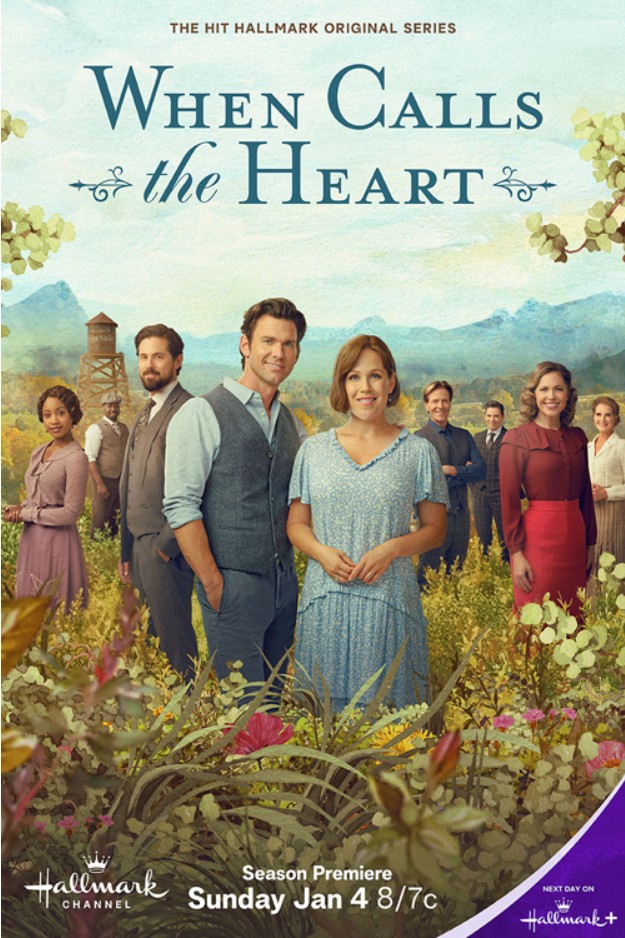
Season: 13
Episode: 8
Name: Take Two
Major stories:
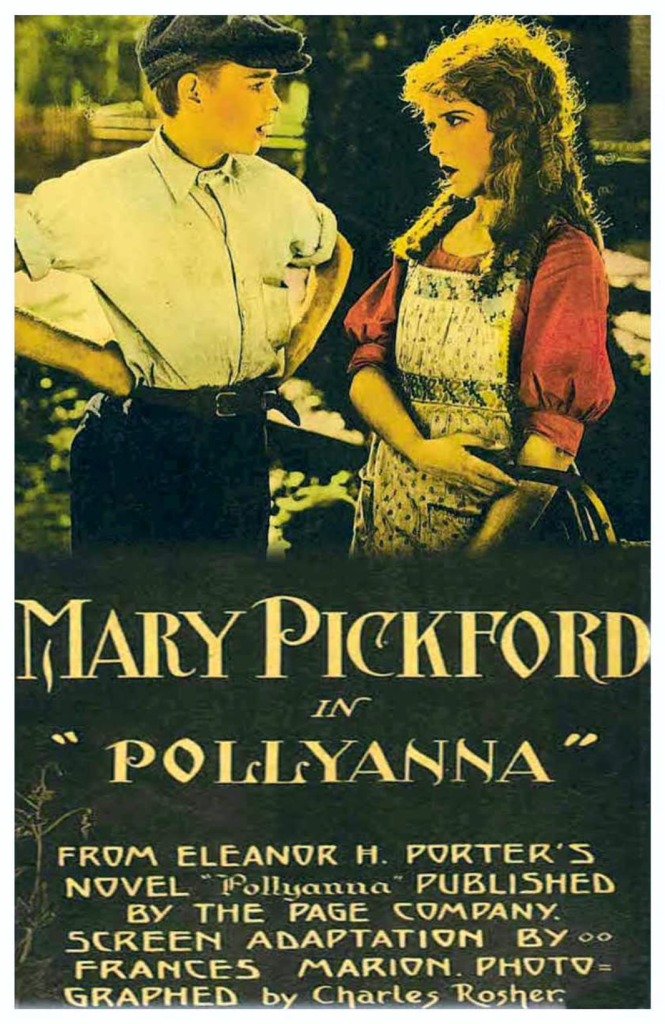
Rosemary decides to create a silent movie after seeing a Zorro movie poster at the Queen of Hearts hotel and saloon. She recruits Opal as a producer and Elizabeth as the screenwriter. After turning down several story ideas, Rosemary chooses a story about a Mountie rescuing a schoolteacher. She also casts Elizabeth and Nathan in the film’s starring roles. Leading up the filming of the movie, some of Hope Valley’s residents contribute to the movie’s production. From Fernando on the lighting crew to Ned starring as the movie’s villain, creating the movie becomes a team effort. But when filming begins, Rosemary believes Nathan and Elizabeth can’t portray their characters believably. So, she recasts the movie’s main characters, selecting Fernando and Faith instead. Their performance captures Rosemary’s vision and allows the movie’s production to continue.
Georgie returns to Hope Valley to help Edie with the insurance claims cases. She also provides some insight into the fire investigation. After looking at a fraudulent map from Pioneer Electric, Georgie recognizes the map’s craftmanship as the work of Clement Scoggins. Later in the episode, Nathan, Bill, and Georgie confront Clement at the Queen of Hearts hotel and saloon about his potential involvement in how the fire started. But Clement quickly leaves without giving them any information. When Bill and Georgie listen in on Clement’s phone call, they learn he’s still working for Pioneer Electric. Meanwhile, Christopher was spotted in a pub in Union City. By the end of the episode, though, he still hasn’t been found.

Minor stories:
Though it seems like Edie’s path has crossed with Fernando’s path more than Lucas’ path, she still doesn’t have any romantic feelings for Fernando. Edie confronts Fernando about how she feels, with Fernando seeming to accept her decision. But when Lucas sees Edie kissing Fernando on the cheek, he believes he needs time before entering another romantic relationship. This is because he doesn’t want his heart to get broken again. Toward the end of the episode, Lucas talks to Mike about his hesitation over starting a romantic relationship with Edie. Mike tells Lucas not let his past steal his future. Unfortunately, Lucas can’t put Mike’s words into practice because Edie left Hope Valley to work with the Franklin And Sons Foundation, an organization Georgie introduced her to.
Mollie has been receiving mysterious letters recently. These letters make Florence curious, especially since Mollie won’t reveal who the letters are from. Later in the episode, at the Queens of Hearts hotel and saloon, Mollie spots Florence kissing a man she doesn’t recognize. But when she confronts Florence and the “mystery man”, she learns the “mystery man” is actually Ned in his villain disguise from the silent movie. Florence uses this opportunity to confront Mollie about the letters. She tells Mollie how Elizabeth told her about the nursing correspondence course Mollie has been taking. Mollie shares how she was afraid of failing, with that being reason for the secrecy. But Mollie reveals how she passed the course, making her an official practicing nurse.

Some thoughts to consider:
- Now that we’re more than half-way through season thirteen, I’m frustrated over a flaw that’s becoming more consistent. In seasons eleven and twelve, large scale projects were introduced at the beginning of the story, giving Hearties excitement over new additions to Hope Valley’s landscape. But as the seasons went on, little to no progress was made toward those projects, leaving the characters empty-handed by the end of the story. Based on season thirteen’s overarching story, so far, I have a feeling the rebuilding of Benson Hills, Goldie National Park, and Rosemary’s Playhouse won’t be near completion by the end of season thirteen. While I’m aware these types of projects take time to be accomplished in real life, it’s starting to seem like season thirteen’s aforementioned projects aren’t being prioritized within When Calls the Heart’s combined twelve hours of storytelling. If this is an issue related to resources and budget, why would the show’s creative team entertain the idea of large-scale projects in the first place?
- In my last Sunset Over Hope Valley re-cap post, I believed there wouldn’t be a love triangle between Fernando, Edie, and Lucas based on Fernando’s screen-time and Edie’s lack of romantic feelings for Fernando. But after this episode of When Calls the Heart, I’m starting to think the writers don’t know what they want for Edie. If she truly doesn’t want to fall in love with Fernando again, why does it seem like her path is crossing with Fernando’s path more than Lucas’ path? If Lucas and Edie are meant to share a romantic relationship, why does it seem like that relationship is stuck in place? I’d like to believe this storyline will be revolved at least by the end of the season. But with a fourteenth season on the horizon, I’m not so sure.
- Though it was nice to see Rosemary passionate about her silent movie project, I think all that time, money, and resources spent on the silent movie could have gone toward rebuilding Rosemary’s Playhouse. I also believe this storyline did not need to serve as the episode’s main story. This is also how I feel about the next episode’s story, where LJ goes on a memory themed scavenger hunt. While it’s a nice idea for a subplot, having the scavenger hunt serve as the main plot makes the episode seem like a “filler” episode.

What are your thoughts on this episode of When Calls the Heart? Would you like to see Rosemary’s Playhouse rebuilt by the end of the season? Please tell me in the comment section below!
Have fun in Hope Valley!
Sally Silverscreen











![20190803_151228[1]](https://18cinemalane.com/wp-content/uploads/2019/08/20190803_1512281-e1564880878704.jpg)





 18 Cinema Lane