For this year’s blogathon, I had several potential topics within my reach. But as I sifted through those topics, my mind kept going back to one particular thought. There hasn’t been a time when film and food were not associated with one another. Think about it; have you ever been to a movie theater without a concession stand? Does your favorite movie feature a scene where characters share a meal together? Is the grey stuff from Beauty and the Beast truly edible? Food and film have been joined in a matrimony for many years, with this marriage taking on various forms. To celebrate this union, I am hosting the Food & Film Blogathon! While food themed movies typically come to mind, there is so much more to this theme. Here are some other ideas for those interested in participating in my event:
The Food & Film Blogathon banner created by me, Sally Silverscreen. Original pictures found on IMDB.
Food-related movie promotions
The relationship between movies and the concession stand
Favorite meals from movies
Dinner & a Movie (either the show or the concept)
Recipes of meals from movies or associated with movies
Movie related food products (lunchboxes, reuseable cups, etc.)
Movie scenes involving food
Dine-In Theatres
The Food & Film Blogathon banner created by me, Sally Silverscreen. Original pictures found in the video, “A Look at Bizarre Movie Tie-In Restaurant Foods”, from the Youtube channel, Seeker of The Lost.
If you’re joining The Food & Film Blogathon and found an idea you’re interested in writing about, please read the event’s official rules.
Please be respectful to the other participants and your chosen topic
Only new entries will be accepted
Participants can publish a maximum of three entries
Because of how broad this blogathon’s subject is, no duplicates are allowed
Creativity and fun are encouraged
Entries must be submitted between October 2nd-5th
If you plan on publishing your entry before or after the blogathon, please let me know as soon as possible
Share your entry idea in the comment section below!
Feature one of the four blogathon banners anywhere in your entry
The Food & Film Blogathon banner created by me, Sally Silverscreen. Original pictures found in the video, “Fast Food Movie Tie-Ins and the History of the Summer Blockbuster!”, from the Youtube channel, PNP Videocast.
Participants of The Food & Film Blogathon
— Sally from 18 Cinema Lane — (Editorial) Fixing Food Related Movie “Gimmicks”
— Rebecca from Taking Up Room — (Movie Review) Burnt (2015)
— Le from Crítica Retrô — (Movie Review) Tampopo (1985)
— Ruth from Silver Screenings — (Movie Review) If You Could Only Cook (1935)
— Hamlette from Hamlette’s Soliloquy — (Movie Review) Chocolat (2000)
— Quiggy from The Midnite Drive-In — (Movie Reviews) Attack of the Killer Tomatoes! (1978) and Attack of the Killer Donuts (2016)
— Virginie from The Wonderful World of Cinema— (Editorial) The Use of Food in Hitchcock Films
— Chloe the MovieCritic from Movies Meet Their Match — (Movie Review) Kung Fu Panda (2008)
The Food & Film Blogathon banner created by me, Sally Silverscreen. Original picture found on IMDB.
Have you ever associated a particular actor with a specific movie or television show? For me, Jasmine Guy comes to mind every time I think of Touched by An Angel! In the earlier seasons of the show, Jasmine guest starred as an antagonist named Kathleen in three episodes. For the Luso World Cinema Blogathon, I decided to review these episodes of the show! According to Beth, one of the hosts of the event, Jasmine’s mother is Portuguese-American and her father is African-American. As I was looking for a topic to write about for the blogathon, I remembered seeing Jasmine’s name on a list of American film people with Portuguese heritage, which caused me to think about when she guest starred on Touched by An Angel. When Beth welcomed me as a Luso World Cinema Blogathon participant, I received another opportunity to review more Touched by An Angel episodes! Like my past reviews of television episodes, I’m going to discuss what I liked about the episode, what I didn’t like about the episode, the story itself, the other factors from the episode, and my overall thoughts. Now, let’s begin discussing Jasmine Guy’s Touched by An Angel episodes!
Touched by An Angelseason two poster created by CBS Productions, Caroline Productions, and MoonWater Productions
Episode Name: Sympathy for the Devil
Season 2, Episode 3
Premiere Date: October 7th, 1995
What I liked about this episode:
This episode of Touched by An Angel, “Sympathy for the Devil”, is where Kathleen makes her official debut. When she steps out of the truck at the fairgrounds, Jasmine Guy’s charisma already bursts off the screen! Her portrayal of Kathleen was so expressive. This made Kathleen’s interactions with other characters captivating to watch, especially when she crossed paths with Monica. Jasmine even brought some sass to her character, which helped Kathleen’s personality stand out. While watching this episode, I actually looked forward to seeing Kathleen appear in a scene. That’s because it meant I got another chance to see Jasmine’s strong acting performance!
What I didn’t like about this episode:
A conflict in “Sympathy for the Devil” is the fall out of Kathleen and Monica. Before this episode, they were best friends. But they grew apart when Kathleen turned to the “dark side” and Monica received her promotion as a case worker. This was an interesting story, especially since it dealt with a realistic conflict of friends growing apart and going their separate ways. Unfortunately, it became overshadowed by the episode’s main story of a father coming back into his son’s life. This was caused by the lack of balance between the plots in “Sympathy for the Devil”. Because both stories were strong, I wish they were placed in their own episodes.
The story itself:
Like I just mentioned in this review, “Sympathy for the Devil” contains two stories. The main story is about a father coming back into his son’s life, seeking forgiveness and redemption. The episode’s subplot revolves around the fall out between Monica and Kathleen. Monica’s mission is to reunite the father and son, helping them heal from years of heartache. Meanwhile, Kathleen wants to keep the son and father apart, just for the sake of causing chaos. As I already mentioned in my review, both stories were strong. Due to the lack of balance between these plots, though, it would have been more beneficial to put these stories in their own episodes, so they wouldn’t have to compete for screen-time. Without spoiling “Sympathy for the Devil”, I will say something happens in this episode that made me wonder why Andrew wasn’t introduced on Touched by An Angel sooner? While Andrew made his official debut in the show’s second season, it wasn’t until the twelfth episode, “The One That Got Away”.
The other factors from this episode:
During one of their confrontations, Ty Duncan (portrayed by Stacy Keach) calls his son “Chicken Boy”. Though it was intended to be an insult one takes seriously, I, personally, found it goofy. So, every time a character said “Chicken Boy”, I would burst out laughing. This is one of the most unintentionally funny moments I’ve seen on Touched by An Angel!
Matt Duncan (portrayed by Robert Kelker-Kelly) owns and operates a local fairground. His son, Daniel, admits his dad doesn’t like rodeos. Yet Matt agreed to host the fairground’s first rodeo despite his dislike. When he meets Monica, Matt confesses how he didn’t know a veterinarian needed to be on the premises at all times. I’m aware that the internet in 1995 was not as expansive as today’s internet. However, if Matt had little knowledge of how to host a rodeo, there were other resources at his disposal, especially considering his fairgrounds were located in Texas.
The purpose of Monica and Kathleen’s subplot was to address the battle of good vs. evil. While this was an interesting theme to include in this episode, I wish the backdrop had elaborated on this theme. Ty Duncan comes to the rodeo because he wants to ride his two thousandth bull. Daniel even dreams about riding a bull because of his grandfather. The sport of bull-riding could have provided symbolism for evil being conquered by the hero. But because bull-riding was simply presented as bull-riding, I found this a missed opportunity to connect one of the story’s themes to the background.
My overall thoughts:
When it comes to the introduction of new cast members or characters on television shows, the ultimate goal is to leave a good first impression. If this goal is achieved, those cast members could become series regulars and their characters may become popular. In the Touched by An Angel episode, “Sympathy for the Devil”, Kathleen was given a strong introduction. This is because Jasmine Guy’s performance was one of the best parts of the episode! Jasmine helped create a character that was captivating to watch, especially when Kathleen was interacting with other characters. I, honestly, wish Jasmine had been nominated for an award for her portrayal of Kathleen! As for the rest of the episode, I thought it was just fine. Even though both stories were strong, I think they should have been placed in their own episodes, so they wouldn’t need to compete for screen-time. I also believe the theme of good vs. evil should have been elaborated by the story’s backdrop. Looking back on “Sympathy for the Devil”, I wish Andrew had been introduced on Touched by An Angel sooner. If he had made his introduction in this episode, I wonder what job Andrew would have received at the fairground?
Rating: A 3.5 out of 5
White horse image created by Gabor Palla at freeimages.com. “FreeImages.com/Gabor Palla.”
In the Touched by An Angel episode, “Lost and Found”, Frank falls in love with Kathleen. Despite Kathleen providing Frank with a “false impression of love” (according to Monica), the story presents moments where their relationship feels honestly genuine. This is because the on-screen chemistry between Jasmine Guy and Bill Nunn was so sweet, they sold the concept of Kathleen and Frank being compatible, under different circumstances. It was almost easy to forget that these characters were not supposed to fall in love, as a result of the effective on-screen chemistry. Jasmine’s and Bill’s performance also worked in the on-screen chemistry’s favor. Unlike “Sympathy for the Devil”, Jasmine added a tender sweetness to Kathleen’s personality, allowing Kathleen to carry her charade. Bill consistently gave his character, Frank, a kind-hearted selflessness, which drove Frank to always help those in need.
What I didn’t like about this episode:
When I talked about what I didn’t like about “Sympathy for the Devil”, I explained how the overshadowing of Monica and Kathleen’s fall out was the result of a lack of balance between the episode’s plots. “Lost and Found” has the same flaw. There are two plots in this episode of Touched by An Angel: the relationship between Frank and Kathleen and the search for missing children. The first plot was actually interesting. If written differently, it could have had a conflict similar to the intended conflict of The Crow: City of Angels; where Kathleen must choose between remaining in the angelic world or becoming mortal in the name of love. The second plot, about the missing children, was also interesting, giving the characters a mystery to solve. But “Lost and Found” placed more emphasis on the missing children plot. The lack of balance between these two plots sometimes made me wonder what happened to Kathleen, as she would be absent for periods at a time. With both plots being strong, they should have existed in their own episodes. This way, they wouldn’t need to compete for screen-time.
The story itself:
Like I just mentioned in my review, there are two plots in “Lost and Found”, the search for missing children and the relationship between Frank and Kathleen. These plots are interconnected, as Frank himself provides the thread that keeps them together. As a policeman, Frank tries to help a missing boy return home. Yet he is haunted by the disappearance of another child. Kathleen uses her charade of love to disguise her true intentions; exploiting Frank’s trauma. The union of these stories express how the job of rescuing children can sometimes take its toll. Similar to “Sympathy for the Devil”, Monica must stop Kathleen from spreading evil and causing chaos. But unlike that episode, “Lost and Found” gives Andrew a reason to become involved in the story. Andrew’s job at the Center of Missing Children is with the computer department. Though his real assignment is guiding deceased children to Heaven. Andrew explains to Monica how he takes his role as “Angel of Death” very seriously. During their conversation, however, the bleakness of some children’s fate causes Andew to appear as if he’s about to cry. Andrew’s emotional response reenforces what I said earlier about the job of rescuing children sometimes taking its toll. From time to time, Touched by An Angel incorporates at least one plot twist into a given episode. While there is a plot twist in “Lost and Found”, I already knew what it was because I have seen this episode before. Therefore, it wasn’t as impactful as it was when I first saw the episode.
The other factors from this episode:
When I talked about the story of “Lost and Found”, I mentioned Andrew’s real assignment was guiding deceased children to Heaven. This part of the story addresses the sad reality some families of missing children face. There’s even a scene where Andrew helps a missing girl who just passed away. However, the dialogue between the girl and Andrew is subtle, giving the audience some time to figure out what is going on. Even the interaction between Andrew and the girl is friendly, with the girl expressing no fear over her situation. The combination of acting, screenwriting, and also the lighting acknowledges the bleakness of the moment without making the scene itself bleak.
Frank has a scrapbook of all the missing child cases he’s worked on. As he explains to Kathleen, the articles he collects are pieces of darkness he cuts out and traps into the scrapbook. Frank consistently does this to protect his soul, as he confesses how he doesn’t look back at the scrapbook once he adds another article. In entertainment media, scrapbooks have typically been portrayed positively. These books are collectors of good memories or visual time capsules. So, the way a scrapbook was written into “Lost and Found” was not only creative, but gave the episode a unique identity as well.
A janitor from a local mall wants to provide information on a missing child case. However, he’s nervous about going to the Center of Missing Children because he doesn’t know if what he saw and heard will truly help rescue the missing child. Tess gives the janitor some words of encouragement, saying, “ “If” is the saddest word in the history of language”. Tess’s conversation with the janitor emphasizes how worrying about “ifs” can sometimes take away the courage to make a difference and reach achievements. Tess’s motherly guidance and headstrong wisdom helped make this scene one of the most heart-warming in “Lost and Found”!
Some scenes in “Lost and Found” took place in Frank’s apartment. One of the items in his apartment is a large fish tank. The fish tank was placed on a metal shelf with wheels. A top shelf appeared to make opening the fish tank’s lid difficult. Anytime I’ve seen large fish tanks like Frank’s in entertainment media, they have been placed on their own stands. The lids have looked accessible, so the tank can be opened for cleaning or feeding the fish. With everything I said, Frank’s fish tank was one of the most questionable design choices I’ve ever seen on a television show.
My overall thoughts:
Touched by An Angel is both a heart-warming and heart-breaking show. There are times when the script doesn’t shy away from the world’s saddening truths. But there are also times when moments are up-lifting and inspiring, sharing valuable lessons with the characters and audience. “Lost and Found” is a perfect example of how the show can be joyful and sorrowful at the same time. The script addresses how searching for missing children doesn’t always have a happy ending. However, positive moments like Tess encouraging the mall janitor to speak up prevent the episode from becoming too “doom and gloom”. The stories of the missing children and Frank’s relationship with Kathleen were both interesting. Though I wish these stories were placed in their own episodes, to prevent them from competing for screen-time. The on-screen chemistry between Bill Nunn and Jasmine Guy was such a pleasant surprise, due to how sweet it was. Andrew was even given a reason to become involved in “Lost and Found”, as he was able to help in various ways. I have seen this episode before, so the plot twist wasn’t as impactful during the second viewing. Despite this, though, I found “Lost and Found” to be a decent episode.
It’s such an interesting coincidence how, prior to this review, I had only reviewed one Touched by An Angel from season three. Screenshot taken by me, Sally Silverscreen.
Episode Name: Clipped Wings
Season 3, Episode 18
Premiere Date: February 16th, 1997
What I liked about this episode:
Because this episode of Touched by An Angel revolves around Monica receiving an evaluation for her angelic work, the story takes place within an office building. Despite the limited use of locations, there were two examples of set design I really liked! For about half of the story, Monica mistakenly waits for the start of her evaluation in the waiting room of a psychiatrist’s office. This waiting room was one of the bougiest waiting rooms I’ve ever seen in the history of entertainment media! From marbled pillars and floor to the designer-esque furniture and even a giant cappuccino maker, this space did a convincing job at looking like Heaven on earth. Later in the episode, Monica must meet with the Angel of Angels. His office consisted of warm wood walls, an impressive wood desk, and complimentary blue carpet. Even the large fish tank had its own wooden cabinet, matching the wood of the walls and desk! The Angel of Angels’ office boasted a very masculine style, yet looked classy at the same time. I wish more scenes had taken place in this space.
What I didn’t like about this episode:
As I’ve stated in the introduction of this article, Jasmine Guy’s portrayal of Kathleen is the reason why I chose to review these episodes of Touched by An Angel. So, you can imagine my disappointment when, in this episode, Jasmine only appeared in four scenes. Compared to “Sympathy for the Devil” and “Lost and Found”, her acting talents in “Clipped Wings” were underutilized. This was led by the creative team’s decision to prioritize “Monica’s greatest hits”, showing clips from previously aired episodes. There were times while watching this episode of Touched by An Angel where I found myself wondering why Kathleen was even written into the story in the first place? Though Kathleen appeared in “Clipped Wings” for a reason, I think Jasmine should have received more screen-time.
The story itself:
As beloved as The Golden Girls have become over the years, that show is infamous for one creative choice: the “clip episode”. A typical “clip episode” of The Golden Girls focuses on the four protagonists sitting around the kitchen table and reminiscing over moments that took place in previous episodes. The Touched by An Angel episode, “Clipped Wings”, took a page from The Golden Girls’ playbook, devoting about 80% of the story to presenting clips of episodes airing before February 16th, 1997. Like I mentioned when I talked about what I didn’t like this episode, the creative team prioritized “Monica’s greatest hits”. Even though the script contained an original story involving Kathleen and another angel named Ruth, this part of the story was featured for only about 20% of the episode. These creative decisions were disappointing, especially since “Clipped Wings” commemorated Monica’s completion of fifty cases.
The other factors from this episode:
When I discussed the story of “Clipped Wings”, I mentioned how about 80% of the story was devoted to presenting clips of episodes airing before February 16th, 1997. In some of these clips, Tess reminds Monica how she shouldn’t take the “easy way out”. I found the inclusion of this advice ironic, as the decision to make “Clipped Wings” a “clip episode” seems like an “easy way out”, especially after watching (and reviewing) “Psalm 151”. I don’t know if this moment of self-awareness was intentional or coincidental. However, I wish the show’s creative team took Tess’s advice and gave this episode a stronger, more creative story.
One of the conflicts in this episode is Monica running late for her evaluation meeting. During the meeting, as Tess and Andrew discuss Monica’s flaws with Ruth, they remember how Monica has a history of misunderstanding directions. This realization helps Tess discover Monica’s reason for her tardiness. If Tess knew misunderstanding directions was a problem for Monica, why didn’t she come to the aforementioned conclusion sooner? Also, why didn’t Tess encourage Andrew to go look for Monica before the meeting started?
As I just mentioned in this review, Monica is late for her evaluation meeting. This mistake leads Ruth to enforce consequences. When Andrew and Tess object to Ruth’s decision, Ruth declares how Monica is now on her own. But for about half of this episode, Monica was on her own, seeming to be perfectly fine. I’m not sure if this moment of self-awareness was coincidental or intentional. However, I believe Ruth should have given Monica some grace and understanding.
My overall thoughts:
Whether a birthday or an anniversary, a 50th year is considered “golden”. From cake toppers to snowglobes, even pieces of art, the shiny metal has become a prize to be won in the journey of milestones. But when it comes to the Touched by An Angel episode, “Clipped Wings”, the show’s creative team missed a “golden” opportunity to commemorate Monica’s milestone of completing fifty cases in a more meaningful way. Unlike “Psalm 151”, where the script prioritized a unique story with its own set of conflicts and resolutions, “Clipped Wings” followed in The Golden Girls’ footsteps by emphasizing clips from previous episodes. This creative decision caused the original story involving Kathleen and Ruth to be overshadowed. Another missed opportunity was not giving Maureen McCormick’s character, Jodi, a larger role in the story. Other disappointing creative decisions include not showing James Earl Jones on-screen, underutilizing Jasmine’s acting talents, and the show’s creative team not taking Tess’s advice. Out of the Touched by An Angel episodes reviewed on 18 Cinema Lane, so far, “Clipped Wings” is my least favorite.
Rating: A 2.5 out of 5
Since I’m reviewing some episodes of Touched by An Angel, I figured including this screenshot would make sense. Screenshot taken by me, Sally Silverscreen.
The summer of 1985 was a disappointing time for Gene Siskel and Roger Ebert. They were so let down by that particular time of the year, At The Movies dedicated an entire episode to discussing the worst movies of the summer. The Bride, which was released on August 16th, was the first film featured in this episode. It left such a bad impression on Roger and Gene, it also appeared on the ‘Worst of 1985’ episode of the show. In each of these episodes, Roger describes The Bride as “an ambitious film that lost it’s way” and a movie that “shot for the stars and failed miserably”. Because I hadn’t even heard of The Bride before starting my Comparing with the Critics series, I couldn’t agree or disagree with Roger’s sentiments. From the way the movie was described, it seemed to answer the question of what would happen if Victor Frankenstein’s female creation fell in love with him? This is a question that is infrequently asked in Frankenstein related media. As someone who has read Mary Shelley’s source material, I was curious to see how the film’s creative team would answer this question. But now that I have seen The Bride, I’m disappointed by how this question was approached. Unlike Gene and Roger, though, I wouldn’t go so far to say the movie is bad.
The Brideposter created by Colgems Productions Ltd., Delphi III Productions, Lee International Studios, and Columbia Pictures
After showing a clip from The Bride in At The Movies’ Worst Movies of the Summerepisode, Roger claims the film “didn’t know whether it wanted to be a serious movie about the philosophical issues raised by the whole Frankenstein legend or whether it just wanted to be a glamourous, sleek remake”. I personally believe the movie’s creative team knew exactly what they were doing, accomplishing two goals in one picture. Throughout The Bride, there are two parallel stories; the first about Frankenstein and his female creation (Eva) and the second about Frankenstein’s male creation (Viktor) and Rinaldo. These stories show Viktor and Eva learning about the world around them as well as interacting with those they depend on. Every time Rinaldo introduces Viktor, he always refers to Viktor as “his friend”. Meanwhile, Frankenstein calls Eva “his ward”. The stories in The Bride were, in my opinion, intended to take a specific approach to the Nature vs. Nurture debate, presenting how two creations created by the same man could journey to the same outcome.
In Mary Shelley’s original source material, there aren’t really any heroes in that story. That’s because it focuses on the main message of some good intentions possibly leading to bad results. In The Bride, Viktor receives a “hero’s journey”, where he not only gets to fall in love, he also gets to save the day. His name, according to Rinaldo, even means “He will win”. As I mentioned in this review’s introduction, I have read Mary Shelley’s novel. From what I remember, Frankenstein destroys his female creation and his male creation is presented in the story as more of a cautionary tale. With that said, I think this creative liberty added an interesting dynamic to The Bride!
While talking about The Bride’s two parallel stories, Gene says the story of Viktor and Rinaldo “was much more interesting than Frankenstein and the monster”. I find myself agreeing with Gene, especially since this story included a “hero’s journey” and a conflict that needed to be resolved. But another reason why I liked Rinaldo and Viktor’s story is David Rappaport’s portrayal of Rinaldo. When Rinaldo first meets Viktor, he’s surprisingly not intimidated by Viktor’s size. Instead, Rinaldo’s confidence helps Viktor find a sense of belonging as well as build a friendship between himself and Viktor. Rinaldo’s charisma shows the audience his good intentions, always striving to give Viktor a better life than Frankenstein did. As he’s giving Viktor a new shirt, Rinaldo is horrified by the scars on Viktor’s back. The sight immediately brings concern to Rinaldo’s face, his saddened tone of voice concluding how Viktor must have been mistreated. The scene I just described shows how David’s performance gave Rinaldo a genuineness that allowed him to be a likeable character. Though this film is titled The Bride, Rinaldo became this movie’s MVP!
Back to 1985 Blogathon banner created by Quiggy from The Midnite Drive-In and Hamlette from Hamlette’s Soliloquy
Both Roger and Gene agreed that Viktor and Eva should have spent more screen-time together. Roger proclaims “if we’re gonna have those parallel stories for two hours, let’s have a pay-off at the end”, with Gene adding “a pay-off for half an hour, not for five minutes”. Like I talked about earlier in this review, I believe the creative team’s intention for The Bride was to present a specific approach to the Nature vs. Nurture debate, as well as giving Viktor a “hero’s journey”. However, my biggest criticism with these parallel stories was the editing. The way these stories were sewn together made the movie feel disjointed. This is because some parts of the story were longer than others. One scene shows Eva studying a series of pictures by herself for only a few seconds. The very next scene shows Viktor and Rinaldo on their journey to the circus, with the scene itself lasting several minutes. Frankenstein and Eva receiving shorter screen-time sometimes prevented the audience from seeing interesting interactions between these two characters. This creative decision also gave Eva and Frankenstein’s story less intrigue.
Group of clowns image created by Freepik at freepik.com. Image by Freepik
When I was introduced to The Bride, I was given the impression the film was trying to answer the question of what if Victor Frankenstein’s female creation fell in love with him. This made me curious to see how the movie’s creative team would answer this question. But like I said in my review’s introduction, I’m disappointed by how this question was approached. That’s because the film’s creative team didn’t answer or explore the question at all. They bring up an equally interesting and infrequently asked question of what if Frankenstein fell in love with his female creation? However, so much time was spent focusing on Eva learning about the world around her, the aforementioned question was given little time for exploration or discussion. When it came to Frankenstein’s love for Eva, it simply came across as possessive and controlling. As I’ve been saying throughout this review, Viktor was given a “hero’s journey”. This means the story always intended to have Eva fall in love with Viktor, not Frankenstein. Even though I liked the creative decision of Viktor’s “hero’s journey”, I’m still disappointed by the potential questions that were left unanswered.
Comparing with the Critics banner created by me, Sally Silverscreen. TV show title cards created by WTTW National Productions, WTTW, Public Broadcasting Service (PBS), Lifetime Television, Tribune Entertainment, Buena Vista Television, and Disney-ABC Domestic Television
Toward the beginning of At The Movies’ Worst Movies of the Summer episode, Gene claims the summer of 1985 “happened to be one of the dullest, most juvenile, most homogenized summer movie seasons in recent memory”. Out of the movies that premiered during that time, I’ve only seen six pictures in their entirety, including The Bride. Personally, I didn’t find any of these films to be bad or disappointing. Specifically speaking about The Bride, I thought it was a fine, serviceable, interesting enough title. Though I was disappointed the movie’s creative team didn’t answer the question of what if Victor Frankenstein’s female creation fell in love with him, there were aspects of the film I liked. While the acting was one of the strengths of The Bride, David Rappaport’s portrayal of Rinaldo shined the brightest! Rinaldo was such a likable character, he became my favorite! Another strength of this film was Viktor receiving a “hero’s journey”. Even though it was a creative liberty, it added an interesting dynamic to The Bride’s story. It was also interesting to see the creative team’s approach to the Nature vs. Nurture debate. I apologize for sounding like a broken record, but this is yet another Comparing with the Critics review where I disagreed with Roger and Gene. As I continue with my series, I have to wonder how often this will keep happening?
When I participated in the 10th Annual Buster Keaton Blogathon last year, I reviewed Buster’s episode of The Twilight Zone; “Once Upon a Time”. In that review, I stated how his episode would be a good place to start if one were introduced to the show, partly due to the story’s light-hearted nature. For this year’s event, hosted by Lea from Silent-ology, I wanted to check out one of Buster’s films. After taking a trip to his IMDB filmography, I selected the 1932 picture, Speak Easily! One of the reasons why I chose this movie for the blogathon was the story itself. According to the Internet Movie Data Base, “a timid professor inherits a large sum of money and decides to fund a terrible musical”. Another reason for choosing Speak Easily is how Buster starred in a “talking picture” (movies with sound). Because he’s known as a silent screen legend, I was curious to see how he’d perform in a film with audible dialogue. So, with all that said, let’s begin this review of the 1932 presentation!
The acting: As I mentioned in the introduction, Buster Keaton is known as a silent screen legend. His forte was “slapstick” comedy, which worked in the format of silent films. With Speak Easily, Buster had to incorporate both physical movement and dialogue in order to help tell the story. Honestly, I think he did a good job with the provided material! In the 1932 production, Buster portrays Professor Post, an intelligent yet isolated man. This allowed Buster to adopt eloquent words, a sense of awkwardness, and responses that are too literal. Add his signature “slapstick” comedy for good measure and you have a character that was charming in his own right! Along the way, Professor Post becomes friends with a theater performer named James Dodge. Portrayed by Jimmy Durante, James had a big personality, brighter than all the lights of Broadway. This vibrancy was consistent throughout the movie, a strength of Jimmy’s performance! Ruth Selwyn and Thelma Todd join the cast as Pansy Peets and Eleanor Espere. Both actresses did a good job making their characters feel distinct from each other. During Speak Easily, Ruth displayed a gentle persona and was more soft spoken. Meanwhile, Eleanor adopted a flirtatious personality.
The dialogue: Prior to reviewing Speak Easily, I have seen a few of Buster’s “talking pictures”. However, his roles in these movies were smaller, meaning he was given fewer lines to work with. Though Buster received more opportunities to incorporate dialogue in Speak Easily, I was more impressed with the dialogue itself. Throughout the film, I caught on to how well-written the dialogue was. One good example can be heard toward the beginning of the film. Professor Post doesn’t go to a local event at his college because he claims he wasn’t invited. His colleague, Jenkins, thinks this is an excuse for Professor Post to stay in his comfort zone. During a visit to Professor Post’s office, Jenkins tells Professor Post, “if you only go out and find life, you’ll enjoy living it”. This line serves as a friendly yet firm reminder how life is too short to miss out on.
The messages and themes: Like I said earlier in this review, Professor Post is an intelligent yet isolated man. After he receives a large sum of money, Professor Post chooses to travel to New York and, eventually, funds a musical. As the story progresses, he tries to form connections with his peers. Eventually, Professor Post successfully finds friends by staying true to himself. The trials and triumphs of forming relationships, whether romantic or platonic, is a relatable subject. What’s also relatable is having a genuine persona/personality and doing the right thing. The incorporation of these messages and themes was one of the things I liked about Speak Easily!
A drawn-out film: Speak Easily has a run-time of an hour and twenty-one minutes. However, the movie’s run-time felt longer. This is because parts of the story were drawn-out. As Professor Post boards a train, there’s a running joke about how he forgot his trunk. The joke then transforms into a couple forgetting their baby. That entire joke lasts for about four minutes. Had the joke just focused on Professor Post forgetting his trunk, maybe some of Speak Easily’s run-time could have trimmed.
An overshadowed musical: I’ve mentioned twice in this review how Professor Post funds a musical after receiving a large sum of money. This concept made me curious how Professor Post’s involvement would influence the musical. While the musical was featured in the movie, you have to wait over fifty minutes into an hour and twenty-one minute story just to see the musical come to life. Preparations for the musical were shown, but only in two scenes. The majority of the story focuses on Professor Post’s relationships with the other characters. That focus causes the musical to be over-shadowed.
Limited amount of “slapstick” comedy: I said earlier in my review how “slapstick” comedy was Buster’s forte. This part of his career has been incorporated into his “talking picture” projects, such as The Twilight Zone episode; “Once Upon a Time” and Speak Easily. But in the 1932 production, Buster’s “slapstick” comedy was used sparingly. That creative decision was the result of the film’s run-time, as Buster’s silent films were, more often than not, shorter. The limited amount of “slapstick” comedy felt like the movie was missing something. I wish Speak Easily’s creative team had capitalized on Buster’s forte a bit more.
In Speak Easily, Professor Post sees working on a musical as trying something new. By moving out of his comfort zone, he was able to make new friends, find success, and travel beyond the walls of his office. By starring in this film, Buster Keaton was, in a way, trying new things. This time, he had to rely on more than just physical movement and “slapstick” comedy to carry the story. Even though I liked Buster’s performance in the 1932 presentation, the project itself was, in my opinion, just ok. I was pleasantly surprised by how well-written the dialogue was! The acting, as well as the messages and themes, were Speak Easily’s other strengths. But there were aspects of the movie I didn’t like, from the drawn-out nature of the film to the musical becoming overshadowed. By reviewing this project, I found an excuse to write about a pre-Breen Code era title. Since the only pre-Breen Code era movies I’ve reviewed this year, so far, were The Garage and 1925’s Phantom of the Opera, Speak Easily will easily fill that void!
Overall score: 6-6.1 out of 10
Have you seen Speak Easily? Which “talking picture” from Buster Keaton’s filmography would you like to see me review? Let me know in the comment section!
Back in 2022, I wrote a list of the top ten movies I’d love to review. One of the films on that list was 1979’s A Little Romance. Since publishing that article three years ago, I haven’t gotten around to reviewing the movie. But Gill’s (from Realweegiemidget Reviews) and Barry’s (from Cinematic Catharsis) blogathon, Adventure-A-Thon, finally gave me an opportunity to check A Little Romance out! When it comes to “adventure” in cinema, that term can have different meanings depending on who you ask. For me, an “adventure” movie is when the story’s characters go on a journey to achieve something. In the case of A Little Romance, the protagonists, Daniel and Lauren, travel to Italy to prove the legitimacy of a legend. The 1979 film is not the only picture I’ve reviewed this year involving Italian travel. I wrote about Roman Holiday back in January. In my opinion, the movie was just ok, as I wanted to like it more than I did. Was A Little Romance ok like Roman Holiday? Let’s start the adventure of this review!
A Little Romance(1979) poster created by Orion Pictures, Pan Arts, Trinacra Films, and Warner Bros.
Things I liked about the film:
The acting: When it comes to teenagers in movies, it can be easy for a creative team to present those characters stereotypically. If written or directed to adopt certain behaviors and attitudes, teenage characters could even come across as caricatures. Fortunately, this was not the case in A Little Romance! Though there are only four teenage characters in the movie, their interactions didn’t feel scripted, making the characters themselves seem realistic. One example shows Lauren (portrayed by Diane Lane) and her friend, Natalie (portrayed by Ashby Semple), looking at sculptures during a class trip. As they observe the sculptures, Lauren nonchalantly tells tall tales about her time spent with Daniel. Natalie naively believes Lauren, her eyes becoming wide and her tone of voice revealing how shocked she is. Lauren, with a casual smile on her face and a giggle in her voice, then shares with Natalie how her tall tales were fabricated. This exchange between the two friends illustrates how teenagers can sometimes tease and joke with each other.
In this review’s introduction, I mentioned how the protagonists, Daniel and Lauren, travel to Italy to prove the legitimacy of a legend. Their journey was enjoyable to watch because of how strong Diane Lane and Thelonious Bernard’s on-screen chemistry was! Every time Lauren and Daniel interacted with one another, they always looked like they got along so well. There was a sweetness to their relationship that was wholesome and charming. It also helps how both Daniel and Lauren had likable personalities that complimented each other. While Thelonious and Diane deserve credit for their performances, credit should also be given to the screenwriting.
An appreciation for film: Before watching A Little Romance, I knew what the basic premise was about. But when I finally saw the 1979 picture, I was pleasantly surprised by the appreciation for film woven into the script! As soon as the movie starts, the audience sees Daniel watching a collection of films in a local cinema. As the story progresses, he sometimes quotes the movies he sees and even wants Lauren to call him “Boggie”, as he believes Humphrey Bogart and Lauren Bacall were meant to be together. Daniel’s decisions and perspectives are also influenced by the world of film. When Daniel receives rude comments about his relationship with Lauren from a movie director named George de Marco, Daniel punches George. Not only does Daniel strongly dislike George’s films, Daniel believes George’s comments cheapen the meaning of love he’s learned from movies.
The dialogue: In some of the movies I’ve reviewed this year, one of the strengths was the dialogue. The way it was written and delivered allowed this film-making component to be memorable for the right reasons. The dialogue was also a strength in A Little Romance! Through the screenwriting, the audience can tell how much thought was put into this aspect of the 1979 production. While Lauren talks about her family, Daniel asks her why she calls her stepfather ‘Richard’. Lauren replies by saying “It’s easier to lose a Richard than a dad”. From that one quote, Lauren is able to express how her mother’s multiple marriages have affected the family dynamic. In order to make enough money for their trip to Italy, Daniel and Lauren plan to bet on race horses. They want to figure out the betting odds to increase their chances of choosing a winning horse. When Lauren suggests using a computer to get these numbers, Daniel says “I am not a computer”. This simple quote stresses how humans, as well as betting odds, don’t always provide the correct answers.
The Adventure-A-Thon banner created by Gill from Realweegiemidget Reviews and Barry from Cinematic Catharsis
What I didn’t like about the film:
The adventure’s prolonged delay: Like I said in this introduction, Daniel and Lauren travel to Italy to prove the legitimacy of a legend. But their Italian journey doesn’t begin until a little over an hour into an hour and fifty-minute story. That’s because the first half of the movie is devoted to setting up the motives for the journey and building up to the trip itself. It’s important for any creative team to set up their movie’s premise and provide build up to significant parts of the presentation. For A Little Romance, however, that set up/build up took a little too long.
Lack of subtitles: About half of A Little Romance takes place in France. This means some scenes feature characters speaking in French to one another. But when the story presented French dialogue, subtitles did not appear on screen. For viewers who are not fluent in French, they may feel like the creative team is withholding context from them. Even though clues such as body language can help the audience assume what is happening in the story, I still wish subtitles had been included in A Little Romance.
An absence of Daniel’s father: At the beginning of A Little Romance, the audience is introduced to Daniel and his father, Michel. According to Daniel, Michel is a taxi driver who watches horse races from time to time. Throughout the movie, however, Michel’s appearances are so far and few between, I almost forgot he was in the movie. Meanwhile, Lauren’s parents, Richard and Kay, are consistently involved in the story. I recognize A Little Romance revolves around Daniel and Lauren’s relationship and adventure. But I still think Michel should have received a larger role in the film. Perhaps his involvement in the story could have related to one of the movie’s central themes.
When I first brought up A Little Romance in 2022, I said the story seemed like a light-hearted version of Rich Kids. While there is some truth to this statement, my initial claim now seems a bit too simplistic. Both Rich Kids and A Little Romance revolve around adolescent characters relying on themselves and each other to navigate the world around them. But unlike Rich Kids, there’s a hopeful optimism in A Little Romance! Because the story emphasizes Daniel and Lauren’s Italian journey, the audience witnesses Lauren and Daniel’s relationship grow throughout the story. The acting performances and screenwriting allow these characters to share meaningful and heart-felt moments together. Strong messages and themes are sprinkled into the script, from the importance of being your authentic self to having the courage to achieve dreams. Though it took a little over an hour for the journey to begin, A Little Romance is a delightful, pleasant film! A significant point the film makes is how adventure can come in different forms. The 1979 picture can also cause viewers to think about what it truly means to be a “legend”.
Overall score: 7.3 out of 10
Have you seen A Little Romance? What does the term “adventure movie” mean to you? Let me know in the comment section!
Alfred Hitchcock is a man who needs no introduction. Director by choice and legend by chance, Alfred has single-handedly become a house-hold name in the world of cinema. While I have seen (and reviewed) some of his films, there are still plenty of titles I have yet to see. One of those films was 1958’s Vertigo, which was recommended by Charity from The Sacred in the Secular! This is a movie I had been meaning to write about for a while. With The 3rd Master Of Suspense Blogathon on its way, I found a great time to finally review Vertigo! As I already mentioned, I have reviewed some of Alfred’s films. While I still think Strangers on a Train is his best movie, The 39 Steps is one of my least favorite. Now, the time has come to share my thoughts on Alfred Hitchcock’s 1958 presentation!
Vertigo(1958) poster created by Alfred J. Hitchcock Productions and Paramount Pictures
Things I liked about the film:
The use of music: Music can be a powerful film-making tool. Through a combination of sound, instrumentals, and even lyrics, music can elevate a scene’s mood, foreshadow parts of the story, or emphasize events happening in a scene. In Vertigo, music was utilized to compliment a scene’s given mood. A perfect example is when Scottie follows Madeleine to a flower shop. While he walks through a flower shop’s storage room, suspenseful orchestral music builds up to the moment Scottie reaches the flower shop’s door. This type of music acknowledges Scottie’s fear of the unknown, as he doesn’t know what he’ll find on the door’s other side. But once he opens the door, he discovers Madeleine is in a flower shop, purchasing a bouquet of flowers. This discovery causes calming, orchestral music to play in the background, stressing how Madeleine and the shop itself are nonthreatening to Scottie.
Incorporation of culture: The mystery in Vertigo revolves around Madeleine being obsessed with a woman named Carlotta Valdes. Scottie follows clues from art and local history in an attempt to solve the mystery. The “local history” in this movie is a fictionalized version of San Francisco’s history. However, the blending of these aforementioned cultural elements gave Vertigo a unique identity from other Hitchcock productions. The creative team’s incorporation of culture can also spark thought-provoking analysis about how culture can influence or even solve mysteries. As someone who reviews mystery films and even has a series called Sally Solves a Mystery, this aspect of Vertigo has made me look at the subject of mysteries somewhat differently.
The set design: There was some impressive set design in Vertigo! One of my favorite examples is Gavin’s office. Wood paneling covers every wall. The entire floor is covered in red carpeting, which actually compliments the wood paneling. A large, dark wood desk with intricate detailing becomes the showstopper of the space! Other design choices, such as a large model of a ship, red chairs, and a huge window overlooking the cargo ship dock emphasize Gavin’s importance in the company he inherited. Artwork and photographs covering every wall presents a glimpse into Gavin’s artistic taste.
Questions left unanswered: For this part of my review, I will spoil Vertigo. If you have not seen this movie and are planning on watching it, skip to the part titled ‘The underutilization of Barbara Bel Geddes’.
After Madeleine dies, Scottie meets a woman named Judy, believing she looks like his deceased love. Shortly after Judy and Scottie meet for the first time, she writes a letter and confesses being Madeleine. In the letter, Judy claims parts of the story she and Gavin told Scottie were true. But she never specifies which parts of their story they were honest about. The creative team’s decision to leave questions unanswered frustrated me. This is because I was curious to see how the mystery of Madeleine’s psychological connection to Carlotta Valdes would be resolved.
The underutilization of Barbara Bel Geddes: In Vertigo, Barbara Bel Geddes portrays Marjorie ‘Midge’ Wood. A designer who is passionate about art, Midge was engaged to Scottie in the past. Even though their engagement didn’t last, they remain on friendly terms. Barbara’s on-screen chemistry with James was pleasant. Her performance effectively sold the idea Midge was good friends with Scottie. This made me hope Scottie and Midge would work together to solve Vertigo’s mystery. But that did not happen because Barbara was only in a handle of scenes. I think Midge is an interesting character, so this creative decision disappointed me. Not giving Barbara more material to work with was, in my opinion, a missed opportunity.
An unsolved mystery: For this part of my review, I will, once again, spoil Vertigo. If you have not seen this movie and are planning on watching it, skip to the part titled ‘My overall impression’.
At the beginning of Vertigo, Scottie is asked by Gavin to solve the mystery of why Madeleine is obsessed with a woman named Carlotta Valdes. This obsession gets to the point where Madeleine goes to places she has no memories of visiting. Because of how the fictionalized San Francisco culture and supernatural elements were combined in the mystery, I was curious to see how the mystery would be resolved. But, about halfway through Vertigo, Madeleine dies. Shortly after Madeleine passes away, the mystery of Judy’s identity begins. By the end of the movie, this new mystery is solved. If the screenwriters knew their script would contain more than one mystery, they should have resolved the first mystery before moving on the next one. The creative team’s decision to abandon Madeleine’s mystery left several questions unanswered.
Have you ever watched a movie where you found yourself deceived by the movie’s end? That’s how I felt after watching 1958’s Vertigo. Without spoiling the movie, I will say how even though the story contained two mysteries, only one of them is solved. This is one of the reasons why the script left questions unanswered. I also didn’t like how Barbara Bel Geddes’ acting talents were underutilized. However, there were aspects of Vertigo I liked. The film’s creative team displayed an understanding for how to effectively utilize music. Incorporating culture into the story gave Vertigo a unique identity among Hitchcock’s collection of films. I was impressed by the movie’s set design as well. But when it comes to titles created by Alfred Hitchcock, especially those starring James Stewart, I think Rear Window is stronger than Vertigo. Not only was the talent of Rear Window’s cast well utilized, the mystery was solved as well as prioritized.
Overall score: 6.5 out of 10
Have you seen Vertigo? Which film of Alfred Hitchcock’s is your favorite? Let me know in the comment section below!
When you have a show as iconic and successful as I Love Lucy, well-known guest stars are likely to pay the show a visit. On the aforementioned show itself, a collection of guest stars graced the screen, crossing paths with Lucy, Ricky, and their friends. One of those stars was Van Johnson, an actor I’m familiar with due to reviewing some of his films and his episodes of Murder, She Wrote. Since I haven’t written about any project from Van’s filmography since 2022, I found the I Love Lucy Blogathon as the perfect opportunity to check out another of his movies! A film of Van’s I’ve been meaning to review for years is the 1955 presentation, The End of the Affair. Recommended by Maddy from Maddy Loves Her Classic Films, I was intrigued by the mystery woven into the synopsis. Who is this third man Deborah Kerr’s character may be having a relationship with? The only way I was going to find an answer to that question is by watching The End of the Affair and sharing my honest opinion about it!
The End of the Affair(1955) poster created by Coronado Productions and Columbia Pictures
Things I liked about the film:
The acting: Like I mentioned in this review’s introduction, I have written about some of Van Johnson’s films as well as his episodes of Murder, She Wrote. What I’ve noticed from these projects is how Van has strong adaptability to his character’s experiences. This was also the case in The End of the Affair. While spending time with Deborah Kerr’s character, Sarah, Van’s character, Maurice, is all smiles and appears to be in a good mood. But when a neighbor named Mrs. Tomkins unexpectedly arrives to give Sarah some food, Maurice’s mood quickly changes. His eyes are downcast, not even looking at the neighbor. Maurice’s mouth displays a worried look as he frets over his secret relationship with Sarah being discovered. Even his tone of voice with Sarah is sharp, desperately trying to contain his feelings. This scene is just one example of Van’s versatility when it comes to his acting talents!
I was pleasantly surprised to discover Peter Cushing starred in The End of the Affair! Based on what I know about Peter’s career from his filmography, he either portrayed a character in a horror movie or he appeared for a limited period of time in a film. Comparing The End of the Affair with other projects of Peter’s I’ve seen, he was given a slightly larger role in the 1955 movie. My other observation is how his character, Henry, had a consistently friendly personality. Even when he suspects Sarah of having an affair, Henry’s demeanor is that of concern, with a worried look on his face. Speaking of Sarah, I want to discuss Deborah Kerr’s performance. In The End of the Affair, there were times when Deborah’s face said so much without the use of dialogue. A great example is when Sarah and Maurice reconnect after being apart for a year. During their walk together, fear shown through Sarah’s eyes. Her mouth was even tightly pursed, revealing little to no information to Maurice. In this scene, Sarah appears to keeping a secret, a secret she’s afraid might be discovered.
The mise-en-scène: Mise-en- scène is how a film’s scene is presented to the audience. One example from The End of the Affair is how mirrors were sometimes used as a form of foreshadowing. Toward the beginning of the film, Maurice spots Sarah hugging another man. She and the man can be seen through a near-by mirror. Because the creative team emphasized this interaction, Maurice’s suspicions of Sarah are hinted at. Later in the movie, when Sarah disappears from Maurice’s life, he calls her home, hoping she’ll pick up the phone. But every time Sarah is unavailable, the camera consistently shows a close-up of Maurice’s face, emphasizing his building frustration. This built-up frustration makes Maurice’s suspicions of Sarah grow even more. Because of how well mise-en-scène was utilized by the film’s creative team, the story was able to maintain a certain degree of intrigue.
The character of Albert Parkis: In movies like The End of the Affair, where serious topics are brought up, the detective character will usually carry a persona that matches the tone of the film. But in the 1955 movie, Albert Parkis provided a bright light to a darker story. Portrayed by John Mills, Albert was the private investigator hired by Maurice to solve the mystery of Sarah’s whereabouts. Any time he appeared on screen, Albert had such a cheerful, friendly personality. He sometimes brought his son along on investigations, in order to teach him how to solve mysteries. Albert’s interactions with Maurice were so lively, they were a joy to watch unfold. I wish Albert Parkis was given a larger role in The End of the Affair, as his involvement in the story was limited.
The “insta-love” trope: As I said earlier in this review, Maurice and Sarah share a secret romantic relationship. Their affair provides the basis for the film’s overarching conflict. But it was difficult for me to determine Van and Deborah’s on-screen chemistry. This flaw was due to the movie’s creative team choosing to adopt the “insta-love” trope. The beginning of the film shows Maurice being introduced to Sarah. In this introduction, Maurice hopes Sarah will provide insight to a book he’s writing. Several minutes later, they are starting to form their relationship. Sarah and Maurice even share a kiss within the first fifteen minutes of the story. With their relationship moving so quickly, I didn’t find myself as emotionally invested in Maurice and Sarah’s story as I could have been.
The underutilization of John Mills: When I talked about Albert Parkis, I said I wish he was given a larger role in The End of the Affair, as his involvement in the story was limited. This means the acting talents of John Mills were underutilized. On the film’s poster, you will see John Mills’ name listed as one of the top three billed actors in the production. However, this poster is somewhat misleading, as Peter Cushing receives more screen-time than John. After reviewing The Chalk Garden, I was looking forward to seeing another movie from John’s filmography. I was even curious about how John’s character’s story connected to Deborah’s character’s story. While I found out how these stories connected, I was disappointed by John’s limited involvement in the project.
A randomly produced reveal: The major conflict of The End of the Affair is figuring out the identity of the third man Sarah may be having a relationship with. I will not spoil this movie, in case any of my readers haven’t seen it yet. But what I will say is the mystery’s reveal was randomly produced. When Sarah’s secret is discovered, the answers are given toward the end of the story. Since there is no build-up leading into the reveal, the reveal itself almost feels like a major tonal shift. To prevent this flaw, information or clues related to the reveal should have been sprinkled throughout the movie. That way, the transition between the mystery and its reveal could have been smoother.
Vintage detective desk photo created by Olivier Bourgeois at freeimages.com. Photo by <a href=”/photographer/ornicar69-54520″>Olivier Bourgeois</a> from <a href=”https://freeimages.com/”>FreeImages</a> Image found at freeimages.com.
My overall impression:
Van Johnson is one of the reasons why I selected The End of the Affair, as he was a guest star on I Love Lucy. When it comes to his movies, I thought those I saw were mostly ok. The 1955 project is no different. I was disappointed by the underutilization of John Mills’ acting talents, as well as the adoption of the “insta-love” trope. The mystery’s randomly produced reveal felt like a major tonal shift. However, The End of the Affair does have its strengths. The acting alone was one of the highlights of the film, from Van’s versatility to Deborah’s ability to convey ideas without using dialogue. The way mise-en-scène was used by the creative team allowed the story to maintain a certain degree of intrigue. I also liked Albert Parkis as a character. When it comes to character-driven stories involving serious topics, I find The Chalk Garden and Hallmark Hall of Fame’s A Tale of Two Cities as stronger titles. But, so far, I’ve only seen a handful of Van’s movies, so maybe I need to keep looking for a film of his I like.
Overall score: 6.1 out of 10
Have you seen The End of the Affair? Which is your favorite movie from Van Johnson’s filmography? Tell me in the comment section!
When I participated in the first ‘Favorite Stars in B movies’ Blogathon two years ago, I reviewed the 1963 film, The Raven. I found Vincent Price’s picture to be a fine, likable one, which left me amazed how a simple story from Edgar Allan Poe could be turned into a feature presentation. For this year’s Third ‘Favorite Stars in B movies’ Blogathon, there were plenty of movies from Vincent Price’s filmography for me to choose from. But this time, I decided to go in a different direction. As I looked back at the history of my blog, I came to realize none of Richard Harris’ films have been covered on 18 Cinema Lane. I also remembered how the 1977 movie, Orca, was recommended to me by Eric Binford (from Diary of a Movie Maniac). With these two facts in mind, I found the perfect title to write about for the Third ‘Favorite Stars in B movies’ Blogathon! When Eric suggested Orca to me, he said the film steals from Jaws. Because I’ve seen the 1975 blockbuster, I imagined Orca to be a knock-off/rip-off of the iconic movie. But is the 1977 picture a copy of Jaws? Let’s dive into this review and find out!
Orca(1977) poster created by Famous Films (II), Dino De Laurentiis, and Paramount Pictures
Things I liked about the film:
Richard Harris’ performance: Because Richard Harris is one of the reasons why I chose to review Orca, I will now take the time to highlight his performance. In the 1977 movie, Richard portrays Captain Nolan, a fisherman who desires catching a whale in order to receive a large sum of money. His versatile acting abilities helped create a multi-layered character, one that is both tragic and complicated. After killing a pregnant whale, Nolan is very remorseful of his actions. One evening, he confides with Rachel Bedford (portrayed by Charlotte Rampling) over how he’d apologize to the dead whale’s mate. During this confession, Nolan adopts a somber look on his face, his eyes on the verge of tears. He even boasts a long frown. Nolan’s tone of voice is serious, sounding like he’s pleading for forgiveness. This one exchange presents a perfect example of Richard using his acting talents to bring his character to life!
An introduction to Orca Whales: Toward the beginning of the movie, Rachel Bedford lectures a group of students (and the film’s audience) about Orca Whales. This lecture is packed with information, from an explanation of the word ‘orca’ in Latin to showing a picture of an Orca fetus. On Captain Nolan’s boat, Annie (portrayed by Bo Derek) shares with Nolan how Orca Whales stay with their mate for life. He even receives a book from Rachel about whales in mythology. While some of the movie’s information may be dated (due to what’s been discovered about Orcas since the film’s release), it does provide an introduction to Orca Whales. Including this information into the script feels like the creative team made an effort to educate their audience.
Tonal variety in music: One of the most iconic pieces of music in film history is the theme from Jaws. John Williams’ score and the image of the titular shark sneaking up on its victims created a perfect, memorable combination. But compared to Orca, this piece of music seems to sensationalize the shark itself, as the suspenseful tune is the only music heard whenever the shark comes around. The first shot of the 1977 picture shows a group of Orcas swimming in their natural habitat. Peaceful, orchestral music plays in the background anytime whales are, simply, gliding from place to place. The only time suspenseful music is heard is when the titular Orca is causing chaos and destruction. This creative choice emphasizes how the whale has been provoked. Tones between different pieces of music show that while Orca Whales can have dangerous behavior, they can also be a great source of fascination.
Inconsistent voice-overs: In Orca, Rachel narrates what is happening in the story. I actually liked this creative decision, especially since she was one of the most educated characters when it came to Orca Whales. What I didn’t like was how Rachel’s voice-overs were inconsistent. In fact, she only narrated about three times throughout the one hour and thirty-two-minute film. Had these voice-overs been more consistent, they could have been used as a bridge between scenes.
The underutilization of Will Sampson: Another reason why I wanted to review Orca is Will Sampson’s involvement in the project. After seeing One Flew Over the Cuckoo’s Nest and The White Buffalo, I was looking forward to watching another movie from Will’s filmography. When I finally checked out Orca, I was disappointed by how Will’s acting talents were underutilized. Not only did he appear in the film for a limited amount of time, he also received very few lines in the script. I, honestly, wish Will’s character, Jacob, had played a larger in the story, especially since he shared great insight about Orca Whales.
Limited character development: The story of Orca primarily revolves around the battle between the titular whale and Nolan. Because of this creative decision, Nolan becomes the only (human) character to receive character development. Other characters are simply known by their profession or an experienced scenario. Rachel is characterized as the scientist who is educated about Orca Whales. Annie is known as the lady who broke her leg. I understand there is only so much story to tell in one hour and thirty-two-minutes. However, I still believe a little more character development should have been included in the script.
In the introduction of my review, I said I imagined Orca to be a knock-off/rip-off of Jaws. But now I have seen the 1977 picture, calling it that does the film a disservice. I never got the impression Orca’s creative team was intentionally trying to copy the 1975 blockbuster. Instead, the film serves as a cautionary tale of how one’s actions toward animals and their natural environment have consequences. As I said in my review, including information about Orca Whales into the script feels like the creative team made an effort to educate their audience. This is different from Jaws, where (as far as I remember) education about sharks was far and few between. With that said, I wonder what would have happened if Orca had received anywhere near as much attention as Jaws? On the one hand, society’s perspective and treatment of Orca Whales may have changed much sooner. More knowledge and awareness may have already been reached before the 21st century. But, seeing how much merchandising and commercialism Jaws has produced in a fifty-year timespan, maybe Orca’s intended message would have gotten lost among the shuffle.
Overall score: 6 out of 10
Have you seen Orca? What are some of your favorite films with animals in title roles? Let me know in the comment section!
Have you read a synopsis for a movie or television episode that sounded so “bonkers” or over-the-top, you just had to check it out? That’s what happened when I came across the Highway to Heaven episode, “Ghost Rider”. I’ve seen enough episodes of this show to have an idea of what to expect. But then I read the synopsis for “Ghost Rider” on Hallmark Family’s website, which is the following:
“A lonely female novelist is in love with a legendary spy hero who has been dead for 20 years. She buys his sports car, that is being auctioned off, only to find out that his ghost comes with the car.”
For the 11th Annual Favourite TV Show Episode Blogathon, I had an excuse to not only check out “Ghost Rider”, but to also write about it. However, just because a movie or tv episode sounds “bonkers”, doesn’t mean it will be. Two examples from 18 Cinema Lane are the Lifetime movie, Sea Change, and the 1977 picture, The White Buffalo. Will “Ghost Rider” prove to be as “bonkers” as it sounds? Let’s travel down the highway of this review!
As I mentioned in this review’s introduction, the synopsis for “Ghost Rider” sounded “bonkers”, due to the story containing a car inhabited by a ghost. But that was not the primary focus of the story. Instead, the creative team behind Highway to Heaven placed more emphasis on Mark and Jonathan helping Birdy Belker. Birdy is a mystery writer who is not only interested in espionage, she’s obsessed with a special agent named Roger Bolt. Jonathan and Mark attempt to give Birdy the courage to live a more satisfying life, one where she can thrive and tell her own tales of adventure. Birdy’s story reminded me of Tracy’s story from the Touched by an Angel episode, “Perfect Little Angel”. A similarity between these episodes is how a major theme is being brave enough to reach your potential.
What I didn’t like about this episode:
Toward the beginning of the episode, Jonathan explains to Mark (and the audience) who Birdy is and why she needs their help. This explanation is presented as a voice-over, as if Jonathan were talking about events from a story in the mystery/noir genre. The voice-over was a good creative choice, making the episode unique from others of Highway to Heaven. However, this voice-over was included in only one part of the story. I wish that creative element was more consistently incorporated into the episode, with Jonathan’s voice-over appropriately fitting Birdy’s interest in espionage.
When I talked about what I liked about “Ghost Rider”, I said the story placed more emphasis on Jonathan and Mark helping Birdy develop the courage to reach her potential. While the episode features a car inhabited by a ghost, these elements were woven together in a way that fit within the established brand/tone of Highway to Heaven. The reason for Birdy possessing the car was because Mark encouraged her to purchase it, in an effort to help her find a new perspective on life. The ghost’s existence in the story had less to do with haunting and more to do with their place in the Afterlife. There was also a creative approach to the type of story about “never meeting your heroes”. In the case of “Ghost Rider”, the reality of who Roger Bolt was affects Birdy’s fantasy of him.
The other factors from this episode:
I already mentioned in this review how Birdy is a mystery writer. However, she uses the pen name ‘Natasha Gudonov’. When you say that last name quickly, it sounds like “good enough”. This joke is even acknowledged by the ghost after they learn more about Birdy. Personally, I found the joke to be the most cringe-worthy part of this episode.
In a typical Highway to Heaven episode, Jonathan will reveal his true identity as an angel toward the end of the story. He will discreetly use his angelic abilities throughout the episode as well. But in “Ghost Rider”, Jonathan is more honest with Birdy, sharing the truth about himself shortly after they meet. He’s even straightforward about his angelic abilities. I liked this change in storytelling! It gave “Ghost Rider” some creativity and allowed the story to stand out from other Highway to Heaven episodes!
For this part of my review, I will be spoiling “Ghost Rider”. If you have not seen this episode and are interested in watching it, skip ahead to the part of my review titled “my overall thoughts”.
Earlier in this review, I said there was a creative approach to the type of story about “never meeting your heroes”. In “Ghost Rider”, Birdy receives the opportunity to meet Roger Bolt, as he is the ghost inhabiting the car she purchases. During this initial meeting, Jonathan reveals how, during Roger’s life, he was an arrogant womanizer. This information shocks Birdy. However, earlier in the episode, Birdy tells Jonathan and Mark how she knows everything about Roger. With that said, wouldn’t Birdy have known about Roger’s true persona?
In my review’s introduction, I talked about wanting to check out “Ghost Rider” because of the synopsis on Hallmark Family’s website. But looking back on this episode, I feel that synopsis does the story a disservice. Yes, a story of a ghost inhabiting a car sounds “bonkers” on paper. How that concept was incorporated into “Ghost Rider”, let alone Highway to Heaven, actually worked better than I expected! As I said in my review, more emphasis was placed on Mark and Jonathan helping Birdy thrive in life. This part of the story, along with the ghost inhabiting the car, fit within the established brand/tone of the show. “Ghost Rider” does have its flaws, such as Jonathan’s voice-over being inconsistent. But, overall, I found this episode to be fine and pleasant!
In my review of 1920’s The Garage, I admitted silent films are rarely covered on 18 Cinema Lane. Acknowledging the one hundredth anniversary of a movie is even rarer. This is a reason why I selected 1925’s The Phantom of the Opera for the Silent Pioneers Blogathon! But reviewing this film also presents a full circle moment for me. Before 2025, I had seen pieces of ThePhantom of the Opera from 1925. That’s because those pieces are featured at the beginning of Phantom of the Megaplex (which happens to be celebrating its 25th anniversary this year). As a fan of that movie, I felt I owed it to myself to finally check out the film that paved the way for countless cinematic projects. Though this is my first time seeing 1925’s The Phantom of the Opera in its entirety, I am familiar with its story. This is due to seeing parts of 2004’s adaptation of The Phantom of the Opera. So, without further delay, let’s start this review!
Color coded film: Silent films have a reputation for appearing in black and white. But in The Phantom of the Opera, only the Phantom’s lair is presented in this hue. This is because the Paris Opera House is color coded based on where a scene takes place. Outdoor scenes appear in blue. Scenes taking place backstage, and even a ballet performance, are presented in pink. The only scenes fully in color are those during the Bal Masque de l’Opera. Color coding the movie’s scenery gives each part of the story its own distinct significance. It definitely gives ThePhantom of the Opera a unique identity!
The acting: When you think of 1925’s The Phantom of the Opera, you think of Lon Chaney. Though he spent the movie with his face covered by make-up or a mask, Lon utilized the use of his eyes and body language to give the Phantom emotion. During the Bal Masque de l’Opera, the Phantom discovers someone betrayed his trust. His eyes not only appear very wide, they even look pained. The Phantom falls back in his seat, emphasizing how shocked he is by the betrayal. Even though Lon stole the show, there are other performances I liked in The Phantom of the Opera! Mary Philbin portrays Christine Daae. Through a variety of acting techniques, Mary shows the audience what her character is thinking and feeling. A perfect example is when Christine meets the Phantom for the first time. Shocked by his appearance, she leans back against the wall, trying to move as far from him as possible. Christine’s eyes are wide and her jaw drops in horror, illustrating how unsettled she is by the Phantom.
The on-screen chemistry: As I just said in this review, Mary Philbin portrays Christine Daae. Throughout The Phantom of the Opera, Christine shares romantic feelings with Raoul, portrayed by Norman Kerry. When these characters shared moments together, their interactions were romantically tender. The love between Christine and Raoul feels like it radiates off the screen. Mary and Norman’s on-screen chemistry was very sweet, making their characters’ scenes together feel genuine. Their performances, as well as the screenwriting, made Raoul and Christine’s relationship one of the best parts of The Phantom of the Opera! I wish Mary and Norman shared more scenes together.
Underutilized characters: There were a few underutilized characters in The Phantom of the Opera. Two of them are the new owners of the Opera House. At the beginning of the movie, the ownership of the Opera House changed hands. Not only are the new owners informed of the Phantom’s existence, they are presented with evidence he actually exists. Yet, these owners don’t do anything to remove the Phantom from the Opera House or protect their business from the Phantom. A major reason for this is how the characters were underutilized, making limited appearances throughout the story.
Little sense of urgency: Like I said in my review, the new owners of the Opera House don’t do anything to remove the Phantom from the Opera House or protect their business from the Phantom. Any time the Phantom makes threats to ruin the show or even when Christine disappeared, there was little sense of urgency to prevent the Phantom’s chaotic plans. The day after Christine went missing, there was a newspaper article written about her disappearance. But no search party was organized to look for her. Even Raoul’s suspicions don’t appear raised when he receives a mysterious note from Christine. When Christine returns at the Bal Masque de l’Opera, no one notices except for Raoul. With all this said, the Phantom doesn’t seem as big of a concern to the Opera House’s community as he should be.
Unanswered questions: For this part of my review, I will spoil The Phantom of the Opera. If you haven’t seen this film and are planning on watching it, skip ahead to the part of my review titled ‘My overall impression’.
The 1925 version of The Phantom of the Opera attempts to give the Phantom a backstory. But this attempt leaves the audience with more questions than answers. On a notecard addressing the Phantom’s history, it states he is a “master of Black Art”. This statement is never given an explanation, especially since the Phantom isn’t shown adopting magic or supernatural powers. The notecard also states the Phantom was “exiled to Devil’s Island for criminal insane” and that he “escaped”. No explanation is provided why he was taken to the island in the first place. Did the Phantom actually commit a crime or was he falsely accused, with taking over the Opera House and causing chaos his form of revenge? These are two examples of unanswered questions in The Phantom of the Opera.
1925’s The Phantom of the Opera is considered a classic, not just from the Silent Film Era, but within film history. So, imagine my shock when I discovered the movie was never included on any of American Film Institute’s 100 movies lists. When this film was first released, it brought something new to cinema’s table. The Phantom of the Opera paved the way when it came to the power of make-up. The 1925 picture also showed the world the expansive nature of storytelling through a cinematic lens. This is why, in my opinion, the story of the Phantom and his opera house is better suited for film than the stage. Lon Chaney is one of the most celebrated actors of all time. His role as the titular character proves why that statement holds true. Lon’s ability to transform into the Phantom makes his performance captivating. Beyond the make-up, he effectively uses his eyes and body language to bring emotion to his character. Though the film has its flaws, The Phantom of the Opera still holds up, even a hundred years later. Color coding for each area of the Opera House gave the production a unique identity, as well as distinct significance to these spaces. In a world where silent films are not as common as they once were, I’m thankful for the restoration efforts made for The Phantom of the Opera.
Overall score: 7.5-7.6 out of 10
Have you seen 1925’s The Phantom of the Opera? Which story do you wish had been adapted into a silent film? Let me know in the comment section below!





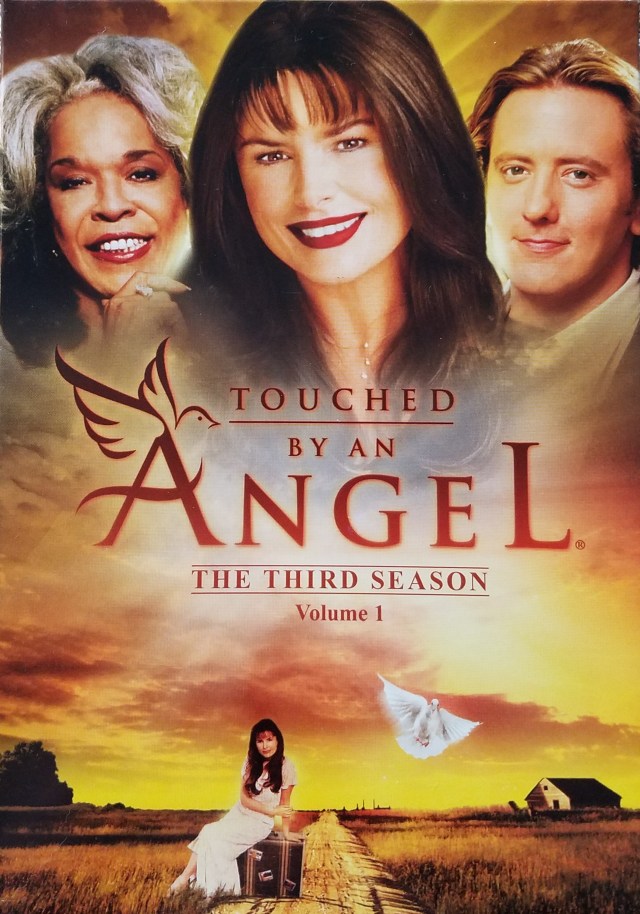

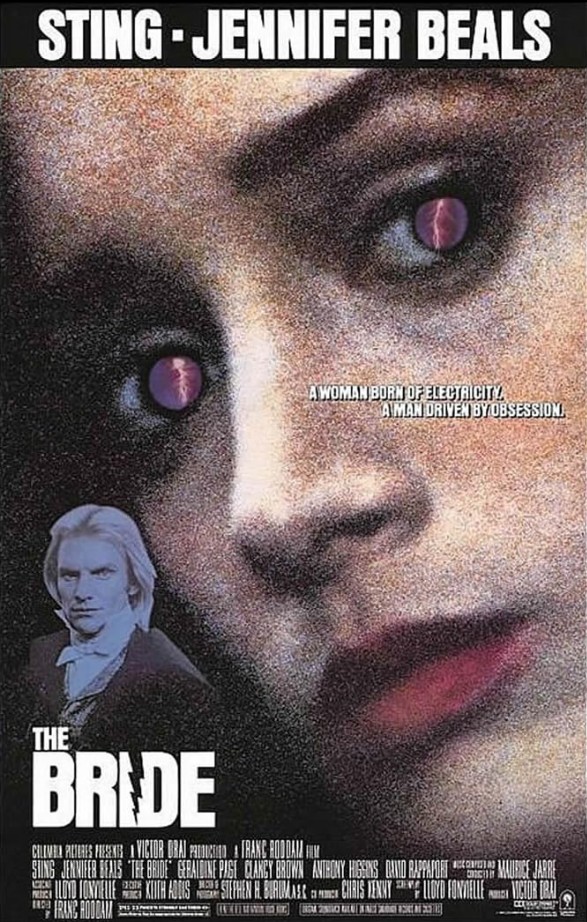
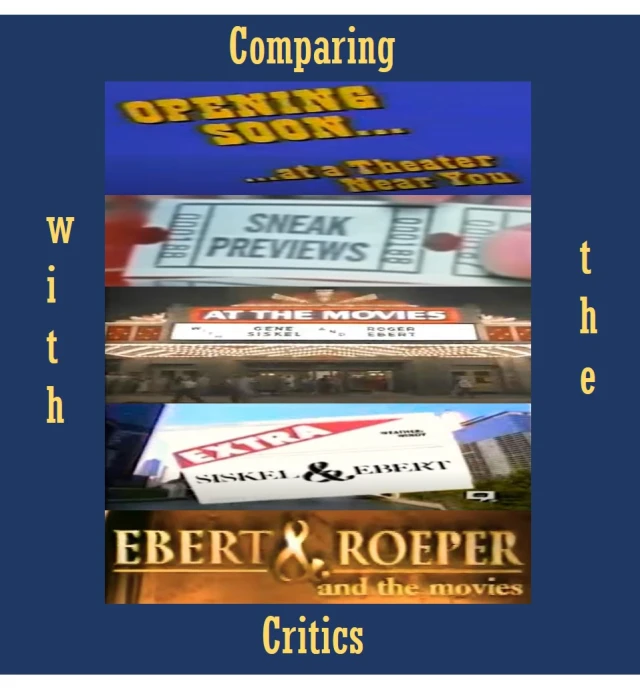
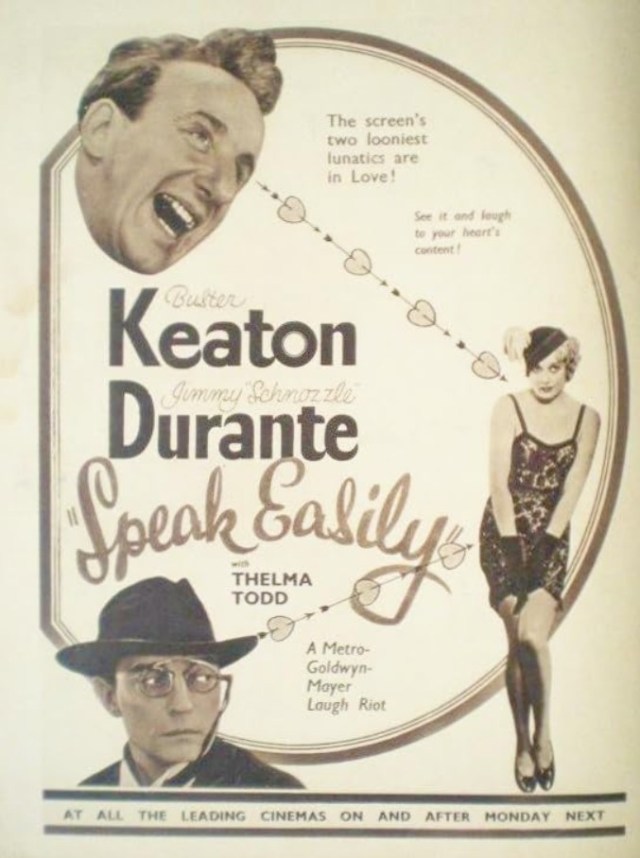
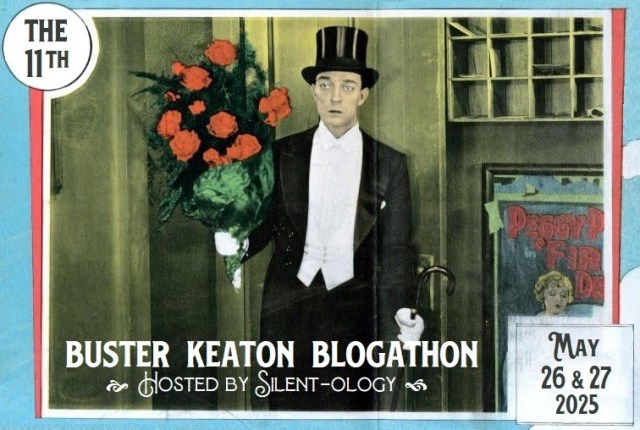

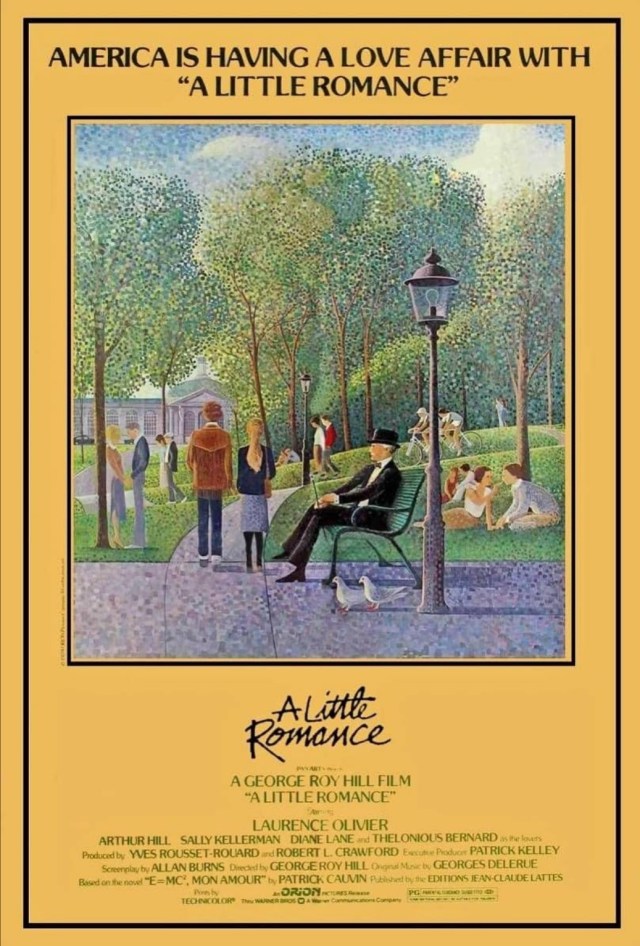

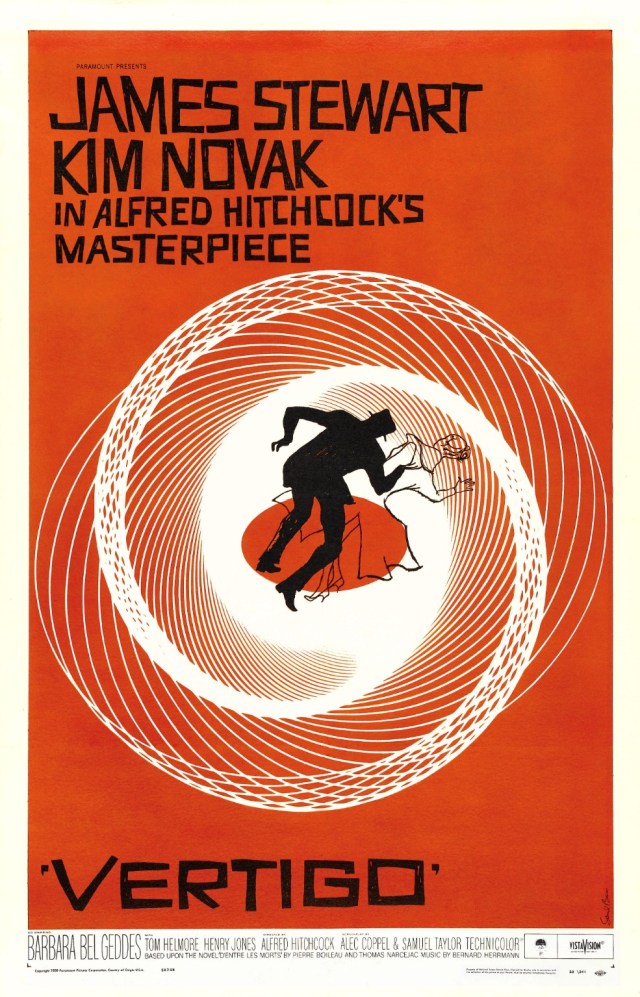

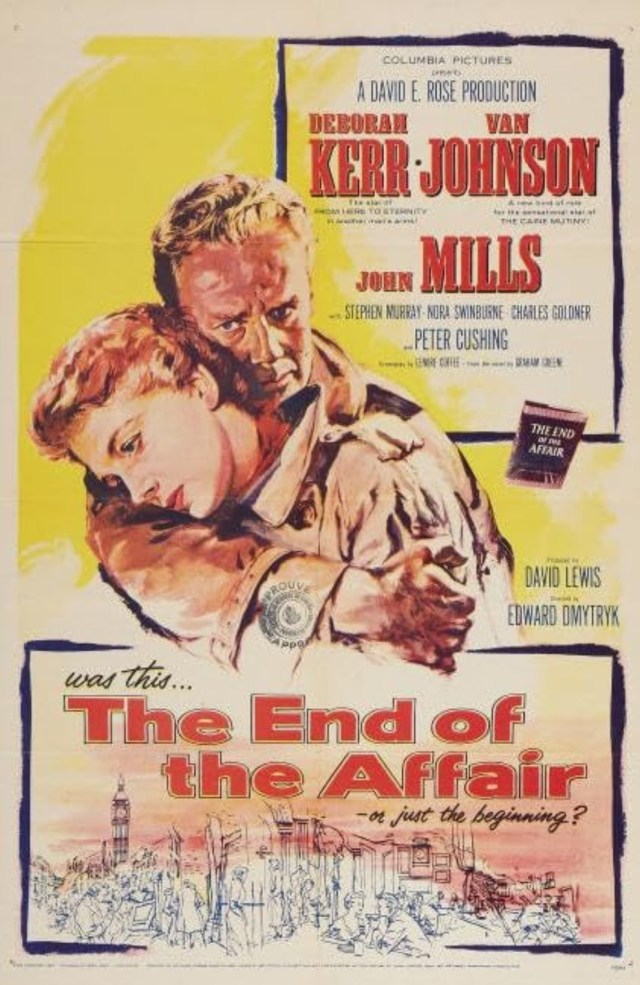
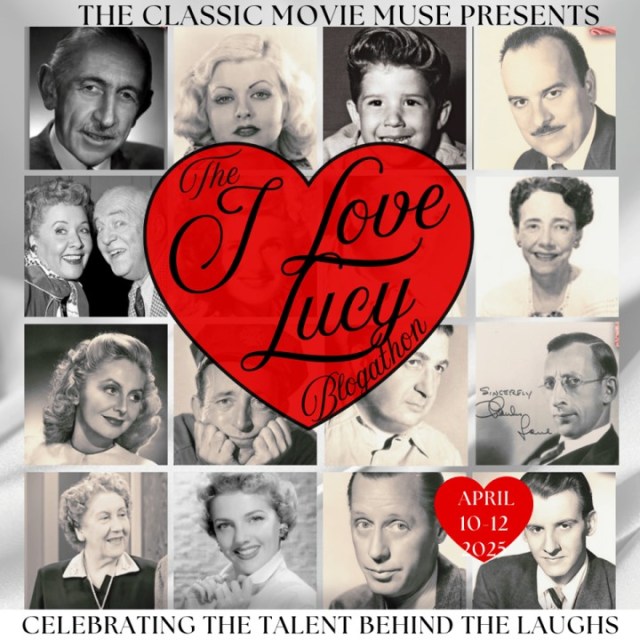
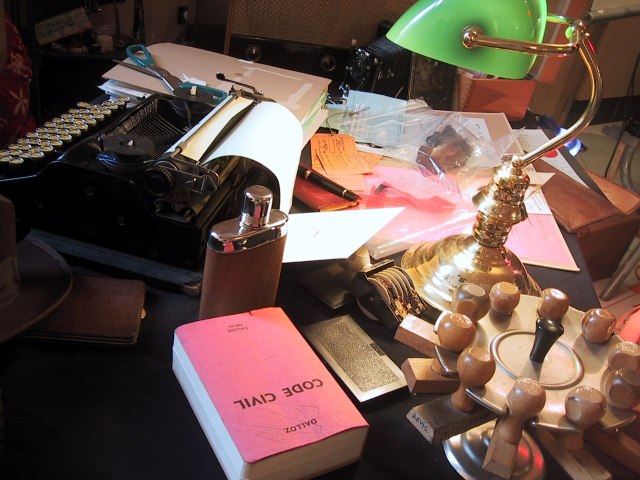

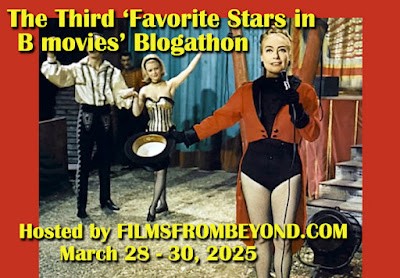




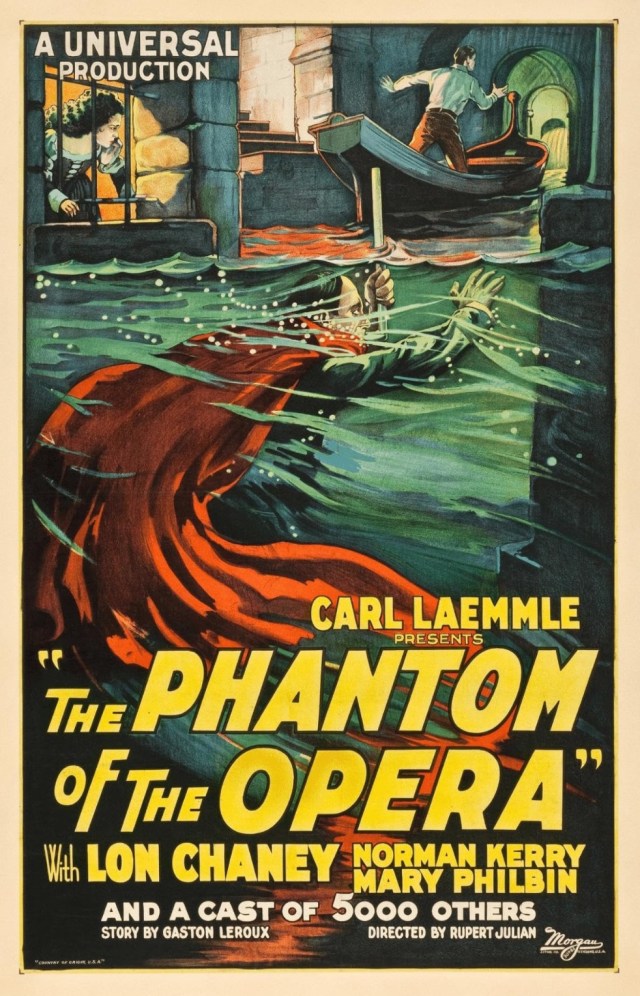
 18 Cinema Lane