Take 3: The Christmas Choir Review

November’s theme for Genre Grandeur is “Movies about Music or Musicians”. As I was looking for a potential title to review, I remembered how this is the time of year when I write about Christmas movies. This then led me to recall my list of the top five Hallmark films based on a true story, where I brought up the 2008 movie, The Christmas Choir. Since I expressed interest in revisiting the film, I selected it for this month’s Genre Grandeur! In that aforementioned list, I stated my surprise over how The Christmas Choir isn’t a Hallmark Hall of Fame production. That’s because the story of a choir forming in a homeless shelter seems like perfect material for the Hallmark Hall of Fame collection. Though when it comes to Hallmark Hall of Fame presentations, I have wondered what the criteria is for a story or script to be chosen. While that topic would make a great editorial or list article, that will have to wait for another day. For now, let’s begin this review for 2008’s The Christmas Choir!

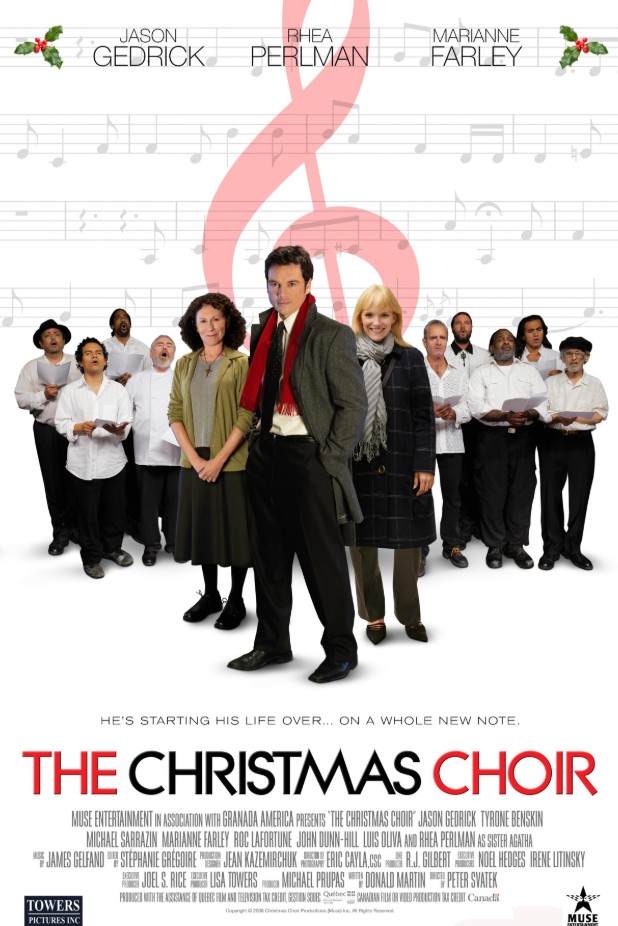
The Christmas Choir poster created by Muse Entertainment Enterprises, Towers Pictures, and Hallmark Channel

Things I liked about the film:

The cast’s on-screen chemistry: In my list of the top five Hallmark films based on a true story, I mentioned how the quality of the acting talents in The Christmas Choir allowed the characters to come across as realistic and endearing. To further articulate my point, the on-screen chemistry among the cast helped create interactions that felt believable. One of my favorite examples is when Juan (portrayed by Luis Oliva) sang for the first time. A rule for staying in the choir is to come to practices and performances sober. Hector (portrayed by Roc Lafortune) is not happy about this rule, angrily throwing the sheet music and storming toward the door in a huff. The other members, like Bob and Fred, and even the choir’s director, Peter, plead with Hector to stay. Worry, concern, and even disappointment are reflected on the men’s faces and in their voices. When Juan begins to sing, however, the look of surprise on everyone’s faces appears genuine. This is because, at the homeless shelter, Juan had a reputation for remaining silent. As Juan finds a nearby can and turns it into a makeshift drum, that surprise turns into joy, lifting the men’s spirits and boosting choir morale. Juan’s voice ended up becoming the glue that held The Christmas Choir together!

Incorporating Christmas’ religious elements: I said in my list of the top five Hallmark films based on a true story how it’s been years since I saw The Christmas Choir. Because of that, I had forgotten about Christmas’ religious elements woven into the film. Most of the songs performed by The Christmas Choir are religious. In fact, the only secular Christmas song the choir sings is ‘Deck the Halls’. Sister Agatha will occasionally quote the Bible and bring up Biblical examples when the situation calls for it. Even one of the movie’s overarching themes is serving as Jesus would have. Personally, I liked The Christmas Choir’s incorporation of Christmas’ religious elements because they’re not often found in Hallmark’s Christmas movies. This creative decision also allows The Christmas Choir to form its own unique identity!

The messages and themes: As I just mentioned in this review, one of the overarching themes in The Christmas Choir is serving as Jesus would have. Other themes and messages sprinkled throughout the story perfectly fit the Christmas season as well. When Peter gives a monetary donation to the homeless shelter, Sister Agatha tells him that while money is appreciated, what the homeless shelter really needs is for people to give their time. Sister Agatha’s words inspire Peter to utilize his time (and talents) to form The Christmas Choir. The conversation between Peter and Sister Agatha alone is such a perfect example of how money doesn’t always solve a problem, especially when it comes to being charitable. This overarching theme actually encourages the film’s audience to think outside the box in the season of giving.

Three Wise Men themed wish list paper image created by Freepik at freepik.com. <a href=”https://www.freepik.com/free-photos-vectors/christmas”>Christmas vector created by freepik – http://www.freepik.com</a>. Image found at freepik.com.

What I didn’t like about the film:

Too many conflicts: Within my review’s introduction, I brought up how The Christmas Choir is about a choir forming in a homeless shelter. While this is the movie’s main conflict, other conflicts like Peter’s issues with his father and The Christmas Choir competing for a permit are included in the script. As I watched the film, however, it felt like the creative team behind The Christmas Choir tried to squeeze as many conflicts as they could in an hour and thirty-minute timeframe. This choice made the movie overwhelming and the runtime feel longer. Though the 2008 movie is based on a true story, I’m not sure which parts of the script are based on fact or creative liberty. Therefore, the script should have focused on one main conflict with at least two subplots.

Sister Agatha’s inconsistent personality: When Sister Agatha was introduced in The Christmas Choir, she had a friendly personality with a bit of spunkiness. As I mentioned earlier in this review, Sister Agatha occasionally quotes the Bible and brings up Biblical examples when the situation calls for it. But as the story progressed, she became pessimistic and discouraging toward Peter and The Christmas Choir. Sister Agatha eventually returns to her spunky, friendly personality by the end of the film. However, the inconsistency of her personality is a flaw I couldn’t unsee. Rhea Perlman, who portrayed Sister Agatha, did a good job with the acting material provided. This mistake, though, lies with the screenwriter.

Things that don’t make sense: Sometimes, there were things in The Christmas Choir that didn’t make sense. One example happened at Peter’s office building. While at work, Peter’s colleague, Rita, tells Peter there are a group of homeless men singing in the office building’s lobby. Those “homeless men” were The Christmas Choir. Several scenes prior to this impromptu performance, however, Rita saw The Christmas Choir singing on television while at work in the aforementioned office building. Wouldn’t she have recognized The Christmas Choir when they spontaneously showed up in the office building’s lobby?

String of musical notes image created by Freepik at freepik.com. <a href=’https://www.freepik.com/free-vector/pentagram-vector_710290.htm’>Designed by Freepik</a> <a href=”https://www.freepik.com/free-photos-vectors/background”>Background vector created by Freepik</a>. Image found at freepik.com. 

My overall impression:

By revisiting The Christmas Choir, I was reminded of the film’s aspects I had forgotten about, like the inclusion of Christmas’ religious elements. This is one aspect of the movie I liked, as religious elements associated with Christmas are not often found in Hallmark’s seasonal presentations. I was also made aware of the flaws I overlooked. This is not a bad movie, but it wasn’t as strong of a picture as I initially believed. The abundance of conflicts in The Christmas Choir’s script made the film overwhelming and the runtime feel longer than an hour and thirty-minutes. There were not only some things in the story that didn’t make sense, Sister Agatha’s personality was also inconsistently written. But as I said in my list of the top five Hallmark films based on a true story, the 2008 picture is one of Hallmark’s more unique Christmas titles. This is due to the movie not following a formula or containing a certain set of Christmas movie tropes and cliches. What works in The Christmas Choir’s favor as well is the on-screen chemistry among the cast and the messages and themes stitched throughout the story. If you’re looking for a Christmas film from Hallmark that stands out within their festive collection, I’d recommend checking out The Christmas Choir.

Overall score: 7 out of 10

Have you seen The Christmas Choir? Are there any “older” Hallmark Christmas movies you’d love to see reviewed on 18 Cinema Lane? Please tell me in the comment section!

Have fun at the movies!

Sally Silverscreen

Sally Reads…‘Santa Cruise: A Holiday Mystery at Sea’ by Mary Higgins Clark and Carol Higgins Clark

When I signed up for Midnite Drive-In’s Hit The Road Blogathon, one of the basic rules was to choose “a movie, TV show or book” that had something to do with travel. Since I figured I’d be one of the few participants selecting a book for the event, I found an opportunity to write a book review! On 18 Cinema Lane, I occasionally talk about books in an effort to bring a sense of variety to my blog’s content. My last book review was published last September, when I wrote about Murder, She Wrote: Dying to Retire by Jessica Fletcher and Donald Bain. This is ironic, as that book revolved around Jessica traveling to Florida. For the Hit The Road Blogathon, I selected another mystery story; Santa Cruise: A Holiday Mystery at Sea by Mary Higgins Clark and Carol Higgins Clark! Years ago, I saw this book’s film adaptation, 2013’s The Mystery Cruise. Though I was not a fan of the film, I still wanted to read its source material, as I had heard of the book before seeing the movie. Is this a case where the book is better than the film? Keep reading my review to solve this mystery!

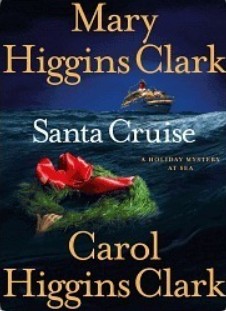
Santa Cruise: A Holiday Mystery at Sea book cover found on Goodreads

If you’re going to write a story that involves travel, the journey or destination needs to sound appealing. Whether the travels of characters are exciting or the characters arrive somewhere intriguing, the reader may stay invested in what is happening in the story. In Santa Cruise: A Holiday Mystery at Sea, the protagonist, Alvirah, won an all-expenses paid cruise through a charity auction. She, along with her husband, Willy, and their friends embark on an oceanic adventure where there is never a dull moment. Mary and Carol worked well together to create a setting that felt realistic. Descriptive imagery and attention to detail worked in the favor of the story’s world-building. One example is when rooms on the ship, Royal Mermaid, are described. While observing Alvirah and Willy’s room, one of their friends, Nora, states “The closet is practically a room unto itself”. This statement alone provides context for the size of the space. It also addresses the luxurious nature of not just the room itself, but the ship as a whole.

Cruise ship near an island image created by Freepik at freepik.com. <a href=’https://www.freepik.com/free-vector/holiday-background-on-a-cruise_1182003.htm’>Designed by Freepik</a>. <a href=”https://www.freepik.com/free-photos-vectors/background”>Background vector created by Freepik</a>. Image found at freepik.com.

Mystery stories, sometimes, include a group of characters. If these characters are working together to solve a mystery, it’s important for them to maintain a sense of camaraderie. This way, genuineness can be felt as the characters come together to reach a common goal. Throughout Santa Cruise: A Holiday Mystery at Sea, solving mysteries was a team effort among Alvirah, Willy, and their friends, the Reillys. It helped how these characters possessed their own set of skills and life experiences, allowing them to bring something unique to the table. It also helps how they knew each other before the events of the story. Because of how well-written the dialogue was, readers can pick up on how Willy, Alvirah, and the Reillys got along. Toward the beginning of the book, Alvirah is encouraging her friends, Regan and Jack, to join her and Willy on the cruise. Bringing up the couple’s already known vacation plans, Alvirah says, “I just heard from Jack’s own lips that he’s on vacation for two weeks”. She addresses this in an effort to give them a once-in-a-lifetime experience, keeping the best interests of her friends in mind. Because she recognizes Alvirah’s good intentions, Regan replies to Jack, “we’ve never been on a cruise together. I think it would be fun”.

News reporter being filmed image created by Macrovector at freepik.com. <a href=’https://www.freepik.com/free-vector/journalist-reporter-profession-isometric-banner_2875517.htm’>Designed by Macrovector</a>. <a href=”https://www.freepik.com/free-photos-vectors/banner”>Banner vector created by Macrovector – Freepik.com</a>, Image found at freepik.com.

Two of the villains in Santa Cruise: A Holiday Mystery at Sea are Bull’s-Eye and Highbridge. These criminals are on the run to avoid being sentenced for their crimes. There were times while reading this book where I had difficulty telling these characters apart. That’s because their personalities were not distinct enough. Another flaw of Santa Cruise: A Holiday Mystery at Sea was how some mysteries were solved before the reader could figure it out for themselves. During the titular Santa Cruise, two Santa suits go missing, becoming one of the story’s overarching mysteries. But shortly after this mystery is introduced, the “whodunit” is already revealed. This felt reminiscent of an episode of Columbo, where the audience is forced to observe the protagonist solving the mystery themselves instead of interacting with the story by figuring out the mystery alongside the characters.

Adorable Santa image created by Freepik at freepik.com. <a href=’https://www.freepik.com/free-vector/christmas-background-with-funny-santa_1324597.htm’>Designed by Freepik</a>. <a href=”https://www.freepik.com/free-photos-vectors/background”>Background vector created by Freepik</a>. Image found at freepik.com.

Santa Cruise: A Holiday Mystery at Sea is, in my opinion, a fine book that is interesting and entertaining enough. Carol and Mary use attention to detail and descriptive imagery in their favor to build a literary world that feels realistic. They also utilize dialogue to create strong camaraderie between the protagonists and their friends. However, I wish the story’s villains were given more distinct personalities, as it could have allowed them to stand out more. Having more interactive mysteries for the readers would have helped as well. There were parts of the story that were, sometimes, repetitive. Examples include referencing the number fifteen and the same events being brought up over and over again. Despite these flaws, the book does have a steady to faster pace, which makes Santa Cruise: A Holiday Mystery at Sea a quicker read.

The Hit The Road Blogathon banner created by Quiggy from The Midnite Drive-In

Overall score: 3.5 out of 5 stars

Have fun sailing!

Sally Silverscreen

Disclaimer: Santa Cruise: A Holiday Mystery at Sea is a mystery story that occasionally features violence and characters receiving injuries. There’s also brief references to grief.

The Top Ten Best Stand-Alone Films

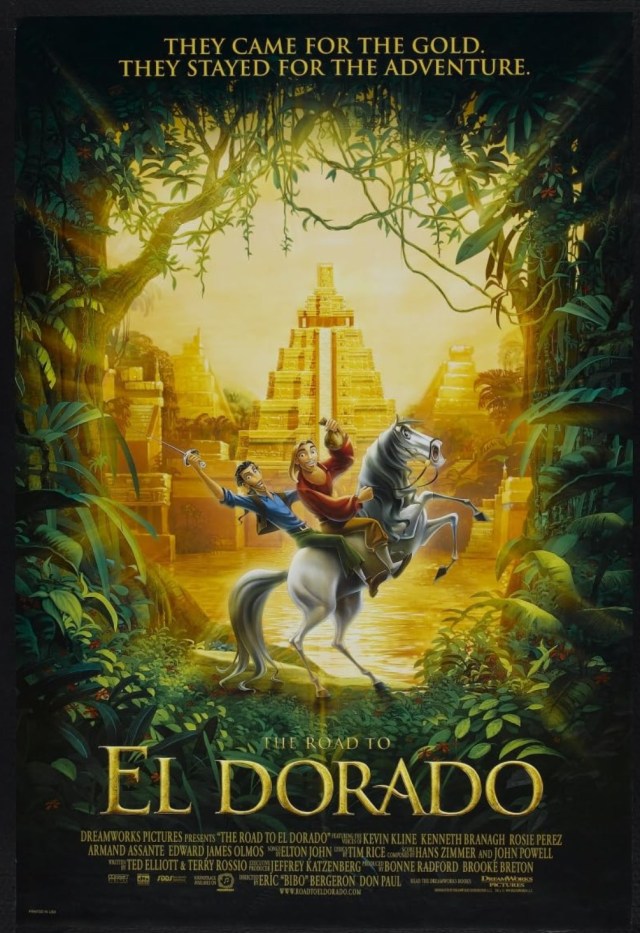
On this day in 2000, The Road to El Dorado made its official debut. While the movie didn’t meet or exceed DreamWorks’ expectations, it certainly found an audience, which stuck with the film for all these years. I once heard The Road to El Dorado was intended to be the first story in a trilogy. But fate decided it worked better as a stand-alone picture. This caused me to think about the other stand-alone movies I’ve come to love. So, in honor of The Road to El Dorado’s 25th anniversary, I have compiled a list of what I believe are the top ten best stand-alone films! For my list, the criteria for a stand-alone film is not only a title that didn’t receive a sequel, but also isn’t affiliated with a series/franchise. If I covered a film on 18 Cinema Lane, I will provide a link to that article or review in this list. Each title will be presented in order of release year and each choice is based on my opinion.

The Road to El Dorado poster created by Dreamworks Pictures, DreamWorks Animation, and DreamWorks Distribution

1. Singin in the Rain (1952)

    I start my list with a classic I was introduced to because of my blog. Now that I have finally seen Singin in the Rain, I have an understanding and appreciation for why the movie is so beloved. Gene Kelly’s iconic musical number, “Singin in the Rain”, should provide enough explanation for why you should check the film out! The number itself feels immersive, as it takes place within the story’s context. Gene adds uniqueness to the number by jumping and splashing in puddles. “Singin in the Rain” successfully represents the spirit of the film, while also delivering the message of seeing the good in a not-so-good situation. That number is just one reason why Singin in the Rain is a solid musical!

    Watching ‘Singin in the Rain’ for the First Time

    2. Ben-Hur (1959)

    If you’re going to watch any classics, you have to see 1959’s Ben-Hur! Though the three-hour run-time can seem intimidating, that time flew by for me, as I was so engrossed in the story. The emotional intensity of Charlton Heston’s, Stephen Boyd’s, and Haya Harareet’s performance complimented the scope of the overall film. Ben-Hur contains other likable qualities as well, from the magnificent sets/scenery to the interesting cinematography. How Christianity/faith was incorporated into the story sets the 1959 production apart from other “sword and sandal” pictures. Those who celebrate Easter may find Ben-Hur an appropriate seasonal title.

    Take 3: Ben-Hur (1959) Review + 60 Follower Thank You

    3. To Kill a Mockingbird (1963)

    While the book, To Kill a Mockingbird, received a sequel, the film adaptation did not. The 1963 movie presents one of the few times where, in my opinion, the film was better than its source material. Getting straight to the point a lot sooner was a main focus for the creative team. The film’s visual nature worked in the favor of certain elements from the book. Showing suspenseful moments from the source material makes those moments seem real, as well as intensifies uncertainty. Leaving out scenes that feel like padding helps the movie maintain a steadier pace.

    Take 3: To Kill a Mockingbird Review

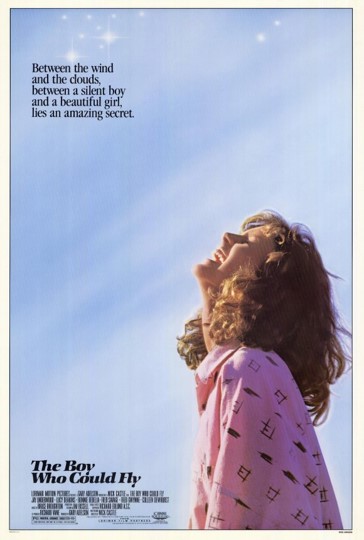
    4. The Boy Who Could Fly (1986)

    When I first saw The Boy Who Could Fly, it subverted my expectations. That’s because the 1986 picture aged surprisingly well! Through Milly and Eric’s friendship, the script shows how people with Autism can create and maintain meaningful relationships. Helping someone with Autism based on their personal preferences and accommodations may have seemed ahead of its time back in the mid to late ‘80s. Timeless messages and themes make up one of the reasons why I love the 1986 film. Showing compassion for others, dealing with grief, and understanding people’s differences take center stage.

    Take 3: The Boy Who Could Fly Review (PB & J Double Feature Part 2)

    5. The Bodyguard (1992)

    In 2022, I wrote an editorial explaining why The Bodyguard held up thirty years later. Because I love the 1992 film, finding explanations wasn’t difficult. “The kitchen scene” is, in my opinion, the best scene from any action movie. One reason why is how the kitchen’s smaller space is seen by the actors as a challenge instead of a hindrance. What also worked in The Bodyguard’s favor was Whitney Houston’s portrayal of Rachel Marron. Throughout the story, Whitney realistically showcases emotions and expressions. This helped Rachel become a multi-layered character.

    I Will Always Love You: ‘The Bodyguard’ at 30

    The Boy Who Could Fly poster created by Lorimar Motion Pictures and 20th Century Fox. Image found at https://www.imdb.com/title/tt0090768/?ref_=nv_sr_srsg_0.

    6. Swept from the Sea (1998)

    Swept from the Sea was one of the earliest hidden gems I discovered in 2019. It’s a movie that’s so great, I just had to include it on this list. There are so many things to like about Swept from the Sea. From Vincent Perez’s captivating performance to the beautiful scenery, the film’s components came together to create an endearing and emotional presentation! The 1998 film is a character-driven story, relying on on-screen chemistry in order to work. Because of Vincent Perez’s and Rachel Weisz’s differing acting styles, the on-screen chemistry between Yanko and Amy was very sweet and genuine.

    Take 3: Swept from the Sea Review (A Month Without the Code — #8)

    7. Phantom of the Megaplex (2000)

    This is another movie I just had to include on my list. But this time, it’s because Phantom of the Megaplex is also celebrating its 25th anniversary this year! The Disney Channel picture showed that the movie-going experience can be fun. As I explained in my editorial celebrating the film’s 20th anniversary, the made-for-TV movie also serves as a time capsule of how the cinema operated in the beginning of the millennium. Phantom of the Megaplex even shows how movies can influence our lives. Though I’m not sure if that aspect of the story was intentional, it makes the 2000 title, somewhat, thought-provoking.

    ‘Phantom of the Megaplex’ at 20: A Reflection on the Movie-Going Experience

    8. I Am David (2004)

    I Am David was the biggest pleasant surprise of 2024. It became the year’s best movie in March and stayed number one until the very end! What set I Am David apart was the film’s genuine emotion and sincerity. This was seen and felt through every aspect of the production. The 2004 movie emphasized visual depth. Achieved by exploring light and darkness, as well as showcasing Europe’s natural landscape, the creative team used the visual nature of film to their project’s advantage. Two effective plot twists are another reason why I liked I Am David. Their delivery in the story was well-written.

    Take 3: I Am David Review (Double Feature: 2004 Edition Part 1)

    9. From Up on Poppy Hill (2011)

    This 2011 presentation is one of Studio Ghibli’s stronger projects. A reason is one of the overarching themes; honoring the past. The film intelligently and creatively shows its audience how important history is in our lives and our world. Whether referencing the 1964 Olympics or focusing on the characters’ relationships, the theme of honoring the past acts as an umbrella sheltering Poppy Hill and its surrounding areas. Studio Ghibli’s signature colorful palette is consistently on display in the 2011 film. The strong understanding for how and when to use color makes scenes look like priceless pieces of art! Personally, I think movies like From Up on Poppy Hill present an argument why 2-D animation still has its time and place.

    Take 3: From Up on Poppy Hill Review + 200 Follower Thank You

    10. The Wild Robot (2024)

      I think it’s fitting to close this list with a DreamWorks movie, as a DreamWorks movie is the reason why I created this list in the first place. Though this was a recent watch for me, The Wild Robot is, so far, the best film I’ve seen this year! The animation itself is absolutely gorgeous! Sometimes, scenes look like paintings and other times, they look like priceless photographs. I was not expecting the story to contain as much emotional depth as it did. An abundance of good messages and themes add a sense of timelessness to the production. Though it’s unknown right now if The Wild Robot will gain an audience like The Road to El Dorado has, I can confidently say it was a really good movie!

      Phantom of the Megaplex poster created by the Walt Disney Company and Disney Channel. © Disney•Pixar. All rights reserved. Disney XD© Disney Enterprises, Inc.

      Have fun at the movies!

      Sally Silverscreen
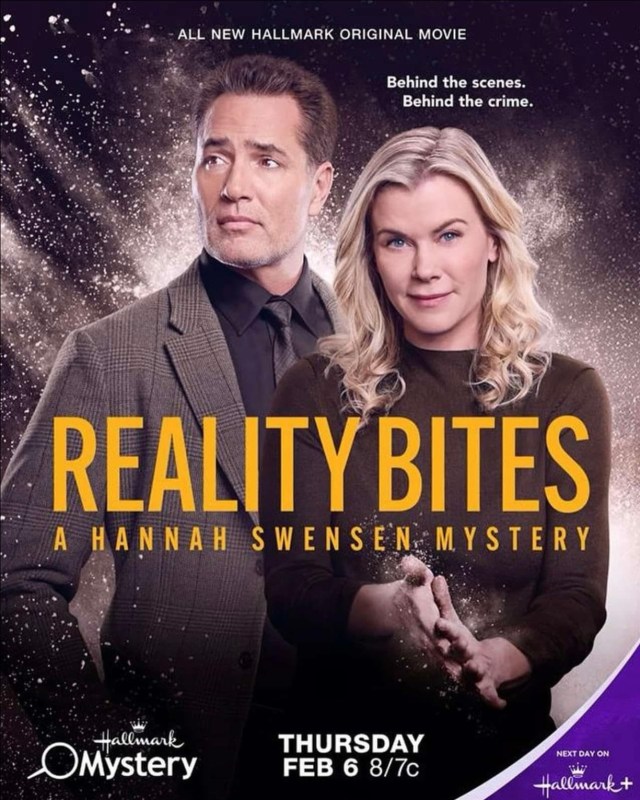
      It’s Time for the 7th Annual Gold Sally Awards!

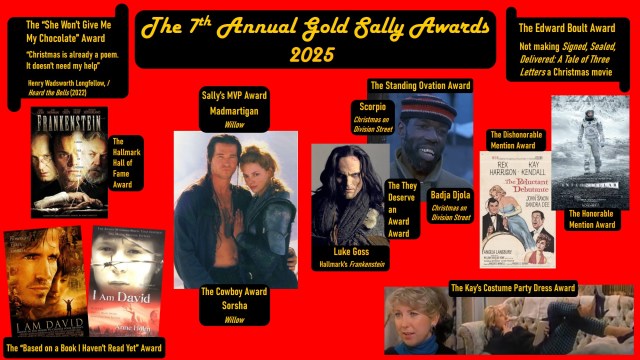
      Here at 18 Cinema Lane, I maintain several annual traditions to give my readers something to look forward to. One of those traditions is the Gold Sally Awards, which commemorates my blog’s anniversary! The award categories are created by me and based on topics I’ve brought up on my blog. With two new awards in 2025, I’ll explain the significance of those categories. Like in 2024, I will discuss why I chose each recipient. Now, let the 7th Annual Gold Sally Awards begin!

      7th Annual Gold Sally Awards Winners created by me, Sally Silverscreen.

      The Kay’s Costume Party Dress Award

      (Best Outfit from a Movie)

      Helen’s Christmastime Outfit from Hallmark Hall of Fame’s Pack of Lies

      When I thought about the various categories of the Gold Sally Awards, I realized there was no category recognizing the wardrobe department of the movie industry. To fix that, I created the Kay’s Costume Party Dress Award! The name of this award references the dress Kay (Joan Collins’ character) wore at a costume party in the 1983 tv movie, Making of a Male Model. I loved this dress so much, it was featured in 2021’s Movie Blogger’s Christmas Wish-List! From the films I saw in 2024, there were several outfits I really liked. The one that was the most memorable, however, came from the Hallmark Hall of Fame presentation, Pack of Lies! The outfit in question was featured in my Movie Blogger’s Christmas Wish-List from last year; the black and blue ensemble Helen (portrayed by Teri Garr) wore during Christmastime. This timeless outfit was worn in only one scene. That fact is why Helen’s outfit earned the inaugural Kay’s Costume Party Dress Award!

      The Edward Boult Award

      (Missed Opportunity in Cinema)

      Not making Signed, Sealed, Delivered: A Tale of Three Letters a Christmas movie

      Last June, I speculated how Signed, Sealed, Delivered: A Tale of Three Letters could be a Christmas film. In my editorial about my speculation, I explained how the movie’s title could be a reference to either the Nativity story or A Christmas Carol. I also wondered if Signed, Sealed, Delivered: A Tale of Three Letters and “Signed, Sealed, Delivered: To the Moon and Back” could be a two-part adaptation of A Christmas Carol, with the rock star character intended to be a Marley-like character. The official marketing for Signed, Sealed, Delivered: A Tale of Three Letters proved my speculation wrong. But the more I think about how this movie could have been a Christmas picture, the more I wish it had been a Christmas production. As of early February, 2025, the Signed, Sealed, Delivered series has received only one Christmas movie. Plus, my aforementioned editorial provided ideas for a potential Christmas script. With Hallmark Mystery’s ‘Miracles of Christmas’ viewership numbers lower in 2024 than 2023, maybe the network will consider creating another Signed, Sealed, Delivered Christmas film.

      The They Deserve an Award Award

      (An Actor or Actress Who Deserves Recognition)

      Luke Goss (for his performance in Hallmark’s Frankenstein) and Badja Djola (for his performance in Christmas on Division Street)

      There were several good acting performances I saw in 2024. So, it was difficult to choose just one recipient for this year’s Gold Sally Awards. Both Luke Goss’ and Badja Djola’s performance was so impressive! In Hallmark’s Frankenstein, Luke’s use of emotion allowed The Creature to speak without actually speaking. An example I used in my review of the 2004 television film was when The Creature bursts into tears while seeking refuge in a barn. Luke’s acting skills made his character as complicated as he was in Mary Shelley’s source material. Badja made his character, Scorpio, so memorable, despite having limited appearances in Christmas on Division Street. With a consistently commanding presence, Scorpio was a character I looked forward to seeing on screen. That’s because Badja used his acting talents to give Scorpio captivating interactions with other characters. The scene where Scorpio shares some of his backstory with Cleveland is the example I used in my Christmas on Division Street review.

      The Cowboy Award

      (Character Who Makes an Unnecessary, Drastic Change)

      Sorsha from Willow

      You’re probably wondering why I gave Sorsha the Cowboy Award, even though I grew to like her as a character. While I found her transformation from villain to hero necessary, it was drastic. In my Comparing with the Critics review of Willow, I shared how Sorsha’s aforementioned evolution was too abrupt. The transformation gave Sorsha some character development, but it left some questions unanswered. For this flaw, blame lies in the screenwriting.

      Sally’s MVP Award

      (Character Who Left a Memorable, Showstopping Impression)

      Madmartigan from Willow

      When I watch a movie, there is, sometimes, a character who leaves such a memorable impression on me, they end up stealing the show. I have called these types of characters “MVP”. To acknowledge the “MVPs” of 18 Cinema Lane, I created the new Sally’s MVP Award! One of these “MVPs” was Madmartigan from Willow. In my Comparing with the Critics review of the 1988 film, I talked about how Madmartigan was the story’s comic relief. His personality and comedic timing captivated my attention and kept me invested in his story. What helped Madmartigan become the “MVP” of Willow was the screenwriting and Val’s performance.

      The “She Won’t Give Me My Chocolate” Award

      (Best Quote from a Movie)

      “Christmas is already a poem. It doesn’t need my help” – Henry Wadsworth Longfellow, I Heard the Bells (2022)

      In the 2022 movie, I Heard the Bells, Fanny (portrayed by Rachel Day Hughes) encourages her husband, Henry, to create a Christmas themed poem. Henry (portrayed by Stephen Atherholt) told his wife, “Christmas is already a poem. It doesn’t need my help”. When Henry said this, I started to think about what his quote meant. Poems require planning and putting the right pieces together, in order for that poem to have good flow and writing structure. Christmas festivities require a certain amount of planning, whether it’s a local church’s Nativity play or a family’s Christmas party. Using these two examples, finding the right pieces is important, such as who will portray the Three Wise Men or what will be the entrée of Christmas dinner. Poems can also tell stories. One classic example is ‘‘Twas the Night Before Christmas’. Christmastime is filled with stories, from the Nativity story to A Christmas Carol. Henry’s aforementioned quote made me see Christmas in a completely different way! Plus, a quote from a Christmas movie has never won the “She Won’t Give Me My Chocolate” Award before.

      The Honorable and Dishonorable Mention Award

      (Best and Worst Movie from the Honorable and Dishonorable Mention Category)

      Best – Interstellar

      Worst — The Reluctant Debutante

      For last year’s Gold Sally Awards, there was only the Dishonorable Mention Award. That’s because I didn’t see enough movies to include an honorable mention category. With the honorable mention category returning in 2024, the Honorable Mention Award is also coming back! Science fiction stories about space exploration will typically emphasize the thrills and wonder of the galaxy. This can make it easy for a movie’s audience to get caught up in how adventurous and exciting outer space can seem. In Interstellar, a major focus is space travel’s effect on human beings. So, themes of family, sacrifice, and the price of scientific achievement are woven into the script. That, along with quality acting performances and impressive special effects, is why I liked Interstellar!

      Out of all the movies that ended up in the dishonorable mention category, I had the highest expectations for The Reluctant Debutante. This is because I not only reviewed the film for The John Saxon Blogathon, there was some well-known talent involved with the project. Unfortunately, the 1958 movie fell short of those expectations. The Reluctant Debutante was a premise driven story that felt longer than one hour and thirty-four minutes, due to the jokes being drawn-out. It also didn’t help how some story ideas were overlooked. When I reviewed the 1958 film, I shared how movies from the 1950s are covered so infrequently on 18 Cinema Lane. So, it’s disappointing when a production from the ‘50s is weaker than expected.

      The Hallmark Hall of Fame Award

      (Movie That Feels Like It Belongs in the Hallmark Hall of Fame Collection)

      Hallmark’s Frankenstein

      There are different kinds of stories in the Hallmark Hall of Fame collection. One kind of story is adaptations of pre-existing literature. Sometimes, “classic” literature became Hallmark Hall of Fame presentations, like The Secret Garden and A Tale of Two Cities. When these adaptations are good, they can be an immersive experience. This is how I would describe Hallmark’s Frankenstein! Due to the combination of screenwriting, acting performances, set design, and costume design, the movie made me feel like I was transported to another time and place. I also appreciate how close to the source material the 2004 television film is. Looking back on Hallmark’s Frankenstein and the Hallmark Hall of Fame collection, I’m actually surprised Mary Shelley’s novel wasn’t adapted into a Hallmark Hall of Fame project. Everything I said is why I chose Hallmark’s Frankenstein for the Hallmark Hall of Fame Award!

      The “Based on a Book I Haven’t Read Yet” Award

      (Movie Based on Source Material I Have Not Yet Read)

      I Am David

      Movies that won the “Based on a Book I Haven’t Read Yet” Award were first placed on a best films of the year list. I Am David is continuing that tradition! The 2004 film earned the top spot on my best movies list of 2024. This is the second time a number one movie of the year received the “Based on a Book I Haven’t Read Yet” Award! After I reviewed I Am David, I learned the movie was based on a book. I’m not sure how affective the story’s plot twists will be, as I already know what they are because I saw the film. However, I’d still be interested in reading I Am David someday!

      The Standing Ovation Award

      (Character Most Deserving of Receiving Their Full Potential)

      Scorpio from Christmas on Division Street

      When the Gold Sally Awards presented the Standing Ovation Award, the recipients were characters who should have received their “standing ovation”, but were denied that for various reasons. Scorpio (from Christmas on Division Street) actively worked toward getting where he wanted to go. As I said during the They Deserve an Award Award, Scorpio had limited appearances in the 1991 made-for-TV movie. Despite that, the audience learned enough about him to know what he had gone through. During this limited period of time, Scorpio attempts to overcome his obstacles. While I won’t spoil Christmas on Division Street, I will say those attempts earned Scorpio the Standing Ovation Award!

      Have fun at the movies!

      Sally Silverscreen
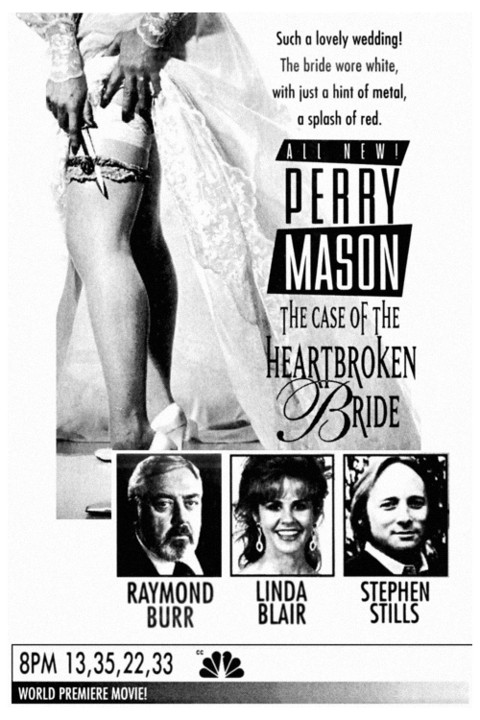
      Sally Watches… Touched by an Angel (30th Anniversary Edition)!

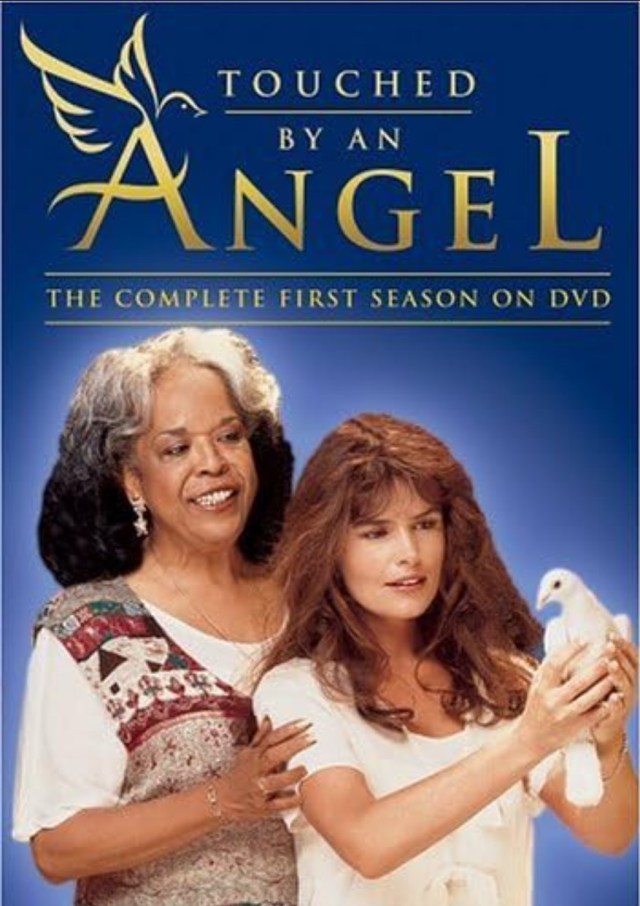
      2024 has hosted several anniversaries, from the 30th anniversary of the Disney animated film, The Lion King, to the 50th anniversary of Little House on the Prairie. But there is one anniversary that can’t be overlooked: the 30th anniversary of Touched by an Angel! With the show premiering on September 21st, 1994, I figured it would be appropriate to review some episodes this month in honor of the occasion. Since I reviewed three individual episodes of Touched by an Angel in the past, I will be writing about three episodes at once this time. Similar to past reviews of television episodes, I’m going to discuss what I liked about the episode, what I didn’t like about the episode, the story itself, the other factors from the episode, and my overall thoughts. Now, let’s talk about the three selected episodes: “The Southbound Bus”, “Psalm 151”, and “Mother’s Day”!

      Touched by an Angel season one DVD poster created by CBS Productions, Caroline Productions, and MoonWater Productions

      Episode Name: The Southbound Bus

      Season 1, Episode 1

      Premiere Date: September 21st, 1994

      What I liked about this episode:

      Touched by An Angel has incorporated serious, real-world topics into their stories; providing the show with dramatic, even sad, moments. But there are times when Touched by An Angel can become light-hearted. One perfect example is when David meets Tess for the first time. Tess arrives at David’s house as his new nanny. Because of hardships he experienced prior to the events of “The Southbound Bus”, David is skeptical of Tess and her new role. Tess, on the other hand, is ready to deal with David’s skepticism. Her no-nonsense attitude and motherly persona make it clear who’s in charge. She even calls David “dinosaur boy”, due to the dinosaur print on David’s shorts. The scene I described was genuinely hilarious because of how well written and acted it was. It also provided a balance between the episode’s light-hearted and serious tones!

      What I didn’t like about this episode:

      When she visits a rest stop known as Hewitt, Monica meets Ruth Ann and Christine. Later in the episode, a run-in with a local police officer forces Ruth Ann to confess to Christine how she’s attempting to flee the FBI due to her association with a criminal. During Ruth Ann’s attempt to flee, Monica pleads with Ruth Ann to confront her past. Monica’s pleading is fruitless, as not only Ruth Ann hitchhikes out of Hewitt, her part of the story is left unresolved. I know there’s only so much story you can tell in an hour-long episode. But if the show’s creative team knew Ruth Ann’s story wasn’t going to receive a resolution, why address it in the first place?

      The story itself:

      As I mentioned earlier in this review, Touched by An Angel has included dramatic, even sad, moments in their stories due to the show’s subject matter. However, as I’ve also mentioned, there are times when the show can become light-hearted. These tones were balanced very well in “The Southbound Bus” as viewers are introduced to Monica, Tess, and their roles as “case workers”! The story jumps right into the action as Monica not only receives an upgrade from “search and rescue”, she also receives her first assignment in her new role. This creative choice grabs viewers’ attention as Monica meets Tess at the bus stop. Touched by An Angel sometimes incorporates plot twists and surprises in their stories which can catch viewers off-guard. There is one plot twist in “The Southbound Bus” that I found really effective!

      The other factors from this episode:

      • For this part of my review, I will spoil “The Southbound Bus”. If you have not seen this episode and are planning on watching it, please skip to the next point in this section.

      When Monica confronts Christine on the loss of her daughter, Monica admits an angel was with Christine’s daughter, Katie, when she died. She also confesses how an angel is with Katie in Heaven. Monica’s statement confused me because I remembered how, prior to this episode, she was on “search and rescue”. Yet, when talking with her friend from “search and rescue”, Adam, Monica didn’t know the history of David’s family. Was Adam with Katie or was it perhaps Andrew, with this detail revealed in a later episode?

      • During her assignment to help David, Monica reconnects with a friend from “search and rescue” named Adam. Through their conversation, Monica receives key information about David’s mother and sister. From what I remember of Touched by An Angel, Adam doesn’t join the show’s main cast. This makes me believe Adam was the precursor of Andrew (who would make his debut in season two).
      • At the beginning of “The Southbound Bus”, Tess reminds Monica how she hasn’t appeared in human form for more than a few moments. This fact causes Tess to warn Monica not to eat everything in sight. Tess’s guidelines for the human world make me wonder what other rules angels have to follow? Were these rules expressed in other episodes?

      My overall thoughts:

      The Southbound Bus” is the very first episode of Touched by An Angel. It’s also the very first time viewers meet Monica, Tess, and the world they interact with. I’d say this was a strong start for not only Touched by An Angel’s first season, but also for the series as a whole! The overall quality of the production sets up what viewers can expect from this show. “The Southbound Bus” addresses serious subjects like grief and neglect. But the way this story was written allowed moments of humor and even hope, providing a balance between serious and light-hearted tones. The dialogue is thought provoking as well, such as when Monica marvels at how humans have the courage to wake up and start a new day. I said in the past how “Perfect Little Angel” would be a good starting point when introducing someone to Touched by An Angel. Another good choice would be “The Southbound Bus”, as that is where it all began!

      Rating: A solid 4 out of 5

      Colorful dinosaur image created by Rawpixel.com at freepik.com. <a href=’https://www.freepik.com/free-photo/various-animal-toy-figures-in-a-colorful-background_3011200.htm’>Designed by Rawpixel.com</a>. <a href=”https://www.freepik.com/free-photos-vectors/background”>Background image created by Rawpixel.com – Freepik.com</a>. Image found at freepik.com.
      Touched by an Angel season five poster created by CBS Productions, Caroline Productions, and MoonWater Productions

      Episode Name: Psalm 151

      Season 5, Episode 9

      Premiere Date: November 15th, 1998

      What I liked about this episode:

      If I could choose one phrase to describe “Psalm 151”, it would be “genuine sincerity”. The reason is how genuine sincerity was the glue that kept this story together! The interactions between the characters felt sincere, giving the impression they truly wanted to respect Petey’s wishes. Cornelia/Celine and Petey’s friendship came across as genuine due to the performances of Mika Boorem and Joseph Cross, as well as the screenwriting. Even Céline Dion’s inclusion in this story felt sincere as she tells Petey and Cornelia/Celine to always focus on the light. This genuine sincerity left me invested in the story and caring about the characters!

      What I didn’t like about this episode:

      Psalm 151”is a music-centric episode because music is one of the story’s main themes. As I mentioned in my review of the episode, “Perfect Little Angel”, Della Reese is a real-life singer. With that said, I think not incorporating Della’s singing talents in “Psalm 151” was a missed opportunity. Like I stated while talking about “The Southbound Bus”, there’s only so much story you can tell in an hour-long episode. This means there’s only so much time to include the singing talents of Céline Dion and Wynonna Judd. I still wish some amount of time had been given to Della so she could sing at least one song.

      The story itself:

      For Monica’s 100th case, the creative team behind “Psalm 151” could have turned this story into a “remember when” episode; where Monica, Tess, and Andrew reflect on flashbacks that occurred in previous episodes. Instead, Monica received a new case containing its own unique conflicts and resolutions. Even though the story of “Psalm 151” was different from preceding episodes, it shared a major similarity with “The Southbound Bus”: the story revolved around a mother and son dealing with a challenging situation. This similarity allowed Monica’s story to come full circle. When a television show chooses to create a musical episode, it can sometimes be met with skepticism due to the concern of the musical episode feeling out of character. But in the case of “Psalm 151”, a musical episode felt like an appropriate choice for Monica’s milestone, especially since Touched by An Angel is known for being a heart-warming, uplifting program.

      The other factors from this episode:

      • Monica celebrates her 100th case by throwing a party. Tess explains to Andrew how Monica wanted coffee-flavored treats at her celebration. When Monica travels to Hewitt in “The Southbound Bus”, she tells Christine and Ruth Ann how coffee was a treat for her, as she consumed coffee so infrequently while on “search and rescue”. This creative detail was a nice throwback to Monica’s very first case!
      • Petey’s friend, Cornelia/Celine, calls herself “Celine” because she adores Céline Dion. In fact, one of Petey’s wishes is for Cornelia/Celine to meet her favorite singer. Céline Dion’s appearance in this episode serves an interesting coincidence. “Psalm 151” premiered in 1998, ten years after Céline won Eurovision. Reviewing this episode now also serves a coincidence, as Switzerland (the country Céline represented) won this year’s Eurovision and Céline performed during this year’s Olympic opening ceremony.
      • While reflecting on the coincidences in “Psalm 151”, I realized there is one coincidence related to Wynonna Judd. 2024 marks the 30th anniversary of when Wynonna performed during the Super Bowl half time show. This is also a coincidence, as 1994 is when Touched by An Angel made its television debut.

      My overall thoughts:

      According to IMDB, “Psalm 151” is a top-rated episode with a score of 9.5 out of 10. Looking back on this episode, I can see why so many people like “Psalm 151”! Touched by An Angel pulled out every stop they could think of for Monica’s 100th case! The screenwriters created a script that allowed Monica’s story to come full circle. This same script also gave viewers characters, interactions, and resolutions that felt genuinely sincere; inviting viewers to care about the characters and stay invested in their story! Musical television episodes can sometimes receive a bad rap due to those episodes feeling out of place among their respective shows. For “Psalm 151”, its musical nature made the episode feel like a joyous celebration. Yet the serious subjects of chronic illness and grief were never overlooked or sugarcoated. If I came up with a list of the top ten best Touched by An Angel episodes, “Psalm 151” would find a place on that list!

      Rating: A strong 4.5 out of 5

      Coffee cup drawing image created by Valeria_aksakova at freepik.com. <a href=”https://www.freepik.com/free-photos-vectors/background”>Background image created by Valeria_aksakova – Freepik.com</a>. <a href=’https://www.freepik.com/free-photo/painted-cup-of-coffee-with-natural-coffee-beans-on-a-chalkboard_1013935.htm’>Designed by Freepik</a>. Image found at freepik.com.
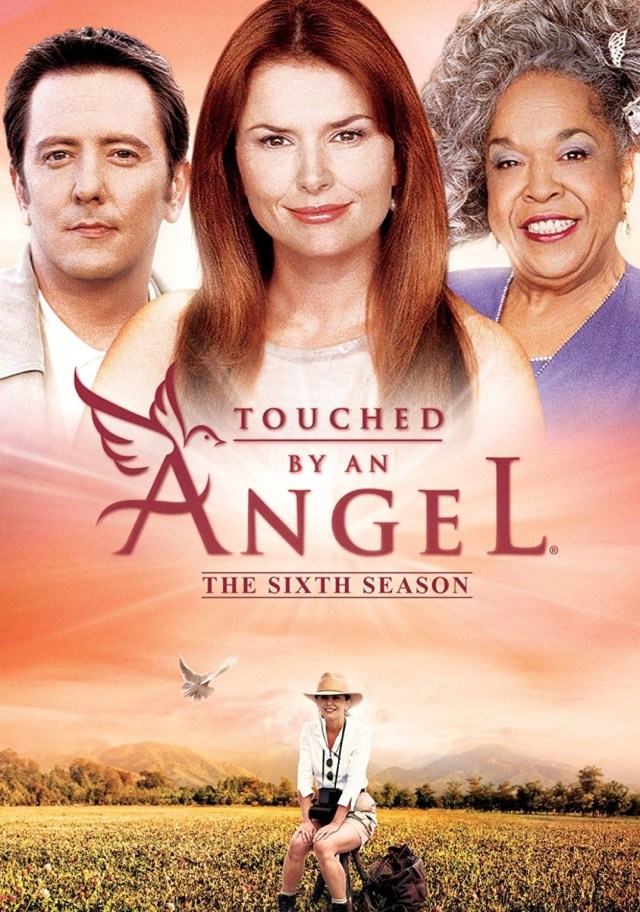
      Touched by an Angel season six poster created by CBS Productions, Caroline Productions, and MoonWater Productions

      Episode Name: Mother’s Day

      Season 6, Episode 25

      Premiere Date: May 14th, 2000

      What I liked about this episode:

      Wynonna Judd is, in my opinion, talented, yet underrated. Even though she guest-starred in “Psalm 151” and “Mother’s Day”, Wynonna’s strongest performance was found in “Mother’s Day”! The emotional intensity Wynonna brought to this episode made Audrey’s grief feel realistic. In a scene where Cornelia/Celine is confronting Audrey about her alcohol addiction, Audrey’s bitter tone, sharp look in her eyes, and anger show how she is not yet ready to handle the truth. Meanwhile, Cornelia/Celine is terrified of Audrey, even becoming sad and tearful by Audrey’s hurtfulness. Wynonna Judd should have, at least, been nominated for an award for her portrayal of Audrey in this episode!

      What I didn’t like about this episode:

      In order to help Audrey cope with Petey’s death, Monica is sent to “The Middle”; giving her the ability to enter Audrey’s dreams. The way these dreams were presented felt out of character for Touched by An Angel. The background and even certain objects were coated in bright, fluorescent colors. Monica would look at Audrey with a blank stare and speak to her in a cryptic manner. Even Petey’s iguana, Fluffy, talks to Audrey. The dreams Monica enters would be described as “trippy”, a word typically not used for a show known for being heart-warming and wholesome.

      The story Itself:

      Mother’s Day” is the follow-up to “Psalm 151”, picking up the story after Petey passed away. The death of Petey causes Audrey to turn further into her grief as well as give up music. While the story has its touching moments and a resolution is found, it undermines the message of “Psalm 151”; how music can help people heal and bring them closer together. Cornelia/Celine understandably misses Petey. Yet her grief is glossed over due to the story primarily focusing on Audrey’s struggles. The story of “Psalm 151” dealt with serious topics such as chronic illness and grief. Yet the genuine sincerity I mentioned earlier in this review is one of the reasons why that episode felt heart-warming, even hopeful. Because Audrey is consumed by grief in the majority of “Mother’s Day”, the story felt depressing.

      The other factors from this episode:

      • Jean Stapleton portrays Emma, an angel who poses as a housekeeper. Reflecting on Jean’s role on All in the Family made me realize how her appearance in this episode was an interesting coincidence. In All in the Family’s two-part episode, “Edith’s Crisis of Faith”, Edith struggles with grief and her faith after her friend is murdered around Christmastime. Touched by An Angel’s episode, “Mother’s Day”, shows Audrey struggling with grief and her faith after the loss of Petey.
      • Without spoiling this episode, I recognize why it is called “Mother’s Day”. Yet, in my opinion, this is a story that could have taken place any time of year presenting a similar outcome. When a television show episode is holiday themed, messages connected to that holiday serve as threads throughout the story. With all that said, it makes me wonder why, out of all the holidays on the calendar, was Mother’s Day selected for this episode? Why not Christmas or Petey’s birthday?
      • When I talked about “Psalm 151”, I mentioned how 2024 (the year I’m reviewing the episode) marks the 30th anniversary of when Wynonna performed during the Super Bowl half time show. It should also be noted that Naomi Judd also performed in 1994’s Super Bowl half time show, where she and Wynonna sang “Love Can Build a Bridge”. The reason why I’m bringing this fact up is because Naomi appears in “Mother’s Day”.

      My overall thoughts:

      When it comes to “Mother’s Day”, I’m honestly torn. Earlier in my review, I pointed out how “Psalm 151” is a top-rated episode on IMDB. Therefore, it makes sense for a popular episode to receive a follow-up. On the other hand, “Mother’s Day” isn’t as strong as “Psalm 151”. The message of music helping people heal and bringing them closer together is undermined as Audrey is consumed by grief for the majority of the episode. Even though there are touching moments in this story, as well as a resolution, the overall presentation didn’t feel as heartwarming or hopeful as “Psalm 151” or even “The Southbound Bus”. However, Wynonna’s portrayal of Audrey was a highlight of this episode, as her emotional intensity showed a more realistic depiction of grief. I also thought Mika Boorem gave a solid acting performance, showing how Cornelia/Celine tried to provide the thread that kept her world together. “Mother’s Day” is not a bad episode. But its weaker production kind of makes me wish a different episode had received a follow-up instead.

      Rating: A 3.5 out of 5

      Breakfast tray image created by Freepik at freepik.com. <a href=’https://www.freepik.com/free-photo/composed-healthy-fruit-and-coffee-on-tray_1441643.htm’>Designed by Freepik</a>. <a href=”https://www.freepik.com/free-photos-vectors/background”>Background image created by Freepik</a>. Image found at freepik.com.

      Have fun on television!

      Sally Silverscreen

      Take 3: Heart of a Stranger Review + 495 Follower Thank You

      Here at 18 Cinema Lane, some of my most popular content is Hallmark related. In fact, the top three most viewed articles are two of my Sunset Over Hope Valley re-cap posts and my list of the top ten worst Hallmark movies of all time. This popularity can sometimes overshadow other genres of film as well as other made-for-TV networks. One of those networks is Lifetime. Throughout my six years of blogging, I’ve reviewed Lifetime’s movies so infrequently. So, to kind of make up for that, I selected the 2002 picture, Heart of a Stranger, for this Blog Follower Dedication Review! While I had seen this film years ago, I had vague recollections of it. All I remembered was how the protagonist received heart surgery and that the protagonist and her daughter wanted to see The Nutcracker. Since my last two Blog Follower Dedication Reviews featured films that were new to me, I thought revisiting a picture from yesteryear would be a nice change. Let’s talk about Heart of a Stranger so we can get to the heart of this review!

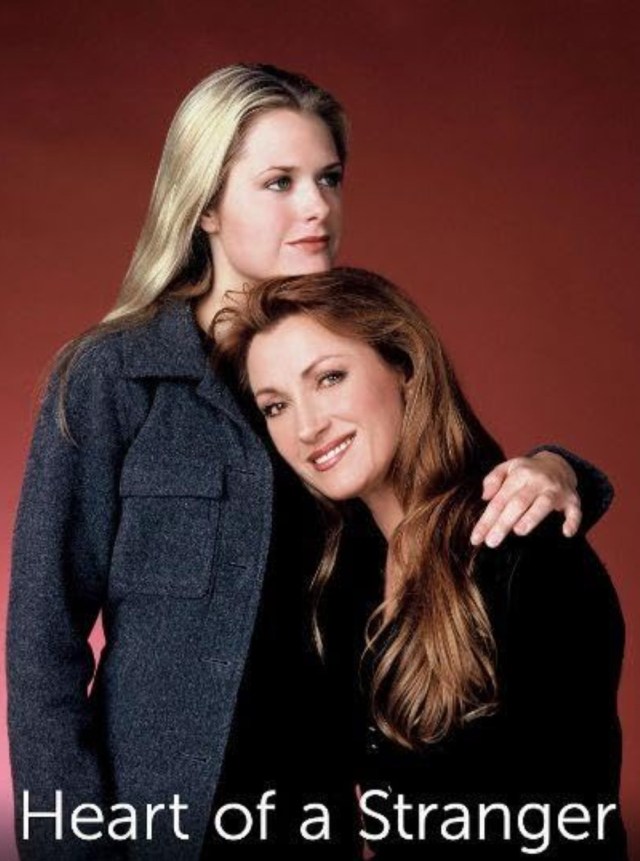
      Heart of a Stranger poster created by Fogwood Films, Von Zerneck-Sertner Films, and Lifetime Television

      Things I liked about the film:

      The acting: In the introduction of my review, I mentioned how Heart of a Stranger’s protagonist received heart surgery and that the protagonist and her daughter wanted to see The Nutcracker. This story revolves around a mother and daughter’s changing relationship after the mother receives a heart transplant. Jane Seymour’s and Maggie Lawson’s performance created a believable familial relationship. That is what made the crux of the story work. At a local restaurant, Maggie’s character, Amanda, is excited by how her violin performance turned out. Jane’s character, Jill, is proud of her daughter. Their big smiles and warm demeanor are soon followed by changed feelings when Amanda makes a confession to her mother. Jill’s initial confusion transforms into anger as she and her daughter get into an argument. During this argument, Amanda’s frustrations are on full display, from the sharp tone in her voice to her eyes intensely focusing on her mother. Maggie and Jane helped make the scene I just described feel realistic!

      Not only did Jane and Maggie create a believable familial relationship, their individual performances are believable as well! A perfect example is when Jill goes to a local car wash. Before the car wash process begins, Jill excitedly tells her daughter over the phone how she’s about to do a mundane task like going to the car wash. The reason for Jill’s excitement is how, before her heart surgery, she used to be too sick to run errands. But as the car wash continues, Jill receives flashbacks she believes are from her heart donor. These flashbacks, along with being in a confined space, cause Jill to become nervous. Her eyes, filled with concern, quickly scan her surroundings. Jill also develops a frown out of worry. Eventually, her emotions get the better of her as she runs out of her car mid-car wash. The scene ends with Jill flinching from a car wash employee. The way Jane used her acting talents to adapt to the changing emotions in that scene was fluid and never missed a beat. Jane and Maggie worked as a team carrying this film!

      Amanda’s subplot: Like I previously mentioned, Jill receives a heart transplant. The surgery is not only a success, it allows Jill’s view on life to change. Amanda’s perspective on life is also impacted because of her mother’s newfound health. In her subplot, Amanda is trying to apply for a music conservatory. To prevent burnout and fatigue, she learns a new musical style from performers at a local restaurant. Using music as a compass to guide Amanda’s new journey was, in my opinion, a smart creative choice. Through Maggie’s performance as well as the screenwriting, Amanda’s dedication for her craft turned into motivation to mold her own future! This subplot also gave Amanda character development as she slowly, but surely gained independence.

      The honesty surrounding post-surgery: Made-for-TV movies about characters receiving transplants usually build up to the transplant surgery. Because the story’s climax is the aforementioned surgery, there is little to no time to highlight the characters’ life post-surgery. In Heart of a Stranger, Jill’s surgery takes place at the beginning of the movie, with the rest of the film showing Jill adapting to her new heart and health. Throughout the story, Amanda reminds her mother to take her medicine prescribed after surgery. Even though the surgery was successful, Jill follows doctor’s orders to prevent her body from rejecting her new heart. Later in the film, Jill attends a support group with other transplant patients. This part of the story addresses loneliness that could occur after experiencing a major medical transformation. Weaving honesty into Heart of a Stranger presents a more realistic depiction of patients receiving transplant organs. For viewers unfamiliar with this medical process, the movie may give them an idea of what transplant patients may experience.

      Heartbeat image created by Freepik at freepik.com. <a href=’https://www.freepik.com/free-vector/medical-logo_763775.htm’>Designed by Freepik</a>. <a href=”https://www.freepik.com/free-photos-vectors/logo”>Logo vector created by Freepik</a>. Image found at freepik.com.

      What I didn’t like about the film:

      An overshadowed mystery: According to a synopsis I read for Heart of a Stranger, the movie is about Jill trying to solve the mystery of who donated her heart. This is what led me to believe the story would emphasize Jill’s search for her donor. But when I revisited this film, I discovered the creative team chose to prioritize Jill’s new perspective on life after heart transplant surgery. I recognize how important that part of the story is, especially how it connects to the theme of taking advantage of second chances. However, the emphasis on Jill’s new perspective on life not only caused the mystery of Jill’s donor to, sometimes, be overshadowed, it gave the mystery a lack of urgency. While the mystery did get solved, I wish that had been the story’s main focus.

      Unresolved parts of the story: As I just said in my previous point, the mystery of Jill’s donor was, sometimes, overshadowed because Jill’s new perspective on life was prioritized. But the aforementioned mystery is not the only overlooked part of the story. After unsuccessfully searching for information on Jill’s donor, Beth, a friend of Jill’s, shares her disapproval with Jill over locating the donor and their family. The rest of the story does not revisit this disapproval, despite showing Beth sharing Thanksgiving dinner with Jill. Later in the movie, Amanda has a fight with her boyfriend, Billy. Since this situation took place toward the end of the movie, there is little to no time to resolve this conflict. The creative team should had taken the time to tie up these loose ends instead of putting most of their eggs in one basket.

      Brian’s subplot: One of Jill’s friends is a restaurant manager named Brian. When she visits the restaurant he works for, Brian shares with Jill his dream of starting his own restaurant. He even encourages her to become co-owner of the establishment. Despite this subplot receiving a satisfying conclusion, it was ignored for most of the movie. Even Brian himself made very few appearances in the story. The emphasis of Jill’s new perspective on life prevented Brian’s subplot from receiving a bigger role in Heart of a Stranger.

      Blue sparkly Christmas tree image created by Macrovector at freepik.com. <a href=”https://www.freepik.com/free-photos-vectors/frame”>Frame vector created by Macrovector – Freepik.com</a>. <a href=’https://www.freepik.com/free-vector/merry-christmas-card_2875396.htm’>Designed by Macrovector</a>. Image found at freepik.com.

      My overall impression:

      Before I share my thoughts on Heart of a Stranger, I want to thank all the followers of 18 Cinema Lane! Whenever it’s time to write a Blog Follower Dedication Review, I try to select movies that I feel good about recommending. I would actually suggest this 2002 made-for-TV production as an ‘alternative Christmas movie’. While the story leads up to Christmas, the holiday is not the story’s primary focus. Instead, the film prioritizes a mother and daughter’s life post heart transplant surgery, as well as the mother’s new perspective on life. At best, Heart of a Stranger is a fine, decent movie. The depiction of patients receiving transplant organs is more realistic due to the honesty woven into the story. Maggie’s and Jane’s performance helped create a believable familial relationship. But compared to the types of films Lifetime creates today, especially in the 2020s, Heart of a Stranger is more mundane and pedestrian. This would explain why the network has moved away from creating movies like this one.

      Overall score: 7 out of 10

      Have you seen Heart of a Stranger? Are there any older Lifetime movies you’d like to see me review? Let me know in the comment section!

      Have fun at the movies!

      Sally Silverscreen

      UPDATE: Sally Solves a Mystery: Ana Lucia’s Ring

      Last April, I started my annual series, Sally Solves a Mystery. For the first entry in the series, I wrote about Ana Lucia from Lost, questioning why she wears a ring on her wedding ring finger despite not being engaged or married. When I published my article, the mystery was unsolved. But I now have an update about an aspect of Ana Lucia’s ring! In that aforementioned article, I described the ring itself and questioned if the designs on the ring was a production error or an intentional creative decision. Upon further reflection, I believe the ring boasting different designs was an intentional decision from the show’s creative team.

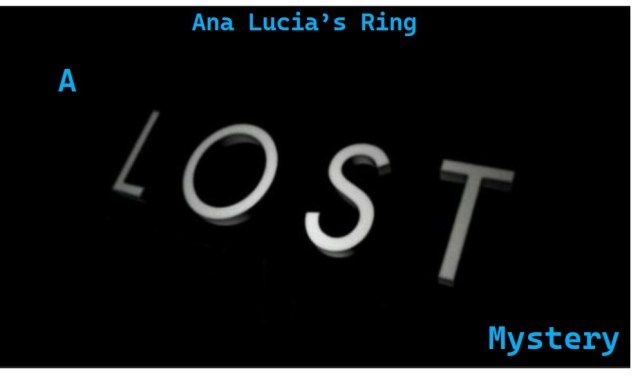
      Lost title card image created by Bad Robot, Touchstone Television, and ABC Signature. ‘Ana Lucia’s Ring: A Lost Mystery’ image created by Sally Silverscreen

      In the episode, “Two for the Road”, Ana Lucia’s ring bears the image of a butterfly. The wings of the butterfly appear black. According to the websites, Symbols and Meanings and Color Meanings, black butterflies symbolize death. The butterfly design on Ana Lucia’s ring was shown prior to Ana Lucia dying at the end of “Two of the Road”. Therefore, the ring is foreshadowing what was to come later in that episode.

      Screenshot of Ana’s ring taken by Sally Silverscreen. Image from “Two for the Road”

      Ana Lucia’s ring showcases what appears to be a cursive V in the episode, “Collision”. However, it would make more sense if this design was a Roman numeral five. In my Sally Solves a Mystery article, I talked about how Ana Lucia is typically associated with the number three. Five times three equals fifteen, one of the “Lost numbers”.

      Screenshot of Ana’s ring taken by Sally Silverscreen. Image from “Collision”

      As of the publication of this update, there are no explanations why Ana Lucia’s ring would boast different designs in the first place. The mystery of why Ana Lucia wears a ring on her wedding ring finger is still unsolved. But this update emphasizes how that ring is purposefully on Ana Lucia’s wedding ring finger. In the special feature segment, “Mysteries, Theories, and Conspiracies” from the Lost season two DVD, one of the show’s writers, Christina M. Kim said, “Things do happen for a reason. And there is this sort of force that’s in play that connects all our characters together”. Perhaps I was correct in my original speculation about Ana Lucia’s ring or could her ring have been connected to one of the show’s bigger mysteries?

      To read the full articles from Symbols and Meanings, Color Meanings, or my original Sally Solves a Mystery article, you can visit these links:

      Sally Solves a Mystery: Ana Lucia’s Ring

      Take 3: Hallmark Hall of Fame’s Brush with Fate Review + 490 Follower Thank You

      Recently, I published a list of the top ten “icks” from Hallmark
      Hall of Fame movies. The list consisted of ten aspects of Hallmark Hall of Fame
      films I don’t like. One of these “icks” is when a movie from this collection
      glosses over a serious subject. Shortly after I published my list, I found I wasn’t
      the only blogger to not like this particular “ick”. A fellow blogger,
      Ospreyshire, brought up the 2003 Hallmark Hall of Fame production, Brush with
      Fate
      , as an example of how Hallmark Hall of Fame can incorporate serious
      issues into their stories. Since I hadn’t seen the film yet, I chose Brush with
      Fate
      for this Blog Follower Dedication Review! This is only the second project
      from the Hallmark Hall of Fame collection I’ve reviewed this year, so far. A
      month ago, I wrote about the 1987 movie, Pack of Lies. Unfortunately, I
      found the film disappointing, as the story was a two-hour build-up to an
      underwhelming resolution. So, here’s hoping Brush with Fate is a more
      enjoyable picture!

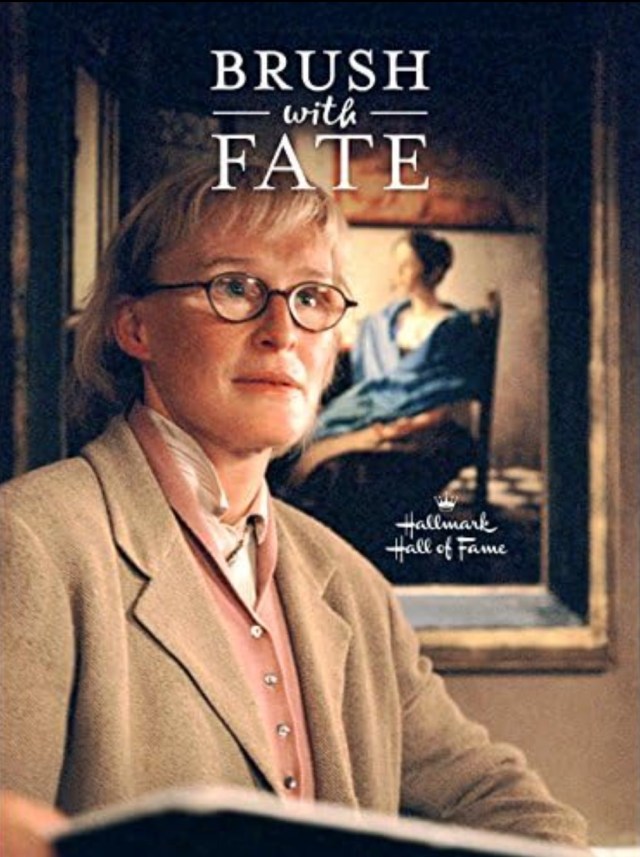
      Hallmark Hall of Fame’s Brush with Fate poster created by CBS and Hallmark Hall of Fame Productions

      Things I liked about the film:

      An immersive experience: A movie’s creative team has the potential
      to provide an immersive experience for their audience. To achieve this, attention
      to detail must be emphasized. That piece of advice can work in the favor of a
      historical period film. Brush with Fate explores several time periods and how a
      valuable painting exists within a given period. Each time period represented
      looked and felt historically accurate! Not only does every featured period
      appear well researched, every detail was tended to. From the architecture to
      the machinery, even right down to the characters’ shoes, the aforementioned attention
      to detail was adopted by Brush with Fate’s creative team. The effort the
      creative team took to make each part of the story appear authentic helped
      create an immersive experience for the viewer!


      Visual transitions: When a story moves from one point to
      another, scenes will transition using visual cues to let the audience know when
      the story is moving forward. Because Brush with Fate explores several
      time periods, there are multiple transitions throughout the movie. These transitions
      are creative and use visually interesting parallels. Toward the beginning of
      the story, Cornelia puts her hand on her family’s
      prized painting. As she begins to share the history of the painting, the next
      part of the story begins with Laurens putting his hand on the same painting,
      signaling a change in time periods. The transitions during Brush with Fate were also seamless, allowing
      the story to maintain a steady flow.


      Lessons taught by the painting: More often than not,
      Hallmark Hall of Fame movies weave important lessons into their stories. While Brush
      with Fate
      is no different, the way the story’s lessons were incorporated was
      unique compared to other Hallmark Hall of Fame titles. In the 2003 film, different
      characters learn a different lesson based on their experience with the
      painting. In one part of the story, a woman from 1717 struggles to feed her
      family. At the same time, she adores a painting she and her husband found.
      Turning to her mother for advice, the woman is reminded how the painting is not
      a blessing. This statement expresses that paintings are replaceable luxuries
      compared to irreplaceable things like family.

      Paint palette image created by Freepik at freepik.com <a href=’https://www.freepik.com/free-vector/hand-drawn-artsy-tools_836777.htm’>Designed by Freepik</a> <a href=”https://www.freepik.com/free-photos-vectors/hand”>Hand vector created by Freepik</a> Image found at freepik.com

      What I didn’t like about the film:

      Characters touching the painting with their bare hands: Fictional
      movies typically make their audience suspend their disbelief. Sometimes, though,
      audiences are asked to suspend more disbelief than they bargained for. Brush
      with Fate
      revolves around a Vermeer painting that is known for being valuable
      in historical and monetary importance. But throughout the movie, multiple
      characters touch the painting with their bare hands, including Cornelia , who is well aware of the painting’s value. It
      may seem petty of me to critique the movie for this small detail. However, this
      happened enough times in the movie that I couldn’t look past it.


      An unchronological story: As I mentioned earlier in this
      review, Brush with Fate explores several time periods and how a valuable
      painting exists within a given period. However, this story is not told in
      chronological order. Instead, Cornelia shares the painting’s history by bouncing
      around between time, going backwards and then forwards. Not telling the story
      in chronological order raises unanswered questions, such as what happened to
      the baby from the family in 1717 and who acquired the painting after Laurens’
      daughter and her fiancé. Without spoiling the movie, I will say I know why this
      creative decision was made. But I still wish Brush with Fate was told in
      chronological order.

      An abrupt ending:  Most
      Hallmark Hall of Fame movies are stand-alone stories where the conclusions are
      definitive. However, there are exceptions to the rule, such as Sweet Nothing
      in My Ear
      and A Painted House. Brush with Fate is one of these exceptions. But, in my opinion, I don’t think this
      movie should have received an open ending. The purpose of showcasing the
      painting in multiple time periods is to elaborate how the painting’s history is
      long-lasting. With the rather abrupt ending, this purpose seems defeated, like
      the painting’s history has stopped short. It also leaves some unresolved loose
      ends.

      Art tools image created by Freepik at freepik.com. <a href=’https://www.freepik.com/free-vector/flar-art-tools-pack_835368.htm’>Designed by Freepik</a>.  <a href=”https://www.freepik.com/free-photos-vectors/paint”>Paint vector created by Freepik</a>. Image found at freepik.com.

      My overall impression:

      Before I share my thoughts on Brush with Fate, I want
      to thank every follower of 18 Cinema Lane! With each movie review, including
      these Blog Follower Dedication Reviews, I try to find films I can recommend to
      my readers. Looking back on this Hallmark Hall of Fame picture, I think I could
      recommend it. This is a project where attention to detail was emphasized so
      much, some parts of the movie felt theatrical. The creative team behind Brush
      with Fate
      allowed their production to be an immersive experience for their
      audience. However, I think this story would be benefitted by being presented as
      a multi-part mini-series. With several time periods being explored, as well as
      many heavy subjects woven into the script, there’s only so much story to tell
      in two hours. By giving each time period their own episode, more time could be
      spent getting to know the characters and receiving answers to certain
      questions. Like many Hallmark Hall of Fame movies, Brush with Fate is
      based on a pre-existing book I haven’t read yet. Therefore, I can only review
      this film as a film and not an adaptation.


      Overall score: 7.1-7.2 out of 10


      Have you seen Brush with Fate? Which book do you
      think should have been adapted into a Hallmark Hall of Fame movie? Let me know
      in the comment section!


      Have fun at the movies!

      Sally Silverscreen
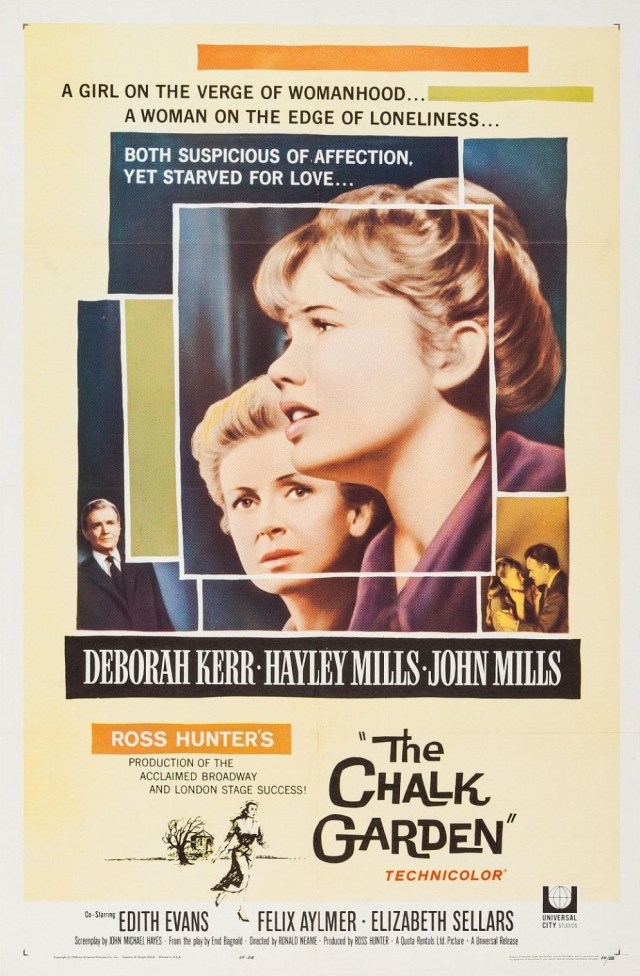
      Concluding my Double Feature: 2004 Edition

      It’s time to wrap up another double feature, as both chosen titles, Hallmark’s Frankenstein and I Am David, have now been watched and reviewed! In the introduction, I brought up the following question:

      Based on these two movies, how has the cinematic landscape changed in twenty years?

      Looking back on each movie, a realization came to me. One thing I Am David and Hallmark’s Frankenstein have in common is the timelessness each story contains. It also helps how these stories are more straight-forward, which makes it easier for the audience to understand what is happening on screen. Realizing these statements could also be applied to The Polar Express, my answer to the aforementioned question is how, back in 2004, it seems like there was a desire on the cinematic landscape to create timeless entertainment. Now, twenty years later, studios and film companies are competing with one another to make the most relevant titles possible. On the current cinematic landscape, it’s all about capitalizing on trends and fads, creating titles for the here and the now. The problem with this film-making approach is how five, even ten plus years from that movie’s release, that movie will be dated on arrival. This film-making approach also makes movies seem more disposable instead of a long-lasting product with more opportunities to be revisited.

      Popcorn and movie ticket image created by Freepik at freepik.com. <a href=’https://www.freepik.com/free-photo/cinema-tickets-in-bucket-with-popcorn_2303439.htm’>Designed by Freepik</a>. <a href=”https://www.freepik.com/free-photos-vectors/layout”>Layout image created by Freepik</a>. Image found at freepik.com.

      Have fun at the movies!

      Sally Silverscreen

      Take 3: Hallmark’s Frankenstein (2004) Review (Double Feature: 2004 Edition Part 2)

      Thank you for joining me for the second part of Double Feature: 2004 Edition! Similar to my review of Sesame Street Presents: Follow That Bird, this review of Hallmark’s Frankenstein will be spoiler-free. If you’re curious about why I chose Hallmark’s Frankenstein for this double feature, you can check out the introduction in the link below.

      Introducing my Double Feature: 2004 Edition!

      Hallmark’s Frankenstein poster created by Hallmark Entertainment, Hallmark Channel, Silverstar Ltd., Larry Levinson Productions, and RTL

      Before I start this review, I need to explain why I’m referring
      to this version of Frankenstein as ‘Hallmark’s Frankenstein’. On
      Wikipedia, there is a page chronicling all the Hallmark Channel movies released
      between 2000 to 2015. In the section listing Hallmark Channel’s films from
      2004, Vincent Perez is listed as one of the stars of Hallmark’s version of Frankenstein.
      But if you click on the italicized title of Frankenstein, the link goes
      directly to Wikipedia’s page about the Hallmark movie starring Alec Newman. While
      Vincent did star in an adaptation of Frankenstein released in 2004, it
      is not the Hallmark version. I didn’t discover this error until after I had
      seen Vincent’s film.

      The reason why I included this screenshot in my review is to show my readers how Hallmark’s Frankenstein is listed on Wikipedia. Screenshot taken by me, Sally Silverscreen.

      1. What are your thoughts on 2004 as a cinematic year?

      2004 was a year where “event entertainment” took place. When I say “event entertainment”, I mean television or movie premieres that are popular enough to become anticipated events. I remember when full print ads would boast a new Hallmark Hall of Fame production, marking the movie itself as “must see television”. Four sequels for popular predecessors were released in 2004, earning a spot among the top ten highest grossing films of the year. Twenty years later, consumers have more options when it comes to entertainment. This provides fewer opportunities for “event entertainment” to take place. Even events that have always been considered “event television” are struggling to capture audience’s attention.

      2. Frankenstein premiered on Hallmark Channel on October 5th and 6th, 2004. How has the network evolved since the movie’s release?

      When Hallmark’s adaptation of Frankenstein premiered, Hallmark Channel was three years old. At the time, the network didn’t have the distinct identity it does today.  This allowed content to be less restrictive when it comes to creativity. 2004 saw the debut of Hallmark’s second network, Hallmark Movie Channel. On that network, a lot of Hallmark Channel’s previously aired programming made up Hallmark Movie Channel’s catalogue, as well as Hallmark Hall of Fame titles and acquired content. But in the twenty years this second network has existed, the channel’s name has changed twice, with the network now known as Hallmark Mystery. With Hallmark creating two channels, it provided more opportunities to create movies. As time passed, both networks adopted a more distinguishable identity.

      3. Is there anything about Frankenstein you liked or didn’t like?

      While I think the acting was one of the strengths of this movie, the two strongest performances came from Alec Newman and Luke Goss! Alec’s portrayal of Victor Frankenstein was so captivating because of the wide range of emotions incorporated into the role. His versatility made Victor feel like an authentic human being. From crying over the loss of a loved one to playfully teasing Elizabeth, Alec’s performance allowed Victor’s interactions with other characters to be interesting, with each interaction appearing genuine. Meanwhile, Luke utilized emotion to make The Creature a complicated character like he was in the novel. In fact, Luke’s emotionality spoke volumes in scenes where dialogue wasn’t required. One example shows The Creature after he escapes from Victor’s laboratory. When he seeks refuge in a barn, The Creature bursts into tears, overwhelmed by the fear and rejection directed toward him.

      When Frankenstein premiered on Hallmark Channel, it was released as a two-part mini-series. The first part revolved around Victor’s desire to create life, leading up to The Creature coming to fruition. But the second part was more drawn out, with scenes either longer than necessary or completely unnecessary. Frankenstein’s second part features a wedding reception that lasts about five minutes. I understand why that scene was included in the adaptation. In my opinion, though, the wedding reception should have been cut shorter or omitted from the script.

      4. In your Word on the Street story about a potential sequel for The Polar Express, you talked about the technology applied to that film. Could you detect any technology incorporated into Frankenstein?

      There were a few scenes where it appears CGI (computer generated images) was included in the film. Other than that, it didn’t look like technology (besides cinematography, sound editing, etc.) was relied on to create this adaptation.

      Snowy mountain image created by Freepik at freepik.com. <a href=’https://www.freepik.com/free-vector/landscape-background-of-snow-track-and-mountains_968656.htm’>Designed by Freepik</a>. <a href=”https://www.freepik.com/free-photos-vectors/background”>Background vector created by Freepik</a>. Image found at freepik.com.

      5. Did you develop any thoughts and/or questions while watching this film?

      In one of Victor’s science classes, Victor claims the brain is the most important body part because of its electrical connections between nerves and other body parts. As he is attempting to create life, Victor collects various body parts from the morgue and the graveyard. When The Creature is awakened, wouldn’t he remember his life and identity prior to passing away? Wouldn’t The Creature recognize the body Victor gave him is not the body he was born with? With Victor’s statement about the brain, wouldn’t the nerves in The Creature’s brain not connect with the rest of his body? I never thought of these questions until I saw Hallmark’s adaptation of Frankenstein.

      6. You’ve mentioned reading Frankenstein, but seeing few adaptations of the story. How does Hallmark’s version compare or contrast to the Frankenstein related movies you’ve seen?

      Besides Hallmark’s adaptation of Frankenstein, I’ve seen three films that incorporate elements of Mary Shelley’s story. But because The Curse of Frankenstein follows the source material closer than the other two films, I’ll be discussing that movie alongside Hallmark’s version of Frankenstein. When I reviewed The Curse of Frankenstein last year, I was disappointed by the creative liberties the film’s creative team adopted. One of these creative liberties was presenting The Creature as a bumbling, destructive machine. As I mentioned in answer number three, The Creature was a complicated character in the novel. While he was destructive, The Creature’s actions were not always impulsive. In Hallmark’s adaptation of Frankenstein, Luke’s performance and the screenwriting illustrated how complicated The Creature is. The Creature’s intelligence was also highlighted in this adaptation, adding to The Creature’s complexity. Shortly after he escapes from Victor’s laboratory, the audience can hear how The Creature already understands the English language, grasping concepts like God and Heaven, as well as reading Paradise Lost.

      7. Hallmark’s adaptation of Frankenstein is a made-for-TV production. Has there been a change in small screen cinema from 2004 to now?

      In the same year Hallmark Channel premiered their version of Frankenstein, Hallmark Hall of Fame movies debuted on major networks. But fast forward to 2024, Hallmark Hall of Fame is no longer utilized by Hallmark, even after moving to Hallmark Channel in 2014. These decisions are examples of how made-for-TV programming has become more exclusive. Since 2004, Hallmark Channel has grown into one of the biggest creators of made-for-TV content. In fact, Hallmark Channel and its two networks, Hallmark Mystery and Hallmark Family, are three of the few places creating and/or distributing made-for-TV movies today. Rewinding to twenty years ago, major networks were still willing to include made-for-TV programs in their schedules. With the changing television landscape, including the invention of streaming services, major networks are just trying to stay afloat.

      8. Now that it’s been twenty years since Frankenstein premiered, has it stood the test of time or become a product of its time?

      For the most part, Hallmark’s adaptation of Frankenstein stands the test of time! It helps how this project is bringing to life a story that is iconic and timeless. I mentioned in my review of The Curse of Frankenstein how an overarching message in Mary Shelley’s novel is some good intentions possibly leading to bad results. This message also overarches Hallmark’s adaptation of Frankenstein, as Victor strives to do the impossible. There are other timeless messages in this version of Mary’s story, such as prioritizing what is irreplaceable.

      9. After watching Frankenstein, is there anything you can take away from your movie viewing experience?

      Similar to my review of I Am David, I will describe Hallmark’s version of Frankenstein in one word. That word would be ‘immersive’. This production made me feel like I was transported to another time and place. A combination of the acting performances, set design, costume design, and screenwriting achieved the illusion of an immersive experience. As someone who has read Mary Shelley’s novel, I appreciate how close to the source material Hallmark’s project is. From what I remember, the majority of the book’s key events and elements were included in the script. With that said, I understand why Hallmark chose to split Frankenstein into two parts. But, in my opinion, the second part was weaker than the first part. Looking back on Hallmark’s adaptation and I Am David, Frankenstein is a more underrated film that was not only forgotten by time, but also overshadowed by other titles released in 2004, like A Boyfriend for Christmas and Love’s Enduring Promise. I’m hoping my review inspires other fans of Hallmark to discover this hidden gem!

      Popcorn and movie ticket image created by Freepik at freepik.com. <a href=’https://www.freepik.com/free-photo/cinema-tickets-in-bucket-with-popcorn_2303439.htm’>Designed by Freepik</a>. <a href=”https://www.freepik.com/free-photos-vectors/layout”>Layout image created by Freepik</a>. Image found at freepik.com.

      Have fun at the movies!

      Sally Silverscreen