For me, 2024 was a better year for movies. That’s because I saw more movies I liked, compared to 2023! Another difference from 2023 is how, on 2024’s list, more movies are theatrical pictures. However, there are still some made-for-TV productions that found a spot on my list. With more likable movies comes the return of the honorable mentions section! In that part of my list, most of the films are television projects. Since I reviewed almost all the movies on this year’s list, I will provide links to those reviews in this post. So, with 2025 on the horizon, let’s begin my list of the top ten best movies I saw in 2024!
Honorable Mentions
Legend of the Lost Locket, My Baby Is Missing, My Mother’s Split Personalities, Christmas on Division Street, and Interstellar
I Heard the Bells achieved so much in a short amount of time. The 2022 movie was chosen for my 500 Blog Follower Dedication Review. Then, I Heard the Bells became my 400th published movie review, as I recently revealed in my list of the ten movie trends I don’t understand. Now, the film is the only Christmas picture to earn a place on 2024’s best movies of the year list! When I wrote about I Heard the Bells, I compared it to It’s a Wonderful Life. Both titles are not only about more than just the Christmas holiday, they also cared about their overall presentation. I Heard the Bells was a visually immersive movie because of the attention to detail placed on historical accuracy. The strength of the acting performances allowed the story to be engaging. While it’s too early to say right now, I think I Heard the Bells could be a Christmas classic!
If I could choose one word to describe Easter Parade, it would be “colorful”. With the movie’s creative team taking advantage of Technicolor, costumes and décor boasted vibrant hues that complimented the story’s spring season! The musical numbers provide another strength in Easter Parade. From Fred’s festive and creative solo, “Drum Crazy”, to Ann’s energetic and fast-paced solo, “Shakin’ the Blues Away”, the movie’s musical numbers were enjoyable because of their choreography and delivery. The reason the 1948 film is placed lower on my list is due to the premise-driven story and the limited inclusion of Easter. However, Easter Parade’s positives outweigh the negatives!
In my review of For Me and My Gal, I mentioned how Breen Code era movie musicals contain simpler stories. These simpler stories will typically feature lower stakes. But in For Me and My Gal, the story of Harry and Jo included stakes that were higher. The story wasn’t afraid to show Jo and Harry making difficult decisions when it came to their dreams. Along their journey, the duo even deals with regret and heartbreak. The way World War I was incorporated into For Me and My Gal gave the script a sense of realism. Creative decisions like that one gave the 1942 picture emotional depth!
When I started my Comparing with the Critics series, I knew there were some movies I would disagree with the critics on. What I didn’t know was how much I would like Willow. Now that I’ve seen the 1988 film, I can understand why some people have given it the coveted title of “classic”. Likable elements, such as humor and unique perspectives on familiar story ideas, provide arguments for the aforementioned claim. The simplistic and straight-forward nature of the story made it easier to follow what was happening on screen. For me, Madmartigan stole the show! Movies like Willow make me thankful for my Comparing with the Critics series.
2024 saw the premiere of two Curious Caterer films; Curious Caterer: Foiled Plans and Curious Caterer: Forbidden Fruit. Though I liked Curious Caterer: Foiled Plans more than Curious Caterer: Forbidden Fruit, Curious Caterer: Forbidden Fruit was still a good movie. The fifth chapter in the series consistently carried the strong components of the Curious Caterer story, like the acting, humor, and prioritizing the mystery. A peek behind the music industry’s curtain and the incorporation of serious, real-world topics helped make the identity of Curious Caterer: Forbidden Fruit unique. As of the publication of this list, Hallmark has not provided any 2025 dates to the Curious Caterer series. If there are going to be more Curious Caterer films, I hope at least one of them is a seasonal picture.
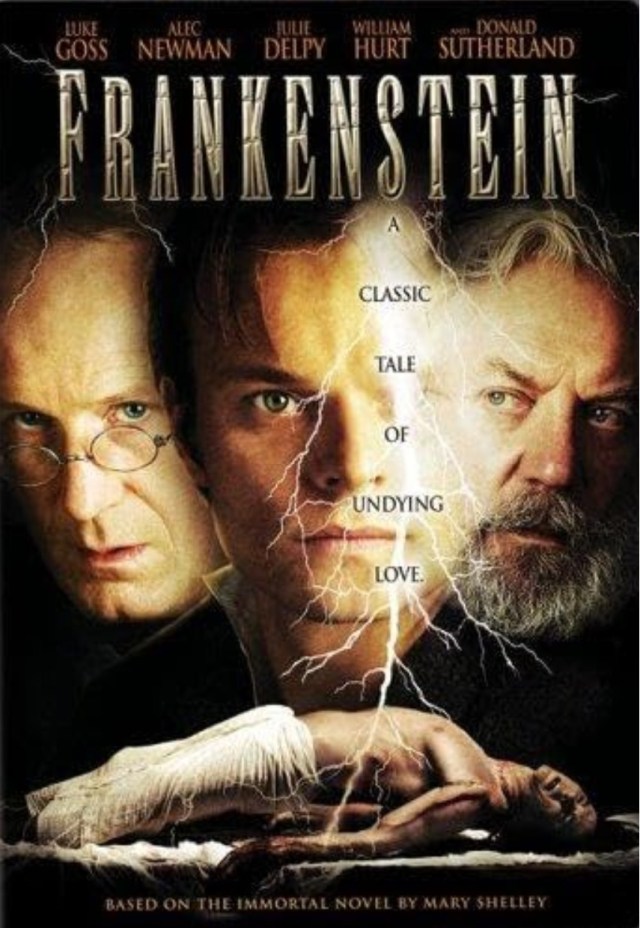
Hallmark’s Frankensteinposter created by Hallmark Entertainment, Hallmark Channel, Silverstar Ltd., Larry Levinson Productions, and RTL
5. Hallmark’s Frankenstein (2004)
Back in March, I called Hallmark’s adaptation of Frankenstein a “hidden gem”. This claim was based on my observation of how a good movie was not only forgotten by time, but also overshadowed by other titles released in 2004. What makes this version of Frankenstein a good movie, in my opinion, is how respectful it was toward Mary Shelley’s novel. One great example is Luke Goss’ portrayal of The Creature, as the way emotion was utilized throughout Luke’s performance highlighted how complicated The Creature is. Hallmark’s adaptation of Frankenstein is another movie where the visual presentation created an immersive experience. Combining set design, costume design, and attention to historical accuracy, the movie made me feel like I was transported to another time and place.
If you’re going to create a sports movie involving a team sport, it’s important to make the camaraderie among the team believable. An on-screen team with believable camaraderie helps the audience stay invested in the story, as well as the team’s journey. Because the acting performances were strong in The Boys in the Boat, the camaraderie within the team dynamic felt genuine. The 2023 film also makes rowing look exciting! This was accomplished through cinematography, editing, and music selection. The Boys in the Boat is a “based on a true story” film that, in my opinion, is worth the time! This is yet another production where historical accuracy was a top priority.
3. Amadeus
Out of all the movies I reviewed for my Comparing with the Critics series, Amadeus is, so far, the only movie I agreed with the critics on. While the biopic is a glamourous spectacle, it also contains substance. Thought-provoking material can be found in the script, such as how fame can negatively impact the human soul. The story is an immersive, detail-oriented character study that explores the good and bad sides of the music industry. The creative team’s focus on detail made Amadeus look and feel historically accurate, as can be seen in the costume and set design. F. Murray Abraham and Tom Hulce each gave a strong performance. I can, honestly, say the 1984 movie is one of the best biopics I’ve ever seen!
Remember when I said I liked Curious Caterer: Foiled Plans more than Curious Caterer: Forbidden Fruit? One reason why I said this is Goldy’s consistent involvement in Curious Caterer: Foiled Plans’ case. Other reasons why I liked the fourth chapter in the series are the creativity of the mystery, the quality of the acting performances, and how humor was written into the story. Looking back on Hallmark’s mystery films I saw in 2024, this Curious Caterer movie is pretty unique. That’s because, as I mentioned in my review, it’s a locked room mystery revolving around a costume party. In 2023’s best movies of the year list, I claimed Curious Caterer: Grilling Season was the best film in the series. I certainly changed my mind after I saw Curious Caterer: Foiled Plans!
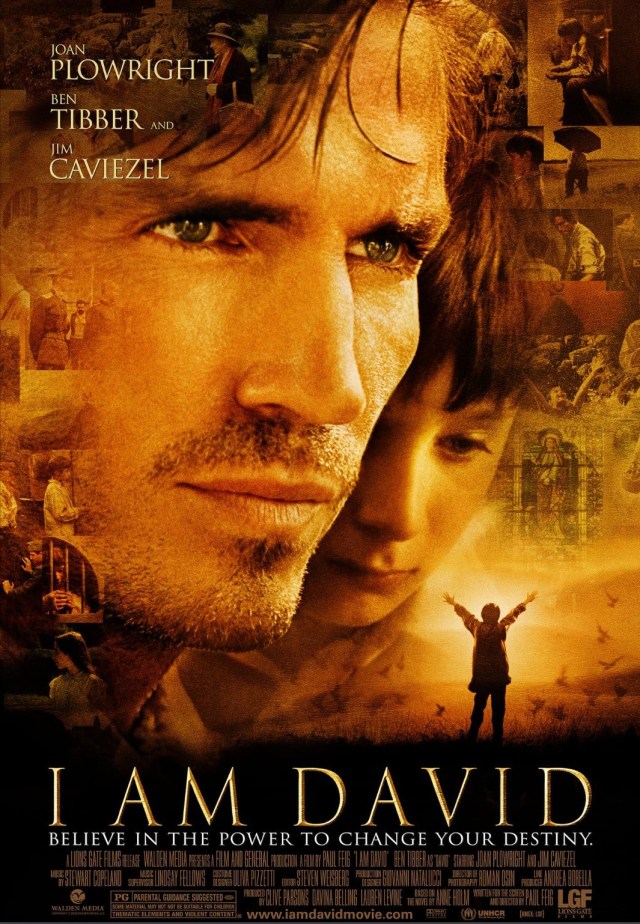
It’s amazing how I Am David became 2024’s best movie in March and clung on to the number one spot all these months later! This impressive film allowed the story of David and his journey to be told with genuine emotion and sincerity. This was achieved through every aspect of the production, like the acting performances and the screenwriting. Exploring light and darkness, as well as showcasing Europe’s natural landscape, gave the production visual depth. Timeless, universal messages were also woven into the script. As I said in my review, I wish more people knew about this movie. Hopefully, my review or maybe this list can encourage someone to check out I Am David!
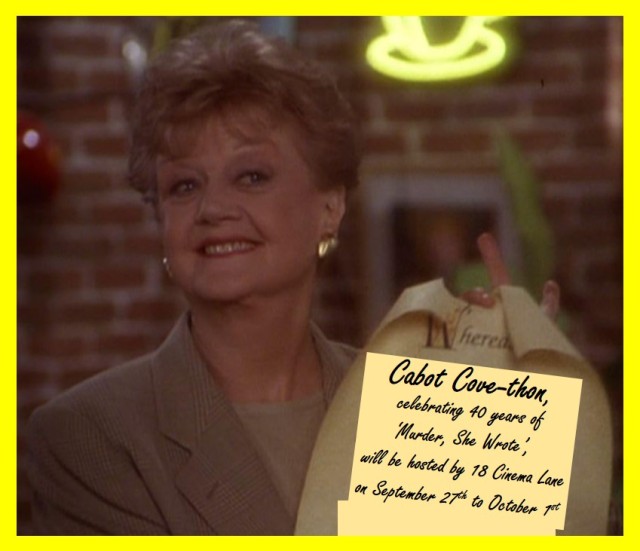
Hello everyone! Now that Cabot Cove-thon has come to an end, I’d like to thank those who participated in the event! While this year’s blogathon received a smaller turn-out, I was impressed by the diversity of the entries. It elaborated my point about how Murder, She Wrote is a multifaceted program. There will be a new blogathon held in 2025! But, as of early October 2024, the event’s theme and dates are pending. Blogathon news will be announced sometime between early to mid 2025. With all that said, 18 Cinema Lane will get back to its regularly scheduled programming!
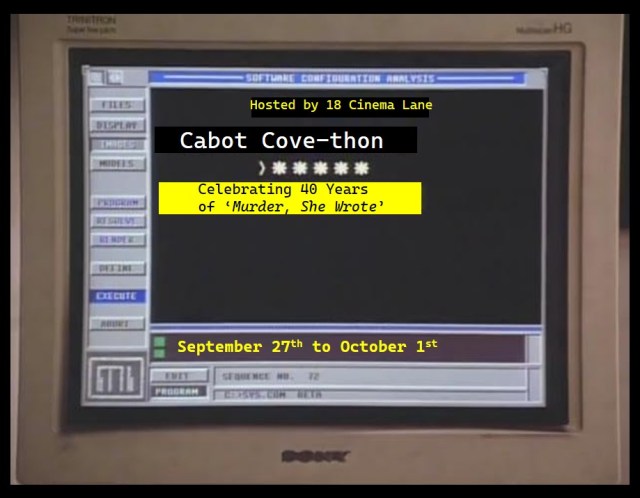
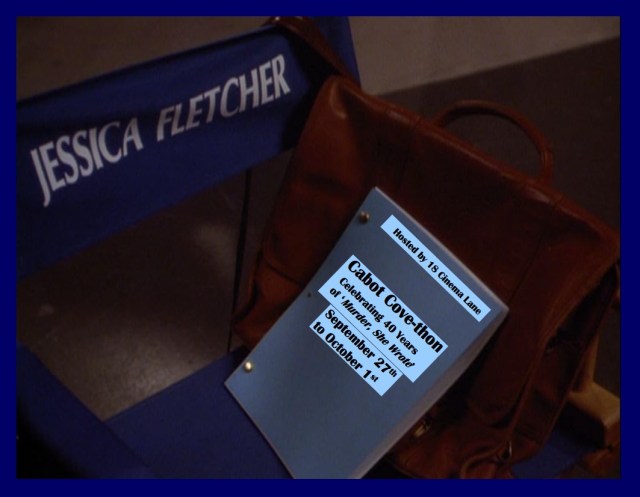
Cabot Cove-thon banner created by me, Sally Silverscreen. Original picture found on IMDB.
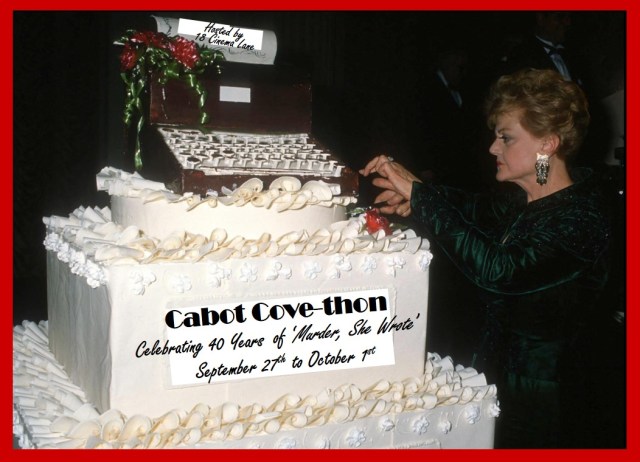
Welcome to my blogathon, Cabot Cove-thon! With Murder, She Wrote‘s first episode premiering on September 30th, 1984, this event is commemorating the show’s 40th anniversary! In Murder, She Wrote‘s twelve season lifespan, viewers watched as Jessica successfully cracked each case, whether in her hometown, Cabot Cove, or beyond her own backyard. The show also proved to its audience how diverse the mystery genre can be; telling stories, expressing ideas, and showcasing talent that make each episode unique. The participants of Cabot Cove-thon created articles that highlight the multifaceted nature of Murder, She Wrote. From observing Angela Lansbury’s film career to discussing the show’s theme park presence, let the Cabot Cove-thon Blogathon begin!
Cabot Cove-thon banner created by me, Sally Silverscreen. Original picture found on IMDB.
Siskel & Ebert and 18 Cinema Lane share one thing in common: the fantasy genre is underrepresented. This is a reason why I not only chose to participate in the Barbarians at the Gates Blogathon, it’s also a reason why I selected Willow for this review of Comparing with the Critics. But another reason why I picked Willow is how the film was featured in Siskel & Ebert’s Worst of 1988 episode. After hearing good things over the years about the movie, even some people giving it the coveted title of “classic”, I was shocked to see Willow included among the worst of 1988. But since I didn’t see the film before the Barbarians at the Gates Blogathon, I couldn’t agree or disagree with Siskel and Ebert. Film is subjective, with this subjectivity being the reason why I created the Comparing with the Critics series. So far, I disagreed with the critics on Network and Harry & Son, yet agreed with them on Amadeus. With that said, I’d have to say I disagree, yet again, with Ebert and Siskel. While Willow has its flaws, its placement in the Worst of 1988 episode is unjustified.
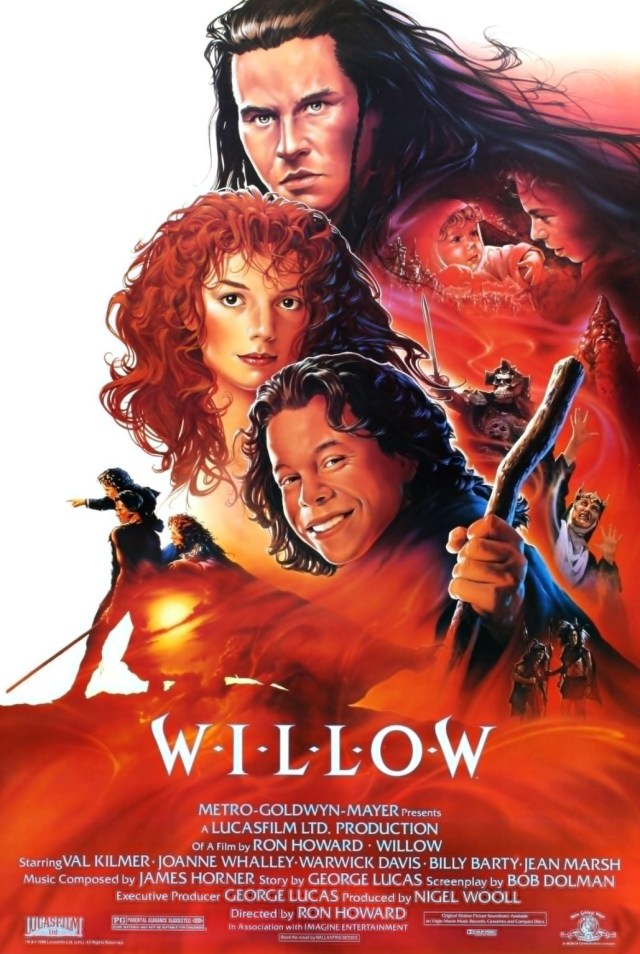
Willow poster created by Metro-Goldwyn-Mayer (MGM), Lucasfilm, and Imagine Entertainment
Before going over his complete list of the worst films from 1988, Gene Siskel introduces the episode’s segment on Willow. He calls the film “a heavy duty and quite dreary production”. I will admit there are darker moments within the story. However, the movie was more humorous than I expected it to be! Most of the humor came from Madmartigan, portrayed by Val Kilmer. Because of the screenwriting and Val’s versatile performance, the comedic timing was effectively executed. One of the funniest scenes in Willow is when Madmartigan and Willow are traveling on a sled down a snowy hill. During this trip, Madmartigan falls off the sled. But instead of being left behind, Madmartigan rolls down the hill, becoming a giant snow ball. When Madmartigan was introduced in Willow as the story’s comic relief, I knew he was going to be a character I would like. His personality, along with the dialogue shared between him and Willow, presented someone who captivated my attention and kept me invested in his story. It also helps that Madmartigan is hilarious, as he is the reason why I burst out laughing several times while watching Willow!
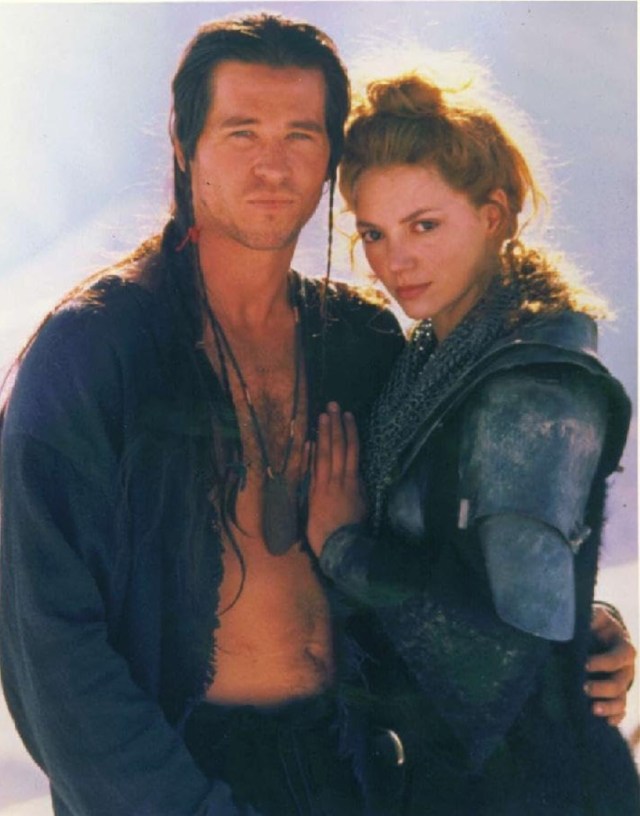
Madmartigan and Sorsha picture created by Metro-Goldwyn-Mayer (MGM), Lucasfilm, and Imagine Entertainment
Gene Siskel is not the only critic who disliked Willow. Though he didn’t put the movie on his list of the worst films of 1988, Roger Ebert expressed his disapproval over how the story seemed similar to Star Wars, claiming children who liked the movie “hadn’t seen it a hundred times before”. I can only speak for myself, but Star Wars never crossed my mind as I watched Willow. But some moments did feel reminiscent of The Wizard of Oz. The film clip included in the Worst of 1988 episode shows Cherlindrea, a fairy queen, revealing to Willow the purpose of his journey. She even gives him a wand to help him accomplish his mission. The scene reminded me of when Glinda explained to Dorothy how she could return home. The iconic ruby slippers became a tool to help Dorothy along her way to Emerald City. Story ideas are bound to get repeated over time. Therefore, moments in Willow feeling reminiscent of The Wizard of Oz didn’t bother me. Instead, it showed me how a film’s creative team can take a familiar story idea and add their own unique perspective on it!
Another criticism Gene had about Willow was the film’s setting, stating “I’m tired of seeing epic pictures set in forests with lots of people running around and, uh, hitting each other over the head”. Personally, I was not bothered by this, as I felt the setting fit the story Willow’s creative team was trying to tell. What did bother me was how the build-up of Madmartigan and Sorsha going from enemies to lovers happened too quickly. Incorporating the “enemies to lovers” trope works in a fantasy story like Willow, where there is at least one battle and a major theme is good versus evil. It should be noted how Val Kilmer and Joanne Whalley had nice on-screen chemistry, as well as Sorsha and Madmartigan appearing photogenic together. I still wish the aforementioned build-up had been more gradual. As the story progressed, Sorsha evolved from villain to hero. Unfortunately, this evolution was too abrupt. While Sorsha’s change of heart gave her some character development, it left some questions unanswered. Perhaps a scene explaining this transformation didn’t find its way into the movie?
In past reviews, I criticized films for containing parts of a story that didn’t make sense. Willow is a film that doesn’t avoid this flaw. Bavmorda is the villain of the story. When the heroes attempt to defeat Bavmorda, she uses a spell to transform the heroes into pigs, with Willow and a sorceress named Fin Raziel being the only exceptions. This spell takes place in a short amount of time, with the afflicted heroes becoming pigs all at once. When Fin Raziel reverses the spell, this proves to be a lengthy process, as she uses her magic on one person at a time. This creative choice left me wondering why Fin Raziel wouldn’t use her magic on all the heroes all at once similar to Bavmorda? To me, it didn’t make sense, especially since the heroes didn’t have the luxury of time.
Comparing with the Critics banner created by me, Sally Silverscreen. TV show title cards created by WTTW National Productions, WTTW, Public Broadcasting Service (PBS), Lifetime Television, Tribune Entertainment, Buena Vista Television, and Disney-ABC Domestic Television
During their discussion of Willow in Siskel & Ebert’s Worst of 1988 episode, Roger reminds Gene how, despite the movie’s bad reviews, it became the top selling video and was successful at the box office. Had I seen Willow sooner, I might have contributed to the movie’s statistics. This is another Comparing with the Critics review where I found myself disagreeing with Siskel and Ebert. That’s because I had a genuinely good time watching Willow! I brought up in this review how the project has its flaws. But the story was simplistic and straight-forward, which made it easier to follow what was happening on screen. Even though Willow was the movie’s protagonist, it was Madmartigan who stole the show! In fact, I’d say he was the MVP of this story, as his personality and comedic timing left a good impression. There were moments in the film that felt reminiscent of The Wizard of Oz. However, I saw those moments as ways for Willow’s creative team to bring their own unique perspective to familiar story ideas. I have to say I’m glad I chose to review Willow for this edition of Comparing with the Critics! Now if you’ll excuse me, I have to watch the Siskel & Ebert 1988 Holiday Video Gift Guide episode in the hopes something Willow related can be included in my Movie Blogger’s Christmas Wish List.
Hello readers! I spent this past week preparing for my upcoming blogathon, Cabot Cove-thon! Speaking of Cabot Cove-thon, if you are interested in joining the event, you have two weeks left to sign up! All the information about the blogathon can be found at the link below!
Are you a fan of Murder, She Wrote? Do you want to participate in a blogathon that is fun and creative? If you answered yes to these questions, then come join my blogathon, Cabot Cove-thon! The event starts on September 27th, so you still have time to sign up. Plus, there are plenty of topics to choose from! To learn more about Cabot Cove-thon, click on the link below.
Imagine: You’ve been introduced to an actor while watching a popular television show. Impressed by their performance, you go to IMDB and look through their filmography. There, you discover this actor starred on a now defunct soap opera. You know soap operas aren’t as accessible as traditional tv shows due to the frequent release of episodes. So, you do the next best thing: go to the internet to learn more about the character the actor portrayed on the soap opera. But this proves to be trickier than you expected. Whichever website you go to, there is barely any information available. In fact, there’s so little information, it seems like this character doesn’t exist. You know this character does exist, as the character’s name and list of their episodes is featured on the actor’s IMDB filmography. So, why is it near impossible to learn more about the character in question?
Between 1956 and 2010, As the World Turns followed several families. One of those families was the Walsh family, a collection of some of the wealthier characters on the show. As the title of this article suggests, a character named Bianca eventually joined the Walsh family. But as this article’s introduction suggests, finding information about Bianca was near impossible. On websites like Soap Central and As The World Turns Wiki, Bianca’s name is listed, but she doesn’t have her own page. In an article about Lucinda Walsh from the website, Soap Hub, the only time Bianca is mentioned is when the article states Lucinda took Bianca in. Unfortunately, the article doesn’t explain why Bianca was taken in by Lucinda. Through extensive, thorough research, I was able to learn more about Bianca by discovering many archived episodes of As the World Turns on Youtube! From these episodes, I will try to solve these four interconnected mysteries:
Who is Bianca Marquez Walsh?
What is Bianca’s story?
How is Bianca connected to the Walsh family?
Why did Bianca leave Oakdale?
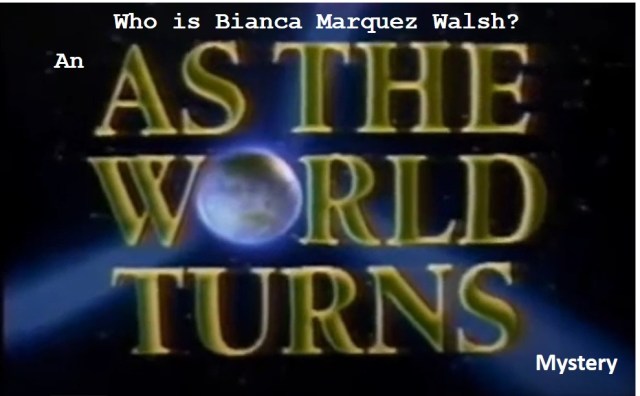
As the World Turns title card created by Procter & Gamble Productions (PGP) and CBS. ‘Who is Bianca Marquez Walsh?: An As the World Turns Mystery’ image created by Sally Silverscreen
B.O. – Before Oakdale
As the World Turns is primarily set in the Illinois town of Oakdale. But there were times when the story took place in locations beyond the borders of the show’s fictional town. One of these locations was a Central American country called Montega. Some of the show’s characters were from Montega, including Bianca. Her story begins in Montega, with her parents working as servants for a man named Antonio Reyes. Growing up, Bianca grew close to Antonio’s wife, Sierra. She was allowed to play with Sierra’s dolls and even turned to Sierra when her kitten was hurt. As years went on, a war broke out. Since Antonio and Sierra fought in the early days of the war, they were seen by fellow Montegans, including Bianca, as heroes. With the war raging on, Bianca lost her family, even her brother, Pedro, who fought in the war alongside Sierra. Antonio’s reputation and Bianca’s loss of family created the perfect storm for Bianca to become sponsored by Antonio and join him in the United States in the spring of 1988.
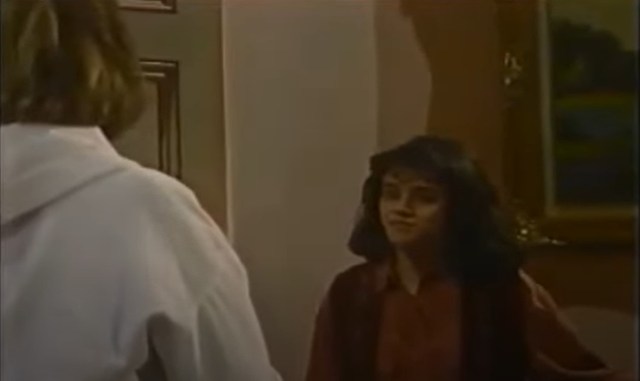
Bianca and Sierra reminiscing over their shared past in Montega. Screenshot from the Youtube channel, Oakdalian. As the World Turns was created by Procter & Gamble Productions (PGP) and CBS
1989 – Oakdale Welcomes Bianca
In the previous paragraph, I stated that Bianca came to the United States in the spring of 1988. Wikipedia claims Karina Arroyave, the actress who originally portrayed Bianca, made her debut on As the World Turns in late 1988. However, on Karina’s IMDB filmography, Bianca made her first appearance in 1989. According to As the World Turns’ archived episodes from 1988, Bianca is not featured. In fact, one of the show’s major stories focuses on Lien Hughes’ introduction, as she debuted on As the World Turns on February 2nd, 1988. Based on the available episodes, Bianca’s earliest known appearance took place on July 17th, 1989, the day after Karina’s 20th birthday. However, the first known reference of Bianca happened on May 26th, 1989. In this episode, Lucinda, the matriarch of the Walsh family, learns from Antonio her daughter, Lily, has traveled to Montega to look for her missing sister, Sierra. Antonio starts saying “Bianca had no right to–”, then followed that up with “According to Bianca, Lily said she didn’t have much more to live for. She would sacrifice her own life to find Sierra”. Before making her first known appearance on July 17th, Bianca was referenced again on the July 13th, 1989 episode. In this episode, two employees of a business firm named Emily and Paul talk about a charity ball that will take place that night. Emily asks Paul “Is Bianca looking forward to it?”, with Paul responding “I guess so”. Because Antonio is out of town, Paul wasn’t able to ask his permission to take Bianca to the event, which makes Paul concerned. With the way Bianca is referenced in these aforementioned episodes and even how characters interact with Bianca at the charity ball in the July 17th episode, Bianca’s introduction, as well as her existence, has already been acknowledged. This leads me to believe Bianca’s earliest days in Oakdale either took place off-screen or happened in an unarchived episode.
As I previously stated in this article, Antonio sponsored Bianca, which led her to come to the United States. At the start of her story in the show’s 1989 season, Bianca resided in Antonio’s penthouse apartment. While there, she receives her education from a tutor. Antonio also gives her clothes and a roof over her head. But the longer Bianca stays at Antonio’s apartment, the more she discovers things aren’t as they seem. Antonio repeatedly reminds Bianca not to share the origins of a wedding ring he claims is Sierra’s. When Bianca questions the legitimacy of the ring, Antonio tells her “I know you have doubts about that ring, about whether Sierra is alive. But you have to keep those doubts to yourself. If you were to share them with Craig and Lucinda now, it would be very bad. It would destroy their faith in me and worse yet, their belief that Sierra is alive.” Eventually, Antonio hires multiple security guards and even forbids Bianca from seeing Paul, who became one of her first friends. Antonio justifies these measures by telling Bianca that it’s “for your own protection”. Confused by these protective measures, Bianca asks “I thought we were safe in America”, to which Antonio replies, “It’s not only in Montega that people live in fear”. After a bodyguard named Walters was found dead at Antonio’s apartment building and believing a criminal named James was contacting Antonio, Bianca ran away to the Earl Mitchell Center, where Bianca then resided.
While staying at the Earl Mitchell Center, Bianca appears to be thriving. She’s making friends, such as a young man who is referred to as “Hey You”, and enjoying herself at the Center’s Halloween party. However, a dark storm cloud looms just around the corner. After learning Paul killed James in self- defense, Bianca is questioned by police about Antonio’s connection to James. Even though James never entered Antonio’s apartment, Bianca recalls seeing James’ picture in the pocket of one of Antonio’s security guards. Meanwhile, Antonio claims Bianca’s brother, Pedro, may still be alive. Even though she’s now residing at the Earl Mitchell Center, Bianca still relies on Antonio for any information from Montega, with her claiming, “You’re my only source, Senor Tonio”. Despite Antonio continuously reassuring Bianca Pedro may be living, Lucinda and Craig come to the Center to tell Bianca Pedro actually passed away. This news is later reconfirmed by Sierra when Bianca and Antonio go to Montega to learn of Pedro’s fate.
After sharing the sad news of Pedro’s death with Bianca, Lucinda is troubled by Bianca’s situation. Desperate to help Bianca out, Lucinda decides to adopt her. When Lucinda and her lawyer, Ambrose, propose the idea to Bianca, Bianca at first believes Lucinda wants to adopt her to work in the kitchen at the Walsh house. Lucinda clarifies how she wants to adopt Bianca as her daughter. Initially, Bianca tells Lucinda, “Senora, thank you, I’m so grateful. But I-I’m not worthy to be your daughter. My-My mother was a servant to-to people like you”. But after thinking the decision over, enough convincing from Lucinda, and discovering Antonio was giving her false hope about Pedro, Bianca eventually accepts Lucinda’s adoption offer. By the end of the 1989 season, Bianca is caught in a whirlwind. She not only testifies in Paul’s trial, she also moves into the Walsh house. Bianca then experiences her first Christmas and New Year’s in Oakdale.
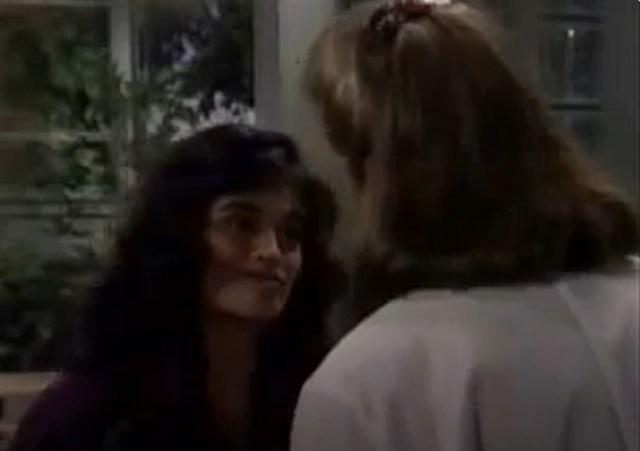
Bianca being questioned by Duncan in her first known appearance in the July 17th, 1989 episode. As the World Turns was created by Procter & Gamble Productions (PGP) and CBS
1990 – Bianca Joins the Family
Even though Bianca is now a member of the Walsh family and living in the Walsh house, she is still friends with the residents of the Earl Mitchell Center. In fact, Bianca is dating “Hey You” by the end of the 1989 season. At a New Year’s party, “Hey You” suddenly runs away. This decision was caused by “Hey You” spotting a man named Brock, who “Hey You” believes murdered his family in September of 1988. Toward the beginning of the 1990 season, a major story revolves around “Hey You” (who ends up being identified as Bruce Dreyfuss) and Brock’s murder case. Because of her relationship with “Hey You”/Bruce, Bianca testifies in court. While volunteering at the Earl Mitchell Center, Bianca learns from a counselor named Frannie “Hey You”/Bruce is going back to his hometown in South Bend, Indiana. When Bianca wonders how difficult it would be for “Hey You”/Bruce to return home after everyone there knows about his past, Frannie reminds Bianca, “sometimes the only way that you can go on with your life is to face up to the things that are hardest for you”. In one of their final on-screen moments together, Bianca reminds “Hey You”/Bruce how he’s been kind to her and how she believes in him.
Despite her heartbreak toward the beginning of the 1990 season, things are looking up for Bianca. She hosted her first party at the Walsh house and found a friend in Lien Hughes. Bianca has also started applying for classes at Oakdale High School. Before taking the school’s placement exam, Bianca reconnects with a fellow new student named Courtney. The two met the night before at a restaurant called “The Cellar”. For the remainder of Bianca’s time on the show, she and Courtney are friends. However, their differences slowly but surely cause them to grow apart over time. In the May 1st, 1990 episode, Bianca and Courtney go to “The Cellar” on a school night. Bianca doesn’t think they should stay long not only because it’s a school night, but also because Lucinda doesn’t know where Bianca is. Courtney tells Bianca she worries too much and reminds her she aced her placement exam. In this same episode, Courtney and Bianca talk about Paul, who happens to be at “The Cellar”. When Courtney comments how Paul doesn’t act like he has money, Bianca asks her, “Oh yeah, well what is someone with money supposed to act like”? Courtney responds by telling her friend, “if you got it, flaunt it”.
Among the archived episodes of As the World Turns, Bianca’s age is never explicitly stated. But based on Bianca and Courtney going prom dress shopping in the May 17th, 1990 episode and based on a tutor named Mrs. McClausky commenting how Courtney and Bianca will be freshman at Oakdale University next fall, it is assumed Bianca is either 17 or 18 years old. Between her high school graduation and her acceptance into Oakdale University, Bianca works as a waitress alongside Courtney at Oakdale’s Yacht Club. During her time working at the Yacht Club, Bianca learns of Courtney’s other priority besides money: Andy, a student at Oakdale University. Courtney becomes so obsessed with Andy, she even plans on taking a photography class at college, with photography conveniently being Andy’s special interest. But Courtney isn’t the only young lady with a special man in her life. Starting in the August 31st, 1990 episode, Bianca goes on dates with a young man named Zach. The only known information about Zach is that, according the Bianca, Zach is a gentleman. Beyond school, falling in love with Zach, and developing a newfound social life, Bianca finds a new passion: singing. By the end of the 1990 season, Bianca is performing in her choir’s Christmas concert, as revealed in the December 18th, 1990 episode.
Consistent threads in Bianca’s story in the 1990 season are Bianca adjusting to her new life in America and Bianca reminiscing about her past life in Montega. While at the Yacht Club in the June 20th, 1990 episode, Paul reflects on how, in the previous season, Antonio wouldn’t let Bianca out of his sight. Paul’s statement also references how Bianca used to appear nervous and even afraid of Antonio whenever near him, as noted by multiple characters. At Lily’s surprise birthday party in the August 21st, 1990 episode, Courtney expresses her envy for Andy and his supportive family, as Courtney’s parents passed away when she and her brother, Sean, were younger. This envy prompts Bianca to tell Courtney, “I think you’re very lucky to have Sean, Courtney. I-I really miss my brother”. Sadly, Courtney’s priority for money overshadows her self-awareness as Courtney tells Bianca, “Well sorry, but, um, you’re lucky. Here, look at this place you live”. After Bianca’s date with Zach in the aforementioned August 31st, 1990 episode, Lucinda confesses she wishes she knew Bianca sooner, as she feels she missed out on watching Bianca grow up and spending time with her. Bianca reassures Lucinda by telling her, “I mean, you know, this time that-that I’ve been here, that I’ve spent with you has been very special to me and I feel as if I’ve lived with you, like, for an eternity”. Lucinda says to Bianca “but I want the heartache to be behind you” and vows to help make Bianca’s dreams come true. Bianca then replies “My-My dreams have already come true”.
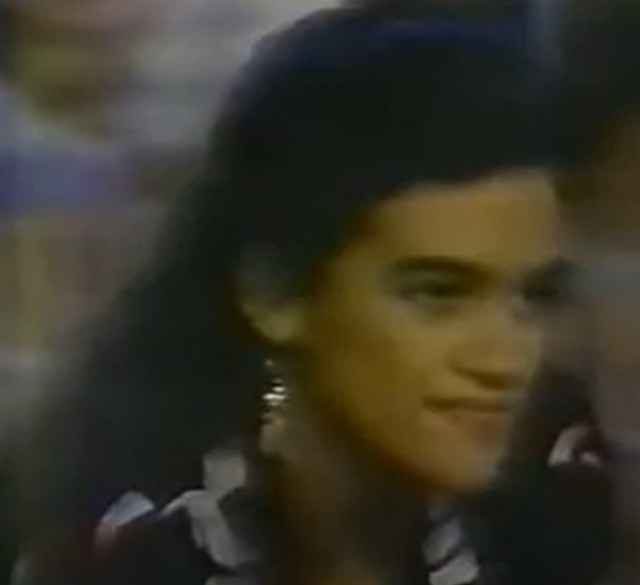
A magazine clipping adversing As the World Turns. Based on Karina’s long hair and Heather Rattray portraying Lily Walsh, this image appears to promote the 1990 season. As the World Turns was created by Procter & Gamble Productions (PGP) and CBS
1991 – Changing Faces
It seems like the longer Bianca stayed on As the World Turns, the less involved she became in the show’s stories. The first time Bianca is referenced in the 1991 season is when, in the March 25th, 1991 episode, Lucinda says she’s on her way home to see Bianca. Because the March 25th, 1991 episode is partially archived, it’s unknown what Bianca’s role in the story was. This is also the case for the March 27th, 1991 episode, an episode IMDB claims Karina starred on. This claim is supported by Karina’s name appearing in the episode’s credits. According to the available episodes from this season, Bianca’s first appearance in 1991 was in the April 3rd, 1991 episode, when Bianca shares with Lucinda how she found out Antonio died. During a heart-to-heart conversation, Lucinda and Bianca talk about how Antonio was a complicated man. One moment, he was supporting Montega during their tumultuous years and the next, he was guilty of several crimes. But Bianca and Lucinda can agree on one thing. While consoling her daughter, Lucinda says to Bianca, “Best thing about Tonio, the greatest thing he ever did was to be good to you when you first came to this country.”
During her job at the Yacht Club, Bianca learns from Lily and Holden that three of Lucinda’s employees, Kirk, Evan, and Connor, staged a takeover of Walsh Enterprises, kicking Lucinda out of her own company. Disgusted by these employees’ behavior, especially from Kirk (who helped Bianca get her waitress job), Bianca quits working at the Yacht Club and goes to work at the clothing store, Fashions, instead. After the June 28th, 1991 episode, Bianca and Courtney grow further apart. This is also the last time Bianca is present on the show until November 1991, when she attends Lily and Holden’s wedding as a bridesmaid. But this time, Bianca is portrayed by a different actress named Christine Langer. The events surrounding Holden and Lily’s wedding reveal Bianca became friends with a woman named Tess. Because of the huge gap in time between late June to early November of 1991, it’s unknown how Bianca became friends with Tess or even when Christine made her debut on As the World Turns. With these November episodes being the only available evidence Bianca was re-cast, it is likely Christine’s debut took place sometime during the second half of 1991. It’s also known that Bianca did not appear in 1991’s Christmas episode. Not only was her name not listed in the credits, no explanation was provided for her lack of appearance.
Bianca telling Lucinda she loves her in the April 3rd, 1991 episode. As the World Turns was created by Procter & Gamble Productions (PGP) and CBS
Christine Langer portraying Bianca in the November 1991 episodes. As the World Turns was created by Procter & Gamble Productions (PGP) and CBS
1992 – Dreaming of Montega
IMDB claims Bianca appeared in four episodes from 1992: on January 21st, February 21st, October 2nd, and December 24th. But based on the available archived episodes from Youtube, Bianca only appears in two of these episodes. It should also be noted that Karina reprised her role as Bianca in the 1992 season. In the February 21st, 1992 episode, Bianca shares with Lucinda an incident that took place at an event the night before, where Andy punched Courtney’s date, Evan, in the face. Later, at Oakdale University, Bianca crosses paths with Courtney. While Courtney and Bianca are still friendly to each other, this scene reveals Bianca is now friends with two women named Simone and Meredith. Another important note is how Bianca is now being acknowledged in As the World Turns’ credits as Bianca Marquez Walsh, when her name was listed as Bianca Marquez until this point.
The October 2nd, 1992 episode is the first and only time Bianca expressed any interest in leaving Oakdale since becoming a member of the Walsh family. During the 1992 season, Bianca became friends with Inez, a pregnant Montegan woman who’d like to have her baby in Montega. Bianca wants to return to Montega to help Inez with the arrival of her child. But this return doesn’t happen due to Lucinda disapproving of the idea. Not only does Lucinda remind Bianca of the upcoming school term, Lucinda tells her daughter “I need you, you got to be my stalwart with Lily when she gets back from Zurich”. Though Lucinda’s reasoning seems selfish, it was actually a blessing in disguise for Bianca. This is because Bob and Dr. Stewart, the doctors who traveled to Montega with Inez, were kidnapped by Antonio, who had been alive until that point. The reason Antonio kidnapped Dr. Stweart and Bob is because he needed appendicitis surgery, which he received. Antonio later tried to kidnap Sabrina, a woman he developed a past romantic relationship with. This plan is thwarted by a resident of Oakdale named Duncan who tripped Antonio, causing him to hit his head. Antonio ended up dying due to his head injury.
Bianca telling Dr. Stewart she can’t go to Montega in the October 2nd, 1992 episode. As the World Turns was created by Procter & Gamble Productions (PGP) and CBS
1993 and 1994 – The Departure of Bianca Marquez Walsh
1993 was the final year As the World Turns’ head writer, Douglas Marland, wrote for the show. This is due to Douglas passing away earlier that year. At the end of the May 5th, 1993 episode, a commemorative montage highlighted some of the most memorable moments during Douglas’ time writing for As the World Turns. But throughout this montage, Bianca is nowhere to be found. In fact, she only appeared in four episodes in 1993. When it comes to Bianca’s story, the only new development is that she is now a junior at Oakdale University. But for the most part, Bianca is simply responding to other character’s stories. Whether sharing her thoughts on Lucinda and John possibly getting back together (despite John and Lucinda recently getting divorced) or being happy for Lily in her new relationship with a man named Damien, Bianca is not as involved in the show’s stories like toward the beginning of her time on the show. Even when a new character named Royce joins the Walsh family, Bianca still has little to do in Oakdale. Sure, she receives a Christmas ornament from Royce in the 1993 Christmas episode. Bianca also attends a New Year’s party with Lucinda, where she asks Lucinda about Royce’s search for his twin brother. For Karina Arroyave’s last year portraying Bianca, however, this departure was pretty underwhelming.
Though Karina’s last year portraying Bianca was 1993, 1994 was the final year Bianca appeared on As the World Turns. Like in 1991, Bianca was portrayed by Christine Langer. But similar to the 1993 season, Bianca was given little to do within the show’s stories. Once again, the only update about Bianca is how she’s still in school. She does learn from Craig that the phone system in Montega is “temporarily permanently out of order”. However, there is no explanation provided for Bianca leaving Oakdale. As the curtain closed on Bianca Marquez Walsh’s story, this tale ended on a whimper.
One of Karina’s last scenes portraying Bianca in the December 30th, 1993 episodes. As the World Turns was created by Procter & Gamble Productions (PGP) and CBS
One of the few known scenes of Christine Langer portraying Bianca in the 1994 season. As the World Turns was created by Procter & Gamble Productions (PGP) and CBS
When trying to solve the mystery of why Bianca left Oakdale, there are two ways of looking at this mystery: from a story-telling perspective and from a production perspective. Based on the story-telling perspective, Bianca has made her wishes known all along. Before learning of Pedro’s fate at the Earl Mitchell Center, Bianca tells Lucinda and Craig she wants to go back to Montega after the war. She says “Thank you, but I-I want to go back. And I want to be a part of the rebuilding, just like Sierra was”. As I mentioned earlier in this article, Bianca wanted to return to Montega to help her friend, Inez. However, from a production perspective, Bianca Marquez Walsh was too wholesome for As the World Turns. Soap operas are not known for being “family oriented” content. These types of programs are also designed to keep their audience invested in the stories for as long as realistically possible. When there’s a character on the show that doesn’t feed into a story’s intrigue, it is difficult for that character to get or remain involved in any of the featured stories. This not only does a disservice to the character in question, it also does a disservice to the actor or actress portraying that character.
From the archived episodes of As the World Turns, Bianca Marquez Walsh appeared in an estimated total of sixty-eight episodes over the course of five years. Without these episodes, this mystery would not be partially solved. This article would not exist at all. But the more episodes I watched and the more I learned about Bianca, my article took on a different purpose besides solving the mystery of who Bianca Marquez Walsh is. Through this article, a purpose to preserve Bianca’s story and prevent it from becoming lost to time was born. The story of Bianca Marquez Walsh is an important one. A reason is for its recognition of international adoption as well as the adoption of teenagers during a time when those subjects weren’t widely discussed as they are today. Another reason is for the lessons to be learned from Bianca’s story. At the very beginning of Bianca’s journey, she had been through so much in a short amount of time. Once she got to Oakdale, there were people who let her down, such as Antonio Reyes. But the way she responded to all of this was out of peace and hope. Instead of living in fear of Antonio, Bianca chose family, as she stood up for Lucinda when she needed her daughter the most. Instead of remaining sad over what she had lost, Bianca focused on what she had gained, as she grew to become a student at Oakdale University. And instead of being angry at what Montega had gone through, Bianca chose peace, as she desired to make her country a better place than how it was given to her. In the book, Wonder, the protagonist, Auggie, stated “Everyone in the world should get a standing ovation at least once in their life because we all overcometh the world”. From the way I see it, Bianca Marquez Walsh did, indeed, overcometh the world, even as it turned.
Bianca telling Lucinda her dreams have already come true in the August 31st, 1990 episode. As the World Turns was created by Procter & Gamble Productions (PGP) and CBS
One of the best parts about participating in blogathons is being introduced to movies that may be new to you. This is my experience with the 1989 film, In Country! For Taking Up Room’s Norman Jewison Blogathon, I wanted to choose a movie that was more underrated. While searching through Norman’s IMDB filmography, I came across the aforementioned ‘80s title. The synopsis reminded me of My Girl 2, where Vada is attempting to learn more about her mother. What sets In Country apart from the 1994 sequel is how the 1989 movie explores the aftermath of the Vietnam War by having the protagonist search for answers about her father. In 2024, I have reviewed four other films from the 1980s, so far. Similar to titles like Amadeus and Hallmark Hall of Fame’s Pack of Lies, In Country incorporates historical elements into the story. But will the 1989 movie be a pleasant surprise like Amadeus or a disappointment like Pack of Lies? Keep reading my review to find out!
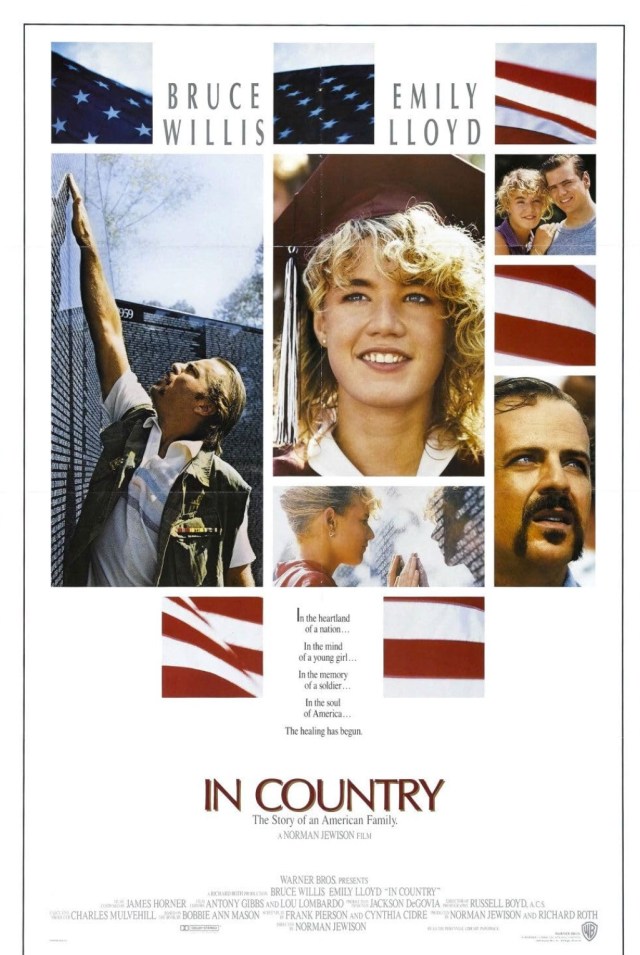
In Country(1989) poster created by Warner Bros. and Yorktown Productions
Things I liked about the film:
The acting: In any story, especially one that features a young protagonist, the main character’s likability can determine if the story is worth investing time in. I can only speak for myself, but I liked Samantha “Sam” Hughes’ personality! Though naïve at times, Sam was like a bright ray of sunshine, caring about the people in her life and trying to make her world a better place. What made Sam a likeable character was how genuine her emotions were. After finding a box of her father’s belongings in her mother’s room, Sam leaves a voice message on the phone explaining to her mother how upset she is by her mother’s silence about her father. When she hangs up the phone, the sad look in her eyes and the slight frown perfectly show how hurt Sam feels about her mother’s choices. This is just one example of Emily Lloyd bringing that genuineness to life, allowing her performance to be memorable!
Prior to watching and reviewing In Country, I had seen some of Bruce Willis’ films. His portrayal of Emmett Smith is different from some of his other roles, as he had to rely on emotion instead of action to carry his character through the story. A thunderstorm is causing chaos outside Emmett’s home one evening. Because of his time serving in the Vietnam War, he flinches whenever thunder strikes due to the flashbacks he is experiencing. At the same time, Emmett carries irritation in his voice because he wants the storm to stop and he wants to avoid Sam’s questions. Similar to what I said about Emily Lloyd’s performance, Bruce’s performance felt genuine. Beneath the tough exterior Emmett consistently displayed, he was a man who was trying to live a civilian life as best as he knew how.
Honesty about war and its impact on veterans: Like I just mentioned in this review, Emmett experiences flashbacks one stormy evening due to his time serving in the Vietnam War. These flashbacks not only cause Emmett to flinch every time thunder strikes, they also cause him to go outside, climb up a tree, and yell for someone to show their face. Throughout this scene, Sam asks Emmett questions about what is happening. Unfortunately for Sam, these questions are left unanswered. When Emmett goes outside, Sam calls for Emmett to come back in the house. As Emmett’s mind and heart are beyond the borders of his Kentucky home, Sam feels powerless, unsure of how to help Emmett. The scene I just wrote about is one example of the film’s honesty when discussing war and its impact on veterans. The candid way these subjects were talked about in the movie shows how the movie’s creative team understood the subjects’ significance.
The mise-en-scène: I’ve explained before that mise-en-scène is how a scene is presented in a movie. Mise-en-scène was utilized in several scenes’ favor in In Country. Toward the beginning of the film, a group of U.S. soldiers are wading through the swamps of Vietnam. This moment is presented as a long shot with the view appearing as if the camera is hiding behind the swamp’s foliage. How this scene is showcased to the audience emphasizes the soldiers’ need to stay unseen. Sam, Emmett, and Mamaw travel to Washington D.C. to visit the Vietnam Veterans Memorial. While walking past the monument, a close-up shot captured Mamaw as the names on the monument were gliding past her face. The visuals symbolized how the Vietnam veterans have touched the lives of not just their loved ones, but those in their communities as well.
Sam’s attraction for Tom: While trying to learn more about her father, Sam turns to a veteran named Tom. At the Vietnam veterans’ dance, Sam invites Tom to share a slow-dance with her, where they get a little too close for comfort. After the dance, Sam spends the night at Tom’s house and has sex with him. Up until the slow-dance at the veterans’ dance, Sam never expressed any romantic interest in Tom. Plus, she just graduated from high school and Tom appears old enough to be her father. Not only was this part of the story random, its inclusion in the film was unnecessary, especially since it has no impact on the plot.
The “slice of life” parts of the story: As I’ve been saying in this review, Sam wants to learn more about her father who served and died in the Vietnam War. This part of the story, as well as the parts exploring the veterans’ perspective, was interesting. But those parts made up half the movie. The other half revolved around subplots that were more “slice of life”. When the story turned to the “slice of life” events, I found myself wishing the movie would go back to Sam learning more about her father or Emmett interacting with the other veterans. In fact, I think the movie should have primarily focused on those aforementioned parts of the story.
On-the-nose songs: The inclusion of songs in a movie can make or break a given scene. Sometimes, a song can be so on-the-nose, it doesn’t leave the intended emotional impact. This happened on more than one occasion in In Country. The opening lines of the Bruce Springsteen song, “I’m On Fire” are “Hey, little girl, is your daddy home? Did he go away and leave you all alone?”. This song can be heard on two occasions after Sam decides to learn more about her father, pointing out what the audience already knows. Earlier in this review, I brought up how Sam invites Tom to share a slow-dance with her, where they get a little too close for comfort. The song they dance to is Hank Williams Jr.’s “Ain’t Misbehavin’”, which narrates what’s happening on screen and foreshadows what’s about to come. That song paired with the events that unfold created a scene that left me uncomfortable.
When I watch a movie, I sometimes imagine how the story would turn out if it was presented in a different way. One recent example is how Hallmark Hall of Fame’s Brush with Fate would have, in my opinion, benefitted by being presented as a multi-part mini-series. I feel similarly about 1989’s In Country. For the most part, the creative team behind the movie appeared to have their hearts in the right place. The honesty about war and its impact on veterans was included in the story in such a candid way, it showed the movie’s creative team understanding the significance of the subjects woven into the script. But this aforementioned honesty, as well as Sam’s search for answers about her father, should have been the film’s primary focus. Therefore, I wish this story had been a road-trip movie, where Sam, Emmett, and Mamaw go to visit the Vietnam Veterans Memorial in Washington D.C., with Sam learning about her father and important life lessons along the way.
Overall score: 6.1 out of 10
Have you seen 1989’s In Country? What’s your favorite film from 1989? Tell me in the comment section!
Have you signed up for my Murder, She Wrote themed blogathon, Cabot Cove-thon? If not, there’s still time to join the event! There’s also plenty of topics left to write about! Click on the link below if you want to learn more about Cabot Cove-thon.
For last year’s Broadway Bound Blogathon, I reviewed the Hallmark Hall of Fame presentation, A Tale of Two Cities. This is an adaptation from 1980 I liked so much, it was one of the best movies I saw in 2023! While reflecting on that film, I realized it’s been a whole year since I reviewed a Hallmark Hall of Fame production. To make up for lost time, I chose to write about the 1987 Hallmark Hall of Fame film, Pack of Lies! Two years before this movie aired on television, Pack of Lies premiered on Broadway, making the Hallmark Hall of Fame movie a good choice for the blogathon. Pack of Lies is also a Hallmark Hall of Fame film from the ‘80s I haven’t seen before. One of my aspirations is to see as many Hallmark Hall of Fame movies as realistically possible. Out of the titles I have seen, I’ve noticed the mystery genre is rarely represented throughout the Hallmark Hall of Fame collection. That fact is another reason why I chose to review Pack of Lies!
The acting: Ellen Burstyn and Teri Garr portray Barbara Jackson and Helen Schaefer in Pack of Lies. The friendship of these two characters highlights how different they are from one another. Helen has a very outgoing and bubbly personality, a talkative woman who’s willing to solve problems. Meanwhile, Barbara is more reserved, dressing more modestly and avoiding conflict whenever possible. Part of why the differences between these characters were achieved was through the acting abilities of both Ellen and Teri! They presented the uniqueness of their characters through various emotions and expressions. When creating a movie where actors portray friends, the believability of their performances can make or break that illusion. The aforementioned illusion was certainly created and maintained throughout Pack of Lies!
In stories where a character has some degree of authority, their personality is usually serious. This can be a challenge for an actor or actress, as there are few opportunities to utilize a variety of expressions and emotions. That didn’t stop Alan Bates from portraying Stewart and making that performance memorable! When Mr. and Mrs. Jackson first meet Stewart, he leaves a trusting first impression. During this meeting, Alan incorporates eye movements, vocal inflections, and variations of mouth movements to create an interaction that appeared realistic. Because of the realistic nature of Stewart’s meeting, the scene itself contains a sense of realism. This realism is consistently carried in the movie through the acting performances!
A mystery within a mystery: The meeting between Stewart and the Jacksons I previously referenced in this review is about how Stewart is looking for a man named Laurence. The main mystery in Pack of Lies is discovering who Laurence is and why Stewart is interested in finding him. At the same time, the legitimacy of Stewart and his mission serve as a second mystery. Because of the vagueness Stewart provides to the Jackson family, it leaves both the Jackson family and the audience wondering who Stweart really is and why he wants to confront Laurence so much. This second mystery provides an added layer of intrigue to the overall story!
Providing books as gifts: While visiting their friends, Helen and Peter Schaefer, Barbara and Bob Jackson receive books as gifts from Peter. Barbara loves art so much, she and Helen take art classes regularly. Meanwhile, Bob is an employee in the aircraft industry. In the meeting between the Jackson family and Stewart, Stewart points out a model plane Bob built. From Peter, Barbara receives a book of drawings from the Clark Institute in Massachusetts. Peter gives Bob a book about the first flights across the Atlantic. These books were thoughtful presents Peter took the time and effort to find. Looking back on the Hallmark films I’ve seen, including those from Hallmark Hall of Fame, characters receiving books as gifts are rarely shown. Therefore, I appreciate this creative choice from Pack of Lies’s creative team to fill a creative void that is, more often than not, overlooked.
Telling instead of showing: In an ideal movie, it’s important to show and tell what’s happening on screen. But because film is a visual medium, showing should be emphasized. Unfortunately, in Pack of Lies, telling was preferred over showing. Throughout the movie, Stewart tells Mr. and Mrs. Jackson that a man named Laurence Powell is a man of interest. The reason for this interest is his possible connections to Russian communists. Dialogue is the only way the truth about Laurence and Stewart’s reason for recruiting the Jackson family is revealed. The subject of espionage in entertainment media isn’t always action-packed and adrenaline-fueled. If a creative team knows their story will have low energy, they should maintain a sense of suspense and intrigue by showing what’s going on.
Little lapse in time: At the beginning of the movie, Stewart assures the Jackson family he’ll only observe Laurence for a day or two. As the story progresses, Stewart’s mission ends up lasting longer than the proposed one to two days. Like I just said in this review, Pack of Lies emphasized telling instead of showing. The little lapse in time throughout the movie is another example of this flaw. Christmas decorations in the Jackson house are the only indication a significant period of time took place. Prior to that part of the story, the film looks like events happened within a week.
Things that don’t make sense: As I’ve been saying in this review, Stewart’s mission is to observe Laurence over a period of time. The more information revealed by Stewart, the more the Jacksons and the audience learn Stewart knew more about Laurence than he originally let on. I know the subject of espionage can be varied and complicated when included in entertainment media. However, with everything I just said, why didn’t Stewart just arrest Laurence instead of observing him over multiple days? Why did Stewart need to get the Jackson family involved in the first place? This is one example where Pack of Lies doesn’t make sense.
Hallmark Hall of Fame movies, like any creative endeavor, are not created equally. As I shared in this review’s introduction, I liked A Tale of Two Cities so much, it was one of the best movies I saw last year. Sadly, I can’t say the same about Pack of Lies. The 1987 presentation was a two hour slow and tedious build-up to a resolution that was underwhelming and anticlimactic. The cause of these flaws was the emphasis on telling instead of showing. This is not the first time a Hallmark Hall of Fame movie from the ‘80s let me down, as I also found 1985’s The Corsican Brothers disappointing. After watching Pack of Lies, I learned the movie was based on a true story. Now knowing this, I think the story would have benefitted more had it become a documentary instead. As I wrap up my review of Pack of Lies, I reflect on a Hallmark commercial I have seen. In this commercial, a man, whose first language is not English, is looking for the perfect card for his wife, who will soon arrive in the United States. When he goes to a Hallmark store, the man is assisted by an employee named Rose, who helps him find exactly what he is looking for. Another man who occasionally appears throughout the commercial reveals the events in the commercial are based on a true story. Honestly, the story behind that Hallmark commercial is a more fascinating movie idea than what was presented in this Hallmark Hall of Fame film.
Overall score: 5 out of 10
Have you seen Pack of Lies? Which Broadway show do you wish received a Hallmark Hall of Fame movie? Tell me in the comment section!















 18 Cinema Lane