Last month, I wrote a Word on the Street story about the Hallmark Mystery film, Reality Bites: A Hannah Swensen Mystery. While I figured there would be interest in this new installment, I was pleasantly surprised by the article’s response. As of the publication of this review, my Word on the Street story received over a thousand views! With that positive reception, I thought it would make sense to write about Hallmark Mystery’s latest presentation! I have been watching the Murder, She Baked/Hannah Swensen series since the very beginning. But I’ve only reviewed one movie from this series; Carrot Cake Murder: A Hannah Swensen Mystery. Since I found that film disappointing, I was discouraged from reviewing the other Murder, She Baked/Hannah Swensen chapters. However, I did find A Sprinkle of Deceit: A Hannah Swensen Mystery an ok movie. Has this series turned things around by giving their fans a stronger film? The only way to solve this mystery is by reading my review!
Stand-out performances: As I watched Reality Bites: A Hannah Swensen Mystery, there were a few performances that were so impressive, they stood out to me. One of those performances came from Gavin Langelo! In this movie, Gavin portrayed Hunt Bantry, a member of a cooking show’s crew. During his performance, Gavin showcased strong camaraderie and was consistently charismatic. A perfect example of this is when Hunt and Hannah are having a conversation at a local restaurant. Throughout this conversation, Gavin appeared at ease and comfortable in his role as well. The exchange between Hannah and Hunt felt realistic partly due to Gavin’s performance. It’s a shame Gavin received such limited screen time because I genuinely believe he has what it takes, talent-wise, to, one day, lead a Hallmark movie.
A behind-the-scenes look at television: The main plot of Reality Bites: A Hannah Swensen Mystery involves a cooking show filming an episode in Hannah’s bakery. Toward the beginning of the story, viewers get to witness how the show’s episode comes to life! Various camera angles of either the host or the food itself are captured by a near-by film crew. Giant cue cards help the host know exactly what to say to their audience. Even when the cameras weren’t rolling, Hannah was observant enough to point out missing ingredients or incorrect baking procedures. I’d also like to point out how the production of the episode looked realistic! Even the show’s introduction appeared to have come straight from a real-life program!
Characters working together: I mentioned in my list of the top ten worst movies I saw in 2024 how I was disappointed by One Bad Apple: A Hannah Swensen Mystery. One reason why was the characters working separately when it came to solving the movie’s case. In Reality Bites: A Hannah Swensen Mystery, the characters worked together to solve the film’s mystery! This was achieved by Hannah, along with her family and friends, collaborating on the case and discussing various theories and motives. Even though Chad was trying to solve his own mystery, Hannah helped him from time to time. A way she helped Chad was providing information whenever necessary. Characters working together to find a case’s resolution felt reminiscent of Hallmark Mystery’s presentations from yesteryear!
Humor that feels forced: Adding comedic elements to a mystery film is not a new contempt for Hallmark Mystery. Several of their productions, including the Murder, She Baked/Hannah Swensen series, have incorporated humor into a given story in order to prevent the overall tone from becoming too dark. When the Murder, She Baked/Hannah Swensen series changed its name from Murder, She Baked to Hannah Swensen, the overall comedic quality regressed. It, honestly, feels like the series’ creative team is trying too hard to be funny. This was the case in Reality Bites: A Hannah Swensen Mystery. Any time Delores was involved in the story, her antics and gimmicks came across as too over-the-top and silly. Delores’ interactions with other characters felt like they belonged in a sit-com, such as when she makes her grand entrance before the cooking show episode began filming. Moments like that one made me wonder why a laugh track was missing?
Lack of urgency: There were two mysteries in Reality Bites: A Hannah Swensen Mystery: the murder of a cooking show’s producer and the mystery behind a series of burglaries. The mystery of the burglaries was written into the film as a court case, where Chad has to prove the guilty party is, indeed, guilty. However, the case itself is taken to court in only one scene. Meanwhile, Hannah occupies herself with solving the murder mystery. But so much emphasis was placed on conversations among characters instead of gathering clues and making connections on a mystery board. Both mysteries lack a sense of urgency. This flaw not only gave the mysteries a slow pace, the movie’s run-time felt a bit drawn-out. The story’s overall intrigue was also weaker.
An underutilized subplot: Delores spends her time rehearsing for an upcoming theatre production. At various moments in Reality Bites: A Hannah Swensen Mystery, Delores, as well as other actors, are either reading through their lines or dressing the stage for a given scene. Hannah even delivers baked goods to the theatre production’s cast and crew. In the overall story, however, this subplot was underutilized. The theatre production’s opening night didn’t take place in the movie. Plus, the subplot didn’t have a strong connection to the story’s mysteries. While Delores participating in a theatre production makes more sense, story-wise, than becoming a private investigator, this subplot did not receive a conclusion.
I mentioned earlier in my review how I was so disappointed by Carrot Cake Murder: A Hannah Swensen Mystery, I was discouraged from reviewing the other Murder, She Baked/Hannah Swensen movies. As I also stated in this review, One Bad Apple: A Hannah Swensen Mystery disappointed me. Sadly, Reality Bites: A Hannah Swensen Mystery is continuing that pattern. Since the Murder, She Baked/Hannah Swensen series changed its name from Murder, She Baked to Hannah Swensen, the overall quality of the series has decreased. In this newest film, the humor felt forced, making some moments feel like they were straight from a sit-com. Both mysteries lacked a sense of urgency and a subplot was underutilized. There were aspects of Reality Bites: A Hannah Swensen Mystery I liked, such as the behind-the-scenes look at television. However, I can think of better films with this same concept, like Cooking with Love. It’s gotten to the point where the Murder, She Baked/Hannah Swensen series has become less enjoyable to watch. This latest chapter doesn’t make me excited for future installments.
Overall score: 5 out of 10
Have you seen Reality Bites: A Hannah Swensen Mystery? What are your thoughts on the Murder, She Baked/Hannah Swensen series? Tell me in the comment section!
Ava is a new character introduced in this episode of When Calls the Heart. She claims she wanted to come to Hope Valley to experience what Elizabeth wrote about in her book. In a conversation with Elizabeth, Ava says the town is “just like in the book, but real”. Though Ava’s adventure is not as simplistic as she expected. While the story of When Calls the Heart (and its respective source material) are fictional, the time period the characters exist in actually happened. Places like Hope Valley did exist; where neighbors looked out for each other, children grew up, and people fell in love. It can, sometimes, be easy to forget these facts because most of When Calls the Heart’s audience is far removed from the 1910s to 1920s and the Hearties are so caught up in what is happening on screen. What’s also easy to forget is how different life was during the early 20th century. But the timelessness of family, friendship, and community can thrive in any era! Another thing that can thrive is good-storytelling.
Just a reminder: If you did not see this episode of When Calls the Heart, there will be spoilers within this re-cap.
When Calls the Heartseason twelve poster created by Hallmark Media, Crown Media Family Networks and Hallmark Channel
Season: 12
Episode: 5
Name: Mom’s the Word
Major stories:
Nathan confirms the mysterious coin is from the Rocky Mountain train robbery of 1907. Jed also confesses where he received the coin; from a man named Toddy Davis in a poker card. As Rosemary and Bill brainstorm how to reach Toddy for information, Nathan volunteers to go undercover. For about half the episode, Bill and Rosemary create a new identity for Nathan. Before leaving Hope Valley for his undercover mission, Nathan adopts the backstory of an estate dealer trying to reclaim his wealth. Within the second half of the episode, Nathan loses a poker game to Toddy. But after the game, when Nathan brings up the coin, Toddy confesses how rare coins are one of his interests. He even gives Nathan one of his business cards.
Lee and Lucas are still avoiding each other. This friction between friends bothers Joseph and Mike. So, they come up with a plan to bring Lucas and Lee together. Joseph tricks Lee into going on a hike. Meanwhile, Mike lies to Lucas about taking him on a horseback riding trip. Once all four men reach a spot next to a river, Lucas and Lee quickly realize what’s going on. But before they can do anything about it, Mike and Joseph leave with all four horses, instructing Lee and Lucas to walk back to Hope Valley and work out their differences. So, Lucas and Lee do as they’re told. During this walk, Lee shares how he didn’t like it when Lucas took Edwin’s advice over his own. Lucas confesses how Lee’s sudden departure from Capitol City caught him off guard. Back in Hope Valley, Rosemary visits the Queen of Hearts saloon, looking for Lee. A few seconds later, Lucas and Lee are shaking hands, agreeing to work together again.
Elizabeth introduces project-based learning to her students. Even though the primary theme is nature, the students are eager for Elizabeth’s idea. Since Allie is still interested in the Great Timber Wolves, her project is about finding a way to bring them back around Hope Valley’s surrounding areas. Oliver even volunteers to help Allie with the mapping portion of her assignment. Before introducing the concept of project-based learning, Nathan shares his concerns with Elizabeth about Allie developing a crush on Earl. Elizabeth insists she isn’t getting involved in business that is not hers. She says the exact same thing when Rosemary suggests Elizabeth become a mother figure to Allie. Nathan’s concerns are confirmed when Allie asks Earl to go on a picnic with her. This is when Earl tells Allie he doesn’t like her in a romantic sense. When Allie shows up at Elizabeth’s house, Elizabeth senses Allie is upset. Allie eventually tells Elizabeth what Earl told her. Understanding Allie’s heartbreak, Elizabeth says how “the right one” will, indeed, come along someday. She also encourages Allie to call her “Elizabeth” at home.
Fiona comes back to Hope Valley! While the town’s residents are excited about Fiona’s return, Fiona doesn’t plan to stay long. In a conversation amongst Mei and Faith, Fiona shares how she is in the process of selling the barber shop. She also says she plans on marrying a man she’s been corresponding with some quote some time. Fiona didn’t come to Hope Valley alone, providing Ava with a ride to town. Ava claims to be a debutante whose parents are on vacation. She also claims all her luggage, including her money, was stolen. So, for the time being, Ava stays at the Queen of Hearts hotel, where her bill becomes concerning. The reason for Ava’s trip to Hope Valley is to experience what Elizabeth wrote about in her book. Ava shares how she wants to become a teacher as well. Elizabeth invites Ava to join her class on a nature walk. Unfortunately for Ava, this trip turns sour because Ava walks into poison oak. Despite this mishap, Elizabeth encourages Ava to stay in Hope Valley.
In the commercial for the next When Calls the Heart episode, it was announced there was a scheduling change. This upcoming episode will premiere on February 8th at 10pm/9c. I first learned this information on the blog, It’s a Wonderful Movie. So, if you haven’t seen It’s a Wonderful Movie’s announcement or When Calls the Heart’s commercial, I wanted to inform other Hearties so they didn’t miss the episode.
When I re-capped last week’s episode, I wondered if When Calls the Heart’s creative team wanted to create another love triangle featuring Allie, Earl, and Oliver. With Earl expressing no interest in dating Allie, there won’t be any more love triangles anytime soon. I have to give When Calls the Heart’s creative team credit for avoiding a second love triangle. But I also have to give some credit to Earl. Allie could have started dating Earl, only to have that relationship be strung along and Allie receive false hope. But Earl decided to be honest about his feelings and tell Allie the truth.
So far, the coin mystery is one of the best parts of season twelve! It has prevented episodes from becoming complete “filler”, consistently giving me something to look forward. But the more Rosemary is involved in the case, I wonder where she will find the time for her radio show? Rosemary did such a good job with her first episode, gathering various perspectives on comic books. I hope the radio show makes a return this season.
In this episode of When Calls the Heart, multiple characters are trying new things. Two notable examples are Elizabeth and Lucas. In preparation for Allie’s birthday party, Elizabeth agrees to teach Allie and her friends some new dance moves. Meanwhile, Lucas tries being a ranch hand, in order to rescue a runaway calf. Even though trying these new things prove challenging for both Lucas and Elizabeth, they share something else in common; they take on their respective challenge fearlessly. Instead of staying overwhelmed by the complicated dance steps, Elizabeth turns to friends to help her put her best foot forward. For Lucas, confidence and patience allowed him to save the day. Reflecting on this episode and When Calls the Heart as a whole, I remembered how fearlessly trying new things has always been a part of Hope Valley’s identity. This component is one way the show has remained consistent.
Just a reminder: If you did not see this episode of When Calls the Heart, there will be spoilers within this re-cap.
When Calls the Heartseason twelve poster created by Hallmark Media, Crown Media Family Networks and Hallmark Channel
Season: 12
Episode: 4
Name: Dancing Teens
Major stories:
Allie is excited for her upcoming birthday party. While she knows what type of party to host and what she’ll wear, Allie is missing one major piece; the dance steps. Allie and her friends ask Elizabeth to teach them some dance moves, preferably those from newer dance styles. Even though Elizabeth agrees to this request, she feels overwhelmed by how complicated some of the dance steps are. Eventually, Elizabeth turns to Rosemary and Mei to become the best dance teacher she can be. Meanwhile, Nathan is caught off guard when he finds out about Allie’s dance party from Lee, not Allie. When Nathan confronts Allie about the party, Elizabeth intervenes and helps father and daughter agree to have chaperones at the event. As the party draws closer, Mollie believes the party should be cancelled, as the event will lead to hurt feelings and bad behavior. The party is still on the schedule, however, after Allie, Elizabeth, and Nathan successfully argue in the party’s favor. When Allie’s party arrives, it proves to be a wonderful event! But before Oliver can present a gift to Allie, Earl shows up to give Allie a bouquet of flowers.
Bill confirms the coin from the previous episode is, indeed, one of the missing twenty thousand from the Rocky Mountain train robbery of 1907. He also believes the Garrison Gang may have been responsible for the robbery. The mystery of how the coin ended up in Hope Valley still remains. So, Rosemary and Bill agree to ask Ned and Florence if they remember any customers making a purchase with that coin. At the Mercantile, Bill and Rosemary learn the coin amounts to one dollar. They also learn three customers spent a dollar on hazelnuts. When they find out Mollie was one of those three customers, Bill and Rosemary confront her at the Queen of Hearts saloon. Unfortunately for the duo, Mollie denies everything. Toward the end of the episode, at Allie’s birthday party, Jed, the owner of a local fruit stand, confesses to Mollie how he used the coin to purchase hazelnuts. Mollie encourages him to tell Rosemary and Bill the next day.
Lucas and Lee are still at odds over the national park project. Both gentlemen want to give each other space and will wait for the other to talk to them. While Lucas visits the allotted land, he crosses paths with Edie. She’s on her way to her uncle’s ranch, inviting Lucas to join her. When they arrive on the ranch land, Edie explains to Lucas how important the land and her uncle is to her. Edie shares how her uncle became her guardian after her parents passed away. He cared for her so much, he even paid for Edie’s law school expenses. As for the land, Edie talks to Lucas about how it is vital for the economy. Later in the episode, Edie needs help finding a runaway calf. Despite having no ranching skills, Lucas volunteers to find the calf with Edie. After locating the calf, Lucas and Edie have difficulty catching the baby cow. But Lucas eventually rescues the calf by lassoing it on his first try. It’s around this moment Lucas discovers the wedding ring Edie always wears is missing. Edie then confesses how she used to be engaged, but the engagement didn’t last. So, now she wears a wedding ring to turn away potential suitors.
Despite the excitement of Allie’s birthday party, Angela feels insecure. This is not only due to Angela never attending a dance party before, but also her belief that she’s different. At the library, Angela confesses to Elizabeth how her belief that she’s different makes her feel like no one understands what she’s going through. To lift Angela’s spirits, Elizabeth gives Angela a braille copy of one of Helen Keller’s books. Angela also shares her feelings and insecurities with Joseph. He tells his daughter dancing is more about how you feel than how you look, teaching Angela how to waltz. Before she attends Allie’s birthday party, Angela confesses to Joseph that even though she’s now looking forward to the party, she wants to meet people who are also blind. This is the reason why Angela wants to attend a college for blind students.
I know that on When Calls the Heart, accomplishing any goal takes time. But the more the national park project is included in the overall story, the more it feels reminiscent of the hotel project from season eleven. What I mean by this is the characters spend more time talking about completing the project than actually completing the project. This makes me wonder if the drawn-out nature of these projects could be the result of the show’s creative team having limited funds?
As I mentioned in this re-cap, Oliver is about to give Allie a gift at her birthday party. He doesn’t give her this gift because Earl shows up to give Allie a bouquet of flowers. That moment made me wonder if When Calls the Heart’s creative team want to create another love triangle, but among Allie, Earl, and Oliver this time? I really hope this isn’t the case. Since Allie made her debut in When Calls the Heart’s sixth season, she has experienced two major heartbreaks; when her mother passed away and when her biological father rejected her. Personally, I don’t want to watch Allie potentially get her heart broken a third time.
Toward the end of this episode, Allie’s birthday party is shown on screen. The color palette was purple and gold, reflected in the balloons and streamers. A collection of streamers created a canopy near the ceiling, presenting the illusion the party took place within a tent. String lights were also found near the ceiling and on the railing of the saloon’s stairs. These lights caused the space to appear dim, but bright enough to navigate the dance floor. Whoever on When Calls the Heart’s creative team designed that set should be acknowledged!
As a piece of advice to Lucas, Minnie says in order to seek reconcile, you have to knock three times. This was Minnie’s way of encouraging Lucas to reach out to the person he had a disagreement with. Despite not hearing Minnie’s advice, Earl Wyatt came back to Hope Valley and “knocked three times”, seeking reconcile for bullying Opal years ago. But reconciliation is not the only reason characters, figuratively, knock on each other’s doors on When Calls the Heart. Sometimes, it’s in search of help, like when Oliver sought Elizabeth’s guidance on his Mountie writing sample. Other times, characters “knock three times” to find answers. One example is Rosemary’s quest for the origin of a valuable coin. The idea of characters, figuratively, knocking on each other’s doors shows how the residents of Hope Valley, and even guests, rely on each other when it matters most. This is an example of the kind of place Hope Valley is.
Just a reminder: If you did not see this episode of When Calls the Heart, there will be spoilers within this re-cap.
When Calls the Heartseason twelve poster created by Hallmark Media, Crown Media Family Networks and Hallmark Channel
Season: 12
Episode: 3
Name: All That Glitters
Major stories:
Oliver’s one-month evaluation is fast approaching. The only step left is his writing sample. After Oliver submits the writing sample, Nathan takes note of its weak writing quality. When Elizabeth makes this discovery, she volunteers to help Oliver improve his writing sample. At the Jack Thornton School, Oliver shows up for his first tutoring session. He claims he attended a school in Hamilton called Briarcliff. But later in the episode, Elizabeth finds out the school closed five years prior to Oliver’s arrival in Hope Valley. This fact, along with Oliver’s decision to resign from the Mounties, raises alarm in Nathan. So, he and Elizabeth confront Oliver at the stables. Oliver confesses he lied about attending Briarcliff. His reason is how he sought a better life for himself, due to being a foster child. Oliver also reveals how he didn’t finish school because his foster parents believed working on their farm was more important. He explains to Nathan his decision to resign from the Mounties was due to not wanting Nathan to get in trouble. Oliver’s loyalty gives Nathan a reason to not give up on Oliver. Later in the episode, Superintendent Hargreaves arrives for the one-month evaluation. Oliver passes with flying colors.
Rosemary has two mysteries on her hands. The first is why Lee is so secretive. She becomes curious after being told Lee created a will and recently had a doctor’s appointment. As Rosemary shares her concerns with Elizabeth at the Mercantile, they overhear Lee telling Ned he’s going on a hike. So, Elizabeth and Rosemary follow Lee and Mike into the forest. After Mike and Lee discover the women’s hiding place among the bushes, Rosemary and Elizabeth learn the purpose of the hike; so Lee could create a hiking trail named after Goldie. Lee explains how he hopes the trail will remind Lucas of the national park’s importance. The second mystery revolves around a coin bearing a double headed bird. When Ned discovers a rare coin, Rosemary makes it her mission to track down its original owner. She writes an article about the coin in The Valley Voice. But no one comes forward. Bill volunteers to help Rosemary crack the case. After he retrieves the Mountie file about the coin, Bill shares with Rosemary how the coin was one of twenty thousand coins stolen in the Rocky Mountain train robbery of 1907.
At Capitol City, Edwin and Lucas learn Jeanette’s trial is coming up. Edwin encourages Lucas to leave Capital City to avoid more negative press. Lucas takes Edwin’s advice and goes back to Hope Valley. On the train ride home, Lucas learns Edie is also headed towards Hope Valley, in order to take care of her uncle’s ranch. Once in the town, at The Café, Edie reveals to Lucas how she’s considering opening a law firm in Hope Valley. But those plans are on hold because she can’t find the space.
Earl Wyatt returns to Hope Valley and apologizes to Opal for bullying her when she was younger. Earl’s arrival intrigues Allie, as he shares how his father works for the railroad, allowing him to travel wherever he wants. Before meeting Earl, Allie tries to decide what she wants to do for her upcoming 17th birthday. What she does know is she wants to host a party among her friends. At the Queen of Hearts saloon, Allie and some of her friends hear dance music. When she sees Earl dancing, Allie chooses to have a dance party for her birthday.
You’re probably wondering why I spelled Goldie’s name with an ‘ie’ instead of with a ‘y’ like I usually do. That’s because her name is spelled G-O-L-D-I-E in this episode. When it comes to characters’ names, I try to spell them how the show’s creative team intended. So, from now on, I will spell Goldie’s name with an ‘ie’ in future re-caps.
Thinking about the mystery of the coin and Earl Wyatt’s return to Hope Valley, I wonder if Earl’s family has something to do with the Rocky Mountain train robbery of 1907? As I mentioned in this re-cap, Earl said his father works for the railroad. Plus, Earl’s arrival and the discovery of the coin took place around the same time. This would explain why Earl and his family left Hope Valley all those years ago.
In this re-cap, I said Rosemary becomes curious after being told Lee created a will and recently had a doctor’s appointment. In a scene where Lee pays Faith a visit, it’s revealed Lee’s father died of an unnamed medical condition. Lee is not only concerned about developing this medical condition himself, he’s also worried about leaving a legacy behind for his daughter. Faith reassures him that he has a clean bill of health. However, I wonder if Lee’s medical history will become an overarching story this season?
Toward the end of her first radio show, Rosemary says “putting the “hope” in Hope Valley” as the show’s tagline. After hearing this statement, I thought about how Hope Valley has, indeed, provided hope to multiple characters. Because of Hope Valley, Henry Gowen turned his life around and has now become the town’s “Voice of Reason”. This little town has witnessed several miracles, such as the fires at the church/school and the saloon not causing any injuries. By working together, the residents of Hope Valley have accomplished great things, like overcoming the chickenpox outbreak back in season seven. I remember, in season two, when the town changed its name from Coal Valley to Hope Valley. That decision was made to help the town’s residents move forward from the tragedy at the mines. Since then, Hope Valley has transformed beyond the name change. Not only does “hope” have a presence in this town, “hope” has found many reasons to thrive!
Just a reminder: If you did not see this episode of When Calls the Heart, there will be spoilers within this re-cap.
When Calls the Heartseason twelve poster created by Hallmark Media, Crown Media Family Networks and Hallmark Channel
Season: 12
Episode: 2
Name: You Get What You Give
Major stories:
Before school one day, Allie shares her concerns with Elizabeth about not having a special interest and what life will look like after graduation. Elizabeth reminds Allie how “journeys don’t always start with a destination”. At school, during a lesson about civics, Elizabeth realizes how popular comic books have become among her students. To keep her students focused, Elizabeth takes them on a field trip to a nearby forest. The purpose of this field trip is to not only emphasize the importance of Lucas and Lee’s national park project, but to also teach Elizabeth’s students about the significance of nature. During this field trip, the students find an animal print in the dirt. Elizabeth suggests using clay to make a mold of the print, in order to determine which animal the print belongs to. Later in the episode, at Elizabeth’s house for dinner, Allie reveals to Nathan, Bill, and the rest of the guests the print came from the Great Timber Wolf, which was native to the area. She also comments on how good these wolves’ hearing is. This fact leads Elizabeth to speculate if the wolves left the area because of the mines.
With the first episode of Rosemary’s radio show just around the corner, Rosemary struggles to find a story that will last an hour-long episode. While Ned and Florence provide some ideas, Rosemary keeps looking for a more “exciting” story. Meanwhile, Captain Billie comics have become a popular product at the Mercantile. When some children can’t afford to purchase the new issue of the comic, Henry suggests the children help Ned so they can earn money to purchase the comic. When Florence and Elizabeth discover this piece of information, they believe comic books have become an obsession. Elizabeth and Florence’s conversation inspires Rosemary to create her first episode about comic books’ popularity. When the premiere of the first radio show episode arrives, things don’t go according to plan. Rosemary hoped the discussion on comic books would be a debate. But most of the guests on the show agree that comic books have their benefits. To add a contrasting perspective at the last minute, Florence joins the show, only to prove she read some of the Captain Billie comics. At the conclusion of the radio show, Rosemary receives applause. This encourages Rosemary to make more episodes in the foreseeable future.
In Capital City, Lucas and Lee hear Edwin’s idea to save Lucas’ reputation. Edwin explains how Lucas needs to appeal to the corporate, urban, and rural vote. To win over the corporate vote, Edwin suggests naming the national park after the Irwin family, one of the wealthiest, most influential families in Canada. Lee quickly reminds Edwin that Lucas promised to name the national park after Goldy. Later in the episode, Edwin introduces Lucas to Edie Martell, a member of the Cattlemen’s Association. During this meeting, Edie explains how most of the allotted national park land was originally cattle pasture. To create a compromise, Edie recommends using the land as a summer pasture and reserving a sliver of the remaining land for the national park. When Lee learns of Edie’s proposed compromise, he is frustrated by Lucas’ willingness to be a “people pleaser”. He then comes home early and returns to Rosemary and Goldy.
Even though Oliver is getting settled in Hope Valley, Nathan wonders how he can help Oliver become a Mountie. Elizabeth suggests giving Oliver some encouragement and a win. At Hope Valley’s Mountie office, Oliver plans on organizing some case files. Nathan encourages Oliver to do a case file comparison. Oliver goes above and beyond by organizing the case files in great detail. When Nathan reviews Oliver’s work, he is impressed with Oliver’s efforts. So, Nathan gives Oliver more case files to organize. The next day, Nathan marvels at Oliver’s job well done. To acknowledge Oliver’s hard work, Nathan invites Oliver to Elizabeth’s potluck dinner.
Mei and Mike come home from their honeymoon. Sadly, everything that could go wrong on their honeymoon did; from lost luggage to food poisoning. Things don’t get better when they go to Mike’s apartment. Water takes over the living space due to an open window. Throughout the episode, Mike and Mei argue over who left the window open. But eventually, they realize their relationship is more important. Toward the end of the episode, the couple makes up over dinner.
Due to the bountiful hazelnut harvest, Henry needs help collecting the hazelnuts. He recruits some of Elizabeth’s students, with the promise of comic book and magazine money. Joseph also volunteers to help Henry. Elizabeth’s students enjoy crushing hazelnuts to the beat of music. Playing music while working was Emily’s idea, as she read it increases productivity. She also warns Henry to not oversaturate the market with hazelnuts. This advice came after Joseph suggested Henry start his own hazelnut business. After the hazelnuts have been collected, Henry decides to create a hazelnut business under one condition; Joseph run the business alongside Henry. Joseph and Henry agree to this idea and shake hands. They also agree to hire Emily.
In the previous episode, Nathan is told Oliver is at the bottom of his class. But after he and Bill talk to Oliver, they think something isn’t adding up. Looking back on how detail-oriented Oliver was in this episode, it makes me wonder if he either learns differently than what Mountie training is offering or he is better suited for a specific area of the Mountie profession? One reason why I wonder this is Oliver did admit he was a “slow reader”.
Am I the only Heartie who is concerned about Henry getting involved in another business? My concern comes from his unreliable track record. When the show began, Henry was the town’s villain working with the coal mines. This business endeavor was a tragic disaster. Then, Henry joined Hope Valley’s oil business for several seasons. The foundry ended up going under at the beginning of season ten. I like Henry as a character, so seeing him succeed would be awesome. For now, though, I’m cautiously optimistic.
It seems like ant hills turned into mountains in this episode of When Calls the Heart. First, Mike and Mei spend most of the story arguing over who left the window open. I know married couples experience conflict, especially in Hallmark productions. However, I was more interested in seeing Mei and Mike navigate living together for the first time, as well as blending their interior design styles. I’m aware comic books are the overarching theme this season. But the reaction from some of the characters seems, in my opinion, overblown. It does make me wonder if comic books will lead to an overarching story?
Hello everyone! Now that Cabot Cove-thon has come to an end, I’d like to thank those who participated in the event! While this year’s blogathon received a smaller turn-out, I was impressed by the diversity of the entries. It elaborated my point about how Murder, She Wrote is a multifaceted program. There will be a new blogathon held in 2025! But, as of early October 2024, the event’s theme and dates are pending. Blogathon news will be announced sometime between early to mid 2025. With all that said, 18 Cinema Lane will get back to its regularly scheduled programming!
Cabot Cove-thon banner created by me, Sally Silverscreen. Original picture found on IMDB.
*This editorial was written before Hurricane Helene*
For the Cabot Cove-thon, I originally wanted to write an editorial about the Universal Studios Florida attraction, Murder, She Wrote Mystery Theatre. This show having a presence in any theme park, let alone Universal Studios, was an intriguing concept to discuss during my blogathon. But the more I learned about Murder, She Wrote Mystery Theatre from the Youtube channel, Poseidon Entertainment, the more I discovered that once guests consumed the information from Jessica and the actors associated with the Mystery Theatre, they had little reason to return. A behind-the-scenes look at how to create an episode of Murder, She Wrote from the post-production stage is both fascinating and educational. However, with the aforementioned details from Poseidon Entertainment in mind, I wondered how I could improve Murder, She Wrote Mystery Theatre. If Murder, She Wrote were to return to Universal Studios’ theme park, bringing the show back as an event instead of an attraction would give fans and park guests a reason to come back. This is how I created the idea of Universal Orlando Resort hosting a fan event called Murder, She Wrote Weekend! In this editorial, I will explain why Universal Orlando Resort should host Murder, She Wrote Weekend by providing a basic concept of the event’s schedule. My editorial is, simply, proposing an idea, so any decisions related to event creation will be determined by Universal Orlando Resort themselves.
Cabot Cove-thon banner created by me, Sally Silverscreen. Original picture found on IMDB.
Friday
The beauty of having Universal Orlando Resort host Murder, She Wrote Weekend are the amenities and accommodations at their disposal. One of them are the soon to be ten hotels on their property. Each hotel has its own unique identity, offering their guests a variety of experiences. These unique identities could work in the favor of Murder, She Wrote Weekend, as the chosen hotel could play a role in the event’s theme. Murder, She Wrote has created some episodes related to music. In the season nine episode, “The Sound of Murder”, Jessica witnesses the filming of a rock music video. With the themes of rock n’ roll and music, the Hard Rock Hotel would serve as the perfect venue.
Using the Hard Rock Hotel as this editorial’s example, attendants of Murder, She Wrote Weekend would check in on Friday. At the front desk, hotel information as well as weekend itinerary, badges, and goodie bags will be presented. There will be a large gap in time between check-in and the first official event. This will give attendants an opportunity to rest, explore Universal Orlando Resort, or create a schedule for the weekend. When it’s time for the first official event, attendants will gather in the theater of either Velvet Sessions or Velvet Unplugged for a trivia contest. Trivia will include a variety of topics connected to Murder, She Wrote’s twelve season history. Attendants who win the trivia contest could receive prizes such as a signed script from the show, a shopping spree at the Tribute Store Plaza (if the store was open at the time of Murder, She Wrote Weekend), or an expenses paid trip to Blair House Inn (the house that portrayed Jessica’s home on Murder, She Wrote).
Since Murder, She Wrote: The Highland Fling Murders is about Jessica traveling to Scotland, I figured this photo would be an appropriate choice for my editorial. Screenshot taken by me, Sally Silverscreen.
Saturday
The first official day of Murder, She Wrote Weekend will begin with a panel in the morning. This panel could focus on a topic related to the show, the mystery genre, or the event’s theme. According to the synopsis for “The Sound of Murder”, “Jessica records one of her novels for the blind”. So, in this editorial’s example, the panel on Saturday would revolve around the topic of audiobooks. The panel itself would consist of five people: an executive of a publishing firm, an author whose book was transformed into an audiobook, an audiobook’s narrator, the president of an audiobook company, and an employee of a recording studio. This diverse group of people would hold a discussion on what it takes to create an audiobook, exploring this topic from different perspectives. Toward the end of the panel, attendants will receive an opportunity to ask the panelists questions.
Another amenity Universal Orlando Resort has at their disposal are their theme parks. With Universal Studios Florida and Islands of Adventure, a water park known as Volcano Bay, and their Epic Universe on the horizon, Universal Orlando Resort provides guests with a bundle of attractions to make their day action-packed and fun-filled. Attendants of Murder, She Wrote Weekend can take advantage of their time in the parks by participating in a scavenger hunt. Clues related to Murder, She Wrote would be hidden throughout the parks. During this activity, participants will encounter various attractions, giving them a reason to stay in the parks after the scavenger hunt is over. Winners of the scavenger hunt will earn a prize, like a commemorative pin. Murder, She Wrote Weekend attendants also have the option of a Murder, She Wrote themed escape room. Similar to Universal CityWalk’sUniversal’s Great Movie Escape, attendants can be transported to the world of Jessica Fletcher as they try to escape locations relevant to the show, such as Jessica’s living room. Winners of the escape room can also earn a commemorative prize like the aforementioned scavenger hunt. To close out Murder, She Wrote Weekend’s first day, a screening of a Murder, She Wrote episode and/or an upcoming movie from the mystery genre will take place at Universal CityWalk’s Universal Cinemark cinema.
In the Murder, She Wrote episode, “Murder Takes the Bus“, Jessica travels on, you guessed it, a bus. Screenshot taken by me, Sally Silverscreen.
Sunday
The schedule for the second and final day of Murder, She Wrote Weekend is similar to Saturday’s schedule, except for two major differences. While Sunday will begin with a panel, this panel, in my editorial’s example, will feature a collection of actors, producers, screenwriters, and directors who worked on Murder, She Wrote. Like the aforementioned panel on Saturday, attendants of Murder, She Wrote Weekend will be able to ask the panelists questions toward the end of the panel. But this time, the attendants will have the chance to take photographs with the panelists in a meet & greet. The second major difference is the event that will conclude Murder, She Wrote Weekend. This event would either be a costume party (where attendants are invited to dress up as characters from Murder, She Wrote, programs from Universal Studios, or from ‘80s and ‘90s productions) or a mystery dinner theatre presentation. If attendants of Murder, She Wrote Weekend already participated in the scavenger hunt and escape room I talked about earlier in this editorial, they will have the opportunity to explore Universal Orlando Resort at their leisure.
As I have already mentioned, Universal Orlando Resort has a bundle of attractions in their parks. At Universal CityWalk, a collection of shops, restaurants, and entertainment options are located under Universal Orlando Resort’s umbrella. These attractions and facilities are another amenity Universal Orlando Resort can use to their advantage, especially if they hosted Murder, She Wrote Weekend. When bringing up ideas for trivia contest prizes, I mentioned the Tribute Store Plaza. This store, which operates during limited times, sells merchandise that represent a specific theme. In the case of Murder, She Wrote Weekend, the store could sell products related to Murder, She Wrote; from Cabot Cove postcards to a typewriter that mirrors Jessica’s. “The Sound of Murder” takes place in New York City. Keeping this editorial’s example in mind, Cold Stone Creamery could create a Murder, She Wrote Weekend exclusive flavor based on New York cheesecake. The Toothsome Chocolate Emporium & Savory Feast Kitchen could also capitalize on Murder, She Wrote Weekend by crafting a blueberry pie flavored milkshake in honor of Jessica Fletcher’s home in Cabot Cove, Maine.
Since Murder, She Wrote: The Queen’s Jewels is about Jessica traveling on a cruise trip, I figured this photo would be an appropriate choice for my editorial. Screenshot taken by me, Sally Silverscreen.
2024 became the year when fan events failed. Two notable examples are the Bluey event in Las Vegas that disappointed families and Glasgow’s unimpressive Willy Wonka & the Chocolate Factory themed event. But for every fan event that attracts attention for the wrong reasons, there is a desire to see a fan event succeed. With the resources and amenities at their disposal, Universal Orlando Resort has the potential to host a Murder, She Wrote themed event that meets and even exceeds expectations. It also helps how Universal Orlando Resort is familiar with Murder, She Wrote’s IP (intellectual property), as this show has had a presence in Universal Studios Florida. Murder, She Wrote benefits from having a twelve-season lifespan. The abundance of stories, ideas, and famous faces can provide ideas for a Murder, She Wrote themed event. At the beginning of my editorial, I pointed out how bringing the show back as an event instead of an attraction would give fans and park guests a reason to come back to the parks. Hosting a Murder, She Wrote themed event would also create a new tradition and celebrate the legacy of Jessica Fletcher.
Have fun in Cabot Cove!
Sally Silverscreen
Featured references:
Poseidon Entertainment’s video, “A Deep Dive Into Classic Universal Studios Florida (Part 1)
(segment about Murder, She Wrote Mystery Theatre is featured from 28:12 to 31:46)
This year, I was introduced to the television show, Miss Scarlet and The Duke, a mystery program airing as part of the PBS Masterpiece collection. While I have enjoyed watching the show, I believe it’s missing one person; Stefan “Princ” Zdravković. For those who don’t know, Stefan “Princ” Zdravković is a musical artist who tried to represent Serbia’s delegation of Eurovision by competing in the delegation’s national contest, Pesma za Evroviziju (also known as PZE). The more I watched Miss Scarlet and The Duke, the more I saw how Stefan “Princ” Zdravković could appear on the show. Therefore, I am presenting four key reasons why he should appear on Miss Scarlet and The Duke! Before I share my reasons, I want to give a reminder how any decisions about whether Stefan “Princ” Zdravković appears on the show are up to Miss Scarlet and The Duke’s creative team and Stefan “Princ” Zdravković himself, who I will be referring to as “Princ” throughout this editorial. Though I am aware the show is changing its name to Miss Scarlet from season five and onward, I will continue to call the program Miss Scarlet and The Duke in this article.
Pictures of Stefan “Princ” Zdravković found in the videos, ‘Princ “Cvet sa Istoka” Interview | Pesma za Evroviziju 2023’ and ‘PRINC – Cvet sa Istoka (INTERVIEW) // Pesma za Evroviziju 2023 // Serbia Eurovision 2023’ by the Youtube channels, wiwibloggs and eurovoxx. Images of Miss Scarlet and the Duke found on IMDB and created by Element 8 Entertainment, A+E Studios, 87 Films, Alibi Channel, and Public Broadcasting Service (PBS)
Recruiting Local Talent
Since season two, Miss Scarlet and The Duke has filmed in Serbia. This decision has caused the show’s creative team to build their story’s world from scratch. According to the Executive Producer, Patty Lenahan Ishimoto, “Basically what ended up happening was we just built London. Anything that we couldn’t find, we built”. The decision to film in Serbia has also provided opportunities for Serbians to get involved with the program, either in front of the camera or behind it. Princ is from Serbia, specifically from Vranje. If he were to appear on Miss Scarlet and The Duke, he would receive an opportunity to, essentially, work within his own backyard. If any episodes were filmed on location, such as (for example) a part of the story taking place around Vranje’s White Bridge, Princ may also work in an environment he’s familiar with.
Miss Scarlet and The Duke will soon embark on its fifth season. During the show’s four-year lifespan, a fanbase from both the U.K. and the U.S. has been garnered, with the show providing reasons for the audience to return. But Miss Scarlet and The Duke’s creative team are not the only ones with built-in enthusiasm. When Princ competed in PZE last March, he not only qualified for PZE’s Final, he ended up receiving second place. Princ even received more televote points than Luke Black, the artist who was chosen to represent Serbia at Eurovision. To put Princ’s score into perspective, he acquired a higher score at last year’s PZE Final than Konstrakta did at this year’s PZE Final. For those who don’t know, Konstrakta represented Serbia at Eurovision in 2022. She qualified for Eurovision’s Grand Final, where she received fifth place. Going into 2024’s edition of PZE, Konstrakta had more name-recognition and built-in enthusiasm than Princ did in 2023. In his interview with the Youtube channel, Wiwibloggs, Princ said “I’m probably more famous in Bulgaria, actually, right now”. But, as I previously mentioned, Princ’s score in the PZE Final was higher than Konstrakta’s. He also obtained more televote points than Konstrakta, not only in PZE’s Final, but in the contest’s Semi-Finals as well. These numbers present an example of how there are people, including myself, who would be enthusiastic if Princ appeared on Miss Scarlet and The Duke.
In this chart of the PZE Final scores from 2023 and 2024, I highlight each competitor’s televote points, which were received from the audience. Also highlighted are Princ’s and Konstrakta’s overall scores in the PZE Final. PZE scores found on the website, Eurovision World.
This chart highlights the televote scores from Princ’s and Konstrakta’s semi-finals in PZE. Semi-Final scores found on the website, Eurovision World.
Work With What You’ve Got
In Miss Scarlet and The Duke’s second episode from season two, ‘The Black Moth’, William ‘The Duke’ Wellington, one of the show’s protagonists, tells Eliza Scarlet, the show’s other protagonist, to “use what you have to your advantage” in order to stand out as London’s only female detective. William’s advice could also be given to Princ if he appeared on Miss Scarlet and The Duke, as he possesses skills, talents, and attributes that would work in his favor. Like I have mentioned in this editorial, Princ is a musical artist. He not only has versatile singing vocals, he is also a talented guitarist. Perhaps he could perform a song in an episode or create a song for the show. Princ is also a marital artist with a black belt in karate. Marital arts have, so far, not been incorporated onto Miss Scarlet and The Duke, as fist-fighting and boxing have been the only fighting styles included in the show’s action scenes. Featuring martial arts in Miss Scarlet and The Duke’s story would bring something new to the show’s table as well as provide Princ with material to work with, as he would master the fight choreography. Miss Scarlet and The Duke establishes a world where characters with tattoos exist. When examining a specific tattoo in the first season’s second episode, ‘The Woman in Red’, Eliza says about the tattoo “It gave insight to a person’s past. Perhaps a badge of belonging like to the Navy or a quiet rebellion hidden on one’s body for one’s eyes only”. Princ has several tattoos on his arms, including one on his left forearm that appears to be a series of pine/Christmas trees. The inclusion of, at least, one of Princ’s tattoos in the show’s story could be used to serve a character’s backstory or symbolize a MacGuffin/clue. However, this specific idea is dependent on if Princ is comfortable with his real-life tattoos being incorporated onto the show.
In this photo, I point out the tattoo I referenced in this editorial. Photo found in the video, ‘Princ “Cvet sa Istoka” Interview | Pesma za Evroviziju 2023’ by Youtube channel, wiwibloggs
Steps Toward Eurovision
In some of his interviews, Princ has expressed a desire to compete in Eurovision. He said in his interview with Youtuber, Alesia Michelle, “I actually visualized myself winning Eurovision as a kid”. While you’re reading my editorial, you’re probably wondering, “If Princ wants to go to Eurovision, why would he spend his time working on Miss Scarlet and The Duke? What does one have to do with the other?” Miss Scarlet and The Duke broadcasts on Alibi, a U.K. channel owned by BBC Studios. BBC is the official broadcaster of the U.K. delegation of Eurovision. Princ is affiliated with the Serbian delegation of Eurovision through his participation in PZE. If he still desires to compete in Eurovision, Princ could use these connections, as well as his experience appearing on Miss Scarlet and The Duke, as a networking opportunity to get one step closer to Eurovision. This could be achieved by either finding people who could lead him in the right direction toward the song contest or by meeting people who could become vital members of his technical/artistic team. For example, Princ could collaborate with someone from Miss Scarlet and The Duke’s cinematography department to create a music video or figure out the most optimal camera angles for a live performance. Another example is Princ could receive advice from the show’s wardrobe department to achieve the most photogenic appearance for not only a live performance, but for other Eurovision related events, such as the Turquoise Carpet.
I’ve made it a habit on 18 Cinema Lane to try to give more underrated people, characters, films, and topics their “standing ovation” because, according to Auggie from Wonder, “Everyone in the world should get a standing ovation at least once in their life because we all overcometh the world”. But, as I said in April, in order for a “standing ovation” to take place, the person in question has to want it. Based on what I’ve observed, Princ is working toward that “standing ovation”. He’s even willing to deal with rejection and disappointment to make that “standing ovation” a reality. Princ could receive his “standing ovation” by appearing on Miss Scarlet and The Duke. It’s a situation where those involved with the program, including the fans, would benefit as well. In his interview with Alesia Michelle, when asked if he knew any of the fellow competitors of 2023’s PZE, Princ replied “So I think that, uh, supporting each other is very important”. Through this editorial, I’m hoping someone, either from Miss Scarlet and The Duke’s creative team or even a Eurovision delegation, recognizes Princ’s talent as well as his potential for success and provides him with the support to not only make his dreams come true, but to also finally give Princ his “standing ovation”!
Imagine: You’ve been introduced to an actor while watching a popular television show. Impressed by their performance, you go to IMDB and look through their filmography. There, you discover this actor starred on a now defunct soap opera. You know soap operas aren’t as accessible as traditional tv shows due to the frequent release of episodes. So, you do the next best thing: go to the internet to learn more about the character the actor portrayed on the soap opera. But this proves to be trickier than you expected. Whichever website you go to, there is barely any information available. In fact, there’s so little information, it seems like this character doesn’t exist. You know this character does exist, as the character’s name and list of their episodes is featured on the actor’s IMDB filmography. So, why is it near impossible to learn more about the character in question?
Between 1956 and 2010, As the World Turns followed several families. One of those families was the Walsh family, a collection of some of the wealthier characters on the show. As the title of this article suggests, a character named Bianca eventually joined the Walsh family. But as this article’s introduction suggests, finding information about Bianca was near impossible. On websites like Soap Central and As The World Turns Wiki, Bianca’s name is listed, but she doesn’t have her own page. In an article about Lucinda Walsh from the website, Soap Hub, the only time Bianca is mentioned is when the article states Lucinda took Bianca in. Unfortunately, the article doesn’t explain why Bianca was taken in by Lucinda. Through extensive, thorough research, I was able to learn more about Bianca by discovering many archived episodes of As the World Turns on Youtube! From these episodes, I will try to solve these four interconnected mysteries:
Who is Bianca Marquez Walsh?
What is Bianca’s story?
How is Bianca connected to the Walsh family?
Why did Bianca leave Oakdale?
As the World Turns title card created by Procter & Gamble Productions (PGP) and CBS. ‘Who is Bianca Marquez Walsh?: An As the World Turns Mystery’ image created by Sally Silverscreen
B.O. – Before Oakdale
As the World Turns is primarily set in the Illinois town of Oakdale. But there were times when the story took place in locations beyond the borders of the show’s fictional town. One of these locations was a Central American country called Montega. Some of the show’s characters were from Montega, including Bianca. Her story begins in Montega, with her parents working as servants for a man named Antonio Reyes. Growing up, Bianca grew close to Antonio’s wife, Sierra. She was allowed to play with Sierra’s dolls and even turned to Sierra when her kitten was hurt. As years went on, a war broke out. Since Antonio and Sierra fought in the early days of the war, they were seen by fellow Montegans, including Bianca, as heroes. With the war raging on, Bianca lost her family, even her brother, Pedro, who fought in the war alongside Sierra. Antonio’s reputation and Bianca’s loss of family created the perfect storm for Bianca to become sponsored by Antonio and join him in the United States in the spring of 1988.
Bianca and Sierra reminiscing over their shared past in Montega. Screenshot from the Youtube channel, Oakdalian. As the World Turns was created by Procter & Gamble Productions (PGP) and CBS
1989 – Oakdale Welcomes Bianca
In the previous paragraph, I stated that Bianca came to the United States in the spring of 1988. Wikipedia claims Karina Arroyave, the actress who originally portrayed Bianca, made her debut on As the World Turns in late 1988. However, on Karina’s IMDB filmography, Bianca made her first appearance in 1989. According to As the World Turns’ archived episodes from 1988, Bianca is not featured. In fact, one of the show’s major stories focuses on Lien Hughes’ introduction, as she debuted on As the World Turns on February 2nd, 1988. Based on the available episodes, Bianca’s earliest known appearance took place on July 17th, 1989, the day after Karina’s 20th birthday. However, the first known reference of Bianca happened on May 26th, 1989. In this episode, Lucinda, the matriarch of the Walsh family, learns from Antonio her daughter, Lily, has traveled to Montega to look for her missing sister, Sierra. Antonio starts saying “Bianca had no right to–”, then followed that up with “According to Bianca, Lily said she didn’t have much more to live for. She would sacrifice her own life to find Sierra”. Before making her first known appearance on July 17th, Bianca was referenced again on the July 13th, 1989 episode. In this episode, two employees of a business firm named Emily and Paul talk about a charity ball that will take place that night. Emily asks Paul “Is Bianca looking forward to it?”, with Paul responding “I guess so”. Because Antonio is out of town, Paul wasn’t able to ask his permission to take Bianca to the event, which makes Paul concerned. With the way Bianca is referenced in these aforementioned episodes and even how characters interact with Bianca at the charity ball in the July 17th episode, Bianca’s introduction, as well as her existence, has already been acknowledged. This leads me to believe Bianca’s earliest days in Oakdale either took place off-screen or happened in an unarchived episode.
As I previously stated in this article, Antonio sponsored Bianca, which led her to come to the United States. At the start of her story in the show’s 1989 season, Bianca resided in Antonio’s penthouse apartment. While there, she receives her education from a tutor. Antonio also gives her clothes and a roof over her head. But the longer Bianca stays at Antonio’s apartment, the more she discovers things aren’t as they seem. Antonio repeatedly reminds Bianca not to share the origins of a wedding ring he claims is Sierra’s. When Bianca questions the legitimacy of the ring, Antonio tells her “I know you have doubts about that ring, about whether Sierra is alive. But you have to keep those doubts to yourself. If you were to share them with Craig and Lucinda now, it would be very bad. It would destroy their faith in me and worse yet, their belief that Sierra is alive.” Eventually, Antonio hires multiple security guards and even forbids Bianca from seeing Paul, who became one of her first friends. Antonio justifies these measures by telling Bianca that it’s “for your own protection”. Confused by these protective measures, Bianca asks “I thought we were safe in America”, to which Antonio replies, “It’s not only in Montega that people live in fear”. After a bodyguard named Walters was found dead at Antonio’s apartment building and believing a criminal named James was contacting Antonio, Bianca ran away to the Earl Mitchell Center, where Bianca then resided.
While staying at the Earl Mitchell Center, Bianca appears to be thriving. She’s making friends, such as a young man who is referred to as “Hey You”, and enjoying herself at the Center’s Halloween party. However, a dark storm cloud looms just around the corner. After learning Paul killed James in self- defense, Bianca is questioned by police about Antonio’s connection to James. Even though James never entered Antonio’s apartment, Bianca recalls seeing James’ picture in the pocket of one of Antonio’s security guards. Meanwhile, Antonio claims Bianca’s brother, Pedro, may still be alive. Even though she’s now residing at the Earl Mitchell Center, Bianca still relies on Antonio for any information from Montega, with her claiming, “You’re my only source, Senor Tonio”. Despite Antonio continuously reassuring Bianca Pedro may be living, Lucinda and Craig come to the Center to tell Bianca Pedro actually passed away. This news is later reconfirmed by Sierra when Bianca and Antonio go to Montega to learn of Pedro’s fate.
After sharing the sad news of Pedro’s death with Bianca, Lucinda is troubled by Bianca’s situation. Desperate to help Bianca out, Lucinda decides to adopt her. When Lucinda and her lawyer, Ambrose, propose the idea to Bianca, Bianca at first believes Lucinda wants to adopt her to work in the kitchen at the Walsh house. Lucinda clarifies how she wants to adopt Bianca as her daughter. Initially, Bianca tells Lucinda, “Senora, thank you, I’m so grateful. But I-I’m not worthy to be your daughter. My-My mother was a servant to-to people like you”. But after thinking the decision over, enough convincing from Lucinda, and discovering Antonio was giving her false hope about Pedro, Bianca eventually accepts Lucinda’s adoption offer. By the end of the 1989 season, Bianca is caught in a whirlwind. She not only testifies in Paul’s trial, she also moves into the Walsh house. Bianca then experiences her first Christmas and New Year’s in Oakdale.
Bianca being questioned by Duncan in her first known appearance in the July 17th, 1989 episode. As the World Turns was created by Procter & Gamble Productions (PGP) and CBS
1990 – Bianca Joins the Family
Even though Bianca is now a member of the Walsh family and living in the Walsh house, she is still friends with the residents of the Earl Mitchell Center. In fact, Bianca is dating “Hey You” by the end of the 1989 season. At a New Year’s party, “Hey You” suddenly runs away. This decision was caused by “Hey You” spotting a man named Brock, who “Hey You” believes murdered his family in September of 1988. Toward the beginning of the 1990 season, a major story revolves around “Hey You” (who ends up being identified as Bruce Dreyfuss) and Brock’s murder case. Because of her relationship with “Hey You”/Bruce, Bianca testifies in court. While volunteering at the Earl Mitchell Center, Bianca learns from a counselor named Frannie “Hey You”/Bruce is going back to his hometown in South Bend, Indiana. When Bianca wonders how difficult it would be for “Hey You”/Bruce to return home after everyone there knows about his past, Frannie reminds Bianca, “sometimes the only way that you can go on with your life is to face up to the things that are hardest for you”. In one of their final on-screen moments together, Bianca reminds “Hey You”/Bruce how he’s been kind to her and how she believes in him.
Despite her heartbreak toward the beginning of the 1990 season, things are looking up for Bianca. She hosted her first party at the Walsh house and found a friend in Lien Hughes. Bianca has also started applying for classes at Oakdale High School. Before taking the school’s placement exam, Bianca reconnects with a fellow new student named Courtney. The two met the night before at a restaurant called “The Cellar”. For the remainder of Bianca’s time on the show, she and Courtney are friends. However, their differences slowly but surely cause them to grow apart over time. In the May 1st, 1990 episode, Bianca and Courtney go to “The Cellar” on a school night. Bianca doesn’t think they should stay long not only because it’s a school night, but also because Lucinda doesn’t know where Bianca is. Courtney tells Bianca she worries too much and reminds her she aced her placement exam. In this same episode, Courtney and Bianca talk about Paul, who happens to be at “The Cellar”. When Courtney comments how Paul doesn’t act like he has money, Bianca asks her, “Oh yeah, well what is someone with money supposed to act like”? Courtney responds by telling her friend, “if you got it, flaunt it”.
Among the archived episodes of As the World Turns, Bianca’s age is never explicitly stated. But based on Bianca and Courtney going prom dress shopping in the May 17th, 1990 episode and based on a tutor named Mrs. McClausky commenting how Courtney and Bianca will be freshman at Oakdale University next fall, it is assumed Bianca is either 17 or 18 years old. Between her high school graduation and her acceptance into Oakdale University, Bianca works as a waitress alongside Courtney at Oakdale’s Yacht Club. During her time working at the Yacht Club, Bianca learns of Courtney’s other priority besides money: Andy, a student at Oakdale University. Courtney becomes so obsessed with Andy, she even plans on taking a photography class at college, with photography conveniently being Andy’s special interest. But Courtney isn’t the only young lady with a special man in her life. Starting in the August 31st, 1990 episode, Bianca goes on dates with a young man named Zach. The only known information about Zach is that, according the Bianca, Zach is a gentleman. Beyond school, falling in love with Zach, and developing a newfound social life, Bianca finds a new passion: singing. By the end of the 1990 season, Bianca is performing in her choir’s Christmas concert, as revealed in the December 18th, 1990 episode.
Consistent threads in Bianca’s story in the 1990 season are Bianca adjusting to her new life in America and Bianca reminiscing about her past life in Montega. While at the Yacht Club in the June 20th, 1990 episode, Paul reflects on how, in the previous season, Antonio wouldn’t let Bianca out of his sight. Paul’s statement also references how Bianca used to appear nervous and even afraid of Antonio whenever near him, as noted by multiple characters. At Lily’s surprise birthday party in the August 21st, 1990 episode, Courtney expresses her envy for Andy and his supportive family, as Courtney’s parents passed away when she and her brother, Sean, were younger. This envy prompts Bianca to tell Courtney, “I think you’re very lucky to have Sean, Courtney. I-I really miss my brother”. Sadly, Courtney’s priority for money overshadows her self-awareness as Courtney tells Bianca, “Well sorry, but, um, you’re lucky. Here, look at this place you live”. After Bianca’s date with Zach in the aforementioned August 31st, 1990 episode, Lucinda confesses she wishes she knew Bianca sooner, as she feels she missed out on watching Bianca grow up and spending time with her. Bianca reassures Lucinda by telling her, “I mean, you know, this time that-that I’ve been here, that I’ve spent with you has been very special to me and I feel as if I’ve lived with you, like, for an eternity”. Lucinda says to Bianca “but I want the heartache to be behind you” and vows to help make Bianca’s dreams come true. Bianca then replies “My-My dreams have already come true”.
A magazine clipping adversing As the World Turns. Based on Karina’s long hair and Heather Rattray portraying Lily Walsh, this image appears to promote the 1990 season. As the World Turns was created by Procter & Gamble Productions (PGP) and CBS
1991 – Changing Faces
It seems like the longer Bianca stayed on As the World Turns, the less involved she became in the show’s stories. The first time Bianca is referenced in the 1991 season is when, in the March 25th, 1991 episode, Lucinda says she’s on her way home to see Bianca. Because the March 25th, 1991 episode is partially archived, it’s unknown what Bianca’s role in the story was. This is also the case for the March 27th, 1991 episode, an episode IMDB claims Karina starred on. This claim is supported by Karina’s name appearing in the episode’s credits. According to the available episodes from this season, Bianca’s first appearance in 1991 was in the April 3rd, 1991 episode, when Bianca shares with Lucinda how she found out Antonio died. During a heart-to-heart conversation, Lucinda and Bianca talk about how Antonio was a complicated man. One moment, he was supporting Montega during their tumultuous years and the next, he was guilty of several crimes. But Bianca and Lucinda can agree on one thing. While consoling her daughter, Lucinda says to Bianca, “Best thing about Tonio, the greatest thing he ever did was to be good to you when you first came to this country.”
During her job at the Yacht Club, Bianca learns from Lily and Holden that three of Lucinda’s employees, Kirk, Evan, and Connor, staged a takeover of Walsh Enterprises, kicking Lucinda out of her own company. Disgusted by these employees’ behavior, especially from Kirk (who helped Bianca get her waitress job), Bianca quits working at the Yacht Club and goes to work at the clothing store, Fashions, instead. After the June 28th, 1991 episode, Bianca and Courtney grow further apart. This is also the last time Bianca is present on the show until November 1991, when she attends Lily and Holden’s wedding as a bridesmaid. But this time, Bianca is portrayed by a different actress named Christine Langer. The events surrounding Holden and Lily’s wedding reveal Bianca became friends with a woman named Tess. Because of the huge gap in time between late June to early November of 1991, it’s unknown how Bianca became friends with Tess or even when Christine made her debut on As the World Turns. With these November episodes being the only available evidence Bianca was re-cast, it is likely Christine’s debut took place sometime during the second half of 1991. It’s also known that Bianca did not appear in 1991’s Christmas episode. Not only was her name not listed in the credits, no explanation was provided for her lack of appearance.
Bianca telling Lucinda she loves her in the April 3rd, 1991 episode. As the World Turns was created by Procter & Gamble Productions (PGP) and CBS
Christine Langer portraying Bianca in the November 1991 episodes. As the World Turns was created by Procter & Gamble Productions (PGP) and CBS
1992 – Dreaming of Montega
IMDB claims Bianca appeared in four episodes from 1992: on January 21st, February 21st, October 2nd, and December 24th. But based on the available archived episodes from Youtube, Bianca only appears in two of these episodes. It should also be noted that Karina reprised her role as Bianca in the 1992 season. In the February 21st, 1992 episode, Bianca shares with Lucinda an incident that took place at an event the night before, where Andy punched Courtney’s date, Evan, in the face. Later, at Oakdale University, Bianca crosses paths with Courtney. While Courtney and Bianca are still friendly to each other, this scene reveals Bianca is now friends with two women named Simone and Meredith. Another important note is how Bianca is now being acknowledged in As the World Turns’ credits as Bianca Marquez Walsh, when her name was listed as Bianca Marquez until this point.
The October 2nd, 1992 episode is the first and only time Bianca expressed any interest in leaving Oakdale since becoming a member of the Walsh family. During the 1992 season, Bianca became friends with Inez, a pregnant Montegan woman who’d like to have her baby in Montega. Bianca wants to return to Montega to help Inez with the arrival of her child. But this return doesn’t happen due to Lucinda disapproving of the idea. Not only does Lucinda remind Bianca of the upcoming school term, Lucinda tells her daughter “I need you, you got to be my stalwart with Lily when she gets back from Zurich”. Though Lucinda’s reasoning seems selfish, it was actually a blessing in disguise for Bianca. This is because Bob and Dr. Stewart, the doctors who traveled to Montega with Inez, were kidnapped by Antonio, who had been alive until that point. The reason Antonio kidnapped Dr. Stweart and Bob is because he needed appendicitis surgery, which he received. Antonio later tried to kidnap Sabrina, a woman he developed a past romantic relationship with. This plan is thwarted by a resident of Oakdale named Duncan who tripped Antonio, causing him to hit his head. Antonio ended up dying due to his head injury.
Bianca telling Dr. Stewart she can’t go to Montega in the October 2nd, 1992 episode. As the World Turns was created by Procter & Gamble Productions (PGP) and CBS
1993 and 1994 – The Departure of Bianca Marquez Walsh
1993 was the final year As the World Turns’ head writer, Douglas Marland, wrote for the show. This is due to Douglas passing away earlier that year. At the end of the May 5th, 1993 episode, a commemorative montage highlighted some of the most memorable moments during Douglas’ time writing for As the World Turns. But throughout this montage, Bianca is nowhere to be found. In fact, she only appeared in four episodes in 1993. When it comes to Bianca’s story, the only new development is that she is now a junior at Oakdale University. But for the most part, Bianca is simply responding to other character’s stories. Whether sharing her thoughts on Lucinda and John possibly getting back together (despite John and Lucinda recently getting divorced) or being happy for Lily in her new relationship with a man named Damien, Bianca is not as involved in the show’s stories like toward the beginning of her time on the show. Even when a new character named Royce joins the Walsh family, Bianca still has little to do in Oakdale. Sure, she receives a Christmas ornament from Royce in the 1993 Christmas episode. Bianca also attends a New Year’s party with Lucinda, where she asks Lucinda about Royce’s search for his twin brother. For Karina Arroyave’s last year portraying Bianca, however, this departure was pretty underwhelming.
Though Karina’s last year portraying Bianca was 1993, 1994 was the final year Bianca appeared on As the World Turns. Like in 1991, Bianca was portrayed by Christine Langer. But similar to the 1993 season, Bianca was given little to do within the show’s stories. Once again, the only update about Bianca is how she’s still in school. She does learn from Craig that the phone system in Montega is “temporarily permanently out of order”. However, there is no explanation provided for Bianca leaving Oakdale. As the curtain closed on Bianca Marquez Walsh’s story, this tale ended on a whimper.
One of Karina’s last scenes portraying Bianca in the December 30th, 1993 episodes. As the World Turns was created by Procter & Gamble Productions (PGP) and CBS
One of the few known scenes of Christine Langer portraying Bianca in the 1994 season. As the World Turns was created by Procter & Gamble Productions (PGP) and CBS
When trying to solve the mystery of why Bianca left Oakdale, there are two ways of looking at this mystery: from a story-telling perspective and from a production perspective. Based on the story-telling perspective, Bianca has made her wishes known all along. Before learning of Pedro’s fate at the Earl Mitchell Center, Bianca tells Lucinda and Craig she wants to go back to Montega after the war. She says “Thank you, but I-I want to go back. And I want to be a part of the rebuilding, just like Sierra was”. As I mentioned earlier in this article, Bianca wanted to return to Montega to help her friend, Inez. However, from a production perspective, Bianca Marquez Walsh was too wholesome for As the World Turns. Soap operas are not known for being “family oriented” content. These types of programs are also designed to keep their audience invested in the stories for as long as realistically possible. When there’s a character on the show that doesn’t feed into a story’s intrigue, it is difficult for that character to get or remain involved in any of the featured stories. This not only does a disservice to the character in question, it also does a disservice to the actor or actress portraying that character.
From the archived episodes of As the World Turns, Bianca Marquez Walsh appeared in an estimated total of sixty-eight episodes over the course of five years. Without these episodes, this mystery would not be partially solved. This article would not exist at all. But the more episodes I watched and the more I learned about Bianca, my article took on a different purpose besides solving the mystery of who Bianca Marquez Walsh is. Through this article, a purpose to preserve Bianca’s story and prevent it from becoming lost to time was born. The story of Bianca Marquez Walsh is an important one. A reason is for its recognition of international adoption as well as the adoption of teenagers during a time when those subjects weren’t widely discussed as they are today. Another reason is for the lessons to be learned from Bianca’s story. At the very beginning of Bianca’s journey, she had been through so much in a short amount of time. Once she got to Oakdale, there were people who let her down, such as Antonio Reyes. But the way she responded to all of this was out of peace and hope. Instead of living in fear of Antonio, Bianca chose family, as she stood up for Lucinda when she needed her daughter the most. Instead of remaining sad over what she had lost, Bianca focused on what she had gained, as she grew to become a student at Oakdale University. And instead of being angry at what Montega had gone through, Bianca chose peace, as she desired to make her country a better place than how it was given to her. In the book, Wonder, the protagonist, Auggie, stated “Everyone in the world should get a standing ovation at least once in their life because we all overcometh the world”. From the way I see it, Bianca Marquez Walsh did, indeed, overcometh the world, even as it turned.
Bianca telling Lucinda her dreams have already come true in the August 31st, 1990 episode. As the World Turns was created by Procter & Gamble Productions (PGP) and CBS
Last April, I started my annual series, Sally Solves a Mystery. For the first entry in the series, I wrote about Ana Lucia from Lost, questioning why she wears a ring on her wedding ring finger despite not being engaged or married. When I published my article, the mystery was unsolved. But I now have an update about an aspect of Ana Lucia’s ring! In that aforementioned article, I described the ring itself and questioned if the designs on the ring was a production error or an intentional creative decision. Upon further reflection, I believe the ring boasting different designs was an intentional decision from the show’s creative team.
Lost title card image created by Bad Robot, Touchstone Television, and ABC Signature. ‘Ana Lucia’s Ring: A Lost Mystery’ image created by Sally Silverscreen
In the episode, “Two for the Road”, Ana Lucia’s ring bears the image of a butterfly. The wings of the butterfly appear black. According to the websites, Symbols and Meanings and Color Meanings, black butterflies symbolize death. The butterfly design on Ana Lucia’s ring was shown prior to Ana Lucia dying at the end of “Two of the Road”. Therefore, the ring is foreshadowing what was to come later in that episode.
Screenshot of Ana’s ring taken by Sally Silverscreen. Image from “Two for the Road”
Ana Lucia’s ring showcases what appears to be a cursive V in the episode, “Collision”. However, it would make more sense if this design was a Roman numeral five. In my Sally Solves a Mystery article, I talked about how Ana Lucia is typically associated with the number three. Five times three equals fifteen, one of the “Lost numbers”.
Screenshot of Ana’s ring taken by Sally Silverscreen. Image from “Collision”
As of the publication of this update, there are no explanations why Ana Lucia’s ring would boast different designs in the first place. The mystery of why Ana Lucia wears a ring on her wedding ring finger is still unsolved. But this update emphasizes how that ring is purposefully on Ana Lucia’s wedding ring finger. In the special feature segment, “Mysteries, Theories, and Conspiracies” from the Lost season two DVD, one of the show’s writers, Christina M. Kim said, “Things do happen for a reason. And there is this sort of force that’s in play that connects all our characters together”. Perhaps I was correct in my original speculation about Ana Lucia’s ring or could her ring have been connected to one of the show’s bigger mysteries?
To read the full articles from Symbols and Meanings, Color Meanings, or my original Sally Solves a Mystery article, you can visit these links:














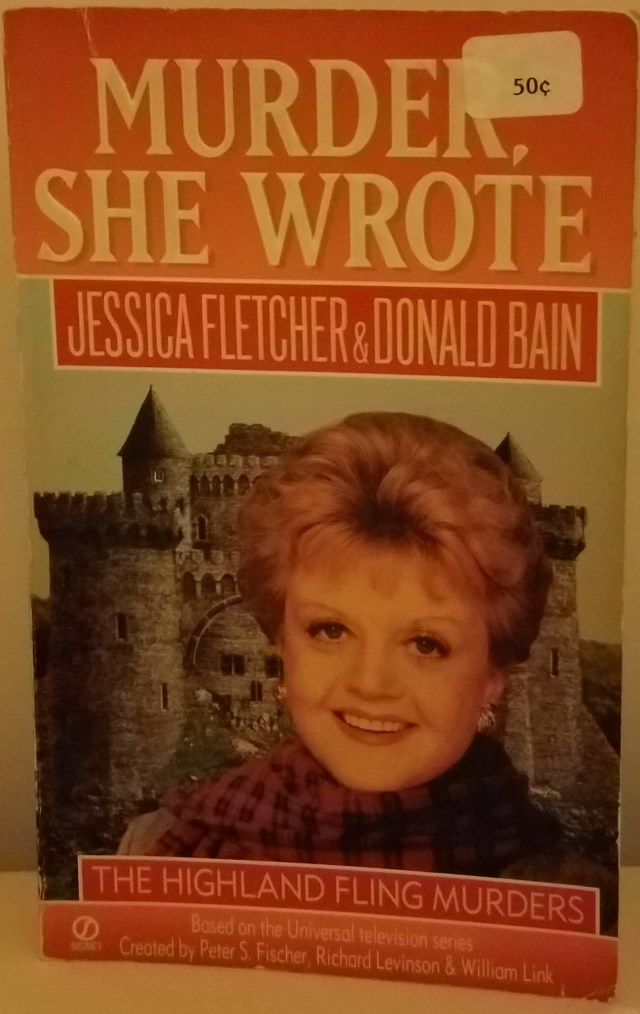
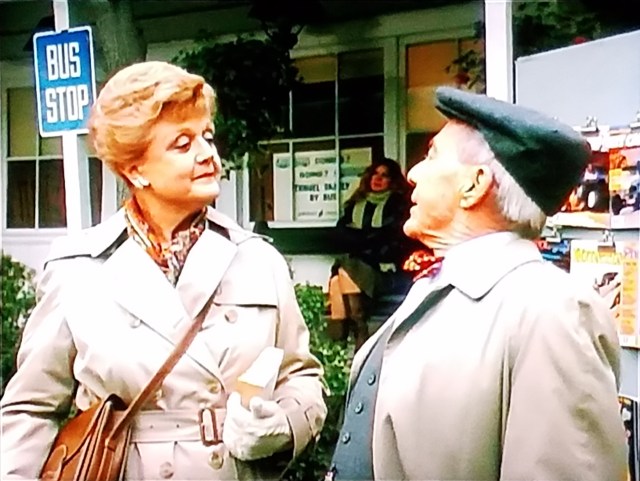
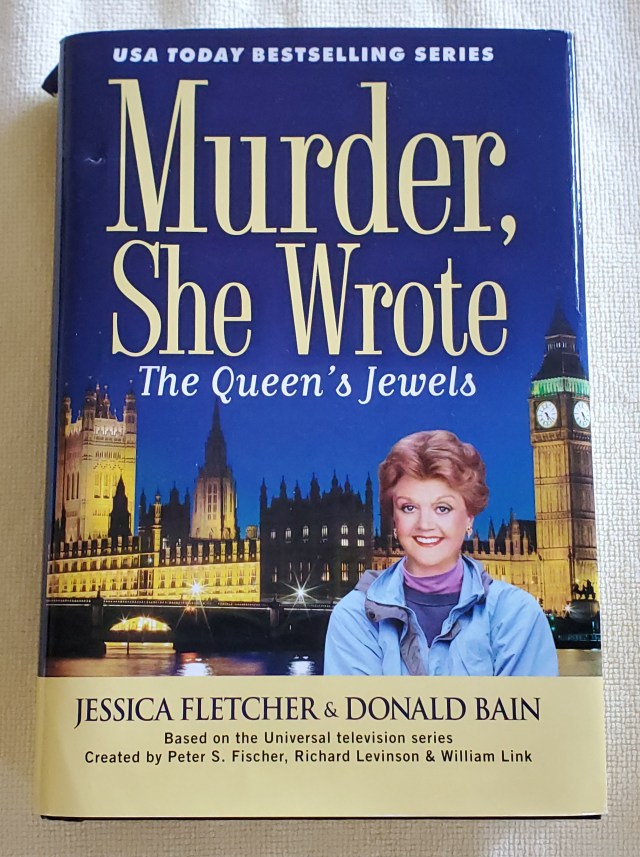
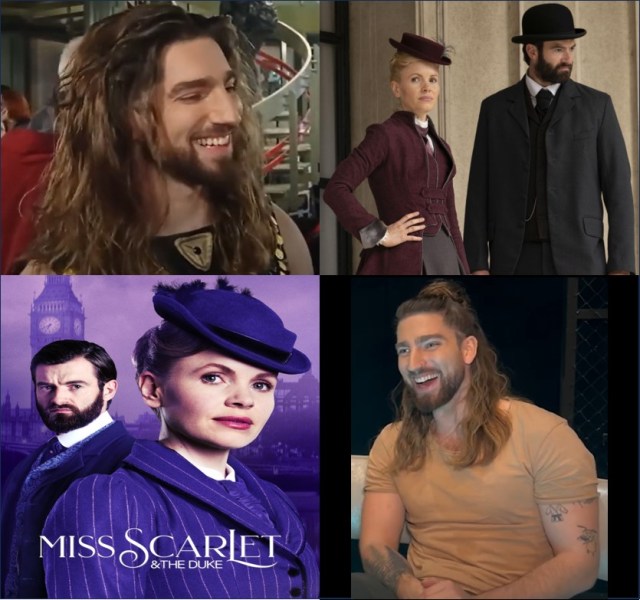

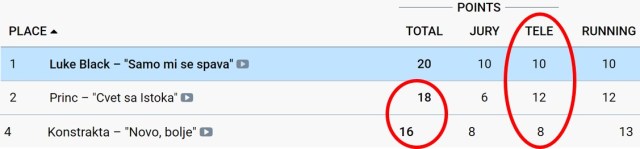
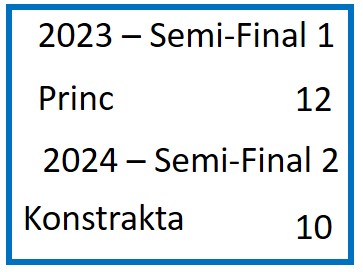

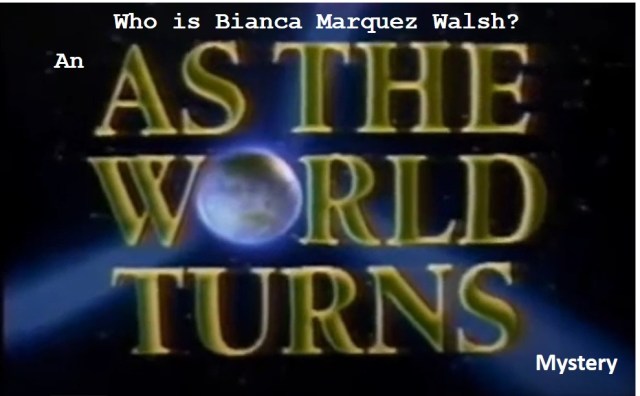


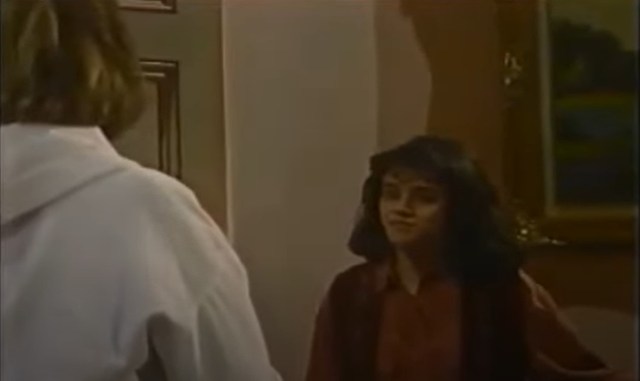

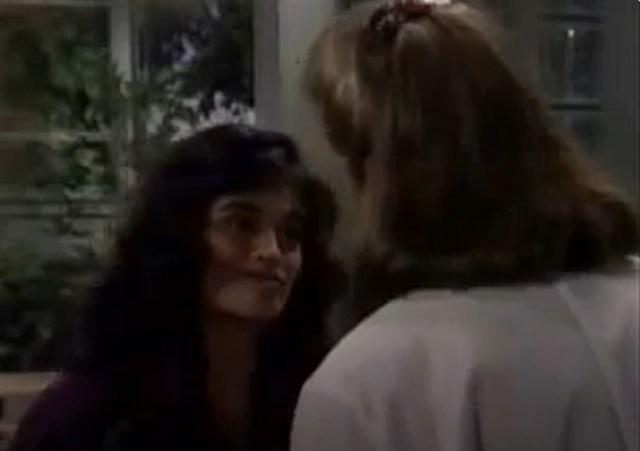


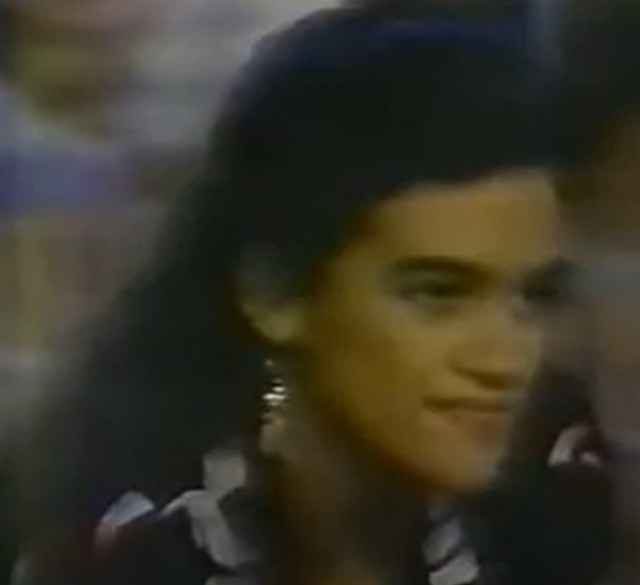

 18 Cinema Lane