Comparing with the Critics – Best of 1978 – Autumn Sonata

This review is from my series, Comparing with the Critics. If you’d like to learn more about the series, click on the link below.

Introducing my new series, Comparing with the Critics!

March’s theme for Genre Grandeur is “Oscar Losing Movies (Oscar nominees that failed to garner even one win)”. Upon learning this theme, I was going to select a movie nominated for the 76th Academy Awards, when The Lord of the Rings: The Return of the King won a history-making eleven awards. But after researching which films were nominated the evening of February 29th, 2004, I discovered other pictures besides The Lord of the Rings: The Return of the King walked away with a trophy. This discovery meant there weren’t as many Oscar “losers” as I initially believed. So, as I continued my research for March’s Genre Grandeur, I learned Autumn Sonata was nominated for two awards at the 51st Academy Awards. These categories were Best Writing and Best Leading Actress. Sadly, Autumn Sonata lost both categories to a movie titled Coming Home. I have heard of Autumn Sonata prior to choosing it for this particular review. Not only was the film recommended to me by Virginie (from The Wonderful World of Cinema), it was also featured in ‘The Best Films of 1978’ episode of Gene Siskel’s and Roger Ebert’s show, Sneak Previews. In that episode, both Roger and Gene admitted to placing Autumn Sonata on their lists of the ten best films of 1978. Now that I’ve seen the movie for myself, I can understand why it would find a place on their lists. I can also understand why Autumn Sonata was nominated for its respective categories at the 51st Academy Awards in 1979.
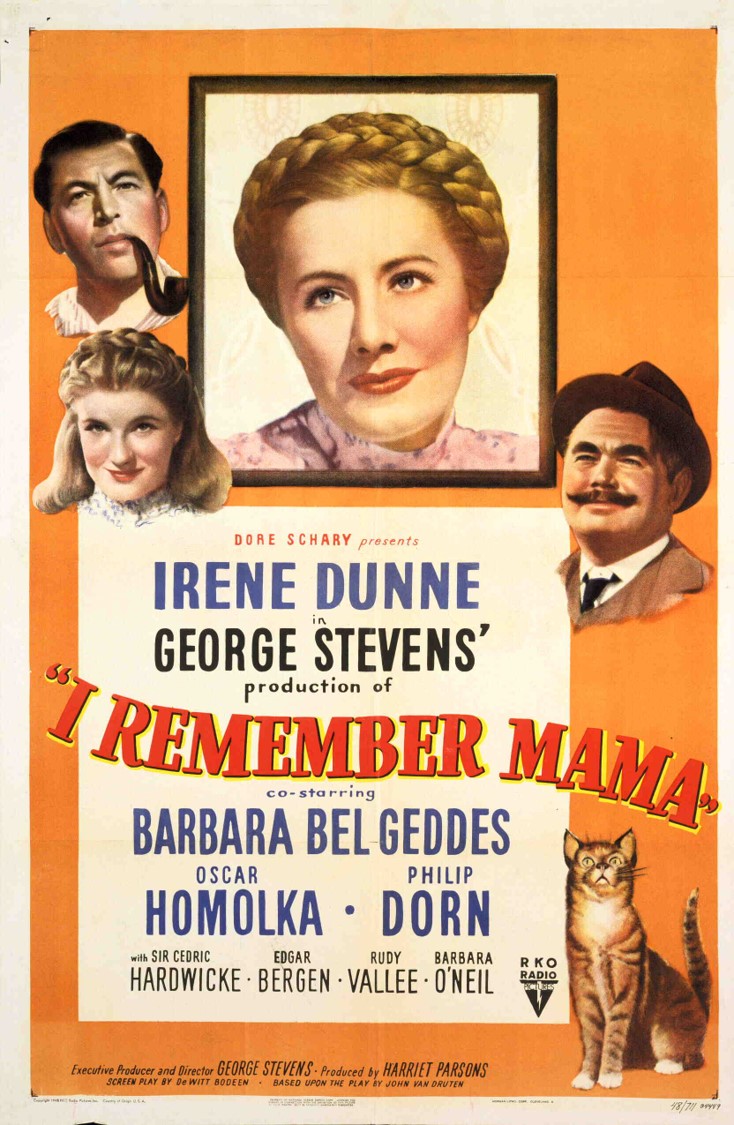
Autumn Sonata poster created by Persona Film, Suede Film, Incorporated Television Company (ITC), Svensk Filmindustri, Constantin Film, ITC Film Distributors, and New World Pictures

As I just mentioned in this review’s introduction, Autumn Sonata was nominated for two awards at the 51st Academy Awards. One of these categories was Best Leading Actress, with Ingrid Bergman as one of five actresses to receive a nomination. While discussing Autumn Sonata in Sneak Previews’ ‘The Best Films of 1978’ episode, Gene called Ingrid’s portrayal of Charlotte Andergast “riveting”. Even after a scene featuring Ingrid and Liv Ullmann (who portrayed Charlotte’s daughter, Eva) is presented in the episode, Gene says “Again, some real pain there”, referring to the emotions on display through Liv’s and Ingrid’s performance. Though I agree with Gene’s assessment of Ingrid’s portrayal of Charlotte, the word I’d use to describe it (as well as Liv’s portrayal of Eva) is captivating. In one of the best scenes from Autumn Sonata, Charlotte shares with Eva how her close friend, Leonardo, passed away. Throughout her recount of Leonardo’s last days in the hospital, Charlotte has a pained, disgusted look on her face. With a glossy, teary-eyed stare and a drawn-out frown, Charlotte is heartbroken over the loss of her friend. When I saw that scene, I wasn’t watching an actress portraying a character. I was witnessing a woman experiencing grief, with Ingrid’s performance possessing a strong sense of realism.

String of musical notes image created by Freepik at freepik.com. <a href=’https://www.freepik.com/free-vector/pentagram-vector_710290.htm’>Designed by Freepik</a> <a href=”https://www.freepik.com/free-photos-vectors/background”>Background vector created by Freepik</a>. Image found at freepik.com. 

Like I also said in my review, Liv Ullmann’s portrayal of Charlotte’s daughter, Eva, was captivating. This is because Liv was able to go toe-to-toe with Ingrid, acting-wise, understanding how to utilize emotion to her character’s advantage, as well as when to increase or decrease the intensity of those emotions. As I previously mentioned, there was a scene from Autumn Sonata featuring Ingrid and Liv in Sneak Previews’ ‘The Best Films of 1978’ episode. In that scene, Charlotte and Eva share an emotionally explosive conversation over the reasons why their relationship is strained. Eva states how she didn’t like Charlotte’s desire to turn her daughter into someone she wasn’t. During her reflections of her past, Eva is visibly distraught. With gritted teeth and eyes overflowing with tears, even shaking at one point, Eva confesses how Charlotte’s decisions have deeply impacted her and her life choices. Because of her performance in Autumn Sonata, I wish Liv Ullmann had been nominated for an Oscar as well.
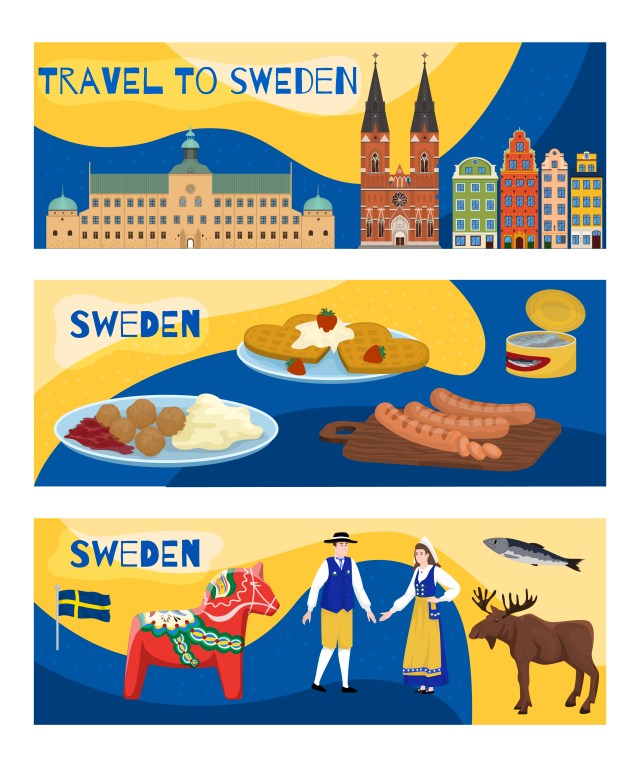
Image by macrovector on Freepik

During their discussion of Autumn Sonata in ‘The Best Films of 1978’ episode of Sneak Previews, neither Roger nor Gene brought up the film’s screenwriting. This is a shame, as the screenwriting was one of the movie’s strengths. Autumn Sonata is a character-driven, “slice of life” story. However, the quality of the dialogue made conversations between characters sound emotionally deep and thought provoking. In one scene, Eva asks her husband, Viktor, if he thinks she’s an adult. Viktor responds by telling her, “I guess being an adult is being able to handle your dreams and hopes, not longing for things”. He could have simply given his wife a “yes” or “no” answer. But Viktor’s response gives Eva, as well as the audience, meaningful insight about growing up, managing expectations, and even gratitude. Later in Autumn Sonata, Charlotte confesses one of her realizations to Eva. She says, “I have never grown up. My face and my body have aged. I acquire memories and experiences but inside all that I haven’t even been born.” Similar to Viktor’s aforementioned quote, Charlotte’s quote addresses growing up. In Charlotte’s case, however, her reflections sound more regretful. Disappointment can even be heard in her voice, with those pent-up feelings finally being addressed through words. As I stated in this review’s introduction, Autumn Sonata was nominated for the Best Writing category. Through a thoughtfully crafted script, that nomination was, in my opinion, earned.

Envelope with hearts image created by Freepik at freepik.com. <a href=’https://www.freepik.com/free-photo/hearts-and-pink-envelope-for-mothers-day_1950691.htm’>Designed by Freepik</a>. <a href=”https://www.freepik.com/free-photos-vectors/love”>Love image created by Freepik</a>. Image found at freepik.com.

While continuing their discussion of Autumn Sonata, Roger tells Gene about a call he received from a reader who was interested in seeing Autumn Sonata. Roger then says the reader told him, “I couldn’t make head or tail of it. What is it about?” Meanwhile, Gene claims “the conflict is how do you reconcile your public career with your personal responsibilities to your family”. Based on my experience watching Autumn Sonata, I think it’s not just about balancing a public and personal life. I think it’s also about the brutal honesty of strained familial relationships. When Eva and Charlotte talk about the past, no figurative punches are held back. They tell each other exactly what’s on their minds and hearts, no matter who’s feelings get hurt. It would have been easy for Autumn Sonata’s creative team to paint either Charlotte or Eva as the “villain” of the story. Instead, both women are not only flawed, they have valid points to their sides of the narrative. How the story plays out kind of reminds me of The Royal Tenenbaums, where the strained relationship between Eva and Charlotte is the result of little things culminating over time. The acting performances and the screenwriting successfully bring a sense of realism to Autumn Sonata.

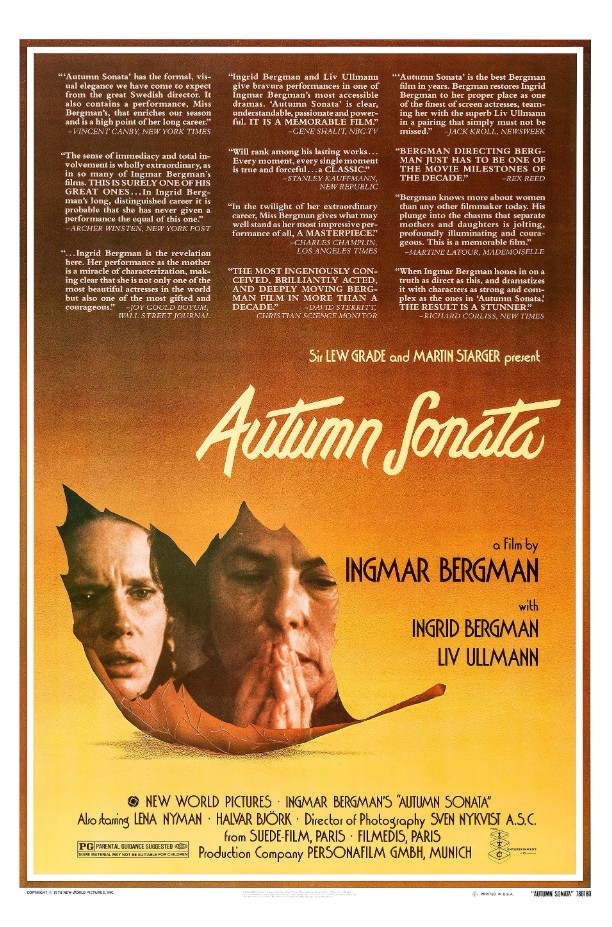
Norway’s past and present image created by Macrovector at freepik.com. <a href=”https://www.freepik.com/free-photos-vectors/poster”>Poster vector created by macrovector – http://www.freepik.com</a>. Image found at freepik.com.

According to IMDB, Autumn Sonata was filmed in Norway. Based on the scene where Charlotte drives to Eva and Viktor’s house, the Norwegian scenery looked like a beautiful painting. But the majestic hills, mountains, and large body of water from Norway wasn’t incorporated into Autumn Sonata beyond that one scene. I wish the “autumn” in Autumn Sonata played a larger role in the story, perhaps visually representing some of the movie’s themes. Another aspect of the story I wish had been utilized more was Eva’s sister, Helena. When Charlotte first arrives at Eva and Viktor’s house, Eva reveals how Helena is now living at their house instead of at a hospital. Throughout Autumn Sonata, Helena deals with an illness that greatly affects her mobility. I thought she was intended to be a bridge between Eva and Charlotte, helping them find a more peaceful middle ground. One reason for this belief came from Helena falling out of her bed during an emotionally explosive conversation between Charlotte and Eva. Sadly, it seems like Helena was in Autumn Sonata just for the sake of it.

Comparing with the Critics banner created by me, Sally Silverscreen. TV show title cards created by WTTW National Productions, WTTW, Public Broadcasting Service (PBS), Lifetime Television, Tribune Entertainment, Buena Vista Television, and Disney-ABC Domestic Television

Prior to reviewing Autumn Sonata, the only movie I agreed with Gene and Roger on was 1984’s Amadeus. I could also see why the film was, at least, nominated for an Oscar. Now I can confidently say that Autumn Sonata is the second film I agree with Roger and Gene on! While I typically don’t gravitate toward “slice of life” stories, the 1978 movie works because of the strength of the screenwriting and acting performances. Similar to The Royal Tenenbaums, the brutal honesty woven into the script brought a sense of realism when to came to addressing strained familial relationships. The story itself was emotionally deep and thought provoking because of the effort put into it by Autumn Sonata’s creative team. I understand why the movie is titled Autumn Sonata, as music plays an integral role in Charlotte’s life. However, I wish the “autumn” in Autumn Sonata was utilized more in the story, especially considering how beautiful the Norwegian landscape was in the film. The movie also doesn’t have a high rewatchability rate due the some of the heavier subject matter incorporated into the story. But I can honestly say that Autumn Sonata is one of the best films I’ve seen in 2026, so far!

This review was brought to you by

Sally Silverscreen
Take 3: Captain Sabertooth and the Treasure of Lama Rama Review

After a brief break, I have, once again, decided to participate in MovieRob’s Genre Grandeur! For the month of May, the theme is “Reluctant Hero Movies”. I’m not going to lie, my choice of this review required some thought. After spending some time on the internet, searching through lists about “Reluctant Hero Movies”, I finally selected the 2014 picture, Captain Sabertooth and the Treasure of Lama Rama! I had never heard of this film prior to watching it. But I was interested in seeing what other studios had to offer when it comes to pirate movies. I enjoy Disney’s Pirates and the Caribbean trilogy, as the high-quality production value is one of the strongest elements. I have seen the fourth film in this series, but I was not a fan of it. I was also curious to discover who the “reluctant hero” of this story would be. This kind of hero can be reluctant for a variety of reasons, so I wanted to see how this theme would be applied to the story of Captain Sabertooth and the Treasure of Lama Rama!

Captain Sabertooth and the Treasure of Lama Rama poster created by Dune Films, Norwegian Pirates, Storm Films, Storm Productions, and Ketchup Entertainment. Image found at https://www.rottentomatoes.com/m/captain_sabertooth_and_the_treasure_of_lama_rama.

Things I liked about the film:

The acting: The acting performances in this movie ranged from fine to good. But, while watching Captain Sabertooth and the Treasure of Lama Rama, I noticed a few stand-out performances! Vinjar Pettersen does a good job presenting Pinky as a “reluctant hero”. In this film, Pinky is a “reluctant hero” because he only aspired to be a cabin boy, not because he didn’t want to be a hero. Despite having this simple desire, Pinky always finds a way to put the ship’s crew before himself. Through a variety of emotions, Vinjar effectively showcases how a pirate’s life can affect someone so young. In one scene, Pinky is excited about having his heroic efforts recognized by Captain Sabertooth. When the praise is given to another crew member instead, Pinky’s face immediately falls and he becomes disappointed. Speaking of Captain Sabertooth, Kyrre Haugen Sydness brought this character to life with the use of exaggerated expressions and sophisticated mannerisms. I’m not familiar with Captain Sabertooth outside of this film. But what I liked about Kyrre’s portrayal is how it presented a different kind of pirate captain than what I’m used to. Sofie Bjerke’s portrayal of Pinky’s friend, Raven, was very endearing! The emotions and behaviors she gave her character realistically showed how a child in Raven’s situation might react in that particular circumstance. A great example is when she locked herself and another character, Rosa, in a storage room on Captain Sabertooth’s ship in order to help Pinky.

The scenery: Pirate movies are usually known for showing picturesque landscapes. The reason for this creative choice is to show the various travels a pirate may take. This film is no exception, as there were some beautiful locations featured! According to IMDB, one of the countries where this movie was filmed was Thailand. From the film’s first scene, where Captain Sabertooth’s crew is walking through a dense jungle, to the moments where the ship is at sea, the natural surroundings of this country are wonderfully highlighted! Aspects of these areas include deep green foliage and clear blue water. Another country where this movie was filmed is Morocco. This location also boasted photogenic scenery, such as a nearby beach. With a sandy shore and bright blue water, this beach appears inviting!

The set design: I was really impressed by the set design that was found in this movie! It appeared to belong in the world this creative team crafted and the style choices made helped the space look visually appealing. One example was the guest room in King Rufus’ palace. An interesting design piece that caught my eye was the two blue marble pillars. They stood out in that room because it was the only pop of color among the palette of white and beige. Captain Sabertooth’s quarters was another interesting space. The dark wood throughout this room was consistent with the wood on the ship. While this would seem like an obvious choice, I noticed how it was coordinated with the color palette of Captain Sabertooth’s wardrobe. In a film like Captain Sabertooth and the Treasure of Lama Rama, I’ve never seen a character’s clothing choices complement a room’s interior design. This creative choice brought a newer element to a film of this nature.

Tropical island image created by Brgfx at freepik.com. <a href=’https://www.freepik.com/free-vector/island-background-design_1020626.htm’>Designed by Freepik</a>. <a href=”https://www.freepik.com/free-photos-vectors/background”>Background vector created by Brgfx – Freepik.com</a>. Image found at freepik.com.

What I didn’t like about the film:

Lower stakes: In the Pirates of the Caribbean trilogy, there was always imminent danger present, causing the stakes to be higher. Beloved characters, like Captain Jack Sparrow, faced harsh weather elements, injury, and even death. The characters in Captain Sabertooth and the Treasure of Lama Rama, on the other hand, never appeared to be in any sort of danger. I understand this film was meant to be a more family-friendly version of a typical pirate’s tale. However, that knowledge is what prevented me from fearing for the characters’ well-being. This lack of danger also caused the stakes to be lower than they should have been. There was very little risk involved and not enough adrenaline.

Poor ADR: An element that can help the audience get invested in an actor’s performance is the quality of the ADR, or automated dialog replacement. If done well, the actor’s dialog can look and sound like their character is effortlessly speaking. But, if the ADR is bad, it can be very distracting. The latter is, sadly, the case for Captain Sabertooth and the Treasure of Lama Rama. Most of the time, the actors’ dialog did not match up with their mouth movements. The characters’ speech was at a faster speed than the actors’ mouths could move. This error, at times, took me out of the film.

Pinky’s subplot: Throughout the film, Pinky was curious about his biological father’s identity and whereabouts. He is even warned about discovering this information, as he is told that hope can be a dangerous thing. While this is a good message, the story itself could have been given more attention. Within this movie, Pinky’s subplot is treated as an afterthought and doesn’t seem to lead anywhere. Sure, Pinky is given some vague details about where his father could be. But this part of the story never reached a resolution, preventing the audience from learning anything new about Pinky’s past. If anything, the vague details that Pinky receives serve as “sequel bait” for another installment that may or may not exist.

Ship steering wheel pattern image created by Jemastock at freepik.com. <a href=”https://www.freepik.com/free-photos-vectors/background”>Background vector created by jemastock – http://www.freepik.com</a>. Image found at freepik.com.

My overall impression:

I said in the introduction that the high-quality production value is one of the reasons why I enjoy the Pirates of the Caribbean trilogy. Even though Disney has capitalized on the pirate movies, that shouldn’t discourage other studios from creating their own pirate stories. However, if any studio is planning on making a pirate film, they either have to go big or don’t even bother showing up. There were some aspects of Captain Sabertooth and the Treasure of Lama Rama that seemed to contain a good amount of effort. Stand-out performances and eye-catching set design were just two of the film’s highlights. But, at the same time, the execution of other aspects was poor. Most of the humor felt forced and there were even some jokes that lasted for a little too long. When thinking about this film, it seems like the creative team put a greater emphasis on the style than the substance. It also feels like Captain Sabertooth and the Treasure of Lama Rama tried to copy Pirates of the Caribbean’s math homework without having a strong understanding of how the trilogy solved those problems. Personally, I’d stick with the first three Pirates of the Caribbean films for now.

Overall score: 5 out of 10

Have you heard of Captain Sabertooth? Which pirate film do you enjoy watching? Share your thoughts in the comment section!

Have fun at the movies!

Sally Silverscreen

Take 3: I Remember Mama Review

Earlier this month, MovieRob, from the blog, MovieRob, invited me to join the monthly blogathon called Genre Grandeur. This is a monthly blogathon where different themes are chosen by various bloggers. Since I’ve never participated in Genre Grandeur before, I decided to give it a try. September’s theme, as chosen by Carl, from Listening to Film, is Ensemble Movies. Like with any blogathon, I take the time to pick a film that is the right option for me and that could bring something unique to the table of the blogathon. While searching through lists of the “best” ensemble movies, I discovered that I Remember Mama would be classified as an “ensemble film”. Because I already had this movie on my DVR, I figured this would be the perfect movie for me to review for Genre Grandeur! The goal of this blogathon is to share your favorite film from the chosen genre. This was my first time watching the movie, so my review is meant to determine if I Remember Mama could be a favorite ensemble project.

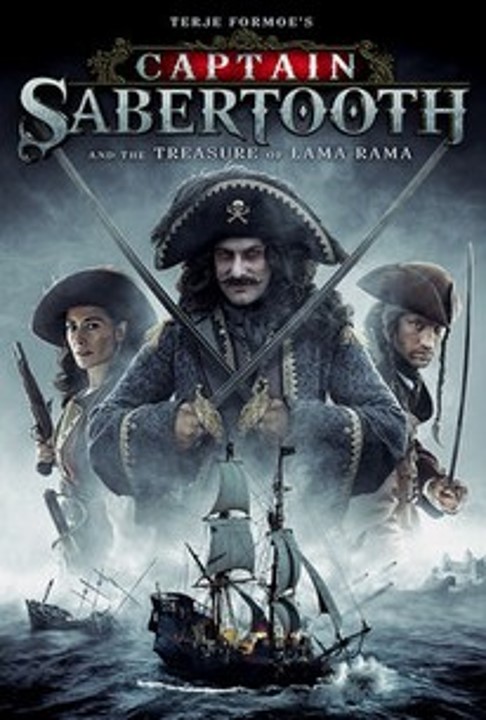
I Remember Mama poster
I Remember Mama poster created by RKO Radio Pictures. Image found at http://www.tcm.com/tcmdb/title/2237/I-Remember-Mama/#.

Things I liked about the film:

The acting: In any ensemble film, every actor and actress is expected to bring the best of their acting talents to the screen. That’s exactly what happened in I Remember Mama! In this film, all the cast members pulled off an excellent performance! Irene Dunne may be the lead actress, but she never overshadows anyone. Instead, her performance compliments the other performers. Irene was very expressive, sometimes relying on expressions more than actual dialogue. However, this aspect helped make the performance appear more emotional and realistic. Fans of The Waltons would recognize Ellen Corby as Esther “Grandma” Walton. Her portrayal of Aunt Trina highlights how versatile her acting abilities are. She effectively brings a personality that stands out from the other aunts in this cinematic family. Ellen also did a good job at carrying a Norwegian accent. Her performance is an example of how great an ensemble film can be, as it celebrates the cast as a whole instead of a select few.


The cinematography: I Remember Mama is a film that I was not expecting to see interesting cinematography in. But, as I watched the film, I was pleasantly surprised by how creative and visually appealing it really was. One common trick was how mirrors were used in a given scene. A perfect example is when Katrin begins to narrate her story. As the story starts, the mirror that is in Katrin’s room turns into a window as the audience enters the first flashback. Close-ups of people’s faces were also commonly used throughout this film. In one scene, Uncle Chris’ face is presented as a close-up when he tells his nieces to move out of his way. Because of the use of this cinematography trick, it reinforces the idea that this character is “scary”, a description that other family members gave him.


The messages and themes: Throughout this story, I found several messages and themes that resonated beyond the screen. Selflessness is just one example of an overarching theme that is relatable for a variety of audience members. Whether it’s Mama/Marta putting the needs of her family before her own or Uncle Chris looking after his grand-nephew while he’s in the hospital, it goes to show just how far this on-screen family will go to provide happiness and well-being for each other. The effects of one’s actions is a very important message in I Remember Mama. An example that really highlights this point is when the family has to deal with an injured cat. I’m not going to spoil this point of the film, in case you haven’t seen this movie yet. But all I’ll say is that it has a profound effect on one of the characters.

Painted Cup of Coffee with Natural Coffee Beans on a Chalkboard.
Coffee cup drawing image created by Valeria_aksakova at freepik.com. <a href=”https://www.freepik.com/free-photos-vectors/background”>Background image created by Valeria_aksakova – Freepik.com</a>. <a href=’https://www.freepik.com/free-photo/painted-cup-of-coffee-with-natural-coffee-beans-on-a-chalkboard_1013935.htm’>Designed by Freepik</a>. Image found at freepik.com.

What I didn’t like about the film:

Some characters get under-utilized more than others: While having an ensemble cast does have its advantages, it also has its flaws. A flaw in I Remember Mama’s cast is how some characters are under-utilized more than others. Even though most of the story revolves around Mama and Aunt Trina gets her own subplot, Aunt Jenny and Aunt Sigrid aren’t given much to do within the story. Throughout the film, each daughter in the Hanson family shares a teachable moment with their mother. Nels, the only son in the family, is never shown sharing one of these moments. Arne, one of Uncle Chris’ grand-nephews, isn’t seen interacting with many of the characters. While he does spend time with this uncle, during a stay in the hospital, he doesn’t receive a subplot.


Having difficulty understanding the accents: In I Remember Mama, most of the older characters speak with a Norwegian accent. That’s because some of them immigrated to the United States prior to the events that take place in the movie. All of the actors did a great job at pulling off this accent! However, there were times when I found it difficult to understand what they were trying to say. This is because I’m not used to hearing Norwegian accents in film, so this flaw is my fault as a viewer.

Norway Map Touristic Symbols Isometric Poster
Norway’s past and present image created by Macrovector at freepik.com. <a href=”https://www.freepik.com/free-photos-vectors/poster”>Poster vector created by macrovector – http://www.freepik.com</a>. Image found at freepik.com.

My overall impression:

Before I share my final thoughts on I Remember Mama, I want to thank MovieRob for inviting me to join Genre Grandeur! When I first discovered genre grandeurs, I thought it was an overwhelmingly analytical process. But the more I learned about it, the more I realized how simple the process really was. I’m glad that I was able to provide my insight to the blogathon’s overarching topic. Speaking of this topic, I’m now going to talk about my thoughts on I Remember Mama! This film was better than I expected it to be! It’s a movie I’ve heard about before, but had never taken the time to see. Because of this Genre Grandeur, I was given a good excuse to finally watch it! I Remember Mama is a story that is engaging and relatable. What helps make this movie memorable is the cast and the cinematography. Since I found this movie to be so good, it definitely has become a favorite when it comes to “ensemble films”!


Overall score: 8 out of 10


Do you like genre guesstimations? Would you like me to participate in the next one? Please tell me in the comment section!


Have fun at the movies!

Sally Silverscreen