As I start this blogathon announcement, I’d like to thank Gill, from Realweegiemidget Reviews, and Rebecca, from Taking Up Room. If they hadn’t chosen Red Corner for me to review for their Odd Or Even Blogathon, I wouldn’t have found an inspiration for this year’s event! While looking back on the 1997 movie, I thought about all the movies or television show episodes where a trip doesn’t go according to plan. Realizing how many I could think of off the top of my head, my blogathon theme was born! Like past events, The Travel Gone Wrong Blogathon invites participants to get creative by reviewing, analyzing, or discussing a movie, tv show episode, piece of music, stage play, book, artwork, or any other entertainment media relating to this year’s theme! If you’re interested in taking a (figurative) trip from April 29th to May 2nd, keep reading as I share my blogathon’s official rules!
Please be respectful toward other participants and the subject(s) you’re writing about.
Please let me know in advance if you plan on publishing your post(s) earlier or later than the allotted time-frame (April 29th to May 2nd).
Only new posts will be eligible for this year’s event.
Because this year’s theme is so broad, I am not allowing duplicate entries.
There is a three-entry limit for each participant.
All entries must be original work.
No travels are too big or small. Your entry can revolve around trips as extensive as week or month long excursions or as simple as a trip to the grocery store.
Domestic (within the United States), international, or galactic travel is eligible for your entry/entries.
Entries will be placed in one of two categories; hilariously wrong or horrifyingly wrong. Hilariously wrong means the results of a trip gone wrong are supposed to make you laugh. Some examples are the Walt Disney World episode of The Middle, A Very Merry Mix-Up, and Home Alone 1 and/or 2. Horrifyingly wrong means the results of a trip gone wrong are supposed to horrify you. Examples include Red Corner, the Touched by An Angel episode, ‘The Spirit of Liberty Moon’, and Taken.
If you’re interested in participating, please share your idea(s) in the comment section below.
Pick one of the four banners and let others know about The Travel Gone Wrong Blogathon, so they can join in on the fun!
Hilariously Wrong
Rebecca from Taking Up Room — Review of Andy Hardy Meets Debutante (1940)
Hamlette from Hamlette’s Soliloquy — Review of French Kiss (1995)
Gill from Realweegiemidget Reviews — Review of Our Ladies (2019)
J-Dub from Dubsism — Review of Planes, Trains, and Automobiles (1987)
Ruth from Silver Screenings — Review of Mr. Hobbs Takes a Vacation (1962)
Classic Movie Muse from The Classic Movie Muse — Review of The Great Race (1965)
Crystal from In The Good Old Days Of Classic Hollywood — Review of The Long, Long Trailer (1954)
Created by Sally Silverscreen at Adobe Creative Cloud Express
Created by Sally Silverscreen at Adobe Creative Cloud Express
Horrifyingly Wrong
Evaschon98 from Classics and Craziness — Review of Flightplan (2005)
J-Dub from Dubsism — Review of Airport (1970)
Debbie from Moon In Gemini — Review of Train to Busan (2016)
Eric from Diary of A Movie Maniac — Review of The Lost Weekend (1945)
Created by Sally Silverscreen at Adobe Creative Cloud Express
Created by Sally Silverscreen at Adobe Creative Cloud Express
When I think of the word “umpteenth” paired in the same sentence as film, I think of a movie that you love so much, you don’t mind watching it over and over again. A movie that deserves your undivided attention whenever it appears on television. A title that never fails to make you smile every time you hear it. For me, that film is none other than 1992’s The Bodyguard! If you were to ask me what my top ten favorite movies of all time are, The Bodyguard would be placed somewhere on that list. When I received my first Sunshine Blogger Award, I talked about how I loved this film’s soundtrack. So, for a blogathon that revolves around movies viewed for the “umpteenth” time, I found the perfect opportunity to write about The Bodyguard. But because it is turning thirty this year, simply reviewing this movie wasn’t going to do. Therefore, I decided to write an editorial explaining why I love the film so much! Without further ado, let me tell you why The Bodyguard still holds up thirty years later!
The Bodyguard poster created by Tig Productions, Kasdan Pictures, and Warner Bros. Pictures
The Acting
We can’t talk about The Bodyguard without also talking about Whitney Houston. From what I’ve heard over the years, Whitney had little to no acting experience prior to working on the 1992 film. But her portrayal of Rachel Marron does not reflect what she didn’t have. Instead, Whitney did a fantastic job presenting Rachel as a complex character! Miss Marron is a singer and actress who is constantly presenting herself as a lovable starlet who can do no wrong. Behind the scenes, she is a mother and sister who craves control over her life and career. Whitney’s emotions and expressions weave through the story and adapt to each situation. A great example is the scene before Rachel’s concert. While backstage at the Mayan Club, Rachel receives a disturbing note. When she addresses this to Frank and her friends, Bill and Sy, Rachel discovers the delivery of these notes has occurred more than once. In this scene, she goes from being excited about her concert to expressing genuine concern and fear over the note to being upset by not knowing the severity of the situation sooner. Whitney delivers each line and expression in a realistic way, highlighting how multi-layered Rachel is as an individual!
I’ve always thought Kevin Costner should have portrayed James Bond at least once in his career. Now I know it’s an unspoken rule that James Bond has to be portrayed by someone from England/Europe. But before you write off my opinion as being silly, just hear me out. In The Bodyguard, Kevin is cast as Frank Farmer, a former Secret Service agent. While watching this film for the “umpteenth” time, I can point out some similarities Frank shares with the legendary 007. For starters, Frank has a signature drink, which is orange juice. He also has the look, with Frank sporting a suit and bow-tie at the Academy Awards. Frank possesses the poise, skill, and experience to successfully do his job. He can even turn on the charm when he wants to, as Rachel successfully tears down his defense mechanism of keeping his distance from others. But the most important part of my argument is that Kevin has the talent! What works in Kevin’s favor is his ability to consistently carry a collected and serious composure. While this is expected for a character like Frank, Kevin is given moments where genuine emotions are expressed. When Frank and Rachel go on a date to a restaurant, they talk about a woman from Frank’s past. As Rachel makes a joking remark about how she thinks the relationship ended, Frank remains silent, giving Rachel the impression the subject is no laughing matter. A few seconds later, Frank begins chuckling, revealing how he pulled a trick on Rachel. This scene shows that even though Frank is strong and can hold his own is his profession, he is still a man of feelings and fears.
Whitney and Kevin give great acting performances individually. However, it’s their on-screen chemistry that helps make their interactions memorable! From the moment Rachel and Frank first meet, you can feel the sparklers sizzling. Their banter bounces off each other like an exciting game of ping-pong. At first glance, you wouldn’t think Rachel and Frank would get along. This is because their personalities are the opposite of one another. But when they share private, intimate moments, Rachel and Frank are kindred spirits, understanding each other in a way that can’t be easily explained. The strong on-chemistry is not limited to the interactions between Whitney and Kevin. The interactions they share with the other actors in the film feel believable as well. One good example are the times when Frank interacts with Rachel’s son, Fletcher, portrayed by DeVaughn Nixon. Because of Fletcher’s desire to learn more about his mother’s bodyguard, the audience receives wisdom from Frank, along with clarity about why he is who he is. Fletcher’s curiosity of Frank is innocent and full of wonder, which presents the perfect counterpart to the dangerous and harsh reality of Frank’s career. These conversations between sweet and adorable Fletcher and tough and no-nonsense Frank kind of remind me of the conversations of Sarah and Eric from The Crow. The moments with Frank and Fletcher also allow the audience to take a break from the action and suspense The Bodyguard contains.
Sailing on the sea image created by Michele L at freeimages.com. “FreeImages.com/Michele L.”
The Soundtrack
While we’re talking about Whitney Houston, let’s discuss the soundtrack. In my first Sunshine Blogger Award post, I said Whitney’s songs are such a timeless addition to any playlist. In the case of The Bodyguard soundtrack, these songs perfectly showcase the vocal range Whitney is known for! Delivering half of the soundtrack’s songs, Whitney flawlessly masters three different genres. The tracks ‘Run to You’, ‘I Have Nothing’, and the classic ‘I Will Always Love You’ are presented as emotional ballads that amplify the scenes they’re featured in. Meanwhile, ‘I’m Every Woman’ and ‘Queen of the Night’ are sassy and energetic pop tunes that are somewhat reminiscent of the “get up and dance” feel of ‘I Wanna Dance With Somebody’. ‘Jesus Loves Me’ gives Whitney an opportunity to contribute to the world of gospel music by presenting a heartfelt, powerful melody. These six songs not only compliment Whitney’s singing abilities, but they also add to the album’s musical diversity.
The Bodyguard soundtrack boasts a total of twelve songs. Each track is a good representation of its respective genre. As I already mentioned, ‘I’m Every Woman’ and ‘Queen of the Night’ are sassy and energetic pop tunes. However, those are not the only pop songs featured on the album. Lisa Stansfield’s ‘Someday (I’m Coming Back)’ is a pop song that revolves around a finished relationship. Pop influences can also be heard in the rock song ‘What’s So Funny ‘Bout Peace, Love and Understanding’, sung by Curtis Stigers. ‘It’s Gonna Be a Lovely Day’, performed by S.O.U.L. S.Y.S.T.E.M., is a laid-back hip-hop track that is as straight forward as its title suggests. Another laid-back tune is ‘Even If My Heart Would Break’, an R&B song that features the vocals of Aaron Neville and the saxophone sounds of Kenny G. Alan Silvestri delivers on a theatrical score that carries a somber and serious tune. Finishing the soundtrack is Joe Cocker’s ‘Trust In Me’, which adds some country flavor to this strong album.
Since I own a copy of The Bodyguard soundtrack, I thought it would make sense to post a picture of it in this editorial. Screenshot taken by me, Sally Silverscreen.
The Kitchen Scene
In almost any action movie, there is that one scene audience members talk about long after the movie ends. It usually involves a lot of action, showing characters in an exciting battle of good versus evil. But there is a scene in The Bodyguard that, I feel, is the best scene from any action film. In what I call “the kitchen scene”, Tony, one of Rachel’s bodyguards, is upset over a miscommunication caused by Frank. In a fit of rage, Tony decides to take his frustrations out on Kevin Costner’s character. But he quickly realizes he made a big mistake. Throughout this scene, Kevin’s fight choreography is fast and filled with adrenaline. But he executes the clean choreography with precision and focus while maintaining a cool, collected composure. Even though the kitchen is a smaller space, different parts of the kitchen are utilized. From Frank pinning Tony to the floor with a chair to Tony being thrown across the kitchen counter, the actors see the limited space given as a challenge instead of a hindrance. The best part of this scene is how there is no music or dialogue. This forces the audience to give their undivided attention to what is happening on-screen. While “the kitchen scene” is shorter in time length, it’s delivery is affective!
The Bodyguard consists of four genres: action, mystery, drama, and romance. On paper, it seems like there would be an overwhelming amount of content in this one story. In reality, however, these genres end up complimenting and working with each other instead of competing or clashing with one another. The 1992 film revolves around Rachel’s dilemma, which involves her life being threatened by an unknown perpetrator. While this mystery takes place throughout the movie, the audience is given enough clues, suspects, and possible motives to keep them invested in the mystery solving process. Action is sprinkled into the story to raise the stakes and keep viewers on the edge of their seat. As I mentioned earlier, the moments with Frank and Fletcher allow the audience to take a break from the action and suspense The Bodyguard contains. The drama among the Marron family and the romantic moments between Rachel and Frank are also placed in the story to give the audience time to breathe after scenes focusing on the mystery and action. In these moments, the audience learns more about the characters, as well as their motivations for making certain choices. The cycle of these four genres moves like an ocean’s wave, in ebbs and flows.
In the world of cinema, there are two types of film: those that are products of their time and those that stand the test of time. I can only speak for myself, but I feel The Bodyguard belongs in the latter category! Like I said in my previous point, this film consists of four genres. Instead of these genres coming together to create a convoluted narrative, the story ends up not being difficult to understand and follow. Even if you have seen The Bodyguard before, like I have, the script provides an intriguing plot, hilarious one-liners, and dialogue that is well-written, with these aspects of the film making your two hours of viewing worthwhile. Speaking of the plot, it is not defined by the time of its release. The assassination attempt against Ronald Reagan is mentioned on a few occasions. However, this is done to provide context to Frank’s part of the story. The romance between Rachel and Frank is based on the classic trope of opposites attracting. But the quality of the acting performances and on-screen chemistry make this concept work. While the film does contain heavier moments, they’re not too unbearable. This allows the movie to have a higher re-watchability rate.
While on a dinner and movie date, Rachel asks Frank how many times he has seen Yojimbo, a Japanese film from the early ‘60s. Frank responds by saying he has seen it a total of 62 times. While I’m not sure how many times I’ve seen The Bodyguard in my life, I found this quote to be such a coincidence, as I’m writing about the film for the Umpteenth Blogathon! Whether you choose to watch this movie for the first time or plan on re-visiting it, The Bodyguard is a movie that, in my opinion, still holds up. It is not only an exciting action flick paired with an intriguing mystery, but there are moments in this story that can make you think. While talking with Fletcher, Frank tells him that when someone is afraid, that means they care about something. Frank’s quote not only provides an interesting perspective on fear itself, but it also highlights the intent of my editorial. Why do we celebrate the birthday of a loved one? Why do we commemorate a holiday or important historical event? Why did I write about a film that was released thirty years ago? It’s because we care about those people, events, or films. Watching a movie for the “umpteenth” time is like spending time with a good friend. You may know every line by heart and how the story plays out, but the time well spent will always be cherished.
Have fun at the movies!
Sally Silverscreen
If you’d like to check out the other entries in the Umpteenth Blogathon, you can visit this link:
Like I said in my list of the worst movies I saw in 2021, this year is a little different. Since 2018, most of the movies on my best list have been those I have reviewed. But a few titles on those lists weren’t covered on my blog. 2021 is the first year where every film on my best list has been reviewed on 18 Cinema Lane! It should also be noted how each of these titles were either blogathon entries or Blog Follower Dedication Reviews. Therefore, I will include a link to each of these reviews on my list! As I said in my worst movies of 2021 list, I saw several films this year that I liked. This article is reflective of those feelings. But unlike my aforementioned list, there will be Honorable Mentions. So, with that said, let’s end 2021 on a high note with the top ten best movies I saw in 2021!
Honorable Mentions
Cape Fear (1962), Bathing Beauty, Aurora Teagarden Mysteries: Til Death Do Us Part, Elizabeth Is Missing, and The Girl Who Spelled Freedom
10. Poisoned in Paradise: A Martha’s Vineyard Mystery
Hallmark Movies & Mysteries’ Martha’s Vineyard Mystery series is a newer story that began last year. Despite how young this series is, it has grown over the course of four movies! This chapter not only recognizes its strengths, but also improves on some of the previous movies’ mistakes. Giving equal focus to the main and side mysteries is one example. Speaking of the mysteries, the overarching story was intriguing and engaging. There were even new characters added to this film I wanted to know more about. In Poisoned in Paradise: A Martha’s Vineyard Mystery, Jeff’s story didn’t receive a lot of development. With this and everything else said, I hope this series continues in 2022!
In my three (soon to be four) years of movie blogging, I never thought I’d ever see any version of A Star Is Born. But now that I have seen the original from the ‘30s, I can honestly say it was better than I expected! The story’s honesty about the entertainment industry and maturity toward heavier subjects was such a surprise. What was also a surprise was the use of mixed-media throughout the film, as it was ahead of its time. Even though A Star Is Born was released toward the beginning of the Breen Code era, it highlights the quality storytelling that came from this period in time. With the constant changes in the entertainment landscape, as well as technology, I can kind of see why this story has been remade on more than one occasion.
In 2021, there is at least one movie from the ‘50s on my best and worst movies list. But since I already talked about I Dream of Jeanie and The Trap, it’s time for The King and I to shine! This was the first time I had seen this version of the story in its entirety. Despite that, I found the film to be quite enjoyable! It is a good looking and sounding film, with the costume design, musical numbers, and set design building an aesthetically pleasing picture. The most memorable part of the movie was Tuptim’s interpretation of Uncle Tom’s Cabin! As I said in my review, it served as a good example of how everyone can view a text differently. The scene itself was more interesting than I expected.
Because Hallmark creates so many Christmas movies, it can sometimes feel like they blend together. However, that is not the case for Holly and Ivy! What helps this title stand out is showing realistic characters dealing with realistic situations. This is quite different from those Hallmark pictures where the conflict either revolves around returning to a small town, saving a beloved establishment, or planning a major event. The emotional balance within this story added to my enjoyment of the picture. It never felt like the creative team was trying to emotionally manipulate me or force a reaction out of me. Looking back on the few Christmas films I reviewed this year, I can say with all honesty that Holly and Ivy was the best one!
In my opinion, Rigoletto is to Beauty and the Beast what Ever After: A Cinderella Story was for Cinderella. What I mean by this is Rigoletto does an effective job at executing a non-magical version of Beauty and the Beast! Even though there have been musical versions of this particular story, such as the 1991 animated production from Disney, the 1993 film chose music as one of the story’s themes. This was an interesting choice, as it showed the audience the talent and skill it takes to be a good singer. Another interesting choice was the story taking place during The Great Depression. As I said in my review, this creative decision helped the film achieve its own identity.
A Star Is Born(1937) poster created by Selznick International Pictures and United Artists
5. Sincerely, Yours, Truly
This is the first year an UP Network movie has appeared on any of my best lists! While Sincerely, Yours, Truly does contain a similar story to those found on Hallmark Channel, it makes up of that in genuineness and sincerity. The movie also presented interesting ideas, such as a grant proposal process and avoiding the “it’s not what you think” cliché. The on-screen chemistry and witty banter between the lead actor and actress definitely added to my enjoyment of this film! I don’t know what’s in store for UP Network in 2022. But I hope they continue to release quality productions like Sincerely, Yours, Truly!
4. Perry Mason: The Case of the Telltale Talk Show Host
This entry in the Perry Mason movie series is one of the most memorable titles! One of the reasons why was the titular talk show host. Featuring real life talk show hosts in this story was a good idea. Having them portray talk show hosts on the radio was an even better idea, especially since some of those hosts had their own television show. That creative decision gave them new material to work with. The engaging nature of the mystery, where the outcome unfolds as the story goes on, maintained a steady amount of intrigue. This served as another way Perry Mason: The Case of the Telltale Talk Show Host stood out in the mystery genre!
Over the years, I have enjoyed finding and watching Hallmark Hall of Fame movies from years, even decades past. Sometimes, there are hidden gems that can be discovered. 1998’s The Love Letter is one of those gems! Unlike Chasing Leprechauns, the creative team behind the Hallmark Hall of Fame title found a way to allow the realistic and whimsical aspects of the story to co-exist. In fact, the whimsical part of the movie is what made the project one of the most unique in Hallmark Hall of Fame history! The film does contain the elements you’d usually find in a production of this nature, such as historical accuracy. But that just adds to the strength of The Love Letter!
Isn’t it interesting how another Gene Kelly movie made it to my best list’s top three? Despite the weird coincidence, I did enjoy this version of The Three Musketeers! There was so much about this project I liked, from the strength of the ensemble cast to the stellar fight choreography. However, the best part of the film was how much detail went into it. This can be seen in the set design and costumes, where research and care are also reflected. While I still haven’t gotten around to reading the novel this movie is based on, The Three Musketeers was definitely an entertaining story!
When it comes to the world of cinema, nothing beats the classics! The timelessness of 1984’s The Karate Kid allows the film to have a strong rate of re-watchability. The film’s story also contained ideas and messages that caused me to think, which is not something I’d expect from a sports movie. As I write this list, Mr. Miyagi’s words immediately come to mind. Whether it’s the famous “Wax on, Wax off” quote or his wisdom about karate, these words not only help The Karate Kid remain a memorable picture, but also give the audience something to apply to their lives. Add some exciting karate sequences and you have a solid film that has stood the test of time!
Back in August, The Classic Movie Muse invited me to join the Bernard Herrmann Blogathon! I immediately became interested, but wasn’t sure which film I would choose. While I am familiar with the movies Bernard’s music can be heard in, I’m not that familiar with Bernard as a composer. But with the blogathon taking place on Halloween weekend, I wanted to watch a film that fit the occasion. Originally, I was going to review 1962’s Cape Fear, the movie I wrote about for the 2nd Annual Spooky Classic Movie Blogathon. But, long story short, that didn’t work out. So instead, I chose to review The Trap from 1959! Based on the synopsis, it sounded like an exciting story involving gangsters, the law, and a whole lot of conflict. But did I find the movie enjoyable? If you want to know that answer, you’ll just have to keep reading my review!
The acting: I’m not familiar with Richard Widmark as an actor. However, I did like his performance in The Trap! The easy-going and suave persona Richard brought to his character, Ralph, reminded me of Frank Sinatra. His facial expressions and use of emotions were believable as well. When a tragic situation happens in his family, genuine fear was shown on Ralph’s face. Because he was in a dangerous circumstance in the story, Ralph became vulnerable both literally and emotionally. Another character that was vulnerable was Ralph’s brother, Tippy. At the beginning of the movie, Tippy’s alcohol dependency is apparent. With a relaxed body position, a pained look on his face, and a tired tone of voice, Earl Holliman effectively portrayed how this problem can take over someone’s personality. Starring alongside Earl and Richard was Tina Louise as Linda Anderson. This particular character was desperately trying to get by and hold on for dear life. But Linda never came across as desperate or frazzled. Instead, Tina brought a sense of charm and a likable personality to her role. Through the script and Tina’s performance, it highlights how Linda cared about how she presented herself.
The music: Despite being an uncredited composer on this project, I did like hearing Bernard Herrmann’s musical scores! Similar to Cape Fear, the music helped elevate a scene’s suspense. It also fit the emotion depicted in a specific scene. Anytime Ralph and Linda interacted with one another is a perfect example of this. A pleasant, dramatic tune could be heard in the background, the kind you’d hear in a romance movie. Because these characters have a history together, this type of music seemed fitting. It added memorability to those scenes as well.
Very little excitement: With a movie involving gangsters, the law, and conflict, you’d think it would be exciting. But unfortunately, this story was lacking in the excitement department. Sure, there was a gun fight and a car chase. But these moments were far and few between. The first half of the movie focused on the gangsters’ preparations, emphasizing telling over showing. A road trip that was mostly bland took over the film’s second half. While I continued to watch this movie in the hope some excitement would arrive, it sadly never came.
Emphasis on drama: On IMDB, The Trap is classified as a drama, as well as an action and crime movie. But the script placed more emphasis on the story’s drama. Most of this film focused on the strained relationships among the Anderson family. Even as Victor Massonetti (the leader of the movie’s gangster group) was attempting to escape the country, there was still time to feature Ralph having a conflict with one of his family members. While there’s nothing wrong with featuring drama in a story, it overshadowed the more exciting parts of The Trap. This certainly felt like the screenwriters had difficulty balancing these three genres.
The run-time: This movie has a run-time of an hour and twenty-four minutes. With the way the story focused on drama over action, I honestly think the run-time was too long. Some scenes were drawn out longer than necessary. For example, when Ralph was traveling in a car with Victor, those scenes felt like they were longer just for the sake of satisfying the run-time. The beginning of the movie also satisfied this run-time by maintaining a slower pace. With a shorter run-time, the story could have gotten straight to the point a lot sooner. It also would have prevented some scenes from feeling like they dragged on.
On the movie poster for The Trap, it says “Rocking the screen with triphammer impact!”. The only impact this movie had on me was making me want to fall asleep on more than one occasion. Within the first half, the story was reminiscent of 1954’s Suddenly, a movie I thought was just ok. But when the second half rolled around, it felt like a boring road trip film. As I said in my review, there was a gun fight and car chase in The Trap. But these exciting moments had such a limited presence in the overall story. One of the flaws of this film was relying too much on the drama genre. When a movie features gangsters, you expect action and excitement. Tensions over which man Linda truly loved were certainly not as riveting as the screenwriters thought. The Trap was, for me, a disappointment. While I liked the acting and music, it wasn’t enough to present a recommendation.
Overall score: 5.1 out of 10
Have you seen The Trap? If so, what are your thoughts on the film? Please share how you feel in the comment section below!
Happy Halloween to all my followers and readers! Like last year, I am participating in the Spooky Classic Movie Blogathon! For the first event, I reviewed 1953’s House of Wax, a movie I enjoyed. This time around, I’m reviewing the 1962 film, Cape Fear! When it comes to choosing which movie to watch around Halloween-time, the usual selections with fictious monsters, ghost stories, and haunted tales are preferred. But in my opinion, the most effective “scary movies” are the ones that involve real-life situations. In Cape Fear, a former prisoner seeks revenge against the lawyer who testified against him. This synopsis alone sounds more realistic and terrifying than even those scary movies that are considered “classic”. But is this movie as terrifying as it sounds? The only way to find out is if you keep reading!
Cape Fear (1962) poster created by Melville Productions, Talbot Productions, and Universal Pictures
Things I liked about the film:
The acting: Before watching Cape Fear, I had seen and reviewed Heaven Knows, Mr. Allison. One of the best aspects of that film was Robert Mitchum’s performance. In the 1962 movie, Robert’s portrayal of Max Cady stole the show! As a character, Max was a creepy and gross fellow. This was made possible through Robert’s facial expressions, body language, and dialogue. In Max’s first scene with Sam, there is a twinge of anger in Max’s voice. But his demeanor was controlled by a sense of calm. The combination ofanger and calm within Max Cady added to the character’s unsettling nature. Another actor that effectively balanced two emotions was Lori Martin! In a scene that takes place after a family emergency, Lori’s character, Nancy, appears calm. Yet, she can be seen crying as she talks to her mother in an angry tone. Without spoiling anything, Nancy did have a legitimate reason to be both sad and angry. But I found this performance impressive, especially for an actress so young!
I’ve seen and reviewed To Kill a Mockingbird and Amazing Grace and Chuck. Based on these two movies, it seems like GregoryPeck gets type-casted as either a lawyer or a politician. While he portrays a lawyer in Cape Fear, the script emphasized how his character is a family man. Like the aforementioned movies, Gregory carried his character, Sam, with professionalism and classiness. At the same time, he was given plenty of opportunity to express emotion. A great example is when Sam meets Max at a nearby restaurant. As Max is telling his story, Sam grows increasingly angry. This scene highlights the fierce protectiveness of a husband and a father. It also gave a sense of realism to Gregory’s character!
The music: Legendary composer Bernard Herrmann provided the music for Cape Fear. Throughout the film, his signature musical style could be consistently heard. Bernard’s strength is using music to elevate the suspense within a given scene. At the very beginning of the movie, Max is walking through the town as an ominous tune can be heard in the background. This effectively clued the audience in of what would come later in the story. It also let the audience know to pay attention to Max. With all that said, the music definitely added something special to the overall project!
The cinematography: I was not expecting the cinematography in Cape Fear to be as memorable as it was! It, honestly, reminded me of pictures directed by Alfred Hitchcock! One of my favorite scenes is when Peggy, Sam’s wife, has a dream about her and Sam. While Peggy is sleeping, ghostly images of her and Sam are presented over the main image. These images reveal their concerns over the movie’s events, as well as emphasize their desire for action. This way of presenting dialogue and character interactions was very interesting. It added a sense of spookiness to an already suspenseful story!
An exposition heavy beginning: Within the first twelve minutes of Cape Fear, the audience learns about Sam Bowden, his family, Max Cady, his arrest, and why he was arrested. Personally, I felt this was too much information to present in the film’s beginning. In fact, I was disappointed Max’s secrets were revealed so soon. What the screenwriter should have done was sprinkle this information throughout the story. That way, the audience would have a greater reason to stay invested in the mystery.
Dumb decisions from the characters: After a family emergency involving a dog, Sam warns his wife and daughter of Max’s dangerous nature. He instructs his daughter, Nancy, to only leave school and home with either him or his wife, Peggy. But more often than not, Nancy is left by herself, with Sam and Peggy putting her in a vulnerable position. One example is when Nancy gets out of school to find her mother’s car empty. While waiting in the car, Nancy sees Max and attempts to get away from him. Even though she succeeds in this plan, she ends up getting hit by an oncoming car in the process. I know her parents are human and humans make mistakes. However, these mistakes felt unbelievable after some time.
An unrelated court case: Featured in a few scenes, a court case involving an arthritic patient receiving surgery was addressed in Cape Fear. But the only connection this case had with the rest of the story was Sam as one of the associated lawyers. I wish the case had a more significant reason to be in the film. Maybe it could have something to do with Max’s past crime, with two separate mysteries becoming one. I, honestly, wanted to learn more about that case, but was sadly not given the chance.
As I said in my introduction, the most effective “scary movies” are the ones that involve real-life situations. Even though this is a fictional story, it is effective at being a scarier film! Max Cady is one of the most unsettling characters in film, with Robert Mitchum’s acting abilities highlighting the reason why. Come to think of it, this performance showed a different side to Robert’s talents. Bernard Herrmann’s music added to the scary nature of the story, emphasizing the suspense within the script. But the multiple dumb decisions of the characters took away some from the film’s believability. The beginning of the film was also exposition heavy. However, the overall production felt like an Alfred Hitchcock picture without actually being affiliated with Alfred Hitchcock. With this said, I’d recommend Cape Fear as your next pick for Halloween!
Overall score: 7.5 out of 10
Have you seen Cape Fear? Which movie would you watch on Halloween? Tell me in the comment section!
I’m participating in two blogathons; the Musicals: With A Song And A Dance In My Heart Blogathon and The Biopic Blogathon. Because of this choice, I wanted to review a movie that was “the best of both worlds”. One day, while on Youtube, I came across the 1952 film, I Dream of Jeanie. After learning it was a musical biopic about the composer, Stephen Foster, I knew I had found the perfect entry! Prior to these events, I had never heard of I Dream of Jeanie. In fact, I was not familiar with Stephen Foster either. But I wanted to use my participation as an opportunity to learn more about him. I also wanted to be introduced to films that were newer to me. Did my plan work? Continue reading if you want to find out!
The acting: Bill Shirley is an actor I’m not familiar with. While I have seen Disney’s Sleeping Beauty, I have never seen any of his live-action films. Despite this, I did enjoy watching his acting performance! His mannerisms and line delivery reminded me of Jimmy Stewart. This is because of the tender-hearted nature Bill presented. His singing talents were amazing in this movie! One of his best performances was his solo, “Beautiful Dreamer”. With his deeper vocals and the heart-felt lyrics, there was emotion found in the song. He also sang beautifully with Eileen Christy, who portrayed Jeanie. Toward the beginning of the film, they sang a duet of “Oh! Susanna”. Bill and Eileen displayed good harmony during their performance. Having nice on-screen chemistry also worked in their favor.
While we’re on the subject of Jeanie, let’s talk about Eileen Christy’s performance. Throughout the film, she presented her character with a likable persona. Jeanie was sometimes the film’s “comic relief” as well. When a script adopts a “comic relief” character, that individual can either be goofy or be seen as dumber than the protagonist. With Jeanie, that was never the case. Even though she was silly, her intelligence never faltered. Another actress who gave a good performance is Muriel Lawrence. Portraying Jeanie’s sister, Inez, she provided an embodiment of a “diva”. Her strong will and determination to get her way made Inez one of the film’s more unlikable characters. But as an actress, Muriel had star qualities! Whenever she appeared on screen, Muriel was able to garner the camera’s attention, even when her character wasn’t the focus of a scene. It also helps that she sang beautifully in this movie.
The musical numbers’ inclusion in the story: In some musicals, a musical number can make the story feel paused. With I Dream of Jeanie, the musical numbers pushed the story forward and made sense within the context of the story. A perfect example is Muriel’s solo, “Lo, Hear the Gentle Lark”. Toward the beginning of the movie, Inez and Stephen talk about an upcoming recital, where Stephen hopes Inez will agree to an engagement. When the event arrives, the performance is used to make Inez shine, showing how she craves attention. During the recital, unpublished songs by Stephen are introduced. The secret of Stephen’s involvement with “Oh! Susanna” is revealed at this event as well. Similar to “Lo, Hear the Gentle Lark”, the inclusion of these aforementioned songs also fit within the story.
A glimpse into the legal side of the music industry: One of the conflicts Stephen experiences is his lack of royalties from “Oh! Susanna’s” success. Whenever the song is performed, Stephen’s name is never mentioned. This surprises everyone in his life, including his brother. Stephen also faces legal threats due to the song’s copyright. This is because he presented the song to multiple publishers. Since I’m not well versed in the legalities of the music world, I found this brief exploration fascinating! That part of the story allowed me to learn something new. It also showed how different copyright laws and royalty agreements were in the 1840s.
Not really biographical: The purpose of a “biopic” is to provide some education to an audience about a particular individual. In the case of I Dream of Jeanie, this movie is meant to tell the story of Stephen Foster. But I ended up not learning much about the composer. While I discovered he wrote ‘Oh! Susanna’, I was expecting to learn more about Stephen. How did he become interested in music? Did he receive any professional training? This film doesn’t answer these questions. Instead, the script focuses more on other characters and events.
The characterization of Stephen Foster: No main individual in any “biopic” is meant to be seen as “perfect”. However, one of the staples of a “biopic” is to present the admirable aspects of a given individual. With I Dream of Jeanie, Stephen Foster, more often than not, came across as a desperate push-over. I don’t blame Bill Shirley for this, as he did a good job with the acting material he received. But I will put blame on the film’s screenwriter, Alan Le May. For the majority of the movie, Stephen loves a woman named Inez. She not only doesn’t like the type of music he makes, she also hates “Oh! Susanna”. In an attempt to win her love, Stephen announces how he’s trying to achieve a “redemption” by only playing classical music. He does this instead of standing up for himself or trying to compromise with Inez. This is, sadly, just one example of Stephen’s characterization.
The character of Edwin P. Christy: Not every character is meant to be likable. Sometimes, a character’s likability is based on personal preference. In my opinion, Edwin P. Christy was annoying. Once again, blame is given to Alan Le May. Edwin was a flamboyant and over-the-top showman. But what made him unlikable for me was how he used every opportunity to put the spotlight on himself. During Inez’s recital, Edwin disrupts the event by loudly playing one of Stephen’s songs at Stephen’s nearby stable. Edwin then crashes the recital and performs some of Stephen’s unpublished music, with no granted permission from Stephen. After some time, Edwin’s antics became unpleasant. It almost felt like Edwin tried to make the story about himself as well.
In my introduction, I said I wanted to use my participation in these blogathons to learn more about Stephen Foster. Unfortunately, that’s not what happened. Don’t get me wrong, I did learn a few things about him and about some of the legalities of the music world’s early years. But it wasn’t enough to justify an hour and twenty-nine-minute movie. If anything, it almost seems like this film was about anything but Stephen. When characters like Edwin P. Christy try to take the spotlight for themselves, it makes the project look less biographical. As I mentioned in this review, some of the blame falls on the screenwriting. The quality of a project’s script is what makes or breaks it. If the script is weak, there’s only so much the other members of the creative team can do to salvage it. Now, as I wrap up this review, I must take a detour to Wikipedia.
Overall score: 5.6 out of 10
Have you seen any biopics? If so, which one is your favorite? Let me know in the comment section below!
Because yesterday was 4th of July, I wanted to review a movie that took place somewhere in the United States. While I wanted to publish this article on 4th of July, my day ended up being busier than expected. So, this review is published a day later than I had hoped. Recently, Hallmark Drama was airing several Hallmark Hall of Fame movies I had never seen before. One of these films was 1987’s Foxfire. Years ago, Hallmark’s stores sold select Hallmark Hall of Fame films on DVD for $20 apiece (yes, you read that price right), with Foxfire being one of the titles offered. Before recording it on my DVR, I didn’t know much about the movie. In fact, all I knew was that it was one of Hallmark Hall of Fame’s older titles. When I discovered the film took place in Appalachia, I thought it would be an interesting choice for this time of year. So, would I buy a DVD copy of Foxfire if I saw it at the store for $20? Before we head to the store’s checkout line, let’s start this review!
Like I’ve done in the past, I have taken a screenshot of Foxfire‘s poster that was featured on my TV. Screenshot taken by me, Sally Silverscreen.
Things I liked about the film:
The acting: I’m not familiar with Jessica Tandy’s acting abilities. While I have seen The Birds, I don’t remember her performance in that movie. Despite this, I did like her portrayal of Annie Nations in Foxfire! It was very expressive, using a variety of expressions and emotions throughout the film. When Annie receives an art project from her grandchildren, she appears genuinely overjoyed to receive the gift. A big smile is on Annie’s face and her demeanor is pleasant. At her son’s, Dillard’s, concert, Annie looks truly concerned as he sings a song about a broken relationship. Worry is in her eyes and she never lets Dillard out of her sight. Another actor whose career I’m not familiar with is John Denver. I have heard of his songs, but I didn’t know who he was. In fact, I thought John portrayed one of the brothers on The Waltons. This is because of the mannerisms he carried in Foxfire. When his character, Dillard, was happy, there was a youthful spirit about him. It highlighted how you can take the Appalachian man out of the mountains, but you can’t take the Appalachian culture and heritage out of the man. One of John’s strongest scenes was when, in Annie’s home, Dillard is reminding his mother about her age and potential risks of living alone. As he is talking to her, his eyes look like they are desperately searching for answers to his problems. Even the tone of his voice sounds concerned. A character that is close to both Annie and Dillard is Holly. Portrayed by Harriet Hall, this character kind of reminded me of Baby from Dirty Dancing. This is because when Holly cares about someone, she cares about them with her whole heart. What makes Holly differ from Baby is how her personality was gentler. Because she is a teacher, she chooses to put her students first. When Holly is talking to Dillard about her students, her mannerisms and tone of voice seem motherly. This gives the audience the impression that she truly cares about them.
The scenery: I haven’t seen many films that take place in Appalachia. In fact, I didn’t know Foxfire took place in this location until I read the synopsis. To my pleasant surprise, the scenery was very nice to look at! The Nation family house was surrounded by forestry, with the tall trees providing cozy seclusion and privacy. When Dillard wakes up one morning, he is greeted by the sight of rolling hills on a bright sunny day. These rolling hills could also be seen on a car ride Annie took. When a real estate agent named Prince gives Annie a trip to the market, he takes a scenic route. The aforementioned rolling hills steal the show, but are accompanied by a lake at the bottom and surrounding colonial style vacation homes that can be seen from the road. The locations in Foxfire appeared quaint, similar to the small towns in most of Hallmark’s films.
John Denver’s music: Before watching Foxfire, I had heard a few of John Denver’s songs. Even though I don’t listen to country music much, the songs I have heard were nice to listen to. Within Foxfire, John performed four songs. Most of them were slower, more soulful pieces. This fit the overall tone of the film. As I mentioned earlier in this review, Dillard performs a song about a broken relationship. After his concert, he performs an acoustic version of the song. What I’ve gathered about some country music is how emotional it can be. In that acoustic version of Dillard’s song, his heart and spirit sounded wounded. This can be heard in his voice.
A televised play: Hallmark Hall of Fame has a history of adapting stage plays into movies. One of these titles I really like is the 1996 film, The Boys Next Door. However, what sets the 1996 production apart from Foxfire is how the overall project was executed. Because The Boys Next Door contains more key characters and locations within the story, the way this adaptation was delivered to the audience looked and felt like a movie. Foxfire, on the other hand, contained a smaller cast and had a condensed story, as most of the film takes places at Annie’s house. Even some of the scenes were drawn-out and isolated, like a stage production. While the project was shot like a movie, it felt more like a televised play.
Re-created moments from the past: Throughout Foxfire, Annie brings up several memories from her and her family’s past. Instead of providing flashbacks, four scenes were dedicated to showing the characters re-creating some of these moments. For example, a current day Annie and her late husband, Hector, are reenacting when he first proposed to her. Watching grown adults act like teenagers was a bit jarring, as this prevented me from getting fully investing in these scenes. If anything, the scenes made it look like the film’s creative team didn’t have enough room in their budget to hire additional actors.
Inconsistent elements: At the beginning of the movie, Hector provides a voice-over, explaining the significance of his family and their land. Thinking Foxfire would be from his perspective, I thought this was an interesting way to tell the story. But this was the only time any voice-overs were provided. The end of the film showed Hector breaking the fourth wall for one scene. Not only was the inclusion of this element random, but it made me wonder why it wasn’t consistently woven into the movie.
Oranges in tree image created by Jose Luis Navarro at freeimages.com. “FreeImages.com/Jose Luis Navarro.”
My overall impression:
Whenever I watch and/or review a Hallmark Hall of Fame movie, I always ask myself this: “if this movie were sold on DVD for $20, would it be worth my money”? When it comes to Foxfire, that answer would be no. At best, the movie was ok. I appreciate the film’s positive light that was shone on Appalachia. While I haven’t been there myself and while I personally don’t know anyone from there, I have heard of the hardships that the members of the community face. But despite the good will this film seemed to give, the biggest flaw was its overall execution. If I choose to watch a Hallmark Hall of Fame title, I expect to watch a movie. With Foxfire, it felt more like a televised play. Also, I wasn’t a fan of the re-created moments from the past. I couldn’t get past the adult characters acting younger than they were in the “current day”. Now that I’ve seen another Hallmark Hall of Fame movie, I can add it to my Tier Rank List! Last year, I created a tier rank list of every Hallmark Hall of Fame film I have seen so far. While I’d like to revisit this list, I will focus on adding more titles for now.
Overall score: 6.2 out of 10
Have you seen Hallmark Hall of Fame’s Foxfire? Are there any Hallmark Hall of Fame titles you’d like to see me review? Please let me know in the comment section!
For Terence’s 7th Annual Favourite TV Show Episode Blogathon, I was originally going to write an editorial on an episode from Highway to Heaven. But the more I thought about that decision, the more I realized the shows I’ve reviewed so far have one of two things in common: the shows are darker in tone or they cover heavier, real-world subjects. Because of this, I decided to change things up a bit. I have never watched a full episode of Kids Incorporated, but I have seen two performance videos from the show. Since I liked what I saw, I thought reviewing the show for the blogathon would be a good idea! Its light-hearted, joyous tone is definitely different from the other shows I’ve talked about. This will also be the first time a musical show has been covered on 18 Cinema Lane. Like some of my previous TV show reviews, I have chosen four random episodes. Each episode will be broken down into five categories: what I liked about this episode, what I didn’t like about this episode, the musical numbers, the other factors from this episode, and my overall thoughts. I wasn’t able to find a consistent record of when these episodes premiered, so I will not be listing premiere dates this time. But I will share my final assessment of the show toward the end of my review.
What I like about Kids Incorporated is each character’s preferences and personalities are showcased in subtle ways. Seeing which books the cast were reading is a perfect example of this. Screenshot taken from the Youtube channel, Kids Incorporated.
What I liked about this episode:
When you have a television or movie series that revolves around a group of people, that group needs to consist of actors and/or actresses who have good on-screen camaraderie with one another. With this episode of Kids Incorporated, I immediately took notice of how well these young actors and actresses worked together! The fact this cast also appeared in season two gives the impression they are familiar with each other’s’ talents, which helps make their on-screen relationship convincing. My favorite moment in ‘Peter Pam’ was when Gloria is talking to Stacey about Stacey’s lack of excitement for a new sibling. This conversation came across as sincere and believable, almost like Gloria assumed the role of an older sister looking out for her younger sister. It was a sweet moment that definitely added heart to this story!
What I didn’t like about this episode:
With this episode’s run-time clocking in at a little over twenty-two minutes, there is only so much content that can be included in the project. Because of this, I thought Stacey’s story was rushed. The “Peter Pam” part of the episode was not given the amount of time I expected, with that part of the story taking place in a small handful of scenes. Stacey’s change in perspective from being against the idea of a new sibling to being excited about growing up happens a little too quickly, which causes that resolution to feel unbelievable. I wish more time had been devoted to Stacey’s/the “Peter Pam” story.
The musical numbers:
I actually enjoyed most of the musical numbers in ‘Peter Pam’! They not only sounded good, but the overall presentation was fun to watch! A big surprise was how most of the musical numbers were unrelated to the ‘Peter Pam’ story. Because Kids Incorporated aired on Disney Channel and because this episode retold the story of Peter Pan, I’m shocked the cast didn’t perform a cover of ‘You Can Fly’. Personally, I think that was a missed opportunity.
My favorite musical number was ‘Yo Ho Ho’! It was so whimsical and imaginative, from the colorful costumes to seeing who portrayed which character. Creative changes from the Disney film, like giving Captain Hook’s sidekick more confidence, give the number and story its own voice. The choreography was fantastic, almost like I was watching a Broadway show! All of the dancers were in sync with one another and there was never a dull moment. The weakest musical number was Stacey’s solo, ‘Take Me Home’. She sang slower than the song’s tempo, which caused her to sound like she was singing out of tune. Stacey is a good singer, but ‘Take Me Home’ did not do her singing talents justice.
The other factors from this episode:
While Stacey gave a good acting performance overall, her portrayal of “Peter Pam” was weaker than her portrayal of her “real world” character. Despite this being the first episode of Kids Incorporated I’ve seen, I get the sense that Stacey is a more emotional actress who uses expressions and emotions in subtle ways. Based on her stage presence, Martika is a more dramatic and expressive performer. With that said, I wish a role like “Peter Pam” was given to Martika instead.
My favorite costume from this episode is definitely Stacey’s “Peter Pam” costume! It maintains the iconic look of the Peter Pan character, making the costume recognizable. Subtle sparkles on the pink sleeves and collar add a girly twist. Even though I’m not familiar with Stacey’s character, this costume seemed to compliment her personality. I could see this costume standing the test of time!
In shows like Kids Incorporated, at least one young character will be fascinated by the idea of getting older. Hijinks then ensue, which causes the character to realize growing up is not what it’s cracked up to be. With ‘Peter Pam’, a new take on this kind of story is presented, focusing on a character wanting to stay young. Instead of showing the downsides of staying young, it highlights how growing up in not always a bad thing. The way this message was executed served as one of the stronger points of this episode!
My overall thoughts:
‘Peter Pam’ was a fine episode. I could tell the creative team had their hearts in the right place, especially when it came to the overarching message. However, I wish the majority of the episode and musical numbers had revolved around the “Peter Pam” story. The parallels between Peter Pan and the desire to remain a younger sibling are an interesting concept. But with all of the content that was included in this episode, Stacey’s story was rushed, with the discovery of a resolution happening a little too quickly. I was pleasantly surprised by how well ‘Peter Pam’ has aged! Having a relatable and timeless message certainly helped its case.
Rating: A 3.7 out of 5
I love how colorful these costumes are! They feel consistent with tone of the show! Screenshot taken from the Youtube channel, Kids Incorporated.
Episode Name: I Love You Suzanne
Season 2
Episode 30
Suzanne, wearing a yellow shirt, is dancing with the cast of Kids Incorporated toward the end of the episode. I apologize for the quality of this picture. But I just wanted to say this is one of my favorite moments from this episode! Screenshot taken from the Youtube channel, Tammy Coleman.
What I liked about this episode:
After Ryan is caught off guard by the fact Riley’s cousin, Suzanne, is blind, Riley reminds Ryan that Suzanne is no different from anyone else. He also points out that Suzanne has feelings and interests similar to Ryan’s. When Ryan is telling Renee and Stacey that Suzanne is blind, they act like her disability is no big deal. Even The Kid quickly befriends Suzanne before breaking out in song. The attitudes and beliefs of the characters highlights this episode’s overarching message: our differences bringing us together instead of holding each other apart. It’s a sentiment that is just as important today as it was in 1985.
What I didn’t like about this episode:
Ryan and Suzanne’s first encounter was awkward, as this is the moment when Ryan learns of Suzanne’s disability. I know this moment was intended to be awkward. In fact, I felt embarrassed for both characters. But the fact that it took Ryan a while to realize Suzanne is blind was somewhat unbelievable. He ends up figuring this out when Suzanne says she hasn’t seen the sights in the neighborhood. I guess you could use the excuse of Ryan being so infatuated with Suzanne, that he didn’t notice this detail at first. However, in reality, I feel like Ryan would have caught on a little bit sooner.
The musical numbers:
Unlike ‘Peter Pam’, all of the musical numbers in ‘I Love You Suzanne’ directly correlated with Ryan’s story! It felt like they were effortlessly woven into the episode. Suzanne was included in two of the musical numbers; performing a simple dance and handshake in ‘New Attitude’ and joining the Kids Incorporated cast on stage during ‘I Love You, Suzanne’. This brought home the message I talked about earlier, of our differences bringing us together. Stacey’s solo, ‘Premonition’, was much stronger than ‘Take Me Home’ from ‘Peter Pam’! It showcased her singing talents well and the pace of the song matched with the pace of her voice. The most interesting musical number was Martika’s solo, ‘Too Late for Goodbyes’! Her performance did not take place on stage, but she was edited into the scene through the use of greenscreen technology. Martika appeared in various places, from the wheel of Ryan’s bicycle to reflections in Ryan’s sunglasses. Despite this episode being filmed in the mid-‘80s, the technology holds up pretty well!
The other factors from this episode:
After Ryan leaves the P*lace, The Kid finds Ryan trying to fix his bike. The Kid then asks Ryan if he still plans on going to the movies, with Ryan replying how he is tired of them. Even though ‘I Love You Suzanne’ aired in Kids Incorporated’s second season, that scene felt like it was foreshadowing the season four episode, ‘When Movies Were Movies’. It should also be noted that Rahsaan Patterson and Ryan Lambert star in that 1987 episode.
This episode was funnier than I expected! While I know this show is meant to be light-hearted, I did not expect ‘I Love You Suzanne’ to contain as much humor as it did. The Kid threatening to leave the room if things got too “mushy” was one of the funniest moments. It contained on-point comedic timing and Rahsaan gave a good acting performance. Comedy definitely prevented this episode from becoming too dramatic or serious.
At the beginning of the episode, Riley is performing a magic trick while waiting for Kids Incorporated to start performing. He’s also practicing a magic trick during his shift at the soda shop stand. Riley’s attempts at being a magician fail both times. But it made me want to see a story where Riley creates his own act. Though I haven’t seen a lot of Kids Incorporated episodes, I wonder if a magician ever paid a visit to the P*lace?
My overall thoughts:
I once saw a bumper sticker that read, “Diversity is being invited to the party. Inclusion is being asked to dance”. ‘I Love You Suzanne’ is the embodiment of that bumper sticker. Ryan’s story is a simple one, but it ends up working. This is because the overarching message of togetherness feels organic and believable. Even the way the characters talk about Suzanne comes across as realistic. It also helps how all the musical numbers directly correlated with the story. Each one was equally enjoyable; I honestly can’t choose a favorite. Similar to ‘Peter Pam’, ‘I Love You Suzanne’ has also aged well! Everything about it has stood the test of time.
Rating: A 4.1 out of 5
Here is an image from Martika’s solo, ‘Too Late for Goodbyes’. The special effects are impressive, even by 1980s standards. Screenshot taken from the Youtube channel, Tammy Coleman.
Episode Name: Russian 101
Season 4
Episode 73
This is the final shot of the musical number, ‘That’s America’. I’m sorry if the image isn’t the clearest. But, as you will read in this part of the review, this was my favoritte musical number in this episode. Screenshot taken from the Youtube channel, Tammy Coleman.
What I liked about this episode:
You can tell the character of Ryan has grown up over the course of two seasons! I like how these characters change during their time on the show instead of remaining stagnant. As he expresses interest in a Russian ballerina named Katrina, Ryan takes the time to learn more about her country and culture, as well as ballet. This is very different from “I Love You Suzanne”, where he displays more consideration and respect for his crush this time. ‘Russian 101’ also explores the reality of long-distance relationships, especially when both parties are from different countries. I was not expecting this topic to be addressed, as it is more mature than what you’d usually find in a show like Kids Incorporated. However, it was handled with a sense of honesty.
What I didn’t like about this episode:
When one thinks of the ‘80s from a historical context, the Cold War will come to mind. At the time of ‘Russian 101’s’ release, the Berlin Wall hadn’t fallen yet and some movies and TV show episodes covered this particular conflict in history. But programs like Murder, She Wrote and the original Red Dawn were created for an older audience, people who were aware of what was happening in the world. With Kids Incorporated, I wanted to see how the Cold War was addressed to a younger audience, those who were not as educated on that subject. Unfortunately, the Cold War was glossed over throughout this story. Sure, Russia was mostly referred to as the Soviet Union (a term that is of its time). But the conflict itself was never brought up by any of the characters.
The musical numbers:
Similar to ‘Peter Pam’, I liked most of the musical numbers in ‘Russian 101’! However, my favorite musical number was ‘That’s America’! Not only was it entertaining to listen to, but it was also well choreographed. Some of the dancers were dressed in traditional Russian attire and performed Russian dances. Katrina even participates in the musical number. This highlights a similar message to “I Love You Suzanne”; how our differences can bring us together instead of keeping each other apart. The only minor critique I have is how the Kids Incorporated casts’ costumes should have been red, white, and blue. Also similar to ‘Peter Pam’, the weakest musical number was a solo. But this time, it was Ryan’s solo, ‘I Can Dream About You’. At some points in the song, Ryan sang faster than the music’s tempo. I found this to be, at times, distracting. However, I did like seeing Katrina perform a ballet solo within that musical number.
The other factors from this episode:
Toward the end of ‘Russian 101’, Katrina gives Ryan a record of her favorite Russian band. Even though this was a nice gesture, it brings up the question: if Katrina is temporarily in the United States with a traveling ballet company, how was she able to acquire a Russian record? Did she happen to take one with her on the trip?
During a conversation with the Kids Incorporated members, Renee compares ballet to basketball. While she doesn’t refer to ballet as a sport, she does acknowledge how, like basketball, ballet requires strength and skill. This stance on dance actually sounds ahead of its time. More people would now consider competitive dance a sport, recognizing the athleticism associated with it. Also, ballet was featured in the Sochi Winter Olympics, even though it was only included in the opening ceremonies.
While giving Katrina a tour of his neighborhood, Ryan takes her to the P*lace. He briefly explains the P*lace’s history, expressing his enthusiasm about one of his favorite spots. Because this episode aired in season four, it is to be assumed this history was thoroughly explained in, as least, season one. I liked how this script referenced earlier episodes, as it maintains the show’s overarching continuity!
My overall thoughts:
Out of the three episodes I’ve reviewed so far, I’ve noticed a consistent element. Each episode has aged fairly well, despite premiering four decades ago! I didn’t like how the Cold War was glossed over in ‘Russian 101’. But I do appreciate the episode’s message of our differences bringing us together instead of tearing each other apart. Between ‘Russian 101’ and ‘I Love You Suzanne’, I’d pick “I Love You Suzanne”, as I found that episode to be stronger overall. However, there are aspects of the 1987 episode I liked. One of them was most of the musical numbers. Like the other two episodes, they were fun to watch and were the highlight of the story. ‘Russian 101’ became a nice piece of entertainment that was worth the twenty-one minutes!
Rating: A 3.9 out of 5
Even though ‘I Can Dream About You’ was the weakest musical number in this episode, I did like Katrina’s inclusion in the number. Screenshot taken from the Youtube channel, Tammy Coleman.
Episode Name: When Movies Were Movies
Season 4
Episode 74
Here’s a picture that was featured in the episode, ‘When Movies Were Movies’. It shows how this musical number was meant to look like a movie from the 1920s. Screenshot taken from the Youtube channel, Kids Incorporated.
What I liked about this episode:
When I read the synopsis for this episode, I was expecting a completely different story. In ‘When Movies Were Movies’, I expected the episode to revolve around the cast’s day-off, with the musical numbers taking place at a movie theater. Each musical number would be based on each member’s cinematic preferences. For example, Renee might want to see a romantic movie, so her song would be a slower tune with a romantic tone. However, this episode was about the early history of cinema, as well as Laurel and Hardy’s contributions to the world of film. Since about a third of this episode showed the cast traveling back in time to the 1920s, an imaginary conflict was created in correlation with the story’s discussion on film. I liked the direction this story took because it was a creative subversion of expectations! Because the topic of film is so broad, it was nice to see the show’s team think outside the box!
What I didn’t like about this episode:
Even though Kids Incorporated is somewhat grounded in reality, the locations within the characters’ world are clearly sets in a filming studio. Because of this, I was curious to see what a movie theater would look like in this world. Unfortunately, no movie theater was shown in this episode. In fact, we never see the cast go to the movies. Another thing I didn’t like about this episode was how the cast either didn’t mention a movie’s title or said a fake movie title when suggesting which film they should see. As someone who is interested in ‘80s pop culture, I was looking forward to hearing which films each character would bring up. Like I said before, Kids Incorporated aired on Disney Channel, so I’m surprised no Disney affiliated movies were included in this script.
The musical numbers:
I mentioned earlier how a third of this episode showed the cast traveling back in time to the 1920s. These scenes were presented as a skit where each character is given a role at an imaginary movie studio, trying to figure out what the next big picture will be. Within this skit, two musical numbers directly associated with this part of the story. The first one was Ryan’s solo, ‘Forever (Like Heroes and Fools)’. For a show of this nature, this was a mature number because it brought up feelings and thoughts that might come to mind for people around Ryan’s age or older: failure, self-doubt, and the figurative cost of a dream. The way the overall musical number sounded reminded me of ‘One More Try’ by Timmy T. ‘When Movies Were Movies’ was the second musical number. Even though there was singing and some dancing involved, the number itself was presented as a skit. It was shown in black and white, like a movie from the 1920s. This was the most creative musical number from the four episodes I saw!
I liked all the musical numbers in this episode, but I don’t think Connie, Stacey, and Renee’s number, ‘I’m Still Standing’, fit in its moment of the episode. It should have been a group number placed as the finale. If ‘I’m Still Standing’ had been the last song of ‘When Movies Were Movies’, it would have represented two ideas: the cast finding a solution to their problem in the imaginary world and movies remaining a pastime since the 1920s. ‘The Finer Things’, the musical number that was this episode’s finale, should have been the second number.
The other factors from this episode:
According to a comment from Youtube, Kids Incorporated was filmed at Hal Roach Studio. This particular studio also filmed silent comedies from the 1920s. The decision to take a movie-centric episode and using it to pay tribute to the history of the studio shows the creative team put a lot of thought into this story. It also makes me appreciate the efforts made when it came to this episode.
In ‘Peter Pam’, Stacey portrayed “Peter Pam” while the rest of the cast portrayed either lost children or pirates. While I liked the musical number, ‘Yo Ho Ho’, I feel there are other roles the Kids Incorporated cast could have portrayed. For example, Martika could have portrayed TinkerBell and Renee could have portrayed Wendy. With ‘When Movies Were Movies’, the roles the cast were given in the imaginary world were more diverse. While Ryan portrays the executive leader of a studio, The Kid and Connie are given the roles of directors. Meanwhile, Richie is portraying an actor from the Western genre and Stacey and Renee are portraying glamourous actresses.
Even though there was an overarching message in ‘When Movies Were Movies’, it wasn’t in the center of the story like the previous episodes I saw. This episode primarily focused on the exploration of the early history of cinema. The message came after this history was explained; when it comes to entertainment, sometimes older is better. It’s a message that seems to be relevant today, as I have heard people say they choose to turn toward the older films than the modern ones. In fact, I have found myself doing this on my blog.
My overall thoughts:
‘When Movies Were Movies’ is my favorite episode out of the four I’ve seen! It not only covers a topic I’m interested in, but the concept was executed in such a creative way! I am disappointed a movie theater wasn’t shown on-screen or any real-life movies weren’t brought up. However, the episode has more positives than negatives. The majority of the musical numbers had a strong connection to the story. ‘When Movies Were Movies’ and ‘Forever (Like Heroes and Fools)’ were the only two that correlated with the cast’s trip to the 1920s. These numbers were interesting for various reasons. It gave the cast different material to work with from a musical and acting perspective. ‘When Movies Were Movies’ serves as a good introduction to movies for a younger audience. How entertaining this history lesson is also helps!
Rating: A 4.2 out of 5
It was interesting to see which characters were given which roles, as it gave the cast new material to work with. Screenshot taken from the Youtube channel, Kids Incorporated.
My final assessment:
I was not expecting to like Kids Incorporated as much as I did! Even though there are episodes I liked more than others, I had an enjoyable experience watching this show for the first time! By this point, I’m going to sound like a broken record. But I was surprised by how well the episodes and their messages held up. Each episode’s story was simple yet interesting, with a message that was timeless and relatable. These elements work in Kids Incorporated’s favor, as they help the show live on past its prime. Entertaining musical numbers also make this show as enjoyable as I found it! Most of the songs were likable and the musical numbers were a joy to watch. I liked seeing the creativity in some of these numbers, like ‘Yo Ho Ho’ and ‘When Movies Were Movies’. Witnessing imagination come to life is what stands out when I think about this show. I’m actually considering watching all of Kids Incorporated’s episodes and ranking them. Since I don’t create rank posts often, it would be something different from the content I usually publish.
Have you seen Kids Incorporated? Are there any episodes you’d like to see me review? Share your thoughts in the comment section!
In this episode of When Calls the Heart, we are introduced to two new characters; Angela Canfield and Rachel Thom. Though their lives are very different, they share one thing in common. Both young women have a mother who is protective of their daughter. From a distance, it can seem like these mothers are strict and unfair. But when we get to know these characters, we learn that their hearts are in the right places and they have the best intentions for their child. As Angela and Rachel grow up, they will want to go out into the world and have lives of their own. In this episode, we see each young woman has a talent worth pursuing. How those talents are used, nobody yet knows. Until those moments come, let’s re-cap this week’s episode of When Calls the Heart!
Just a reminder: If you did not see this episode of When Calls the Heart, there may be spoilers within this re-cap.
When Calls the Heartposter created by Crown Media Family Networks and Hallmark Channel.
Season: 8
Episode: 4
Name: Welcome to Hope Valley
Major stories:
The Canfield family begins moving into their new home. In an effort to welcome them to Hope Valley, Elizabeth brings some books from the library. When Elizabeth arrives at the Canfield’s house, she meets Joseph and Minnie. She is also introduced to Cooper and Angela, who is blind. Elizabeth gives the children Call of the Wild and the third book in the Anne of Green Gables series. Minnie declines Elizabeth’s invitation for Angela to come to the Jack Thornton School, as she says she’ll teach Angela at home. Later that day, Elizabeth visits Joseph at the gas station. She expresses excitement about teaching Cooper and Angela. Joseph reminds her how Minnie is protective of Angela. Elizabeth tells him that even though she isn’t certified in teaching blind children yet, she hopes to teach Angela in the near future. The next day is Cooper’s first day of school. As Cooper introduces himself to the class, the Canfield family listens through the school’s front door. As they walk home, Angela expresses interest in going to school with Cooper, as she wants to spend time with children her own age. Minnie is against the idea because she doesn’t want Angela to face prejudice like she did before. Joseph feels that this won’t happen in Hope Valley, based on how the residents have treated the family so far. Minnie then agrees to think about what Angela wants. Back at home, the Canfield family continues to unpack their wagon. During this activity, Angela climbs into the wagon in order to reach the piano. After she accomplishes her mission, she starts playing ‘Clair de Lune’. As Jesse and Elizabeth are giving Cooper a ride home, they hear the piano music. Everyone is impressed with Angela’s musical talents, especially Elizabeth. In a private conversation with Minnie, Elizabeth compares Angela’s desire to reach the piano to her desire to learn among her peers. Minnie shares how her family experienced difficult times ever since Angela was born. Elizabeth tells Minnie how she will never stop trying to help Angela and her family.
Nathan’s inquiry begins in Hope Valley. On the first day, Andrew questions Bill. Bill shares how even though he was present during last year’s prisoner transfer, he didn’t see who shot the now deceased Mountie. Andrew points out how Nathan could have shot the Mountie. The next day, Nathan is questioned by Andrew. One of the questions is about his time at Fort Clay three years ago. Bill objects to this, as he feels it does not relate to the prisoner transfer from last year. After the hearing, Bill asks Nathan what happened at Fort Clay. Nathan reveals he broke protocol by making an arrest on his own. Because Fort Clay was Jack Thornton’s last assignment, Bill asks Nathan if he knew Jack. Nathan replies by saying no. The inquiry has also been bothering Ally. During recess at school, Ally shares that Nathan was suspended after he served at Fort Clay. This causes Elizabeth to wonder if he knew her husband. On the day of the final verdict, Ally visits Nathan at the courthouse. Right before Andrew gives the final verdict, Ally enters the courthouse, confessing how Nathan is a good man. She also says his reputation is impeccable (a word she learned from Elizabeth) and how Nathan is the closest thing to a father she has. After Ally leaves, Andrew agrees to drop the inquiry. Before the end of the episode, Elizabeth apologizes to Lucas for keeping his mother’s secret from him. Lucas also apologizes for being disrespectful toward Elizabeth. After making up, they agree to have dinner together. Nathan then approaches Elizabeth, giving her an opportunity to ask about his time at Fort Clay. She asks Nathan if he ever met Jack, which he replies no. When she asks why he never shared this information with her, Nathan says he never found the opportunity to do so.
While Mike and Jesse are helping Fiona load some furniture into her barber shop, Clara gives Jesse the cold shoulder. When Fiona points out how harsh Clara is being toward Jesse, Clara reveals how she is teaching him a lesson for purchasing Lee’s motorcycle without consulting her first. Later in the episode, Jesse and Clara share an ice cream cone. When discussing finances, Clara reminds Jesse how even though Lee offered the motorcycle to Jesse for a good price, Jesse will still have to pay for repairs. Not only does Jesse agree to give the motorcycle back to Lee, but he also agrees to communicate with Clara when it comes to major purchases. Several scenes later, Fiona reveals how she is going out of town to see her family. Clara says she is seeking extra employment so she and Jesse can purchase a house someday. Fiona decides to help Clara by hiring her as a barber.
Lee’s sister, Susannah, and her daughter, Rachel, have come to Hope Valley for a visit. Even though Lee is excited to see his sister again, he and Rosemary quickly notice how Susannah is protective of Rachel. One morning, Lee, Rosemary, Susannah, Rachel, and Elizabeth have breakfast at the Queen of Hearts Saloon. When Elizabeth discovers Rachel has recently graduated high school, Elizabeth asks Rachel what her plans are for the future. Rachel says she wants to be an actress like Rosemary. Because they know how protective Susannah is, Rosemary and Lee try to dissuade Rachel from this career path. Later that day, as Lee takes the motorcycle to the lumberyard, Rosemary and Rachel go to the dress shop. While helping Mollie with a fitting, Rachel gives Mollie fashion advice that ends up improving Mollie’s look. Rosemary takes notice of Rachel’s eye for fashion and agrees to give Rachel an outfit from the store. When Rosemary and Rachel come home, Rachel models her new Freedom Alls and makeover. Susannah disapproves of this look and tells Rachel to change back into her previous outfit. Because Rosemary senses tension between Lee and Susannah, Rosemary talks a walk. When Rosemary arrives that evening, Susannah apologizes for being disrespectful toward her. She also asks if Rachel can stay with the Coulters. Even though Lee and Rosemary agree, Susannah explains how she doesn’t want her daughter to grow up in the city.
Mollie is still determined to attract Bill. When Florence questions this, Mollie says she’s in it for the long haul. In an effort to get Bill to notice her, Mollie purchases a fancy dress from Dottie’s Dress Shop. At first, she isn’t thrilled with the dress Rosemary picks out for her. Then, Rachel gives Mollie a necklace and satin ribbon sash to complete the look. These simple changes instantly cause Mollie to change her mind about the dress. That evening, Mollie goes to the Saloon, where Bill happens to be. When Mollie arrives, Bill leaves in a hurry, not noticing Mollie’s dress. Seeing Mollie’s disappointment, Florence invites Mollie to join her and Ned at their table, as they also happen to be at the Saloon. The next day, as he’s passing by Mollie in town, Bill makes a comment about Mollie’s dress. This makes Mollie feel validated.
Jesse, Clara, and even Ally appear to have purchased their ice cream cones from the Mercantile. However, Opal and Hattie revealed in season five that Hope Valley had an ice cream parlor. Did these characters purchase their ice cream cones at the parlor off-screen or did the parlor close down? If the latter is the case, maybe a new character could purchase the ice cream parlor in season nine.
This episode was funnier than I expected! One of the funniest scenes was when Elizabeth is about to join Ally at the courthouse. Elizabeth tells Robert to watch the class while she is away. Robert then appears satisfied with her decision and says to himself how he’s the right man for the job.
I thought it was nice of Carson to give Faith her own doctor’s bag! This simple gesture keeps up the season’s continuity, as Faith told Carson in the previous episode how she wanted to be taken seriously as a doctor. The bag also serves as a symbol for the start of Faith’s medical career. I hope we get to see this bag in future episodes!
Back in February, Ospreyshire, from Iridium Eye Reviews, tagged me as part of the Peer Pressure Tag. Because the first two months of 2021 have been busy months for me, I’ve been using March as the time to catch up on important posts that I need to publish. Now, I’m finally getting around to participating in this tag! Thank you, Ospreyshire, for choosing me for this tag. Thank you also to that one crazy girl from Random Thoughts of my Fandoms for creating The Peer Pressure Tag.
-Have you ever been pressured into watching/reading something and told to like it?
I haven’t been pressured into watching/reading and/or liking something. However, I have been recommended films by readers on several occasions. The most recent film I reviewed, The Abominable Dr. Phibes, was recommended by a reader named Michael.
-Have you ever been pressured into hating something that you normally like?
If I like or dislike something, it’s because I choose to do so. Therefore, I have never been pressured to hate something I normally like.
-How do you deal with peer pressure when it happens to you?
During my three years as a movie blogger, I haven’t experienced peer pressure. But, as I’ve mentioned before, I have been given recommendations by my readers. I have a board on Pinterest where I post movie posters of the films that have been recommended to me. This is to help me keep track of these suggestions.
-What crosses the line between recommendations and peer pressure for you? When someone is constantly telling you to do something, that, to me, would be considered peer pressure. Recommendations are when people mention a particular subject on a few occasions. Using The Abominable Dr. Phibes as an example, I was informed about that movie by one person. There have been times when more than one person has recommended a movie. But these instances have been rare.
-What is one interest or hobby that you got into that you never thought you would like?
I have recently become more serious about American Girl doll collecting. Before I made that decision, I never thought I’d become a doll collector. Even though I began this hobby in January, I’ve already found much enjoyment! It has boosted my confidence and helped me retain my creativity.






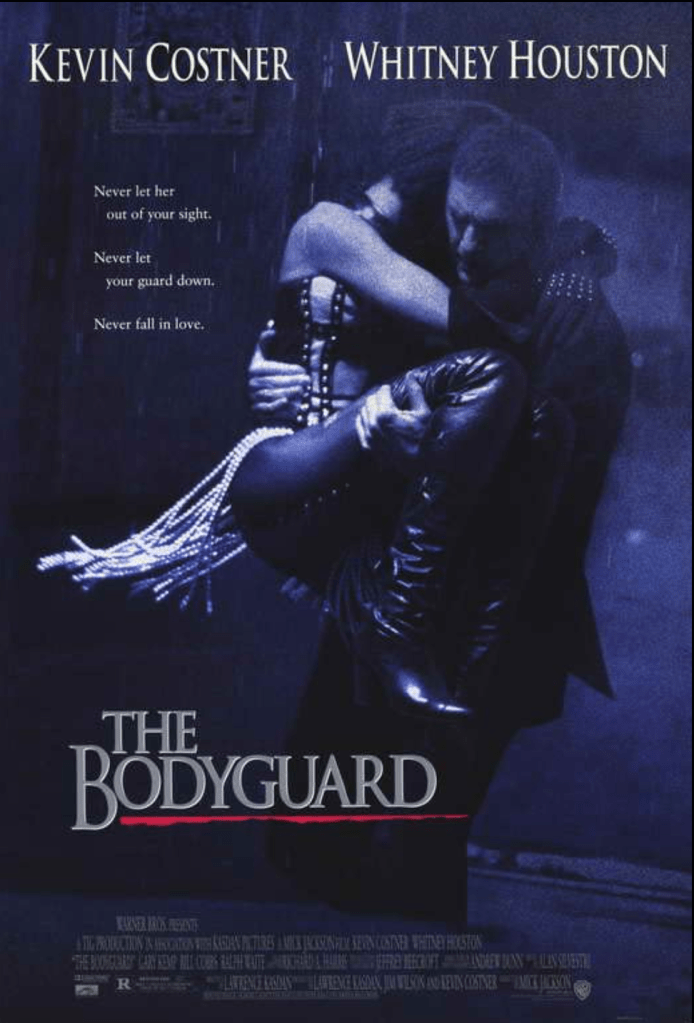



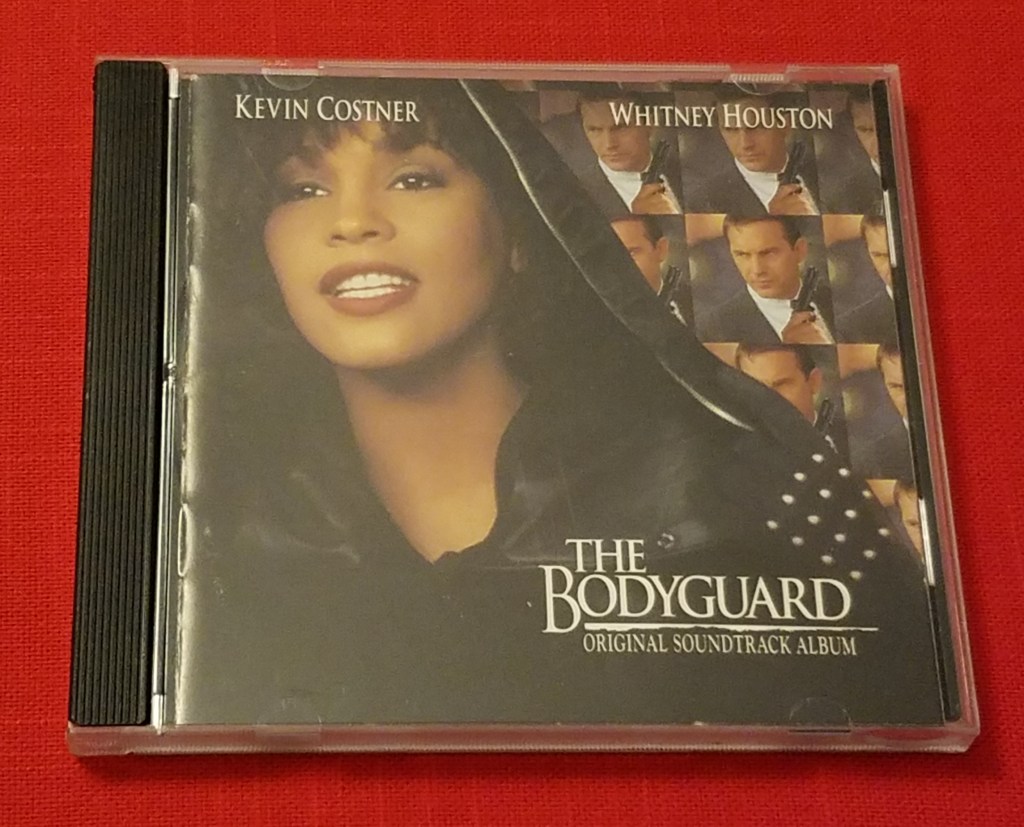




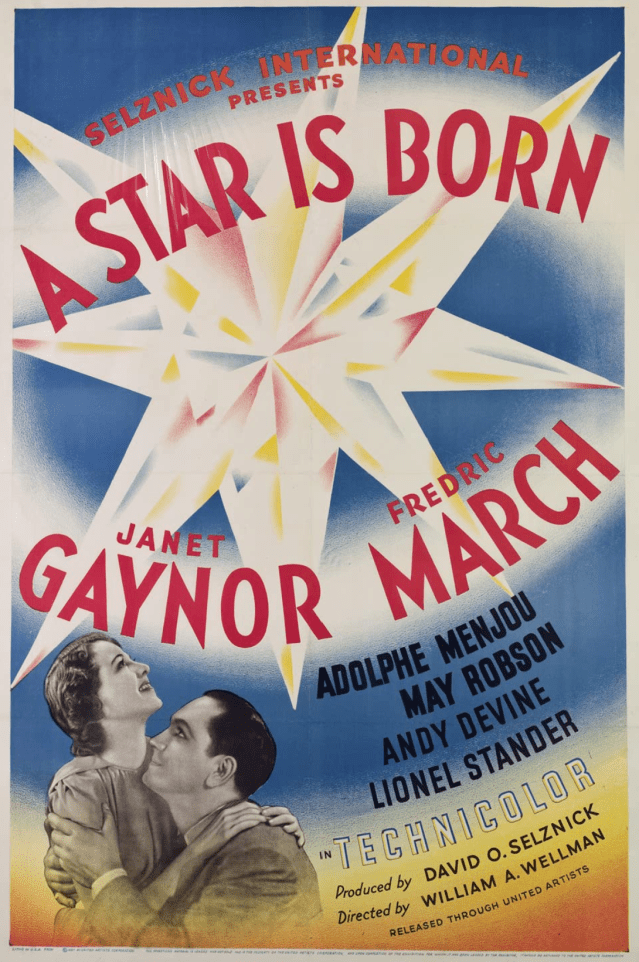
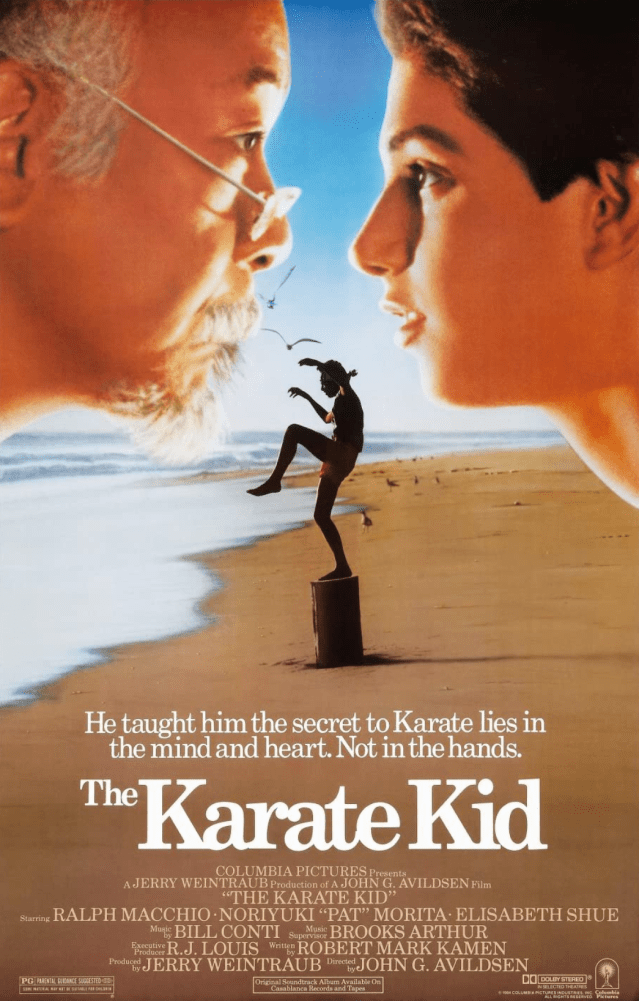
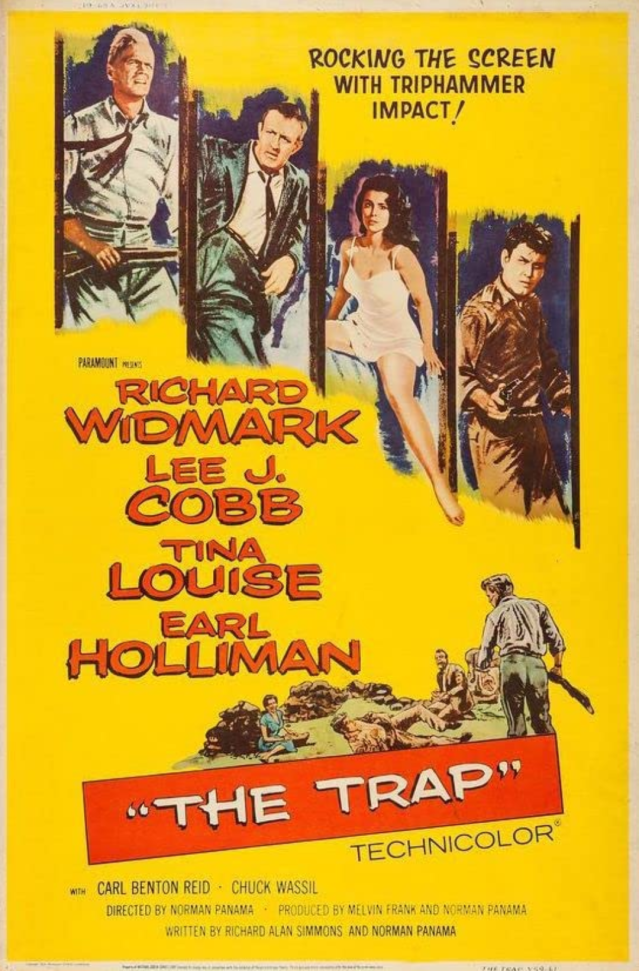
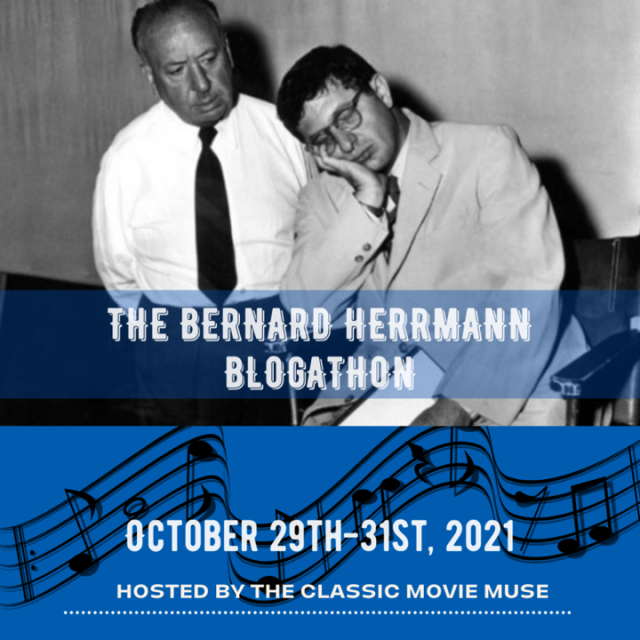

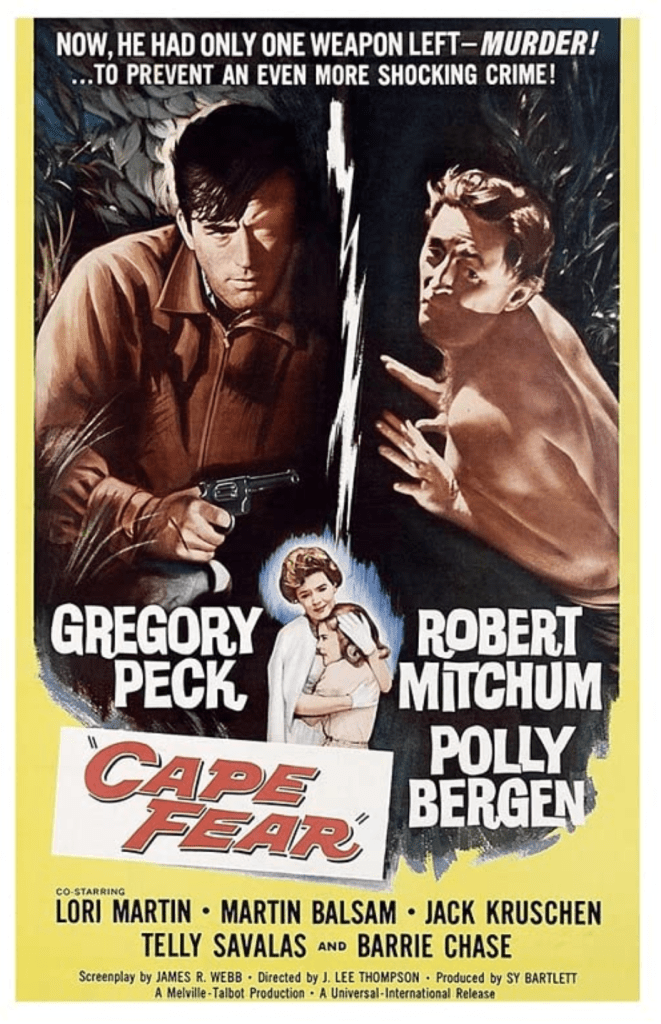


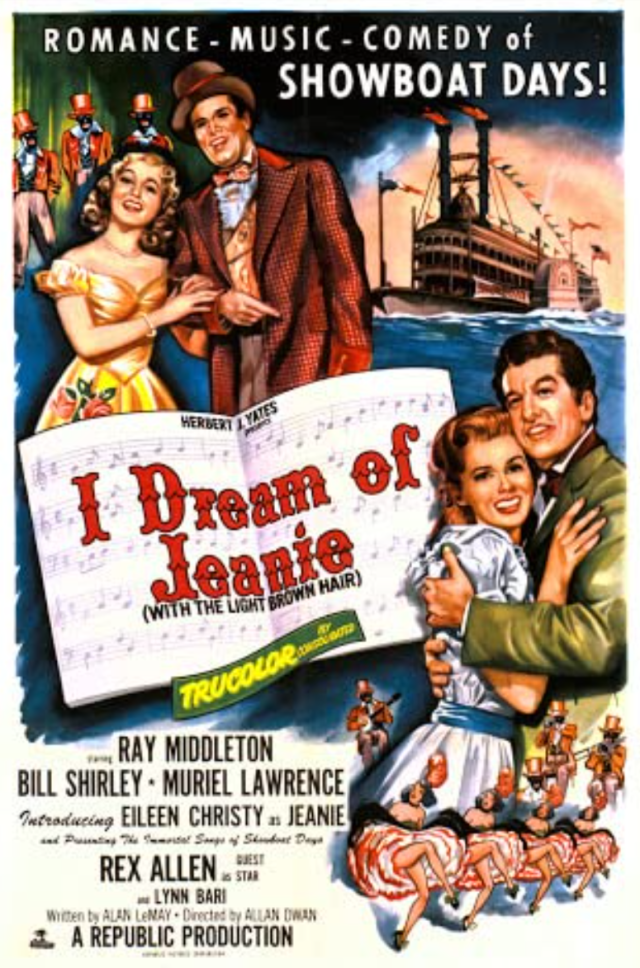












 18 Cinema Lane