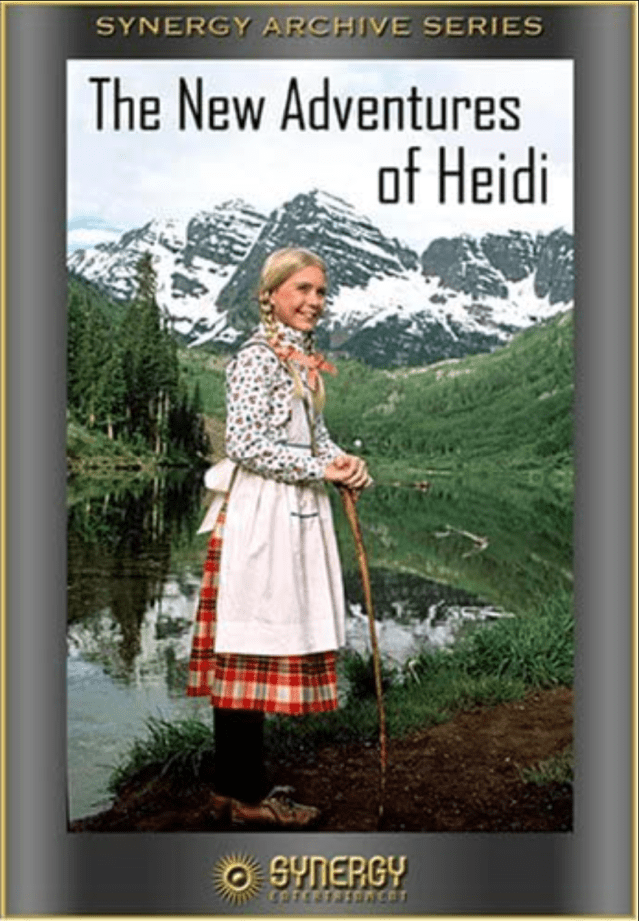
Take 3: The New Adventures of Heidi Review

First, it was All Dogs Go to Heaven 2. Then, it was The Cabin, followed by Scarlett. Now, for the fourth So Bad It’s Good Blogathon, I am continuing my saga to find the one movie that can rightfully claim this coveted title! As you can see by the aforementioned films, my track record has been two ‘90s projects that were just ok and one 2011 Hallmark movie that was so bad, it was unenjoyable. This time around, I traveled further back in time to choose my fourth attempt at finding my “so bad it’s good” movie. In my review of The Lion, I mentioned Leonard Maltin’s TV Movies & Video Guide 1989 Edition. This is because that book introduced me to the 1962 title. Through this publication, Leonard introduced me to another movie. That film is 1978’s The New Adventures of Heidi! According to Leonard’s review of this picture, the movie contains the following:

A) A “modern” retelling of a well-known story

B) Musical numbers

C) New York City

D) Christmas

To me, these facts sounded like the ingredients of a “so bad it’s good” project. But has The New Adventures of Heidi finally claimed this sought-after title? Keep reading to see what’s on the other side of the mountain!

The New Adventures of Heidi poster created by Pierre Cossette Enterprises and NBC.

Things I liked about the film:

The acting: When it comes to acting performances in made-for-tv movies, it can be hit or miss. But in The New Adventures of Heidi, the acting was stronger than initially expected!  Portraying the titular character, Katy Kurtzman gave a performance that appeared genuine, like the character’s goodness was true all along. Whenever Heidi is with her friend, Elizabeth, you can see they truly enjoy spending time together. Elizabeth meets Heidi after running away from school. Despite knowing each other for a short amount of time, they display a strong camaraderie. This camaraderie was displayed through a down-to-earth personality, pleasant facial expressions, and a kind demeanor from Katy. Executed with consistency, Katy also displayed authentic emotion. When Heidi first learns about her grandfather’s plans to send her away, her emotions effortlessly change over the course of the scene. Happiness turns to thoughtful concern, her eyes intently set on her grandfather. As the conversation continues, Heidi’s eyes grow sadder, eventually leading to shed tears. Because of Katy’s acting strength, her overall performance was enjoyable to watch!

Since I mentioned Elizabeth, I’ll talk about Sherrie Wills’ performance! On the surface, Elizabeth seems like a spoiled child who is rough around the edges. But beyond the surface, she doesn’t seem like a stereotype. Because of Sherrie’s acting abilities, Elizabeth is a character that gives the audience a reason to be sympathetic toward her. A great example is when she and Heidi go Christmas shopping. When they arrive to a toy store, they are overcome with happiness and wonder at the sights of the season. But as soon as Elizabeth sees a carousel music box, she immediately bursts into tears. This is because Elizabeth’s mother, who passed away before the film’s events, used to give her father a music box every Christmas. It is scenes like this one that show how there is more than meets the eye.

Back in 2019, I reviewed Summer Magic, a Disney production from 1963. One of the reasons why I wanted to see that particular film was Burl Ives’ involvement in the project. When I discovered he was cast in The New Adventures of Heidi, I was curious to see how his performance differed from Osh Popham of Summer Magic. Like his previous performance, I liked his portrayal of Heidi’s grandfather! While his acting abilities were expressive, there was a lot of heart in his performance. This heart can be seen during the musical number, “Heidi”. In that number, Heidi’s grandfather is singing about how thankful he is to have Heidi in his life. Throughout this scene, he appears genuinely happy, reminiscing over all the joy Heidi brought so far. A warm smile appears on his face and a pleasant demeanor is heard in his voice. Heidi’s grandfather seems approachable, showing him as a friendly man and lovable parental figure. Even though he was in a handful of scenes, Burl Ives did a good job with his role!

The messages and themes: The original Heidi is known for containing messages and themes of family, friendship, and finding a silver lining. Like the original, The New Adventures of Heidi also features themes and messages that are timeless and relatable! Before Christmas, Elizabeth’s father, Dan, tells his secretary how he’ll be too busy to celebrate the holiday with his daughter. His secretary, Mady, tells him “But no two are the same. And you’ll never have this one back again”. This simple statement reminds the audience how unpredictable time is. Therefore, it is wise to spend that time with those you love. When Heidi comes home, she is upset because her grandfather hasn’t returned. Dan shares with Heidi how even though it’s important to hold on to the memory of lost loved ones, time needs to be made to open hearts for those still living. This message is just as meaningful today as it was in 1978. That could also be said about all the messages and themes in The New Adventures of Heidi!

The scenery: This movie was filmed in California and Colorado, according to IMDB. For the scenes taking place in the Alps, my guess is they were filmed in Snowmass, Colorado. Despite this, the setting looked like a pretty convincing Switzerland! In some establishing shots, large mountains and dark green hills are captured in long to medium shots. A color palette of greens, browns, and white illustrated a natural landscape whose justice likely can’t be done through filmography. Red poppies are sprinkled around Heidi and her grandfather’s home. They can also be seen in expansive green fields. The vibrant hue of the flowers provide a striking component to this landscape. When all this is added together and paired with a bright blue sky, a welcoming and picturesque environment is presented to the audience!

The Fourth So Bad It’s Good Blogathon banner created by Rebecca from Taking Up Room

What I didn’t like about the film:

Glaring cases of discontinuity: What makes or breaks any story is its continuity. This component is like a thread, tightly holding each piece of the story together, if strong enough. But when it comes to The New Adventures of Heidi, there were a few aspects that caused this thread to be looser. In the introduction, I mentioned the movie was a “modern” retelling of Heidi. While this statement is true, it looks like Heidi, her grandfather, and Peter didn’t get the memo. That’s because their attire reflects the time period of the original story, which is set in the 1880s. Even Heidi and her grandfather’s home is reflective of an era gone by. During the movie, Heidi’s grandfather begins to lose his eyesight. Because of this, he decides to send Heidi to live with her cousins. But while singing the song, “Let Me Stay/Let Her Stay”, Heidi’s grandfather prays to God to have Heidi stay in the Alps, even going so far as to sacrifice his eyesight just to make his prayer a reality. It seems like he has forgotten that this decision was in his control since the very beginning. This example shows how discontinuity can muddy the waters of character development.

The musical numbers: As I mentioned in the introduction, there are musical numbers in The New Adventures of Heidi. I can tell the film’s creative team wanted to include musical numbers in an effort to give their project its own unique identity. In all honesty, though, I don’t think this movie needed musical numbers. My reason is how weak these numbers were. Some of these musical numbers were performed by Katy and Sherrie. I’m not going to give these actresses too much criticism, as they were children at the time of the movie’s production. But I will say they are better actresses than singers. Sherrie’s voice was flat, unable to reach higher notes. Meanwhile, Katy’s voice was stronger, but she couldn’t reach some higher notes either. This highlighted the actresses’ weaknesses, giving the audience the impression of how Katy and Sherrie were likely not professionally trained singers. Even professional singers couldn’t catch a break either. Burl Ives is a talent who can do no wrong, singing wise. But he was caught up in one major weakness in these numbers: talking throughout the song instead of singing. This happened during the song, “Let Me Stay/Let Her Stay”, where Heidi’s grandfather is speaking his prayer when he’s meant to be singing it. Marlyn Mason also fell into this trap with the song, “That Man”. Because she tried to sing and talk through her lyrics at the same time, she performed the song faster than the music. To me, this felt so jarring, as the music and execution of the lyrics seemed like they belonged to two separate pieces.

A regurgitated story: This film is titled The New Adventures of Heidi. If you take the time to watch it, you’d see how the movie rehashes most of the story points from Johanna Spyri’s original. Take for instance, the character of Elizabeth. In The New Adventures of Heidi, she’s meant to be a Clara representative; a wealthy young girl dealing with her own conflict that Heidi helps to resolve. But instead of dealing with a serious medical situation, Elizabeth wants to spend more time with her workaholic father, especially after the death of her mother. Similar to the original story, there is a medical situation present in The New Adventures of Heidi. But this time, Heidi’s grandfather is losing his eyesight, as I explained in my paragraph about the film’s discontinuity. The longer I watched this movie, the more I questioned what it’s intended point was.

A screenshot of my copy of Leonard Maltin’s TV Movies & Video Guide 1989 Edition. Screenshot taken by me, Sally Silverscreen.

My overall impression:

And now, the moment you’ve been waiting for! The answer to whether The New Adventures of Heidi will claim the title of “so bad it’s good” is…an unfortunate no. The longer I think about this film, the more I see how spectacularly average it is. As I mentioned throughout my review, there were musical numbers included in this production. I also noted how Christmas makes an appearance in the story. But when you look past all the silver and gold decorations (that Burl Ives reference was definitely intentional), the movie is the same story as the original wrapped in pretty Christmas paper. Despite the title boasting “new adventures” with the world’s favorite Swiss mountain girl, the script spends more time repeating history. At the same time, parts of the movie are treated as if the project were a sequel, the creative team expecting the audience to know exactly what is happening on screen. Reflecting on my fourth attempt at finding my “so bad it’s good” movie, I realize a script’s strength can determine a film’s overall quality. In the case of The New Adventures of Heidi, the acting was strong and the film itself did have other merits. But not even Burl Ives himself could save this picture. Bottom line is if a cinematic project chooses to use bells and whistles, that may mean the creative team is trying to make up for a loss in another department.

Overall score: 5.1 out of 10

Do you have a “so bad it’s good” film in your life? If so, what is it? Please share your thoughts in the comment section!

Have fun at the movies!

Sally Silverscreen
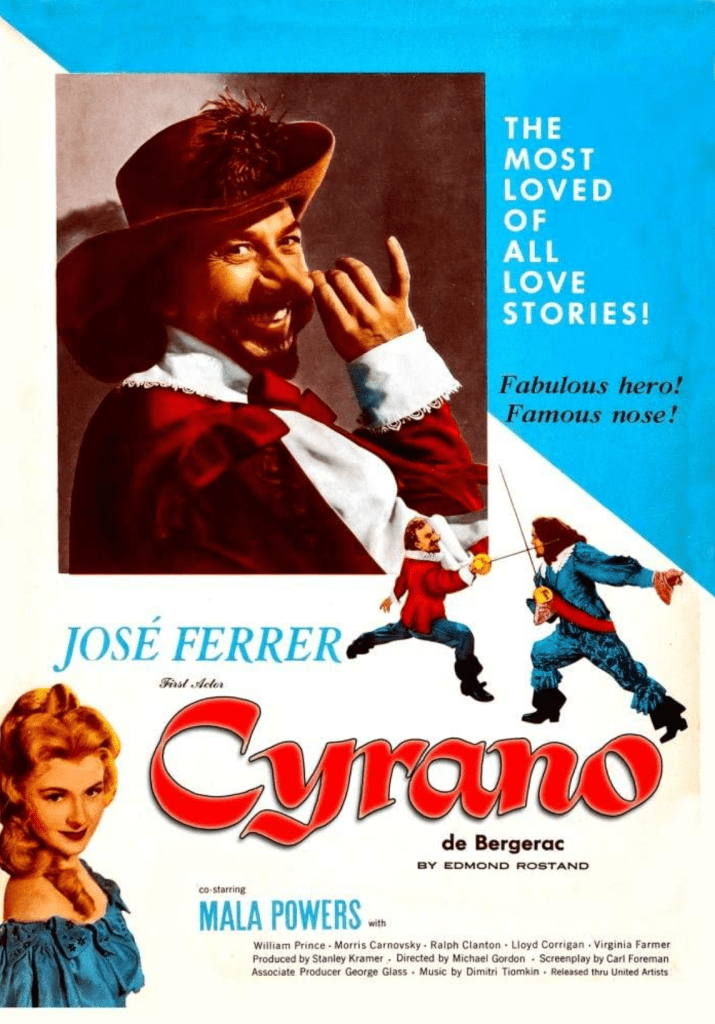
Take 3: Flying Colors Review

The theme of February’s Genre Grandeur is “College Themed Films”. While looking for ideas through a general internet search, I came across titles I had either heard of or seen before. But, for this month’s event, I wanted to choose one that was new to me. Toward the bottom of an IMDB list of “college films”, one movie caught my eye. That would be the 2015 Japanese film, Flying Colors! Prior to 2022, I had reviewed two Japanese productions; Howl’s Moving Castle and From Up on Poppy Hill. But anyone who knows anything about film would know Studio Ghibli is not the “end all, be all” when it comes to Japanese cinema. With that said, this will be the first time a live-action Japanese movie has been reviewed on 18 Cinema Lane! Because I don’t watch and/or review international movies often, I had never heard of Flying Colors. According to IMDB, this is a “fact-based tale” that, to me, sounded uplifting and inspirational. Those aforementioned words usually don’t come to mind when the subject of “college films” is brought up. So, before hitting the books and cramming for that upcoming test, take some time to read this review of Flying Colors!

Flying Colors poster created by Toho.

Things I liked about the film:

The acting: Flying Colors revolves around Sayaka, a struggling student who receives the opportunity to improve her grades and apply to one of the top universities in Japan. Since this is a “coming-of-age” story, the project needed an actress who could effectively show the changes and growth happening within Sayaka’s life. Kasumi Arimura did just that, allowing this on-screen growth to appear natural! Specifically referring to the college application process, there are ups and downs along the way. One of those downs is academic burn-out. Sayaka becomes so frustrated by a stand-still in her academic journey, she chooses to take a break. This frustration is met with yelling at the tutor, Tsubota-Sensei, and an angry look on her face. Through Kasumi’s performance, the audience can see this frustration is not directed toward the tutor, but is coming from a place of self-doubt and insecurity. Later, when Sayaka shows up at her mother’s place of employment, she bursts into tears as soon as her mother approaches. This is in response to those earlier feelings of self-doubt and insecurity bubbling to the surface.

Because I brought up Tsubota-Sensei, I’m now going to talk about Atsushi Itô’s performance next! The on-screen camaraderie between Atsushi and Kasumi was strong, which made Sayaka and Tsubota-Sensei’s interactions memorable and enjoyable! In preparation for college entrance exams, Tsubota-Sensei creates a game where Sayaka has to give answers in a short amount of time. During one of these games, Sayaka lost, so she had to remove the false eyelashes she was wearing that day. This game is just one example of how Tsubota-Sensei not only created a lesson/study plan that was tailored to Sayaka’s interests, but also gave her the freedom to evolve as a student and young lady. At a restaurant with an investor, Tsubota-Sensei was given doubt about the effectiveness of his tutoring program. The investor also shares insults about Sayaka. Tsubota-Sensei comes to her and the program’s defense, appearing sure of Sayaka, himself, and the rest of his students. But if you look closely at his eyes, you can see how hurt Tsubota-Sensei is by the investor’s comments. These moments show how Atsushi Itô is a good actor individually and within an ensemble!

The messages and themes: As I said in the introduction, Flying Colors sounded uplifting and inspirational. This statement is true because of the messages and themes found within the story! Before seeking Tsubota-Sensei’s help, Sayaka was a junior in high school, whose grades were suffering. Her father feels she is a hopeless cause and her teacher is confident she won’t graduate high school. Despite all this doubt, Sayaka still puts effort into her academics, realizing there is more to her life than she initially thought. Her story shows the audience how it’s not too late to write a new chapter in their story. Throughout Flying Colors, Sayaka’s father pushes her brother, Ryuta, to become a professional baseball player. This has happened since he was a child, so Ryuta becomes burned out by all the pressure coming his way. The burn-out causes a dispute between him and his father, which ends up upsetting the whole family. Ryuta’s part of the film serves as a cautionary tale of how it isn’t wise to place all your eggs in one basket.

Sayaka’s wardrobe: When I talked about Atsushi Itô’s performance, I said his character, Tsubota-Sensei, allowed Sayaka the freedom to evolve as a student and young lady. One area of evolution is her wardrobe. At the beginning of the film, Sayaka places more emphasis on her looks than her grades. This is reflective in outfits that are colorful and considered “fashionable”. While at a tutoring session, Sayaka wears a yellow sundress covered in small pink and blue flowers. Complimenting the dress is a large, robin’s egg blue, flower necklace and a pair of yellow wedge shoes. As Sayaka grows into a studious, college hopeful, her outfits adopt an appearance that some would say is more “conversative”. Toward the end of the film, she wears a black and white plaid sweater dress, which looks more like a longer coat. Paired with black boots and a light blue scarf, this outfit shows how much Sayaka has matured since her story’s start.

Skyline of Yokohama, Japan image created by Lifeforstock at freepik.com. Travel photo created by lifeforstock – www.freepik.com. Image found at freepik.com.

What I didn’t like about the film:

Confusion over the college applications process: Because Flying Colors takes place in Japan, the college applications process is reflective of the Japanese educational system. While I appreciate the opportunity to learn more about Japan’s college applications process, there were times when I found myself confused. After taking some practice tests, Sayaka is frustrated when she receives a “E” score. But when she receives a “C” score, Sayaka becomes more confident in her academic abilities. Since I’m not familiar with Japan’s educational system, I wasn’t sure what these “E” and “C” scores meant. I also didn’t know the importance of the numbers and symbols on those practice tests. If you are unfamiliar with Japan’s educational system and/or college applications process, you might be as confused as I was.

An unresolved relationship: While attending Tsubota-Sensei’s tutoring sessions, Sayaka meets a male student who is taking the tutoring program for similar reasons. Like Sayaka, this student also changes his appearance over time, to reflect his new-found focus on his academics. As the story progresses, these characters become friendly with one another, with the script implying they might form a relationship. However, their interactions doesn’t really lead anywhere. I know not every on-screen relationship is meant to be romantic. But I wish the script had clarified where Sayaka and this male student stood in their bond.

The run-time: Flying Colors is an hour and fifty-six minutes. Even though it is a “coming-of-age” story, it is also a straight forward narrative. Because of this, I don’t think the movie needed to be almost two hours. Some of the practice testing scenes could have been eliminated, an example of how the run-time can be reduced. A few scenes related to Ryuta’s baseball training could have been cut too. With that said, the film’s run-time might be an hour and twenty-five to thirty minutes. This solution would have allowed the story to get straight to the point sooner.

Library image created by Freepik at freepik.com. <a href=’https://www.freepik.com/free-photo/stack-of-books-on-library-desk_2509490.htm’>Designed by Freepik</a>. <a href=”https://www.freepik.com/free-photos-vectors/school”>School image created by Freepik</a>. Image found at freepik.com.

My overall impression:

How I feel about Flying Colors is similar to how I feel about Red Corner. Both films have something important to say, while presenting strong acting performances and an intriguing story. But they were held back by their flaws. In the case of Flying Colors, the run-time is a bit too long. The college applications process of Japan was also confusing, as I’m not familiar with the components of this process. However, like Red Corner, I would recommend Flying Colors to anyone seeking international films, especially those from Japan! The delivery of the messages and themes feel genuine, making the audience feel good about what they watched. The interactions between the characters appear realistic, giving viewers a reason to stay invested in their journey. While I’m not sure how “fact-based” Flying Colors is, I’m glad I discovered this movie! Thanks to MovieRob and Jason from Agent Palmer, this review might not have existed if it wasn’t for Genre Grandeur.

Overall score: 7.2 out of 10

Do you watch Japanese films? If so, are there any you’d like to recommend to me? Please tell me in the comment section!

Have fun at the movies!

Sally Silverscreen

Take 3: The Man with the Golden Arm Review

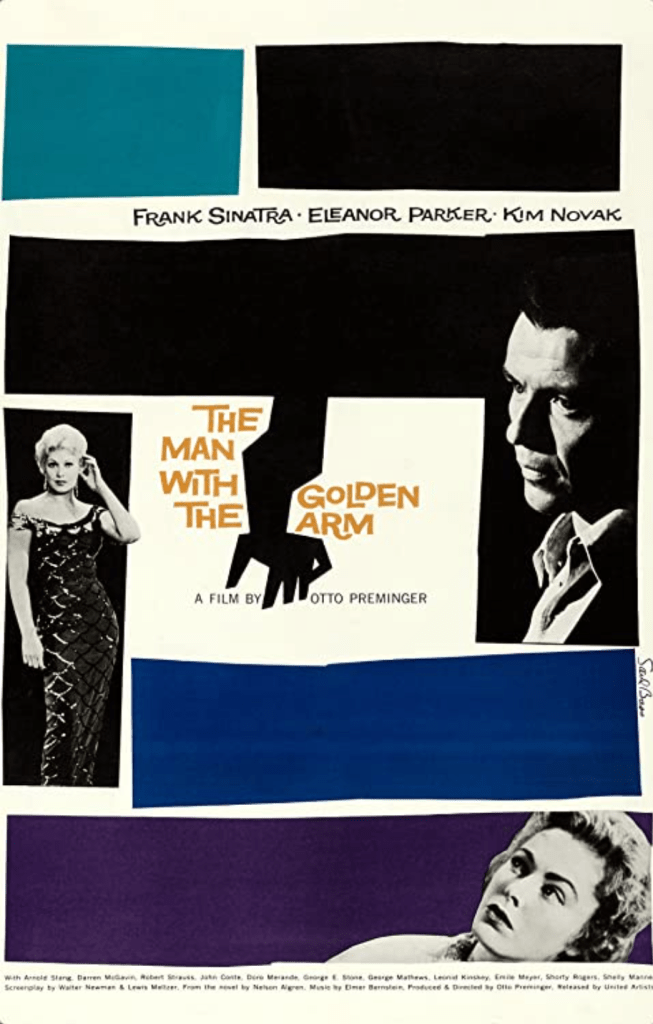
On my Movie Recommendations board on Pinterest, I have 107 films listed. The Man with the Golden Arm is one of those films. Maddy, from Maddy Loves Her Classic Films, recommended the 1955 movie to me years ago. With all my movie recommendations, I try to find the perfect opportunity to review them, as a way to show respect to the people who suggested those movies. When the Kim Novak Blogathon was announced, I immediately went to my aforementioned Pinterest board, to see if any of Kim’s films were on there. Sure enough, I came across the poster for The Man with the Golden Arm! This is not the first time I’ve reviewed one of Kim’s films. Back in 2019, I wrote about the 1954 title, Phffft, a movie I thought was just ok. How will the 1955 film compare to Phffft? The only way to find out to keep reading my review!

The Man with the Golden Arm poster created by Carlyle Productions and United Artists

Things I liked about the film:

The acting: Because Kim Novak is one of the reasons why I’m reviewing this movie, I’ll talk about her performance first. Portraying Frankie’s lover, Molly, Kim adopted a different persona from her role in Phffft. In The Man with the Golden Arm, she traded flirty for headstrong! Molly is a woman who knows what she wants and finds a way to get it. One of these things is for Frankie to get clean. She says it likes it is by telling Frankie what he needs to hear instead of what he wants to hear. Whenever this happens, Kim uses a tone of voice that is stern enough to be taken seriously. Her approach to emotions in The Man with the Golden Arm is more subtle. However, Kim’s facial expressions and body language perfectly showed the audience what was on her character’s mind. While working at a nightclub, Molly is disappointed by Frankie’s lateness. Her eyes are more downcast, like she doesn’t want Frankie to see her disappointment. Also, her face carries a serious expression, as if she’s tired of being let down.

Most of Kim’s scenes show Molly interacting with Frankie. These scenes presented an on-screen chemistry between Kim Novak and Frank Sinatra I liked seeing! This on-screen chemistry was a strong friendship where both parties seemed to have a deep understanding for one another. It kind of reminded me of the on-screen chemistry between Mercedes Ruehl and Jamey Sheridan in the Hallmark Hall of Fame movie, The Lost Child. While we’re on the subject of Frank Sinatra, let me talk about his performance next! The Man with the Golden Arm is the seventh movie of Frank’s I’m reviewing. In the previous six, he carries this suave charisma that presents an illusion of his character having an effortless existence. While his character, Frankie, does have charisma, it is toned down. What overshadows it is a persona that is more downtrodden and beaten. This makes sense for this particular story, as Frankie is attempting to overcome a drug addiction. Despite the change in acting material, Frank effortlessly pulls it off! His performance was versatile, allowing Frank to adapt to whatever his character faced. His performance was also consistent.

Another consistent performance came from Eleanor Parker! Prior to watching this movie, I had seen and reviewed Interrupted Melody. In that review, I said Eleanor’s portrayal of Marjorie Lawrence was emotional. I can also say that about her portrayal of Zosh, but for different reasons. Zosh is a woman who became paralyzed due to a car accident. While she also wants to see Frankie get clean, she has her own reasons why. Because of the emotionality Eleanor possesses, her portrayal of Zosh caused a ripple affect among the characters. The best example of Eleanor’s emotionality can be seen when Frankie returns from rehab. As their interaction carries on, Eleanor’s demeanor changes over time. It starts with Zosh being excited about Frankie’s return, then leads to concern and frustration over his and her future. Zosh’s reactions ripple through Frankie, presenting some obstacles on his journey to recovery.

Showing the negative effects of drug use: The subject of drug use/drug addictions is one that requires a certain amount of seriousness. Not only is that seriousness found within the story of The Man with the Golden Arm, but it can also be seen in Frank’s performance. When Frankie experiences a relapse, his right hand shakes. Shortly before he relapses, his pupils change in size. Frankie’s attitude changes to agitation, as he attempts to get the “monkey” of his back. He even becomes desperate to appease this “monkey”, putting himself, Zosh, and Molly in danger. Besides being referred to as a “monkey”, Frankie’s addiction is also compared to sugar by a member of the card dealing world. He tells Frankie giving up the addiction is like giving up sugar for the rest of his life, giving Frankie the illusion he can quit whenever he wants. However, these words cause more harm than good. It was interesting to hear the characters in this film talk about drug addictions in a more open sense. The Man with the Golden Arm was released in 1955, a time when drug addictions/drug use wasn’t talked about as openly as today. Therefore, this subject’s inclusion in the script felt ahead of its time.

The use of music: Throughout The Man with the Golden Arm, I noticed how music was used to elaborate on a scene’s particular tone. The music also built up to a tense filled moment. A great example is when Frankie relapses. While on his way to consume drugs, an orchestral tune can be quietly heard in the background. When he gets closer to his destination, the background music gets louder, stopping once Frankie gets what he wants. This specific tune plays every time Frankie relapses, serving as an indicator to the audience what’s to come. A big band tune could be heard when Frankie is looking for Molly later in the film. This tune highlighted Frankie’s urgency to find Molly. It also reflected Frankie’s musical desires and Molly’s place of employment. The use of music I described in this paragraph shows the cleverness incorporated into the movie!

The Kim Novak Blogathon banner created by Classic Movie Muse from The Classic Movie Muse

What I didn’t like about the film:

The underutilization of Kim Novak: Earlier in this review, I talked about how I enjoyed watching Kim’s performance. While I still stand by this statement, I feel her talents were underutilized. Kim appeared in a handful of scenes. Even though she was cast as a main supporting actress and she was one of the few actresses in the film, I was disappointed by how limited Kim’s on-screen appearances were. The Man with the Golden Arm is Frankie’s story, as he is the titular character. Therefore, I knew Frank Sinatra’s character would be focused on the most in this movie. But Eleanor Parker had much more screen time than Kim did. If you’re planning on watching this film specifically for Kim’s performance, like I did, you may be a bit let down.

Too many plots: The Man with the Golden Arm contained five plots, each having something important to say. Because there was no distinction of focus between these plots, they ended up spending the movie’s run-time competing against one another. The competition among the five plots caused them to be resolved in an unsatisfactory way or too conveniently. One example involves a secret Zosh carries throughout the story. This secret will not be shared in this review, in an effort to prevent the film from being spoiled. But when the secret is revealed to the rest of the characters, the timing of this reveal feels presented simply to tie up loose ends. Had some of these plots either been written out or relegated to subplot status, maybe Zosh’s secret would have been revealed sooner.

Limited inclusion of musical talents: I don’t believe there is an unspoken rule that Frank Sinatra has to sing and/or have a musical number whenever he stars in a film. But I do feel there was a missed musical opportunity in The Man with the Golden Arm. At the beginning of the movie, Frankie shares how, while in rehab, he learned how to play the drums. He even plans on joining a band. After these words were spoken, I was so excited to see Frank step out of his comfort zone and try his hand at playing an instrument that may have been new to him. But as the story progressed, Frank was shown playing the drums for a handful of seconds. In one of these scenes, it seemed like Frank was playing the drums alongside the radio, which made it difficult to discern what sounds truly came from the radio. The other two scenes presented a force that prevented me from seeing Frank perform a full drum solo.  That excitement I felt toward the beginning of the movie slowing but surely fizzled.

Poker neon sign image created by Freepik at freepik.com. <a href=’https://www.freepik.com/free-vector/poker-neon-lights-background_1137542.htm’>Designed by Freepik</a>. <a href=”https://www.freepik.com/free-photos-vectors/background”>Background vector created by Freepik</a>. Image found at freepik.com.

My overall impression:

Throughout my years of movie blogging, I have seen films that tried to say so much, but ended up saying so little. The Man with the Golden Arm is one of those films. I recognize the important messages the creative team wanted to share with the audience. But because the movie had five plots, these messages did not have a strong delivery. I can, however, commend the production for addressing a serious issue in a time when that issue was not openly talked about. The strong acting performances and use of music can be acknowledged as well. Kim Novak’s performance was one of the strongest in this film. So, it was disappointing to see Kim receive a limited amount of screen-time, especially since she was one of the reasons why I chose to watch this movie. In the future, I want to seek out Kim’s other film work. I’d also like to watch Frank’s and Eleanor’s other work too.

Overall score: 6.1 out of 10

Have you seen any of Kim Novak’s films? If so, which one would you recommend I review next? Tell me in the comment section below!

Have fun at the movies!

Sally Silverscreen

Take 3: Fiddler on the Roof Review

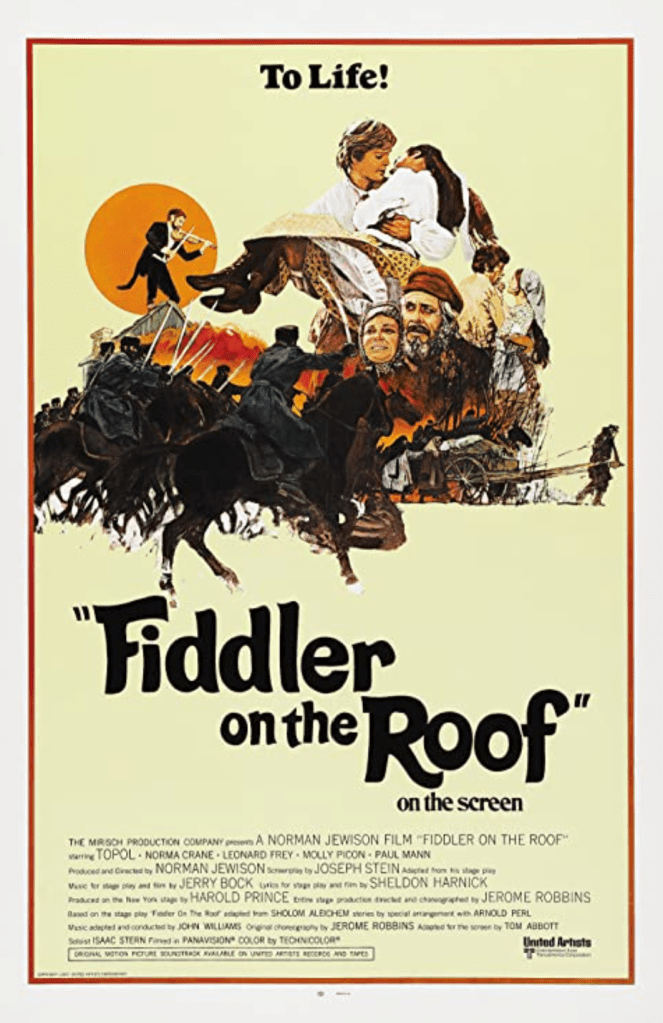
As I write this review, Rebecca, from Taking Up Room, is hosting the John Williams Blogathon! When signing up for this event, I knew John’s high-profile projects were going to be some of the most popular selections among fellow participants. Therefore, I decided to go off the beaten path by choosing a title that wasn’t associated with a franchise. As I scrolled through John’s filmography on IMDB, I discovered he conducted the music in the 1971 musical, Fiddler on the Roof. With this newfound knowledge, I chose that film to review for Rebecca’s blogathon! Prior to this event, I had seen about half of this film. I have also reviewed very few films revolving around Jewish stories. In fact, the only movies including Jewish stories and/or characters I have written about so far is Holiday Date and The Lost Child. But will I enjoy Fiddler on the Roof like I enjoyed the 2019 Hallmark Channel film or will I think it is just fine like the 2000 Hallmark Hall of Fame production? As a composer starts his or her cue for their orchestra, it’s time for this review to begin!

Fiddler on the Roof poster created by
The Mirisch Production Company and United Artists

Things I liked about the film:

The acting: Fiddler on the Roof is a film with an ensemble cast. Despite its large size, the film’s cast was, as a whole, solid! But within this ensemble, there were some performances that really stood out to me. The most notable one came from Topol! Throughout the movie, Topol presented a versatile portrayal of his character, Tevye. This versatility allowed Tevye to be seen as a realistic individual who is trying to make sense of the changes taking place in his world. At several points in the story, Tevye speaks with God and contemplates his faith. Tevye’s emotions matched whatever dilemma he faced. When one of his daughters comes to him with serious news, Tevye is angry and frustrated. As he receives the aforementioned news, Tevye questions how far he’s willing to go for his faith, talking through the situation while genuine emotion finds a place in his voice, facial expressions, and body language. Moments like the one I described show a sincerity that gave Tevye the opportunity to be Fiddler on the Roof’s “every man”!

Motel is a tailor from Tevye’s village. Portrayed by Leonard Frey, Motel wants to marry Tevye’s oldest daughter, but lacks the confidence to approach Tevye with this proposal. Through a consistent performance, the audience can watch Motel grow from a timid tailor to a man who genuinely believes in himself and his abilities. Having Tzeitel as Motel’s inspiration certainly helped his case. Tzeitel is Tevye’s oldest daughter, who is portrayed by Rosalind Harris. She worries about who she will end up marrying in the near future. Despite this, Rosalind gave a performance that was well-rounded and enjoyable to watch! When Motel tells Tevye about his marriage plans, the confidence he once lacked steadily grows within his voice. His facial expressions become stronger with each statement toward Tevye, finding the words Motel had suppressed for too long. Meanwhile, Tzeitel appropriately reacts to this discussion, expressions of worry and joy being displayed on her face. This scene shows how the acting abilities of both Leonard and Rosalind work well together!

The musical numbers: When thinking about music composed by John Williams, pieces of music that make any scene feel grand and larger-than-life come to mind. The music in Fiddler on the Roof certainly accomplished this, as John’s contributions to the film elaborate on a scene’s large scale! One of these songs is “Tradition”, which can be heard at the beginning of the movie. This song highlights how the traditions of the Jewish community of Anatevka affected every member, with each role and its significance explained through the song’s lyrics. Bold, orchestral melodies accompany these lyrics, as an excited greeting to the film’s incoming audience. Looking beyond the music, the musical numbers themselves were well-choreographed and fit within the context of the story! A musical number I really enjoyed seeing was “Tevye’s Dream”! In this scene, Tevye is recounting a dream he had regarding Tzeitel’s marriage prospects. Tevye and his wife, Golde, find themselves in a graveyard that boasts a gray hue. Headstones of decreased villagers surround the graveyard, with these decreased villagers appearing as the scene progresses. Though the musical number itself is very fantastical compared to the film’s other numbers, its uniqueness in presentation allows “Tevye’s Dream” to stand out and be memorable!

The incorporation of Jewish faith/culture: As I previously mentioned, Anatevka is a small village that hosts a Jewish community. Throughout Fiddler on the Roof, aspects of the Jewish faith/culture are incorporated not only into the film’s story, but into the songs and musical numbers as well. When talking about these musical numbers in the previous paragraph, I brought up the song, “Tradition”, and how it highlights some of the traditions among the villagers in Anatevka. At the beginning of the film, Tevye explains directly to the audience how he and other members of the community wear a special garment related to prayer. During a wedding ceremony, the bride and groom are lifted on chairs by wedding guests. This action is part of a dance called the Horah, which is typically performed at Jewish special occasions, such as weddings. The Horah was seamlessly woven into a larger musical number called “Wedding Celebration”, which also featured a group of bottle dancers. The incorporation of Jewish faith/culture gave the movie its own unique identity. It also provides an introduction to Jewish customs and traditions.

The John Williams Blogathon banner created by Rebecca, from Taking Up Room

What I didn’t like about the film:

No answers about The Fiddler: I have mentioned before how a film’s title can serve as a promise to its respective audience. The title can also let the audience know what to expect. This 1971 film is called Fiddler on the Roof. Yet the audience never learns more about the titular character, as he only appears in a handful of scenes. While watching this movie, I noticed how the Fiddler wore bright clothes compared to the villagers and even those from imperial Russia. Because of this, it caused me to speculate what role the Fiddler had within the overall story. Was he a spirit meant to guide Tevye through life or simply a peculiar individual? These are just two of the questions I’ll probably never get answers to.

An inconsistent conflict: When I learned this movie took place during imperial Russia, I expected the overarching conflict to revolve around the fall of the Romanov family. However, the overarching conflict was about how the government wanted the villagers to evacuate from Anatevka, for reasons the script never shared. This conflict complimented the film’s theme of change. But the story focused on this conflict in the film’s second half, with the conflict having a limited presence in its first half. I know this creative decision was meant to emphasize the tonal change within the story. I just wish it had a more consistent presence in the movie.

A limited inclusion of a broken fourth wall: At the beginning of Fiddler on the Roof, Tevye talks directly to the audience about his village, the people who live there, and the titular Fiddler. Because broken fourth walls are not common in musicals, I was looking forward to seeing the story told from Tevye’s perspective and watching the movie presented in a creative way. But for the rest of the film, Tevye didn’t break the fourth wall. I found this as such a missed opportunity, because, as I already said, broken fourth walls are not often found in musicals. While Fiddler on the Roof is a unique musical, Tevye consistently breaking the fourth wall could have added more uniqueness.

Hanukkah mehorah image created by Freepik at freepik.com. <a href=’https://www.freepik.com/free-photo/mehorah-with-flaming-candles_3299423.htm’>Designed by Freepik</a>. <a href=”https://www.freepik.com/free-photos-vectors/background”>Background image created by Freepik</a>. Image found at freepik.com.

My overall impression:

Fiddler on the Roof is a little over three hours. Therefore, you need to set aside time if you’re interested in watching this film. Despite the longer run-time, Fiddler on the Roof is a good movie! Almost every year, I come across that one musical that pleasantly stood out and captivated me. While it’s way too early to say whether this 1971 title will end up as one of the best movies I saw this year, it definitely captivated me, as I found it enjoyable! John Williams’ musical contributions provided some of the fabric of the story’s cinematic quilt, accompanied by well-choreographed and entertaining numbers. The ensemble cast binds these pieces of fabric with a strong thread, holding each scene together with solid acting performances. Incorporations of the Jewish faith/culture help the overall production gain a unique identity, asking questions and discussing topics that wouldn’t typically be found in a musical. Combining all these elements together, Fiddler on the Roof is a special project not just in the world of cinema, but also among musicals! With that, I’d say John Williams is a special composer. To those who don’t pay attention to the musical aspect of a given film, one might wonder how John is different from any other composer. But when you look at his body of cinematic work and the scores associated with those works, maybe that is more than enough to set him apart.

Overall score: 7.9 out of 10

Have you seen Fiddler on the Roof? Which John Williams composed film do you enjoy watching? Please tell me in the comment section!

Have fun at the movies!

Sally Silverscreen

Take 3: Red Corner Review

The theme of Gill’s, from Realweegiemidget Reviews, and Rebecca’s, from Taking Up Room, blogathon is one of the most creative! In The Odd Or Even Blogathon, a participant had to pick two movies; one released in a year ending in an odd number and one released in a year ending in an even number. The moderators then chose a movie for the participant out of those two options. One of my two options was the 1997 movie, Red Corner, which is the film I’m reviewing for the event. This isn’t the first time I’ve mentioned Red Corner. Last October, I reviewed the Touched by An Angel episode, ‘The Spirit of Liberty Moon’, in honor of Bai Ling’s birthday. While talking about that episode’s story, I mentioned how the episode was very reminiscent of the film due to topics discussed within the script. After watching ‘The Spirit of Liberty Moon’, I wondered how similar it was to Red Corner. Similar to the Touched by An Angel episode, curiosity got the best of me, which led to this review.

Red Corner poster created by Metro-Goldwyn-Mayer and Avnet/Kerner Productions

Things I liked about the film:

The acting: The cast of Red Corner was strong! But because the majority of the story revolves around Bai Ling’s and Richard Gere’s characters, I’ll focus on their performances in this review. The profession of a lawyer is typically presented in entertainment media as being serious. Therefore, when an actor or actress is cast as a lawyer, there aren’t many opportunities for them to be expressive in that role. Despite this, Bai found a way to bring expressive emotion to her portrayal of Shen Yuelin! Even when this emotion was displayed in a simple fashion, such as Shen looking at another character in a certain way, it was more than enough to prevent this character from becoming dull or forgettable. In my review of the Touched by An Angel episode, ‘The Spirit of Liberty Moon’, I talked about Bai’s strong sense of emotionality. While talking about this strength, I said it allowed Bai’s performance to contain depth. Once again, she uses her sense of emotionality to her advantage in Red Corner! But this time, Bai uses it to bring humanity to her character, allowing the audience to see Shen as more than just a lawyer. One example shows Shen and Jack visiting the nightclub where Jack first met the murder victim. During this scene, Jack recalls some of the events that led up to the crime. When he brings up something funny said by the murder victim, Shen giggles at the English translation of the murder victim’s comment.

Prior to watching and reviewing Red Corner, I had seen two of Richard Gere’s films; Pretty Woman and Hachi: A Dog’s Tale. What makes Richard’s role in Red Corner different from those in the two aforementioned films is how his character, Jack Moore, faced higher stakes. This gave me, as a viewer, an opportunity to see Richard work with different material. In Red Corner, he was very expressive in the lead role. Richard used a variety of emotions to show how a person in Jack’s situation might feel. While trying to obtain phone records, Shen explains to Jack how these records are unavailable. This causes Jack to feel frustrated. As his conversation with Shen continues, Jack becomes more agitated over the powerlessness of their situation. Tension grows between both characters because of the agitation.

The mystery: A large portion of Red Corner focuses on finding the truth behind a murder. This mystery is drawn out throughout the story, letting the audience see it unfold as the film goes on. While reflecting on this movie, I came to an interesting realization. When it comes to seeing “amateur” detectives in entertainment media, lawyers solving mysteries are not as common. Sure, there are series like Matlock, Perry Mason, and Darrow & Darrow. But these are the only lawyer led mystery stories I can think of off the top of my head. Having Shen play an integral role in Red Corner’s mystery was a good creative choice! This is one of the reasons why I enjoyed seeing the film’s mystery play out! The way Shen gathered clues and made discoveries was interesting to watch. Her professional interactions with Jack added to my enjoyment of the mystery. I was intrigued from start to finish, curious to see what happens!

The mise-en-scène: Good mise-en-scène seamlessly blends into a movie and effortlessly weaves within the story. Great mise-en-scène elevates a given scene to help it stand out for all the right reasons! When it comes to this part of Red Corner, I will talk about two scenes. The first one takes place at a fashion show, where Jack and a Chinese businessman named Dan attend. During the show, Jack and Dan are having a conversation, which is captured in a medium shot. When Dan is speaking to Jack, he is covered in a red light. Jack is also covered in this red light, but a faint blue light is shining on his head as well. Without spoiling the movie, I will say this was a good visual to foreshadow what is about to come. The second scene takes place at the prison. Jack and a group of soldiers are walking up a concrete staircase. This short journey is shown in a long to medium shot. The scene uses a limited amount of lighting, which sets a tense and suspenseful tone. Similar to the first scene I described, all of the elements in the second scene come together to indicate what is about to happen.

The Odd Or Even Blogathon banner created by Gill, from Realweegiemidget Reviews, and Rebecca, from Taking Up Room

What I didn’t like about the film:

Some held-back punches: As I said in my introduction, I saw the Touched by An Angel episode, ‘The Spirit of Liberty Moon’ If you read my review for that episode, you’d know I described it as being “emotionally intense” due to the nature of the story and the subject matter involved. Because Red Corner shares similar topics with the Touched by An Angel episode, I was expecting the film to be more emotionally intense, especially since it has an R rating. The brutality of the Chinese jail system and the strictness of the Chinese government are shown in this movie. However, the brutality I expected to frequently see was shown in glimpses. Meanwhile, the strictness was either confined to Jack’s court case or mentioned in passing. I understand there’s only so much you can include in an R rated film. But it seems like more emphasis was placed on figuring out “whodunit”.

Some characters talking over each other: Because Chinese is spoken by several characters, English translations are provided either through on-screen text or an official translator within the court and jail system. More often than not, I was able to understand what these characters were saying. But there were times when I had difficulty doing so. This is because some characters talked over one another. One good example is when Jack is first taken to jail. At the prison, a general is explaining to Jack, in Chinese, why he was arrested. An attending soldier provides necessary English translations to Jack and the audience. However, the soldier spoke at the same time as the general. I had to rewind the movie in order to catch what the soldier had said.

Some things left unexplained: Like I said earlier in my review, I liked seeing how the mystery in Red Corner played out! For the most part, I was able to follow along with the events happening on screen. But there were a few times where I wish explanations were given. During the murder investigation, Shen acquires a crucial piece of evidence that could impact Jack’s trial. But along the way, this piece goes missing. When Jack’s final trial arrives, Shen presents the aforementioned piece of evidence. This left me confused as to how she re-obtained it. While this is heavily implied, it isn’t thoroughly explained. As a viewer, I appreciate how the mystery’s information wasn’t spoon-fed. However, I think some of the connections within the mystery could have been stronger.

Courtroom image created by Macrovector at freepik.com. <a href=”https://www.freepik.com/free-photos-vectors/isometric”>Isometric vector created by macrovector – http://www.freepik.com</a>. Image found at freepik.com.

My overall impression:

Before watching Red Corner, I had come across a few reviews about the film. In those reviews, the general consensus was how the movie was predictable. While I respectfully disagree with this statement, I will say Red Corner left me wanting a little bit more. I was expecting the 1997 film to be ‘The Spirit of Liberty Moon’ times ten. As I said in this review, I thought Red Corner was going to be more brutal and emotionally intense. There was emotion to be found in this movie, with some brutality along the way. But I didn’t have the same reaction after watching this film like I did with the Touched by An Angel episode. Maybe I shouldn’t have set my expectations on the higher side. Just because two projects happen to share similar subjects and ideas doesn’t mean they will be executed in similar fashions. What I can say about Red Corner is it is an interesting and insightful picture that has something important to say. It is also somewhat educational, especially when it comes to international relations and law. If you are interested in seeing this movie, I’d recommend watching it as a companion piece to The Spirit of Liberty Moon. But if I were you, I would watch Red Corner first.

Overall score: 7.1 out of 10

Have you seen Red Corner? If so, what are your thoughts on the film? Please let me know in the comment section!

Have fun at the movies!

Sally Silverscreen

Take 3: Knives Out Review

Over the past week, I thought about what my first movie review of 2022 would be. Was I going to select a title from my DVR or choose a film that has been recommended to me? I knew that whatever movie I picked, it was probably going to set the tone for the rest of the year. Well, I just saw the 2019 production, Knives Out. This is a movie I had heard of because of its mixed reviews. If I’m going to be honest, it was a film I was originally planning to avoid. A few years ago, I saw the 2017 adaptation of Murder on the Orient Express. Without spoiling the story, I will say the ending made me not like the film. When I heard about Knives Out, I assumed it was going to let me down like Murder on the Orient Express did. But is that what really happened? Keep reading, as I’m about to start my first movie review of the year!

Knives Out poster created by T-Street, Lionsgate, and MRC

Things I liked about the film:

Ana de Armas’ performance: When I watch a movie that features an ensemble cast, I sometimes look for the performance that stood out among the rest. In Knives Out, that performance came from Ana de Armas! A variety of situations can happen in a mystery story. Therefore, you need actors or actresses who will respond to those events through their acting talents. With Ana’s portrayal of Marta, she was able to express a wide range of emotions, showcasing how versatile her acting abilities are. One great example happens in a tense scene with Marta and a member of the Thrombey family. Because a traumatic situation happens during that scene, Marta responds by holding back a scream and trying to fight back tears. That emotional response helped Ana’s performance appear realistic!

The set design: Because the majority of Knives Out takes place at Harlan Thrombey’s house, I will focus on this location in this part of my review. Harlan’s house was one of the most impressive structures in film! The exterior adopted a Victorian style that boasted warm brown brick. But the house’s interior is where the set design shines! The winding staircase in the main foyer is paired with railings in a rich dark wood. Almost every crevice displays either a statue, souvenir, or book. This specific detail gave the space its own personality. Some of the windows showcased stained glass designs, with at least one bearing intricate images. There were even secret compartments! Harlan Thrombey’s house was truly any mystery writer’s dream!

Not showing a complete picture: Within the first half of the movie, the police question members of the Thrombey family, as well as people connected to the Thrombeys. When each character is sharing their side of the story, the audience gets to see what happened in flash backs. But it’s important to point out how each character’s perspective was different. When a situation happens, whether real or fictional, there are various sides of that story. That causes the overall picture to not be complete, no matter how many perspectives are shared. For Knives Out, this part of the script felt realistic. It reminds the audience how they don’t always receive a complete narrative, especially since they weren’t present during the actual event.

Detective work image created by Photoroyalty at freepik.com. <a href=’https://www.freepik.com/free-vector/investigation-background-design_1041877.htm’>Designed by Freepik</a>. <a href=”https://www.freepik.com/free-photos-vectors/background”>Background vector created by Photoroyalty – Freepik.com</a>. Image found at freepik.com.

What I didn’t like about the film:

Little to no interactivity: I, personally, like mystery films where the story allows the audience to solve a case alongside the characters. But Knives Out had the same flaw Sherlock Holmes in New York did: featuring little to no interactivity in the script. In the first half of the film, the story is exposition-heavy. Along with character backstories and flash backs explaining what happened, the story reveals “whodunit”. Since all this took place within the movie’s first half, it felt like the screenwriter spoon-fed the information to the viewers instead of letting them figure things out. While there is a twist toward the end of the film, I feel it would have been more effective had the rest of the story allowed the audience to participate in the mystery.

The Thrombey family’s dysfunctionality: Stories featuring family dysfunctionality can be hit or miss. They can either be heart-warming and somewhat silly, like the television show, The Middle, or painfully unenjoyable, like the Hallmark Hall of Fame film, Back When We Were Grown-Ups. In the case of Knives Out, the Thrombey family’s dysfunctionality was somewhere in between. I understand this was meant to create tension among the characters and provide them with possible motives. However, there were times when the dysfunctionality was overbearing. It got to the point where it not only overshadowed the mystery, but some parts of the story felt like they belonged in a drama. In my opinion, I think some of this dysfunctionality should have been toned down.

Weaker characters: In my list of the top ten worst movies I saw in 2021, I talked about how I didn’t like Raising Arizona. Two of my reasons were a) the characters were not charming or likable enough to make their dysfunctionality tolerable for the audience and b) the characters were one-dimensional and uninteresting. Knives Out’s Thrombey family experienced a similar flaw. These characters lacked depth, as they were each defined by one aspect. It also didn’t help how they were so similar to one another. All of the older family members were successful to varying degrees. Meanwhile, the younger family members simply enjoyed the fruits of their parents’ or grandparents’ labor. Because the characters were weak, the dysfunctionality was less tolerable for the audience, as the characters weren’t able to make up for that.

Old-fashioned books image created by Macrovector at freepik.com. <a href=’https://www.freepik.com/free-vector/books-seamless-pattern_1539033.htm’>Designed by Macrovector</a>. <a href=”https://www.freepik.com/free-photos-vectors/background”>Background vector created by Macrovector – Freepik.com</a>. Image found at freepik.com.

My overall impression:

Mysteries are one of the most popular genres on 18 Cinema Lane. The creativity and intrigue found in this genre make these types of stories interesting. Speaking of interesting, I find it such a coincidence how Knives Out is the first movie I reviewed in 2022. The reason is Crossword Mysteries: Abracadaver was the first film I wrote about in 2020, written on January 8th. But I did not enjoy Knives Out as much as the Hallmark Movies & Mysteries title. One of the issues lay in the story’s little to no interactivity, as I felt like I was just watching characters do things. While the mystery itself contained interesting components, such as not giving the audience a complete picture of what happened, it could have been stronger. The Thrombey family’s dysfunctionality also could have been toned down. But there were parts of Knives Out I did like, such as Ana de Armas’ performance and Harlan’s house. With that said, I thought the movie was ok.

Overall score: 6 out of 10

Do you like watching mystery films? If so, are there mystery movies you’re looking forward to seeing? Let me know in the comment section below!

Have fun at the movies!

Sally Silverscreen

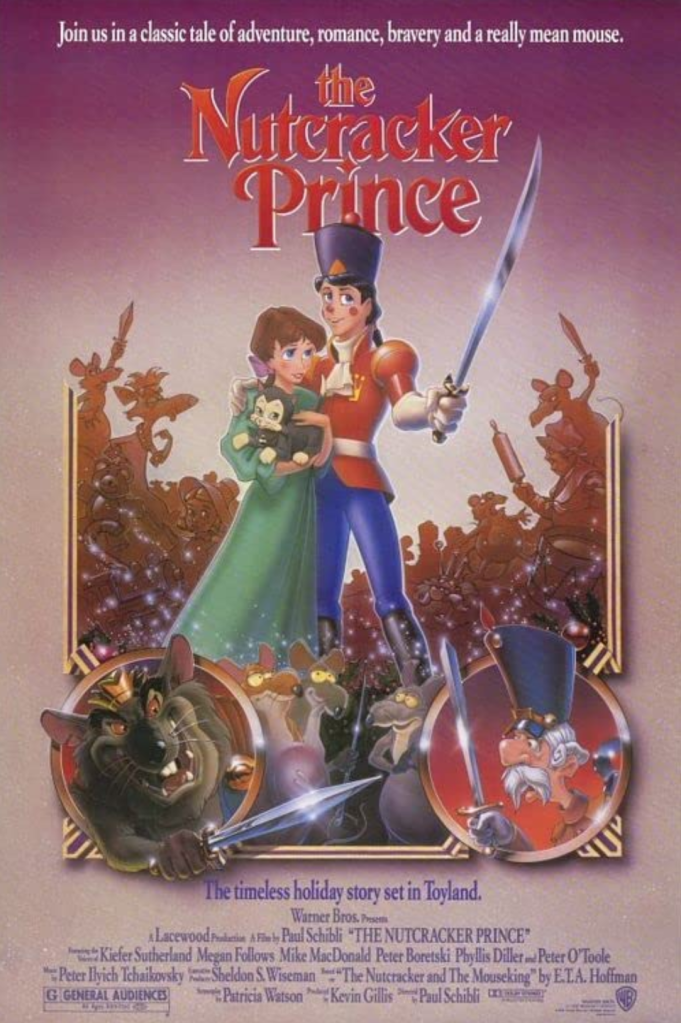
Take 3: The Nutcracker Prince (1990) Review

With 2021 soon coming to a close, this will be my last movie review and my last blogathon entry of the year! Because the Christmas season is upon us, I figured a Christmas flick was the way to go! As was announced by MovieRob, December’s Genre Grandeur theme is Non-Disney Animated Films of the 90’s. While looking for possible titles through a general internet search, I came across The Nutcracker Prince from 1990. Prior to writing this review, I had heard of the film. But I had never seen it. Over the years, it has been said most movie adaptations of The Nutcracker ballet are bad. Since I’ve only seen the Barbie version many years ago, I can’t agree or disagree with this statement. So, for this review of The Nutcracker Prince, I will only be judging the 1990 title.

The Nutcracker Prince (1990) poster created by Lacewood Productions, Boulevard Entertainment, Allied Filmmakers, and Cineplex Odeon Films

Things I liked about the film:

Use of color: The Nutcracker ballet is a production that is known for being colorful. Therefore, the use of color in an adaptation of this story can make or break it. The way color was used in The Nutcracker Prince complimented the source material! One good example is the Christmas party at Clara’s family’s house. The primary colors in the background were a faded red and coral. But Clara’s dress boasted a hue of sea foam green. This color selection allowed Clara’s dress to stand out against the background. It also gave Clara as a character definition and focus.

Utilizing the ballet’s musical pieces: Another iconic part of The Nutcracker ballet is its music! From the ‘Dance of the Sugar Plum Fairy’ to ‘Waltz of the Flowers’, these pieces of music have become a staple in not only the soundtrack of Christmas, but also in the world of classical music. What’s interesting about the ballet’s music in The Nutcracker Prince is how it was utilized in different parts of the story from the original show. The ‘Waltz of the Flowers’ can be heard twice in this film. The first time is during Clara’s family’s Christmas party, as the adult attendees are dancing a waltz. The second time is when Clara is dancing with the Nutcracker in the middle of the night. Only this time, she’s singing a song called ‘Save This Dance’, with the music from ‘Waltz of the Flowers’ serving as a background melody. Using these pieces in different contexts show how versatile they are. They elaborate a scene’s specific tone as well.

A backstory for the Nutcracker: In The Nutcracker ballet, the audience watches as the Nutcracker transforms into a human. Since there are no explanations provided for this transformation, the audience is forced to accept what happened at face value. In The Nutcracker Prince, the creative team makes sure to provide their audience with a backstory for the titular character. I can’t get into detail about this part of the story, as I don’t want to spoil the movie. But all I’ll say is there is an explanation given for why this character becomes a nutcracker. I like how this film’s creative team took a part of the ballet and gave it a new story. This shows one example of how they respected the source material while also bringing something new to the table!

Image of ballerina preparing to dance created by Pressfoto at freepik.com. <a href=”https://www.freepik.com/free-photos-vectors/people”>People photo created by pressfoto – http://www.freepik.com</a>. Image found at freepik.com.

What I didn’t like about the film:

No Land of Sweets: What sets The Nutcracker apart from other ballets is the second half of the production, reserved for the Land of Sweets. This is the part of the story where Clara and the Nutcracker visit the aforementioned land where sweet treats are brought to life through dance. The Nutcracker Prince omits the Land of Sweets. Instead, this land is replaced with The Land of the Dolls. From a creative perspective, I understand why the movie’s creative team made this decision, as they didn’t want to copy-and-paste the source material. But, on the other hand, I was disappointed by the lack of the Land of Sweets. That’s because I was curious to see how the ballet’s second half would translate to animation.

The amount of focus on The Mouse King vs. The Nutcracker: Within the ballet’s first half, the Nutcracker fights in a duel with The Mouse King, the villain in the story. Like The Nutcracker Prince, this duel served as a conflict in the ballet. However, it lasted for only one scene. In the movie, the conflict takes up the majority of the plot. Similar to what I said earlier, I understand why the film’s creative team made this decision, as they wanted to provide their story with a solid conflict. But because of that decision, it took away time from exploring The Land of the Dolls and showcasing elements from the Land of Sweets.

Unclear parts of the story: Within The Nutcracker Prince, there were a few parts of the story that I wish were clarified. On Christmas Eve, after Clara receives a doll named Marie, her parents say this is the last doll Clara will get. With little to no context provided, I was unsure if Clara was simply growing up or was about to pass away. At several points in the film, Uncle Drosselmeier mentions his nephew. To prevent spoilers from being revealed, I won’t share too many details about that part of the story. However, when Drosselmeier’s nephew does appear in the film, I was confused of the identity of this character. I’m assuming that information was supposed to be heavily implied. However, if it was related to the plot, it should have been clearly explained.

Merry Christmas banner created by Freepik at freepik.com. <a href=’https://www.freepik.com/free-vector/merry-christmas-decorative-vintage-background_1359013.htm’>Designed by Freepik</a>. <a href=”https://www.freepik.com/free-photos-vectors/background”>Background vector created by Freepik</a>. Image found at freepik.com.

My overall impression:

As I said in my introduction, I’ve heard most movie adaptations of The Nutcracker ballet are bad. The Nutcracker Prince from 1990 has been included in that conversation. But now that I have seen this movie, I can finally give my own honest opinion about it. With that said, I personally thought it was fine. With any adaptation, The Nutcracker Prince is not the “end all, be all”. Sure, there are parts of the story that could have been stronger. But I will give this film credit where it is due. Similar to what I’ve said about remakes, a good adaptation should do two things: respect the source material and bring something new and unique to the table. I can honestly say The Nutcracker Prince does both of those things! The story itself goes in different directions than the ballet. At the same time, the movie’s creative team uses elements of the ballet to their advantage, such as the colorful palette and the musical pieces. So, if you’re a fan of The Nutcracker, animated movies, or lesser-known projects of the ‘90s, then I would suggest adding The Nutcracker Prince to your to-watch list this Christmas season!

Overall score: 7.1 out of 10

Have you seen any film adaptation of The Nutcracker? Are there any animated movies you like watching during the Christmas season? Please tell me in the comment section below!

Have fun at the movies!

Sally Silverscreen
Take 3: Sherlock Holmes in New York Review

As of late 2021, there have been six actors who have portrayed one of the most iconic characters in cinematic history. Despite the fact I’m reviewing a Sherlock Holmes movie, the role I’m referring to is James Bond. Now, you’re probably wondering, “what does James Bond have to do with Sherlock Holmes”? Besides being British, both characters were portrayed by Roger Moore. When I was invited by Gill, from Realweegiemidget Reviews, to join the You Knew My Name: The Bond Not Bond Blogathon, I had to think about what film I wanted to write about. When I discovered Roger Moore starred in a Sherlock Holmes movie back in 1976, I thought it’d be an interesting title to cover. While I have reviewed my fair share of mystery films, including those that were made for television, I haven’t seen a lot of Sherlock Holmes related movies. Therefore, talking about Sherlock Holmes in New York will certainly make up for that!

Sherlock Holmes in New York created by 20th Century Fox Televison, NBC, and Ascot Elite Home Entertainment

Things I liked about the film:

Roger’s portrayal of Sherlock Holmes: While I haven’t seen any of Roger Moore’s films from the James Bond franchise, I have seen his performance in the 2011 Hallmark Channel movie, A Princess for Christmas. From what I remember, Roger carried his character, Edward Duke of Castlebury, with class and dignity. These same qualities were present in his portrayal of Sherlock Holmes. During Sherlock Holmes in New York, I could see some James Bond-esque qualities in the titular character. Roger’s ability to be suave as well as calm under pressure are just two examples. At certain moments in the story, Sherlock interacts with a woman named Irene Adler. Because there is history between these characters, Sherlock and Irene’s interactions contain a romantic flair. This is where the suaveness comes in, as Roger uses this to emphasize his on-screen chemistry with Charlotte Rampling. At the very beginning of the film, Sherlock faces off against Professor Moriarty. In this scene, Moriarty tries to hurt Sherlock at every chance he gets. But Sherlock never cracks under pressure. Instead, he consistently keeps his composure.

The historical accuracy: Recently, I reviewed the movie, Let Him Go. In that review, I talked about how the set design appeared to come from the ‘50s, despite the story taking place in the ‘60s. This caused the film’s time period to be unclear. Sherlock Holmes in New York takes place in March of 1901. Unlike Let Him Go, everything in the 1976 movie looked and felt like the 1900s! The costume design appeared historically accurate, with Sherlock Holmes’ outdoor wear serving as one example. Toward the beginning and end of the film, Sherlock sported the iconic plaid short cape and cap. But in New York, he wore a longer black cape and top hat. The historical accuracy was so on point, even the posters in The Empire State looked like it came from 1901. The font and basic design of these posters were just one detail that helped this movie’s creative team achieve the aesthetic they wanted for their project!

The presentation of New York City: When a movie or television show takes place in a beloved location, that place can be presented in two ways: an over-glamourized empire or a disgusting landscape covered by a glittering mask. With Sherlock Holmes in New York, the titular city was given to the audience “as is”. Even though the more polished areas of this destination could be seen, that was not the “end all, be all” in the story. In a handful of scenes, Sherlock Holmes explores the performance community of New York. He even goes undercover as a stage performer. The Big Apple is known for being one of the world’s entertainment hot-spots. While that part of this location was not emphasized, it did show some of the different components of one of America’s largest cities.

The You Knew My Name: The Bond Not Bond Blogathon banner created by Gill from Realweegiemidget Reviews

What I didn’t like about the film:

A pointless change of scenery: When a movie or television series chooses to change the location of their story, there needs to be a strong reason for that change. These reasons can range from expanding upon the overarching story to giving the protagonist(s) something interesting to do. With Sherlock Holmes in New York, though, none of these things happened. As a matter of fact, having Sherlock Holmes go to New York at all seemed unnecessary. If the mysteries in this film took place in England, it wouldn’t make much of a difference. That’s because none of the mysteries have any exclusive connection to New York itself. Having Sherlock solve the disappearances of immigrants from Ellis Island would have given him a stronger reason to be in New York, as Ellis Island is a part of New York and United States history. A child being kidnapped or a bank robbery can take place anytime and anywhere.

Not interactive enough: An appealing aspect of the mystery genre is the opportunity to solve the mystery alongside the protagonist. This allows the story to be interactive and engaging. I know one of Sherlock Holmes’ traits is his ability to figure out clues and possible scenarios in a short amount of time. But in Sherlock Holmes in New York, Sherlock figures things out so quickly, the audience doesn’t get a chance to engage with the mystery themselves. Instead, they’re forced to sit on the sidelines and watch the protagonist do everything, giving the audience a weak reason to stay invested in the story. Because of this, I found myself zoning out of the movie on a few occasions.

Lack of urgency: When a mystery takes place in current time, it gives that story a sense of urgency. The audience watches as the protagonist(s) races against the clock to solve a given mystery. While I won’t spoil Sherlock Holmes in New York, I will say a kidnapping takes place in the story. However, shortly after this crime takes place, Sherlock plays his violin in his hotel room. He then smokes his pipe all night. As I mentioned earlier, Sherlock Holmes is known for figuring out clues and scenarios in a short amount of time. That doesn’t give the story an excuse not to have urgency.

New York City skyline with letters image created by Freepik at freepik.com. <a href=’https://www.freepik.com/free-vector/new-york-skyline-typographic-silhouette_719554.htm’>Designed by Freepik</a>. <a href=”https://www.freepik.com/free-photos-vectors/background”>Background vector created by Freepik</a>. Image found at freepik.com.

My overall impression:

There was a time when having a movie take place in New York was the film’s selling point. From Friday the 13th Part VIII: Jason Takes Manhattan to A Troll in Central Park, movie studios wanted to take a bite out of The Big Apple for one reason or another. While I don’t know where or why this trend started, Sherlock Holmes in New York may have been one of the movies that caused this interesting ripple effect. Too bad the titular character didn’t have a stronger reason to visit The Empire State. The idea of Sherlock Holmes solving a mystery outside of England is not a bad one. But with the 1976 movie, the idea was better in theory than in practice. Add weak interactivity and a lack of urgency, this movie is not as strong as The Case of the Whitechapel Vampire, a Sherlock Holmes film I reviewed back in 2018. However, I did like Roger Moore’s portrayal of the famous detective. In fact, it’s a shame he didn’t receive more opportunities to appear in Sherlock Holmes stories. With this review completed, I need to make the time to see Roger’s films from the James Bond franchise. I just have to find the perfect opportunity to talk about them.

Overall score: 6-6.1 out of 10

Have you seen any Sherlock Holmes or James Bond films? If so, which one is your favorite? Let me know in the comment section below!

Have fun at the movies!

Sally Silverscreen

Take 3: Let Him Go Review + 380, 385, and 390 Follower Thank You

During my recent mini hiatus, I was thinking about what movie to choose for the long-awaited Blog Follower Dedication Review. While I do have several movies on my DVR, I wanted to choose one that was different from those I have recently reviewed. So, when I saw the 2020 title, Let Him Go, I knew it was the right choice. Like I have stated in the past, the western genre is one that isn’t often covered on my blog. In fact, the last western film I wrote about was the 1999 Hallmark Hall of Fame production, Durango. With this current review, it’ll provide more content related to this specific genre. What makes Let Him Go unique from the other westerns I’ve talked about is how the story takes places later in the 20th century, as the story is set in the early ‘60s. Since I haven’t seen many “modern” westerns, I was curious to see how this type of story would be presented in a different lens. So, without further ado, let’s get this Blog Follower Dedication Review started!

Let Him Go poster created by
The Mazur Kaplan Company, Focus Features, and Universal Pictures

Things I liked about the film:

The acting: While the cast of Let Him Go was strong, there were two actors who gave stand-out performances. The first one came from Lesley Manville. Portraying the Weboy family matriarch, Blanche, her character reminded me of the mob bosses from gangster movies of yesteryear. Lesley carried her character with her own distinct style and personality, which is reminiscent of the aforementioned mob bosses I brought up.  Blanche’s attitude escalates over the course of the movie, becoming viler and more brutal. Even though I wasn’t a fan of Blanche, Lesley’s performance stole the show! The second performance was Booboo Stewart’s! His character, Peter, was my favorite in this film. Booboo’s portrayal consistently appeared genuine, which showed the strength of his acting abilities and the screenwriting. Peter’s presence also brought a sense of peace that was rarely found in this story. I, honestly, wish he was given more appearances in the movie.

The scenery: This movie takes place in Montana and North Dakota. But it was actually filmed in Alberta, Canada. No matter where Let Him Go was filmed, the scenery was beautiful to look at! At the beginning of George and Margaret’s road trip, large mountains dominated the background. That piece of earth was so majestic, I would guess photos and videos do not do those mountains justice. Surrounding these mountains were clear blue skies and grassy hills. All the natural elements came together to create a landscape that brought a sense of peace. I just wish more scenes had taken place outdoors.

The topics discussed: Like I mentioned in the introduction, Let Him Go is set in the early ‘60s. What should also be noted is how two of the film’s overarching topics are child abuse and domestic violence. Even though these subjects are met with a sense of urgency and seriousness today, it was interesting to see how they were viewed over fifty years ago. The attitude surrounding these topics, in the film, carried an “it’s none of my business” energy. This brought a sense of historical realism to the overall story. In Let Him Go, Peter says he was sent to an “Indian school” when he was younger, referring to the residential schools where Native American children were forced to attend. When it comes to entertainment media, these types of educational institutions are not often brought up. So, even though this particular subject was briefly brought up, it was an interesting to see the movie’s creative team include that topic at all.

Sheriff badge image created by Freepik at freepik.com. <a href=’https://www.freepik.com/free-vector/brown-cowboy-label-set_1543252.htm’>Designed by Freepik</a>. <a href=”https://www.freepik.com/free-photos-vectors/vintage”>Vintage vector created by Freepik</a>. Image found at freepik.com.

What I didn’t like about the film:

A misleading trailer: Before watching Let Him Go, I saw its respective trailer, in an effort to determine if the film was worth seeing. In that trailer, the movie came across as an intense thriller. But when I actually saw the film, it was mostly a drama with thrilling elements. This reminds me of when I saw the 2015 movie, Forsaken. Because of the talent involved and the story’s western genre label, I expected more action in that movie. Instead, the script emphasized the drama in the protagonist’s life. Similarly, most of the action in Let Him Go took place during the climax. The story also revolved around the drama among the Blackledge family. With all that said, I found this film’s trailer misleading.

An unclear time period: As I’ve already said, the story is set in the early ‘60s. In fact, the majority of the film takes place in 1963. However, everything looked and felt like it came straight from the ‘50s. From the Blackledge’s kitchen to the cars in their Montana town, the set design and costumes appeared authentic for that period in time. Toward the beginning of the movie, I wasn’t sure if the story was set in the ‘50s or if the Blackledge family just liked a vintage style. When I saw a headstone bearing the death date of 1961, the time placement of the story became clear to me. The 1960s has a very distinct aesthetic, so I was disappointed it was absent from this film.

The Weboy brothers’ lack of distinctiveness: When the Weboy family is first introduced, the audience meets Blanche and her sons. Before this happens, one of the sons, Donnie, marries the Blackledge’s daughter-in-law, Lorna. Because of that event, Donnie is a memorable character. But his brothers appeared and acted very similar to one another. It got to the point where I had difficulty telling these characters apart. Not only is the screenwriting to blame for this, but I think there shouldn’t have been that many members of the Weboy family.

Horse with saddle photo created by Topntp26 at freepik.com. <a href=’https://www.freepik.com/free-photo/stallion-black-equine-race-sky_1104246.htm’>Designed by Freepik</a>. <a href=”https://www.freepik.com/free-photos-vectors/background”>Background image created by Topntp26 – Freepik.com</a>. Image found at freepik.com.

My overall impression:

It feels good writing posts after taking some time away from my blog! I honestly did not mean for the hiatus to last two weeks. But I was working on some projects that weren’t blog related. Since I came back at the beginning of December, I can’t wait to check out some seasonal flicks! Now, back to this Blog Follower Dedication Review. Personally, I thought it was just ok. While I am glad I checked out another western, it wasn’t the product advertised. Plus, the film didn’t look or feel like the ‘60s. Despite these major flaws, there are aspects of the movie I did like. The topics discussed in the story provided historical realism, allowing the audience to glimpse how they were viewed back then. I also thought the acting was strong. As I wrap up this review, I want to take the time to thank all of my blog’s followers. Looking back on these three years, I still can’t believe how far I’ve come as a blogger.

Overall score: 6.5 out of 10

Have you seen any westerns lately? If so, would it be worth recommending? Let me know in the comment section!

Have fun in the movies!

Sally Silverscreen
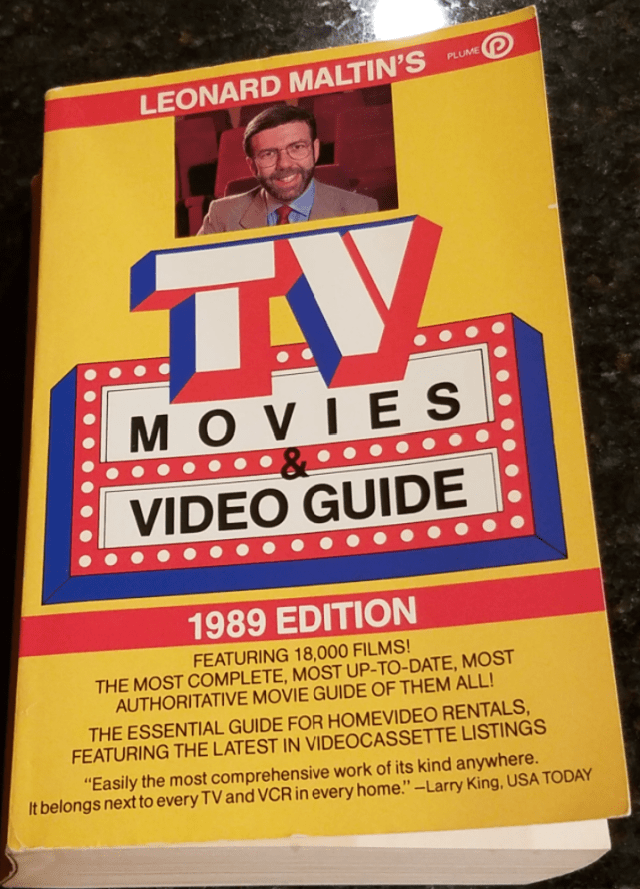
Take 3: Emil and the Detectives (1964) Review

November’s Genre Grandeur focuses on Live Action Disney Films. Since I happen to have a few movies of this nature on my DVR, I had some options for this month’s event. I also wanted to participate in Taking Up Room’s Distraction Blogathon. Because “red herrings” and “dangling carrots” are a part of the movie distractions subject, I decided to review one film for both events; the 1964 title, Emil and the Detectives. Before both blogathons, I had this movie on my DVR for two years. The intention to review the film was there, but I hadn’t gotten around to writing about it. With these aforementioned events, I now have an excuse to finally talk about Emil and the Detectives! So, find a comfy seat and grab your magnifying glasses, as I’m about to review this 1964 live-action project from Disney!

This poster for Emil and the Detectives is a screenshot from my television. Screenshot taken by me, Sally Silverscreen.

Things I liked about the film:

The camaraderie among the younger characters: When a story features a group of young characters who either are friends or become friends, the camaraderie between those characters needs to feel believable, especially if the story primarily revolves around them. With this movie, that camaraderie among Emil and the Detectives was definitely genuine! In the scene where Emil meets Gustav, the leader of the Detectives, the connection between these characters is strong, despite them having never met before. As Emil meets the rest of the Detectives, it feels like these group of boys have been friends all along. The strong camaraderie works with this story, as it gives the audience a reason to stay invested in the journey of the characters. The fact each character has their own distinct personality also works in the characters’ favor, as it allows each one to bring something different to the table. The acting performances and the script add to the strength of the characters’ camaraderie, as it makes the interactions between these characters look and feel realistic!

The German backdrop: Thinking about live-action Disney films from this time-period/era, Germany wouldn’t immediately come to mind for me when it comes to a movie’s setting. Even though this studio has created projects with interesting settings, such as The Moon-Spinners, these titles seem like exceptions to the rule. Emil and the Detectives not only takes place in Germany, but was also filmed there as well. While the story’s setting is the city, some of the buildings possess an old-world charm. The apartments displayed wood and brick styles, carrying a more vintage appearance than their more contemporary counterparts seen today. The details of these apartments were also very distinctive. When Pony meets one of the Detectives, her grandmother’s apartment door boasts a rich dark wood. A small stained-glass window and a gold mail slot can also be seen, emphasizing the antique fixtures of yesteryear. Toward the end of the film, the story takes place in an abandoned structure in ruin. Not only was the structure itself impressive, but it served as a reminder of the state of Germany post World War II. Because this film was released nineteen years after the end of World War II, it shows how these characters are not that far removed from this real-life event, providing a sense of realism to the story.

An introduction to the Film Noir genre: Back in 2018, I reviewed the 1978 Disney production, Return from Witch Mountain. In that review, I said the film and its predecessor, Escape to Witch Mountain, would be good introductions to the Science-Fiction (Sci-Fi) genre. Emil and the Detectives is also a good genre introduction, but to the Film Noir genre this time. While this film is not dark and gritty, the elements of Film Noir are certainly present. One great example is the character of Gustav. When a Film Noir story includes a detective, that character will usually have a strong, magnetic personality. This shows the audience this character can be trusted and is also approachable. Gustav is a charismatic child. Even though he is nowhere near perfect, solving any case is always his number one goal. He also displays strong leadership skills, such as helping the other Detectives use their skills to the case’s advantage. Despite being a child, Gustav is somewhat reminiscent of other detectives from the world of Film Noir, such as Philip from The Big Sleep.

The Distraction Blogathon banner created by Rebecca from Taking Up Room

What I didn’t like about the film:

Limited number of German accents: During the film’s opening credits, German-sounding names were shown on-screen. These opening credits also state Emil and the Detectives was filmed in West Berlin (a term very much of its time). So, I was expecting the majority of the characters to carry German accents. To my disappointment, the only characters using German accents were the adults. The younger characters spoke in either American or British accents, a creative decision I found somewhat jarring. I’m not going to fault the younger actors too much, especially since they were so young when they participated in this project. However, it does make me wonder why the movie’s creative team chose to set this story in Germany if they weren’t able to find actors who could pull off a German accent?

Weaker villains: There are three ingredients to making a stand-out villain: a unique appearance, a strong personality, and a memorable motive. While the Skrinks, the villains of Emil and the Detectives, possess two of the ingredients, they lack the latter: a motive. In one scene, the Skrinks are impressed by how one of the villains, The Mole, escaped from East Berlin by digging a tunnel under the Berlin Wall. But The Mole’s reason for wanting to escape from East Berlin is never revealed. Throughout the film, the Skrinks are attempting to rob a bank. Once again, the reason for committing this crime is not mentioned by any of the villains. The omission of these motives prevent the Skrinks from standing out among other villains from live-action Disney films.

Pony’s under-utilized talents: One of the younger characters, Pony, is interested in writing and journalism. She follows Emil and the Detectives because she wants to write about the Skrinks’ crime for her school’s newspaper. But, throughout the film, the audience doesn’t get to see Pony using any of her writing/journalistic skills. This is a shame because we do get to see the talents of the Detectives. For example, one of the boys happens to be talented in art. Therefore, his talents are used to create an artist’s rendition of one of the villains.

Map of Germany image created by Macrovector at freepik.com. Background vector created by macrovector – www.freepik.com. Image found at freepik.com.

My overall impression:

1964’s Emil and the Detectives is certainly one of Disney’s more unique, interesting projects. On the one hand, it kind of feels like a Disney production. The way two of the Skrinks are captured contains that “Disney magic” you’d expect from one of their stories. But, on the other hand, it kind of doesn’t feel like a production from Disney. That’s because the Detectives assume child-appropriate versions of actions and choices usually adopted by grown-ups. A perfect example is when Emil and one of the Detectives eat chocolate cigarettes as they wait for a phone call from the rest of their group. As I said in my review, Emil and the Detectives is a good introduction to the Film Noir genre, especially for younger viewers. Some of the genre’s elements are present, but the humor and light-heartedness prevent the story from becoming too dark. I can’t believe this movie has been sitting on my DVR for two years. While I always intended to review this picture, I’m glad I found the perfect opportunity to finally talk about it!

Overall score: 7.3-7.4 out of 10

Have you seen Emil and the Detectives? Are there any lesser known, live-action Disney films you’d like me to check out? Please let me know in the comment section below!

Have fun at the movies!

Sally Silverscreen