Films are a way to visually tell a story. The subjects can range from the fictional to the historical. With movies belonging in the non-fiction genre, that story can introduce viewers to a particular person, event, or time period. This is the case for the 1985 made-for-TV film, Shadowlands! I will admit I knew very little about C.S. Lewis prior to The Two Jacks Blogathon, hosted by Taking Up Room. While I was aware of his contribution to literature, creating the Chronicles of Narnia series, my knowledge of the author was surface-level. By participating in this blogathon and by choosing to review Shadowlands, I hoped to learn more about C.S. Lewis and the literary world he created! Now, it’s time to open the wardrobe door and step into this review!
For some reason, Shadowlands has two titles: Shadowlands and C.S. Lewis Through the Shadowlands. Because the movie doesn’t have an offical poster on IMDB, I chose this poster for my review. Shadowlands (1985) poster created by British Broadcasting Corporation (BBC) and BBC Enterprises.
Things I liked about the film:
The acting: In past reviews, when I talked about a movie’s acting performances, I’ve mentioned the believability of those portrayals. This believability comes from the actors displaying an understanding for their roles, as well as for the talents of their co-stars. As I watched Shadowlands, I could sense the believability from the cast. This element was so strong, it allowed the interactions to come across as realistic. Whenever C.S. Lewis and Joy Gresham shared conversations with one another, it seemed like they shared a mutual connection, being on the same page and even on the same paragraph. The combination of Joss Ackland and Claire Bloom’s talents allowed these performances to compliment each other! There were other interactions that appeared realistic in Shadowlands. When a medical situation takes place in the family, Douglas, portrayed by Rupert Baderman, asks C.S. Lewis about the situation itself. Douglas’ eyes display a longing look, desperate for things to get better. As C.S. Lewis reveals the answer, he has a serious expression on his face. These emotional expressions from both actors brought a sense of honesty to the interaction.
C.S. Lewis’ perspective: Because Shadowlands is based on a part of C.S. Lewis’ life, some of his perspectives are included in the script. The delivery of these perspectives and how they were incorporated into the story was insightful and thought-provoking. In a letter to Joy, C.S. Lewis explains how Narnia is a part of something bigger. From how I interpreted this statement, C.S. Lewis is pointing out how Narnia is a key component of the overarching story. It was interesting to hear Narnia referenced this way, as that world plays such a large role in its series, it seems like the star of the show. Amongst a group of colleagues during Christmastime, C.S. Lewis acknowledges how the birth of Jesus is considered a miracle. But he also points out how Springtime is a miracle, when plants are reborn and the world around the characters comes alive. Looking back on C.S. Lewis’ statement, it can be easy to take Springtime for granted, as it is a natural occurrence that happens on its own.
Historical accuracy: The historical accuracy in a historical/period drama can be found in the visual details. These details can also provide clues for the specific time a story takes place. Several scenes of Shadowlands show a rotary dial phone on a desk or on a table. The phones in the film are black, even though these types of phones can boast any colorful hue. In a scene where one of the characters is in the hospital, the bed is built with a silver metal frame. Even the knobs on a medical machine feature a simplistic design and make a loud, clicking sound. With these observations in mind, it appears that Shadowlands takes place in the 1950s or 1960s.
Sudden jumps in time: Shadowlands has a run-time of an hour and thirty-two minutes. This means progression of time is forced to be condensed for the sake of satisfying the run-time. Within the film’s first thirty minutes, however, the condensation of time was jarring, causing events to happen too quickly. After C.S. Lewis and Joy Gresham first become acquainted with each other, she tells him that she’ll return to England with her sons, in order for them to meet C.S. Lewis. In the very next scene, Joy has returned to England with her children. Several scenes later, Joy makes plans with C.S. Lewis about spending Christmas with him. A scene after that, Christmastime was already arrived.
An overshadowed brother: When I talked about this film’s sudden jumps in time, I mentioned Joy having two sons. These sons, David and Douglas, travel with their mother to England and eventually make England their permanent residence. Throughout the story, Douglas’ perspective is the one that is prioritized, as he is a fan of the Chronicles of Narnia series. The audience even sees how Douglas deals with a tragic situation. David’s thoughts about this tragic situation are referenced, but never showcased. I know there is only so much story to tell in an hour and thirty-two minutes. But I wish David’s perspective hadn’t been ignored.
Things left unexplained: In my review’s introduction, I said I hoped to learn more about C.S. Lewis by watching Shadowlands. While I did learn some things about the famous author, the story assumed the viewer already had basic knowledge about him. One example of this is how some things were left unexplained. There is a scene where C.S. Lewis is lecturing a group of students in a classroom. No explanations were provided for why he was lecturing these students or why he was teaching in the first place. It wasn’t until after I saw the movie that I learned C.S. Lewis was a professor at Oxford.
A person or event featured in a movie may be so fascinating, they deserve their own documentary. Some examples are the events that inspired Over the Edge and Evel Knievel. C.S. Lewis is one of these people that deserves a documentary, as he is an interesting literary figure. In fact, I think the story of Shadowlands should have been a documentary instead of a film. Even though I learned some information about the famous author, the movie assumed the audience already knew about him. This was the cause of things within the story not being explained. If the story of Shadowlands had been a documentary, important events could be discussed and prioritized without the program’s run-time being a concern. But reflecting on Shadowlands as a film, there are aspects of the project I can appreciate, such as the acting performances and hearing about C.S. Lewis’ perspective. With all that said, I thought the movie was just ok.
Overall score: 6 out of 10
Have you seen 1985’s Shadowlands? Would you like to see me talk about C.S. Lewis’ stories on my blog? Please tell me in the comment section!
I will admit I was a bit overwhelmed by my blogathon theme. With the theme of family being so broad, I could have chosen almost any movie, television episode, or book to write about. On a trip to IMDB, however, I came across the 1979 made-for-tv film, …and Your Name Is Jonah. Since I had never seen, let alone heard of, this movie prior to the event, that is what I selected for Familyathon! As I’ve stated before on 18 Cinema Lane, I haven’t had the best of luck finding a television film from the ‘70s I like. Out of these titles, they have ranged from fine, ok, or disappointing. During my search for my Familyathon topic, I also realized how I’ve heard of few programs revolving around a family dealing with a misdiagnosis. So, reviewing …and Your Name Is Jonah is bringing something new to my blog’s table!
The acting: Like I mentioned in my review’s introduction, …and Your Name Is Jonah is about a family dealing with a misdiagnosis. At the beginning of the movie, Jenny and Danny, the titular character’s parents, learn their son is deaf after years of believing he had an intellectual disability. Learning about a misdiagnosis and adjusting to a new diagnosis can be overwhelming for a family. Through their portrayal of Jonah’s parents, Sally Struthers and James Woods make these feelings of stress and frustration come across realistically. During dinner, Jonah throws his peas on the floor, indicating how he doesn’t want to eat them. Genuine confusion can be seen on Danny’s face and heard in his voice as he takes Jonah’s plate away, in order to stop Jonah from throwing his food on the floor. Meanwhile, Jenny tells her son to stop making a mess in a calm, yet stern voice. She even points to her own plate, trying to get Jonah to eat his food. After Jonah receives his plate of food back, he continues to throw the peas on the floor. Agitation grows in Danny’s voice when he finds out the behavior hasn’t stopped. When Jenny decides to move Jonah’s plate into the kitchen, informing her husband about her plan in a calm manner, Jonah has a temper tantrum. This causes Danny to become frustrated over the situation, even sounding agitated with his other son, Anthony. Jenny, simply trying to keep the peace, attempts to stand up for Jonah, her voice sounding like she’s begging her husband for understanding. She also looks exhausted and overwhelmed.
When given a role that has little to no dialogue, an actor or actress must use facial expressions, emotions, and body language in order to show what their character is not saying. Jeffrey Bravin, the actor who portrayed Jonah, effectively utilized these acting techniques! This allowed the audience to learn more about Jonah, even knowing more information than his parents did. When Jonah wears his hearing aid for the first time, Danny and Jenny get into an argument over the hearing aid. Meanwhile, Jonah removes the hearing aid, his face expressing discomfort while doing so. His face continues to express discomfort when Jenny puts the hearing aid back into his ear. Jonah then looks sad and confused as he’s trying to figure out what his parents are saying. Through Jonah’s perspective, the audience can hear that, to him, Danny and Jenny sound like they’re arguing underwater. This scene helps the audience learn, before Jenny and Danny, that the hearing aid is not helping Jonah like it was intended to.
An introduction to deaf culture: Last year, when I reviewed Children of a Lesser God, I discussed how the film served as an introduction to deaf culture. This was achieved by the audience getting to know the characters and learning why they do or don’t want to learn to speak. …and Your Name Is Jonah also serves as an introduction to deaf culture. However, the introduction came from Danny and Jenny learning more about their son’s diagnosis. Toward the beginning of the movie, Jenny and Danny discover Jonah might benefit from using a hearing aid. An audiologist explains to Jonah’s parents how a hearing aid will help their son hear sounds he can just barely hear. This explanation provides a basic understanding of hearing aids for both Jonah’s parents and the audience. Later in the movie, Jenny gets invited to attend a deaf club. While attending one of the club’s meetings, Jenny learns some signs, ranging from describing animals to feelings. This demonstration was a beneficial introduction to sign language for Jenny as well as the audience.
Diversity in education: The idea of education not being “one size fits all” has gained attention in the 21st century. That idea included as an overarching theme in …and Your Name Is Jonah seems ahead of its time, as the film was released in 1979. Throughout the movie, Jonah’s family try to teach him to speak through speech. But these efforts are met with little to no results. Instead of letting frustration get the better of her, Jenny admits that her approach to education is not the right fit for her son. After this realization, she seeks out other options in order to help Jonah learn to speak. By Jenny seeking out a new approach, the story acknowledges how children learn differently and how various teaching techniques are available to best meet a child’s educational needs.
Familyathon blogathon banner created by Sally Silverscreen of 18 Cinema Lane
What I didn’t like about the film:
Prolonging Jonah’s break-through: In my review of I Never Promised You a Rose Garden, I talked about Deborah’s recovery process being rushed. This was the result of the film taking so long to show Deborah’s break-through, with that moment taking place in the movie’s last twenty minutes. Jonah’s break-through is also prolonged in …and Your Name Is Jonah. As I mentioned in this review, Jonah’s parents are overwhelmed by their son’s new diagnosis. However, for the majority of the story, they stubbornly try to use the same teaching technique with little to no results. While Jonah does receive a break-through, that moment takes place an hour and twenty-four minutes into an hour and thirty-three-minute movie. I wish this break-through had been reached sooner, so more time could be spent seeing Jonah thrive instead of struggling.
Lack of questions from Jonah’s parents: When Jonah is being released from the hospital, Danny and Jenny confess to the hospital’s director and the audience how their son has been at the hospital for “three years and four months”. When the hospital’s director tries to answer Jenny’s question of how Jonah got admitted in the first place, Jenny tells him, “You went over it and I just listened, and I still don’t understand”. This situation, along with Jonah’s new diagnosis, should have encouraged Jenny and Danny to ask more questions. Instead, they don’t dig beyond the surface. One example involves Jonah receiving a hearing aid. Earlier in this review, I brought up how Jonah’s parents learn about hearing aids and their intended purpose. While Jonah uses a hearing aid for the majority of the film, Danny and Jenny are frustrated by Jonah’s lack of progress. During one of Jenny and Danny’s arguments, the scene is presented from Jonah’s perspective, with the argument sounding like it’s taking place underwater. Had Jonah’s parents asked more questions about the hearing aid, they would have gained a better understanding why their son doesn’t seem to like wearing it.
An antagonistic speech therapist: One of the characters Jonah’s parents turn to for help is a speech therapist named Mrs. Marquardt. While Mrs. Marquardt had good intentions, I didn’t like how the film presented her as a more antagonistic character. When Mrs. Marquardt first meets Jenny and Jonah, Jenny tells Mrs. Marquardt how Jonah doesn’t seem to like wearing his hearing aid. Mrs. Marquardt tells Jenny how “he must learn to like it” and that his hearing aid is “his best friend”. While explaining the purpose of speech therapy to Jenny, Mrs. Marquardt tells her how children are not allowed to use sign language. Mrs. Marquardt explains how “once a child begins to use signs, he becomes lazy in learning how to use his voice and read lips”. I’m aware that some stories require the inclusion of an antagonistic character. But when a story like …and Your Name Is Jonah carries the overarching theme of how education is not “one size fits all”, the emphasis should be a teaching technique not working doesn’t necessarily mean it’s bad.
In my review, when I talked about the acting in …and Your Name Is Jonah, I mentioned how Jonah received a misdiagnosis. After learning their son is deaf, Danny and Jenny become so overwhelmed, they are desperate to find a solution. While watching the 1979 made-for-TV movie, I was reminded of the 2008 Hallmark Hall of Fame film, Sweet Nothing in My Ear, a story about parents trying to find a solution for their deaf son. However, I find myself preferring Sweet Nothing in My Ear over …and Your Name Is Jonah. In the 1979 film, Jonah’s break-through is prolonged, taking place in the film’s last nine minutes. For the majority of the story, Jonah’s parents don’t ask more questions, a cause for Jonah’s break-through being prolonged. This is different from Sweet Nothing in My Ear, where the parents spend that story exploring every available option for their child. Even though the conclusion of Sweet Nothing in My Ear is open-ended, that creative decision was made to allow the audience to form their own perspective. I will say …and Your Name Is Jonah provided a nice introduction to deaf culture. It also showcased good acting performances and a theme that made the film feel ahead of its time. But, overall, this movie was just fine, in my opinion.
Overall score: 7.2 out of 10
Have you seen …and Your Name Is Jonah? Are there any made-for-TV movies you’d like to see me review? Let me know in the comment section!
Welcome to the Familyathon Blogathon! With Thanksgiving on the horizon and the Christmas/holiday season on the way, the theme of family is recognized and celebrated! Even outside of special occasions, family has been a popular topic in entertainment media for decades. From these on-screen families, familiar faces and beloved characters have won over the hearts of fans. Their stories have served valuable lessons and even stood the test of time. Every entry in this event showcases how the subject of family has been incorporated into movies and television! From the underrated tv films to silver screen classics, let the blogathon begin!
Familyathon blogathon banner created by Sally Silverscreen of 18 Cinema Lane
You’re probably wondering why I’m reviewing a Christmas movie right before Halloween, especially since I tend to wait until about November to write about Christmas films. That’s because I chose this particular title, Christmas at Castle Hart, for the Genre Grandeur blogathon! When I discovered October’s theme was ‘Mistaken or Stolen Identity Films’, the first movie that came to mind was the 2021 Hallmark Channel project, Christmas at Castle Hart. But Genre Grandeur isn’t the only reason why I wanted to check this film out. Back in 2018, in my Movie Blogger’s Christmas Wish List, I wrote how I wanted to see Stuart Townsend and Marguerite Moreau star in a Hallmark Hall of Fame movie together. Since the publication of that Christmas wish list, Hallmark has abandoned Hallmark Hall of Fame, not releasing a film for that collection since 2019. Despite that, I kind of got what I wanted, with Stuart co-starring in a Hallmark Christmas movie. Will Christmas at Castle Hart reach expectations? Keep reading this review to find out!
The acting: I will admit I haven’t seen many projects from Stuart Townsend’s filmography, with Queen of the Damned being his only project I’ve seen in its entirety. A reason why I wanted to see Stuart star in a Hallmark production was to see if he had what it takes, talent wise, to carry a Hallmark film. He proved he could with his portrayal of Aiden in Christmas at Castle Hart! During the movie, Aiden takes Brooke, portrayed by Lacey Chabert, to a run-down chapel in desperate need of repair. This trip encourages Aiden to tell Brooke a story of a renovation project gone wrong. When telling this part of the story, Aiden looks completely defeated, looking back on how he let someone down. Aiden’s defeated attitude radiated through the screen, as the emotions Aiden felt appear genuine. Stuart’s ability to show emotions genuinely helped create a protagonist that was likable!
Lacey Chabert is one of the strongest actresses Hallmark has in their community! She has proven she can work with both comedic and dramatic material. One of the great things about Lacey’s acting abilities is how easily she adapts to various situations. When her character, Brooke, learns about her mistaken identity, she displays a collection of reactions. At first, Brooke appears confused at being referred to by another name. When she realizes what is going on, Brooke looks shocked, but never makes the other characters suspicious. She then seems irritated by what the mistaken identity entails. Yet Brooke maintains a professional persona the entire time. This scene serves as a great example of Lacey’s acting talents!
When a Hallmark movie features older members of royalty or nobility, those characters will, more often than not, carry a snobbish attitude. This attitude will especially be present whenever they interact with characters that are labeled as “commoners”. But Kate O’Toole’s portrayal of Duchess of Abercorn was much different from those aforementioned characters. In fact, her on-screen personality was so pleasant! The Duchess of Abercorn was so friendly toward Brooke and her sister, Margot. She even goes out of her way to help the sisters in their search for their family history. Kate’s performance helped break a trope that is typically found in Hallmark’s “royal” films. This made me wish the Duchess of Abercorn had more appearances in this film!
The scenery: When I reviewed Chasing Leprechauns, I talked about how that movie’s creative team didn’t seem to take the initiative to capture Ireland’s natural beauty on film. The creative team of Christmas at Castle Hart learned from the previous movie’s mistakes, showcasing Ireland in a much more appealing light! While Ireland’s greenery was made visible through long, establishing shots, a light sprinkle of snow veiled the countryside. From the movie’s titular castle to the small-town streets, everything looked like it existed inside a snow-globe! When Brooke and Aiden were riding horses, there were some establishing shots near Ireland’s coast. The icy blue and gray water complimented the white and green of the nearby landscape, creating an interesting winter palette. Because of the creative team’s desire to feature the best of Ireland’s natural environment, the scenery looked inviting!
The set design: More often than not, the set design in Hallmark’s Christmas films appear beautiful. While this is the case for Christmas at Castle Hart, there were some design choices that really stood out! One example is the Christmas party Brooke and Margot plan. The ballroom is covered in shades of gold and cream. Lighted tree branches serve as walls surrounding the space. The branches made the room feel intimate, creating a smaller event that felt more private and exclusive. That design choice was one of the more creative Christmas decorations I’ve seen in a Hallmark production! At a local pub, the wooden bar shelves and countertop are covered in string lights. Even the large, red-framed, exterior windows are given Christmas attention, paired nicely with green garland. Creative decisions like the ones I mentioned show how this creative team paid attention to the space they had at their disposal!
Bad CGI: CGI (computer generated images) is a component that isn’t common in Hallmark’s programming. I’m also aware how Hallmark projects tend to have smaller budgets. Even though the movie’s poor CGI wasn’t a consistent flaw, it was still noticeable enough to point out. In one scene, Aiden is driving through the Irish countryside. Whenever he looked over at Brooke, a green outline was visible around Aiden’s head, revealing pieces of the creative team’s green-screen. When the titular castle was first presented in the film, I wondered if the wreaths on the castle were images added in post-production. In a close-up shot of the castle, it appears I may be correct. One of the wreaths had a visible shadow that made it look like the wreath was floating over the stone wall of the castle. Looking back on Christmas at Castle Hart, I wonder why CGI was used in this film in the first place?
The underutilization of Stuart Townsend: Since 2018, I’ve wanted to see Stuart Townsend in a Hallmark production, specifically a Hallmark Hall of Fame movie. While I kind of got what I wanted, I didn’t get it the way I wanted it. In Christmas at Castle Hart, Stuart wasn’t given much material to work with. In fact, Aiden spent the majority of the story driving Brooke around Ireland. There were opportunities for Aiden to be more involved in the story, such as restoring a local chapel. Sadly, these opportunities weren’t given to Aiden. Instead, the story heavily revolved around Brooke and her efforts to plan a Christmas party.
An underutilized subplot: A subplot within Christmas at Castle Hart was Brooke and her sister, Margot, trying to trace their family roots and learn more about their father. This part of the movie created a more unique element to Hallmark’s Christmas programming. But most of the story focused on Brooke and Margot’s efforts to plan a Christmas party. This creative decision led to the aforementioned subplot being treated like an afterthought. While this search for Brooke and Margot’s family heritage was brought up in a few scenes, the search itself was not elaborated on. Even though this subplot was resolved, the resolution was underwhelming.
Weak on-screen chemistry: As I mentioned earlier in this review, I liked Stuart’s and Lacey’s performance in Christmas at Castle Hart. However, I found their on-screen chemistry weak. This weakness had more to do with the material itself. Aiden and Brooke spend most of the story interacting in a professional context. That prevented the characters from developing a romantic spark between them. While there were sweet moments between Aiden and Brooke, such as baking a plum pudding together, I never got the impression they were falling in love.
I haven’t seen all of Hallmark’s movies taking place in Ireland. But out of the ones I’ve seen, most of them have been underwhelming. Christmas at Castle Hart is, sadly, one of those titles I wasn’t impressed with. For me, the biggest flaw was the writing. Brooke and Margot’s search for their family history was a more unique story for Hallmark’s Christmas programming. Unfortunately, this part of the story was treated as an afterthought. There were opportunities for Stuart’s character, Aiden, to become more involved in the story. Yet, Stuart’s talents were underutilized, giving him little material to work with. Christmas at Castle Hart is an example of Hallmark’s focus on quantity instead of quality. Had this same movie been created during the prime of Hallmark’s ‘Countdown to Christmas’ line-up, more attention to detail would have been given, especially for a project starring Lacey Chabert.
Overall score: 5.2 out of 10
Have you seen Christmas at Castle Hart? What is your favorite Christmas movie starring Lacey Chabert? Please tell me in the comment section!
Three years ago, I created a tier rank list of every Hallmark Hall of Fame movie I’d seen. These films were categorized by my overall impression of each presentation. In honor of 18 Cinema Lane turning five, I promised my readers I would revisit one of my past articles. I’ve seen more Hallmark Hall of Fame movies since I published my original tier rank list, so that’s the article I’ve selected! Along with adding more Hallmark Hall of Fame productions, I changed the names of each tier category. This decision was made to better reflect whether a film is worth its retail price of twenty dollars a DVD compared to its quality. The new tier category names are the following:
Bottom of the Barrel – Not Even Worth a Dime
Ok – Catch it on TV/Youtube
Decent/Fine – Bought It at a Garage Sale for a Dollar
Good – Get It On Sale for Half Off
Great – Where Do I Pay Full Price?
For each movie I added or moved to a different tier, I will share my thoughts on them. If I wrote about a movie on my blog, I will add the link to this article.
Screenshot taken by me, Sally Silverscreen
Bottom of the Barrel – Not Even Worth a Dime
Durango
Reviewed for the Legends of Western Cinema Week Blogathon, I stated Durango should have been a David and Goliath story. That’s because a David and Goliath reference was placed within the last nineteen minutes of the movie, the creative team’s attempt to include a higher stake into the story. But this attempt didn’t work because the majority of the film had lower stakes. The protagonist and his plan to transport cattle worked out perfectly, too perfectly for the standards of the western genre. This takes away any room for concern the audience could have for the characters and their well-being.
As I explained in my list of the top ten worst movies I saw in 2022, the audience was not given a reason to care about the characters and their story in Journey. This flaw was achieved because the film’s creative team didn’t provide explanations for the characters’ choices. It also did not help how annoying Grandpa Marcus was, his photography hobby becoming an obsession. A major theme of Journey is memories being irreplaceable. That theme was poorly delivered in Journey, as Marcus’ hobby creates a plot hole within the story. Also, I’ve seen Hallmark Hall of Fame movies express this theme better, such as The Lost Valentine.
A Place for Annie
When it comes to movies that are products of their time, they can fit into one of two categories: movies that serve as visual time capsules and those that are dated on arrival. A Place for Annie, sadly, falls into the latter category. The majority of the story focuses on the medical information of HIV/AIDS that was known during the late ‘80s to mid ‘90s. That focus causes the film to show its age more obviously. The way foster care/adoption is discussed in this story is so oversimplified, I couldn’t take that part of the movie seriously. Similar to what I said about Journey, the theme of adoption is expressed better in other Hallmark Hall of Fame stories, like Redwood Curtain.
The Corsican Brothers
Alexandre Dumas’ stories are, more often than not, filled with adventure, intrigue, and suspense. But in the case of The Corsican Brothers, these elements were lacking. Granted, I still haven’t read the book this movie is based on. Though I do wonder how similar the 1985 adaptation is to the source material? If the original story primarily revolves around Louis attending fancy events in Paris, that would explain why the adaptation is so underwhelming. However, the original story could explain some of the confusing parts of the movie, such as the woman giving some of the characters fates.
The 1996 movie, The Summer of Ben Tyler, feels like Hallmark Hall of Fame wanted to create their own version of To Kill a Mockingbird. Upon reflection of this film, it doesn’t seem like the creative team displayed a strong understanding for what made Harper Lee’s story work. If anything, it feels like ideas are copied from Harper’s novel and pasted into the Hallmark Hall of Fame presentation, making The Summer of Ben Tyler a little too similar to To Kill a Mockingbird. This is a case of if you’ve seen one movie, you’ve basically seen the other. So, if you’ve seen the adaptation of To Kill a Mockingbird, you’ve already seen The Summer of Ben Tyler.
Decoration Day
The way I feel about Decoration Day is similar to Promise; the majority of the story is very “slice-of-life”. To me, this makes both films less memorable than other Hallmark Hall of Fame titles. However, I did find Gee Pennywell’s dilemma over receiving the Congressional Medal of Honor the most interesting part of the movie. In fact, I wish Decoration Day had solely revolved around that dilemma.
Foxfire
Hallmark Hall of Fame has a history of adapting plays into films. Sometimes, a movie’s creative team will take advantage of the expansive nature of cinema, allowing the story to move beyond the boundaries of the stage. For Foxfire, though, the story was confined to the four walls of Annie’s house. A smaller cast and a condensed story also caused the 1987 Hallmark Hall of Fame project will feel more like a televised play. If I choose to watch Hallmark Hall of Fame film, I expect to watch a film. Foxfire subverted my expectations, but in a disappointing way.
Calm at Sunset is one of those movies where better, more interesting ideas were woven into the fabric of this story. One example is when the protagonist spots a cruise ship and imagines the types of people aboard that ship. Honestly, I wish Calm at Sunset was about that cruise ship instead. Similar to what I said about The Corsican Brothers, I haven’t read the book this movie is based on, so I don’t know which parts of the production came straight from the source material. If the book is pretty close to the film, it would explain why the adaptation was lackluster.
Witness for the Prosecution
Based on the adaptations of Agatha Christie’s books I’ve seen, the protagonist will play an active role in solving the mystery. Witness for the Prosecution is the exception to this statement, as Wilfred focuses more on the legal case he’s working to resolve. In a story where the protagonist doesn’t actively solve the story’s mystery, it can be difficult to get the audience invested in the story itself. Because Wilfred’s case is the primary focus of the story, the film is more dialogue heavy, putting emphasis on telling instead of showing. Hallmark Hall of Fame’s Witness for the Prosecution is a mystery that is light on the mystery.
In my editorial about the adaptation of The Flamingo Rising, I explained how the story should have been adapted into a television show or a multi-part mini-series. This is because the story itself is drawn out over the course of the protagonist’s life. Reflecting on the adaption, it felt like Hallmark Hall of Fame tried to fit The Flamingo Rising into their brand of storytelling. In this attempt, several parts of the source material were omitted or changed due to them not being “Hallmark appropriate”. As I did in the aforementioned editorial, I questioned why Hallmark Hall of Fame would choose to adapt Larry Baker’s story over a story that was more “Hallmark appropriate”?
Having read the source material and seen the adaptation of O Pioneers!, I can say the movie is respectful toward the book. With that said, if you’ve seen the film, you’ve already read the novel. Speaking of the adaptation, I said in my review how the story should have been adapted into a mini-series or a television show. With so many characters and so many parts of the story, maybe O Pioneers! would have benefitted from receiving more time. The 1992 Hallmark Hall of Fame presentation is a western that didn’t leave a memorable impression on me.
I’ve stated before on 18 Cinema Lane how the 1972 adaptation of Harvey is better than the original from 1950. While this statement is still true, the 1972 and 1950 versions of this story felt like a copy of one another. It makes me wonder why Hallmark Hall of Fame would choose to adapt Harvey if they knew they were going to make a lot of the same creative decisions as the original film? Despite the similarities, I did like the changes in the 1972 adaptation. One example is how the made-for-tv movie chose a dramatic tone for their version of the story instead of being both a drama and comedy.
Decent/Fine – Bought It at a Garage Sale for a Dollar
The Locket
For a movie titled The Locket, the locket itself is treated as an afterthought. What the story focuses on instead is the protagonist and his hardships. But from what I remember, the 2002 project addressed the importance of elder care. Since that topic is rarely brought up in Hallmark’s programming, I appreciate that creative decision. Marguerite Moreau is one of the reasons why I chose to watch The Locket. Her performance was so good, she ended up outshining the other actors in the movie! Unfortunately, Marguerite was kind of under-utilized in this film, as her on-screen appearances were not as consistent as I expected.
I said in my review of Saint Maybe how the adaptation is faithful to the source material. However, there are changes the film made from the book. One notable example is how religion/faith is downplayed in the Hallmark Hall of Fame presentation. Meanwhile, religion/faith played a significant role in the novel. For years, Saint Maybe was included in Hallmark Movies & Mysteries’ ‘Miracles of Christmas’ marathon. Now that I have seen the adaptation, I understand why the network would make this decision. Personally, I wouldn’t call Saint Maybe a Christmas story/movie, as the story itself takes place over several years.
The Lost Child serves as a good introduction to Native American culture, specifically the Navajo culture. Through dialogue and character interactions, the audience receives a glimpse into life on a Navajo reservation. For the story itself, The Lost Child didn’t leave a strong impression on me. The most interesting part of the film, Rebecca’s search of her family, wasn’t emphasized as much as her adjustment to reservation life. Also, Rebecca’s search for her twin brother was abandoned after she meets her biological family.
I’ve finally seen Loving Leah in its entirety! The way I feel about the 2009 movie is similar to The Lost Child; it’s a good introduction to Jewish religion and culture. Throughout the story, the audience receives a glimpse into the many aspects of Jewish life. Like The Lost Child, Loving Leah didn’t leave as strong of an impression as other Hallmark Hall of Fame titles. From what I remember, the story was a little too drawn out. But from what I also remember, it was nice to see the protagonists’ relationship unfold. With all that said, the movie was pleasant!
Good – Get It On Sale for Half Off
An American Story/After the Glory
Since publishing my review of An American Story/After the Glory, it has become one of my most popular reviews, garnering 1,838 views and counting! The innovative and compelling nature of the project is likely the reason why this particular title is so well-received on 18 Cinema Lane! Like I said in my review, An American Story/After the Glory felt kind of ahead of its time. This feeling is achieved by incorporating the discussion of veterans’ mental health into the script. The way veteran related topics are included in the story is reverent and respectful. An American Story/After the Glory is definitely one of Hallmark’s better military themed productions!
The Love Letter is one of Hallmark Hall of Fame’s more unique titles, as fantastical elements are rarely found in this collection of films. Yet this part of the story worked in the 1998 movie, helping to create a love story that was simple yet intriguing! The characters were not only well written, but also well-acted! Since the protagonists were multi-dimensional, their connection throughout the film was interesting to watch. I also liked the historical accuracy in The Love Letter, as the attention to detail was handled with care!
In my five years of movie blogging, I have discovered very few films that were better than their respective source material. Hallmark Hall of Fame’s Redwood Curtain is one of those films, as I found myself liking it over the play! The movie’s creative team took advantage of the expansive nature of cinema, broadening the horizons in Geri’s life. More characters were added to the story, giving them characterization that the play didn’t provide. Geri’s personality was more likable in the movie, which made me like her as a character. Redwood Curtain is a Hallmark Hall of Fame presentation I wish was re-released on DVD.
As of the publication of this list, Caroline? is, so far, the best movie I’ve all year! That’s because the 1990 production is a close to perfect example of what a Hallmark Hall of Fame presentation can and should be. From the younger actors’ performances to the differentiation of time, I could tell there was a lot of effort and care put into this project! Even though the story of a long-lost family member’s return is nothing new, the way Caroline? was written was creative, allowing this story to have its own identity. This movie is one I wish more Hallmark fans acknowledged!
During my blogging years, I have seen Charles Dickens adaptations I have liked. The 1980 version of A Tale of Two Cities is definitely one of those films! Despite the movie being two hours and thirty-six minutes, the story never felt too long. The immersive nature of the story helped the pacing, as I was invested in what was happening on screen. This Hallmark Hall of Fame production was so good, it makes me want to read the source material! It’s also another film from this collection that deserves more recognition!
In the five years I’ve been movie blogging, I discovered some of my most popular content has been Hallmark-related. One example is how, in a six-month time-frame, my editorial about why Francesca Quinn, PI is the worst Hallmark movie I’ve ever seen has received over two thousand views! Yet, it’s been a while since I reviewed a Hallmark production, with my last review for the Hallmark Hall of Fame adaptation of A Tale of Two Cities. To remedy that, I decided to write about the latest Hallmark Movies & Mysteries film, Guiding Emily! When I first heard about this movie, I liked the idea of a story that didn’t seem to utilize a lot of the tropes and cliches typically found in Hallmark’s projects. However, I was skeptical of the inclusion of a talking dog in the film. Guiding Emily is based on a book of the same name by Barbara Hinske, where the novel is told from the protagonist and her guide dog’s perspective. But I was unsure how the guide dog’s perspective would translate to the screen. Despite this uncertainty, I wanted to check out the movie and see if that uncertainty was justified!
Guiding Emily poster created by Front Street Pictures and Hallmark Movies & Mysteries
Things I liked about the film:
Sarah Drew’s performance: Whenever I’ve talked about an actor or actress’s performance, I have brought up the expressive nature of their performance. One way an actor or actress can achieve an expressive performance is through the use of their eyes. Because Emily, the film’s protagonist, has lost her eyesight, Sarah Drew, the actress who portrayed Emily, used other acting techniques to her advantage. These included body language, vocal inflections, and movements of the mouth. A good example of this can be seen when Emily receives news from her boyfriend, Conner. When she first hears Conner’s news, Emily is excited for him. A smile is shown on her face, even a giggle is heard in her voice. But as Conner shares more news, Emily’s smile fades and her voice sounds defeated. This defeat quickly turned into sadness. The slight quiver of Emily’s lower lip and the sobs heard in her voice provide proof of her feelings. Throughout this scene, Emily has bandages over her eyes because she recently had surgery.
Honesty about guide dog training: Guiding Emily follows Garth, the dog that will become Emily’s guide dog. Before he can take on that role, Garth needs to learn how to be a guide dog. His training is shown through a series of scenes. These scenes address the reality of guide dog training. For approximately two years, Katie trains Garth. During this training period, Katie’s son, Alex, is frustrated that he can’t take Garth into the pet store. He feels frustrated because he sees taking Garth to the pet store as a form of socialization. Katie explains to her son how Garth hasn’t had his vaccinations yet. She also tells Alex how Garth isn’t trained to handle so much stimulation. When Garth is ready to graduate out of his training years, the scene itself is presented as an emotional moment. Katie is sad about Garth’s graduation, even looking like she wants to cry. Mark, the man who placed Garth with Katie, displays a bittersweet look on his face as well. Scenes like this one don’t shy away from addressing how sad it can be to let go of a dog that one bonded with through training.
The scenery: Though not one of the main focal points of the story, I really liked the scenery in Guiding Emily, as it was marvelous to look at! One place that boasted wonderful scenery was the backyard of Emily’s mother’s house! A sprawling green lawn provided the stage for the star of the show. This star was a large body of blue water. A border of shrubbery and a colorful array of flowers served as the star’s “curtain”. At the water’s edge, a sitting area was situated around a gray stone fire pit. The backyard of Emily’s mother’s house would definitely be the perfect cover story for any home and garden magazine!
A disjointed story: Like I said in my introduction, Guiding Emily is based on a book where the novel is told from the protagonist and her guide dog’s perspective. This element of the novel was translated to the screen, with the story bouncing between Emily and Garth’s point of view. However, the script emphasized Emily’s side of the story, as Garth’s side of the story was sometimes told through brief scenes. I found this disappointing because I expected both Garth and Emily’s perspective to be told for an equal amount of time. Honestly, I wish this story was about Emily and Garth learning to work together as a team.
Forgotten young characters: When Emily stays at her mother’s house, she meets her mother’s next-door neighbor, Zoe. This encounter sparks an acquaintanceship between the two characters. But after Zoe talks to Matthew, one of Emily’s friends, at his rock-climbing facility, she disappears from the story. This means that Zoe is gone for half the movie. When Katie is introduced in the story, it is revealed she has a son named Alex. In this two-hour film, Alex only appeared in two scenes total. He didn’t even show up at Garth’s graduation day. With all that said, it makes me wonder why younger characters were included in the story when they just ended up getting forgotten about?
Parts of the story that didn’t make sense: After being discharged from the hospital, Emily returns to her apartment. While there one day, she attempts to navigate through her home without the use of her vision. This attempt ends in disaster, with Emily tripping over a couch and spilling pasta noodles which she thought were chips. Following the aforementioned disaster, Emily’s mother criticizes Conner for leaving Emily alone for six hours, as Conner explains to Emily’s mother how he was “taking a meeting” during that time. But where was Emily’s mother during those six hours? Wasn’t she staying with her daughter? Because the script never addresses the whereabouts of Emily’s mother, this scene is one of a few moments in the movie that didn’t make sense.
On the blog, It’s a Wonderful Movie, a commenter mentioned how Guiding Emily should have been a Hallmark Hall of Fame movie. While reflecting on this film, I will say Hallmark Movies & Mysteries’ latest presentation does feel reminiscent of Hallmark Hall of Fame projects of yesteryear! Sure, the movie does have its flaws, such as a disjointed story and a few parts of the story that don’t make sense. But Guiding Emily is a fine, pleasant film. It does tell a more unique story from those that Hallmark typically creates, avoiding a lot of Hallmark’s tropes and cliches. The talking dog element of the movie is similar to Homeward Bound: The Incredible Journey, where it sounds like the audience is hearing the animal’s thoughts. I wish Hallmark created more movies like Guiding Emily, where the creative teams are given more opportunities to think outside of the box!
Overall scores: 7 out of 10
Have you seen Guiding Emily? Would you like to see Hallmark tell more creative stories through film? Let me know in the comment section!
Once upon a time, in 2019, I saw Citizen Kane for the first time. In my review of the film, and even in my list of ten classic movies I watched because of my blog, I stated how, in my opinion, Citizen Kane is not the flawless masterpiece almost everyone has made it out to be. As you’re reading this introduction, you’re probably wondering, “What does Citizen Kane have to do with July’s theme of Genre Grandeur? That movie isn’t about making movies”. No, it’s not. But the 1999 HBO movie, RKO 281, is. While looking for a title to review for the aforementioned blogathon, I stumbled upon RKO 281, a film I had never heard of prior to the event. When I learned the movie was about the creation of Citizen Kane, I knew I’d appreciate the 1999 project, especially since I saw and wrote about the 1941 film. It also gave me a reason to check out one of HBO’s made-for-tv titles. So, without any delay, let’s start this show of my RKO 281 review!
RKO 281 (1999) poster creatd by HBO Pictures, WGBH, Scott Free Productions, Labrador Films, BBC Films, and Home Box Office (HBO)
Things I liked about the film:
The acting: When we think about a name like Orson Welles, it can sometimes be easy to think of him as more than just a man with a dream. As Orson’s name became a staple of cinematic history, it also became what legends are made of. But Liev Schreiber, the actor portraying Orson, brought humanity back to that name, finding the heart of the “genius” and putting some genuine emotion behind it. While apologizing to Herman Mankiewicz after a falling-out between them, Orson shares a personal recollection about his father. After sharing a part of his soul with his friend, a smile appears on Orson’s face, relieved Herman has agreed to work on Citizen Kane. At the same time, you can see a tear has escaped Orson’s eye. This gives another meaning to Orson’s relief; the burdens of guilt and regret have lifted off his shoulders.
Liev Schreiber is not the only actor to use facial expressions and emotion to their advantage. Portraying William Randolph Hearst, James Cromwell was able to use these tools of acting to present William as more than just the story’s antagonist. When he finds out Citizen Kane is based on him, William is upset by this news. While talking about the situation with a woman named Louella, there is a sharpness to his voice, clearly indicating his bitterness toward the film. But the look in his eyes is that of defeat, questioning how someone was able to successfully build a bridge across the moat of his castle. In this scene, William’s face told more than dialogue could share; a man who gave everyone the impression he was in control, but was really unsure of what the future held.
Marion Davies was the mistress of William Randolph Hearst. Introduced to the audience in a party scene, Marion carried herself with a bubbly personality, almost being mistaken for “ditzy”. But Melanie Griffith prevented Marion from becoming a stereotype or caricature. With a variety of emotions, body language, and facial expressions, Melanie showed Marion as, simply, a woman in a complicated situation. One of my favorite scenes in RKO 281 was when Marion confronted William about his spending habits. Though in a drunken state, Marion addresses some excellent points. As she faces William, her voice is pleading. The desperation in Marion’s voice contains brutal honesty, giving her tone of voice some depth. She never breaks eye contact with William, showing how she isn’t afraid of standing up to “Pops”. Even though she does raise her voice, she only does this to emphasis her points. This scene elaborates how easily someone like Marion could be underestimated. While William saw Marion’s part of their conversation as “excessively theatrical”, I saw it as a woman who knew more about the situation than others were led to believe.
The set design: I’ve heard Hollywood referred to as the “Land of Dreams”. If that’s true, then the set design in RKO 281 was meant to visually represent a fairy tale! William Randolph Hearst’s castle is one of the most divine sets I’ve ever seen! So many details went into this location, it makes every space of the castle feel larger than life. From the marble fireplace held up by carved marble statues, to the large stained-glass windows boasting intricate colorful designs, to even a bath room with blue and green hued walls, William’s castle is a place beyond imagination. While the castle certainly stole the show, there were other sets that looked great on camera. During RKO 281, Orson travels to New York. In a scene showcasing Orson’s hotel room, his large, wooden bed was smartly paired with a red and beige blanket. The bed isn’t the only wooden piece of furniture in the room, as the desk, matching bedside tables, and even the walls display a warm shade of wood. Because of the tall window, the illusion of the room having a high ceiling is given to the audience. Filling the room with warm light from the lamps and the wall sconces, this high-end hotel room gave off a cozy atmosphere!
The film-making process: One of my favorite episodes of Murder, She Wrote is ‘Film Flam’. Watching the process of premiering a film is what made that episode fascinating to me. RKO 281 showed a similar process in their story. But this time, the entire film-making process was revealed. Glimpses of how Citizen Kane was made were woven into RKO 281. I learned some things about Citizen Kane because the film-making process was shown. For instance, I didn’t know Orson dug a hole into the floor just to get the shot he wanted. I also didn’t know that filming of Citizen Kane started two days ahead of schedule. It was interesting to see the various components that go into creating a film, especially during a time when technology wasn’t at a film-maker’s disposal. This peek behind Hollywood’s curtain can make one appreciate the work that goes into making a movie.
The dialogue: There is a lot of work that goes into writing a script. One important area of any script is the creation and delivery of dialogue. As I’ve said in past reviews, dialogue can be hit or miss, especially in a made-for-tv movie. In RKO 281, you can tell there was thought put into the dialogue of the script. In fact, I would go so far as to say the dialogue was, at times, profound. Remember when I said one of my favorite scenes was when Marion confronted William about his spending habits? One of the reasons why I like that scene is because of how well the dialogue was written and delivered. During the confrontation between Marion and William, Marion reminds him of the difference between wanting and needing something. She elaborates on this point by questioning how much a nearby statue cost, not caring about details such as where it was made or the style of the statue, details only William would bring up. Even at the very beginning of this scene, when Marion says, “Millions of dollars a year on art and statues, and there is nothing to explain” illustrates how Marion recognizes the severity of the situation. Meanwhile, as William responds to Marion by stating, “We are in no pickle, as you so euphemistically put it”, the script emphasizes William’s choice to use big words to not only belittle Marion’s intelligence, but also brush his problems under the rug.
The omission of the Breen Code: If you’ve read my movie reviews, you’d sometimes see the term ‘Breen Code’ mentioned in the text. For those unfamiliar with this concept, the Breen Code is a set of moral guidelines that had to be applied to film-making. Movies released between 1934 and 1954 formed the Breen Code era. Because Citizen Kane was released in 1941, I was hoping the Breen Code would play a role in the process of Citizen Kane’s creation. Unfortunately, the Breen Code wasn’t even mentioned. To me, the Breen Code is an underrated component in cinematic history. It would have been nice to hear it referenced in RKO 281’s dialogue.
Some parts of the story not receiving closure: Louella Parsons works for William Randolph Hearst as his “eyes and ears of Hollywood”. After she sees a rough cut of Citizen Kane, she informs William about the film resembling his life. Louella vows to get revenge against Orson for creating the movie, even going so far as to use blackmail in an attempt to cancel the film. But when William’s financial troubles come to light, her role in William’s life seems to have diminished. What happened to Louella after William’s financial situation was made public? Did she still work for him or did she end up working for someone else? This is just one part of RKO 281 that didn’t receive closure.
Keeping track of who’s who: As I mentioned in this review’s introduction, RKO 281 chronicles the creation of Citizen Kane. Therefore, the story follows those individuals connected to the project itself. Throughout the movie, though, members of the film industry from the late 1930s to the early 1940s were brought up in the dialogue. While I was familiar with some of these people, other names I did not recognize. It almost felt like RKO 281’s creative team expected the audience to know the film industry scene of that time. When I watch a film, I want to be told a story. If I end up learning something valuable by watching a movie, I feel that is time well spent. However, I don’t want to feel like I need to do homework prior to watching the film.
Not all made-for-tv movies are created equal. Sometimes, a low amount of effort will be given to a made-for-tv production, making a presentation look and feel cheap. But there are made-for-tv projects that are solid, despite the limited resources and finances. RKO 281 is so well-made, it is easy to forget this is an HBO film, as this movie looked and felt theatrical! The creative team behind RKO 281 went above and beyond to make their project the best it could be! From the actors and the screenwriters to the set designers, every person involved with the 1999 movie stepped up their A game and it shows. The style and substance of RKO 281 go hand in hand. While I still don’t believe Citizen Kane is a flawless masterpiece, I’ve gained an appreciation for the efforts it took to make this film exist at all. Toward the end of RKO 281, Orson says “Pretty speeches make history”. If that’s true, then good films leave a lasting impression.
Overall score: 8 out of 10
Have you seen RKO 281 or Citizen Kane? Are there any HBO movies you’d like to see me review? Tell me in the comment section below!
Last June, I published a list of the top ten movies I’d love to review someday. Since publishing that list, I have written about some of the films I talked about! Now that it is “Christmas in July”, it seemed like the perfect time to write about the top ten Christmas movies I’d love to review in the future! The films on my list were distributed through various studios and movie companies, varying in accessibility. But this time, I’ll be listing the movies based on the year they were released. While there are plenty of Hallmark productions I either have never seen or haven’t seen in years, I tried not to include too many Hallmark titles on this list. That’s because I could create a top ten list entirely comprised of Hallmark films. So, while Santa is checking which films are worthy of his nice list, let’s look at the top ten Christmas movies I’d love to review!
There are few very Christmas movies I’ve been recommended by my readers. 1942’s Holiday Inn is one of those films. I will admit I have heard of this movie over the years, but never checked it out. Now that I think of it, I’ve reviewed only a handful of Christmas movie musicals. Holiday Inn would definitely make up for that. Plus, it would give me an excuse to seek out more of Fred Astaire’s projects from his filmography. There is a part of the story that takes place during Thanksgiving, from what I’ve heard. So, I might review Holiday Inn around Thanksgiving!
9. Emmet Otter’s Jug-Band Christmas (1977)
I brought up Emmet Otter’s Jug-Band Christmas in a past Word on the Street story. But while creating this list, I realized how I still haven’t seen this movie. I have written about some animated films on my blog. However, few of those films were animated through puppetry. This would make the 1977 film a more unique picture to write about. Back in January, I saw and reviewed The Great Muppet Caper, a film I genuinely enjoyed. Since Emmet Otter’s Jug-Band Christmas is a Jim Henson production, it makes me wonder if I’ll like this movie as much as The Great Muppet Caper?
8. Bush Christmas (1983) and Miracle Down Under(1987)
I stumbled upon Miracle Down Under (also known as Bushfire Moon or The Christmas Visitor) while searching for movies to review. When looking for more information on the 1987 film, I discovered the 1983 movie, Bush Christmas. Thinking about the Christmas productions I’ve seen, I tend to think of these stories taking place somewhere in the United States. If a Christmas film is set outside the United States, the location is typically Canada or Europe. Australia is a country rarely included in the Christmas movie landscape. Therefore, Miracle Down Under and Bush Christmas offers a yuletide perspective that is unique from other Christmas titles! This shared connection makes these movies perfect choices for a double feature!
7. Mrs. Santa Claus (1996)
As I was writing this list, I remembered how I’ve seen few of Angela Lansbury’s live-action projects from her filmography. Yes, I’ve seen my fair share of Murder, She Wrote episodes. But I’m talking about Angela’s live-action films. I have come across the poster for Mrs. Santa Claus on multiple occasions. Yet, I have never seen this movie. Because of this, I didn’t know that a) the 1996 film is a musical and b) it is a historical fiction story. When I talked about Holiday Inn, I mentioned reviewing only a handful of Christmas movie musicals on my blog. Not only would Mrs. Santa Claus make up for that, but it would also give me an opportunity to talk about a movie that seems underrated in the world of Christmas cinema.
6. Little Men (1998)
For years, I knew there was a continuation to Louisa May Alcott’s classic story, Little Women. I also knew this continuation was given a film adaptation. But the aforementioned continuation, Little Men, is one I haven’t seen or read. With that said, I was unaware the 1998 movie was a Christmas production. While creating my list, I noticed how a lot of the movies were made-for-TV or straight-to-video/streaming presentations. As Little Men was theatrically released, I thought it would add some variety to my list. Maybe I’ll write a double feature review for Little Men and Little Women. Question is, which version of Louisa’s story would pair well with the 1998 movie?
Three Days is similar to the 1999 film, If You Believe; these are Christmas movies that don’t rely on the tropes and cliches found in typical Christmas projects. In the 2001 story, a workaholic man is taking his life and wife for granted. After his wife dies, the man is given a second chance to re-live the previous three days of his life, in order to save his wife and turn his life around. I haven’t seen this movie in years, but I do remember liking it. As of the publication of this list, though, the only place Three Days is available is through the streaming service, Disney+. I hope Freeform (formerly known as ABC Family) airs this film again during their annual ‘25 Days of Christmas’ line-up. That way, I could talk about a film that is, in my opinion, one of the most underrated in Christmas movie history.
4. The Night Before The Night Before Christmas (2010)
The Night Before The Night Before Christmas is one of the first movies I was ever recommended by one of my readers. Since then, I have been trying to find the perfect opportunity to review the film. But as far as I know, the 2010 presentation isn’t airing on any of Hallmark’s networks during their ‘Christmas in July’ line-ups. So, I hope the film airs sometime during the Christmas season. I have found DVD copies of The Night Before The Night Before Christmas. Therefore, if Hallmark doesn’t air the movie again, I still have a chance to write about this production.
3. An Old Fashioned Christmas (2010)
I included this movie in my list of the top ten movies I’d love to review. In that list, I mentioned how I have come across a few DVD copies of An Old Fashioned Christmas. But these DVDs were included in Christmas movie box sets, which tend to be expensive. While this statement is still true, the movie has been uploaded on Youtube, as of mid-July, 2023. Now I might be able to review the film sooner than I expected! Similar to The Night Before The Night Before Christmas, An Old Fashioned Christmas isn’t airing during Hallmark’s ‘Christmas in July’ line-ups. So, I hope the 2010 movie makes an appearance during this year’s Christmas season.
2. Christmas with Tucker (2013)
Christmas with Tucker is a prequel to the 2009 Hallmark Hall of Fame movie, A Dog Named Christmas. I have seen the latter film, which I remember liking. However, it’s been several years since I’ve seen the Hallmark Hall of Fame presentation. Since I also haven’t seen Christmas with Tucker, I don’t know how the 2013 movie and the 2009 movie connect with each other. I might review these films in a future double feature in order to solve that mystery.
1. An American Girl Story: Maryellen 1955 – Extraordinary Christmas (2016)
Years ago, I wrote an editorial about how Jiggy Nye was not an effective villain in Felicity: An American Girl Adventure. Since publishing that editorial, I have not reviewed any of American Girl’s films. I did see some of their films, but An American Girl Story: Maryellen 1955 – Extraordinary Christmas was not one of them. When this film was released, it was only available on Amazon Prime. But American Girl’s Amazon Prime exclusive movies, including An American Girl Story: Maryellen 1955 – Extraordinary Christmas, were recently removed from the streaming service for reasons unknown. For the time being, this film is considered “lost media”. But I hope it either is re-released on DVD or available on another streaming service.
Here at 18 Cinema Lane, I try to review movies that have been recommended to me by my readers. Typically, I watch movies and write about them in the hopes they are good. But in the case of this review, I’m approaching this film a little differently. In the comment section of my article, ‘The Top 10 Worst Hallmark Movies of All Time’, one of my readers, Not a fan of Carrot Cake, shared their worst Hallmark movie they’ve watched. That film is the latest Hallmark Movies & Mysteries title, Carrot Cake Murder: A Hannah Swensen Mystery. Their thoughts on the movie intrigued me. It made me wonder if it was worse than Francesca Quinn, P. I., the worst Hallmark movie I’ve ever seen. So, without further delay, let’s solve this mystery by reviewing Carrot Cake Murder: A Hannah Swensen Mystery!
The camaraderie between the cast members: In a movie series, a group of actors will become familiar with one another’s talents and personalities. This familiarity creates a consistency that can be seen in the characters’ interactions. That consistency allows these interactions to come across as believable in the eyes of the audience. As Carrot Cake Murder: A Hannah Swensen Mystery is the seventh film in its series, the camaraderie between the cast members remained continuous not only throughout this story, but also throughout the series! When Hannah, portrayed by Alison Sweeney, and Norman, portrayed by Gabriel Hogan, interacted with each other, their friendship felt genuine. As Hannah’s mom, portrayed by Barbara Niven, discussed her concerns about her daughter’s safety, that discussion between mother and daughter was presented realistically. These interactions were not only the result of the camaraderie between the cast members, but also the cast members displaying an understanding for their characters and their stories!
The inside jokes: Hallmark has a history of incorporating humor into their mystery series. Typically, this humor can be heard within the dialogue between characters or shown through hilarious situations. In Carrot Cake Murder: A Hannah Swensen Mystery, Hallmark related inside jokes were woven into the script. Frustrated by Hannah’s involvement in the murder mystery case, Mike’s boss tells Mike Hannah is acting like a podcaster. This statement is a reference to Alison’s other mystery series, Chronicle Mysteries. Over lunch, Hannah’s mother, Delores, brings up how Hannah and Mike’s upcoming wedding is never discussed. That conversation references how Hannah and Mike have been engaged since Murder She Baked: Just Desserts, a movie that was released in 2017. These inside jokes provide “Easter eggs” for fans of the Murder She Baked/Hannah Swensen series, as well as fans of Hallmark’s mystery films!
Use of clues: Some mystery stories utilize clues in order for the mystery to be solved. This is the case for several of Hallmark’s titles, including Carrot Cake Murder: A Hannah Swensen Mystery. The movie’s mystery begins in 1995. Therefore, one of the clues is a pager, which was used to determine who the victim called before they passed away. Another clue was a set of keys. But these keys helped set up a timeline for the mystery’s events. The incorporation of the clues in Carrot Cake Murder: A Hannah Swensen Mystery combined the past and present in a nice way. It also showcased a variety of objects that could be used to solve a case!
The underutilization of Mike: Since the series’ inception, Mike has always played an integral role in the story of Murder She Baked/Hannah Swensen. Because he is a professional detective, he provides a unique perspective to a movie’s case, especially compared to Hannah’s perspective. But in Carrot Cake Murder: A Hannah Swensen Mystery, Mike wasn’t given much to do. Instead, Hannah solves the mystery single-handedly, relying on Mike less than in previous films. The “opposites attract” dynamic between Hannah and Mike was missing, which took away some of the series’ charm. It also does Cameron Mathison and his character a huge disservice.
Lack of “coziness”: The Murder She Baked/Hannah Swensen series has garnered a reputation for being a “cozy” mystery. Despite the stories containing murder mysteries, the stories themselves don’t feel too dark in tone. Instead, humor and pleasant character interactions break up the serious nature of the murder mystery. In Carrot Cake Murder: A Hannah Swensen Mystery, however, that “cozy” feeling was absent. While I did like the inside jokes woven into the script, the overall tone of the movie was serious. The lack of light-hearted subplots didn’t help either. In context with the series as a whole, this film causes a tonal shift that feels jarring.
Mike and Hannah’s relationship: For this part of my review, I will include spoilers for Carrot Cake Murder: A Hannah Swensen Mystery. If you have not seen this movie yet and are interested in watching it, please skip ahead to the part of my review titled “My overall impression”.
The majority of Hallmark’s mystery series contain a romantic relationship between the male and female protagonist. More often than not, these relationships grow as its series progresses. In the Murder She Baked/Hannah Swensen series, viewers have witnessed Hannah and Mike go from being neighborhood friends to a romantic couple. As I mentioned in this review, they became engaged in Murder She Baked: Just Desserts. But in Carrot Cake Murder: A Hannah Swensen Mystery, Mike and Hannah’s relationship was not prioritized as in previous movies. They didn’t spend much time together in this story. In fact, Hannah spent more time with Norman than with Mike. This creative choice caused Alison and Cameron’s on-screen chemistry to feel weaker compared to other films.
Like I said earlier in this review, Delores mentions how Hannah and Mike’s wedding hasn’t been discussed. I also mentioned how Mike and Hannah got engaged in a movie that was released over five years ago. During that time, fans of the series have been waiting for Hannah and Mike to finally walk down the aisle and say “I do”. But in the last twenty minutes of Carrot Cake Murder: A Hannah Swensen Mystery, Hannah ends her and Mike’s engagement. Why, you ask? Because she was upset Mike didn’t tell her he was filling his boss in on developments she and Mike found in relation to the story’s mystery. Hannah seems so justified in her choice, she, through a monologue, compares her ended relationship with baking bread, saying something along the lines of the ingredients needing to be respected. Personally, I feel Hannah’s decision to end her and Mike’s relationship was unnecessarily spontaneous. Looking back on this movie, it makes me wonder if Hannah and Mike breaking up was Hallmark’s excuse to discontinue this series?
I chose to review Carrot Cake Murder: A Hannah Swensen Mystery in an attempt to see if it was worse than Francesca Quinn, P. I. Like I said in the introduction, I also reviewed this movie in response to one of my readers. Now that I’ve seen the film, I can honestly say, in my opinion, it is nowhere near as bad as Francesca Quinn, P. I. However, it is one of the most disappointing movies I’ve seen this year, so far. In a recent article from The Wrap, Alison Sweeney confirmed another chapter in the Murder She Baked/Hannah Swensen series. Without spoiling Carrot Cake Murder: A Hannah Swensen Mystery, all I can say is I have no idea how this is possible. Other than solving a mystery, this movie put the series in a standstill. The film’s creative team didn’t provide a reason for the fans to get excited for the next story. From Mike being underutilized to the lack of “coziness” in the latest chapter, I’m wondering if this series will be another mystery series that will unceremoniously end? I said in my editorial about Francesca Quinn, P. I. how Hallmark’s priorities no longer lie with the mystery genre. Reflecting on that film and Carrot Cake Murder: A Hannah Swensen Mystery, it seems like I may be proven right.
Overall score: 5 out of 10
Have you seen Carrot Cake Murder: A Hannah Swensen Mystery? What do you think is in store for the Murder She Baked/Hannah Swensen series? Let me know in the comment section!
Whenever I’ve been nominated for The Pick My Movie Tag, the theme has revolved around Hallmark movies. First, I wrote a list of the top five Hallmark films based on a true story. Then, I published an editorial why Francesca Quinn, PI is the worst Hallmark movie I’ve ever seen. Now, after being nominated for The Pick My Movie Tag for a third time, I’m creating another Hallmark related list! Tagged by Rebecca from Taking Up Room, I was given the option to either write about my first Hallmark film or a favorite Hallmark film from the 90s. While reflecting on all the Hallmark movies released during the 1990s, I realized I had seen enough presentations from the Hallmark Hall of Fame collection to curate a top ten list. So, with a gracious thank you to Rebecca, I will share my list of the top ten best Hallmark Hall of Fame films from the 1990s! Before I start this list, I’d like to remind my readers that this article is not only based on my opinion, it is also based on the Hallmark Hall of Fame projects I’ve seen. Each movie will be listed based on when they were released on television. Since this list was written for a tag, I need to include the official tag rules, which are featured below:
The Tag’s Rules
Nominate one or more people to review the film or films of your choice. Or you can request they review something from a certain year, genre, or star. Everyone can review the same thing, or you can request each person cover something different. As long as it’s something they haven’t written about yet, you’re good.
Nominees are allowed to request a different pick for whatever reason no more than five times. Stuff happens. We all know it.
Nominees must thank the person who nominated them and provide a link their blog.
Nominees may nominate others to keep the tag going. Picking the person who nominated them is allowed, or they can nominate someone else. Maybe both.
All participants need to include these rules in their post, whether they’re nominees or picking nominees.
All participants should use the “Pick My Movie” banner or something similar in their posts.
Have fun!
The Pick My Movie Tag banner created by Rebecca from Taking Up Room
1. Caroline?
Released April 29th, 1990
Two months ago, I reviewed Caroline? for a Blog Follower Dedication Review. When I chose to write about this film, it was an opportunity to share another VHS exclusive Hallmark Hall of Fame title with my readers. But after I saw Caroline?, it quickly became one of my favorite movies from the Hallmark Hall of Fame collection! The combination of strong acting performances and a mysterious plot made the story intriguing to watch! The inclusion of messages and themes such as learning from the past and respecting the wishes of others gave the story more depth. Even the creative team’s attention to detail was reflective in the set design, showcasing the differentiation of time within the story. If I were introducing someone to the Hallmark Hall of Fame collection, I would tell them about Caroline?!
2. Sarah, Plain and Tall
Released February 3rd, 1991
Hallmark Hall of Fame has a history of adapting pre-existing, literary source material. Based on the works I have read, these films are typically respectful toward the source material or better than the source material.From what I remember, Sarah, Plain and Tall belongs in the first category. Like Caroline?, the creative team’s attention to detail could be seen in the set and costume design. The cast as a whole was strong as well. The success of Sarah, Plain and Tall not only led to the start of the only trilogy in Hallmark Hall of Fame history, it also led to the adaptation of other stories from the Western genre within the 1990s. This is one of those titles from the collection that earned a “classic” status!
3. An American Story/After the Glory
Released November 29th, 1992
My review of An American Story/After the Glory is one of my popular movie reviews, garnering over a thousand views and counting! Looking back on my thoughts on this movie, I have an idea why it’s so popular. As I said in that review, An American Story/After the Glory kind of feels ahead of its time. That is due to the inclusion of veteran’s mental health within the story. The way veteran’s mental health, as well as the transition period from soldier to civilian, was written was done with reverence and realism. The script also emphasizes how each veteran is their own unique individual. Out of Hallmark’s miliary related projects, An American Story/After the Glory is one of their better ones!
4. Redwood Curtain
Released April 23rd, 1995
When talking about Sarah, Plain and Tall, I said Hallmark Hall of Fame’s adaptations are typically respectful toward the source material or better than the source material. In the case of RedwoodCurtain, the 1995 film falls in the latter category. Hallmark Hall of Fame adapted this story from a pre-existing play. RedwoodCurtain’s transition to the screen allowed the world surrounding the characters to expand, exclusively providing the Riordan landscape to the movie. Other changes in the script include a different personality for Gerri, the story’s protagonist. In the film, Gerri is a more empathetic and understanding character, which gives the audience a reason to want to root for her. Music plays a bigger role in Gerri’s life as well, showing her dedication toward her dreams.
5. The Boys Next Door
Released February 4th, 1996
Besides adapting pre-existing, literary source material, Hallmark Hall of Fame has a history of adapting pre-existing plays. 1996’s TheBoys Next Door is one of those plays that made the transition to the screen. Similar to RedwoodCurtain, the world surrounding the characters expands beyond the limits of the stage. This emphasizes the idea the men in the group home (Barry, Lucien, Norman, and Arnold) are trying to find their place in the world. What also works in TheBoys Next Door’s favor is the strength of its cast. Through a blend of facial expressions, vocal inflections, and body language, each character is distinct from one another. These characters are also well written, which made them cherished individuals in the story!
Hallmark Hall of Fame’s Caroline? poster created by Hallmark Hall of Fame productions, CBS, and Republic Pictures Home Video
6. Whatthe Deaf Man Heard
Released November 23rd, 1997
It has been a while since I’ve seen Whatthe Deaf Man Heard. From what I remember, I was impressed with the 1997 presentation! This is another film with a strong cast. The interactions between the characters felt believable, making the performances interesting to watch. Whatthe Deaf Man Heard successfully presents the idea of appearances being deceiving, this idea given in a wholesome way. I would love to revisit this movie in the future!
7. EllenFoster
Released December 14th, 1997
EllenFoster is another Hallmark Hall of Fame production I haven’t seen in several years. However, this is a movie I highly regard! Like a lot of Hallmark Hall of Fame titles on this list, the cast in EllenFoster was very talented. But Jena Malone, the actress who portrayed the titular character, stole the show, as she provided a versatile performance! Because this story discusses the subjects of child abuse and neglect, the nature of the film is going to be sadder. Therefore, those who are interested in watching the movie should approach it with the right mind-set. While I won’t spoil the story, I will say the story’s resolution feels earned.
8. TheLove Letter
Released February 1st, 1998
Fantasy/Magical Realism is rarely incorporated into Hallmark’s films, let alone their Hallmark Hall of Fame projects. This makes 1998’s TheLove Letter stand out among the collection! The idea of time manipulation adds creativity to the movie’s identity. Historical accuracy within the story embellishes the aforementioned identity of the film. Campbell Scott and Jennifer Jason Leigh succeeded in carrying this movie, as they sold the illusion their characters were attracted to each other. With the consistent focus in the character of Scott and Elizabeth’s graceful maturity beautifully paired with her “romantic dreamer” persona, it was fascinating to watch these two characters communicate with one another!
9. Grace& Glorie
Released December 13th, 1998
As I said in the past, I am not a fan of the Hallmark movie cliché where a woman from a big city moves to a small town. Grace& Glorie contains this cliché, but doesn’t emphasize its presence in the story. Instead, the film focuses on the friendship between the titular characters. The quality of Diane Lane and Gena Rowlands’ performances made their characters’ friendship feel realistic. This made their interactions interesting to watch. Grace& Glorie contains a simpler plot that ends up working in the story’s favor. All these factors come together to create a Hallmark Hall of Fame movie that is an underrated gem!
10. Sarah, Plain and Tall: Winter’s End
Released November 21st, 1999
Between Sarah, Plain and Tall: Winter’s End and Skylark, I always thought the third movie in this trilogy was the more memorable sequel, even though I think this trilogy is one of the strongest ever made. Similar to Sarah, Plain and Tall, the 1999 film revolves around conflicts within the family, such as the arrival of Jacob’s father. However, there were moments of humor and joy that prevented the story from being too serious. The scene where Cassie says grace serves as a perfect example. It was nice to see the Witting family together again, as, from what I remember, the family was split up in Skylark. It almost feels like coming home after a long trip!
Now, the moment you’ve been waiting for, the announcing of the nominees! As I share which bloggers will receive The Pick My Movie Tag, they will be asked to write about a movie from the 1990s they don’t like. So, these five nominees are:
Screenshot of The Love Letter‘s poster taken by me, Sally Silverscreen.

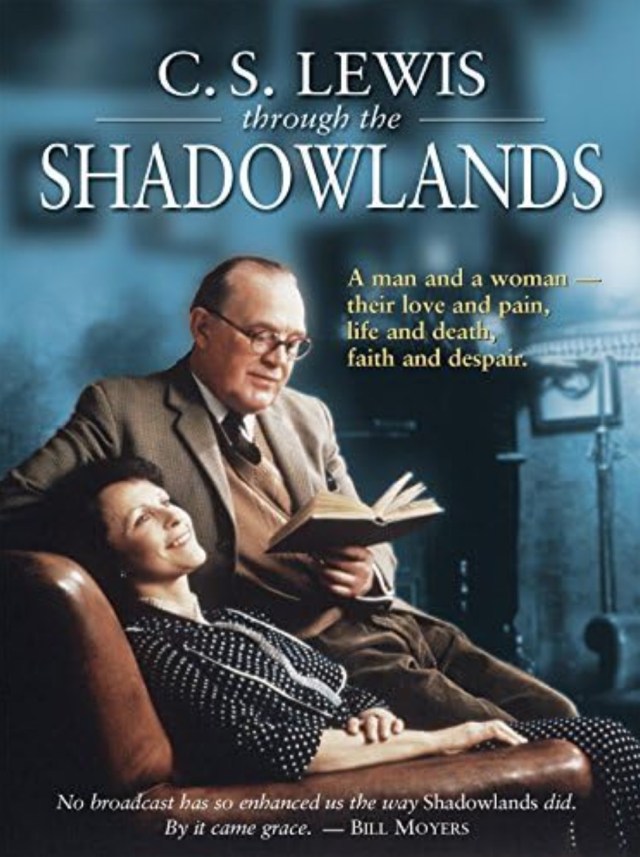


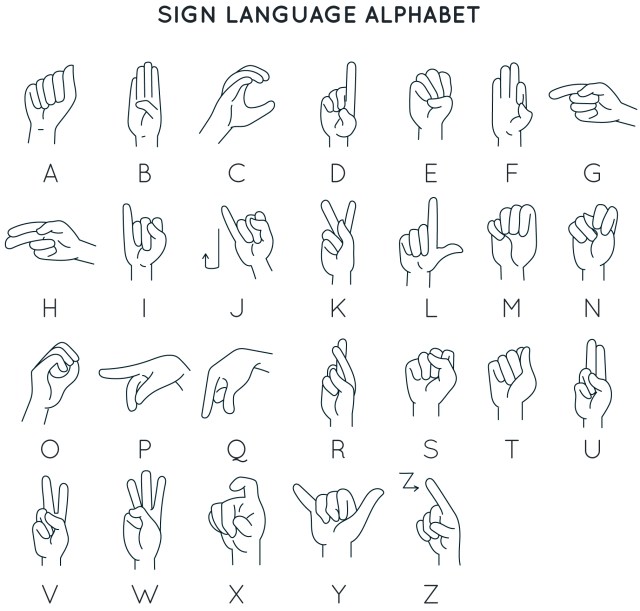







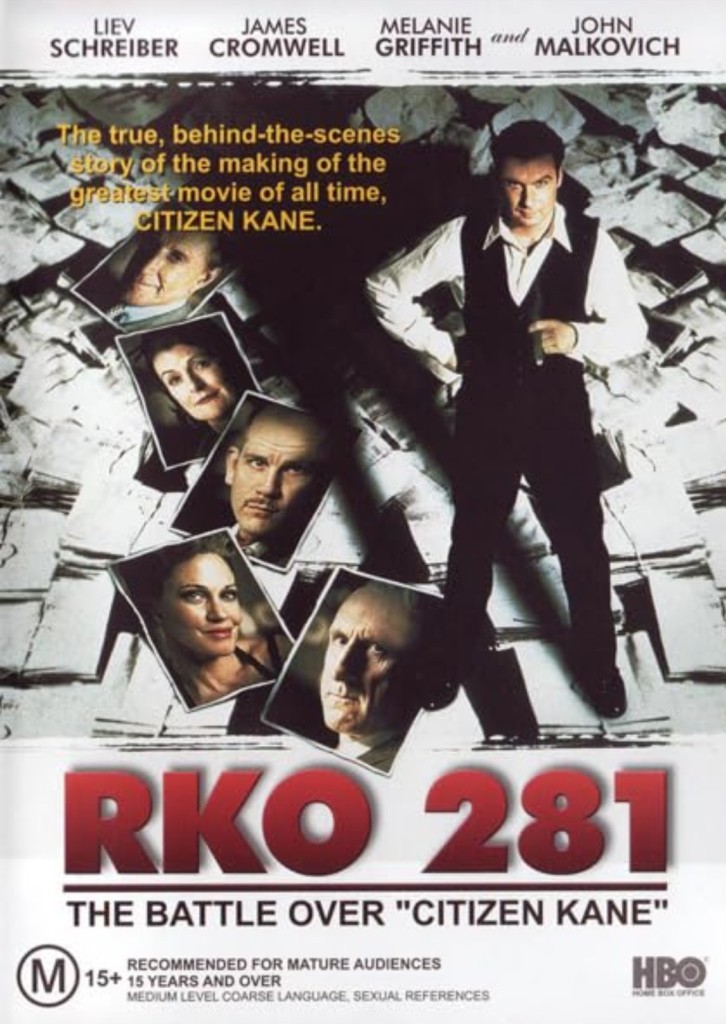




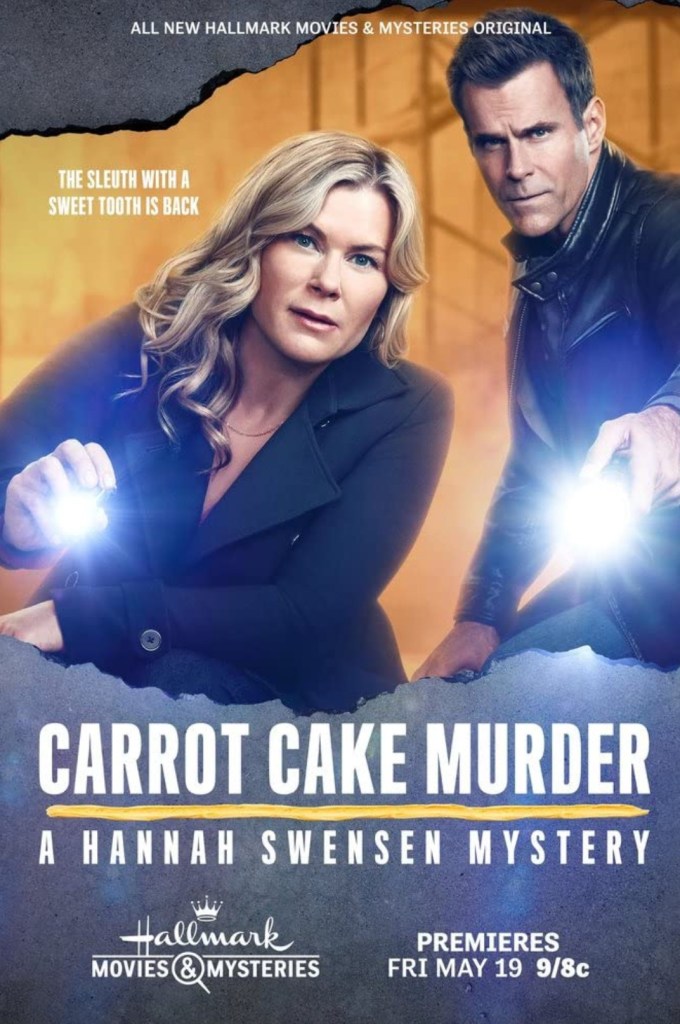



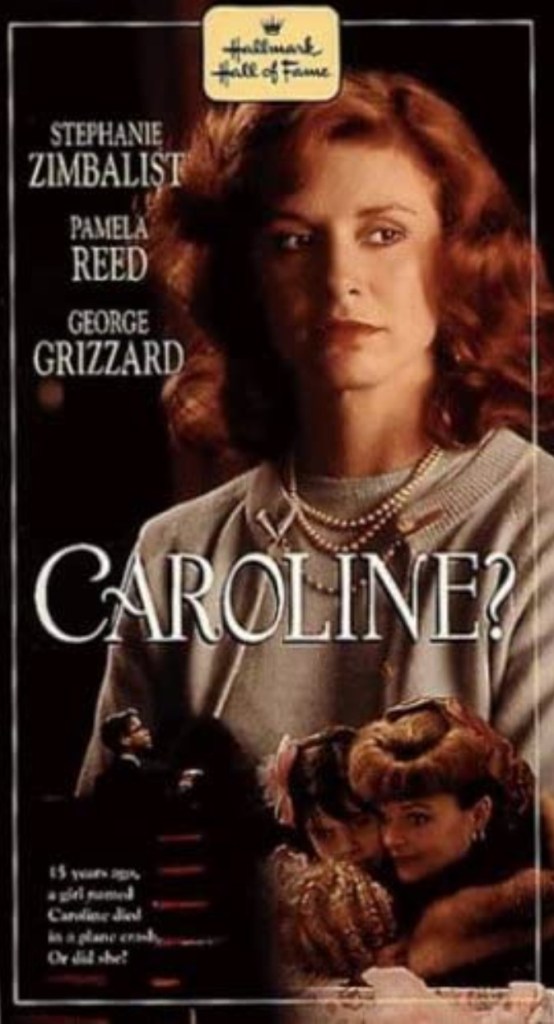
 18 Cinema Lane