Comparing with the Critics – Worst of 1985 – The Bride

This review is from my series, Comparing with the Critics. If you’d like to learn more about the series, click on the link below.

Introducing my new series, Comparing with the Critics!

The summer of 1985 was a disappointing time for Gene Siskel and Roger Ebert. They were so let down by that particular time of the year, At The Movies dedicated an entire episode to discussing the worst movies of the summer. The Bride, which was released on August 16th, was the first film featured in this episode. It left such a bad impression on Roger and Gene, it also appeared on the ‘Worst of 1985’ episode of the show. In each of these episodes, Roger describes The Bride as “an ambitious film that lost it’s way” and a movie that “shot for the stars and failed miserably”. Because I hadn’t even heard of The Bride before starting my Comparing with the Critics series, I couldn’t agree or disagree with Roger’s sentiments. From the way the movie was described, it seemed to answer the question of what would happen if Victor Frankenstein’s female creation fell in love with him? This is a question that is infrequently asked in Frankenstein related media. As someone who has read Mary Shelley’s source material, I was curious to see how the film’s creative team would answer this question. But now that I have seen The Bride, I’m disappointed by how this question was approached. Unlike Gene and Roger, though, I wouldn’t go so far to say the movie is bad.

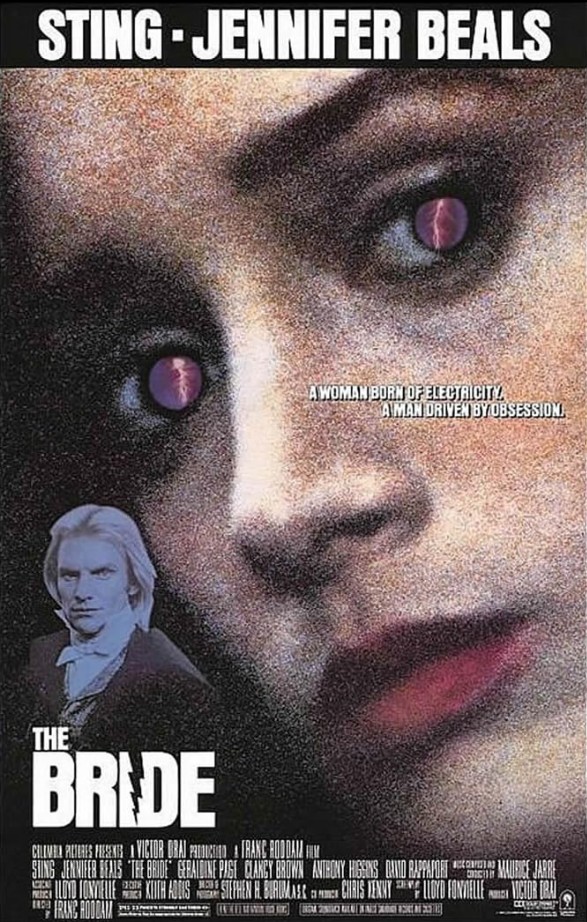
The Bride poster created by Colgems Productions Ltd., Delphi III Productions, Lee International Studios, and Columbia Pictures

After showing a clip from The Bride in At The Movies’ Worst Movies of the Summer episode, Roger claims the film “didn’t know whether it wanted to be a serious movie about the philosophical issues raised by the whole Frankenstein legend or whether it just wanted to be a glamourous, sleek remake”. I personally believe the movie’s creative team knew exactly what they were doing, accomplishing two goals in one picture. Throughout The Bride, there are two parallel stories; the first about Frankenstein and his female creation (Eva) and the second about Frankenstein’s male creation (Viktor) and Rinaldo. These stories show Viktor and Eva learning about the world around them as well as interacting with those they depend on. Every time Rinaldo introduces Viktor, he always refers to Viktor as “his friend”. Meanwhile, Frankenstein calls Eva “his ward”. The stories in The Bride were, in my opinion, intended to take a specific approach to the Nature vs. Nurture debate, presenting how two creations created by the same man could journey to the same outcome.

In Mary Shelley’s original source material, there aren’t really any heroes in that story. That’s because it focuses on the main message of some good intentions possibly leading to bad results. In The Bride, Viktor receives a “hero’s journey”, where he not only gets to fall in love, he also gets to save the day. His name, according to Rinaldo, even means “He will win”. As I mentioned in this review’s introduction, I have read Mary Shelley’s novel. From what I remember, Frankenstein destroys his female creation and his male creation is presented in the story as more of a cautionary tale. With that said, I think this creative liberty added an interesting dynamic to The Bride!

Hand-written letter image created by Veraholera at freepik.com. <a href=”https://www.freepik.com/free-photos-vectors/background”>Background vector created by Veraholera – Freepik.com</a>. <a href=’https://www.freepik.com/free-vector/love-letter-pattern_1292902.htm’>Designed by Freepik</a>. Image found at freepik.com.

While talking about The Bride’s two parallel stories, Gene says the story of Viktor and Rinaldo “was much more interesting than Frankenstein and the monster”. I find myself agreeing with Gene, especially since this story included a “hero’s journey” and a conflict that needed to be resolved. But another reason why I liked Rinaldo and Viktor’s story is David Rappaport’s portrayal of Rinaldo. When Rinaldo first meets Viktor, he’s surprisingly not intimidated by Viktor’s size. Instead, Rinaldo’s confidence helps Viktor find a sense of belonging as well as build a friendship between himself and Viktor. Rinaldo’s charisma shows the audience his good intentions, always striving to give Viktor a better life than Frankenstein did. As he’s giving Viktor a new shirt, Rinaldo is horrified by the scars on Viktor’s back. The sight immediately brings concern to Rinaldo’s face, his saddened tone of voice concluding how Viktor must have been mistreated. The scene I just described shows how David’s performance gave Rinaldo a genuineness that allowed him to be a likeable character. Though this film is titled The Bride, Rinaldo became this movie’s MVP!

Back to 1985 Blogathon banner created by Quiggy from The Midnite Drive-In and Hamlette from Hamlette’s Soliloquy

Both Roger and Gene agreed that Viktor and Eva should have spent more screen-time together. Roger proclaims “if we’re gonna have those parallel stories for two hours, let’s have a pay-off at the end”, with Gene adding “a pay-off for half an hour, not for five minutes”. Like I talked about earlier in this review, I believe the creative team’s intention for The Bride was to present a specific approach to the Nature vs. Nurture debate, as well as giving Viktor a “hero’s journey”. However, my biggest criticism with these parallel stories was the editing. The way these stories were sewn together made the movie feel disjointed. This is because some parts of the story were longer than others. One scene shows Eva studying a series of pictures by herself for only a few seconds. The very next scene shows Viktor and Rinaldo on their journey to the circus, with the scene itself lasting several minutes. Frankenstein and Eva receiving shorter screen-time sometimes prevented the audience from seeing interesting interactions between these two characters. This creative decision also gave Eva and Frankenstein’s story less intrigue.

Group of clowns image created by Freepik at freepik.com. Image by Freepik

When I was introduced to The Bride, I was given the impression the film was trying to answer the question of what if Victor Frankenstein’s female creation fell in love with him. This made me curious to see how the movie’s creative team would answer this question. But like I said in my review’s introduction, I’m disappointed by how this question was approached. That’s because the film’s creative team didn’t answer or explore the question at all. They bring up an equally interesting and infrequently asked question of what if Frankenstein fell in love with his female creation? However, so much time was spent focusing on Eva learning about the world around her, the aforementioned question was given little time for exploration or discussion. When it came to Frankenstein’s love for Eva, it simply came across as possessive and controlling. As I’ve been saying throughout this review, Viktor was given a “hero’s journey”. This means the story always intended to have Eva fall in love with Viktor, not Frankenstein. Even though I liked the creative decision of Viktor’s “hero’s journey”, I’m still disappointed by the potential questions that were left unanswered.

Comparing with the Critics banner created by me, Sally Silverscreen. TV show title cards created by WTTW National Productions, WTTW, Public Broadcasting Service (PBS), Lifetime Television, Tribune Entertainment, Buena Vista Television, and Disney-ABC Domestic Television

Toward the beginning of At The Movies’ Worst Movies of the Summer episode, Gene claims the summer of 1985 “happened to be one of the dullest, most juvenile, most homogenized summer movie seasons in recent memory”. Out of the movies that premiered during that time, I’ve only seen six pictures in their entirety, including The Bride. Personally, I didn’t find any of these films to be bad or disappointing. Specifically speaking about The Bride, I thought it was a fine, serviceable, interesting enough title. Though I was disappointed the movie’s creative team didn’t answer the question of what if Victor Frankenstein’s female creation fell in love with him, there were aspects of the film I liked. While the acting was one of the strengths of The Bride, David Rappaport’s portrayal of Rinaldo shined the brightest! Rinaldo was such a likable character, he became my favorite! Another strength of this film was Viktor receiving a “hero’s journey”. Even though it was a creative liberty, it added an interesting dynamic to The Bride’s story. It was also interesting to see the creative team’s approach to the Nature vs. Nurture debate. I apologize for sounding like a broken record, but this is yet another Comparing with the Critics review where I disagreed with Roger and Gene. As I continue with my series, I have to wonder how often this will keep happening?

This review was brought to you by

Sally Silverscreen

Take 3: The Dark Crystal Review + 510 Follower Thank You

For this Blog Follower Dedication Review, I wanted to write about an animated film. That’s because the last animated movie I reviewed was hoops&yoyo’s Haunted Halloween last October. As I was looking for the right title to choose, I realized I don’t often talk about animated films involving puppetry. Therefore, my Blog Follower Dedication Review will highlight 1982’s The Dark Crystal! On 18 Cinema Lane, the only projects of Jim Henson’s I’ve reviewed were 1981’s The Great Muppet Caper and 1985’s Follow That Bird. Choosing to write about The Dark Crystal has now become ironic, as all three of these movies were released in the 1980s. While I thought Follow That Bird was Sesame Street’s fine first attempt at making a movie, The Great Muppet Caper was a fun, joyful experience. Where will The Dark Crystal rank among these two pictures? Journey through this review to find out!
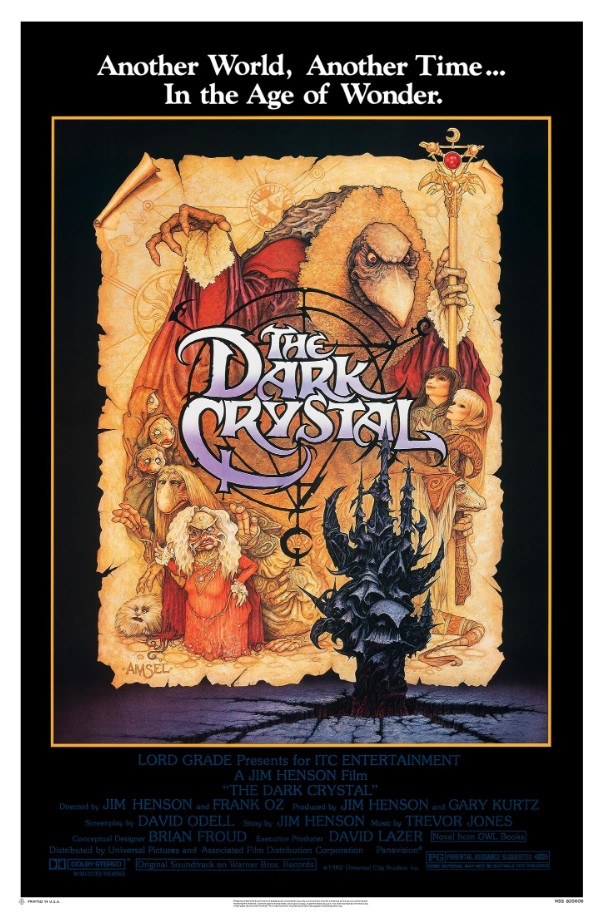
The Dark Crystal poster created by Incorporated Television Company (ITC), Henson Associates (HA), Henson Organisation, The Jim Henson Company, Associated Film Distribution (AFD), and Universal Pictures

Things I liked about the film:

The puppetry: Jim Henson has set the bar high when it comes to the art of puppetry! Through his work with The Muppets and on Sesame Street, Jim created characters that were fascinating to watch and were adoringly memorable. In The Dark Crystal, his craftmanship, direction, and artistic vision contribute to the quality his style of puppetry is known for. The way characters move provide just one example. Jen, the movie’s protagonist, goes on a quest to fulfill a prophecy by finding a crystal shard. This quest shows Jen walking, climbing, riding, and even jumping. The execution of these movements were so well-done, there were times I forgot I was watching a puppet. How Jen was able to blink and move his head was also impressive!

The scenery/set design: Films in the fantasy genre, like The Dark Crystal, have a reputation for presenting imaginative, fantastical worlds. Good movies in this particular genre will make these respective worlds immersive through an emphasis on attention to detail. I can honestly say the creative team behind The Dark Crystal truly cared about how the world surrounding the characters was showcased. An excellent example is when Kira and Jen meet for the first time. The location itself is a tropical oasis; complete with green plants, soft earth on the ground, and even a small body of water.  It feels like an actual jungle because of the realistic appearance of the materials. More often than not, the tropical space is peaceful, which gives the audience a break from the tension of the film’s conflict. The tonal and visual pairing of the jungle helps the audience stay invested in the story.

Use of practical effects: In the 21st century, CGI (computer generated imagery) has become the go-to tool of film-making. The popularity and accessibility of CGI has caused a debate over whether this film-making tool is over-used. So, watching a film like The Dark Crystal in 2025 is refreshing, as the 1982 production utilizes practical effects. In one scene, the Skeksis Emperor dies. Instead of the Skeksis Emperor simply laying unconscious, the body literally crumbles like rocks being broken down. Another scene shows Jen and Kira rowing on a lake. The foliage surrounding the lake appeared life-like, as did the body of water itself. This is because the film’s creative team incorporated actual water and other related props to make the scene feel as realistic as possible.

Colorful galaxy image created by Freepik at freepik.com. <a href=’https://www.freepik.com/free-vector/lovely-hand-drawn-galaxy-background_2943080.htm’>Designed by Freepik</a>. <a href=”https://www.freepik.com/free-photos-vectors/background”>Background vector created by Freepik</a>. Image found at freepik.com.

What I didn’t like about the film:

An underutilized character: When the Skeksis General becomes the next Emperor, he shuns the Chamberlain from the Skeksis kingdom. The Chamberlain then tries to find ways to get back into the Emperor’s good graces. Despite these attempts, the Chamberlain was underutilized in The Dark Crystal. He appeared in only a handful of scenes and his role in the film’s plot was minimal as well. I was hoping the Chamberlain’s rejection would express the ideas of standing against group mentality and changing a person’s way of thinking. Sadly, these ideas were not incorporated into the Chamberlain’s story.

Scenes that became padding: The run-time of The Dark Crystal is an hour and thirty-three minutes. However, the movie’s run-time seemed longer because some scenes became padding. One example shows a group of Skeksis eating dinner. This scene features a medium shot of each dinner guest eating their meal, making the scene feel drawn out. If The Dark Crystal’s run-time had been less than an hour and thirty-three minutes, scenes like the Skeksis’ dinner would be trimmed.

A confusing resolution: For this part of my review, I will spoil The Dark Crystal. If you haven’t seen this movie and are planning on watching it, skip to the part of my review titled ‘My overall impression’.

A voice-over at the beginning of The Dark Crystal explains how the Skeksis and Mystics were at odds with each other after the titular crystal broke. The upcoming Great Conjunction will determine who will rule the land, with Jen’s quest to find a crystal shard playing a role in this decision. The way this conflict was explained made me believe the overall story was a battle of good versus evil. But when Jen reunites the crystal shard with the titular crystal, the resolution became confusing. As the Skeksis kingdom falls apart and the Skeksis themselves are running around in fear, the Mystics arrive and surround the titular crystal. The Mystics and Skeksis then merge to become one ghost-like being. The reunion between these groups was never explained throughout the movie. Maybe a scene explaining why this particular resolution was reached was left on the cutting-room floor?

Image by Freepik

My overall impression:

When it comes to quality, the art of puppetry is a spectrum. On the higher end of this spectrum has always been the work of Jim Henson. The Dark Crystal provides a strong example for why that statement is true. The puppets’ artistry and execution were truly impressive, with their movements making me sometimes forget I was even watching puppets at all. Set design and scenery from the 1982 production looked like the film’s creative team truly cared about how the story’s world was presented. I also liked how practical effects were used, which brought a sense of realism to certain moments! Even though The Dark Crystal had its strengths, it had its flaws too. From a confusing resolution to an underutilized character, the film wasn’t perfect. But it was a fine, interesting presentation, definitely one of Jim Henson’s more ambitious projects. Before I conclude this review, I’d like to thank my blog’s followers for their support of 18 Cinema Lane! These articles always encourage me to expand my cinematic horizons!

Overall score: 7 out of 10

Have you seen The Dark Crystal? Which Jim Henson presentation would you like to see in a future Blog Follower Dedication Review? Please tell me in the comment section!

Have fun at the movies!

Sally Silverscreen

Take 3: Jack and the Beanstalk (1952) Review

I need to make a confession: in the seven years 18 Cinema Lane has been around, I’ve never reviewed any of Abbott and Costello’s films. (insert shocked gasp here) But at 18 Cinema Lane, I am willing to expand my cinematic horizons. This is one of the reasons why I selected 1952’s Jack and the Beanstalk for the Once Upon A Time Blogathon. Another reason is how I don’t often get the opportunity to write about fantasy films. In fact, the last fantasy movie I reviewed was Cancel Christmas last December. When I came across the poster for Jack and the Beanstalk, I was surprised to read the tagline “Their first picture in color”! Abbott and Costello are household names in the world of comedy. Plus, this adaptation of the fairy tale was released thirteen years after The Wizard of Oz. So, is the movie worthy of such a historic milestone? Adventure through this review of Jack and the Beanstalk to find out!

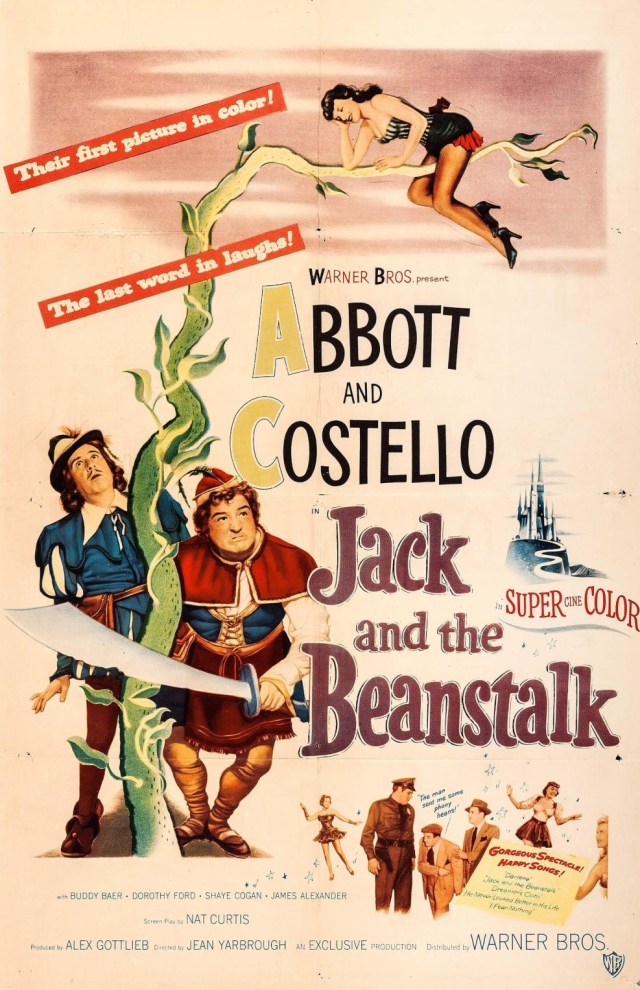
Jack and the Beanstalk (1952) poster created by Exclusive Productions Inc., Legend Films, and Warner Bros.

Things I liked about the film:

The dialogue: Sometimes, a movie’s comedy will be woven into the dialogue. Words spoken between characters can not only be hilarious, but also clever and witty, especially if the screenwriting is strong. Dialogue was one of the best qualities of Jack and the Beanstalk! One example is from the beginning of the film. Arthur arrives at Eloise’s house to pick her up for play rehearsal. Her younger brother, Donald, answers the door, even setting up a trap that causes Arthur to fall. When Arthur asks Donald where Eloise is, Donald replies in a matter-of-fact manner, “putting on her lipstick so you can kiss off”. What makes this line so memorable is how it fits the character of Donald, who is portrayed as a precocious child. Another example happens during the ‘Jack and the Beanstalk’ story. Jack is heartbroken when his mother suggests they sell the family cow. After Jack’s mother urges him to take the cow to the market, Jack tells her, “Yes mother. You can depend on me. Whatever they bid, I’ll bid higher”. This is a line that is genuinely funny, as Jack says it with good intentions.

The use of color film: During the opening credits of Jack and the Beanstalk, it’s revealed parts of the film are presented in Super Cine Color. These parts are the ‘Jack and the Beanstalk’ story itself, while the “modern” parts of the movie are shown in black-and-white film. I actually liked this creative decision! It emphasized the magic and whimsy of the fairy tale. The use of color film also allowed the vibrant hues of the costume and set design to be visible. Overall, this production of Jack and the Beanstalk felt pleasantly reminiscent of 1939’s The Wizard of Oz!

Working as a pair: Bud Abbott and Lou Costello (also known as Abbott and Costello) have been acknowledged as one of the most beloved comedic duos in film history. So, I was curious how they would work together in Jack and the Beanstalk, since the heroic adventure typically involves only one character. Lou portrays Jack and Bud portrays Mr. Dinkelpuss (a local butcher). Even though both characters travel up the titular beanstalk, they each have their own motives. Mr. Dinkelpuss and Jack help each other escape The Giant’s castle as well. Through the acting performances and the screenwriting, this version of Jack and the Beanstalk feels like Jack was always meant to travel with a buddy.

Once Upon a Time Blogathon: Fairy Tales, Legends, & Myths banner created by Annette from Hometowns to Hollywood

What I didn’t like about the film:

Musical padding: The 1952 adaptation of Jack and the Beanstalk is a musical, with five musical numbers incorporated into the production. These numbers were very well choreographed and sounded good musically. However, they felt like padding, making the movie seem longer than its one hour and twenty-three-minute run-time. A few of the musical numbers feel drawn out, such as the almost three-minute dance between Jack and Polly. Had some of these numbers been trimmed down, the overall run-time could have been under an hour and twenty minutes.

Forgotten details: Within Jack and the Beanstalk’s script, there were a few forgotten details. Jack’s cow, Henry, presents two examples. When Henry is first brought up in the movie, Jack refers to the cow as female. He even puts makeup on her to stress this fact. But before Jack says goodbye to Henry at Mr. Dinkelpuss’ shop, Jack tells the cow to “be a good boy”. Later in the movie, Jack climbs the beanstalk. One of his intentions is to rescue Henry from the clutches of The Giant. When Jack and his friends finally escape The Giant’s castle, however, Polly is the one who ends up saving Henry.

Patrick the Harp: In The Giant’s castle resides a harp named Patrick. Not only does music play every time he talks, he’s also very critical of Polly. Personally, I was not a fan of Patrick. He spoke with a thick accent, which sometimes made it difficult to understand what he was saying. His role in the story was quite minimal, offering little to the plot. If Patrick had been written out of Jack and the Beanstalk, not much would change.

Fairytale castle image created by Freepik at freepik.com. <a href=’https://www.freepik.com/free-vector/fairy-tale-castle_837803.htm’>Designed by Freepik</a>. <a href=”https://www.freepik.com/free-photos-vectors/design”>Design vector created by Freepik</a>. Image found at freepik.com.

My overall impression:

As I mentioned in the introduction of my review, Abbott and Costello are household names in the world of comedy. However, there is a reason why they achieved this honor. Using Jack and the Beanstalk to explain my point, Costello and Abbott work together as a team. Even in a fairy tale where a team dynamic doesn’t exist, they find a way, through acting and screenwriting, to create a story where they can both shine. The dialogue was one of the strongest aspects of the 1952 adaptation, as it was hilariously clever. It also helps that the dialogue was written and delivered well. Even the use of color film enhanced the whimsical charm one would expect from a fairy tale. While Jack and the Beanstalk does have its flaws, it is, indeed, a pleasant presentation! Now, if you’ll excuse me, I need to figure out who really is on first.

Overall score: 7.4 out of 10

Have you seen 1952’s Jack and the Beanstalk? What other fairy tales would you have liked to see Abott and Costello star in? Tell me in the comment below!

Have fun at the movies!

Sally Silverscreen

The Top Ten Best Movies I Saw in 2024

For me, 2024 was a better year for movies. That’s because I saw more movies I liked, compared to 2023! Another difference from 2023 is how, on 2024’s list, more movies are theatrical pictures. However, there are still some made-for-TV productions that found a spot on my list. With more likable movies comes the return of the honorable mentions section! In that part of my list, most of the films are television projects. Since I reviewed almost all the movies on this year’s list, I will provide links to those reviews in this post. So, with 2025 on the horizon, let’s begin my list of the top ten best movies I saw in 2024!

Honorable Mentions

Legend of the Lost Locket, My Baby Is Missing, My Mother’s Split Personalities, Christmas on Division Street, and Interstellar

Image by starline on Freepik

10. I Heard the Bells

I Heard the Bells achieved so much in a short amount of time. The 2022 movie was chosen for my 500 Blog Follower Dedication Review. Then, I Heard the Bells became my 400th published movie review, as I recently revealed in my list of the ten movie trends I don’t understand. Now, the film is the only Christmas picture to earn a place on 2024’s best movies of the year list! When I wrote about I Heard the Bells, I compared it to It’s a Wonderful Life. Both titles are not only about more than just the Christmas holiday, they also cared about their overall presentation. I Heard the Bells was a visually immersive movie because of the attention to detail placed on historical accuracy. The strength of the acting performances allowed the story to be engaging. While it’s too early to say right now, I think I Heard the Bells could be a Christmas classic!

Take 3: I Heard the Bells Review + 500 Follower Thank You

9. Easter Parade

If I could choose one word to describe Easter Parade, it would be “colorful”. With the movie’s creative team taking advantage of Technicolor, costumes and décor boasted vibrant hues that complimented the story’s spring season! The musical numbers provide another strength in Easter Parade. From Fred’s festive and creative solo, “Drum Crazy”, to Ann’s energetic and fast-paced solo, “Shakin’ the Blues Away”, the movie’s musical numbers were enjoyable because of their choreography and delivery. The reason the 1948 film is placed lower on my list is due to the premise-driven story and the limited inclusion of Easter. However, Easter Parade’s positives outweigh the negatives!

Take 3: Easter Parade Review

8. For Me and My Gal

In my review of For Me and My Gal, I mentioned how Breen Code era movie musicals contain simpler stories. These simpler stories will typically feature lower stakes. But in For Me and My Gal, the story of Harry and Jo included stakes that were higher. The story wasn’t afraid to show Jo and Harry making difficult decisions when it came to their dreams. Along their journey, the duo even deals with regret and heartbreak. The way World War I was incorporated into For Me and My Gal gave the script a sense of realism. Creative decisions like that one gave the 1942 picture emotional depth!

Take 3: For Me and My Gal Review

7. Willow

When I started my Comparing with the Critics series, I knew there were some movies I would disagree with the critics on. What I didn’t know was how much I would like Willow. Now that I’ve seen the 1988 film, I can understand why some people have given it the coveted title of “classic”. Likable elements, such as humor and unique perspectives on familiar story ideas, provide arguments for the aforementioned claim. The simplistic and straight-forward nature of the story made it easier to follow what was happening on screen. For me, Madmartigan stole the show! Movies like Willow make me thankful for my Comparing with the Critics series.

Comparing with the Critics – Worst of 1988 – Willow

6. Curious Caterer: Forbidden Fruit

2024 saw the premiere of two Curious Caterer films; Curious Caterer: Foiled Plans and Curious Caterer: Forbidden Fruit. Though I liked Curious Caterer: Foiled Plans more than Curious Caterer: Forbidden Fruit, Curious Caterer: Forbidden Fruit was still a good movie. The fifth chapter in the series consistently carried the strong components of the Curious Caterer story, like the acting, humor, and prioritizing the mystery. A peek behind the music industry’s curtain and the incorporation of serious, real-world topics helped make the identity of Curious Caterer: Forbidden Fruit unique. As of the publication of this list, Hallmark has not provided any 2025 dates to the Curious Caterer series. If there are going to be more Curious Caterer films, I hope at least one of them is a seasonal picture.

Take 3: Curious Caterer: Forbidden Fruit Review

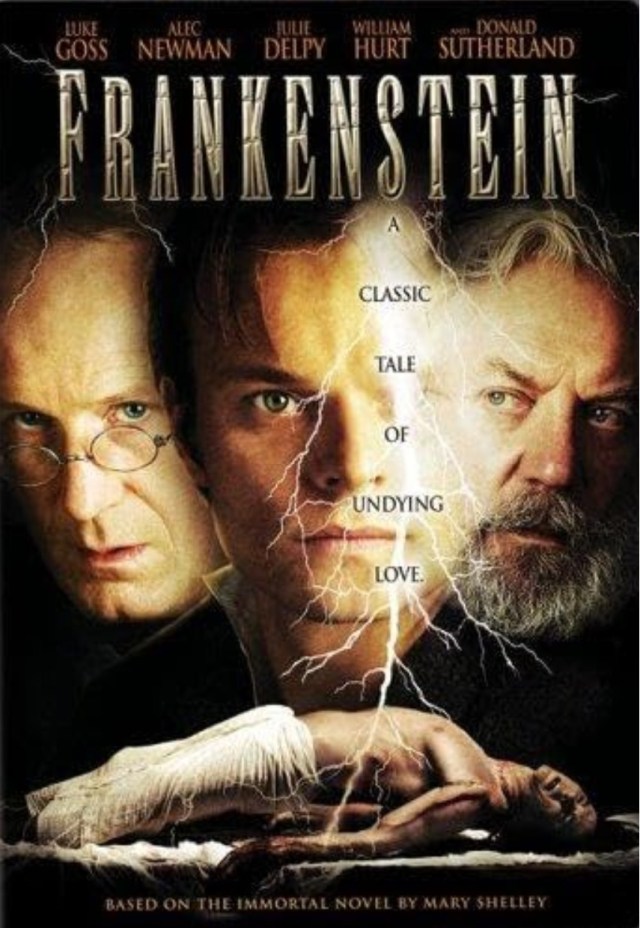
Hallmark’s Frankenstein poster created by Hallmark Entertainment, Hallmark Channel, Silverstar Ltd., Larry Levinson Productions, and RTL

5. Hallmark’s Frankenstein (2004)

Back in March, I called Hallmark’s adaptation of Frankenstein a “hidden gem”. This claim was based on my observation of how a good movie was not only forgotten by time, but also overshadowed by other titles released in 2004. What makes this version of Frankenstein a good movie, in my opinion, is how respectful it was toward Mary Shelley’s novel. One great example is Luke Goss’ portrayal of The Creature, as the way emotion was utilized throughout Luke’s performance highlighted how complicated The Creature is. Hallmark’s adaptation of Frankenstein is another movie where the visual presentation created an immersive experience. Combining set design, costume design, and attention to historical accuracy, the movie made me feel like I was transported to another time and place.

Take 3: Hallmark’s Frankenstein (2004) Review (Double Feature: 2004 Edition Part 2)

4. The Boys in the Boat

If you’re going to create a sports movie involving a team sport, it’s important to make the camaraderie among the team believable. An on-screen team with believable camaraderie helps the audience stay invested in the story, as well as the team’s journey. Because the acting performances were strong in The Boys in the Boat, the camaraderie within the team dynamic felt genuine. The 2023 film also makes rowing look exciting! This was accomplished through cinematography, editing, and music selection. The Boys in the Boat is a “based on a true story” film that, in my opinion, is worth the time! This is yet another production where historical accuracy was a top priority.

3. Amadeus

Out of all the movies I reviewed for my Comparing with the Critics series, Amadeus is, so far, the only movie I agreed with the critics on. While the biopic is a glamourous spectacle, it also contains substance. Thought-provoking material can be found in the script, such as how fame can negatively impact the human soul. The story is an immersive, detail-oriented character study that explores the good and bad sides of the music industry. The creative team’s focus on detail made Amadeus look and feel historically accurate, as can be seen in the costume and set design. F. Murray Abraham and Tom Hulce each gave a strong performance. I can, honestly, say the 1984 movie is one of the best biopics I’ve ever seen!

Comparing with the Critics – Best of 1984 – Amadeus

2. Curious Caterer: Foiled Plans

Remember when I said I liked Curious Caterer: Foiled Plans more than Curious Caterer: Forbidden Fruit? One reason why I said this is Goldy’s consistent involvement in Curious Caterer: Foiled Plans’ case. Other reasons why I liked the fourth chapter in the series are the creativity of the mystery, the quality of the acting performances, and how humor was written into the story. Looking back on Hallmark’s mystery films I saw in 2024, this Curious Caterer movie is pretty unique. That’s because, as I mentioned in my review, it’s a locked room mystery revolving around a costume party. In 2023’s best movies of the year list, I claimed Curious Caterer: Grilling Season was the best film in the series. I certainly changed my mind after I saw Curious Caterer: Foiled Plans!

Take 3: Curious Caterer: Foiled Plans Review

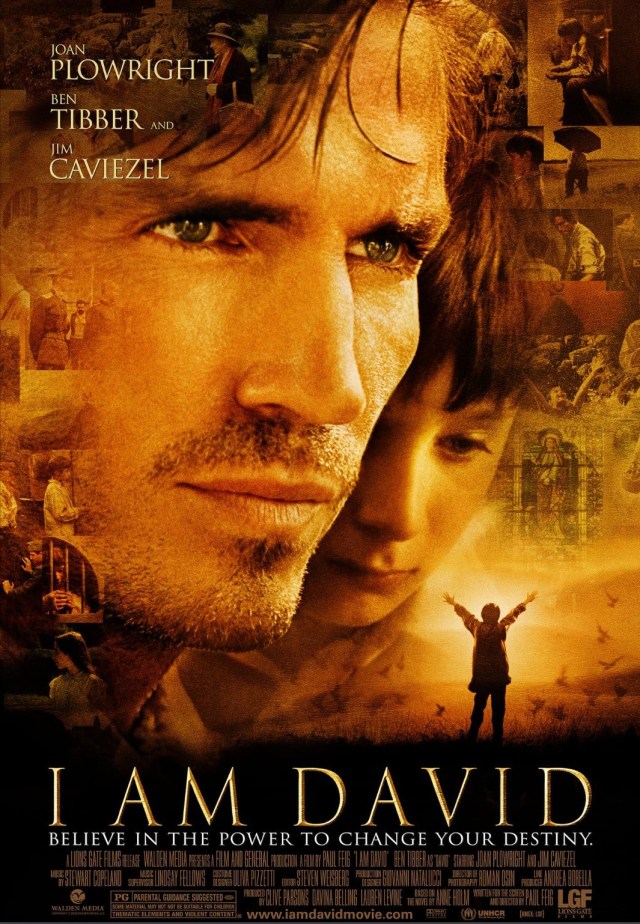
1. I Am David

It’s amazing how I Am David became 2024’s best movie in March and clung on to the number one spot all these months later! This impressive film allowed the story of David and his journey to be told with genuine emotion and sincerity. This was achieved through every aspect of the production, like the acting performances and the screenwriting. Exploring light and darkness, as well as showcasing Europe’s natural landscape, gave the production visual depth. Timeless, universal messages were also woven into the script. As I said in my review, I wish more people knew about this movie. Hopefully, my review or maybe this list can encourage someone to check out I Am David!

Take 3: I Am David Review (Double Feature: 2004 Edition Part 1)

I Am David poster created by Walden Media, Film and General Productions, Lionsgate Films, Artisan Entertainment, and David Productions Ltd.

Have fun in 2025!

Sally Silverscreen
Comparing with the Critics – Worst of 1988 – Willow

This review is from my series, Comparing with the Critics. If you’d like to learn more about the series, click on the link below.

Introducing my new series, Comparing with the Critics!

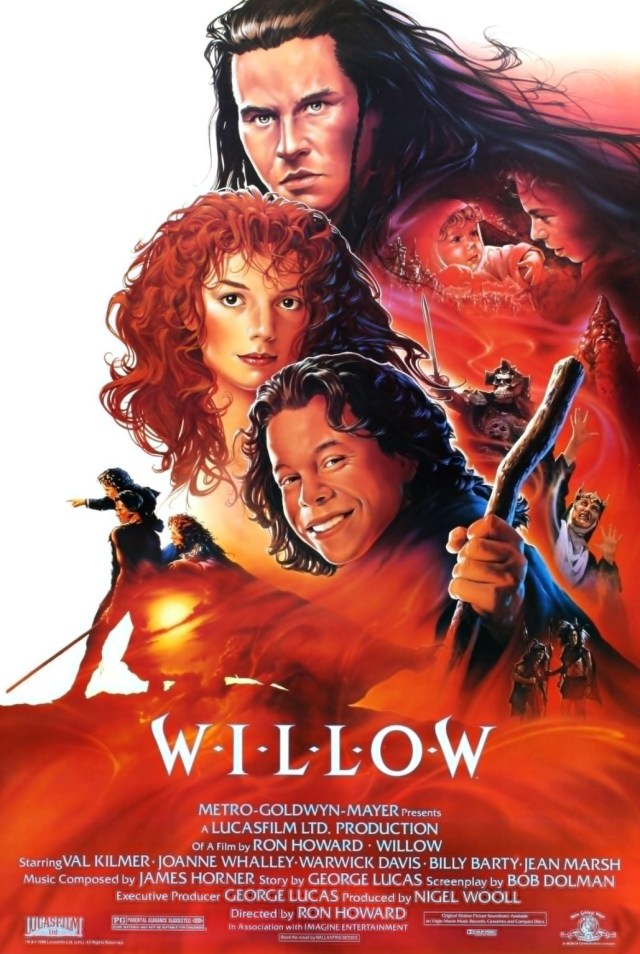
Siskel & Ebert and 18 Cinema Lane share one thing in common: the fantasy genre is underrepresented. This is a reason why I not only chose to participate in the Barbarians at the Gates Blogathon, it’s also a reason why I selected Willow for this review of Comparing with the Critics. But another reason why I picked Willow is how the film was featured in Siskel & Ebert’s Worst of 1988 episode. After hearing good things over the years about the movie, even some people giving it the coveted title of “classic”, I was shocked to see Willow included among the worst of 1988. But since I didn’t see the film before the Barbarians at the Gates Blogathon, I couldn’t agree or disagree with Siskel and Ebert. Film is subjective, with this subjectivity being the reason why I created the Comparing with the Critics series. So far, I disagreed with the critics on Network and Harry & Son, yet agreed with them on Amadeus. With that said, I’d have to say I disagree, yet again, with Ebert and Siskel. While Willow has its flaws, its placement in the Worst of 1988 episode is unjustified.

Willow poster created by Metro-Goldwyn-Mayer (MGM), Lucasfilm, and Imagine Entertainment

Before going over his complete list of the worst films from 1988, Gene Siskel introduces the episode’s segment on Willow. He calls the film “a heavy duty and quite dreary production”. I will admit there are darker moments within the story. However, the movie was more humorous than I expected it to be! Most of the humor came from Madmartigan, portrayed by Val Kilmer. Because of the screenwriting and Val’s versatile performance, the comedic timing was effectively executed. One of the funniest scenes in Willow is when Madmartigan and Willow are traveling on a sled down a snowy hill. During this trip, Madmartigan falls off the sled. But instead of being left behind, Madmartigan rolls down the hill, becoming a giant snow ball. When Madmartigan was introduced in Willow as the story’s comic relief, I knew he was going to be a character I would like. His personality, along with the dialogue shared between him and Willow, presented someone who captivated my attention and kept me invested in his story. It also helps that Madmartigan is hilarious, as he is the reason why I burst out laughing several times while watching Willow!

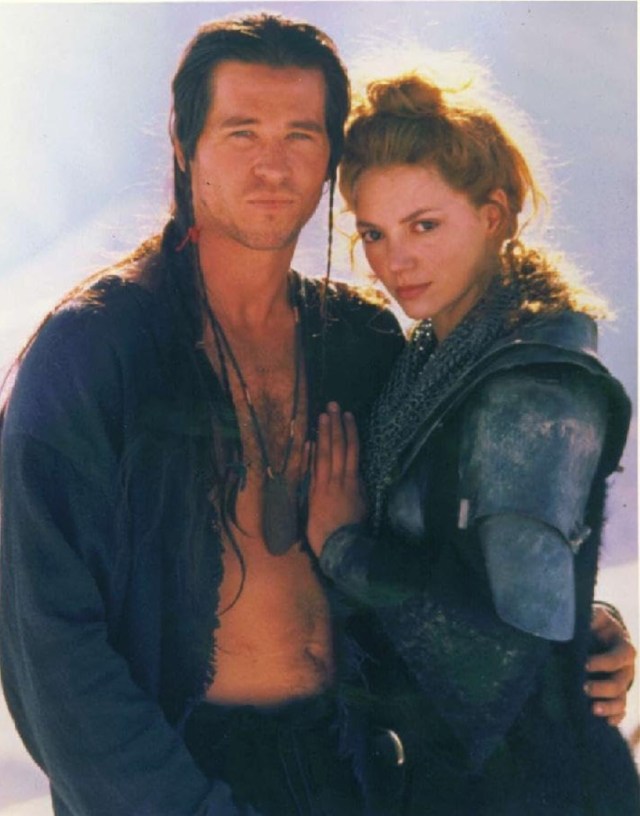
Madmartigan and Sorsha picture created by Metro-Goldwyn-Mayer (MGM), Lucasfilm, and Imagine Entertainment

Gene Siskel is not the only critic who disliked Willow. Though he didn’t put the movie on his list of the worst films of 1988, Roger Ebert expressed his disapproval over how the story seemed similar to Star Wars, claiming children who liked the movie “hadn’t seen it a hundred times before”. I can only speak for myself, but Star Wars never crossed my mind as I watched Willow. But some moments did feel reminiscent of The Wizard of Oz. The film clip included in the Worst of 1988 episode shows Cherlindrea, a fairy queen, revealing to Willow the purpose of his journey. She even gives him a wand to help him accomplish his mission. The scene reminded me of when Glinda explained to Dorothy how she could return home. The iconic ruby slippers became a tool to help Dorothy along her way to Emerald City. Story ideas are bound to get repeated over time. Therefore, moments in Willow feeling reminiscent of The Wizard of Oz didn’t bother me. Instead, it showed me how a film’s creative team can take a familiar story idea and add their own unique perspective on it!

The Barbarians at the Gates Blogathon banner created by Quiggy from The Midnite Drive-In and Hamlette from Hamlette’s Soliloquy

Another criticism Gene had about Willow was the film’s setting, stating “I’m tired of seeing epic pictures set in forests with lots of people running around and, uh, hitting each other over the head”. Personally, I was not bothered by this, as I felt the setting fit the story Willow’s creative team was trying to tell. What did bother me was how the build-up of Madmartigan and Sorsha going from enemies to lovers happened too quickly. Incorporating the “enemies to lovers” trope works in a fantasy story like Willow, where there is at least one battle and a major theme is good versus evil. It should be noted how Val Kilmer and Joanne Whalley had nice on-screen chemistry, as well as Sorsha and Madmartigan appearing photogenic together. I still wish the aforementioned build-up had been more gradual. As the story progressed, Sorsha evolved from villain to hero. Unfortunately, this evolution was too abrupt. While Sorsha’s change of heart gave her some character development, it left some questions unanswered. Perhaps a scene explaining this transformation didn’t find its way into the movie?

Snowy mountain image created by Freepik at freepik.com. <a href=’https://www.freepik.com/free-vector/landscape-background-of-snow-track-and-mountains_968656.htm’>Designed by Freepik</a>. <a href=”https://www.freepik.com/free-photos-vectors/background”>Background vector created by Freepik</a>. Image found at freepik.com.

In past reviews, I criticized films for containing parts of a story that didn’t make sense. Willow is a film that doesn’t avoid this flaw. Bavmorda is the villain of the story. When the heroes attempt to defeat Bavmorda, she uses a spell to transform the heroes into pigs, with Willow and a sorceress named Fin Raziel being the only exceptions. This spell takes place in a short amount of time, with the afflicted heroes becoming pigs all at once. When Fin Raziel reverses the spell, this proves to be a lengthy process, as she uses her magic on one person at a time. This creative choice left me wondering why Fin Raziel wouldn’t use her magic on all the heroes all at once similar to Bavmorda? To me, it didn’t make sense, especially since the heroes didn’t have the luxury of time.

Comparing with the Critics banner created by me, Sally Silverscreen. TV show title cards created by WTTW National Productions, WTTW, Public Broadcasting Service (PBS), Lifetime Television, Tribune Entertainment, Buena Vista Television, and Disney-ABC Domestic Television

During their discussion of Willow in Siskel & Ebert’s Worst of 1988 episode, Roger reminds Gene how, despite the movie’s bad reviews, it became the top selling video and was successful at the box office. Had I seen Willow sooner, I might have contributed to the movie’s statistics. This is another Comparing with the Critics review where I found myself disagreeing with Siskel and Ebert. That’s because I had a genuinely good time watching Willow! I brought up in this review how the project has its flaws. But the story was simplistic and straight-forward, which made it easier to follow what was happening on screen. Even though Willow was the movie’s protagonist, it was Madmartigan who stole the show! In fact, I’d say he was the MVP of this story, as his personality and comedic timing left a good impression. There were moments in the film that felt reminiscent of The Wizard of Oz. However, I saw those moments as ways for Willow’s creative team to bring their own unique perspective to familiar story ideas. I have to say I’m glad I chose to review Willow for this edition of Comparing with the Critics! Now if you’ll excuse me, I have to watch the Siskel & Ebert 1988 Holiday Video Gift Guide episode in the hopes something Willow related can be included in my Movie Blogger’s Christmas Wish List.

This review was brought to you by

Sally Silverscreen

A Very Belated Buzzwordathon Fail

Last month, in my post about what my readers could look forward to in 2024, I stated how I was taking a break from the Buzzwordathon readathon. But I also promised the reviews for October, November, and December’s books from 2023. As a blogger of my word, I am finally publishing the last three reviews of the previous year’s Buzzwordathon! Since I did read these books, but didn’t finish them within their respective months, I will consider these readathon challenges a “fail”. With this article published after Buzzwordathon 2023, these reviews will be shorter.

Happy reading place image created by Freepik at freepik.com. <a href=”https://www.freepik.com/free-photos-vectors/background”>Background vector created by freepik – http://www.freepik.com</a>. Image found at freepik.com.

October

The Witcher: The Last Wish book cover found on Goodreads

Title: The Witcher: The Last Wish by Andrzej Sapkowski

Theme: Magic words

The Witcher: The Last Wish is a collection of short stories that serve as an introduction to Geralt and the world around him. Even though I learned quite a bit while reading this book, it felt like I spent most of the book getting to know everyone but Geralt. In fact, there was one portion of an overarching short story where Geralt exposition dumped his entire life story. But there were parts of the book I did like, such as the magic system and the pacing of the action scenes. I also thought the politics within the story’s world were intriguing.

Overall score: 3.8 out of 5 stars

November

One Good Deed book cover found on Goodreads

Title: One Good Deed by David Baldacci

Theme: “Good”

One of David Baldacci’s strengths is creating literary worlds that are memorable enough to stick with the reader. This is achieved through strong descriptive imagery and world building. These writing techniques were applied to One Good Deed, creating a landscape that I could picture as I read the book. I also liked the banter between the characters, as it was quippy and clever. The protagonist, Archer, did amateur detective work in the story, but it wasn’t as consistent as I expected. Because One Good Deed is a slow-burn, character-driven story, patience is required from the reader.

Overall score: 3.7 out of 5 stars

December

A Song for Jeffrey book cover found on Goodreads

Title: A Song for Jeffrey by Constance M. Foland

Theme: Sound words

A Song for Jeffrey is a story that relies more on a premise than a plot. That, along with serious topics being incorporated, but not explored, in the story prevent the book from containing as much depth as other middle grade titles. However, there are good lessons found throughout the text, from how to be a good friend to trying to find the positives in life. Jeffrey is the best character from this book, as his personality is down-to-earth and friendly. While Dodie, the protagonist, means well and works through her flaws, she is kind of insensitive for most of the book. For about half the book, Dodie has a selfish, entitled attitude.

Overall score: 3 out of 5 stars

Have fun reading!

Sally Silverscreen

Disclaimer: The Witcher: The Last Wish, One Good Deed, and A Song for Jeffrey contain subject matter that may not be suitable for some readers. Reader discretion is encouraged.

Why Kili is the MVP of Tolkien’s Middle-Earth

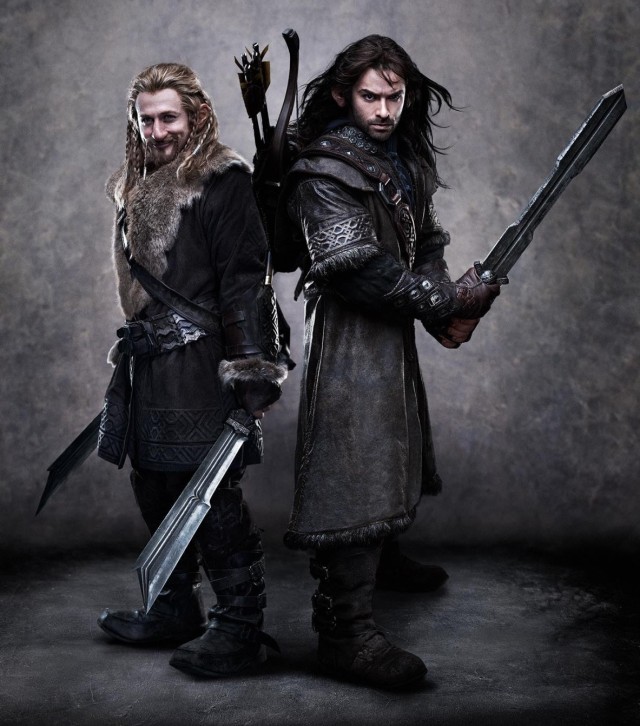
MVP, an abbreviation of “most valuable player” or “most valuable person”, is typically used in the world of sports. When a team member goes above and beyond for their respective team, they usually earn this title. Last year, when I was introduced to The Hobbit trilogy, the Company reminded me of a football team. With Gandalf in the role of coach and Thorin in the quarterback position, Kili is the one who, in my opinion, would be the Company’s MVP. In my “Flaming Hot…5 Reasons Why” tag post I published earlier this year, I stated Kili is my favorite character from The Hobbit trilogy. I even mentioned in that post how I felt Kili was the MVP of Middle-Earth. But claiming Kili is the MVP of Tolkien’s Middle-Earth is not purely based on personal bias. In fact, I will use examples from the trilogy to prove that Kili has, in my eyes, earned the title of MVP!

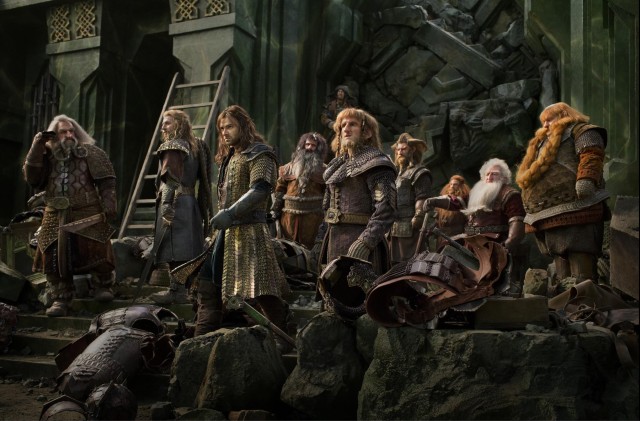
Image of Kili created by New Line Cinema, Metro-Goldwyn-Mayer Pictures, WingNut Films, and Warner Bros. Pictures

Humbleness

When I watched The Hobbit trilogy for the first time, I did not know Kili was a prince. I didn’t even know he and Thorin were related. So, imagine my shock when Thorin told Kili and Fili they were his “sister’s sons” in The Hobbit: The Battle of the Five Armies! Kili’s humbleness is the reason for my shock. Up until that aforementioned moment between Thorin and his nephews, Kili never brought up his royal lineage. Even in The Hobbit: The Desolation of Smaug, when he was interacting with Tauriel in Rivendell’s dungeon, Kili didn’t use his royal connections to impress her. Yes, he did bring up his mom in his and Tauriel’s conversation. But Kili never stated how he and his mom were related to Thorin.

Kili’s humbleness goes beyond his royal heritage. In The Hobbit: The Desolation of Smaug, after his leg became injured, Kili didn’t want any help from the Company. Anytime his health was questioned, Kili would say “I’m fine”. When Thorin instructed Kili to stay in Lake Town because of his injury, Kili was frustrated he couldn’t continue on the journey. Even when he was forced to flee from Lake Town in The Hobbit: The Battle of the Five Armies, Kili wanted to walk by himself, not wanting to rely on anyone for support. This sequence of events shows how Kili didn’t want to be treated differently from the other members of the Company. He also didn’t want his injury to hold the Company back. Kili, simply, wanted to do his part and help his uncle and the Company in any way he could.

Image of Kili created by New Line Cinema, Metro-Goldwyn-Mayer (MGM), WingNut Films, and Warner Bros.

Having More Than One Skill

Throughout The Hobbit trilogy, each member of the Company had a skill to share, which allowed the Company to get closer to their ultimate goal. For Kili, he ended up having more than one skill to offer. Not only was he a swordsman, he was also an archer. In order to master just one of these skills, it requires many hours of training and a large amount of dedication. To master both sets of skills, Kili had to double his training hours and work twice as hard. The Hobbit trilogy consistently presents Kili’s talents, giving him opportunities to prove his worth as a competent swordsman and archer. One example is when Kili faced Orcs, as using his archery skills allowed him to showcase his mastery of hand eye coordination.

Image of Kili created by New Line Cinema, Metro-Goldwyn-Mayer Pictures, WingNut Films, and Warner Bros. Pictures
Image of Kili and Fili created New Line Cinema, Metro-Goldwyn-Mayer Pictures, WingNut Films, and Warner Bros. Pictures

Becoming the Voice of Reason

Kili was not known as “the voice of reason” in The Hobbit trilogy. He did not often make statements that would make others think “he has a point”. But in The Hobbit: The Battle of the Five Armies, Kili found the courage to become “the voice of reason”, being one of the few people to stand up to Thorin during his “dragon sickness” period. While in Erebor, Thorin ordered the Company to build a fortress, in order to prevent Erebor from being taken again. Kili points out how Thorin is not the only one who has lost his home, stating “The people of Lake Town have nothing. They came to us in need, they have lost everything”. Despite Thorin failing to acknowledge Kili’s point by reminding his nephew how he lost Erebor, Kili wasn’t dissuaded by his uncle’s stubbornness. After Thorin snapped out of his “dragon sickness”, Kili stands up to his uncle again, saying “I will not hide behind a wall of stone while others fight OUR BATTLES FOR US! It is not in my blood, Thorin”. This time, Thorin agreed with his nephew, leading the Company into battle. When he became “the voice of reason”, Kili was honest and told Thorin what he needed to hear. Even though he was “the voice of reason” for a short period of time, Kili’s statements provided a glimpse into the kind of leader he could have been.

Image of The Company created by New Line Cinema, Metro-Goldwyn-Mayer (MGM), WingNut Films, 3Foot7, and Warner Bros.

Taking One for the Team

When attempting to escape the Rivendell dungeon in The Hobbit: The Desolation of Smaug, the Company needed to open an underwater gate. Kili volunteered to open the gate, climbing out of the water and onto the top of the gate, where the gate’s lever was located. During this process, an Orc shot Kili in the leg, causing Kili to be the only member of the Company to become seriously injured. After the Company’s escape, Tauriel and the audience learn the arrow that shot Kili contained fatal poisons. As the story of The Hobbit: The Desolation of Smaug continued, Kili’s health deteriorated, bringing him on the verge of death. Yet, when a group of Orcs invaded Lake Town, Kili and Tauriel worked together to defeat an Orc. These two scenarios show how Kili took one for the team, risking his health and safety by putting the well-being of others before himself.

A Tolkien Blog Party banner created by Hamlette from The Edge of the Precipice

In the 1971 biopic, Evel Knievel, Evel Knievel states “heroes know who they are”. He made this statement to make a point how true heroes don’t need to show off their hero status. The more I think about Evel’s quote, the more the quote fits who Kili is. Kili never flaunted his royal title because he didn’t think doing so would be necessary. What Kili did instead was let his actions and choices speak for themselves. As I said in the introduction, the Company in The Hobbit trilogy reminded me of a football team. With Kili as the MVP, that means he’d be the one to not only receive a brand-new truck at the end of the game, but also proclaim his team was going to a theme park at the end of the season. But anyone who knows Kili’s story would know Kili didn’t get to do any of these things. As I conclude this editorial, I would like to say that whenever I think of the abbreviation, MVP, I will think of Kili carrying the title of “most valuable prince”.

Have fun in Middle-Earth!

Sally Silverscreen

Take 3: Sea Change Review

Have you ever read a film synopsis that sounded so “bonkers”, you just had to check the movie out for yourself? That’s what happened when I stumbled across the 2017 Lifetime film, Sea Change. This is a movie I had never heard of until this year. It’s also a fantasy story, a genre Lifetime rarely creates projects for. Based on the film’s synopsis sounding so “outside of the box” for Lifetime, I not only had to seek the movie out, I had to review it as well. Whenever I’ve talked about Hallmark productions, there have been times when I wished the network would take a break from the typical rom-com or drama. The same can be said for Lifetime. In recent years, that network has relied on mystery thrillers and true crime stories, with the occasional drama. But how does Sea Change fare as a fish out of Lifetime’s waters? Let’s dive in and find out!

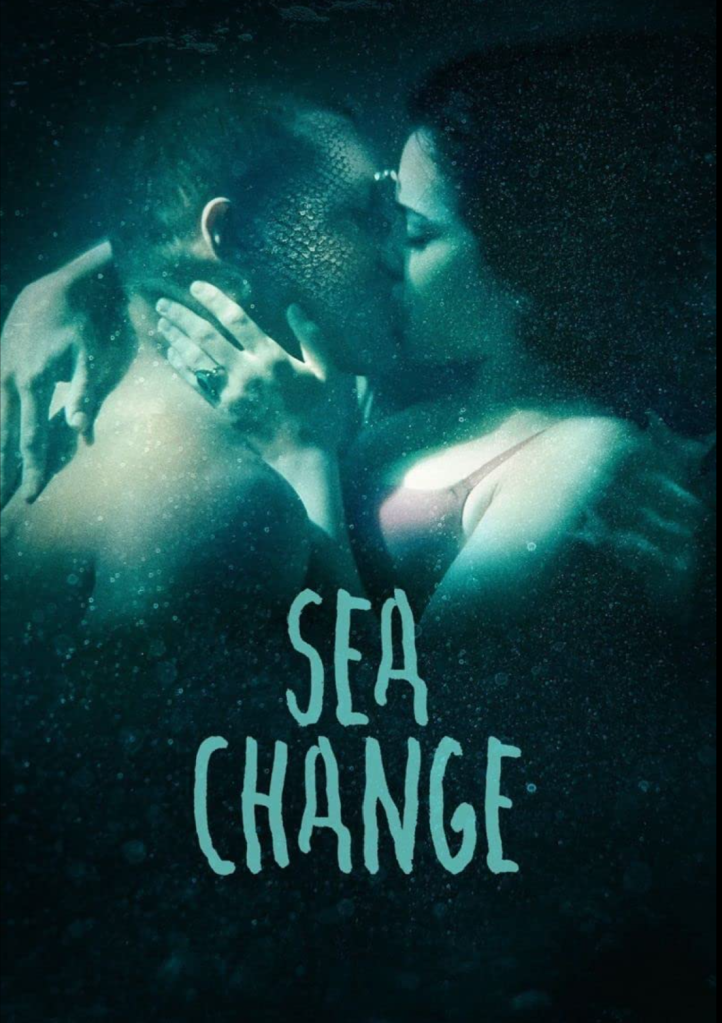
Sea Change poster created by Piller Squared/The Segen Company and Lifetime Television

Things I liked about the film:

The acting: While watching Sea Change, I discovered Siobhan Williams starred in the film. Knowing that name sounded familiar, I looked through my movie reviews to see if I had reviewed any of her movies. Sure enough, I had not only written about Flicka: Country Pride, I had also talked about her character from that movie! Similar to Flicka: Country Pride, Siobhan portrayed a popular “mean girl” named Ginny. But in the 2017 Lifetime production, Ginny was a lot less annoying. Siobhan’s expressions were fluid, allowing her character to experience a variety of emotions. When a local lawyer questions Ginny about her cousin’s whereabouts, Ginny responds in a nonchalant way, an unconcerned look on her face and a tone of voice that lacks urgency. But when a family tragedy occurs, shock is stamped on Ginny’s face. Her eyes appear to stare out into the distance and paired with a frown.

While I haven’t reviewed any of Keenan Tracey’s projects, I have seen some of his Hallmark programs, including When Calls the Heart. In Sea Change, Keenan portrayed TJ, a young man who was staying on the island for the summer. During the story, Keenan consistently maintained a laid-back, easy-going personality. This consistency made his performance appear effortless! I also liked seeing Emily Rudd’s portrayal of the protagonist, Miranda! Similar to Siobhan’s performance, Emily portrayed her character with a variety of emotions. One of her best scenes took place toward the beginning of the movie. In this scene, Miranda is recalling a memory of her late father. Her mother reveals some information that goes against this memory. As soon as she receives this information, shock trickles down Miranda’s face. Her eyes become really wide and her lip quivers ever so slightly.

The scenery: In Sea Change’s opening credits, it was mentioned the movie was filmed in Nova Scotia. This Canadian locale presented a very convincing Maine! While Miranda went jogging, she traveled near the edge of a grassy cliff, which overlooked the ocean. The bright orange and yellow hues of the sunset paired beautifully with the dark blue ocean waters. This same ocean was captured magnificently at night-time! While on her jog, Miranda visits the ocean’s shore in the evening. A color palette of deep blue, black, and even purple created an environment that was beautiful in a dreamlike way. The scenery definitely stole the show and felt like a character itself!

A mystery subplot: As I said in the introduction, Sea Change is a fantasy story. But within this story, a mystery was included as a subplot. At the beginning of the movie, a murder takes place on the beach. The island’s law enforcement and a local lawyer attempt to solve the case. The audience learns early on who the culprit is. But what kept me invested is seeing how this information would be discovered by the lawyer and law enforcement team. With the gathering of clues, the mystery provided an element of suspense to the overall story. It was a familiar thread Lifetime wove in a newer way!

Paper Boats in the Sea image created by Freepik at freepik.com. <a href=’https://www.freepik.com/free-vector/background-of-paper-boats-with-hand-drawn-waves_1189898.htm’>Designed by Freepik</a>. <a href=”https://www.freepik.com/free-photos-vectors/background”>Background vector created by Freepik</a>. Image found at freepik.com.

What I didn’t like about the film:

Poor audio: I’m well aware a typical made-for-tv production works with a smaller budget. With that said, part of the budget should be reserved for quality audio equipment. In Sea Change, the characters’ dialogue was so quiet, it sounded like they were mumbling. This forced me to turn up the volume on my television, as it was difficult to hear what the characters were saying.

Questions left unanswered: According to Sea Change’s synopsis, Miranda “makes a startling discovery about her connection to the Seawalkers”. Throughout this one hour and twenty-one-minute film, this connection was never revealed. Leo, one of the Seawalkers, tells his sister how Miranda will save them. The question of how Miranda will save the Seawalkers was never answered either. These are just two examples of questions that were not resolved. This is especially an issue toward the end of the movie, when the story is left open-ended. I’m not sure if this was done as a weak attempt at setting up a sequel or leaving room for the audience to interpret what might happen. But by the end of the story, you’re left with more loose ends than necessary.

Few appearances from the Seawalkers: When I reviewed the 2012 Hallmark movie, Chasing Leprechauns, I mentioned how the titular leprechauns could be heard and not seen. This made that film’s title seem somewhat misleading. Sea Change contains a similar flaw. While the characters talk about the existence of Seawalkers and while the movie’s synopsis brings them up, the Seawalkers themselves are rarely shown as Seawalkers. More often than not, they are presented in human form. From the perspective of an audience member, I speculated this creative decision was likely made as a result of the production’s limited budget.

Magnifying fingerprints image created by Balintseby at freepik.com. <a href=”https://www.freepik.com/free-photos-vectors/glass”>Glass vector created by Balintseby – Freepik.com</a>. <a href=’https://www.freepik.com/free-vector/fingerprint-investigation_789253.htm’>Designed by Freepik</a>. Image found at freepik.com.

My overall impression:

Fantasy is a genre Lifetime rarely delves into. After seeing Sea Change, though, I think I know why the fantasy genre doesn’t often appear on Lifetime. Based on its synopsis, I thought Sea Change was going to be a “bonkers” picture. I even believed this could be my “so bad it’s good” movie. The movie itself is an average, weak imitation of Twilight. If you’ve seen or read that story, or any story similar to Twilight, you’ve already seen Sea Change. While there were aspects of the film I liked, I, honestly, can’t recommend it. One reason why is how so many questions are left unanswered. As I said in my review, the film’s ending is left open-ended. Since Sea Change seems to be a stand-alone story, this fact will only leave viewers frustrated. What made this movie disappointing, for me, was how unmemorable it was. Because Lifetime rarely creates projects in the fantasy genre, it’s a shame Sea Change didn’t stand out, for better or worse.

Overall score: 5.5 out of 10

Have you seen Sea Change? Did you ever come across a film synopsis that sounded so “bonkers”, you felt you had to check out the movie? Let me know in the comment section!

Have fun at the movies!

Sally Silverscreen
Take 3: The Lost Empire/The Monkey King Review

Last month, I wrote a list of movies I’d love to review someday. One of those films was The Lost Empire/The Monkey King. Originally, I was going to review the 2001 picture for Bai Ling’s birthday, as it is in October. But because July’s theme for Genre Grandeur is ‘Fantasy Movies of the 21st Century’, I found a reason to see this movie three months early! In my aforementioned list, I said the story of The Lost Empire/The Monkey King is based on Chinese folklore. This is very different from the types of films Hallmark creates today, which seem to, mostly, be recycled, predictable material. In fact, the only new Hallmark movies I’ve seen this year, so far, are Cut, Color, Murder, Aurora Teagarden Mysteries: Haunted by Murder, and Curious Caterer: Dying for Chocolate. The Lost Empire/The Monkey King was created during a time when Hallmark wasn’t afraid to take creative risks. But did those risks lead to cinematic rewards? Let’s journey through this review as we find that answer together!

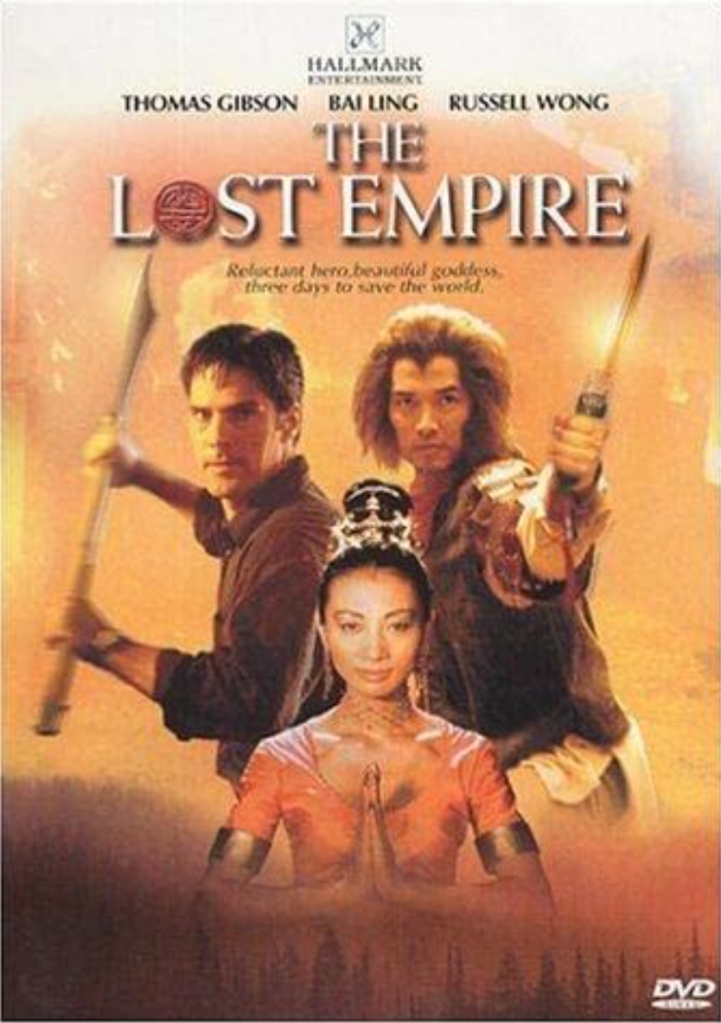
The Lost Empire/The Monkey King poster created by Hallmark Entertainment, RTL, Babelsberg International Film Produktion, Milk & Honey Pictures, National Broadcasting Company (NBC), and Hallmark Home Entertainment

Things I liked about the film:

The acting: When I reviewed Point of Origin last month, I was disappointed by Bai Ling’s limited presence in that film. To me, it seemed like her talents were underutilized. In The Lost Empire/The Monkey King, however, Bai was given more acting material to work with. This allowed her talents to be satisfyingly showcased! I’ve said in the past how Bai Ling has a strong sense of emotionality when it comes to her acting abilities. This was not only incorporated into her portrayal of Kwan Ying, but her on-screen performance was also fluid. A great example is when Kwan and Nicholas “Nick” Orton interact for the first time. While sharing drinks at a local restaurant, Kwan’s demeanor is giggly and somewhat flirty, reflecting her drunken state. She holds hands with Nick as she casually leans across the table. But as soon as Nick asks Kwan why she needed to see him, her mood changes without missing a beat. Kwan becomes very serious, as she sits up in her seat and even looks over her shoulder. This change in Kwan’s demeanor also indicates what’s to follow in the story.

Years ago, I read American Born Chinese by Gene Luen Yang. From what I remember, the Monkey King was portrayed as an older, wiser character who younger characters looked up to. Russell Wong’s portrayal of the Monkey King was much different from what I expected. However, it was enjoyable to watch in The Lost Empire/The Monkey King! The Monkey King in the 2001 film was a humorous character. Russell’s dryer sense of humor and one liners worked in the story’s favor, as it provided a break from the tenser moments in the movie. The humor itself also fit within that movie’s world. When Nick first meets the Monkey King, he is taken aback by his change of scenery. The Monkey King uses that interaction to explain what is happening. Nick asks the Monkey King when the book, The Journey to the West will be destroyed. The Monkey King casually responded by saying, “Midnight. Next Thursday”. What also worked in Russell’s favor was his comedic timing. All of the Monkey King’s humorous moments were delivered at the right place and time. This was not only the result of the screenwriting, but the strength of Russell Wong’s acting abilities as well!

One of the most relatable stories is the “fish out of water” story. In order for this story to work in film, you need an actor or actress who can believably sell this idea to the audience. Thomas Gibson in his portrayal of Nick did just that! The way Thomas expressed emotion appeared more realistic, adding to the believability of his performance. Thomas’ ability to adapt to each situation was strong, allowing the audience to witness Nick grow over the course of the movie. The Lost Empire/The Monkey King is not only a “fish out of water” story, but also a “hero’s journey” story. That means the protagonist makes a significant change in his or her life. Throughout the film, Nick makes a personal transformation, gaining confidence as he encounters each obstacle. The way Nick reacts to these changes adds a sense of relatability to the character.

The set design: Immersive and imaginative worlds are a staple within the fantasy genre. The quality of a project’s set design can successfully present that illusion to the audience. I loved the set design in The Lost Empire/The Monkey King because it was able to pull the aforementioned illusion off! Nick is on a business trip to China. Some scenes showcased a typical Chinese city, with smaller details emphasizing the realism of this location. String lights and red lanterns can be seen overhead, which brings a softer glow in the middle of the evening. Vending booths line the streets, elaborating a greater number in population as extras and background characters walk by. Banners and signs in Chinese indicate how that specific part of the city is popular for business.

As the story progresses, more fantastical worlds are shown on-screen. One of these worlds is Jade City. Massive structures boast an ancient Chinese architecture. The ground beneath the characters’ feet displays a pale green hue, subtly reminding the audience of the city’s name. Bright pink flowered trees nicely contrasted the buildings and landscape, bringing a pop of color to the city. Nearby lanterns and window screens are smaller details that show the craftmanship that went into the film’s set design!

The discussion of literature: The main conflict in The Lost Empire/The Monkey King was the fate of the original copy of The Journey to the West. The villains want the book destroyed, while Nick and his friends are trying to save it. This main conflict led to a discussion of censorship versus preservation. The way the discussion is brought up, verbally and visually, was interesting. What was also interesting was the author of The Journey to the West, Wu Ch’eng En, receiving the opportunity to witness the impact of his literary work. I found this part of the story thought-provoking, as it made me think of authors who didn’t really have the chance to see their stories effect the world. The script’s focus on literature brought a sense of depth to a fantastical and whimsical story!

Traditional Chinese dragon image created by Freepik at freepik.com. <a href=”https://www.freepik.com/free-photos-vectors/design”>Design vector created by freepik – http://www.freepik.com</a>. Image found at freepik.com.

What I didn’t like about the film:

Some of the special effects: When creating a television movie, there’s only so much technological resources at the creative team’s disposal. I’m also aware cinematic technology was not as strong in the early 2000s as it is in the 2020s. Despite these setbacks, the special effects in The Lost Empire/The Monkey King were not a consistent issue. But when they were an issue, it was noticeably rough. While Nick was trying to find a way back to his world, he encounters a tiger in a nearby forest. This tiger appears to have been created through computer technology. Instead of resembling a real-life tiger, it resembled one from a computer game from the time of the movie’s release. The longer the tiger was on screen, the more dated it looked.

Lack of acknowledgment for Pigsy’s mistake: Pigsy is a character that tags along with Nick on his journey. During this journey, Pigsy makes a mistake that negatively impacts his friends and their mission. There were moments where Pigsy appears guilty about his choice. However, the mistake itself was not acknowledged like I hoped it would. Pigsy’s situation does get resolved. But this resolution was glossed over instead of being properly addressed. That was an underutilization of one of the movie’s themes, which was truth.

Mentioning Nick’s ex: On more than one occasion, Nick’s ex-girlfriend is brought up in the story through flashbacks. At a more climatic moment, her inclusion made sense. But, personally, I found it unnecessary for the ex-girlfriend to be brought up more than once. These parts of the story reminded me of a Hallmark movie cliché I’ve talked about in the past: the “protagonist’s ex showing up unannounced” cliché. Nick’s ex-girlfriend is only shown through flashbacks, as I’ve already mentioned. However, I’ve also mentioned how pointless it is to bring up a protagonist’s ex when those characters have no plans to get back together.

Tiger image created by Chevanon at freepik.com.  <a href=’https://www.freepik.com/free-photo/tiger-looking-straight-ahead_999674.htm’>Designed by Freepik</a>. <a href=”https://www.freepik.com/free-photos-vectors/pattern”>Pattern image created by Chevanon – Freepik.com</a>. Image found at freepik.com.

My overall impression:

As I watched The Lost Empire/The Monkey King, I noticed some parallels between this movie and The Wizard of Oz.  In the Hallmark production, the characters travel to Jade City. Meanwhile, in The Wizard of Oz, Dorothy and her friends seek out The Emerald City. But comparing The Lost Empire/The Monkey King to The Wizard of Oz does the 2001 film such a disservice. This is because the Hallmark film holds up on its own! I found this production so imaginative, creative, and one of the more unique pictures I’ve seen this year! It was entertaining, engaging, sometimes thought-provoking, and even somewhat educational. The Lost Empire/The Monkey King makes me wish Hallmark would make more movies like this instead of what they’re currently creating. Like I said in the introduction, the 2001 production was made during a time when Hallmark wasn’t afraid to take creative risks. In more recent years, Hallmark has over-relied on one genre to the point where it seems like they don’t want to try anything new. I, honestly, find this to be a shame, as there are so many more stories Hallmark could tell.

Overall score: 7.9-8 out of 10

Have you seen The Lost Empire/The Monkey King? Are there any older Hallmark films you wish received more recognition? Please tell me in the comment section!

Have fun at the movies!

Sally Silverscreen