August’s theme for Genre Grandeur is “Eastwood connected Movies (Clint or his progeny in any capacity)”. As soon I discovered this month’s selected theme, I immediately knew which movie I would choose! For years, I wanted to check out the1971 film, Play Misty for Me. This is because I had heard Play Misty for Me is the precursor to Fatal Attraction. Since I have seen the 1987 movie, I was curious to see how many similarities or differences Play Misty for Me and Fatal Attraction shared. With this month’s Genre Grandeur theme, I am finally getting that chance! By writing about Play Misty for Me, this is the first time I’m reviewing any of Clint Eastwood’s movies on 18 Cinema Lane. I am familiar with Clint as an actor, so I knew the types of roles he’s typically known for. Therefore, choosing to review Play Misty for Me as the first film of Clint’s covered on my blog is interesting, as it’s quite different from the westerns and action pictures he has usually starred in.
Play Misty for Meposter created by Universal Pictures, Jennings Lang, and The Malpaso Company
Things I liked about the film:
The acting: While I liked the acting as a whole in Play Misty for Me, I have to highlight Clint Eastwood’s and Jessica Walter’s performance. This is because their characters were given the most screen time. Throughout his film career, Clint has gained a reputation for portraying tough, unbreakable heroes. That reputation has been a result of starring in films from the western genre and in titles like Sudden Impact. But in Play Misty for Me, Clint’s character, Dave, adopted a very different persona. The radio disc jockey carries a suave personality with a hint of gentleness. In a great example when Jessica’s character, Evelyn, is restocking Dave’s refrigerator in preparation for dinner, Dave explains to Evelyn how he already has dinner plans. His explanation, however, is calm, which puts Evelyn at ease. Dave’s kind tone of voice, the understanding look in his eyes, and even the relaxed look on his face shows how he isn’t mad at Evelyn. Clint’s versatile acting abilities effectively portray how easy it is to fall in love with Dave!
As I just mentioned in this review, Jessica Walter portrays Evelyn. What I liked about her performance was her ability to seamlessly adopt different emotions. One perfect example is when Evelyn and Dave are having a conversation outside. Before Evelyn leaves Dave’s house, her attitude is friendly. A smile is painted on her face and her personality seems bubbly. But when a neighbor comes outside to complain about the noise, Evelyn immediately becomes very angry. She yells at the neighbor and her entire demeanor is tense. As soon as the neighbor leaves, Evelyn goes back to being friendly like nothing unusual had taken place. Jessica’s ability to seamlessly adopt different emotions was consistent throughout Play Misty for Me. This acting strength made Evelyn an unpredictable character.
The scenery: The biggest pleasant surprise in Play Misty for Me was the scenery! Filmed in Monterey and Carmel, California, the 1971 film features a lot of scenes showcasing the ocean and its surrounding landscape. A perfect example of how photogenic the scenery is can be seen when Dave and Tobie are on a date. One shot proudly displays the ocean at sunset. An orange and yellow sky is met with calm waters shimmering in blue, periwinkle, and lavender. In the foreground, a nearby tree, the edge of a cliff, and the characters’ silhouettes are shadowed, which are contrasted against the lighter colors of the sea. To me, this was one of the most beautiful shots in Play Misty for Me!
The incorporation of jazz music: In movies classified as “psychological thrillers”, the soundtrack primarily consists of suspenseful orchestral music to increase the suspense within that story. The creative team behind Play Misty for Me decided to take a different approach. Jazz tunes provide the main musical sound in the 1971 movie. This is not only because Dave works at a jazz radio station, he also attends a jazz concert. The sounds of this particular music genre invoke a sense of maturity and sophistication. That sophistication and maturity were woven into Play Misty for Me, which allowed the story to be taken seriously. Jazz music also pairs nicely with the oceanic scenery I talked about earlier in this review. The rhythmic movements of the waves and the steady notes of the music create a visual and auditory paradise!
A more annoying antagonist: Alex, from Fatal Attraction, is one of the scariest antagonistic characters in film history. While she is emotionally unstable, her attempts to infiltrate Dan’s life are calculated and intentional. A classic example is when Dan discovers the fate of his daughter’s pet rabbit. When I watched Play Misty for Me, Evelyn came across as more annoying than scary. That’s because her efforts to infiltrate Dave’s life are sporadic, whiny, and desperate. These factors caused me to not take Evelyn as seriously as Alex when it comes to being an antagonist.
Inconsistent suspense: Like I said in this review’s introduction, I have heard Play Misty for Me is the precursor to Fatal Attraction. Though it’s been years since I’ve seen the 1987 movie, I remember the story’s suspense being consistent. With all that said, I believed the suspense in Play Misty for Me would be consistent as well. Unfortunately, I was proven wrong. The suspense of Play Misty for Me was sparingly incorporated, only appearing in certain moments of the story. Most of the film features mundane moments with low energy, such as Tobie and Dave’s date, which lasts for about five minutes. That creative decision caused Play Misty for Me to lack a strong amount of adrenaline and intrigue.
A drawn-out film: According to IMDB, Play Misty for Me has a run-time of an hour and forty-two minutes. To me, though, the film felt longer than its run-time. This feeling was the result of some scenes being drawn out longer than necessary. Earlier in this review, I mentioned Dave attending a jazz concert. The scene featuring the concert lasted approximately five minutes. I mentioned Tobie and Dave’s date lasting about five minutes as well. Had these scenes been trimmed down to maybe three minutes or less, more time could have been spent providing Play Misty for Me with more suspenseful moments.
In my review’s introduction, I said I heard Play Misty for Me is the precursor to Fatal Attraction. Now that I’ve seen both movies, I can honestly say I’d prefer Fatal Attraction over Play Misty for Me. From what I remember of the 1987 film, the story’s suspense is consistent. Plus, Alex is a much scarier antagonist than Evelyn. Play Misty for Me contains flaws like inconsistent suspense and the film itself being drawn out. However, the 1971 movie does have its merits. I liked the acting performances, especially those from Clint Eastwood and Jessica Walter. The scenery was the biggest pleasant surprise of the film. Incorporating jazz music was an interesting approach to the psychological thriller genre, giving the story a sense of maturity and sophistication. With everything I’ve been saying, Play Misty for Me is, in my opinion, just ok.
Overall score: 6 out of 10
Have you seen Play Misty for Me? Are there any projects from Clint Eastwood’s or Jessica Walter’s IMDB filmography you’d like to see me cover on 18 Cinema Lane? Let me know in the comment section!
Have you ever associated a particular actor with a specific movie or television show? For me, Jasmine Guy comes to mind every time I think of Touched by An Angel! In the earlier seasons of the show, Jasmine guest starred as an antagonist named Kathleen in three episodes. For the Luso World Cinema Blogathon, I decided to review these episodes of the show! According to Beth, one of the hosts of the event, Jasmine’s mother is Portuguese-American and her father is African-American. As I was looking for a topic to write about for the blogathon, I remembered seeing Jasmine’s name on a list of American film people with Portuguese heritage, which caused me to think about when she guest starred on Touched by An Angel. When Beth welcomed me as a Luso World Cinema Blogathon participant, I received another opportunity to review more Touched by An Angel episodes! Like my past reviews of television episodes, I’m going to discuss what I liked about the episode, what I didn’t like about the episode, the story itself, the other factors from the episode, and my overall thoughts. Now, let’s begin discussing Jasmine Guy’s Touched by An Angel episodes!
Touched by An Angelseason two poster created by CBS Productions, Caroline Productions, and MoonWater Productions
Episode Name: Sympathy for the Devil
Season 2, Episode 3
Premiere Date: October 7th, 1995
What I liked about this episode:
This episode of Touched by An Angel, “Sympathy for the Devil”, is where Kathleen makes her official debut. When she steps out of the truck at the fairgrounds, Jasmine Guy’s charisma already bursts off the screen! Her portrayal of Kathleen was so expressive. This made Kathleen’s interactions with other characters captivating to watch, especially when she crossed paths with Monica. Jasmine even brought some sass to her character, which helped Kathleen’s personality stand out. While watching this episode, I actually looked forward to seeing Kathleen appear in a scene. That’s because it meant I got another chance to see Jasmine’s strong acting performance!
What I didn’t like about this episode:
A conflict in “Sympathy for the Devil” is the fall out of Kathleen and Monica. Before this episode, they were best friends. But they grew apart when Kathleen turned to the “dark side” and Monica received her promotion as a case worker. This was an interesting story, especially since it dealt with a realistic conflict of friends growing apart and going their separate ways. Unfortunately, it became overshadowed by the episode’s main story of a father coming back into his son’s life. This was caused by the lack of balance between the plots in “Sympathy for the Devil”. Because both stories were strong, I wish they were placed in their own episodes.
The story itself:
Like I just mentioned in this review, “Sympathy for the Devil” contains two stories. The main story is about a father coming back into his son’s life, seeking forgiveness and redemption. The episode’s subplot revolves around the fall out between Monica and Kathleen. Monica’s mission is to reunite the father and son, helping them heal from years of heartache. Meanwhile, Kathleen wants to keep the son and father apart, just for the sake of causing chaos. As I already mentioned in my review, both stories were strong. Due to the lack of balance between these plots, though, it would have been more beneficial to put these stories in their own episodes, so they wouldn’t have to compete for screen-time. Without spoiling “Sympathy for the Devil”, I will say something happens in this episode that made me wonder why Andrew wasn’t introduced on Touched by An Angel sooner? While Andrew made his official debut in the show’s second season, it wasn’t until the twelfth episode, “The One That Got Away”.
The other factors from this episode:
During one of their confrontations, Ty Duncan (portrayed by Stacy Keach) calls his son “Chicken Boy”. Though it was intended to be an insult one takes seriously, I, personally, found it goofy. So, every time a character said “Chicken Boy”, I would burst out laughing. This is one of the most unintentionally funny moments I’ve seen on Touched by An Angel!
Matt Duncan (portrayed by Robert Kelker-Kelly) owns and operates a local fairground. His son, Daniel, admits his dad doesn’t like rodeos. Yet Matt agreed to host the fairground’s first rodeo despite his dislike. When he meets Monica, Matt confesses how he didn’t know a veterinarian needed to be on the premises at all times. I’m aware that the internet in 1995 was not as expansive as today’s internet. However, if Matt had little knowledge of how to host a rodeo, there were other resources at his disposal, especially considering his fairgrounds were located in Texas.
The purpose of Monica and Kathleen’s subplot was to address the battle of good vs. evil. While this was an interesting theme to include in this episode, I wish the backdrop had elaborated on this theme. Ty Duncan comes to the rodeo because he wants to ride his two thousandth bull. Daniel even dreams about riding a bull because of his grandfather. The sport of bull-riding could have provided symbolism for evil being conquered by the hero. But because bull-riding was simply presented as bull-riding, I found this a missed opportunity to connect one of the story’s themes to the background.
My overall thoughts:
When it comes to the introduction of new cast members or characters on television shows, the ultimate goal is to leave a good first impression. If this goal is achieved, those cast members could become series regulars and their characters may become popular. In the Touched by An Angel episode, “Sympathy for the Devil”, Kathleen was given a strong introduction. This is because Jasmine Guy’s performance was one of the best parts of the episode! Jasmine helped create a character that was captivating to watch, especially when Kathleen was interacting with other characters. I, honestly, wish Jasmine had been nominated for an award for her portrayal of Kathleen! As for the rest of the episode, I thought it was just fine. Even though both stories were strong, I think they should have been placed in their own episodes, so they wouldn’t need to compete for screen-time. I also believe the theme of good vs. evil should have been elaborated by the story’s backdrop. Looking back on “Sympathy for the Devil”, I wish Andrew had been introduced on Touched by An Angel sooner. If he had made his introduction in this episode, I wonder what job Andrew would have received at the fairground?
Rating: A 3.5 out of 5
White horse image created by Gabor Palla at freeimages.com. “FreeImages.com/Gabor Palla.”
In the Touched by An Angel episode, “Lost and Found”, Frank falls in love with Kathleen. Despite Kathleen providing Frank with a “false impression of love” (according to Monica), the story presents moments where their relationship feels honestly genuine. This is because the on-screen chemistry between Jasmine Guy and Bill Nunn was so sweet, they sold the concept of Kathleen and Frank being compatible, under different circumstances. It was almost easy to forget that these characters were not supposed to fall in love, as a result of the effective on-screen chemistry. Jasmine’s and Bill’s performance also worked in the on-screen chemistry’s favor. Unlike “Sympathy for the Devil”, Jasmine added a tender sweetness to Kathleen’s personality, allowing Kathleen to carry her charade. Bill consistently gave his character, Frank, a kind-hearted selflessness, which drove Frank to always help those in need.
What I didn’t like about this episode:
When I talked about what I didn’t like about “Sympathy for the Devil”, I explained how the overshadowing of Monica and Kathleen’s fall out was the result of a lack of balance between the episode’s plots. “Lost and Found” has the same flaw. There are two plots in this episode of Touched by An Angel: the relationship between Frank and Kathleen and the search for missing children. The first plot was actually interesting. If written differently, it could have had a conflict similar to the intended conflict of The Crow: City of Angels; where Kathleen must choose between remaining in the angelic world or becoming mortal in the name of love. The second plot, about the missing children, was also interesting, giving the characters a mystery to solve. But “Lost and Found” placed more emphasis on the missing children plot. The lack of balance between these two plots sometimes made me wonder what happened to Kathleen, as she would be absent for periods at a time. With both plots being strong, they should have existed in their own episodes. This way, they wouldn’t need to compete for screen-time.
The story itself:
Like I just mentioned in my review, there are two plots in “Lost and Found”, the search for missing children and the relationship between Frank and Kathleen. These plots are interconnected, as Frank himself provides the thread that keeps them together. As a policeman, Frank tries to help a missing boy return home. Yet he is haunted by the disappearance of another child. Kathleen uses her charade of love to disguise her true intentions; exploiting Frank’s trauma. The union of these stories express how the job of rescuing children can sometimes take its toll. Similar to “Sympathy for the Devil”, Monica must stop Kathleen from spreading evil and causing chaos. But unlike that episode, “Lost and Found” gives Andrew a reason to become involved in the story. Andrew’s job at the Center of Missing Children is with the computer department. Though his real assignment is guiding deceased children to Heaven. Andrew explains to Monica how he takes his role as “Angel of Death” very seriously. During their conversation, however, the bleakness of some children’s fate causes Andew to appear as if he’s about to cry. Andrew’s emotional response reenforces what I said earlier about the job of rescuing children sometimes taking its toll. From time to time, Touched by An Angel incorporates at least one plot twist into a given episode. While there is a plot twist in “Lost and Found”, I already knew what it was because I have seen this episode before. Therefore, it wasn’t as impactful as it was when I first saw the episode.
The other factors from this episode:
When I talked about the story of “Lost and Found”, I mentioned Andrew’s real assignment was guiding deceased children to Heaven. This part of the story addresses the sad reality some families of missing children face. There’s even a scene where Andrew helps a missing girl who just passed away. However, the dialogue between the girl and Andrew is subtle, giving the audience some time to figure out what is going on. Even the interaction between Andrew and the girl is friendly, with the girl expressing no fear over her situation. The combination of acting, screenwriting, and also the lighting acknowledges the bleakness of the moment without making the scene itself bleak.
Frank has a scrapbook of all the missing child cases he’s worked on. As he explains to Kathleen, the articles he collects are pieces of darkness he cuts out and traps into the scrapbook. Frank consistently does this to protect his soul, as he confesses how he doesn’t look back at the scrapbook once he adds another article. In entertainment media, scrapbooks have typically been portrayed positively. These books are collectors of good memories or visual time capsules. So, the way a scrapbook was written into “Lost and Found” was not only creative, but gave the episode a unique identity as well.
A janitor from a local mall wants to provide information on a missing child case. However, he’s nervous about going to the Center of Missing Children because he doesn’t know if what he saw and heard will truly help rescue the missing child. Tess gives the janitor some words of encouragement, saying, “ “If” is the saddest word in the history of language”. Tess’s conversation with the janitor emphasizes how worrying about “ifs” can sometimes take away the courage to make a difference and reach achievements. Tess’s motherly guidance and headstrong wisdom helped make this scene one of the most heart-warming in “Lost and Found”!
Some scenes in “Lost and Found” took place in Frank’s apartment. One of the items in his apartment is a large fish tank. The fish tank was placed on a metal shelf with wheels. A top shelf appeared to make opening the fish tank’s lid difficult. Anytime I’ve seen large fish tanks like Frank’s in entertainment media, they have been placed on their own stands. The lids have looked accessible, so the tank can be opened for cleaning or feeding the fish. With everything I said, Frank’s fish tank was one of the most questionable design choices I’ve ever seen on a television show.
My overall thoughts:
Touched by An Angel is both a heart-warming and heart-breaking show. There are times when the script doesn’t shy away from the world’s saddening truths. But there are also times when moments are up-lifting and inspiring, sharing valuable lessons with the characters and audience. “Lost and Found” is a perfect example of how the show can be joyful and sorrowful at the same time. The script addresses how searching for missing children doesn’t always have a happy ending. However, positive moments like Tess encouraging the mall janitor to speak up prevent the episode from becoming too “doom and gloom”. The stories of the missing children and Frank’s relationship with Kathleen were both interesting. Though I wish these stories were placed in their own episodes, to prevent them from competing for screen-time. The on-screen chemistry between Bill Nunn and Jasmine Guy was such a pleasant surprise, due to how sweet it was. Andrew was even given a reason to become involved in “Lost and Found”, as he was able to help in various ways. I have seen this episode before, so the plot twist wasn’t as impactful during the second viewing. Despite this, though, I found “Lost and Found” to be a decent episode.
It’s such an interesting coincidence how, prior to this review, I had only reviewed one Touched by An Angel from season three. Screenshot taken by me, Sally Silverscreen.
Episode Name: Clipped Wings
Season 3, Episode 18
Premiere Date: February 16th, 1997
What I liked about this episode:
Because this episode of Touched by An Angel revolves around Monica receiving an evaluation for her angelic work, the story takes place within an office building. Despite the limited use of locations, there were two examples of set design I really liked! For about half of the story, Monica mistakenly waits for the start of her evaluation in the waiting room of a psychiatrist’s office. This waiting room was one of the bougiest waiting rooms I’ve ever seen in the history of entertainment media! From marbled pillars and floor to the designer-esque furniture and even a giant cappuccino maker, this space did a convincing job at looking like Heaven on earth. Later in the episode, Monica must meet with the Angel of Angels. His office consisted of warm wood walls, an impressive wood desk, and complimentary blue carpet. Even the large fish tank had its own wooden cabinet, matching the wood of the walls and desk! The Angel of Angels’ office boasted a very masculine style, yet looked classy at the same time. I wish more scenes had taken place in this space.
What I didn’t like about this episode:
As I’ve stated in the introduction of this article, Jasmine Guy’s portrayal of Kathleen is the reason why I chose to review these episodes of Touched by An Angel. So, you can imagine my disappointment when, in this episode, Jasmine only appeared in four scenes. Compared to “Sympathy for the Devil” and “Lost and Found”, her acting talents in “Clipped Wings” were underutilized. This was led by the creative team’s decision to prioritize “Monica’s greatest hits”, showing clips from previously aired episodes. There were times while watching this episode of Touched by An Angel where I found myself wondering why Kathleen was even written into the story in the first place? Though Kathleen appeared in “Clipped Wings” for a reason, I think Jasmine should have received more screen-time.
The story itself:
As beloved as The Golden Girls have become over the years, that show is infamous for one creative choice: the “clip episode”. A typical “clip episode” of The Golden Girls focuses on the four protagonists sitting around the kitchen table and reminiscing over moments that took place in previous episodes. The Touched by An Angel episode, “Clipped Wings”, took a page from The Golden Girls’ playbook, devoting about 80% of the story to presenting clips of episodes airing before February 16th, 1997. Like I mentioned when I talked about what I didn’t like this episode, the creative team prioritized “Monica’s greatest hits”. Even though the script contained an original story involving Kathleen and another angel named Ruth, this part of the story was featured for only about 20% of the episode. These creative decisions were disappointing, especially since “Clipped Wings” commemorated Monica’s completion of fifty cases.
The other factors from this episode:
When I discussed the story of “Clipped Wings”, I mentioned how about 80% of the story was devoted to presenting clips of episodes airing before February 16th, 1997. In some of these clips, Tess reminds Monica how she shouldn’t take the “easy way out”. I found the inclusion of this advice ironic, as the decision to make “Clipped Wings” a “clip episode” seems like an “easy way out”, especially after watching (and reviewing) “Psalm 151”. I don’t know if this moment of self-awareness was intentional or coincidental. However, I wish the show’s creative team took Tess’s advice and gave this episode a stronger, more creative story.
One of the conflicts in this episode is Monica running late for her evaluation meeting. During the meeting, as Tess and Andrew discuss Monica’s flaws with Ruth, they remember how Monica has a history of misunderstanding directions. This realization helps Tess discover Monica’s reason for her tardiness. If Tess knew misunderstanding directions was a problem for Monica, why didn’t she come to the aforementioned conclusion sooner? Also, why didn’t Tess encourage Andrew to go look for Monica before the meeting started?
As I just mentioned in this review, Monica is late for her evaluation meeting. This mistake leads Ruth to enforce consequences. When Andrew and Tess object to Ruth’s decision, Ruth declares how Monica is now on her own. But for about half of this episode, Monica was on her own, seeming to be perfectly fine. I’m not sure if this moment of self-awareness was coincidental or intentional. However, I believe Ruth should have given Monica some grace and understanding.
My overall thoughts:
Whether a birthday or an anniversary, a 50th year is considered “golden”. From cake toppers to snowglobes, even pieces of art, the shiny metal has become a prize to be won in the journey of milestones. But when it comes to the Touched by An Angel episode, “Clipped Wings”, the show’s creative team missed a “golden” opportunity to commemorate Monica’s milestone of completing fifty cases in a more meaningful way. Unlike “Psalm 151”, where the script prioritized a unique story with its own set of conflicts and resolutions, “Clipped Wings” followed in The Golden Girls’ footsteps by emphasizing clips from previous episodes. This creative decision caused the original story involving Kathleen and Ruth to be overshadowed. Another missed opportunity was not giving Maureen McCormick’s character, Jodi, a larger role in the story. Other disappointing creative decisions include not showing James Earl Jones on-screen, underutilizing Jasmine’s acting talents, and the show’s creative team not taking Tess’s advice. Out of the Touched by An Angel episodes reviewed on 18 Cinema Lane, so far, “Clipped Wings” is my least favorite.
Rating: A 2.5 out of 5
Since I’m reviewing some episodes of Touched by An Angel, I figured including this screenshot would make sense. Screenshot taken by me, Sally Silverscreen.
2024 has hosted several anniversaries, from the 30th anniversary of the Disney animated film, The Lion King, to the 50th anniversary of Little House on the Prairie. But there is one anniversary that can’t be overlooked: the 30th anniversary of Touched by an Angel! With the show premiering on September 21st, 1994, I figured it would be appropriate to review some episodes this month in honor of the occasion. Since I reviewed three individual episodes of Touched by an Angel in the past, I will be writing about three episodes at once this time. Similar to past reviews of television episodes, I’m going to discuss what I liked about the episode, what I didn’t like about the episode, the story itself, the other factors from the episode, and my overall thoughts. Now, let’s talk about the three selected episodes: “The Southbound Bus”, “Psalm 151”, and “Mother’s Day”!
Touched by An Angel has incorporated serious, real-world topics into their stories; providing the show with dramatic, even sad, moments. But there are times when Touched by An Angel can become light-hearted. One perfect example is when David meets Tess for the first time. Tess arrives at David’s house as his new nanny. Because of hardships he experienced prior to the events of “The Southbound Bus”, David is skeptical of Tess and her new role. Tess, on the other hand, is ready to deal with David’s skepticism. Her no-nonsense attitude and motherly persona make it clear who’s in charge. She even calls David “dinosaur boy”, due to the dinosaur print on David’s shorts. The scene I described was genuinely hilarious because of how well written and acted it was. It also provided a balance between the episode’s light-hearted and serious tones!
What I didn’t like about this episode:
When she visits a rest stop known as Hewitt, Monica meets Ruth Ann and Christine. Later in the episode, a run-in with a local police officer forces Ruth Ann to confess to Christine how she’s attempting to flee the FBI due to her association with a criminal. During Ruth Ann’s attempt to flee, Monica pleads with Ruth Ann to confront her past. Monica’s pleading is fruitless, as not only Ruth Ann hitchhikes out of Hewitt, her part of the story is left unresolved. I know there’s only so much story you can tell in an hour-long episode. But if the show’s creative team knew Ruth Ann’s story wasn’t going to receive a resolution, why address it in the first place?
The story itself:
As I mentioned earlier in this review, Touched by An Angel has included dramatic, even sad, moments in their stories due to the show’s subject matter. However, as I’ve also mentioned, there are times when the show can become light-hearted. These tones were balanced very well in “The Southbound Bus” as viewers are introduced to Monica, Tess, and their roles as “case workers”! The story jumps right into the action as Monica not only receives an upgrade from “search and rescue”, she also receives her first assignment in her new role. This creative choice grabs viewers’ attention as Monica meets Tess at the bus stop. Touched by An Angel sometimes incorporates plot twists and surprises in their stories which can catch viewers off-guard. There is one plot twist in “The Southbound Bus” that I found really effective!
The other factors from this episode:
For this part of my review, I will spoil “The Southbound Bus”. If you have not seen this episode and are planning on watching it, please skip to the next point in this section.
When Monica confronts Christine on the loss of her daughter, Monica admits an angel was with Christine’s daughter, Katie, when she died. She also confesses how an angel is with Katie in Heaven. Monica’s statement confused me because I remembered how, prior to this episode, she was on “search and rescue”. Yet, when talking with her friend from “search and rescue”, Adam, Monica didn’t know the history of David’s family. Was Adam with Katie or was it perhaps Andrew, with this detail revealed in a later episode?
During her assignment to help David, Monica reconnects with a friend from “search and rescue” named Adam. Through their conversation, Monica receives key information about David’s mother and sister. From what I remember of Touched by An Angel, Adam doesn’t join the show’s main cast. This makes me believe Adam was the precursor of Andrew (who would make his debut in season two).
At the beginning of “The Southbound Bus”, Tess reminds Monica how she hasn’t appeared in human form for more than a few moments. This fact causes Tess to warn Monica not to eat everything in sight. Tess’s guidelines for the human world make me wonder what other rules angels have to follow? Were these rules expressed in other episodes?
My overall thoughts:
“The Southbound Bus” is the very first episode of Touched by An Angel. It’s also the very first time viewers meet Monica, Tess, and the world they interact with. I’d say this was a strong start for not only Touched by An Angel’s first season, but also for the series as a whole! The overall quality of the production sets up what viewers can expect from this show. “The Southbound Bus” addresses serious subjects like grief and neglect. But the way this story was written allowed moments of humor and even hope, providing a balance between serious and light-hearted tones. The dialogue is thought provoking as well, such as when Monica marvels at how humans have the courage to wake up and start a new day. I said in the past how “Perfect Little Angel” would be a good starting point when introducing someone to Touched by An Angel. Another good choice would be “The Southbound Bus”, as that is where it all began!
If I could choose one phrase to describe “Psalm 151”, it would be “genuine sincerity”. The reason is how genuine sincerity was the glue that kept this story together! The interactions between the characters felt sincere, giving the impression they truly wanted to respect Petey’s wishes. Cornelia/Celine and Petey’s friendship came across as genuine due to the performances of Mika Boorem and Joseph Cross, as well as the screenwriting. Even Céline Dion’s inclusion in this story felt sincere as she tells Petey and Cornelia/Celine to always focus on the light. This genuine sincerity left me invested in the story and caring about the characters!
What I didn’t like about this episode:
“Psalm 151”is a music-centric episode because music is one of the story’s main themes. As I mentioned in my review of the episode, “Perfect Little Angel”, Della Reese is a real-life singer. With that said, I think not incorporating Della’s singing talents in “Psalm 151” was a missed opportunity. Like I stated while talking about “The Southbound Bus”, there’s only so much story you can tell in an hour-long episode. This means there’s only so much time to include the singing talents of Céline Dion and Wynonna Judd. I still wish some amount of time had been given to Della so she could sing at least one song.
The story itself:
For Monica’s 100th case, the creative team behind “Psalm 151” could have turned this story into a “remember when” episode; where Monica, Tess, and Andrew reflect on flashbacks that occurred in previous episodes. Instead, Monica received a new case containing its own unique conflicts and resolutions. Even though the story of “Psalm 151” was different from preceding episodes, it shared a major similarity with “The Southbound Bus”: the story revolved around a mother and son dealing with a challenging situation. This similarity allowed Monica’s story to come full circle. When a television show chooses to create a musical episode, it can sometimes be met with skepticism due to the concern of the musical episode feeling out of character. But in the case of “Psalm 151”, a musical episode felt like an appropriate choice for Monica’s milestone, especially since Touched by An Angel is known for being a heart-warming, uplifting program.
The other factors from this episode:
Monica celebrates her 100th case by throwing a party. Tess explains to Andrew how Monica wanted coffee-flavored treats at her celebration. When Monica travels to Hewitt in “The Southbound Bus”, she tells Christine and Ruth Ann how coffee was a treat for her, as she consumed coffee so infrequently while on “search and rescue”. This creative detail was a nice throwback to Monica’s very first case!
Petey’s friend, Cornelia/Celine, calls herself “Celine” because she adores Céline Dion. In fact, one of Petey’s wishes is for Cornelia/Celine to meet her favorite singer. Céline Dion’s appearance in this episode serves an interesting coincidence. “Psalm 151” premiered in 1998, ten years after Céline won Eurovision. Reviewing this episode now also serves a coincidence, as Switzerland (the country Céline represented) won this year’s Eurovision and Céline performed during this year’s Olympic opening ceremony.
While reflecting on the coincidences in “Psalm 151”, I realized there is one coincidence related to Wynonna Judd. 2024 marks the 30th anniversary of when Wynonna performed during the Super Bowl half time show. This is also a coincidence, as 1994 is when Touched by An Angel made its television debut.
My overall thoughts:
According to IMDB, “Psalm 151” is a top-rated episode with a score of 9.5 out of 10. Looking back on this episode, I can see why so many people like “Psalm 151”! Touched by An Angel pulled out every stop they could think of for Monica’s 100th case! The screenwriters created a script that allowed Monica’s story to come full circle. This same script also gave viewers characters, interactions, and resolutions that felt genuinely sincere; inviting viewers to care about the characters and stay invested in their story! Musical television episodes can sometimes receive a bad rap due to those episodes feeling out of place among their respective shows. For “Psalm 151”, its musical nature made the episode feel like a joyous celebration. Yet the serious subjects of chronic illness and grief were never overlooked or sugarcoated. If I came up with a list of the top ten best Touched by An Angel episodes, “Psalm 151” would find a place on that list!
Wynonna Judd is, in my opinion, talented, yet underrated. Even though she guest-starred in “Psalm 151” and “Mother’s Day”, Wynonna’s strongest performance was found in “Mother’s Day”! The emotional intensity Wynonna brought to this episode made Audrey’s grief feel realistic. In a scene where Cornelia/Celine is confronting Audrey about her alcohol addiction, Audrey’s bitter tone, sharp look in her eyes, and anger show how she is not yet ready to handle the truth. Meanwhile, Cornelia/Celine is terrified of Audrey, even becoming sad and tearful by Audrey’s hurtfulness. Wynonna Judd should have, at least, been nominated for an award for her portrayal of Audrey in this episode!
What I didn’t like about this episode:
In order to help Audrey cope with Petey’s death, Monica is sent to “The Middle”; giving her the ability to enter Audrey’s dreams. The way these dreams were presented felt out of character for Touched by An Angel. The background and even certain objects were coated in bright, fluorescent colors. Monica would look at Audrey with a blank stare and speak to her in a cryptic manner. Even Petey’s iguana, Fluffy, talks to Audrey. The dreams Monica enters would be described as “trippy”, a word typically not used for a show known for being heart-warming and wholesome.
The story Itself:
“Mother’s Day” is the follow-up to “Psalm 151”, picking up the story after Petey passed away. The death of Petey causes Audrey to turn further into her grief as well as give up music. While the story has its touching moments and a resolution is found, it undermines the message of “Psalm 151”; how music can help people heal and bring them closer together. Cornelia/Celine understandably misses Petey. Yet her grief is glossed over due to the story primarily focusing on Audrey’s struggles. The story of “Psalm 151” dealt with serious topics such as chronic illness and grief. Yet the genuine sincerity I mentioned earlier in this review is one of the reasons why that episode felt heart-warming, even hopeful. Because Audrey is consumed by grief in the majority of “Mother’s Day”, the story felt depressing.
The other factors from this episode:
Jean Stapleton portrays Emma, an angel who poses as a housekeeper. Reflecting on Jean’s role on All in the Family made me realize how her appearance in this episode was an interesting coincidence. In All in the Family’s two-part episode, “Edith’s Crisis of Faith”, Edith struggles with grief and her faith after her friend is murdered around Christmastime. Touched by An Angel’s episode, “Mother’s Day”, shows Audrey struggling with grief and her faith after the loss of Petey.
Without spoiling this episode, I recognize why it is called “Mother’s Day”. Yet, in my opinion, this is a story that could have taken place any time of year presenting a similar outcome. When a television show episode is holiday themed, messages connected to that holiday serve as threads throughout the story. With all that said, it makes me wonder why, out of all the holidays on the calendar, was Mother’s Day selected for this episode? Why not Christmas or Petey’s birthday?
When I talked about “Psalm 151”, I mentioned how 2024 (the year I’m reviewing the episode) marks the 30th anniversary of when Wynonna performed during the Super Bowl half time show. It should also be noted that Naomi Judd also performed in 1994’s Super Bowl half time show, where she and Wynonna sang “Love Can Build a Bridge”. The reason why I’m bringing this fact up is because Naomi appears in “Mother’s Day”.
My overall thoughts:
When it comes to “Mother’s Day”, I’m honestly torn. Earlier in my review, I pointed out how “Psalm 151” is a top-rated episode on IMDB. Therefore, it makes sense for a popular episode to receive a follow-up. On the other hand, “Mother’s Day” isn’t as strong as “Psalm 151”. The message of music helping people heal and bringing them closer together is undermined as Audrey is consumed by grief for the majority of the episode. Even though there are touching moments in this story, as well as a resolution, the overall presentation didn’t feel as heartwarming or hopeful as “Psalm 151” or even “The Southbound Bus”. However, Wynonna’s portrayal of Audrey was a highlight of this episode, as her emotional intensity showed a more realistic depiction of grief. I also thought Mika Boorem gave a solid acting performance, showing how Cornelia/Celine tried to provide the thread that kept her world together. “Mother’s Day” is not a bad episode. But its weaker production kind of makes me wish a different episode had received a follow-up instead.
Whenever I’ve been nominated for The Pick My Movie Tag, the theme has revolved around Hallmark movies. First, I wrote a list of the top five Hallmark films based on a true story. Then, I published an editorial why Francesca Quinn, PI is the worst Hallmark movie I’ve ever seen. Now, after being nominated for The Pick My Movie Tag for a third time, I’m creating another Hallmark related list! Tagged by Rebecca from Taking Up Room, I was given the option to either write about my first Hallmark film or a favorite Hallmark film from the 90s. While reflecting on all the Hallmark movies released during the 1990s, I realized I had seen enough presentations from the Hallmark Hall of Fame collection to curate a top ten list. So, with a gracious thank you to Rebecca, I will share my list of the top ten best Hallmark Hall of Fame films from the 1990s! Before I start this list, I’d like to remind my readers that this article is not only based on my opinion, it is also based on the Hallmark Hall of Fame projects I’ve seen. Each movie will be listed based on when they were released on television. Since this list was written for a tag, I need to include the official tag rules, which are featured below:
The Tag’s Rules
Nominate one or more people to review the film or films of your choice. Or you can request they review something from a certain year, genre, or star. Everyone can review the same thing, or you can request each person cover something different. As long as it’s something they haven’t written about yet, you’re good.
Nominees are allowed to request a different pick for whatever reason no more than five times. Stuff happens. We all know it.
Nominees must thank the person who nominated them and provide a link their blog.
Nominees may nominate others to keep the tag going. Picking the person who nominated them is allowed, or they can nominate someone else. Maybe both.
All participants need to include these rules in their post, whether they’re nominees or picking nominees.
All participants should use the “Pick My Movie” banner or something similar in their posts.
Have fun!
The Pick My Movie Tag banner created by Rebecca from Taking Up Room
1. Caroline?
Released April 29th, 1990
Two months ago, I reviewed Caroline? for a Blog Follower Dedication Review. When I chose to write about this film, it was an opportunity to share another VHS exclusive Hallmark Hall of Fame title with my readers. But after I saw Caroline?, it quickly became one of my favorite movies from the Hallmark Hall of Fame collection! The combination of strong acting performances and a mysterious plot made the story intriguing to watch! The inclusion of messages and themes such as learning from the past and respecting the wishes of others gave the story more depth. Even the creative team’s attention to detail was reflective in the set design, showcasing the differentiation of time within the story. If I were introducing someone to the Hallmark Hall of Fame collection, I would tell them about Caroline?!
2. Sarah, Plain and Tall
Released February 3rd, 1991
Hallmark Hall of Fame has a history of adapting pre-existing, literary source material. Based on the works I have read, these films are typically respectful toward the source material or better than the source material.From what I remember, Sarah, Plain and Tall belongs in the first category. Like Caroline?, the creative team’s attention to detail could be seen in the set and costume design. The cast as a whole was strong as well. The success of Sarah, Plain and Tall not only led to the start of the only trilogy in Hallmark Hall of Fame history, it also led to the adaptation of other stories from the Western genre within the 1990s. This is one of those titles from the collection that earned a “classic” status!
3. An American Story/After the Glory
Released November 29th, 1992
My review of An American Story/After the Glory is one of my popular movie reviews, garnering over a thousand views and counting! Looking back on my thoughts on this movie, I have an idea why it’s so popular. As I said in that review, An American Story/After the Glory kind of feels ahead of its time. That is due to the inclusion of veteran’s mental health within the story. The way veteran’s mental health, as well as the transition period from soldier to civilian, was written was done with reverence and realism. The script also emphasizes how each veteran is their own unique individual. Out of Hallmark’s miliary related projects, An American Story/After the Glory is one of their better ones!
4. Redwood Curtain
Released April 23rd, 1995
When talking about Sarah, Plain and Tall, I said Hallmark Hall of Fame’s adaptations are typically respectful toward the source material or better than the source material. In the case of RedwoodCurtain, the 1995 film falls in the latter category. Hallmark Hall of Fame adapted this story from a pre-existing play. RedwoodCurtain’s transition to the screen allowed the world surrounding the characters to expand, exclusively providing the Riordan landscape to the movie. Other changes in the script include a different personality for Gerri, the story’s protagonist. In the film, Gerri is a more empathetic and understanding character, which gives the audience a reason to want to root for her. Music plays a bigger role in Gerri’s life as well, showing her dedication toward her dreams.
5. The Boys Next Door
Released February 4th, 1996
Besides adapting pre-existing, literary source material, Hallmark Hall of Fame has a history of adapting pre-existing plays. 1996’s TheBoys Next Door is one of those plays that made the transition to the screen. Similar to RedwoodCurtain, the world surrounding the characters expands beyond the limits of the stage. This emphasizes the idea the men in the group home (Barry, Lucien, Norman, and Arnold) are trying to find their place in the world. What also works in TheBoys Next Door’s favor is the strength of its cast. Through a blend of facial expressions, vocal inflections, and body language, each character is distinct from one another. These characters are also well written, which made them cherished individuals in the story!
Hallmark Hall of Fame’s Caroline? poster created by Hallmark Hall of Fame productions, CBS, and Republic Pictures Home Video
6. Whatthe Deaf Man Heard
Released November 23rd, 1997
It has been a while since I’ve seen Whatthe Deaf Man Heard. From what I remember, I was impressed with the 1997 presentation! This is another film with a strong cast. The interactions between the characters felt believable, making the performances interesting to watch. Whatthe Deaf Man Heard successfully presents the idea of appearances being deceiving, this idea given in a wholesome way. I would love to revisit this movie in the future!
7. EllenFoster
Released December 14th, 1997
EllenFoster is another Hallmark Hall of Fame production I haven’t seen in several years. However, this is a movie I highly regard! Like a lot of Hallmark Hall of Fame titles on this list, the cast in EllenFoster was very talented. But Jena Malone, the actress who portrayed the titular character, stole the show, as she provided a versatile performance! Because this story discusses the subjects of child abuse and neglect, the nature of the film is going to be sadder. Therefore, those who are interested in watching the movie should approach it with the right mind-set. While I won’t spoil the story, I will say the story’s resolution feels earned.
8. TheLove Letter
Released February 1st, 1998
Fantasy/Magical Realism is rarely incorporated into Hallmark’s films, let alone their Hallmark Hall of Fame projects. This makes 1998’s TheLove Letter stand out among the collection! The idea of time manipulation adds creativity to the movie’s identity. Historical accuracy within the story embellishes the aforementioned identity of the film. Campbell Scott and Jennifer Jason Leigh succeeded in carrying this movie, as they sold the illusion their characters were attracted to each other. With the consistent focus in the character of Scott and Elizabeth’s graceful maturity beautifully paired with her “romantic dreamer” persona, it was fascinating to watch these two characters communicate with one another!
9. Grace& Glorie
Released December 13th, 1998
As I said in the past, I am not a fan of the Hallmark movie cliché where a woman from a big city moves to a small town. Grace& Glorie contains this cliché, but doesn’t emphasize its presence in the story. Instead, the film focuses on the friendship between the titular characters. The quality of Diane Lane and Gena Rowlands’ performances made their characters’ friendship feel realistic. This made their interactions interesting to watch. Grace& Glorie contains a simpler plot that ends up working in the story’s favor. All these factors come together to create a Hallmark Hall of Fame movie that is an underrated gem!
10. Sarah, Plain and Tall: Winter’s End
Released November 21st, 1999
Between Sarah, Plain and Tall: Winter’s End and Skylark, I always thought the third movie in this trilogy was the more memorable sequel, even though I think this trilogy is one of the strongest ever made. Similar to Sarah, Plain and Tall, the 1999 film revolves around conflicts within the family, such as the arrival of Jacob’s father. However, there were moments of humor and joy that prevented the story from being too serious. The scene where Cassie says grace serves as a perfect example. It was nice to see the Witting family together again, as, from what I remember, the family was split up in Skylark. It almost feels like coming home after a long trip!
Now, the moment you’ve been waiting for, the announcing of the nominees! As I share which bloggers will receive The Pick My Movie Tag, they will be asked to write about a movie from the 1990s they don’t like. So, these five nominees are:
Screenshot of The Love Letter‘s poster taken by me, Sally Silverscreen.
It feels like every two years, I talk about an episode of Touched by an Angel. First, I reviewed “The Sky Is Falling” in 2019. Then, in 2021, I wrote about the two-part episode, “The Spirit of Liberty Moon”. Now, for The 9th Annual Favourite TV Show Episode Blogathon, I’m going to cover another Touched by an Angel episode! This time, I’ll be talking about 1998’s “Perfect Little Angel”. Based on its synopsis on IMDB, the episode’s story doesn’t seem like it revolves around heavier topics, like “The Sky Is Falling” and “The Spirit of Liberty Moon”. However, the inclusion of a pageant in “Perfect Little Angel” is what intrigued me to want to watch this episode. When a pageant is featured in a scripted movie or television show, it is typically depicted in one of two lights; negatively or as a joke. With Touched by an Angel having something important to say every now and then, I was curious to see what themes and messages would arise from this story. So, let’s get into my review of “Perfect Little Angel” to see if it will win the crown!
In the introduction of this review, I mentioned how pageants in scripted movies or shows are typically depicted in one of two lights; negatively or as a joke. But in “Perfect Little Angel”, the Miss Colorado State Pageant felt like it was taken seriously within the story! The staging of the pageant itself looked very high budget, appearing as if the event was produced by a professional organization. Every actress portraying a contestant was styled beautifully, mirroring the image of real life contestants of the late ‘90s. Even the way the actresses moved across the stage or performed their talent gave the audience the impression they cared about their outcome in the competition. As I’ll mention more in the segment about the episode’s story, the episode was about more than just the pageant, which actually works in the favor of the Miss Colorado State Pageant!
What I didn’t like about this episode:
I know Tess is a head-strong, motherly figure among the angels on the show. But toward the beginning of “Perfect Little Angel”, she came across as pushy. When she first meets Tracy, Tess insists she seek out guidance from a local women’s shelter. She evens looks down on Tracy’s desire to enter the Miss Colorado State Pageant, in an attempt to steer Tracy toward the shelter. After meeting Tracy for the first time, Tess talks with Monica about Tracy’s decision to join the pageant. Tess says Tracy is making things harder for herself. What she said about Tracy kind of sounded like victim-blaming. Fortunately, as the story progresses, Tess becomes more supportive toward Tracy’s ambitions.
Remember when I said the story of “Perfect Little Angel” was about more than just the pageant? Well, that’s because the script prioritized Tracy’s journey to the pageant. At the beginning of the episode, Tracy is down on her luck. Her self-esteem and personal morale are so low, she’s desperate to find an immediate solution. Through her pageant preparations, Tracy learns about honesty, perfection, and having the courage to reach her potential. Because the script focuses on Tracy’s story and the messages and themes that grew from it, the show’s creative team avoided several cliches and tropes associated with on-screen pageants or competitions. As Tracy’s story progresses, there are some surprises, even though I did suspect a few twists and turns along the way. These surprises added depth to the story, giving Tracy opportunities to apply the episode’s lessons to her life.
The other factors from this episode:
At the beginning of the episode, Tracy tells her co-worker, Don, how she has been accepted into a design school in Rhode Island. Because of this acceptance, Tracy claims she needs $20,000 as soon as possible. I’m honestly surprised Don didn’t suggest Tracy seek out scholarships or financial assistance. In fact, that was my first thought when Tracy mentioned the design school acceptance. From what I know about pageants, some pageant organizations offer scholarships or educational opportunities for their finalists. So, I’m also surprised this detail wasn’t included during the Miss Colorado State Pageant.
As Tracy is preparing for the Miss Colorado State Pageant, Tess, Monica, Raphael, and Andrew are given roles in order to help Tracy. Andrew is tasked with finding Tracy’s talent, while Tess assists Tracy with walking on stage and on-stage posture. I know Andrew needed something to do in this episode, even though his true role on this mission is revealed later in the story. But not having Tess find Tracy’s talent, especially since Della Reese is a real-life singer, is, in my opinion, an unusual creative choice. This is because, on some occasions, the show’s creative team has incorporated Della’s musical talents into the show.
When attempting to apply for the pageant, Tracy is told she will need an official sponsor. When the angels agree to help Tracy, they become her official sponsors by giving her the title, “Unauthorized Property #579”. Because the property itself is still under development, it has the potential to house any business, venue, or living space. The angels use this piece of land to represent Tracy herself, how she has so much potential that hasn’t been reached yet. I thought this was a wonderful analogy that emphasized one of the episode’s key themes. It made me think about the idea of reaching potential in a different way!
Since “Perfect Little Angel” was released in the same season as “The Spirit of Liberty Moon”, I’ll post my photo of the season four DVD cover in this review. Screenshot taken by me, Sally Silverscreen.
My overall thoughts:
Touched by an Angel is a show I’ve talked about so infrequently on 18 Cinema Lane. As I’ve said in the introduction, it feels like I write about an episode every two years. Despite this infrequency, I have lucked out, reviewing two episodes I actually liked. For a third time, I have come across another good episode of Touched by an Angel! The primary focus on Tracy’s story allowed the episode’s messages and themes to organically grow within the script. The story had an intriguing progression, providing surprises every so often. Even the pageant itself felt like it was taken seriously, which is much different from how pageants are typically portrayed in scripted movies and tv shows. If I were introducing someone to Touched by an Angel, “Perfect Little Angel” is an episode that would serve as a good starting point. It isn’t as emotionally heavy as episodes like “The Spirit of Liberty Moon”. But it does contain the strengths I’ve come to expect from this show!
As I seek out Hallmark’s “older” content (“older” as in older than ten years old), I find myself gravitating toward Hallmark Hall of Fame’s VHS exclusive titles. For those who are not familiar with the history of Hallmark Hall of Fame, there are several movies from this collection that were only released on VHS. Caroline? from 1990 is one of those films. All I knew about this particular title was how the story revolved around a woman claiming to be a long-lost family member. Since I haven’t reviewed a Hallmark Hall of Fame movie in several months, I thought reviewing Caroline? for my latest Blog Follower Dedication Review would be perfect! Over my five years of movie blogging, I’ve noticed how my Hallmark related content has become some of my most popular content. In fact, one of my Hallmark Hall of Fame reviews, After the Glory, has garnered over a thousand views and counting! But will I like Caroline? as much as I liked 1992’s After the Glory? Keep reading my review in order to find out!
Hallmark Hall of Fame’s Caroline? poster created by Hallmark Hall of Fame productions, CBS, and Republic Pictures Home Video
Things I liked about the film:
The acting: When portraying a titular character, that movie’s actor or actress needs to use their talents to not only carry the production, but also shine on their own. While I’m not familiar with Stephanie Zimbalist’s filmography, she did succeed in this task! In Caroline?, Stephanie’s portrayal of the titular character was so naturally presented, her interactions with the other characters were fluid. One great example is when Caroline is being questioned about her past whereabouts. In a calm voice, she answers every question given to her. As she sits upright in her chair, Caroline recounts how she survived a plane crash, looking away from Grace and Paul Carmichael as she’s remembering what happened. When Paul confronts Caroline over her selfishness, her face effortlessly turns to sadness. Caroline’s mouth conforms into a frown and her eyes appear to be on the verge of tears.
While watching Caroline?, I was fascinated by the interactions among the characters. This was achieved because of the strength of the cast! But two performances that impressed me the most came from Shawn Phelan and Jenny Jacobs! When a younger character plays a significant role in a story, the likability of that character can depend on an actor or actress’ performance. With Heidi and Winston, their interactions felt so realistic! A perfect example is when Winston is looking through a family photo album. Curious about Caroline’s true identity, Winston sneaks into his father’s office in the middle of the night. Several minutes later, Heidi comes into the office, wanting to look at the photo album as well. Throughout this scene, there is tension between Winston and Heidi. Winston is frustrated by Heidi’s constant questions and comments about the photos. He also does not like the fact he can’t look at the photo album independently. Meanwhile, Heidi is frustrated at the idea of being left out of Winston’s activity. She even looks defeated after Winston doesn’t believe her claims that she can read. With a combination of vocal inflections, facial expressions, and emotions, both Shawn and Jenny were able to present a sibling relationship that felt believable!
The element of mystery: As I mentioned in the introduction, Caroline? is about a woman claiming to be a long-lost family member. Even though I wouldn’t consider this film as a part of the mystery genre, the mystery of Caroline’s identity is spread out throughout the story. This creative decision allowed the audience to witness the interactions between the characters. Through these character interactions, the audience is left guessing if Caroline is who she says she is. All I can about the mystery’s resolution is it ended on a plot twist I didn’t see coming. The combination of these creative decisions presented a movie that was captivating to watch!
The messages and themes: Hallmark films, especially Hallmark Hall of Fame productions, are known for featuring strong messages and themes that most people can support. Caroline? is no different, as this story contains a collection of great themes and messages! While in the Carmichael family’s attic, Winston and Caroline are talking about the past. During their interaction, Winston tells Caroline, “My history teacher tells me that the secret to the future is often found in the past”. This quote resonated with me, as I, more often than not, talk about films from the past on 18 Cinema Lane! Later in the movie, Winston is frustrated with Heidi because she won’t receive academic assistance from Caroline. When Winston comes to Caroline with his frustrations, Caroline tells him, “I can’t force her to. I can’t help her unless she wants me to”. That quote alone highlights the importance of respecting one’s wishes. At the same time, Winston’s desire to see his sister academically succeed shows how necessary it is to support those you care about.
The differentiation of time: The story of Caroline? features two time periods: the “present” (1990, when the film was released) and the past (late 1940s to early 1950s). Because of choices in styling and presentation, these time periods appeared distinct from one another. In one scene, Mr. and Mrs. Carmichael (Winston and Heidi’s parents) are debating the legitimacy of Caroline’s claims. This scene takes place in their bedroom, which contains two separate beds. That specific choice in the movie’s set design is a strong reflection of the ‘40s to ‘50s, as it was more common for married couples to have separate sleeping arrangements. It also boasts the historical accuracy between these aforementioned time periods.
Questions left unanswered: Any story containing a mystery will raise some questions within the script. Usually, these questions are answered as the film progresses. But in Caroline?, there were some questions I wish were addressed. While shopping at a bookstore, Winston purchases a book of poems for Caroline. Yet, at Caroline’s party, he gives the book to Heidi. Speaking of Heidi, she is called “Heidi” by her mother, despite her name being Hilary. These are two examples of questions that weren’t explained.
The story of a character claiming to be a long-lost family member is nothing new. The ‘90s, the decade when Caroline? was released, saw the premiere of 1997’s Anastasia, which revolves around this same type of story. But Hallmark Hall of Fame’s presentation makes several creative decisions that allow their story to travel down different avenues. It goes beyond simply figuring out if the protagonist is the claimed long-lost family member, as the film discusses reaching one’s full potential and helping those that need help. As I mentioned in my review, I was fascinated by the interactions among the characters because of the strength of the cast. That combined with the intriguing nature of the story is what kept me invested in the film! Caroline? is a movie I was Hallmark had re-released on DVD. In fact, I wish more people knew about this movie. With that, I’d like to thank all of my followers, as you are the reason why this review exists!
Overall score: 9 out of 10
Have you seen or heard of Caroline? Which Hallmark Hall of Fame movie would you like to see reviewed on 18 Cinema Lane? Please tell me in the comment section below!
In my post about what readers can look forward to on my blog this year, I shared my results of 2022’s Buzzwordathon readathon. Because I had four fails and didn’t finish reading December’s book before the end of the year, I chose to participate in 2023’s Buzzwordathon in an attempt to improve my results. Though I’m publishing my review for January’s selection in February, I did complete the book in the month of January. That book is The Life She Was Given by Ellen Marie Wiseman, as the theme for January was ‘life and death’. This means the words ‘life’ or ‘death’ had to be featured in the title.
One component that can affect my reading experience is the quality of descriptive imagery. This part of the story is what helps readers picture characters, events, and locations in their mind. Throughout The Life She Was Given, Ellen uses comparisons to elaborate on an intended point. An example is when she described the physical appearance of Merrick, an employee of The Barlow Brothers’ Circus. When one of the protagonists, Lilly, meets Merrick for the first time, “his face reminded Lilly of pictures she’d seen of the moon, with craters and dents and rocky parts”. In fact, Merrick was sometimes referred to as “the moon-faced man”. By comparing his face with the uneven surface of the moon, Ellen is not only describing Merrick in greater detail, she also writes how a child would view the world around them.
Group of clowns image created by Freepik at freepik.com. Image by Freepik
What drew me into wanting to read The Life She Was Given was the mystery surrounding Blackwood Manor, the home inherited by the book’s other protagonist, Julia. While the mystery itself was intriguing and held my attention, it wasn’t prioritized within Julia’s chapters. Instead, more focus was given to taking care of the horses on the Manor’s farm. Readers learn more about Claude, the man in charge of the farm, and Fletcher, the veterinarian, as well as their connection to Blackwood Manor. But because the mystery was not emphasized in most of Julia’s chapters, it took Julia almost the entire book to solve the mystery.
White horse image created by Gabor Palla at freeimages.com. “FreeImages.com/Gabor Palla.”
The Life She Was Given is a tough book to get through. This is not a poorly written piece of literature and I thought the book itself was just fine. The reason why The Life She Was Given is a tough book to get through is because of some of the topics included, which are heavier in nature. Some of these topics are abuse, violence, and mistreatment of animals. Ellen incorporates these subjects into her story in an honest way, not sugar-coating anything or holding back any punches. If you choose to read this book, please be aware of this fact before you start reading.
Overall score: 3.6 out of 5 stars
Have fun during Buzzwordathon!
Sally Silverscreen
Disclaimer: As I said in my review, The Life She Was Given contains heavier subjects, such as abuse, violence, and mistreatment of animals. Other content some readers may find offensive are the following:
— Characters swearing at several moments in the story
— Lilly being placed in some concerning situations, such as underage drinking
— Dialogue reflective of the 1930s and 1950s
— One chapter featuring a horse giving birth
— Mentions are characters dying, including a drunk driving accident
One of the first movies I reviewed this year was the 1950 film, Harvey. Since publishing my review back in January, that movie has become the most disappointing one I’ve seen this year, so far. Jillian, from The Classic Film Connection, recommended I give this story a second chance by checking out the 1972 Hallmark Hall of Fame production. Since this title is a remake and since I’m participating in The “Take Two!” Blogathon (which focuses on remakes), I found the perfect opportunity to watch this movie! When I reviewed 1950’s Harvey, I questioned what the point of the story was. This is because I was confused by what the movie’s creative team was trying to say through their project. Will I be less confused by the 1972 adaptation? Keep reading if you want to find out!
Harvey(1972) poster created by Foote, Cone and Belding Productions, Hallmark Hall of Fame Productions, Talent Associates-Norton Simon, and National Broadcasting Company (NBC)
Things I liked about the film:
Changes from the original film: As I said in my review of the 1950 film, there were things about Harvey I didn’t like. One of them was the medical negligence Veta experiences at Chumley’s Rest. In the 1972 version, that specific scene plays out differently. When Veta is being interviewed by Dr. Lyman Sanderson, he notices how distressed Veta appears. Her body language, tone of voice, and tears are noted by the doctor as he listens to what Veta has to say. This leads Dr. Lyman to admit Veta into the hospital for her well-being. The mix-up is presented as an example of good intentions leading to bad results. The film’s dramatic tone also helps elaborate how terrifying Veta’s experience would be.
A sense of magical realism: An element I thought was lacking in the 1950 version of Harvey was a sense of ‘magical realism’. Because the story featured a 6 foot 3 ½ inch, invisible white rabbit, I thought that aforementioned element would be automatically included in the film. In the 1972 adaptation, there was a stronger sense of ‘magical realism’ within the overall story. At the hospital, a hat with two holes on top is found in Dr. Lyman Sanderson’s office. The staff question who this hat could possibly belong to. Since the holes on the hat would allow rabbit ears to stick out, the hat itself implies Harvey does exist. This along with other strange occurrences in the story show how the film’s creative team put more effort into including ‘magical realism’.
The acting: When I reviewed the 1950 version of Harvey, I talked about James Stewart’s portrayal of Elwood P. Dowd, saying it was “laid-back” and “somewhat philosophical”. Reprising this role in the 1972 version of the story, James brought these same elements to his performance. But this time, his portrayal of Elwood reminded me of Mister Rogers from Mister Rogers Neighborhood. What I mean by this is Elwood came across as the type of man you’d want to spend hours having a conversation with. Elwood’s approachable and pleasant persona make him such a fascinating individual. If Elwood P. Dowd existed in the real world, I’d like to think he’d come up with an interesting TED Talk!
Despite appearing in the film for a limited period of time, I liked Madeline Kahn’s portrayal of Nurse Ruth Kelly! Her pleasant on-screen personality allowed her to stand out and give a memorable performance! Her interactions with the other characters also came across as realistic. After Veta was admitted to the hospital, Dr. Lyman has difficulty finding her. In a state of panic, he thinks Veta escaped. Sensing Dr. Lyman’s panic, Ruth becomes concerned. Her face has fallen from the smile she usually carries and her tone of voice contains a sense of dread. There’s even an ounce of timidness to her overall demeanor. Scenes like this one make me wish Madeline was given more on-screen appearances.
Most of the story being rehashed: When creating a remake of a pre-established story, it’s important to do two things: respect the source material that came before your project and bring your own voice to the table. In the case of Hallmark Hall of Fame’s version of Harvey, more emphasis was placed on respecting the original film. While this idea isn’t a bad one, the 1972 movie’s creative team didn’t allow themselves to create a unique identity for their project. The sets in this film looked almost exactly like they did in the 1950 film. The story, more often than not, followed the 1950 movie’s narrative, making very few deviations. While watching the 1972 version of Harvey, I wondered, at times, why this remake exists?
A televised version of a play: In my review of Hallmark Hall of Fame’s Foxfire, I talked about how that title felt more like a televised play. This is because the 1987 film contained a smaller cast and a condensed story. The 1972 adaptation of Harvey also felt like a televised version of a play. Fewer locations are a reason why. In the 1950 version, Elwood is shown taking Harvey to Charlie’s Pub. Elwood simply recalls this experience in the 1972 version. What’s also important to note is how the 1972 story takes place in either the hospital or the Dowd family home.
The underutilization of Betty Chumley: At one point in the 1972 story, Elwood makes plans with Dr. Chumley’s wife, Betty, to meet at Charlie’s Pub and share drinks. But because this trip was never shown on-screen, Betty received one less on-screen appearance. Within the story, she only appeared in two scenes. Personally, I think Betty should have had a stronger significance in the film.
After publishing my review of the 1950 version of Harvey, Jillian, from The Classic Film Connection, explained how the story’s point was “about the right to be uniquely yourself and live life on your own terms”. Now that I’ve seen the 1972 version of this story, I think the Hallmark Hall of Fame film did a better job at executing this idea. What worked in the movie’s favor was how the story was just a drama instead of trying to be both a drama and comedy. Scenes like Veta’s hospital admittance elaborated how terrifying her situation would be. There was also a sense of ‘magical realism’, something I thought was lacking in the 1950 film. However, the majority of the 1972 movie was a copy of the 1950 movie. In 1993, Hallmark Hall of Fame released the film, To Dance With the White Dog. Based on what I know about the story, it sounds like a version of Harvey. But this time, a man sees a white dog only he can see. Maybe I’ll write about that movie in a future review.
Overall score: 6.1 out of 10
Have you seen any version of Harvey? Are there any Hallmark Hall of Fame movies you’d like to see me review? Let me know in the comment section below!
To all 395 followers, thank you for helping make 18 Cinema Lane the success it is today! With a new blog follower milestone comes a new blog follower dedication review! I recently read Black Star, Bright Dawn by Scott O’Dell. After reading that book, I realized how rarely I review films revolving around Native American stories. The last one I reviewed was Luna: Spirit of the Whale, with that review published two years ago. To make up for that, I decided to select Hallmark Hall of Fame’s The Lost Child to write about and discuss! It also has been several months since I reviewed a Hallmark Hall of Fame production, with my review of Saint Maybe published last September. Within Hallmark’s library of films, those containing Native American stories are far and few between. These handful of movies have ranged in quality, with Dear Prudence being the best one, in my opinion. So, where does The Lost Child rank? The only way to find out is to keep reading!
Since I had The Lost Child recorded on my DVR, I took a screenshot of the film’s poster with my phone. Screenshot taken by me, Sally Silverscreen
Things I liked about the film:
The acting: Mercedes Ruehl and Jamey Sheridan are no strangers to the world of Hallmark entertainment, as both actors have appeared in at least one Hallmark film besides The Lost Child. Back in 2013, Mercedes starred in Banner 4th of July, a film I haven’t seen. A movie I have seen is 2008’s Dear Prudence, which starred Jamey Sheridan. I don’t believe Mercedes and Jamey appeared in a movie together prior to The Lost Child. Despite this, they had really nice on-screen chemistry! Their characters, Rebecca and Jack, seemed like kindred spirits. The acting abilities of Jamey and Mercedes are part of the reason why this is the case! When Rebecca first meets Jack at a bar, the audience can tell how in sync these two characters are. Jack and Rebecca appear to enjoy each other’s company, with the body language and facial expressions of each actor showing how their characters feel. Mercedes and Jamey not only had good chemistry with each other, they had good chemistry with the other cast members as well! Even though they weren’t on screen together, the scene where Grace, portrayed by Irene Bedard, calls Rebecca is one of the strongest scenes in The Lost Child. Throughout their phone conversation, genuine emotions were shared between both women. The strength of Mercedes’ and Irene’s acting abilities elevated the scene itself, as their conversation revolves around a very emotional subject. A combination of facial expressions, tone of voice, and use of emotionality worked in the favor of each actress, as the scene felt believable!
The scenery: The Lost Child was filmed in Superior, Arizona, according to IMDB. This is because the majority of the story takes place on a Navajo reservation. At several moments in the movie, the film’s creative team took advantage of The Grand Canyon State’s beauty by incorporating the natural landscape within establishing shots or weaving them into the story. A woman named Aunt Mary gives Rebecca a tour of the reservation. During this tour, Aunt Mary takes Rebecca to the spot where Rebecca’s biological parents got married. It’s easy to see why they chose to get married in that spot, as a piece of canyon rock dominates the space. Set against a clear, blue sky, this rock contrasts beautifully with the sky’s hue, as well as the green of nearby cactus. Before Rebecca meets Aunt Mary, she watches the sun rise. The sky gives off hues of orange and yellow, which help the audience focus on this part of natural majesty. Scenes like the two I mentioned are examples of the creative team taking initiative to show how beautiful Arizona can be!
An introduction to Native American culture: As I previously stated, the majority of The Lost Child takes place on a Navajo reservation. Because of this, Rebecca and her family spend time interacting with other members of the Navajo community. Through these interactions, Rebecca’s family, as well as the audience, learn about some aspects of the Navajo culture. When she’s trying to learn how to weave, Aunt Mary tells Rebecca to make a break in her blanket design, in order to prevent losing her spirit in her work. This simple piece of advice teaches Rebecca and the viewers how blankets created by Navajo members carry a special meaning with each design. One evening, Rebecca’s biological family gather around a fire and dance around that fire together. When Rebecca arrives, she asks what her family is celebrating. Her cousin shares how there doesn’t need to be a celebration to have a good time. The Lost Child is not the “end all, be all” when it comes to Navajo culture. However, if one is interested in learning more, this movie provides a good starting point!
A not so compelling conflict: In The Lost Child, Rebecca not only learns she is a Navajo woman, her biological family having been looking for her as well. However, this conflict is resolved within the first thirty minutes of the movie. To make up for the short resolution, the rest of the story focuses on Rebecca and her family acclimating to reservation life. Without spoiling the movie, I can see why Rebecca would make the choices she did. But I didn’t find this overarching conflict to be as compelling as Rebecca’s search for her family. Part of this has to do with how I’m not a fan of “slice of life” stories. The Lost Child is based on a book I haven’t read. Therefore, I’m not sure which parts are straight from the source material and which are creative liberties.
A missing twin brother: When Rebecca is around the age of thirteen, she accidently finds out she has a twin brother. Years later, she posts notices on the internet, in an attempt to find him. These posts are what lead Rebecca to Grace, one of her sisters. But when Rebecca meets her biological family, she abandons the search for her brother. Throughout the story, this twin is brought up in passing. His whereabouts or his name are never mentioned. Like I previously stated, this movie is based on a pre-existing book. Despite that fact, I was frustrated by this huge loose end.
Too many story ideas: I know there is only so much story you can tell in two hours, the run-time for The Lost Child. Therefore, you need enough story material to not only satisfy that run-time, but also hold the audience’s attention. In the case of this movie, there are too many ideas found within the story. Some of these ideas could have warranted its own film. One of them revolves around Rebecca’s daughter, Caroline, being bullied at her new school. Because of how many story ideas were in this film, some of those ideas get lost in the shuffle. A good example is Rebecca’s youngest daughter being diagnosed with a food sensitivity. Looking back on The Lost Child, it felt like the creative team tried to tackle so much in a short amount of time.
White horse image created by Gabor Palla at freeimages.com. “FreeImages.com/Gabor Palla.”
My overall impression:
The Lost Child is the forty-seventh Hallmark Hall of Fame movie I’ve seen in my life. At this point, I know what I like and expect to see in a film of this nature. Personally, I thought the 2000 production was just fine. But it didn’t leave a strong impression on me like other Hall of Fame titles have. I wish the story had focused more on Rebecca’s search for her family, as I found that more interesting than her reservation life. However, I recognize that the film is based on pre-existing material. As I said in the introduction, Hallmark movies revolving around Native American stories are far and few between. This can also be said for the coverage of these films on 18 Cinema Lane. When I do chance upon a movie containing Native American stories, I approach them in the hope they are good. For The Lost Child, it was about as enjoyable as Luna: Spirit of the Whale was, a movie I reviewed back in 2020. A good thing I can say about the Hallmark Hall of Fame project is how it does introduce the audience to the Navajo culture. Having beautiful scenery and containing strong acting performances also help its case. I happen to have other Hall of Fame titles on my DVR. The question is, which one will I review next?
Overall score: 7 out of 10
Do you watch Hallmark Hall of Fame movies? Are there any you’d like to see me review? Let me know in the comment section!
This month’s Genre Grandeur is one I have been anticipating! That’s because of the film I selected for the event! January’s theme is ‘Comedies that feature characters who are either Stoners or Drunk’. After doing some research on the internet, I discovered the 1950 movie,Harvey, would be eligible! Harvey is a film I have been wanting to see for several years. Led by the beloved James “Jimmy” Stewart, so many good things have been said about this film. I was also interested in seeing Harvey because of its release date. Recently, I read an editorial by Jillian Atchley titled ‘It’s A Wonderful Life, James Stewart, and George Bailey’. In the article, Jillian explains there are two kinds of James Stewart films; pre-war and post-war. The post-war films, such as It’s A Wonderful Life, contain depth. I’d also add the post-war films feature higher stakes. Since Harvey was released four years after It’s A Wonderful Life, I was curious to see how deep this story would go. I also wanted to see how James would approach a character who is friends with an imaginary rabbit.
The acting: I have seen some of James Stewart’s movies prior to watching Harvey. What I’ve noticed about his roles in films like The Philadelphia Story, Mr. Smith Goes to Washington, It’s A Wonderful Life, and Rear Window is how there is a certain amount of charm included in his character’s personality. While portraying Elwood P. Dowd, James’ on-screen personality was different from what I’d seen before. In Harvey, Elwood is more laid-back. He also has a gentler persona, not having a care in the world. But there was one point in the movie where Elwood became somewhat philosophical. When asked by Dr. Lyman Sanderson and Miss Kelly how he first met Harvey, Elwood gives a thorough answer that is thoughtful and reminiscent. His answers to Lyman’s and Kelly’s questions not only captivate them, but the audience as well. This conversation shows there is more to Elwood when you look past the drinking and fascination with Harvey.
There were other performances in Harvey I enjoyed seeing. One of them came from Josephine Hull. Portraying Elwood’s sister, Veta, Josephine’s performance reminded me, to an extent, of Frances Bavier’s portrayal of Aunt Bee Taylor from The Andy Griffith Show. Let me explain myself; like Aunt Bee, Veta has her concerns and worries. You can hear the tension in her voice and see the fear in her eyes, illustrating how much Veta had on her plate. But, like Aunt Bee, Veta had her heart in the right place. All she wanted was for her brother to be a functioning and contributing member of society. Even if her actions weren’t always agreeable, Veta put her brother’s needs before her own. Because of her performance’s consistency, Josephine became an actress I looked forward to seeing on screen!
The set design: When I thought of Harvey, impressive set design was not what came to mind. So, when I first saw the set design in this movie, I was pleasantly surprised! A great location is the Dowd family home, which I wish was given more screen-time. While the house boasts a classic Victorian exterior, its interior was shown the most. In the house’s foyer, the stone staircase immediately caught my eye. Bearing a carved design, this staircase felt like it belonged in a castle! Another part of the home that features carved designs are the door frames. Marble fireplaces and stained-glass windows added exquisite details that highlighted the elegance and charm of the house! Another location I loved was Charlie’s! From some character’s descriptions, the bar sounded like a cheap or sleazy place. But when its interior was shown, it actually looked kind of cozy! The wood paneled walls were covered in framed photos. As a viewer, this gave me the impression the establishment is proud of their history. The booth Elwood sits at also gives off a cozy feel! The dark wood, tall backed seats surround a smaller, dark wood table. Above this seating arrangement was a small Tiffany style ceiling light.
Lack of comedy: According to IMDB, Harvey is partially classified as a comedy. As I’ve said before, comedy is a subjective genre. But personally, I didn’t find this movie very funny. In fact, I only chuckled once during this hour and forty-four-minute film. I could see the jokes the screenwriters were trying to deliver. Unfortunately, none of these jokes stuck the landing. On IMDB, Harvey is also partially classified as a drama. While watching this movie, it felt like the creative team involved leaned too much into the drama genre. There’s typically nothing wrong with having comedic and dramatic elements in a singular story. In the case of Harvey, the balance between these two elements was not there.
Medical negligence: In real life or fiction, members of the medical profession are human. They are not only capable of helping others, but also capable of making mistakes. However, there is a very fine line between making mistakes and committing medical negligence. In an effort to help Elwood, Veta takes him to a mental hospital called Chumley’s Rest. But due to a registration mix-up, Veta gets admitted into the hospital instead. The idea of mistaken identity and being forced to do something against your will sounds terrifying. Paired with the fact this situation is supposed to be played for laughs makes it worse. Because of this and because of how avoidable the situation was, it didn’t sit well with me.
No explanations for Harvey: As the title suggests, a portion of this story revolves around Elwood’s friendship with Harvey, a 6 foot 3 ½ inch, invisible white rabbit. Throughout the movie, I was waiting for an explanation of what Harvey was. I even waited to see if Harvey would show up on screen. Sadly, none of these things happened. Even though suggestions about Harvey’s purpose were given, no definitive answers were presented. Was Harvey truly an imaginary friend? Was he a mythical creature only Elwood could see? Was Harvey used as a tactic by Elwood to test people’s trust? As I continue to write this review, I still don’t know what Harvey is.
Decisions being flip-flopped: There’s nothing wrong with showing a character changing their mind about something. After all, that prevents them from being static. If a character is going to change their mind on something, you need to show the process of that viewpoint being changed. In the case of Harvey, that process was, sometimes, omitted. When visiting the Dowd family home in search of Elwood, Marvin Wilson, an employee from Chumley’s Rest, takes a romantic fancy to Myrtle Mae, Elwood’s niece. During Marvin’s visit, Myrtle expresses no interest in his romantic advances. But when they meet up again, later in the film, Myrtle suddenly wants to pursue a relationship with Marvin. Her change of opinion feels abrupt, with no lead-up to that decision. The omission of decision transitions sometimes left me frustrated.
“What is the point of this movie”? I’m not asking this to be disrespectful or mean-spirited. I’m asking this because I’m genuinely curious to figure out what that point is. Sometimes, a film’s purpose or intended message is either obvious or easier to figure out. But with Harvey, I don’t know what the creative team was trying to say. Was this movie meant to be a cinematic PSA about how those with mental health related issues should be treated with dignity and respect? Is the film supposed to be an exploration of how some adults lose their sense of imagination the older they become? How am I expected to care about the filmmakers’ message when I don’t have a clear idea what it is? Besides being confusing, Harvey was, for me, disappointing. Because of James Stewart’s involvement in this project and because of the inclusion of a 6 foot 3 ½ inch, invisible white rabbit, I thought the movie was going to be whimsical and charming, with a sense of ‘magical realism’. Unfortunately, the 1950 film was none of those things. The lack of comedy and medical negligence did not help either. In all my years of watching movies, I never thought I’d see a James Stewart film I didn’t like. But, as of January 23rd, 2022, here I am.
Overall score: 5 out of 10
Have you seen Harvey? Which film from James Stewart’s filmography would you recommend I review next? Let me know in the comment section!
Have fun at the movies!
Sally Silverscreen
If you’re interested in reading Jillian’s editorial, here is the link:

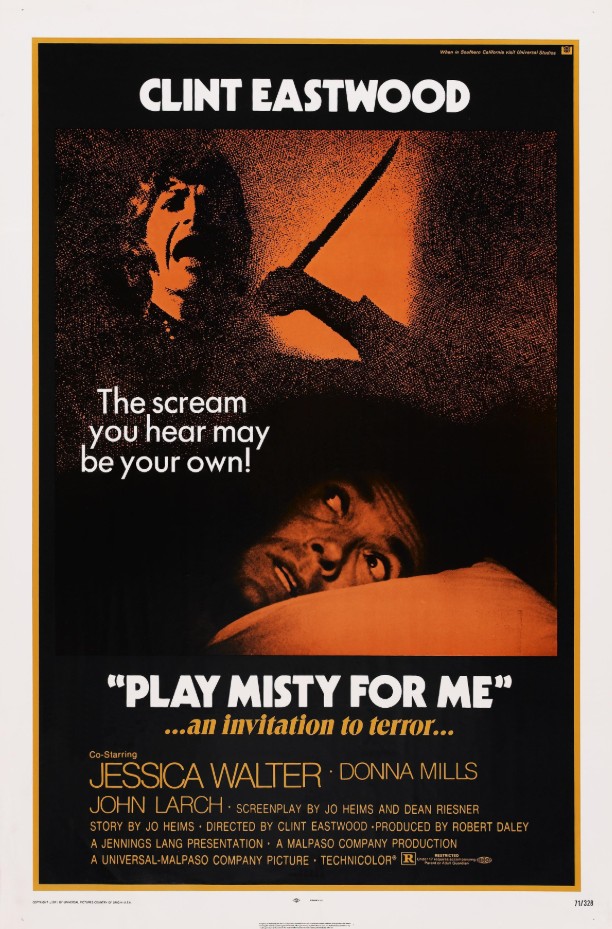





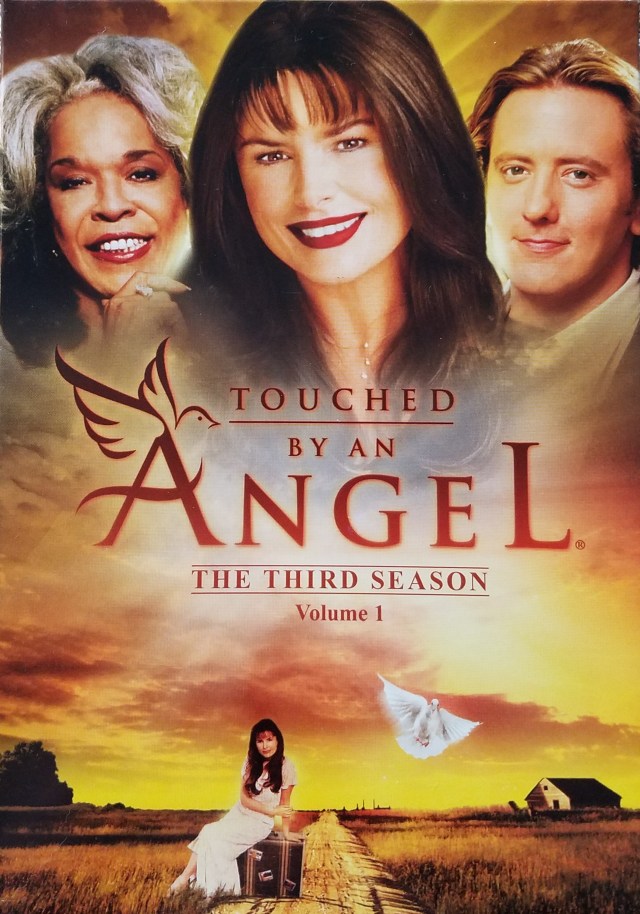

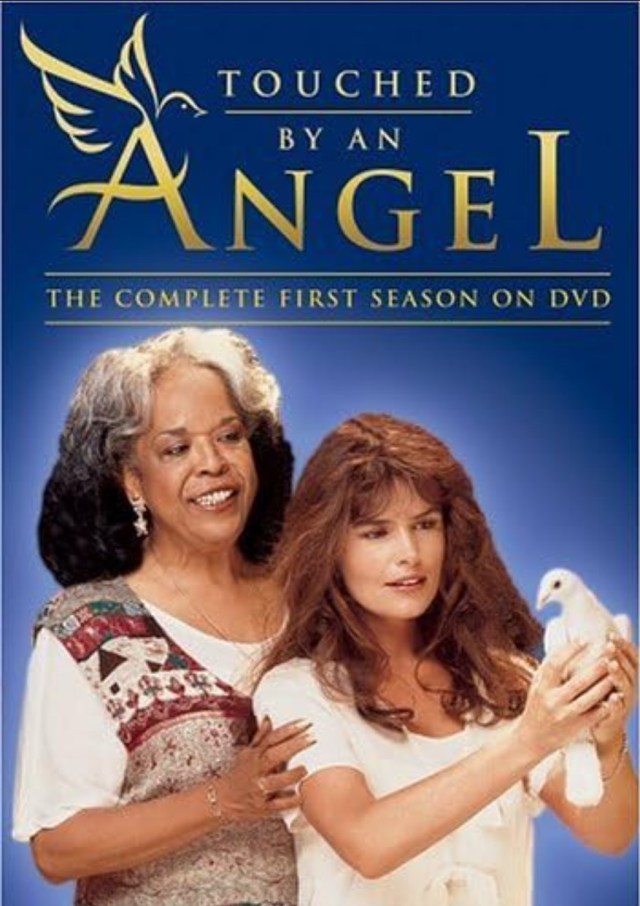



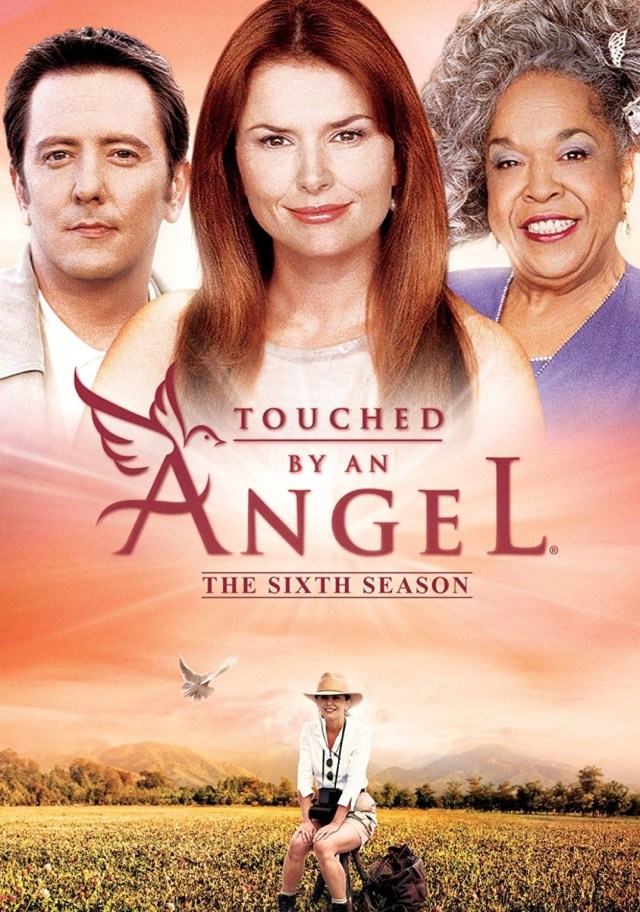


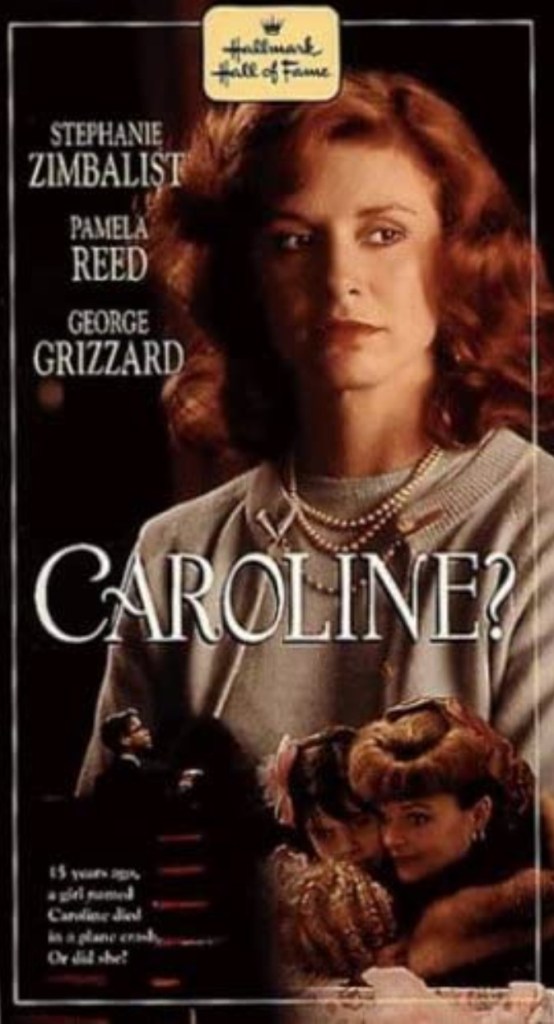
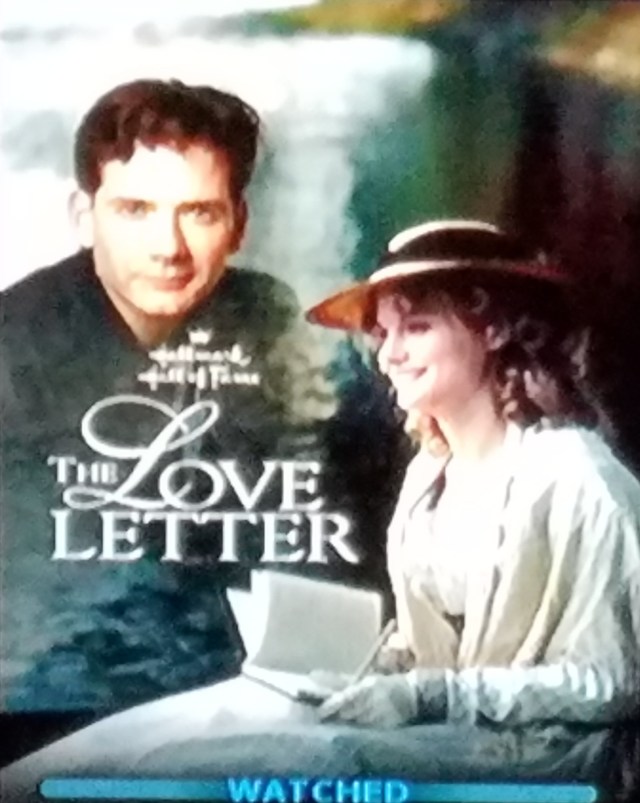

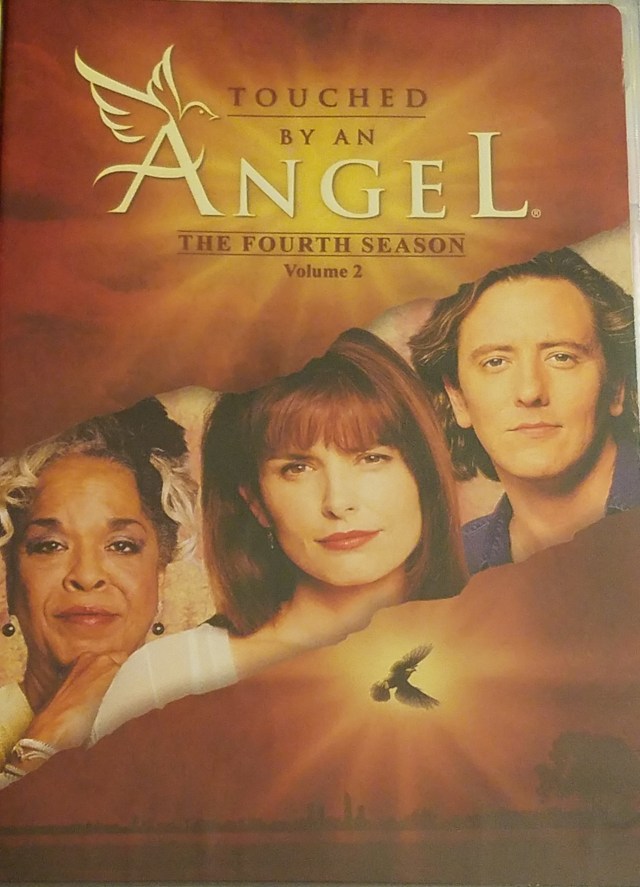


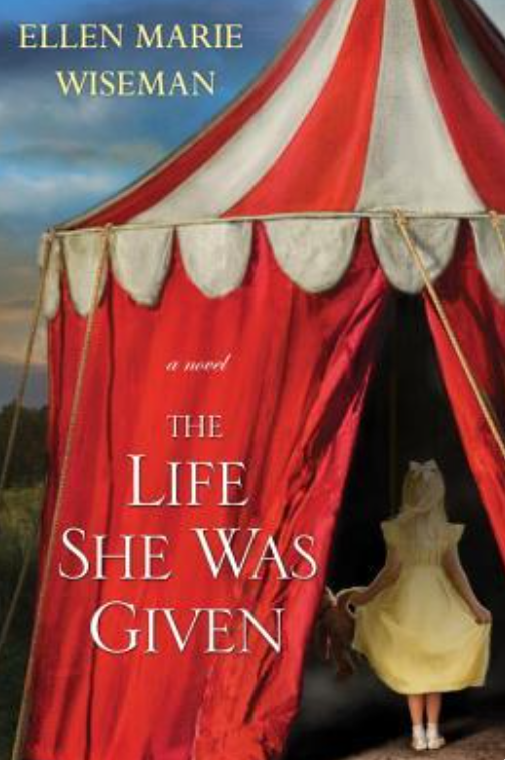

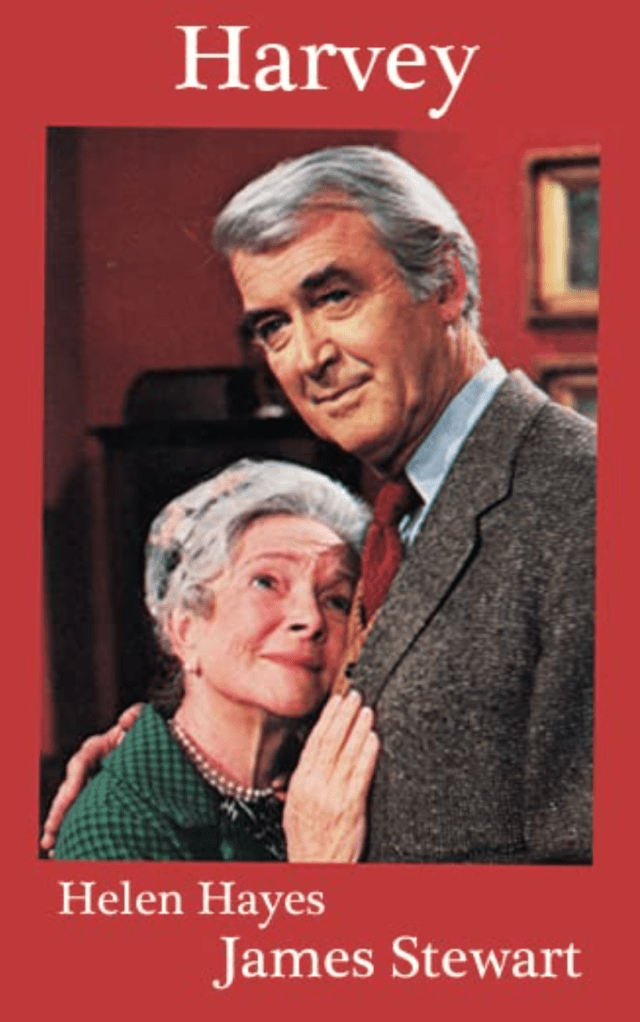






 18 Cinema Lane