
I will admit I was a bit overwhelmed by my blogathon theme. With the theme of family being so broad, I could have chosen almost any movie, television episode, or book to write about. On a trip to IMDB, however, I came across the 1979 made-for-tv film, …and Your Name Is Jonah. Since I had never seen, let alone heard of, this movie prior to the event, that is what I selected for Familyathon! As I’ve stated before on 18 Cinema Lane, I haven’t had the best of luck finding a television film from the ‘70s I like. Out of these titles, they have ranged from fine, ok, or disappointing. During my search for my Familyathon topic, I also realized how I’ve heard of few programs revolving around a family dealing with a misdiagnosis. So, reviewing …and Your Name Is Jonah is bringing something new to my blog’s table!

Things I liked about the film:
The acting: Like I mentioned in my review’s introduction, …and Your Name Is Jonah is about a family dealing with a misdiagnosis. At the beginning of the movie, Jenny and Danny, the titular character’s parents, learn their son is deaf after years of believing he had an intellectual disability. Learning about a misdiagnosis and adjusting to a new diagnosis can be overwhelming for a family. Through their portrayal of Jonah’s parents, Sally Struthers and James Woods make these feelings of stress and frustration come across realistically. During dinner, Jonah throws his peas on the floor, indicating how he doesn’t want to eat them. Genuine confusion can be seen on Danny’s face and heard in his voice as he takes Jonah’s plate away, in order to stop Jonah from throwing his food on the floor. Meanwhile, Jenny tells her son to stop making a mess in a calm, yet stern voice. She even points to her own plate, trying to get Jonah to eat his food. After Jonah receives his plate of food back, he continues to throw the peas on the floor. Agitation grows in Danny’s voice when he finds out the behavior hasn’t stopped. When Jenny decides to move Jonah’s plate into the kitchen, informing her husband about her plan in a calm manner, Jonah has a temper tantrum. This causes Danny to become frustrated over the situation, even sounding agitated with his other son, Anthony. Jenny, simply trying to keep the peace, attempts to stand up for Jonah, her voice sounding like she’s begging her husband for understanding. She also looks exhausted and overwhelmed.
When given a role that has little to no dialogue, an actor or actress must use facial expressions, emotions, and body language in order to show what their character is not saying. Jeffrey Bravin, the actor who portrayed Jonah, effectively utilized these acting techniques! This allowed the audience to learn more about Jonah, even knowing more information than his parents did. When Jonah wears his hearing aid for the first time, Danny and Jenny get into an argument over the hearing aid. Meanwhile, Jonah removes the hearing aid, his face expressing discomfort while doing so. His face continues to express discomfort when Jenny puts the hearing aid back into his ear. Jonah then looks sad and confused as he’s trying to figure out what his parents are saying. Through Jonah’s perspective, the audience can hear that, to him, Danny and Jenny sound like they’re arguing underwater. This scene helps the audience learn, before Jenny and Danny, that the hearing aid is not helping Jonah like it was intended to.
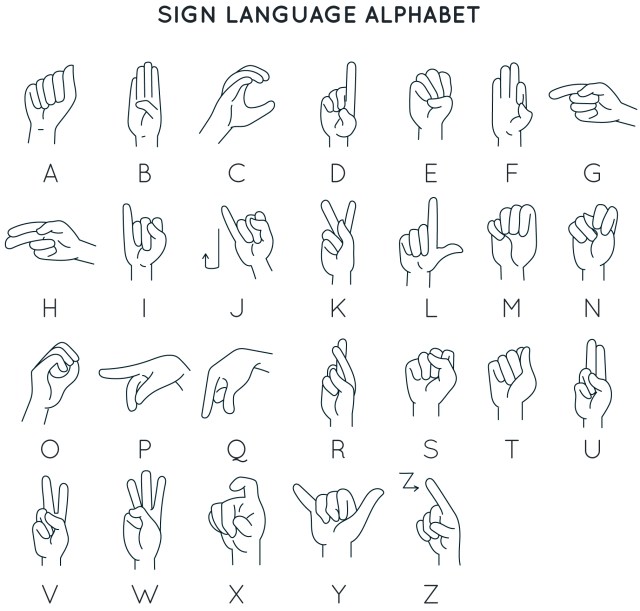
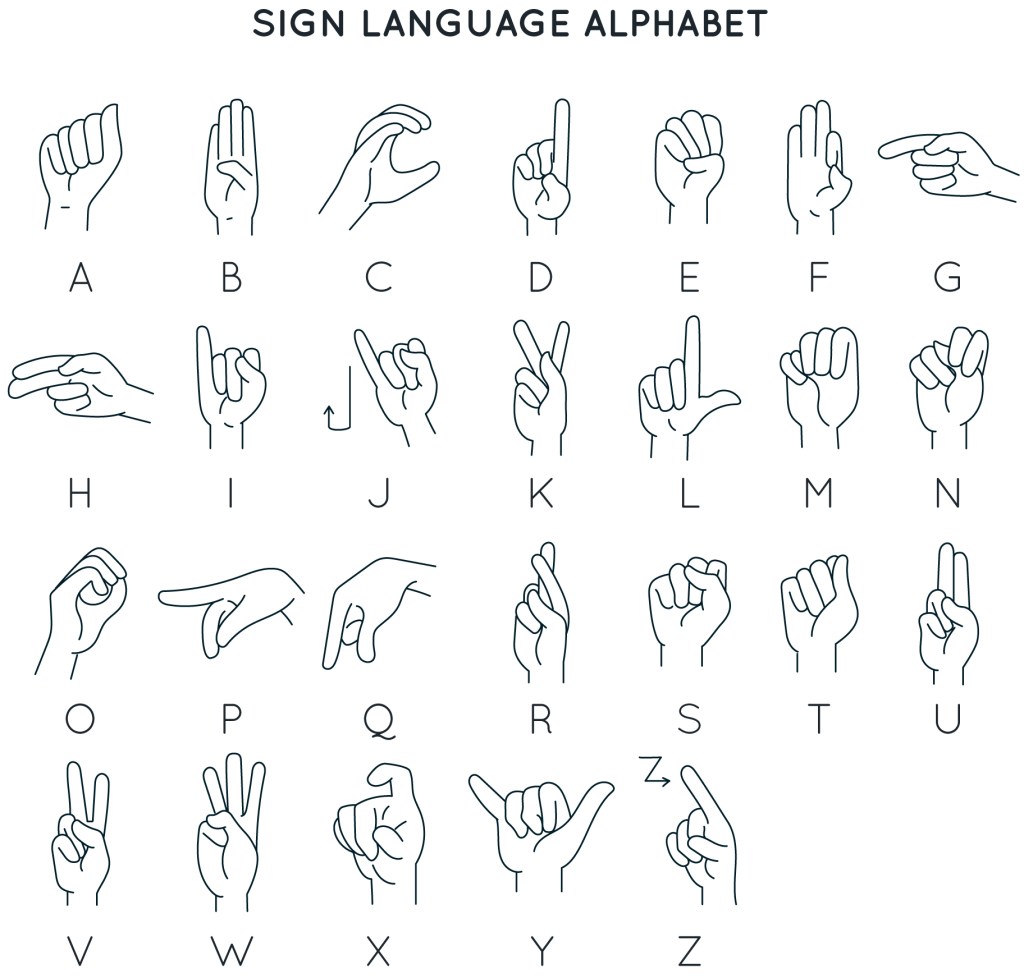
An introduction to deaf culture: Last year, when I reviewed Children of a Lesser God, I discussed how the film served as an introduction to deaf culture. This was achieved by the audience getting to know the characters and learning why they do or don’t want to learn to speak. …and Your Name Is Jonah also serves as an introduction to deaf culture. However, the introduction came from Danny and Jenny learning more about their son’s diagnosis. Toward the beginning of the movie, Jenny and Danny discover Jonah might benefit from using a hearing aid. An audiologist explains to Jonah’s parents how a hearing aid will help their son hear sounds he can just barely hear. This explanation provides a basic understanding of hearing aids for both Jonah’s parents and the audience. Later in the movie, Jenny gets invited to attend a deaf club. While attending one of the club’s meetings, Jenny learns some signs, ranging from describing animals to feelings. This demonstration was a beneficial introduction to sign language for Jenny as well as the audience.
Diversity in education: The idea of education not being “one size fits all” has gained attention in the 21st century. That idea included as an overarching theme in …and Your Name Is Jonah seems ahead of its time, as the film was released in 1979. Throughout the movie, Jonah’s family try to teach him to speak through speech. But these efforts are met with little to no results. Instead of letting frustration get the better of her, Jenny admits that her approach to education is not the right fit for her son. After this realization, she seeks out other options in order to help Jonah learn to speak. By Jenny seeking out a new approach, the story acknowledges how children learn differently and how various teaching techniques are available to best meet a child’s educational needs.

What I didn’t like about the film:
Prolonging Jonah’s break-through: In my review of I Never Promised You a Rose Garden, I talked about Deborah’s recovery process being rushed. This was the result of the film taking so long to show Deborah’s break-through, with that moment taking place in the movie’s last twenty minutes. Jonah’s break-through is also prolonged in …and Your Name Is Jonah. As I mentioned in this review, Jonah’s parents are overwhelmed by their son’s new diagnosis. However, for the majority of the story, they stubbornly try to use the same teaching technique with little to no results. While Jonah does receive a break-through, that moment takes place an hour and twenty-four minutes into an hour and thirty-three-minute movie. I wish this break-through had been reached sooner, so more time could be spent seeing Jonah thrive instead of struggling.
Lack of questions from Jonah’s parents: When Jonah is being released from the hospital, Danny and Jenny confess to the hospital’s director and the audience how their son has been at the hospital for “three years and four months”. When the hospital’s director tries to answer Jenny’s question of how Jonah got admitted in the first place, Jenny tells him, “You went over it and I just listened, and I still don’t understand”. This situation, along with Jonah’s new diagnosis, should have encouraged Jenny and Danny to ask more questions. Instead, they don’t dig beyond the surface. One example involves Jonah receiving a hearing aid. Earlier in this review, I brought up how Jonah’s parents learn about hearing aids and their intended purpose. While Jonah uses a hearing aid for the majority of the film, Danny and Jenny are frustrated by Jonah’s lack of progress. During one of Jenny and Danny’s arguments, the scene is presented from Jonah’s perspective, with the argument sounding like it’s taking place underwater. Had Jonah’s parents asked more questions about the hearing aid, they would have gained a better understanding why their son doesn’t seem to like wearing it.
An antagonistic speech therapist: One of the characters Jonah’s parents turn to for help is a speech therapist named Mrs. Marquardt. While Mrs. Marquardt had good intentions, I didn’t like how the film presented her as a more antagonistic character. When Mrs. Marquardt first meets Jenny and Jonah, Jenny tells Mrs. Marquardt how Jonah doesn’t seem to like wearing his hearing aid. Mrs. Marquardt tells Jenny how “he must learn to like it” and that his hearing aid is “his best friend”. While explaining the purpose of speech therapy to Jenny, Mrs. Marquardt tells her how children are not allowed to use sign language. Mrs. Marquardt explains how “once a child begins to use signs, he becomes lazy in learning how to use his voice and read lips”. I’m aware that some stories require the inclusion of an antagonistic character. But when a story like …and Your Name Is Jonah carries the overarching theme of how education is not “one size fits all”, the emphasis should be a teaching technique not working doesn’t necessarily mean it’s bad.
My overall impression:
In my review, when I talked about the acting in …and Your Name Is Jonah, I mentioned how Jonah received a misdiagnosis. After learning their son is deaf, Danny and Jenny become so overwhelmed, they are desperate to find a solution. While watching the 1979 made-for-TV movie, I was reminded of the 2008 Hallmark Hall of Fame film, Sweet Nothing in My Ear, a story about parents trying to find a solution for their deaf son. However, I find myself preferring Sweet Nothing in My Ear over …and Your Name Is Jonah. In the 1979 film, Jonah’s break-through is prolonged, taking place in the film’s last nine minutes. For the majority of the story, Jonah’s parents don’t ask more questions, a cause for Jonah’s break-through being prolonged. This is different from Sweet Nothing in My Ear, where the parents spend that story exploring every available option for their child. Even though the conclusion of Sweet Nothing in My Ear is open-ended, that creative decision was made to allow the audience to form their own perspective. I will say …and Your Name Is Jonah provided a nice introduction to deaf culture. It also showcased good acting performances and a theme that made the film feel ahead of its time. But, overall, this movie was just fine, in my opinion.
Overall score: 7.2 out of 10
Have you seen …and Your Name Is Jonah? Are there any made-for-TV movies you’d like to see me review? Let me know in the comment section!
Have fun at the movies!
Sally Silverscreen

 18 Cinema Lane