Comparing with the Critics – Best of 1988 – Wings of Desire

This review is from my series, Comparing with the Critics. If you’d like to learn more about the series, click on the link below.

Introducing my new series, Comparing with the Critics!

Five years ago, I advocated for the release of The Crow: City of Angels’ Tim Pope cut. This version of the movie was not only supposed to be 160-minutes, it was also supposed to tell a different story from its predecessor. The Crow: City of Angels’ intended conflict showed the protagonist, Ashe, choosing between reuniting with his son, Danny, in the afterlife or staying on Earth to form a romantic relationship with Sarah, who appeared in The Crow. When Roger Ebert brought up Wings of Desire in Siskel & Ebert’s Best of 1988 episode, he said the film was “about an angel who wants to be a human because he would rather have real, physical feelings than live forever”. His explanation of Wings of Desire reminded me of The Crow: City of Angels’ intended conflict I described. Since I don’t know if and/or when the Tim Pope cut of The Crow: City of Angels will be released, Wings of Desire will be my unofficial placeholder in terms of storytelling. The other reason why I chose Wings of Desire for my Comparing with the Critics series’ Best of 1988 review is because it was on Roger’s list of the ten best films of 1988, even though both he and Gene Siskel liked it. I approached this film with an open mind because I had never seen or heard of it prior to my series. Now that I have seen Wings of Desire, I think calling it one of the best movies of the year is giving the film a little too much credit.

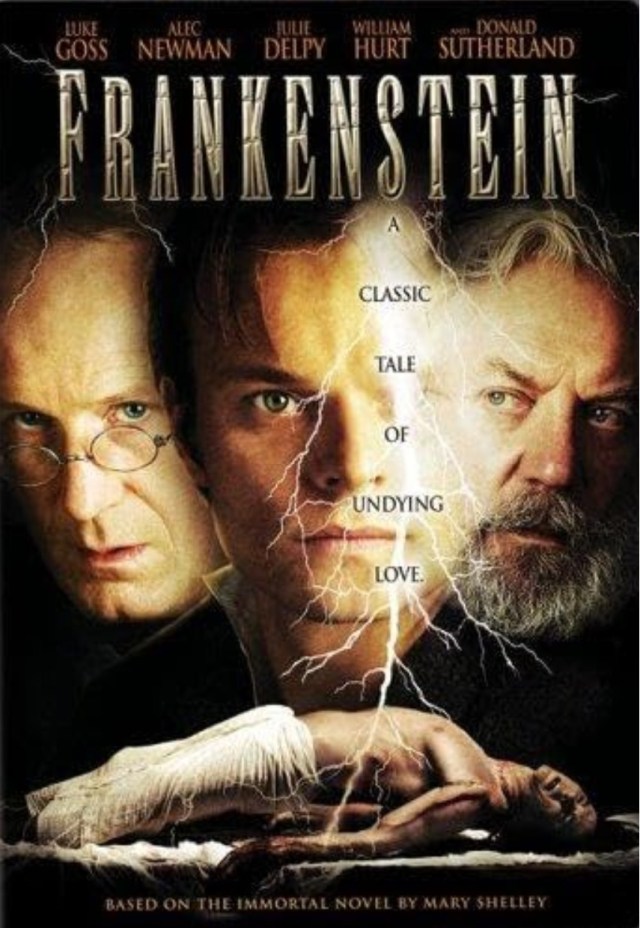
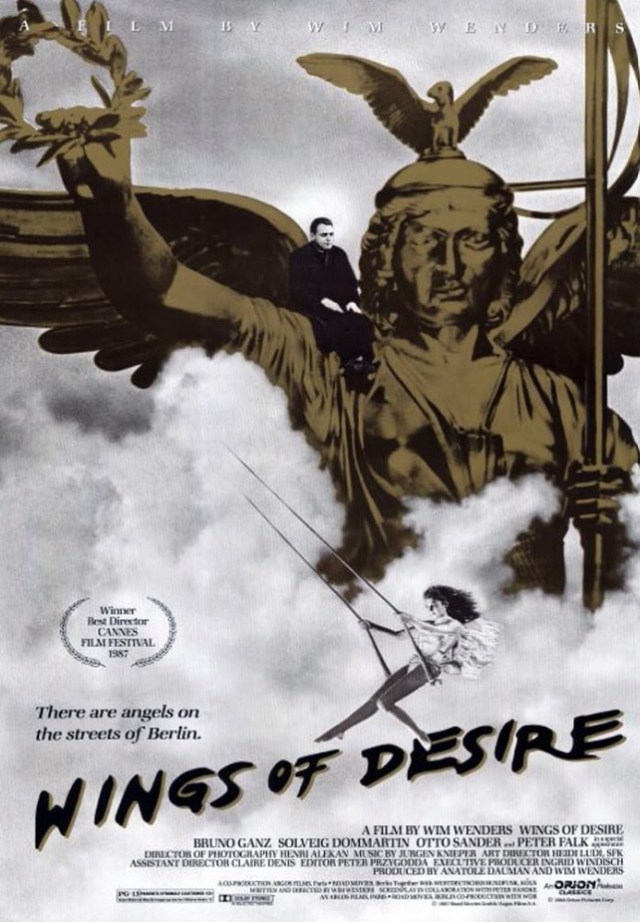
Wings of Desire poster created by Road Movies Filmproduktion, Argos Films, Westdeutscher Rundfunk (WDR), Wim Wenders Stiftung, Orion Classics, Basis-Film Verleih, and Filmverlag der Autoren

As I said in the introduction of this review, both Roger and Gene liked Wings of Desire. In an episode of Siskel & Ebert, they gave the film a thumbs-up. Roger commented on how the movie “has a mood to it. It takes the time to establish that mood”. Meanwhile, Gene points out that Wings of Desire “gives more than equal time to the angels’ thoughts”. What Roger and Gene said was achieved through mise-en-scène and music. A great example is when Damiel (portrayed by Bruno Ganz) is at a crossroads over whether he truly wants to become human or remain an angel. The majority of the scene is presented through “shaky cam”, giving the illusion Damiel is quickly turning his head and moving in circles. Sharp, quick violin sounds play over the scene, heightening Damiel’s panic and confusion. Shots of humans crying or looking frightened are interspersed throughout the scene. This creative choice reflects Damiel’s thoughts and feelings. Whenever “shaky cam” is incorporated into a movie, it is usually met with criticism due to how the film-making technique distorts a scene to the point of becoming unwatchable. However, the use of “shaky cam” in Wings of Desire is one of the few times where it works. This is because that creative decision was utilized purposefully to enhance the emotional aspect of the story.

Since there are angels in Wings of Desire, I thought adding this angel picture to my review made sense. Screenshot taken by me, Sally Silverscreen.

Wings of Desire is mostly presented in black-and-white imagery. But there are a handful of scenes shown in color. This creative choice differentiates the perspective between the angels and the humans. Damiel and Cassiel, two angels from the film’s main cast of characters, see the human world in black-and-white, as they are outsiders looking in. The humans’ environment is visually represented in color, showcasing life in 1980s West Berlin. Black-and-white and color imagery’s incorporation into Wings of Desire is purposeful as it addresses concepts like a sense of belonging, unique points of view, and what it means to be a part of a community. Wings of Desire’s creative decision reminded me of Schindler’s List, a black-and-white movie that occasionally utilized color to emphasize certain ideas.

Map of Germany image created by Macrovector at freepik.com. Background vector created by macrovector – www.freepik.com. Image found at freepik.com.

Another visual aspect of the movie I liked was Marion’s wardrobe. In Wings of Desire, Marion (portrayed by Solveig Dommartin) is a trapeze artist who is afraid her dream may be coming to an end due to the circus’ struggling finances. Her performances give her an excuse to wear gorgeous costumes! When she is first introduced in the story, Marion wears a long-sleeved leotard with an attached skirt. This costume is made up of a beige velour-like material and covered in diamond-esque gems. The shoulders of the costume feature a shiny applique. To give circus attendants the impression Marion is a flying angel, she wears large, white wings while performing in the air. The exquisiteness of Marion’s costumes makes me wish they were shown in color more consistently. I also wish Wings of Desire’s costume designer, Monika Jacobs, was nominated for, at least, one award.

Group of clowns image created by Freepik at freepik.com. Image by Freepik

After a clip of Wings of Desire was presented on Siskel & Ebert, Gene declares “the juiciest part of this picture is how close we get to everyday people, their joys, their heartbreaks”. He also says, “director, Wim Wenders, does a real remarkable thing here; he praises life as it is lived, yet making sense out of life’s confusions to the point where we enjoy being alive in a fresh way”. While I agree with Gene about the realistic portrayal of the humans’ lives, I wish the dialogue had sounded more realistic. Every time a character speaks, they deliver philosophical speeches instead of conversations. This made the characters sound like they were spending more time expressing ideas than putting ideas into action. Though looking back on Wings of Desire, I wonder if that was intended commentary on how people spend less time solving problems and more time talking about them?

Breaking heart image created by Kjpargeter at freepik.com. <a href=’https://www.freepik.com/free-vector/broken-heart-valentine-background_1041991.htm’>Designed by Freepik</a>. <a href=”https://www.freepik.com/free-photos-vectors/background”>Background vector created by Kjpargeter – Freepik.com</a>. Image found at freepik.com.

Like I mentioned earlier in my review, Damiel and Cassiel are outsiders looking in on the human world. Despite this, both angels observe, listen, and occasionally intervene in the humans’ lives. That means Wings of Desire’s audience can hear the thoughts of the humans Cassiel and Damiel cross paths with. But because the angels are disconnected from the human world, story ideas are either loosely connected or not connected at all. A man’s parents concerned over his musical ambitions serve as one example, with the concerns themselves brought up but never resolved. There are four main plots within Wings of Desire. However, only three of them were related to each other. Plus, these three plots didn’t connect until toward the end of the movie. Waiting for the bridges of the plots to form felt tedious, in my opinion.

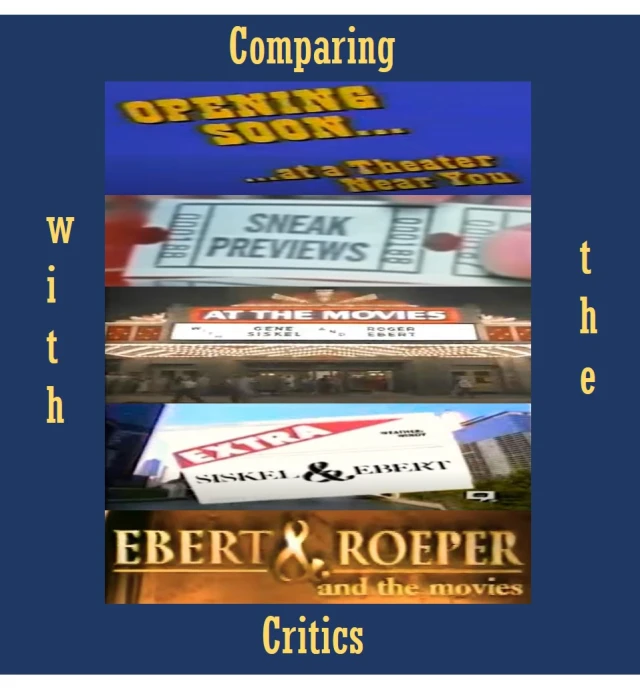
Comparing with the Critics banner created by me, Sally Silverscreen. TV show title cards created by WTTW National Productions, WTTW, Public Broadcasting Service (PBS), Lifetime Television, Tribune Entertainment, Buena Vista Television, and Disney-ABC Domestic Television

In the introduction of this review, I said calling Wings of Desire one of the best movies of the year is giving the film a little too much credit. It’s not a bad movie, I just didn’t like or love it as much as Roger and Gene did. Wings of Desire is a fine, interesting film that kept me invested in what was happening on screen. The movie also has artistic merit due to creative decisions purposefully incorporated into the project. But major flaws lie in the script. I wish dialogue between characters sounded more conversational, as it would have complimented the realistic depiction of life in 1980s West Berlin. Story ideas should have developed stronger connections to one another, especially among the four main plots. Waiting for three of those main plots to connect was, in my opinion, tedious. During their discussion of Wings of Desire on their show, Siskel & Ebert, Gene tells Roger how Wim Wenders “doesn’t sweeten life to the point that it’s false”. Looking back on my experience watching the movie, I can see, and even appreciate, Gene’s point. Wings of Desire captures Germany before the Berlin Wall would eventually fall.  The Wall itself is even featured in a few scenes. Through visuals, text, and even musical selection, the edge of change I addressed in my 1988 introduction of Comparing with the Critics was brought to life on the big screen. The creative team behind Wings of Desire played a small role in history, even if they didn’t know it at that time.

This review was brought to you by

Sally Silverscreen
Comparing with the Critics – 1988 – Introduction

1988 is known as a year on the edge of change. In the United States, a Presidential election let Americans decide how they wanted their country to be led. The foundations of the “Disney Renaissance” were laid into place before Disney made a splash heard around the world. And one year later, President Ronald Reagan’s words to “tear down this wall” were finally put into practice. Reflecting on 1988’s box office, especially the highest-grossing films of that year, this edge of change could be seen and felt. Who Framed Roger Rabbit proved it was, indeed, possible for live action and animation to join forces. Tim Burton helped Beetlejuice walk so Batman could soar. In May of 1988, two films made contributions that would cause ripple effects throughout cinema. Though Gene Siskel and Roger Ebert appreciated one of these efforts more than the other. These movies are Wings of Desire and Willow. The Best of 1988 episode of Siskel & Ebert showed Wings of Desire earning a spot on Roger’s list of the year’s best movies, even though both he and Gene liked it. Meanwhile, in the show’s Worst of 1988 episode, Gene and Roger believed Willow was just a retread of Star Wars. However, the film only ended up on Gene’s list of 1988’s worst pictures. If you read my review of Willow from last year, you would know I selected it for Comparing with the Critics’ Worst of 1988. As for Wings of Desire, that is my choice for Best of 1988 in my Comparing with the Critics series.

Comparing with the Critics banner created by me, Sally Silverscreen. TV show title cards created by WTTW National Productions, WTTW, Public Broadcasting Service (PBS), Lifetime Television, Tribune Entertainment, Buena Vista Television, and Disney-ABC Domestic Television

Comparing with the Critics – Best of 1985 – Mad Max Beyond Thunderdome

This review is from my series, Comparing with the Critics. If you’d like to learn more about the series, click on the link below.

Introducing my new series, Comparing with the Critics!

In my Comparing with the Critics review of Amadeus, I mentioned the Falco song, “Rock Me Amadeus”, being one of the reasons why I was intrigued to review the movie. I actually have a similar experience with Mad Max Beyond Thunderdome. Every time I think of this film, I think of the Tina Turner song, “We Don’t Need Another Hero (Thunderdome)”. This is an ironic coincidence, as “We Don’t Need Another Hero (Thunderdome)” and “Rock Me Amadeus” were released in 1985. Another ironic coincidence is how, for the Comparing with the Critics series, I, once again, selected an ‘80s film both Roger Ebert and Gene Siskel liked. Though Mad Max Beyond Thunderdome only appeared on Roger’s list of the top ten best films of 1985, each critic gave the movie a thumbs-up when they reviewed it on an episode of At The Movies. Before this Comparing with the Critics review, I had never seen any of the Mad Max movies, let alone Mad Max Beyond Thunderdome. Therefore, I couldn’t agree or disagree when Roger stated that Mad Max Beyond Thunderdome was “the best of the Road Warrior movies” or when Gene declared it was “a great, violent, fun picture”. Now that I have seen the film, I can honestly say I don’t agree with Gene’s and Roger’s praise. It’s not that Mad Max Beyond Thunderdome is a bad movie, I just didn’t like or love it as much as the critics did.

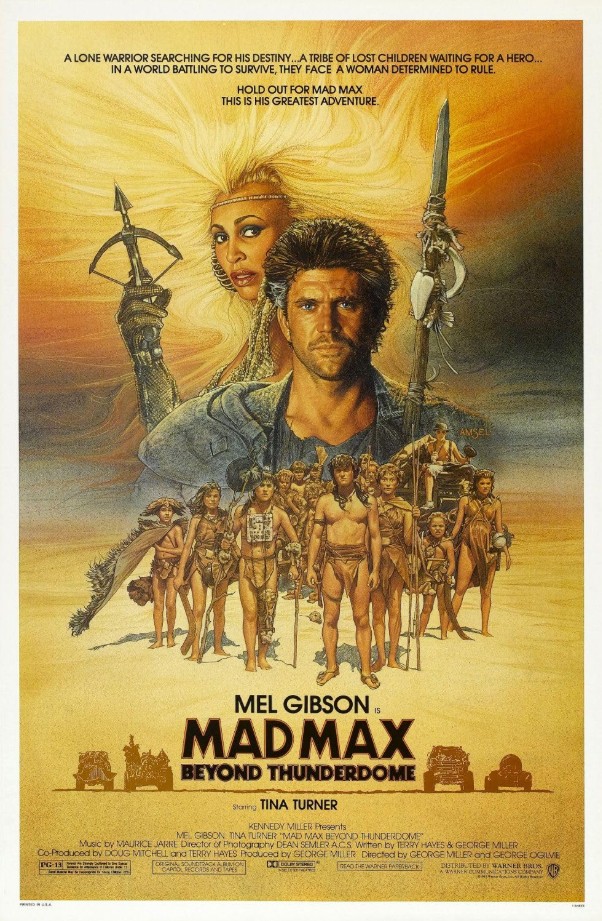
Mad Max Beyond Thunderdome poster created by Kennedy Miller Productions and Warner Bros.

While sharing his opinion on Mad Max Beyond Thunderdome in an episode of At The Movies, Gene complements the directors, George Miller and George Ogilvie, as both of them “successfully creates a complete alien world on film”. To add to Gene’s statement, Roger commented how the film’s “world is as rich as Casablanca or as rich as Oz”. I admit one of the strengths of Mad Max Beyond Thunderdome was its set design, as the movie’s creative team presented an atmosphere that felt immersive! One of the conflicts in the story is Max battling in a duel against a character named Blaster, in order to retrieve his stolen items. They fight within the titular Thunderdome, a circular caged structure built out of steel-like material. What adds to the scene’s immersion is the medium and close-up shots captured within the Thunderdome. The combination of these creative choices helps the audience feel like they are right in the middle of the excitement! Even the sign advertising the Thunderdome is a blend of color, light, and dirt. This specific prop captures the thrill of the dueling action while also consistently displays the film’s aesthetic.

Image by Freepik

As I said in this review’s introduction, Mad Max Beyond Thunderdome ended up on Roger’s list of the top ten best films of 1985. One of his reasons was how he “was overwhelmed by the wealth of new ideas they came up with in the third picture”. Specifically speaking about Max and Blaster’s aforementioned duel, Roger explains how this scene presents two new ideas; “a new place to put the audience, which is over the top of the dome, and a new way to fight by putting the people on elastic bands so they have a three or a four dimensional, if you will, fight instead of regular punching it out”. Adding to Roger’s explanation, both Max and Blaster were given more freedom to move around the Thunderdome because of their elastic harnesses. While there was fist-fighting in the duel, flips and large jumps were incorporated in the fight choreography. Blaster and Max were presented with a variety of weapons, which added to the duel’s unpredictability. It also shows how the duel itself was a battle of strategy. This scene is definitely one of the most memorable from Mad Max Beyond Thunderdome!

Back to 1985 Blogathon banner created by Quiggy from The Midnite Drive-In and Hamlette from Hamlette’s Soliloquy

While Gene and Roger sang the praises of Mad Max Beyond Thunderdome, I was disappointed they ignored Tina Turner’s portrayal of Aunty Entity. Personally, I think Tina is a better actress than some people give her credit for. Her performance in this film proves that. A great example is when Master confronts Aunty Entity about the true leadership of Bartertown. Before this confrontation, Aunty Entity is confident in her ability to rule over this little community. Master calls her out by questioning who’s in charge. Aunty’s confidence gradually turns into anger. She develops a stern look on her face, the anger itself filling her eyes. There’s even a point where Aunty’s bottled-up anger causes her to shake. This scene shows how Tina’s performance was able to say so much while utilizing very little dialogue.

Illustrated image of Arizona desert created by pikisuperstar at freepik.com. Background vector created by pikisuperstar – www.freepik.com

Like I brought up in my review’s introduction, I didn’t like or love Mad Max Beyond Thunderdome as much as Roger and Gene did. A reason for my opinion is how the script left several questions unanswered. When Max meets the children of the Planet Erf tribe, the children believe he is Captain Walker. They describe Captain Walker as a plane pilot who will lead them to a better land. Because Jedediah was introduced in Mad Max Beyond Thunderdome as a man who could successfully fly a plane, I thought he could be Captain Walker, connecting him to the Planet Erf tribe’s part of the story. But this wasn’t the case, leaving questions about Captain Walker’s whereabouts. I was also not a fan of the creative team’s decision to prioritize telling over showing. A good example is when Blaster is about to be defeated in his and Max’s duel. Master begs Max not to kill Blaster, as he has a lot of respect for Blaster. However, this respect isn’t shown leading up to that scene. The only interactions with Master and Blaster are Master simply using Blaster as a means of transportation. Had the respect and camaraderie between Blaster and Master been better displayed, the duel itself and even its aftermath would have carried more emotional weight.

Comparing with the Critics banner created by me, Sally Silverscreen. TV show title cards created by WTTW National Productions, WTTW, Public Broadcasting Service (PBS), Lifetime Television, Tribune Entertainment, Buena Vista Television, and Disney-ABC Domestic Television

When Roger Ebert placed Mad Max Beyond Thunderdome on his list of the top ten best films of 1985, he called it “a great looking, high styled thriller”. Gene Siskel even claimed that “kids are gonna want toys out of this film” and “people are gonna dress like out of this film”. I can only speak for myself, but I wouldn’t go out of my way to seek out merchandise related to this movie or even revisit this movie. That’s because I thought Mad Max Beyond Thunderdome was just a fine, well-made picture. I couldn’t become fully invested in this story because of the collection of unanswered questions, which left me confused. I did not like the creative team’s decision to emphasize telling over showing as well. But the movie does have its merits. The world-building was one of the strongest aspects of the production, as the directors helped create an on-screen world that felt immersive. I not only liked the acting, I also believe the Thunderdome duel was one of the film’s most memorable scenes. So, this is yet another review where I didn’t agree with the critics. Now, if you’ll excuse me, I’ve got to go sing along to Tina Turner’s song, “We Don’t Need Another Hero (Thunderdome)”!

This review was brought to you by

Sally Silverscreen

Comparing with the Critics – Worst of 1985 – The Bride

This review is from my series, Comparing with the Critics. If you’d like to learn more about the series, click on the link below.

Introducing my new series, Comparing with the Critics!

The summer of 1985 was a disappointing time for Gene Siskel and Roger Ebert. They were so let down by that particular time of the year, At The Movies dedicated an entire episode to discussing the worst movies of the summer. The Bride, which was released on August 16th, was the first film featured in this episode. It left such a bad impression on Roger and Gene, it also appeared on the ‘Worst of 1985’ episode of the show. In each of these episodes, Roger describes The Bride as “an ambitious film that lost it’s way” and a movie that “shot for the stars and failed miserably”. Because I hadn’t even heard of The Bride before starting my Comparing with the Critics series, I couldn’t agree or disagree with Roger’s sentiments. From the way the movie was described, it seemed to answer the question of what would happen if Victor Frankenstein’s female creation fell in love with him? This is a question that is infrequently asked in Frankenstein related media. As someone who has read Mary Shelley’s source material, I was curious to see how the film’s creative team would answer this question. But now that I have seen The Bride, I’m disappointed by how this question was approached. Unlike Gene and Roger, though, I wouldn’t go so far to say the movie is bad.

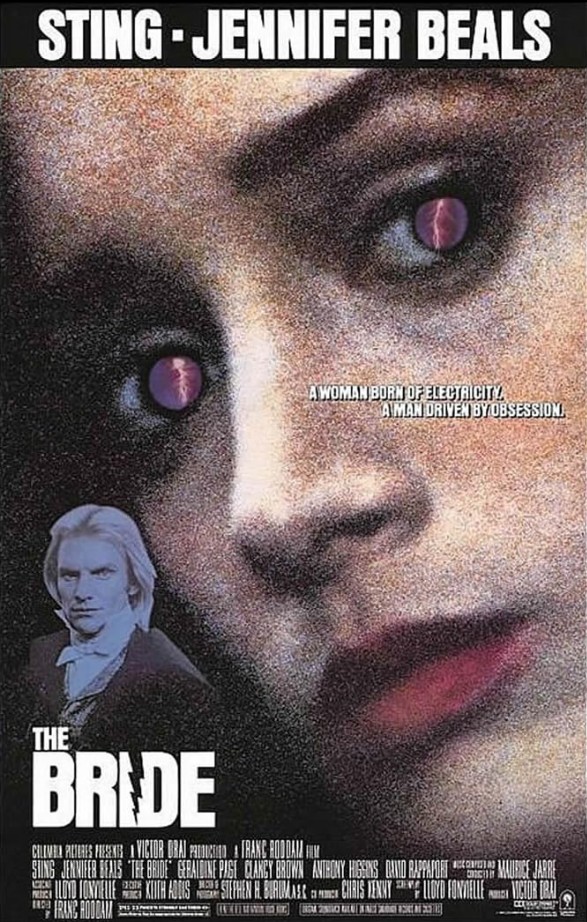
The Bride poster created by Colgems Productions Ltd., Delphi III Productions, Lee International Studios, and Columbia Pictures

After showing a clip from The Bride in At The Movies’ Worst Movies of the Summer episode, Roger claims the film “didn’t know whether it wanted to be a serious movie about the philosophical issues raised by the whole Frankenstein legend or whether it just wanted to be a glamourous, sleek remake”. I personally believe the movie’s creative team knew exactly what they were doing, accomplishing two goals in one picture. Throughout The Bride, there are two parallel stories; the first about Frankenstein and his female creation (Eva) and the second about Frankenstein’s male creation (Viktor) and Rinaldo. These stories show Viktor and Eva learning about the world around them as well as interacting with those they depend on. Every time Rinaldo introduces Viktor, he always refers to Viktor as “his friend”. Meanwhile, Frankenstein calls Eva “his ward”. The stories in The Bride were, in my opinion, intended to take a specific approach to the Nature vs. Nurture debate, presenting how two creations created by the same man could journey to the same outcome.

In Mary Shelley’s original source material, there aren’t really any heroes in that story. That’s because it focuses on the main message of some good intentions possibly leading to bad results. In The Bride, Viktor receives a “hero’s journey”, where he not only gets to fall in love, he also gets to save the day. His name, according to Rinaldo, even means “He will win”. As I mentioned in this review’s introduction, I have read Mary Shelley’s novel. From what I remember, Frankenstein destroys his female creation and his male creation is presented in the story as more of a cautionary tale. With that said, I think this creative liberty added an interesting dynamic to The Bride!

Hand-written letter image created by Veraholera at freepik.com. <a href=”https://www.freepik.com/free-photos-vectors/background”>Background vector created by Veraholera – Freepik.com</a>. <a href=’https://www.freepik.com/free-vector/love-letter-pattern_1292902.htm’>Designed by Freepik</a>. Image found at freepik.com.

While talking about The Bride’s two parallel stories, Gene says the story of Viktor and Rinaldo “was much more interesting than Frankenstein and the monster”. I find myself agreeing with Gene, especially since this story included a “hero’s journey” and a conflict that needed to be resolved. But another reason why I liked Rinaldo and Viktor’s story is David Rappaport’s portrayal of Rinaldo. When Rinaldo first meets Viktor, he’s surprisingly not intimidated by Viktor’s size. Instead, Rinaldo’s confidence helps Viktor find a sense of belonging as well as build a friendship between himself and Viktor. Rinaldo’s charisma shows the audience his good intentions, always striving to give Viktor a better life than Frankenstein did. As he’s giving Viktor a new shirt, Rinaldo is horrified by the scars on Viktor’s back. The sight immediately brings concern to Rinaldo’s face, his saddened tone of voice concluding how Viktor must have been mistreated. The scene I just described shows how David’s performance gave Rinaldo a genuineness that allowed him to be a likeable character. Though this film is titled The Bride, Rinaldo became this movie’s MVP!

Back to 1985 Blogathon banner created by Quiggy from The Midnite Drive-In and Hamlette from Hamlette’s Soliloquy

Both Roger and Gene agreed that Viktor and Eva should have spent more screen-time together. Roger proclaims “if we’re gonna have those parallel stories for two hours, let’s have a pay-off at the end”, with Gene adding “a pay-off for half an hour, not for five minutes”. Like I talked about earlier in this review, I believe the creative team’s intention for The Bride was to present a specific approach to the Nature vs. Nurture debate, as well as giving Viktor a “hero’s journey”. However, my biggest criticism with these parallel stories was the editing. The way these stories were sewn together made the movie feel disjointed. This is because some parts of the story were longer than others. One scene shows Eva studying a series of pictures by herself for only a few seconds. The very next scene shows Viktor and Rinaldo on their journey to the circus, with the scene itself lasting several minutes. Frankenstein and Eva receiving shorter screen-time sometimes prevented the audience from seeing interesting interactions between these two characters. This creative decision also gave Eva and Frankenstein’s story less intrigue.

Group of clowns image created by Freepik at freepik.com. Image by Freepik

When I was introduced to The Bride, I was given the impression the film was trying to answer the question of what if Victor Frankenstein’s female creation fell in love with him. This made me curious to see how the movie’s creative team would answer this question. But like I said in my review’s introduction, I’m disappointed by how this question was approached. That’s because the film’s creative team didn’t answer or explore the question at all. They bring up an equally interesting and infrequently asked question of what if Frankenstein fell in love with his female creation? However, so much time was spent focusing on Eva learning about the world around her, the aforementioned question was given little time for exploration or discussion. When it came to Frankenstein’s love for Eva, it simply came across as possessive and controlling. As I’ve been saying throughout this review, Viktor was given a “hero’s journey”. This means the story always intended to have Eva fall in love with Viktor, not Frankenstein. Even though I liked the creative decision of Viktor’s “hero’s journey”, I’m still disappointed by the potential questions that were left unanswered.

Comparing with the Critics banner created by me, Sally Silverscreen. TV show title cards created by WTTW National Productions, WTTW, Public Broadcasting Service (PBS), Lifetime Television, Tribune Entertainment, Buena Vista Television, and Disney-ABC Domestic Television

Toward the beginning of At The Movies’ Worst Movies of the Summer episode, Gene claims the summer of 1985 “happened to be one of the dullest, most juvenile, most homogenized summer movie seasons in recent memory”. Out of the movies that premiered during that time, I’ve only seen six pictures in their entirety, including The Bride. Personally, I didn’t find any of these films to be bad or disappointing. Specifically speaking about The Bride, I thought it was a fine, serviceable, interesting enough title. Though I was disappointed the movie’s creative team didn’t answer the question of what if Victor Frankenstein’s female creation fell in love with him, there were aspects of the film I liked. While the acting was one of the strengths of The Bride, David Rappaport’s portrayal of Rinaldo shined the brightest! Rinaldo was such a likable character, he became my favorite! Another strength of this film was Viktor receiving a “hero’s journey”. Even though it was a creative liberty, it added an interesting dynamic to The Bride’s story. It was also interesting to see the creative team’s approach to the Nature vs. Nurture debate. I apologize for sounding like a broken record, but this is yet another Comparing with the Critics review where I disagreed with Roger and Gene. As I continue with my series, I have to wonder how often this will keep happening?

This review was brought to you by

Sally Silverscreen

Comparing with the Critics – 1985 – Introduction

Looking back on 1985, one can see the abundance of stand-alone films released that year. While cinemas welcomed sequels, these movies were exceptions to the rule, compared to the box office of 2025. That’s because studios and film companies were more selective about which titles received another chapter. Mad Max Beyond Thunderdome joined this exclusive club. It even left such a good impression, it earned a place on Roger Ebert’s list of the top ten best films of 1985. As I mentioned earlier in this introduction, 1985 saw an abundance of stand-alone movies. However, these projects were not created equally. The Bride tried to find an answer to the infrequently asked question of what would happen if Victor Frankenstein’s female creation fell in love with him?  Both Roger and Gene Siskel were so disinterested in finding an answer to this question, that the film was not only featured in At The Movies’ Worst Films of 1985 episode, it also made an appearance in the show’s Worst Movies of the Summer episode. At this point in the introduction, you probably think Mad Max Beyond Thunderdome and The Bride being singled out is purely a coincidence. But these titles were specifically chosen for Midnite Drive-in’s and Hamlette’s Soliloquy’s Back to 1985 Blogathon, where I’m reviewing The Bride as the Worst of 1985 and Mad Max Beyond Thunderdome as the Best of 1985!

Comparing with the Critics banner created by me, Sally Silverscreen. TV show title cards created by WTTW National Productions, WTTW, Public Broadcasting Service (PBS), Lifetime Television, Tribune Entertainment, Buena Vista Television, and Disney-ABC Domestic Television

Comparing with the Critics – Worst of 1976 – Gable and Lombard

This review is from my series, Comparing with the Critics. If you’d like to learn more about the series, click on the link below.

Introducing my new series, Comparing with the Critics!

In the ‘Best Films of 1976’ episode of Opening Soon…at a Theater Near You, Gene Siskel stated “1976 was a pretty lousy year for movies”. He emphasized that statement by saying “the year was littered with dogs”. Since I haven’t seen a lot of movies from 1976, I can’t agree or disagree with Siskel’s claim. But what I can do is talk about one of Siskel’s choices for worst movies of 1976. As I said in my 1976 introduction of Comparing with the Critics, one episode was primarily focused on discussing the best movies from a given year. This left Siskel and Ebert with only a few minutes to talk about some of the year’s worst films. Despite the 1976 episode’s limited selection of “bad” movies, I chose Gable and Lombard for this edition of Comparing with the Critics Worst of review. What made Gable and Lombard the most interesting title from the episode’s collection of “bad” movies was the story’s emphasis on Clark Gable and Carole Lombard’s relationship. I am somewhat familiar with Clark and Carole, as I have reviewed at least one of their movies on 18 Cinema Lane. Because I hadn’t heard of Gable and Lombard until I saw the ‘Best Films of 1976’ episode of Opening Soon…at a Theater Near You, I viewed the film as a way to expand my cinematic horizons and learn more about Carole and Clark. Now that I have seen the movie for myself, I believe Siskel’s, and even Roger Ebert’s, thoughts on the film were a tad harsh.

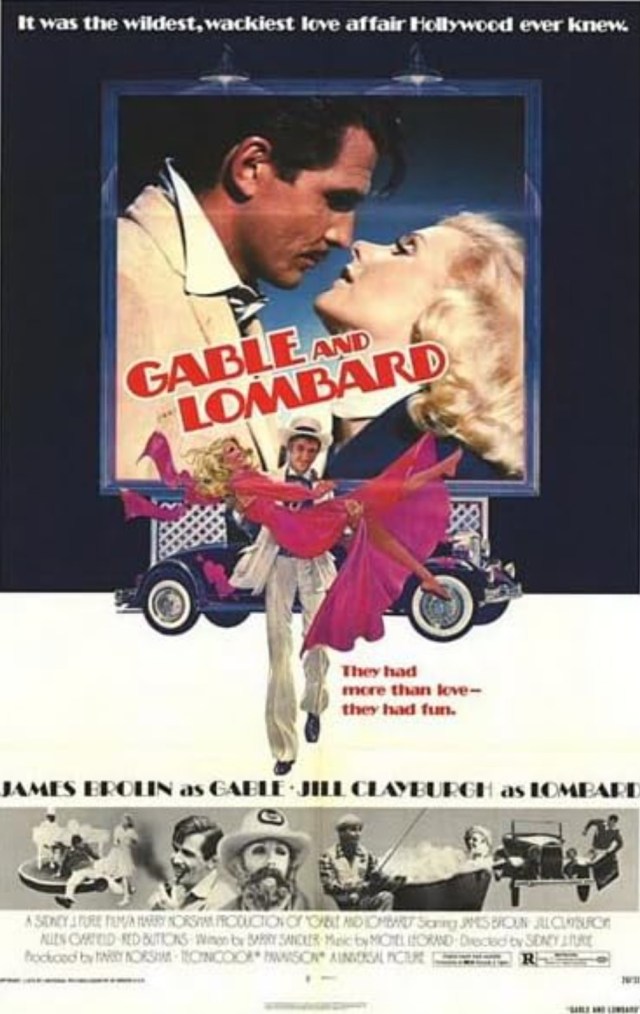
Gable and Lombard poster created by Universal Pictures

Before revealing his choices for the worst movies of 1976, Siskel says the year featured “two kinds of cinematic canines: cheap, lousy pictures and expensive, lousy pictures”. Based on what films he chose, Gable and Lombard was placed in the latter category. According to Wikipedia, the film’s budget was $4.5 million. It appears most of the budget was spent on Gable and Lombard’s set design. One scene took place outside, with the guests at a ball wearing white. Small candles surrounded the pool’s perimeter. In the pool were small islands of white flowers and candles, along with swans peacefully gliding through the water. Overall, this part of the set was absolutely gorgeous! Throughout Gable and Lombard, some scenes took place in Clark or Carole’s dressing room. These dressing rooms looked more like condominiums; distinct spaces that appear livable. Carole’s dressing room boasted a color combination of yellow and white. Featuring design choices like a white dining room set gave the dressing room a feminine style. Meanwhile, dark wood surrounded the fireplace in Clark’s dressing room. There was even a pool table located near the fireplace. These design choices created a more masculine space. Carole and Clark’s dressing rooms provided a good visual representation of how different they were despite having a similar career path.

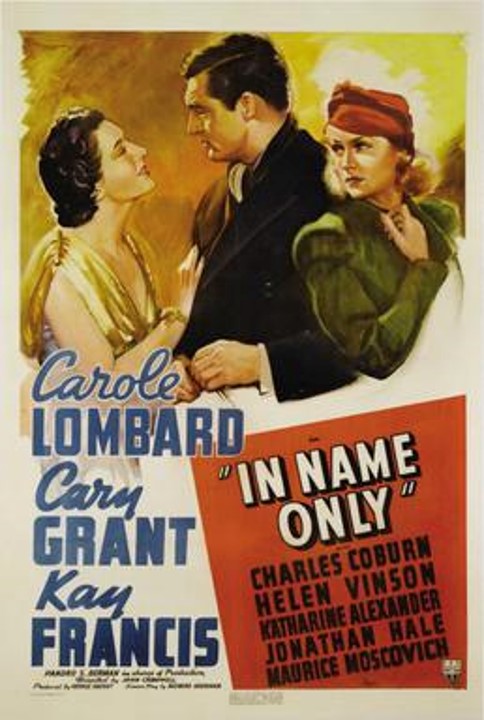
In Name Only poster created by RKO Radio Pictures. Image found at en.wikipedia.org/wiki/File:In_Name_Only.jpg

While Roger Ebert never shared his thoughts on Gable and Lombard in the ‘Best Films of 1976’ episode, he did write a review for the movie, which can be found on rogerebert.com. In his review, Ebert states “Brolin does, indeed, look a lot like Gable – but imitation here has nothing to do with flattery”. While I agree with Ebert’s opinion on James Brolin’s appearance in the movie, I disagree with the rest of Ebert’s statement. Not only did James look like Clark, he even sounded like him too! It almost felt like James transformed into another person. During Gable and Lombard, James consistently carried an easy-going attitude. This choice in acting and directing showcased Clark’s down-to-earth personality. Meanwhile, Carole was a comedic, life of the party. Portrayed by Jill Clayburgh, Carole’s up-beat personality made her one of the most popular actresses of her time. But behind closed doors, Carole had her doubts and insecurities. In one scene, Carole is sharing with Clark how she feels undeserving of a recent achievement. Her eyes reveal a sense of worry. Concern, even sadness, can be heard in her voice. During her conversation with Clark, Carole looks and sounds truly discouraged. Clark, with a warm smile and calming tone of voice, reassures Carole what’s most important is surrounding herself with people who support her. Jill’s and James’ performance is one of the reasons why this scene is one of my favorites in Gable and Lombard!

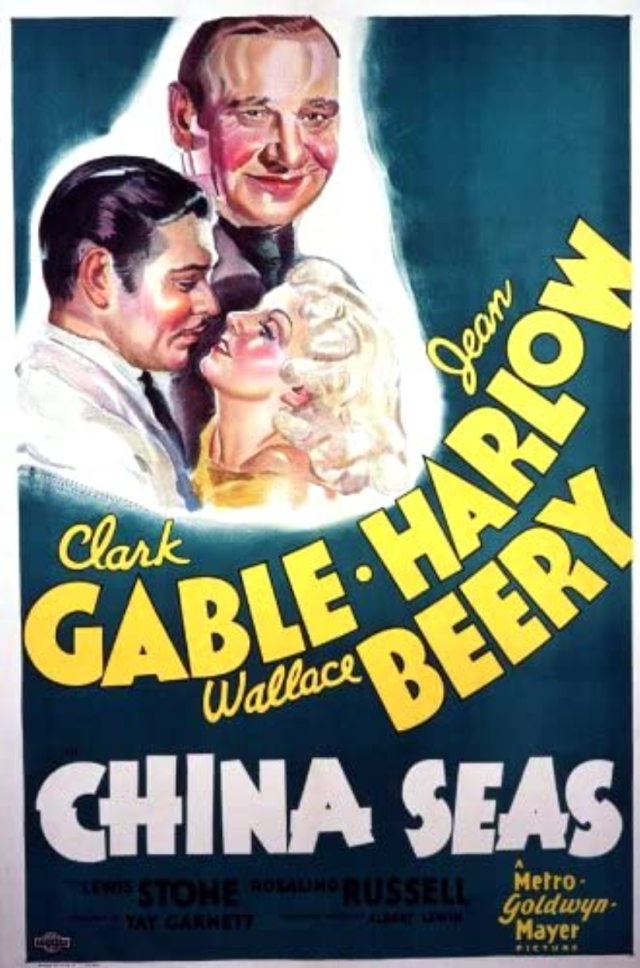
China Seas poster created by Metro-Goldwyn-Mayer.

Sidney J. Furie, the director of Gable and Lombard, chose to make “a movie about just folks”, primarily focusing on the personal lives of Clark Gable and Carole Lombard. While Ebert says this decision gave “the movie a certain originality”, he also criticizes Sidney’s choice, claiming that “by limiting itself to this aspect of their lives the movie never deals with the reasons we find them interesting in the first place”. As I said in this review’s introduction, I am somewhat familiar with Clark and Carole. Because I don’t know which parts of Gable and Lombard are factual or creative liberty, I took the story of Carole and Clark’s relationship with a grain of salt. From the way Louis B. Mayer (portrayed by Allen Garfield) talked to Clark about groups of people demanding certain elements of films be changed due to “indecency”, I knew he was talking about the Breen Code, a series of morality related guidelines enforced in Hollywood from 1934 to 1954. Therefore, I saw Gable and Lombard as a character study of how a portion of the Breen Code era affected the professional and personal lives of the Hollywood landscape, with Carole and Clark serving as just two examples. When Clark is accused of having an affair with a waitress, Carole volunteers to testify in court. Everyone from her inner circle knows if she testifies, she will expose her and Clark’s relationship as well as end her career. While explaining why he doesn’t want Carole to testify, Louis B. Mayer shares with Clark the ugly truth about what happened to some actresses after their careers ended. This scene is honest about the consequences if the Breen Code was broken. By viewing the film from the lens of the Breen Code, Gable and Lombard’s narrative is not only compelling, it is given higher stakes.

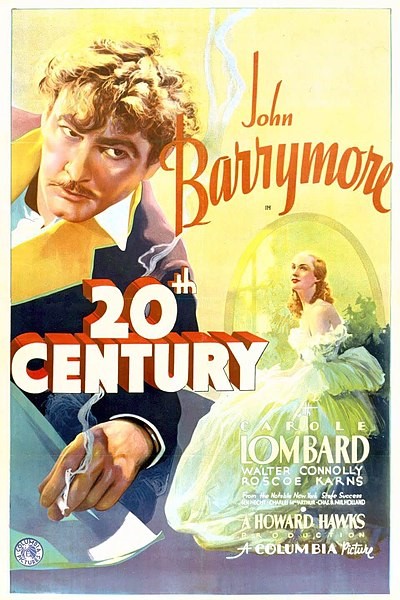
Twentieth Century poster created by Columbia Pictures.

I said earlier in this review how Ebert and Siskel were only given a few minutes to talk about the year’s worst films. This made Siskel’s discussion of Gable and Lombard sound vague, as he states “in real life, you can get arrested for playing around with dead bodies. The same should be true for movie-makers who desecrate the memory of great, dead actors”. Because this review affords me more time to elaborate on my opinion, I will now discuss what I didn’t like about Gable and Lombard. At the beginning of the movie, Clark is told Carole was in a plane crash, but her whereabouts are unknown. The very next scene shows Carole riding in an ambulance, alive and appearing uninjured. That scene took place years before the plane crash happened. With no on-screen text acknowledging the story’s time and place, it was sometimes difficult to figure out the story’s timeline. I liked James’ and Jill’s portrayal of Clark and Carole. However, I found their on-screen chemistry inconsistent. When their story began, Carole and Clark went from enemies to lovers. For the rest of the story, they continuously broke up then got back together. I recognize Gable and Lombard is based on a real-life relationship. But because of the back-and-forth nature of that relationship, I couldn’t stay fully invested in the relationship of Clark and Carole.

Comparing with the Critics banner created by me, Sally Silverscreen. TV show title cards created by WTTW National Productions, WTTW, Public Broadcasting Service (PBS), Lifetime Television, Tribune Entertainment, Buena Vista Television, and Disney-ABC Domestic Television

Looking back on Gable and Lombard, I believe Siskel’s, and even Roger Ebert’s, thoughts on the film were a tad harsh. I wouldn’t call it a “dog” or “lousy”, as the movie does have its merits. But I do believe the marketing is a bit misleading. The quotes on Gable and Lombard’s poster are “It was the wildest, wackiest love affair Hollywood ever knew” and “They had more than love – they had fun”. In the ‘Best Films of 1976’ episode of Opening Soon…at a Theater Near You, Carole dumped salad on Clark’s head, one of the more humorous scenes from the film. While there were comedic moments sprinkled throughout the story, the movie’s marketing presents the false idea it is solely a comedy. Seen from the lens of the Breen Code, Gable and Lombard presents a character study of how a portion of the Breen Code era affected the professional and personal lives of the Hollywood landscape. With the story emphasizing Carole and Clark’s relationship, they navigate complicated decisions, as well as honesty about feelings and emotions. The balance of comedy and tragedy adds a sense of maturity to the overall story. At worst, the movie prioritizes style over substance. as most of the budget seems to be put toward the set design. But, at best, Gable and Lombard is just ok.

This review was brought to you by

Sally Silverscreen

Comparing with the Critics – 1976 – Introduction

In the 1970s, when Gene Siskel and Roger Ebert’s show was called Opening Soon…at a Theater Near You and then Sneak Previews, there were no separate episodes for the year’s best and worst movies. Instead, one episode would show Ebert and Siskel devoting most of their time to talking about the best films of a given year. In the last few minutes of that episode, Siskel and Ebert would briefly mention some of their choices for the year’s worst titles. The first episode of any iteration of Ebert and Siskel’s show premiered in late November, 1975. That made 1976 the first year to receive a year-end episode of the best and worst movies. This is an interesting coincidence, as Network became the first movie I reviewed for my Comparing with the Critics series. For worst of 1976, I didn’t have many films to choose from due to the episode’s limited selection. But after seeing which pictures Siskel and Ebert selected, I chose Gable and Lombard as the Worst of 1976. As I already said in this introduction, I reviewed Network. That movie was picked as the Best of 1976.

Comparing with the Critics banner created by me, Sally Silverscreen. TV show title cards created by WTTW National Productions, WTTW, Public Broadcasting Service (PBS), Lifetime Television, Tribune Entertainment, Buena Vista Television, and Disney-ABC Domestic Television

The Top Ten Worst Movies I Saw in 2024

While 2024 was, for me, a better year for movies, I still saw some movies I didn’t like. Similar to my worst movies list of 2023, most of the films on this year’s list were disappointing or average. But, unlike 2023, the top four titles are from different genres. The dishonorable mentions section has returned! This time, however, there are more DNFs (did not finish). Like I have said in past lists, my top ten worst movies I saw in 2024 list is not intended to be mean-spirited, negative, or disrespectful. It’s just a list of my own, honest opinion. Since I reviewed some of the movies on my list, I will provide the links to those reviews in this article.

Dishonorable Mentions

The Reluctant Debutante, The Gambler: Luck of the Draw, Jazz Ramsey: A K-9 Mystery, Million Dollar Lethal Listing, CrimeTime: Freefall (I turned it off after about forty minutes), Mermaid Down (I turned off this movie after about twenty minutes), Blood, Sweat and Cheer (I turned it off after about eighteen minutes), and Temptation Under the Sun (I turned off this movie after about twenty-two minutes)

Image by starline on Freepik

10. Crimes of Fashion: Killer Clutch

In the 2020s, Hallmark has come up with story ideas that worked well enough for a stand-alone mystery movie, but unsustainable for a multi-chapter series. One of these ideas came from Crimes of Fashion: Killer Clutch. This film made the same mistake as Mystery Island: not allowing the protagonist to use her skills to solve the case. For Lauren, the main character in Crimes of Fashion: Killer Clutch, her psychology skills were so underutilized, she seemed more like an over glorified intern. Thick French accents making several characters difficult to understand is another major flaw of the film. It prevented me from being fully invested in the story. Crimes of Fashion: Killer Clutch was, in my opinion, a disappointing movie. But compared to the other titles on 2024’s worst of the year list, Hallmark’s production was, simply, ‘underwhelming’.

Take 3: Crimes of Fashion: Killer Clutch Review

9. Boy in the Walls

When I first read the synopsis for Boy in the Walls, I thought the film would be a spookier version of 2016’s Boy in the Attic. Sadly, this was not the case. The 2023 Lifetime presentation contained a mystery that was drawn out for too long. It also doesn’t help how the protagonist made one dumb decision after another. Without spoiling the film, all I’ll say is the title is misleading. If you haven’t watched either referenced movie, I’d recommend Boy in the Attic.

8. The 39 Steps

In my review of The 39 Steps, I said the 1935 picture was the most “meh” title from Alfred Hitchcock’s filmography. This statement was made due to the limited sense of urgency and intrigue within the story. As I also said in my review, The 39 Steps seems longer than an hour and twenty-six minutes. The drawn-out nature of the movie created a slow and boring build-up to a reveal that feels kind of ridiculous and anti-climactic. While romance has been incorporated in some of Alfred’s films, it didn’t work in The 39 Steps. Richard and Pamela’s attraction for one another was too abrupt, welcoming the presence of the “insta-love” trope. Even though The 39 Steps was a disappointing movie, I gave it a lower placement on my list. Comparing the 1935 film to Alfred’s other productions, Hitchcock’s filmography shows how much he improved as a director.

Take 3: The 39 Steps Review

7. Hallmark Hall of Fame’s Pack of Lies

There are some movies that, in my opinion, should have been documentaries instead. The 1987 Hallmark Hall of Fame presentation, Pack of Lies, is just one example. This film in the Hallmark Hall of Fame collection is based on a true story. While “based on a true story” movies can be engaging, intriguing, and even thought-provoking, Pack of Lies was disappointing. Like I said in my review of the 1987 production, the film was a two hour slow and tedious build-up to a resolution that was underwhelming and anti-climactic. The creative team’s decision to choose telling over showing caused other flaws, from little lapse in time to things not making sense. Pack of Lies proves Hallmark Hall of Fame movies are not created equally. However, there are other Hallmark Hall of Fame presentations from the 1980s I like, such as the adaptations of The Secret Garden and A Tale of Two Cities.

Take 3: Hallmark Hall of Fame’s Pack of Lies Review

6. One Bad Apple: A Hannah Swensen Mystery

While A Sprinkle of Deceit: A Hannah Swensen Mystery was slightly better than One Bad Apple: A Hannah Swensen Mystery, I was still disappointed in the latter film. For starters, Victor Webster and Alison Sweeney had no on-screen chemistry. A character (not Hannah) solves the mystery by making an assumption about the case and being conveniently correct. But the worst part about One Bad Apple: A Hannah Swensen Mystery was Delores’ subplot. Up until this film, Delores was very against Hannah getting involved in cases, as well as dating Mike. So, for Delores to become a private investigator and seem to treat her new job as a joke completely went against her character. In fact, this was such a bad creative idea, Delores’ private investigating career was barely mentioned in A Sprinkle of Deceit: A Hannah Swensen Mystery. If there are more Hannah Swensen films in the works, I really hope Delores receives better story ideas.

Hallmark Hall of Fame’s Pack of Lies poster created by Hallmark Hall of Fame Productions, Robert Halmi, and CBS

5. My Life Is on the Line

This Lifetime movie had one of the network’s most creative story ideas. The 2024 picture was about a woman who tried to solve a mystery on her computer at her office cubicle. But the longer I watched this movie, the sooner I realized that aforementioned idea wasn’t sustainable for a feature-length production. Instead, the novelty of how the mystery was solved got old very quickly. My Life Is on the Line is yet another Lifetime film where the protagonist makes a collection of dumb choices. Her decision-making is so bad, other characters in the story, including her boss, call her out for it. Lifetime’s 2024 presentation was, for me, the most disappointing movie of the year.

4. Network

Network holds the honor of not only being the first film I reviewed for my Comparing with the Critics series, it’s also the first film I disagreed with the critics on. Even though Gene Siskel and Roger Ebert placed the movie in their list of the top five films from 1976, I would call Network one of the “Dogs of the Year”. For me, it was more of an endurance test, where the story’s first half was a drawn-out search for a resolution to the movie’s conflict and the second half was a yelling contest. Being a pretentious picture by taking itself too seriously and telling a dry, boring story didn’t work in Network’s favor. There are movies from the 1970s I like. Unfortunately, Network isn’t one of them.

Comparing with the Critics – Best of 1976 – Network

3. Mount Hideaway Mysteries: Exes and Oh No’s

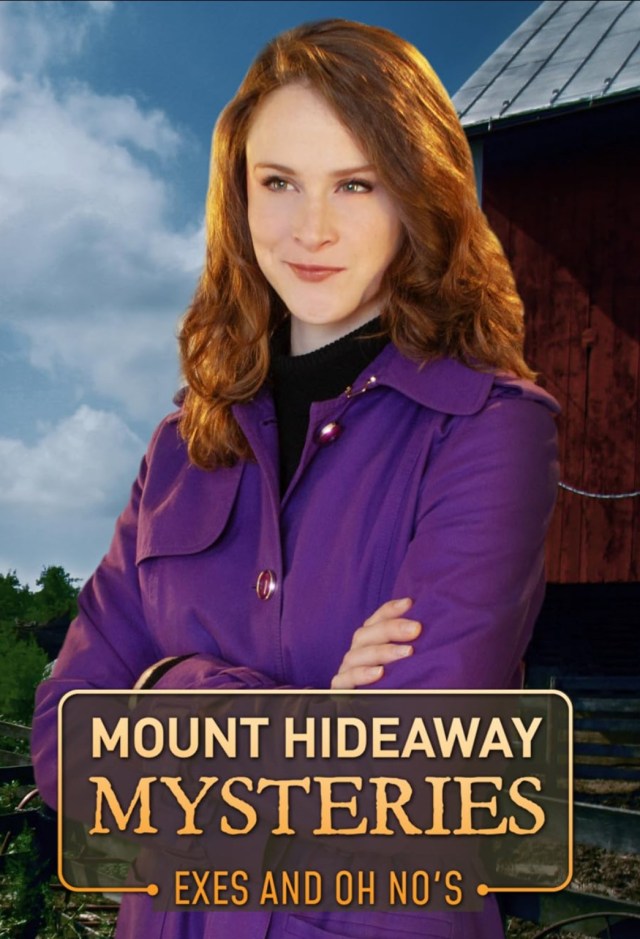
It’s ironic that Mount Hideaway Mysteries: Heartache and Homecoming became the third worst movie of 2023 and now Mount Hideaway Mysteries: Exes and Oh No’s became the third worst movie of 2024. When you look past this irony, you’ll see how Mount Hideaway Mysteries: Exes and Oh No’s shares some of the same flaws as its sequel, like not understanding how technology works. Mount Hideaway Mysteries: Exes and Oh No’s contains its own flaws, with poor special effects as one example. While this movie is so bad, it’s, at times, unintentionally funny, I do acknowledge how challenging it can be to create a cinematic project. In fact, the best way to sum up Mount Hideaway Mysteries: Exes and Oh No’s is the quote, “Mistakes are proof that you are trying”.

Take 3: Mount Hideaway Mysteries: Exes and Oh No’s Review

2. Revenge Best Served Chilled

This Lifetime movie from 2022 had a very misleading title and synopsis. Not only is there no revenge in the story, there’s also nothing being chilled throughout the film. According to a plot summary I read, Revenge Best Served Chilled is about a series of murder mysteries taking place at a wine expert competition, with the protagonist trying to clear her name and solve the mysteries. The movie actually emphasizes the wine expert competition to the point where there is little to no mystery involved. Like Boy in the Walls and My Life Is on The Line, the protagonist, Emily, makes so many dumb decisions. I, honestly, should have turned this movie off after Emily doesn’t lock her family’s restaurant’s front doors as she’s spending the night at the restaurant. But I naively thought Revenge Best Served Chilled was going to be a better movie.

1. Frankenstein (2004)

I referenced this movie while reviewing the Hallmark adaptation of Frankenstein, as I was pointing out a technical error on Wikipedia. When I saw the version of Frankenstein starring Vincent Perez, I immediately knew it was going to be the worst movie I saw in 2024. While this movie contains some interesting ideas, those ideas are bogged down by other ideas. The excessive number of ideas made the story feel like a series of vignettes either loosely connected to each other or not connected at all. What also makes the overall story weak is how nothing is explained. The ending is one of the most “sequel bait” endings I’ve seen in a long time. I would strongly discourage readers from checking out this version of Frankenstein. More time will be spent being frustrated than entertained.

Mount Hideaway Mysteries: Exes and Oh No’s poster created by Glass House Distribution

Have fun in 2025!

Sally Silverscreen
The Top Ten Best Movies I Saw in 2024

For me, 2024 was a better year for movies. That’s because I saw more movies I liked, compared to 2023! Another difference from 2023 is how, on 2024’s list, more movies are theatrical pictures. However, there are still some made-for-TV productions that found a spot on my list. With more likable movies comes the return of the honorable mentions section! In that part of my list, most of the films are television projects. Since I reviewed almost all the movies on this year’s list, I will provide links to those reviews in this post. So, with 2025 on the horizon, let’s begin my list of the top ten best movies I saw in 2024!

Honorable Mentions

Legend of the Lost Locket, My Baby Is Missing, My Mother’s Split Personalities, Christmas on Division Street, and Interstellar

Image by starline on Freepik

10. I Heard the Bells

I Heard the Bells achieved so much in a short amount of time. The 2022 movie was chosen for my 500 Blog Follower Dedication Review. Then, I Heard the Bells became my 400th published movie review, as I recently revealed in my list of the ten movie trends I don’t understand. Now, the film is the only Christmas picture to earn a place on 2024’s best movies of the year list! When I wrote about I Heard the Bells, I compared it to It’s a Wonderful Life. Both titles are not only about more than just the Christmas holiday, they also cared about their overall presentation. I Heard the Bells was a visually immersive movie because of the attention to detail placed on historical accuracy. The strength of the acting performances allowed the story to be engaging. While it’s too early to say right now, I think I Heard the Bells could be a Christmas classic!

Take 3: I Heard the Bells Review + 500 Follower Thank You

9. Easter Parade

If I could choose one word to describe Easter Parade, it would be “colorful”. With the movie’s creative team taking advantage of Technicolor, costumes and décor boasted vibrant hues that complimented the story’s spring season! The musical numbers provide another strength in Easter Parade. From Fred’s festive and creative solo, “Drum Crazy”, to Ann’s energetic and fast-paced solo, “Shakin’ the Blues Away”, the movie’s musical numbers were enjoyable because of their choreography and delivery. The reason the 1948 film is placed lower on my list is due to the premise-driven story and the limited inclusion of Easter. However, Easter Parade’s positives outweigh the negatives!

Take 3: Easter Parade Review

8. For Me and My Gal

In my review of For Me and My Gal, I mentioned how Breen Code era movie musicals contain simpler stories. These simpler stories will typically feature lower stakes. But in For Me and My Gal, the story of Harry and Jo included stakes that were higher. The story wasn’t afraid to show Jo and Harry making difficult decisions when it came to their dreams. Along their journey, the duo even deals with regret and heartbreak. The way World War I was incorporated into For Me and My Gal gave the script a sense of realism. Creative decisions like that one gave the 1942 picture emotional depth!

Take 3: For Me and My Gal Review

7. Willow

When I started my Comparing with the Critics series, I knew there were some movies I would disagree with the critics on. What I didn’t know was how much I would like Willow. Now that I’ve seen the 1988 film, I can understand why some people have given it the coveted title of “classic”. Likable elements, such as humor and unique perspectives on familiar story ideas, provide arguments for the aforementioned claim. The simplistic and straight-forward nature of the story made it easier to follow what was happening on screen. For me, Madmartigan stole the show! Movies like Willow make me thankful for my Comparing with the Critics series.

Comparing with the Critics – Worst of 1988 – Willow

6. Curious Caterer: Forbidden Fruit

2024 saw the premiere of two Curious Caterer films; Curious Caterer: Foiled Plans and Curious Caterer: Forbidden Fruit. Though I liked Curious Caterer: Foiled Plans more than Curious Caterer: Forbidden Fruit, Curious Caterer: Forbidden Fruit was still a good movie. The fifth chapter in the series consistently carried the strong components of the Curious Caterer story, like the acting, humor, and prioritizing the mystery. A peek behind the music industry’s curtain and the incorporation of serious, real-world topics helped make the identity of Curious Caterer: Forbidden Fruit unique. As of the publication of this list, Hallmark has not provided any 2025 dates to the Curious Caterer series. If there are going to be more Curious Caterer films, I hope at least one of them is a seasonal picture.

Take 3: Curious Caterer: Forbidden Fruit Review

Hallmark’s Frankenstein poster created by Hallmark Entertainment, Hallmark Channel, Silverstar Ltd., Larry Levinson Productions, and RTL

5. Hallmark’s Frankenstein (2004)

Back in March, I called Hallmark’s adaptation of Frankenstein a “hidden gem”. This claim was based on my observation of how a good movie was not only forgotten by time, but also overshadowed by other titles released in 2004. What makes this version of Frankenstein a good movie, in my opinion, is how respectful it was toward Mary Shelley’s novel. One great example is Luke Goss’ portrayal of The Creature, as the way emotion was utilized throughout Luke’s performance highlighted how complicated The Creature is. Hallmark’s adaptation of Frankenstein is another movie where the visual presentation created an immersive experience. Combining set design, costume design, and attention to historical accuracy, the movie made me feel like I was transported to another time and place.

Take 3: Hallmark’s Frankenstein (2004) Review (Double Feature: 2004 Edition Part 2)

4. The Boys in the Boat

If you’re going to create a sports movie involving a team sport, it’s important to make the camaraderie among the team believable. An on-screen team with believable camaraderie helps the audience stay invested in the story, as well as the team’s journey. Because the acting performances were strong in The Boys in the Boat, the camaraderie within the team dynamic felt genuine. The 2023 film also makes rowing look exciting! This was accomplished through cinematography, editing, and music selection. The Boys in the Boat is a “based on a true story” film that, in my opinion, is worth the time! This is yet another production where historical accuracy was a top priority.

3. Amadeus

Out of all the movies I reviewed for my Comparing with the Critics series, Amadeus is, so far, the only movie I agreed with the critics on. While the biopic is a glamourous spectacle, it also contains substance. Thought-provoking material can be found in the script, such as how fame can negatively impact the human soul. The story is an immersive, detail-oriented character study that explores the good and bad sides of the music industry. The creative team’s focus on detail made Amadeus look and feel historically accurate, as can be seen in the costume and set design. F. Murray Abraham and Tom Hulce each gave a strong performance. I can, honestly, say the 1984 movie is one of the best biopics I’ve ever seen!

Comparing with the Critics – Best of 1984 – Amadeus

2. Curious Caterer: Foiled Plans

Remember when I said I liked Curious Caterer: Foiled Plans more than Curious Caterer: Forbidden Fruit? One reason why I said this is Goldy’s consistent involvement in Curious Caterer: Foiled Plans’ case. Other reasons why I liked the fourth chapter in the series are the creativity of the mystery, the quality of the acting performances, and how humor was written into the story. Looking back on Hallmark’s mystery films I saw in 2024, this Curious Caterer movie is pretty unique. That’s because, as I mentioned in my review, it’s a locked room mystery revolving around a costume party. In 2023’s best movies of the year list, I claimed Curious Caterer: Grilling Season was the best film in the series. I certainly changed my mind after I saw Curious Caterer: Foiled Plans!

Take 3: Curious Caterer: Foiled Plans Review

1. I Am David

It’s amazing how I Am David became 2024’s best movie in March and clung on to the number one spot all these months later! This impressive film allowed the story of David and his journey to be told with genuine emotion and sincerity. This was achieved through every aspect of the production, like the acting performances and the screenwriting. Exploring light and darkness, as well as showcasing Europe’s natural landscape, gave the production visual depth. Timeless, universal messages were also woven into the script. As I said in my review, I wish more people knew about this movie. Hopefully, my review or maybe this list can encourage someone to check out I Am David!

Take 3: I Am David Review (Double Feature: 2004 Edition Part 1)

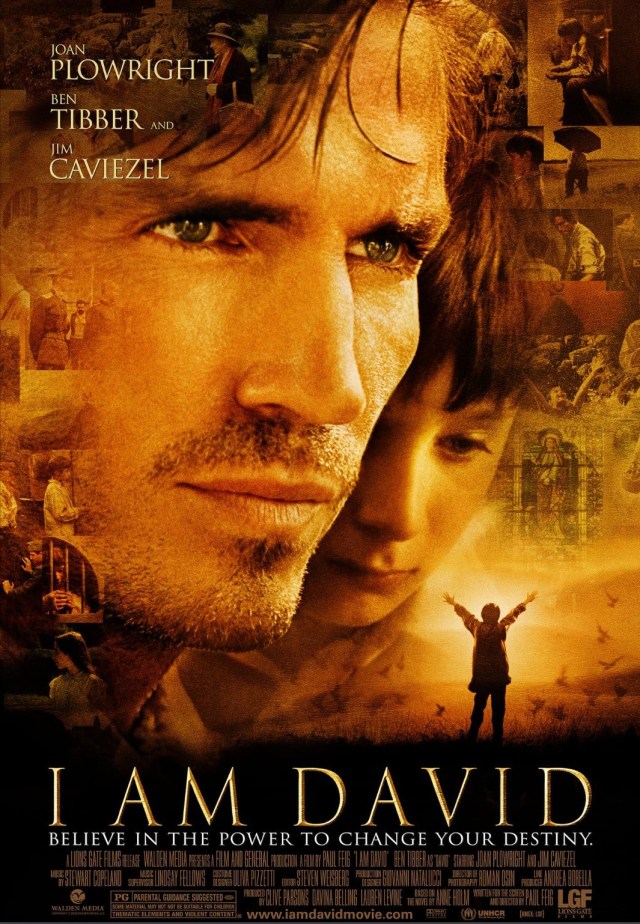
I Am David poster created by Walden Media, Film and General Productions, Lionsgate Films, Artisan Entertainment, and David Productions Ltd.

Have fun in 2025!

Sally Silverscreen

Comparing with the Critics – Worst of 1988 – Willow

This review is from my series, Comparing with the Critics. If you’d like to learn more about the series, click on the link below.

Introducing my new series, Comparing with the Critics!

Siskel & Ebert and 18 Cinema Lane share one thing in common: the fantasy genre is underrepresented. This is a reason why I not only chose to participate in the Barbarians at the Gates Blogathon, it’s also a reason why I selected Willow for this review of Comparing with the Critics. But another reason why I picked Willow is how the film was featured in Siskel & Ebert’s Worst of 1988 episode. After hearing good things over the years about the movie, even some people giving it the coveted title of “classic”, I was shocked to see Willow included among the worst of 1988. But since I didn’t see the film before the Barbarians at the Gates Blogathon, I couldn’t agree or disagree with Siskel and Ebert. Film is subjective, with this subjectivity being the reason why I created the Comparing with the Critics series. So far, I disagreed with the critics on Network and Harry & Son, yet agreed with them on Amadeus. With that said, I’d have to say I disagree, yet again, with Ebert and Siskel. While Willow has its flaws, its placement in the Worst of 1988 episode is unjustified.

Willow poster created by Metro-Goldwyn-Mayer (MGM), Lucasfilm, and Imagine Entertainment

Before going over his complete list of the worst films from 1988, Gene Siskel introduces the episode’s segment on Willow. He calls the film “a heavy duty and quite dreary production”. I will admit there are darker moments within the story. However, the movie was more humorous than I expected it to be! Most of the humor came from Madmartigan, portrayed by Val Kilmer. Because of the screenwriting and Val’s versatile performance, the comedic timing was effectively executed. One of the funniest scenes in Willow is when Madmartigan and Willow are traveling on a sled down a snowy hill. During this trip, Madmartigan falls off the sled. But instead of being left behind, Madmartigan rolls down the hill, becoming a giant snow ball. When Madmartigan was introduced in Willow as the story’s comic relief, I knew he was going to be a character I would like. His personality, along with the dialogue shared between him and Willow, presented someone who captivated my attention and kept me invested in his story. It also helps that Madmartigan is hilarious, as he is the reason why I burst out laughing several times while watching Willow!

Madmartigan and Sorsha picture created by Metro-Goldwyn-Mayer (MGM), Lucasfilm, and Imagine Entertainment

Gene Siskel is not the only critic who disliked Willow. Though he didn’t put the movie on his list of the worst films of 1988, Roger Ebert expressed his disapproval over how the story seemed similar to Star Wars, claiming children who liked the movie “hadn’t seen it a hundred times before”. I can only speak for myself, but Star Wars never crossed my mind as I watched Willow. But some moments did feel reminiscent of The Wizard of Oz. The film clip included in the Worst of 1988 episode shows Cherlindrea, a fairy queen, revealing to Willow the purpose of his journey. She even gives him a wand to help him accomplish his mission. The scene reminded me of when Glinda explained to Dorothy how she could return home. The iconic ruby slippers became a tool to help Dorothy along her way to Emerald City. Story ideas are bound to get repeated over time. Therefore, moments in Willow feeling reminiscent of The Wizard of Oz didn’t bother me. Instead, it showed me how a film’s creative team can take a familiar story idea and add their own unique perspective on it!

The Barbarians at the Gates Blogathon banner created by Quiggy from The Midnite Drive-In and Hamlette from Hamlette’s Soliloquy

Another criticism Gene had about Willow was the film’s setting, stating “I’m tired of seeing epic pictures set in forests with lots of people running around and, uh, hitting each other over the head”. Personally, I was not bothered by this, as I felt the setting fit the story Willow’s creative team was trying to tell. What did bother me was how the build-up of Madmartigan and Sorsha going from enemies to lovers happened too quickly. Incorporating the “enemies to lovers” trope works in a fantasy story like Willow, where there is at least one battle and a major theme is good versus evil. It should be noted how Val Kilmer and Joanne Whalley had nice on-screen chemistry, as well as Sorsha and Madmartigan appearing photogenic together. I still wish the aforementioned build-up had been more gradual. As the story progressed, Sorsha evolved from villain to hero. Unfortunately, this evolution was too abrupt. While Sorsha’s change of heart gave her some character development, it left some questions unanswered. Perhaps a scene explaining this transformation didn’t find its way into the movie?

Snowy mountain image created by Freepik at freepik.com. <a href=’https://www.freepik.com/free-vector/landscape-background-of-snow-track-and-mountains_968656.htm’>Designed by Freepik</a>. <a href=”https://www.freepik.com/free-photos-vectors/background”>Background vector created by Freepik</a>. Image found at freepik.com.

In past reviews, I criticized films for containing parts of a story that didn’t make sense. Willow is a film that doesn’t avoid this flaw. Bavmorda is the villain of the story. When the heroes attempt to defeat Bavmorda, she uses a spell to transform the heroes into pigs, with Willow and a sorceress named Fin Raziel being the only exceptions. This spell takes place in a short amount of time, with the afflicted heroes becoming pigs all at once. When Fin Raziel reverses the spell, this proves to be a lengthy process, as she uses her magic on one person at a time. This creative choice left me wondering why Fin Raziel wouldn’t use her magic on all the heroes all at once similar to Bavmorda? To me, it didn’t make sense, especially since the heroes didn’t have the luxury of time.

Comparing with the Critics banner created by me, Sally Silverscreen. TV show title cards created by WTTW National Productions, WTTW, Public Broadcasting Service (PBS), Lifetime Television, Tribune Entertainment, Buena Vista Television, and Disney-ABC Domestic Television

During their discussion of Willow in Siskel & Ebert’s Worst of 1988 episode, Roger reminds Gene how, despite the movie’s bad reviews, it became the top selling video and was successful at the box office. Had I seen Willow sooner, I might have contributed to the movie’s statistics. This is another Comparing with the Critics review where I found myself disagreeing with Siskel and Ebert. That’s because I had a genuinely good time watching Willow! I brought up in this review how the project has its flaws. But the story was simplistic and straight-forward, which made it easier to follow what was happening on screen. Even though Willow was the movie’s protagonist, it was Madmartigan who stole the show! In fact, I’d say he was the MVP of this story, as his personality and comedic timing left a good impression. There were moments in the film that felt reminiscent of The Wizard of Oz. However, I saw those moments as ways for Willow’s creative team to bring their own unique perspective to familiar story ideas. I have to say I’m glad I chose to review Willow for this edition of Comparing with the Critics! Now if you’ll excuse me, I have to watch the Siskel & Ebert 1988 Holiday Video Gift Guide episode in the hopes something Willow related can be included in my Movie Blogger’s Christmas Wish List.

This review was brought to you by

Sally Silverscreen