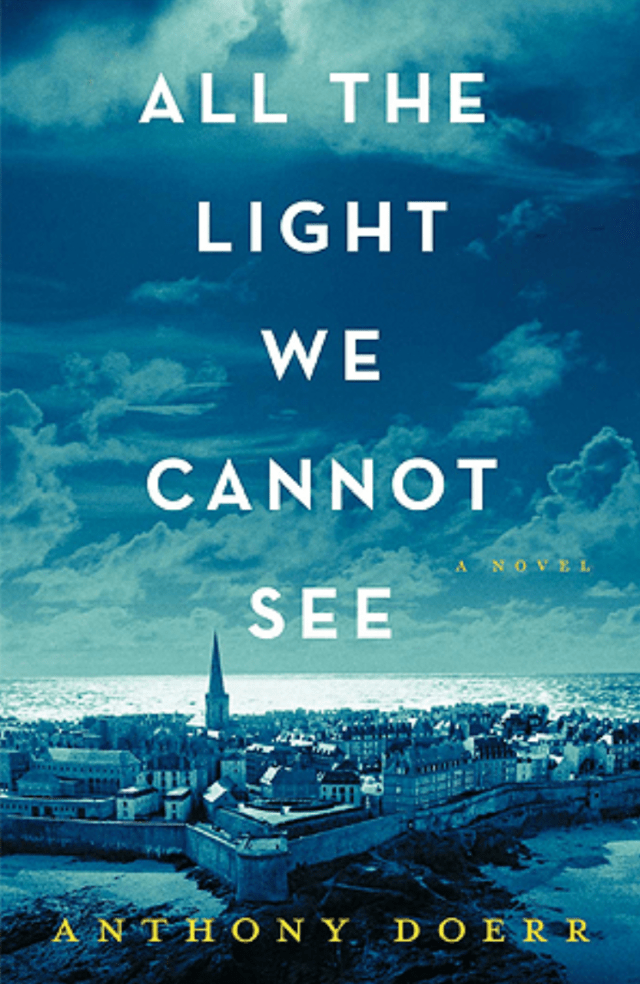
Back in May, I wrote about my first fail in the Buzzwordathon Readathon. Because the book I selected, The Light Between Oceans by M. L. Stedman, put me in a “reading slump”, I didn’t finish it within the month. When I read A Horse Called Holiday by Frances Wilbur, I was able to get back on track with my Buzzwordathon goals. So, for September, I thought I received a second chance to read All the Light We Cannot See by Anthony Doerr. Unfortunately, this book took me longer than a month to read. This also derailed my Buzzwordathon reading plans for October and November. However, I did recently complete all three books I planned to read for these aforementioned months. Unlike my other Buzzwordathon reviews, I will be writing shorter reviews for each novel.
Title: All the Light We Cannot See by Anthony Doerr
Theme: Light & Dark
As I said in the introduction, it took me longer than a month to read All the Light We Cannot See. However, it felt like I spent a year reading this book. One reason is how Anthony prioritized explaining the characters, their actions/choices, and what was happening in their world over telling a story. The book’s 530 page count contributed as the other reason. But Anthony’s attention to detail allowed me, as a reader, to picture the story in my head. There was also a strong use of descriptive imagery. Even though All the Light We Cannot See was broken up into parts, each part consisted of a collection of shorter chapters. This decision gave the book a steadier pace.
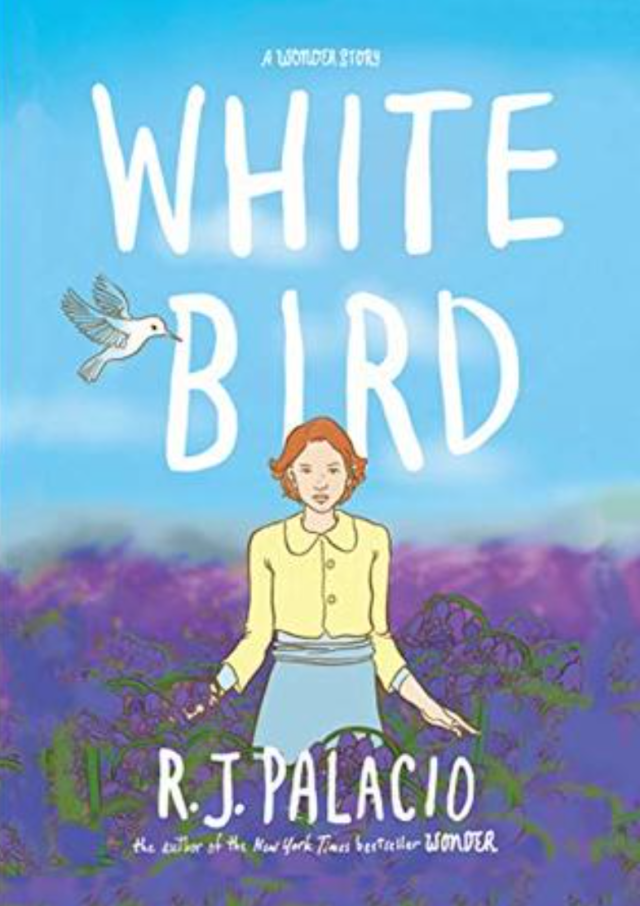
I found White Bird to be a solid graphic novel! There was a good balance between well-crafted story and visually appealing illustrations. The use of lighter and darker lines provided a nice distinction between the 1930s/1940s and the present day. I also like how color was used to bring focus to a character, object, or location. While White Bird contained good messages, the delivery of some of them was a bit heavy-handed. The book features heavier subjects, which doesn’t give it a high re-readability rate. However, this was the best novel out of the three I’m reviewing!
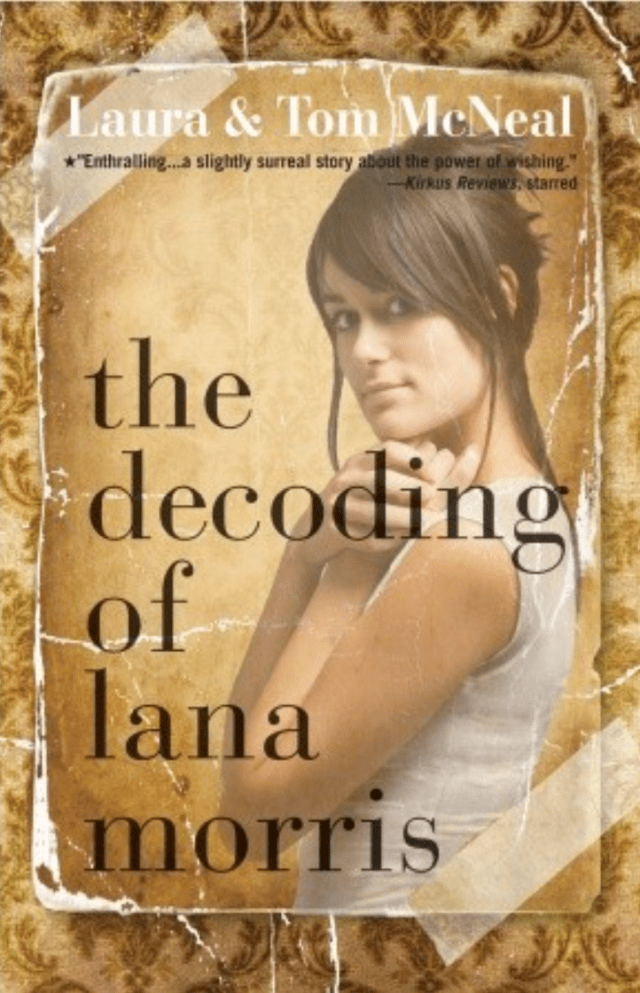
Title: The Decoding of Lana Morris by Laura & Tom McNeal
Theme: Words that end in “ing”
Based on the book’s synopsis, Laura & Tom McNeal had potential to create a charming and whimsical story. Sadly, The Decoding of Lana Morris ended up being one of the worst books I’ve ever read. When creating a story with “magical realism”, it’s important to maintain a balance between the magical and realistic elements. In The Decoding of Lana Morris, though, the magical elements were so underutilized, they were far and few between in the text. This made the story feel like a generic, ‘slice-of-life’ tale. I was not a fan of the protagonist, Lana Morris. It took her longer than necessary to figure things out. She lacked foresight and critical thinking skills because of this creative flaw.
Overall score: 0 out of 5 stars
Have fun during Buzzwordathon!
Sally Silverscreen
Disclaimer: All the Light We Cannot See, White Bird, and The Decoding of Lana Morris contain subject matter that may not be suitable for some readers. Reader discretion is encouraged.
Tis the season for my Movie’s Blogger’s Christmas Wish-List! For readers who don’t know, this is an annual tradition where I create a list of movie related things I want for Christmas. This year, there are four items on my list. Some of them are realistic, while others are wishful thinking. My Christmas wish-lists take me a whole year to create. That is because I try to put a lot of thought into each category. These categories follow the quote; “Something you want, something you need, something to wear, and something to read”. So, with that said, let’s begin this year’sMovie’s Blogger’s Christmas Wish-List!
Christmas letter to Santa image created by Freepik at freepik.com Image by Freepik
Something You Want
In March of 2021, I published an editorial about why Bai Ling should join the main cast of When Calls the Heart. This post explained the reasons why Bai’s inclusion would be beneficial for the show. Unfortunately, she didn’t make any appearances in When Calls the Heart’s ninth season. As far as I know, there have been no major cast announcements either before, during, or after season ten’s production. Therefore, as of December 2022, I have no idea if Bai will become a “Heartie” in 2023. If When Calls the Heart’s creative team decides not to cast Bai in their upcoming season, then I would be interested in seeing her join the cast of Fast & Furious 10. From what I’ve heard, this film is still in the pre-production stage. I also don’t believe Bai has ever appeared in the series. Based on her projects I’ve seen, Bai has talent to offer to the Fast & Furious franchise. But like I said in my aforementioned editorial, Bai’s career is her own, which means her decision to join either the Fast & Furious or When Calls the Heart series will ultimately be up to her.
Here is a screenshot from Bai’s Asian Voices interview from 2018. Screenshot taken from the Youtube channel, AsianVoices Tv.
Something You Need to See
Last month, I wrote an editorial explaining why Das Sound Machine should represent Germany at Eurovision 2023. In this article, I discussed how Das Sound Machine could realistically compete in next year’s song contest and why that idea should work. As of mid-December, 2022, none of the participants in Germany’s national final have been announced. If Das Sound Machine did compete in Germany’s national final, that information wouldn’t be revealed until sometime in early 2023, as the national final is scheduled to take place in March. You can read my editorial at the link below if you’re interested in learning more about this idea:
Das Sound Machine image created by Gold Circle Films, Brownstone Productions, and Universal Pictures
A movie related piece of clothing or accessory I’d want to wear
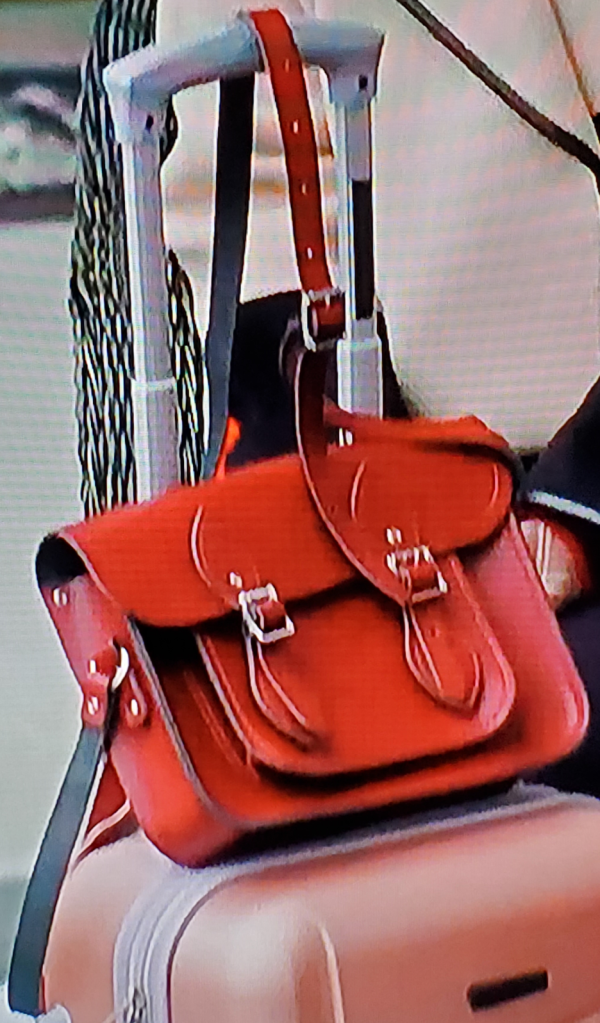
In A Godwink Christmas: Miracle of Love, one of the protagonists, Joy, carried a purse. This purse was a red, satchel style bag with a cross-body strap. I really like how versatile this purse is! It not only looks great during Christmas-time, it also looks great any time of year. The combination of color and style work together to create a visually appealing accessory! I would love to have this purse in my wardrobe!
Out of all the scenes in A Godwink Christmas: Miracle of Love featuring this purse, this was the best shot of it I could find. Screenshot taken by me, Sally Silverscreen.
A book I’ve read that I’d like to see adapted into a film
Years ago, I read To Catch a Pirate by Jade Parker. From what I remember, I really liked it! It’s one of those stories I always thought would lend itself to a film adaptation, as To Catch a Pirate contains action, adventure, romance, and intrigue. In the 21st century, Disney has dominated the pirate movie genre with their Pirates of the Caribbean series. But as I said in my Captain Sabertooth and the Treasure of Lama Rama review, this shouldn’t discourage other studios from creating their own pirate stories. If the success of Top Gun: Maverick has showed the world of film anything, it’s how audience members will show up if the movie contains a solid story. Maybe, just maybe, they would also show up if To Catch a Pirate became a movie.
What are your thoughts on my Christmas wish list? Are there any movie related things you’d like to receive for Christmas/the holiday season? Please tell me in the comment section below!
‘Films About Doctors, Nurses and Hospitals’. That’s the theme of this month’s Genre Grandeur. There were several titles I could have selected to write about. But after re-reading my list of the top ten films I’d love to review, I decided to take a different approach for November’s event. When I published the aforementioned list in June, I talked about the 1986 made-for-TV movie, Alex: The Life of a Child. The film is based on Frank Deford’s book of the same name, which recounts the life of his daughter, Alex. Because of her Cystic Fibrosis diagnosis, Alex spent a significant amount of time interacting with doctors and nurses, as well as spending time in the hospital. Therefore, I thought Alex: The Life of a Child was an appropriate title to review for November’s Genre Grandeur!
Alex: The Life of a Child title card created by Mandy Films and American Broadcasting Company (ABC). Image found on the Youtube channel, JPG Highlands Vlog.
Things I liked about the film:
The acting: When you have a story that primarily focuses on a younger character/person, you need to recruit a younger actor or actress who has the talent to carry that film on their shoulders. In the case of Gennie James’ portrayal of Alex Deford, her performance highlights the idea of children being smarter than they sometimes receive credit for. Toward the end of the film, Alex asks her doctor whether she’s going to die. Her tone of voice is matter-of-fact, containing a sense of understanding for what’s going on. Alex’s doctor, Dr. Tom Dolan, tries his best to be as honest as possible, while also sugar-coating the news just enough to keep it bearable. Alex then tells Tom, “Ok, I think you better go now”, empathy felt in her voice. However, this empathy was for Tom, as Alex knew how difficult her passing would be for him.
Danny Corkill portrays Alex’s brother, Christian Deford. Even though he appeared in only a handful of scenes, Danny’s performance was a strong one! After receiving the news his family will be adopting a child, Christian goes to his room. In there, he listens to a series of recordings Frank created while Alex was still alive. Throughout this scene, Danny consistently carries a long look on his face. His eyes stare off into the distance, searching for the one person who won’t come back home. Those eyes are paired with a frown and a sad tone in his voice. This scene alone showcases how difficult a family member’s passing can be on a child, especially if that family member is their younger sibling.
Alex and Christian’s mother is portrayed by Bonnie Bedelia. What I liked about her performance was how expressive it was. Shortly after receiving the news about Alex’s diagnosis, Frank and Carole are worried about their daughter’s outcome. During her conversation with Frank, Carole’s eyes are filled with sadness and fear. A deep sense of concern is in Carole’s voice, as she and Frank wonder how much longer Alex will live. That scene displays a portrayal that feels believable, thanks in part to Bonnie’s strong acting abilities!
Respect toward the source material: As I mentioned in the introduction, Alex: The Life of a Child is based on a book written by Alex’s father, Frank. In my list of the top ten movies I’d love to review, I said I had read this book. Even though it’s been years since I read Frank’s novel, there were parts of the story I recognized from the text. One of them was the Deford family’s recording for their answering machine. In both the book and movie, the Deford family creates a funny recording for their answering machine, where they pretend to be in the shower while the phone is ringing. They record the message in the bathroom, leaving the faucet running and singing songs. This moment served as a hilarious moment in Alex’s life, stressing how Alex attempted to seek out the bright spots in her world, despite the severity of her illness.
Addressing the subject of patient advocacy: During one of her hospital stays, Alex’s lung collapses. She not only is in pain, she recognizes where the pain is coming from. When she tells a doctor what is happening, the doctor doesn’t believe her. But when Alex told a nurse she couldn’t breathe, Alex’s concerns were addressed. The subject of patient advocacy, especially for younger patients, is one that has received more acknowledgment in recent years. Alex’s story took place in the 1970s, with the film released in 1986. Therefore, this scene’s inclusion feels ahead of its time. It can also show viewers, including younger viewers, that you should stand up for yourself, even in a medical setting.
A screenshot of my copy of Alex: The Life of a Child. Screenshot taken by me, Sally Silverscreen.
What I didn’t like about the film:
The adoption subplot: Throughout the film, Frank and Carole Deford plan on adopting a child. This decision comes after the death of their daughter, Alex. In real life, the Deford family did adopt their youngest daughter, Scarlet. But this information was not included in the film’s source material, which was published in 1983. Scarlet’s adoption was addressed when Frank’s book was re-released in 1997, a decade after the film premiered. Because a good amount of the movie focused on this subplot, it took away focus from Alex’s part of the story, even though the film is titled Alex: The Life of a Child.
No acknowledgment for the Deford family’s involvement with the Cystic Fibrosis Foundation: According to Frank Deford’s bio on Goodreads, “he became involved in cystic fibrosis education and advocacy after his daughter, Alexandra (“Alex”) was diagnosed with the illness in the early 1970s”. Frank even became a chairman of the Cystic Fibrosis Foundation. Unfortunately, none of this information is included in the film. In fact, the aforementioned foundation is never brought up. I know there’s only so much story you can tell in an hour and thirty-three minutes. However, I wish this part of the story was included in a subplot instead of the adoption subplot.
Unclear time period: Similar to the book, the movie is told from Frank’s perspective, as he recalls Alex’s short life. Because of the visual nature of film, the audience witnesses some of these moments brought to life. But since the presentation of the “past” scenes doesn’t look much different from the “present” scenes, it was sometimes difficult to determine what part of the story was being told. For the sake of the film, I think the story should have been told in chronological order.
Back in April, I reviewed Brian’s Song. In that review, I said I wasn’t as emotionally affected by the movie as I thought I would be. This is because I was familiar with Brian and Gale’s story before watching the film, which prevented me from becoming caught off-guard by the emotional, sadder moments in the story. I ended up having a similar experience while watching Alex: The Life of a Child. As I mentioned in this review, I have read the source material prior to seeing its adaptation. Therefore, I already knew how Alex’s story would play out. From what I remember of the book, I do feel the film was respectful to Frank’s text. I also think the strong acting performances worked in the movie’s favor. Alex: The Life of a Child is a fine, competently made television film. But if you’ve read the book, you’ve already seen the movie.
Overall score: 7.1-7.2 out of 10
Have you seen or read Alex: The Life of a Child? Is there a “based on a true story” movie you’re a fan of? Let me know in the comment section!
Rebecca from Taking Up Room has great blogathon ideas, hence why these events are so fun to participate in! The latest event, The Fake Teenager Festivus Blogathon, is no exception. For this blogathon, participants are asked to pick a movie or show featuring young adults, older teenagers, or older adults who have portrayed teenagers. As soon as I read the blogathon rules, I immediately thought of Charlie Plummer’s portrayal of Adam in Words on Bathroom Walls. Charlie was born in 1999, which means by the time of the film’s release in 2020, he was 21 years old. Words on Bathroom Walls is about a high school senior with Schizophrenia. I first started talking about this film in 2019, when I mentioned it in my Book Adaptation Tag post. In my Movie Blogger’s Christmas Wish List that year, I wished the film would receive a distributor, a studio that would release the movie. When the film received a distributor and release date the following year, I meant to get around to watching the movie. With Rebecca’s blogathon, I have an excuse to finally review Words on Bathroom Walls!
Words on Bathroom Walls poster created by LD Entertainment, Kick the Habit Productions, and Roadside Attractions
Things I liked about the film:
Interactions between characters: When it comes to interactions among characters, they are only as good as the actors and actresses portraying those characters. In the Words on Bathroom Walls adaptation, the cast was strong, which allowed their characters’ interactions to appear believable! The interactions between Adam and Maya serve as one example. Adam’s friend, Maya, comes over to his house to tutor him. When she enters Adam’s room, Maya discovers his collection of cookbooks. This leads to a verbal match, both Adam and Maya sharing their greatest achievements in good fun. Throughout the film, Charlie Plummer portrays Adam with a laid-back personality. Taylor Russell brings to life Maya’s studiousness, direct, and confident demeanor. Their interactions showcase how Adam’s and Maya’s personality are compatible, despite the fact they are the opposite of one another.
Seeing what’s in Adam’s mind: In the Words on Bathroom Walls book, Adam goes into detail how his Schizophrenia diagnosis impacts him and his world. His honesty about his diagnosis gives the story a sense of realism. But with Words on Bathroom Walls being adapted into a movie, the story gained the opportunity to visually present what goes on in Adam’s mind. At various moments of the story, Adam sees three people, who are his hallucinations. When he starts a new medication, these hallucinations begin to disappear. But the way their disappearance happens on screen looks like a technological glitch, a slow and steady process instead of instantaneous. This not only gave the audience something interesting to look at, it allowed them to gain some understanding into Adam’s experiences.
Breaking the fourth wall: Adam’s story in the Words on Bathroom Walls book is presented through the notes of a therapist. This literary approach made the story feel like Adam was speaking directly with the reader, as if he was having a private conversation with them. Adam’s therapy sessions are included in the adaptation. Because these sessions are only shown in certain parts of the film, they give Adam the opportunity to break the fourth wall. These moments still contain the honesty, emotion, and even humor I came to like about the book. The fourth wall being broken felt reminiscent of the book’s direct storytelling. This translation between adaptation and source material worked in the story’s favor!
Father Patrick’s inconsistent presence: Father Patrick is a movie exclusive character in Words on Bathroom Walls. He serves as a mentor figure to Adam, giving him advice and words of wisdom. I liked this dynamic between these characters, as there were no mentor figures at St. Agatha’s Catholic School in the book. However, Father Patrick only appeared in about four scenes total. I wish he had appeared in some more scenes, especially since the character himself was so well written and acted.
Adam’s limited perspective on Catholicism: One of the best parts of the Words on Bathroom Wallsbook was Adam’s perspective on Catholicism. In the story, Adam attends St. Agatha’s Catholic School, despite his decision to not adopt the religion. Reading Adam’s thoughts on Catholicism provided an insight that isn’t often included in stories featuring religious affiliated schools. In the adaptation, Adam’s perspective on Catholicism was featured. But its inclusion was so limited, it was watered down, compared to the book.
Toned down humor: What makes Adam such a likable character in Words on Bathroom Walls is his sense of humor. Julia Walton, the author of the book, gives the protagonist a drier sense of humor that contains a hint of sarcasm. However, Adam’s sense of humor was never depicted as mean-spirited or disrespectful. What Julia also does is provide a good balance between a humorous and serious tone. The adaptation prioritizes the story’s serious tone instead of trying to achieve the aforementioned balance. I know that mental illness/Schizophrenia is a topic that shouldn’t be taken lightly. But I think that balance between seriousness and humor was better executed in the book.
Since I’m finally reviewing Words on Bathroom Walls, featuring a screenshot of the book cover is in order! Screenshot taken by me, Sally Silverscreen.
My overall impression:
No matter how good or bad an adaptation is, there are bound to be changes between text and visual piece of entertainment. Words on Bathroom Walls is no exception to this, as I noticed several changes among both media. But despite these changes, the Words on Bathroom Walls adaptation was, more often than not, respectful to its source material. This is one of the reasons why I liked this film! The strength of the cast’s acting abilities worked in the movie’s favor. It allowed believable interactions between the characters. Interesting film-making techniques were incorporated into the project, such as the special effects. This enhanced the visual presentation of what goes on in Adam’s mind. Looking back on this movie, it seems like it is one of the more underrated adaptations. Why that is, I have no idea.
Overall score: 8.3 out of 10
Have you seen or read Words on Bathroom Walls? Are there any adaptations you’d like me to see and/or read? Let me know in the comment section!
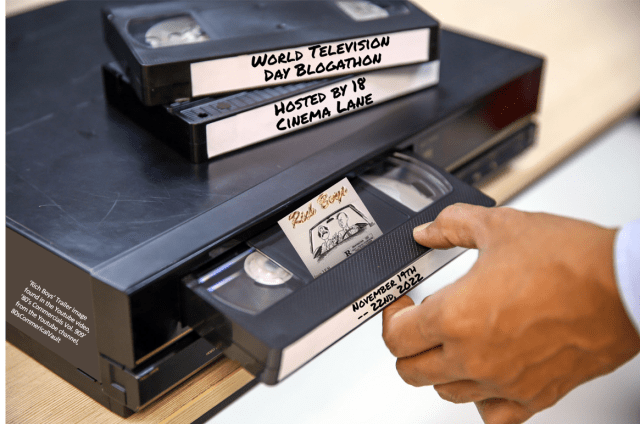
When I published my review of Murder, She Wrote: The Queen’s Jewels for August’s Buzzwordathon, I announced I would be hosting a new blogathon this November. I also said more details were to follow. Well, the time has come to reveal more information about the event! As I mentioned in the aforementionedreview, the theme is ‘World Television Day’. Because this particular holiday takes place on November 21st, my blogathon will happenbetweenNovember 19th and November 22nd. Television is such a broad topic, so here is a list of ideas if you are interested in participating:
Television Shows (favorite or least favorite, specific episodes, talent involved, etc.)
TV Movies and Mini-Series
Films based on or inspired a show (Downton Abbey: A New Era, Jimmy Neutron: Boy Genius, etc.)
Books based on or inspired a TV show (Murder,She Wrote, etc.)
Songs used in TV productions
Sports Events (Super Bowl, Olympics, etc.)
Televised Contests (pageants, Eurovision, etc.)
Historical Events (Challenger Disaster, etc.)
Podcasts or Youtube videos about TV shows
History of Television
Lost/Found Media related to TV (Sesame Street’s infamous Wicked Witch episode, etc.)
Public Service Announcements (PSA) or Public Information Films (PIF)
Commercials, Trailers, or TV Spots
Created by Sally Silverscreen at Adobe Creative Cloud Express
Once you’ve selected an idea, take a moment to read the official rules:
Please be respectful toward other participants and the subject(s) you’re writing about (especially if you choose to write about historical events on television).
Please let me know in advance if you plan on publishing your post(s) earlier or later than the allotted time-frame (November 19th to 22nd).
Only new posts will be eligible for the event.
Because of how broad the subject of television is, I will not be allowing duplicate entries.
There is a three-entry limit for each participant.
All entries must be original work.
Subjects from any genre, year, or country are allowed.
If you’re interested in participating, please share your idea(s) in the comment section below.
Pick one of the four banners and spread the word about the World Television Day Blogathon!
Created by Sally Silverscreen at Adobe Creative Cloud Express
World Television Day Participants
Sally from 18 Cinema Lane — The Flamingo Rising: Book vs. Movie, Top 10 or 15 Characters Who Didn’t Reach Their Full Potential
Rebecca from Taking Up Room — List of Top 10 Gilmore Girls episodes
Andrew from The Stop Button — Review of Jericho Mile (1979 made-for-tv movie)
oldbooksandmovies from Old Books and Movies — Ten Favorite Songs Preformed Live on TV During the Golden Age (1948-1959), Raymond Burr’s two appearances on the Jack Benny Show
Created by Sally Silverscreen at Adobe Creative Cloud Express
Created by Sally Silverscreen at Adobe Creative Cloud Express
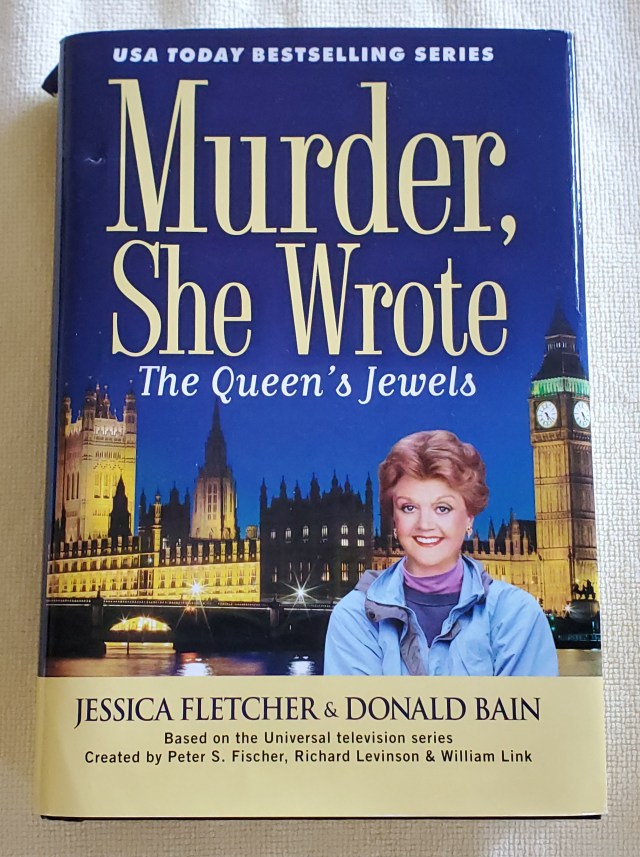
For August’s Buzzwordathon, the theme is ‘Items/Objects’. Originally, I was going to read Redwood Curtain by Lanford Wilson. This is because a) a curtain could be considered an item/object and b) I already own a copy of Lanford Wilson’s play. But I ended up watching the film adaptation of Redwood Curtain earlier than expected. Therefore, I decided to write an editorial on how similar and different Redwood Curtain’s adaptation is from its source material. That editorial will be published during The Fifth Broadway Bound Blogathon. In the meantime, I have selected Murder, She Wrote: The Queen’s Jewels for this month’s Buzzwordathon, especially since ‘jewels’ could also be considered an item/object! I have blogathon news of my own as well, so keep reading to find out what’s to come!
Here is a photo of my copy of Murder, She Wrote: The Queen’s Jewels. Screenshot taken by me, Sally Silverscreen.
Back in 2019, I reviewed Murder, She Wrote: The Highland Fling Murders. One of the favorite aspects of that book was how distinctive each character was, as there were a lot of characters in the story. Murder, She Wrote: The Queen’s Jewels contains the same strength. Whether in Cabot Cove or on the Queen Mary 2, each character was unique from one another. At the beginning of the book, the readers are introduced to Maniram, Cabot Cove’s newest resident. He is a jeweler who owns his own jewelry store, sharing his knowledge of valuable gems with Jessica and her friends. Also in this story is Maniram’s cousin, Rupesh. He is a man of many talents, from being a skilled karate athlete to being very knowledgeable with computers. Murder, She Wrote: The Queen’s Jewels presents him as a room steward on the Queen Mary 2. But as the story progresses, readers find out just how different Rupesh is from Maniram.
Out of the Murder, She Wrote episodes I’ve seen so far, my favorite one is “Film Flam”. What makes this episode great is its educational and insightful approach to the movie premiere process. In Murder, She Wrote: The Queen’s Jewels, part of the book takes place in London. Instead of bringing up locales that many readers would be familiar with, locations that aren’t often talked about are included in the text. One of them was Grosvenor Square. According to the book, this area was known as “Little America”. A reason is General Eisenhower’s headquarters were located in the Square. During her London adventure, Jessica has dinner at a restaurant called The Ivy. This establishment does exist, boasting a fine dining experience, according to The Ivy’s website. In the book, Jessica describes the restaurant as a “celebrity-driven restaurant that has long been a favorite of London’s theatrical and motion picture crowd”. Meanwhile, The Ivy’s website states “With an enduring celebration of the arts and culture that have defined it since its naissance, The Ivy remains part of the fabric of London life, and a home away from home for its many loyal guests”. Because of reading Murder, She Wrote: The Queen’s Jewels, I learned more about London’s landscape that I didn’t know before.
What I like about the Murder, She Wrote books is how the stories aren’t novelizations of pre-existing episodes. While this is the case for Murder, She Wrote: The Queen’s Jewels, it didn’t really feel like the show. That’s because so few characters from the show and previous books were featured. In Murder, She Wrote: The Highland Fling Murders, a Scotland Yard agent and friend of Jessica’s, George Sutherland, was workingalongside Jessica to solve that book’s mystery. When I found out George would be in Murder, She Wrote: The Queen’s Jewels, I was excited to read about his and Jessica’s reunion. But as I read this book, I discovered George only made a handful of appearances. Compared to other mystery books I’ve read, the sense of urgency in Murder, She Wrote: The Queen’s Jewels was weaker. What contributed to this flaw was how most of the story focused on Jessica’s trip instead of the mystery. Another contributor was how two intelligence agents were responsible for solving the case. That creative decision made the mystery seem like it was out of Jessica’s reach. It affected her ability of getting involved with the book’s case, especially compared to the show.
I haven’t read many of the books in the Murder, She Wrote series. But out of those I have read, Murder, She Wrote: The Queen’s Jewels is my least favorite. This book was fine, interesting enough to keep me invested in the story. However, I was expecting more. There was a short period of time where I lost motivation to read this book. Not wanting to experience another Buzzwordathon fail, I finished the story, especially since I wanted to find out what happens. I do plan to read more Murder, She Wrote books. One of them will be reviewed for my upcoming blogathon. As I stated in the introduction, I had blogathon news to share. That news is I’m hosting a blogathon this November! The theme is ‘World Television Day’. More details about the event will follow…
Overall score: 3.6 out of 5 stars
Have fun during Buzzwordathon!
Sally Silverscreen
Disclaimer: Because Murder, She Wrote: The Queen’s Jewels is a murder mystery story, the subject of murder is brought up on more than one occasion. A suicide is also briefly mentioned and swearing does occur a few times.
It’s that time again; another review for this year’s Buzzwordathon! July’s theme is ‘Bookish Words’. Since the word ‘bookshop’ was an obvious choice, I selected The Bookshop on theCorner by Jenny Colgan. At the beginning of my copy of the book, Jenny includes a message to the readers. This message explains the different places a book can be read, sharing tips to help the reader have a good reading experience. Jenny’s message was a nice gesture to her audience, as it felt genuine. In this message, Jenny shares how she purposefully gave her characters different names, in an attempt to avoid confusion. As a reader, I appreciated this creative decision because it was easier to remember who was who. But another creative decision I liked was how Jenny gave each character a distinct personality and characteristics. With a mostly strong use of character development, this allowed the characters to be unique and memorable from one another. The use of descriptive imagery toward settings and scenery was one of the strongest components of The Bookshop on theCorner! Through select word choices, Jenny paints a distinguishable landscape between the city (Birmingham, England) and the country (Kirrinfief, Scotland) that feels realistic. One example is when Jenny describes sunshine in the countryside. She refers to this natural element as “golden”. She also writes about the sunlight’s effect on other pieces of nature, such as how it is “illuminating every crystal raindrop”. Literary details like these help elaborate the story’s surroundings.
Here is a photo of my copy of The Bookshop on the Corner. Screenshot taken by me, Sally Silverscreen.
There’s nothing wrong with incorporating romance into a story. In fact, some of my favorite Hallmark films feature at least one romance. But what makes or breaks that romance is the execution of its dynamic. Many types of romances can be found in literature, from stories about “enemies to lovers” to a tale revolving around “college sweethearts”. When an author chooses one of these dynamics early on in their writing process and consistently utilizes that dynamic, that story may have the potential to be a well-told narrative. Unfortunately, this is not what happened in The Bookshop on theCorner. While reading Jenny’s book, it seems like she couldn’t decide which romance dynamic she wanted to adopt. Instead of choosing one and sticking with it, Jenny picked four of them. Because of their inconsistent presence and lack of confidence, none of these dynamics worked. In fact, the fourth romance dynamic (which is found toward the end of the book) was so unexpected, it felt like I was reading a completely different book.
The inconsistent execution of the romance dynamics is just one flaw in The Bookshop on theCorner. The titular bookshop (which was not a brick-and-mortar store or on the corner, as the cover and title suggest) is more of an afterthought. That’s because the majority of the story is a “slice of life” tale chronicling the protagonist’s adjustment to her surroundings. Nina’s, the protagonist’s, literary matchmaking is really moments of convenient coincidence just to push the story forward, instead of problem-solving skills Nina acquired over time. The more I read The Bookshop on theCorner, I more I found myself disliking Nina. What started as an admirable and somewhat relatable protagonist evolved into a selfish and narrow-minded person. When I first read the synopsis for this book, it sounded like a typical Hallmark Channel “rom-com”. But now that I read The Bookshop on theCorner, it is nothing like those productions. If you enjoy Hallmark movies, books about books, or Scottish stories, please seek elsewhere. You aren’t missing anything by not reading this story.
Overall score: 1.7 out of 5 stars
Have fun during Buzzwordathon!
Sally Silverscreen
Disclaimer: As I mentioned in my review, The Bookshop on theCorneris not like a typical Hallmark Channel “rom-com”. The content that prevents it from being like that aforementioned type of story is the following:
Several chapters discuss a male and female character having sex
Some swearing can be found throughout the story
One chapter chronicles a lamb giving birth. A lamb being injured is also mentioned.
At one point in the story, Nina talks to her friend about a character from a picture book being presented unfavorably. That friend calls Nina out for sounding “weird”.
A Latvian man is described as “exotic”
Nina’s friend, Surinder, says, on more than one occasion, Nina has “gone native” after she moved to the country.
A teenage character is described as being “puppy fat”
A characterwith MS (Multiple Sclerosis) is briefly discussed
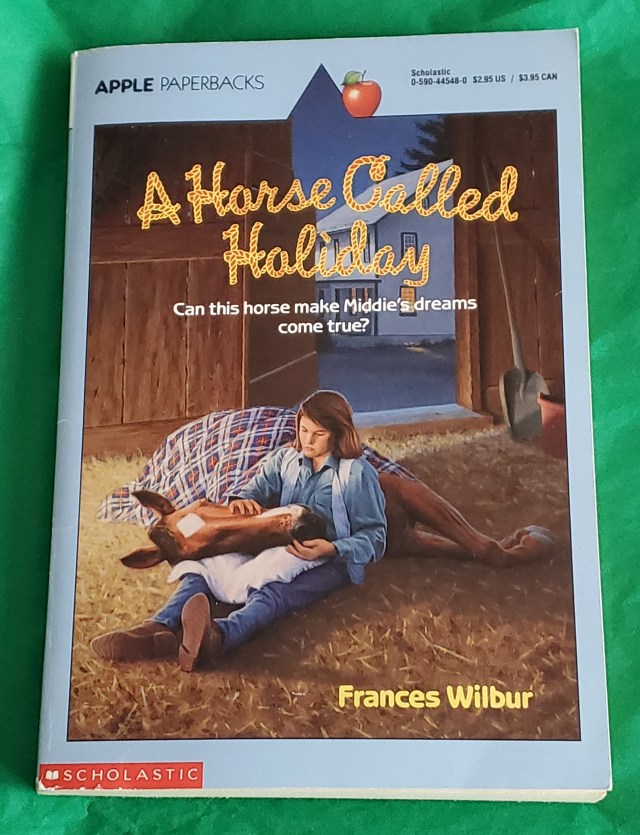
June’s theme of Buzzwordathon is ‘All’. This means the word ‘all’ has to appear somewhere in the title. Originally, I was going to read All the Light We Cannot See by Anthony Doerr. But I figured reading a five hundred and thirty plus page book after a three hundred- and forty-three-page book (The Light Between Oceans) put me in a “reading slump” was not a wise decision. Therefore, I decided to read A Horse Called Holiday by Frances Wilbur instead. This is because a) the book is two hundred and three pages and b) the word ‘all’ is found within the word ‘called’.
Here is a photo of my copy of A Horse Called Holiday. Screenshot taken by me, Sally Silverscreen.
Despite this change of plans, there were aspects of the book I liked! Frances took the time to showcase the world of equine sports, specifically show jumping. She goes into detail on how much time, effort, and money it takes to find success in this particular hobby/extracurricular. When it comes to horse-related stories in entertainment media, specifically those for a younger audience, some of them might end up glamorizing the idea of horse ownership. With that said, I appreciate Frances’ realistic approach to equine related activities. I also liked the protagonist, Meredith “Middie” Scott! Even though she has her flaws, Middie has admirable qualities as well. One of them is how hard she works toward her dream of being a successful horse rider. Throughout the story, Middie takes care of other people’s horses. She does this to gain riding experience and earn money to afford a horse of her own. Since A Horse Called Holiday would be classified as a middle grade story, Middie is a good character for younger readers to look up to. At various points in the book, the text is written in italized letters. These passages are from the titular horse’s perspective. Through these passages, the reader learns more about Holiday’s past, such as why he is so good at jumping fences. Insight into why Holiday reacts the way he does is provided, giving a unique component to this story!
In the book’s synopsis, it states “Middie’s always taken the easy way out”. Some characters remind Middie how she rushes through certain tasks. But throughout the story, these claims didn’t feel consistent. That’s because, over the course of the book, the reader also sees Middie working hard toward her dream. Since there was more evidence for the latter than the former, it felt like the text was giving mixed messages. An overarching issue within Middie’s life was how she felt unappreciated due to her birth being “unexpected”. Because most of the story focuses on Holiday’s training, Frances ends up telling instead of showing the Scott family’s struggles. This emphasis on Holiday’s training also caused the overall conflict to be weaker. While it does provide interesting insight into show jumping, some readers might find A Horse Called Holiday boring due to the limited amount of intrigue.
In my opinion, A Horse Called Holiday is a fine, harmless, horse-related story. In fact, it would be a good introduction to horse-related literature. Without spoiling the book, I will say the resolutions were nice, but expected. However, the story is straight-forward and easier to follow.
Overall score: 3.6 out of 5 stars
Have fun during Buzzwordathon!
Sally Silverscreen
Disclaimer: There is one chapter in A Horse Called Holiday featuring horses getting hurt. One rider is described as “plump” and Holiday’s deafness is described as a “handicap”.
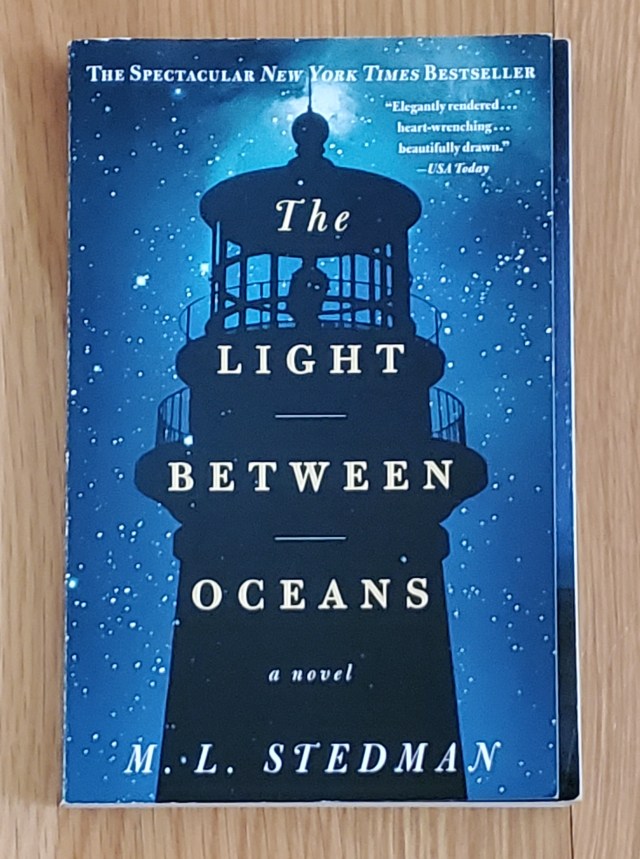
Earlier this year, when I announced I would be participating in the Buzzwordathon readathon, I joined the event with the intent of finishing each book in their respective, allotted time-frame. From January to April, I was successful in my attempts, providing a review for each book before the end of the month. When May rolled around, the theme was ‘Directions’. Since ‘between’ is a prepositional, directional word, I planned to read The Light Between Oceans by M. L. Stedman. Unfortunately, I didn’t finish reading it in May. That’s because the book put me in a “reading slump”. For those who don’t know, a “reading slump” happens when you lose motivation to read and/or finish a book. In my case, I saw The Light Between Oceans movie before I read the source material. I haven’t seen the film in years. But, based on what I remember, the movie was faithful enough to the book to satisfy the reader. At times, this made me wonder, “Why am still reading the book”?
Here is a photo of my copy of The Light Between Oceans. Screenshot taken by me, Sally Silverscreen.
Because I try to be a blogger of my word, I will still publish a review of The Light Between Oceans. Even though this book put me in a “reading slump”, there are aspects of it I liked. One was how honest the writing felt. Various moments of the story provided thought-provoking statements due to the text’s honesty. Isabel, the book’s female protagonist, points out how her brothers didn’t receive a funeral. Violet, Isabel’s mother, reflects on why she made that decision. The text reveals the lack of funeral for Isabel’s brothers is because Violet didn’t want to admit her sons were never returning home. Until I read The Light Between Oceans, I had never thought about funerals in that sense. Another strength in M. L. Stedman’s writing was the use of descriptive imagery. The way people, places, and objects were described gave the reader a chance to picture them in their mind. When Tom, Isabel’s husband, visits Janus’ lighthouse for the first time, M. L. Stedman writes about each layer of the structure. As Tom reaches the top of the lighthouse, the different components of the light itself, such as the lenses used to position the light, allow readers who may have never visited a lighthouse before to get up-close to the lighthouse’s mechanics. Because of how strong M. L. Stedman’s descriptive imagery was, it brought the text to life!
The Light Between Oceans starts with Tom and Isabel’s discovery of Lucy and her biological father. The book is also divided into three parts. I found these creative decisions unnecessary as 1) Lucy’s discovery is an event included in the book’s synopsis, so the reader already knows what to expect and 2) the story itself is straight forward. I also didn’t think it was necessary for the book to be over three hundred pages. After a certain event in the story takes place, the text becomes drawn out and repetitive. Each chapter feels like M. L. Stedman tried to put as much content as possible into each chapter. As I’ve already mentioned, The Light Between Oceans put me in a “reading slump”. But, as I’ve also said, this is because I was familiar with the story prior to reading the book. If I had known how similar the film adaptation and its source material were to each other, I would have stuck with my memories of the movie. With that said, if you’ve read the book, you’ve already seen the film, and vice versa.
Overall score: 3 out of 5 stars
Have fun during Buzzwordathon!
Sally Silverscreen
Disclaimer: The Light Between Oceans is a dramatic book that contains overarching, heavier topics. These topics are miscarriage, the aftermath of war, and grief associated with death. The book also discusses the subject of prejudice. There are some swear words in the text and the mention of someone vomiting.
With my Travel Gone Wrong Blogathon underway and the start of May around the corner, it’s time for another Buzzwordathon book review! For April, the theme is ‘Big & Little’. Participants had one of two options: 1. Read a book that has the word ‘big’ or ‘little’ in the title or 2. The title has to feature a word associated with ‘big’ or ‘little’. Because I happen to own a beautiful copy of A Little Princess and because ‘little’ is in the middle of that book’s title, I decided to read Frances Hodgson Burnett’s classic! The 1905 story has been a favorite of mine for a very long time. However, this is the first time I read it in a novel format.
Here is a screenshot of my copy of A Little Princess. Sorry if the cover’s bottom half appears blurry. I tried to capture how sparkly the cover is. Screenshot taken by me, Sally Silverscreen.
While reading A Little Princess, I became nostalgic of the 1995 adaptation, as I have loved that film since its release. So, it was interesting to read how similar and different the movie was from its respective source material. One major difference is how Frances provides explanations for character motivations and situations. I haven’t seen the 1995 adaptation of A Little Princess in years. From what I remember, though, Sara’s dad goes missing during battle and is assumed dead. This provides the catalyst for Sara’s struggles and lost fortune. Looking back on the film, it never made sense, to me, for Sara to lose everything simply because her father was missing in action. If her dad knew there was a chance he could be in danger, wouldn’t he have created a will for Sara? The source material provided a stronger explanation for the lost fortune, as Sara’s father invested in diamond mines, but his money was mishandled. Even though this situation is resolved by the book’s end, the inclusion of these explanations was a strength for the book itself!
Another strength of the book is how Frances used descriptions to flesh out the characters and their world. At the beginning of the story, Sara is referred to as “wise beyond her years”. She’s also described as “intelligent”, “imaginative”, and “courageous”. Interactions between characters and narrations from an anonymous narrator provide proof of those statements. On the first day of class, Miss Minchin gives Sara a French textbook in preparation for an upcoming French lesson. Throughout this scene, Sara tries to explain to the headmistress that she already knows basic French, as she grew up learning the language from her dad. It’s not until the French teacher arrives that he and Miss Minchin discover how advanced Sara is in French. In the 1995 adaptation, important and timeless messages and themes can be found throughout the story. That is also true for the source material! Because Sara imagines she is a princess, she assumes how a princess would behave. This includes assuming how a princess would treat others. After finding some money on the ground, Sara plans to buy some food from a nearby bakery. But just before she enters the bakery, Sara sees a girl who appears to be worse off than herself. With the found money, Sara purchases a set of rolls. But she ends up giving most of the rolls to the aforementioned girl.
Here is one of the full page illustrations that is featured in my copy of A Little Princess. Artwork created by Ethel Franklin Betts and found on https://en.wikisource.org/wiki/A_Little_Princess.
Even though A Little Princess has been near and dear to my heart, I’ll be one of the first readers to admit it is not a perfect or near perfect book. Though this flaw wasn’t consistent throughout the text, there were times when parts of the story were repetitive. A portion of the book’s last chapter provides a great example, as it re-caps almost everything that happened prior to that point. As a reader, I don’t like longer chapters. This can, sometimes, cause a book’s pace to be slower. While A Little Princess’ pace was steady, the book contained longer chapters, with thirteen pages given to the longest chapter. In my copy of the book, there are full page illustrations that bring to life certain parts of the story. I honestly wish these illustrations had a more consistent presence, as they could have broken up some of the chapters. Other than that, though, I still enjoyed reading A Little Princess all these years later! I’m so glad I was given the opportunity to read it again!
Overall score: 4.1 – 4.2 out of 5 stars
Have fun during Buzzwordathon!
Sally Silverscreen
Disclaimer: Because A Little Princess was published in 1905, some of the words and phrases are reflective of that time, with their context different from today. A few of these words are “queer”, “gay”, “fat”, and “chubby”. At one point in the story, a man from India is referred to as “oriental”. There is also a stereotype about Chinese people included in the text. Again, these parts of the story are reflective of the book’s time; 1905.




















 18 Cinema Lane