Sally Watches…The Twilight Zone

When the curtains rose and the golden gates of Hollywood opened for him, Buster Keaton likely had one goal: to make people laugh. After conquering Vaudeville and starring in over a hundred film and television credits, Buster not only made people laugh, he left behind a legacy of humor, joy, and timeless entertainment! So, you probably saw the title of this article and wondered, “What does The Twilight Zone have to do with Buster Keaton”? One of Buster’s many film and television credits was an episode of The Twilight Zone. This is a show I am familiar with, having seen several episodes prior to The 10th Annual Buster Keaton Blogathon (hosted by Lea from Silent-Ology). However, on paper, The Twilight Zone and Buster Keaton seem like a random combination. Buster’s forte was comedy, while The Twilight Zone incorporates elements of science-fiction and horror. But is this episode, “Once Upon a Time”, an example of “opposites attract”? Let’s step into another dimension to find that answer through this review!

The 10th Annual Buster Keaton Blogathon banner created by Lea from Silent-Ology

Episode Name: Once Upon a Time

Season 3, Episode 13

Premiere Date: December 15th, 1961

What I liked about this episode:

As I stated in this review’s introduction, Buster’s forte was comedy. His specific acting forte was physical, “slapstick” performances. The creative team behind this episode paid attention to Buster’s comedic work, as Buster was given plenty of opportunities to showcase his comedy skills! One scene shows Buster’s character, Woodrow Mulligan, trying to hide from a police officer. At first, he walks behind Rollo, a character Woodrow meets in the “future”. When both men turn a corner, Rollo moves behind Woodrow, allowing Woodrow to walk in front of him. As they pass a rack of suit pants, Woodrow not only grabs a pair, Rollo picks Woodrow up so he can put the pants on. No beats were missed during this scene. The writing and delivery of this performance was simple, yet effective when it comes to the comedy!

What I didn’t like about this episode:

The run-time for “Once Upon a Time” is twenty-five minutes. Even though the script told a story that could be wrapped up in a short amount of time, there were parts of the episode that were drawn out. Chase scenes serve one example of moments lasting longer than necessary. When Woodrow first travels to 1962, the Time Helmet becomes misplaced. He spends several minutes trying to get the Helmet back, with the Helmet itself getting destroyed in the chase. Another drawn out scene is when Rollo argues with a man who owns a repair shop. While this argument takes place, Woodrow marvels at the “modern” inventions surrounding him. He also discovers a clothing store near the repair shop. In this part of the story, I found Woodrow’s observations hilarious. But I didn’t find the argument interesting.

Masks of comedy and tragedy images created by freepik at freepik.com. <a href=”https://www.freepik.com/free-photos-vectors/background”>Background vector created by freepik – http://www.freepik.com</a>. Image found at freepik.com.

The story itself:

Throughout this review, you’ve read references to a Time Helmet and Woodrow traveling to the “future”. That’s because “Once Upon a Time” is a story revolving around time travel! When the episode begins in 1890, Woodrow is disgruntled about the world around him. One of his major issues is how noisy his world is. However, this part of the story is presented as a silent film. After he seeks a quieter time period to travel to, he discovers the “future” (1962) is much noisier than he expected. Through this visual and auditory juxtaposition, the creative team behind this episode addressed how sounds can constitute our lives. If you know anything about The Twilight Zone, not everything is what it seems. Each episode shares a lesson or message with its audience, with the story leading up to that message or lesson. Without spoiling “Once Upon a Time”, the way the events play out provide a lesson that members of the audience can relate to.

The other factors from this episode:

For this part of my review, I will be spoiling “Once Upon a Time”. If you have not seen this episode and are interested in watching it, skip ahead to the second point in this section.

  • When the Time Helmet is first introduced in the story, Woodrow overhears how the Helmet can allow someone to travel in time for only thirty minutes. This is the conflict Woodrow experiences after he travels to 1962. Because Rollo finds 1890 an appealing time period, he is taken back to 1890 through the Time Helmet when Woodrow is on his way home. Toward the end of the episode, a title card states the story is now taking place one week later. Rollo is still in 1890, adjusting poorly to his new surroundings. If the Time Helmet can allow someone to explore different time periods for only thirty minutes, how has Rollo been able to stay in 1890 for a week?
  • Like I have mentioned in this review, the parts of the episode taking place in 1890 are presented as a silent film, complete with title cards and an overarching tune. Viewers familiar with Buster Keaton’s filmography will know he is one of the most celebrated actors from the silent film era. This creative choice in presentation was such a nice nod to Buster’s career! It also gave this episode its own distinct identity!
  • During Woodrow’s time in 1962, Rollo admits he is not only a scientist, he is also an expert on 1890. Yet, Rollo and Woodrow take the Time Helmet to a repair shop to get it fixed. Why didn’t Rollo fix the Helmet himself, especially since he seemed capable of knowing how to repair it? Had Rollo repaired the Helmet himself, there wouldn’t be the need for his argument with the man from the repair shop.
Image of vintage movie camera created by Macrovector at freepik.com. <a href=”https://www.freepik.com/free-photos-vectors/background”>Background vector created by macrovector – http://www.freepik.com</a>. Image found at freepik.com.

My overall thoughts:

 I said in this review’s introduction how I have seen several episodes of The Twilight Zone before. But this was the first time I saw “Once Upon a Time”. What surprised me was how light-hearted the story was compared to other episodes I’ve watched. The Twilight Zone is a show known for dabbling in the strange and even the sad. The best parts of “Once Upon a Time” were Buster’s comedic performances! Every comedy scene was written and delivered well, effectively making me laugh! What didn’t work in this episode were the drawn-out scenes. Even though the story was short, some scenes were just too long. When I reviewed television show episodes, I have stated if that episode would serve as a good introduction to its respective show. In my opinion, “Once Upon a Time” is a good place to start for those who either have never seen The Twilight Zone or who are just getting into the show. The story is strange, but not in an unsettling way. It even contains a happy ending. But if you want to know what that happy ending is, you’ll have to enter The Twilight Zone!

Rating: A 3.5 out of 5

Have fun on television!

Sally Silverscreen

Take 3: Mount Hideaway Mysteries: Exes and Oh No’s Review

When I write a movie review, I typically discuss what I liked and didn’t like about a movie, as well as summing up my thoughts in an overall impression. But for the 6th So Bad It’s Good Blogathon, I’m taking a different approach for this review. Readers of 18 Cinema Lane will know how long I’ve been searching for my “so bad it’s good” movie. Last year, when I wrote about Jesse James Meets Frankenstein’s Daughter, I mentioned how I giggled a few times while watching the film. This was taken as a step in the right direction to finding my “so bad it’s good” title! For the aforementioned 6th So Bad It’s Good Blogathon, my original intent was to choose a movie that was built on a gimmick. Then I remembered how I found Mount Hideaway Mysteries: Heartache and Homecoming so bad, it was, at times, unintentionally funny. I also recalled how the 2022 project was actually a sequel to the 2018 film, Mount Hideaway Mysteries: Exes and Oh No’s. Now that I’ve seen both films, I can, honestly, say the 2018 movie was so bad, it was, at times, unintentionally funny, though not as much as the sequel. So, in this review, I will provide examples of why Mount Hideaway Mysteries: Exes and Oh No’s is so bad, it’s unintentionally funny at times!

Mount Hideaway Mysteries: Exes and Oh No’s poster created by Glass House Distribution

Dr. Amy Bradford and her Veterinary Clinic

When I discussed Mount Hideaway Mysteries: Heartache and Homecoming in my worst movies of 2023 list, I mentioned how even though the protagonist is a veterinarian, she didn’t have to hold an animal every time a scene takes place at the veterinary clinic. This flaw constantly reminded the audience of the protagonist’s profession, making those parts of the script seem unnecessarily repetitive. When Dr. Amy Bradford first visits her veterinary clinic with her friend, Bethany, in Mount Hideaway Mysteries: Exes and Oh No’s, it makes sense to show Amy with a bearded dragon. That scene establishes Amy’s role in the town and the story itself. But after the initial introduction, Amy is, once again, shown holding animals, whether Bethany is visiting the clinic or Amy is talking on the phone with her friends. It seems like the creative team behind Mount Hideaway Mysteries: Exes and Oh No’s didn’t have confidence in their audience to remember Amy’s job. Personally, I found this flaw funny because of how frequent it was.

Collection of white rabbit images created by freepik at freepik.com Hand drawn vector created by freepik – www.freepik.com

Obvious Production Errors

Any movie will have its fair share of production related errors. But in Mount Hideaway Mysteries: Exes and Oh No’s, several production errors were more obvious. Remember when I said Amy held an animal every time she was shown in her veterinary clinic? While on the phone with Bethany, Amy holds a brown rabbit with tall ears. A few seconds later, Amy is then holding a white rabbit with floppy ears. When Bethany and Amy first go to the veterinary clinic, both women drink a mug of tea. Before clinking mugs, Bethany is holding her mug by its handle in her right hand. After clinking mugs, she’s now holding the mug on its side with that same right hand. As she’s putting the mug to her lips, Bethany’s right hand returns to the mug’s handle. Toward the end of the movie, the villain escapes in a getaway van. One scene shows the villain entering the van and closing the door before it moves. The scene after that, the van drives away with the villain’s door open.

These three screenshots illustrate a production error I described in this review. Screenshots taken by me, Sally Silverscreen. Images created by Glass House Distribution

Not Understanding How Things Work

As I talked about in my 2023 edition of my worst movies of the year list, the script for Mount Hideaway Mysteries: Heartache and Homecoming reminded me of The Cookie Mobster, with the screenwriters not displaying an understanding for how some things worked. The example I brought up was how Game Boy Color video game consoles were incorporated into the story. Similarly, in Mount Hideaway Mysteries: Exes and Oh No’s, the screenwriters repeated the same mistake as the 2022 film. One glaring example takes place as a character tries to use their cell phone. A volunteer at the protagonist’s church is about to watch a livestream video from her “smart” phone, with the video starting in a few seconds. The woman sitting next to her suggests she watches the video on the television that happens to be in the room. Confused by what the woman is requesting, the livestream viewer asks if it’s possible to do that with a phone. The woman then grabs the viewer’s phone, presses the phone’s touchscreen a few times, then the video magically appears on the television. It should be noted how the television was turned off prior to the woman turning the livestream video on the television. Cell phones in 2018 (when Mount Hideaway Mysteries: Exes and Oh No’s was released) contain more advanced technology than cell phones from previous years. However, they are not “smart” enough to automatically turn on a television and connect to the television without the use of connecting wires or a remote control.

The Sixth So Bad It’s Good Blogathon banner created by Rebecca from Taking Up Room

Writing and Delivery of Dialogue

In this review so far, I’ve addressed some of the issues with the movie’s screenwriting. One flaw in this department is how the dialogue is written. There are some scenes where a character is supposed to deliver a strength filled line meant to be taken seriously. Due to the screenwriting, though, these lines don’t contain that emotional impact, causing them to sound funnier than intended. When Bethany visits a local real estate agent, she meets the realtor and his ex-wife. During Bethany’s visit, the realtor and his ex-wife get into an argument. After the realtor mentions how he should have fired his ex-wife, his ex-wife reminds him how that’s not possible by stating, “but I got half this company in the divorce settlement”. In an attempt to get the last word, the realtor replies, “Well, at least I got the cat”. Later that same day, Bethany is confronted at the local church by the villain. When the villain tries to intimidate Bethany to help them leave town, she utilizes some martial arts techniques to retrieve the villain’s gun and knock the villain to the ground. The villain then asks Bethany where she learned to fight. Bethany replies, in a serious tone, “I was homeschooled”.

Another issue with the movie’s script was how the dialogue was delivered. There were times when an actor’s line delivery was so unnatural, it sounded robotic. Toward the beginning of the film, Bethany is discouraged by her inability to bake a pie. Her mother reassures her by saying “No, it’s not. You’re much better with people than you are with pies. I mean, seriously, I have never met anyone that can connect with every single person that she meets. And that’s a gift”.  While Bethany’s mother gives her daughter a nice, encouraging comment, the limited use of vocal inflections and over-enunciating make this comment sound less genuine. When Bethany’s friend, Grace, visits Bethany’s family’s orchard, Grace reveals how she has worked in the Mount Hideaway facility for the past two weeks. Shocked by this piece of news, Bethany responds by saying, “You’re working at the classified facility outside my hometown?” This line delivery is so flat and over-enunciated, it sounds like Bethany is talking in slow-motion.

Red apples in basket photo created by Valeria_aksakova at freepik.com. <a href=’https://www.freepik.com/free-photo/fresh-tasty-red-apples-in-wooden-basket-on-green-grass_1284495.htm’>Designed by Valeria_aksakova</a>. <a href=”https://www.freepik.com/free-photos-vectors/background”>Background image created by Valeria_aksakova – Freepik.com</a>. Image found at freepik.com.

Poor Special Effects

Whether a tv movie network production or an independent film, these types of movies are typically granted smaller budgets. This financial restriction means some film-making techniques could be out of reach, such as time-consuming and expensive special effects. If computer-created special effects are applied to a film with financial limitations, those effects could show the film’s budget. As Bethany is taking her burnt pie out of the oven, smoke appears to be coming out of the oven. But as Bethany is trying to fan the smoke away from the pie, it’s pretty clear the smoke is a computer-created effect resting atop the image and likely added in post-production. While Bethany is reminiscing on the past, she recalls how she and her friend, Jamie, spotted an abandoned car. This abandoned car looked too glossy for the long shot of the nearby river. In fact, the car appeared to be poorly photoshopped into the scene during the film’s editing stage. Because the car wasn’t blended into the scene well, its inclusion in the movie felt so jarring, it was distracting.

If you look at this picture’s bottom right hand corner, you will see how the car looks like it was probably added in the editing stage of this movie. Image created by Glass House Distribution

As Bethany pays her church a visit, she goes to the homeschool resource center. In this room, there is a poster that reads, “Mistakes are proof that you are trying”. This quote is how to sum up Mount Hideaway Mysteries: Exes and Oh No’s. The 2018 picture is filled with production and film-making mistakes. These range from the obvious (such as a poorly photoshopped car) to the subtle (like no display of understanding for how technology works). However, these mistakes are proof the movie’s creative team tried to visually tell a story. Making a film is a time-consuming and financially-consuming endeavor. This creative endeavor also consists of a lot of moving parts, requiring various people to oversee different departments of the film-making process. Going back to Mount Hideaway Mysteries: Exes and Oh No’s, I wouldn’t go so far as to choose this project as my “so bad it’s good” movie. But, while watching the 2018 film, I did find myself laughing more than I did watching Jesse James Meets Frankenstein’s Daughter. Therefore, I will take that as another step in the right direction to finally finding my “so bad it’s good” movie!

Have fun at the movies!

Sally Silverscreen
Take 3: The Deep End of the Ocean Review

In the We Heart Siblings Stories Week event, hosted by Hamlette (from Hamlette’s Soliloquy), I wanted to review a movie that was more underrated. While searching for the perfect title, I discovered a list on IMDB about the best movies about siblings. On that list, the 1999 movie, The Deep End of the Ocean, was featured. Back in 2021, when I reviewed Taming Andrew, I remember Gill, from Realweegiemidget Reviews, recommending The Deep End of the Ocean for a future review. Since I try to write about a recommended picture every now and then and since the 1999 film fit the blogathon’s criteria, I found the perfect title to discuss! Similar to Taming Andrew, The Deep End of the Ocean revolves around a family whose child was kidnapped and eventually returned. Since the missing child in the 1999 movie has siblings, those children’s perspective are included in the story. So, without further delay, let’s begin this review of The Deep End of the Ocean.

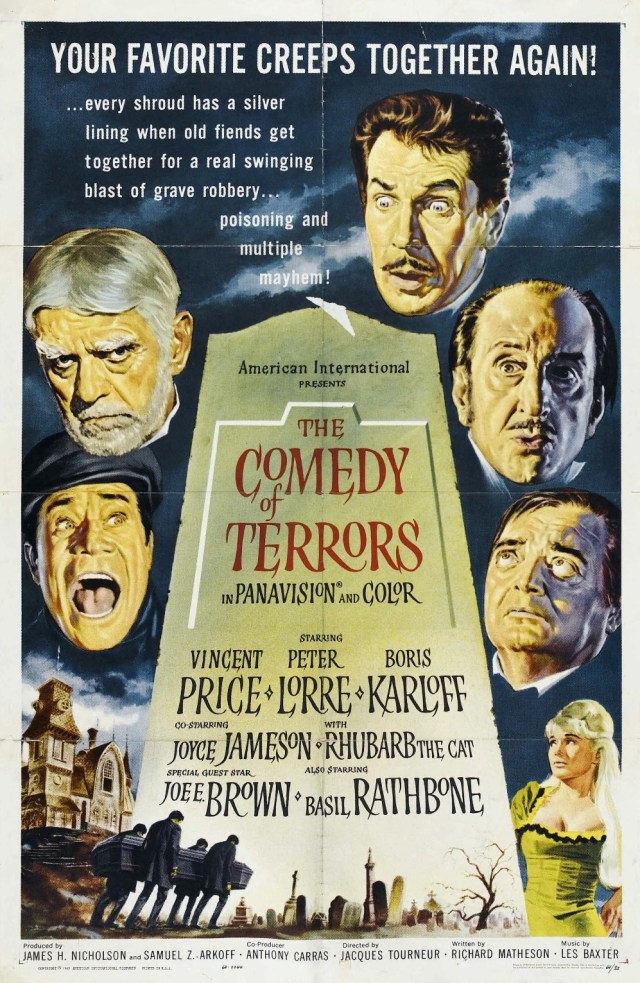
The Deep End of the Ocean poster created by Columbia Pictures, Mandalay Entertainment, Via Rosa Productions, and Sony Pictures Releasing

Things I like about the film:

The acting: If a story includes a teenage character, it can be easy for that character to be written as an angsty or rebellious stereotype. But in The Deep End of the Ocean, Vincent never seemed like a stereotype or caricature.  Through Jonathan Jackson’s performance, Vincent came across as a realistic individual, trying his best to bottle up his emotions while putting on a brave face. After Ben/Sam was identified as Beth and Pat’s son, Vincent reveals to Beth how he has seen Ben/Sam around their neighborhood. When Beth questions him about this occurrence, Vincent’s demeanor is very nonchalant. His face displays a relaxed look and the tone of his voice sounds annoyed. But as the conversation continued, Vincent’s tone changed to irritation, his words sharply leaving his mouth. His eyes also took on an intense stare, which sometimes happens when Vincent is included in more dramatic scenes. This portrayal of Vincent was consistent with his younger self, keeping his feelings to himself while also trying to keep his family together. The subtle expressions from Jonathan Jackson do a good job at showing how emotions can trickle out of a character who has bottled up their emotions for so long.

Treat Williams is an actor I’m familiar with because of his inclusion in the Hallmark community. Through his involvement in projects such as Chesapeake Shores, his emotions and expressions have always come across as genuine. This is also the case for his portrayal of Pat in The Deep End of the Ocean. One morning, Pat brings up the idea of growing their family with his wife, Beth. At the start of this conversation, Pat appears happy, even adopting a playful tone in his voice. When Beth, portrayed by Michelle Pfeiffer, explains why she doesn’t want more children, Pat gradually becomes frustrated. This frustration grows into anger, with both Pat and Beth yelling at each other. The way this argument unfolds feels realistic, each character bringing up good points with a sense of honesty. Because of the acting abilities and on-screen chemistry of Michelle and Treat, scenes like this one don’t feel over-the-top or melodramatic.

Because this story revolves around the disappearance of Ben/Sam, I need to talk about Ryan Merriman’s performance. When I reviewed Taming Andrew, I said casting a young actor or actress who could, talent-wise, carry most of the movie is essential when a story revolves around a young character. The difference between Taming Andrew and The Deep End of the Ocean is how the whole family deals with Ben’s/Sam’s kidnapping in the 1999 movie, allowing Ryan is carry only part of the film. Despite this, Ryan still brought a good performance to the table, with a variety of emotions and expressions displayed. A great example was when Ben/Sam plays basketball with Vincent. The game starts off as a friendly duel, all smiles and playful banter. As the game continues, Ben/Sam becomes confused and even afraid as Vincent’s demeanor changes. Slowly but surely, Vincent allows his frustrations and irritation to get the better of him, going so far as to accidently hit Ben/Sam in the face. Ryan’s acting talents help Ben’s/Sam’s interactions with various characters create an interesting dynamic within the story.

Showing the process of searching and locating a missing person: As I just mentioned in this review, the difference between Taming Andrew and The Deep End of the Ocean is how the whole family deals with Ben’s/Sam’s kidnapping in the 1999 movie. Another major difference between the two films is how The Deep End of the Ocean shows the entire process of searching and locating a missing person. When Ben/Sam is first reported missing, the story addresses the sense of urgency in the 24 hours to about a week after Ben/Sam is kidnapped. A clock is routinely shown to indicate how much time has passed. A television interview and a cover of People magazine show the desperation Ben’s/Sam’s family has in finding Ben/Sam. Even the community surrounding Ben’s/Sam’s family come together to create posters and make phone calls. Even though Ben/Sam is found almost ten years later, this part of the process is also taken seriously, from addressing the need for a search warrant to placing Ben/Sam in a foster home before reintroducing him to his family. Because this entire process was shown in the movie, it gives the audience a sense of closure.

Featuring different perspectives: Like I’ve been saying in this review, The Deep End of the Ocean addresses how the whole family deals with Ben’s/Sam’s kidnapping. Each member of Ben’s/Sam’s family handles his disappearance differently throughout the course of the story. Beth is filled with grief over the situation. From giving up on her photography career to staying in bed most of the day, she carries a great sadness in her mind and heart. Meanwhile, Pat tries desperately to find the silver lining in life. He continues to work at a local restaurant while maintaining his dream of opening his own restaurant. Young Vincent is troubled by what happened, as well as becoming overshadowed by his little brother. He bottles up his feelings and tries to hold his family together. With the strength of the acting performances and the screenwriting, the dynamic among the family becomes fascinating to watch.

The We Heart Sibling Stories Week banner created by Hamlette from Hamlette’s Soliloquy

What I didn’t like about the film:

An underutilized perspective: When Ben/Sam was kidnapped, Kerry was just a baby. Years later, Kerry is confused by her mother’s, Beth’s, reaction after a chance encounter with Ben/Sam. This is because she has no recollection of the events surrounding her brother’s disappearance. Because of everything I just said, Kerry’s perspective didn’t add much to the overall story. In order to utilize Kerry’s perspective, I wish she was written as either a teenager or slightly younger than Vincent at the time of Ben’s/Sam’s kidnapping.

A few continuity errors: After the time jump from the late ‘80s to “nine years later”, Vincent is reintroduced as a sixteen-year-old with long hair. In the very next scene he’s featured in, Vincent is shown with short hair. No explanation is provided for the sudden change in hair style and none of the other members in Vincent’s family seem to notice this change. Yes, Officer Candy Bliss mentioned to Beth how Vincent needs a haircut. But that doesn’t explain this error in continuity. Even though this flaw was a minor one in The Deep End of the Ocean, the specific continuity issue I described is a glaring one.

A random dramatic moment: Toward the end of The Deep End of the Ocean, Vincent is arrested. To me, this dramatic moment felt random. I’m aware how this film is based on a book I haven’t read. But according to what the movie shows, Vincent never came across as a character who was a trouble-maker or someone seeking attention. Jonathan Jackson’s portrayal of Vincent shows this is a character that is not a stereotypical teenager displaying “teenage angst”. With the inclusion of Vincent’s arrest, however, it almost seems like that part of the story is contributing to the angsty and rebellious teenager stereotype.

Restaurant waitress and guest image created by Freepik at freepik.com. <a href=”https://www.freepik.com/free-photos-vectors/food”>Food vector created by freepik – http://www.freepik.com</a>. Image found at freepik.com.

My overall impression:

Throughout this review, I’ve been comparing and contrasting Taming Andrew and The Deep End of the Ocean. That’s because I was recommended The Deep End of the Ocean when I reviewed Taming Andrew. After seeing (and writing about) both films, it seems the only similarity these titles have is how the story revolves around a missing child being reunited with their family. If anything, The Deep End of the Ocean shares similar ideas and themes with The Face on the Milk Carton. Speaking specifically about the 1999 movie, this is a production I could take seriously. The acting performances were strong, creating a dynamic among the characters that was interesting to watch unfold. The screenwriting allowed the story and subjects within them to be honestly and respectfully told. But because of how serious the subject matter is, The Deep End of the Ocean does not have a high re-watchability rate. However, the film provides a mostly complete picture of the emotional rollercoaster the story’s family experienced.

Overall score: 7.3 out of 10

Have you seen The Deep End of the Ocean? Have you read the movie’s source material? Tell me in the comment section below!

Have fun at the movies!

Sally Silverscreen

Take 3: The Curse of Frankenstein Review

When I was first introduced to the world of Hammer-Amicus films, it was through the Third Hammer-Amicus Blogathon, hosted by Gill and Barry, from Realweegiemidget Reviews and Cinematic Catharsis. For that event, I reviewed the 1972 movie, Vampire Circus, which I thought was just ok. With the return of the aforementioned blogathon, I’ve decided to choose a Hammer-Amicus production that was recommended to me. Back when I wrote about Vampire Circus, Barry, from Cinematic Catharsis, suggested I check out several films, with 1957’s The Curse of Frankenstein being one of them. In my review of Frankenweenie, I mentioned how I haven’t seen many adaptations of Mary Shelley’s Frankenstein. To make up for lost time, I selected The Curse of Frankenstein for the blogging event!

The Curse of Frankenstein poster created by Hammer Films and Warner Bros.

Things I liked about the film:

The use of WarnerColor: When discussing “classic” cinema, there has been a debate over whether a film should remain with black-and-white imagery or if it should receive the Technicolor treatment. In my opinion, I’m glad The Curse of Frankenstein was released in WarnerColor, which I believe was the studio’s version of Technicolor. This creative decision allowed certain elements within scenes to appear vibrant! In Victor’s laboratory, various jars and bottles were scattered throughout the room. Liquid filled these bottles and jars, boasting bright colors like red, blue, even purple. These hues provided a nice contrast to the gray walls of the laboratory. The incorporation of color worked in the favor of the film’s wardrobe department! While working on his experiment, Victor wore a beige three-piece suit. He also wore a maroon neck scarf, which gave his outfit a pop of color. Another character who wore a mostly beige outfit is Elizabeth, whose gown was covered in a silky beige material. Her dress featured a light blue bow and sash, providing the gown with a nice color combination!

Historical accuracy: Mary Shelley’s Frankenstein was published in 1818. Reflecting on The Curse of Frankenstein, it seems like the movie’s creative team kept this fact in mind as the project looked and felt historically accurate! Remember when I mentioned Victor wore a three-piece suit with a maroon neck tie? His friend, Paul, also wore a three-piece suit. Victor even wore a pocket watch, an accessory that he occasionally used. The attire of both Paul and Victor highlighted how men dressed in the 1800s. Home décor is also reflective of when a story takes place. In the upstairs hallway and in the sitting room of Victor’s house, the walls were covered in intricate wallpaper. The wallpaper, which featured elegant patterns, showcases the artistic details that homeowners in the 1800s favored.

The acting: From what I remember of Mary Shelley’s story, Elizabeth’s presence was very limited. Her appearances in the book were so small, readers only became familiar with her. In The Curse of Frankenstein, Elizabeth was given more appearances in the story. This allowed Hazel Court, the actress who portrayed Elizabeth, to present her character as a friendly woman with a likable personality! One scene I liked was when Elizabeth is having a debate with Victor and Professor Bernstein. Professor Bernstein warns Victor about being consumed by science, also reminding Victor of how he should use science for good. Elizabeth adds to the debate by stating it would be better for Victor to go outside and get some fresh air. The way she suggests this to Victor is of kind encourage. A pleasant smile is shown on her face and she is comfortably sitting in an armchair.

In order to bring his experiment to life, Victor recruits the help of his friend, Paul. Because of how often Paul interacts with Victor, Peter Cushing and Robert Urquhart share several scenes together. What Robert’s and Peter’s performance have in common is how effective they utilized emotion! As Victor is conducting his first experiment, bringing a puppy to life, Victor’s face is filled with curiosity. Realizing his experiment was a success, his face slowly transforms into happiness. Victor is so happy, even his eyebrows move. Anytime Paul is upset over Victor’s obsession with his experiment, Robert consistently presents his face with a stern look. His voice also sounds stern, with a hint of anger detected. Based on their performance in The Curse of Frankenstein, I was impressed by Peter and Robert’s acting talents!

The Hammer-Amicus Blogathon IV banner created by Gill from Realweegiemidget Reviews and Barry from Cinematic Catharsis

What I didn’t like about the film:

A prolonged appearance of Frankenstein’s creature: Within Mary Shelley’s novel, a key character is Frankenstein’s creature himself. Through interactions between the creature and Victor Frankenstein, readers are reminded of how some good intentions can lead to bad results, a message that overarches Mary’s story. In The Curse of Frankenstein, however, so much time is spent showing Victor creating the creature to the point where the creature doesn’t become alive until almost fifty minutes into this hour and twenty-three-minute movie. Even when the creature, portrayed by Christopher Lee, appears in the film, he is only on screen for a handful of scenes. He also doesn’t have many interactions with Victor.

Changed context: After watching Oliver! from 1968, I read Charles Dickens’ novel. Comparing the book to the film, I discovered how the creative liberties made to the adaptation changed the context of certain parts of the story. Since I have read Mary Shelley’s novel before seeing The Curse of Frankenstein, I took notice of how the 1957 movie changed the context of certain narrative parts. A great example is Victor’s motivation for creating the creature. Mary Shelley’s book explains how the inspiration for Victor’s experiment came to him at college. Victor was curious about whether he could, from a scientific perspective, create a human being out of nothing. The adaptation shows Victor being encouraged by his tutor to bring people back from the dead, after Victor and his tutor bring a puppy back to life. Looking back on The Curse of Frankenstein, it seems like some of these creative liberties were made just for the sake of it.

Some inconsistent parts of the story: There were some parts of The Curse of Frankenstein that were inconsistent. One example is Victor’s quest to create the creature. When his tutor encourages him to bring people back to life, Victor declares he will set out to create “the perfect man”, using the “hands of an artist” and the “brain of a genius”. Several scenes later, when Victor shows his friend, Paul, his progress, Paul is disgusted by what he sees. Victor states how the looks don’t matter, but how he brought the creature to life at all. But when Paul criticizes Victor for the creature’s lack of intelligence, Victor blames Paul for destroying the creature’s brain. If Victor’s goal was to bring the creature to life at all, why would he be so upset over the creature’s brain? Victor’s motivation for creating the creature should have been consistent like it was in the book.

Scared audience image created by Katemangostar at freepik.com. <a href=’https://www.freepik.com/free-photo/terrified-friends-watching-horror-movie-in-cinema_1027311.htm’>Designed by Freepik</a>. <a href=”https://www.freepik.com/free-photos-vectors/people”>People image created by Katemangostar – Freepik.com</a>. Image found at freepik.com.

My overall impression:

When a book or pre-existing story is being adapted into a form of visual media, there are bound to be creative liberties included in the final product. Sometimes, these creative liberties can improve upon the source material, making the piece of visual media more entertaining. But there are times when creative liberties are incorporated just for the sake of it. When I chose to review The Curse of Frankenstein, I was hoping the creative team behind the 1957 film would display a stronger understanding for Mary Shelley’s story, especially after seeing Frankenweenie. Instead, the film’s creative team relied so much on creative liberties, I found it distracting. What also didn’t help was prolonging the appearance of Frankenstein’s creature. Based on the movie’s appearance, it looks like the creative team cared about how their project was presented. I not only liked the acting performances, I also appreciate the project’s historical accuracy and the use of WarnerColor. But, unfortunately, The Curse of Frankenstein is another movie that emphasizes style over substance.

Overall score: 5.1 out of 10

Have you seen The Curse of Frankenstein? Would you like to see me review more films from Peter Cushing’s or Christopher Lee’s filmography? Please tell me in the comment section!

Have fun at the movies!

Sally Silverscreen

A Familyathon Thank You + Blogathon Announcement

Hello everyone! I apologize for this belated post, as I’ve working on a blog related project. I wanted to take the time to thank every blogger who participated in my blogathon, Familyathon! This year’s event was such a success and I liked reading all the articles. I will definitely host another blogathon in 2024! More details about the event will be revealed earlier in the new year.

Familyathon blogathon banner created by Sally Silverscreen of 18 Cinema Lane

Have fun at the movies!

Sally Silverscreen
Take 3: Shadowlands (1985) Review

Films are a way to visually tell a story. The subjects can range from the fictional to the historical. With movies belonging in the non-fiction genre, that story can introduce viewers to a particular person, event, or time period. This is the case for the 1985 made-for-TV film, Shadowlands! I will admit I knew very little about C.S. Lewis prior to The Two Jacks Blogathon, hosted by Taking Up Room. While I was aware of his contribution to literature, creating the Chronicles of Narnia series, my knowledge of the author was surface-level. By participating in this blogathon and by choosing to review Shadowlands, I hoped to learn more about C.S. Lewis and the literary world he created! Now, it’s time to open the wardrobe door and step into this review!

For some reason, Shadowlands has two titles: Shadowlands and C.S. Lewis Through the Shadowlands. Because the movie doesn’t have an offical poster on IMDB, I chose this poster for my review. Shadowlands (1985) poster created by British Broadcasting Corporation (BBC) and BBC Enterprises.

Things I liked about the film:

The acting: In past reviews, when I talked about a movie’s acting performances, I’ve mentioned the believability of those portrayals. This believability comes from the actors displaying an understanding for their roles, as well as for the talents of their co-stars. As I watched Shadowlands, I could sense the believability from the cast. This element was so strong, it allowed the interactions to come across as realistic. Whenever C.S. Lewis and Joy Gresham shared conversations with one another, it seemed like they shared a mutual connection, being on the same page and even on the same paragraph. The combination of Joss Ackland and Claire Bloom’s talents allowed these performances to compliment each other! There were other interactions that appeared realistic in Shadowlands. When a medical situation takes place in the family, Douglas, portrayed by Rupert Baderman, asks C.S. Lewis about the situation itself. Douglas’ eyes display a longing look, desperate for things to get better. As C.S. Lewis reveals the answer, he has a serious expression on his face. These emotional expressions from both actors brought a sense of honesty to the interaction.

C.S. Lewis’ perspective: Because Shadowlands is based on a part of C.S. Lewis’ life, some of his perspectives are included in the script. The delivery of these perspectives and how they were incorporated into the story was insightful and thought-provoking. In a letter to Joy, C.S. Lewis explains how Narnia is a part of something bigger. From how I interpreted this statement, C.S. Lewis is pointing out how Narnia is a key component of the overarching story. It was interesting to hear Narnia referenced this way, as that world plays such a large role in its series, it seems like the star of the show. Amongst a group of colleagues during Christmastime, C.S. Lewis acknowledges how the birth of Jesus is considered a miracle. But he also points out how Springtime is a miracle, when plants are reborn and the world around the characters comes alive. Looking back on C.S. Lewis’ statement, it can be easy to take Springtime for granted, as it is a natural occurrence that happens on its own.

Historical accuracy: The historical accuracy in a historical/period drama can be found in the visual details. These details can also provide clues for the specific time a story takes place. Several scenes of Shadowlands show a rotary dial phone on a desk or on a table. The phones in the film are black, even though these types of phones can boast any colorful hue. In a scene where one of the characters is in the hospital, the bed is built with a silver metal frame. Even the knobs on a medical machine feature a simplistic design and make a loud, clicking sound. With these observations in mind, it appears that Shadowlands takes place in the 1950s or 1960s.

The Two Jacks Blogathon banner created by Rebecca from Taking Up Room

What I didn’t like about the film:

Sudden jumps in time: Shadowlands has a run-time of an hour and thirty-two minutes. This means progression of time is forced to be condensed for the sake of satisfying the run-time. Within the film’s first thirty minutes, however, the condensation of time was jarring, causing events to happen too quickly. After C.S. Lewis and Joy Gresham first become acquainted with each other, she tells him that she’ll return to England with her sons, in order for them to meet C.S. Lewis. In the very next scene, Joy has returned to England with her children. Several scenes later, Joy makes plans with C.S. Lewis about spending Christmas with him. A scene after that, Christmastime was already arrived.

An overshadowed brother: When I talked about this film’s sudden jumps in time, I mentioned Joy having two sons. These sons, David and Douglas, travel with their mother to England and eventually make England their permanent residence. Throughout the story, Douglas’ perspective is the one that is prioritized, as he is a fan of the Chronicles of Narnia series. The audience even sees how Douglas deals with a tragic situation. David’s thoughts about this tragic situation are referenced, but never showcased. I know there is only so much story to tell in an hour and thirty-two minutes. But I wish David’s perspective hadn’t been ignored.

Things left unexplained: In my review’s introduction, I said I hoped to learn more about C.S. Lewis by watching Shadowlands. While I did learn some things about the famous author, the story assumed the viewer already had basic knowledge about him. One example of this is how some things were left unexplained. There is a scene where C.S. Lewis is lecturing a group of students in a classroom. No explanations were provided for why he was lecturing these students or why he was teaching in the first place. It wasn’t until after I saw the movie that I learned C.S. Lewis was a professor at Oxford.

Sketch of London image created by Archjoe at freepik.com. <a href=’https://www.freepik.com/free-vector/hand-drawn-houses-of-parliament_1133950.htm’>Designed by Archjoe</a>. <a href=”https://www.freepik.com/free-photos-vectors/background”>Background vector created by Archjoe – Freepik.com</a>. Image found at freepik.com.

My overall impression:

A person or event featured in a movie may be so fascinating, they deserve their own documentary. Some examples are the events that inspired Over the Edge and Evel Knievel. C.S. Lewis is one of these people that deserves a documentary, as he is an interesting literary figure. In fact, I think the story of Shadowlands should have been a documentary instead of a film. Even though I learned some information about the famous author, the movie assumed the audience already knew about him. This was the cause of things within the story not being explained. If the story of Shadowlands had been a documentary, important events could be discussed and prioritized without the program’s run-time being a concern. But reflecting on Shadowlands as a film, there are aspects of the project I can appreciate, such as the acting performances and hearing about C.S. Lewis’ perspective. With all that said, I thought the movie was just ok.

Overall score: 6 out of 10

Have you seen 1985’s Shadowlands? Would you like to see me talk about C.S. Lewis’ stories on my blog? Please tell me in the comment section!

Have fun in Narnia!

Sally Silverscreen

Take 3: …and Your Name Is Jonah (1979) Review

I will admit I was a bit overwhelmed by my blogathon theme. With the theme of family being so broad, I could have chosen almost any movie, television episode, or book to write about. On a trip to IMDB, however, I came across the 1979 made-for-tv film, …and Your Name Is Jonah. Since I had never seen, let alone heard of, this movie prior to the event, that is what I selected for Familyathon! As I’ve stated before on 18 Cinema Lane, I haven’t had the best of luck finding a television film from the ‘70s I like. Out of these titles, they have ranged from fine, ok, or disappointing. During my search for my Familyathon topic, I also realized how I’ve heard of few programs revolving around a family dealing with a misdiagnosis. So, reviewing …and Your Name Is Jonah is bringing something new to my blog’s table!

…and Your Name Is Jonah poster created by Charles Fries Productions and CBS

Things I liked about the film:

The acting: Like I mentioned in my review’s introduction, …and Your Name Is Jonah is about a family dealing with a misdiagnosis. At the beginning of the movie, Jenny and Danny, the titular character’s parents, learn their son is deaf after years of believing he had an intellectual disability. Learning about a misdiagnosis and adjusting to a new diagnosis can be overwhelming for a family. Through their portrayal of Jonah’s parents, Sally Struthers and James Woods make these feelings of stress and frustration come across realistically. During dinner, Jonah throws his peas on the floor, indicating how he doesn’t want to eat them. Genuine confusion can be seen on Danny’s face and heard in his voice as he takes Jonah’s plate away, in order to stop Jonah from throwing his food on the floor. Meanwhile, Jenny tells her son to stop making a mess in a calm, yet stern voice. She even points to her own plate, trying to get Jonah to eat his food. After Jonah receives his plate of food back, he continues to throw the peas on the floor. Agitation grows in Danny’s voice when he finds out the behavior hasn’t stopped. When Jenny decides to move Jonah’s plate into the kitchen, informing her husband about her plan in a calm manner, Jonah has a temper tantrum. This causes Danny to become frustrated over the situation, even sounding agitated with his other son, Anthony. Jenny, simply trying to keep the peace, attempts to stand up for Jonah, her voice sounding like she’s begging her husband for understanding. She also looks exhausted and overwhelmed.

When given a role that has little to no dialogue, an actor or actress must use facial expressions, emotions, and body language in order to show what their character is not saying. Jeffrey Bravin, the actor who portrayed Jonah, effectively utilized these acting techniques! This allowed the audience to learn more about Jonah, even knowing more information than his parents did. When Jonah wears his hearing aid for the first time, Danny and Jenny get into an argument over the hearing aid. Meanwhile, Jonah removes the hearing aid, his face expressing discomfort while doing so. His face continues to express discomfort when Jenny puts the hearing aid back into his ear. Jonah then looks sad and confused as he’s trying to figure out what his parents are saying. Through Jonah’s perspective, the audience can hear that, to him, Danny and Jenny sound like they’re arguing underwater. This scene helps the audience learn, before Jenny and Danny, that the hearing aid is not helping Jonah like it was intended to.

An introduction to deaf culture: Last year, when I reviewed Children of a Lesser God, I discussed how the film served as an introduction to deaf culture. This was achieved by the audience getting to know the characters and learning why they do or don’t want to learn to speak. …and Your Name Is Jonah also serves as an introduction to deaf culture. However, the introduction came from Danny and Jenny learning more about their son’s diagnosis. Toward the beginning of the movie, Jenny and Danny discover Jonah might benefit from using a hearing aid. An audiologist explains to Jonah’s parents how a hearing aid will help their son hear sounds he can just barely hear. This explanation provides a basic understanding of hearing aids for both Jonah’s parents and the audience. Later in the movie, Jenny gets invited to attend a deaf club. While attending one of the club’s meetings, Jenny learns some signs, ranging from describing animals to feelings. This demonstration was a beneficial introduction to sign language for Jenny as well as the audience.

Diversity in education: The idea of education not being “one size fits all” has gained attention in the 21st century. That idea included as an overarching theme in …and Your Name Is Jonah seems ahead of its time, as the film was released in 1979. Throughout the movie, Jonah’s family try to teach him to speak through speech. But these efforts are met with little to no results. Instead of letting frustration get the better of her, Jenny admits that her approach to education is not the right fit for her son. After this realization, she seeks out other options in order to help Jonah learn to speak. By Jenny seeking out a new approach, the story acknowledges how children learn differently and how various teaching techniques are available to best meet a child’s educational needs.

Familyathon blogathon banner created by Sally Silverscreen of 18 Cinema Lane

What I didn’t like about the film:

Prolonging Jonah’s break-through: In my review of I Never Promised You a Rose Garden, I talked about Deborah’s recovery process being rushed. This was the result of the film taking so long to show Deborah’s break-through, with that moment taking place in the movie’s last twenty minutes. Jonah’s break-through is also prolonged in …and Your Name Is Jonah. As I mentioned in this review, Jonah’s parents are overwhelmed by their son’s new diagnosis. However, for the majority of the story, they stubbornly try to use the same teaching technique with little to no results. While Jonah does receive a break-through, that moment takes place an hour and twenty-four minutes into an hour and thirty-three-minute movie. I wish this break-through had been reached sooner, so more time could be spent seeing Jonah thrive instead of struggling.

Lack of questions from Jonah’s parents: When Jonah is being released from the hospital, Danny and Jenny confess to the hospital’s director and the audience how their son has been at the hospital for “three years and four months”. When the hospital’s director tries to answer Jenny’s question of how Jonah got admitted in the first place, Jenny tells him, “You went over it and I just listened, and I still don’t understand”. This situation, along with Jonah’s new diagnosis, should have encouraged Jenny and Danny to ask more questions. Instead, they don’t dig beyond the surface. One example involves Jonah receiving a hearing aid. Earlier in this review, I brought up how Jonah’s parents learn about hearing aids and their intended purpose. While Jonah uses a hearing aid for the majority of the film, Danny and Jenny are frustrated by Jonah’s lack of progress. During one of Jenny and Danny’s arguments, the scene is presented from Jonah’s perspective, with the argument sounding like it’s taking place underwater. Had Jonah’s parents asked more questions about the hearing aid, they would have gained a better understanding why their son doesn’t seem to like wearing it.

An antagonistic speech therapist: One of the characters Jonah’s parents turn to for help is a speech therapist named Mrs. Marquardt. While Mrs. Marquardt had good intentions, I didn’t like how the film presented her as a more antagonistic character. When Mrs. Marquardt first meets Jenny and Jonah, Jenny tells Mrs. Marquardt how Jonah doesn’t seem to like wearing his hearing aid. Mrs. Marquardt tells Jenny how “he must learn to like it” and that his hearing aid is “his best friend”. While explaining the purpose of speech therapy to Jenny, Mrs. Marquardt tells her how children are not allowed to use sign language. Mrs. Marquardt explains how “once a child begins to use signs, he becomes lazy in learning how to use his voice and read lips”. I’m aware that some stories require the inclusion of an antagonistic character. But when a story like …and Your Name Is Jonah carries the overarching theme of how education is not “one size fits all”, the emphasis should be a teaching technique not working doesn’t necessarily mean it’s bad.

Sign language alphabet image created by Freepik at freepik.com. Hand sign vector created by freepik – www.freepik.com

My overall impression:

In my review, when I talked about the acting in …and Your Name Is Jonah, I mentioned how Jonah received a misdiagnosis. After learning their son is deaf, Danny and Jenny become so overwhelmed, they are desperate to find a solution. While watching the 1979 made-for-TV movie, I was reminded of the 2008 Hallmark Hall of Fame film, Sweet Nothing in My Ear, a story about parents trying to find a solution for their deaf son. However, I find myself preferring Sweet Nothing in My Ear over …and Your Name Is Jonah. In the 1979 film, Jonah’s break-through is prolonged, taking place in the film’s last nine minutes. For the majority of the story, Jonah’s parents don’t ask more questions, a cause for Jonah’s break-through being prolonged. This is different from Sweet Nothing in My Ear, where the parents spend that story exploring every available option for their child. Even though the conclusion of Sweet Nothing in My Ear is open-ended, that creative decision was made to allow the audience to form their own perspective. I will say …and Your Name Is Jonah provided a nice introduction to deaf culture. It also showcased good acting performances and a theme that made the film feel ahead of its time. But, overall, this movie was just fine, in my opinion.

Overall score: 7.2 out of 10

Have you seen …and Your Name Is Jonah? Are there any made-for-TV movies you’d like to see me review? Let me know in the comment section!

Have fun at the movies!

Sally Silverscreen
It’s Finally Here; the Familyathon Blogathon!

Welcome to the Familyathon Blogathon! With Thanksgiving on the horizon and the Christmas/holiday season on the way, the theme of family is recognized and celebrated! Even outside of special occasions, family has been a popular topic in entertainment media for decades. From these on-screen families, familiar faces and beloved characters have won over the hearts of fans. Their stories have served valuable lessons and even stood the test of time. Every entry in this event showcases how the subject of family has been incorporated into movies and television! From the underrated tv films to silver screen classics, let the blogathon begin!

Familyathon blogathon banner created by Sally Silverscreen of 18 Cinema Lane
Realweegiemidget Reviews — LISTS…Films Made With Their Own Kind of Family

The Midnite Drive-In — The Family That Slays Together Stays Together

Poppity Talks Classic Film — ‘Sabrina’ (1954): It’s All in the Family

Taking Up Room — Andy Hardy in the Big City

18 Cinema Lane — Take 3: …and Your Name Is Jonah (1979) Review

The Maidens of Green Gables — this is family ❤ (Katherine), Five of My Favorite Families (Grace)

Top 10 Films — The Bonds Of Family In “Running On Empty”

Silver Screenings — Old Yeller: Making the Tough Choices in Life

Hamlette’s Soliloquy — Hamlette’s Soliloquy: “Mr. Mom” (1983)

Take 3: Blackbeard, the Pirate Review

Pirate films are rarely covered on 18 Cinema Lane. In fact, the only three I’ve reviewed are The Princess and the Pirate (which I liked), Captain Sabertooth and the Treasure of Lama Rama (which I found disappointing), and China Seas (which was just ok). This is one of the reasons why I chose to write about the 1952 movie, Blackbeard, the Pirate! The other reason is Linda Darnell’s involvement, as she is the subject of the Linda Darnell Centennial Blogathon, hosted by Musings of a Classic Film Addict! Blackbeard, the Pirate is the second film of Linda’s I covered on my blog. The first one was The Song of Bernadette, which was also reviewed for a blogathon. The 1943 film was one of the best I saw last year! But because Linda’s role was smaller in that movie, I had to remind myself which character she portrayed. Since her role in Blackbeard, the Pirate was bigger, it was easier for me to remember her performance!

Blackbeard, the Pirate poster created by RKO Radio Pictures

Things I liked about the film:

The acting: Since Linda Darnell is one of the reasons why I reviewed Blackbeard, the Pirate, I’ll talk about her performance first. Linda was cast as the lead female protagonist, portraying a character named Edwina. Throughout the film, she consistently carried her character with confidence that radiated off the screen! Edwina was also a head-strong character, going toe-to-toe with characters like Blackbeard and sharing banter with them. Speaking of Blackbeard, Robert Newton shined in this role! What made his portrayal work was how animated and energetic it was. That consistent energy made Blackbeard interesting to watch! Linda shared a lot of scenes with Keith Andes, who portrayed Robert Maynard. I liked his performance for two reasons. The first reason is how calm Robert appeared while under pressure, a protagonist who didn’t let his feelings get the better of him. The second reason is how Keith’s on-screen chemistry with Linda was nice!

Clever dialogue: There were some moments in Blackbeard, the Pirate where I found the dialogue cleverly written! A great example is when Edwina meets Blackbeard for the first time. During this introductory encounter, Blackbeard asks Edwina what her name is. She then says Blackbeard’s name, in disbelief because she’s standing in his presence. Blackbeard replies by telling Edwina she can’t have the name ‘Blackbeard’, as that is his name. That scene was not only funny, it was also an interesting glimpse into Blackbeard’s perspective!

Historical accuracy: Most pirate films take place prior to the 19th century. This means the historical accuracy of the project can make or break that story. In the case of Blackbeard, the Pirate, it looked like the creative team cared about the presentation of their film! There are many ways historical accuracy can be featured in a movie. One way is through the cast’s wardrobe. While trying to escape from Blackbeard, Edwina asks Robert to untie her dress. This is so she can navigate around the ship in less layers. This scene reveals how Edwina was wearing a corset, an article of clothing that was common in the 17th century. Edwina’s outfit alone showed how much research was done to make this project look and feel historically accurate!

The Linda Darnell Centennial Blogathon poster created by Samantha from Musings of a Classic Film Addict

What I didn’t like about the film:

A misleading synopsis: According to a synopsis I read, Blackbeard, the Pirate is about Sir Henry Morgan’s attempt to capture Blackbeard and stop his pirating ways. This synopsis turns out to be a lie, as Henry doesn’t appear until fifty-seven minutes into this hour and thirty-eight-minute movie. Even while Henry is involved in the story, he isn’t given much to do. It made me wonder why Henry was included in the film in the first place?

An unclear story: Like any genre, there are several types of stories that can be told in a pirate film. But in Blackbeard, the Pirate, the movie’s creative team tried to tell several types of stories in one production. These include a quest for treasure, a “cat and mouse” chase between Henry and Blackbeard, and the hero rescuing the female protagonist from the villain. The creative team’s attempt to incorporate different types of stories prevented their movie from developing its own identity. The story itself isn’t clearly defined because of this creative choice.

A meandering protagonist: I’ve stated before how some Hallmark movies will center around a protagonist who says they’re going to do something, but spends most of the movie not doing the thing they said they were going to do. This isn’t just an issue in Hallmark films, as that was also an issue in Blackbeard, the Pirate. Through a voiceover toward the beginning of the movie, Robert claims he wants to bring Henry to the authorities, as he wants to receive the reward money. Unfortunately, Robert doesn’t make any attempts to capture Henry. In fact, he does everything but make Henry face accountability for his past actions. This meandering subplot is the result of the creative team trying to tell too many types of stories at once.

Ship steering wheel pattern image created by Jemastock at freepik.com. <a href=”https://www.freepik.com/free-photos-vectors/background”>Background vector created by jemastock – http://www.freepik.com</a>. Image found at freepik.com.

My overall impression:

I mentioned in my review’s introduction how I don’t talk about pirate films often. So, it’s disappointing when one of these movies turn out less than stellar. Blackbeard, the Pirate was, sadly, underwhelming. This was due to the weak screenwriting. Too many story ideas were incorporated into one script, preventing the film from adopting its own identity. That creative decision also caused the protagonist to not reach his goal. However, there were aspects of the movie I liked, such as the acting and the historical accuracy. But, in my opinion, the cast deserved better material. I’d like to check out more films from Linda’s filmography. Hopefully, I’ll find a movie better than Blackbeard, the Pirate.

Overall score: 5.3 out of 10

Have you seen Blackbeard, the Pirate? Are there any pirate films you like to watch? Let me know in the comment section!

Have fun at the movies!

Sally Silvrescreen

Take 3: The Third Man Review

When the terms “American Film Institute”, “classic”, and “Austria” are put in the same sentence, most people would think of the 1965 film, The Sound of Music. While that movie has become a beloved staple in cinema, there’s another title that fits the aforementioned criteria; 1949’s The Third Man. This film also fits the criteria for Hometowns to Hollywood’s Celluloid Road Trip Blogathon: International Edition. I’ve seen several movies from American Film Institute’s list of the top one hundred films of all time. Some of these films have, in my opinion, earned their respective places on that list. Other films have left me confused, questioning why a given film is on the list in the first place. While American Film Institute’s list comes across as objective, I have learned that almost any movie list is subjective. Therefore, I’m checking out The Third Man for myself, determining if I think the 1949 film should be on American Film Institute’s list!

The Third Man poster created by London Film Productions, StudioCanal International, and Selznick Releasing Organization

Things I liked about the film:

The acting: In The Third Man, Ernst Deutsch portrayed Baron Kurtz, a friend of Harry Lime. Despite appearing in the film for a limited period of time, Ernst, in my opinion, stole the show! Anytime he appeared on screen, Ernst’s facial expressions were very fluid and expressive, allowing his character’s reactions to be on point. His performance makes me wish he had more appearances in The Third Man! Individual portrayals were not the only memorable performances, as I liked the on-screen chemistry between Joseph Cotten and Alida Valli. One scene shows Holly and Anna discussing Holly’s friend, Harry. This scene gave Alida and Joseph the opportunity to give their characters genuine emotion, from Anna shedding tears over how the world grew up around Harry to Holly smiling over a past memory of his friend. Their performances made their characters feel like they were meant to be together.

The set design: As mentioned in the introduction, The Third Man takes place in Austria. With the story set in Vienna, the landscape is urban, boasting a European charm that is reflective in the set design. Toward the beginning of the film, Holly goes to a restaurant in the middle of the city. The crown jewel of this location is the marble columns holding up the ceiling. Carved detailing bordered the edges on the ceiling, adding quaint elegance to the restaurant. Even the police station featured elegant design choices, such as the patterned wallpaper. The set design of The Third Man serves as a visual example of timeless beauty, still holding up 74 years later!

An honest glimpse of post-World War II Europe: The story of The Third Man takes place after World War II. Through visual presentation and the dialogue, the state of Vienna, Austria is showcased in an honest way. In one scene, Holly is being chased through the city. During this chase, Holly runs over rubble and hides in an abandoned car. Holly’s hiding place, as well as the rubble, are remnants of the war. Featuring these remnants prominently in the chase scene highlights the aftermath Vienna, Austria faced.

The Celluloid Road Trip Blogathon: International Edition banner created by Annette from Hometowns to Hollywood

What I didn’t like about the film:

Tilted angles: The role of a cinematographer is to present a scene in visually appealing ways. Creative decisions relating to cinematography can make a scene memorable, allowing the audience to bring up specific moments. In The Third Man, several scenes stood out because of cinematography, as these scenes were delivered at a tilted angle. However, there was no reason for those scenes to be presented that way. In fact, the tilted angles came randomly. It felt like those scenes were filmed that way simply for the sake of it.

Tonally unfit music: Acoustic guitar served as the only soundtrack for The Third Man. While this sound was pleasant to hear in some scenes, it was jarring to hear in other scenes. When the police, in one scene, dig up a grave in order to solve a mystery, the acoustic guitar sound gave off a cheerful tone. Yet, the scene itself was very serious in tone, as the film’s mystery is a murder mystery. This is just one example of the music being tonally unfit.

Inconsistent sense of urgency: As I just mentioned, the mystery in The Third Man is a murder mystery. In these types of stories, there is typically a strong sense of urgency, as the protagonist wants to stop the guilty party from hurting other people. But in The Third Man, the sense of urgency was inconsistent. Chase scenes and the climax are where the urgency was present. However, these moments were far and few between. Most scenes featured characters talking with one another. While there can be urgency included in these moments, urgency was not prioritized in the script.

My overall impression:

In 2008, the American Film Institute released a revised list of their one hundred films of all time. On this list, The Third Man was replaced by other titles. However, it does make me wonder why this film was on American Film Institute’s original list in the first place? As I stated in my review of The Bridge on the River Kwai, movies that appear on lists such as American Film Institute’s should, in my opinion, fit one of two categories; those that represent the time they were released and those that brought something new to the cinematic table. The only explanation I can think of is how The Third Man shows Europe post-World War II. Yet Roman Holiday takes place in Italy post-World War II and never appeared on any of American Film Institute’s lists. As for bringing something new to the cinematic table, I can’t think of how The Third Man achieved that. Similar to The Bridge on the River Kwai, this movie has left me confused.

Overall score: 6-6.1 out of 10

Have you seen The Third Man? How many movies from American Film Institute’s lists have you watched? Please share your thoughts in the comment section below!

Have fun at the movies!

Sally Silverscreen