Last December, when I published my review of the 1981 made-for-TV movie, When the Circus Came to Town, it was my 700th post! For those who are not familiar with my annual double features, I commemorate the accomplishment of publishing 100 articles by hosting a special double feature, written in an interview style. In the past, my double features sought to answer a pre-selected question or see whether a prediction was correct. This time around, I will not include a pre-determined prediction or question. That’s because this double feature will correlate with The Great Muppet Guest Star Caper Blogathon! When I was invited by Gill (from Realweegiemidget Reviews) to join the event, I was told duplicates were not allowed. Keeping this in mind, I was surprised none of the Muppet movies had been chosen. I was also surprised to discover Big Bird (of Sesame Street fame) had been a guest star on The Muppet Show. With all of that said, I will be reviewing The Great Muppet Caper and Follow That Bird for the 700th double feature!
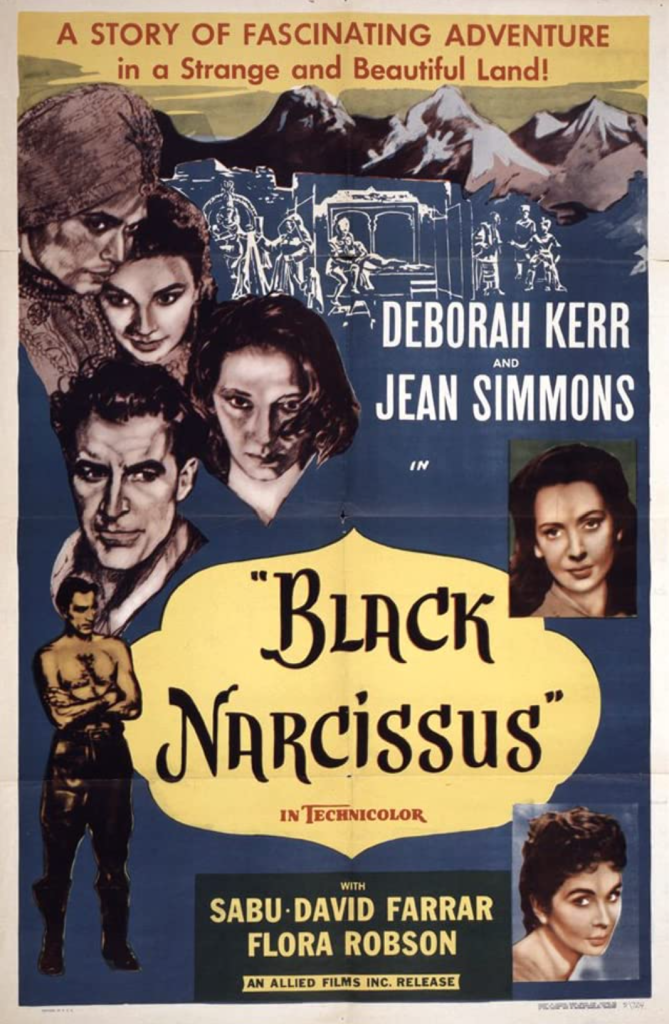
For the first Genre Grandeur of 2023, the theme is ‘Movies that take place in Cold weather situations (snow, ice, hail, etc.)’. While I could have selected a Hallmark title, I decided to pick another film instead. As I looked through my recommendations board on Pinterest, I remembered the 1947 movie, Black Narcissus. Suggested by Maddy from Maddy Loves Her Classic Films, this story takes place in the Himalayas, a mountainous region known for colder temperatures and snowy landscapes. Prior to watching Black Narcissus, I had heard this movie was controversial at the time of its release. All I knew about the film was its synopsis and the fact it premiered within the Breen Code era. Is Black Narcissus worth the trek up the mountain? Keep reading my review to find out!
Black Narcissus(1947) poster created by The Archers and General Film Distributors
Things I liked about the film:
The dialogue: In my review of When the Circus Came to Town, I mentioned how the dialogue was surprisingly profound. This was also the case in Black Narcissus, where the dialogue was sometimes profound, even thought-provoking. After Christmas Eve service, the Young General congratulates Sister Clodagh on the birth of Jesus. This statement brings up an excellent point about Christmas. When there is a new baby in a family, the family will be congratulated on their new arrival. So, congratulating Jesus’ birth makes sense, especially given the religious context of the holiday. After Sister Clodagh tells the Young General how the sisters don’t speak of God in a casual sense, Mr. Dean replies how God should be as common as bread. Even though Mr. Dean made this statement while drunk, he did make an interesting point. From the way I interpreted it, it seems like Mr. Dean thinks Christians should live their everyday lives with God present in it.
The set design and scenery: Off the top of my head, I can’t think of many movies taking place in the Himalayas. Therefore, I was excited to see this locale through a cinematic lens. The Himalayas did not disappoint, as the landscape looked so photogenic, it honestly appeared as a piece of art! One example is a shot of the mountains, where the snow caps dissolved in an ombre palette of white to light blue, transforming to a deep blue. Not only were the exterior shots appealing to the eye, the interior shots were interesting to look at as well! My favorite room in the palace was the “blue room”. In this room, the walls are covered in a mural primarily boasting hues of blue, periwinkle, and purple. Pops of green can be found on the mural, presenting the illusion the room has been submerged into the sea. Complimenting the space is a blue, circular chair with yellow, flowered stitching and a crystal chandelier.
The Young General’s wardrobe: Even though the Young General appeared in the film for a limited period of time, I absolutely loved his wardrobe! In fact, his wardrobe stole the show! My favorite outfit was the one he wore during the Christmas service. While attending the service, the Young General’s attire was white with gold details. Because winters in the Himalayas are colder, his outfit was beautifully paired with a fur coat covered in a leopard pattern and puffy white sleeves. Adding a light gold turban, the Young General’s attire was impeccably designed by Hein Heckroth!
Few introductions to Himalayan culture: In 1956’s The King and I, Anna, as well as the audience, are introduced to Siamese culture through her interactions with various characters. One notable example is Tuptim’s interpretation of Uncle Tom’s Cabin, where her perspective on the text provides an insight into her cultural background. Before watching Black Narcissus, I was hoping to learn more about the people of the Himalayas. Unfortunately, the film’s creative team didn’t take the time to show Himalayan customs, traditions, and beliefs. Yes, the Young General is interested in learning more about Christianity and there is a spiritual leader who makes a handful of appearances in the movie. But these parts of the story were not explored to a satisfying extent.
Little to no explanations: Kanchi is a seventeen-year-old young lady who arrives at the convent. Mr. Dean explains to Sister Clodagh how Kanchi is a “troublemaker” who isn’t wanted by anyone. Was Kanchi truly a “troublemaker” or is she simply misunderstood? Why does it seem like no one wants her around? Why was Kanchi given little to no dialogue in the story? Is she non-verbal or was she so traumatized by something from her past, that she chooses not to speak? This is just one example of how little to no explanations were found in the film. That creative decision didn’t allow the audience to get to know Kanchi and understand the reason behind her choices. Because of how common explanations were omitted, I was confused by the end of the movie.
Relying on a premise instead of a plot: When I reviewed When the Circus Came to Town last December, I talked about how the made-for-tv movie relied more on a premise (the story’s hook) than a plot (what keeps the audience invested in the story). Black Narcissus contains the same flaw. Prior to seeing this film, I thought the first half of the story would show the sisters’ journey up the mountain, with the story’s second half chronicling the creation of the convent. The movie completely omits the journey, going straight to the convent’s creation. For the majority of the story, the sisters are shown going through the motions of keeping their convent afloat. While the sisters’ deal with their own personal issues, there was no overarching conflict that needed to be resolved.
Objectively speaking, Black Narcissus is a competently made film. In fact, I could tell the creative team behind the project cared about what they were making. But subjectively, this is one of the most confusing movies I’ve ever seen. That is because so many parts of the story were given little to no explanations. I didn’t know the 1947 film was based on a novel until I saw the film’s opening credits, so maybe this is a case where the source material does a better job than the adaptation when it comes to explaining things? Black Narcissus is a film that emphasizes style over substance. While there was appealing scenery, set design, and costume designs, the story was missing an overarching conflict. Missed opportunities to learn more about Himalayan culture were in this story as well. With everything I said, I can’t give a strong recommendation for Black Narcissus. Instead, I would suggest checking out movies like 1956’s The King and I and The Nun’s Story.
Overall score: 6 out of 10
Have you seen Black Narcissus? Which movies featuring cold weather situations are your favorites? Please tell me in the comment section!
18 Cinema Lane is almost five years old. In that time, I have reviewed many films; from the blockbuster to the underrated and everything in between. Sometimes, I had the opportunity to talk about “classic” films. These opportunities were formal introductions to these titles. This list highlights some of the “classic” movies I watched because of my blog. Whether it was a blogathon entry or a Blog Follower Dedication Review, I’m thankful I was able to see these films. That way, I can now have an honest opinion about them. Since I have reviewed all the films on my list, I will provide links in this article. I will also be sharing my thoughts on these films, so anything I say is not meant to be mean-spirited or negative.
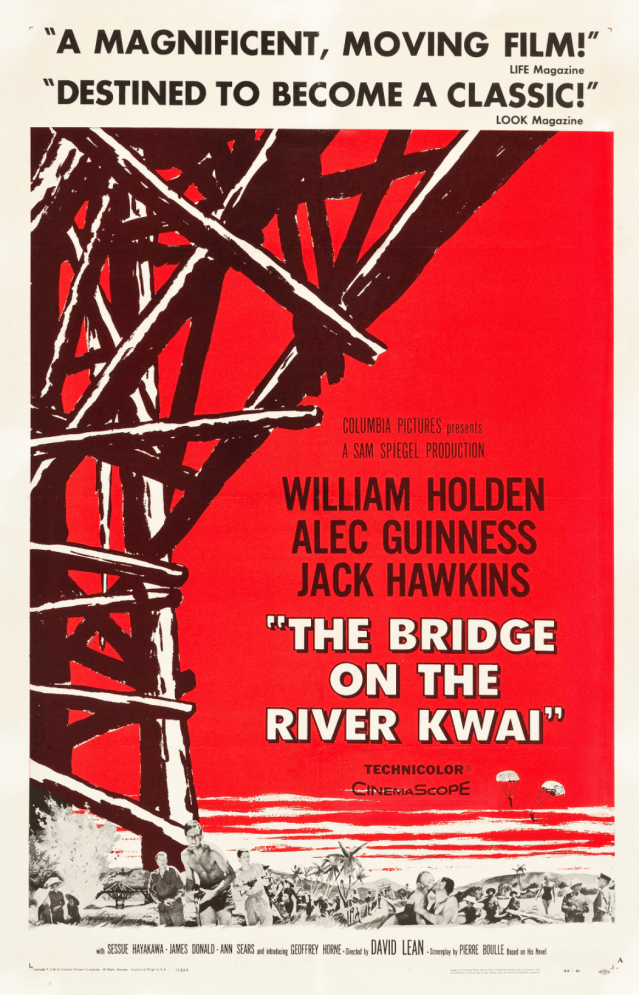
Starting this list is the most recent “classic” I reviewed. I chose to write about The Bridge on the River Kwai for The 5th Golden Boy Blogathon, where I was the only participant to select it. This movie made me question why some movies do or don’t end up on AFI’s list of The 100 Greatest American Movies Of All Time. Until I watched The Bridge on the River Kwai, I believed these titles met one of two criteria: those that represent the time they were released and those that brought something new to the cinematic table. With the 1957 film, I still haven’t figured out why it’s on the list. I am not saying this is a bad movie. But, at best, I thought it was just fine.
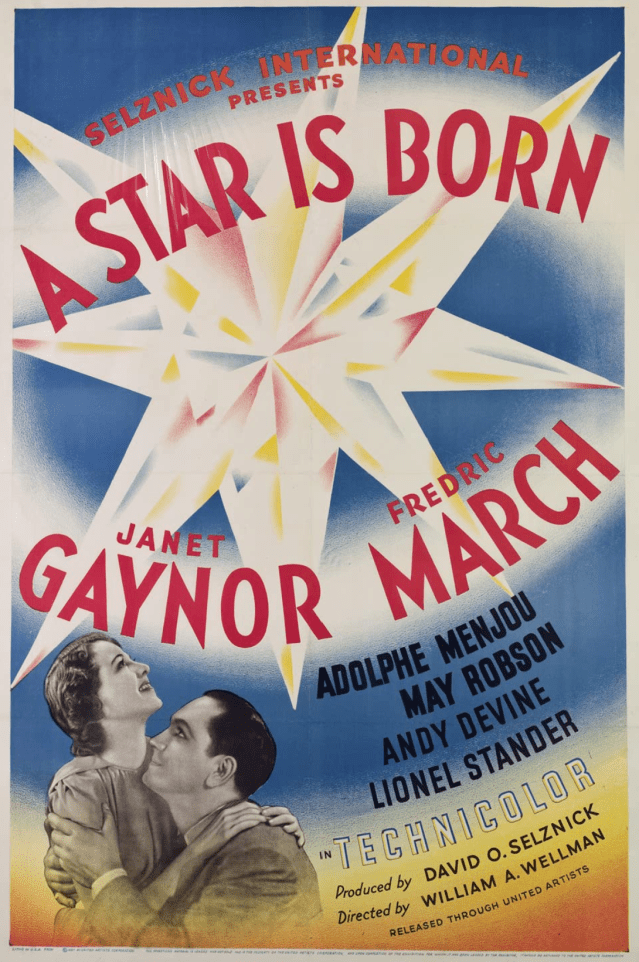
A Star Is Born(1937) poster created by Selznick International Pictures and United Artists
Before participating in the Fredric March Blogathon, I didn’t have an interest in watching any version of A Star Is Born. Because this story has been remade on more than one occasion, I thought each version was going to share a recycled plot, with little variation among them. As of this list’s publication, I’ve only seen the 1937 original. However, I was surprised by how impressive the movie was! Fredric March’s performance was so strong, not just among the Breen Code era films I’ve seen, but among any movie I have seen. He worked well alongside Janet Gaynor, sharing really good banter between each other. A Star Is Born made me want to actively seek out more films from Fredric’s filmography!
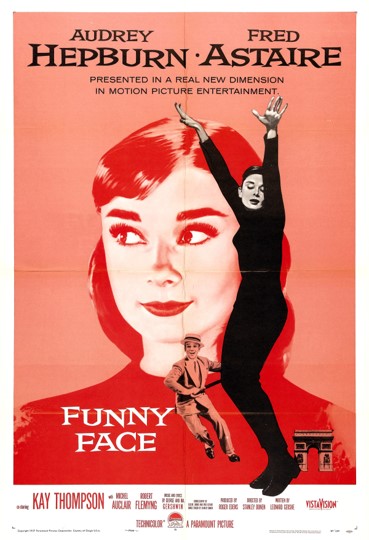
As Fred Astaire famously said, “Do it big, do it right, and do it with style”. When it comes to his movie, Funny Face, that’s exactly what happened. This is a pleasant looking production! I remember loving the use of color, as pops of color were placed in scenes with a primarily plain color palette. The musical numbers were also entertaining to watch, with creative ideas woven through them. Though I haven’t seen many of Audrey Hepburn’s films, Funny Face is one of her projects I like. She appeared to be enjoying whatever she was doing, whether it was dancing in the “Basal Metabolism” number or portraying Jo traveling to Paris. Then again, Audrey did famously say “I believe that happy girls are the prettiest girls”.
As the last movie I reviewed for 2019’s Clean Movie Month, All About Eve is a film I thought was just fine. A peek behind the theater world’s curtain was refreshing, providing the story with interesting perspectives. The use of voice-overs not only allowed the audience to witness Eve develop as an individual, but connect with the other characters as well. However, I found the title to be misleading, as the story was led by Margo. As I said in my review, the film would be called “Mostly About Margo” or “Sometimes About Eve” if given an honest title.
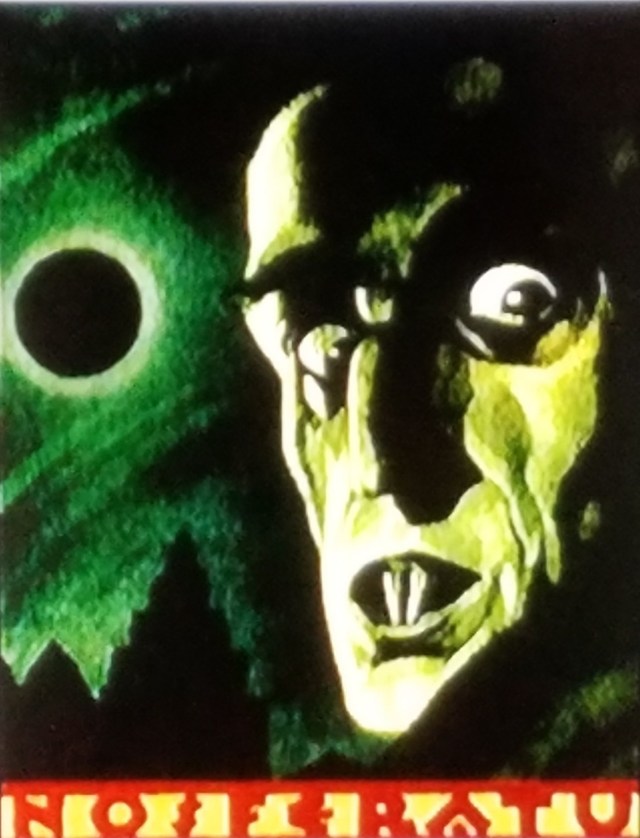
The same year I reviewed All About Eve, I also wrote about Nosferatu. My review of the 1922 “classic” was for 2019’s A Month Without the Code. I’m thankful for the opportunity I had to see Nosferatu, as the film was not only created under strict copyright rules, but has also been preserved over time. This film serves as a stone in cinema’s foundation, showcasing elements still found in today’s movies, such as using music to elevate the story’s tone. I don’t often talk about horror films on 18 Cinema Lane. But out of the ones I have reviewed, Nosferatu is definitely one of the better titles!
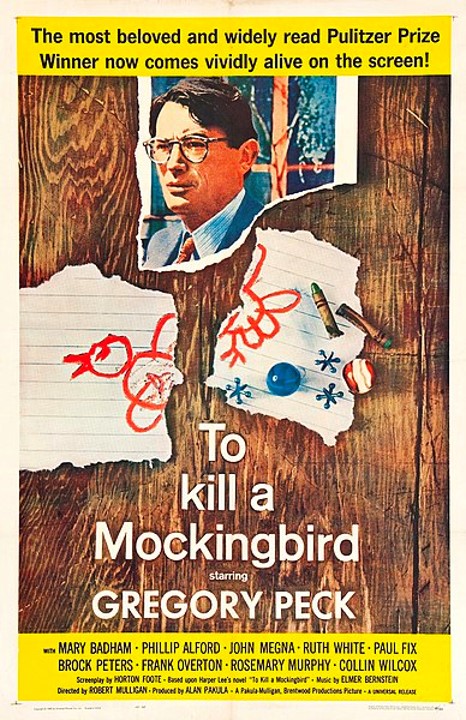
To Kill a Mockingbird poster created by Brentwood Productions, Pakula-Mulligan, and Universal Pictures. Image found at commons.wikimedia.org/wiki/File:To_Kill_a_Mockingbird_(1963_US_theatrical_poster).jpg
Like I recently said in my list, ‘The Top 10 Best Movies I Saw in 2022’, there are few movies I found better than their source material. To Kill a Mockingbird is one of those films! I like this adaptation because the script gets straight to the point sooner than the book did. It also places more emphasis on the trial, the part of the book I found the most interesting. The visual nature of film elevated the suspenseful moments from the original story, presenting realistic situations with an intensified level of uncertainty. This is one of those times where I would suggest skipping the book and going straight to the film.
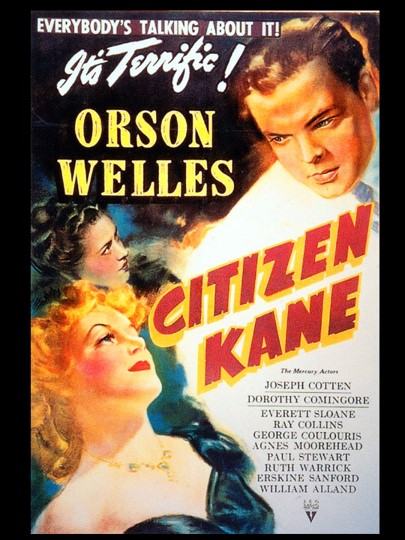
In my opinion, Citizen Kane is an over-hyped movie. I know that’s a controversial opinion. But when I reviewed the movie in 2019, I didn’t find it the flawless masterpiece others have made it out to be. For starters, I don’t think the film needed an hour and fifty-nine-minute run-time. I also found it difficult to connect with the characters. Despite my view on Citizen Kane, I don’t think it’s a bad movie. If anything, I thought it was decent. But like I said with The Bridge on the River Kwai, I wonder why Citizen Kane is number one on AFI’s list of The 100 Greatest American Movies Of All Time?
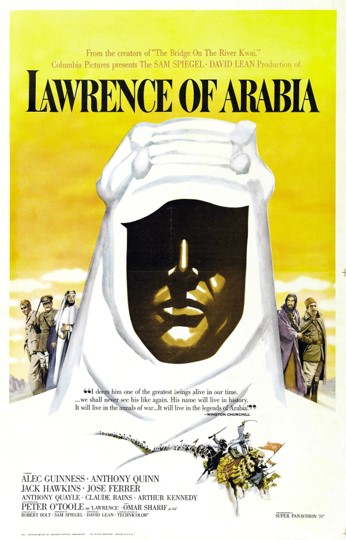
This is another “classic” I feel is over-hyped. However, the over-hyped status of Lawrence of Arabia is not to the same degree as Citizen Kane, in my opinion. The 1962 film is one of the most iconic “sword and sandal” titles. But beyond this simplified distinction is a World War I story from a unique perspective. Reviewing Lawrence of Arabia for The World War One On Film Blogathon was not my first choice. I had actually planned to review a different movie, which ended up being released on DVD after the blogathon took place. This last-minute decision was a blessing in disguise, as it gave me an excuse to check out Lawrence of Arabia!
When I chose to watch this movie for a Blog Follower Dedication Review, I had no idea how much I would love it! I remember being so invested in Judah’s journey, I wasn’t too bothered by the film’s three-hour run-time. This is another iconic “sword and sandal” picture. But only referring to this film by that simplified title does it such a disservice. That’s because the movie is, in my opinion, one of the better faith-based films! I’ve heard 1959’s Ben-Hur is a remake of a film from the ’20s. Maybe that version will be covered in a future review!
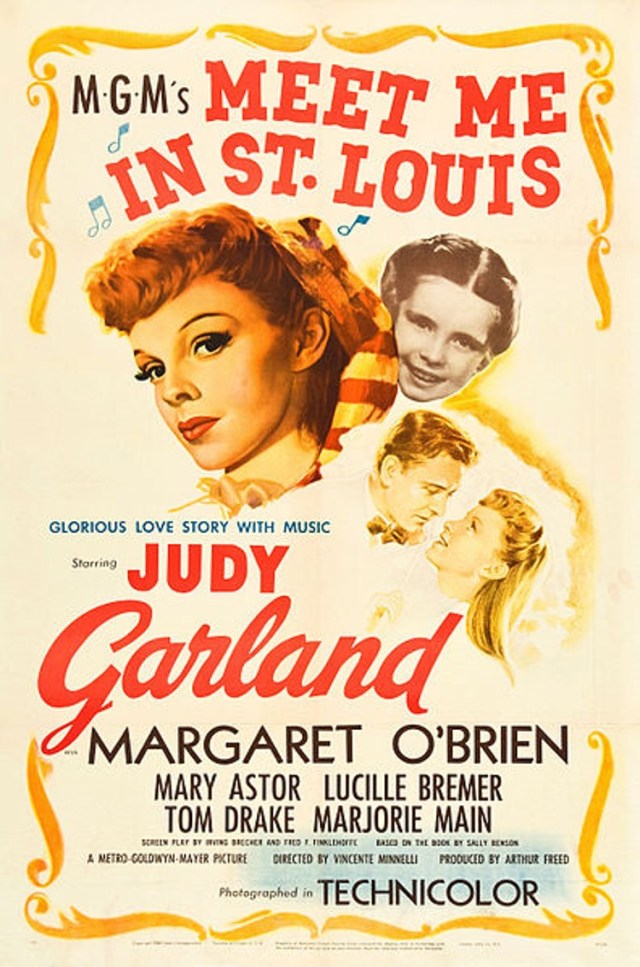
The Breen Code era gave us some good musicals. Meet Me in St. Louis is no exception! A musical is only as strong as its musical numbers. In the 1944 film, there was an assortment of enjoyable songs. From Judy’s iconic rendition of “Have Yourself a Merry Little Christmas” to my favorite, “Under the Bamboo Tree”, this part of the story added to my movie viewing experience. While the film does have its flaws, it is a pleasant production. If I were introducing someone to the Breen Code era, Meet Me in St. Louis is a film I would recommend!
This month’s Genre Grandeur theme is ‘Films With Santa Claus or Santa Claus impersonators’. With that in mind, I knew I’d find at least one Hallmark movie starring jolly old St. Nick. While reflecting on various titles, I remembered one film I had never seen in its entirety. That film is 2004’s A Boyfriend for Christmas. Over the eighteen years since its release, this movie has garnered a reputation among the Hallmark fan community. A Boyfriend for Christmas has been labeled a “classic”, as well as, more often than not, securing a place in Hallmark’s annual Christmas line-ups. When it comes to Hallmark Christmas movies with notoriety, I try to check them out in an attempt to discover if their “hype” is deserved. This is why I reviewed The Christmas Card and The Nine Lives of Christmas in the past. So, has A Boyfriend for Christmas earned its reputation? Keep reading my review while you’re waiting for Santa’s arrival!
A Boyfriend for Christmasposter created by Hallmark Entertainment, MAT IV, Alpine Medien Productions, Larry Levinson Productions, Gaiam Entertainment, and Hallmark Channel
Things I liked about the film:
The parallels between Holly and Ryan: When the audience meets the film’s protagonists, Holly and Ryan, in “present day”, they see these two characters are at odds with each other. On the surface, Ryan and Holly are as different as night and day. But in one specific scene, it is shown they have more in common than they realize. In this scene, Holly and Ryan come home after a long day. The choices they make in their respective home are presented in parallels, alternating between the two characters. For example, Holly turns on the radio at her house, while Ryan turns on his television at his apartment. Toward the end of this scene, Holly and Ryan look out their window to observe their landscape. Ryan is greeted to a lighted city skyline and Holly sees her neighbor’s outdoor Christmas decorations, as well as the moon. Through these visuals and without the use of dialogue, the idea of Ryan and Holly sharing more similarities was effectively showcased!
Holly’s figure skating past: When Ryan shares dinner with Holly’s family, he and the audience learn about Holly’s figure skating talents. Not only did she place second in a state final (when she was younger), she also has the trophies to prove her dedication and athleticism. As indicated in the dialogue, Holly retired from the world of figure skating. However, she performs an impromptu skating solo at a local outdoor rink. This was the most interesting part of Holly’s story! I wanted to learn more about her relationship with the sport. It’s too bad this side of Holly was only brought up in passing, as it could have lent itself to a fascinating subplot.
Ice skating pair photo created by fxquadro at freepik.com. Image by fxquadro on Freepik
What I didn’t like about the film:
Inconsistent writing: Throughout A Boyfriend for Christmas, there were several instances of inconsistent writing. Holly’s interactions with Ryan are a perfect example. Toward the beginning of the story, it is revealed she and Ryan are working on the same pro bono case. This scene’s dialogue gives the impression Holly has met Ryan before. While leaving the court house, she crosses paths with Ryan, hearing his voice and seeing his face. But when Holly and Ryan interact at a Christmas tree lot several hours later, it doesn’t seem to cross her mind that she’s recently heard his voice. Even when Ryan arrives at Holly’s house on Christmas Day, she acts like she’s never met him. Inconsistencies like this one made the story too unbelievable for my liking.
Lack of Christmas magic: When I reviewed Chasing Leprechauns last March, I said the film wanted to have its cake and eat it too. This was because the story included a magical element (leprechauns), yet prioritized the realistic aspects of the movie’s world. A Boyfriend for Christmas makes the exact same mistake. Santa appears several times in this story. Yet, he never utilizes any Christmas magic. Even when he’s giving Holly her titular boyfriend for Christmas, the execution of her wish was not magical or whimsical. It honestly makes me wonder why Santa was incorporated in the movie at all?
Holly’s subplot with Ted: Ted is Holly’s ex-boyfriend. His behaviors and actions clearly indicate how he’s “bad news”, providing one reason why he and Holly aren’t meant to be. I know his inclusion in the story was intended to present a conflict for the protagonists. However, it reminded me of Paul and his conflict from The Christmas Card. Ted’s personality, plus Holly’s lack of interest in getting back together with him, gives the audience the impression this relationship isn’t going anywhere. Because of that, this subplot felt like a waste of time.
The fast pace of Holly and Ryan’s relationship: In a typical Hallmark movie, the protagonists’ relationship progresses in a shorter amount of time. But in A Boyfriend for Christmas, Ryan and Holly’s relationship evolved too quickly. In fact, it felt very “insta-love”. Despite acting like she’s never met Ryan before, Holly almost immediately falls head over heels for him. She doesn’t even question why Ryan is suddenly interested in her. Because of how fast this on-screen relationship progressed, it was difficult to determine if Kelli Williams and Patrick Muldoon had any on-screen chemistry.
There are some Hallmark Christmas movies that have gained notoriety. Some of this “hype” was earned, such as the case for The Nine Lives of Christmas. Other times, the “hype” felt more over-rated, like how I kind of feel about The Christmas Card. Sadly, A Boyfriend for Christmas falls into the latter category. This is not a movie I was impressed with. The script was one of the weakest I’ve ever witnessed in a film. Like I said in my Lake Effects review, if the script isn’t strong, there’s only so much a creative team can do to remedy the issue. Unfortunately, the other aspects of the movie didn’t make up for the script’s weaknesses. The acting ranged from wooden to serviceable. The set design didn’t leave a memorable impression. There was no charm, whimsy, or Christmas magic present in the story. If anything, A Boyfriend for Christmas was a huge letdown from what it could have been.
Overall score: 4.3 out of 10
Have you seen A Boyfriend for Christmas? What Hallmark Christmas movies do you think are surrounded in “hype”? Tell me in the comment section!
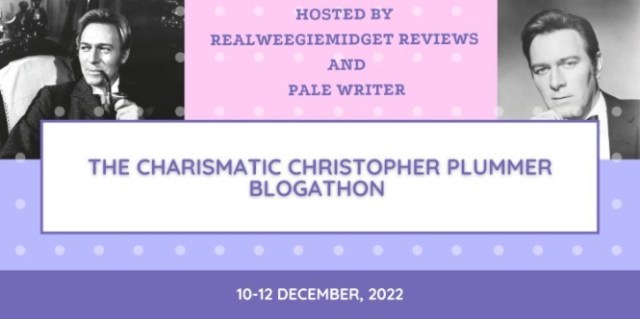
For many film fans, Christopher Plummer will best be remembered as Captain von Trapp, from The Sound of Music. A poised and serious man, Captain von Trapp is a leader who stood his ground, even if that meant leaving behind everything he and his family have ever known. In the 1981, made-for-TV movie, When the Circus Came to Town, Christopher portrays a character who is seen as a leader. But this time, the leadership role is much different. For The Charismatic Christopher Plummer Blogathon, I wanted to go off the beaten path when it came to Christopher’s filmography. If it wasn’t for this event, I never would have heard of this television film. When I read the synopsis for When the Circus Came to Town, the story sounded heart-felt and somewhat inspirational, as it revolves around a woman who joins a circus in order to seek a change in her life. But is my entry for the blogathon as “razzle-dazzle” as the circus appears to be? Keep reading the greatest review on earth in order to find out!
The acting: While watching When the Circus Came to Town, I kept wondering if Christopher Plummerhad ever been cast in a Western. That’s because his portrayal of Duke, the circus ringmaster, felt reminiscent of the cowboys who are unfazed by their lifestyle. When Duke and Mary, portrayed by Elizabeth Montgomery, meet for the first time, Christopher’s tone of voice and the way his character speaks to Mary are nonchalant and matter-of-fact. His whole demeanor exudes a “been there, done there” attitude, a man who has been on the road for far too long. But when Christopher needed to turn on the charm, he effectively brought showmanship to his character. The film’s very first scene is a perfect example of this, as Christopher carries his character with charm and confidence.
As I mentioned in the introduction, When the Circus Came to Town revolves around Mary, a woman who joins a circus in order to seek a change in her life. Elizabeth portrayed this character, showcasing Mary’s transformation from a quiet woman who tried not make waves to a confident lady who was not afraid to take a leap of faith. At her father’s funeral, some of the attendants were asking Mary questions. Overwhelmed by the uncertainty of her future and frustrated by other people answering questions for her, she excuses herself from the conversation. But before she leaves, Mary answers every question given to her at the reception. The way she answers these questions is matter-of-fact, with a sharpness in her tone of voice. This scene seemed like foreshadowing, confidence ready to burst forth in Mary’s heart.
When Mary was interested in joining the circus, she met Louie, one of the circus’ clowns. Portrayed by Tommy Madden, Louie had a charismatic and easy-going personality. He even had a good sense of humor, allowing nothing to stand in his way. Louie was the kind of friend an audience member would wish they could have in their life, a one-in-a-million kind of person. Tommy’s on-screen chemistry with Elizabeth was pleasant! This made me look forward to Louie and Mary’s interactions, as these characters appeared to get along well with each other.
The dialogue: Dialogue in made-for-TV movies can be hit or miss. Sometimes, characters’ conversations sound like they came directly from real-life. Other times, the dialogue can make viewers think, “No one talks like that”. In When the Circus Came to Town, there were times when the dialogue was more profound than I expected. When Mary first meets Louie, she confesses how she ran away from home. After Louie jokingly asks her if she’s too old to run away, Mary says in a sad, serious tone, “I had to wait for everybody to die so I could do it”. Up until this point in the story, Mary has felt she hasn’t lived life on her own terms. She has either put the needs of others before her own or she, simply, went through life’s motions. This has made Mary question who she really is and what she truly wants out of life. Her aforementioned quote, to me, spoke volumes. It also showed how much thought went into the dialogue.
A peek behind the circus’ curtain: When any industry is prominently featured in a story, a film’s creative team has an opportunity to give the audience a chance to glimpse some of its realities. One of these realities is showing a behind the scenes look at what it takes to make that industry work. The titular circus in When the Circus Came to Town sometimes displays the practice, care, and determination it takes to make something like a circus appear effortless. Mary’s first job was cleaning the animals’ cages. While the job itself wasn’t showstopping, it was an important one. This also highlights how every role is a necessary one, especially since it takes so many people to put on a show.
Christopher Plummer and Elizabeth Montgomery’s on-screen chemistry: Elizabeth and Christopher did a good job with the acting material they were given, as their individual performances were strong. Unfortunately, their on-screen chemistry was weak. The way Duke was written was part of this problem. The circus’ ringmaster was a womanizer who was a little too friendly with the alcohol. Duke was also a more static character, not displaying a strong desire to change his ways. This left me wondering why Mary would try to attract Duke’s attention, especially since Louie had the better personality?
No overarching plot: Like I said in the introduction, When the Circus Came to Town’s story revolved around Mary joining the circus. However, that part of the story is the hook, the part that encourages the audience to become interested in the film. What this movie was missing was an overarching plot, the part of the story that keeps the audience invested. Once Mary joined the circus, the script bounced around between Mary, Louie, Duke, and Jessy, the circus’ accountant. There was one part of the story that addressed the circus’ financial woes. Even though this could have served as an overarching conflict/plot, it was introduced in the last twenty-eight minutes of the movie. To me, this was a missed opportunity.
A limited distribution of character development: When the Circus Came to Town had the same flaw Top Gun: Maverick did: there was a limited supply of character development. In my point where I talked about no overarching plot, I said the story bounced around between Mary, Louie, Duke, and Jessy. These four characters received the most character development in the story. The other characters, especially those from the circus, either didn’t receive any character development or just enough for the audience to become familiar with them. When a film has a larger cast, I know it can be difficult to give each cast member and their character attention. Personally, I think there was not enough time to address all these characters and stories.
Group of clowns image created by Freepik at freepik.com. Image by Freepik
My overall impression:
Ringmasters have, sometimes, referred to their circus as “the greatest show on earth”. This bold statement has signified the circus company’s confidence and satisfaction in their final product; the show itself. That aforementioned quote can’t be said about When the Circus Came to Town. This is not a bad film, as it does contain strengths. Some of these are the acting performances and the profound dialogue. If I had to be honest, though, this story would have worked better as either a multi-part mini-series or a television show. The 1981, made-for-TV production featured so many moving parts. An hour and thirty six minutes is, in my opinion, not enough time to address all of that. Reflecting on When the Circus Came to Town and The Sound of Music, Christopher Plummer was cast as a leader. Out of his projects I’ve seen, this seems like pure coincidence. However, I’d like to point out Christopher’s portrayals in both When the Circus Came to Town and The Sound of Music highlight his acting versatility.
Overall score: 6 out of 10
Have you seen any of Christopher Plummer’s films? Are there any you’d like me to review? Please tell me in the comment section!
Well, another blogathon has come and gone. While the turn-out this time was smaller, it was still a nice event. I was not only introduced to a made-for-tv film, I was also inspired for a future editorial! I even finally got around to writing about Hallmark Hall of Fame’s The Flamingo Rising! To everyone who participated, thank you for joining my World Television Day Blogathon. There will be another blogathon taking place in 2023. But the theme and dates are still pending. In the upcoming months, I will also be introducing a new series. As it’s been said in the Signed, Sealed, Delivered series, however, you have to “trust the timing”…
Created by Sally Silverscreen at Adobe Creative Cloud Express
‘Films About Doctors, Nurses and Hospitals’. That’s the theme of this month’s Genre Grandeur. There were several titles I could have selected to write about. But after re-reading my list of the top ten films I’d love to review, I decided to take a different approach for November’s event. When I published the aforementioned list in June, I talked about the 1986 made-for-TV movie, Alex: The Life of a Child. The film is based on Frank Deford’s book of the same name, which recounts the life of his daughter, Alex. Because of her Cystic Fibrosis diagnosis, Alex spent a significant amount of time interacting with doctors and nurses, as well as spending time in the hospital. Therefore, I thought Alex: The Life of a Child was an appropriate title to review for November’s Genre Grandeur!
Alex: The Life of a Child title card created by Mandy Films and American Broadcasting Company (ABC). Image found on the Youtube channel, JPG Highlands Vlog.
Things I liked about the film:
The acting: When you have a story that primarily focuses on a younger character/person, you need to recruit a younger actor or actress who has the talent to carry that film on their shoulders. In the case of Gennie James’ portrayal of Alex Deford, her performance highlights the idea of children being smarter than they sometimes receive credit for. Toward the end of the film, Alex asks her doctor whether she’s going to die. Her tone of voice is matter-of-fact, containing a sense of understanding for what’s going on. Alex’s doctor, Dr. Tom Dolan, tries his best to be as honest as possible, while also sugar-coating the news just enough to keep it bearable. Alex then tells Tom, “Ok, I think you better go now”, empathy felt in her voice. However, this empathy was for Tom, as Alex knew how difficult her passing would be for him.
Danny Corkill portrays Alex’s brother, Christian Deford. Even though he appeared in only a handful of scenes, Danny’s performance was a strong one! After receiving the news his family will be adopting a child, Christian goes to his room. In there, he listens to a series of recordings Frank created while Alex was still alive. Throughout this scene, Danny consistently carries a long look on his face. His eyes stare off into the distance, searching for the one person who won’t come back home. Those eyes are paired with a frown and a sad tone in his voice. This scene alone showcases how difficult a family member’s passing can be on a child, especially if that family member is their younger sibling.
Alex and Christian’s mother is portrayed by Bonnie Bedelia. What I liked about her performance was how expressive it was. Shortly after receiving the news about Alex’s diagnosis, Frank and Carole are worried about their daughter’s outcome. During her conversation with Frank, Carole’s eyes are filled with sadness and fear. A deep sense of concern is in Carole’s voice, as she and Frank wonder how much longer Alex will live. That scene displays a portrayal that feels believable, thanks in part to Bonnie’s strong acting abilities!
Respect toward the source material: As I mentioned in the introduction, Alex: The Life of a Child is based on a book written by Alex’s father, Frank. In my list of the top ten movies I’d love to review, I said I had read this book. Even though it’s been years since I read Frank’s novel, there were parts of the story I recognized from the text. One of them was the Deford family’s recording for their answering machine. In both the book and movie, the Deford family creates a funny recording for their answering machine, where they pretend to be in the shower while the phone is ringing. They record the message in the bathroom, leaving the faucet running and singing songs. This moment served as a hilarious moment in Alex’s life, stressing how Alex attempted to seek out the bright spots in her world, despite the severity of her illness.
Addressing the subject of patient advocacy: During one of her hospital stays, Alex’s lung collapses. She not only is in pain, she recognizes where the pain is coming from. When she tells a doctor what is happening, the doctor doesn’t believe her. But when Alex told a nurse she couldn’t breathe, Alex’s concerns were addressed. The subject of patient advocacy, especially for younger patients, is one that has received more acknowledgment in recent years. Alex’s story took place in the 1970s, with the film released in 1986. Therefore, this scene’s inclusion feels ahead of its time. It can also show viewers, including younger viewers, that you should stand up for yourself, even in a medical setting.
A screenshot of my copy of Alex: The Life of a Child. Screenshot taken by me, Sally Silverscreen.
What I didn’t like about the film:
The adoption subplot: Throughout the film, Frank and Carole Deford plan on adopting a child. This decision comes after the death of their daughter, Alex. In real life, the Deford family did adopt their youngest daughter, Scarlet. But this information was not included in the film’s source material, which was published in 1983. Scarlet’s adoption was addressed when Frank’s book was re-released in 1997, a decade after the film premiered. Because a good amount of the movie focused on this subplot, it took away focus from Alex’s part of the story, even though the film is titled Alex: The Life of a Child.
No acknowledgment for the Deford family’s involvement with the Cystic Fibrosis Foundation: According to Frank Deford’s bio on Goodreads, “he became involved in cystic fibrosis education and advocacy after his daughter, Alexandra (“Alex”) was diagnosed with the illness in the early 1970s”. Frank even became a chairman of the Cystic Fibrosis Foundation. Unfortunately, none of this information is included in the film. In fact, the aforementioned foundation is never brought up. I know there’s only so much story you can tell in an hour and thirty-three minutes. However, I wish this part of the story was included in a subplot instead of the adoption subplot.
Unclear time period: Similar to the book, the movie is told from Frank’s perspective, as he recalls Alex’s short life. Because of the visual nature of film, the audience witnesses some of these moments brought to life. But since the presentation of the “past” scenes doesn’t look much different from the “present” scenes, it was sometimes difficult to determine what part of the story was being told. For the sake of the film, I think the story should have been told in chronological order.
Back in April, I reviewed Brian’s Song. In that review, I said I wasn’t as emotionally affected by the movie as I thought I would be. This is because I was familiar with Brian and Gale’s story before watching the film, which prevented me from becoming caught off-guard by the emotional, sadder moments in the story. I ended up having a similar experience while watching Alex: The Life of a Child. As I mentioned in this review, I have read the source material prior to seeing its adaptation. Therefore, I already knew how Alex’s story would play out. From what I remember of the book, I do feel the film was respectful to Frank’s text. I also think the strong acting performances worked in the movie’s favor. Alex: The Life of a Child is a fine, competently made television film. But if you’ve read the book, you’ve already seen the movie.
Overall score: 7.1-7.2 out of 10
Have you seen or read Alex: The Life of a Child? Is there a “based on a true story” movie you’re a fan of? Let me know in the comment section!
Rebecca from Taking Up Room has great blogathon ideas, hence why these events are so fun to participate in! The latest event, The Fake Teenager Festivus Blogathon, is no exception. For this blogathon, participants are asked to pick a movie or show featuring young adults, older teenagers, or older adults who have portrayed teenagers. As soon as I read the blogathon rules, I immediately thought of Charlie Plummer’s portrayal of Adam in Words on Bathroom Walls. Charlie was born in 1999, which means by the time of the film’s release in 2020, he was 21 years old. Words on Bathroom Walls is about a high school senior with Schizophrenia. I first started talking about this film in 2019, when I mentioned it in my Book Adaptation Tag post. In my Movie Blogger’s Christmas Wish List that year, I wished the film would receive a distributor, a studio that would release the movie. When the film received a distributor and release date the following year, I meant to get around to watching the movie. With Rebecca’s blogathon, I have an excuse to finally review Words on Bathroom Walls!
Words on Bathroom Walls poster created by LD Entertainment, Kick the Habit Productions, and Roadside Attractions
Things I liked about the film:
Interactions between characters: When it comes to interactions among characters, they are only as good as the actors and actresses portraying those characters. In the Words on Bathroom Walls adaptation, the cast was strong, which allowed their characters’ interactions to appear believable! The interactions between Adam and Maya serve as one example. Adam’s friend, Maya, comes over to his house to tutor him. When she enters Adam’s room, Maya discovers his collection of cookbooks. This leads to a verbal match, both Adam and Maya sharing their greatest achievements in good fun. Throughout the film, Charlie Plummer portrays Adam with a laid-back personality. Taylor Russell brings to life Maya’s studiousness, direct, and confident demeanor. Their interactions showcase how Adam’s and Maya’s personality are compatible, despite the fact they are the opposite of one another.
Seeing what’s in Adam’s mind: In the Words on Bathroom Walls book, Adam goes into detail how his Schizophrenia diagnosis impacts him and his world. His honesty about his diagnosis gives the story a sense of realism. But with Words on Bathroom Walls being adapted into a movie, the story gained the opportunity to visually present what goes on in Adam’s mind. At various moments of the story, Adam sees three people, who are his hallucinations. When he starts a new medication, these hallucinations begin to disappear. But the way their disappearance happens on screen looks like a technological glitch, a slow and steady process instead of instantaneous. This not only gave the audience something interesting to look at, it allowed them to gain some understanding into Adam’s experiences.
Breaking the fourth wall: Adam’s story in the Words on Bathroom Walls book is presented through the notes of a therapist. This literary approach made the story feel like Adam was speaking directly with the reader, as if he was having a private conversation with them. Adam’s therapy sessions are included in the adaptation. Because these sessions are only shown in certain parts of the film, they give Adam the opportunity to break the fourth wall. These moments still contain the honesty, emotion, and even humor I came to like about the book. The fourth wall being broken felt reminiscent of the book’s direct storytelling. This translation between adaptation and source material worked in the story’s favor!
Father Patrick’s inconsistent presence: Father Patrick is a movie exclusive character in Words on Bathroom Walls. He serves as a mentor figure to Adam, giving him advice and words of wisdom. I liked this dynamic between these characters, as there were no mentor figures at St. Agatha’s Catholic School in the book. However, Father Patrick only appeared in about four scenes total. I wish he had appeared in some more scenes, especially since the character himself was so well written and acted.
Adam’s limited perspective on Catholicism: One of the best parts of the Words on Bathroom Wallsbook was Adam’s perspective on Catholicism. In the story, Adam attends St. Agatha’s Catholic School, despite his decision to not adopt the religion. Reading Adam’s thoughts on Catholicism provided an insight that isn’t often included in stories featuring religious affiliated schools. In the adaptation, Adam’s perspective on Catholicism was featured. But its inclusion was so limited, it was watered down, compared to the book.
Toned down humor: What makes Adam such a likable character in Words on Bathroom Walls is his sense of humor. Julia Walton, the author of the book, gives the protagonist a drier sense of humor that contains a hint of sarcasm. However, Adam’s sense of humor was never depicted as mean-spirited or disrespectful. What Julia also does is provide a good balance between a humorous and serious tone. The adaptation prioritizes the story’s serious tone instead of trying to achieve the aforementioned balance. I know that mental illness/Schizophrenia is a topic that shouldn’t be taken lightly. But I think that balance between seriousness and humor was better executed in the book.
Since I’m finally reviewing Words on Bathroom Walls, featuring a screenshot of the book cover is in order! Screenshot taken by me, Sally Silverscreen.
My overall impression:
No matter how good or bad an adaptation is, there are bound to be changes between text and visual piece of entertainment. Words on Bathroom Walls is no exception to this, as I noticed several changes among both media. But despite these changes, the Words on Bathroom Walls adaptation was, more often than not, respectful to its source material. This is one of the reasons why I liked this film! The strength of the cast’s acting abilities worked in the movie’s favor. It allowed believable interactions between the characters. Interesting film-making techniques were incorporated into the project, such as the special effects. This enhanced the visual presentation of what goes on in Adam’s mind. Looking back on this movie, it seems like it is one of the more underrated adaptations. Why that is, I have no idea.
Overall score: 8.3 out of 10
Have you seen or read Words on Bathroom Walls? Are there any adaptations you’d like me to see and/or read? Let me know in the comment section!
The day you’ve been waiting for is finally here; the World Television Day Blogathon! Since the dawn of television, this particular medium has become a staple in popular culture. Through this lens, history has been recorded and memories have been made, giving people a way to look back on the past. Television’s broad landscape has provided something for everyone, from cozy mystery shows to beloved musical competitions. In this blogathon, various television related topics will be showcased. Each entry highlights different decades, made-for-tv movies, and shows, illustrating the importance of World Television Day!
Created by Sally Silverscreen at Adobe Creative Cloud Express
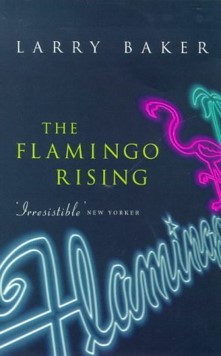
When we talk about book-to-film adaptations, we are quick to point out how both pieces of media are different. Some of these differences can lead to insightful conversations between the fans and the casual audience. Other differences can cause a negative reaction, from readers walking out of the theater mid-film to Youtube videos showcasing fans’ rants and complaints. But one topic I haven’t heard addressed is why these changes between book and film likely happened. This topic can be applied to any adaptation. For the sake of my editorial, though, I’m writing about Hallmark Hall of Fame’s The Flamingo Rising. Back in June, I published a list of the top ten movies I’d love to, one day, review. The 2001 Hallmark Hall of Fame movie was on that list. Because I own a copy of Larry Baker’s novel, I thought it would be interesting to read the book after I saw the movie. Now that I’ve consumed both pieces of media, I have gained an understanding for why Hallmark likely made the changes they did. There are four main reasons why The Flamingo Rising’s book is different from its adaptation, which will be explored in this editorial. This article contains spoilers for the story of The Flamingo Rising.
Created by Sally Silverscreen at Adobe Creative Cloud Express
The Run-Time
Abraham Isaac Lee is the protagonist of The Flamingo Rising. In Larry Baker’s novel, Abraham takes a biographical approach to telling the story, reflecting on various moments that occurred in his life. He even goes into detail about the history of his parents and Grace’s parents. According to IMDB, Hallmark Hall of Fame’s The Flamingo Rising has an hour and thirty-four-minute run-time. As I’ve said before on 18 Cinema Lane, that run-time gives a film’s creative team only so much time to tell a story. Hallmark Hall of Fame’s adaptation of The Flamingo Rising condensed the events in Abraham’s and his family’s life. The book explains how Hubert, Abraham’s father, purchased the land for The Flamingo Drive-In before Abraham and his sister, Louise, were adopted. While Hubert was a soldier in the Korean War, he sent building plans and business ideas to his wife, Edna, who was put in charge of putting those plans into fruition. The purchase of the land and creation of The Flamingo Drive-In, in the movie, took place long after Hubert left the military and in a shorter amount of time. Both Abraham and Louise are teenagers for the majority of the movie, with only one flashback showing the siblings as babies.
There are many characters in The Flamingo Rising. While reflecting on his life, Abraham takes the time to explain who each person in his life is, as well as giving these people a significant presence in the story. Most of these characters were present in The Flamingo Rising movie. But because the film’s run-time is an hour and thirty-four-minutes, their parts of the story were reduced. Abraham’s sister, Louise, is one of these characters. The book reveals Louise grew up to become an actress, as Abraham claims she had the talent for it. In one scene, Louise expresses interest in flying in Harry “Judge” Lester’s plane. This interest was sparked by a promise Hubert made to his children. The movie’s script, however, never addresses why Louise wants to fly with “Judge”. In fact, the audience never sees her flying in “Judge’s” plane. When it comes to Louise’s acting, it was only mentioned once throughout the movie. During a conversation between Abraham and his friend, Gary, Abraham mentions how his sister wants to be an actress someday.
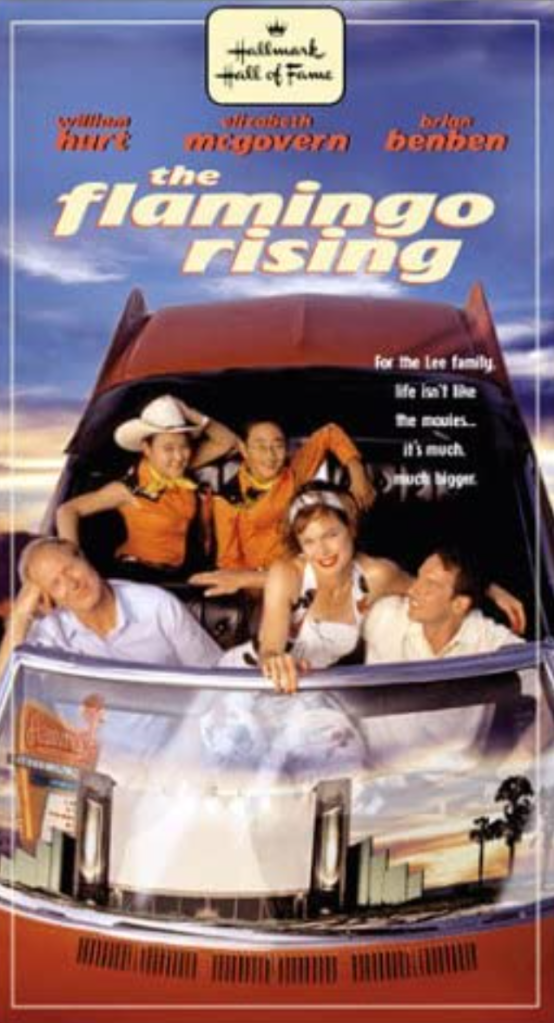
Hallmark Hall of Fame’s The Flamingo Rising VHS cover created by Hallmark Entertainment, Hallmark Hall of Fame Productions, McGee Street Productions, CBS, and Artisan Entertainment
The Budget
From what I’ve heard over the years, a typical made-for-TV movie costs somewhere between one to three million dollars. While that sounds like a lot of money to the average movie blogger, that amount is actually on the lower end of the financial spectrum, when it comes to making movies. If the aforementioned millions were the budget for Hallmark Hall of Fame’s The Flamingo Rising, it would explain why some parts of the source material were cut from the movie. In the book, Abraham shares his family had a temperamental dog named Frank. This dog was so unstable, he not only bit Louise, he was forced to live in an empty room above Abraham’s room, due to the dog’s behavior. In the film, however, Frank the dog is nowhere to be seen and is never acknowledged by any of the characters. If a movie’s creative team chooses to include an animal in their production, the training, veterinary care, and other related expenses will need to be factored into the overall budget. Working with an animal trainer also requires time, something the creative team behind The Flamingo Rising only had so much to spend. Therefore, the inclusion of Frank the dog was an expense the adaptation’s creative team likely thought was unnecessary.
Location scouting is a film-making component also affected by a creative team’s budget. Like I said in my editorial, ‘Redwood Curtain’: From Stage to Screen, a location scout might not be able to secure a location similar to one described in the source material. Even if they succeeded, there’s a process in order to film at a residential building, especially if it’s someone’s real-life home. This process, along with the budget, is the probable reason why the funeral home has a different appearance in the movie than described in the book. Larry Baker’s novel gives the West Funeral Home the look of a “Southern plantation style house”, complete with white columns and Jeffersonian arches. The Home also contains a garage full of hearses and limousines. The Flamingo Rising’s adaptation gives the funeral home a different exterior. Referred to as the Knight Funeral Home in the movie, the facility boasts a bungalow style in a dark green hue. The Home’s garage is not shown on-screen. However, the Home itself does feature a full-sized porch. The funeral home’s interior has more appearances in the book than in the movie. In fact, the only time the Lee family enter the Knight Funeral Home is shortly after Edna dies. For those two scenes, the creative team may have filmed them on a set, away from the building that portrayed the funeral home.
For many years, Hallmark garnered a reputation for presenting themselves as a “family-friendly” company. This has been reflected in their programming, including their Hallmark Hall of Fame productions. As someone who’s read The Flamingo Rising book, I’ll be the first person to say there are some parts of the story that are not “Hallmark appropriate”. One of these parts is Louise’s social life. Abraham, in the novel, recalls how, one night at The Flamingo Drive-In, Louise snuck out with some male college students. During this interaction, these males attempt to take advantage of her. Even though Louise is saved just in time by some of the drive-in’s employees, the ordeal is a frightening one. This event is not included in the movie. The only older characters Louise is friends with are Polly and Alice, who all happen to work at the drive-in. It should also be noted that Abraham and Gary are the only male characters Louise hangs out with in the film.
Louise’s story was not the only one to change in Hallmark’s efforts to keep the adaptation “Hallmark appropriate”. Polly, an employee of The Flamingo Drive-In, is a very problematic character in the book. A reason for this is due to her racism. Polly expresses how she didn’t like her high school becoming integrated. She also thinks Abraham is “too brown”, causing Abraham to have self-image related issues. Even though Polly’s role in the movie is smaller, she never comes across as racist. In fact, racism is never addressed in the film. Polly, along with Alice, appear to get along with both Abraham and Louise. Alice, throughout her time at the drive-in, gives Abraham advice and looks out for him, like an older sibling would look out for their younger brother or sister.
When an author creates a story, they sometimes don’t consider how that work could be translated to film or television. If that author’s work does receive an adaptation, the casting can dictate how the story changes. Abraham describes Alice Kite, in the book, as being “as tall as my mother”. Edna is six feet tall in the novel. Because of her height, Alice wore baggy jeans and shirts, never shorts. Elizabeth McGovern and Angela Bettis were cast as Edna and Alice in the Hallmark Hall of Fame adaptation. According to IMDB, Elizabeth is 5’7, while Angela is 5’3. Alice wardrobe’s, in the movie, included tank tops and shorts. This creative decision was likely made to compliment Angela’s height.
In both the book and movie, Grace looks like her mother. Turner, Grace’s father, tells Edna, in the film, “she looks just like her”, referring to his daughter’s resemblance of his late wife. But Grace’s mother never makes an on-screen appearance, as she dies before the movie’s events. Therefore, The Flamingo Rising’s creative team cast an actress that resembled the actor portraying Turner. William Hurt portrayed the owner of Knight Funeral Home. He appears blonde in the film, despite his character having “coal-black hair” in the book. Erin Broderick was cast as Grace, though it isn’t known if Erin or William was recruited to the movie first.
Since The Flamingo Rising takes place in Florida, I figured featuring this screenshot was appropriate. Screenshot taken by me, Sally Silverscreen. Image originally found at https://www.youtube.com/watch?v=tiBkULOrf7Y.
When I reviewed the Hallmark Hall of Fame movie, O Pioneers!, back in July, I said that story should have been adapted into a multi-part mini-series or a television show. That’s because I felt an hour and thirty-seven minutes was not enough time to tell a story with that many moving parts. I feel similarly about The Flamingo Rising. Because Abraham, in the book, is reflecting on his life, there are a lot of characters and plot points included in the text. With the Hallmark Hall of Fame adaptation being an hour and thirty-four-minutes, Larry Baker’s story was forced to be condensed.
There are several parts of The Flamingo Rising book that were either omitted or changed in the adaptation, due to these parts not being “Hallmark appropriate”. With that said, it makes wonder why Hallmark Hall of Fame chose to adapt Larry Baker’s novel over a story that was more “Hallmark appropriate”? This situation kind of reminds me of when Hallmark Channel adapted At Home in Mitford. Last September, I reviewed the 2017 film for one of my double features. After reading the book and watching its adaptation, I came to the conclusion the network wasattempting to fit a round peg into a square hole, trying so hard to fit At Home in Mitford into their brand of film-making. Perhaps something similar happened to The Flamingo Rising, causing history to repeat itself sixteen years later?






















 18 Cinema Lane

