Five years ago, I advocated for the release of The Crow: City of Angels’ Tim Pope cut. This version of the movie was not only supposed to be 160-minutes, it was also supposed to tell a different story from its predecessor. The Crow: City of Angels’ intended conflict showed the protagonist, Ashe, choosing between reuniting with his son, Danny, in the afterlife or staying on Earth to form a romantic relationship with Sarah, who appeared in The Crow. When Roger Ebert brought up Wings of Desire in Siskel & Ebert’s Best of 1988 episode, he said the film was “about an angel who wants to be a human because he would rather have real, physical feelings than live forever”. His explanation of Wings of Desire reminded me of The Crow: City of Angels’ intended conflict I described. Since I don’t know if and/or when the Tim Pope cut of The Crow: City of Angels will be released, Wings of Desire will be my unofficial placeholder in terms of storytelling. The other reason why I chose Wings of Desire for my Comparing with the Critics series’ Best of 1988 review is because it was on Roger’s list of the ten best films of 1988, even though both he and Gene Siskel liked it. I approached this film with an open mind because I had never seen or heard of it prior to my series. Now that I have seen Wings of Desire, I think calling it one of the best movies of the year is giving the film a little too much credit.
Wings of Desireposter created by Road Movies Filmproduktion, Argos Films, Westdeutscher Rundfunk (WDR), Wim Wenders Stiftung, Orion Classics, Basis-Film Verleih, and Filmverlag der Autoren
As I said in the introduction of this review, both Roger and Gene liked Wings of Desire. In an episode of Siskel & Ebert, they gave the film a thumbs-up. Roger commented on how the movie “has a mood to it. It takes the time to establish that mood”. Meanwhile, Gene points out that Wings of Desire “gives more than equal time to the angels’ thoughts”. What Roger and Gene said was achieved through mise-en-scène and music. A great example is when Damiel (portrayed by Bruno Ganz) is at a crossroads over whether he truly wants to become human or remain an angel. The majority of the scene is presented through “shaky cam”, giving the illusion Damiel is quickly turning his head and moving in circles. Sharp, quick violin sounds play over the scene, heightening Damiel’s panic and confusion. Shots of humans crying or looking frightened are interspersed throughout the scene. This creative choice reflects Damiel’s thoughts and feelings. Whenever “shaky cam” is incorporated into a movie, it is usually met with criticism due to how the film-making technique distorts a scene to the point of becoming unwatchable. However, the use of “shaky cam” in Wings of Desire is one of the few times where it works. This is because that creative decision was utilized purposefully to enhance the emotional aspect of the story.
Since there are angels in Wings of Desire, I thought adding this angel picture to my review made sense. Screenshot taken by me, Sally Silverscreen.
Wings of Desire is mostly presented in black-and-white imagery. But there are a handful of scenes shown in color. This creative choice differentiates the perspective between the angels and the humans. Damiel and Cassiel, two angels from the film’s main cast of characters, see the human world in black-and-white, as they are outsiders looking in. The humans’ environment is visually represented in color, showcasing life in 1980s West Berlin. Black-and-white and color imagery’s incorporation into Wings of Desire is purposeful as it addresses concepts like a sense of belonging, unique points of view, and what it means to be a part of a community. Wings of Desire’s creative decision reminded me of Schindler’s List, a black-and-white movie that occasionally utilized color to emphasize certain ideas.
Another visual aspect of the movie I liked was Marion’s wardrobe. In Wings of Desire, Marion (portrayed by Solveig Dommartin) is a trapeze artist who is afraid her dream may be coming to an end due to the circus’ struggling finances. Her performances give her an excuse to wear gorgeous costumes! When she is first introduced in the story, Marion wears a long-sleeved leotard with an attached skirt. This costume is made up of a beige velour-like material and covered in diamond-esque gems. The shoulders of the costume feature a shiny applique. To give circus attendants the impression Marion is a flying angel, she wears large, white wings while performing in the air. The exquisiteness of Marion’s costumes makes me wish they were shown in color more consistently. I also wish Wings of Desire’s costume designer, Monika Jacobs, was nominated for, at least, one award.
Group of clowns image created by Freepik at freepik.com. Image by Freepik
After a clip of Wings of Desire was presented on Siskel & Ebert, Gene declares “the juiciest part of this picture is how close we get to everyday people, their joys, their heartbreaks”. He also says, “director, Wim Wenders, does a real remarkable thing here; he praises life as it is lived, yet making sense out of life’s confusions to the point where we enjoy being alive in a fresh way”. While I agree with Gene about the realistic portrayal of the humans’ lives, I wish the dialogue had sounded more realistic. Every time a character speaks, they deliver philosophical speeches instead of conversations. This made the characters sound like they were spending more time expressing ideas than putting ideas into action. Though looking back on Wings of Desire, I wonder if that was intended commentary on how people spend less time solving problems and more time talking about them?
Like I mentioned earlier in my review, Damiel and Cassiel are outsiders looking in on the human world. Despite this, both angels observe, listen, and occasionally intervene in the humans’ lives. That means Wings of Desire’s audience can hear the thoughts of the humans Cassiel and Damiel cross paths with. But because the angels are disconnected from the human world, story ideas are either loosely connected or not connected at all. A man’s parents concerned over his musical ambitions serve as one example, with the concerns themselves brought up but never resolved. There are four main plots within Wings of Desire. However, only three of them were related to each other. Plus, these three plots didn’t connect until toward the end of the movie. Waiting for the bridges of the plots to form felt tedious, in my opinion.
Comparing with the Critics banner created by me, Sally Silverscreen. TV show title cards created by WTTW National Productions, WTTW, Public Broadcasting Service (PBS), Lifetime Television, Tribune Entertainment, Buena Vista Television, and Disney-ABC Domestic Television
In the introduction of this review, I said calling Wings of Desire one of the best movies of the year is giving the film a little too much credit. It’s not a bad movie, I just didn’t like or love it as much as Roger and Gene did. Wings of Desire is a fine, interesting film that kept me invested in what was happening on screen. The movie also has artistic merit due to creative decisions purposefully incorporated into the project. But major flaws lie in the script. I wish dialogue between characters sounded more conversational, as it would have complimented the realistic depiction of life in 1980s West Berlin. Story ideas should have developed stronger connections to one another, especially among the four main plots. Waiting for three of those main plots to connect was, in my opinion, tedious. During their discussion of Wings of Desire on their show, Siskel & Ebert, Gene tells Roger how Wim Wenders “doesn’t sweeten life to the point that it’s false”. Looking back on my experience watching the movie, I can see, and even appreciate, Gene’s point. Wings of Desire captures Germany before the Berlin Wall would eventually fall. The Wall itself is even featured in a few scenes. Through visuals, text, and even musical selection, the edge of change I addressed in my 1988 introduction of Comparing with the Critics was brought to life on the big screen. The creative team behind Wings of Desire played a small role in history, even if they didn’t know it at that time.
Have you ever associated a particular actor with a specific movie or television show? For me, Jasmine Guy comes to mind every time I think of Touched by An Angel! In the earlier seasons of the show, Jasmine guest starred as an antagonist named Kathleen in three episodes. For the Luso World Cinema Blogathon, I decided to review these episodes of the show! According to Beth, one of the hosts of the event, Jasmine’s mother is Portuguese-American and her father is African-American. As I was looking for a topic to write about for the blogathon, I remembered seeing Jasmine’s name on a list of American film people with Portuguese heritage, which caused me to think about when she guest starred on Touched by An Angel. When Beth welcomed me as a Luso World Cinema Blogathon participant, I received another opportunity to review more Touched by An Angel episodes! Like my past reviews of television episodes, I’m going to discuss what I liked about the episode, what I didn’t like about the episode, the story itself, the other factors from the episode, and my overall thoughts. Now, let’s begin discussing Jasmine Guy’s Touched by An Angel episodes!
Touched by An Angelseason two poster created by CBS Productions, Caroline Productions, and MoonWater Productions
Episode Name: Sympathy for the Devil
Season 2, Episode 3
Premiere Date: October 7th, 1995
What I liked about this episode:
This episode of Touched by An Angel, “Sympathy for the Devil”, is where Kathleen makes her official debut. When she steps out of the truck at the fairgrounds, Jasmine Guy’s charisma already bursts off the screen! Her portrayal of Kathleen was so expressive. This made Kathleen’s interactions with other characters captivating to watch, especially when she crossed paths with Monica. Jasmine even brought some sass to her character, which helped Kathleen’s personality stand out. While watching this episode, I actually looked forward to seeing Kathleen appear in a scene. That’s because it meant I got another chance to see Jasmine’s strong acting performance!
What I didn’t like about this episode:
A conflict in “Sympathy for the Devil” is the fall out of Kathleen and Monica. Before this episode, they were best friends. But they grew apart when Kathleen turned to the “dark side” and Monica received her promotion as a case worker. This was an interesting story, especially since it dealt with a realistic conflict of friends growing apart and going their separate ways. Unfortunately, it became overshadowed by the episode’s main story of a father coming back into his son’s life. This was caused by the lack of balance between the plots in “Sympathy for the Devil”. Because both stories were strong, I wish they were placed in their own episodes.
The story itself:
Like I just mentioned in this review, “Sympathy for the Devil” contains two stories. The main story is about a father coming back into his son’s life, seeking forgiveness and redemption. The episode’s subplot revolves around the fall out between Monica and Kathleen. Monica’s mission is to reunite the father and son, helping them heal from years of heartache. Meanwhile, Kathleen wants to keep the son and father apart, just for the sake of causing chaos. As I already mentioned in my review, both stories were strong. Due to the lack of balance between these plots, though, it would have been more beneficial to put these stories in their own episodes, so they wouldn’t have to compete for screen-time. Without spoiling “Sympathy for the Devil”, I will say something happens in this episode that made me wonder why Andrew wasn’t introduced on Touched by An Angel sooner? While Andrew made his official debut in the show’s second season, it wasn’t until the twelfth episode, “The One That Got Away”.
The other factors from this episode:
During one of their confrontations, Ty Duncan (portrayed by Stacy Keach) calls his son “Chicken Boy”. Though it was intended to be an insult one takes seriously, I, personally, found it goofy. So, every time a character said “Chicken Boy”, I would burst out laughing. This is one of the most unintentionally funny moments I’ve seen on Touched by An Angel!
Matt Duncan (portrayed by Robert Kelker-Kelly) owns and operates a local fairground. His son, Daniel, admits his dad doesn’t like rodeos. Yet Matt agreed to host the fairground’s first rodeo despite his dislike. When he meets Monica, Matt confesses how he didn’t know a veterinarian needed to be on the premises at all times. I’m aware that the internet in 1995 was not as expansive as today’s internet. However, if Matt had little knowledge of how to host a rodeo, there were other resources at his disposal, especially considering his fairgrounds were located in Texas.
The purpose of Monica and Kathleen’s subplot was to address the battle of good vs. evil. While this was an interesting theme to include in this episode, I wish the backdrop had elaborated on this theme. Ty Duncan comes to the rodeo because he wants to ride his two thousandth bull. Daniel even dreams about riding a bull because of his grandfather. The sport of bull-riding could have provided symbolism for evil being conquered by the hero. But because bull-riding was simply presented as bull-riding, I found this a missed opportunity to connect one of the story’s themes to the background.
My overall thoughts:
When it comes to the introduction of new cast members or characters on television shows, the ultimate goal is to leave a good first impression. If this goal is achieved, those cast members could become series regulars and their characters may become popular. In the Touched by An Angel episode, “Sympathy for the Devil”, Kathleen was given a strong introduction. This is because Jasmine Guy’s performance was one of the best parts of the episode! Jasmine helped create a character that was captivating to watch, especially when Kathleen was interacting with other characters. I, honestly, wish Jasmine had been nominated for an award for her portrayal of Kathleen! As for the rest of the episode, I thought it was just fine. Even though both stories were strong, I think they should have been placed in their own episodes, so they wouldn’t need to compete for screen-time. I also believe the theme of good vs. evil should have been elaborated by the story’s backdrop. Looking back on “Sympathy for the Devil”, I wish Andrew had been introduced on Touched by An Angel sooner. If he had made his introduction in this episode, I wonder what job Andrew would have received at the fairground?
Rating: A 3.5 out of 5
White horse image created by Gabor Palla at freeimages.com. “FreeImages.com/Gabor Palla.”
In the Touched by An Angel episode, “Lost and Found”, Frank falls in love with Kathleen. Despite Kathleen providing Frank with a “false impression of love” (according to Monica), the story presents moments where their relationship feels honestly genuine. This is because the on-screen chemistry between Jasmine Guy and Bill Nunn was so sweet, they sold the concept of Kathleen and Frank being compatible, under different circumstances. It was almost easy to forget that these characters were not supposed to fall in love, as a result of the effective on-screen chemistry. Jasmine’s and Bill’s performance also worked in the on-screen chemistry’s favor. Unlike “Sympathy for the Devil”, Jasmine added a tender sweetness to Kathleen’s personality, allowing Kathleen to carry her charade. Bill consistently gave his character, Frank, a kind-hearted selflessness, which drove Frank to always help those in need.
What I didn’t like about this episode:
When I talked about what I didn’t like about “Sympathy for the Devil”, I explained how the overshadowing of Monica and Kathleen’s fall out was the result of a lack of balance between the episode’s plots. “Lost and Found” has the same flaw. There are two plots in this episode of Touched by An Angel: the relationship between Frank and Kathleen and the search for missing children. The first plot was actually interesting. If written differently, it could have had a conflict similar to the intended conflict of The Crow: City of Angels; where Kathleen must choose between remaining in the angelic world or becoming mortal in the name of love. The second plot, about the missing children, was also interesting, giving the characters a mystery to solve. But “Lost and Found” placed more emphasis on the missing children plot. The lack of balance between these two plots sometimes made me wonder what happened to Kathleen, as she would be absent for periods at a time. With both plots being strong, they should have existed in their own episodes. This way, they wouldn’t need to compete for screen-time.
The story itself:
Like I just mentioned in my review, there are two plots in “Lost and Found”, the search for missing children and the relationship between Frank and Kathleen. These plots are interconnected, as Frank himself provides the thread that keeps them together. As a policeman, Frank tries to help a missing boy return home. Yet he is haunted by the disappearance of another child. Kathleen uses her charade of love to disguise her true intentions; exploiting Frank’s trauma. The union of these stories express how the job of rescuing children can sometimes take its toll. Similar to “Sympathy for the Devil”, Monica must stop Kathleen from spreading evil and causing chaos. But unlike that episode, “Lost and Found” gives Andrew a reason to become involved in the story. Andrew’s job at the Center of Missing Children is with the computer department. Though his real assignment is guiding deceased children to Heaven. Andrew explains to Monica how he takes his role as “Angel of Death” very seriously. During their conversation, however, the bleakness of some children’s fate causes Andew to appear as if he’s about to cry. Andrew’s emotional response reenforces what I said earlier about the job of rescuing children sometimes taking its toll. From time to time, Touched by An Angel incorporates at least one plot twist into a given episode. While there is a plot twist in “Lost and Found”, I already knew what it was because I have seen this episode before. Therefore, it wasn’t as impactful as it was when I first saw the episode.
The other factors from this episode:
When I talked about the story of “Lost and Found”, I mentioned Andrew’s real assignment was guiding deceased children to Heaven. This part of the story addresses the sad reality some families of missing children face. There’s even a scene where Andrew helps a missing girl who just passed away. However, the dialogue between the girl and Andrew is subtle, giving the audience some time to figure out what is going on. Even the interaction between Andrew and the girl is friendly, with the girl expressing no fear over her situation. The combination of acting, screenwriting, and also the lighting acknowledges the bleakness of the moment without making the scene itself bleak.
Frank has a scrapbook of all the missing child cases he’s worked on. As he explains to Kathleen, the articles he collects are pieces of darkness he cuts out and traps into the scrapbook. Frank consistently does this to protect his soul, as he confesses how he doesn’t look back at the scrapbook once he adds another article. In entertainment media, scrapbooks have typically been portrayed positively. These books are collectors of good memories or visual time capsules. So, the way a scrapbook was written into “Lost and Found” was not only creative, but gave the episode a unique identity as well.
A janitor from a local mall wants to provide information on a missing child case. However, he’s nervous about going to the Center of Missing Children because he doesn’t know if what he saw and heard will truly help rescue the missing child. Tess gives the janitor some words of encouragement, saying, “ “If” is the saddest word in the history of language”. Tess’s conversation with the janitor emphasizes how worrying about “ifs” can sometimes take away the courage to make a difference and reach achievements. Tess’s motherly guidance and headstrong wisdom helped make this scene one of the most heart-warming in “Lost and Found”!
Some scenes in “Lost and Found” took place in Frank’s apartment. One of the items in his apartment is a large fish tank. The fish tank was placed on a metal shelf with wheels. A top shelf appeared to make opening the fish tank’s lid difficult. Anytime I’ve seen large fish tanks like Frank’s in entertainment media, they have been placed on their own stands. The lids have looked accessible, so the tank can be opened for cleaning or feeding the fish. With everything I said, Frank’s fish tank was one of the most questionable design choices I’ve ever seen on a television show.
My overall thoughts:
Touched by An Angel is both a heart-warming and heart-breaking show. There are times when the script doesn’t shy away from the world’s saddening truths. But there are also times when moments are up-lifting and inspiring, sharing valuable lessons with the characters and audience. “Lost and Found” is a perfect example of how the show can be joyful and sorrowful at the same time. The script addresses how searching for missing children doesn’t always have a happy ending. However, positive moments like Tess encouraging the mall janitor to speak up prevent the episode from becoming too “doom and gloom”. The stories of the missing children and Frank’s relationship with Kathleen were both interesting. Though I wish these stories were placed in their own episodes, to prevent them from competing for screen-time. The on-screen chemistry between Bill Nunn and Jasmine Guy was such a pleasant surprise, due to how sweet it was. Andrew was even given a reason to become involved in “Lost and Found”, as he was able to help in various ways. I have seen this episode before, so the plot twist wasn’t as impactful during the second viewing. Despite this, though, I found “Lost and Found” to be a decent episode.
It’s such an interesting coincidence how, prior to this review, I had only reviewed one Touched by An Angel from season three. Screenshot taken by me, Sally Silverscreen.
Episode Name: Clipped Wings
Season 3, Episode 18
Premiere Date: February 16th, 1997
What I liked about this episode:
Because this episode of Touched by An Angel revolves around Monica receiving an evaluation for her angelic work, the story takes place within an office building. Despite the limited use of locations, there were two examples of set design I really liked! For about half of the story, Monica mistakenly waits for the start of her evaluation in the waiting room of a psychiatrist’s office. This waiting room was one of the bougiest waiting rooms I’ve ever seen in the history of entertainment media! From marbled pillars and floor to the designer-esque furniture and even a giant cappuccino maker, this space did a convincing job at looking like Heaven on earth. Later in the episode, Monica must meet with the Angel of Angels. His office consisted of warm wood walls, an impressive wood desk, and complimentary blue carpet. Even the large fish tank had its own wooden cabinet, matching the wood of the walls and desk! The Angel of Angels’ office boasted a very masculine style, yet looked classy at the same time. I wish more scenes had taken place in this space.
What I didn’t like about this episode:
As I’ve stated in the introduction of this article, Jasmine Guy’s portrayal of Kathleen is the reason why I chose to review these episodes of Touched by An Angel. So, you can imagine my disappointment when, in this episode, Jasmine only appeared in four scenes. Compared to “Sympathy for the Devil” and “Lost and Found”, her acting talents in “Clipped Wings” were underutilized. This was led by the creative team’s decision to prioritize “Monica’s greatest hits”, showing clips from previously aired episodes. There were times while watching this episode of Touched by An Angel where I found myself wondering why Kathleen was even written into the story in the first place? Though Kathleen appeared in “Clipped Wings” for a reason, I think Jasmine should have received more screen-time.
The story itself:
As beloved as The Golden Girls have become over the years, that show is infamous for one creative choice: the “clip episode”. A typical “clip episode” of The Golden Girls focuses on the four protagonists sitting around the kitchen table and reminiscing over moments that took place in previous episodes. The Touched by An Angel episode, “Clipped Wings”, took a page from The Golden Girls’ playbook, devoting about 80% of the story to presenting clips of episodes airing before February 16th, 1997. Like I mentioned when I talked about what I didn’t like this episode, the creative team prioritized “Monica’s greatest hits”. Even though the script contained an original story involving Kathleen and another angel named Ruth, this part of the story was featured for only about 20% of the episode. These creative decisions were disappointing, especially since “Clipped Wings” commemorated Monica’s completion of fifty cases.
The other factors from this episode:
When I discussed the story of “Clipped Wings”, I mentioned how about 80% of the story was devoted to presenting clips of episodes airing before February 16th, 1997. In some of these clips, Tess reminds Monica how she shouldn’t take the “easy way out”. I found the inclusion of this advice ironic, as the decision to make “Clipped Wings” a “clip episode” seems like an “easy way out”, especially after watching (and reviewing) “Psalm 151”. I don’t know if this moment of self-awareness was intentional or coincidental. However, I wish the show’s creative team took Tess’s advice and gave this episode a stronger, more creative story.
One of the conflicts in this episode is Monica running late for her evaluation meeting. During the meeting, as Tess and Andrew discuss Monica’s flaws with Ruth, they remember how Monica has a history of misunderstanding directions. This realization helps Tess discover Monica’s reason for her tardiness. If Tess knew misunderstanding directions was a problem for Monica, why didn’t she come to the aforementioned conclusion sooner? Also, why didn’t Tess encourage Andrew to go look for Monica before the meeting started?
As I just mentioned in this review, Monica is late for her evaluation meeting. This mistake leads Ruth to enforce consequences. When Andrew and Tess object to Ruth’s decision, Ruth declares how Monica is now on her own. But for about half of this episode, Monica was on her own, seeming to be perfectly fine. I’m not sure if this moment of self-awareness was coincidental or intentional. However, I believe Ruth should have given Monica some grace and understanding.
My overall thoughts:
Whether a birthday or an anniversary, a 50th year is considered “golden”. From cake toppers to snowglobes, even pieces of art, the shiny metal has become a prize to be won in the journey of milestones. But when it comes to the Touched by An Angel episode, “Clipped Wings”, the show’s creative team missed a “golden” opportunity to commemorate Monica’s milestone of completing fifty cases in a more meaningful way. Unlike “Psalm 151”, where the script prioritized a unique story with its own set of conflicts and resolutions, “Clipped Wings” followed in The Golden Girls’ footsteps by emphasizing clips from previous episodes. This creative decision caused the original story involving Kathleen and Ruth to be overshadowed. Another missed opportunity was not giving Maureen McCormick’s character, Jodi, a larger role in the story. Other disappointing creative decisions include not showing James Earl Jones on-screen, underutilizing Jasmine’s acting talents, and the show’s creative team not taking Tess’s advice. Out of the Touched by An Angel episodes reviewed on 18 Cinema Lane, so far, “Clipped Wings” is my least favorite.
Rating: A 2.5 out of 5
Since I’m reviewing some episodes of Touched by An Angel, I figured including this screenshot would make sense. Screenshot taken by me, Sally Silverscreen.
Have you read a synopsis for a movie or television episode that sounded so “bonkers” or over-the-top, you just had to check it out? That’s what happened when I came across the Highway to Heaven episode, “Ghost Rider”. I’ve seen enough episodes of this show to have an idea of what to expect. But then I read the synopsis for “Ghost Rider” on Hallmark Family’s website, which is the following:
“A lonely female novelist is in love with a legendary spy hero who has been dead for 20 years. She buys his sports car, that is being auctioned off, only to find out that his ghost comes with the car.”
For the 11th Annual Favourite TV Show Episode Blogathon, I had an excuse to not only check out “Ghost Rider”, but to also write about it. However, just because a movie or tv episode sounds “bonkers”, doesn’t mean it will be. Two examples from 18 Cinema Lane are the Lifetime movie, Sea Change, and the 1977 picture, The White Buffalo. Will “Ghost Rider” prove to be as “bonkers” as it sounds? Let’s travel down the highway of this review!
As I mentioned in this review’s introduction, the synopsis for “Ghost Rider” sounded “bonkers”, due to the story containing a car inhabited by a ghost. But that was not the primary focus of the story. Instead, the creative team behind Highway to Heaven placed more emphasis on Mark and Jonathan helping Birdy Belker. Birdy is a mystery writer who is not only interested in espionage, she’s obsessed with a special agent named Roger Bolt. Jonathan and Mark attempt to give Birdy the courage to live a more satisfying life, one where she can thrive and tell her own tales of adventure. Birdy’s story reminded me of Tracy’s story from the Touched by an Angel episode, “Perfect Little Angel”. A similarity between these episodes is how a major theme is being brave enough to reach your potential.
What I didn’t like about this episode:
Toward the beginning of the episode, Jonathan explains to Mark (and the audience) who Birdy is and why she needs their help. This explanation is presented as a voice-over, as if Jonathan were talking about events from a story in the mystery/noir genre. The voice-over was a good creative choice, making the episode unique from others of Highway to Heaven. However, this voice-over was included in only one part of the story. I wish that creative element was more consistently incorporated into the episode, with Jonathan’s voice-over appropriately fitting Birdy’s interest in espionage.
When I talked about what I liked about “Ghost Rider”, I said the story placed more emphasis on Jonathan and Mark helping Birdy develop the courage to reach her potential. While the episode features a car inhabited by a ghost, these elements were woven together in a way that fit within the established brand/tone of Highway to Heaven. The reason for Birdy possessing the car was because Mark encouraged her to purchase it, in an effort to help her find a new perspective on life. The ghost’s existence in the story had less to do with haunting and more to do with their place in the Afterlife. There was also a creative approach to the type of story about “never meeting your heroes”. In the case of “Ghost Rider”, the reality of who Roger Bolt was affects Birdy’s fantasy of him.
The other factors from this episode:
I already mentioned in this review how Birdy is a mystery writer. However, she uses the pen name ‘Natasha Gudonov’. When you say that last name quickly, it sounds like “good enough”. This joke is even acknowledged by the ghost after they learn more about Birdy. Personally, I found the joke to be the most cringe-worthy part of this episode.
In a typical Highway to Heaven episode, Jonathan will reveal his true identity as an angel toward the end of the story. He will discreetly use his angelic abilities throughout the episode as well. But in “Ghost Rider”, Jonathan is more honest with Birdy, sharing the truth about himself shortly after they meet. He’s even straightforward about his angelic abilities. I liked this change in storytelling! It gave “Ghost Rider” some creativity and allowed the story to stand out from other Highway to Heaven episodes!
For this part of my review, I will be spoiling “Ghost Rider”. If you have not seen this episode and are interested in watching it, skip ahead to the part of my review titled “my overall thoughts”.
Earlier in this review, I said there was a creative approach to the type of story about “never meeting your heroes”. In “Ghost Rider”, Birdy receives the opportunity to meet Roger Bolt, as he is the ghost inhabiting the car she purchases. During this initial meeting, Jonathan reveals how, during Roger’s life, he was an arrogant womanizer. This information shocks Birdy. However, earlier in the episode, Birdy tells Jonathan and Mark how she knows everything about Roger. With that said, wouldn’t Birdy have known about Roger’s true persona?
In my review’s introduction, I talked about wanting to check out “Ghost Rider” because of the synopsis on Hallmark Family’s website. But looking back on this episode, I feel that synopsis does the story a disservice. Yes, a story of a ghost inhabiting a car sounds “bonkers” on paper. How that concept was incorporated into “Ghost Rider”, let alone Highway to Heaven, actually worked better than I expected! As I said in my review, more emphasis was placed on Mark and Jonathan helping Birdy thrive in life. This part of the story, along with the ghost inhabiting the car, fit within the established brand/tone of the show. “Ghost Rider” does have its flaws, such as Jonathan’s voice-over being inconsistent. But, overall, I found this episode to be fine and pleasant!
2024 has hosted several anniversaries, from the 30th anniversary of the Disney animated film, The Lion King, to the 50th anniversary of Little House on the Prairie. But there is one anniversary that can’t be overlooked: the 30th anniversary of Touched by an Angel! With the show premiering on September 21st, 1994, I figured it would be appropriate to review some episodes this month in honor of the occasion. Since I reviewed three individual episodes of Touched by an Angel in the past, I will be writing about three episodes at once this time. Similar to past reviews of television episodes, I’m going to discuss what I liked about the episode, what I didn’t like about the episode, the story itself, the other factors from the episode, and my overall thoughts. Now, let’s talk about the three selected episodes: “The Southbound Bus”, “Psalm 151”, and “Mother’s Day”!
Touched by An Angel has incorporated serious, real-world topics into their stories; providing the show with dramatic, even sad, moments. But there are times when Touched by An Angel can become light-hearted. One perfect example is when David meets Tess for the first time. Tess arrives at David’s house as his new nanny. Because of hardships he experienced prior to the events of “The Southbound Bus”, David is skeptical of Tess and her new role. Tess, on the other hand, is ready to deal with David’s skepticism. Her no-nonsense attitude and motherly persona make it clear who’s in charge. She even calls David “dinosaur boy”, due to the dinosaur print on David’s shorts. The scene I described was genuinely hilarious because of how well written and acted it was. It also provided a balance between the episode’s light-hearted and serious tones!
What I didn’t like about this episode:
When she visits a rest stop known as Hewitt, Monica meets Ruth Ann and Christine. Later in the episode, a run-in with a local police officer forces Ruth Ann to confess to Christine how she’s attempting to flee the FBI due to her association with a criminal. During Ruth Ann’s attempt to flee, Monica pleads with Ruth Ann to confront her past. Monica’s pleading is fruitless, as not only Ruth Ann hitchhikes out of Hewitt, her part of the story is left unresolved. I know there’s only so much story you can tell in an hour-long episode. But if the show’s creative team knew Ruth Ann’s story wasn’t going to receive a resolution, why address it in the first place?
The story itself:
As I mentioned earlier in this review, Touched by An Angel has included dramatic, even sad, moments in their stories due to the show’s subject matter. However, as I’ve also mentioned, there are times when the show can become light-hearted. These tones were balanced very well in “The Southbound Bus” as viewers are introduced to Monica, Tess, and their roles as “case workers”! The story jumps right into the action as Monica not only receives an upgrade from “search and rescue”, she also receives her first assignment in her new role. This creative choice grabs viewers’ attention as Monica meets Tess at the bus stop. Touched by An Angel sometimes incorporates plot twists and surprises in their stories which can catch viewers off-guard. There is one plot twist in “The Southbound Bus” that I found really effective!
The other factors from this episode:
For this part of my review, I will spoil “The Southbound Bus”. If you have not seen this episode and are planning on watching it, please skip to the next point in this section.
When Monica confronts Christine on the loss of her daughter, Monica admits an angel was with Christine’s daughter, Katie, when she died. She also confesses how an angel is with Katie in Heaven. Monica’s statement confused me because I remembered how, prior to this episode, she was on “search and rescue”. Yet, when talking with her friend from “search and rescue”, Adam, Monica didn’t know the history of David’s family. Was Adam with Katie or was it perhaps Andrew, with this detail revealed in a later episode?
During her assignment to help David, Monica reconnects with a friend from “search and rescue” named Adam. Through their conversation, Monica receives key information about David’s mother and sister. From what I remember of Touched by An Angel, Adam doesn’t join the show’s main cast. This makes me believe Adam was the precursor of Andrew (who would make his debut in season two).
At the beginning of “The Southbound Bus”, Tess reminds Monica how she hasn’t appeared in human form for more than a few moments. This fact causes Tess to warn Monica not to eat everything in sight. Tess’s guidelines for the human world make me wonder what other rules angels have to follow? Were these rules expressed in other episodes?
My overall thoughts:
“The Southbound Bus” is the very first episode of Touched by An Angel. It’s also the very first time viewers meet Monica, Tess, and the world they interact with. I’d say this was a strong start for not only Touched by An Angel’s first season, but also for the series as a whole! The overall quality of the production sets up what viewers can expect from this show. “The Southbound Bus” addresses serious subjects like grief and neglect. But the way this story was written allowed moments of humor and even hope, providing a balance between serious and light-hearted tones. The dialogue is thought provoking as well, such as when Monica marvels at how humans have the courage to wake up and start a new day. I said in the past how “Perfect Little Angel” would be a good starting point when introducing someone to Touched by An Angel. Another good choice would be “The Southbound Bus”, as that is where it all began!
If I could choose one phrase to describe “Psalm 151”, it would be “genuine sincerity”. The reason is how genuine sincerity was the glue that kept this story together! The interactions between the characters felt sincere, giving the impression they truly wanted to respect Petey’s wishes. Cornelia/Celine and Petey’s friendship came across as genuine due to the performances of Mika Boorem and Joseph Cross, as well as the screenwriting. Even Céline Dion’s inclusion in this story felt sincere as she tells Petey and Cornelia/Celine to always focus on the light. This genuine sincerity left me invested in the story and caring about the characters!
What I didn’t like about this episode:
“Psalm 151”is a music-centric episode because music is one of the story’s main themes. As I mentioned in my review of the episode, “Perfect Little Angel”, Della Reese is a real-life singer. With that said, I think not incorporating Della’s singing talents in “Psalm 151” was a missed opportunity. Like I stated while talking about “The Southbound Bus”, there’s only so much story you can tell in an hour-long episode. This means there’s only so much time to include the singing talents of Céline Dion and Wynonna Judd. I still wish some amount of time had been given to Della so she could sing at least one song.
The story itself:
For Monica’s 100th case, the creative team behind “Psalm 151” could have turned this story into a “remember when” episode; where Monica, Tess, and Andrew reflect on flashbacks that occurred in previous episodes. Instead, Monica received a new case containing its own unique conflicts and resolutions. Even though the story of “Psalm 151” was different from preceding episodes, it shared a major similarity with “The Southbound Bus”: the story revolved around a mother and son dealing with a challenging situation. This similarity allowed Monica’s story to come full circle. When a television show chooses to create a musical episode, it can sometimes be met with skepticism due to the concern of the musical episode feeling out of character. But in the case of “Psalm 151”, a musical episode felt like an appropriate choice for Monica’s milestone, especially since Touched by An Angel is known for being a heart-warming, uplifting program.
The other factors from this episode:
Monica celebrates her 100th case by throwing a party. Tess explains to Andrew how Monica wanted coffee-flavored treats at her celebration. When Monica travels to Hewitt in “The Southbound Bus”, she tells Christine and Ruth Ann how coffee was a treat for her, as she consumed coffee so infrequently while on “search and rescue”. This creative detail was a nice throwback to Monica’s very first case!
Petey’s friend, Cornelia/Celine, calls herself “Celine” because she adores Céline Dion. In fact, one of Petey’s wishes is for Cornelia/Celine to meet her favorite singer. Céline Dion’s appearance in this episode serves an interesting coincidence. “Psalm 151” premiered in 1998, ten years after Céline won Eurovision. Reviewing this episode now also serves a coincidence, as Switzerland (the country Céline represented) won this year’s Eurovision and Céline performed during this year’s Olympic opening ceremony.
While reflecting on the coincidences in “Psalm 151”, I realized there is one coincidence related to Wynonna Judd. 2024 marks the 30th anniversary of when Wynonna performed during the Super Bowl half time show. This is also a coincidence, as 1994 is when Touched by An Angel made its television debut.
My overall thoughts:
According to IMDB, “Psalm 151” is a top-rated episode with a score of 9.5 out of 10. Looking back on this episode, I can see why so many people like “Psalm 151”! Touched by An Angel pulled out every stop they could think of for Monica’s 100th case! The screenwriters created a script that allowed Monica’s story to come full circle. This same script also gave viewers characters, interactions, and resolutions that felt genuinely sincere; inviting viewers to care about the characters and stay invested in their story! Musical television episodes can sometimes receive a bad rap due to those episodes feeling out of place among their respective shows. For “Psalm 151”, its musical nature made the episode feel like a joyous celebration. Yet the serious subjects of chronic illness and grief were never overlooked or sugarcoated. If I came up with a list of the top ten best Touched by An Angel episodes, “Psalm 151” would find a place on that list!
Wynonna Judd is, in my opinion, talented, yet underrated. Even though she guest-starred in “Psalm 151” and “Mother’s Day”, Wynonna’s strongest performance was found in “Mother’s Day”! The emotional intensity Wynonna brought to this episode made Audrey’s grief feel realistic. In a scene where Cornelia/Celine is confronting Audrey about her alcohol addiction, Audrey’s bitter tone, sharp look in her eyes, and anger show how she is not yet ready to handle the truth. Meanwhile, Cornelia/Celine is terrified of Audrey, even becoming sad and tearful by Audrey’s hurtfulness. Wynonna Judd should have, at least, been nominated for an award for her portrayal of Audrey in this episode!
What I didn’t like about this episode:
In order to help Audrey cope with Petey’s death, Monica is sent to “The Middle”; giving her the ability to enter Audrey’s dreams. The way these dreams were presented felt out of character for Touched by An Angel. The background and even certain objects were coated in bright, fluorescent colors. Monica would look at Audrey with a blank stare and speak to her in a cryptic manner. Even Petey’s iguana, Fluffy, talks to Audrey. The dreams Monica enters would be described as “trippy”, a word typically not used for a show known for being heart-warming and wholesome.
The story Itself:
“Mother’s Day” is the follow-up to “Psalm 151”, picking up the story after Petey passed away. The death of Petey causes Audrey to turn further into her grief as well as give up music. While the story has its touching moments and a resolution is found, it undermines the message of “Psalm 151”; how music can help people heal and bring them closer together. Cornelia/Celine understandably misses Petey. Yet her grief is glossed over due to the story primarily focusing on Audrey’s struggles. The story of “Psalm 151” dealt with serious topics such as chronic illness and grief. Yet the genuine sincerity I mentioned earlier in this review is one of the reasons why that episode felt heart-warming, even hopeful. Because Audrey is consumed by grief in the majority of “Mother’s Day”, the story felt depressing.
The other factors from this episode:
Jean Stapleton portrays Emma, an angel who poses as a housekeeper. Reflecting on Jean’s role on All in the Family made me realize how her appearance in this episode was an interesting coincidence. In All in the Family’s two-part episode, “Edith’s Crisis of Faith”, Edith struggles with grief and her faith after her friend is murdered around Christmastime. Touched by An Angel’s episode, “Mother’s Day”, shows Audrey struggling with grief and her faith after the loss of Petey.
Without spoiling this episode, I recognize why it is called “Mother’s Day”. Yet, in my opinion, this is a story that could have taken place any time of year presenting a similar outcome. When a television show episode is holiday themed, messages connected to that holiday serve as threads throughout the story. With all that said, it makes me wonder why, out of all the holidays on the calendar, was Mother’s Day selected for this episode? Why not Christmas or Petey’s birthday?
When I talked about “Psalm 151”, I mentioned how 2024 (the year I’m reviewing the episode) marks the 30th anniversary of when Wynonna performed during the Super Bowl half time show. It should also be noted that Naomi Judd also performed in 1994’s Super Bowl half time show, where she and Wynonna sang “Love Can Build a Bridge”. The reason why I’m bringing this fact up is because Naomi appears in “Mother’s Day”.
My overall thoughts:
When it comes to “Mother’s Day”, I’m honestly torn. Earlier in my review, I pointed out how “Psalm 151” is a top-rated episode on IMDB. Therefore, it makes sense for a popular episode to receive a follow-up. On the other hand, “Mother’s Day” isn’t as strong as “Psalm 151”. The message of music helping people heal and bringing them closer together is undermined as Audrey is consumed by grief for the majority of the episode. Even though there are touching moments in this story, as well as a resolution, the overall presentation didn’t feel as heartwarming or hopeful as “Psalm 151” or even “The Southbound Bus”. However, Wynonna’s portrayal of Audrey was a highlight of this episode, as her emotional intensity showed a more realistic depiction of grief. I also thought Mika Boorem gave a solid acting performance, showing how Cornelia/Celine tried to provide the thread that kept her world together. “Mother’s Day” is not a bad episode. But its weaker production kind of makes me wish a different episode had received a follow-up instead.
It feels like every two years, I talk about an episode of Touched by an Angel. First, I reviewed “The Sky Is Falling” in 2019. Then, in 2021, I wrote about the two-part episode, “The Spirit of Liberty Moon”. Now, for The 9th Annual Favourite TV Show Episode Blogathon, I’m going to cover another Touched by an Angel episode! This time, I’ll be talking about 1998’s “Perfect Little Angel”. Based on its synopsis on IMDB, the episode’s story doesn’t seem like it revolves around heavier topics, like “The Sky Is Falling” and “The Spirit of Liberty Moon”. However, the inclusion of a pageant in “Perfect Little Angel” is what intrigued me to want to watch this episode. When a pageant is featured in a scripted movie or television show, it is typically depicted in one of two lights; negatively or as a joke. With Touched by an Angel having something important to say every now and then, I was curious to see what themes and messages would arise from this story. So, let’s get into my review of “Perfect Little Angel” to see if it will win the crown!
In the introduction of this review, I mentioned how pageants in scripted movies or shows are typically depicted in one of two lights; negatively or as a joke. But in “Perfect Little Angel”, the Miss Colorado State Pageant felt like it was taken seriously within the story! The staging of the pageant itself looked very high budget, appearing as if the event was produced by a professional organization. Every actress portraying a contestant was styled beautifully, mirroring the image of real life contestants of the late ‘90s. Even the way the actresses moved across the stage or performed their talent gave the audience the impression they cared about their outcome in the competition. As I’ll mention more in the segment about the episode’s story, the episode was about more than just the pageant, which actually works in the favor of the Miss Colorado State Pageant!
What I didn’t like about this episode:
I know Tess is a head-strong, motherly figure among the angels on the show. But toward the beginning of “Perfect Little Angel”, she came across as pushy. When she first meets Tracy, Tess insists she seek out guidance from a local women’s shelter. She evens looks down on Tracy’s desire to enter the Miss Colorado State Pageant, in an attempt to steer Tracy toward the shelter. After meeting Tracy for the first time, Tess talks with Monica about Tracy’s decision to join the pageant. Tess says Tracy is making things harder for herself. What she said about Tracy kind of sounded like victim-blaming. Fortunately, as the story progresses, Tess becomes more supportive toward Tracy’s ambitions.
Remember when I said the story of “Perfect Little Angel” was about more than just the pageant? Well, that’s because the script prioritized Tracy’s journey to the pageant. At the beginning of the episode, Tracy is down on her luck. Her self-esteem and personal morale are so low, she’s desperate to find an immediate solution. Through her pageant preparations, Tracy learns about honesty, perfection, and having the courage to reach her potential. Because the script focuses on Tracy’s story and the messages and themes that grew from it, the show’s creative team avoided several cliches and tropes associated with on-screen pageants or competitions. As Tracy’s story progresses, there are some surprises, even though I did suspect a few twists and turns along the way. These surprises added depth to the story, giving Tracy opportunities to apply the episode’s lessons to her life.
The other factors from this episode:
At the beginning of the episode, Tracy tells her co-worker, Don, how she has been accepted into a design school in Rhode Island. Because of this acceptance, Tracy claims she needs $20,000 as soon as possible. I’m honestly surprised Don didn’t suggest Tracy seek out scholarships or financial assistance. In fact, that was my first thought when Tracy mentioned the design school acceptance. From what I know about pageants, some pageant organizations offer scholarships or educational opportunities for their finalists. So, I’m also surprised this detail wasn’t included during the Miss Colorado State Pageant.
As Tracy is preparing for the Miss Colorado State Pageant, Tess, Monica, Raphael, and Andrew are given roles in order to help Tracy. Andrew is tasked with finding Tracy’s talent, while Tess assists Tracy with walking on stage and on-stage posture. I know Andrew needed something to do in this episode, even though his true role on this mission is revealed later in the story. But not having Tess find Tracy’s talent, especially since Della Reese is a real-life singer, is, in my opinion, an unusual creative choice. This is because, on some occasions, the show’s creative team has incorporated Della’s musical talents into the show.
When attempting to apply for the pageant, Tracy is told she will need an official sponsor. When the angels agree to help Tracy, they become her official sponsors by giving her the title, “Unauthorized Property #579”. Because the property itself is still under development, it has the potential to house any business, venue, or living space. The angels use this piece of land to represent Tracy herself, how she has so much potential that hasn’t been reached yet. I thought this was a wonderful analogy that emphasized one of the episode’s key themes. It made me think about the idea of reaching potential in a different way!
Since “Perfect Little Angel” was released in the same season as “The Spirit of Liberty Moon”, I’ll post my photo of the season four DVD cover in this review. Screenshot taken by me, Sally Silverscreen.
My overall thoughts:
Touched by an Angel is a show I’ve talked about so infrequently on 18 Cinema Lane. As I’ve said in the introduction, it feels like I write about an episode every two years. Despite this infrequency, I have lucked out, reviewing two episodes I actually liked. For a third time, I have come across another good episode of Touched by an Angel! The primary focus on Tracy’s story allowed the episode’s messages and themes to organically grow within the script. The story had an intriguing progression, providing surprises every so often. Even the pageant itself felt like it was taken seriously, which is much different from how pageants are typically portrayed in scripted movies and tv shows. If I were introducing someone to Touched by an Angel, “Perfect Little Angel” is an episode that would serve as a good starting point. It isn’t as emotionally heavy as episodes like “The Spirit of Liberty Moon”. But it does contain the strengths I’ve come to expect from this show!
When I was invited by The Classic Movie Muse to join their It’s a Wonderful Life Blogathon, I had no idea what to write about. Because there are so many moving parts to this seventy-five-year-old film, it was kind of overwhelming to choose just one aspect. But then I remembered an editorial written by fellow blogger, J-Dub. On his blog, Dubsism, he has a series called ‘Movies Everybody Loves That I Hate’. The first entry was about It’s a Wonderful Life. In his editorial, J-Dub explains, without the sugar-coating, bells, or whistles, why he does’t like the Christmas classic. While I respect J-Dub’s opinion, I personally disagree with him. These differing viewpoints inspired me to write my editorial, where I defend It’s a Wonderful Life. Like I have said in previous editorials, my article is not meant to be mean-spirited or negative. It is only meant to express my opinion and present a different view to the subject of It’s a Wonderful Life. If you are interested in reading J-Dub’s article, you can visit his blog at dubsism.com.
Throughout the editorial, ‘Movies Everybody Loves That I Hate’: Episode 1 – “It’s A Wonderful Life”, J-Dub claims the film is a lie. He believes the film is not only filled with nihilism, but that Pottersville is wrongfully villainized. J-Dub also says the film tells the viewer they are among “jerks who will crush our dreams for no other reason so they can suck the life out of us”. This statement relates to J-Dub’s belief that everyone in George’s life is trying to hold him back. For this part of the editorial, I’m going to discuss three points. The first point is about Pottersville. While the glitzy sparkle of the “dream town” may give the appearance of a successful paradise, it’s what the city represents that is important.
When George first visits Pottersville, he is unfamiliar with his surroundings. Beloved locals have drastically changed, but so have its citizens. One of these citizens is Nick, a bartender who works at Martini’s Bar. In the “dream town”, Nick owns the bar. With this ownership comes a mean attitude. He not only treats George and Clarence horribly, he also embarrasses Mr. Gower. The pharmacist in this “dream town” is now an ostracized criminal who is known for poisoning a patient. This leads me to my second point. The idea of success is not a bad one. However, it has the ability to change people for the worse. Pottersville is also the complete opposite of Bedford Falls, with Bedford Falls representing familiarity. Why do so many movie studios and companies choose to revisit well known franchises and IPs? It’s because they can, sometimes, capitalize on a fandom’s familiarity with certain characters and stories. Familiarity can also be experienced during the Christmas/holiday season, as people may choose to gather with those they are familiar with or carry on familiar traditions. Therefore, Bedford Falls’ representation of familiarity debunks J-Dub’s claim of the film containing nihilism.
My third point involves the people in George’s life. Earlier in this part of my argument, I mentioned how J-Dub feels the characters surrounding George are holding him back. But when you pay attention to what these same characters are saying and doing, this is not the case. Let me bring up Mary as just one example. Ever since they were children, Mary knew George wanted to travel the world. That was the plan after they got married. But when the Bailey Building & Loan was in financial trouble due to the Great Depression, those plans quickly changed. After seeing George desperately trying to help his clients, it was Mary’s idea to use their honeymoon money to pay these clients. To make up for the financial sacrifice, Mary organizes a honeymoon dinner at the infamous Sycamore House. The living room in this house is decorated with posters of faraway lands. Music fills the room to help elaborate the immersion of travel. Throughout the scene, Bert and Ernie can be seen assisting Mary in her plan of giving George a thoughtful alternative. If she was truly a “millstone” around George’s neck, why would Mary bother helping George save the Building & Loan on more than one occasion? Why would she plan the honeymoon dinner on the same day as the aforementioned crisis? Heck, why would Mary take the time to pray for George at the beginning of the movie? Personally, I think Mary serves as George’s reminder of what really matters the most.
Because this blogathon is celebrating one of the most iconic Christmas movies of all time, I thought sharing my cat ornament would make sense. Screenshot taken by me, Sally Silverscreen.
George is the “Every Person”, Not a Criminal
A point J-Dub stresses in his editorial is how George Bailey is a criminal. This is because he sees the protagonist as “a predatory lender” by “economically enslaving a large part of the town’s population by saddling them with debt they can never pay”. There are instances throughout the movie where Bailey’s Building & Loan is struggling to get by. Potter has explained the operations of “Bailey Park”, where the homes are lower in initial value. But these things are not done to cheat the system or live above the law. As the audience can see even from George’s younger years, the folks at Bailey’s Building & Loan simply care about people.
When the viewer is first introduced to George’s father, he is conducting a meeting with Potter. In this meeting, Potter claims the establishment’s payments are late. While this statement is true, Mr. Bailey tells Potter he is waiting payment from his clients, as he extended their deadline in order to prevent them from losing their homes. As George grows up and eventually takes over the Building & Loan, he chooses to follow in his father’s footsteps by putting the customer first. The purpose of “Bailey Park” was to provide their customers with the option of owning a house, instead of renting one through Potter. Even when Uncle Billy loses the $8,000 the Building & Loan needs to stay afloat, the situation is nothing more than an accident. Though Potter does threaten to have George arrested for the missing $8,000, he does this because he thinks his plan will help him finally achieve the Building & Loan, the same establishment he has always wanted to own. As George’s father said about Potter, “He hates anybody that has what he can’t have”.
George Bailey is one of the most beloved characters in not only the realm of Christmas movies, but within the world of cinema. Like I said in the title of my second argument, George is the “every person”, which makes him a memorable and likable character. Throughout the story of It’s a Wonderful Life, George experiences his ups and downs. He can become so frustrated, he destroys the architectural corner of his living room. But there are moments where he places others before himself, with George helping Violet start a new chapter in her life by giving her money as one example. Even though George’s life plays out differently from those in the audience, it does contain a sense of relatability. While working in the drug store one day, George is mistreated by Mr. Gower. The pharmacist physically hurts and yells at George for not delivering a bundle of pills. During this ordeal, George stands up to his employer, explaining how the pharmacist mistakenly placed poison in the pill capsules. This mistake was caused by Mr. Gower’s consuming grief, due to his son, Robert, dying of Influenza. Everyone has experienced a time in their life when bravery was needed. Because bravery can look different for each individual, the audience may see George’s decision as a huge step in his story. They may also see it as “something big, something important”.
Similar to what I said about my cat ornament, I thought posting my Christmas tree from last year would make sense for this editorial. Screenshot taken by me, Sally Silverscreen.
Standing Up for Clarence
Another aspect of disagreement between J-Dub and I is Clarence the Angel. J-Dub is not a fan of this character. He claims Clarence uses “predatory skills” to give George a false narrative by “misrepresenting reality in order to make an exceptionally nihilistic point”. Even as the film begins, the script makes it pretty clear Clarence really wants to earn his wings. But if you’ve been waiting over 200 years to get what you wanted, you’d make sure you did your job as best you could. Plus, with Clarence having the “heart of a child”, he wants to find the best in George’s character. While Clarence accepts his mission with awaiting wings in mind, he is not selfish. At the end of the film, Clarence gives George his copy of Tom Sawyer. Also, when George makes his ultimate wish of having never been born, Clarence gives George what he wants. But this granted wish is used as a teachable moment; showing how getting what you want doesn’t always mean getting it the way you want.
The “dream world” Clarence creates was never meant to be literal or mess up time. Instead, this exaggerated alternate universe was simply a visual example of a very important point. After being kicked out of Nick’s Bar in the “dream world”, Clarence tells George “Each man’s life touches so many other lives”. Even though this can be said about any other character in this film, George is the one who needed to hear it the most. At that point in the story, George is filled with fear, insecurities, and self-doubt. In fact, one of George’s reasons for considering suicide was Potter’s harsh claim that George is “worth more dead than alive”. If it’s anybody giving a false narrative, it’s Potter. With that said, Clarence tries to expose Potter’s lies throughout his mission.
Since Clarence is an angel, sharing this angel ornament was appropriate for this part of the editorial. Screenshot taken by me, Sally Silverscreen.
George Plays His Part
In his editorial, J-Dub claims George “runs into a gigantic example of “crab in the bucket” syndrome”. This connects to his previously stated belief that the people in George’s life are holding him back. Toward the beginning of the film, George told his father he wanted to do “something big, something important”. That’s why he had dreams of going to college to become an architect. George’s father reminds him how working at the Building & Loan is important, as they are helping people acquire a home. As the story plays out, George’s father is proven right. Another way Mr. Bailey is proven right is during World War II. Everyone in Bedford Falls does their part to help the war effort. One of George’s responsibilities is hosting various drives, such as a scrap metal drive. Even though this seems like a small role in the grand scheme of things, it is “something big, something important”. United States history will tell you every aspect of the war effort provided a huge help in winning World War II. This includes things like scrap metal drives, as the metal was used to create weapons and machinery for the U.S. troops. Having those materials available was not only “big”, but “important” as well. George’s role may not have been glamourous like Potter’s life or news worthy like Harry’s military achievements. But to everyone who was helped by George, his role made a tremendous difference.
Though this editorial was submitted to celebrate the 75th anniversary of It’s a Wonderful Life, it was written to present a different opinion from that of a fellow blogger. J-Dub is not wrong for disliking this film and I’m not correct for defending it. What I’m emphasizing is how subjective film is. Both J-Dub and I approached the same movie. We each wrote an editorial, presenting the material in two differing ways. This provides more content for the reader and an opportunity to keep the conversation going. Maybe this is why It’s a Wonderful Life has been well-regarded for so long. Remember when I said how there are so many moving parts to this film? Well, I’m starting to realize that’s the beauty of it. No matter which aspect of the story you choose, there’s a conversation waiting to be spoken. With that said, I hope you check out J-Dub’s editorial. He put as much work into his as I did into mine. When it comes to blogathons, that’s what it’s really all about.
As I mentioned in my recent Word On The Street story, the newest Signed, Sealed, Delivered movie is on itsway. Premiering on October 17th, this movie will bring their audience a new chapter to a story that startedall the way back in 2013. The series is executive produced byMartha Williamson, who also executiveproduced Touched by an Angel. Similar to Signed, Sealed, Delivered, Touched by an Angel has seen manyguest stars appear over the course of the show’s nine season life-span. One of them was Bai Ling, who gueststarred on Touched by an Angel in 1998.
Even though I have seen many episodes of Touched by an Angel before, I don’t recall ever seeing the two-part episode, “The Spirit of Liberty Moon”, the episode I’ll be reviewing for this post. Prior to writing this article, I had heard it was “one of the most moving episodes from the television drama”. With curiosity getting the better of me and because Bai’s birthday is on October 10th, I decided to revisit this show and review this particular episode. Two years ago, I wrote about another Touched by an Angel episode, “The Sky Is Falling”. Like that post, what will be discussed is what I liked about this episode, what I didn’t like about this episode, the story itself, the other factors from this episode, and my overall thoughts.
This is a screenshot of one of the Touched by an Angel DVDs I own. Screenshot taken by me, Sally Silverscreen.
What I liked about this episode:
Last November, I reviewed an episode of Homicide: Life on the Street titled “And The Rockets Dead Glare”. In that post, I talked about how, while portraying Teri Chow, Bai was forced to rely on emotion instead of actions. This was compared to her characters in The Crow and Lost; Myca and Achara. Because of how effectively she used emotion, Bai was the stand-out actor in “And The Rockets Dead Glare”! I’ve seen only a handful of projects from Bai’s filmography. Despite this, I have noticed that she has a strong sense of emotionality. She not only knows how to control that emotionality, but also how to use that control to her advantage. Portraying a character named Jean Chang, the emotions Bai brought to her role in “The Spirit of Liberty Moon” felt realistic and genuine. Earlier in the episode, Jean crosses paths with Monica and Edward, a toy company CEO, at a local Chinese restaurant. In an attempt to recruit her for an upcoming business trip, they ask Jean why she doesn’t want to go to China. This is where Jean explains her very heart-breaking life story. Throughout this explanation, Bai’s emotions flawlessly adapted with each part of Jean’s story, ranging from blissful reminiscing to tear-inducing sadness. This strength in Bai’s acting abilities allows her performance to contain depth. It also gave the audience a reason to feel empathy/sympathy for Jean.
What I didn’t like about this episode:
One of Edward’s co-workers is his friend, Alex Stella. Throughout “The Spirit of Liberty Moon”, Alex wasrude and self-centered, especially toward Jean. It got to the point where his attitude became so annoying, it was tiresome to watch him in a static state. I understand Alex was meant to show the viewer that, sometimes, people won’t change, no matter how hard you try. I’ll also admit this is not a bad lesson to teach. But because of this episode’s story and because of the nature of Touched by an Angel, I wish the angels had paid Alex a visit and opened his eyes to selflessness.
The story itself:
Touched by an Angel is a show that was not afraid to take creative risks. “The Spirit of Liberty Moon” is aperfect example of that statement. I haven’t seen the movie, Red Corner, but I am familiar with its basicpremise. The story of “The Spirit of Liberty Moon” is very reminiscent of the film due to topics discussed within the script. Criticism of China’s government and the 1989Tiananmen Square protests are the two major subjects revolving around this episode. Because of the serious nature of these subjects, “The Spirit of Liberty Moon” was heart-breaking and gut-wrenching. Similar to the Touched by an Angel episode, “TheSky Is Falling”, the story of “The Spirit of Liberty Moon” is a fictional narrative wrapped up in a real-life historical event. During Jean’s recollection of her past, black-and-white flashbacks and video footage of the1989 Tiananmen Square protests were shown on screen. The use of these visual techniques presented an interesting and creative way to discuss a piece of world history.
The other factors from this episode:
As I mentioned earlier, Alex is rude and self-centered, especially toward Jean. To further explain my point, I will bring up two examples from this episode. When Monica suggests a translator should join their business trip to China, Alex suggests speaking to Jean about the idea. While Edward assumes Jean’s ethnicity based on her appearance, Alex carries that assumption into his and Monica’s meeting with Jean. Even though Jean calls Alex out on his assumptions during this meeting about the aforementioned idea, Alex’s promotion of the idea itself should have been more professional. When Alex, Edward, and Monica have lunch at a local Chinese restaurant, Jean soon arrives. The three then discover Jean had lied about her ethnicity. Upset by this discovery, Alex approaches Jean and yells at her in public, accusing her of lying about other things. I understand Alex was disappointed by Jean’s decision. Even Jean admitted that her decision was wrong. But, like I said about the previous example, Alex could have handled this situation more professionally and in private.
Throughout the episode, Edward and Jean develop “romantic” feelings for one another. I’m using the word “romantic” loosely, as the only romantic gestures they perform are holding hands and Edward kissing Jean’s head. When a romantic relationship is introduced in a movie or television show, it is usually done with an endgame in mind. Without giving anything away, there wasn’t an endgame for Jean and Edward’s relationship. Their relationship also felt “insta-love”, as it progressed at a quick pace. With all that said, I don’t think a romantic relationship was necessary for this particular story.
Touched by an Angel shows the angels going undercover in different professions based on an episode’s mission. In “The Spirit of Liberty Moon”, Monica goes undercover as the Chinese consultant of Edward’s toy company. As Monica interacts with Edward and Alex, I was confused why Monica was the Chinese consultant instead of Jean. When Alex was explaining what Monica would do on their businesstrip, it made me wonder why Jean wasn’t originally recruited for the consultant position, especially since she knows more about China than Monica. But, without giving anything away, it makes sensewhy this choice was not made.
My overall thoughts:
“The Spirit of Liberty Moon” is a tough episode to write about. On the one hand, I wouldn’t dissuade anyone from watching it. It contains one of the strongest stories in the show’s history and features strong acting performances, especially from Bai Ling. On the other hand, “The Spirit of Liberty Moon” is not for the faint ofheart. This episode is so emotionally intense, I was left mentally drained after watching it. Because of that,the episode doesn’t have a high re-watchability rate. What I will say is this story is an important one. In fact,I would say this episode’s story is one of the most important Touched by an Angel has ever told. So, if you’re interested in watching “The Spirit of Liberty Moon”, my advice would be to watch it in the right headspace.Speaking of Bai Ling, I realized something while watching this episode. As I said earlier,I’ve seen only a handful of projects from Bai’s filmography. Based on her roles I have seen, I noticed how her characters are, more often than not, surrounded by unfortunate circumstances. Myca is one of the villains of The Crow, so her unfortunate circumstances don’t cause the audience to feel any empathy/sympathy for her. But for Teri, Achara, and now Jean, their unfortunate circumstances can, to varying degrees, cause feelings of empathy/sympathy from the audience. During my movie blogging journey, I hope to see Bai portraying a character whose circumstances are more fortunate and happier.
Teen movies from the ‘80s are September’s theme for Genre Grandeur! Since I knew some of the other participants would talk about more well-known movies from this particular selection, I decided to choose a film that doesn’t always get included in the conversation. On the website, Ranker, there was a list focusing on the greatest teen movies of the ‘80s. A film called Date with an Angel was placed on that list. I have not seen or heard of this title prior to this year. Based on its synopsis, Date with an Angel, shares a similar premise with the film, Splash. While I haven’t seen the 1984 movie in many years, I do remember enjoying it. Because of this, I believed there was a chance I might like Date with an Angel!
The acting: While I don’t watch soap operas, I am aware its actors and actresses are required to give a consistent performance in every episode. I was told Michael E. Knight starred on All My Children as Tad Martin. From what I could tell from his performance in Date with an Angel, his soap opera experiences seemed to have paid off! Michael’s portrayal of Jim felt genuine, as the different expressions he showcases appear believable! This is especially the case anytime Jim interacts with the Angel. When he first encounters her after his bachelor party, the shock and awe of the situation can be seen on his face. Very little dialogue is needed to express the feelings in a moment like that one. Speaking of little dialogue, the Angel herself barely has any lines in this movie. Portrayed by Emmanuelle Béart, she was able to use the lack of dialogue to her advantage by relying on facial expressions and body language. In a scene where Jim is determining if the Angel’s wing is healed, she winces and hides her face from him. The consistency of the performance is also what worked in Emmanuelle’s favor. Another actress that did a good job with the acting material she was given was Phoebe Cates! What I liked about her performance was how emotional it was. As the movie progresses, Phoebe’s character, Patty, transforms from a beloved socialite to a woman who let jealousy get the best of her. Similar to Michael and Emmanuelle, Phoebe effectively incorporated facial expressions into her portrayal.
The music: I was really impressed by the soundtrack found in Date with an Angel! One of the best uses of music in this film takes place in a scene where the Angel and Jim find a treehouse in the middle of the forest. When this happens, the song, ‘The Finer Things’ by Steve Winwood, plays in the background, emphasizing how the simpler things in life are, sometimes, the best. There were times when music highlighted the tone of a particular scene. Anytime Jim is with his friends, rock tunes are heard. Meanwhile, piano/music-box music softly plays in the scenes featuring Jim and the Angel. This musical collection definitely added enjoyment to the movie’s audio!
The use of light and fog: Anytime the Angel appears in Date with an Angel, she is highlighted through the use of light and fog. A great example is when the Angel first lands in Jim’s pool. The lights from the pool are the primary source of light in this scene. Fog wraps around the pool area, creating a mysterious oasis with its presence. These creative techniques emphasized how magical and otherworldly the Angel was. In the scenes where the Angel and Jim are in the forest, fog could be seen in the background. Because of its inclusion, it made this location feel secluded, almost like it was Heaven on earth.
The Angel is not her own character: In Splash, having a mermaid engage with the human world was a phenomenon. However, Madison was not defined by her mermaid roots. Not only was this character given a name (Madison, in this case), but she was also given her own dialogue. This allowed Madison to play a significant contribution to Splash’s plot. The Angel in Date with an Angel was presented more as a phenomenon than a character. As I mentioned before, the Angel wasn’t given a lot of dialogue. She also didn’t receive a name, being simply referred to as “Angel”. The other characters viewed her as a rarity instead of another individual who happened to appear human. Seeing the Angel not be her own character was disappointing.
Jim’s insignificant composing dreams: Date with an Angel’s synopsis on IMDB reveals that Jim is “an aspiring composer”. Because this particular occupation is not often found in contemporary stories on film, I was curious to see how this would factor into the overall plot. While this detail was brought up on a few occasions, it never served an important part of the story. Music was not used to resolve any conflicts or make any personal discoveries. In retrospect, Jim could have held almost any occupation and it wouldn’t have made a difference.
The cosmetics campaign subplot: One of the subplots in Date with an Angel revolves around Patty’s father trying to salvage a cosmetics advertising campaign. He ultimately decides on finding the Angel so she can be the new face of the campaign. The subplot itself supplies an interesting concept to the overall story. But shortly after this subplot is introduced, it’s quickly dropped from the movie. I found this to be a shame because it could have provided commentary to the plot. One example is how natural beauty is more timeless than the power of any piece of make-up.
I found this angel in my house and I knew it’d be perfect for this review! Screenshot taken by me, Sally Silverscreen.
My overall impression:
Oscar Wilde once said, “Be yourself; everyone else is already taken”. This is a message Date with an Angel needed to hear. While its inevitable for stories to be repeated over time, this movie felt like an imitation of Splash. As I said in the introduction, I haven’t seen Splash in many years. Therefore, I can’t say if it is a better movie than Date with an Angel. What I can say is this imitation didn’t really allow Date with an Angel to be its own movie with its own identity. Looking back on this film, I’m having difficulty understanding why Ranker would put it on their list of ‘80s teen films. I will admit there are elements in the story that would likely be found in an ‘80s teen movie. A group of goofy, scheming friends and a hilarious misunderstanding are two examples. However, Date with an Angel is not an ‘80s teen film by definition, especially since the characters are adults. Maybe this specific premise, where a human crosses paths with an angel, would have worked better in an ‘80s teen movie. If that were the case, it might have had a better chance of being its own story.
Overall score: 6.4 out of 10
Have you seen any teen movies from the ‘80s? If so, which one is your favorite? Share your thoughts in the comment section!

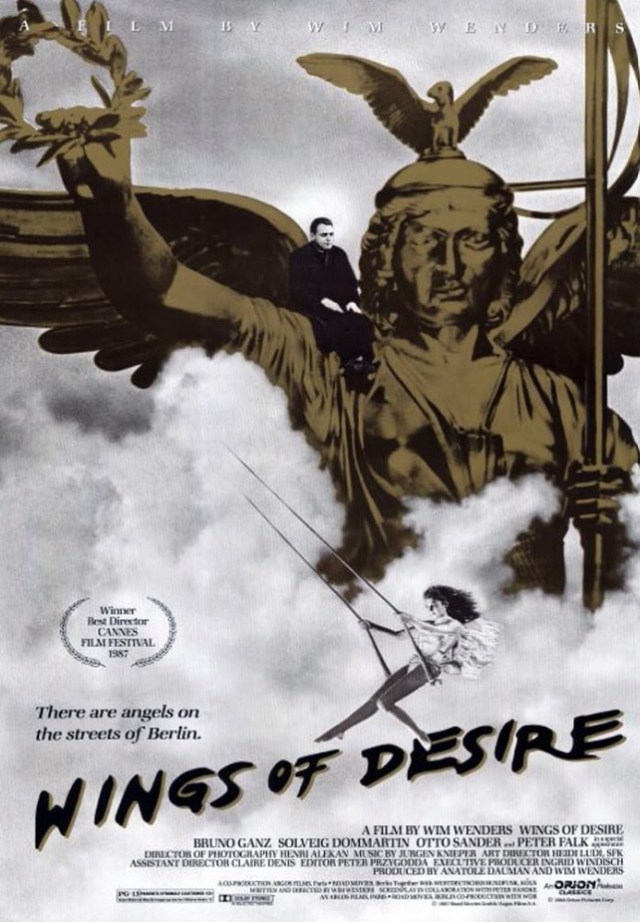








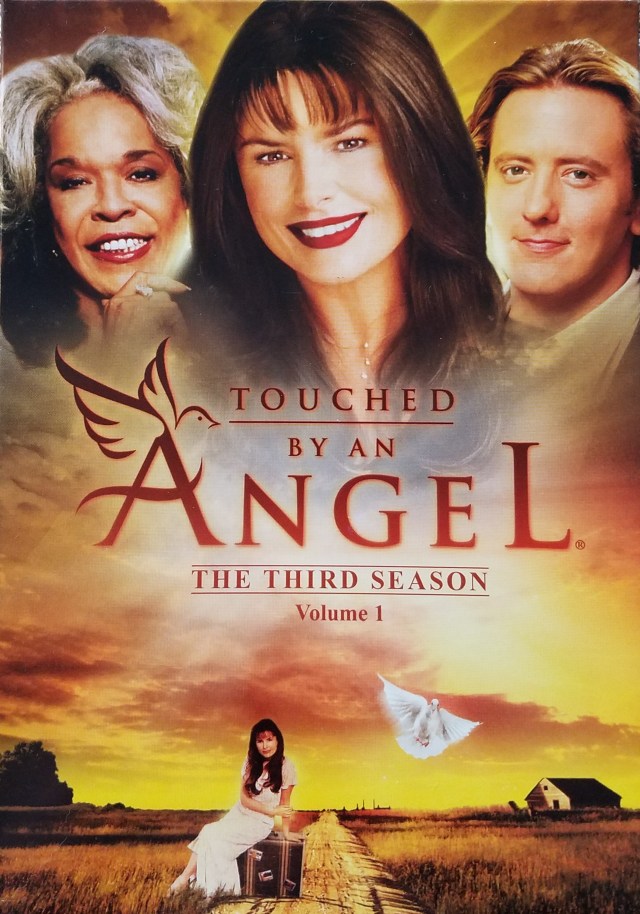



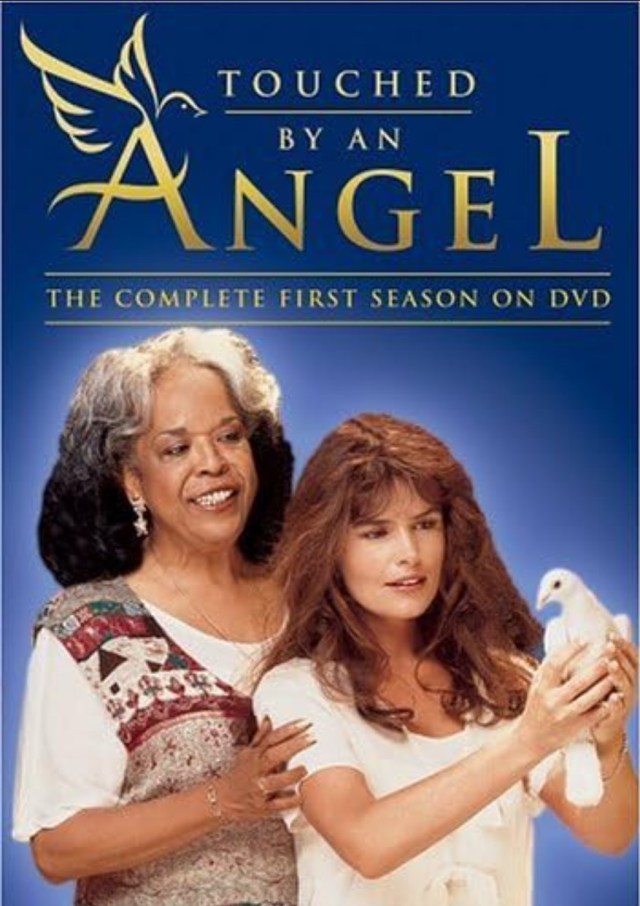



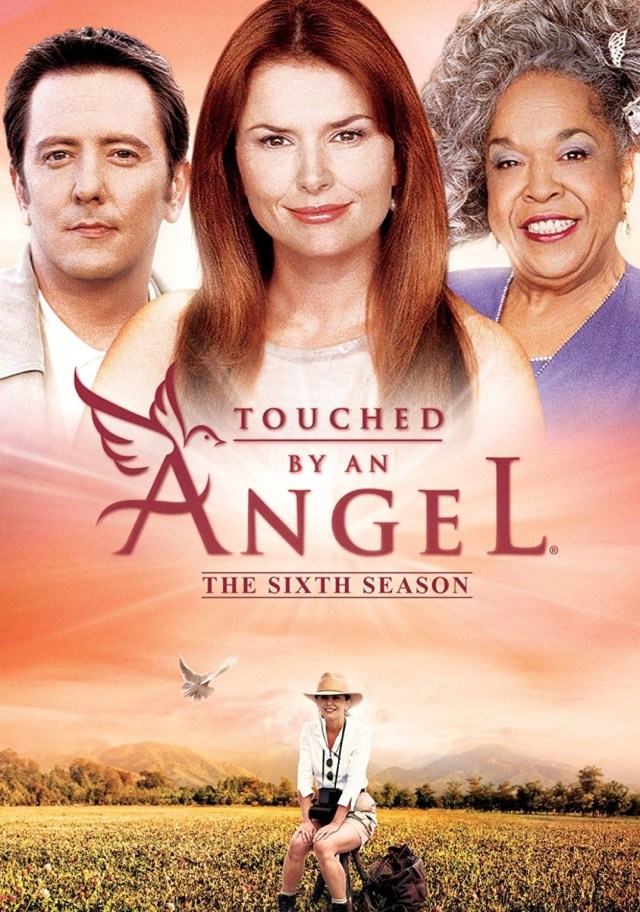


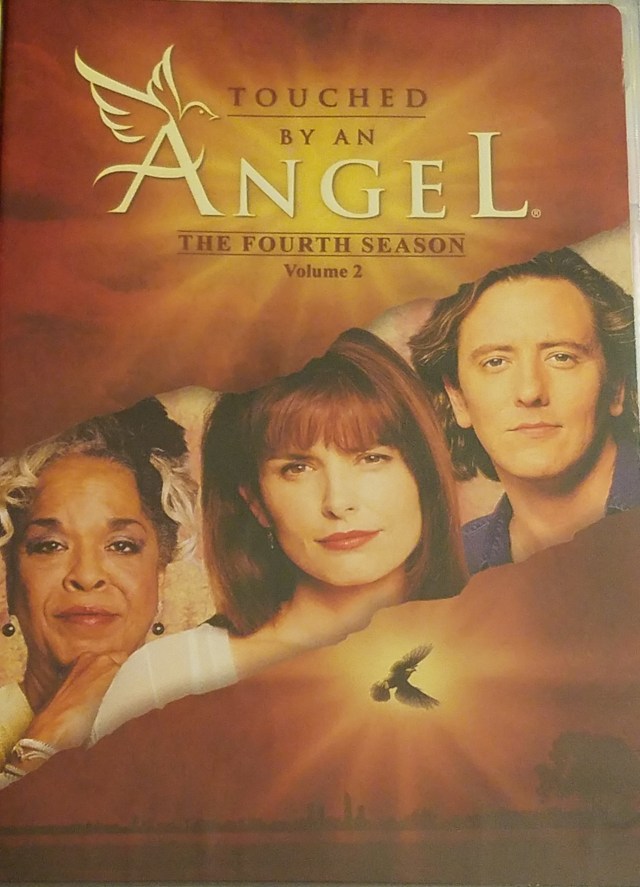




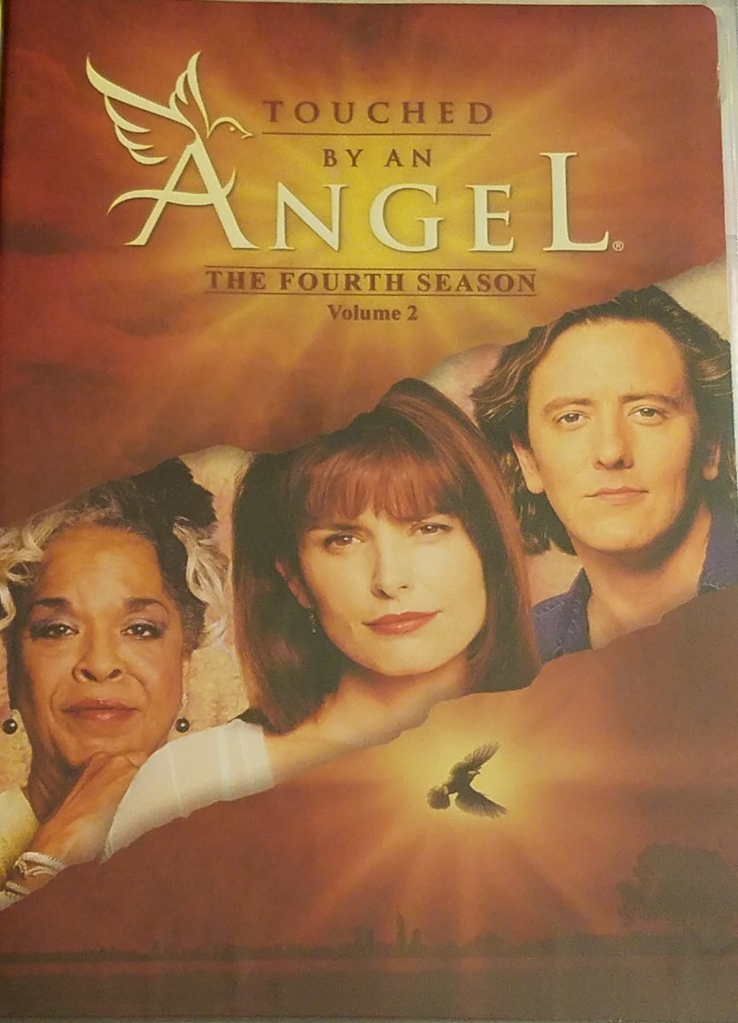

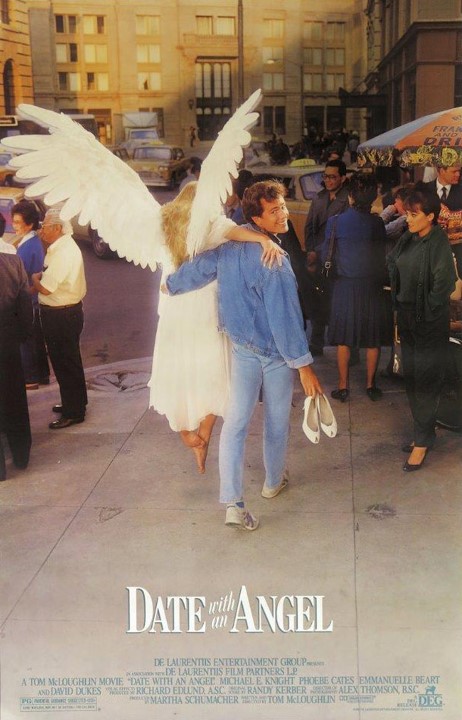


 18 Cinema Lane