As I looked at the blogathon schedule for the rest of 2025, I discovered how few events were announced. This includes my upcoming blogathon, The Food & Film Blogathon. Despite the limited amount of blogathons, I wanted to provide more blogathon related content to my readers. So, I have decided to participate in Genre Grandeur! I have written reviews for this year-long blogathon before. However, the last time I participated in Genre Grandeur was October 2023, when I reviewed Christmas at Castle Hart. With July’s theme being “Movies Featuring Weddings”, I knew there were a lot of options at my disposal. But I wanted to talk about a movie that was more off the beaten path. When I learned there was a Perry Mason film revolving around a wedding, I knew I found the perfect title! Some of the movies from the Perry Mason TV film series have been covered on 18 Cinema Lane. These pictures have received likable reviews, as I have enjoyed them to varying degrees. How will this film, Perry Mason: The Case of the Heartbroken Bride, compare to those other entries? Keep reading my review to solve this mystery!
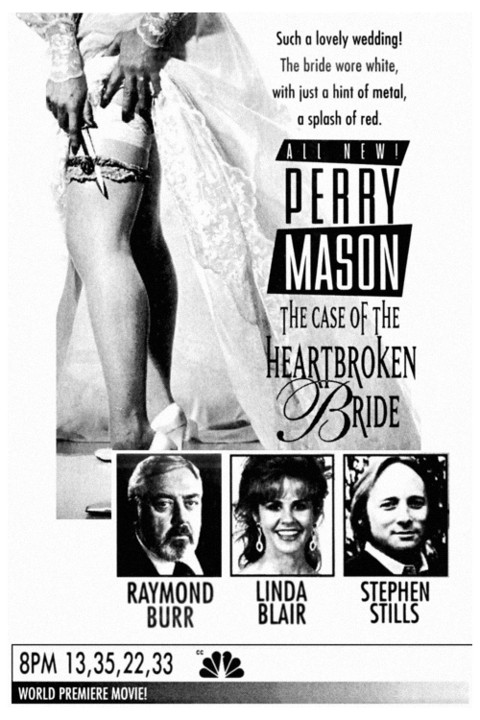
Perry Mason: The Case of the Heartbroken Bride poster created by Fred Silverman Company, Viacom Productions, Dean Hargrove Productions, National Broadcasting Company, and Viacom
Things I liked about the film:
Stand-out performances: In a mystery film, there is sometimes that one actor or collection of actors whose performance shines the brightest. That kind of performance came from Merle Kennedy, Brian McNamara, and Heather McAdam in Perry Mason: The Case of the Heartbroken Bride! The film’s titular bride is a pop star named Kaitlynn Parrish. From her style to her songs and even her dance moves, everything about Kaitlynn’s celebrity persona feels very Madonna-esque. But throughout the movie and also at the wedding, Kaitlynn’s personality is quite different. Heather McAdam portrays her character as a sweet, down-to-earth woman who hasn’t let fame and fortune get to her head. Instead of becoming a self-centered “bridezilla”, Kaitlynn shows concern for her dad’s legal situation. When Kaitlynn’s dad receives a phone call from a commissioner, the smile she had on her face as she walks into the room immediately melts into a look of worry. As she talks to her dad about the commissioner’s call, Kaitlynn’s tone of voice is filled with concern and there’s even a sad look in her eyes. She also suggests asking Perry Mason for help. Kaitlynn eventually goes back to appearing happy when her dad is in a better mood. Scenes like the one I described present a good example of how, sometimes, an entertainer’s real-life persona is quite different from what they present in the spotlight.
Brian McNamara portrays Sam Wald, a groomsman in Kaitlynn Parrish’s wedding. Merle Kennedy stars in the movie as Suzy Richards, a fan of Kaitlynn’s. What both Merle and Brian have in common is how their performance was charismatic! It also helps how their ability to adapt from scene to scene was effortless! Because of how strong Brian’s and Merle’s performance was, it allowed Sam and Suzy to be more intriguing. These elements made me look forward to seeing the characters appear on screen. I honestly wish Merle and Brian were given more material to work with in this movie.
The wardrobe: The Perry Mason TV movies are “contemporary” mysteries grounded in reality. This means the characters’ wardrobe not only runs the risk of appearing mundane, it also runs the risk of becoming overlooked. In Perry Mason: The Case of the Heartbroken Bride, however, some of the female characters’ wardrobe stood out to me. One of my favorite outfits appeared toward the beginning of the film. When Suzy is first introduced in the movie, she wears a red suede jacket with matching shiny red Doc Martin boots. Her outfit also includes a white shirt, black shorts, and black knee-high socks. My favorite piece was a black, cross-body purse with a silver buckle and silver corners. From what I could see, the purse looked like a mini trunk. The outfit I described was not only a great contrast from the other characters’ wardrobe, it also wonderfully represented Suzy’s personality! These results helped outfits like Suzy’s be memorable!
The set design: When I reviewed Perry Mason Returns and Perry Mason: The Case of the Lost Love, I talked about the set design as one of the strengths of both films. The exterior and interior of the highlighted spaces effectively visualized how well-off the characters are.Kaitlynn and her fiancé, Gary’s, wedding in Perry Mason: The Case of the Heartbroken Bride takes place in a large mansion. This mansion appears built out of warm-stone brick with cream borders around the windows and main door. To the left of the mansion is a multi-paneled cylinder, making the building look like a castle. With manicured foliage in front of the mansion, one might mistake the structure as a dream out of a fairytale! Later in the film, the office of a music producer named Jake Lubin is shown on screen. This space has a high ceiling, large windows, and a massive indoor balcony. Metal support pillars and frosted glass railings give the office a modern industrial style. Platinum and gold framed records represent Jake’s success as well as compliment the cream, silver, and gold color palette. Once again, the set design of Perry Mason: The Case of the Heartbroken Bride provided visual clues for the characters’ social status.
Lack of urgency: The Perry Mason television film series doesn’t rely on suspense or adrenaline. But the mysteries provide intrigue to keep the viewers invested in what’s happening on screen. The mysteries also provide characters with a sense of urgency, as they race against the clock to solve the case. However, Perry Mason: The Case of the Heartbroken Bride lacks that sense of urgency. Perry, Della, and even Ken meanderingly take their time building a legal case and questioning suspects. These characters act as if they don’t have a deadline or limited time frame to work with. This lack of urgency sometimes made the movie boring, as well as sucked the energy out of the story.
Things that don’t make sense: Ken Malansky suspects he’s being followed. Yet he doesn’t lock his car doors when he leaves his car to follow a lead at a music club. As Ken questions the music club’s owner, someone plants a recording device inside Ken’s car phone. When Ken eventually drives away from the music club, the car that was following him can clearly be seen through the front window of Ken’s car. That’s because the car following Ken was parked a few feet away from Ken’s vehicle. Decisions like Ken leaving his car doors open and ignoring the suspicious car created parts of the story that didn’t make sense.
Missed creative opportunities: My reviews for the Perry Mason TV movies have addressed the creativity each story had to offer. These creative choices helped give the movies a unique identity that was memorable. But Perry Mason: The Case of the Heartbroken Bride was a lackluster film because of the creative opportunities that were missed. Gary, Kaitlynn’s fiancé, has a sister named Hannah. After her music career failed, Hannah decided to pursue a legal career. She even tells Perry how she will soon take the bar exam. This career shift could have provided a subplot where Hannah either assists Perry in solving the case or where the script explores the concept of a celebrity taking their career in a different direction. Sadly, Hannah’s new career plan has little to no bearing over the story of Perry Mason: The Case of the Heartbroken Bride.
As I mentioned in my review of Perry Mason: The Case of the Heartbroken Bride, some of the female characters’ wardrobe stood out to me. There were outfits I really liked, with Suzy’s aforementioned introductory attire being one of them. But similar to what I said in the past about a film’s scenery, this movie’s wardrobe couldn’t save the film. Out of the titles from the Perry Mason TV movie series I’ve seen and even reviewed, Perry Mason: The Case of the Heartbroken Bride was an under-cooked and uninspired entry. While there were stand-out acting performances, they weren’t truly given a chance to shine. That’s because the actors’ respective characters did not have consistent enough appearances in the story. The movie featured so many creative opportunities that were missed, not allowing the story to be memorable or unique. It also doesn’t help that the picture lacked a sense of urgency. With any movie series boasting over ten titles, there’s going to be at least one “bad day at the office”. Perry Mason: The Case of the Heartbroken Bride was one of those days for the fictional detective.
Overall score: 5 out of 10
Have you seen Perry Mason: The Case of the Heartbroken Bride? Are there any films from the Perry Mason television movie series you’d like to see me review? Let me know in the comment section below!
For this year’s blogathon, I had several potential topics within my reach. But as I sifted through those topics, my mind kept going back to one particular thought. There hasn’t been a time when film and food were not associated with one another. Think about it; have you ever been to a movie theater without a concession stand? Does your favorite movie feature a scene where characters share a meal together? Is the grey stuff from Beauty and the Beast truly edible? Food and film have been joined in a matrimony for many years, with this marriage taking on various forms. To celebrate this union, I am hosting the Food & Film Blogathon! While food themed movies typically come to mind, there is so much more to this theme. Here are some other ideas for those interested in participating in my event:
The Food & Film Blogathon banner created by me, Sally Silverscreen. Original pictures found on IMDB.
Food-related movie promotions
The relationship between movies and the concession stand
Favorite meals from movies
Dinner & a Movie (either the show or the concept)
Recipes of meals from movies or associated with movies
Movie related food products (lunchboxes, reuseable cups, etc.)
Movie scenes involving food
Dine-In Theatres
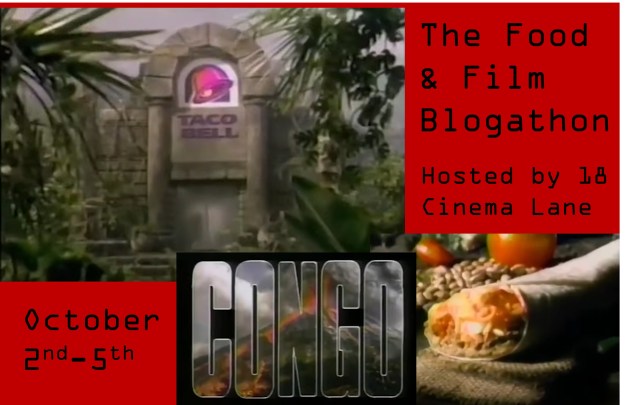
The Food & Film Blogathon banner created by me, Sally Silverscreen. Original pictures found in the video, “A Look at Bizarre Movie Tie-In Restaurant Foods”, from the Youtube channel, Seeker of The Lost.
If you’re joining The Food & Film Blogathon and found an idea you’re interested in writing about, please read the event’s official rules.
Please be respectful to the other participants and your chosen topic
Only new entries will be accepted
Participants can publish a maximum of three entries
Because of how broad this blogathon’s subject is, no duplicates are allowed
Creativity and fun are encouraged
Entries must be submitted between October 2nd-5th
If you plan on publishing your entry before or after the blogathon, please let me know as soon as possible
Share your entry idea in the comment section below!
Feature one of the four blogathon banners anywhere in your entry
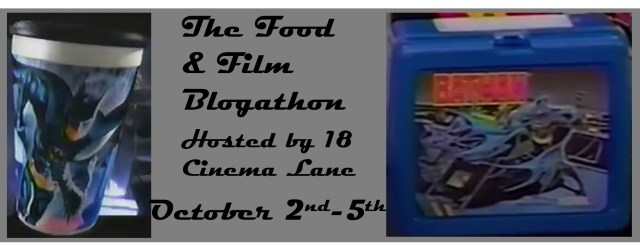
The Food & Film Blogathon banner created by me, Sally Silverscreen. Original pictures found in the video, “Fast Food Movie Tie-Ins and the History of the Summer Blockbuster!”, from the Youtube channel, PNP Videocast.
Participants of The Food & Film Blogathon
— Sally from 18 Cinema Lane — (Editorial) Fixing Food Related Movie “Gimmicks”
— Rebecca from Taking Up Room — (Movie Review) Burnt (2015)
— Le from Crítica Retrô — (Movie Review) Tampopo (1985)
— Ruth from Silver Screenings — (Movie Review) If You Could Only Cook (1935)
— Hamlette from Hamlette’s Soliloquy — (Movie Review) Chocolat (2000)
— Quiggy from The Midnite Drive-In — (Movie Reviews) Attack of the Killer Tomatoes! (1978) and Attack of the Killer Donuts (2016)
— Virginie from The Wonderful World of Cinema— (Editorial) The Use of Food in Hitchcock Films
— Chloe the MovieCritic from Movies Meet Their Match — (Movie Review) Kung Fu Panda (2008)
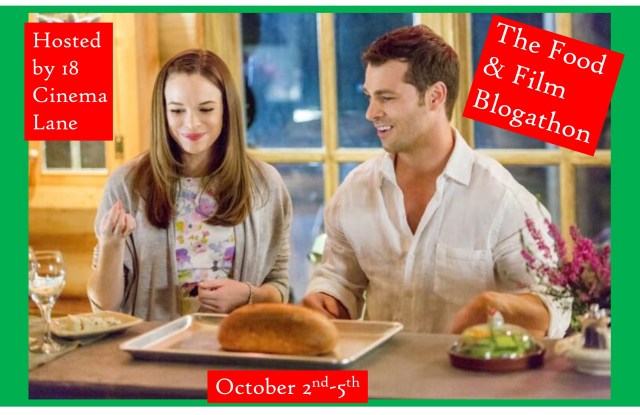
The Food & Film Blogathon banner created by me, Sally Silverscreen. Original picture found on IMDB.
Out of all the awards I’ve been nominated for, the Sunshine Blogger Award is the one I’ve received the most. My recent nomination from Maddy (of Classic Film And TV Corner) is now my 14th nomination! As with past Sunshine Blogger Awards, I will answer the eleven questions Maddy provided to the nominees. Then, I will nominate eleven bloggers and give them eleven new questions. Before I begin this award post, I’d like to thank Maddy for this nomination of the Sunshine Blogger Award!
For me, it wasn’t just one film. It was actually having access to so many classic films through Turner Classic Movies. When it comes to the channel’s catalog, Turner Classic Movies has premiered a variety of titles; from the iconic pictures to the lesser known tales. In fact, I discovered movies such as Bedlam, Tommy, and A Little Romance because of Turner Classic Movies!
2. What are your top 5 Westerns from the classic era?
Sadly, I don’t have an answer for this question. That’s because I don’t watch movies from the Western genre consistently enough to choose top five favorites. This is definitely a sign I need to review more Western films.
3.Favourite British film from the 1940’s?
This is another question I don’t have an answer for. Similar to what I said about Western films, I don’t watch 1940’s British movies regularly enough to choose a favorite. But I do need to check out more titles so I can, one day, have a go-to film.
4. A director whose work you haven’t seen or need to see more of?
Though not a director, Joe Pasternak has produced two films I liked; Anchors Aweigh and The Unfinished Dance. But I realized while looking through his filmography how I haven’t seen many of his projects. It seems like he produced a lot of musicals. So, if I’m in the mood to write about a musical film, I want to seek out more of Joe Pasternak’s titles!
5. Is there a film that you felt was improved in a director’s cut release?
Five years ago, I wrote an editorial about the Tim Pope Cut of The Crow: City of Angels. In that editorial, I explained what the Tim Pope Cut is and provided reasons why it should be released. As of late June, 2025, there has been no official word on the Tim Pope Cut’s fate. But if it was released, The Crow: City of Angels would be improved from its theatrical cut, as it would restore the creative team’s original vision.
6. If you were teaching a classic film course which ten films would you show to the students and why?
— The Bodyguard (1992) – Subjects would include how to write a timeless story, seamlessly blending genres, creating creative action scenes, and curating movie soundtracks
— Ben-Hur (1959) – Subjects would include how to use cinematography to a story’s advantage, incorporating religion/faith into a script, constructing set design, and the importance of location scouting
— Singin in the Rain (1952) — Subjects would include how to form strong camaraderie between characters, crafting creative musical numbers, exploring cinematic history through film, and discussing musicals from the Breen Code era
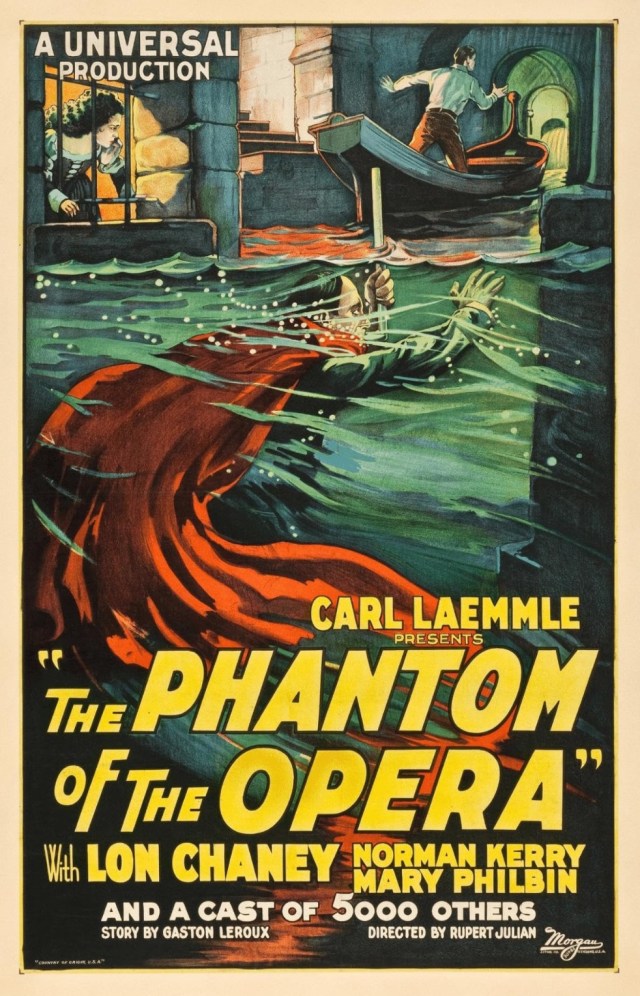
— The Phantom of the Opera (1925) — Subjects would include how using film can expand the nature of storytelling, utilizing make-up to enhance characters, the importance of film preservation and restoration, and exploring the history of the Silent Film era
— Lawrence of Arabia (1962) — Subjects would include how to effectively use architecture in a story, exploring World War I through film, how scenery can visually enhance a movie, and discussing what makes a strong acting performance
— To Kill a Mockingbird (1962) — Subjects would include how to effectively use suspense in storytelling, the dos and don’ts of adapting literature, comparing and contrasting the legal system in To Kill a Mockingbird to other pieces of entertainment media, and how strong acting performances can bring a sense of realism to a film
— Nosferatu (1922) — Subjects would include how to tell a story without utilizing dialogue, using music to elevate scenes, exploring the early history of the horror genre, and the importance of strong on-screen chemistry
— Hallmark Hall of Fame’s A Tale of Two Cities (1980) — Subjects would include exploring the history of Hallmark Hall of Fame, an analysis of made-for-television movies, how to manage a film’s run-time wisely, and creating an immersive world through attention to detail
— Jurassic Park (1993) — Subjects would include how to use CGI wisely, why including a “Voice of Reason” is important, discussing cinematic trends of the 1990s, and exploring the evolution of “nerds” in pop culture
— Toy Story (1995) — Subjects would include the history of 3-D animation, different styles of animation in the 1990s, creating stories from simplistic ideas, and how to create a theme song for your movie
The Bodyguard poster created by Tig Productions, Kasdan Pictures, and Warner Bros. Pictures
7. If you could work in the film industry in any capacity what role would you want and why?
Definitely the preservation/restoration department! I’ve mentioned before how I find the subject of “lost media” fascinating. For every released movie from any given studio, there are likely three films that are either “lost” or “partially lost”. Through the aforementioned department, I would try to restore as many “lost” or “partially lost” films as possible. Therefore, consumers would have more movie options!
8. Which film stunt do you think most deserved an Academy Award?
When I wrote an editorial about The Bodyguard, I talked about “the kitchen scene”. This scene shows two bodyguards fighting in a kitchen due to a miscommunication. As I explained in my editorial, “the kitchen scene” utilizes elements not often incorporated in action scenes. No dialogue or music is included, forcing the audience to give their undivided attention to the events happening on-screen. The kitchen itself is seen by the actors as a challenge, due to the space being smaller. Not only does the fight choreography make good use of this space, it’s also clean, precise, and filled with adrenaline. In my opinion, “the kitchen scene” is the best scene from any action movie. With everything I said, I wish this scene was, at least, nominated for an award.
9. Favourite musical from the 1950’s?
Out of all the musicals from the 1950s I’ve reviewed, I’ll choose Singin in the Rain and The King and I! While both films have good musical numbers, they each have other qualities I liked. Some examples include the costume design from The King and I and the strong camaraderie between the characters in Singin in the Rain.
10. What are your top 10 Noir films?
The noir genre is infrequently covered on 18 Cinema Lane. But out of the films I reviewed, I did like Gaslight, The Big Sleep, Cry Wolf, Strangers on a Train, and Bedlam.
11. Which actor who never won an Academy Award do you think deserved one the most?
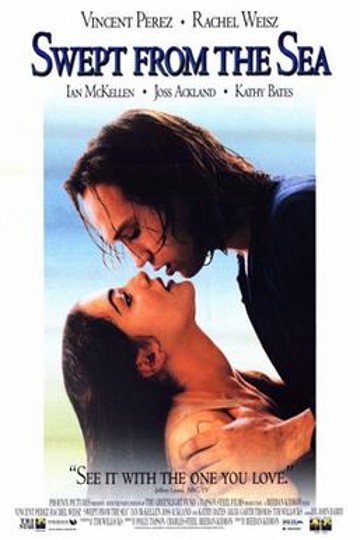
Anyone who has followed 18 Cinema Lane long enough will know Swept from the Sea is one of the best films I ever reviewed. Vincent Perez’s portrayal of Yanko is one of the reasons why I like this movie. As I said in my Swept from the Sea review, Vincent gave a captivating performance that was both heart-warming and heart-breaking. Through the use of emotion, he was able to say so much without saying anything at all. The on-screen chemistry between Vincent and Rachel Weisz was strong, which made Yanko and Amy’s relationship feel genuine. Plus, Vincent is one of the few actors I know of who can flawlessly pull off a Russian accent. The fact Swept from the Sea didn’t seem to be included in the awards discussion was, in my opinion, a missed opportunity. So, it’s a shame Vincent wasn’t, at least, nominated for his performance.
Swept from the Sea poster created TriStar Pictures, Phoenix Pictures, and Tapson Steel Films. Image found at en.wikipedia.org/wiki/File:Sftspost.jpg
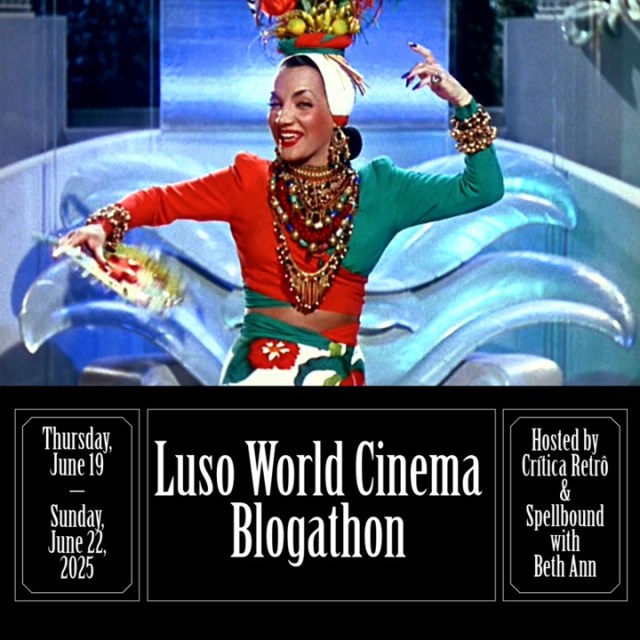
Have you ever associated a particular actor with a specific movie or television show? For me, Jasmine Guy comes to mind every time I think of Touched by An Angel! In the earlier seasons of the show, Jasmine guest starred as an antagonist named Kathleen in three episodes. For the Luso World Cinema Blogathon, I decided to review these episodes of the show! According to Beth, one of the hosts of the event, Jasmine’s mother is Portuguese-American and her father is African-American. As I was looking for a topic to write about for the blogathon, I remembered seeing Jasmine’s name on a list of American film people with Portuguese heritage, which caused me to think about when she guest starred on Touched by An Angel. When Beth welcomed me as a Luso World Cinema Blogathon participant, I received another opportunity to review more Touched by An Angel episodes! Like my past reviews of television episodes, I’m going to discuss what I liked about the episode, what I didn’t like about the episode, the story itself, the other factors from the episode, and my overall thoughts. Now, let’s begin discussing Jasmine Guy’s Touched by An Angel episodes!
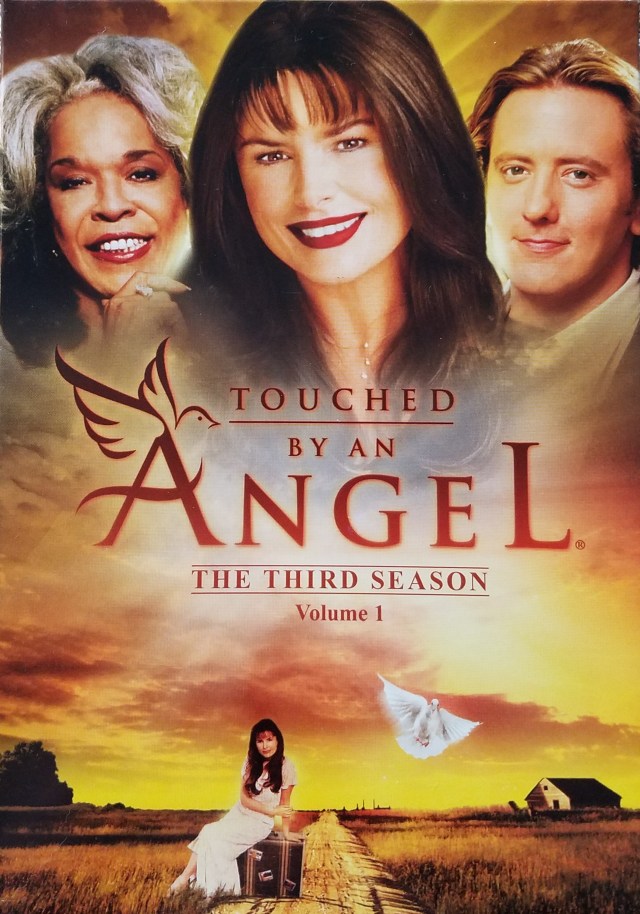
Touched by An Angelseason two poster created by CBS Productions, Caroline Productions, and MoonWater Productions
Episode Name: Sympathy for the Devil
Season 2, Episode 3
Premiere Date: October 7th, 1995
What I liked about this episode:
This episode of Touched by An Angel, “Sympathy for the Devil”, is where Kathleen makes her official debut. When she steps out of the truck at the fairgrounds, Jasmine Guy’s charisma already bursts off the screen! Her portrayal of Kathleen was so expressive. This made Kathleen’s interactions with other characters captivating to watch, especially when she crossed paths with Monica. Jasmine even brought some sass to her character, which helped Kathleen’s personality stand out. While watching this episode, I actually looked forward to seeing Kathleen appear in a scene. That’s because it meant I got another chance to see Jasmine’s strong acting performance!
What I didn’t like about this episode:
A conflict in “Sympathy for the Devil” is the fall out of Kathleen and Monica. Before this episode, they were best friends. But they grew apart when Kathleen turned to the “dark side” and Monica received her promotion as a case worker. This was an interesting story, especially since it dealt with a realistic conflict of friends growing apart and going their separate ways. Unfortunately, it became overshadowed by the episode’s main story of a father coming back into his son’s life. This was caused by the lack of balance between the plots in “Sympathy for the Devil”. Because both stories were strong, I wish they were placed in their own episodes.
The story itself:
Like I just mentioned in this review, “Sympathy for the Devil” contains two stories. The main story is about a father coming back into his son’s life, seeking forgiveness and redemption. The episode’s subplot revolves around the fall out between Monica and Kathleen. Monica’s mission is to reunite the father and son, helping them heal from years of heartache. Meanwhile, Kathleen wants to keep the son and father apart, just for the sake of causing chaos. As I already mentioned in my review, both stories were strong. Due to the lack of balance between these plots, though, it would have been more beneficial to put these stories in their own episodes, so they wouldn’t have to compete for screen-time. Without spoiling “Sympathy for the Devil”, I will say something happens in this episode that made me wonder why Andrew wasn’t introduced on Touched by An Angel sooner? While Andrew made his official debut in the show’s second season, it wasn’t until the twelfth episode, “The One That Got Away”.
The other factors from this episode:
During one of their confrontations, Ty Duncan (portrayed by Stacy Keach) calls his son “Chicken Boy”. Though it was intended to be an insult one takes seriously, I, personally, found it goofy. So, every time a character said “Chicken Boy”, I would burst out laughing. This is one of the most unintentionally funny moments I’ve seen on Touched by An Angel!
Matt Duncan (portrayed by Robert Kelker-Kelly) owns and operates a local fairground. His son, Daniel, admits his dad doesn’t like rodeos. Yet Matt agreed to host the fairground’s first rodeo despite his dislike. When he meets Monica, Matt confesses how he didn’t know a veterinarian needed to be on the premises at all times. I’m aware that the internet in 1995 was not as expansive as today’s internet. However, if Matt had little knowledge of how to host a rodeo, there were other resources at his disposal, especially considering his fairgrounds were located in Texas.
The purpose of Monica and Kathleen’s subplot was to address the battle of good vs. evil. While this was an interesting theme to include in this episode, I wish the backdrop had elaborated on this theme. Ty Duncan comes to the rodeo because he wants to ride his two thousandth bull. Daniel even dreams about riding a bull because of his grandfather. The sport of bull-riding could have provided symbolism for evil being conquered by the hero. But because bull-riding was simply presented as bull-riding, I found this a missed opportunity to connect one of the story’s themes to the background.
My overall thoughts:
When it comes to the introduction of new cast members or characters on television shows, the ultimate goal is to leave a good first impression. If this goal is achieved, those cast members could become series regulars and their characters may become popular. In the Touched by An Angel episode, “Sympathy for the Devil”, Kathleen was given a strong introduction. This is because Jasmine Guy’s performance was one of the best parts of the episode! Jasmine helped create a character that was captivating to watch, especially when Kathleen was interacting with other characters. I, honestly, wish Jasmine had been nominated for an award for her portrayal of Kathleen! As for the rest of the episode, I thought it was just fine. Even though both stories were strong, I think they should have been placed in their own episodes, so they wouldn’t need to compete for screen-time. I also believe the theme of good vs. evil should have been elaborated by the story’s backdrop. Looking back on “Sympathy for the Devil”, I wish Andrew had been introduced on Touched by An Angel sooner. If he had made his introduction in this episode, I wonder what job Andrew would have received at the fairground?
Rating: A 3.5 out of 5
White horse image created by Gabor Palla at freeimages.com. “FreeImages.com/Gabor Palla.”
In the Touched by An Angel episode, “Lost and Found”, Frank falls in love with Kathleen. Despite Kathleen providing Frank with a “false impression of love” (according to Monica), the story presents moments where their relationship feels honestly genuine. This is because the on-screen chemistry between Jasmine Guy and Bill Nunn was so sweet, they sold the concept of Kathleen and Frank being compatible, under different circumstances. It was almost easy to forget that these characters were not supposed to fall in love, as a result of the effective on-screen chemistry. Jasmine’s and Bill’s performance also worked in the on-screen chemistry’s favor. Unlike “Sympathy for the Devil”, Jasmine added a tender sweetness to Kathleen’s personality, allowing Kathleen to carry her charade. Bill consistently gave his character, Frank, a kind-hearted selflessness, which drove Frank to always help those in need.
What I didn’t like about this episode:
When I talked about what I didn’t like about “Sympathy for the Devil”, I explained how the overshadowing of Monica and Kathleen’s fall out was the result of a lack of balance between the episode’s plots. “Lost and Found” has the same flaw. There are two plots in this episode of Touched by An Angel: the relationship between Frank and Kathleen and the search for missing children. The first plot was actually interesting. If written differently, it could have had a conflict similar to the intended conflict of The Crow: City of Angels; where Kathleen must choose between remaining in the angelic world or becoming mortal in the name of love. The second plot, about the missing children, was also interesting, giving the characters a mystery to solve. But “Lost and Found” placed more emphasis on the missing children plot. The lack of balance between these two plots sometimes made me wonder what happened to Kathleen, as she would be absent for periods at a time. With both plots being strong, they should have existed in their own episodes. This way, they wouldn’t need to compete for screen-time.
The story itself:
Like I just mentioned in my review, there are two plots in “Lost and Found”, the search for missing children and the relationship between Frank and Kathleen. These plots are interconnected, as Frank himself provides the thread that keeps them together. As a policeman, Frank tries to help a missing boy return home. Yet he is haunted by the disappearance of another child. Kathleen uses her charade of love to disguise her true intentions; exploiting Frank’s trauma. The union of these stories express how the job of rescuing children can sometimes take its toll. Similar to “Sympathy for the Devil”, Monica must stop Kathleen from spreading evil and causing chaos. But unlike that episode, “Lost and Found” gives Andrew a reason to become involved in the story. Andrew’s job at the Center of Missing Children is with the computer department. Though his real assignment is guiding deceased children to Heaven. Andrew explains to Monica how he takes his role as “Angel of Death” very seriously. During their conversation, however, the bleakness of some children’s fate causes Andew to appear as if he’s about to cry. Andrew’s emotional response reenforces what I said earlier about the job of rescuing children sometimes taking its toll. From time to time, Touched by An Angel incorporates at least one plot twist into a given episode. While there is a plot twist in “Lost and Found”, I already knew what it was because I have seen this episode before. Therefore, it wasn’t as impactful as it was when I first saw the episode.
The other factors from this episode:
When I talked about the story of “Lost and Found”, I mentioned Andrew’s real assignment was guiding deceased children to Heaven. This part of the story addresses the sad reality some families of missing children face. There’s even a scene where Andrew helps a missing girl who just passed away. However, the dialogue between the girl and Andrew is subtle, giving the audience some time to figure out what is going on. Even the interaction between Andrew and the girl is friendly, with the girl expressing no fear over her situation. The combination of acting, screenwriting, and also the lighting acknowledges the bleakness of the moment without making the scene itself bleak.
Frank has a scrapbook of all the missing child cases he’s worked on. As he explains to Kathleen, the articles he collects are pieces of darkness he cuts out and traps into the scrapbook. Frank consistently does this to protect his soul, as he confesses how he doesn’t look back at the scrapbook once he adds another article. In entertainment media, scrapbooks have typically been portrayed positively. These books are collectors of good memories or visual time capsules. So, the way a scrapbook was written into “Lost and Found” was not only creative, but gave the episode a unique identity as well.
A janitor from a local mall wants to provide information on a missing child case. However, he’s nervous about going to the Center of Missing Children because he doesn’t know if what he saw and heard will truly help rescue the missing child. Tess gives the janitor some words of encouragement, saying, “ “If” is the saddest word in the history of language”. Tess’s conversation with the janitor emphasizes how worrying about “ifs” can sometimes take away the courage to make a difference and reach achievements. Tess’s motherly guidance and headstrong wisdom helped make this scene one of the most heart-warming in “Lost and Found”!
Some scenes in “Lost and Found” took place in Frank’s apartment. One of the items in his apartment is a large fish tank. The fish tank was placed on a metal shelf with wheels. A top shelf appeared to make opening the fish tank’s lid difficult. Anytime I’ve seen large fish tanks like Frank’s in entertainment media, they have been placed on their own stands. The lids have looked accessible, so the tank can be opened for cleaning or feeding the fish. With everything I said, Frank’s fish tank was one of the most questionable design choices I’ve ever seen on a television show.
My overall thoughts:
Touched by An Angel is both a heart-warming and heart-breaking show. There are times when the script doesn’t shy away from the world’s saddening truths. But there are also times when moments are up-lifting and inspiring, sharing valuable lessons with the characters and audience. “Lost and Found” is a perfect example of how the show can be joyful and sorrowful at the same time. The script addresses how searching for missing children doesn’t always have a happy ending. However, positive moments like Tess encouraging the mall janitor to speak up prevent the episode from becoming too “doom and gloom”. The stories of the missing children and Frank’s relationship with Kathleen were both interesting. Though I wish these stories were placed in their own episodes, to prevent them from competing for screen-time. The on-screen chemistry between Bill Nunn and Jasmine Guy was such a pleasant surprise, due to how sweet it was. Andrew was even given a reason to become involved in “Lost and Found”, as he was able to help in various ways. I have seen this episode before, so the plot twist wasn’t as impactful during the second viewing. Despite this, though, I found “Lost and Found” to be a decent episode.
It’s such an interesting coincidence how, prior to this review, I had only reviewed one Touched by An Angel from season three. Screenshot taken by me, Sally Silverscreen.
Episode Name: Clipped Wings
Season 3, Episode 18
Premiere Date: February 16th, 1997
What I liked about this episode:
Because this episode of Touched by An Angel revolves around Monica receiving an evaluation for her angelic work, the story takes place within an office building. Despite the limited use of locations, there were two examples of set design I really liked! For about half of the story, Monica mistakenly waits for the start of her evaluation in the waiting room of a psychiatrist’s office. This waiting room was one of the bougiest waiting rooms I’ve ever seen in the history of entertainment media! From marbled pillars and floor to the designer-esque furniture and even a giant cappuccino maker, this space did a convincing job at looking like Heaven on earth. Later in the episode, Monica must meet with the Angel of Angels. His office consisted of warm wood walls, an impressive wood desk, and complimentary blue carpet. Even the large fish tank had its own wooden cabinet, matching the wood of the walls and desk! The Angel of Angels’ office boasted a very masculine style, yet looked classy at the same time. I wish more scenes had taken place in this space.
What I didn’t like about this episode:
As I’ve stated in the introduction of this article, Jasmine Guy’s portrayal of Kathleen is the reason why I chose to review these episodes of Touched by An Angel. So, you can imagine my disappointment when, in this episode, Jasmine only appeared in four scenes. Compared to “Sympathy for the Devil” and “Lost and Found”, her acting talents in “Clipped Wings” were underutilized. This was led by the creative team’s decision to prioritize “Monica’s greatest hits”, showing clips from previously aired episodes. There were times while watching this episode of Touched by An Angel where I found myself wondering why Kathleen was even written into the story in the first place? Though Kathleen appeared in “Clipped Wings” for a reason, I think Jasmine should have received more screen-time.
The story itself:
As beloved as The Golden Girls have become over the years, that show is infamous for one creative choice: the “clip episode”. A typical “clip episode” of The Golden Girls focuses on the four protagonists sitting around the kitchen table and reminiscing over moments that took place in previous episodes. The Touched by An Angel episode, “Clipped Wings”, took a page from The Golden Girls’ playbook, devoting about 80% of the story to presenting clips of episodes airing before February 16th, 1997. Like I mentioned when I talked about what I didn’t like this episode, the creative team prioritized “Monica’s greatest hits”. Even though the script contained an original story involving Kathleen and another angel named Ruth, this part of the story was featured for only about 20% of the episode. These creative decisions were disappointing, especially since “Clipped Wings” commemorated Monica’s completion of fifty cases.
The other factors from this episode:
When I discussed the story of “Clipped Wings”, I mentioned how about 80% of the story was devoted to presenting clips of episodes airing before February 16th, 1997. In some of these clips, Tess reminds Monica how she shouldn’t take the “easy way out”. I found the inclusion of this advice ironic, as the decision to make “Clipped Wings” a “clip episode” seems like an “easy way out”, especially after watching (and reviewing) “Psalm 151”. I don’t know if this moment of self-awareness was intentional or coincidental. However, I wish the show’s creative team took Tess’s advice and gave this episode a stronger, more creative story.
One of the conflicts in this episode is Monica running late for her evaluation meeting. During the meeting, as Tess and Andrew discuss Monica’s flaws with Ruth, they remember how Monica has a history of misunderstanding directions. This realization helps Tess discover Monica’s reason for her tardiness. If Tess knew misunderstanding directions was a problem for Monica, why didn’t she come to the aforementioned conclusion sooner? Also, why didn’t Tess encourage Andrew to go look for Monica before the meeting started?
As I just mentioned in this review, Monica is late for her evaluation meeting. This mistake leads Ruth to enforce consequences. When Andrew and Tess object to Ruth’s decision, Ruth declares how Monica is now on her own. But for about half of this episode, Monica was on her own, seeming to be perfectly fine. I’m not sure if this moment of self-awareness was coincidental or intentional. However, I believe Ruth should have given Monica some grace and understanding.
My overall thoughts:
Whether a birthday or an anniversary, a 50th year is considered “golden”. From cake toppers to snowglobes, even pieces of art, the shiny metal has become a prize to be won in the journey of milestones. But when it comes to the Touched by An Angel episode, “Clipped Wings”, the show’s creative team missed a “golden” opportunity to commemorate Monica’s milestone of completing fifty cases in a more meaningful way. Unlike “Psalm 151”, where the script prioritized a unique story with its own set of conflicts and resolutions, “Clipped Wings” followed in The Golden Girls’ footsteps by emphasizing clips from previous episodes. This creative decision caused the original story involving Kathleen and Ruth to be overshadowed. Another missed opportunity was not giving Maureen McCormick’s character, Jodi, a larger role in the story. Other disappointing creative decisions include not showing James Earl Jones on-screen, underutilizing Jasmine’s acting talents, and the show’s creative team not taking Tess’s advice. Out of the Touched by An Angel episodes reviewed on 18 Cinema Lane, so far, “Clipped Wings” is my least favorite.
Rating: A 2.5 out of 5
Since I’m reviewing some episodes of Touched by An Angel, I figured including this screenshot would make sense. Screenshot taken by me, Sally Silverscreen.
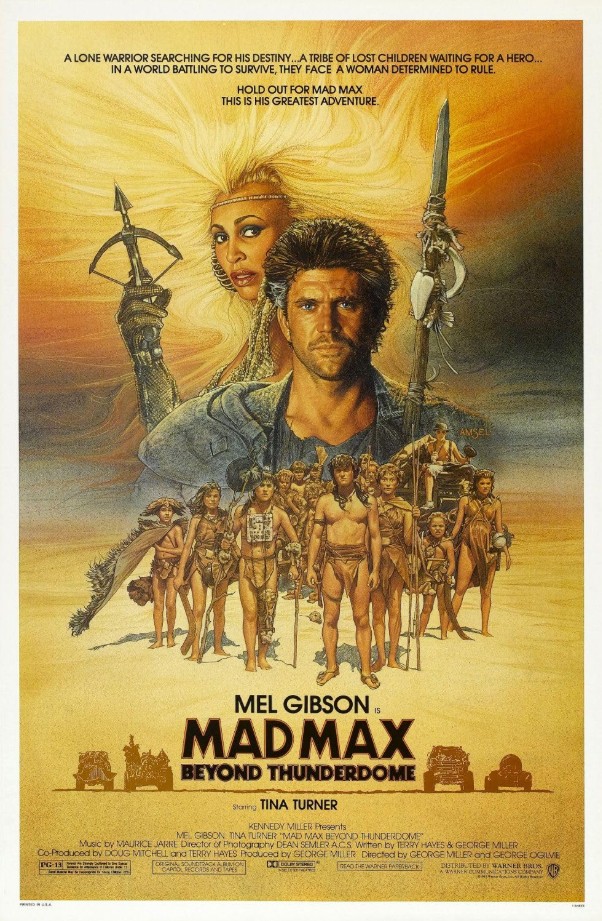
In my Comparing with the Critics review of Amadeus, I mentioned the Falco song, “Rock Me Amadeus”, being one of the reasons why I was intrigued to review the movie. I actually have a similar experience with Mad Max Beyond Thunderdome. Every time I think of this film, I think of the Tina Turner song, “We Don’t Need Another Hero (Thunderdome)”. This is an ironic coincidence, as “We Don’t Need Another Hero (Thunderdome)” and “Rock Me Amadeus” were released in 1985. Another ironic coincidence is how, for the Comparing with the Critics series, I, once again, selected an ‘80s film both Roger Ebert and Gene Siskel liked. Though Mad Max Beyond Thunderdome only appeared on Roger’s list of the top ten best films of 1985, each critic gave the movie a thumbs-up when they reviewed it on an episode of At The Movies. Before this Comparing with the Critics review, I had never seen any of the Mad Max movies, let alone Mad Max Beyond Thunderdome. Therefore, I couldn’t agree or disagree when Roger stated that Mad Max Beyond Thunderdome was “the best of the Road Warrior movies” or when Gene declared it was “a great, violent, fun picture”. Now that I have seen the film, I can honestly say I don’t agree with Gene’s and Roger’s praise. It’s not that Mad Max Beyond Thunderdome is a bad movie, I just didn’t like or love it as much as the critics did.
While sharing his opinion on Mad Max Beyond Thunderdome in an episode of At The Movies, Gene complements the directors, George Miller and George Ogilvie, as both of them “successfully creates a complete alien world on film”. To add to Gene’s statement, Roger commented how the film’s “world is as rich as Casablanca or as rich as Oz”. I admit one of the strengths of Mad Max Beyond Thunderdome was its set design, as the movie’s creative team presented an atmosphere that felt immersive! One of the conflicts in the story is Max battling in a duel against a character named Blaster, in order to retrieve his stolen items. They fight within the titular Thunderdome, a circular caged structure built out of steel-like material. What adds to the scene’s immersion is the medium and close-up shots captured within the Thunderdome. The combination of these creative choices helps the audience feel like they are right in the middle of the excitement! Even the sign advertising the Thunderdome is a blend of color, light, and dirt. This specific prop captures the thrill of the dueling action while also consistently displays the film’s aesthetic.
As I said in this review’s introduction, Mad Max Beyond Thunderdome ended up on Roger’s list of the top ten best films of 1985. One of his reasons was how he “was overwhelmed by the wealth of new ideas they came up with in the third picture”. Specifically speaking about Max and Blaster’s aforementioned duel, Roger explains how this scene presents two new ideas; “a new place to put the audience, which is over the top of the dome, and a new way to fight by putting the people on elastic bands so they have a three or a four dimensional, if you will, fight instead of regular punching it out”. Adding to Roger’s explanation, both Max and Blaster were given more freedom to move around the Thunderdome because of their elastic harnesses. While there was fist-fighting in the duel, flips and large jumps were incorporated in the fight choreography. Blaster and Max were presented with a variety of weapons, which added to the duel’s unpredictability. It also shows how the duel itself was a battle of strategy. This scene is definitely one of the most memorable from Mad Max Beyond Thunderdome!
Back to 1985 Blogathon banner created by Quiggy from The Midnite Drive-In and Hamlette from Hamlette’s Soliloquy
While Gene and Roger sang the praises of Mad Max Beyond Thunderdome, I was disappointed they ignored Tina Turner’s portrayal of Aunty Entity. Personally, I think Tina is a better actress than some people give her credit for. Her performance in this film proves that. A great example is when Master confronts Aunty Entity about the true leadership of Bartertown. Before this confrontation, Aunty Entity is confident in her ability to rule over this little community. Master calls her out by questioning who’s in charge. Aunty’s confidence gradually turns into anger. She develops a stern look on her face, the anger itself filling her eyes. There’s even a point where Aunty’s bottled-up anger causes her to shake. This scene shows how Tina’s performance was able to say so much while utilizing very little dialogue.
Like I brought up in my review’s introduction, I didn’t like or love Mad Max Beyond Thunderdome as much as Roger and Gene did. A reason for my opinion is how the script left several questions unanswered. When Max meets the children of the Planet Erf tribe, the children believe he is Captain Walker. They describe Captain Walker as a plane pilot who will lead them to a better land. Because Jedediah was introduced in Mad Max Beyond Thunderdome as a man who could successfully fly a plane, I thought he could be Captain Walker, connecting him to the Planet Erf tribe’s part of the story. But this wasn’t the case, leaving questions about Captain Walker’s whereabouts. I was also not a fan of the creative team’s decision to prioritize telling over showing. A good example is when Blaster is about to be defeated in his and Max’s duel. Master begs Max not to kill Blaster, as he has a lot of respect for Blaster. However, this respect isn’t shown leading up to that scene. The only interactions with Master and Blaster are Master simply using Blaster as a means of transportation. Had the respect and camaraderie between Blaster and Master been better displayed, the duel itself and even its aftermath would have carried more emotional weight.
Comparing with the Critics banner created by me, Sally Silverscreen. TV show title cards created by WTTW National Productions, WTTW, Public Broadcasting Service (PBS), Lifetime Television, Tribune Entertainment, Buena Vista Television, and Disney-ABC Domestic Television
When Roger Ebert placed Mad Max Beyond Thunderdome on his list of the top ten best films of 1985, he called it “a great looking, high styled thriller”. Gene Siskel even claimed that “kids are gonna want toys out of this film” and “people are gonna dress like out of this film”. I can only speak for myself, but I wouldn’t go out of my way to seek out merchandise related to this movie or even revisit this movie. That’s because I thought Mad Max Beyond Thunderdome was just a fine, well-made picture. I couldn’t become fully invested in this story because of the collection of unanswered questions, which left me confused. I did not like the creative team’s decision to emphasize telling over showing as well. But the movie does have its merits. The world-building was one of the strongest aspects of the production, as the directors helped create an on-screen world that felt immersive. I not only liked the acting, I also believe the Thunderdome duel was one of the film’s most memorable scenes. So, this is yet another review where I didn’t agree with the critics. Now, if you’ll excuse me, I’ve got to go sing along to Tina Turner’s song, “We Don’t Need Another Hero (Thunderdome)”!
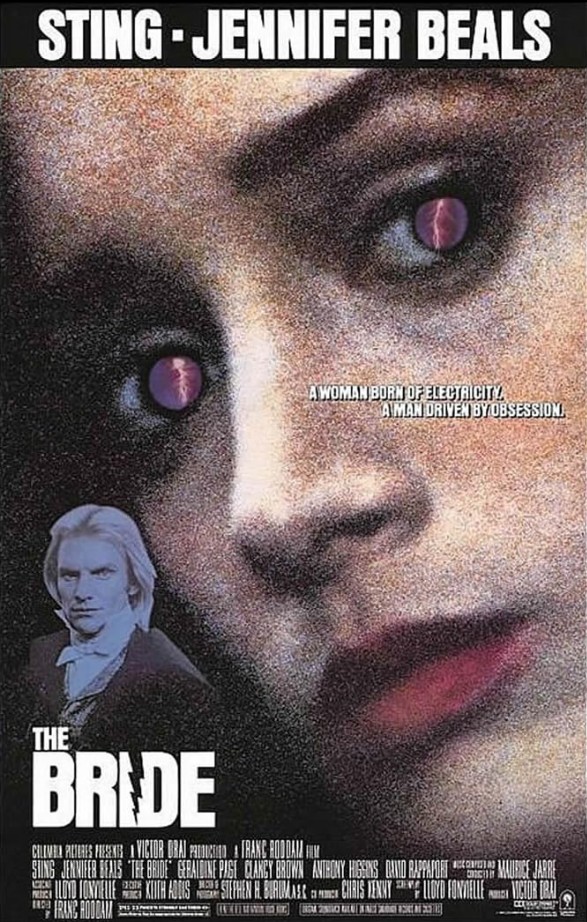
The summer of 1985 was a disappointing time for Gene Siskel and Roger Ebert. They were so let down by that particular time of the year, At The Movies dedicated an entire episode to discussing the worst movies of the summer. The Bride, which was released on August 16th, was the first film featured in this episode. It left such a bad impression on Roger and Gene, it also appeared on the ‘Worst of 1985’ episode of the show. In each of these episodes, Roger describes The Bride as “an ambitious film that lost it’s way” and a movie that “shot for the stars and failed miserably”. Because I hadn’t even heard of The Bride before starting my Comparing with the Critics series, I couldn’t agree or disagree with Roger’s sentiments. From the way the movie was described, it seemed to answer the question of what would happen if Victor Frankenstein’s female creation fell in love with him? This is a question that is infrequently asked in Frankenstein related media. As someone who has read Mary Shelley’s source material, I was curious to see how the film’s creative team would answer this question. But now that I have seen The Bride, I’m disappointed by how this question was approached. Unlike Gene and Roger, though, I wouldn’t go so far to say the movie is bad.
The Brideposter created by Colgems Productions Ltd., Delphi III Productions, Lee International Studios, and Columbia Pictures
After showing a clip from The Bride in At The Movies’ Worst Movies of the Summerepisode, Roger claims the film “didn’t know whether it wanted to be a serious movie about the philosophical issues raised by the whole Frankenstein legend or whether it just wanted to be a glamourous, sleek remake”. I personally believe the movie’s creative team knew exactly what they were doing, accomplishing two goals in one picture. Throughout The Bride, there are two parallel stories; the first about Frankenstein and his female creation (Eva) and the second about Frankenstein’s male creation (Viktor) and Rinaldo. These stories show Viktor and Eva learning about the world around them as well as interacting with those they depend on. Every time Rinaldo introduces Viktor, he always refers to Viktor as “his friend”. Meanwhile, Frankenstein calls Eva “his ward”. The stories in The Bride were, in my opinion, intended to take a specific approach to the Nature vs. Nurture debate, presenting how two creations created by the same man could journey to the same outcome.
In Mary Shelley’s original source material, there aren’t really any heroes in that story. That’s because it focuses on the main message of some good intentions possibly leading to bad results. In The Bride, Viktor receives a “hero’s journey”, where he not only gets to fall in love, he also gets to save the day. His name, according to Rinaldo, even means “He will win”. As I mentioned in this review’s introduction, I have read Mary Shelley’s novel. From what I remember, Frankenstein destroys his female creation and his male creation is presented in the story as more of a cautionary tale. With that said, I think this creative liberty added an interesting dynamic to The Bride!
While talking about The Bride’s two parallel stories, Gene says the story of Viktor and Rinaldo “was much more interesting than Frankenstein and the monster”. I find myself agreeing with Gene, especially since this story included a “hero’s journey” and a conflict that needed to be resolved. But another reason why I liked Rinaldo and Viktor’s story is David Rappaport’s portrayal of Rinaldo. When Rinaldo first meets Viktor, he’s surprisingly not intimidated by Viktor’s size. Instead, Rinaldo’s confidence helps Viktor find a sense of belonging as well as build a friendship between himself and Viktor. Rinaldo’s charisma shows the audience his good intentions, always striving to give Viktor a better life than Frankenstein did. As he’s giving Viktor a new shirt, Rinaldo is horrified by the scars on Viktor’s back. The sight immediately brings concern to Rinaldo’s face, his saddened tone of voice concluding how Viktor must have been mistreated. The scene I just described shows how David’s performance gave Rinaldo a genuineness that allowed him to be a likeable character. Though this film is titled The Bride, Rinaldo became this movie’s MVP!
Back to 1985 Blogathon banner created by Quiggy from The Midnite Drive-In and Hamlette from Hamlette’s Soliloquy
Both Roger and Gene agreed that Viktor and Eva should have spent more screen-time together. Roger proclaims “if we’re gonna have those parallel stories for two hours, let’s have a pay-off at the end”, with Gene adding “a pay-off for half an hour, not for five minutes”. Like I talked about earlier in this review, I believe the creative team’s intention for The Bride was to present a specific approach to the Nature vs. Nurture debate, as well as giving Viktor a “hero’s journey”. However, my biggest criticism with these parallel stories was the editing. The way these stories were sewn together made the movie feel disjointed. This is because some parts of the story were longer than others. One scene shows Eva studying a series of pictures by herself for only a few seconds. The very next scene shows Viktor and Rinaldo on their journey to the circus, with the scene itself lasting several minutes. Frankenstein and Eva receiving shorter screen-time sometimes prevented the audience from seeing interesting interactions between these two characters. This creative decision also gave Eva and Frankenstein’s story less intrigue.
Group of clowns image created by Freepik at freepik.com. Image by Freepik
When I was introduced to The Bride, I was given the impression the film was trying to answer the question of what if Victor Frankenstein’s female creation fell in love with him. This made me curious to see how the movie’s creative team would answer this question. But like I said in my review’s introduction, I’m disappointed by how this question was approached. That’s because the film’s creative team didn’t answer or explore the question at all. They bring up an equally interesting and infrequently asked question of what if Frankenstein fell in love with his female creation? However, so much time was spent focusing on Eva learning about the world around her, the aforementioned question was given little time for exploration or discussion. When it came to Frankenstein’s love for Eva, it simply came across as possessive and controlling. As I’ve been saying throughout this review, Viktor was given a “hero’s journey”. This means the story always intended to have Eva fall in love with Viktor, not Frankenstein. Even though I liked the creative decision of Viktor’s “hero’s journey”, I’m still disappointed by the potential questions that were left unanswered.
Comparing with the Critics banner created by me, Sally Silverscreen. TV show title cards created by WTTW National Productions, WTTW, Public Broadcasting Service (PBS), Lifetime Television, Tribune Entertainment, Buena Vista Television, and Disney-ABC Domestic Television
Toward the beginning of At The Movies’ Worst Movies of the Summer episode, Gene claims the summer of 1985 “happened to be one of the dullest, most juvenile, most homogenized summer movie seasons in recent memory”. Out of the movies that premiered during that time, I’ve only seen six pictures in their entirety, including The Bride. Personally, I didn’t find any of these films to be bad or disappointing. Specifically speaking about The Bride, I thought it was a fine, serviceable, interesting enough title. Though I was disappointed the movie’s creative team didn’t answer the question of what if Victor Frankenstein’s female creation fell in love with him, there were aspects of the film I liked. While the acting was one of the strengths of The Bride, David Rappaport’s portrayal of Rinaldo shined the brightest! Rinaldo was such a likable character, he became my favorite! Another strength of this film was Viktor receiving a “hero’s journey”. Even though it was a creative liberty, it added an interesting dynamic to The Bride’s story. It was also interesting to see the creative team’s approach to the Nature vs. Nurture debate. I apologize for sounding like a broken record, but this is yet another Comparing with the Critics review where I disagreed with Roger and Gene. As I continue with my series, I have to wonder how often this will keep happening?
Looking back on 1985, one can see the abundance of stand-alone films released that year. While cinemas welcomed sequels, these movies were exceptions to the rule, compared to the box office of 2025. That’s because studios and film companies were more selective about which titles received another chapter. Mad Max Beyond Thunderdome joined this exclusive club. It even left such a good impression, it earned a place on Roger Ebert’s list of the top ten best films of 1985. As I mentioned earlier in this introduction, 1985 saw an abundance of stand-alone movies. However, these projects were not created equally. The Bride tried to find an answer to the infrequently asked question of what would happen if Victor Frankenstein’s female creation fell in love with him? Both Roger and Gene Siskel were so disinterested in finding an answer to this question, that the film was not only featured in At The Movies’ Worst Films of 1985 episode, it also made an appearance in the show’s Worst Movies of the Summer episode. At this point in the introduction, you probably think Mad Max Beyond Thunderdome and The Bride being singled out is purely a coincidence. But these titles were specifically chosen for Midnite Drive-in’s and Hamlette’s Soliloquy’s Back to 1985 Blogathon, where I’m reviewing The Bride as the Worst of 1985 and Mad Max Beyond Thunderdome as the Best of 1985!
Comparing with the Critics banner created by me, Sally Silverscreen. TV show title cards created by WTTW National Productions, WTTW, Public Broadcasting Service (PBS), Lifetime Television, Tribune Entertainment, Buena Vista Television, and Disney-ABC Domestic Television
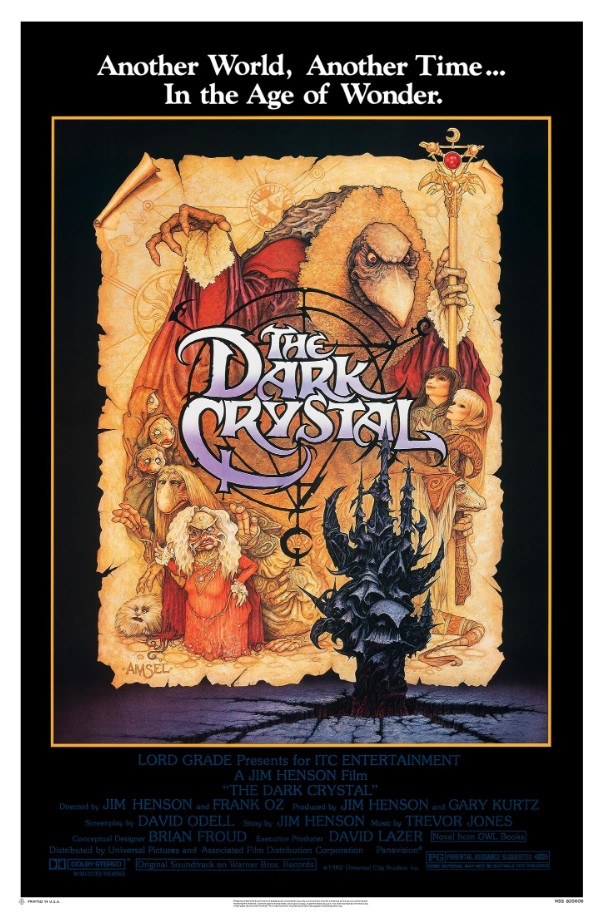
For this Blog Follower Dedication Review, I wanted to write about an animated film. That’s because the last animated movie I reviewed was hoops&yoyo’s Haunted Halloween last October. As I was looking for the right title to choose, I realized I don’t often talk about animated films involving puppetry. Therefore, my Blog Follower Dedication Review will highlight 1982’s The Dark Crystal! On 18 Cinema Lane, the only projects of Jim Henson’s I’ve reviewed were 1981’s The Great Muppet Caper and 1985’s Follow That Bird. Choosing to write about The Dark Crystal has now become ironic, as all three of these movies were released in the 1980s. While I thought Follow That Bird was Sesame Street’s fine first attempt at making a movie, The Great Muppet Caper was a fun, joyful experience. Where will The Dark Crystal rank among these two pictures? Journey through this review to find out!
The Dark Crystalposter created by Incorporated Television Company (ITC), Henson Associates (HA), Henson Organisation, The Jim Henson Company, Associated Film Distribution (AFD), and Universal Pictures
Things I liked about the film:
The puppetry: Jim Henson has set the bar high when it comes to the art of puppetry! Through his work with The Muppets and on Sesame Street, Jim created characters that were fascinating to watch and were adoringly memorable. In The Dark Crystal, his craftmanship, direction, and artistic vision contribute to the quality his style of puppetry is known for. The way characters move provide just one example. Jen, the movie’s protagonist, goes on a quest to fulfill a prophecy by finding a crystal shard. This quest shows Jen walking, climbing, riding, and even jumping. The execution of these movements were so well-done, there were times I forgot I was watching a puppet. How Jen was able to blink and move his head was also impressive!
The scenery/set design: Films in the fantasy genre, like The Dark Crystal, have a reputation for presenting imaginative, fantastical worlds. Good movies in this particular genre will make these respective worlds immersive through an emphasis on attention to detail. I can honestly say the creative team behind The Dark Crystal truly cared about how the world surrounding the characters was showcased. An excellent example is when Kira and Jen meet for the first time. The location itself is a tropical oasis; complete with green plants, soft earth on the ground, and even a small body of water. It feels like an actual jungle because of the realistic appearance of the materials. More often than not, the tropical space is peaceful, which gives the audience a break from the tension of the film’s conflict. The tonal and visual pairing of the jungle helps the audience stay invested in the story.
Use of practical effects: In the 21st century, CGI (computer generated imagery) has become the go-to tool of film-making. The popularity and accessibility of CGI has caused a debate over whether this film-making tool is over-used. So, watching a film like The Dark Crystal in 2025 is refreshing, as the 1982 production utilizes practical effects. In one scene, the Skeksis Emperor dies. Instead of the Skeksis Emperor simply laying unconscious, the body literally crumbles like rocks being broken down. Another scene shows Jen and Kira rowing on a lake. The foliage surrounding the lake appeared life-like, as did the body of water itself. This is because the film’s creative team incorporated actual water and other related props to make the scene feel as realistic as possible.
An underutilized character: When the Skeksis General becomes the next Emperor, he shuns the Chamberlain from the Skeksis kingdom. The Chamberlain then tries to find ways to get back into the Emperor’s good graces. Despite these attempts, the Chamberlain was underutilized in The Dark Crystal. He appeared in only a handful of scenes and his role in the film’s plot was minimal as well. I was hoping the Chamberlain’s rejection would express the ideas of standing against group mentality and changing a person’s way of thinking. Sadly, these ideas were not incorporated into the Chamberlain’s story.
Scenes that became padding: The run-time of The Dark Crystal is an hour and thirty-three minutes. However, the movie’s run-time seemed longer because some scenes became padding. One example shows a group of Skeksis eating dinner. This scene features a medium shot of each dinner guest eating their meal, making the scene feel drawn out. If The Dark Crystal’s run-time had been less than an hour and thirty-three minutes, scenes like the Skeksis’ dinner would be trimmed.
A confusing resolution: For this part of my review, I will spoil The Dark Crystal. If you haven’t seen this movie and are planning on watching it, skip to the part of my review titled ‘My overall impression’.
A voice-over at the beginning of The Dark Crystal explains how the Skeksis and Mystics were at odds with each other after the titular crystal broke. The upcoming Great Conjunction will determine who will rule the land, with Jen’s quest to find a crystal shard playing a role in this decision. The way this conflict was explained made me believe the overall story was a battle of good versus evil. But when Jen reunites the crystal shard with the titular crystal, the resolution became confusing. As the Skeksis kingdom falls apart and the Skeksis themselves are running around in fear, the Mystics arrive and surround the titular crystal. The Mystics and Skeksis then merge to become one ghost-like being. The reunion between these groups was never explained throughout the movie. Maybe a scene explaining why this particular resolution was reached was left on the cutting-room floor?
When it comes to quality, the art of puppetry is a spectrum. On the higher end of this spectrum has always been the work of Jim Henson. The Dark Crystal provides a strong example for why that statement is true. The puppets’ artistry and execution were truly impressive, with their movements making me sometimes forget I was even watching puppets at all. Set design and scenery from the 1982 production looked like the film’s creative team truly cared about how the story’s world was presented. I also liked how practical effects were used, which brought a sense of realism to certain moments! Even though The Dark Crystal had its strengths, it had its flaws too. From a confusing resolution to an underutilized character, the film wasn’t perfect. But it was a fine, interesting presentation, definitely one of Jim Henson’s more ambitious projects. Before I conclude this review, I’d like to thank my blog’s followers for their support of 18 Cinema Lane! These articles always encourage me to expand my cinematic horizons!
Overall score: 7 out of 10
Have you seen The Dark Crystal? Which Jim Henson presentation would you like to see in a future Blog Follower Dedication Review? Please tell me in the comment section!
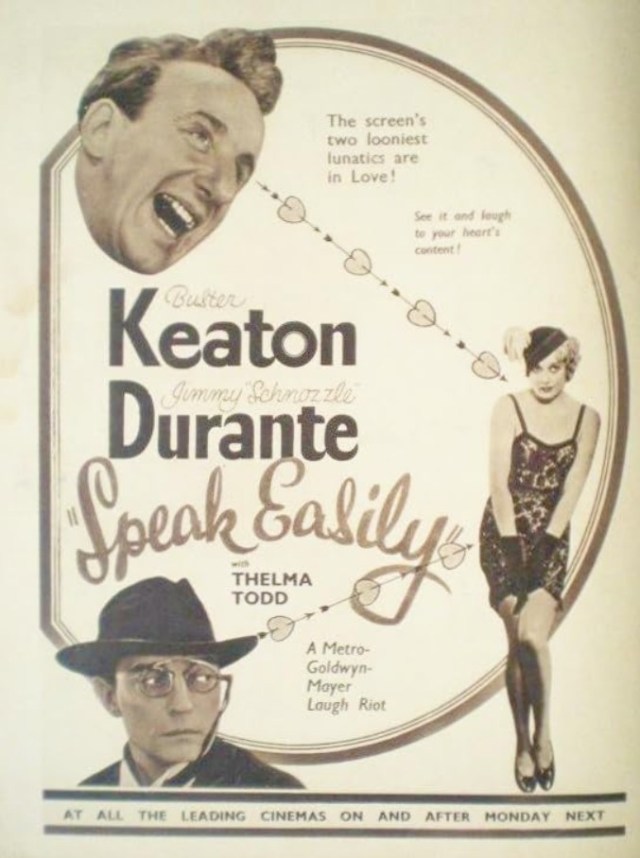
When I participated in the 10th Annual Buster Keaton Blogathon last year, I reviewed Buster’s episode of The Twilight Zone; “Once Upon a Time”. In that review, I stated how his episode would be a good place to start if one were introduced to the show, partly due to the story’s light-hearted nature. For this year’s event, hosted by Lea from Silent-ology, I wanted to check out one of Buster’s films. After taking a trip to his IMDB filmography, I selected the 1932 picture, Speak Easily! One of the reasons why I chose this movie for the blogathon was the story itself. According to the Internet Movie Data Base, “a timid professor inherits a large sum of money and decides to fund a terrible musical”. Another reason for choosing Speak Easily is how Buster starred in a “talking picture” (movies with sound). Because he’s known as a silent screen legend, I was curious to see how he’d perform in a film with audible dialogue. So, with all that said, let’s begin this review of the 1932 presentation!
The acting: As I mentioned in the introduction, Buster Keaton is known as a silent screen legend. His forte was “slapstick” comedy, which worked in the format of silent films. With Speak Easily, Buster had to incorporate both physical movement and dialogue in order to help tell the story. Honestly, I think he did a good job with the provided material! In the 1932 production, Buster portrays Professor Post, an intelligent yet isolated man. This allowed Buster to adopt eloquent words, a sense of awkwardness, and responses that are too literal. Add his signature “slapstick” comedy for good measure and you have a character that was charming in his own right! Along the way, Professor Post becomes friends with a theater performer named James Dodge. Portrayed by Jimmy Durante, James had a big personality, brighter than all the lights of Broadway. This vibrancy was consistent throughout the movie, a strength of Jimmy’s performance! Ruth Selwyn and Thelma Todd join the cast as Pansy Peets and Eleanor Espere. Both actresses did a good job making their characters feel distinct from each other. During Speak Easily, Ruth displayed a gentle persona and was more soft spoken. Meanwhile, Eleanor adopted a flirtatious personality.
The dialogue: Prior to reviewing Speak Easily, I have seen a few of Buster’s “talking pictures”. However, his roles in these movies were smaller, meaning he was given fewer lines to work with. Though Buster received more opportunities to incorporate dialogue in Speak Easily, I was more impressed with the dialogue itself. Throughout the film, I caught on to how well-written the dialogue was. One good example can be heard toward the beginning of the film. Professor Post doesn’t go to a local event at his college because he claims he wasn’t invited. His colleague, Jenkins, thinks this is an excuse for Professor Post to stay in his comfort zone. During a visit to Professor Post’s office, Jenkins tells Professor Post, “if you only go out and find life, you’ll enjoy living it”. This line serves as a friendly yet firm reminder how life is too short to miss out on.
The messages and themes: Like I said earlier in this review, Professor Post is an intelligent yet isolated man. After he receives a large sum of money, Professor Post chooses to travel to New York and, eventually, funds a musical. As the story progresses, he tries to form connections with his peers. Eventually, Professor Post successfully finds friends by staying true to himself. The trials and triumphs of forming relationships, whether romantic or platonic, is a relatable subject. What’s also relatable is having a genuine persona/personality and doing the right thing. The incorporation of these messages and themes was one of the things I liked about Speak Easily!
A drawn-out film: Speak Easily has a run-time of an hour and twenty-one minutes. However, the movie’s run-time felt longer. This is because parts of the story were drawn-out. As Professor Post boards a train, there’s a running joke about how he forgot his trunk. The joke then transforms into a couple forgetting their baby. That entire joke lasts for about four minutes. Had the joke just focused on Professor Post forgetting his trunk, maybe some of Speak Easily’s run-time could have trimmed.
An overshadowed musical: I’ve mentioned twice in this review how Professor Post funds a musical after receiving a large sum of money. This concept made me curious how Professor Post’s involvement would influence the musical. While the musical was featured in the movie, you have to wait over fifty minutes into an hour and twenty-one minute story just to see the musical come to life. Preparations for the musical were shown, but only in two scenes. The majority of the story focuses on Professor Post’s relationships with the other characters. That focus causes the musical to be over-shadowed.
Limited amount of “slapstick” comedy: I said earlier in my review how “slapstick” comedy was Buster’s forte. This part of his career has been incorporated into his “talking picture” projects, such as The Twilight Zone episode; “Once Upon a Time” and Speak Easily. But in the 1932 production, Buster’s “slapstick” comedy was used sparingly. That creative decision was the result of the film’s run-time, as Buster’s silent films were, more often than not, shorter. The limited amount of “slapstick” comedy felt like the movie was missing something. I wish Speak Easily’s creative team had capitalized on Buster’s forte a bit more.
In Speak Easily, Professor Post sees working on a musical as trying something new. By moving out of his comfort zone, he was able to make new friends, find success, and travel beyond the walls of his office. By starring in this film, Buster Keaton was, in a way, trying new things. This time, he had to rely on more than just physical movement and “slapstick” comedy to carry the story. Even though I liked Buster’s performance in the 1932 presentation, the project itself was, in my opinion, just ok. I was pleasantly surprised by how well-written the dialogue was! The acting, as well as the messages and themes, were Speak Easily’s other strengths. But there were aspects of the movie I didn’t like, from the drawn-out nature of the film to the musical becoming overshadowed. By reviewing this project, I found an excuse to write about a pre-Breen Code era title. Since the only pre-Breen Code era movies I’ve reviewed this year, so far, were The Garage and 1925’s Phantom of the Opera, Speak Easily will easily fill that void!
Overall score: 6-6.1 out of 10
Have you seen Speak Easily? Which “talking picture” from Buster Keaton’s filmography would you like to see me review? Let me know in the comment section!
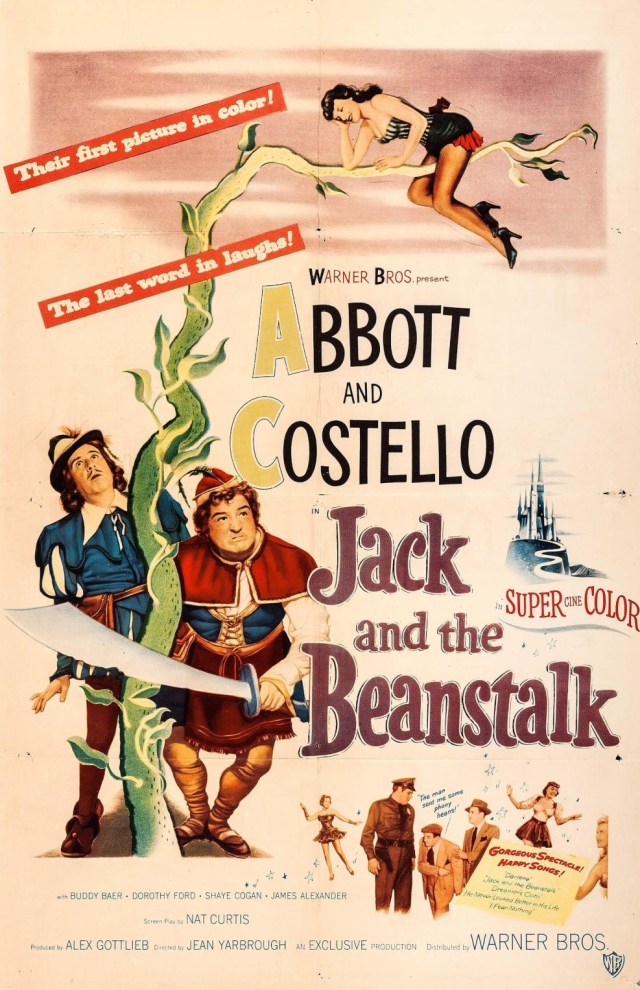
I need to make a confession: in the seven years 18 Cinema Lane has been around, I’ve never reviewed any of Abbott and Costello’s films. (insert shocked gasp here) But at 18 Cinema Lane, I am willing to expand my cinematic horizons. This is one of the reasons why I selected 1952’s Jack and the Beanstalk for the Once Upon A Time Blogathon. Another reason is how I don’t often get the opportunity to write about fantasy films. In fact, the last fantasy movie I reviewed was Cancel Christmas last December. When I came across the poster for Jack and the Beanstalk, I was surprised to read the tagline “Their first picture in color”! Abbott and Costello are household names in the world of comedy. Plus, this adaptation of the fairy tale was released thirteen years after The Wizard of Oz. So, is the movie worthy of such a historic milestone? Adventure through this review of Jack and the Beanstalk to find out!
Jack and the Beanstalk(1952) poster created by Exclusive Productions Inc., Legend Films, and Warner Bros.
Things I liked about the film:
The dialogue: Sometimes, a movie’s comedy will be woven into the dialogue. Words spoken between characters can not only be hilarious, but also clever and witty, especially if the screenwriting is strong. Dialogue was one of the best qualities of Jack and the Beanstalk! One example is from the beginning of the film. Arthur arrives at Eloise’s house to pick her up for play rehearsal. Her younger brother, Donald, answers the door, even setting up a trap that causes Arthur to fall. When Arthur asks Donald where Eloise is, Donald replies in a matter-of-fact manner, “putting on her lipstick so you can kiss off”. What makes this line so memorable is how it fits the character of Donald, who is portrayed as a precocious child. Another example happens during the ‘Jack and the Beanstalk’ story. Jack is heartbroken when his mother suggests they sell the family cow. After Jack’s mother urges him to take the cow to the market, Jack tells her, “Yes mother. You can depend on me. Whatever they bid, I’ll bid higher”. This is a line that is genuinely funny, as Jack says it with good intentions.
The use of color film: During the opening credits of Jack and the Beanstalk, it’s revealed parts of the film are presented in Super Cine Color. These parts are the ‘Jack and the Beanstalk’ story itself, while the “modern” parts of the movie are shown in black-and-white film. I actually liked this creative decision! It emphasized the magic and whimsy of the fairy tale. The use of color film also allowed the vibrant hues of the costume and set design to be visible. Overall, this production of Jack and the Beanstalk felt pleasantly reminiscent of 1939’s The Wizard of Oz!
Working as a pair: Bud Abbott and Lou Costello (also known as Abbott and Costello) have been acknowledged as one of the most beloved comedic duos in film history. So, I was curious how they would work together in Jack and the Beanstalk, since the heroic adventure typically involves only one character. Lou portrays Jack and Bud portrays Mr. Dinkelpuss (a local butcher). Even though both characters travel up the titular beanstalk, they each have their own motives. Mr. Dinkelpuss and Jack help each other escape The Giant’s castle as well. Through the acting performances and the screenwriting, this version of Jack and the Beanstalk feels like Jack was always meant to travel with a buddy.
Musical padding: The 1952 adaptation of Jack and the Beanstalk is a musical, with five musical numbers incorporated into the production. These numbers were very well choreographed and sounded good musically. However, they felt like padding, making the movie seem longer than its one hour and twenty-three-minute run-time. A few of the musical numbers feel drawn out, such as the almost three-minute dance between Jack and Polly. Had some of these numbers been trimmed down, the overall run-time could have been under an hour and twenty minutes.
Forgotten details: Within Jack and the Beanstalk’s script, there were a few forgotten details. Jack’s cow, Henry, presents two examples. When Henry is first brought up in the movie, Jack refers to the cow as female. He even puts makeup on her to stress this fact. But before Jack says goodbye to Henry at Mr. Dinkelpuss’ shop, Jack tells the cow to “be a good boy”. Later in the movie, Jack climbs the beanstalk. One of his intentions is to rescue Henry from the clutches of The Giant. When Jack and his friends finally escape The Giant’s castle, however, Polly is the one who ends up saving Henry.
Patrick the Harp: In The Giant’s castle resides a harp named Patrick. Not only does music play every time he talks, he’s also very critical of Polly. Personally, I was not a fan of Patrick. He spoke with a thick accent, which sometimes made it difficult to understand what he was saying. His role in the story was quite minimal, offering little to the plot. If Patrick had been written out of Jack and the Beanstalk, not much would change.
As I mentioned in the introduction of my review, Abbott and Costello are household names in the world of comedy. However, there is a reason why they achieved this honor. Using Jack and the Beanstalk to explain my point, Costello and Abbott work together as a team. Even in a fairy tale where a team dynamic doesn’t exist, they find a way, through acting and screenwriting, to create a story where they can both shine. The dialogue was one of the strongest aspects of the 1952 adaptation, as it was hilariously clever. It also helps that the dialogue was written and delivered well. Even the use of color film enhanced the whimsical charm one would expect from a fairy tale. While Jack and the Beanstalk does have its flaws, it is, indeed, a pleasant presentation! Now, if you’ll excuse me, I need to figure out who really is on first.
Overall score: 7.4 out of 10
Have you seen 1952’s Jack and the Beanstalk? What other fairy tales would you have liked to see Abott and Costello star in? Tell me in the comment below!













 18 Cinema Lane