When Gill from Realweegiemidget Reviews announced the No True Scotsman Blogathon, there was a list of recommendations on the announcement post. On that list, the Disney Pixar film, Brave, was mentioned. At the time I signed up for the event, no other participant had chosen that movie to review. This surprised me, as Brave is a well-known title. Since I happen to own a copy of this film on DVD, I chose to write about it for the event. This DVD was given to my family as a gift several years ago. But until this blogathon, I never got around to watching it. Animated films are also not reviewed on my blog often. This is because I’ve already seen most of animation’s beloved titles. But there are times when there is that one movie that I skipped over on my journey as a movie blogger. Brave is one of those movies, so now it’s time to finally talk about it.
My picture of my DVD copy of Brave. Screenshot taken by me, Sally Silverscreen.
Things I liked about the film:
The animation: Disney Pixar has a reputation for framing their stories in impressive technology. Brave certainly carries that tradition, as the animation looks realistic! In one scene, a close-up of an archery target board is shown. The rough texture was captured through animated technology, making it easy to forget the board wasn’t real. Many scenes took place in a forest at different parts of the day. The natural greens and browns were appealing to the eye, adding depth to the world around the characters. Speaking of hues, I really liked the use of color in this movie! Merida’s hair is a perfect example! No matter where she went, her bright orange hair provided a great contrast. There was one scene where Merida was in a forest at night. Since black was the primary hue in the forest, Merida’s hair gave a pop of color to that scene.
The humor: I haven’t seen a Disney Pixar film in a while. But, from what I remember, humor is a consistent component among these types of projects. When it comes to Brave, the humor was spontaneous, the type of humor I’m a fan of. After a successful day of exploring, Merida is talking to her horse, Angus. Then, out of nowhere, Angus hits Merida with his tail in a silly way. Later in the film, Merida’s suitors are being introduced. The father from one of the clans appears to be talking about a very muscular young man. As the introduction continues, the audience learns the father’s son was hiding behind the muscular young man, actually being much smaller in size.
The writing’s cleverness: While watching this movie, I was able to pick up on the cleverness within the script. When the various clans arrive in Merida’s kingdom, Merida’s mother, Elinor, is making a speech. During that speech, Merida discovers a loop hole that she can use in her favor, as she doesn’t want to get married yet. While we’re talking about the clans, let’s talk about one of the suitor’s fathers. Throughout the story, this character was known as Macintosh. At first, this sounds like a typical Scottish name. However, Brave was dedicated to Steve Jobs, who passed away a year prior to the movie’s release. One of Apple’s products was a Macintosh computer, so naming one of the characters after something related to Steve’s company makes sense.
Inconsistent characters: At the beginning of the movie, Elinor is introduced as a caring, protective mother. During her interactions with her daughter, she didn’t come across as overbearing in her protectiveness. But as Merida grows up, Elinor’s personality becomes a “bait and switch”. While she states in the story how she means well, she is overbearing in her protectiveness. At times, Elinor’s change in personality felt over-the-top. Merida herself is another character I found inconsistent. There were times where her clever and critical thinking skills shined, showing how she is an intelligent explorer. However, there are also times when Merida acts like a stereotypical teenager. I understand Merida is a young character and is not meant to be “perfect”. To me, though, it seems like the writers couldn’t decide which aspects of this character they wanted to emphasize.
Things happening too quickly: There were parts of the story that, to me, happened too quickly. As I mentioned earlier in this review, Merida doesn’t want to get married yet. This causes a conflict between her and her mother. While I won’t spoil the movie, I will say the resolution for this conflict was reached with little build-up. The bridge from Point A to B wasn’t as strong as it could have been. In fact, so much time was spent with Elinor and Merida fighting or both of them working to resolve another conflict, that the marriage conflict was somewhat overshadowed.
Parts of the story that didn’t make sense: Toward the beginning of the film, Merida’s father, Fergus, lost one of his legs while attempting to fight an evil bear. While that part of the story is simple to understand, it’s what can be seen in his castle that didn’t make sense to me. At one point, at least one taxidermic bear is found standing against a wall. After going through such a traumatizing experience, why would Fergus want any association with the animal that severely injured him? While we’re on the subject of bears, there is a witch in the story who is a woodcarver, with her work resembling bears. It is never explained why she chooses bears as her artistic focus. Therefore, her emphasis on this specific type of animal kind of felt random.
After sitting in a cabinet still wrapped in the manufacturing plastic, my DVD of Brave has finally gotten some use out of it. Now, you’re wondering what my opinion on the film is. Well, I thought it was just fine. There is good effort that was put into this project, as the animation itself shows. But I can think of other Disney/Disney Pixar titles that are stronger than Brave. While I liked the cleverness found in the script, there was more to be desired from the story. Structural issues, like weaker bridges from Point A to B, hurt the script. Also, it didn’t help how some parts of the story didn’t make sense. Despite all of this, Brave does bring something unique to the table. It’s also nice to see Scottish culture/heritage receive more recognition in the world of cinema.
Overall score: 7.2 out of 10
Have you seen Brave? If so, what are your thoughts on it? Tell me in the comment section!
Happy National Read a Book Day! I want to let you know there will be spoilers for both the book and movie in this review. If you want to check out this double feature’s introduction, you can visit this link:
At Home in Mitford poster created by Crown Media Family Networks and Hallmark Channel
1. How did you come to know of this film?
I remember when Hallmark’s adaptation was announced four years ago. The biggest news associated with the project was the casting of Cameron Mathison and Andie MacDowell as Father Tim Kavanagh and Cynthia Coppersmith. This news made fans upset, due to the fact both Andie and Cameron were younger than their characters were described in the book. Their disapproval of the casting led the movie to be one of the lowest viewed films on Hallmark Channel that year, with 1.34 million viewers. I also remember the movie didn’t receive an encore presentation, as is customary for the majority of Hallmark productions. While I’m not sure if this information is accurate, I have heard Jan Karon, the author of the Mitford series, didn’t promote the film.
2. How did you acquire this movie’s respective source material?
Two years ago, I purchased a used copy of At Home in Mitford at a library book sale. I became interested in reading the series before the adaptation’s premiere, as I heard so many good things about it. Since I never got to read any of the books before the movie aired, I was curious to see how different the book was from the film. At the sale, they had the whole series available for purchase. But since I didn’t know if I would like the series, I just bought the first book.
3. Have you read Jan Karon‘s work before? What are your thoughts on her writing?
Like I mentioned in the introduction, I have never read anything by Jan Karon before. So, I didn’t know what to expect from the book. Jan’s emphasis on detail was one of At Home in Mitford’s strengths! An example is when things are being listed off. In the book, Father Tim and Cynthia go to the movies. Within a paragraph, Jan takes the time to mention the snacks they purchased, saying “they went into the empty row with a box of popcorn, a Diet Sprite, a Coke, and a box of Milk Duds”. It’s details like these that make the characters and the story itself feel realistic.
Similar to Saint Maybe, At Home in Mitford is mostly a “slice of life” story. But there are a series of mysteries that are drawn out throughout the text. Because this book has elements of mystery, but is not a mystery novel, the overall sense of urgency was low. At times, it felt like there were too many characters and storylines. Mitford seemed like any other small town I’ve seen in Hallmark’s programming. While reading this book, I kept asking myself, “How is Mitford any different from Cedar Cove? Or Chesapeake Shores?” Maybe if I had read At Home in Mitford before watching any of those programs, I would think differently. But, at the end of the day, I thought this book was a fine, wholesome story.
4. Was the movie different from its source material? If so, how?
Even though there were some similarities between the movie and the book, At Home in Mitford’s film adaptation contained more differences. Some characters were either omitted or changed from the text. One of these characters was Olivia Davenport. In the film, she was a parishioner who was seeking Tim’s guidance for her rocky marriage. Her presence in the movie was very limited, which is different from the book. In the novel, Olivia was a part of At Home in Mitford’s ensemble cast of characters. Her storyline was one of the most important, as she desperately needed a heart transplant. Olivia also helped Mitford’s doctor, Hoppy Harper, move forward from the loss of his deceased wife. As I said in answer number three, I, at times, felt like there were too many characters and storylines in the book. Therefore, I don’t fault Hallmark for leaving out certain parts of the source material. However, if the adaptation’s creative team knew they were going to include one of the book’s characters in their script, then they should have given Olivia a greater significance in the film.
Despite the film adaptation’s differences from the book, some of them had purpose. The novel and film featured a character named Marge Owen. While she became pregnant in both versions of the story, she was given a greater importance in the movie. The book never revealed her occupation, where the film shows Marge owning her own bookstore. She also provides friendship and guidance to Cynthia in the adaptation. As a way to overcome her writer’s block, Cynthia volunteers to restore the church’s paintings. In Jan Karon’s book, Cynthia wasn’t involved with the church. She does attend church services, but she doesn’t go the extra mile for the parish. The movie version of Cynthia tells Tim that she wants to give back. Cynthia’s decision not only gives her a stronger connection to the church, but it also shows how someone living their faith can come in different forms.
This is the copy of At Home in Mitford I purchased two years ago. Screenshot taken by me, Sally Silverscreen.
5. Do you think the movie was better than the book or was the book better than the movie?
When it comes to At Home in Mitford, I can’t give a yes or no answer. So, I’ll say it like this: As a movie, At Home in Mitford is a fine, run-of-the-mill Hallmark Channel production, with some of the film’s changes improving upon the book. But as an adaptation, it feels like the network was trying to fit a round peg into a square hole. The first book in Jar Karon’s series was published before Hallmark Channel came into existence. By the time the adaptation was filmed, Hallmark was already well versed in their formula. Because the adaptation’s creative team tried so hard to fit At Home in Mitford into Hallmark’s brand of film-making, the story was watered down. If Hallmark were serious about faithfully adapting At Home in Mitford, they should have adapted it into a television show, as that is how the book read to me. I also think Jan Karon herself should have been one of the movie’s screen-writers.
6. Saint Maybe and At Home in Mitford share some similarities, such as how both books are written by women. Are there any other similarities you can think of?
Like I said in answer number three, At Home in Mitford is mostly a “slice of life” story. While there are mysteries within the text, the mysteries themselves feel lower in stakes. In the book, Father Tim finds some stolen jewels in an urn. Even though these jewels were connected to an international crime, Jan finds a way to connect this crime directly to Mitford. Father Tim wonders if his antique shop owner friend, Andrew Gregory, may have imported the jewels by hiding them in antique furniture. However, the culprit was a man named George Gaynor, a criminal on-the-run who found solace in Father Tim’s religious wisdom. Though George was arrested for his crime, he received the opportunity to become baptized. Father Tim even kept in touch with George after he left Mitford.
Saint Maybe is also a “slice of life” story featuring several mysteries. Similar to At Home in Mitford, the stakes of these mysteries were lower. Back in my review of Saint Maybe’s film adaptation, I mentioned how Ian discovered the identity of Agatha and Thomas’ father. Because this information was discovered long after Ian agreed to help raise Agatha and Thomas, there wasn’t a strong sense of urgency to do anything about the situation. He doesn’t even tell his family what he found. In fact, after speaking with Agatha and Thomas’ maternal grandmother, the movie version of Ian says to himself, “Thank goodness I didn’t find this information sooner”.
7. Should Hallmark adapt Jan Karon‘s other work? If so, why?
If At Home in Mitford’s film adaptation had received better reception from the viewers, then I’d be curious to see Hallmark adapt the other books in the Mitford series. Because that didn’t happen, Hallmark would have difficulty adapting Jan Karon’s other work, as most of her books are Mitford related. But since Hallmark created a few animated films in the past, I could honestly see them adapting Miss Fannie’s Hat or Jeremy: The Tale of An Honest Bunny. Similar to properties like Hoops and Yo-yo, Hallmark could create merchandise related to these stories as well. I’ve never read Miss Fannie’s Hat or Jeremy: The Tale of An Honest Bunny. But as long as Jan herself is involved with the project, I’d be fine with Hallmark adapting these books.
8. Is there anything about At Home in Mitford you liked or didn’t like?
I’ve heard complaints from Mitford fans about how different Dooley is in the film compared to the book. While I do agree about Dooley being very different in the movie, I actually liked the movie version of his character. Dooley was sometimes the comic-relief in the story. His grandfather, Russell, even called him “a prankster”. My favorite scene was when Dooley removed the ‘Dog Found’ posters almost immediately after Father Tim posted them. Throughout the film, Father Tim actively sought out Barnabas’ former pet parent. He spreads the word about the dog’s current whereabouts by posting ‘Dog Found’ posters throughout Mitford. Since Dooley doesn’t want to see Barnabas go away, he removes these posters behind Father Tim’s back. This scene was hilarious because of its believability.
Compared to the book, At Home in Mitford’s film adaptation felt formulaic. Like I said in answer number five, the movie’s creative team tried so hard to fit At Home in Mitford into Hallmark’s brand of film-making. Instead, the story followed the same beats and tropes/cliches as other Hallmark titles. The film included an adaptation exclusive character named Jack Emery. Throughout the story, he embodied the “business person is a jerk and/or out of touch” cliché, with his sole purpose being the worse datable candidate compared to Father Tim. At Home in Mitford’s film adaptation was released in 2017, two years after All of My Heart. The 2015 movie was one of the network’s most notable films to challenge the aforementioned cliché. Therefore, it made At Home in Mitford kind of seem outdated by comparison.
9. Did you develop any thoughts and/or questions while watching this film?
Similar to Saint Maybe, religion/faith was downplayed in At Home in Mitford’s film adaptation. Both Father Tim and Cynthia mentioned they were Episcopalian. In answer number four, I talked about how Cynthia volunteers to restore the church’s paintings. Even though several scenes took place inside the church, we don’t see any characters worshipping within its walls. The tail end of Father Tim’s sermon was shown as well. The book showed how religion/faith played a role in Father Tim’s everyday life. He quoted a Scripture passage to fit almost any situation, even using Scripture to discipline Barnabas. Father Tim also turned toward everyday life to find inspiration for his sermons. Because Hallmark gave us Signed, Sealed, Delivered and has incorporated faith into When Calls the Heart, I’m surprised the network chose to tone down the religion/faith in the At Home in Mitford movie. But, once again, it feels like a missed opportunity.
10. Would At Home in Mitford encourage viewers to read either its source material or any other book?
Because of how many differences are found in the adaptation, I think it might encourage some viewers to check the book out. I can only speak for myself, but this is what inspired me to read the first book in the Mitford series. When I started reading At Home in Mitford, I could immediately tell how different each story was. I said in answer number five that the book read more like a television show. This is because the story was abundant with characters and storylines, as well as storylines being drawn-out. If viewers find themselves watching more tv series than movies, then the book might be for them.
11. After watching this movie, is there anything you can take away from your movie viewing experience?
Because the stories in At Home in Mitford revolve around the citizens of a small town, I can see why Hallmark would want to adapt Jan Karon’s series. At the time of the film adaptation’s release, small towns were an exhausted backdrop in Hallmark’s productions, with most of their characters being former or current small-town residents. But it seems like the network was so eager to potentially start a new series, that they lost sight of who this project was intended for. Excluding Jan Karon from the creative process doesn’t help Hallmark’s case. Their inability to adapt pre-existing material, At Home in Mitford in this case, shows how creatively dependent they’ve become on the rom-com genre. In my honest opinion, this movie was made a decade or two too late. Since Hallmark spent so much time showing how every small town was special, Mitford wasn’t given the opportunity to stand out. This movie should have been released either as a Hallmark Hall of Fame production prior to 2010 or on Hallmark Channel between 2001 to 2007.
Happy National Read a Book Day! I want to let you know there will be spoilers for both the book and movie in this review. If you want to check out this double feature’s introduction, you can visit this link:
Anne Tyler’s Saint Maybeposter created by Hallmark Hall of Fame Productions and CBS
1. How did you come to know of this film?
If you’ve been following my blog, you would know that my least favorite Hallmark Hall of Fame movie is Back When We Were Grownups. Like a lot of Hallmark Hall of Fame productions, the 2004 film was based on pre-existing source material; a novel written by Anne Tyler. Over the years, I discovered that two other Hallmark Hall of Fame movies have been based on Anne’s work: Breathing Lessons and Saint Maybe. Before this double feature, I had never seen either film. All I knew about Hallmark’s 1998 adaptation was that a man took in a deceased relative’s children and that the story had something to do with forgiveness. I also remember how the film would sometimes air during Hallmark Movies & Mysteries’ ‘Miracles of Christmas’ marathon.
2. How did you acquire this movie’s respective source material?
I purchased a second-hand copy of Saint Maybe at an estate sale earlier this year. As soon as I saw the book on a shelf, it reminded me of my Hallmark Hall of Fame Reading Challenge. Back in 2019, I created a reading challenge based on the books or plays that were adapted into Hallmark Hall of Fame titles. Since I’d like to read as many of these works as I realistically can, I purchased the book with that intention.
3. Have you read Anne Tyler‘s work before? What are thoughts on her writing?
As I said in the introduction, this was my first time reading anything by Anne Tyler. Based on what I read and based on what I saw in Back When We Were Grownups, I’m going to guess her forte is writing about larger families that are somewhat dysfunctional. Out of those two stories, I liked Saint Maybe more than Back When We Were Grownups. There was heart incorporated in the narrative and the Bedloe family had a legitimate reason for their dysfunctionality. I was also surprised by the inclusion of religion/faith. But I didn’t like how the chapters were too long. What Anne should have done instead is write shorter chapters and include them in separate sections for each character. I, personally, am not a fan of “slice of life” stories. About eighty percent of Saint Maybe is just that: a “slice of life” story. With all that said, I thought the novel was well-meaning and fine.
4. Was the movie different from its source material? If so, how?
For the most part, Saint Maybe was faithful to the source material, especially when it came to the most important parts of the story. But there were changes found in the adaptation. One of these changes was Agatha’s personality. In the book, when Agatha was introduced in the story as a young child, she came across as distant and matter-of-fact. As she grows up, Agatha comes to despise religion, as she feels religion was forced upon her life. The movie version of Agatha adopts the personality Thomas had in the book, coming across as sweet and mild-mannered. She grows up to be a friendly doctor who has no known opinion on religion. While she does criticize The Church of the Second Chance, she does this because she wants Ian to live his best life. Her criticism has nothing to do with religion itself.
Another difference between the movie and its source material is how Ian figures out the identity of Agatha and Thomas’ father. Agatha, in the book, is very protective over a jewelry box she claims belonged to her mother. Ian stumbles across this box by accident and finds Agatha’s and Thomas’ birth certificates among the jewelry and other items. These certificates reveal their father’s last name; Dulsimore. Ian learns this information differently in the movie. Similar to the book, Thomas and Agatha own a doll named Dulcimer. While Agatha is at Ian’s parents’ house, the audience can see her trying to remove something from the back of the doll. However, this information isn’t revealed until later in the movie. When the Bedloe family hires Rita diCarlo to organize their house, a lot of items end up getting thrown out. One of these items was Dulcimer the doll. As Ian is leaving the house, he sees the doll in a garbage bag. When he picks it up, he finds a slip of paper hidden in the doll’s back, revealing the doll’s name was also the last name of Agatha and Thomas’ father.
5. Do you think the movie was better than the book or was the book better than the movie?
Like its source material, I thought the movie adaptation of Saint Maybe was fine. Therefore, this is a difficult question to answer. But I will try to answer this question as best as I can by saying this: If you want to see a story about a family dealing with a personal tragedy, I’d recommend the movie. This is because the movie gets straight to the story’s point a lot sooner than the book did. If you’re interested in a story where the protagonist overcomes guilt and sin through religion/faith, I’d recommend the book. As I’ll explain later in this review, the movie didn’t feature religion/faith as much as in the book.
This is the copy of Saint Maybe I purchased earlier this year. Screenshot taken by me, Sally Silverscreen.
6. Saint Maybe and At Home in Mitford share some similarities, such as how both books were published in the 1990s. Are there any other similarities you can think of?
As I said in answer number three, I was surprised by the inclusion of religion/faith in Saint Maybe. Even though the movie and its source material are titled Saint Maybe, I wasn’t expecting religion/faith to play a large role in the text. But religion/faith is a cornerstone of both Saint Maybe and At Home in Mitford. References to God, the Bible, and Christianity can be found in each book. However, the way both authors incorporated these ideas into their stories is very distinct.Throughout Saint Maybe, the congregation of The Church of the Second Chance obeyed a rule that forbade them from consuming sugar. While this rule seems ridiculous on the surface, it is used as a metaphor for sin. Reverend Emmett, the leader of The Church of the Second Chance, explains that if one actively avoids sugar, they are actively avoiding sin. If someone tries to make excuses for consuming sugar, they are making excuses for committing sin.
7. Should Hallmark adapt Anne Tyler‘s other work? If so, why?
As of early September 2021, Hallmark has not made any announcements on whether they are bringing back the Hallmark Hall of Fame collection. But if Hallmark does choose to create more Hallmark Hall of Fame titles and would like to adapt more of Anne Tyler’s novels, there are plenty of stories for them to choose from. According to Goodreads, twenty-four books written by Anne Tyler have not been adapted into a Hallmark production. Since I’ve never read any of those books, I can’t say which one is more deserving of receiving an adaptation. But if I had to pick at least one title Hallmark should adapt into a film, it would either be A Patchwork Planet or Digging to America. This is based on each book’s synopsis, as I have not read either book.
Personally, I wouldn’t be opposed to seeing Hallmark adapt more of Anne Tyler’s stories. Based on my experience with Saint Maybe, the movie was mostly faithful to the source material. So, with the right creative team involved, maybe another Anne Tyler story could be lucky enough to receive similar treatment. Because three of Anne Tyler’s books have been adapted into Hallmark Hall of Fame titles, it appears Hallmark has had a good working relationship with the author. I’m not sure how much creative control Anne had on either film. But if Hallmark wants to work with Anne again, I’m pretty sure an agreement between both parties could be reached.
8. Is there anything about Saint Maybe you liked or didn’t like?
Saint Maybe is a story that takes place over the course of several years. In the movie, there were subtle clues revealing which time period was portrayed on screen. One establishing shot showed a boy riding his banana seat bicycle down the sidewalk. This brief image indicated how that specific part of the story took place in the 1970s, as banana seat bicycles were popular within that decade. During the movie, Ian adopted a pair of large rimmed glasses. Because this style of glasses was common in the 1980s, Ian’s accessory is very telling of how much time had passed since the beginning of the film. Movies are a visual form of story-telling. So, I liked how the film’s creative team took the initiative to show the passage of time in a creative way.
My favorite part of the book was when Daphne tried to set up Ian with her fifth-grade teacher, Miss Pennington. It was in this chapter that I started to like Daphne as a character, her free-spirited personality being introduced to me as the reader. Unfortunately, this part of the book wasn’t translated to the screen. I was disappointed by the omission of the book’s seventh chapter. The audience could have witnessed the evolution of Daphne’s personality, gaining an understanding of why she became who she was by the end of the story. Instead, there was a huge time jump from five-year-old girl to free-spirited woman. Because of missing context, this left questions without answers. But I recognize there is only so much story you can tell in eighty-four minutes.
9. Did you develop any thoughts and/or questions while watching this film?
While I didn’t develop any questions, I was surprised by how religion/faith was downplayed in Saint Maybe’s film adaptation. Yes, Ian’s introduction to The Church of the Second Chance was similar to the book. Agatha and Thomas tell Ian what they learned at summer camp, which was run by The Church of the Second Chance. Toward the end of the film, the Bedloe family are seen going to church. Other than these moments, religion/faith didn’t have an influence over the character’s lives. The Sugar Rule I talked about in answer number six was never brought up in the script. Reverend Emmett’s beliefs on how his congregation was led didn’t appear in any of the character’s dialogue. Even Reverend Emmett himself showed up in two or three scenes, having a much smaller presence than he did in the book. Saint Maybe’s film adaptation was released in 1998, a time when shows like Touched by An Angel were finding success on mainstream television. In hindsight, Hallmark choosing not to ride Touched by An Angel’s coattails kind of seems like a missed opportunity.
10. Would Saint Maybe encourage viewers to read either its source material or any other book?
I think it depends on what type of story someone wants to consume. As I said in answer number five, I’d recommend the book if you’re interested in a story where religion/faith is one of the key themes. But if you like films from the drama genre, those that explore relationships between characters, then the film adaptation is for you. I’ve said before that I am not a fan of “slice of life” stories. Like I mentioned in answer number three, Saint Maybe is primarily a “slice of life” story. If I hadn’t read the book beforehand, I would probably choose the movie over the text.
11. After watching this movie, is there anything you can take away from your movie viewing experience?
I now understand why Saint Maybe was sometimes shown during Hallmark Movies & Mysteries’ ‘Miracles of Christmas’ marathon. Several scenes took place during Christmas-time, with decorations associated with the holiday shown in the background. But I wouldn’t necessarily call Saint Maybe a Christmas story/movie. I said in answer number eight that this story took place over the course of several years. The themes and messages within the text are not exclusive to the Christmas season. In 2019, I created a tier rank list of every Hallmark Hall of Fame movie I’ve ever seen. Since posting that list, I have renamed each category. For Saint Maybe, I’d place this film adaptation in the category titled ‘Bought It at a Garage Sale for a Dollar’. The movie itself was fine, but I wouldn’t pay $20 if it was sold on DVD.
While preparing for their hiking trip, Thomas talks about the different apps that are on his phone. Even during the trip, Thomas uses an app that will record his voice and document information. As I write this re-cap, I just realized that television shows are similar to apps. There’s an abundance of them, sometimes feeling like too many. Prices also vary, some shows becoming free with a cable or dish plan. Other shows might cost extra due to their existence on a streaming service or a premium channel. At the end of the day, what matters most is if a television show is going to pull through for you. There are always reviews to read, just like apps, that can help sway an opinion. Accolades, like awards and records, can also serve as a deciding factor. But you are the only person who can ultimately make that choice.
Just a reminder: If you did not see this episode of Chesapeake Shores, there are spoilers in this re-cap.
Chesapeake ShoresSeason 5 poster created by Crown Media Family Networks and Hallmark Channel.
Season: 5
Episode: 4
Name: Happy Trails
Abby’s story: Abby is constantly receiving phone calls from Evan. While he only appears in one scene, Evan tells her he is now considering a brewery should be placed in a different location. For most of this episode, Abby is trying to find a building plan for a client named Mr. Chang. According to her, if she can’t find this building plan, the project can’t move forward. She asks Connor to help her find these documents, even offering to buy him dinner. Over the weekend, Connor meets Abby at the O’Brien firm. Because the aforementioned business plan was recorded in 1988 and digitized in 2000, it is located among the other paper files in the storage room. While sifting through these files, Connor finds one with the date of his 7th birthday; March 11th, 1999. He recalls how it was his best birthday, as that is when the O’Brien family went to Walt Disney World. Both Abby and Connor come to the realization that Dilpher must have forged Mick’s signature on the March 11th file. Back at the O’Brien family home, Connor and Abby find a photo from the Disney World trip, proving Mick was out of town that day.
Mick’s story: Mick and Thomas prepare to embark on their hiking trip through the Appalachian Trail. While Mick chooses to rely on a paper map, Thomas primarily utilizes his smart phone. During the hike, they reminiscence over several subjects, such as getting older and how their father treated them. When the brothers find the boulder they believe is in their photograph, Thomas tumbles down the side of the trail. In an attempt to save Thomas, Mick tumbles down as well. Mick is unscathed, but Thomas receives a sprained ankle. But when Mick tries to climb back up the trail’s side, he ends up with a minor shoulder injury. Mick thinks up a plan to create a pulley system. However, Thomas finds a path up the trail, helping both of them get back on track. Toward the end of their trip, they meet two younger hikers. These hikers help Thomas walk more comfortably. They also take Mick and Thomas’ picture, after the brothers find their boulder.
Connor’s story: After another successful day at the firm, Connor is invited to share cocktails with a fellow lawyer named Bob. During this get-together, Bob and Linda ask Connor questions about his work experience at his father’s firm. Refusing to answer these questions, Connor says by asking those questions, Bob and Linda are crossing a moral line. While working on a Saturday, Margaret warns Connor not to put important files inside his desk. This is because keys can not only be copied, but Margaret also makes a reference to the “firewall” surrounding Connor. Connor tells Abby about how he feels paranoid at work, almost like he is being spied on. He even suspects one of the O’Brien firm’s inspectors of being a suspicious character.
Kevin’s story: At the fire station, Kevin and the firefighters try Captain Gahagan’s chili recipe. This meal ends up being too spicy for anybody’s liking. Kevin notices the Captain has not only called him “Carl” again, but that he also put baking soda in the recipe. As Kevin’s concerns continue to grow, Sarah reveals she had a firefighting partner named Carl, but he passed away on the job. She suggests to Kevin that he might remind Captain Gahagan of Carl. Later in the episode, Captain Gahagan is struggling to find his keys. Kevin helps in the search, finding the keys in the fridge. The next day, he addresses his concerns to the Captain. Captain Gahagan tells Kevin he is seeing his doctor, due to his insomnia.
Jess and David’s story: Jess and David’s B&B hosts a Snallygaster related event. As explained by the O’Brien family, a Snallygaster is a mythical creature that has never been seen in person before. During the weekend, Jess and David are astounded by the equipment the attendees have brought, such as night vision cameras and infrared technology. David also doesn’t believe the Snallygaster exists. On the night of the Snallygaster search, Jess explains to David how the Snallygaster is a reminder that there is beauty in everything. She also tells David how the event’s attendees want to believe the Snallygaster is real. Meanwhile, Jess and David continue to make wedding plans, such as choosing the type of cake they want and who will be Jess’ Maid of Honor.
Luke’s story: While Luke is sweeping the floors at The Bridge, his parole officer, Mr. Sampson, shows up unannounced. He asks Luke about his new job, specifically asking why he wasn’t informed about it yet. Luke explains that everything has happened so quickly, also telling Mr. Sampson how Mick already knows about his past. Luke tells Mr. Sampson that, due to his arrest record, it has been difficult finding a job. Even though Mr. Sampson lets the situation go, he warns Luke to stay in line.
Even though the wedding episode is just around the corner, I’ve already found Jess and David’s storyline getting stale. This is because they rarely experience conflict. In the times David and Jess have faced a conflict this season, such as the pre-nuptial agreement, it was resolved easily and quickly. The timing of some of these conflicts also doesn’t seem realistic. In the commercial for the next episode, Jess tells David she might not want to have kids. Personally, I think this conversation should have happened before they got engaged.
Similar to this season’s second episode, the fourth episode felt like “filler”. While there was conflict to be found, most of it was weaker than others. The only storyline that was intriguing was Abby and Connor’s discovery at the firm. Hopefully, the storylines in episode five will be stronger.
In the last episode, Luke told Mick he got into a bar fight because a patron was harassing a woman. This makes me wonder if this woman will track Luke down and, possibly, fall in love with him? Even though it seems like Luke is in the middle of a love triangle right now (Jerome and Luke trying to win Bree’s heart), I’d much rather to see him enter a romantic relationship when he’s in a more stable place in his life. I also think Jerome is a better match for Bree.
Back in March, I published my review of The Abominable Dr. Phibes. That post became my 500th. Every time I publish 100 posts, I host a special double feature. For months, I was trying to find the right theme for these reviews. Remembering how my first milestone double feature was published on Halloween, I decided to commemorate another holiday. However, I wanted to choose a holiday that is lesser known. After doing some research on the internet, I learned National Read a Book Day is celebrated on September 6th. This caused me to remember how I not only had the 2017 movie, At Home in Mitford, on my DVR, but I also owned a copy of the book it is based on. Then I remembered I had a copy of Saint Maybe, the same book that was adapted into a Hallmark Hall of Fame film. That was when the idea for this double feature was born! With every double feature, I try to answer a thought-provoking question related to both films. Since I read both aforementioned books before watching each movie, I am asking the following question:
Would these adaptations encourage the viewers to read their source material or any other book?
Prior to this double feature, I had never read anything by Jan Karon or Anne Tyler. I also have never seen the Hallmark Hall of Fame adaptation of Saint Maybe before. But this will be my second time watching At Home in Mitford, as I first saw the film when it released in 2017. Similar to my PB & J double feature, there are no pre-movie thoughts and/or questions this time.
Prior to Pure Entertainment Preservation Society’s Fredric March Blogathon, I had never heard of Fredric March himself. But, as with any blogathon, it gave me a good opportunity to introduce myself to new films and talents! While exploring Fredric’s IMDB filmography, I discovered he starred in the 1937 version of A Star Is Born. This is a title I am familiar with because of its multiple remakes. However, this is my first time watching any version of the story. Based on what I’ve heard, A Star Is Born covers some heavier topics. Since the version I’m reviewing was released during The Breen Code era, it will be interesting to see how these topics are presented in the script. But this will never get discovered unless we read my article about A Star Is Born!
A Star Is Born(1937) poster created by Selznick International Pictures and United Artists
Things I liked about the film:
The acting: I’ll talk about Fredric March’s performance first, as is customary for a blogathon revolving around an actor or actress. Like I mentioned in the introduction, I had never heard of him prior to the event. However, I was really impressed with Fredric’s portrayal of Norman Maine! He did a good job of showing the delicate balance his character was walking; a public figure dealing with an addiction. His acting abilities were also expansive, ranging from dramatic to comedic. At a dinner party, Norman made funny faces when asking the bar-tender for a second drink. Moments later, he angrily threw plates on the floor, upset that Esther/Vicki was disappointed in meeting him. This is a good example of how Fredric can pull off a performance in both styles of acting!
Speaking of Esther/Vicki, I liked Janet Gaynor’s performance! Similar to Fredric March, she was very versatile while portraying the film’s leading lady. Her performance allowed the audience to witness Esther’s/Vicki’s growth as a character. At the beginning of the movie, Esther/Vicki started as a bright-eyed, hopeful young woman who wanted to jump into the world of show-business. As the story progresses, Esther/Vicki gains experience and wisdom, growing up along the way. Since Esther/Vicki and Norman spend most of the movie together, the audience is treated to the banter between Janet and Fredric! A perfect example is during a boxing match, when Norman asks Esther/Vicki to marry him. Both actors never missed a beat and complimented each other so well.
It was nice to see Esther’s/Vicki’s friendship with Danny McGuire. Portrayed by Andy Devine, Danny and Esther’s/Vicki’s friendship provided a bright spot among the film’s heavier moments. Despite being surrounded by the unpredictability of Hollywood, Danny had such a kind heart and was always in Esther’s/Vicki’s corner. This friendship was one of my favorite parts of A Star Is Born and I wish it had featured in the story more.
Showing how tough industry entry is: When Hollywood/show business is featured in a film’s script, the more serious or honest parts of the industry are sometimes glossed over, sugar-coated, or omitted. With A Star Is Born, the creative team wasn’t afraid to show how difficult it is to find success in entertainment. While waiting to apply for a casting agency, Esther/Vicki sees a poster on a wall. This poster stated the number of extras represented by that casting agency. Even though it was a simple moment, it illustrated how so many people shared the same dream as Esther/Vicki. While working a waitress job, Esther/Vicki uses that opportunity to impress the guests with her acting skills. Despite her best efforts, the majority of the guests don’t pay her much attention. Networking is important when it comes to finding employment. But Esther’s/Vicki’s experience shows how it’s not the “end all, be all” in any job search.
The use of mixed-media: Throughout A Star Is Born, different forms of media were shown on-screen. For a movie released in 1937, this was not only ahead of its time, but also a pleasant surprise! At the beginning and end of the movie, pieces of a script were featured. These pieces bookended the story, presenting the film as if it were a potential biographic movie. I thought this was a creative way to visually deliver this narrative. When Esther/Vicki finally gets a studio acting job, a close-up of her contract signature can be seen. Even though it was on-screen for a few seconds, it highlighted the reality of Esther’s/Vicki’s next step in her career. The film’s use of mixed-media provided additional context to the story, as well as emphasized important events within the plot.
The Fredric March Blogathon banner created by the Brannan sisters from Pure Entertainment Preservation Society
What I didn’t like about the film:
Limited use of lighting: A Star Is Born featured some scenes that took place at night. But because of the limited lighting in these scenes, it was difficult to see characters’ faces. A great example is when Esther’s/Vicki’s grandmother is giving her granddaughter necessary advice. Throughout this scene, I was only able to see the side of Grandmother Lettie’s face or her face was completely hidden by the darkness. This ended up being a somewhat distracting part of the film. I know the aforementioned scene was supposed to take place while Esther’s/Vicki’s other family members were asleep. However, I think at least one lamp should have been kept on in the room.
Some rushed parts of the story: I understand there’s only so much story one can tell in an hour and fifty minutes. However, there were parts of A Star Is Born that, to me, felt rushed. After Esther’s/Vicki’s studio acceptance, she receives her first job: a small, walk-on role. While practicing her lines for this job, Norman recruits her for the lead role in one of his movies. This part of the story skipped over Esther/Vicki building her resume and earning that lead role. Instead of showing themes of hard work and perseverance, the rushed nature of this plot-point simply showed Esther/Vicki being lucky. Because of how rushed some parts of the story were, it, sometimes, felt like things were moving too fast. Norman and Esther’s/Vicki’s relationship serves as one example, with them getting married after knowing each other for a short period of time.
Omitted components: At the beginning of A Star Is Born, one of Esther’s/Vicki’s biggest doubters is Aunt Mattie. She feels that Esther/Vicki is wasting her time dreaming about something that, she feels, will likely not come true. But Esther/Vicki ends up proving her wrong, becoming a star in Hollywood. Unfortunately, we never see Aunt Mattie realize she was wrong or apologize for not supporting Esther’s/Vicki’s dream. If this had been included in the script, it would have provided an important component. I was surprised that The Great Depression was not mentioned during this story. Considering A Star Is Born took place during 1935 to 1937, I think it should have been brought up in context to the box office. In a newspaper article, it was mentioned how movie theaters were relieved of showing Norman Maine’s pictures due to a cancelled contract. But because The Great Depression could have directly impacted ticket sales, this should have also been considered by the characters.
If you had asked me a month ago who Fredric March was, I honestly wouldn’t have been able to give you an answer. Now that I have seen at least one of his films, I want to actively seek out more of his projects! Fredric’s performance in A Star Is Born was so strong, I was blown away by its versatility. I also liked seeing him perform alongside Janet Gaynor, as they not only worked well together, but they also had really good banter. While this movie does contain heavier subjects, they were handled in a reverent and mature way. At the same time, these subjects, like Norman’s alcohol addiction, were only brought up enough for the audience to get the point. In my three years of movie blogging, I’ve seen a number of Breen Code era titles. However, this version of A Star Is Born is definitely one of the better ones! As I mentioned in my review, it does have its flaws. Despite that, there’s a lot this movie gets right, making it worthy of a recommendation!
Overall score: 7.7 out of 10
Have you seen A Star Is Born? If so, which version is your favorite? Please let me know in the comment section!
As I mentioned in my season five premiere re-cap, I was looking forward to learning more about Luke and discovering why he is the way he is. Figuring any information about this new character wouldn’t come right away, I expected to wait until it was revealed in an upcoming episode. But in this episode of Chesapeake Shores, Luke shared more about his backstory than I thought he would. Because it is only the third episode of the season, I was surprised by how soon this information came. At the same time, receiving these pieces of the story now is probably for the better. Now that the foundations of Luke’s character are being placed together, we have a starting point of where Luke could go from here. However, we’ll probably have to wait for that to be discovered, as we’re only toward the beginning of the season.
Just a reminder: If you did not see this episode of Chesapeake Shores, there are spoilers in this re-cap.
Chesapeake ShoresSeason 5 poster created by Crown Media Family Networks and Hallmark Channel.
Season: 5
Episode: 3
Name: Are the Stars Out Tonight?
Abby’s story: Abby is having difficulty reaching a new client named Evan Kincaid. He’s interested in building a hotel in Chesapeake Shores, but the soil surrounding underground pipes in contaminated with asbestos. One day, at the O’Brien family home, Mick and Abby discover why they have been struggling to contact Evan. Through a Zoom video call, they learn Evan has been mountain climbing in New Zealand, which means Evan is in a different time zone than Abby and Mick. During this call, Evan reveals he might pull out of the project. But Abby convinces Evan to check out Chesapeake Shores, giving him a sales pitch on why her hometown is, in fact, prime real estate. Later in the episode, Evan arrives at the building site, riding a Hoverboard. He says he arrived early to view the property, saying it reminds him of his home in Ireland. But he’s still not convinced of the project’s reality. While crossing paths with Evan at the mini golf course, Abby explains how the asbestos in the soil can be easily removed in a short amount of time. Evan tells her that if he gets a Birdie, he’ll reconsider. Since he does get a Birdie, he stays true to his promise. Toward the end of the episode, Evan surprises Abby to showing up at the O’Brien family home. He agrees to go through with the hotel project, only if Abby is the lead contractor. Evan says this is a perfect business plan because they not only don’t like each other, but that Abby also tells things like it is.
Mick’s story: While sitting by the outdoor fireplace, Mick learns that Abby offered Thomas their Hampton property as potential office space. He is unhappy to hear this, telling Abby he doesn’t want to risk ruining his relationship with his brother again by working together with him. As Abby reveals, this concern is partly due to Evan’s hotel project and the Dilpher case. Several days later, through a conversation between the brothers, it is revealed that Thomas loves the Hampton property. While talking about a past business project, they become distracted by old photographs. This is because Abby and Megan are searching through photo albums, in an attempt to find pictures for Jess’s wedding. When they come across a photo of a camping trip from 1967, Mick and Thomas reminisce about their camping experiences. This inspires them to take a weekend camping trip, promising to discuss the Hampton propriety during the trip.
Megan’s story: While shopping at a local store, Megan comes across a painting of Chesapeake Shore by an artist named Arthur Driscoll. After discovering the painting’s eight-dollar price tag, Mick, who happens to be shopping with Megan, agrees to buy the painting for her. Megan explains that Arthur was a well-known artist in the ‘60s, but fell off the map in the ‘70s. She also reveals that if the painting was created by Arthur, it could be financially valuable. At the O’Brien family home, Megan continues to inspect the painting, trying to locate a signature. She experiences difficulty contacting Arthur as well. She eventually receives a phone call from the artist, only to have him rudely give his blessing to display the painting anywhere Megan’s heart desires. This doesn’t stop Megan from continuing to contact Arthur. She tells Kevin she has ridden on her bike past the artist’s house. Megan says that she also turned to Nell for any information. Nell told Megan she used to be close with Arthur, but lost touch when his wife died. Several days later, Megan visits Arthur at his home, bringing the painting with her. After unenthusiastically answering the door, he recognizes the painting as one of his own. Arthur also tells Megan she paid too much for it, after Megan reveals she only paid eight dollars for the painting.
Luke’s story: Luke arrives at The Bridge while Thomas and Mick are having a conversation. Instead of being an interruption, Luke is given the opportunity to be introduced to both men. While Luke is telling Mick about his search for employment, Mick reveals how The Bridge is having electrical and plumbing problems. After volunteering to look at the fuse box, Luke quickly discovers the issue. Mick is not only impressed with Luke’s electrical knowledge, but also agrees to hire him. On his first night at The Bridge, Luke tells Mick he fixed the aforementioned plumbing problems. He also asks Mick for a favor. Luke wants Mick to keep a record of his employment. He reveals that he will give this information to his parole officer. After Luke embarrassedly leaves The Bridge, Mick demands to know what has been going on. Luke shares that, years ago, he dropped out of college after his dad died, in order to take care of his mom. After his mom died, he started to lean more toward alcohol. One night, while consuming a lot of alcohol, Luke got into a bar fight with another patron. This fight not only caused the patron to become seriously injured, but it also caused Luke to get arrested for assault and battery. Even though his original sentence was three years, he got out after two for good behavior. Mick appreciates Luke’s honesty and agrees with work things out with Luke.
Bree’s story: At the University of Maryland, Bree shares one of her lesson plans with Jerome. She tells him her play-writing class will revolve around memoir writing. During this conversation, Bree asks Jerome why he became a professor, after dreaming of becoming a politician in high school. Jerome shares that law school was his original plan. But after reading The Great Gatsby, he fell in love with reading and didn’t look back. Later, in Chesapeake Shores, Bree is struggling to come up with an introduction for her class. After Kevin agrees to hear Bree’s ideas, he suggests she find a way to grab her students’ attention. This causes her to think of a quote from one of her favorite writers, one that revolves around what the writer wants the reader to hear. Kevin’s advice and the aforementioned quote give Bree the confidence she needs for her new job.
Connor’s story: Connor is still working on the unequal pay case that was mentioned in the season five premiere. He, Linda, and Margaret attend the case’s hearing, to determine whether the case will go to trial. When the judge asks Connor if he agrees that men have more physical strength than women, Connor says he agrees. But he also says that women are capable of having emotional strength, using his sisters as an example. At his next hearing appearance, Connor reveals the case’s issue is not necessarily about unequal pay, but unequal employment opportunities. His findings show that women are being denied job offerings for fork-lift operator. As the case goes on, Linda and Margaret are pleased with Connor’s work. One day, at the firm, Connor sees Paul Dilpher and Linda go into her office. Connor later tells Linda that Paul is trying to fight his father in court, which would cause a conflict of interest. Linda assures Connor that as long as he isn’t given information about the case, everything will be fine.
In this episode of Chesapeake Shores, Kevin is looking for a swimmer to join his Triathlon team. This Triathlon has been brought up a few times this season, so far. It provides a consistent part of the story, as well as giving the fans something to look forward to. With the introduction of Luke, I wonder if he will join Kevin’s team? We already know Luke is athletic and he is familiar with the O’Brien family. Since Luke doesn’t have any known family, maybe he will be “adopted” by the O’Briens?
As I mentioned in this re-cap, Nell tells Megan she was close with Arthur. When I heard Megan tell Kevin this, it made me wonder if Arthur and Nell will form a relationship? Throughout the course of this series, Nell hasn’t been given many stories of her own. In fact, her presence hasn’t been as consistent as the other members of the O’Brien family. If Nell and Arthur did form a relationship, it would be a win-win for the both of them. Not only would Nell receive a new story, but Arthur could also have the opportunity to grow as a character.
During this episode’s credits, there was an announcement about Jess and David’s wedding. It stated that there were two episodes left until the wedding would air on the show. What surprises me is how the wedding is being shown in the middle of the season instead of the season finale. This decision reminds me of how most of the weddings on When Calls the Heart have taken place in the middle of a season.
When I participated in the Fourth Van Johnson Blogathon last year, I reviewed the three episodes of Murder, She Wrote Van appeared in. For this year’s blogathon, I wanted to do something different by writing about one of his films. Whilelooking through my Pinterest board of movie recommendations, I was reminded of the 1952 movie, Plymouth Adventure. This film was introduced to me by the Brannan sisters from Pure Entertainment Preservation Society, when they reviewed the movie during my blogathon, ‘A Blogathon to be Thankful For’. The Mayflower journey is one of the most important events in U.S. history. However, it is rarely covered in cinema. This is one of the reasons why I wanted to check this film out! I also liked reading what the Brannan sisters had to say about Plymouth Adventure. Therefore, I was curious to see if my opinion was similar to theirs.
The acting: The blogathon I am participating in celebrates the filmography of Van Johnson. So, talking about his performance first makes sense. What I liked about Van’s portrayal of a carpenter named John Alden was how his emotions represented the audience, expressing the thoughts and feelings we might experience if we were in his shoes. The moment John boards the Mayflower provides a perfect example. As he is walking around the deck, he is in awe of the ship’s magnitude. When he crosses paths with Spencer Tracy’s character, Captain Christopher Jones, John distinguishes himself from the other passengers as a carpenter, wanting to stand out for his skills and talents. Van’s on-screen personality highlights this distinction among the film’s ensemble!
My favorite character in Plymouth Adventure is Gilbert Winslow, portrayed by John Dehner. John carried his character with class and wisdom, like a true sophisticated gentleman. These characteristics are highlighted well in a scene between Gilbert and Christopher. In this scene, they are discussing the settlers’ reasons for partaking in the journey. Christopher feels they are foolish for throwing their lives away for the unknown. But Gilbert respectfully rebuts that argument by saying the settlers are brave because they sacrificed so much in order to achieve a better, more free life. Dawn Addams portrayed one of these settlers, a woman named Priscilla Mullins. While she was only in the movie for a limited amount of time, Priscilla brought a kind gentleness to the story. This presented a good counterpart to the harshness of the journey itself. I also liked seeing Dawn and Van perform together! They had nice on-screen chemistry and I was interested in seeing where Priscilla and John’s relationship would go. I was not expecting a romance in this film, so that was a pleasant surprise!
The use of color in the costumes: When I think about the 1600s, I think of articles of clothing that look plain and unimpressive. Outfits made for royal family members are an exception, as they were meant to stand-out among a sea of commoners. In Plymouth Adventure, I was happy to see pops of color in the film’s costumes! It was also interesting to see which colors were used. As I mentioned before, Gilbert Winslow is my favorite character in this movie. Throughout the story, he wore an outfit that was covered in an emerald green material. That creative decision not only helped John stand out among the ensemble cast, but the costume itself also complimented his dark hair. Noel Drayton’s costume also complimented his hair! Because his hair is a lighter hue, his costume was a nice burnt orange. Because of this creative choice, I can remember who Miles Standish, Noel Drayton’s character, was, as I am able to pick him out from the crowd. During the Mayflower journey, Priscilla can be seen wearing a simple, yet modest dress. This dress was pink and light yellow, a color combination I liked seeing. Dawn’s costume contrasted nicely against the dark waters from the ocean. It also highlights the character’s kind gentleness.
Showing the journey’s reality: When a movie portrays a historical event or period in time, the serious parts of that story can sometimes get glossed over or even omitted. With Plymouth Adventure, the creative team didn’t shy away from bringing up the harsher, sadder realities of that titular trip. During the journey, the Mayflower is caught in the middle of a storm. One of the settlers fears her son might have gone onto the deck. In an attempt to rescue him, William Bradford makes the selfless choice to find the settler’s son. I won’t spoil the movie, but I will say, at one point, I didn’t think William was going to survive his mission. That scene did a good job highlighting the fear that was constantly present on the Mayflower. History will tell you that the Mayflower journey was a harsh one, with sickness, hunger, and even death boarding the famous ship. So, I appreciate the creative team’s attempts at making the story feel as accurate as possible.
Not enough character development: When a movie’s creative team contains an ensemble cast, it can be a challenge to give each actor or actress involved the recognition they deserve. But with Plymouth Adventure, the screen time each actor received felt inconsistent. This caused the story’s character development to be limited. When Gilbert was first introduced, I was excited to see what his role on the Mayflower would be. Even during his conversation with Christopher about the settlers, I knew Gilbert was important in some way. But as the film went on, he was reduced to being the story’s narrator. These narrations were presented as journal entries, as if he were recording the journey’s history. I’m not denying the importance of keeping historical records. However, I was expecting more for Gilbert Winslow.
How the settlers were referenced: At the beginning of the film, there was an on-screen message which stated Plymouth Adventure was dedicated to the adventurous settlers. As I was watching the movie, I questioned how honest that message was. The settlers in the story were referenced as “fools”. Their motives for taking the trip were constantly in question, even by the ship’s captain. Despite having supporters on their side, like Gilbert Winslow and William Brewster, the settlers faced more disrespect than I expected. Even Christopher Jones accused the settlers of running away in fear from their government, when, from what I remember, they were running to a place where they felt they could create a better government. I’m aware that the settlers probably did face criticism back when the Mayflower journey actually took place. But in the context of the movie and how the Mayflower journey actually played out, that aforementioned message kind of feels disingenuous.
Christopher and Dorothy’s relationship: Because the Mayflower journey was long and grueling, it makes sense for the film’s creative team to create subplots within the script. But out of everything that happened in this movie, Christopher and Dorothy’s relationship is my least favorite. There was one scene where, after a drunken escapade, Christopher approaches Dorothy in the middle of the night. I’m not going to lie, this exchange made me feel uncomfortable. As the story progresses, we learn that Christopher has fallen in love with Dorothy. However, Dorothy is married to William Bradford. Once again, I won’t spoil the movie for anyone who hasn’t seen it yet. But, honestly, that subplot was scandalous for a Breen Code era film. I also wish some of that story time had been given to Priscilla and John, a couple who actually had potential to form a lasting, romantic relationship.
Blogathons can be a great way to discover new films and share the ones you love. From my event, ‘A Blogathon to be Thankful For’, I discovered a movie that I had, honestly, never heard of before. With that same title being chosen for the Fifth Annual Van Johnshon Blogathon, it seems like things are coming full circle. When it comes to that title, Plymouth Adventure, I thought it was just ok. For the most part, it appears the movie’s creative team had good intentions for the project. However, I can think of period/historical films that are stronger than this one. I appreciate the creative team’s decision to show the harsher parts of this story, as it illustrates just how difficult the journey was. But there are areas of the script that could have been improved, such as giving Christopher and Dorothy a different subplot. As I finish writing this review, I now realize I need to search for another film to write about for Thanksgiving.
Movies that take place over a 24 Hour time frame (not including time loop movies) are the chosen subject for August’s Genre Grandeur. Since this theme is so broad, I needed to do some research before choosing my contribution. While reading through a list on Wikipedia, I came across the 1954 title,Suddenly. I have heard of this movie because it was recommended by Maddy from Maddy Loves Her Classic Films. Last year, I reviewed five of Frank Sinatra’s movies. While most of the movies I’ve seen were either a comedy or musical, Ocean’s Eleven was the only one that was dramatic in tone. This makes Suddenly a unique project in Frank Sinatra’s filmography. Movies from the Film-Noir genre have also been far and few between on my blog. So, I’m hoping this review makes up for that!
Suddenly (1954) poster created by Libra Productions and United Artists
Things I liked about the film:
The acting: In Frank Sinatra’s movies I’ve seen so far, he was given roles that allow him to achieve likability. This is made possible through a charismatic personality. While Frank’s character in Suddenly, John Baron, carries himself with suave charisma, he is not someone the audience wants to root for. In fact, this part of John’s personality can make viewers uncomfortable. That’s because, as the movie poster says, he is “a savage, sensation-hungry killer”. The darker material is different from what I’ve seen from Frank’s filmography, so far. However, Frank gave a strong performance that really showcased his range as an actor! While he carried his character with the charisma he has portrayed in other films, he was quick to adopt anger. Whenever someone gave him an insult, John immediately grew intense with rage. It not only showed how John had an underlying instability, but also showed how Frank was like a chameleon with expressions and emotions. These elements help create a character that puts the audience on edge.
Despite being the only actress in Suddenly, Nancy Gates’ did a good job portraying her character, Ellen Benson! While watching this film, I couldn’t help but be reminded of Judy Garland’s acting abilities. This is because, like Judy, Nancy brought a gentleness to her role. Throughout the movie, Ellen always put others before herself. She tries to protect her son, Pidge, from a world she feels is too dangerous. That part of Ellen’s story gives Nancy an opportunity to bring genuine emotion to her role. Toward the beginning of the film, Ellen and Sheriff Tod Shaw, portrayed by Sterling Hayden, debate over her overprotective nature. When Tod brings up her deceased husband, Ellen is immediately moved to tears. James Gleason provides a good counterpart to Ellen Benson with his portrayal of her father, Peter Benson. In the film, he has a more easy-going, light-hearted personality. While I wouldn’t say he was the movie’s comic-relief, Peter did prevent the story from being too dark. Peter’s ability to adapt to any situation and his quick thinking give the audience peace of mind, as it shows he has a good head on his shoulders and will know what to do. It also helps that Peter was the glue that kept his family together.
The subject matter: I was not expecting Suddenly to contain the real-life subjects it did. But they provided a good insight into the views, beliefs, and issues within the time period of the movie’s release. Because the movie takes place in and premiered a decade after World War II, the characters discussed the negative impacts of war. John Baron’s part of the story kind of serves as a cautionary tale when it comes to a war’s psychological aftermath. As John’s plan starts to unravel, the Benson family and Tod accuse John of being “un-American”. This reflects the McCarthyism that primarily took place in the ‘50s. United States history is also included in the story, with presidential assassination attempts brought up within the script. Tod argues these attempts were failures, because the perpetrators were not only caught, but also frowned upon in history. His insight into this particular subject is interesting, especially remembering what would happen a decade after the film’s release.
Film-Noir’s new setting: Whenever I think of the Film-Noir genre, I think of stories that take place either in big cities or shady places with a dark, ominous tone. With Suddenly, the story takes place in a small, suburban town. This type of location usually hosts stories that are light-hearted and matched with a happy ending. Suddenly’s pairing provided a good contradiction. It also expanded Film-Noir’s horizons, showing that movies from this genre can take place anywhere. It was a creative decision that was definitely thought outside the box!
Some weak performances: While I liked the majority of the acting performances in Suddenly, there were a few that were weak. One of those performances came from Sterling Hayden. When his character was involved in police/serious matters, Sterling successfully carried his character with stoic confidence. But when it came to tender-hearted moments, like when Tod is asking Ellen on a date, Sterling appeared stiff and wooden. Another performance that was weak was Kim Charney’s. I know Kim was a young actor when portraying Pidge. However, Kim carried one expression and emotion throughout the movie, causing Pidge to appear one-dimensional. I am aware that performances from young actors or actresses can be hit or miss. But, for me, Kim’s performance was a miss.
Unclear story details: Suddenly is the type of story where the audience figures out what’s going on as the film progresses. However, there are some parts of the story that don’t receive clarification. When John reveals his plan, he says he is being paid to carry it out. But the audience never learns who this anonymous benefactor is or why John is being paid in the first place. When telling Ellen about his past, John says the “experts” removed the feeling out of him. The identities of these “experts” and the reason for removing John’s feelings are never revealed. The omission of these answers feels like the film’s creative team is intentionally withholding information from the audience.
A self-contained story: The film-noir genre typically shows characters doing what they want and going where they please. This reminds me of Cady’s quote from Mean Girls: “The limit does not exist”. But in Suddenly, the majority of the story takes place in the Benson family home, as John is holding the family hostage. That part causes the movie to feel stagnant and limited, which is the opposite of film-noir’s nature. It also doesn’t help when the movie’s conflict is drawn out for most of the story.
When I think about Tod’s view on presidential assassination attempts, I am reminded of the Touched by An Angel episode, “Beautiful Dreamer”. The majority of the episode’s story revolves around the assassination of President Abraham Lincoln, with John Wilkes Booth believing the act will make people see him as a hero. Instead, he is seen as not only a coward, but also one of the most hated people in history. I find it interesting that two different pieces of media from two different time periods share a similar belief. Suddenly also makes me think of the Hallmark Hall of Fame movie, Foxfire. That’s because the 1954 film felt more like a play than a movie. During my viewing experience, I found myself picturing the Benson family home as a stage, with any event outside of the home taking place off-stage. With the story being self-contained, I honestly feel this production works better in that format. Suddenly provides good insight into parts of the 1950s, with the characters’ dialogue sounding authentic. I also liked seeing Frank Sinatra’s performance, as it shows just how far he can stretch his acting abilities.
Overall score: 6.3 out of 10
Have you seen any of Frank Sinatra’s film? If so, which one is your favorite? Tell me in the comment section!
It was interesting to hear ghosts brought up in this episode of Chesapeake Shores. One of Abby’s daughters says Mick’s pancakes look like a ghost. Trace tells Abby that, while living in Chesapeake Shores, he has been “chasing ghosts”. As I listen to what was said, I realize how the characters on this show have been doing the same thing as Trace. Each member of the O’Brien family has dealt with their own traumas, troubles, and trials. Even characters like Luke and Jerome seem to be wrestling with their own demons. The important thing to remember is that everyone will have a different reaction when they finally face their “ghosts”. They will also come face-to-face with these “ghosts” in their own time. For now, though, let’s re-cap this episode of Chesapeake Shores!
Just a reminder: If you did not see this episode of Chesapeake Shores, there may be spoilers within this re-cap.
Chesapeake ShoresSeason 5 poster created by Crown Media Family Networks and Hallmark Channel.
Season: 5
Episode: 2
Name: Nice Work If You Can Get It
Abby’s story: Abby continues to work alongside Mick. But because of Dilpher’s case, potential and current clients have stayed clear of Mick’s firm. At a job site, two of Mick’s clients want to talk with him privately about the case. Abby steps in and defends Mick, reminding them of how he took on a chance on their business. Not swayed by Abby’s speech, they back out of their business partnership with Mick. Before this exchange, Mick makes Abby his official business partner. This is because he’s known since Abby was six that she wanted to work with her dad. Abby is also dealing with the aftermath of her breakup with Trace. Shown through flashbacks, Trace gives his half of The Bridge to Mick and moves out of Chesapeake Shores. He claims that everything about the town reminds him of Abby and that he needs to find a missing piece of himself. At the end of the episode, Abby asks Kevin how long it took him to heal from his breakup with Georgia, his fiancé from season one. Kevin tells his sister it took a while.
Jess and David’s story: Jess is at a crossroads after receiving the prenuptial agreement. She wants to tell David about it, but she doesn’t want to make him upset. So, she tries to avoid the subject as much as possible. Before David’s parents leave, Mrs. Peck gives Jess a diamond bracelet. She and Abby believe this could be a bribe, Mrs. Peck’s attempt to pressure Jess. Later in the episode, when the O’Brien family are surrounding the campfire, Jess comes clean about the agreement Mrs. Peck gave her. David confesses he already knew about it because he found it tucked away in a laundry basket. He also says he burned the papers in the campfire. They both promise to be more honest with one another, which leads David to reveal that the bracelet was not only real diamond, but that it was also a gift from his mother and aunt.
Bree’s story: At the beginning of the episode, Bree tells Abby that, while in England, she had dinner with Simon and his new girlfriend. She also reveals she felt nervous and homesick during her stay. When she is loading clothing donations into her car, she shares with Mick that Jerome, her high school nemesis, made her feel less than. Mick apologizes for not knowing how hurt Bree was. Bree’s revelations don’t stop there. At the clothing donation bin, she runs into Luke, Kevin’s former classmate from the previous episode. She shares she had a crush on him back in high school. When she arrives at the University of Maryland, she learns more about Jerome than she bargained for. Not only did he like her book, he also enjoyed her play. He also tells her how he was unlikable in high school because he had difficulty getting to know others. After Jerome shares the reason why she didn’t make the debate team, because he felt she was a better debater than him, Bree starts to gain a better understanding of Jerome.
Kevin’s story: One again, Kevin goes to the gas station where Luke works. He tells Luke how Mick owns The Bridge and is looking for employees. Luke turns down Kevin’s offer, saying he isn’t looking for charity. However, Kevin’s words must have had an effect on him. Later in the episode, Luke crosses paths with Bree. When he brings up the job offer, Bree encourages Luke to take it. During this conversation, Luke quotes literature by telling Bree that when it comes to life, “it goes on”. After this exchange, Luke takes a shirt and a pair of boots from the clothing donation bin. Meanwhile, Kevin provides a shoulder to lean on for Abby. He gives her advice about moving on after a breakup and reminds her how strong the Irish are.
Mick’s story: Mick and Abby are still dealing with the effects of Dilpher’s case. While Abby is suggesting to take on some new clients, Mick wants to focus on the projects they already have. Throughout this episode, Mick starts to regret working as hard as he did years ago. When talking with Bree about Jerome, Mick is surprised to discover how much Jerome hurt Bree. He also shares with Abby how he missed so much because of his career. However, they are able to relate to how imperfect parenting is.
Compared to last week’s episode, this episode felt anticlimactic. While things were happening within the overarching story, we didn’t receive much information about the individual storylines introduced in the season premiere. Luke’s backstory is still unknown, Connor’s story was not addressed, and Kevin was barely featured in this episode. In a storyline where we did receive answers, Trace and Abby’s breakup, it played out in such an uneventful way. I know this is only the second episode of the season, but I was hoping for something a little more exciting.
While it’s great to see Bree enter a new chapter in her career, it makes me wonder who has been running her bookstore this whole time? Is Bree’s bookstore still in business or did she sell it prior to the events of the fifth season? I hope this is addressed in an upcoming episode.
Before the O’Brien family starts their campfire, Jess can be seen wearing a white denim jacket. When she turns to leave the house, a crystal angel wing design is displayed on the jacket’s back. This is one of my favorite pieces from Jess’ wardrobe! It not only compliments Jess’ personality, but I would love to own a jacket like that!

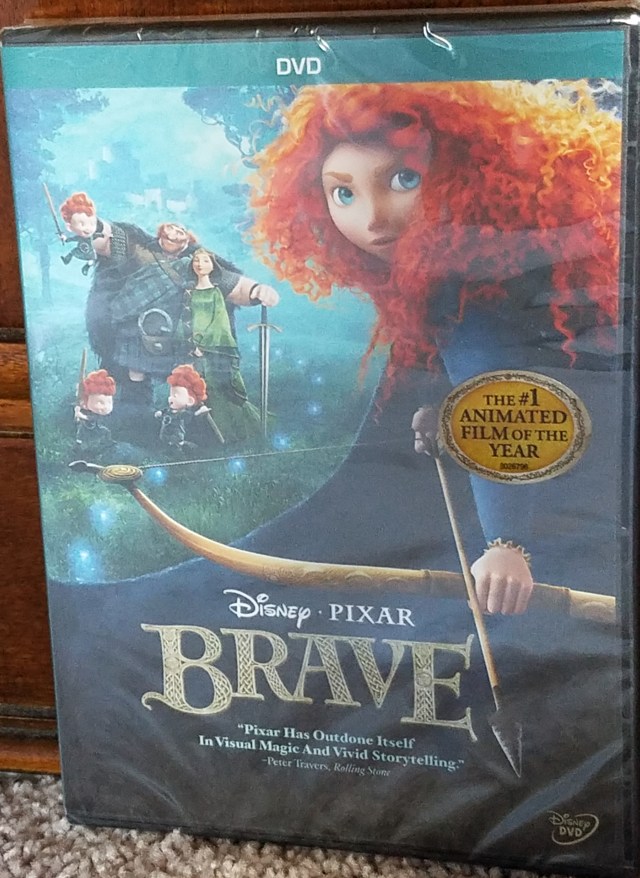



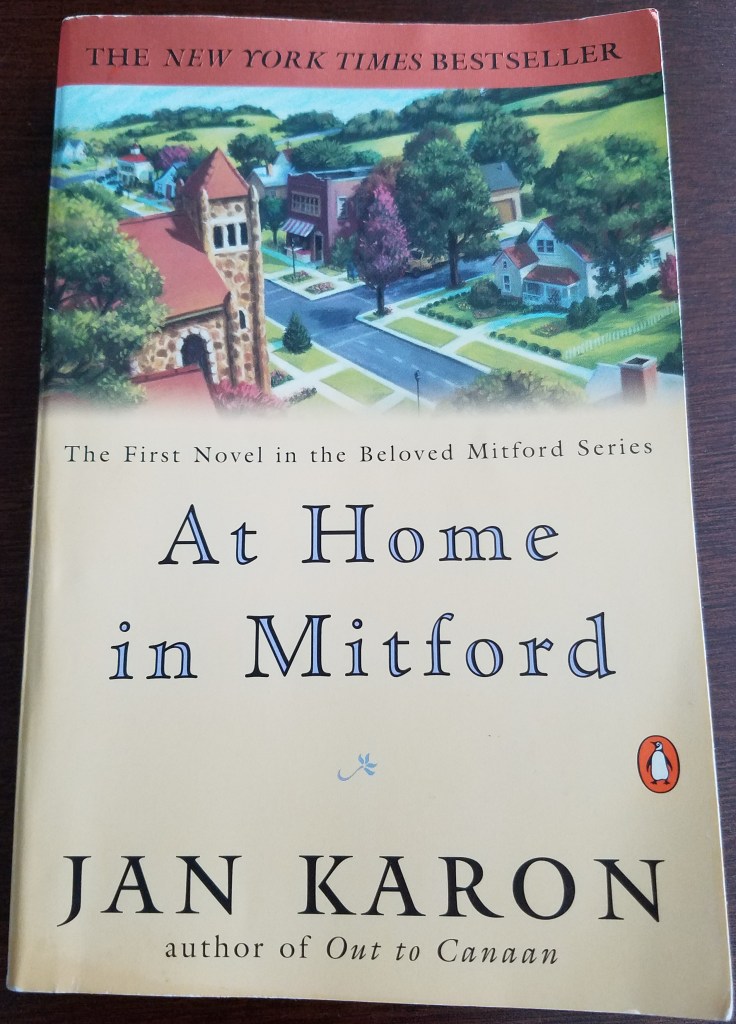


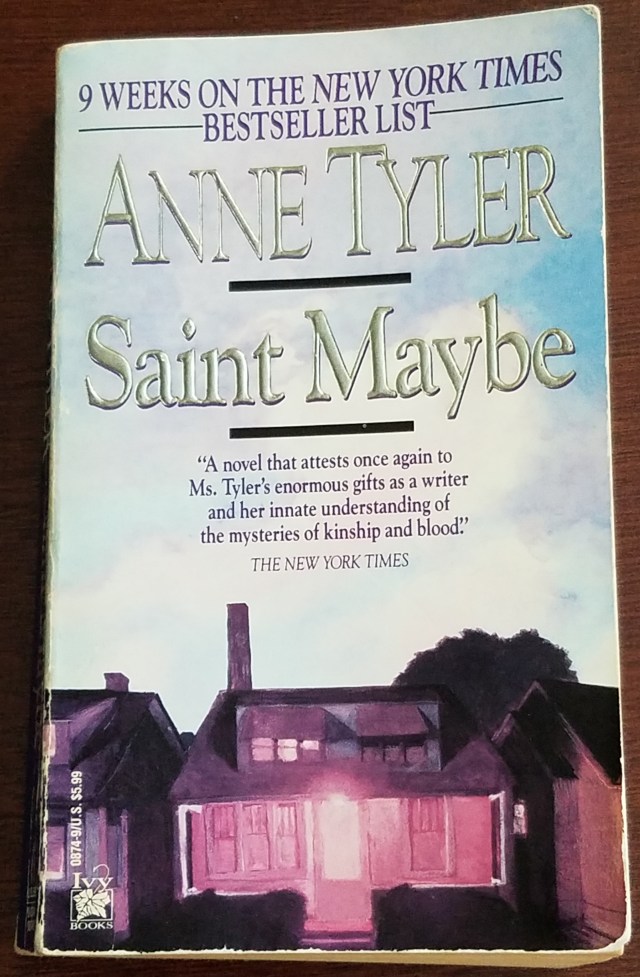

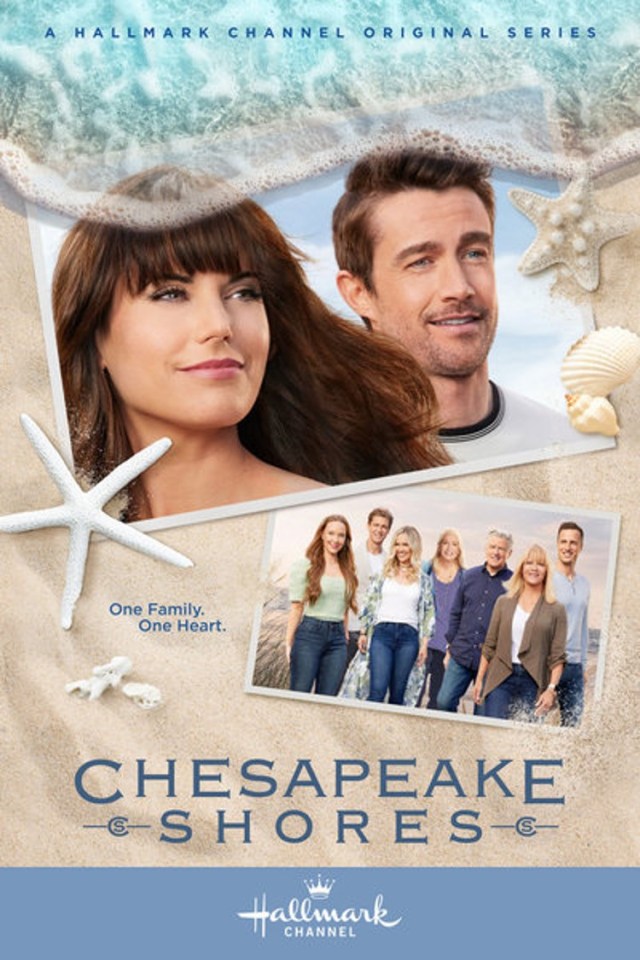



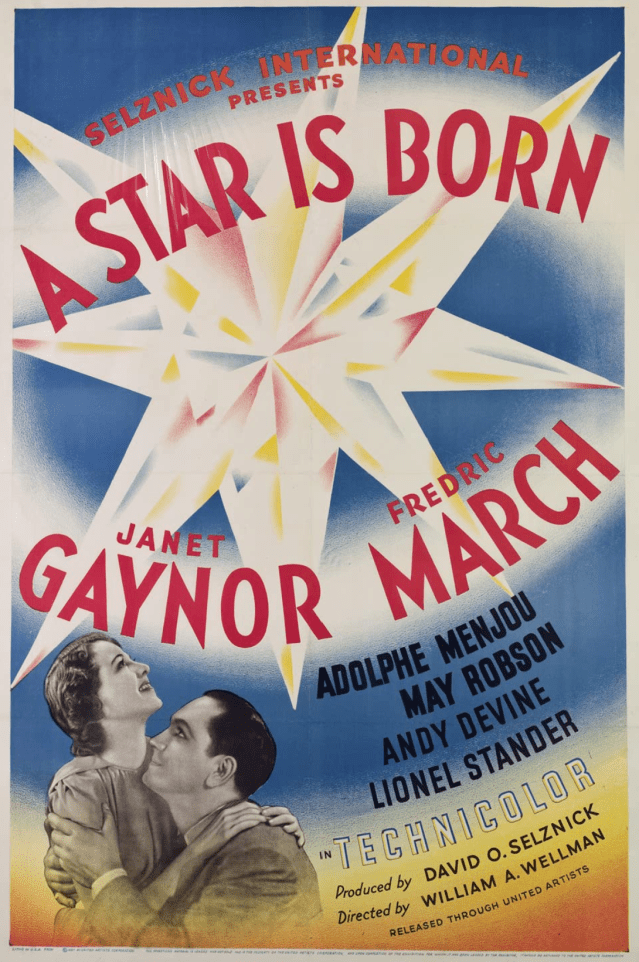
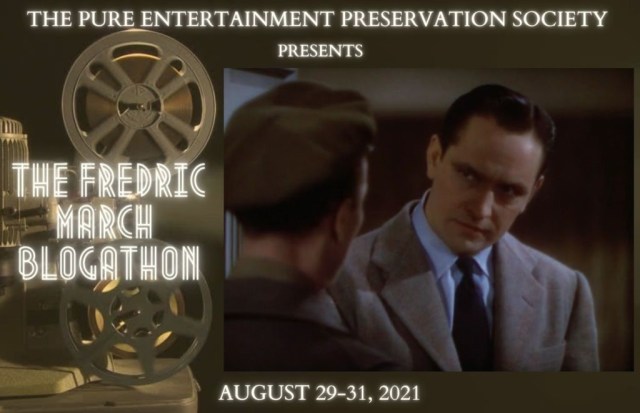





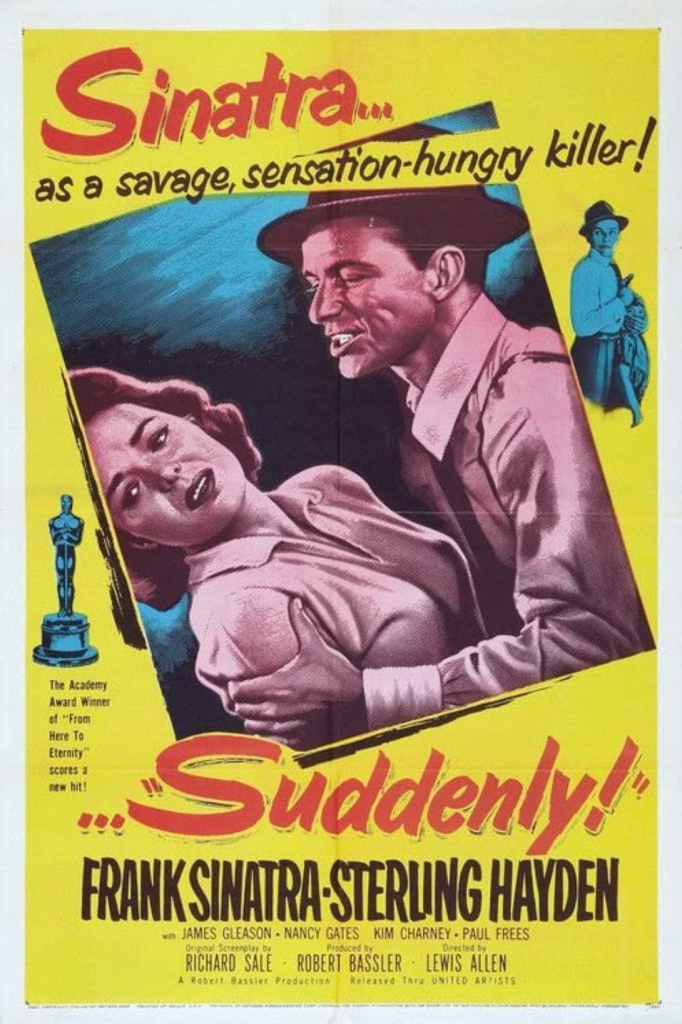




 18 Cinema Lane