Take 3: Hallmark Hall of Fame’s Witness for the Prosecution (1982) Review

In my list of the Top 10 Movies I’d Love to Review, I mentioned finding Oliver 2: Let’s Twist Again on Diana Rigg’s IMDB filmography. During that trip on IMDB, I found another film I could review for the Other Than A Bond Girl Blogathon. As the title of this review says, that movie is the 1982 Hallmark Hall of Fame presentation, Witness for the Prosecution! I’ve gone on record to state how I’d like to watch as many Hallmark Hall of Fame titles as realistically possible. If I’m going to be honest, I didn’t think I would ever see Witness for the Prosecution. That’s because the film not only didn’t receive a DVD release, but it doesn’t seem to have received a VHS release either. So, imagine my shock when I found the full movie on Youtube! Mysteries are, arguably, the most popular genre on my blog. This is also not the first time I’ve reviewed an Agatha Christie adaptation. Back in April, I wrote about the 2022 film, Death on the Nile. In that review, I said the movie had a weaker execution than its 2017 predecessor, Murder on the Orient Express. How will Witness for the Prosecution fare against these aforementioned adaptations? All rise, as this review is now in session!

Hallmark Hall of Fame’s Witness for the Prosecution poster created by CBS Entertainment Production, Hallmark Hall of Fame Productions, Rosemont Productions, and United Artists Television

Things I liked about the film:

The acting: Diana Rigg is one of the eligible Bond Girls for the Other Than A Bond Girl Blogathon. Therefore, I will talk about her performance first. In Witness for the Prosecution, Diana portrayed Christine Vole, the wife of the accused party. Throughout the film, she carried her character as a woman from stories in the 1920s. What I mean by this is Christine held her own with confidence, never shaken by the probing of those involved in the legal side of the case. Even when she took the stand, Christine adopted a serious demeanor, as if putting on a “poker face” and refusing to show her deck of cards too early. These acting choices and the consistency of her performance allowed Diana to pull off a captivating and memorable portrayal!

Deborah Kerr is an actress I’ve talked about before on 18 Cinema Lane. While I have seen and reviewed five of her films, none of them were from the mystery genre. Despite this, Deborah held her own, acting wise, among the cast! She portrays Nurse Plimsoll in Witness for the Prosecution. While watching the 1982 production, her performance reminded me a bit of Donna Reed’s portrayal of Mary from It’s a Wonderful Life. Nurse Plimsoll cares about the health and well-being of the film’s protagonist, Sir Wilfred Robarts. Though Wilfred finds her overall nursing approach annoying, Nurse Plimsoll doesn’t give up on her mission. Even though she is stricter than other on-screen nurses, her heart is always in the right place. This can be seen through Deborah’s facial expressions, body language, and emotions.

Even though the cast as a whole was strong, there was one performance that stole the show. This came from Beau Bridges! Witness for the Prosecution shows Beau portraying an American named Leonard. Because his case is presented in a British/U.K. court system, he is a “fish out of water”. The situation itself provides an interesting dynamic for the cast, including Beau, to work with. It also gave Beau an opportunity to utilize a variety of emotions. During the case, one of the witnesses causes Leonard to have an emotional reaction. At the start of the witness’ questioning, Leonard presents a calm “resting face”. But as the questioning continues, he slowly becomes sadder, adopting a growing frown and his eyes filling with tears. This transformation was gradual, allowing Beau to adapt to the on-screen situation.

The set design: The majority of Witness for the Prosecution takes place within a British/U.K. court room. Despite the limited locations, there were some examples of set design that I liked! Inside the court room, the ceiling was domed, with clear glass exposing a view of the sky. Surrounding the dome are etched, white arches. With a green light shown on these arches, they gave the appearance of boasting an antique limestone material, which complimented the dark wood of the court room’s walls and furniture. In the lobby of the court room, painted murals are shown near the ceiling. The lobby’s walls appear to be covered in a two-tone marble material, with the floor revealing a black-and-white tile design. My favorite set in Witness for the Prosecution was Wilfred’s office! The room’s color scheme was brown, beige, and red. When this set was first introduced, a large, dark wood bookcase proudly stood. It was guarded by a dark wood table and two dark brown armchairs. While the walls were beige, the curtains on the window were red, giving the room a pop of color. The more time Wilfred spent in this space, the more the sophisticated, professional, and intelligent appearance of the office complimented his personality.

An in-depth look at the British/U.K. court system: As I mentioned in my point about the film’s set design, the majority of this story takes place in a British/U.K. court room. That part of the movie exposed the audience to the British/U.K. court system. Even though Witness for the Prosecution is not the “end all, be all” when it comes to this specific court system’s portrayal in entertainment media, it gives viewers a chance to compare and contrast it to other court systems in other productions. The layout of the court room itself provides one example. Toward the front of the court room, the witness stand is located at the judge’s right-hand side. This part of the court room is separate from the judge’s stand. Meanwhile, in court room productions taking place in the United States, the witness stand can either be located at the judge’s left or right-hand side. It is also connected to the judge’s stand.  

The Other Than A Bond Girl Blogathon banner created by Gabriela from Pale Writer and Gill from Realweegiemidget Reviews

What I didn’t like about the film:

The magical monocle: While working on the case, Wilfred wore a monocle when he was questioning the accused party and his wife. As he questioned them, a light shone through the monocle and directly landed on Leonard and Christine. But these were the only two times Wilfred used the magical monocle. The purpose of the monocle or Wilfred’s reason for using it was never explained. Was this monocle truly magical or was the monocle used as foreshadowing? I wish this part of Wilfred’s character was more consistent.

A dialogue heavy story: With any movie or tv show episode featuring a court case, there’s going to be a certain amount of dialogue within the story. But because Witness for the Prosecution mostly revolved around a court case, the 1982 production feels more dialogue heavy compared to Death on the Nile and Murder on the Orient Express. Before watching Witness for the Prosecution, I had expected more showing than telling when it came to the mystery. Instead of watching the characters making discoveries related to the mystery, I heard about it through the questioning in court. Because of this creative decision, I didn’t find the movie’s mystery as engaging as it could have been.

An inactive detective: In a story where a detective, amateur or professional, is the protagonist, the audience expects to see this character actively solve their respective film’s mystery. Sadly, the viewers won’t witness that in Witness for the Prosecution. Wilfred is a lawyer defending Leonard in his case. However, Wilfred places more emphasis in resolving the case than playing detective. Even though this movie’s mystery was solved, it felt like Wilfred was served the answer on a silver platter instead of discovering it himself. Similar to what I said about the dialogue-heavy story, I didn’t find the mystery engaging because of Wilfred’s inactive detective role.

Sketch of London image created by Archjoe at freepik.com. <a href=’https://www.freepik.com/free-vector/hand-drawn-houses-of-parliament_1133950.htm’>Designed by Archjoe</a>. <a href=”https://www.freepik.com/free-photos-vectors/background”>Background vector created by Archjoe – Freepik.com</a>. Image found at freepik.com.

My overall impression:

Hallmark Hall of Fame’s Witness for the Prosecution shares a similar plot with 1997’s Red Corner: an American man is accused of murder, with his case in a court system outside of the United States. But where Red Corner succeeded and Witness for the Prosecution didn’t is how Shen, Jack’s lawyer in Red Corner, not only played a role in the court case, but also went above and beyond in attempting to solve the mystery surrounding the case. This allowed Red Corner’s story to be intriguing and engaging for the audience. With the 1982 production, Wilfred spends more time on the court case than the mystery wrapped around it. This decreases the audience’s engagement. The dialogue heavy nature of Witness for the Prosecution’s story also affected the mystery’s intrigue. Hallmark Hall of Fame’s presentation is the third Agatha Christie adaptation I’ve seen, which I wasn’t overly thrilled with. I still want to, one day, read her literary work. But based on my reactions to the three adaptations I have watched so far, I’m starting to wonder if I’ll find an Agatha Christie story I like?

Overall score: 6.1-6.2 out of 10

Have you seen any of Agatha Christie’s adaptations? Do you have a favorite Agatha Christie story? Let me know in the comment section!

Have fun at the movies!

Sally Silverscreen
Take 3: The Princess and the Pirate Review + 435 Follower Thank You

Originally, I was going to review The Princess and the Pirate for The Metzinger Sisters’ MGM Blogathon. This is because my DVD copy of the film features the MGM logo on the cover and the film was released in 1944. However, The Metzinger Sisters informed me that the movie was not an MGM picture. Even Wikipedia claimed it was an RKO Radio Pictures production. Confused by this, I chose to review The Princess and the Pirate as my next Blog Follower Dedication Review instead. Bob Hope is a comedian I have heard of over the years. But, up until this point, I had never seen any of his films. Meanwhile, pirate themed movies are no stranger to 18 Cinema Lane. As of late June 2022, I have reviewed Captain Sabertooth and the Treasure of Lama Rama and China Seas. While I found China Seas to be just ok, I was disappointed by Captain Sabertooth and the Treasure of Lama Rama. What do I think of The Princess and the Pirate? Get ready to set sail as we start this review!

Here is a picture of my DVD copy of The Princess and the Pirate. Screenshot taken by me, Sally Silverscreen.

Things I liked about the film:

The acting: As I said in the introduction, Bob Hope is a comedian I have heard of before. But because I had never seen his movies, I didn’t know what to expect. While watching The Princess and the Pirate, I found Bob’s portrayal of Sylvester pleasant to watch! His expressions, emotions, and body language were fluid, allowing Bob to adapt to any on-screen situation. Bob’s impersonations were also a memorable component to his performance. Among the silliness and humor, Bob also showed a romantic side. In a scene where Sylvester and Margaret are sailing in a boat, he learns more about Margaret’s identity. During their conversation, Sylvester’s demeanor is softer, lowering his guard. This sweetness in Bob’s character was nice to see, as it showed how multi-layered Sylvester was!

Virginia Mayo portrayed Princess Margaret. As I watched this movie, her performance reminded me of Elizabeth Swann from the Pirates of the Caribbean trilogy. This is because she wasn’t afraid to stand her ground and help save the day. Margaret encouraging Sylvester to be brave during an on-deck battle is one example. What made Margaret different from Elizabeth is how, like Bob, Virginia showed a romantic side. Her performance of ‘Kiss Me in the Moonlight’ showcases this well. Even though the singing was performed by Louanne Hogan, Margaret’s facial expressions and body movements embodied the feminine songstress that appeared in musicals of the time of the movie’s release. Virginia’s portrayal prevented her character from becoming one dimensional!

One aspect of The Princess and the Pirate I liked was how the film made fun of status quos in the world of pirate films. The character of Featherhead is one example of this. Portrayed by Walter Brennan, this pirate is seen by his peers as being “dumb”. However, Featherhead’s interactions with Sylvester goes against that aforementioned claim. Walter’s performance was consistent and went toe-to-toe with Bob’s talents. While Featherhead is a more comedic character, he was more than being the film’s “comic relief”. Walter’s talents allowed his character to be memorable. Featherhead also helped progress the plot forward.

The humor: At the beginning of the movie, on-screen text explains who a pirate named The Hook is and what his mission will be. During this collection of text, Bob Hope breaks the fourth wall by explaining how he’s not portraying the character of The Hook. I found this part of the movie hilarious because of its unexpected nature! At one point in the story, Sylvester swims in a bathing pool with a character named La Roche. During this scene, Sylvester is hiding a secret he doesn’t want La Roche to discover. So, while in the pool, Sylvester quickly pops in and out of the water so La Roche doesn’t see him. Because of the scene’s consistency and because of the scene’s length, it was, in my opinion, funny!

The costume design: In the pirate films I’ve seen, costume design seems to have been a top priority. The combination of historical accuracy and design detail have created costumes that were exquisite and aesthetically pleasing. Throughout The Princess and the Pirate, I loved Virginia’s wardrobe! Each dress boasted a pastel palette, from a coral and teal gown Margaret wore on the Mary Ann to a pink and purple dress she was seen wearing toward the end of the film. This pastel palette also complimented Virginia’s hair color and skin tone. While at La Roche’s house, Sylvester wore a fancy suit. The suit jacket’s primary colors were white and fuchsia, a costume piece boasting a bright, fun palette. Embroidered flowers covered the jacket, which added beauty to the piece. Like the other pirate films I’ve watched, it looks like the costume design in The Princess and the Pirate was a top priority as well!

Princess tiara image created by Freepik at freepik.com. <a href=’https://www.freepik.com/free-vector/ornamental-princess-crowns_1109199.htm’>Designed by Freepik</a>. <a href=”https://www.freepik.com/free-photos-vectors/gold”>Gold vector created by Freepik</a>. Image found at freepik.com.

What I didn’t like about the film:

The island of Casarouge: In The Princess and the Pirate, Sylvester and Margaret go to the island of Casarouge, which is inhabited by pirates. Personally, this location didn’t sit well with me. Throughout Margaret and Sylvester’s time on Casarouge, the pirates’ actions and behavior are unsavory. Acts like murder, thief, and even drunkenness are on full display. I know not every fictional pirate is as friendly as Captain Jack Sparrow. I’m also aware The Princess and the Pirate was released during the Breen Code era, a time where the inhabitants’ choices would not be celebrated or glorified on film. In fact, while on Casarouge, Sylvester questions everything taking place around him. But The Princess and the Pirate has a, mostly, light-hearted tone, with some situations being played up for laughs. Because of these factors, the actions and behaviors of Casarouge should have been toned down.

The Hook’s buried treasure: When The Hook is first introduced in The Princess and the Pirate, he and his crew were seen burying a chest full of treasure. Throughout the film, a subplot involved searching for a treasure map. Without spoiling the movie, I will say the aforementioned treasure was never physically brought up again in the story. More emphasis was placed on finding the map than reclaiming the treasure chest. This made me wonder why the film’s creative team would include this in their story if they had no intention to follow through on it?

A confusing time period: While watching The Princess and the Pirate, the costume and set designs felt reminiscent of the Pirates of the Caribbean trilogy. This led me to believe the story was taking place in the 1700s. Yet Bob Hope’s dialog mentioned things that came to be after the presented time period. When crossing paths with The Hook, Sylvester claims the pirate’s hook would make a great beer can opener. However, I know beer cans did not exist until the 18th century had concluded. I’m not sure if these references were the result of Bob Hope’s comedy or the screenwriters wanting the dialog to be more reflective of the time of the movie’s release. No matter the reason, I found it confusing.

Paper Boats in the Sea image created by Freepik at freepik.com. <a href=’https://www.freepik.com/free-vector/background-of-paper-boats-with-hand-drawn-waves_1189898.htm’>Designed by Freepik</a>. <a href=”https://www.freepik.com/free-photos-vectors/background”>Background vector created by Freepik</a>. Image found at freepik.com.

My overall impression:

The Princess and the Pirate is a movie I’ve been meaning to review. Ever since I acquired my DVD copy of the film, I have been trying to find the perfect opportunity to write about it. Thanks to you, my followers, that time has come! Thank you for taking the time to read what I have to say and for paying 18 Cinema Lane a visit! Your interest in my blog means a lot to me. Now, on to my overall impression of The Princess and the Pirate. There are pirate stories that are stronger than this one. But, for it was, I enjoyed the 1944 movie! While I won’t give anything away, I want to mention there is a “bait and switch” ending. But because The Princess and the Pirate made fun of status quos in pirate films, this type of ending worked. What also worked was the acting and the humor. Since this was my first time watching any of Bob Hope’s films, I found this to be a good introduction to his filmography. In the future, I’d like to check out more of his movies.

Overall score: 7.6 out of 10

Have you seen any of Bob Hope’s movies? If so, which ones would you recommend? Let me know in the comment section below!

Have fun at the movies!

Sally Silverscreen
Top 10 Movies I’d Love to Review

Last year, when I reviewed Let Him Go, it became my 275th movie review! But that wasn’t the only movie review that achieved a milestone. My recent review, Dr. Phibes Rises Again, was my 650th post! With these achievements, I decided to write a top ten list, as I haven’t published one yet. Whenever I wanted to review a particular title, I have, for the most part, been able to seek that title out. While most of them have been accessible, some of those films were harder to find. The idea of film accessibility caused me to reflect on which movies I would love to review someday. Therefore, my list of the Top 10 Movies I’d Love to Review was born! The films featured in this list are underrated/lesser known. They were also released over ten years ago. This was a conscious choice, as it keeps each entry on an equal playing field. The entries are listed based on how accessible they are. In this case, “accessibility” means whether I can legally and realistically rent, purchase, or view a film.

Wish list image created by Vectorjuice at freepik.com. Task list vector created by vectorjuice – www.freepik.com

10. A Little Romance

I first saw the trailer for A Little Romance years ago on Turner Classic Movies (TCM). The movie looked so sweet and charming based on what my television screen presented. Looking back on the trailer, the story seems like a light-hearted version of Rich Kids; where two young characters go off on an adventure. This is ironic, as both Rich Kids and A Little Romance were released in 1979. I have not only found several DVD copies of A Little Romance, but I am able to rent the film. So, a review of this movie will have to be in order in the foreseeable future!

9. The Lost Empire/The Monkey King

Some of Bai Ling’s projects have been reviewed on 18 Cinema Lane. In fact, one of my most recent movie reviews was of her 2002 HBO film, Point of Origin. So, when I discovered Bai starred in a Hallmark movie, I knew I had to, eventually, check it out. Based on what I know about the 2001 project, the story is based on Chinese folklore. This is a very different and unique film concept from the types of movies Hallmark creates today. Similar to A Little Romance, I have found several DVD copies of The Lost Empire/The Monkey King. The full movie is available on Youtube as well.

8. Alex: The Life of a Child

Long before 18 Cinema Lane came along, I had learned of Alexandra Deford’s story. After reading Alex: The Life of a Child, I wanted to see its respective adaptation. For the longest time, a twelve-dollar donation to the Cystic Fibrosis Foundation was the only way to receive a VHS copy of the movie. But if you visit the non-profit’s website, there is no mention of the film or how to acquire a copy of it. Fortunately, the full movie has been posted on Youtube. So, expect a review of Alex: The Life of a Child in the near future!

7. A Circle of Children and Lovey: A Circle of Children Part II

One of Judy Garland’s movies I like is A Child Is Waiting. For those who aren’t familiar with the 1963 title, Judy portrays a music teacher who works at a school for students with special needs. A decade after the release of A Child Is Waiting, two made-for-tv films, A Circle of Children and Lovey: A Circle of Children Part II, aired. Unlike Judy’s movie, the aforementioned productions are based on the true story of a teacher named Mary MacCracken. Her books were not only the source material for these movies, Mary was also one of the screenwriters for both films. While I haven’t found a physical copy of either movie, A Circle of Children and Lovey: A Circle of Children Part II have been uploaded on Youtube. With everything said, these titles could serve a future double feature!

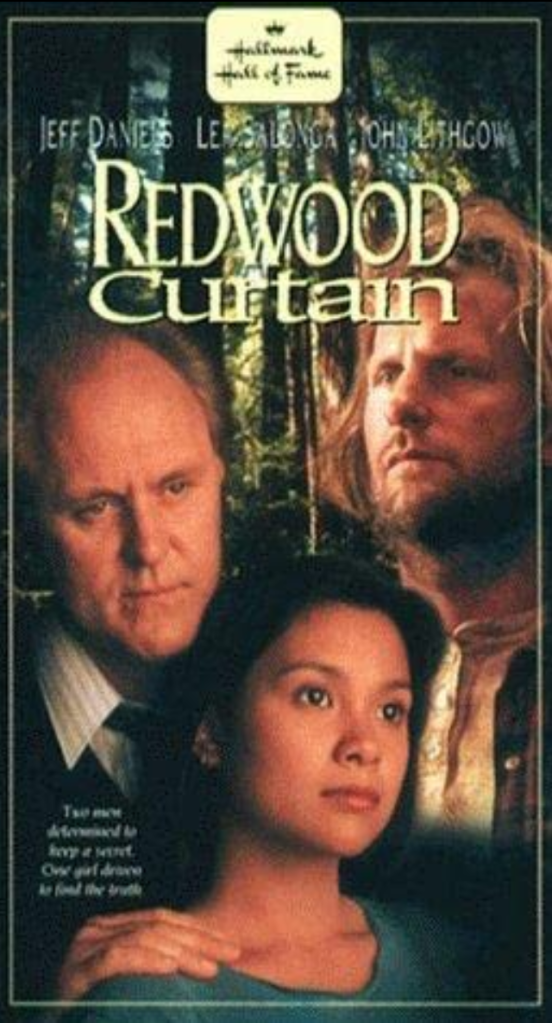
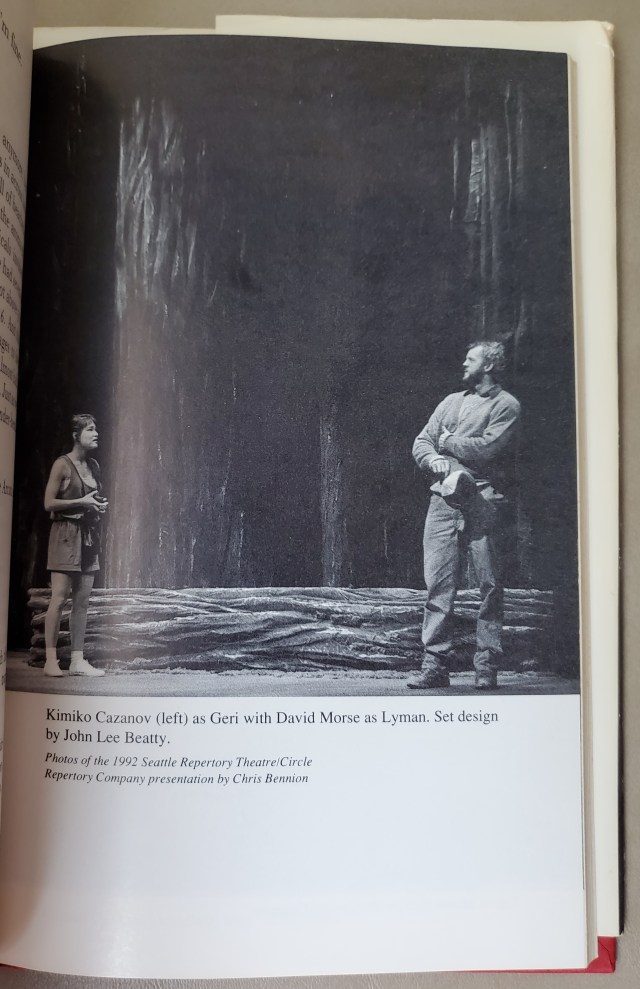
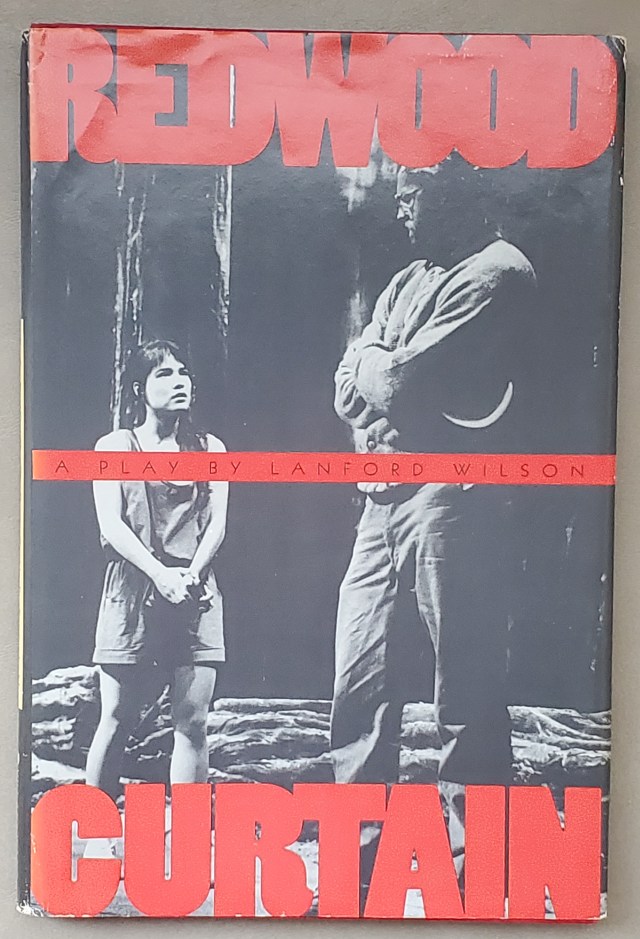
6. Hallmark Hall of Fame’s Redwood Curtain and The Flamingo Rising

I’ve said before on 18 Cinema Lane how some Hallmark Hall of Fame titles were only sold on VHS. This exclusivity has encouraged me to seek them out. Even though I’d like to see as many of those films as realistically possible, Redwood Curtain and The Flamingo Rising are at the top of my wish list! Each synopsis sounds interesting and Asian/Asian American stories are far and few between in the Hallmark Hall of Fame collection. As of late June 2022, both Redwood Curtain and The Flamingo Rising are available on Hallmark’s streaming service, Hallmark Movies Now. I have also found some copies on VHS.

On-line movie purchase image created by Makyzz at freepik.com. <a href=’https://www.freepik.com/free-vector/on-line-order-cinema-movie-tickets_1577652.htm’>Designed by Freepik</a>. <a href=”https://www.freepik.com/free-photos-vectors/technology”>Technology vector created by Makyzz – Freepik.com</a>. Image found at freepik.com.

5. An Old Fashioned Christmas

I have gone on record to state An Old Fashioned Thanksgiving as one of my favorite Hallmark films. Two years after that movie’s release, Hallmark aired a sequel titled An Old Fashioned Christmas. This is one of Hallmark’s unique Christmas offerings, as it is a period drama. The story also takes place in and was filmed in Ireland. I have come across a few DVD copies of An Old Fashioned Christmas. However, these copies were included in Christmas movie box sets, which have been, more often than not, expensive. The 2010 film has an official page on Hallmark Drama’s website. But the movie isn’t scheduled for any upcoming presentations. Hopefully, when Christmas time rolls around, An Old Fashioned Christmas will appear among the network’s selection of seasonal titles.

4. She Couldn’t Say No

This 1953 comedy starring Jean Simmons and Robert Mitchum was originally recommended to me by one of my readers. Since then, I have been trying to find a way to, legally and realistically, watch the movie. No VHS tapes or DVDs of this title have been attainable, as of late June 2022. She Couldn’t Say No has also not been posted on Youtube. Similar to An Old Fashioned Christmas, the 1953 movie does have an official page on Turner Classic Movies’ website. But it doesn’t look like the movie will air on the channel anytime soon. The only option I have left is to wait for the Youtube channel, Cult Cinema Classics, to upload the movie.

3. Oliver 2: Let’s Twist Again

While looking for a title to review for the upcoming Other Than A Bond Girl Blogathon, I came across this project on Diana Rigg’s IMDB filmography. As soon as I read the title, it gave off Breakin’ 2: Electric Boogaloo vibes. Because of that, I thought I had finally found my “so bad, it’s good” movie. But I discovered Oliver 2: Let’s Twist Again is a “Dickens spoof broadcast as part of the BBC’s 1995 “Comic Relief” telethon”. As someone who enjoyed the 1968 musical, Oliver!, I am curious to see what an Oliver Twist sequel would look like. But as of the publication of this list, there have been no uploads on Youtube of Oliver 2: Let’s Twist Again. For now, it would be considered “lost media”.

2. The Tim Pope Cut of The Crow: City of Angels

I won’t talk about this entry too much, as I’ve already talked about it in depth in my editorial, Why Now is the Perfect Time to Release the Tim Pope Cut of ‘The Crow: City of Angels’. Personally, I’d consider the Tim Pope Cut a “partial lost film”. The film itself isn’t lost, but this version of it is. Since publishing my aforementioned editorial, it has garnered over a thousand views and counting! This tells me there’s a desire to find and restore the Tim Pope Cut. But, as of late June 2022, this version of the movie hasn’t been restored. For now, all there is to do is wait and “trust the timing”.

1. Four Devils

For those not familiar with this title, Four Devils is a 1928 project that is considered one of the most infamous lost films. The movie revolves around four siblings who form a circus act called the “four devils”. I don’t always receive an opportunity to review films from the 1920s. Therefore, writing about Four Devils would provide unique and intriguing content for my readers. Like I said about the Tim Pope Cut of The Crow: City of Angels, there has been no recent development in the retrieval of Four Devils. In the meantime, I guess I’ll find the book this movie is based on and read that.

People working on films image created by Katemangostar at freepik.com. <a href=”https://www.freepik.com/free-photos-vectors/business”>Business vector created by katemangostar – http://www.freepik.com</a>. Image found at freepik.com.

Have fun at the movies!

Sally Silverscreen

Take 3: Dr. Phibes Rises Again Review + 420, 425, and 430 Follower Thank You

While looking for a movie to review for my next Blog Follower Dedication Review, I realized it’s been a month since I wrote about a “spooky” title. It’s also been two months since I reviewed a sequel. Because of those factors, I choose to review the 1972 movie, Dr. Phibes Rises Again! Last year, I saw the predecessor, The Abominable Dr. Phibes, after one of my readers recommended it to me. In my opinion, the film was just fine, as I found the horror in the horror-comedy classification heavily emphasized. The fact The Abominable Dr. Phibes received a sequel was surprising to me. That’s because I had no idea the 1971 title received a second chapter until I recently stumbled across it. What other surprises are in store? Let’s take a trip through this review of Dr. Phibes Rises Again in order to find out!

Dr. Phibes Rises Again poster created by
American International Pictures and Anglo-EMI Film Distributors Ltd./MGM-EMI

Things I liked about the film:

A mystery-adventure: In my review of The Abominable Dr. Phibes, I stated how the story was more of a horror-mystery due to the limited incorporation of comedy. Like its predecessor, the sequel also features a mystery. But this time, an adventure story is included in the script, as the characters travel to Egypt. The change in scenery allowed something new to be brought to the overall story. It also added an exciting component, with the audience receiving an opportunity to witness new sights and join the ride with the characters. A new setting made the film’s twists and turns interesting, as Dr. Phibes came up with different ways to attempt to reach his goal. A distinct identity was given to Dr. Phibes Rises Again because of these creative decisions!

Toned down character demises: One of The Abominable Dr. Phibes’ flaws was how over-the-top demises of characters were, as they came across more gross than scary. These demises also overshadowed Vincent Price’s performance, which led to his talents being underutilized. While Dr. Phibes continued to go after anyone who stood in his way in Dr. Phibes Rises Again, the execution of his plan was toned down. Not only were there less demises, but there was also less on-screen gore compared to the first film. Vincent’s acting abilities received more emphasis because of this creative decision. That creative decision also allowed me, as a viewer, to focus on Vincent’s body language, facial expressions, and vocal inflections. Vincent’s role in Dr. Phibes Rises Again felt more like lead actor material compared to The Abominable Dr. Phibes.

Robert Quarry’s portrayal of Darius Biederbeck: When I talked about Queen of the Damned in my article, Twentieth Century vs. Queen of the Damned at the Against the Crowd Blogathon, I said the movie presented Lestat as a more likable protagonist. Stuart Townsend’s portrayal of Lestat helps make this statement accurate, as his consistent suave, confidence added to Lestat’s likability. Robert Quarry’s portrayal of Darius Biederbeck in Dr. Phibes Rises Again reminded me of Stuart Townsend’s portrayal of Lestat. This is because Darius’ suave, confidence was similar to Lestat’s. Darius was a goal-driven man, believing in himself and his mission. Even when those around him had their doubts, his confidence was unwavering, presented consistently by Robert. What also helped was how strong Robert’s acting abilities were, giving him an opportunity to present a stand-out performance. These aspects of Robert’s portrayal of Darius made it enjoyable for me to watch!

Egyptian hieroglyphic image created by wirestock at freepik.com. Luxor photo created by wirestock – www.freepik.com

What I didn’t like about the film:

A somewhat rehashed story: Dr. Phibes’ story in The Abominable Dr. Phibes revolved around trying to find a solution for his deceased wife, Victoria. This quest for a solution drove Dr. Phibes to go after those he felt wronged him and his wife. In Dr. Phibes Rises Again, Dr. Phibe travels to Egypt. But his mission is similar to the first film: find a solution for Victoria. I won’t claim this story is a carbon copy of The Abominable Dr. Phibes. However, I wish it had less similarities to the predecessor.

Confusing parts of the story: A confusing part of Dr. Phibes Rises Again is the return of Vulnavia. Dr. Phibes’ assistant, Vulnavia, was one of the key characters in The Abominable Dr. Phibes. Without spoiling the first movie, I will say something happens that prevents Vulnavia from appearing in the sequel. Yet, she does appear in Dr. Phibes Rises Again, with no clear explanation provided. This is just one example of confusing parts of the story that should have received more context.

An unresolved mystery: While in Egypt, Dr. Phibes discovers a sarcophagus. When he opens the sarcophagus, it appears a mummy had been removed. Dr. Phibes even questions what happened to the aforementioned mummy. But after this scene took place, the mystery is never resolved. In fact, it was never brought up after Dr. Phibes’ initial discovery. This made me wonder why the film’s creative team would include that mystery in their script if they had no intentions to solve it on screen?

Scary movie screening image created by Freepik at freepik.com. <a href=’https://www.freepik.com/free-photo/small-skeleton-with-popcorn-and-tv_1323292.htm’>Designed by Freepik</a>. <a href=”https://www.freepik.com/free-photos-vectors/background”>Background image created by Freepik</a>. Image found at freepik.com.

My overall impression:

Before I share my overall impression of Dr. Phibes Rises Again, I’d like to thank all my followers! I appreciate your support of 18 Cinema Lane! Now, on to my thoughts on Dr. Phibes Rises Again. On the one hand, the sequel tries to go in a different direction from the first movie. It even fixes some of the predecessor’s flaws. On the other hand, though, Dr. Phibes’ story was similar to his story in The Abominable Dr. Phibes. It also doesn’t help how parts of the story were confusing and a mystery was unresolved. Therefore, I will say this: as a movie, Dr. Phibes Rises Again is fine. As a sequel, it is slightly better than the first film.

Overall score: 7.2 out of 10

Have you seen The Abominable Dr. Phibes or its sequel? Are there any sequels you think are better than their predecessor? Please tell me in the comment section!

Have fun at the movies!

Sally Silverscreen

Buzzwordathon 2022 – Review of ‘A Horse Called Holiday’ by Frances Wilbur

June’s theme of Buzzwordathon is ‘All’. This means the word ‘all’ has to appear somewhere in the title. Originally, I was going to read All the Light We Cannot See by Anthony Doerr. But I figured reading a five hundred and thirty plus page book after a three hundred- and forty-three-page book (The Light Between Oceans) put me in a “reading slump” was not a wise decision. Therefore, I decided to read A Horse Called Holiday by Frances Wilbur instead. This is because a) the book is two hundred and three pages and b) the word ‘all’ is found within the word ‘called’.

Here is a photo of my copy of A Horse Called Holiday. Screenshot taken by me, Sally Silverscreen.

Despite this change of plans, there were aspects of the book I liked! Frances took the time to showcase the world of equine sports, specifically show jumping. She goes into detail on how much time, effort, and money it takes to find success in this particular hobby/extracurricular. When it comes to horse-related stories in entertainment media, specifically those for a younger audience, some of them might end up glamorizing the idea of horse ownership. With that said, I appreciate Frances’ realistic approach to equine related activities. I also liked the protagonist, Meredith “Middie” Scott! Even though she has her flaws, Middie has admirable qualities as well. One of them is how hard she works toward her dream of being a successful horse rider. Throughout the story, Middie takes care of other people’s horses. She does this to gain riding experience and earn money to afford a horse of her own. Since A Horse Called Holiday would be classified as a middle grade story, Middie is a good character for younger readers to look up to. At various points in the book, the text is written in italized letters. These passages are from the titular horse’s perspective.  Through these passages, the reader learns more about Holiday’s past, such as why he is so good at jumping fences. Insight into why Holiday reacts the way he does is provided, giving a unique component to this story!

Horse with saddle photo created by Topntp26 at freepik.com. <a href=’https://www.freepik.com/free-photo/stallion-black-equine-race-sky_1104246.htm’>Designed by Freepik</a>. <a href=”https://www.freepik.com/free-photos-vectors/background”>Background image created by Topntp26 – Freepik.com</a>. Image found at freepik.com.

In the book’s synopsis, it states “Middie’s always taken the easy way out”. Some characters remind Middie how she rushes through certain tasks. But throughout the story, these claims didn’t feel consistent. That’s because, over the course of the book, the reader also sees Middie working hard toward her dream. Since there was more evidence for the latter than the former, it felt like the text was giving mixed messages. An overarching issue within Middie’s life was how she felt unappreciated due to her birth being “unexpected”. Because most of the story focuses on Holiday’s training, Frances ends up telling instead of showing the Scott family’s struggles. This emphasis on Holiday’s training also caused the overall conflict to be weaker. While it does provide interesting insight into show jumping, some readers might find A Horse Called Holiday boring due to the limited amount of intrigue.

In my opinion, A Horse Called Holiday is a fine, harmless, horse-related story. In fact, it would be a good introduction to horse-related literature. Without spoiling the book, I will say the resolutions were nice, but expected. However, the story is straight-forward and easier to follow.

Overall score: 3.6 out of 5 stars

Have fun during Buzzwordathon!

Sally Silverscreen

Disclaimer: There is one chapter in A Horse Called Holiday featuring horses getting hurt. One rider is described as “plump” and Holiday’s deafness is described as a “handicap”.

My First Buzzwordathon Fail

Earlier this year, when I announced I would be participating in the Buzzwordathon readathon, I joined the event with the intent of finishing each book in their respective, allotted time-frame. From January to April, I was successful in my attempts, providing a review for each book before the end of the month. When May rolled around, the theme was ‘Directions’. Since ‘between’ is a prepositional, directional word, I planned to read The Light Between Oceans by M. L. Stedman. Unfortunately, I didn’t finish reading it in May. That’s because the book put me in a “reading slump”. For those who don’t know, a “reading slump” happens when you lose motivation to read and/or finish a book. In my case, I saw The Light Between Oceans movie before I read the source material. I haven’t seen the film in years. But, based on what I remember, the movie was faithful enough to the book to satisfy the reader. At times, this made me wonder, “Why am still reading the book”?

Here is a photo of my copy of The Light Between Oceans. Screenshot taken by me, Sally Silverscreen.

Because I try to be a blogger of my word, I will still publish a review of The Light Between Oceans. Even though this book put me in a “reading slump”, there are aspects of it I liked. One was how honest the writing felt. Various moments of the story provided thought-provoking statements due to the text’s honesty. Isabel, the book’s female protagonist, points out how her brothers didn’t receive a funeral. Violet, Isabel’s mother, reflects on why she made that decision. The text reveals the lack of funeral for Isabel’s brothers is because Violet didn’t want to admit her sons were never returning home. Until I read The Light Between Oceans, I had never thought about funerals in that sense. Another strength in M. L. Stedman’s writing was the use of descriptive imagery. The way people, places, and objects were described gave the reader a chance to picture them in their mind. When Tom, Isabel’s husband, visits Janus’ lighthouse for the first time, M. L. Stedman writes about each layer of the structure. As Tom reaches the top of the lighthouse, the different components of the light itself, such as the lenses used to position the light, allow readers who may have never visited a lighthouse before to get up-close to the lighthouse’s mechanics. Because of how strong M. L. Stedman’s descriptive imagery was, it brought the text to life!

Good sailing day image created by Freepik at freepik.com. <a href=’https://www.freepik.com/free-vector/summer-landscape-with-a-houselight-and-a-boat_866882.htm’>Designed by Freepik</a>. <a href=”https://www.freepik.com/free-photos-vectors/design”>Design vector created by Freepik</a>. Image found at freepik.com.

The Light Between Oceans starts with Tom and Isabel’s discovery of Lucy and her biological father. The book is also divided into three parts. I found these creative decisions unnecessary as 1) Lucy’s discovery is an event included in the book’s synopsis, so the reader already knows what to expect and 2) the story itself is straight forward. I also didn’t think it was necessary for the book to be over three hundred pages. After a certain event in the story takes place, the text becomes drawn out and repetitive. Each chapter feels like M. L. Stedman tried to put as much content as possible into each chapter. As I’ve already mentioned, The Light Between Oceans put me in a “reading slump”. But, as I’ve also said, this is because I was familiar with the story prior to reading the book. If I had known how similar the film adaptation and its source material were to each other, I would have stuck with my memories of the movie. With that said, if you’ve read the book, you’ve already seen the film, and vice versa.

Overall score: 3 out of 5 stars

Have fun during Buzzwordathon!

Sally Silverscreen

Disclaimer: The Light Between Oceans is a dramatic book that contains overarching, heavier topics. These topics are miscarriage, the aftermath of war, and grief associated with death. The book also discusses the subject of prejudice. There are some swear words in the text and the mention of someone vomiting.

Take 3: Point of Origin Review

When the subject of “disaster films” is brought up, one will usually think of films revolving around over-exaggerated, fictionalized disasters. Whether it’s Sharknado or The Day After Tomorrow, these types of titles have become the faces of the “disaster film” category. But what if a movie depicts a real-life disaster that could be experienced by anyone? This is the case of my Disaster Blog-a-Thon entry, Point of Origin. Last month, I searched on Wikipedia for a title to review for May’s Genre Grandeur. During that search, I stumbled across the aforementioned 2002 HBO production. After reading the film was a “fact-based drama about an arson investigator searching for the perpetrator of a string of deadly fires in 1980s California”, I knew it was the perfect choice for J-Dub and Pale Writer’s event! Before I start this review, I would like to point out how this marks two firsts for 18 Cinema Lane. Not only is this my first time participating in the Disaster Blog-a-Thon, this is also the first HBO film reviewed on my blog!

Point of Origin poster created by HBO Films and New Redemption Pictures

Things I liked about the film:

The mystery: For the most part, the mystery in Point of Origin allowed the audience to experience it alongside the characters. What also helps is how the mystery started right at the beginning of the film. This immediately hooked the audience into the story, while also giving them a shared journey with the key players on screen. There was room for viewers to speculate what would happen in the story. That gave them the opportunity to interact with the film’s mystery. Three separate components played a role in the overarching narrative. While I won’t give anything away, it was interesting to see these components come together.

The special effects: When John was investigating a crime scene, he would attempt to figure out how the fire started. Toward the beginning of the film, this thought process was visualized through special effects. As John is recounting the information, the actual fire is played out in reverse on screen. This is very different from other mystery movies, as flashbacks might be utilized to speculate the cause of a crime. When it came to the fires themselves, it appeared as if they actually took place in a given scene. It may have been possible for the movie’s creative team to insert footage of fires through editing or CGI, as Point of Origin was released in 2002. However, practical effects were an interesting choice. This creative decision reminded me of productions like The Crow.

Showcasing the dangers of fire: While investigating a local fire, John and his co-worker, Keith, examine a young boy who died on the crime scene. Despite only the victim’s face being shown, it is blackened due to smoke and flame exposure. Later in the film, John visits a surviving burn victim in the hospital. The victim’s face and part of his hand are covered in burns. He even claims that it hurts to open his eyes. Due to the nature of Point of Origin, the story is heavier in tone. However, the incorporation of the dangers of fire never felt like they were there for “shock value” or as a tactic to scare the audience. If anything, it was shown just enough to get the point across.

The Second Disaster Blog-A-Thon banner created by J-Dub from Dubsism and Pale Writer from Pale Writer

What I didn’t like about the film:

Bai Ling’s limited presence: Bai Ling was cast as John’s wife, Wanda Orr, in the 2002 HBO film. Her involvement in Point of Origin is one of the reasons why I sought out this movie, as she is the top billed actress. When I watched the film, however, I discovered Bai appeared in only a handful of scenes. Compared to some of Bai’s other projects, her talents were under-utilized in Point of Origin. It also seems like the main supporting actress, Illeana Douglas, received more screen-time than Bai. Bai did a good job with the acting material she was given. But this situation is very reminiscent of Katharine Hepburn’s involvement in 1994’s One Christmas, where Katharine appeared in about five scenes despite being that film’s top billed actor.

A confusing time period: As I mentioned in the introduction, Point of Origin takes place in the 1980s. Elements from that decade were incorporated into the film, such as vehicles and a typewriter used by John at various moments in the story. Meanwhile, Bai’s wardrobe looked like it came straight from the early 2000s. There was also a scene where a store patron tells another patron not to smoke in the store. This attitude was more prevalent in the 2000s, as smoking in public places was more accepted in the 1980s. The inconsistency with the film’s historical accuracy was so confusing, it was, on a few occasions, distracting.

An unidentified red-haired man: Throughout the movie, a red-haired man made multiple appearances. I won’t spoil the movie for anyone who hasn’t seen it. But I will say when everything was said and done, I don’t feel like I received a satisfying explanation of who that character is. Yes, I can assume the red-haired man’s identity. However, when it comes to that character, the movie was building up to something without providing a pay-off.

Magnifying glass and fingerprint image created by Alvaro_Cabrera at freepik.com. <a href=’https://www.freepik.com/free-vector/loupe-over-a-fingerprint_853908.htm’>Designed by alvaro_cabrera</a>. <a href=”https://www.freepik.com/free-photos-vectors/glass”>Glass vector created by Alvaro_cabrera – Freepik.com</a>. Image found at freepik.com.

My overall impression:

For the Disaster Blog-a-Thon, I chose to talk about a film that revolved around a real-life disaster. This is because, in my opinion, these types of titles aren’t talked about as much within the realm of “disaster films”. When it comes to Point of Origin specifically, it was a fine, competently made, intriguing movie. But the 2002 HBO project made me feel similarly to Red Corner. This is ironic, as Bai Ling was cast as the lead actress in both films. What I mean by my aforementioned statement is I held higher expectations for each film, only to be somewhat let down by them. As I’ve said before on 18 Cinema Lane, the historical accuracy works when the creative team places emphasis on the details. In Point of Origin, however, it seems like the film’s creative team forgot, at times, their project took place in the 1980s. This is because some aspects of the film reflected the time of the film’s release; the early 2000s. I haven’t seen a lot of HBO films, so I can’t make any comparisons with Point of Origin. But I will say, based on other made-for-TV mystery productions, this one felt closer to the middle of the road.

Overall score: 7.2 out of 10

Have you seen Point of Origin? Are there any HBO films you’d like to see reviewed on 18 Cinema Lane? Please let me know in the comment section!

Have fun at the movies!

Sally Silverscreen

Take 3: The Sundowners (1960) Review

Here at 18 Cinema Lane, I try to go out of my way to watch, and review, as many film recommendations as possible. In fact, I have a board on Pinterest dedicated to these recommendations. Two years ago, when I reviewed Marriage on the Rocks, Maddy, from Maddy Loves Her Classic Films, suggested I check out the 1960 picture, The Sundowners. Shortly after Debbie, from Moon in Gemini, invited me to her Foreign Western Blogathon, I finally found an opportunity to write about the movie! The Sundowners fits two of the four blogathon categories: ‘directed by foreign directors’ and ‘shot in a foreign country’. According to IMDB, the film’s director, Fred Zinnemann, is from Austria-Hungary. The movie was also filmed in Australia, where the story takes place. Foreign westerns are not a new concept on 18 Cinema Lane. Neither are Australian films. Within the four years of my movie blogging journey, I reviewed Another Man, Another Chance, Interrupted Melody, and Hallmark Hall of Fame’s Durango. If you’re interested, I’ll provide the links to these reviews toward the beginning of this article.

Take 3: Another Man, Another Chance Review

Take 3: Interrupted Melody Review

Take 3: Hallmark Hall of Fame’s Durango Review

The Sundowners (1960) poster created by Warner Bros.

Things I liked about the film:

The cinematography: Like I said in the introduction, The Sundowners was filmed in Australia. The movie’s creative team took advantage of the country’s natural surroundings through cinematography! One long shot showcased Australia’s farmlands. What made this shot beautiful were the rays of sunlight showering over the green landscape, offering a light only nature could provide. The cinematography also did a good job putting things into perspective. During a forest fire, Ida is driving her family’s wagon away from the forest. While this maneuver is taking place, the camera is situated inside the back of the wagon. It looks out toward the road, giving the audience the illusion they are riding in the wagon with Ida.

Higher stakes: When I reviewed Hallmark Hall of Fame’s Durango last year, I talked about low stakes being one of the film’s biggest flaws. In The Sundowners, higher stakes were featured in a few scenes! A notable example is the forest fire I previously mentioned. While the Carmody family is herding sheep, a nearby forest fire breaks out. This leads all the characters to be in danger. The scene chronicled the entire process of the fire, starting from the detection of smoke and ending in the fire’s aftermath. Cut-away shots of scared wildlife are spliced into the story, emphasizing the other lives in harm’s way. Dramatic music can be heard in the background, elevating the sense of urgency. With all these elements combined, this scene was the perfect example of the higher stakes I expect from a western film!

The historical accuracy: With any “period film”, the historical accuracy can make or break that production. In the case of The Sundowners, the story takes place in the 1920s. From the looks of it, the 1960 project appears historical accurate! The forms of transportation are one indicator. While the Carmody family is working on the sheep farm, the employees sometimes rode in antique trucks with open beds. At least one motorcycle is featured in the story, revealing exposed gears and a model very different from the motorcycles of today. A covered wagon is the preferred vehicle of the Carmody family, with Paddy and Sean riding horses on a few occasions. This aspect of the film’s historical accuracy reminded me of a production like The Grapes of Wrath.

The Foreign Western Blogathon banner created by Debbie from Moon in Gemini

What I didn’t like about the film:

A “slice of life” story: Westerns, like any genre, contain a wide range of narratives. If given the choice, I’d rather watch a western with, at least, one conflict instead of a story that’s more “slice of life”. Unfortunately, the majority of The Sundowners is a “slice of life” story. The script primarily focuses on the daily operations of sheep farming. At first, this topic was interesting. But as the film carried on, the elements of sheep farming became repetitive. Had this movie contained one or two major conflicts, I might have found this story more intriguing.

Lack of Irish accents: According to Wikipedia, the Carmody family is Irish, a fact Sean tells Rupert early in the film. Michael Anderson Jr., Robert Mitchum, and Deborah Kerr must have missed that detail in the script, as none of them could successfully carry an Irish accent. Throughout The Sundowners, Deborah sounded like she was speaking in a British accent. Meanwhile, Robert and Michael sounded Australian. I don’t think Robert, Deborah, and Michael are bad actors. In fact, pulling off any accent can be a difficult skill to master. However, their lack of Irish accents was, for me, jarring.

The run-time: The Sundowners contains a straight-forward story about a family searching for employment in order to afford a place of their own. With that said, I found it unnecessary for the film’s run-time to be two hours and thirteen minutes. Some scenes felt drawn out in an attempt to satisfy this run-time, the shearing contest Paddy enters being one example. That scene lasts about five minutes, even though it could have only featured the most exciting parts of the contest. If scenes like that one had been cut shorter, the movie could have had a run-time of about an hour and thirty minutes.

A “bait and switch” ending: In my review of 1961’s The Pit and the Pendulum, I incorporated spoilers to explain my thoughts on a specific portion of the movie. Similarly, I will be including spoilers in this part of my review. If you haven’t seen The Sundowners, please skip this part and continue reading where it states “My overall impression”.

As I stated earlier in this review, The Sundowners contains a straight-forward story. I also stated how the movie is two hours and thirteen minutes. Within that run-time, the Carmody family receives the funds to afford a farm that was featured toward the beginning of the film. All seems to be going well until the last ten minutes in the story. While in a drunken state, Paddy makes several I-O-Us, losing the family’s finances in the process. In an attempt to earn back some of those funds, the family enters their race-horse, Sundowner, in an upcoming horse race. Not only does Sundowner and Sean win the race, Paddy also wins a bet. Even though they have enough money to make a down payment on the aforementioned farm, Ida changes her mind, saying Paddy can keep the race horse instead. This statement contradicts Ida’s goal throughout the movie; getting a place to put down roots. Moments later, an announcement declares Sundowner is disqualified from the race due to a pass interference. This means the Carmody family lost all the money they just won. The movie ends exactly how it begins; with the family on the road looking for employment and a place to stay. If I had known the story would end this way, I wouldn’t have become invested in the Carmody family’s ordeal.

Horse with saddle photo created by Topntp26 at freepik.com. <a href=’https://www.freepik.com/free-photo/stallion-black-equine-race-sky_1104246.htm’>Designed by Freepik</a>. <a href=”https://www.freepik.com/free-photos-vectors/background”>Background image created by Topntp26 – Freepik.com</a>. Image found at freepik.com.

My overall impression:

When it comes to film-making, one of the worst things you can do is waste the audience’s time. The way I feel about The Sundowners is similar to how I felt about The Birds; like I truly wasted two hours and thirteen minutes. I understand circumstances in western films aren’t always fair. Heck, life itself is sometimes unfair. But what is also not fair is giving your characters and audience hope for two hours, then taking that hope away in the film’s last ten minutes. With the way The Sundowners turned out for me, it almost seemed like history repeated itself. As I mentioned in this review, I wrote about Hallmark Hall of Fame’s Durango last year. That 1999 presentation was a foreign western I didn’t like. Both Durango and The Sundowners have one thing in common. Even though there were things about each film I liked, they contained a weak script. A script is the foundation of any cinematic production. If it isn’t strong, there’s only so much you can do to remedy the issue. Before I end this review, I want to make it clear that I have nothing against foreign westerns or Australian cinema. I’m confident there are stellar Australian and foreign western pictures I haven’t seen yet. Unfortunately, The Sundowners isn’t one of them.

Overall score: 4.7 out of 10

Have you watched any foreign westerns? If so, which ones would you recommend? Let me know in the comment section!

Have fun at the movies!

Sally Silverscreen
Take 3: The Pit and the Pendulum (1961) Review

For The Corman-Verse Blogathon, I was originally going to review the 1996 film Kyoko/Because of You. The only way I could watch the movie is if I purchased a DVD copy. Unfortunately, the copy I bought would not arrive in time for the blogathon. Even though I do plan to review Kyoko/Because of You in the near future, I needed to select a back-up film to write about for the event. While scrolling through Roger Corman’s filmography, I discovered he directed the 1961 adaptation, The Pit and the Pendulum. Since no other participant had selected the film, I chose to review this movie instead. Vincent Price is no stranger to 18 Cinema Lane. As of the publication of this review, The Pit and the Pendulum is the ninth movie of Vincent’s I’ve seen. The majority of his films have been enjoyable to varying degrees. So, where does the 1961 title lie? You won’t know that answer unless you read this review!

The Pit and the Pendulum (1961) poster created by Alta Vista Productions and
American International Pictures

Things I liked about the film:

The acting: As I said in the introduction, The Pit and the Pendulum is the ninth movie of Vincent’s I’ve seen. Among most of these films, Vincent’s acting talents have been on full display, allowing the audience to witness just how versatile of an actor he is. In the 1961 adaptation, Vincent portrays Nicholas Medina. Throughout the story, Nicholas is overcome not only by the loss of his wife, but also by trauma he experienced as a child. When Francis Barnard, the film’s protagonist, questions the cause of his sister’s death, Nicholas’ eyes appear both concerned and wounded. This is because he wants to protect Francis from the truth and himself from the grief. During Francis’ stay in the Medina Castle, Nicholas shows Francis Elizabeth’s (his wife and Francis’ sister) room. While reminiscing over his time with Elizabeth, Nicholas is suddenly overcome with sorrow. With a quivering lip and tear-filled eyes, he bursts out crying, longing for his dearly beloved.

 Like I previously mentioned, Francis Barnard is the film’s protagonist. Portrayed by John Kerr, this character was a good representative of the audience. What I mean by this is he and the audience were in the same boat, figuring things out as they go along. That element of the story gave viewers an opportunity to connect with the character. What also worked in John’s favor is how consistent his performance was. Throughout The Pit and the Pendulum, Francis was suspicious of the Medina Castle and the people who lived there. His face was set in a serious expression; mouth displaying a tight, straight line and eyes in a scowling manner.

Nicholas’ sister, Catherine, is one of the people Francis meets. Catherine, portrayed by Luana Anders, reminded me of Snow White from the 1937 animated classic, Snow White and the Seven Dwarfs. This is because she showcased a gentle concern toward the characters around her. But unlike the cartoon princess, Catherine contributed more to the story, instead of being a more passive participant. When she and her brother are first confronted by Francis about Elizabeth’s death, Catherine shows worry on her face. However, the reason for her facial expression was different from Nicholas’, as she wonders how she will reveal the truth to Francis. Later in the film, Catherine explains Nicholas’ past trauma to Francis, in an effort to show him her brother is being honest. This time, her expressions show more understanding, appearing calmer and sure of herself.

The set design: The Pit and the Pendulum takes place inside the Medina Castle, during the year 1547. While I’m not a historian when it comes to this particular era, I will say the set design appeared historically accurate! Each room of the castle was spacious, presented in long to medium shots to showcase their size and scope. Though the walls were a mix of white and caramel marble, they were covered with exquisite artwork. In Francis’ room, there was a wall-sized piece of tapestry. Elizabeth’s room boasted her portrait, which captured her in blue and purple hues. The rooms in Medina Castle also included elaborate pieces of furniture. A gold canopy bed in Elizabeth’s room displayed small, detailed carvings on the footboard.

The mystery: When I talked about John Kerr’s performance, I said his character, Francis, was in the same boat as the audience. That’s because this is the type of mystery story where the audience figures things out alongside the protagonist. Out of the mystery movies I’ve seen in my life, I find these types of stories to be some of the more engaging ones in the genre. They give viewers the illusion they are experiencing a journey with the main character. The mystery in The Pit and the Pendulum started right away and was carried until the movie’s end. As the story moved forward, the reveal of certain secrets was evenly paced throughout the script. This allowed the film’s momentum to remain consistent and keep the story intriguing!

The flash-back scenes: In a few moments of the movie, flash-back scenes were used to explain things that happened in Nicholas’ past. One example is when Nicholas himself is telling Francis how Elizabeth passed away. Those flash-back scenes were narrated by Vincent Price and were coated in a single-color hue. For instance, in the days of Nicholas and Elizabeth’s happier times, the scenes were displayed in either green or blue. The way the flash-backs were presented made them feel distinct from the “current” events. They also brought Nicholas past to life.

The Corman-Verse Blogathon banner created by Gill from Realweegiemidget Reviews and Barry from Cinematic Catharsis

What I didn’t like about the film:

The prolonged appearance of The Pit and The Pendulum: I’ve gone on record to say a movie’s title, sometimes, serves as a promise to the audience. There is a pit and pendulum in this film. But they appeared in the movie’s last eleven minutes. It’s been years since I’ve read anything by Edgar Allan Poe, so I’m not sure which parts of the story are straight from the source material. However, I kind of wish the pit and pendulum would have appeared in the movie sooner.

A somewhat confusing climax: For this part of the review, I will be bringing up spoilers. While I typically try to leave spoilers out of my reviews, I feel I can’t fully explain my points without including them. If you haven’t seen 1961’s The Pit and the Pendulum, please skip this part and continue reading where it states “The underutilization of Maximillian”.

In The Pit and the Pendulum, Francis, and the audience, learn Elizabeth died of shock. But throughout the film, Nicholas is convinced he killed his wife. To prove Nicholas didn’t kill Elizabeth, Francis and Doctor Leon open Elizabeth’s grave, revealing a skeleton. But toward the end of the movie, Nicholas discovers Elizabeth had been alive that whole time. Even though he is overcome by shock, Nicholas pulls out of it, believing he is his father, Sebastian. Looking back on the film, I wonder if Nicholas assumed his father’s identity because the grief and trauma made him take a psychological turn for the worse? Or did Nicholas know about Elizabeth and Leon’s affair that entire time, using the “shock” as the perfect opportunity for revenge? Also, where did Leon and Elizabeth find a skeleton for their plan?

The underutilization of Maximillian: In a handful of moments, a servant named Maximillian appeared in the movie. At one point, I honestly thought he would play a bigger role in the mystery. Unfortunately, Maximillian was underutilized throughout the story. It felt like this character was included in the movie just for the sake of it.

Castle photo created by Photoangel at freepik.com. <a href=’https://www.freepik.com/free-photo/old-castle-in-the-mountians_1286237.htm’>Designed by Freepik</a>. <a href=”https://www.freepik.com/free-photos-vectors/tree”>Tree image created by Photoangel – Freepik.com</a>. Image found at freepik.com.

My overall impression:

When it comes to movie blogging, things don’t always go according to plan. That was the case when I chose to review The Pit and the Pendulum. Looking back on the film, I realize this change of plans ended up being a good thing. For starters, I had the opportunity to review one of Vincent’s films on his birthday, which happens to be today. The film in question was also a pleasant surprise because of how good it was! The Pit and the Pendulum is an engaging and intriguing mystery from start to finish. This is one of the more effective horror movies, similar to titles like 1962’s Cape Fear. Vincent Price is one of those actors I’ve come to appreciate the more of his films I watch. After watching The Song of Bernadette, I thought it would be so cool to hear Vincent read some of Edgar Allan Poe’s work. Because of his involvement in The Pit and the Pendulum, my wish kind of came true. I also discovered, in 1970, Vincent was the narrator of An Evening of Edgar Allan Poe. Since I enjoyed the 1961 adaptation so much, I’ll have to seek that production out!

Overall score: 8.1-8.2 out of 10

Have you seen any adaptation of The Pit and the Pendulum? Did you read Edgar Allan Poe’s literary work? Let me know in the comment section!

Have fun at the movies!

Sally Silverscreen
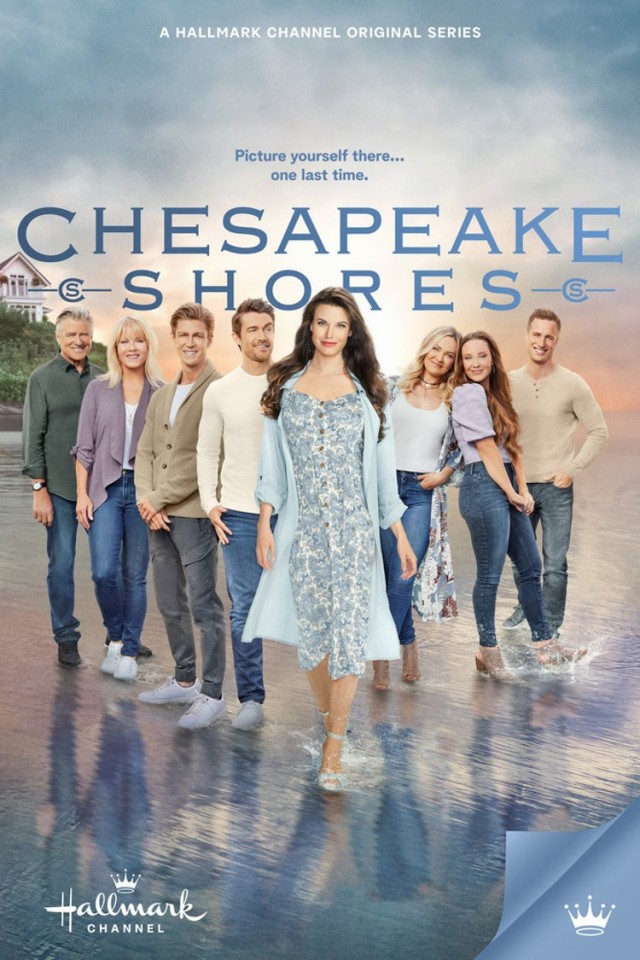
The Gold Sally Awards is back with On-Screen Couple and Best Ensemble Polls!

Hi everyone! The Gold Sally Awards is almost over! In these polls, you will have the chance to vote for the Best On-Screen Couple and Best Ensemble. Both polls will begin today, on May 25th, and end on June 1st. While you can vote for more than one nominee, you can only vote once per person. The link to the polls will be located under each poll. Just click on the word ‘Poll Maker’.

Who is the Best On-Screen Couple of 2021?


1. Candace Cameron Bure and Niall Matter — Aurora Teagarden Mysteries: Til Death Do Us Part
2. Daniel Brühl and Natascha McElhone — Ladies in Lavender
3. Ralph Macchio and Tamlyn Tomita — The Karate Kid Part II
4. William R. Moses and Alex Datcher — Perry Mason: The Case of the Telltale Talk Show Host
5. Marshall Williams and Natalie Hall — Sincerely, Yours, Truly
6. John Moulder-Brown and Lynne Frederick — Vampire Circus
7. Janel Parrish and Jeremy Jordan — Holly and Ivy
8. Francis Huster and Geneviève Bujold — Another Man, Another Chance
9. Fredric March and Janet Gaynor — A Star Is Born (1937)
10. Jesse Metcalfe and Sarah Lind –Poisoned in Paradise: A Martha’s Vineyard Mystery
Created with Poll Maker
What is the Best Ensemble of 2021?


1. The Karate Kid (1984)
2. The Three Musketeers (1948)
3. The Love Letter
4. Perry Mason: The Case of the Telltale Talk Show Host
5. Sincerely, Yours, Truly
6. Rigoletto
7. Holly and Ivy
8. The King and I (1956)
9. A Star Is Born (1937)
10. Poisoned in Paradise: A Martha’s Vineyard Mystery
Create your own Poll Maker

Have fun voting!

Sally Silverscreen