Take 3: Lake Effects Review

‘Family Vacation Films’, that’s the theme of August’s Genre Grandeur. When one mentions this subject, the idea of happy times or fun destinations usually come to mind. What also comes to mind is how a family chooses to go on these trips, mostly to have a good experience. But what if a family takes a vacation out of necessity? And what if it wasn’t possible for that family to take a literal trip? Perhaps a “staycation” would have to be in order. A figurative trip away from personal hardships, doubt, and stresses of everyday life. This is the case of Lake Effects, the movie I’ve selected for this month’s event. While Smith Mountain Lake, Virginia, could be a vacation spot, the protagonist and her family live in that location. But due to a family tragedy, they are forced to take a break from their daily lives. Whether a family vacation is close to home or travels abroad, what’s important are memories shared together.

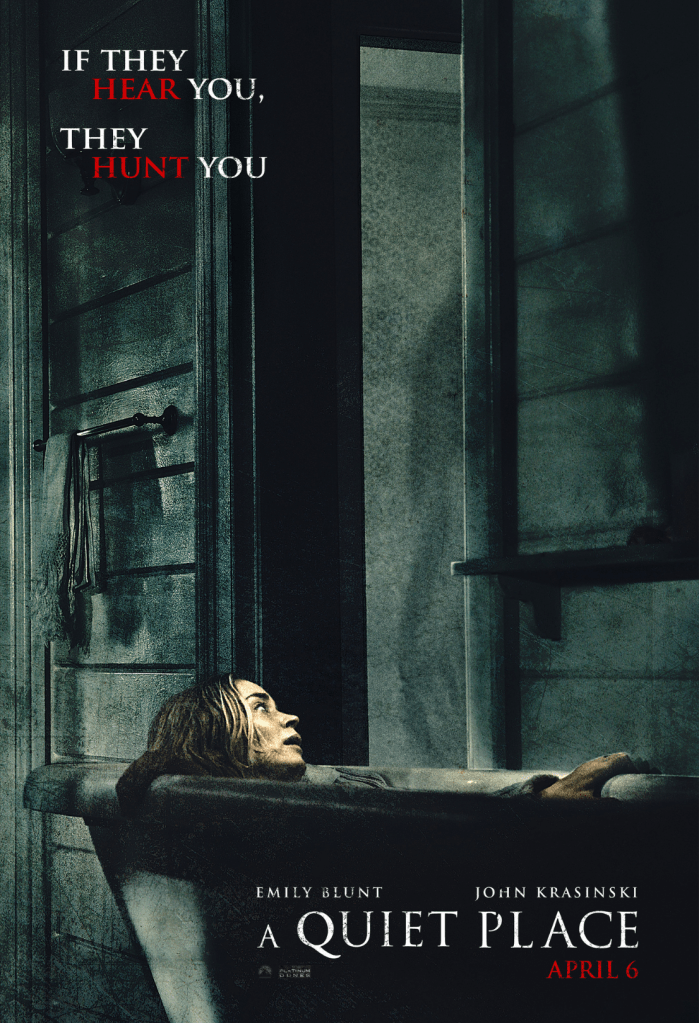
Lake Effects poster created by Life Out Loud Films (LOL), Hallmark Channel, and Anchor Bay Entertainment 

Things I liked about the film:

The acting: Around the time of this film’s release, 2012, Jane Seymour appeared in several Hallmark productions. Whether starring in Dear Prudence and Perfectly Prudence or in a supporting role in A Royal Christmas, these roles have been enjoyable to watch. In Lake Effects, Jane’s portrayal of Vivian was one of the strongest performances in this movie! A tradition Vivian and her husband, Ray, shared was Ray giving Vivian a pink rose every Friday. While cleaning out the closet, Vivian finds a box of old roses from Ray. Out of the blue, she starting sobbing. Because of Ray’s death, all Vivian’s bottled-up feelings bubbled over.

Another strong performance came from Scottie Thompson, who portrayed the protagonist, Sara. While sharing a drink with her sister, Lily, Sara reminisces over memories of her father. But when she remembers a secret her father kept from the family, Sara’s demeanor quickly changes. Her face falls in a serious expression, not sugarcoating anything she’s saying. Sara’s tone of voice is also serious, attempting to get Lily to see things from her perspective.

I was pleasantly surprised by Ben Savage’s performance in Lake Effects. His character, Carl, was very different from his portrayal of Corey Matthews from Boy Meets World and Girl Meets World. Carl was an enthusiastic man who was passionate about finding a mythical creature called the Smithy. But there are times when he can be awkward. This is the case when being interviewed by a television host. During the interview, Carl has a blank look on his face, unsure of what to do. Sitting tense on a couch, Carl is nervous about being filmed, especially since he’s never been interviewed before. What made this performance work was how believable it was.

The scenery: At the end of Lake Effects, on-screen text states the movie was “filmed entirely on location at Smith Mountain Lake, Virginia”. As someone who never knew this location existed until I watched this movie, I was impressed by the natural beauty it had to offer! The film opens with the sun rising over the lake. The peach-gray glow of the rising sun reflected off the water, creating a peaceful environment. In an overhead, cutaway shot, the lake was shown during the day. The clear, blue water was surrounded by green lawns and a mixture of green and orange trees. Topped off with a clear sky, this location appeared inviting!

Evening view from the shore image created by 0melapics at freepik.com. <a href=’https://www.freepik.com/free-vector/landscape-in-a-swamp-at-night_1042860.htm’>Designed by Freepik</a>. <a href=”https://www.freepik.com/free-photos-vectors/background”>Background vector created by 0melapics – Freepik.com</a>. Image found at freepik.com.

What I didn’t like about the film:

On-the-nose music: As I’ve stated before, music can highlight a scene’s intended mood and elevate emotions among the characters. Even if there are lyrics within the music, those songs should appropriately fit what’s happening on screen. But in the case of Lake Effects, the music was so on-the-nose, it was, honestly, cringey. One example happens when Sara and Lily are sharing drinks at a local restaurant. A live band performs a song containing the lyrics “there’s a storm that’s brewing outside”. A few minutes later, Sara shares Ray’s secret, causing animosity between her and Lily. Because this happened on more than one occasion, the on-the-nose music became annoying.

Inconsistent elements: There were some elements of the story that were inconsistent. Technology was one of them. When Sara is arriving at Smith Mountain Lake, Virginia, she is experiencing technical issues with her Bluetooth earpiece. She even says “is it still stringing tin cans around here”? A few scenes later, Sara accepts a call on her cell phone in her parents’ driveway. Based on that short call, it seems like her phone is working perfectly fine. As I already mentioned, Sara has a Bluetooth earpiece, as well as a cell phone. This phone looks like a smartphone from around the early 2010s. Meanwhile, Carl receives a call on a flip-phone from the previous decade. In one scene, a cassette boombox was featured at an event. With all that said, it seems like Hallmark forgot when Lake Effects was meant to take place.

Too many cliches: Back in 2020, I reviewed JL Family Ranch: The Wedding Gift. One of the flaws of that film was how many Hallmark movie cliches were featured in the story. Lake Effects has the exact same issue. The 2012 production was filled with cliches typically found in Hallmark Channel movies. A few of these cliches are the “woman from the city coming back to her small hometown” cliché, the “save the (insert establishment here)” cliché, the “business person is a jerk and/or out of touch” cliché, and the “small town festival conveniently taking place” cliché. What’s frustrating about Lake Effects is how it was originally shown on what is now known as Hallmark Movies & Mysteries. This second network has historically created films that were more dramatic and serious from Hallmark Channel’s lighter content. The inclusion of these cliches made the purpose of this story confusing. Was this film meant to be a Hallmark Channel movie, but Hallmark ended up premiering it on the second channel? Or was Lake Effects always meant to have a serious tone, border-lining Hallmark Hall of Fame?

So many story ideas: Like I just mentioned, there were too many cliches found in Lake Effects. These cliches lent themselves to several story ideas. Because of the inclusion of the “save the (insert establishment here)” cliché, part of the story revolved around Sara attempting to save her family’s home. Since so much emphasis was given to this part of the plot, other story ideas weren’t fully developed. In Smith Mountain Lake, there was a group called the “She-Doos”. This group consisted of women who take occasional trips on their jet-skis. With the “She-Doos”, there was an interesting story idea waiting to come to fruition. Unfortunately, it was competing with several other story ideas, trying to win over the audience’s attention.

Colorful travel suitcase image created by Pikisuperstar at freepik.com. <a href=’https://www.freepik.com/free-vector/beautiful-illustration-of-travel_2686674.htm’>Designed by Freepik</a>. <a href=”https://www.freepik.com/free-photos-vectors/watercolor”>Watercolor vector created by Pikisuperstar – Freepik.com</a>. Image found at freepik.com.

My overall impression:

Lake Effects is a movie Hallmark fans typically don’t talk about. It also seems to have been forgotten over the years. Now that I’ve seen the film, I think I have an idea why this is the case. The 2012 title is uninspiring. It’s filled with too many cliches, but doesn’t take the initiative to try anything new. Lake Effects attempts to adopt many different stories. However, the execution of these stories was weak. I will admit the scenery was aesthetically pleasing. But, as I’ve said before on 18 Cinema Lane, “the scenery can’t save you”. Like I’ve also said, a film’s script can make or break a production. If the script isn’t strong, there’s only so much a creative team can do to remedy the issue. While watching Lake Effects, there were a few story ideas trying to burst out of the murkiness of poor content. Sadly, these ideas couldn’t reach above the surface.

Overall score: 4.5 out of 10

Have you seen Lake Effects? Are there any lesser known Hallmark movies you’d like to see me review? Please tell me in the comment section!

Have fun at the movies!

Sally Silverscreen
Evenings At The Shore: The Second Time Around

I’ve been busy lately with several upcoming blog related projects. But I’m back with a new re-cap of Chesapeake Shores! In this episode, Abby is figuring out what her and Evan’s second date will be. Until this season, I hadn’t thought about the significance of a second date. Granted, any date is an important one. But Evan, in the previous episode, brought up an excellent point; the second date is where both parties feel comfortable enough to enjoy each other’s company. Both Bree and Jess share memories of their second dates in this episode, looking back on them fondly. While Jess and David have become married since their second date, Bree has moved on to a new relationship. With that said, I wonder if we’ll see her and Luke’s second date this season?

Just a reminder: If you did not see this episode of Chesapeake Shores, there will be spoilers within this re-cap.

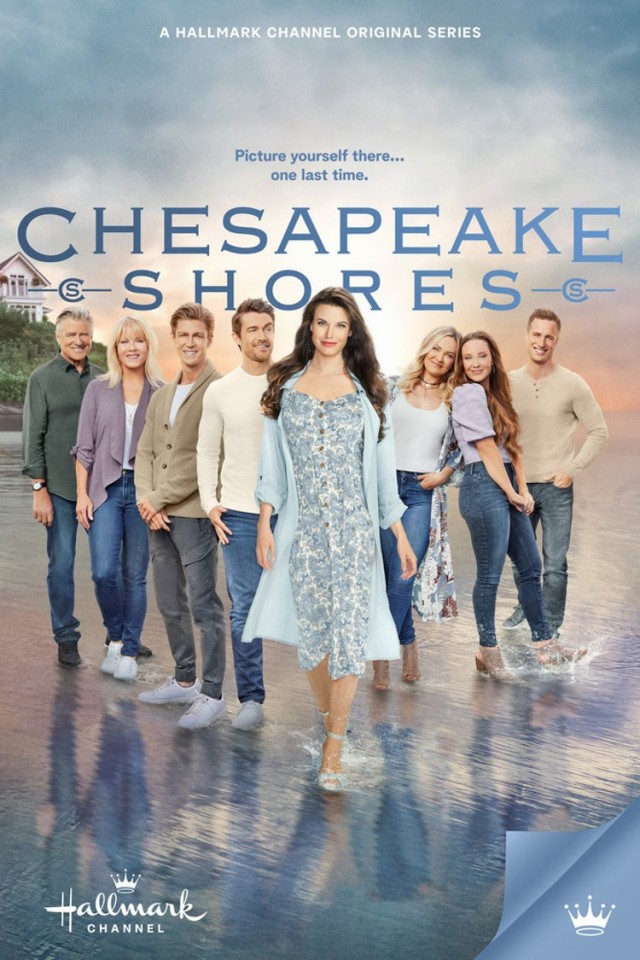
Chesapeake Shores season six poster created by Hallmark Media and Hallmark Channel

Season: 6

Episode: 2

Name: Memories Are Made of This

Abby’s story: Abby is trying to organize the perfect second date. Overwhelmed by the possibilities, she turns to her sisters for advice. Jess recommends a picnic, like she and David shared years ago. But, Jess warns Abby of the food poisoning potential, as David became ill after eating bad clams. Bree reminds Abby of the time she and her ex-boyfriend went to a carnival. Unfortunately, no carnivals are taking place at the time of Abby and Evan’s second date. Later in the episode, Abby shares her idea with Evan of attending a jazz concert. To Abby’s misfortune, Evan is not a fan of jazz music. What she comes up with instead is a two-in-one date: Abby and Evan catch crabs and then eat them in a shoreside picnic. Since this is an activity she used to do when she was younger, Abby feels this is a great piece of her life to share with Evan. The date is a success, with Evan eager to learn how to catch crabs. During the picnic, they even hold hands. Afterwards, Abby tells Jess and Bree that her and Evan’s second date was “perfect”.

Jess and David’s story: To Jess and David’s surprise, David’s mom arrives at The Inn at Eagle Point. She fled there in an attempt to escape the paparazzi and social ridicule. David’s mom tearfully confesses how her friendships have become destroyed because of her husband’s choices. Fortunately, there is a room at the bed and breakfast for Mrs. Peck to stay. A few days later, David’s sister arrives in Chesapeake Shores. She came to The Inn at Eagle Point for the same reason as her mother. David’s sister claims her boyfriend broke up with her after the news of Mr. Peck was first reported. Jess and David have a room available for David’s sister too. The next day, a group of photographers and reporters show up at the bed and breakfast, somehow finding the location of David’s mom and sister. In an effort to drive them away, Jess approaches the photographers and reporters, telling them to leave the premises or else they will be charged with trespassing.

Bree and Luke’s story: Bree has finished writing her short story. To receive some constructive criticism, she asks Luke to read her work. But before letting him read it, Bree tells him the story’s inspiration was his time in prison. After Luke reads the story, he tells Bree that even though her writing was good, it didn’t feel believable. In order to make her work better, Bree asks Luke about his prison experience, taking notes along the way. Later in the episode, Luke rereads Bree’s story. This time, he enjoys it more, as his suggestions improved the piece. Meanwhile, at The Bridge, Luke notices Mick seems off during their conversation. Mick appears distracted, like he’s not fully paying attention to anything Luke is saying. Troubled by Mick’s demeanor, Luke remembers how his boss was prescribed painkillers. He warns Mick about the dangers of a painkiller addiction. Unfortunately, Mick becomes upset and storms out of The Bridge.

Breakfast tray image created by Freepik at freepik.com. <a href=’https://www.freepik.com/free-photo/composed-healthy-fruit-and-coffee-on-tray_1441643.htm’>Designed by Freepik</a>. <a href=”https://www.freepik.com/free-photos-vectors/background”>Background image created by Freepik</a>. Image found at freepik.com.

Mick and Megan’s story: Mick finally has his cast removed, the same one he received toward the end of the previous season. While his arm was healing, Mick was prescribed painkillers by his doctor. When he asks for a refill of his prescription, his doctor tells him he no longer needs the painkillers. In fact, Mick’s doctor tells him he only prescribes painkillers when necessary. Frustrated by this news, Mick frantically searches his bathroom for any remaining painkillers. He finds one in a drawer, satisfying his fix. Meanwhile, Megan turns down the job offer from Los Angeles. She claims Connor’s health is her number one priority. Feeling guilty over this, Connor tries to convince his mom to change her mind. Over the course of the episode, he recruits the rest of the family in his attempt. They agree to discuss the matter over dinner. When the dinner arrives, the O’Brien family encourage Megan to take the job offer, telling her how she should do what her heart desires. After their convincing, Megan agrees to accept the job in Los Angeles.

Connor’s story: Connor is still recuperating from his recent heart attack. However, his health is improving. Even his doctor is impressed with his progress. During that time, Margaret has stayed true to her word: keeping the law firm afloat and delivering Connor his mail. She has also been studying for the upcoming LSAT. Connor offers to help Margaret by going over flashcards with her. When the day of the LSAT arrives, Margaret feels confident about her test performance. But, she only completed the first part of the test so far.

Chess game strategy image created by Macrovector at freepik.com. <a href=”https://www.freepik.com/free-photos-vectors/background”>Background vector created by macrovector – http://www.freepik.com</a>. Image found at freepik.com.

Some thoughts to consider:

  • I know this is only the second episode of the season. But, so far, it seems like Kevin and Sarah are, once again, receiving the short end of the stick, story wise. In this episode, Kevin shares how he and Sarah are taking a trip to Maui. While the trip is not necessarily a bad thing, I’m hoping Sarah and Kevin are given a satisfying conclusion to their story. With this upcoming trip, does that mean Sarah and Kevin are only going to appear in a short amount of episodes? Now that I’m mentioning it, I’ve also noticed Nell has not been featured this season so far. I wonder how many appearances she’ll make in the last season?
  • Before this episode aired, I predicted Abby and Evan’s second date would be mini-golfing. This is because we’ve seen the O’Brien family mini-golfing in a past episode. But I was pleasantly surprised by what Evan and Abby actually ended up doing. The idea itself was not only creative, but thoughtful as well. If we get to winess Luke and Bree’s second date, I would be curious to see what Bree comes up with!
  • The third season of Chesapeake Shores revolved around the fallout of Bree’s infamous manuscript about her family. Every member of the O’Brien family had their reason for opposing their involuntary involvement in Bree’s story. Now, three seasons later, Bree wrote a short story, using Luke’s time in prison as inspiration. Even though each writing situation is different, I’m surprised Bree chose to take inspiration from someone close to her, especially after receiving so much backlash for that manuscript. At the same time, I’m also surprised Luke wasn’t upset about his prison experience being used as literary inspiration. For Bree and Luke’s sake, though, I’m glad this writing experience was better than the manuscript’s was.
Evening view from the shore image created by 0melapics at freepik.com. <a href=’https://www.freepik.com/free-vector/landscape-in-a-swamp-at-night_1042860.htm’>Designed by Freepik</a>. <a href=”https://www.freepik.com/free-photos-vectors/background”>Background vector created by 0melapics – Freepik.com</a>. Image found at freepik.com.

What are your thoughts on this episode? What do you think Luke and Bree’s second date could be? Let me know in the comment section!

Have fun in Chesapeake Shores!

Sally Silverscreen

Evenings At The Shore: Tired of Waiting

When it comes to a new season of a television show, there’s a certain amount of waiting the viewers are expected to do. Whether it’s casting updates or the resolution of a particular story, things don’t often happen as quickly as we, the fans, would like. But this season of Chesapeake Shores is different. Since it is the final chapter, ‘Chessies’ (fans of the show) want the story to last a little longer. They want to hold on to these characters and this world as much as possible. Unfortunately, because it is the last season, time is a luxury that isn’t available. So, the only option ‘Chessies’ have is to enjoy the time the show’s creative team has given them. As Connor says in this episode, “Every day is a gift”.

Just a reminder: If you did not see the season premiere of Chesapeake Shores, there will be spoilers within this re-cap.

Chesapeake Shores season six poster created by Hallmark Media and Hallmark Channel

Season: 6

Episode: 1

Name: The Best Is Yet To Come

Abby’s story: Abby, along with most of the O’Brien family, are waiting at the hospital. During their wait, Abby receives a visit from not only Evan, but Jay as well. Throughout the night, it is revealed the voice-mail from the previous season was intended for Evan. However, he didn’t hear it until he left the hospital. The next day, Abby worries Evan doesn’t want to give their relationship a chance. But, while paying Abby an unexpected visit at work, Evan reveals how his delayed response was due to a misunderstanding. Once that small conflict is resolved, Abby and Evan agree to organize a first and second date. Because of Connor’s recent medical situation, this first date will have to be scheduled at a different time. Later in the episode, while sharing ice cream with Bree and Jess, Abby learns what Evan has planned for their first date. He shows up to the O’Brien shore with a yacht, dressed in a suit rented from Rome. After Abby dresses up in a green, floor-length gown, they share a lobster dinner created by Evan himself. They also dance, while almost sharing a kiss. However, Abby and Evan agree to take their relationship slowly.

Connor’s story: Connor is rushed to the hospital after suffering from a heart attack. He does, however, pull through, even promised a full recovery by his doctor. But due to the severity of the heart attack, Connor will have to make some healthier lifestyle choices. For the time being, he is just thankful to be alive. These new health concerns make Connor worried about his relationship with Margaret. However, Margaret reassures him they will work things out. Connor eventually returns home. When Margaret visits him at the O’Brien family’s house, he shares how, because of his recent health issues, he’ll have to take a break from working. To prevent his law firm from closing, Margaret agrees with help in any way possible.

Bree and Luke’s story: Bree and Luke spend more time with one another. This catches the attention of Mick. At The Bridge, Mick warns Luke what will happen if he hurts Bree. He also offers Luke a manager job, which Luke accepts. Later in the episode, Bree finds out about Mick’s conversation with Luke. She confronts Mick about this at the O’Brien family home. Bree feels she can take care of herself. Meanwhile, Mick just wants what’s best for his daughter. For now, though, Bree and Luke are still moving forward with their relationship. During bonding time with Abby and Jess, Bree reveals she is planning on writing another story. This time, though, it won’t involve the O’Brien family.

Illustrated image of yacht created by pongpongching at freepik.com. Ship sailboat vector created by pongpongching – www.freepik.com

Jess and David’s story: David’s father is still on the run overseas. This upsets David, as the news is also upsetting his mom and sister. Throughout all of this, Jess has become David’s shoulder to cry on. However, she is having doubts over whether her support for David is enough. One day, at the Bed and Breakfast, an FBI agent pays David a visit. She even gives him a business card, hoping he’ll give her the information she’s looking for.

Megan’s story: Megan is still upset over her and Mick’s conversation from the previous season. When he tries to apologizes, Megan senses he’s lying. Despite this, Mick attempts to be as honest with Megan as possible. Before Connor comes home, Mick and Megan agree with Connor staying in the O’Brien family home. Megan also agrees to help Connor in any way she can. Mick wonders if this means Megan is giving up the job offer from Los Angeles, the one that Megan was offered in season five. Megan confirms this by stating how her son needs her, also stating how she will never leave him again.

Heartbeat image created by Freepik at freepik.com. <a href=’https://www.freepik.com/free-vector/medical-logo_763775.htm’>Designed by Freepik</a>. <a href=”https://www.freepik.com/free-photos-vectors/logo”>Logo vector created by Freepik</a>. Image found at freepik.com.

Some thoughts to consider:

  • It’s honestly a shame this is the last season of Chesapeake Shores. One of the reasons why is how the show’s newer characters didn’t receive much of a chance to truly shine. Take Evan, for instance. He made a splash in the previous season, quickly becoming a fan favorite. Because of his background and Robert Buckley’s acting talents, the sky is the limit for Evan and his story. We even learned a little bit about Mandrake in this episode, with him revealing to Kevin how he was once in the military. I guess one way to look at it is the show’s cancellation is a blessing in disguise. At least we, the fans, don’t have to worry about these newer characters receiving terrible character development or stories.
  • With Chesapeake Shores’ final season receiving very little marketing and because last seasons more often than not garner bad raps, I’ve been lowering my expectations. It’s only the beginning of the season, so I’ll hold judgment for now. With the final season premiere, however, I thought it was fine. The stories weren’t deep, but they did attempt to tie up some loose ends from the previous season. From a storytelling perspective, I appreciate that effort.
  • I was pleasantly surprised to see a cat in this episode. From what I remember, there has never been a cat on any of Hallmark’s TV shows. I’d like to think Felix (the cat) will eventually become Evan’s pet. But because of how quickly he left, I’m wondering if Felix is meant to represent a symbol of some sort? Maybe he’ll visit the show’s other characters?
Evening view from the shore image created by 0melapics at freepik.com. <a href=’https://www.freepik.com/free-vector/landscape-in-a-swamp-at-night_1042860.htm’>Designed by Freepik</a>. <a href=”https://www.freepik.com/free-photos-vectors/background”>Background vector created by 0melapics – Freepik.com</a>. Image found at freepik.com.

Did you like the season premiere? Which story resolution are you anticipating? Please tell me in the comment section!

Have fun in Chesapeake Shores!

Sally Silverscreen

The Winners of The 4th Annual Gold Sally Awards + the Future of the Gold Sally Awards

Since 2019, I created the Gold Sally Awards. What was once a way to recognize the best Hallmark had to offer, it evolved into a series of polls highlighting the films covered or discussed on 18 Cinema Lane. In the beginning, voter turn-out was strong. The polls served their purpose of allowing readers to interact with my blog’s content. But as time went on, voter turn-out dwindled. There were times when I’ve had to select the winners because a particular poll didn’t receive any votes. With all that said, I will continue the Gold Sally Awards. But starting next year, there will no longer be voting polls. Instead, I am going to create separate, individual awards that are more unique/creative/fun. Now that this update is out of the way, it’s time to announce the winners of this year’s Gold Sally Awards!

Similar to last year, I created a collage on PowerPoint of this year’s winners. Screenshot taken by me, Sally Silverscreen.

Best Movie: The King and I

Best Story: The Three Musketeers

Best Ensemble: The Karate Kid

Best On-Screen Couple: Marshall Williams and Natalie Hall — Sincerely, Yours, Truly

Best Actress: Janel Parrish – Holly & Ivy

Best Actor: Marshall WilliamsSincerely, Yours, Truly

Best Supporting Actress: Jean Porter – Bathing Beauty

Best Supporting Actor: Robert Mitchum – Cape Fear

Sally’s Star of the Year: Bai Ling

Have fun at the movies!

Sally Silverscreen
Take 3: Easy to Wed Review

As the dawn of August arrives, so does the Esther Williams blogathon! Like last year, I have decided to review another movie from Esther’s filmography. But this time, I selected the 1946 title, Easy to Wed! Similar to the previous year, Easy to Wed was recommended to me. However, this film was suggested by a reader named Becky. That’s not the only reason why I’m reviewing the movie. I’m also participating in The Sixth Van Johnson Blogathon. Since Van happens to star in Easy to Wed, this is a good segue to that event. In the 1946 film, the characters’ trip to Mexico contained the “summer vibes” one would expect from the season. This is an interesting coincidence, as the movie I’m reviewing for the Van Johnson Blogathon is In The Good Old Summertime! My readers will have to wait a little while for that review. For now, though, it’s time to talk about Easy to Wed!

Easy to Wed poster created by Metro-Goldwyn-Mayer and Loew’s Inc.

Things I liked about the film:

The acting: In Easy to Wed, Esther portrayed Connie, a socialite who is wrongly accused of stealing another woman’s husband. Before she meets Van’s character, Bill, the employees at the New York newspaper that accused Connie label her as “spoiled” and “arrogant”. But when Bill meets Connie, he, and the audience, sees she is the complete opposite. In fact, Esther’s on-screen personality was very sweet! I enjoyed watching Connie and Bill’s interactions. The gentle sweetness of Connie’s personality and the charming yet cunning personality of Bill worked, as opposites attracted. Connie’s wittiness also helped this relationship’s favor. One of my favorite scenes is when Bill is riding on an inflatable raft in Connie’s pool. In an attempt to get him to join her in the pool, Connie tries to deflate the raft. Since she wants to catch Bill off guard, she deflates the raft with her foot during their conversation. Not only do Esther’s and Van’s acting abilities add to this on-screen relationship, so does their on-screen chemistry!

When it comes to Lucille Ball’s filmography, I’ve, so far, stuck with I Love Lucy. Therefore, I had an idea of what to expect in her portrayal of Gladys, the fiancé of Warren. Expectations aside, Lucille’s performance was enjoyable to watch! Not only did she work well with the other cast members, she used comedy to her advantage. During Bill’s stay in Mexico, he learns how to use a duck call whistle. While attempting to make a duck call, Gladys opens the door to Bill’s main sitting room and loudly yells “Happy New Year”. Personally, I found this scene hilarious, as the moment itself was unexpected. Speaking of Warren, let’s talk about Keenan Wynn’s performance. His portrayal reminded me of a more dramatic version of “Rooster” from the 1982 adaptation of Annie. What I mean by that is Warren was a cunning man who had a way with words. Another scene I liked was when Warren visited Bill about the newspaper’s libel suit. Because of how cunning both Warren and Bill are, they went toe-to-toe with each other, never missing a beat. What also helped was the quality of both Van’s and Keenan’s talents!

Lucille’s and Esther’s wardrobe: I loved Lucille’s and Esther’s wardrobe in Easy to Wed! However, there were three outfits that absolutely stole the show! Lucille wore the first outfit in the aforementioned duck call scene. A shiny gold top was covered by a velvety blue suit jacket. Deep blue slacks match the jacket, with the outfit complimented by shiny gold shoes. The blue and gold color palette paired beautifully with Lucille’s red hair and blue eyes! During a hunting trip, Connie wore fishing boots over a pair of black pants. A gray turtleneck shirt is under a red and orange plaid jacket. Finished with a maroon cap, the outfit is a classy ensemble that reminded me of the fall season. A few scenes later, Esther wore a light green sweater with cattails on them. A medium length black skirt compliments the cattails on the sweater, as well as Esther’s headband. A pair of brown boots helps pull off a look that would look great during fall or winter.

The “Boneca de Pixe” musical number: Toward the end of Easy to Wed, Connie and Bill perform in a musical number at a party. This number reflected their time together in Mexico. Both Esther and Van sung in Portuguese, dancing alongside each other and a large ensemble of dancers. The dancers’ costumes are so vibrant and colorful, boasting shades of red, yellow, and green. A small orchestra provided the sound, teaming up with Ethel Smith on the organ. Leading into this musical number, Ethel performed an organ solo that was fun to watch! This solo added the energy and excitement this piece needed. Overall, this number made me wish Easy to Wed was a musical.

The Third Esther Williams Blogathon banner created by by Michaela from Love Letters to Old Hollywood

What I didn’t like about the film:

A drawn-out conflict: Easy to Wed’s conflict revolves around Warren and Bill’s plan to prevent the libel suit from going to court. While it was interesting to see this plan unfold, it was drawn out for most of the story. In fact, this conflict was drawn out for so long, its resolution was delivered in a rapid-fire style within the last ten minutes of the movie. Had this script been a little bit tighter, the resolution’s delivery could have been more satisfying.

An inconsistent use of music: As I’ve said before, music can elevate the mood or tone of a given scene. It can also help make a scene more memorable. The film’s first half featured less music than its second half. Because of this, the memorability of some scenes was weaker. One example is when Bill is hosting a dinner party in his hotel’s sitting room. If music had been playing in the background, it would have heightened the anticipation of Connie’s arrival. The accompanying melody would highlight the growing feelings Bill and Connie have for one another as well. Instead, the scene felt mundane, slogging along to the next part in the story.

No subplots: Like I already mentioned, the conflict in Easy to Wed was drawn out for most of the movie. There are no subplots in this film, as the script focuses on the aforementioned conflict. Personally, I wish the story received a subplot. It would have given the audience additional intrigue to carry them through the film. The newspaper’s photographer could have formed a romantic relationship with the female organist. Maybe his camera goes missing and he has to find it. To me, the lack of subplots felt like a missed opportunity.

Since I loved the outfits described in this review, I decided to share screenshots of them, so my readers could see how great these outfits are! Screenshot taken by me, Sally Silverscreen.
Screenshot taken by me, Sally Silverscreen.

My overall impression:

In my opinion, Easy to Wed is a mixed bag. On the one hand, there are things about the movie I liked. The acting was strong, the “Boneca de Pixe” musical number was great, and I loved Lucille’s and Esther’s wardrobe. On the other hand, the script could have been stronger. Tighter writing might have helped the conflict reach a satisfying resolution. The conflict could have also been paired with at least one subplot. As I watched Easy to Wed, I was reminded of another movie with a drawn-out conflict: Anchors Aweigh. Because that movie’s musical numbers were more consistent, the audience had something to occupy their time until the conflict could be resolved. As I mentioned in this review, the music was inconsistent in Easy to Wed. Therefore, parts of the story felt longer than necessary. So far, I’ve seen three of Esther Williams’ films. Out of those titles, Easy to Wed is my least favorite. Hopefully, the next picture of Esther’s I watch will be better.

Overall score: 6.1 out of 10

Have you seen any of the Esther Williams’ films? Are you looking forward to my review of In The Good Old Summertime? Let me know in the comment section!

Have fun at the movies!

Sally Silverscreen

Take 3: Hallmark Hall of Fame’s O Pioneers! Review

When I participated in the Legends of Western Cinema Week last year, I reviewed the Hallmark Hall of Fame film, Durango. Unfortunately, the movie was weaker than I hoped. While thinking about what to write about for 2022’s event, I remembered how I had never seen O Pioneers! Therefore, I thought the Legends of Western Cinema Week was the perfect time to finally see the film! In the 1990s, Hallmark Hall of Fame had a history of adapting stories from the western genre. After the premiere of Sarah, Plain and Tall, the story’s sequels were released; Skylark in 1993 and Sarah, Plain and Tall: Winter’s End in 1999. Outside of this trilogy, Hallmark Hall of Fame created O Pioneers! (in 1992), Rose Hill (in 1997), and Durango (in 1999). While looking back on this history, one has to wonder if this was done in an effort to capitalize on Sarah, Plain and Tall’s success? Whatever the reason, these films provide more than one perspective of westerns. Now, with that introduction out of the way, let’s review O Pioneers!

O Pioneers! poster created by Craig Anderson Productions, Hallmark Hall of Fame Productions, Lorimar Television, and Prairie Films

Things I liked about the film:

The acting: I’ve seen a small handful of Heather Graham’s projects from her filmography. Based on what I’ve seen, she seems to receive one of two types of roles: a “damsel in distress” or the “ditzy” girl next door. But in O Pioneers!, Heather’s role was different. Portraying Alexandra Bergson in her younger years, she not only displayed a motherly persona, she also showcased a quieter strength. After trying to find more fertile farm land, Alexandra comes up with a plan to purchase the surrounding farm land near her family’s home. When she discusses this plan with her brothers, Alexandra explains it in a sure, yet calm way. Even when her brothers doubted her enthusiasm, she consistently maintained her composure, never letting uncertainty get in her way. Through her performance, Heather does a good job at foreshadowing who her character would become!

The majority of O Pioneers! revolves around Alexandra after her family’s farm is established and successful. Because this part of the story takes place fifteen years later, Alexandra is portrayed by Jessica Lange. Throughout the film, Alexandra experiences a variety of situations. This allowed Jessica to utilize different facial expressions, body languages, and emotions. As she reads a letter from her brother, Emil, a warm smile lights up Alexandra’s face. She appears to be sitting in a comfortable position, a friendly demeanor plain to see. Two scenes later, as Alexandra is sharing bad news with Emil, a sullen look is seen on her face. Her tone of voice is serious, as she’s trying to break this news as honestly, but gently as possible. The strength of Jessica’s acting abilities helped her performance appear believable!

One of the most important people in Alexandra’s life is Emil. Portrayed by Reed Diamond, Emil had a personality that was pleasant. Reed adapts to each situation in Emil’s life as well, similar to Jessica’s performance. In the aforementioned scene where Emil receives bad news, a concerned look is shown on his face. He also listens intently to what Alexandra had to say. Emil’s bottom lip quivers, as shock quickly morphs into sadness. The scene ends with Alexandra consoling her brother as he crumbles into tears.

Historical accuracy: O Pioneers! takes place between the late 1880s and early 1900s. Keeping this in mind, it’s important to note how the production looked and felt like the viewer was transported back to that time! In one scene, a man named Frank is walking around the interior of his house. On the wall in the kitchen, a telephone can be seen. The style of this phone is similar to those featured in programs like When Calls the Heart. Another timely piece of technology was the kerosene lamp hanging from the ceiling. This lamp was found in the dining room of Alexandra’s house. Three more kerosene lamps are located in Alexandra’s posh sitting room. Even though these props are smaller components of the movie, it shows how detail oriented this film’s creative team was!

Reed Diamond and Anne Heche’s on-screen chemistry: Anne Heche portrays Marie, a friend of Emil’s since childhood. Most of Emil and Marie’s interactions take place after they grew up, when they are able to live their own lives. During these encounters, I found their on-screen chemistry very sweet! Marie carried herself with a sense of whimsy, almost like she’s a “child at heart”. Meanwhile, Emil is more headstrong, choosing to ground himself in reality. Instead of clashing, these differences worked in Anne and Reed’s favor. The opposites attracting created a balance between their characters. During Marie and Emil’s interactions, they seemed to share an understanding with each other. Their shared history provided that layer of understanding, as well as Anne’s and Reed’s performance.

Legends of Western Cinema Week banner created by Heidi from Along the Brandywine, Olivia from Meanwhile, in Rivendell, and Hamlette from Hamlette’s Soliloquy.

What I didn’t like about the film:

An episodic story: The story of O Pioneers! revolves around Alexandra’s attempts at creating a successful farm with the land she inherited. But instead of those attempts providing an overarching conflict, the movie is filled with smaller conflicts that are resolved in a shorter amount of time. Ivar is a man Alexandra and her family have known for many years. He claims to have powers from God, which causes him to receive some negative attention. At one point, Ivar is threatened of being sent to an asylum. But in the very next scene, Alexandra simply talks to her brothers about what she’ll do if something happens. After that, the issue is unceremoniously resolved.

Too many characters: O Pioneers! is based on a book I haven’t read yet. Despite this, I could clearly see how large of a cast this production contained. Stories with a larger number of characters can be hit or miss. In the case of O Pioneers!, it didn’t work. Because of how many characters were in this story, some of them didn’t receive the amount of attention I feel they deserved. One of these characters was Amedee, a friend of Emil. A European baseball player, Amedee was such a charismatic character I wanted to learn more about. But with all the other characters trying to compete for attention, he only appeared in two scenes.

Some loose ends: Despite the movie having an hour and thirty-seven-minute run-time, there didn’t seem to be enough time to tie up some loose ends in the story. A good example is when one of the characters gets in trouble with the law. Alexandra visits this character in jail and claims she will help them. However, this issue is never resolved. That’s because this conflict takes place within the last eighteen minutes of the movie. It made me wonder why the creative team would include this part of the script when there was no intention to find a resolution to that conflict?

I know this is a screenshot of Wilma’s house from the Walker, Texas Ranger episode ‘The Lynching’. But Alexandra’s house in O Pioneers! reminded me of Wilma’s house, especially that wrap-around porch! Screenshot taken by me, Sally Silverscreen.

My overall impression:

There are some movies where the style is executed better than its substance. O Pioneers! is one of those films. As I said in my review, the project looked and felt like the story’s respective time period. The acting as a whole was good as well. But when it comes to the script, it could have been stronger. A major flaw is the movie’s run-time, which was an hour and thirty-seven minutes. This was not enough time to address the story points and characters within the narrative. Personally, I think O Pioneers! should have been adapted into a multi-part mini-series or a television show. With more time, the creative team would have been able to explore more stories and give some underrated characters more attention. Having an episodic narrative for a mini-series or television show would also make sense, as each story would be more condensed than a film’s plot. Like I mentioned in my review, I haven’t read this movie’s source material. Therefore, I don’t know if it’s better or worse than the 1992 Hallmark Hall of Fame production.

Overall score: 6 out of 10

Have you seen or read O Pioneers!? Is there a book-to-film adaptation you like? Please tell me in the comment section!

Have fun at the movies!

Sally Silverscreen
Take 3: The Lost Empire/The Monkey King Review

Last month, I wrote a list of movies I’d love to review someday. One of those films was The Lost Empire/The Monkey King. Originally, I was going to review the 2001 picture for Bai Ling’s birthday, as it is in October. But because July’s theme for Genre Grandeur is ‘Fantasy Movies of the 21st Century’, I found a reason to see this movie three months early! In my aforementioned list, I said the story of The Lost Empire/The Monkey King is based on Chinese folklore. This is very different from the types of films Hallmark creates today, which seem to, mostly, be recycled, predictable material. In fact, the only new Hallmark movies I’ve seen this year, so far, are Cut, Color, Murder, Aurora Teagarden Mysteries: Haunted by Murder, and Curious Caterer: Dying for Chocolate. The Lost Empire/The Monkey King was created during a time when Hallmark wasn’t afraid to take creative risks. But did those risks lead to cinematic rewards? Let’s journey through this review as we find that answer together!

The Lost Empire/The Monkey King poster created by Hallmark Entertainment, RTL, Babelsberg International Film Produktion, Milk & Honey Pictures, National Broadcasting Company (NBC), and Hallmark Home Entertainment

Things I liked about the film:

The acting: When I reviewed Point of Origin last month, I was disappointed by Bai Ling’s limited presence in that film. To me, it seemed like her talents were underutilized. In The Lost Empire/The Monkey King, however, Bai was given more acting material to work with. This allowed her talents to be satisfyingly showcased! I’ve said in the past how Bai Ling has a strong sense of emotionality when it comes to her acting abilities. This was not only incorporated into her portrayal of Kwan Ying, but her on-screen performance was also fluid. A great example is when Kwan and Nicholas “Nick” Orton interact for the first time. While sharing drinks at a local restaurant, Kwan’s demeanor is giggly and somewhat flirty, reflecting her drunken state. She holds hands with Nick as she casually leans across the table. But as soon as Nick asks Kwan why she needed to see him, her mood changes without missing a beat. Kwan becomes very serious, as she sits up in her seat and even looks over her shoulder. This change in Kwan’s demeanor also indicates what’s to follow in the story.

Years ago, I read American Born Chinese by Gene Luen Yang. From what I remember, the Monkey King was portrayed as an older, wiser character who younger characters looked up to. Russell Wong’s portrayal of the Monkey King was much different from what I expected. However, it was enjoyable to watch in The Lost Empire/The Monkey King! The Monkey King in the 2001 film was a humorous character. Russell’s dryer sense of humor and one liners worked in the story’s favor, as it provided a break from the tenser moments in the movie. The humor itself also fit within that movie’s world. When Nick first meets the Monkey King, he is taken aback by his change of scenery. The Monkey King uses that interaction to explain what is happening. Nick asks the Monkey King when the book, The Journey to the West will be destroyed. The Monkey King casually responded by saying, “Midnight. Next Thursday”. What also worked in Russell’s favor was his comedic timing. All of the Monkey King’s humorous moments were delivered at the right place and time. This was not only the result of the screenwriting, but the strength of Russell Wong’s acting abilities as well!

One of the most relatable stories is the “fish out of water” story. In order for this story to work in film, you need an actor or actress who can believably sell this idea to the audience. Thomas Gibson in his portrayal of Nick did just that! The way Thomas expressed emotion appeared more realistic, adding to the believability of his performance. Thomas’ ability to adapt to each situation was strong, allowing the audience to witness Nick grow over the course of the movie. The Lost Empire/The Monkey King is not only a “fish out of water” story, but also a “hero’s journey” story. That means the protagonist makes a significant change in his or her life. Throughout the film, Nick makes a personal transformation, gaining confidence as he encounters each obstacle. The way Nick reacts to these changes adds a sense of relatability to the character.

The set design: Immersive and imaginative worlds are a staple within the fantasy genre. The quality of a project’s set design can successfully present that illusion to the audience. I loved the set design in The Lost Empire/The Monkey King because it was able to pull the aforementioned illusion off! Nick is on a business trip to China. Some scenes showcased a typical Chinese city, with smaller details emphasizing the realism of this location. String lights and red lanterns can be seen overhead, which brings a softer glow in the middle of the evening. Vending booths line the streets, elaborating a greater number in population as extras and background characters walk by. Banners and signs in Chinese indicate how that specific part of the city is popular for business.

As the story progresses, more fantastical worlds are shown on-screen. One of these worlds is Jade City. Massive structures boast an ancient Chinese architecture. The ground beneath the characters’ feet displays a pale green hue, subtly reminding the audience of the city’s name. Bright pink flowered trees nicely contrasted the buildings and landscape, bringing a pop of color to the city. Nearby lanterns and window screens are smaller details that show the craftmanship that went into the film’s set design!

The discussion of literature: The main conflict in The Lost Empire/The Monkey King was the fate of the original copy of The Journey to the West. The villains want the book destroyed, while Nick and his friends are trying to save it. This main conflict led to a discussion of censorship versus preservation. The way the discussion is brought up, verbally and visually, was interesting. What was also interesting was the author of The Journey to the West, Wu Ch’eng En, receiving the opportunity to witness the impact of his literary work. I found this part of the story thought-provoking, as it made me think of authors who didn’t really have the chance to see their stories effect the world. The script’s focus on literature brought a sense of depth to a fantastical and whimsical story!

Traditional Chinese dragon image created by Freepik at freepik.com. <a href=”https://www.freepik.com/free-photos-vectors/design”>Design vector created by freepik – http://www.freepik.com</a>. Image found at freepik.com.

What I didn’t like about the film:

Some of the special effects: When creating a television movie, there’s only so much technological resources at the creative team’s disposal. I’m also aware cinematic technology was not as strong in the early 2000s as it is in the 2020s. Despite these setbacks, the special effects in The Lost Empire/The Monkey King were not a consistent issue. But when they were an issue, it was noticeably rough. While Nick was trying to find a way back to his world, he encounters a tiger in a nearby forest. This tiger appears to have been created through computer technology. Instead of resembling a real-life tiger, it resembled one from a computer game from the time of the movie’s release. The longer the tiger was on screen, the more dated it looked.

Lack of acknowledgment for Pigsy’s mistake: Pigsy is a character that tags along with Nick on his journey. During this journey, Pigsy makes a mistake that negatively impacts his friends and their mission. There were moments where Pigsy appears guilty about his choice. However, the mistake itself was not acknowledged like I hoped it would. Pigsy’s situation does get resolved. But this resolution was glossed over instead of being properly addressed. That was an underutilization of one of the movie’s themes, which was truth.

Mentioning Nick’s ex: On more than one occasion, Nick’s ex-girlfriend is brought up in the story through flashbacks. At a more climatic moment, her inclusion made sense. But, personally, I found it unnecessary for the ex-girlfriend to be brought up more than once. These parts of the story reminded me of a Hallmark movie cliché I’ve talked about in the past: the “protagonist’s ex showing up unannounced” cliché. Nick’s ex-girlfriend is only shown through flashbacks, as I’ve already mentioned. However, I’ve also mentioned how pointless it is to bring up a protagonist’s ex when those characters have no plans to get back together.

Tiger image created by Chevanon at freepik.com.  <a href=’https://www.freepik.com/free-photo/tiger-looking-straight-ahead_999674.htm’>Designed by Freepik</a>. <a href=”https://www.freepik.com/free-photos-vectors/pattern”>Pattern image created by Chevanon – Freepik.com</a>. Image found at freepik.com.

My overall impression:

As I watched The Lost Empire/The Monkey King, I noticed some parallels between this movie and The Wizard of Oz.  In the Hallmark production, the characters travel to Jade City. Meanwhile, in The Wizard of Oz, Dorothy and her friends seek out The Emerald City. But comparing The Lost Empire/The Monkey King to The Wizard of Oz does the 2001 film such a disservice. This is because the Hallmark film holds up on its own! I found this production so imaginative, creative, and one of the more unique pictures I’ve seen this year! It was entertaining, engaging, sometimes thought-provoking, and even somewhat educational. The Lost Empire/The Monkey King makes me wish Hallmark would make more movies like this instead of what they’re currently creating. Like I said in the introduction, the 2001 production was made during a time when Hallmark wasn’t afraid to take creative risks. In more recent years, Hallmark has over-relied on one genre to the point where it seems like they don’t want to try anything new. I, honestly, find this to be a shame, as there are so many more stories Hallmark could tell.

Overall score: 7.9-8 out of 10

Have you seen The Lost Empire/The Monkey King? Are there any older Hallmark films you wish received more recognition? Please tell me in the comment section!

Have fun at the movies!

Sally Silverscreen

Buzzwordathon 2022: Review of ‘The Bookshop on the Corner’ by Jenny Colgan

It’s that time again; another review for this year’s Buzzwordathon! July’s theme is ‘Bookish Words’. Since the word ‘bookshop’ was an obvious choice, I selected The Bookshop on the Corner by Jenny Colgan. At the beginning of my copy of the book, Jenny includes a message to the readers. This message explains the different places a book can be read, sharing tips to help the reader have a good reading experience. Jenny’s message was a nice gesture to her audience, as it felt genuine. In this message, Jenny shares how she purposefully gave her characters different names, in an attempt to avoid confusion. As a reader, I appreciated this creative decision because it was easier to remember who was who. But another creative decision I liked was how Jenny gave each character a distinct personality and characteristics. With a mostly strong use of character development, this allowed the characters to be unique and memorable from one another. The use of descriptive imagery toward settings and scenery was one of the strongest components of The Bookshop on the Corner! Through select word choices, Jenny paints a distinguishable landscape between the city (Birmingham, England) and the country (Kirrinfief, Scotland) that feels realistic. One example is when Jenny describes sunshine in the countryside. She refers to this natural element as “golden”. She also writes about the sunlight’s effect on other pieces of nature, such as how it is “illuminating every crystal raindrop”. Literary details like these help elaborate the story’s surroundings.

Here is a photo of my copy of The Bookshop on the Corner. Screenshot taken by me, Sally Silverscreen.

There’s nothing wrong with incorporating romance into a story. In fact, some of my favorite Hallmark films feature at least one romance. But what makes or breaks that romance is the execution of its dynamic. Many types of romances can be found in literature, from stories about “enemies to lovers” to a tale revolving around “college sweethearts”. When an author chooses one of these dynamics early on in their writing process and consistently utilizes that dynamic, that story may have the potential to be a well-told narrative. Unfortunately, this is not what happened in The Bookshop on the Corner. While reading Jenny’s book, it seems like she couldn’t decide which romance dynamic she wanted to adopt. Instead of choosing one and sticking with it, Jenny picked four of them. Because of their inconsistent presence and lack of confidence, none of these dynamics worked. In fact, the fourth romance dynamic (which is found toward the end of the book) was so unexpected, it felt like I was reading a completely different book.

Essentials of Scotland image created by macrovector_official at freepik.com. <a href=”https://www.freepik.com/free-photos-vectors/background”>Background vector created by macrovector_official – http://www.freepik.com</a>. Image found at freepik.com.

The inconsistent execution of the romance dynamics is just one flaw in The Bookshop on the Corner. The titular bookshop (which was not a brick-and-mortar store or on the corner, as the cover and title suggest) is more of an afterthought. That’s because the majority of the story is a “slice of life” tale chronicling the protagonist’s adjustment to her surroundings. Nina’s, the protagonist’s, literary matchmaking is really moments of convenient coincidence just to push the story forward, instead of problem-solving skills Nina acquired over time. The more I read The Bookshop on the Corner, I more I found myself disliking Nina. What started as an admirable and somewhat relatable protagonist evolved into a selfish and narrow-minded person. When I first read the synopsis for this book, it sounded like a typical Hallmark Channel “rom-com”. But now that I read The Bookshop on the Corner, it is nothing like those productions. If you enjoy Hallmark movies, books about books, or Scottish stories, please seek elsewhere. You aren’t missing anything by not reading this story.

Overall score: 1.7 out of 5 stars

Have fun during Buzzwordathon!

Sally Silverscreen

Disclaimer: As I mentioned in my review, The Bookshop on the Corner is not like a typical Hallmark Channel “rom-com”. The content that prevents it from being like that aforementioned type of story is the following:

  • Several chapters discuss a male and female character having sex
  • Some swearing can be found throughout the story
  • One chapter chronicles a lamb giving birth. A lamb being injured is also mentioned.
  • At one point in the story, Nina talks to her friend about a character from a picture book being presented unfavorably. That friend calls Nina out for sounding “weird”.
  • A Latvian man is described as “exotic”
  • Nina’s friend, Surinder, says, on more than one occasion, Nina has “gone native” after she moved to the country.
  • A teenage character is described as being “puppy fat”
  • A character with MS (Multiple Sclerosis) is briefly discussed

The Gold Sally Award’s Star of the Year Award has finally arrived!

Now that this year’s Gold Sally Awards is coming to a close, it’s finally time to announce the Star of the Year Award! For those who don’t know, this is a recognition award where readers can nominate someone who they think deserves a “standing ovation”. Since I’ve explained the award’s guidelines and past changes, I’ll provide the links below:

As this is the last poll of 2022’s Gold Sally Awards, I’m extending the deadline from now, July 15th, to July 29th.

Have fun nominating!

Sally Silverscreen

Watching ‘Singin in the Rain’ for the First Time

Throughout my years of movie viewing (and blogging), I have received the opportunity to check out films boasting a “classic” status. This status has, in my opinion, been earned on some occasions, as I gained an understanding for why a particular movie was granted its praise. However, there were certain titles I found myself unable to figure out why it is considered a “classic”. Out of all these “classic” films, I have been meaning to see one specific picture. That title is Singin in the Rain. The 1952 production needs no introduction. From the song, “Good Morning”, being featured in an orange juice commercial to a replica of Gene Kelly’s umbrella in Disney MGM/Hollywood Studios, Singin in the Rain has carved out a slice in America’s pop culture pie. But for someone, like me, who hasn’t seen this iconic film before, these references are going to seem like a company, individual, or creative team is, simply, taking advantage of the movie’s 50+ year popularity. That replica is just used for tourists to have their photo taken. That song was just an appropriate selection to promote a beverage primarily found at breakfast-time. With the arrival and fruition of the Singin in the Rain Blogathon, I finally have a wonderful excuse to watch Singin in the Rain. It also gives me an opportunity to gain more context of the film’s respective songs, images, and quotes.

Singin in the Rain poster created by
Metro-Goldwyn-Mayer and Loew’s Inc.

Creative Musical Numbers

Singin in the Rain is not just one of the most iconic movies of all time, it’s one of the most iconic musicals of all time! A musical with a “classic” status will bring something unique and creative to the table. The Wizard of Oz took on the power of Technicolor, in a time when that specific technology was more of a luxury. Xanadu showed the world roller skating can be magical. When it comes to Singin in the Rain, the creativity lies in the musical numbers themselves, presenting performances that hadn’t really been seen before 1952. Toward the beginning of the film, Gene and Donald perform a duet, “Fit as a Fiddle (And Ready for Love)”, at a vaudeville show. Throughout this musical number, Donald and Gene not only tap danced, but played the fiddle as well. For the 21st century viewer, dancing and playing an instrument at the same time doesn’t seem like a new concept, as Lindsey Stirling has capitalized on those talents. Within the realm of cinematic musicals, however, a routine like Gene and Donald’s isn’t often included.

Gene Kelly’s famous solo isn’t the first musical number featuring rain. Two decades prior, in Just Around the Corner, Shirley Temple performed “I Love to Walk in the Rain”, her film’s big musical number that represented the spirit of the movie. Looking back on “Singin in the Rain”, I, personally, feel Shirley’s number walked (no pun intended) so Gene’s solo could soar! The solo from the 1952 production takes place after Gene’s character, Don, takes Kathy home. Despite it raining outdoors, Don is head-over-heels in love with Kathy. Gene tap danced in his solo. But unlike “I Love to Walk in the Rain”, “Singin in the Rain” felt more immersive, as it wasn’t just a performative routine. Because the number takes place within the story’s context, it feels grounded in reality, a downtown street replacing a glamourized stage. Watching Gene jumping and splashing in puddles added uniqueness to the routine. Even though “Singin in the Rain” wasn’t the big musical number for its respective movie, it represents the film’s spirit, reminding the audience to see the good in a not-so-good situation.

String of musical notes image created by Freepik at freepik.com. <a href=’https://www.freepik.com/free-vector/pentagram-vector_710290.htm’>Designed by Freepik</a> <a href=”https://www.freepik.com/free-photos-vectors/background”>Background vector created by Freepik</a>. Image found at freepik.com. 

Strong Camaraderie

In most of my reviews, I talk about the acting. I will choose a few performances to discuss and write about what I liked about them. For this review, I want to talk about a different acting component. While the overall acting in Singin in the Rain was strong, what stood out to me more was the on-screen camaraderie between Gene Kelly, Debbie Reynolds, and Donald O’Connor! One of my favorite scenes is when Don, Kathy, and Cosmo are concocting a plan to save Don’s film. Each character’s personality shines through during this brainstorming session. Cosmo encourages Don to turn the film into a musical, as he spontaneously breaks out into song. Meanwhile, Kathy attempts to keep the group’s good spirits lifted, her kind demeanor certainly helping the situation. After hearing Cosmo’s idea, Don is open-minded about it, joyously realizing he can use his talents to his advantage. This scene, as well as the “Good Morning” musical number, is just one example of Gene, Debbie, and Donald’s on-screen camaraderie. Through their interactions, it felt like Don, Kathy, and Cosmo had been friends all along. This on-screen bond was so pleasant, I looked forward to each time these characters crossed paths!

Couple performing the waltz image created by Macrovector at freepik.com. <a href=”https://www.freepik.com/free-photos-vectors/background”>Background vector created by macrovector – http://www.freepik.com</a>. Image found at freepik.com.

Learning about Cinema’s Early Years

Singin in the Rain takes place in the 1920s, during the transitional period between silent films and “talkies” (movies with sound). Even though the 1952 film is a musical that takes time to focus on its numbers, it lifts the figurative curtain enough to educate the audience on how film-making was executed in that time period. Don’s respective studio, Monumental Pictures, adopted sound after Warner Bros. took a chance with their film, The Jazz Singer, a high risk that was met with high rewards. Because of that one creative decision, it forever changed the cinematic landscape. As emphasized in the musical number, “Moses Supposes”, actors had to not only memorize their lines, they also had to remember to annunciate those lines. Singin in the Rain also shows the audience how dialogue is incorporated into a movie. As someone who appreciates the film-making process, it was nice to see this part of movie-making shown in steps. This step-to-step process was a good introduction to some of the work that goes on behind the camera.

Image of vintage movie camera created by Macrovector at freepik.com. <a href=”https://www.freepik.com/free-photos-vectors/background”>Background vector created by macrovector – http://www.freepik.com</a>. Image found at freepik.com.

The Context of “Broadway Melody” in Don’s Film

While working to adapt his film, The Dancing Cavalier, into a musical, Don proposes the movie’s new opening scene. This scene is presented as the musical number “Broadway Melody”. As a musical number in Singin in the Rain, I liked this performance! It had colorful set and costume design, as well as strong choreography. But as an opening scene in The Dancing Cavalier, the musical number, in my opinion, doesn’t work. “Broadway Melody” is too long, my guess is ten minutes. The number itself kind of feels like an extension of Don’s past, as his journey to Hollywood came from simpler beginnings. Based on what the characters said about The Dancing Cavalier, Don’s proposed opening scene seems to have little connection to that film’s story. If Don’s movie were a real picture, some audience members might become bored with the film before the story began.

New York City skyline with letters image created by Freepik at freepik.com. <a href=’https://www.freepik.com/free-vector/new-york-skyline-typographic-silhouette_719554.htm’>Designed by Freepik</a>. <a href=”https://www.freepik.com/free-photos-vectors/background”>Background vector created by Freepik</a>. Image found at freepik.com.

No Subplot for Cosmo

As I mentioned earlier in this review, I liked the on-screen camaraderie of Gene, Debbie, and Donald. In fact, I liked Donald’s character, Cosmo! Not only was he hilarious and charming, but he was talented as well! The story of Singin in the Rain primarily revolved around the main plot; Monumental Pictures attempting to save their latest film. There is a subplot in the movie, but it mostly focuses on Lina, Don’s co-star. I would have loved to see Cosmo receive his own subplot. Since his contribution to the studio is musical, Cosmo’s part of the story would have pulled back that figurative curtain a little further to show the audience cinematic work behind the camera. I’ve said in previous reviews how important music is in film. Without it, there isn’t an opportunity for viewers to become emotionally affected by a given scene. Because Cosmo is a musician, that aspect of film-making could have been explored.

Masks of comedy and tragedy images created by freepik at freepik.com. <a href=”https://www.freepik.com/free-photos-vectors/background”>Background vector created by freepik – http://www.freepik.com</a>. Image found at freepik.com.

A Love Interest That Wasn’t Meant to be

In my point about Cosmo not receiving a subplot, I mentioned how Singin in the Rain’s subplot mostly focused on Don’s co-star, Lina. Personally, I think more of that time should have been given to Cosmo. I know Lina is meant to be the film’s antagonist. I also know her actions and choices are intended to fuel the movie’s conflict. But why would Lina receive so much time when she and Don were never meant to be? Before and after the premiere of The Royal Rascal, people speculate about Lina and Don’s relationship. Even Lina carries the assumption she and Don are romantically involved with one another. But Don makes it pretty clear he is not romantically interested in Lina. This part of the story reminded me of a Hallmark movie cliché I’ve talked about in the past: the “protagonist’s ex showing up unannounced” cliché.

The Singin in the Rain Blogathon banner created by Ari from The Classic Movie Muse

In Conclusion

Before the Singin in the Rain Blogathon, I had never seen the event’s namesake. That means if someone were to tell me one of the movie’s quotes or if I heard one of the film’s songs, I wouldn’t have thought much of it. Now that I have finally seen Singin in the Rain, I have gained an understanding and appreciation for it! When Kathy first meets Don, she claims, when referring to films, that “when you’ve seen one, you’ve seen them all”. However, I’d argue the 1952 musical built a solid identity that affords it a distinction from other musical movies. Even though Singin in the Rain was released within the Breen Code era, I was pleasantly surprised by the good messages and themes in the story. When I talked about the movie’s on-screen camaraderie, I shared one of my favorite scenes; where Kathy, Don, and Cosmo were figuring out how to save Don’s film. Through this interaction, the message of being one’s self is stressed. This message also allowed Don to use his talents in his favor. When I reviewed The Bridge on the River Kwai, I wondered what the criteria was for lists such as AFI’s 100 Greatest  American  Movies of All Time. One of my speculations was titles that brought something new to the cinematic table. It should be noted that Singin in the Rain is on AFI’s list. While I don’t know for certain how it got there, I think I have a pretty good idea why it’s there.

Have fun at the movies!

Sally Silverscreen