With the Christmas/holiday season fast approaching, it’s that time of year for my annual Movie Blogger’s Christmas Wish-List! For readers new to 18 Cinema Lane, this tradition shares the movie related things I’d like to receive for Christmas. The list’s format follows the quote; “Something you want, something you need, something to wear, and something to read”. The items on my list, including this year, have been a combination of realistic requests and wishful thinking. With those explanations said, let’s get into 2024’s Christmas wish-list!
Something You Want
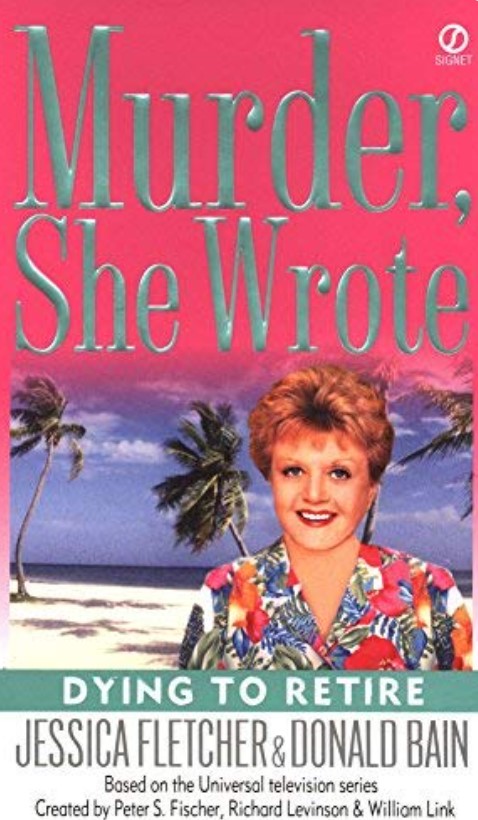
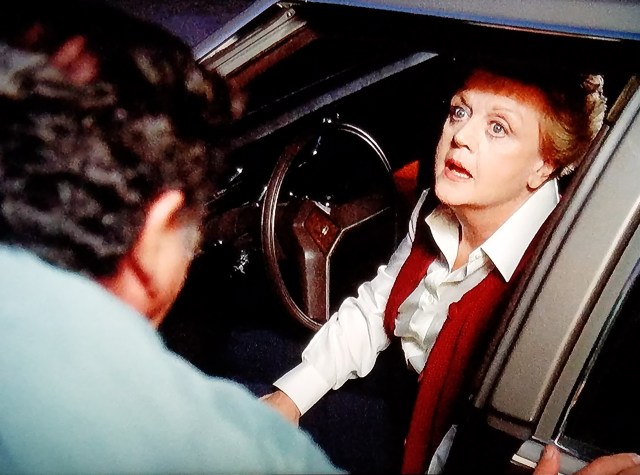
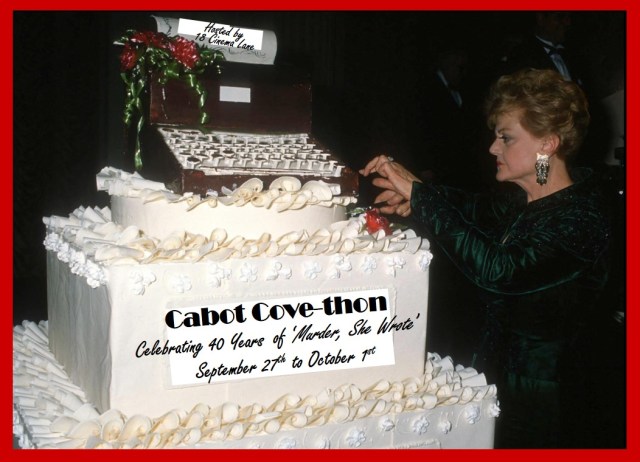
Since there are movies associated with the Murder, She Wrote series, I will bring this want up in my wish-list. During my Cabot Cove-thon Blogathon, I published an editorial about why Universal Orlando Resort should host Murder, She Wrote weekend. Throughout this article, I explained why this event should work by presenting a basic concept of the event’s schedule. Murder, She Wrote weekend is an event where all parties involved would benefit. Universal Orlando Resort would receive an opportunity to not only make a profit, but to also utilize an intellectual property (IP) that used to have a presence in the park. Attractions and businesses within the park’s boundaries would be able to welcome more guests and increase their revenue. Fans of Murder, She Wrote would have a chance to meet other fans and celebrate the legacy of the show. If Murder, She Wrote weekend becomes an actual event, I think it has the potential to become a cherished Universal Orlando Resort tradition!
Something You Need to See
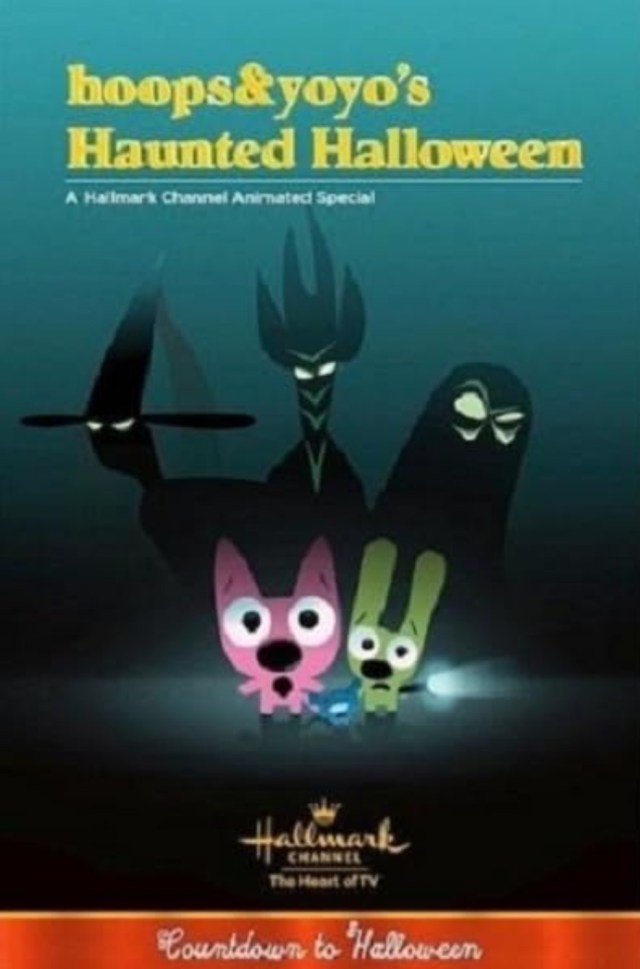
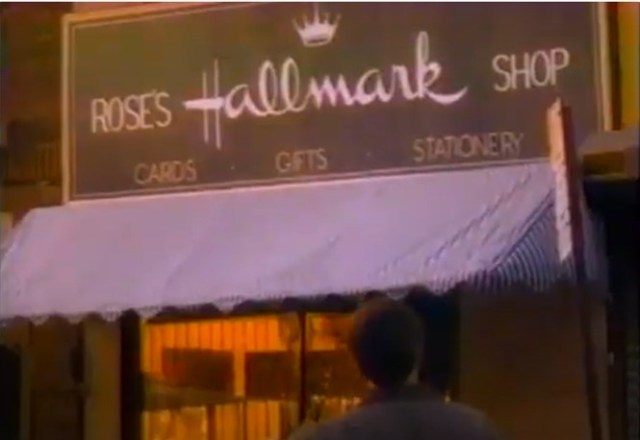
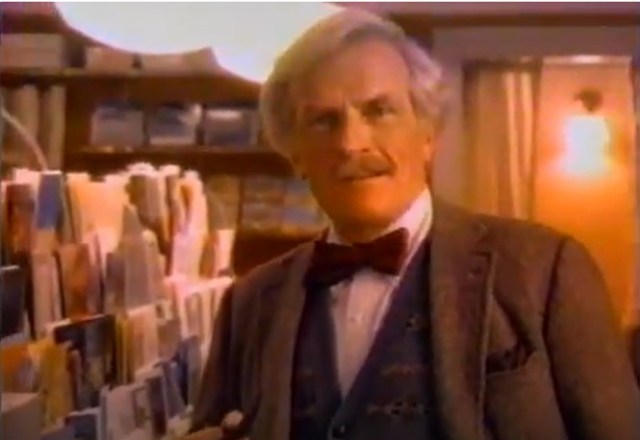
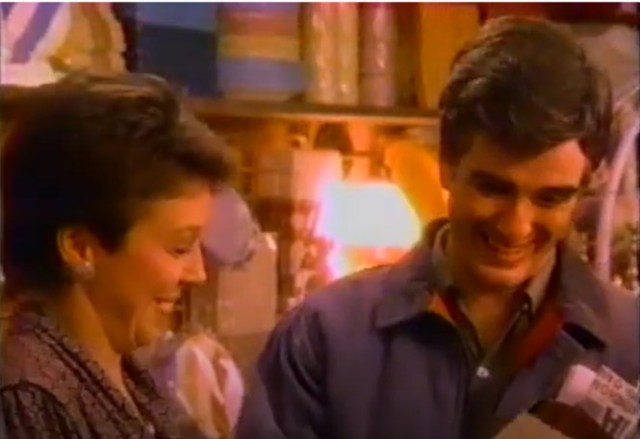
When I reviewed the Hallmark Hall of Fame movie, Pack of Lies, in June, I referenced a Hallmark commercial that was based on a true story. In this commercial, a man, whose first language is not English, is looking for the perfect card for his wife, who will soon arrive in the United States. When he goes to a Hallmark store, the man is assisted by an employee named Rose, who helps him find exactly what he is looking for. After watching this commercial, I developed a collection of questions: What happened to the man and his wife? Are they still together? Did she like the card he bought her? What about Rose, does she still work at Hallmark? Has she retired? And the biggest question of them all; what compelled Hallmark to turn this particular story into a commercial? With everything I just said, I think the commercial could serve as the story for a future Hallmark movie! If the Signed, Sealed, Delivered series continues, that commercial could also serve as a plot in a future Signed, Sealed, Delivered film!
A movie related piece of clothing or accessory I’d want to wear
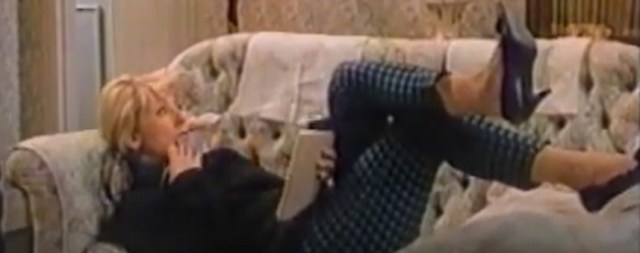
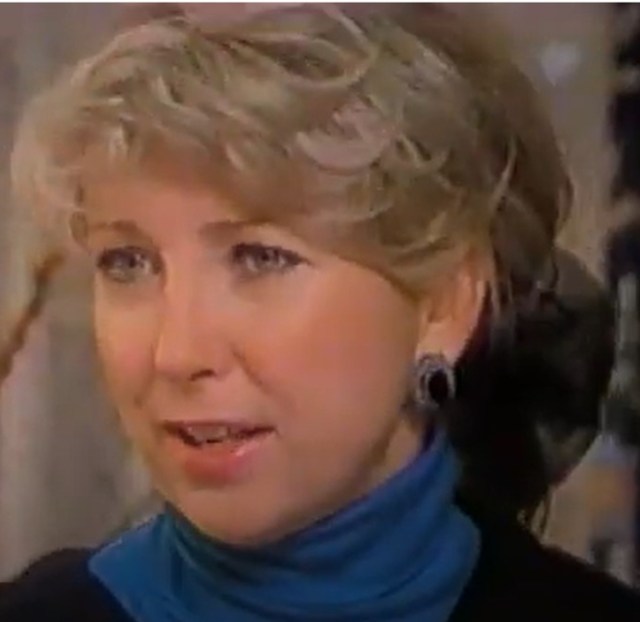
While we’re on subject of Pack of Lies, I want to talk about an outfit Teri Garr’s character, Helen, wore in the 1987 film! During Christmastime, Helen’s outfit was a black and blue ensemble that consisted of black kitten heels, black and blue plaid slacks, and a black sweater over a blue turtleneck. For accessories, Helen wore her hair in a black bow and displayed black stone earrings. I like this outfit because of how timeless it is! It works in either the 1960s, 1980s, or today!
A book I’ve read that I’d like to see adapted into a film
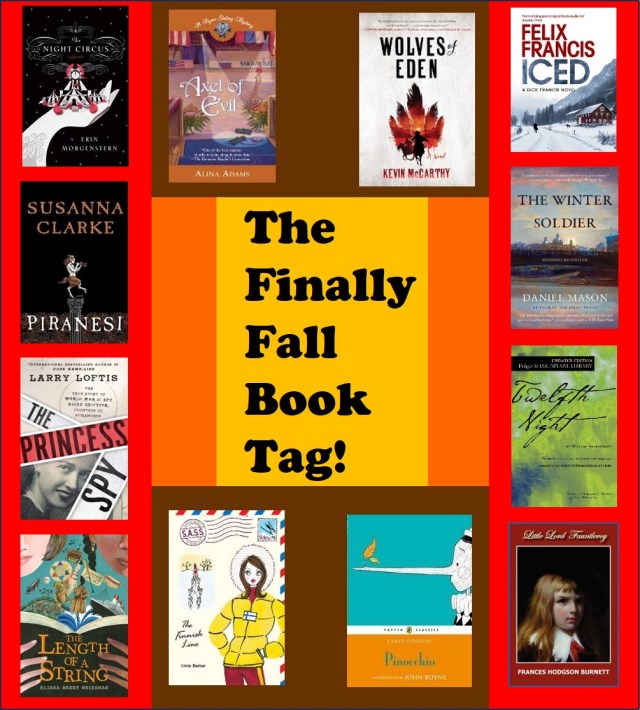
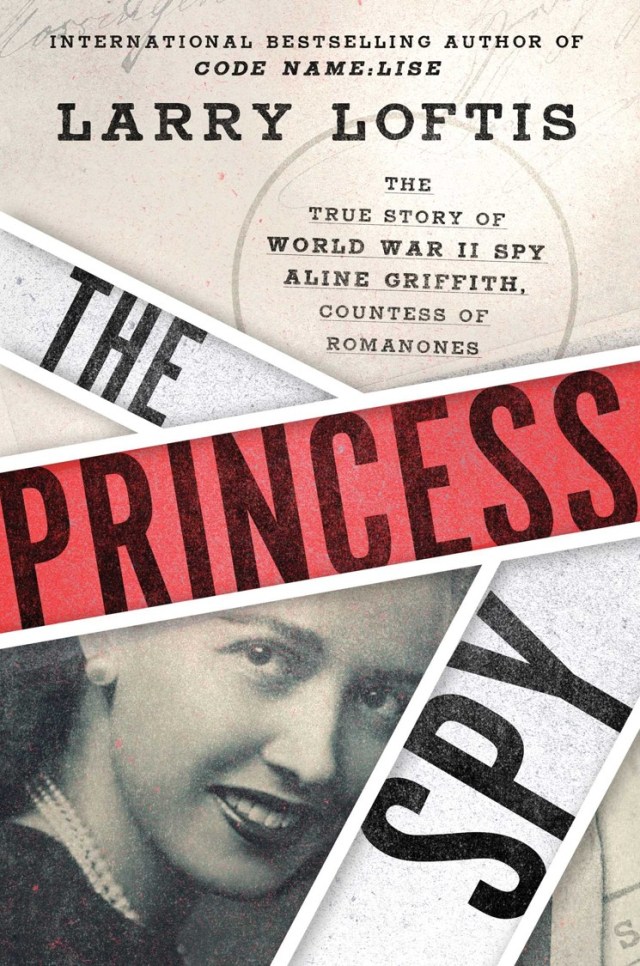
In my post about the Finally Fall Book Tag, I mentioned The Princess Spy being the best book I read for 2024’s Eurovisionathon. While discussing the book, I talked about how it was both educational and entertaining due to Larry Loftis’ research and literary skill. Looking back on other non-fiction stories from World War II, I realized how underrated Aline Griffith’s story is. When it comes to films taking place during World War II, the espionage side of the war effort is not commonly featured. Because of these factors, I would like to see The Princess Spy adapted into a movie!
What are your thoughts on my Christmas wish list? Are there any movie related things you’d like to receive during the Christmas/holiday season? Tell me in the comment section!
Have fun during the Christmas/holiday season!
Sally Silverscreen