When it comes to this year’s Genre Grandeur reviews, I have chosen not to write about Hallmark films, even though I could have. This trend is the result of wanting to expand my cinematic horizons. But that is not the only trend among my Genre Grandeur reviews this year. Most of the movies I’ve talked about, so far, were recommended by my readers. With April’s Genre Grandeur theme being “Films About Food”, I selected a movie suggested by Jillian from The Classic Film Connection. That title is 1991’s Fried Green Tomatoes! At first, I had no idea how food was significant to this story. While I knew Fried Green Tomatoes was based on a pre-existing book, I had not read the book prior to watching the film. As I watched the movie, though, I began to see how the story prioritizes food. So, set the table and get the entrée ready, for I’m about to review Fried Green Tomatoes!
Fried Green Tomatosposter created by Universal Pictures, Act III Communications, Avnet/Kerner Productions, Electric Shadow Productions, and Fried Green Tomatoes Productions
Things I liked about the film:
The inclusion of food: As I mentioned in the introduction, I did not know the role food would play in Fried Green Tomatoes. But as the story progressed, the significance of food became clearer! This aspect of the film is included in two ways. The first is forming connections between the characters, building bridges of communication and even camaraderie. When Evelyn and Ninny first meet, Evelyn shares one of her candy bars with Ninny. This exchange served as the starting point for these characters’ friendship. Food also represented the world surrounding the characters. When Ninny is first telling Idgie and Ruth’s story to Evelyn, the story starts at a wedding. At the wedding reception, a table of decadent desserts is shown on screen, from a variety of pies to the wedding cake itself. The picture-perfect presentation of these desserts emphasized the affluent backdrop these characters existed in. Those two ways food was placed into the story allowed food to be the thread that kept the movie together!
The acting: I’ve seen some of Kathy Bates’ films prior to watching Fried Green Tomatoes. Out of those movies, I noticed Kathy has portrayed characters who were head-strong and confident. But with her portrayal of Evelyn in Fried Green Tomatoes, this performance was different. That’s because Evelyn slowly, but surely, became confident over time. Kathy’s approach to her character was very reminiscent of a chameleon. This was achieved through a combination of body language, emotions, and facial expressions. Another great aspect of Kathy’s performance was her on-screen camaraderie with Jessica Tandy! With Jessica’s effortless portrayal of Ninny, the interactions between Evelyn and Ninny appeared so natural, as if their friendship was always meant to be. I also felt this way about Idgie and Ruth’s friendship. Portrayed by Mary Stuart Masterson and Mary-Louise Parker, these characters presented a classic example of “opposites attract”! One of my favorite scenes in Fried Green Tomatoes was when Ruth and Idgie are giving non-perishable food items to members of a homeless camp. At first, Ruth is alarmed by Idgie’s actions, believing Idgie is stealing. But Idgie explains how people at church only say they do good work instead of practicing what they preach. This explanation shows Ruth how Idgie’s free-spirited nature could be directed toward helping others, as Idgie sees Ruth is in her corner and willing to support her.
The addition of a mystery: In Fried Green Tomatoes, there is a murder mystery woven into Ruth and Idgie’s story. In fact, the movie begins with the murder victim’s car being pulled out of a river. But this murder mystery is simply a part of the story, not the main focus. Because it is drawn out throughout the film, it gave the audience a reason to stay invested in what was happening on screen. The mystery unfolded as the story progressed, with pieces revealed as Ninny told Evelyn Idgie and Ruth’s story. Since the audience is learning information alongside Evelyn, a shared experience is created between viewers and the characters.
Confusing parts of the story: For this part of my review, I will share some spoilers for Fried Green Tomatoes. If you haven’t seen this movie or read the book and are interested in checking this story out, please skip this paragraph and resume at the paragraph titled ‘Ninny’s unknown involvement in Idgie and Ruth’s story’.
There were some parts of Fried Green Tomatoes I found confusing. One example is Ruth’s reaction to train tracks. At the beginning of Ruth and Idgie’s story, they witness their friend, Buddy, get run over by a train. His foot got caught in the train track, preventing him from escaping his demise. Years later, Ruth has a son named Buddy Jr., naming her son after her and Idgie’s deceased friend. But Buddy Jr. loses his arm after playing on a train track. This begs the question; why would Ruth allow her son anywhere near train tracks, especially after what her friend went through?
Ninny’s unknown involvement in Idgie and Ruth’s story: When Ninny first introduces herself to Evelyn, she claims she married into Idgie’s family. Yet throughout Idgie and Ruth’s story, a younger version of Ninny is nowhere to be seen. None of the characters in Ruth and Idgie’s story mention Ninny either. This left me confused as to what Ninny’s involvement in Idgie and Ruth’s story was. Even the movie’s ending made me question Ninny’s identity.
Some unsmooth scene transitions: Fried Green Tomatoes features two timelines: one for the past (Ruth and Idgie’s story) and one for the “present” (Ninny and Evelyn’s story). While it was interesting to see these timelines unfold, I did not like the scene transitions from the past to the present. They were too abrupt, with little to no indication of the change in time. No voiceovers brought the audience, as well as Evelyn, out of the past. These unsmooth scene transitions felt jarring.
In the 1990s, it seems like a popular cinematic trend was stories that primarily took place in the past. In these movies, a protagonist is either telling a story to other characters or a protagonist is reflecting on their life. Fried Green Tomatoes is one of these films, as there are two timelines in the story: one from the past and one from the “present”. But among these types of movies, there are titles I feel are stronger than Fried Green Tomatoes. With the inclusion of two timelines, it felt like they were competing for the audience’s attention. In fact, I thought Idgie and Ruth’s story was more interesting than Ninny and Evelyn’s story. There were also confusing parts of the movie, such as Ninny’s involvement in Ruth and Idgie’s story. Despite these flaws, though, I found Fried Green Tomatoes to be a fine, well-made film.
Overall score: 7.4 out of 10
Have you seen or read Fried Green Tomatoes? Are there any food related movies you’d like me to check out? Tell me in the comment section below!
Imagine: you’re re-watching your favorite season of a popular tv show. As you’re watching, one of your favorite characters appears on the screen. But upon this re-watch, you notice something different about this character. It’s a small detail that never crossed your mind before. Because the character in question is your favorite, you’re familiar with their story. This leads you to realize the aforementioned small detail doesn’t make sense with what you know about your favorite character. There are no clarifications included in the season you’re watching. You search the internet for answers, but walk away empty handed. You know this detail was given to your favorite character for a reason. And yet you don’t know what it is.
This is Sally Solves a Mystery, my new series where I will explore television-related topics. Through these editorials, my goal is to solve mysteries that may have been overlooked. I can’t promise I’ll always find the answers by the end of an editorial. But if my writing raises awareness on a given topic, that will be a step in the right direction! To start this series, I will cover a mystery I haven’t seen or heard fans of Lost bring up. Ana Lucia Cortez is a character who was officially introduced in the second season of Lost. Throughout her time on the show, she consistently wears a ring on her wedding ring finger. Yet she admits she isn’t married, and there’s no evidence she was ever engaged. Lost is a television program that is known for piling mysteries onto its plate. However, the mystery of Ana Lucia’s ring has been buried by the show’s other unsolved mysteries. With the help of quotes, screenshots, and examples from Lost, I will address the mystery surrounding this small detail, bringing up theories and questions along the way!
Lost title card image created by Bad Robot, Touchstone Television, and ABC Signature. ‘Ana Lucia’s Ring: A Lost Mystery’ image created by Sally Silverscreen
The Ring in Question
Before getting into any questions or theories related to this mystery, we need to discuss the ring itself. Ana’s ring is a thick, silver band that she consistently wears on her wedding ring finger. Despite its placement, the ring does not appear to be a typical engagement ring, as it doesn’t bear any stones. Upon closer inspection, though, the ring seems to boast different designs in different scenes. In the episode, “Two for the Road”, Ana’s ring is visible as she is cleaning a small cut on her head. The ring looks like it has a flat, clear surface, with an etched butterfly design on the side. In “The Other 48 Days”, as some of the dead Tailie passengers are being buried, Ana’s ring continues to present an etched design. But this time, it looks as if it could be a flower or gun’s revolver. The ring showcases a simpler design in “Collision”, while Ana is holding Sayid hostage in the jungle. This design is a curved line, almost looking like the letter V in cursive. Going back to the episode, “Two for the Road”, Ana’s ring can, once again, be seen as she is preparing fruit for Ben/Henry. In this scene, the ring bears a more complicated design, featuring an oval surrounded by deep grooves. Two deep lines are visible on the ring’s side, giving the impression raised triangles are included in the overall design. With this said, could the ring bearing different designs simply be a production error or could these differences be intentional?
Screenshot of Ana’s ring taken by Sally Silverscreen. Image from “Two for the Road”
Screenshot of Ana’s ring taken by Sally Silverscreen. Image from “The Other 48 Days”
Screenshot of Ana’s ring taken by Sally Silverscreen. Image from “Collision”
Screenshot of Ana’s ring taken by Sally Silverscreen. Image from “Two for the Road”
Theory #1: A Flipped Image
Creating a television show is not only a business, it’s a complicated equation involving many different avenues and possibilities. Because television is a visual medium, various film-making techniques need to be considered. One of these techniques is Reverse Motion, where, according to Beverly Boy Productions, “action of the film is shown backwards in a reverse motion scene”. This means a filmed image will be flipped and presented in the opposite direction. Reverse Motion is what led me to believe Ana’s ring was originally filmed on her right hand, with the images flipped to appear the ring was on Ana’s left hand. However, evidence reveals this theory is debunked. The Director of Photography for Lost, Larry Fong, admitted Reverse Motion was utilized on the show. But this technique was specifically used whenever characters were driving in Australia. In the book, Lost: Messages From The Island, Larry talks about filming Australian scenes in Hawaii, saying “That’s not such a big deal on the set but we couldn’t get any cars that had steering wheels on the wrong side for certain scenes so we shot everything and reversed the film”. When discussing filming the show’s pilot episode, specifically the scene where Kate, portrayed by Evangeline Lilly, drives a truck in Australia, Larry says “We had to put jewelry on the other side of her; for the guy who had a fake arm we had to put the fake arm on the other arm. Everybody was so confused but all I did on the video monitor, was flip a switch and it reverses it. It wasn’t that hard and it is funny how the simplest solutions come out”.
While Reverse Motion presented the illusion of characters driving in Australia, this illusion can be broken if an actor or actress has a visible facial marking, tattoo, or birthmark. Michelle Rodriguez, the actress who portrays Ana, broke this illusion in the episode “Two for the Road”. Michelle has what I will call a “freckle”, for the sake of this editorial. This “freckle” can consistently be seen on the left side of Michelle’s face. But in “Two for the Road”, as Ana is driving Christian Shephard to an Australian bar, the “freckle” is on the right side of Michelle’s face. The use of close-ups prevented Ana’s ring from being visible in that scene. Because of the “freckle” and because of Larry admitting to using Reverse Motion, this proves Ana’s ring was always meant to be on her wedding ring finger. Question is, why?
This screenshot serves as just one example of how Michelle’s “freckle” can be consistently seen on the left side of her face. Screenshot taken by Sally Silverscreen.
In this screenshot, Ana is in Australia, parked outside a bar. Because of Reverse Motion, Michelle’s “freckle” is on the right side of her face. Screenshot taken by Sally Silverscreen.
Theory #2: A Peek into the Past
One of the trademarks of Lost is the use of flashbacks. These flashbacks have explored the backstories of the main characters from the island. On a few occasions, an accessory has opened the door to a specific character’s backstory. Two examples are Jack’s tattoo in the episode, “Stranger in a Strange Land”, and Mr. Eko’s cross necklace in “The 23rd Psalm”. These facts lead me to believe Ana’s ring may have been intended to explore a part of her past. Unclarified quotes said by Ana herself fuel this theory as well. In the episode, “The Whole Truth”, Ana tells Sayid:
“People don’t like me. I tried to get them to most of my life. I guess I just gave up a while back. I mean, I am what I am.”
This quote leaves me with several questions. Who are these “people”, and why don’t they like Ana? What exactly caused her to give up? What does she mean when she says “I am what I am”? While in the Hatch with Ben/Henry in the episode, “Two for the Road”, Ana tells him:
“I’ve been around a lot of killers in my life. You know what surprises me the most about them? How much they love to talk”.
Upon first hearing Ana’s quote, one would assume she’s referring to the criminals she’s arrested in her police career. But notice how she says “I’ve been around a lot of killers”, not “I’ve arrested a lot of killers”. Could any of these “killers” be the reason why Ana knows so much information about the Army knife she and Goodwin encounter in the episode, “The Other 48 Days”? In that episode, Ana wonders how the Army knife in Goodwin’s possession got on the island. While she and Goodwin are examining the knife, Ana is able to correctly identify the knife’s connection to the U.S. Military. She is also able to locate the knife’s tank stamp, as well as estimate how old the knife is. One might automatically assume Ana came across one of these knives while being a police officer in Los Angeles. But if this were the case, why wouldn’t she have mentioned this during her assessment of the knife?
With Ana’s unclarified quotes, knowledge about the Army knife, and police career, I’m speculating Ana’s ring may have revealed she did some undercover police work she might be ashamed of. This would explain why she’s “been around a lot of killers” and why she feels people don’t like her. Her knowledge about the Army knife might be explained if this theory were true. If she did undercover police work, she would have effectively used her experiences to successfully trick characters like Sawyer into giving her what she wants.
This screenshot presents the Army knife Ana knew several important facts about, including where the knife’s tank stamp is located. Screenshot taken by Sally Silverscreen.
Theory #3: A Connection Between Ana and Sawyer
Sawyer is one of Lost’s main characters, consistently appearing in all six seasons of the show. One of his “quirks” is making pop cultural references, especially those from the Western genre. In season two, Sawyer made some pop cultural references to Ana. In fact, out of the six pop cultural references made to Ana throughout the second season, Sawyer gave her four of them. In the episode, “…And Found”, Sawyer asked Ana if she was married, which she responded by saying “No”. It needs to be noted that Sawyer is the only character to ever question Ana’s relationship status. What should also be noted is Sawyer is the first main character Ana crosses paths with before arriving on the island, crashing into Christian’s car door in “Two for the Road”.
As I previously stated, Sawyer makes pop cultural references, including those from the Western genre. Some of these references have related to programs such as Howdy Doody, Mister Ed, and Little House on the Prairie. But what if one of those references was meant to come from The Lone Ranger? In the 1981 movie, The Legend of The Lone Ranger, Tonto explains the importance of silver bullets to The Lone Ranger. During this explanation, Tonto says;
“Silver is pure. It’s been a symbol of justice and purity since The Year of the Sun”.
Now, you’re probably wondering, “What does The Lone Ranger have to do with Ana”? The answer lies in her ring. As already mentioned in this editorial, Ana is a police officer. Throughout her time on Lost’s second season, she has tried to seek out justice to varying degrees, such as when, in “The Other 48 Days”, Ana digs a pit and places Nathan in it, believing he kidnapped the children in their Tailie group. Plus, Ana’s ring just so happens to be silver. Could Sawyer have planned on calling Ana “Lone Ranger” or “Silver Bullet”? If “Lone Ranger” was Sawyer’s nickname for Ana, her statements about being alone in the episode, “Collision”, would make sense.
In the episode, “The Long Con”, a series of flashbacks reveal Sawyer sold fake jewelry in an attempt to pull off a con. During one of these flashbacks, he tries to sell chain necklaces to unsuspecting customers. But what if he sold rings at one point? If this were the case, perhaps someone gave Ana her silver ring, purchased from Sawyer. But if Ana knew the ring was fake, why would she keep it, let alone continue to wear it? And if Sawyer did sell that ring, why didn’t he notice it or comment on it? Maybe the ring was purchased from Sawyer as part of an undercover investigation, with Ana keeping the ring as a memento. Perhaps Sawyer didn’t mention the ring because he didn’t realize Ana may have played a role in the investigation.
In a screenshot from “The Long Con”, Sawyer creates prices for fake chain necklaces. Could he have sold rings at one point? Screenshot taken by Sally Silverscreen.
Ana and the Number Three
4 8 15 16 23 42. This set of numbers has become a staple on Lost. The show’s creative team has incorporated these numbers into the story, from Hurley’s winning lottery ticket to some of the characters’ plane seats. During my investigation, there is one number that kept frequently popping up; the number three. Not one of the aforementioned numbers, the number three has been associated with Ana throughout her time on the show. In fact, I’ve compiled a list of all the times the number three has appeared in Ana’s story.
“Exodus Part 1”
During Jack and Ana’s first interaction together, Jack asks Ana three questions: who Ana is, what her name is, and why she’s drinking Tequila and Tonics at ten to noon
Ana’s ring can be clearly seen three times
Ana’s full name is Ana Lucia Cortez, three names. Ana’s first name not only contains three letters, her first and middle name contains a total of three As
Ana’s first appearance on Lost was in the first season’s twenty third episode
Ana’s seat on Oceanic Flight 815 is 42F. The letter F is comprised of three lines
“Orientation”
Ana’s ring can be clearly seen three times
When Ana enters the pit, three guys from the main camp are stuck there: Sawyer, Michael, and Jin
Ana appears in three scenes total
Ana’s first appearance in season two is the third episode
“Orientation” and “Everybody Hates Hugo”
Ana hurts Sawyer three times: she punches Sawyer in the pit (“Orientation”), she throws a rock at his head (“Everybody Hates Hugo”), and Ana punched Sawyer again after he refused to put down a rock (“Everybody Hates Hugo”)
“Everybody Hates Hugo”
Ana tells Sawyer he has three seconds to drop the rock in his hand
Ana touches the DHARMA shelter door three times; two knocks, one scratch. This action was shown on screen three times
“…And Found”
When splitting into groups to find food, Ana caught fish with Bernard and Jin, a group of three
Ana asks Jin three questions: “You want to help us out over here”?, “You want to eat”?, “Does it look like I speak Korean”?
“Abandoned”
Ana tells Michael “The Others” first took three tail section passengers. This detail was also brought up in “The Other 48 Days”
“The Other 48 Days”
Ana is told three tail end passengers are missing
Ana asks Goodwin three questions as they’re walking up to higher ground: “Why do you think they’re doing this”?, “Don’t you ever wonder why they attack us”?, “Why do you think they take some of us and not the others”?
When answering Ana’s third aforementioned question, Goodwin explains the three qualities that caused the first three Tailie passengers to be kidnapped: athletic, tough, and poses a threat to “The Others”
While investigating the Army knife, Ana brings up three facts about the knife; its U.S. Military connection, its tank stamp location, and its likely age
“Collision”
On Ana’s police badge, the number three is in the six number digits
On the door of Ana’s mom’s office, the number 315 can be seen
While Ana and Mike are riding in the police car, Mike asks Ana three questions; “So that shrink give you any good drugs”?, “D’ya miss me”?, “You want me to go kick his ass for you”?
Ana said on the police dispatch she and Mike were three blocks away for the domestic disturbance call
On Ana and Mike’s domestic disturbance call, they encounter a family of three; a man, woman, and baby
While keeping an eye on Sayid, Ana pops the magazine into her gun three times
When Ana crosses paths with Jason in a parking lot, she told him three things; “Hey”, “Jason”, “I was pregnant”. The third statement consists of three words.
When Ana is holding Sayid hostage in the jungle, she tells Libby “I’m already alone”. During her conversation with Sayid, Ana tells him “I feel dead”. These statements contain three words
“What Kate Did”
Ana asks Jack three questions; “Where’s the tonic”?, “You sure you want to waste that on me”?, “You gonna try to convince me that everyone here doesn’t hate me”?
“The 23rd Psalm”
Ana makes only one appearance in this episode, where the number twenty-three is in the title
“Fire + Water”
Ana’s ring can be clearly seen three times
When Sawyer and Kate spot Ana and Jack leaving the jungle, Sawyer tells Kate “That’s the third time I’ve seen them walking out of the jungle”
“One of Them”
Ana speaks to Sayid three times: “Where’s Jack”?, “There. See”?, “What”?
“The Whole Truth”
Locke tells Ana the man in the Hatch (Ben/Henry) has been down in the Hatch for three days
Ana, Sayid, and Charlie (a group of three) go on a trip to locate Ben’s/Henry’s hot air balloon
“Lockdown”
Ana made three appearances in this episode
During their search for Ben’s/Henry’s hot air balloon, Sayid tells Ana they’ve been searching for the balloon for three hours
“Dave”
When Ana and Sayid are interrogating Ben/Henry, Sayid tells Ben/Henry he has three seconds to answer his question
“S.O.S.”
“Ana spoke to Locke three times; “Hey”, “I pressed your button”, “Where’d you go”? Ana’s question contains three words.
This episode name contains three letters and three periods
“Two for the Road”
Ana was told by her mom Jason’s body was found a little after three in the morning
In Ana’s Australian hotel room, her clock reads 3:51
While Jack is cleaning his medical tools in the Hatch, Ana speaks to him three times; “Hey”!, “You’re back”, “So, The Others. They didn’t show up”?
When Michael is sharing information about The Others, Ana asks him three questions; “What about everyone else they took”?, “Cindy”?, “Did you see any other kids”?
“Dave”, “S.O.S.”, and “Two for the Road”
Ana sits on the Hatch’s couch a total of three times; once in “Dave”, once in “S.O.S.”, and once in “Two for the Road”
As this very long and detailed list shows, Ana is often associated with the number three. In fact, this association doesn’t feel like a coincidence. In the special feature segment, “Mysteries, Theories, and Conspiracies” from the Lost season two DVD, Michelle Rodriguez said the following:
“You know, numbers are interesting. Alchemy could have something to do with it too. I think they use a lot of alchemy in this show too. They hint at it. They hint, you know, stars and signs and masonry. A lot of that symbolism is in there”.
If there truly is symbolism behind Ana’s ring and her connection to the number three, could the ring itself and the number three be linked in some way?
The number three is circled in this screenshot of Ana’s police badge is emphasize its existence. Screenshot taken by Sally Silverscreen.
The number three is circled in this screenshot of Ana’s mom’s office door to emphasize the number’s existence. Screenshot taken by Sally Silverscreen.
Each character in this screenshot is given a number to emphasize how they make up a group of three. Screenshot taken by Sally Silverscreen.
Different Versions of Ana
Time is an element experimented on in Lost. Not only were flashbacks used to explore characters’ backstories, “flashforwards” predicted how some characters’ futures would turn out and “flashsideways” broke different time barriers. Despite Ana only consistently appearing in the show’s second season, she did appear in an episode from seasons five and six. Based on where the ring is placed on her hand, it seems like there are different versions of Ana. In the episode, “Exodus Part 1”, and throughout the second season, the ring is on Ana’s wedding ring finger. But in the season five episode, “The Lie”, when Ana stops Hurley on the side of the road, she’s not wearing the ring at all. Ana also acknowledges the fact she’s deceased, telling Hurley “What if I were real” and “Oh yeah, Libby says hi”. The season six episode, “What They Died For”, shows the ring back on Ana’s left hand. But this time, it’s on her middle finger. The scene she appears in is part of an alternate universe, showing the characters as if the pilot episode’s plane crash had never happened. These versions of the same character make me wonder if the ring’s purpose evolved from its original intent, showing the differentiation between each version? The fact there seems to be three different versions of Ana highlights the possible connection between the ring and the number three I mentioned in the previous statement.
This is a screenshot from “Exodus Part 1”. Ana’s ring is circled to emphasize its presence. Screenshot taken by Sally Silverscreen.
Throughout season two, Ana consistently wore the ring on her wedding ring finger. This screenshot from “…And Found” serves as one example. Screenshot taken by Sally Silverscreen.
This screenshot from “The Lie” shows Ana not wearing the ring at all. Screenshot taken by Sally Silverscreen.
In this screenshot from “What They Died For”, Ana’s ring is now on her middle finger. The number three is also featured on her police badge. Screenshot taken by Sally Silverscreen.
Lost is one of the most ambitious shows of our time. In fact, some people might argue the show was too ambitious. The mysteries surrounding the island are what intrigued viewers to watch Lost. But limited answers left the audience frustrated and confused. Because the mystery of Ana Lucia’s ring has been overlooked, there hasn’t been a demand for an explanation. Before the publication of this editorial, there was no speculation around the ring itself. With everything said in this article, my current speculation is how Ana’s ring was originally intended to serve as a peek into a part of Ana’s past. In this part, Ana did some undercover police work involving stolen or fake jewelry, with Sawyer a part of the equation. Something happened during the investigation, causing Ana to feel ashamed of the experience. Since Ana died toward the end of the second season, the ring’s purpose evolved to showing the differentiation between different versions of Ana. However, as of this editorial’s publication, this mystery is currently unsolved.
To read the full description of Reverse Motion, you can visit Beverly Boy Productions’ website at this link:
April Fool’s Day; a time for jokes, pranks, and laughter. On such a day, a comedic film would be most appropriate. Therefore, it’s time to introduce my selection for The ‘Favorite Stars in B movies’ Blogathon: 1963’s The Raven! Recommended by the late Patricia from Caftan Woman, I discovered this particular title was considered a “B movie” while searching for the perfect movie to write about. It just so happens to star an actor that is no stranger to 18 Cinema Lane; Vincent Price! The Raven is the tenth film of Vincent’s I have seen and reviewed. Most of his projects I have enjoyed to various degrees. But how will the 1963 title turn out? Don’t fly away from this review, as the review is about to begin!
The Raven (1963) poster created by Alta Vista Productions and American International Pictures
Things I liked about the film:
Interactions between characters: When creating a movie, it’s important to cast actors and actresses who not only perform well individually, but also within a group. If the quality among the cast is strong, the interactions between their characters will appear realistic to the audience. This is the impression I received as I watched The Raven. Scenes shared by Vincent Price and Peter Lorre serve as one great example. In one scene, Vincent’s character, Dr. Erasmus Craven, has attempted to reverse the spell placed on Dr. Adolphus Bedlo, Peter Lorre’s character. Unfortunately, Craven’s attempt doesn’t go according to plan. Bedlo is distraught at having wings for arms. His face bears a frown, eyes filled with a sad look. With disdain and concern is his voice, Bedlo is afraid the spell’s effects will be permanent. Meanwhile, Craven bears a look of concern on his face. But with a worried look in his eyes, Craven appears to care about the well-being of his friend. Through interactions like the one I described, Craven and Bedlo’s friendship felt believable. That was made possible with a combination of screen-writing and the performances of Vincent and Peter!
The humor: I knew The Raven was classified as a “horror-comedy” before I watched it. However, I was surprised by how the comedy was incorporated into the story! The humor in The Raven was mostly found within the dialogue. But the movie’s climax is where the humor really shines! In this scene, Craven and Dr. Scarabus, portrayed by Boris Karloff, participate in a magical duel. When it was Craven’s turn to use his magic, his responses to Scarabus became sillier as the duel continued. I won’t spoil this part of the story, for readers who haven’t seen this movie yet. All I will say is the humor was so well executed, I burst out laughing on numerous occasions.
Following the characters’ journey: The Raven is about Craven and his friend, Bedlo, traveling to Scarabus’ castle to reclaim Bedlo’s magic and save the spirit of Craven’s late wife, Lenore. As the story unfolds, the audience witnesses the steps Bedlo and Craven take in order to make the trip a reality. Seeing this step-by-step process allows viewers to feel like they are traveling alongside the characters. That creative decision adds interactivity to the story!
Inconsistent parts of the story: Within the The Raven, there were times when parts of the story were inconsistent. In one example, Craven and Bedlo need hair from a dead man. So, they take some hair from Craven’s deceased father. In order to open the casket of Craven’s father, Craven uses a knife to pry open the casket’s lid. A few scenes later, when Bedlo and Craven want to open Lenore’s casket, they are easily able to lift the lid. While these inconsistencies were not a common flaw, I believe this issue could have been avoided.
A drawn-out first half: As I already mentioned in this review, I liked how the characters’ journey allowed the audience to feel like they were traveling alongside the characters. But because of the movie’s hour and twenty-six-minute run-time, this journey was drawn out. Within the story’s first half, the sense of urgency was limited. There was also a small conflict that prolonged the journey. With those flaws addressed, it makes me wonder if this story would have worked better as a short film?
A random plot twist: For this part of my review, I will spoil a plot twist in The Raven. If you are interested in watching this movie, but have not seen it yet, please skip ahead to the section titled ‘My overall impression’.
While spending the night at Scarabus’ castle, Bedlo helps Scarabus trap Craven, his daughter, Estelle, and Bedlo’s son, Rexford. After Scarabus and Bedlo succeed, Bedlo confesses he tricked Craven into coming to Scarabus’ castle, in order to gain more magic from Scarabus. While this plot twist was unexpected, it felt random. There was no indication Bedlo would be that under-handed. Plus, this plot twist came right after another plot twist had been revealed. In my opinion, the plot twist involving Bedlo felt like it was included in the story just for the sake of it.
Image of crow at sunset created by Rayudu NVS at freeimages.com. Photo by <a href=”/photographer/rayudu238-57835″>rayudu NVS</a> from <a href=”https://freeimages.com/”>FreeImages</a>. Image found at freeimages.com.
My overall impression:
As of early April, 2023, I have seen two Corman productions based on the works of Edgar Allan Poe; The Pit and the Pendulum and The Raven. A sense of wonder exudes from these two movies. What I mean by this is, I am amazed by how these creative teams were able to take simple stories and turn them into feature films! While I liked The Raven, I still prefer The Pit and the Pendulum. This is because of the movie’s flaws, such as the drawn-out first half and the random plot twist. However, there were strengths in The Raven, like the interactions between characters and the humor. I’m aware of Vincent Price’s other movies based on Edgar’s work. I’ll have to check those out another day!
Overall score: 7.3 out of 10
Have you seen or read The Raven? Are there any adaptations of Edgar Allan Poe’s work you’d like me to review? Let me know in the comment section below!
March’s theme for Buzzwordathon is ‘secret’, meaning this specific word had to be somewhere in a book’s title. Because ‘secret’ was in the title of Children in the Holocaust and World War II: Their Secret Diaries, I chose this book for the third round of Buzzwordathon. Even though Laurel Holliday’s name is listed on the book’s cover, the book is a collection of diaries written by children who lived during the Holocaust/World War II. This collection provides diverse perspectives of that particular period in history. For example, in Moshe Flinker’s diary, he expresses guilt about living in safety while many Jewish people were experiencing turmoil. Meanwhile, Colin Perry treated his diary as a historical record, going into detail about everything happening around him. Along with each perspective, the way these diaries were written was also diverse. It emphasizes the point Laurel made in the book’s introduction; that there is more than one side to history.
A collection of twenty-three diaries is included in Children in the Holocaust and World War II: Their Secret Diaries. The children’s ages range from ten to eighteen years old, with the children residing in various locations in Europe. Because of the abundance of diaries and because most of the diaries focus on events happening in a child’s life, the reader doesn’t receive many opportunities to truly get to know a diary’s author. In the book’s introduction, Laurel says “most of the diaries are long enough to comprise full-length books”. But in some author’s cases, such as for Colin Perry, his diary was published into its own book, “available from the author in a self-published paperback edition”. This fact made me wonder why the book’s longer diaries were included in this particular collection?
Children in the Holocaust and World War II: Their Secret Diaries is a fine, interesting book that serves as a useful piece of literature when it comes to learning about World War II/the Holocaust. The collection of diverse perspectives and writing styles emphasizes how many points of view can shape history. However, this is not a book I plan on re-visiting in the future. That decision is partly due to the book’s heavier subject matter. I am glad I chose to read this book for March’s edition of Buzzwordathon. As I mentioned in this review, the children are from various locations in Europe. Some of these European countries are participating in this year’s Eurovision Song Contest. As someone who will take part in the Eurovisionathon readathon, reading Children in the Holocaust and World War II: Their Secret Diaries was a good segue into that literary event, as Eurovision was created to restore peace in Europe after World War II.
Overall score: 3.6 out of 5 stars
Have fun during Buzzwordathon!
Sally Silverscreen
Disclaimer: Because this book revolves around children’s lives during the Holocaust/World War II, some readers may be sensitive to this book.Joan Wyndham’s diary brings up subjects like drugs and sex. Readerdiscretion is encouraged.
It feels like every two years, I talk about an episode of Touched by an Angel. First, I reviewed “The Sky Is Falling” in 2019. Then, in 2021, I wrote about the two-part episode, “The Spirit of Liberty Moon”. Now, for The 9th Annual Favourite TV Show Episode Blogathon, I’m going to cover another Touched by an Angel episode! This time, I’ll be talking about 1998’s “Perfect Little Angel”. Based on its synopsis on IMDB, the episode’s story doesn’t seem like it revolves around heavier topics, like “The Sky Is Falling” and “The Spirit of Liberty Moon”. However, the inclusion of a pageant in “Perfect Little Angel” is what intrigued me to want to watch this episode. When a pageant is featured in a scripted movie or television show, it is typically depicted in one of two lights; negatively or as a joke. With Touched by an Angel having something important to say every now and then, I was curious to see what themes and messages would arise from this story. So, let’s get into my review of “Perfect Little Angel” to see if it will win the crown!
In the introduction of this review, I mentioned how pageants in scripted movies or shows are typically depicted in one of two lights; negatively or as a joke. But in “Perfect Little Angel”, the Miss Colorado State Pageant felt like it was taken seriously within the story! The staging of the pageant itself looked very high budget, appearing as if the event was produced by a professional organization. Every actress portraying a contestant was styled beautifully, mirroring the image of real life contestants of the late ‘90s. Even the way the actresses moved across the stage or performed their talent gave the audience the impression they cared about their outcome in the competition. As I’ll mention more in the segment about the episode’s story, the episode was about more than just the pageant, which actually works in the favor of the Miss Colorado State Pageant!
What I didn’t like about this episode:
I know Tess is a head-strong, motherly figure among the angels on the show. But toward the beginning of “Perfect Little Angel”, she came across as pushy. When she first meets Tracy, Tess insists she seek out guidance from a local women’s shelter. She evens looks down on Tracy’s desire to enter the Miss Colorado State Pageant, in an attempt to steer Tracy toward the shelter. After meeting Tracy for the first time, Tess talks with Monica about Tracy’s decision to join the pageant. Tess says Tracy is making things harder for herself. What she said about Tracy kind of sounded like victim-blaming. Fortunately, as the story progresses, Tess becomes more supportive toward Tracy’s ambitions.
Remember when I said the story of “Perfect Little Angel” was about more than just the pageant? Well, that’s because the script prioritized Tracy’s journey to the pageant. At the beginning of the episode, Tracy is down on her luck. Her self-esteem and personal morale are so low, she’s desperate to find an immediate solution. Through her pageant preparations, Tracy learns about honesty, perfection, and having the courage to reach her potential. Because the script focuses on Tracy’s story and the messages and themes that grew from it, the show’s creative team avoided several cliches and tropes associated with on-screen pageants or competitions. As Tracy’s story progresses, there are some surprises, even though I did suspect a few twists and turns along the way. These surprises added depth to the story, giving Tracy opportunities to apply the episode’s lessons to her life.
The other factors from this episode:
At the beginning of the episode, Tracy tells her co-worker, Don, how she has been accepted into a design school in Rhode Island. Because of this acceptance, Tracy claims she needs $20,000 as soon as possible. I’m honestly surprised Don didn’t suggest Tracy seek out scholarships or financial assistance. In fact, that was my first thought when Tracy mentioned the design school acceptance. From what I know about pageants, some pageant organizations offer scholarships or educational opportunities for their finalists. So, I’m also surprised this detail wasn’t included during the Miss Colorado State Pageant.
As Tracy is preparing for the Miss Colorado State Pageant, Tess, Monica, Raphael, and Andrew are given roles in order to help Tracy. Andrew is tasked with finding Tracy’s talent, while Tess assists Tracy with walking on stage and on-stage posture. I know Andrew needed something to do in this episode, even though his true role on this mission is revealed later in the story. But not having Tess find Tracy’s talent, especially since Della Reese is a real-life singer, is, in my opinion, an unusual creative choice. This is because, on some occasions, the show’s creative team has incorporated Della’s musical talents into the show.
When attempting to apply for the pageant, Tracy is told she will need an official sponsor. When the angels agree to help Tracy, they become her official sponsors by giving her the title, “Unauthorized Property #579”. Because the property itself is still under development, it has the potential to house any business, venue, or living space. The angels use this piece of land to represent Tracy herself, how she has so much potential that hasn’t been reached yet. I thought this was a wonderful analogy that emphasized one of the episode’s key themes. It made me think about the idea of reaching potential in a different way!
Since “Perfect Little Angel” was released in the same season as “The Spirit of Liberty Moon”, I’ll post my photo of the season four DVD cover in this review. Screenshot taken by me, Sally Silverscreen.
My overall thoughts:
Touched by an Angel is a show I’ve talked about so infrequently on 18 Cinema Lane. As I’ve said in the introduction, it feels like I write about an episode every two years. Despite this infrequency, I have lucked out, reviewing two episodes I actually liked. For a third time, I have come across another good episode of Touched by an Angel! The primary focus on Tracy’s story allowed the episode’s messages and themes to organically grow within the script. The story had an intriguing progression, providing surprises every so often. Even the pageant itself felt like it was taken seriously, which is much different from how pageants are typically portrayed in scripted movies and tv shows. If I were introducing someone to Touched by an Angel, “Perfect Little Angel” is an episode that would serve as a good starting point. It isn’t as emotionally heavy as episodes like “The Spirit of Liberty Moon”. But it does contain the strengths I’ve come to expect from this show!
‘Movies featuring beaches or waterfront scenes’ is March’s theme for Genre Grandeur. I could have selected a Hallmark title, but I chose a different film instead. This seems to be a recurring theme on 18 Cinema Lane this year. Back when I published my editorial, Oh, The Places She’ll Go: A Map of Esther Williams’ Travels, Paddy Lee suggested I check out Charlie Chan at Treasure Island. Since then, I’ve been trying to find the right time to watch the film. When I searched through my movie recommendation board on Pinterest, I knew it would be the perfect movie to write about for this month’s Genre Grandeur! Before Paddy Lee’s suggestion, I had never heard of the Charlie Chan series. From what I’ve gathered, this is a mystery series from the 1920s to the 1940s. A made for TV movie, The Return of Charlie Chan, was released in 1972 and the last movie in the series, Charlie Chan and the Curse of the Dragon Queen, premiered in 1981. Starting this journey in the middle of the series, it’s time to review Charlie Chan at Treasure Island!
The acting: I’ve seen a handful of Cesar Romero’s projects from his filmography. Out of those projects, he has carried his character with charisma. In Charlie Chan at Treasure Island, Cesar portrayed a magician named Rhadini. Not only did Rhadini have the charisma I’ve come to expect from Cesar’s performances, he also contained a strong amount of showmanship you’d expect from a magician! Consistency worked in Cesar’s favor, with his performance appearing effortless. Another acting performance that came across as effortless was Victor Sen Yung’s! Portraying Charlie’s son, Jimmy, Victor gave his character a great on-screen personality. His expressions while interacting with other cast members wove together seamlessly. A great example is when Jimmy is helping Charlie get ready for a dinner party. As he is interacting with his father, Jimmy’s emotions transition from pride to confusion to determination without missing a beat! Despite appearing in the film for a limited amount of time, I liked Billie Seward’s portrayal of Bessie Sibley! She had great control over her character’s emotions, allowing her talents to go toe-to-toe with the talents of the other cast members.
The inclusion of magic: As I just mentioned in this review, Rhadini is a magician. He performs magic tricks on a few occasions within the story. These tricks range from a disappearing bird to a levitating table. There were even times when the secrets behind these tricks were revealed, showing the audience how the illusion was achieved. This was a pleasant surprise for me, as I didn’t expect any magic to be featured in the movie. Its inclusion in the story added a unique aspect to the film’s identity!
The humor: In past reviews, I’ve brought up how some mystery films have incorporated humor into their story, as humor gives the audience a break from the heaviness of the mystery itself. Honestly, I was surprised by the inclusion of humor in Charlie Chan at Treasure Island. This is because I was not expecting this aspect to be as strong as it was in the story. In Charlie Chan at Treasure Island, Jimmy was the comic relief. Some of the things he said were genuinely hilarious. During Rhadini’s magic show, Jimmy is recruited to participate in the levitating table trick. Horrified at the idea of being lifted off the ground, Jimmy tells his father, “Oh, but flying makes me seasick, Pop”.
A misleading title: Charlie’s adventures in Treasure Island are the reason why I chose this movie for March’s Genre Grandeur. Because of the film’s title, I expected Charlie to primarily spend his time at the titular location. But when I watched the movie, I discovered that wasn’t the case. While there was an aerial shot of Treasure Island, not much time was spent there. In fact, the characters talked about Hawaii, specifically Honolulu, more than Treasure Island. With that said, it made me wonder why this movie didn’t take place in Hawaii?
Charlie’s outdated “quirk”: In my editorial, Why ‘Francesca Quinn, PI’ is the Worst Hallmark Movie I’ve Ever Seen, I talked about how fictional detectives have a “quirk”, something that sets a detective apart from other sleuths. Charlie Chan does have his own “quirk”. However, it seems very outdated. Throughout the story, Charlie speaks in proverbs. His speech also sounds like broken English. I know the 1930s was a different time compared to the 2020s. But these factors make Charlie’s “quirk” seem stereotypical.
A limited amount of urgency: The main mystery in Charlie Chan at Treasure Island is a murder mystery, as a guest on a plane mysteriously dies during the trip. Charlie and the San Francisco police department discover a series of deaths that took place around the time of the aforementioned murder. But most of the story focuses on the mystery of who “Dr. Zodiac” is, a physic who is ripping off his clients. This focus caused the overall story to have a limited amount of urgency.
As someone who actively seeks out programs from the mystery genre, I’m always looking for titles I can recommend to my readers. However, I am aware of how mystery films and shows are not created equally. Charlie Chan at Treasure Island was my introduction to the world of Charlie Chan. Unfortunately, this introduction was not as strong as it could have been. While there were aspects of the movie I liked, such as the acting and the humor, the story itself was weak. The misleading title made me wish the film had taken place in Hawaii. Charlie’s “quirk” also makes the story dated on arrival. I’m not sure if I’ll continue watching this series. Perhaps if a particular title fits a blogathon theme, then maybe I will check another film out.
Overall score: 6.7 out of 10
Have you seen any films from the Charlie Chan series? Are there mystery films you’d like to see reviewed on 18 Cinema Lane? Tell me in the comment section!
As I seek out Hallmark’s “older” content (“older” as in older than ten years old), I find myself gravitating toward Hallmark Hall of Fame’s VHS exclusive titles. For those who are not familiar with the history of Hallmark Hall of Fame, there are several movies from this collection that were only released on VHS. Caroline? from 1990 is one of those films. All I knew about this particular title was how the story revolved around a woman claiming to be a long-lost family member. Since I haven’t reviewed a Hallmark Hall of Fame movie in several months, I thought reviewing Caroline? for my latest Blog Follower Dedication Review would be perfect! Over my five years of movie blogging, I’ve noticed how my Hallmark related content has become some of my most popular content. In fact, one of my Hallmark Hall of Fame reviews, After the Glory, has garnered over a thousand views and counting! But will I like Caroline? as much as I liked 1992’s After the Glory? Keep reading my review in order to find out!
Hallmark Hall of Fame’s Caroline? poster created by Hallmark Hall of Fame productions, CBS, and Republic Pictures Home Video
Things I liked about the film:
The acting: When portraying a titular character, that movie’s actor or actress needs to use their talents to not only carry the production, but also shine on their own. While I’m not familiar with Stephanie Zimbalist’s filmography, she did succeed in this task! In Caroline?, Stephanie’s portrayal of the titular character was so naturally presented, her interactions with the other characters were fluid. One great example is when Caroline is being questioned about her past whereabouts. In a calm voice, she answers every question given to her. As she sits upright in her chair, Caroline recounts how she survived a plane crash, looking away from Grace and Paul Carmichael as she’s remembering what happened. When Paul confronts Caroline over her selfishness, her face effortlessly turns to sadness. Caroline’s mouth conforms into a frown and her eyes appear to be on the verge of tears.
While watching Caroline?, I was fascinated by the interactions among the characters. This was achieved because of the strength of the cast! But two performances that impressed me the most came from Shawn Phelan and Jenny Jacobs! When a younger character plays a significant role in a story, the likability of that character can depend on an actor or actress’ performance. With Heidi and Winston, their interactions felt so realistic! A perfect example is when Winston is looking through a family photo album. Curious about Caroline’s true identity, Winston sneaks into his father’s office in the middle of the night. Several minutes later, Heidi comes into the office, wanting to look at the photo album as well. Throughout this scene, there is tension between Winston and Heidi. Winston is frustrated by Heidi’s constant questions and comments about the photos. He also does not like the fact he can’t look at the photo album independently. Meanwhile, Heidi is frustrated at the idea of being left out of Winston’s activity. She even looks defeated after Winston doesn’t believe her claims that she can read. With a combination of vocal inflections, facial expressions, and emotions, both Shawn and Jenny were able to present a sibling relationship that felt believable!
The element of mystery: As I mentioned in the introduction, Caroline? is about a woman claiming to be a long-lost family member. Even though I wouldn’t consider this film as a part of the mystery genre, the mystery of Caroline’s identity is spread out throughout the story. This creative decision allowed the audience to witness the interactions between the characters. Through these character interactions, the audience is left guessing if Caroline is who she says she is. All I can about the mystery’s resolution is it ended on a plot twist I didn’t see coming. The combination of these creative decisions presented a movie that was captivating to watch!
The messages and themes: Hallmark films, especially Hallmark Hall of Fame productions, are known for featuring strong messages and themes that most people can support. Caroline? is no different, as this story contains a collection of great themes and messages! While in the Carmichael family’s attic, Winston and Caroline are talking about the past. During their interaction, Winston tells Caroline, “My history teacher tells me that the secret to the future is often found in the past”. This quote resonated with me, as I, more often than not, talk about films from the past on 18 Cinema Lane! Later in the movie, Winston is frustrated with Heidi because she won’t receive academic assistance from Caroline. When Winston comes to Caroline with his frustrations, Caroline tells him, “I can’t force her to. I can’t help her unless she wants me to”. That quote alone highlights the importance of respecting one’s wishes. At the same time, Winston’s desire to see his sister academically succeed shows how necessary it is to support those you care about.
The differentiation of time: The story of Caroline? features two time periods: the “present” (1990, when the film was released) and the past (late 1940s to early 1950s). Because of choices in styling and presentation, these time periods appeared distinct from one another. In one scene, Mr. and Mrs. Carmichael (Winston and Heidi’s parents) are debating the legitimacy of Caroline’s claims. This scene takes place in their bedroom, which contains two separate beds. That specific choice in the movie’s set design is a strong reflection of the ‘40s to ‘50s, as it was more common for married couples to have separate sleeping arrangements. It also boasts the historical accuracy between these aforementioned time periods.
Questions left unanswered: Any story containing a mystery will raise some questions within the script. Usually, these questions are answered as the film progresses. But in Caroline?, there were some questions I wish were addressed. While shopping at a bookstore, Winston purchases a book of poems for Caroline. Yet, at Caroline’s party, he gives the book to Heidi. Speaking of Heidi, she is called “Heidi” by her mother, despite her name being Hilary. These are two examples of questions that weren’t explained.
The story of a character claiming to be a long-lost family member is nothing new. The ‘90s, the decade when Caroline? was released, saw the premiere of 1997’s Anastasia, which revolves around this same type of story. But Hallmark Hall of Fame’s presentation makes several creative decisions that allow their story to travel down different avenues. It goes beyond simply figuring out if the protagonist is the claimed long-lost family member, as the film discusses reaching one’s full potential and helping those that need help. As I mentioned in my review, I was fascinated by the interactions among the characters because of the strength of the cast. That combined with the intriguing nature of the story is what kept me invested in the film! Caroline? is a movie I was Hallmark had re-released on DVD. In fact, I wish more people knew about this movie. With that, I’d like to thank all of my followers, as you are the reason why this review exists!
Overall score: 9 out of 10
Have you seen or heard of Caroline? Which Hallmark Hall of Fame movie would you like to see reviewed on 18 Cinema Lane? Please tell me in the comment section below!
When I reviewed The Princess and the Pirate last year, that article became my 300th movie review! Then, earlier this year, my review of Sea Change became my 325th movie review! As March is National Reading Month and since I haven’t written a reading related tag in three years, I’m commemorating these milestones with a book tag! While searching for a tag on Booktube (the book/reading community on Youtube), I stumbled upon the Spring Cleaning Book Tag video from the channel, OwlCrate. I realized I had an answer to every question the hosts shared in the video. I also remembered how spring is on the horizon. If any of my readers are interested in participating in the Spring Cleaning Book Tag, they are welcome to write their own tag posts!
1. The Struggle of Getting Started – A book or book series you struggle to begin because of its size
In the past, I’ve read the first book and the short story collection in The Miss Peregrine’s Home for Peculiar Children series. While I have enjoyed reading those books, I’ve struggled to continue past the first novel. This is because I haven’t found the time to read the rest of the series. At one point, I did start the second book, only to not finish it. I do want to read more of the Miss Peregrine’s Home for Peculiar Children books. I just need to make a stronger effort to continue.
2. Cleaning Out the Closet – A book or book series you want to unhaul
For last month’s Buzzwordathon, I reviewed The Kidnapping of Christina Lattimore by Joan Lowery Nixon. Because of Joan’s creative decisions, I found the book disappointing. The protagonist, Christina, makes several contradictions that could make a reader frustrated. Joan prioritizing Christina’s “coming of age” story caused the novel’s suspense to be far and few between, as well as provide a lack of urgency. So, if I had the opportunity to unhaul a book, I’d select The Kidnapping of Christina Lattimore.
3. Opening Windows and Letting Fresh Air In – A book that was refreshing
Since I’ve read some books in the Murder, She Wrote series, I’ll choose these stories for this prompt! What I like about the series is how the books aren’t novelizations of episodes the show’s fans have already seen. Instead, these stories are new, unique tales featuring characters and settings fans of Murder, She Wrote have come to know and adore. Creating a new story takes creativity and effort. So, the fact this series contains different stories from the show is, in my opinion, refreshing!
4. Washing Out the Sheets’ Stains – A book you wish you could re-write a certain scene in
As I mentioned in my tag post, The “Flaming Hot…5 Reasons Why” Tag, Kili is my favorite character from The Hobbit trilogy. With that said, I would re-write the conclusion of The Battle of the Five Armies, so Kili and the rest of The Company could receive a more victorious outcome. If this had happened, that victorious outcome might have been translated to The Hobbit trilogy.
5. Throwing Out Unnecessary Knick-Knacks – A book in a series you didn’t feel was necessary
Off the top of my head, I couldn’t think of an unnecessary book in a series. But when I first heard the prompt, I thought of an unnecessary subplot in a book, so I’ll talk about that instead. In Private L.A., by James Patterson and Mark Sullivan, I was not a fan of Justine’s subplot, specifically the part where she develops romantic feelings for a man named Paul. Not only did I not sense chemistry between Paul and Justine, this part of the story wasn’t resolved. Personally, I wish James and Mark had solely focused on Justine coming to terms with her PTSD symptoms.
6. Polishing the Door Knobs – A book that had a clean finish
Not every book is meant to start a series or a literary universe. Sometimes, a story only needs to be told in one book. That leads me to bring up Words on Bathroom Walls by Julia Walton! Without spoiling the book or its film adaptation, I will say the story had a definitive ending, with everything wrapping up as nicely as possible. While I wouldn’t oppose a sequel to Adam’s story, I don’t think it’s necessary.
7. Reaching to Dust the Fan – A book that tried too hard to relay a certain message
Definitely California Angel by Nancy Taylor Rosenberg. It seems like Nancy tried to capitalize on programs like Touched by an Angel and Miracle on 34th Street without presenting or attempting to present a complete understanding for what made those programs work. Also, it seems like Nancy used faith as an excuse to avoid explaining why certain events were taking place in the story.
8. The Tiring, Yet Satisfying Finish of Spring Cleaning – A book series that was tiring, yet satisfying, to get through
For this last prompt, I’ll be selecting All the Light We Cannot See by Anthony Doerr instead. Reading the novel for 2022’s Buzzwordathon, I completed this 500+ page story in less than six month’s time. Though it took me longer to read than I expected, I’m glad I finally read the book! Because I finished All the Light We Cannot See, I can now have an honest opinion about it.
Once upon a time, in 2018, I declared the Hallmark Hall of Fame title, Back When We Were Grownups, as the worst Hallmark movie I had ever seen. Since publishing that list, I honestly didn’t think any movie would dethrone the 2004 film. That all changed when I saw Francesca Quinn, PI. At the end of 2022, when I released my list of the worst movies I watched, the Hallmark Movies & Mysteries film was placed at number one. While I explained why the film earned the top spot on my list, I didn’t discuss why Francesca Quinn, PI is now the worst Hallmark movie I’ve ever seen. As a Christmas present, J-Dub, from Dubsism, nominated me for The Pick My Movie Tag. My mission was to write about a movie I couldn’t stand. This gave me the perfect opportunity to explain why I don’t like Francesca Quinn, PI. Since this editorial is solely based on my opinion, I need to make it clear that everything I say is not meant to be mean-spirited or disrespectful. Examples from the movie will be used to support my intended points. I’d also like to thank J-Dub for the nomination! Because of this tag, I’m now publishing my first editorial of 2023! This editorial is written for a tag, so all tag rules will be posted below.
The Tag’s Rules
Nominate one or more people to review the film or films of your choice. Or you can request they review something from a certain year, genre, or star. Everyone can review the same thing, or you can request each person cover something different. As long as it’s something they haven’t written about yet, you’re good.
Nominees are allowed to request a different pick for whatever reason no more than five times. Stuff happens. We all know it.
Nominees must thank the person who nominated them and provide a link their blog.
Nominees may nominate others to keep the tag going. Picking the person who nominated them is allowed, or they can nominate someone else. Maybe both.
All participants need to include these rules in their post, whether they’re nominees or picking nominees.
All participants should use the “Pick My Movie” banner or something similar in their posts.
Have fun!
The Pick My Movie Tag banner created by Rebecca from Taking Up Room
Exposition Dumping
Exposition is an important storytelling component in any story, whether it’s a stand-alone tale or a chapter in an established franchise. This component provides the audience with necessary information about the characters, setting, and overarching conflict. The best way for the audience to absorb this information is, in my opinion, to spread it out throughout the story. That’s not what happened in Francesca Quinn, PI. Within the first six minutes of the movie, the following characters are introduced:
Francesca (the protagonist)
Jim (Francesca’s dad)
Bill (Jim’s friend)
Wynton (Francesca’s childhood friend and detective partner)
Megan (Francesca’s ex-stepmom)
Carl (Francesca’s high school sweetheart and fiancé)
In just one scene, Francesca, Jim, Bill, and Wynton are rapidly introduced to the audience. Within those same first six minutes, Francesca, through a voice over, discusses the six murders Megan committed over the span of four years. Because the audience is receiving so much information in such a short amount of time, they aren’t given the opportunity to truly get to know the characters. They also aren’t given enough time to decide for themselves if they want to care about a particular character. The first movie in a potential series is intended to serve as a first impression for the audience, an indication of what they could expect from the story. With Francesca Quinn, PI’s creative team choosing to dump exposition onto their audience’s plates, that will cause viewers to feel overwhelmed.
Vintage detective desk photo created by Olivier Bourgeois at freeimages.com. Photo by <a href=”/photographer/ornicar69-54520″>Olivier Bourgeois</a> from <a href=”https://freeimages.com/”>FreeImages</a> Image found at freeimages.com.
Francesca Herself
Since coming to fruition in 2001, Hallmark Channel has created several mystery series that would eventually lead to the rebranding of Hallmark’s second network. In these series, the audience follows a central protagonist who comes across as likable. This likability has worked in some series’ favor, expanding a story beyond three films. In the case of Francesca Quinn, PI, there are some factors working against the protagonist. Throughout the movie, Francesca speaks with a monotone voice, using very little emotional inflection. Most of the time, her face carries a blank, serious expression. With the material given, Mallory Jansen tries her best to give her character a wider range of emotion, smiling every once in a while. However, this attempt isn’t enough to make a good first impression on the audience.
Francesca’s limited expressions lead me to my next point; her weaker personality. When beginning a series, a protagonist’s personality could determine that story’s longevity. If the protagonist is presented as friendly, approachable, and even relatable, that could attract more viewers to follow the protagonist’s adventures. Showing a protagonist in various environments is a good way to showcase their personality. In the Aurora Teagarden series, the audience witnesses Aurora in both a professional and nonprofessional setting. Whether she’s trying to get along with her co-worker, Lillian, or interacting with the members of the Real Murders Club, viewers receive a more well-rounded glimpse into Aurora’s personality. Because Francesca’s story primarily revolves around her profession, the audience doesn’t get a strong idea of what her personality is really like. The fact Francesca does not have friends or hobbies outside of her occupation prevents her personality from shining. Another element Francesca’s personality is missing is charisma.
The most well-known detectives in pop culture have a “quirk”, something that sets them apart from other fictional detectives. A great example is Columbo, who is recognized for saying “and one more thing”. With Francesca Quinn, there are no “quirks” that help her stand out among Hallmark’s other detectives. As I previously mentioned, she doesn’t have any interests outside of her profession. She does not have a catchphrase that viewers could easily remember and quote. This missing ingredient is another reason why Francesca is not a likable and memorable protagonist.
In Hallmark’s various mystery series, there is a mix of professional and amateur detectives. This provides mystery fans with diverse perspectives, showing how different characters approach a mystery. For protagonists who are professional detectives, their critical thinking and problem-solving skills should give the impression they know what they’re doing. Yet, in Francesca Quinn, PI, Francesca makes several mistakes an amateur detective would likely make. When visiting a potential suspect, Francesca spots the security guard who happens to work at the prison Megan resides in. She, as well as Ella (the lead detective of the Minneapolis police department), chase after the security guard. As the chase continues, the security guard throws a set of fish at Francesca, in an effort to slow her down. Her disgust distracts her from the pursuit, with the security guard getting away. After the security guard trips and falls to the ground, Francesca pulls her gun on him. When Ella tries to calm Francesca down, Francesca tells her, “He threw a fish at me”, justifying her reason for pulling her weapon on the security guard.
The scene I described is just one example of Francesca’s poor decision-making skills. Yet Francesca Quinn, PI’s creative team wants the audience to believe Francesca is a professional investigator with years of experience. The story also establishes how Francesca has her own private investigation firm. Detectives in mystery stories are human, capable of making mistakes and experiencing obstacles. But Francesca crosses the line between human error and appearing incompetent at her job. Toward the beginning of her investigation to figure out who killed Carl, Wynton and Beatrice (a detective who works alongside Wynton) pays Francesca a visit. As Beatrice shares the alibis of the case’s prime suspects, Francesca believes a hit man murdered her fiancé. She is so convinced in her belief, she becomes defensive and argumentative with Beatrice and Wynton. Instead of looking at every possible avenue for a resolution to the mystery, Francesca chooses to be close-minded in her approach to figuring out “whodunit”.
Mystery stories will typically provide explanations when it comes to specific parts of the story. Whether it’s medical terminology or pieces of historical information, these explanations can help the audience better understand the story they are consuming. But Francesca Quinn, PI includes so many explanations, the protagonist ends up explaining things that don’t need to be explained. In the first minute of the movie, Francesca explains what a “murder board” is, saying “a murder board, we call it. Lots of pieces of evidence that hopefully bring you to a conclusion”. This explanation is presented as a voice over, with a “murder board” shown on screen. Speaking for myself, I’ve seen enough mystery programs, especially from Hallmark Movies & Mysteries, to know what the aforementioned board is and how it is used.
While voice overs were a way to provide unnecessary explanations, Francesca Quinn, PI’s creative team used other methods to keep this flaw consistent. When Francesca and Wynton visit Megan in prison, Wynton tells Megan the police “do things by the book”. The inclusion of this pun acknowledged Megan’s English teaching career and her request to receive books in prison. Shortly after Wynton made this pun, Francesca explains to Megan, as well as the audience, that not only is “by the book” a pun, she also explains the meaning behind the pun. In my list of the top ten worst movies I saw in 2022, I said Francesca Quinn, PI gave me the impression the film’s creative team didn’t want me to solve the mystery alongside the protagonist. I also said one of the worst things a film-maker can do is disrespect their audience’s intelligence. With all the unnecessary explanations the creative team gave, the opportunity for the viewers to interact with the story was unavailable.
Francesca Quinn, PI poster created by Cartel Pictures, Mystery Island Pictures, Rogers Media, and Hallmark Movies & Mysteries
As of the publication of this editorial, there are no announced plans to grow Francesca Quinn, PI into a series. If I’m being honest, though, I hope that doesn’t happen. This is because I truly believe there are mystery stories that are better than this one. A decade ago, Hallmark Movies & Mysteries housed several mystery series that achieved viewership success. Hallmark’s second network would never have boasted the name, Hallmark Movies & Mysteries, had it not been for the popularity of these mystery films. Now, in the 2020s, it seems like Hallmark’s priorities no longer lie with the mystery genre. In early March, 2023, only three of Hallmark Movies & Mysteries’ movies are mystery titles. Out of the ten newer mystery titles to premiere this decade so far, just two of them have received at least one sequel: Martha’s Vineyard Mysteries and Curious Caterer. Looking back on Francesca Quinn, PI, Hallmark’s lack of care and respect for the mystery genre shined brighter than a typical neon sign.
The Nominees
Flapper Dame from The Flapper Dame
Ari from The Classic Movie Muse
Maddy from Classic Film and TV Corner
Ruth from Silver Screenings
Hamlette from Hamlette’s Soliloquy
As I mentioned in the introduction, I wrote this editorial for The Pick My Movie Tag. Because I wrote about the worst Hallmark movie I’d ever seen, I will give my nominees the mission to write about a Hallmark movie featured in my worst movies of the year lists. To make it easier for the nominees, I will list those titles below:
Though it’s only February, it seems like 2023 has become the year where movies that sound “bonkers” end up getting reviewed on 18 Cinema Lane. First, it was the Lifetime movie, Sea Change. Most recently, it was Jesse James Meets Frankenstein’s Daughter. Now, for Classic Movie Muse’s Kim Novak Blogathon, it’s The White Buffalo. If it wasn’t for this event, I would have never heard of this film, as I happened to stumble upon it on Kim’s IMDB filmography. Based on the title, synopsis, and poster, The White Buffalo seemed like it would be “bonkers”. But as Sea Change and Jesse James Meets Frankenstein’s Daughter have taught me, just because a movie sounds “bonkers”, doesn’t mean it will be “bonkers”. So, I was curious to see if The White Buffalo met my expectations. I’ve also mentioned in the past how westerns aren’t often reviewed on 18 Cinema Lane. So writing about The White Buffalo for the Kim Novak Blogathon has given me an excuse to check out more western films!
The White Buffalo poster created by Dino De Laurentiis Company and United Artists
Things I liked about the film:
Kim Novak and Charles Bronson’s on-screen chemistry: In The White Buffalo, Kim portrays Poker Jenny, a widow from the town of Cheyenne. When Bill, portrayed by Charles Bronson, arrives in town, he pays Jenny a visit. Though these characters spent only a brief period of time together, I felt Kim and Charles had strong on-screen chemistry! There was camaraderie between Jenny and Bill, a shared history only they knew. Confident personalities complimented one another, highlighting how well they get along. Because of their strong acting performances, both Kim and Charles successfully sold this relationship! I wish their characters shared more screen time together.
Using the buffalo sparingly: The White Buffalo has gained legend status in the world within this movie. This is because of the terror it inflicts on people who have crossed its path. The buffalo itself is only shown in a handful of scenes, while the majority of the film shows the characters either talking about the buffalo or searching for its existence. That creative decision was a good way of building tension and suspense for the audience. Limited presentation of the buffalo highlights how this creature is a threat who can show up unexpectedly. It is also a film-making technique from the horror genre, where the unseen can be scarier than what is seen. This reminds me of films such as Jaws.
Building atmosphere: In any film, the atmosphere can compliment the world the characters and story exist in. It can also elevate the movie’s intended tone. In the opening scene of The White Buffalo, a snowy landscape is presented at night-time. Slow camera movements travel over the landscape, building up to the audience’s first look of the White Buffalo. Suspenseful music is heard on top of the footage, providing a reason for the viewer to be scared of the titular creature. When the buffalo finally appears on screen, it’s an explosive moment where adrenaline and terror collide. The opening scene of this movie lays down the foundation for what this story is about!
Limited sense of urgency: Throughout the film, Bill and Crazy Horse, portrayed by Will Sampson, are seeking the White Buffalo in order to destroy it. This quest serves as the main conflict in The White Buffalo. While there was a sense of urgency in the story, it wasn’t consistently featured in the movie. Along with the film’s main conflict, sub-conflicts share the run-time, such as Bill’s encounter with a criminal from his past. Because of this creative decision, those sub-conflicts took away from the urgency toward finding the White Buffalo.
The under-utilization of Kim Novak: In past blogathons, I have reviewed a movie because of a certain actor’s involvement, only to see that actor’s talents under-utilized. This was the case when watching The White Buffalo, as Kim Novak is one of the reasons why I sought out this film. As I mentioned earlier in this review, Jenny and Bill spent only a brief period of time together. During this hour and thirty seven minute movie, Kim appeared in about three to four scenes. She did a good job with the acting material she was given. However, I was disappointed by her limited on-screen appearances.
The run-time: When talking about Kim’s few appearances in The White Buffalo, I said the movie was an hour and thirty seven minutes. With the story itself being straight-forward, the run-time doesn’t need to be very long. This could have been achieved had the sub-conflicts been eliminated from the script. The run-time could have also been shortened if some scenes were cut down. One example is when Bill meets Charlie for the first time, a scene that lasts about fifteen minutes.
In the introduction of this review, I said just because a movie sounds “bonkers”, doesn’t mean it will be “bonkers”. That is what happened when I saw The White Buffalo. At best, the movie is ok. The atmosphere was well-built and the acting was strong. The film even does a better job at combining the western and horror genres than Jesse James Meets Frankenstein’s Daughter! But the film isn’t without its flaws. The story contains a limited sense of urgency and the movie is a bit drawn out. I was also disappointed by the under-utilization of Kim’s talents. However, watching The White Buffalo did give me an opportunity to seek out more projects from Will Sampson’s filmography, as I am familiar with his performance in One Flew Over the Cuckoo’s Nest. Like I said in this review’s introduction, I was also given an excuse to watch more western movies. Therefore, I’m grateful I was able to expand my cinematic horizons!
Overall score: 6-6.1 out of 10
Have you seen The White Buffalo? Are there any westerns you’ve checked out that also feature the horror genre? Please tell me in the comment section!




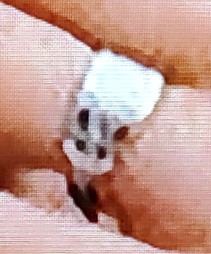



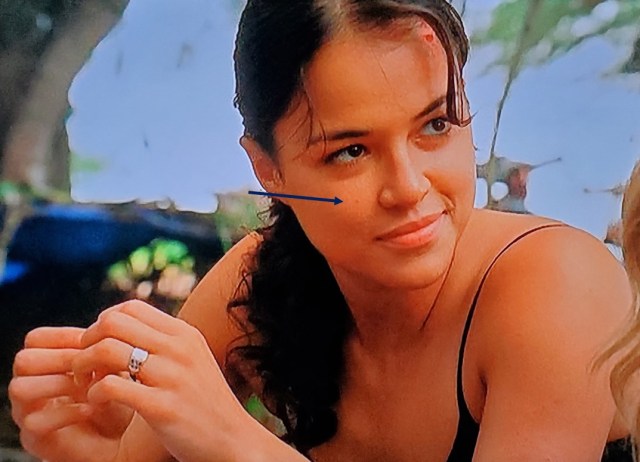

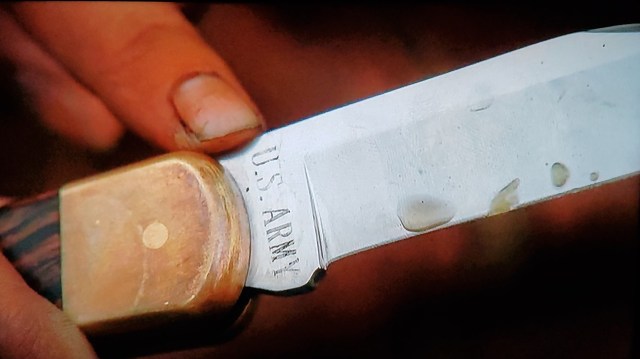


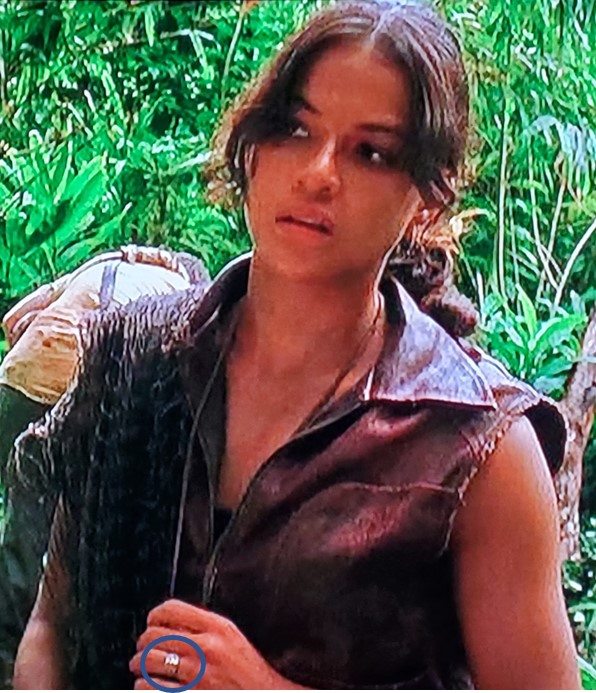
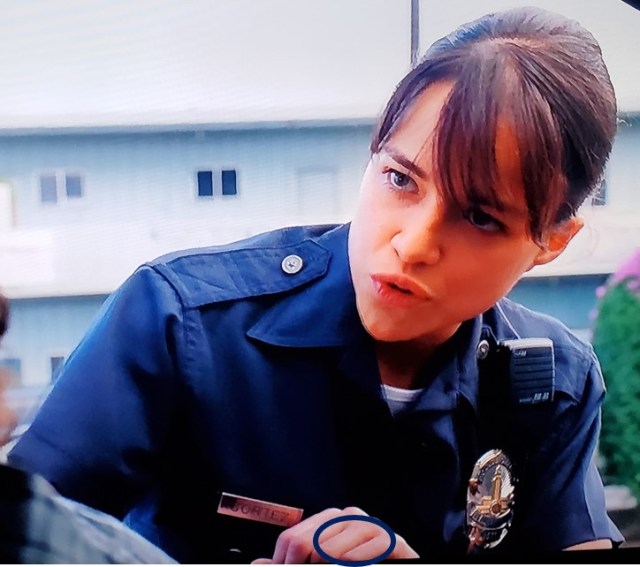

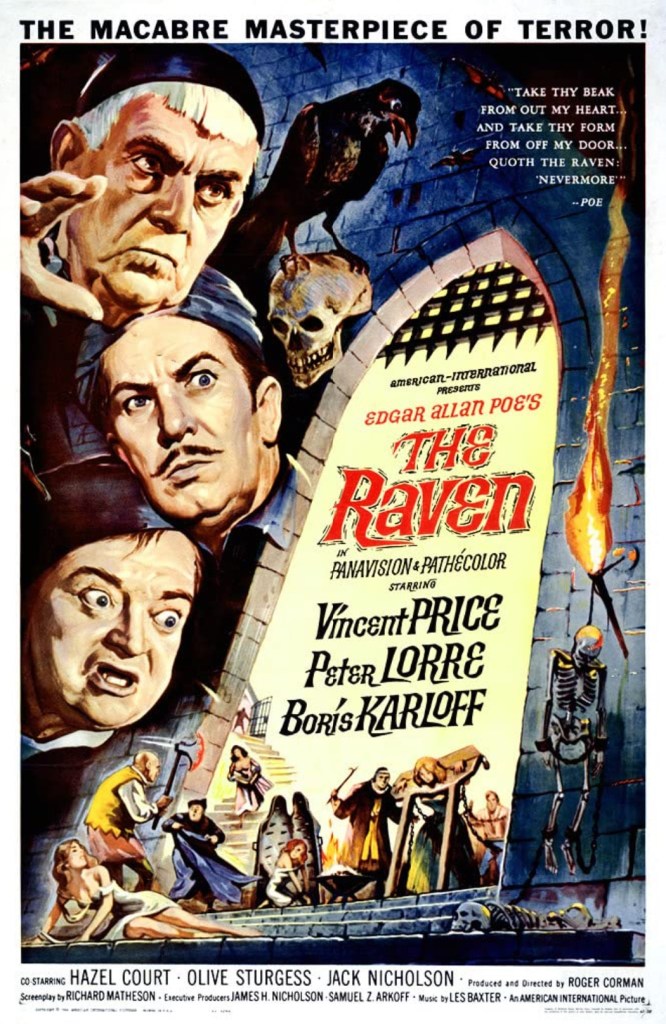





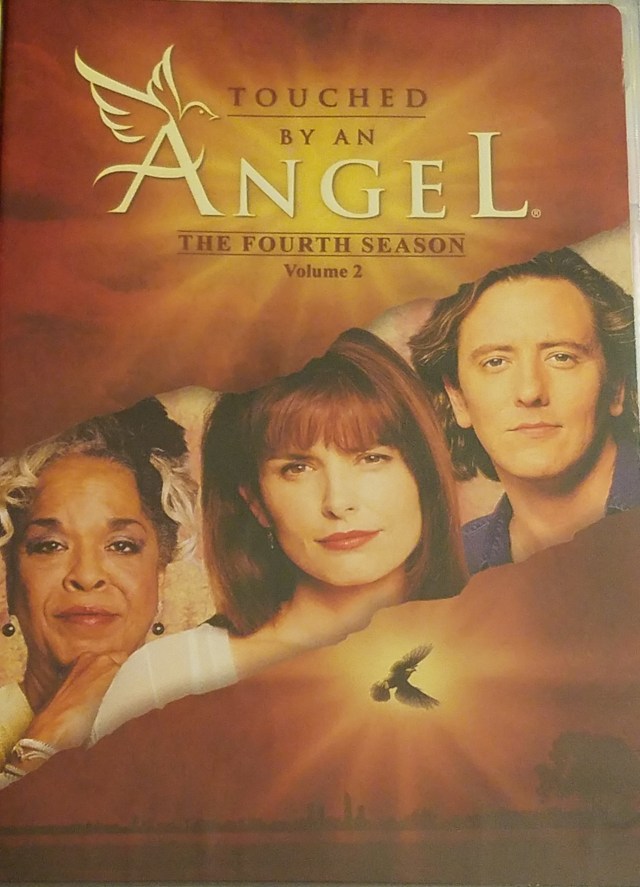



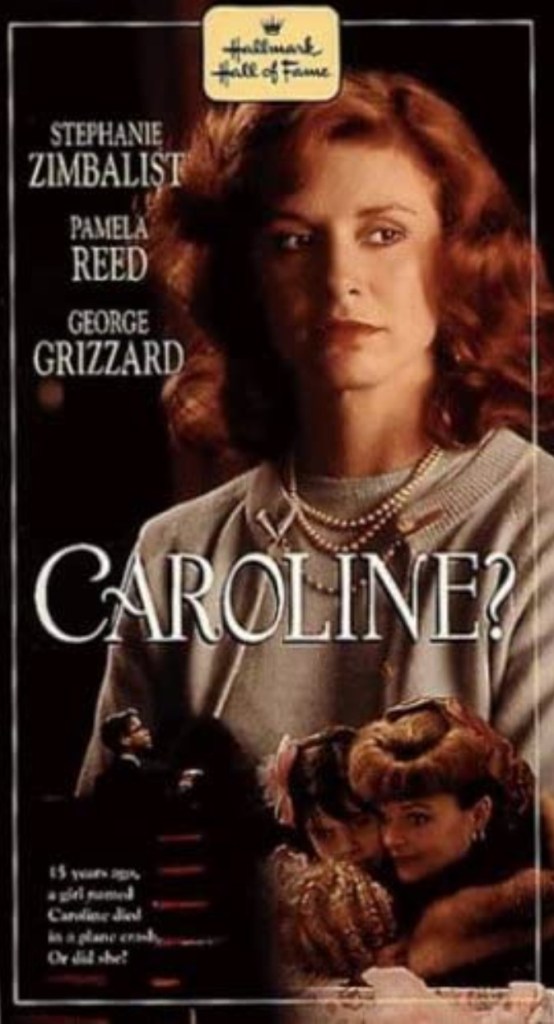







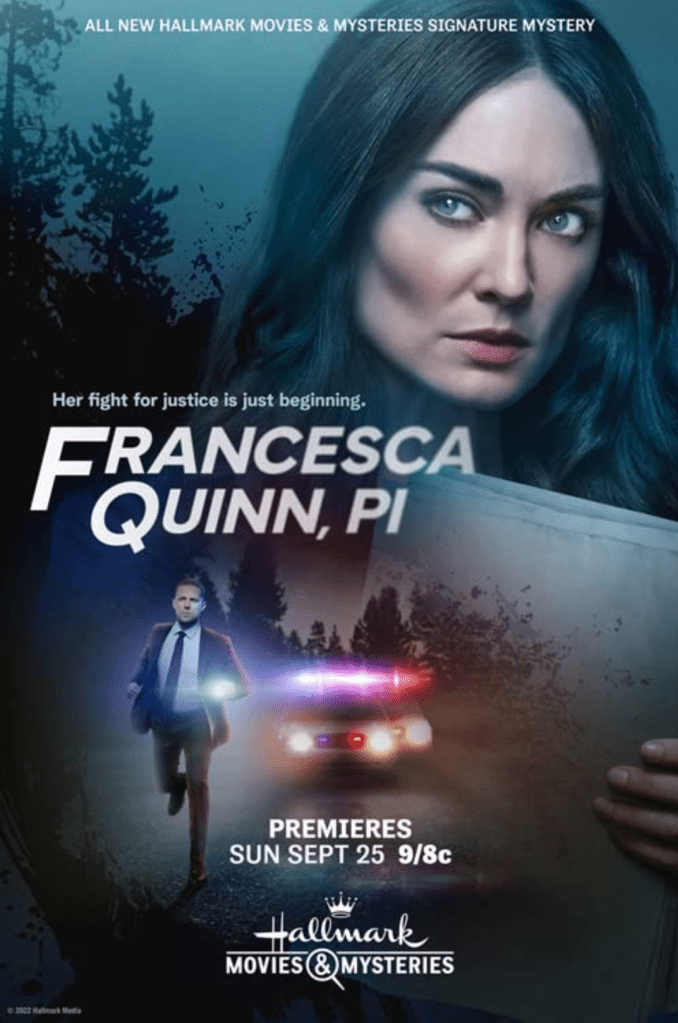
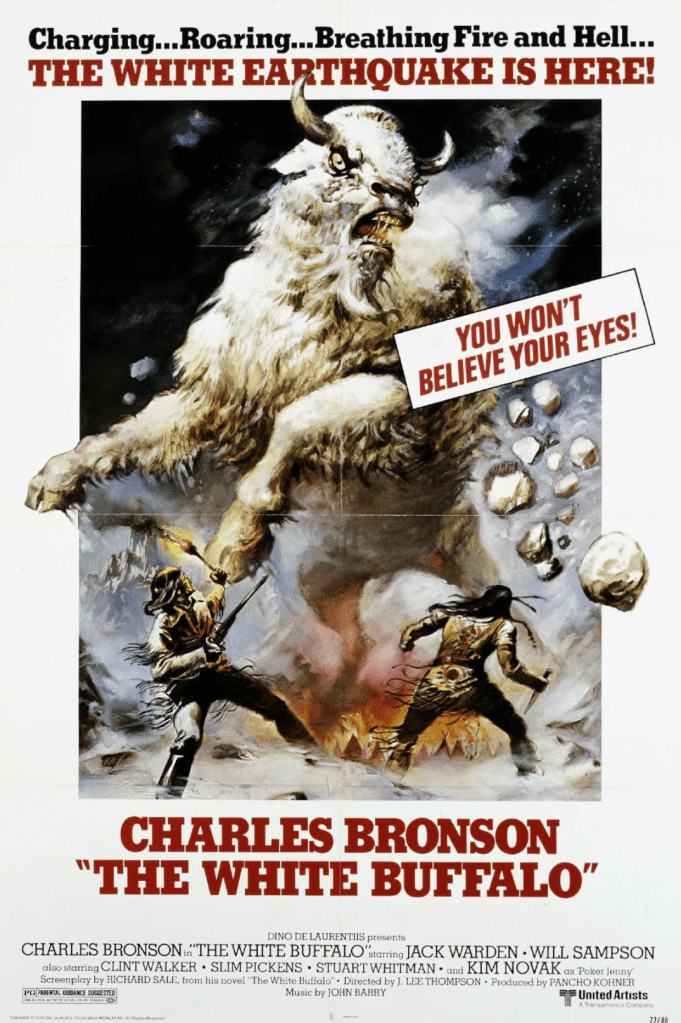

 18 Cinema Lane