Hi, I'm Sally Silverscreen!
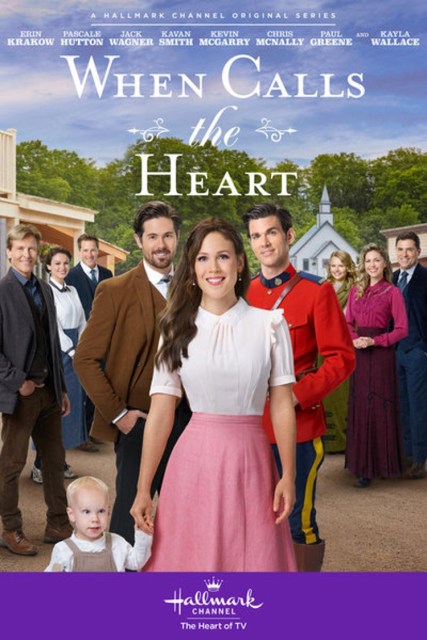
As long as I can remember, I have loved movies and the movie-going experience. Talking about movies, something dear to my heart, brings me so much joy. I am a fan of Hallmark and do enjoy watching their movies from time to time. When Calls the Heart is one of my favorite television shows and I am proud to call myself a Heartie! I look forward to sharing my thoughts about movies, When Calls the Heart, and Chesapeake Shores with you. To everyone who visits this blog, I hope you have a great experience when you come to 18 Cinema Lane!
-- Sally Silverscreen
Profile picture created by K from K at the Movies
https://katthemovies.wordpress.com/2019/03/30/graphic-design-is-my-passion/
The fourth poll of the 2020 Gold Sally Award is here! This poll is meant to crown the Best Ensemble out of the movies I saw in 2019! Like the previous polls, you’re allowed to vote for more than one ensemble. But you can only vote once per person. This poll starts today, February 28th, and ends on March 5th.
Before I start this Word on the Street story, I want to remind everyone that Thursday, February 27th, is the last day to cast vote in the third poll of the 2nd Annual Gold Sally Awards! The forth poll will be posted on the 28th! Here is the link to the poll:
Last month, in a Word on the Street story, I talked about Bill Abbott stepping down as CEO of Crown Media. It looks like he’s not the only business leader to make a monumental career choice. This week, Disney CEO, Bob Iger, has stepped down from his position. While this decision was “effective immediately”, according to several news sources, it seems like it was made by Bob Iger himself. Even Jeremy from Geeks + Gamers feels this is the case when he said in his video called “Bob Iger OUT As Disney CEO | Is Kathleen Kennedy Next?”, “it’s clear that Bob Iger was behind this decision 100%”. Frank Pallotta and Brian Stelter, from CNN Business, reports that Bob Iger felt “it was the right time to step down because he needs to spend more time on the “creative side” of the company”. Bob Iger himself said “I could not do that if I had to run the company on a day to day basis” if he continued as Disney’s CEO. Until late 2021, Bob Iger is now the executive chairman of the company. Bob Chapek has quickly taken the role as Disney’s new CEO. Before this decision was made, Bob Chapek was the “Chairman of Disney Parks, Experiences and Products since the segment’s creation in 2018, and prior to that he was Chairman of Walt Disney Parks and Resorts since 2015”. It’s also important to point out that Bob Chapek was “president of Distribution for The Walt Disney Studios” and “president of Walt Disney Studios Home Entertainment”, according to The Walt Disney Company’s official website. This means that he oversaw how and where films were distributed, as well as interacting with the movie division of Disney. Even though Bob Chapek just started his new position, there’s already been doubt about his leadership abilities. Geeks + Gamers’ Jeremy shared his feelings in his aforementioned video, saying “I just think it’s going to be more of the same”. Personally, I was not a fan of Bob Iger as a business leader, as he made several decisions that did not sit well with me. But Bob Chapek stepping in as Disney’s CEO makes me feel the same way that The Falcon and the Winter Soldier does: we’ll just have to wait and see what happens.
This month, there have been several mystery films from Hallmark Movies & Mysteries that were either announced or listed on production sites. All of these movies are continuations in already established series. Out of all these projects, the only one that has a synopsis and an easily accessible trailer as of late February 2020 is Mystery 101: An Education in Murder. According to Hallmark Movies & Mysteries’ official website, this new chapter in the Mystery 101 series is about the following:
“A young writer’s research prompts the police to revisit a famous murder case that convicted Amy’s colleague at Elmstead, so Travis & Amy get a second chance at clearing the professor’s name”.
As a fan of this series, I’m looking forward to this film! Cold cases are rarely featured in movies on this network, so it’ll be interesting to see a different kind of story. Two movies that have trailers shown on Hallmark Movies & Mysteries as well as release dates are Ruby Herring Mysteries: Prediction Murder and Picture Perfect Mysteries: Exit, Stage Death. Featured during the premiere of Picture Perfect Mysteries: Dead Over Diamonds, the third film in this series is set to premiere on May 17th. Based on the title alone, I’m wondering if the mystery will have anything to do with Allie’s friend, Maya? Anyone who is invested in this series would know that Maya is an actress. In Picture Perfect Mysteries: Dead Over Diamonds, Maya auditions for a local stage production. The third movie in the Ruby Herring Mysteries series, Ruby Herring Mysteries: Prediction Murder will air on April 5th, with its trailer appearing during the premiere of Riddled with Deceit: A Martha’s Vineyard Mystery. The upcoming mystery films that are only listed on production websites, for now, are Matchmaker Mysteries II – The Poison Pen and Aurora Teagarden Mysteries: Reunited and It Feels So Deadly. The second film in the Matchmaker Mysteries series is currently in production, with the final day of filming on March 2nd. The next Aurora Teagarden Mysteries film will start production next month. Similar to Picture Perfect Mysteries: Exit, Stage Death, I’m trying to guess what the movie is about based on the title. I’m wondering if Yannick Bisson’s character, Martin, will return to the series?
A Canadian news source called Chek announced on February 25th that Chesapeake Shores has officially been renewed for a fifth season! No production dates or number of episodes were reported as of late February 2020. Joan Miller, from the Vancouver Island North Film Commission, stated that “we are really excited about season 5 coming back to the island. It’s been a really great economic generator for our region”. An interesting tidbit to point out is how no further information has been provided about the Chesapeake Shores movie that Hallmark announced last February. Right now, it’s unclear if it will premiere before or after the season. Historically, Chesapeake Shores has held production during the Springtime, with the first episode premiering in late summer. With this announcement coming in late Winter, it’s likely this filming pattern will continue.
What are thoughts on these announcements? Are you looking forward to any of these mystery movies or the next season of Chesapeake Shores? Please let me know in the comment section!
In the season seven premiere of When Calls the Heart, Lucas says that stories should be written from the heart. As I contemplate those words, I wonder if that’s the reason why this show has lasted as long as it has? This is a program that takes place during a simpler time. Sure, there were difficulties back then. But because of that simplicity, people were given more opportunities to share what was in their heart. Through stories, letters, and face-to-face communication, people could use their words to solve problems or connect with other another. You might be thinking, “Can’t the internet do the same thing”? While this is true, the internet doesn’t always allow us to see someone’s reaction to a story or understand how someone is feeling about it. That is what When Calls the Heart strives to do: understanding the thoughts and feelings of the characters and the fans. The emphasis placed on those two things has helped this show become a place where people can connect with each other and even help one another in times of need. As season seven begins, it will be fascinating to see how the thoughts, words, and actions of Hope Valley’s citizens come from their hearts.
Just a reminder: If you did not see the season premiere of When Calls the Heart, there may be spoilers within this re-cap.
A journalist named Mary comes to Hope Valley to write a story about Henry Gowan. Henry believes that she’s interested in his business endeavors. However, Mary wants to know more about Henry’s past, including his convictions. Henry tells her that he tries not to dwell on the past. Not satisfied with Henry’s response, Mary turns to Bill for answers. On the subject of Henry’s past, all Bill will say is that Henry is “complicated”. Mary also approaches Lucas with questions about Henry, but Lucas refuses to speak about Henry’s life before he owned a petroleum business. Later, in the evening, Mary receives a phone call from her boss. She learns that her deadline is approaching sooner than she expected. Mary is stressed because she feels she hasn’t learned enough about Henry to write a compelling story. When she shares her dilemma with Fiona, Mary comes up with a brilliant idea. Toward the end of the episode, the citizens of Hope Valley discover that Mary decided to write a story about Fiona instead. Henry feels this decision was made because his story is not as reader-friendly as Fiona’s. Elizabeth confesses to him that every person who was questioned by Mary refused to talk about Henry’s past. Her confession effectively shows Henry that the town supports him.
While delivering books to the library, Lucas shares with Elizabeth that his mother was an editor. After she hears this, Elizabeth tells him of her unsuccessful attempts to get her book published. Lucas volunteers to proofread her book and offer her writing advice. She tells him that she’ll consider his help. A few days later, Elizabeth visits the saloon and gives Lucas her book. The next day, Lucas comes to the school after classes are over to share his thoughts on her writing. He tells Elizabeth that her stories are good, but that she should add depth to her characters. He also advises her to write from her heart. After receiving this advice, Elizabeth tries to rewrite her stories. However, she’s finding the experience more difficult than she expected. Because of this, she comes up with a new plan. At Rosemary and Lee’s anniversary party, Elizabeth thanks Lucas for his help and reveals to him that she is going to write a novel instead. At the end of the episode, Elizabeth begins writing her new book, this time titled “A Single Mother on the Frontier”.
Lee and Rosemary are preparing for a trip to Los Angeles in honor of their anniversary. The idea of traveling to the Golden State is especially exciting for Rosemary, as she makes her own preparations. These include designing swimsuits for her and Lee as well as purchasing a new pair of sunglasses. Meanwhile, Lee is looking forward to meeting with the owner of a paper plant. If all goes well, Lee feels they could be the lumber mill’s biggest client. One day, at work, Lee receives a phone call from the paper plant’s owner. They inform Lee that the only time they can meet with him is sometime the following week, the same week as Lee and Rosemary’s trip. When Lee tells Rosemary that their trip might have to be postponed, Rosemary agrees to push the trip to the week after the meeting. Feeling guilty about the situation, Lee decides to organize a surprise for his wife. On the night of their anniversary, Lee encourages Rosemary to wear the dress she had planned to wear in Los Angeles. After she agrees, Lee and Rosemary make a trip to the saloon. Rosemary is surprised to discover that Lee not only organized an anniversary party, but a movie screening as well. Rosemary is delighted by Lee’s attempt to make up for their changed plans.
Faith surprises Carson by returning home from Hamilton. She tells him that her father is in better health and has moved in with her brother. She also shares that a former colleague offered her the head nurse position at the local hospital in Hamilton. This news conflicts Carson. He missed Faith when she was away and enjoys her company in Hope Valley. But he doesn’t want to hold her back from a great occupational opportunity. At Rosemary and Lee’s party, Carson tells Faith that she should take the nursing job. When Faith feels that Carson is pushing her away so soon after returning home, she leaves the saloon. Carson follows her outside to tell her that he loves her and will support whatever decision she makes. Faith then tells Carson that she loves him.
I really liked the movie/acting related “Easter Eggs” that were included in this script! While talking to Lee, Rosemary mentions Gloria Swanson. Rosemary also says that she would like to take a walk with Lee on Sunset Boulevard. In a conversation with Elizabeth, Rosemary shares that she helped a struggling British actor by advising him to focus on comedy. Through Rosemary’s dialogue, the audience learns that this “struggling actor” was Charlie Chaplin. The way these “Easter Eggs” were woven into the story was so clever! It was nice to see historically relevant references told in a way that today’s audience would recognize!
Due to the movie screening’s positive response, Lucas announces that the saloon will host a movie night once every month. Because of this, I’m hoping this is the first step toward Rosemary finally receiving her theater! Rosemary, as well the fans, have been waiting for this for a long time. As they say, anything is possible.
When Mary is struggling to find information about Henry, I honestly thought the writers of the show would pull the “it’s not what you think” cliché. I was expecting Mary to unintentionally write an article that contained embarrassing information about Henry, causing the citizens of Hope Valley to be upset. Seeing Mary write about Fiona instead was a good subversion of expectations. It allowed the writers to be creative in their story-telling and not rely on over-used clichés. This makes me look forward to seeing how the writers go against my expectations!
What are your thoughts on the season seven premiere? Is there anything you’re looking forward to seeing this season? Let me know in the comment section!
It’s time to vote for the Gold Sally Award’s Best Story of 2019! In this poll, you will help determine which movie I saw in 2019 had the best story. You’re allowed to vote for more than one story. However, you can only vote once per person. This poll starts today, February 21st, and ends on February 27th.
Because I wrote an editorial for the Ultimate 2000s Blogathon, I decided to write a movie review for the Ultimate 2010s Blogathon. The Adventurer: The Curse of the Midas Box is a film I had never heard of until I researched titles for this event. Since it was released in early 2014, I knew it would be a good entry! While learning more about the film, it sounded like a mix between The Librarian trilogy and Sherlock Holmes. Because I enjoy both of those stories, I figured I might get some enjoyment out of this movie! As I’ve stated on countless occasions, I try to use my blog to give lesser-known films the “standing ovation” they might deserve. Talking about The Adventurer: The Curse of the Midas Box definitely fits that goal of mine! But is this movie truly worthy of a “standing ovation”? Please join me on this journey as we’re about to find out in this review!
The Adventurer: The Curse of the Midas Box poster created by Entertainment Motion Pictures (E-MOTION), Arcadia Motion Pictures, Matador Pictures, Telefonica Producciones, The Kraken Films, Nix Films, International Pictures Two, Cronos Entertainment AIE, Cinema One, Afrodita Audiovisual, A.I.E., uFilm, Le Tax Shelter du Gouvernement Federal de Belgique, Mogambo, Propulsion, Umedia, and The Film Arcade. Image found at en.wikipedia.org/wiki/File:Adventurer_the_curse_of_the_midas_box_poster.jpg
Things I liked about the film:
The acting: The cast in The Adventurer: The Curse of the Midas Box was solid! I had never heard of Aneurin Barnard prior to watching this film. However, I was impressed with his portrayal of Mariah! His performance was expressive in a subtle way. A good example is when Mariah is explaining to Sacha why he wants to find his brother, Felix. The audience can tell that Mariah is about to cry, but Aneurin primarily relies on expressing those feelings of sadness and loneliness through his eyes. I was also not familiar with Mella Carron before seeing this movie. Like Aneurin, I was impressed with her performance as Sacha! Her overall portrayal was well-rounded. Similar to Aneurin’s performance, she was also expressive in subtle ways. One example is when she’s sharing her problems with Mariah. When she is talking about her father’s troubling behavior, Sacha’s eyes fill with tears, showing how much this situation upsets her. I thought Sam Neill portrayed a convincing villain! I’ve only seen a few of Sam’s films, so I have only seen him portray protagonists or characters that were not villainous. While bringing the character of Otto to life, Sam’s demeanor was arrogant and cunning. These are the qualities you’d likely find in a villain, as these kinds of characters sometimes see themselves as being better than everyone else.
Historical accuracy: The Adventurer: The Curse of the Midas Box takes place in 1885. While watching this movie, I noticed how everything looked and felt like that period in time. The wardrobe and set designs definitely fit within the world the film’s creative team created. The metalwork within the hotel seemed like it came straight from the 1880s. Even the font on posters and signs looked accurate to that time period. The ways this aspect of the film was handled shows that no detail was ignored during any part of the movie’s creative process.
The element of mystery: In The Adventurer: The Curse of the Midas Box, there was a mystery within the main plot. This mystery element was one of the most interesting parts of the film! It allowed me to stay invested in what was happening in the story and to the characters. The mystery also created a sense of wonder as to what would happen next. This element brought intrigue to the overall story!
Lack of lighting: While the cinematography was mostly good in this film, there were some scenes that had little to no lighting. They were so dark, I had difficulty seeing what was on screen. One example is toward the beginning of the movie, when Mariah and Felix are having a conversation outside. This scene was so poorly lit, Mariah face was hidden by the darkness. Whenever this happened, I found it to be frustrating.
A misleading title: As I said in my Halloween Double Feature, a film’s title can act as a promise to a film’s audience. When a creative team makes an effort to put a subject in their movie’s title, they need to deliver on that “promise” to their audience. For The Adventurer: The Curse of the Midas Box, I didn’t really feel like there was an adventure taking place in the story, despite the film being called The Adventurer. There were some scenes that had a sense of adventure to them. But it never seemed like the characters were going on a journey or allowing the audience to go on a quest with them. The majority of this movie took place in one location. This made the story feel condensed. All these elements presented the overall narrative like it belonged to a mystery movie and not an adventure one.
Two separate mysteries: Like I previously stated, I liked the mystery element within this movie. However, I think it was a mistake to feature more than one mystery in the film. In this story, there is a second mystery that exists while the main mystery is being solved. For most of the film, these mysteries were separate from one another. While they eventually connected, this didn’t happen until it was almost time for the film’s climax. The second mystery also felt like it combined with the first mystery out of plot convenience. I thought both mysteries were intriguing. But they should have been in their own separate films.
The Adventurer: The Curse of the Midas Box is a fine, enjoyable film! There were things about it that I liked, such as the acting and the historical accuracy within the project. However, I can think of movies with adventure stories that were executed better than this one. The fact that this film was light of the adventure was, for me, a disappointment. It also doesn’t help that the film’s title features the word “adventurer”. If you do plan on watching this movie, approach it with the notion that you’re going to watch a mystery movie. That way, the condensed nature of the story and the limited amount of adventure will make more sense. I’m not sure if this film was given a sequel. If it was, I’ll definitely consider reviewing it on 18 Cinema Lane!
Overall score: 7 out of 10
Have you ever heard of The Adventurer: The Curse of the Midas Box? What movie from the 2010s is your favorite? Let me know in the comment section!
For February’s Genre Grandeur, the selected theme was “Animated Comic Book/Strip Movies”. Chosen by Bubbawheat from Flights, Tights, and Movie Nights, this theme required some thought. To search for a possible title, I headed to Bubbawheat’s blog and discovered the list of “every superhero and comic book movie in chronological order”. While scrolling through the list, I came across one movie that I had heard of, but had never seen: Batman: Mask of the Phantasm. This cinematic Batman entry has acquired a great amount of praise over its twenty plus year existence. However, it also has a reputation of not performing well at the box office. Any movie fan knows that box office performance does not always equal quality. But what is the quality of Batman: Mask of the Phantasm? Is it truly as good as other people say it is? Has it become overrated through the power of nostalgia? These are the questions I’ll answer in this review!
The voice acting: When it comes to animated films, the audience’s attention is so focused on what’s happening on screen, that they don’t think twice about the voice acting. Even though it seems like a small piece of the overall project, it actually can make or break the characters’ and their memorability. Batman: Mask of the Phantasm had an exceptional cast! Each actor brought more than enough emotion to match the facial expressions presented in the movie. These two components felt they were paired perfectly, with the voices themselves feeling like they belonged to that character! The casting itself couldn’t have been better! All of the actors effortlessly embodied their character through their voice talents. They were able to successfully gave life to their roles and enhance their memorability!
The animation: Batman: Mask of the Phantasm is filled with great animation! Its 2-D style still holds up twenty-seven years later! What works in this movie’s favor is the color palette found throughout the project. Most Batman stories adopt a dark color scheme, to showcase the destruction and dismay that has overcome Gotham City. While Batman: Mask of the Phantasm does feature darker colors, the way lighter colors are paired with them is visually interesting. A great example is when a criminal named Buzz Bronski visits the cemetery. The entire scene is filled with the hues of black, gray, and dark blue. The red roses on a wreath are one of the few light colors that can be found in that scene. This makes the wreath pop with color and forces the audience’s attention toward the flowers. It also gives the film a style similar to movies with a “film noir” label.
The music: Another element in animated films that sometimes gets overlooked is the music. For Batman: Mask of the Phantasm, a piece of music that really stood out was the official score. Composed by Shirley Walker, this score was powerful and helped the overall production gain its own identity. An orchestral composition and an operatic choir make this piece of music, as well as the overall film, feel grand in scale. This score was used during the opening credits, with similar tunes featured in two climatic moments of the film. Batman movies have historically incorporated orchestral scores into their projects. The score from The Dark Knight is one of the most iconic pieces of music in film history. Shirley Walker’s musical contributions to Batman: Mask of the Phantasm help keep that tradition alive.
The writing: I was really impressed by the writing in Batman: Mask of the Phantasm, as it was clever and well thought-out! The film’s overarching mystery is a perfect example of this. It’s the kind of mystery that allows the audience to take a journey alongside Bruce/Batman. They get to experience events and situations when Bruce/Batman does. At times when a surprise comes, it catches the audience off-guard, as they are so invested in Batman winning over evil that they don’t see a surprise coming. Despite the movie’s darker tone, there was room in the script for humor to be included. One great example is when a party guest believes that the word “engagement” starts with the letter i. Because of how the joke was written and the delivery of the voice actor’s performance, the joke itself was executed flawlessly!
An unclear timeline: Throughout Batman: Mask of the Phantasm, it was difficult to determine when this film took place. In a flashback scene, Bruce and Andrea visit the Gotham World’s Fair, mirroring World’s Fairs that have taken place in decades past (for a point of reference, a World’s Fair was featured in Captain America: The First Avenger). That same flashback scene showed Andrea using a car-phone, an invention known for its popularity in the ‘80s. At two separate moments in the movie, Bruce uses a computer to solve the film’s overarching mystery. Batman stories, more often than not, make a conscious effort to ground themselves in reality. Since this film was released in 1993, the story should have taken place in the early ‘90s, in order to reflect its “current” setting.
Too many flashbacks: Flashback scenes are meant to provide additional context to the film’s plot. They are placed at certain points in the story, so they can present their full impact on the audience. In Batman: Mask of the Phantasm, several flashback scenes were shown, explaining the nature of certain relationships and giving clues to the film’s mystery. However, I feel there were too many of them. More than three flashback scenes existed in this narrative. At times, it seemed like every other scene in the movie was a flashback. It also didn’t help that some of them were a little too long. One example is when Bruce meets Andrea’s father for the first time. I liked the scenes themselves, but they made the flow of the film a little clunky.
Batman: Mask of the Phantasm is not just a solid Batman film. It’s also a solid animated film in general! For my first time watching an animated movie starring the world’s favorite ‘Caped Crusader’, I really enjoyed what I saw! It contained a lot of elements I look for in good animated projects, such as the quality in animation and the story itself. What’s great about this film is how Bruce/Batman was allowed to be a detective within the story. This aspect of the character is not often seen in cinema, as Warner Bros. has usually placed more emphasis on making Batman an action-hero. In Batman: Mask of the Phantasm, it was nice to see Bruce/Batman use multiple talents to save the day. This is definitely one of the better of the Batman cinematic entries! It has stood the test of time and is an enjoyable picture! I want to thank Bubbawheat and MovieRob for giving me a chance to finally see this film! Looking back on it, I have to wonder, where has Batman: Mask of the Phantasm been all my life?
Overall score: 8.4 out of 10
Do you have a favorite Batman film? Is there an animated movie you’d like me to talk about? Share your thoughts in the comment section!
Before I start the introduction of this review, I want to remind everyone that you have until Thursday, February 20th, to cast your vote for the Gold Sally Awards’ Best On-Screen! Here is the link to the poll:
As the 2nd So Bad It’s Good Blogathon rolls around, my quest to find a “so bad it’s good” movie continues. Last year, I reviewed All Dogs Go to Heaven 2 in the hopes of finding a film that deserved the aforementioned title. However, the film itself was just ok. This year, I decided to pick a less-than-stellar movie from Hallmark. There have been some good Hallmark projects made over the years. But not all of them are created equal. In fact, some of them are downright polarizing. Originally, I was going to review Three Wise Women, a Hallmark production from 2010. Due to technical difficulties, the movie disappeared from my DVR. So, I chose a back-up option instead. The Cabin is a Hallmark movie from 2011 that is equally as polarizing as Three Wise Women. People who have seen this movie either genuinely enjoy it or they genuinely don’t. Because I had never seen the film prior to 2020, I figured the So Bad It’s Good Blogathon would be an appropriate time to see where my opinions fell on this particular spectrum.
If you’re wondering why the faces on the poster look washed out, it’s because the photo is a screenshot from my television. Screenshot taken by me, Sally Silverscreen.Things I liked about the film:
The scenery: According to IMDB, The Cabin was filmed in Ireland, even though the movie takes place in Scotland. Despite this, I absolutely loved the scenery! Everything was captured so well on film, accentuating the natural features of each location. When both families spend time in a local town, all of the buildings looked so quaint and inviting. A church and castle are also featured in this film, with picturesque grounds to match their stunning nature. The castle was a massive gray structure paired with a small garden of hedges. The greens of this garden nicely complimented the color of the castle. The foyer of the castle was shown, boasting an impressive interior with interesting features, such as a large fireplace and colorful floor tiles. Similar to the castle, a gray stoned church was complimented by the greens of the grass in the cemetery. The foliage surrounding the cabins and in the forest definitely stole the show! Their rich greens and browns were attention-grabbing and appealing to the eye. The creative team behind this movie made the most of their surroundings!
The inclusion of Scottish culture: As I already mentioned, The Cabin takes place in Scotland. Because of this, pieces of Scottish culture are incorporated in the story. Elements like attire, food, and activities are showcased on screen. The reason why both families go to Scotland is to participate in an event called the “Meeting of the Macs”, a series of games that are inspired by traditional Scottish sports. Throughout the movie, each family takes the time to experience what Scotland has to offer, from trying the local cuisine to attending a dance party. Toward the end of the film, all of the male characters from each family are seen wearing a traditional kilt. The way these components of the Scottish culture were woven into the film not only served as an introduction for the audience, but was also executed in a respectful and appreciative way.
Lack of consistency: In romantic comedies, the consistency of the lead characters and their relationship can help gain fans within the audience. The Cabin, however, lacked that important ingredient. During the duration of the film, Lea Thompson and Steven Brand’s characters, Lily and Conor, are constantly arguing and making up. This is exhausting to watch and it makes it difficult to determine if Lea and Steven have any on-screen chemistry. This part of the movie was more distracting than it needed to be.
Weak acting: Half of the cast in The Cabin gave a performance that ranged from fine to good. The other half ended up giving weak performances. One of them came from Lea Thompson, whose portrayal of Lily consisted of smiling, arguing, and looking confused. This is not the kind of well-rounded performance I’ve usually come to expect from the leading actresses in Hallmark projects. Most of the young actors in this cast also gave weak performances, as they often appeared flat and unexpressive. I understand that casting younger actors in films can be hit or miss. But, in this case, it just didn’t work.
Two plot ideas that should have been separate: The Cabin contained two good plot ideas; a family going to Scotland for vacation and a family competing in a series of games. Both of these ideas had the ability to stand on their own, providing conflicts and series of events to compliment the story itself. Because of this, these plot ideas should have been placed in their own respective movies. During the first half of the film, the narrative was so dedicated to showing the families sightseeing in Scotland, that little attention was given to the “Meeting of the Macs” event. In the second half of the film, the story revolved around the exercise/training montages of the families to the point where the sights of Scotland were practically ignored. Since these ideas ended up clashing for attention, both of them were given a disadvantage.
The audio: Background noise and music can bring a sense of realism or emotion to a scene through various sounds. However, it’s called “background” noise or music for a reason, as it is loud enough to be heard, but quiet enough to not overpower the character’s speech. In The Cabin, the audio was so loud that I found it difficult to understand what some of the characters were saying. Because of this, I had to rewind the movie a few times just to hear or try to guess what was being said. The more I rewound the film, the tiresome it became.
Limited presence of the games: Throughout this review, I’ve mentioned the “Meeting of the Macs” event, the athletic competition that provides the reason for the families’ presence in Scotland. Before watching this film, I had expected the event to have a consistent presence in the story. Sadly, that was not the case. The first segment of the games, the preliminaries, didn’t appear until forty minutes into the movie. The final event doesn’t show up until the last twenty minutes of the film. For the rest of the project, the narrative focuses on other things, from one of Lily and Conor’s many arguments to one of the children dealing with a personal issue. While the games themselves were interesting, it wasn’t enough to make up for the script’s other flaws.
The Cabin is one of the most polarizing films in Hallmark history. Some people truly enjoy it, while other people don’t. Now that I have finally seen it, I can honestly say that I belong in the latter camp. This is not a well-constructed film. It has far more negatives than positives, with those negatives being painfully obvious. But in this movie’s defense, I have seen Hallmark productions that are worse than The Cabin. If anything, I would place it in Dishonorable Mentions. It’s not a good movie, but there were two things about it that I liked. Truthfully, I can’t say this film is worthy of the “so bad it’s good” title. This is because I didn’t enjoy the movie, for better or worse. So, it looks like I’ll have to go back to square one in my quest to find a project that I would personally consider “so bad it’s good”.
Overall score: 5.5 out of 10
Have you any Hallmark films that were less-than-stellar? What is the most polarizing film you’ve seen? Please share your thoughts in the comment section!
Happy Valentine’s Day! Because today is February 14th, I decided to change things up a little bit. Instead of posting the Best Story poll as the second poll of this year’s Gold Sally Awards, I decided to post the Best On-Screen Couple poll earlier than I did last year! In this poll, you’ll be voting on who was the best on-screen couple from movies I saw in 2019. Similar to the previous poll, you are allowed to vote for more than one on-screen couple. But you can only vote once per person. This poll starts today, on February 14th, and ends on February 20th.
Before I start the introduction of this review, I want to remind everyone that Thursday, February 13th, is the last day to cast vote in the first poll of the 2nd Annual Gold Sally Awards! The second poll will be posted on Valentine’s Day! Here is the link to the poll:
In the past two years, I have reviewed a Valentine’s themed Hallmark movie on February 14th. But since this year’s polls for the Gold Sally Awards are taking place on Fridays and because Hallmark has chosen not to air a new Valentine’s themed movie on Valentine’s Day, I decided to do something different in 2020. Five days ago, 18 Cinema Lane received 180 followers! For this review, I chose to talk about Dracula for three reasons. 1. This movie was released in February of 1931. 2. The movie premiered on Valentine’s Day. 3. Valentine’s Day is a time when we show appreciation to those who have helped us along the way. My followers have definitely done that during my two years of blogging. With that, I have dedicated this special blog follower dedication review to all my followers in honor of Valentine’s Day! As I discuss this film, I realize Dracula is the fifth vampire movie I’ve reviewed on my blog! Who knew that vampires in cinema would be a recurring topic at 18 Cinema Lane?
Dracula (1931) poster image created by Universal Pictures. Image found at en.wikipedia.org/wiki/File:Dracula _-_1931_theatrical_poster.jpg
Things I liked about the film:
The acting: For years, I have heard great things about Bela Lugosi as an actor. Even though this is the first film of Bela’s I have seen, I can understand why people give him this amount of praise! His portrayal of Dracula was commanding and captivating, effortlessly directing the audience’s attention towards him. Bela was very expressive through his facial expressions and body language. But the emotions in his eyes are what elevated his performance! Great examples of this are whenever Dracula appeared in front of his victims. Another expressive performance came from Dwight Frye! The character of Renfield was executed really well because of the versatility of Dwight’s acting abilities. Before and during his stay at Dracula’s castle, his demeanor was calm and collected. After becoming Dracula’s victim, his persona changes to being paranoid and on-edge. I was also impressed with Helen Chandler’s portrayal of Mina! Her on-screen personality was likable and sweet. Similar to Bela Lugosi, her eyes provided the emotion for her performance. A great example is when Mina is looking intently at her fiancé toward the end of the film.
The set design: I really liked seeing the overall set design in Dracula! It was constructed really well and fit the world the film’s creative team was trying to bring to life. Dracula’s castle and the Abbey in London were the two best locations in this movie! These places were grand in scale and felt larger than life. For Dracula’s castle, elements like spiderwebs and trees growing through broken windows created an unsettling environment. In the Abbey, a large, winding staircase was impressively captured on film. The locations in this movie were grandiose and had a sense of style to them!
The lighting: The way that lighting was used in this film was very interesting! Even though parts of the movie took place at nighttime, enough lighting was used to show what was taking place on screen. The times when Dracula is waking up from his coffin are good examples. Another creative way that lighting was used was anytime Dracula approached his victims. His eyes are the only things captured by the light, highlighting one of Bela’s best qualities as an actor. It also indicates how intense the power of his eyes is on humans. The lighting in Dracula helped make the project visually appealing!
Limited amount of music: The power of music can be very influential when it comes to film. Music can be used to set a tone for a particular scene or enhance the events happening on screen. In Dracula, however, music was used sparingly. Only two scenes and the opening credits is where music could be heard. The rest of the movie is music-free. Had there been orchestral music during moments when Dracula is in the presence of his victims, it would have brought a certain intensity toward those moments. It also would have highlighted the fear that can come from such an event. Sadly, music in this project felt underutilized.
Treading on familiar territory: It has been said that Nosferatu is the story of Dracula. But because of copyright laws at the time of the film’s creation, direct references to Dracula had to be removed. While watching the 1931 version of Dracula, I could tell that certain patterns in story-telling mirrored the 1922 silent film. In fact, certain events almost followed the predecessor beat-by-beat. Since I saw Nosferatu prior to seeing the 1931 picture, I feel like I knew what would happen, leaving little to no room for any surprises. While this movie did have some differences from the 1922 film, it wasn’t enough to create its own identity.
The run-time: Dracula is a one hour and fifteen-minute film. After Renfield meets Dracula in his castle, the movie kind of drags on, making it feel longer than its run-time suggests. Some moments felt like they were included to provide padding, such as the “woman in white” story. Personally, I think this film should have been less than an hour. This story is pretty straight-forward and has a recognizable character. If it were eighty or ninety minutes, the film could get straight to the point sooner.
Dracula is a film that I found to be decent. There are aspects within the project that I liked, such as Bela Lugosi’s performance. However, the script played it safe when it came to the story. The creative team behind the movie didn’t really take any chances or try to think outside the box. In the end, the final product failed to create its own identity from its predecessor, Nosferatu. What I can say about this film is if you’ve seen Nosferatu, you’ve already seen Dracula. Compared to the other vampire movies I’ve reviewed, this movie would be placed around the same range as Queen of the Damned. While I liked both films for what they were, I think they could have been stronger. Before I end this review, I’d like to thank my followers for helping 18 Cinema Lane get this far! This blog has thrived every day because of you!
Overall score: 7 out of 10
What you do think of this special blog follower dedication review? Are you looking forward to seeing what I review when I receive 185 followers? Let me know in the comment section!
Last month, my review of A Time to Remember became my 150th movie review! In that review, I said that I would be publishing a special post to commemorate this achievement. For the Mystery Mania Blogathon last March, I wrote an article where I reviewed some episodes of Murder, She Wrote. After I published that article, the moderator of that blogathon, Robin from Pop Culture Reverie, recommended some episodes for me to watch. So, in this post, I’m bringing back “Sally Watches…Murder, She Wrote”! This time, however, I’ll be reviewing the episodes that Robin shared with me in the comment section!
Since I reviewed this book last October, this image felt like a good fit for this post. Screenshot taken by me, Sally Silverscreen.Name: We’re Off to Kill the Wizard
Season 1, Episode 7
Premiere Date: December 9th, 1984
The title card for “We’re Off to Kill the Wizard”. Screenshot taken by me, Sally Silverscreen.What I liked about this episode:
In some Murder, She Wrote episodes, the mystery starts at the halfway point. But the mystery in ‘We’re Off to Kill the Wizard’ began fifteen minutes into the episode. This allowed the mystery to be explored much sooner. It also kept the audience’s interest in what was happening in the story. When it came to exposition, there was enough room set aside to keep viewers satisfied. Within the first fifteen minutes, the audience was introduced to the characters, setting, and lead-up to the mystery in an effective way. In this period of time, nothing felt rushed or overlooked. The screenwriters associated with this episode took their time in an effort to let all story-telling elements flourish.
What I didn’t like about this episode:
When I discovered this episode would take place in an amusement park, I was excited to see what kind of perspective would be associated with this location. While it was interesting to see the behind-the-scenes aspect of theme parks, I was disappointed by how there was no educational or insightful commentary provided. For example, in the episode, ‘Film Flam’, the different steps involved with organizing a movie premiere were showcased. This process was an educational and insightful look into the movie industry. With ‘We’re Off to Kill the Wizard’, I don’t feel like I learned anything new about the amusement park industry. Not including this kind of information in the episode seems like a missed opportunity.
The mystery itself:
I found the mystery in ‘We’re Off to Kill the Wizard’ to be interactive and engaging! As I already mentioned, it helps that the mystery started fifteen minutes into the episode. It gave the audience an opportunity to solve the mystery alongside Jessica. However, I think the resolution was met way too quickly and it was a little too far-fetched. I’m not going to spoil this episode if you haven’t seen it. But it required more suspension of disbelieve than I expected.
The other factors from this episode:
When Robin recommended this episode to me, she brought it to my attention that Joaquin Phoenix guest starred in this episode. I’m glad she pointed this out because I wouldn’t have known that piece of information otherwise. It’s always nice to see a familiar face on Murder, She Wrote! It’s also interesting to see how far Joaquin has come as an actor.
In the haunted house attraction at the amusement park, there was a prop that consisted of a giant face. All I’ll say is, to me, it looked creepy.
During this episode, one of the male employees at the amusement park made a comment to Jessica about seduction. I understand that the ‘80s were a different time compared to today. But, personally, I don’t think this comment aged very well. It made me feel uncomfortable and was very off-putting. I’m honestly surprised that the comment wasn’t omitted from the script.
Toward the beginning of this episode, there was a demonstration where a few actors were acting out a scene to promote the theme park’s haunted house attraction. This demonstration was so convincing, that I honestly thought the episode’s murder had taken place. Fortunately, none of the characters were harmed and it was all an act. That specific scene shows just how talented the actors and screenwriters were in this episode!
My overall thoughts:
I liked ‘We’re Off to Kill the Wizard’ more than other episodes I’ve seen. However, there are elements in this episode that could have made it stronger. I wish this script would have left some room to provide educational or insightful commentary about the amusement park industry. It would have provided interesting content for the story. Also, the resolution of the mystery was far-fetched and way too easily resolved. This took away some of the narrative’s believability. While I respect the show’s creative team for thinking outside the box, the execution could have been better.
Rating: A 3.5 out of 5
Yesterday: Guest star on Murder, She Wrote Today: Cinematic champion Screenshot taken by me, Sally Silverscreen.Name: Paint Me a Murder
Season 1, Episode 14
Premiere Date: February 17th, 1985
The title card for “Paint Me a Murder”. Screenshot taken by me, Sally Silverscreen.What I liked about this episode:
The biggest showstopper in ‘Paint Me a Murder’ was the scenery! According to IMDB, this episode was filmed in California. Since the Golden State does have picturesque beaches and appealing foliage, it makes sense for the creative team to take advantage of this location. From the beach to the grounds of Diego’s photogenic house, everything was appealing to look at and was captured well on camera. Like I’ve said before, the show’s location scout deserves a Lifetime Achievement Award!
What I didn’t like about this episode:
Because the subject of art was incorporated in this story, I was hoping to learn more about the art industry through this episode. But, similar to ‘We’re Off to Kill the Wizard’, no commentary was provided in the narrative. In fact, art didn’t play as big of a role in this story as I expected. If anything, it felt like it was an afterthought. The limited amount of attention for this subject made me disappointed. Also, like ‘We’re Off to Kill the Wizard’, this lack of commentary was a missed opportunity.
The mystery itself:
‘Paint Me a Murder’ consisted of two mysteries, as there are two murders taking place in the story. There’s also a guest that’s trying to harm Diego. Even though there were more mysteries in this episode than are usually on Murder, She Wrote, I still found them to be engaging! Enough suspects and clues keep the audience invested in the story. Another thing that helped was letting the audience solve the mystery alongside Jessica. This creative choice allowed a sense of interactivity to be incorporated into the episode.
The other factors from this episode:
Out of all the Murder, She Wrote episodes I’ve seen, the cast in ‘Paint Me a Murder’ is one of the most star-studded! Besides having Angela Lansbury as the lead actress of the episode, some of the guest stars include Cesar Romero, Stewart Granger, and Robert Goulet. I’d say that the star power is strong with this story!
At one point in this episode, Diego shares how his faith has influenced his art. As I said in my review of “The Days Dwindle Down”, Murder, She Wrote is not known for introducing thought-provoking dialogue and encouraging conversation. But seeing the idea of faith playing a role in one of the character’s lives was interesting to see in this episode. It reminded me of the brief discussion about how different people view topics relating to belief systems from “The Legacy of Borbey House”.
The biggest flaw of ‘Paint Me a Murder’ was how it sometimes felt like a soap opera. There were some scenes where characters would sit around and talk about their problems. Relationship drama is also a common occurrence in this episode. Personally, I didn’t find this part of the story to be interesting.
My overall thoughts:
Even though I liked this episode more than ‘We’re Off to Kill the Wizard’, it still had its flaws. The soap opera element of the story should have been left out. There also should have been some commentary about the art world. However, I did think the mysteries were interesting. I also liked the cast in this episode, as it consisted of very talented actors and actresses. The best part of ‘Paint Me a Murder’ is the scenery! Murder, She Wrote has a good track record when it comes to their sets and backdrops. This episode is a perfect example of this!
Rating: A 3.7 out of 5
How can anyone look at this beach and not think it’s breathtaking? Screenshot taken by me, Sally Silverscreen.Name: Murder Takes the Bus
Season 1, Episode 18
Premiere Date: March 17th, 1985
The title card for “Murder Takes the Bus”. Screenshot taken by me, Sally Silverscreen.What I liked about this episode:
In this episode, the show’s creative team did a good job when it came to paying homage to the classic film, Psycho. The setting was a dark and stormy night, similar to the setting in Alfred Hitchcock’s film. The weather condition causes the characters in the episode to rest at a road-side diner. This situation is similar to how Marion ended up at the Bates Motel. Another similarity is the murder in each story takes place at the rest-stop. Details like this that are found in the story show how much the show’s creative team respected this iconic film.
What I didn’t like about this episode:
Unlike the film this episode was paying tribute to, ‘Murder Takes the Bus’ featured too many characters in the story. Because there were so many people in this episode, it was difficult to keep track of who was who. It also didn’t allow the characters to be fully developed in their own narratives. There wasn’t enough time or room in the script to truly get to know these characters. This did a disservice to the actors and actresses in this episode.
The mystery itself:
Since there were so many characters in this episode, it took the primary focus away from solving the mystery. Instead, the episode was about the characters and their various conversations. This brought down the intrigue of the story and I did not find it to be very interesting. The mystery started within the first twelve minutes of the episode. But that’s the only good thing I can say about it.
The other factors from this episode:
As I already mentioned, the setting of ‘Murder Takes the Bus’ is a dark and stormy night. I’ve seen other episodes where this setting has been placed in the story. Every time this has happened, the creative team does a good job creating the setting! Even though the lighting is used sparingly, it’s still enough to see what is going on in the scenes. This choice is to represent lightening and it appears effective on screen! It also sets the mood for the rest of the episode.
It was nice to see Rue McClanahan guest star in this episode! I’ve seen her acting work on The Golden Girls and in a few Hallmark films. Her role in ‘Murder Takes the Bus’ was different from those other projects. This gave Rue the opportunity to move out of her acting comfort zone!
My overall thoughts:
I was not a fan of this episode. The homage toward Psycho was a nice touch, but the episode itself was executed poorly. Having too many characters was the biggest flaw of ‘Murder Takes the Bus’. It tampered with every element of the story, from the character development to the mystery itself. Speaking of the mystery, it felt like an afterthought within this mystery story. Similar to ‘Paint Me a Murder’, I was not a fan of the drama among the characters. The overall episode was not interesting and had little to no intrigue.
Rating: A 2 out of 5
I couldn’t tell what book Jessica was holding, but I’m wondering if it’s one of her own books? Screenshot taken by me, Sally Silverscreen.Name: Crossed Up
Season 3, Episode 13
Premiere Date: February 1st, 1987
The title card for “Crossed Up”. Screenshot taken by me, Sally Silverscreen.What I liked about this episode:
In my review of “The Days Dwindle Down”, I talked about how I loved the Jarvis house in that episode. That same house makes an appearance in ‘Crossed Up’! The same interior and exterior shots were shown in the episode. But new perspectives were given to this location in an attempt to show it in a different light. In this episode, more exterior shots were presented, highlighting the size of the front yard. It also emphasized the wealth of the characters living there.
What I didn’t like about this episode:
Throughout the episode, Jessica’s loved ones and friends don’t believe her when she tries to warn them about an upcoming murder. They honestly think she’s crazy. Had this episode aired within the show’s first season, the idea of the people in Jessica’s life looking out for her would make more sense. But because this episode was featured in the third season, it feels unnecessary. By this time, Jessica has successfully solved several mysteries. So, the warnings she receives seem out of place.
The mystery itself:
Like the other episodes I reviewed in this post, the mystery in ‘Crossed Up’ started early. This gave the audience a chance to solve the mystery alongside the characters. However, I didn’t like how Jessica didn’t solve the case by herself. This show is called Murder, She Wrote for a reason. If Jessica isn’t involved in the story, it defeats the purpose of that title. What makes the show work is Jessica’s intelligence and wit when it comes to each case. That aspect was lost in this episode.
The other factors from this episode:
Just like I said about ‘Murder Takes the Bus’, the creative team did a good job creating the setting of a dark and stormy night. From the lighting to the sound effects, it definitely fits the tone they were going for!
In this episode, Jessica is bed-ridden due to a back injury. However, the people in Jessica’s life act like her back injury is worse than it really is. I understand that back injuries can be painful and disruptive. But the other characters view Jessica’s injury as something she needs to spend more than a week in bed for. This seemed very confusing and wasn’t as effective as the screenwriters thought.
My overall thoughts:
This episode of Murder, She Wrote was ok. I respect the show’s creative team for trying something new. But it didn’t work as well as it could have. ‘Crossed Up’ should have been placed somewhere in the first season. In that context, the things the characters in Jessica’s life are saying would make more sense. It also doesn’t help that Jessica doesn’t play a big role in this story. This episode kind of defeated the purpose of the show’s title.
Rating: A mid 3 out of 5
This shot of the house showcases just how grand this location is! Screenshot taken by me, Sally Silverscreen.What are your thoughts on these reviews? Are they any episodes of Murder, She Wrote you’d like me to discuss? Please tell me in the comment section!