Take 3: The Dark Crystal Review + 510 Follower Thank You

For this Blog Follower Dedication Review, I wanted to write about an animated film. That’s because the last animated movie I reviewed was hoops&yoyo’s Haunted Halloween last October. As I was looking for the right title to choose, I realized I don’t often talk about animated films involving puppetry. Therefore, my Blog Follower Dedication Review will highlight 1982’s The Dark Crystal! On 18 Cinema Lane, the only projects of Jim Henson’s I’ve reviewed were 1981’s The Great Muppet Caper and 1985’s Follow That Bird. Choosing to write about The Dark Crystal has now become ironic, as all three of these movies were released in the 1980s. While I thought Follow That Bird was Sesame Street’s fine first attempt at making a movie, The Great Muppet Caper was a fun, joyful experience. Where will The Dark Crystal rank among these two pictures? Journey through this review to find out!

The Dark Crystal poster created by Incorporated Television Company (ITC), Henson Associates (HA), Henson Organisation, The Jim Henson Company, Associated Film Distribution (AFD), and Universal Pictures

Things I liked about the film:

The puppetry: Jim Henson has set the bar high when it comes to the art of puppetry! Through his work with The Muppets and on Sesame Street, Jim created characters that were fascinating to watch and were adoringly memorable. In The Dark Crystal, his craftmanship, direction, and artistic vision contribute to the quality his style of puppetry is known for. The way characters move provide just one example. Jen, the movie’s protagonist, goes on a quest to fulfill a prophecy by finding a crystal shard. This quest shows Jen walking, climbing, riding, and even jumping. The execution of these movements were so well-done, there were times I forgot I was watching a puppet. How Jen was able to blink and move his head was also impressive!

The scenery/set design: Films in the fantasy genre, like The Dark Crystal, have a reputation for presenting imaginative, fantastical worlds. Good movies in this particular genre will make these respective worlds immersive through an emphasis on attention to detail. I can honestly say the creative team behind The Dark Crystal truly cared about how the world surrounding the characters was showcased. An excellent example is when Kira and Jen meet for the first time. The location itself is a tropical oasis; complete with green plants, soft earth on the ground, and even a small body of water.  It feels like an actual jungle because of the realistic appearance of the materials. More often than not, the tropical space is peaceful, which gives the audience a break from the tension of the film’s conflict. The tonal and visual pairing of the jungle helps the audience stay invested in the story.

Use of practical effects: In the 21st century, CGI (computer generated imagery) has become the go-to tool of film-making. The popularity and accessibility of CGI has caused a debate over whether this film-making tool is over-used. So, watching a film like The Dark Crystal in 2025 is refreshing, as the 1982 production utilizes practical effects. In one scene, the Skeksis Emperor dies. Instead of the Skeksis Emperor simply laying unconscious, the body literally crumbles like rocks being broken down. Another scene shows Jen and Kira rowing on a lake. The foliage surrounding the lake appeared life-like, as did the body of water itself. This is because the film’s creative team incorporated actual water and other related props to make the scene feel as realistic as possible.

Colorful galaxy image created by Freepik at freepik.com. <a href=’https://www.freepik.com/free-vector/lovely-hand-drawn-galaxy-background_2943080.htm’>Designed by Freepik</a>. <a href=”https://www.freepik.com/free-photos-vectors/background”>Background vector created by Freepik</a>. Image found at freepik.com.

What I didn’t like about the film:

An underutilized character: When the Skeksis General becomes the next Emperor, he shuns the Chamberlain from the Skeksis kingdom. The Chamberlain then tries to find ways to get back into the Emperor’s good graces. Despite these attempts, the Chamberlain was underutilized in The Dark Crystal. He appeared in only a handful of scenes and his role in the film’s plot was minimal as well. I was hoping the Chamberlain’s rejection would express the ideas of standing against group mentality and changing a person’s way of thinking. Sadly, these ideas were not incorporated into the Chamberlain’s story.

Scenes that became padding: The run-time of The Dark Crystal is an hour and thirty-three minutes. However, the movie’s run-time seemed longer because some scenes became padding. One example shows a group of Skeksis eating dinner. This scene features a medium shot of each dinner guest eating their meal, making the scene feel drawn out. If The Dark Crystal’s run-time had been less than an hour and thirty-three minutes, scenes like the Skeksis’ dinner would be trimmed.
A confusing resolution: For this part of my review, I will spoil The Dark Crystal. If you haven’t seen this movie and are planning on watching it, skip to the part of my review titled ‘My overall impression’.

A voice-over at the beginning of The Dark Crystal explains how the Skeksis and Mystics were at odds with each other after the titular crystal broke. The upcoming Great Conjunction will determine who will rule the land, with Jen’s quest to find a crystal shard playing a role in this decision. The way this conflict was explained made me believe the overall story was a battle of good versus evil. But when Jen reunites the crystal shard with the titular crystal, the resolution became confusing. As the Skeksis kingdom falls apart and the Skeksis themselves are running around in fear, the Mystics arrive and surround the titular crystal. The Mystics and Skeksis then merge to become one ghost-like being. The reunion between these groups was never explained throughout the movie. Maybe a scene explaining why this particular resolution was reached was left on the cutting-room floor?

Image by Freepik

My overall impression:

When it comes to quality, the art of puppetry is a spectrum. On the higher end of this spectrum has always been the work of Jim Henson. The Dark Crystal provides a strong example for why that statement is true. The puppets’ artistry and execution were truly impressive, with their movements making me sometimes forget I was even watching puppets at all. Set design and scenery from the 1982 production looked like the film’s creative team truly cared about how the story’s world was presented. I also liked how practical effects were used, which brought a sense of realism to certain moments! Even though The Dark Crystal had its strengths, it had its flaws too. From a confusing resolution to an underutilized character, the film wasn’t perfect. But it was a fine, interesting presentation, definitely one of Jim Henson’s more ambitious projects. Before I conclude this review, I’d like to thank my blog’s followers for their support of 18 Cinema Lane! These articles always encourage me to expand my cinematic horizons!

Overall score: 7 out of 10

Have you seen The Dark Crystal? Which Jim Henson presentation would you like to see in a future Blog Follower Dedication Review? Please tell me in the comment section!

Have fun at the movies!

Sally Silverscreen

Take 3: Speak Easily Review

When I participated in the 10th Annual Buster Keaton Blogathon last year, I reviewed Buster’s episode of The Twilight Zone; “Once Upon a Time”. In that review, I stated how his episode would be a good place to start if one were introduced to the show, partly due to the story’s light-hearted nature. For this year’s event, hosted by Lea from Silent-ology, I wanted to check out one of Buster’s films. After taking a trip to his IMDB filmography, I selected the 1932 picture, Speak Easily! One of the reasons why I chose this movie for the blogathon was the story itself. According to the Internet Movie Data Base, “a timid professor inherits a large sum of money and decides to fund a terrible musical”. Another reason for choosing Speak Easily is how Buster starred in a “talking picture” (movies with sound). Because he’s known as a silent screen legend, I was curious to see how he’d perform in a film with audible dialogue. So, with all that said, let’s begin this review of the 1932 presentation!

Speak Easily poster created by Metro-Goldwyn-Mayer

Things I liked about the film:

The acting: As I mentioned in the introduction, Buster Keaton is known as a silent screen legend. His forte was “slapstick” comedy, which worked in the format of silent films. With Speak Easily, Buster had to incorporate both physical movement and dialogue in order to help tell the story. Honestly, I think he did a good job with the provided material! In the 1932 production, Buster portrays Professor Post, an intelligent yet isolated man. This allowed Buster to adopt eloquent words, a sense of awkwardness, and responses that are too literal. Add his signature “slapstick” comedy for good measure and you have a character that was charming in his own right! Along the way, Professor Post becomes friends with a theater performer named James Dodge. Portrayed by Jimmy Durante, James had a big personality, brighter than all the lights of Broadway. This vibrancy was consistent throughout the movie, a strength of Jimmy’s performance! Ruth Selwyn and Thelma Todd join the cast as Pansy Peets and Eleanor Espere. Both actresses did a good job making their characters feel distinct from each other. During Speak Easily, Ruth displayed a gentle persona and was more soft spoken. Meanwhile, Eleanor adopted a flirtatious personality.

The dialogue: Prior to reviewing Speak Easily, I have seen a few of Buster’s “talking pictures”. However, his roles in these movies were smaller, meaning he was given fewer lines to work with. Though Buster received more opportunities to incorporate dialogue in Speak Easily, I was more impressed with the dialogue itself. Throughout the film, I caught on to how well-written the dialogue was. One good example can be heard toward the beginning of the film. Professor Post doesn’t go to a local event at his college because he claims he wasn’t invited. His colleague, Jenkins, thinks this is an excuse for Professor Post to stay in his comfort zone. During a visit to Professor Post’s office, Jenkins tells Professor Post, “if you only go out and find life, you’ll enjoy living it”. This line serves as a friendly yet firm reminder how life is too short to miss out on.

The messages and themes: Like I said earlier in this review, Professor Post is an intelligent yet isolated man. After he receives a large sum of money, Professor Post chooses to travel to New York and, eventually, funds a musical. As the story progresses, he tries to form connections with his peers. Eventually, Professor Post successfully finds friends by staying true to himself. The trials and triumphs of forming relationships, whether romantic or platonic, is a relatable subject. What’s also relatable is having a genuine persona/personality and doing the right thing. The incorporation of these messages and themes was one of the things I liked about Speak Easily!

The 11th Buster Keaton Blogathon banner created by Lea from Silent-ology

What I didn’t like about the film:

A drawn-out film: Speak Easily has a run-time of an hour and twenty-one minutes. However, the movie’s run-time felt longer. This is because parts of the story were drawn-out. As Professor Post boards a train, there’s a running joke about how he forgot his trunk. The joke then transforms into a couple forgetting their baby. That entire joke lasts for about four minutes. Had the joke just focused on Professor Post forgetting his trunk, maybe some of Speak Easily’s run-time could have trimmed.

An overshadowed musical: I’ve mentioned twice in this review how Professor Post funds a musical after receiving a large sum of money. This concept made me curious how Professor Post’s involvement would influence the musical. While the musical was featured in the movie, you have to wait over fifty minutes into an hour and twenty-one minute story just to see the musical come to life. Preparations for the musical were shown, but only in two scenes. The majority of the story focuses on Professor Post’s relationships with the other characters. That focus causes the musical to be over-shadowed.

Limited amount of “slapstick” comedy: I said earlier in my review how “slapstick” comedy was Buster’s forte. This part of his career has been incorporated into his “talking picture” projects, such as The Twilight Zone episode; “Once Upon a Time” and Speak Easily. But in the 1932 production, Buster’s “slapstick” comedy was used sparingly. That creative decision was the result of the film’s run-time, as Buster’s silent films were, more often than not, shorter. The limited amount of “slapstick” comedy felt like the movie was missing something. I wish Speak Easily’s creative team had capitalized on Buster’s forte a bit more.

String of musical notes image created by Freepik at freepik.com. <a href=’https://www.freepik.com/free-vector/pentagram-vector_710290.htm’>Designed by Freepik</a> <a href=”https://www.freepik.com/free-photos-vectors/background”>Background vector created by Freepik</a>. Image found at freepik.com. 

My overall impression:

In Speak Easily, Professor Post sees working on a musical as trying something new. By moving out of his comfort zone, he was able to make new friends, find success, and travel beyond the walls of his office. By starring in this film, Buster Keaton was, in a way, trying new things. This time, he had to rely on more than just physical movement and “slapstick” comedy to carry the story. Even though I liked Buster’s performance in the 1932 presentation, the project itself was, in my opinion, just ok. I was pleasantly surprised by how well-written the dialogue was! The acting, as well as the messages and themes, were Speak Easily’s other strengths. But there were aspects of the movie I didn’t like, from the drawn-out nature of the film to the musical becoming overshadowed. By reviewing this project, I found an excuse to write about a pre-Breen Code era title. Since the only pre-Breen Code era movies I’ve reviewed this year, so far, were The Garage and 1925’s Phantom of the Opera, Speak Easily will easily fill that void!

Overall score: 6-6.1 out of 10

Have you seen Speak Easily? Which “talking picture” from Buster Keaton’s filmography would you like to see me review? Let me know in the comment section!

Have fun at the movies!

Sally Silverscreen

Take 3: Jack and the Beanstalk (1952) Review

I need to make a confession: in the seven years 18 Cinema Lane has been around, I’ve never reviewed any of Abbott and Costello’s films. (insert shocked gasp here) But at 18 Cinema Lane, I am willing to expand my cinematic horizons. This is one of the reasons why I selected 1952’s Jack and the Beanstalk for the Once Upon A Time Blogathon. Another reason is how I don’t often get the opportunity to write about fantasy films. In fact, the last fantasy movie I reviewed was Cancel Christmas last December. When I came across the poster for Jack and the Beanstalk, I was surprised to read the tagline “Their first picture in color”! Abbott and Costello are household names in the world of comedy. Plus, this adaptation of the fairy tale was released thirteen years after The Wizard of Oz. So, is the movie worthy of such a historic milestone? Adventure through this review of Jack and the Beanstalk to find out!

Jack and the Beanstalk (1952) poster created by Exclusive Productions Inc., Legend Films, and Warner Bros.

Things I liked about the film:

The dialogue: Sometimes, a movie’s comedy will be woven into the dialogue. Words spoken between characters can not only be hilarious, but also clever and witty, especially if the screenwriting is strong. Dialogue was one of the best qualities of Jack and the Beanstalk! One example is from the beginning of the film. Arthur arrives at Eloise’s house to pick her up for play rehearsal. Her younger brother, Donald, answers the door, even setting up a trap that causes Arthur to fall. When Arthur asks Donald where Eloise is, Donald replies in a matter-of-fact manner, “putting on her lipstick so you can kiss off”. What makes this line so memorable is how it fits the character of Donald, who is portrayed as a precocious child. Another example happens during the ‘Jack and the Beanstalk’ story. Jack is heartbroken when his mother suggests they sell the family cow. After Jack’s mother urges him to take the cow to the market, Jack tells her, “Yes mother. You can depend on me. Whatever they bid, I’ll bid higher”. This is a line that is genuinely funny, as Jack says it with good intentions.

The use of color film: During the opening credits of Jack and the Beanstalk, it’s revealed parts of the film are presented in Super Cine Color. These parts are the ‘Jack and the Beanstalk’ story itself, while the “modern” parts of the movie are shown in black-and-white film. I actually liked this creative decision! It emphasized the magic and whimsy of the fairy tale. The use of color film also allowed the vibrant hues of the costume and set design to be visible. Overall, this production of Jack and the Beanstalk felt pleasantly reminiscent of 1939’s The Wizard of Oz!

Working as a pair: Bud Abbott and Lou Costello (also known as Abbott and Costello) have been acknowledged as one of the most beloved comedic duos in film history. So, I was curious how they would work together in Jack and the Beanstalk, since the heroic adventure typically involves only one character. Lou portrays Jack and Bud portrays Mr. Dinkelpuss (a local butcher). Even though both characters travel up the titular beanstalk, they each have their own motives. Mr. Dinkelpuss and Jack help each other escape The Giant’s castle as well. Through the acting performances and the screenwriting, this version of Jack and the Beanstalk feels like Jack was always meant to travel with a buddy.

Once Upon a Time Blogathon: Fairy Tales, Legends, & Myths banner created by Annette from Hometowns to Hollywood

What I didn’t like about the film:

Musical padding: The 1952 adaptation of Jack and the Beanstalk is a musical, with five musical numbers incorporated into the production. These numbers were very well choreographed and sounded good musically. However, they felt like padding, making the movie seem longer than its one hour and twenty-three-minute run-time. A few of the musical numbers feel drawn out, such as the almost three-minute dance between Jack and Polly. Had some of these numbers been trimmed down, the overall run-time could have been under an hour and twenty minutes.

Forgotten details: Within Jack and the Beanstalk’s script, there were a few forgotten details. Jack’s cow, Henry, presents two examples. When Henry is first brought up in the movie, Jack refers to the cow as female. He even puts makeup on her to stress this fact. But before Jack says goodbye to Henry at Mr. Dinkelpuss’ shop, Jack tells the cow to “be a good boy”. Later in the movie, Jack climbs the beanstalk. One of his intentions is to rescue Henry from the clutches of The Giant. When Jack and his friends finally escape The Giant’s castle, however, Polly is the one who ends up saving Henry.

Patrick the Harp: In The Giant’s castle resides a harp named Patrick. Not only does music play every time he talks, he’s also very critical of Polly. Personally, I was not a fan of Patrick. He spoke with a thick accent, which sometimes made it difficult to understand what he was saying. His role in the story was quite minimal, offering little to the plot. If Patrick had been written out of Jack and the Beanstalk, not much would change.

Fairytale castle image created by Freepik at freepik.com. <a href=’https://www.freepik.com/free-vector/fairy-tale-castle_837803.htm’>Designed by Freepik</a>. <a href=”https://www.freepik.com/free-photos-vectors/design”>Design vector created by Freepik</a>. Image found at freepik.com.

My overall impression:

As I mentioned in the introduction of my review, Abbott and Costello are household names in the world of comedy. However, there is a reason why they achieved this honor. Using Jack and the Beanstalk to explain my point, Costello and Abbott work together as a team. Even in a fairy tale where a team dynamic doesn’t exist, they find a way, through acting and screenwriting, to create a story where they can both shine. The dialogue was one of the strongest aspects of the 1952 adaptation, as it was hilariously clever. It also helps that the dialogue was written and delivered well. Even the use of color film enhanced the whimsical charm one would expect from a fairy tale. While Jack and the Beanstalk does have its flaws, it is, indeed, a pleasant presentation! Now, if you’ll excuse me, I need to figure out who really is on first.

Overall score: 7.4 out of 10

Have you seen 1952’s Jack and the Beanstalk? What other fairy tales would you have liked to see Abott and Costello star in? Tell me in the comment below!

Have fun at the movies!

Sally Silverscreen

Take 3: A Little Romance (1979) Review

Back in 2022, I wrote a list of the top ten movies I’d love to review. One of the films on that list was 1979’s A Little Romance. Since publishing that article three years ago, I haven’t gotten around to reviewing the movie. But Gill’s (from Realweegiemidget Reviews) and Barry’s (from Cinematic Catharsis) blogathon, Adventure-A-Thon, finally gave me an opportunity to check A Little Romance out! When it comes to “adventure” in cinema, that term can have different meanings depending on who you ask. For me, an “adventure” movie is when the story’s characters go on a journey to achieve something. In the case of A Little Romance, the protagonists, Daniel and Lauren, travel to Italy to prove the legitimacy of a legend. The 1979 film is not the only picture I’ve reviewed this year involving Italian travel. I wrote about Roman Holiday back in January. In my opinion, the movie was just ok, as I wanted to like it more than I did. Was A Little Romance ok like Roman Holiday? Let’s start the adventure of this review!

A Little Romance (1979) poster created by Orion Pictures, Pan Arts, Trinacra Films, and Warner Bros.

Things I liked about the film:

The acting: When it comes to teenagers in movies, it can be easy for a creative team to present those characters stereotypically. If written or directed to adopt certain behaviors and attitudes, teenage characters could even come across as caricatures. Fortunately, this was not the case in A Little Romance! Though there are only four teenage characters in the movie, their interactions didn’t feel scripted, making the characters themselves seem realistic. One example shows Lauren (portrayed by Diane Lane) and her friend, Natalie (portrayed by Ashby Semple), looking at sculptures during a class trip. As they observe the sculptures, Lauren nonchalantly tells tall tales about her time spent with Daniel. Natalie naively believes Lauren, her eyes becoming wide and her tone of voice revealing how shocked she is. Lauren, with a casual smile on her face and a giggle in her voice, then shares with Natalie how her tall tales were fabricated. This exchange between the two friends illustrates how teenagers can sometimes tease and joke with each other.

In this review’s introduction, I mentioned how the protagonists, Daniel and Lauren, travel to Italy to prove the legitimacy of a legend. Their journey was enjoyable to watch because of how strong Diane Lane and Thelonious Bernard’s on-screen chemistry was! Every time Lauren and Daniel interacted with one another, they always looked like they got along so well. There was a sweetness to their relationship that was wholesome and charming. It also helps how both Daniel and Lauren had likable personalities that complimented each other. While Thelonious and Diane deserve credit for their performances, credit should also be given to the screenwriting.

An appreciation for film: Before watching A Little Romance, I knew what the basic premise was about. But when I finally saw the 1979 picture, I was pleasantly surprised by the appreciation for film woven into the script! As soon as the movie starts, the audience sees Daniel watching a collection of films in a local cinema. As the story progresses, he sometimes quotes the movies he sees and even wants Lauren to call him “Boggie”, as he believes Humphrey Bogart and Lauren Bacall were meant to be together. Daniel’s decisions and perspectives are also influenced by the world of film. When Daniel receives rude comments about his relationship with Lauren from a movie director named George de Marco, Daniel punches George. Not only does Daniel strongly dislike George’s films, Daniel believes George’s comments cheapen the meaning of love he’s learned from movies.

The dialogue: In some of the movies I’ve reviewed this year, one of the strengths was the dialogue. The way it was written and delivered allowed this film-making component to be memorable for the right reasons. The dialogue was also a strength in A Little Romance! Through the screenwriting, the audience can tell how much thought was put into this aspect of the 1979 production. While Lauren talks about her family, Daniel asks her why she calls her stepfather ‘Richard’. Lauren replies by saying “It’s easier to lose a Richard than a dad”. From that one quote, Lauren is able to express how her mother’s multiple marriages have affected the family dynamic. In order to make enough money for their trip to Italy, Daniel and Lauren plan to bet on race horses. They want to figure out the betting odds to increase their chances of choosing a winning horse. When Lauren suggests using a computer to get these numbers, Daniel says “I am not a computer”. This simple quote stresses how humans, as well as betting odds, don’t always provide the correct answers.

The Adventure-A-Thon banner created by Gill from Realweegiemidget Reviews and Barry from Cinematic Catharsis

What I didn’t like about the film:

The adventure’s prolonged delay: Like I said in this introduction, Daniel and Lauren travel to Italy to prove the legitimacy of a legend. But their Italian journey doesn’t begin until a little over an hour into an hour and fifty-minute story. That’s because the first half of the movie is devoted to setting up the motives for the journey and building up to the trip itself. It’s important for any creative team to set up their movie’s premise and provide build up to significant parts of the presentation. For A Little Romance, however, that set up/build up took a little too long.

Lack of subtitles: About half of A Little Romance takes place in France. This means some scenes feature characters speaking in French to one another. But when the story presented French dialogue, subtitles did not appear on screen. For viewers who are not fluent in French, they may feel like the creative team is withholding context from them. Even though clues such as body language can help the audience assume what is happening in the story, I still wish subtitles had been included in A Little Romance.

An absence of Daniel’s father: At the beginning of A Little Romance, the audience is introduced to Daniel and his father, Michel. According to Daniel, Michel is a taxi driver who watches horse races from time to time. Throughout the movie, however, Michel’s appearances are so far and few between, I almost forgot he was in the movie. Meanwhile, Lauren’s parents, Richard and Kay, are consistently involved in the story. I recognize A Little Romance revolves around Daniel and Lauren’s relationship and adventure. But I still think Michel should have received a larger role in the film. Perhaps his involvement in the story could have related to one of the movie’s central themes.

Colorful travel suitcase image created by Pikisuperstar at freepik.com. <a href=’https://www.freepik.com/free-vector/beautiful-illustration-of-travel_2686674.htm’>Designed by Freepik</a>. <a href=”https://www.freepik.com/free-photos-vectors/watercolor”>Watercolor vector created by Pikisuperstar – Freepik.com</a>. Image found at freepik.com.

My overall impression:

When I first brought up A Little Romance in 2022, I said the story seemed like a light-hearted version of Rich Kids. While there is some truth to this statement, my initial claim now seems a bit too simplistic. Both Rich Kids and A Little Romance revolve around adolescent characters relying on themselves and each other to navigate the world around them. But unlike Rich Kids, there’s a hopeful optimism in A Little Romance! Because the story emphasizes Daniel and Lauren’s Italian journey, the audience witnesses Lauren and Daniel’s relationship grow throughout the story. The acting performances and screenwriting allow these characters to share meaningful and heart-felt moments together. Strong messages and themes are sprinkled into the script, from the importance of being your authentic self to having the courage to achieve dreams. Though it took a little over an hour for the journey to begin, A Little Romance is a delightful, pleasant film! A significant point the film makes is how adventure can come in different forms. The 1979 picture can also cause viewers to think about what it truly means to be a “legend”.

Overall score: 7.3 out of 10

Have you seen A Little Romance? What does the term “adventure movie” mean to you? Let me know in the comment section!

Have fun at the movies!

Sally Silverscreen

Word on the Street: Hallmark Mystery’s ‘Mystery Island’ Series Receives Two More Chapters

In the 2020s, mystery series have become less common on Hallmark Mystery. Murder, She Baked/Hannah Swensen, Curious Caterer, and Signed, Sealed, Delivered are, currently, the only mystery series with three or more movies. But Hallmark looks to be changing that by adding two more films to the series known as Mystery Island. According to IMDB (Internet Movie Data Base), Mystery Island: Play for Keeps and Mystery Island: House Rules have been given official pages. On the page for Mystery Island: Play for Keeps, June 5th is the scheduled release date. The official page for Mystery Island: House Rules simply states the film is “completed”. The synopsis for both movies is the following:

Mystery Island: Play for Keeps: “Mystery Island hosts a corporate retreat with a guest being Emilia’s ex-fiancé. Old feelings become complicated, tensions run high, and allegations arise when a guest is found dead.”

Mystery Island: House Rules: Mystery Island success raises plans of expansion, and the Island team meets their Mystery Mountain counterparts for a friendly murder game, but the fun ends with a murder in plain sight”.

Magnifying glass image created by Freepik at freepik.com. <a href=’https://www.freepik.com/free-vector/magnifying-glass-with-fingerprint-in-flat-style_2034684.htm’>Designed by Freepik</a>. <a href=”https://www.freepik.com/free-photos-vectors/flat”>Flat vector created by Freepik</a>. Image found at freepik.com.

Just in 2025 alone, some of Hallmark’s creative choices have been questionable. Their decision to create two more films in the Mystery Island series is one of them. If you look at the IMDB page for Mystery Island, you’ll see most of the reviews are negative. The sequel, Mystery Island: Winner Takes All, received fewer reviews on IMDB. This indicates less viewers watched the second movie. However, all of these reviews are negative. With that said, it makes me wonder why Hallmark would give so much time, energy, and resources to a series that has gotten decreasing viewership numbers and consistently poor reviews?

Travel suitcase image created by Freepik at freepik.com. <a href=’https://www.freepik.com/free-vector/water-color-travel-bag-background_1177013.htm’>Designed by Freepik</a>. <a href=”https://www.freepik.com/free-photos-vectors/background”>Background vector created by Freepik</a>. Image found at freepik.com.

What are your thoughts on this piece of movie news? Are you looking forward to the continuation of the Mystery Island series? Let me know in the comment section!

Have fun at the movies!

Sally Silverscreen

The IMDB pages referenced in this article:

Mystery Island: Play for Keeps: https://www.imdb.com/title/tt36415104/?ref_=tt_mlt_t_11

Mystery Island: House Rules: https://www.imdb.com/title/tt36415198/?ref_=tt_mlt_i_1

Attention Eurovision Televoters, Princ Needs Your Help!

Picture of Princ found in the video, ‘🇷🇸 PRINC – MILA (INTERVIEW) @ Madrid PrePartyES 2025 // Serbia Eurovision 2025′ by the Youtube channel, eurovoxx. Serbian Flag image created by ibrandify at Freepik Image by ibrandify on Freepik

Last August, I wrote an editorial explaining why Stefan “Princ” Zdravković should appear on the television show, Miss Scarlet and The Duke. In that editorial, I referenced Auggie’s precept from R.J. Palacio’s book, Wonder, where Auggie states, “Everyone deserves a standing ovation because we all overcometh the world”. But I also said in order for a “standing ovation” to take place, the person in question has to want it. Throughout this Eurovision season, Princ has put the time, talent, effort, and energy into striving toward that “standing ovation”. After being chosen to represent Serbia in the song contest, Princ released a music video of the re-vamped version of his song, “Mila”. Within two weeks, that video received 1.1 million views, affording Princ a place in the top 20 of Eurovision’s Top 20 Most Watched videos of March 2025. Since then, Princ’s music video has received 1.8 million views in a month. On Eurovision’s Youtube channel, you’ll find Princ’s French cover of “Mila” and his cover of Måns Zelmerlöw’s song, “Heroes”, with both videos receiving positive reception. Princ has also received positive reception for his Eurovision pre-party performances at Eurovision In Concert, London Eurovision Party, and Madrid PrePartyES. He was even given a desirable running order spot in Eurovision’s second semi-final, competing toward the end of the semi-final at number 15. However, these achievements do not guarantee a coveted place in the Grand Final. This is where you come in. If you’re planning on or thinking about participating in televoting during Eurovision’s second semi-final, please consider giving Princ as many televotes as possible. You would not only help Princ take one step closer to receiving his “standing ovation”, you would also help Princ take one step closer to making his childhood vision come true, as he said in an interview, “I actually visualized myself winning Eurovision as a kid”. I truly believe Princ is a stronger representative than some people give him credit for. So, please consider giving Princ (number 15) televotes on May 15th!

Here’s a list of videos and articles to check out if you want to support Princ:

From the Youtube channel of Eurovision Song Contest:

— How the winner is decided – Eurovision Song Contest 2025 | #Eurovision2025

— Princ – Heroes (Måns Zelmerlöw Cover) | Serbia 🇷🇸 | #EurovisionALBM

— Princ – Mila (French Version) | Serbia 🇷🇸 | #EurovisionALBM

— Princ – Mila | Serbia 🇷🇸 | Official Music Video | #Eurovision2025

— Meet Princ (Short)

— Eurovision Top 20 Most Watched: March 2025 | #Eurovision2025

From the Youtube channel of wiwbloggs:

— 🇷🇸 Princ “Mila” (Serbia 2025) – LIVE @ London Eurovision Party 2025

— 🇷🇸 Princ “Mila” INTERVIEW | London Eurovision Party 2025

— 🇷🇸 Princ – “Mila” (Serbia 2025) – LIVE @ Eurovision In Concert 2025

From the Youtube channel of eurovoxx:

— 🇷🇸 PRINC – MILA (INTERVIEW) @ Madrid PrePartyES 2025 // Serbia Eurovision 2025

— 🇷🇸 PRINC – MILA (INTERVIEW) // London Eurovision Party 2025 // Serbia Eurovision 2025

Articles:

eurovision.tv/story/song-fit-princ

Take 3: Signed, Sealed, Delivered: To the Moon and Back Review

Lately, I’ve been reading books for the Eurovisionathon readathon as well as conducting research for my upcoming Sally Solves a Mystery article. But I wasn’t going to miss the opportunity to review Signed, Sealed, Delivered: To the Moon and Back! Leading up to the premiere of Hallmark’s newest presentation, I was going to write a Word on the Street story sharing my thoughts on the film’s trailer. This did not happen because Hallmark gave the movie almost nonexistent marketing. On Hallmark Channel’s website, there were no promotional photos, trailer, or official poster presented for Signed, Sealed, Delivered: To the Moon and Back. Only three images on IMDB (Internet Movie Data Base) make up any promotional campaign this film received. Even on social media, the only people I saw talking about the film were POstables (fans of the Signed, Sealed, Delivered series). Despite this minimalistic marketing approach, I was looking forward to Signed, Sealed, Delivered: To the Moon and Back. That’s because I was curious to see who would portray the rock star character and how that character would impact the mystery.

Signed, Sealed, Delivered: To the Moon and Back promotional image created by Moon Water Productions, Muse Entertainment Enterprises, and Hallmark Channel

Things I liked about the film:

Correcting the predecessor’s mistakes: When I reviewed Signed, Sealed, Delivered: A Tale of Three Letters last year, one of my criticisms was Shane and Oliver’s relationship problems. In my review, I said the couple’s woes got to the point where they didn’t seem compatible like in previous films. It looks like Signed, Sealed, Delivered‘s creative team took this criticism seriously, as Oliver and Shane appeared more compatible in Signed, Sealed, Delivered: To the Moon and Back! Throughout the movie, the couple are shown genuinely supporting and loving one another, making their moments together feel reminiscent of past installments. Even when Oliver is facing a bit of an identity crisis, Shane never gives up of her husband. She cheers Oliver on from the (figurative) sidelines and lets Oliver deal with his situation on his own terms. Because Signed, Sealed, Delivered’s creative team placed more emphasis on the loving interactions between Shane and Oliver, they fixed a mistake from the previous chapter!

A humble celebrity: In some Hallmark productions, the story will include a public figure (either a celebrity or royalty) who needs to learn humility by the end of the movie. But in Signed, Sealed, Delivered: To the Moon and Back, that celebrity was already humble. Nate Holloway is the rock star I mentioned in this review’s introduction. When the POstables turn to Nate for help with their letter-related mystery, he is reluctant to give away any information. This is because he’s protecting a close friend who chooses privacy over fame. Though he eventually shares his friend’s identity with Oliver and Shane, Nate reveals how his friend has written all his hit songs. However, Nate also shares how he sets aside money for his friend, showing acknowledgement and appreciation for his musical success. Through the screenwriting and William Wilder’s performance, Nate Holloway was such a pleasant surprise in Signed, Sealed, Delivered: To the Moon and Back!

A mystery within a mystery: The mystery of Signed, Sealed, Delivered: To the Moon and Back involves the POstables tracking down the sender of a mysterious letter. Not only do the POstables turn to Nate for help, they go on a multi-state road trip in order to solve the mystery. While the story continues, however, another mystery emerges from the initial, previously stated one. This second mystery isn’t revealed until about the film’s half-way point. I liked this creative decision of presenting a mystery within a mystery! The way Signed, Sealed, Delivered’s creative team incorporated these mysteries into their script allows the audience to stay invested in the movie, as well as maintain intrigue!

Music and stage image created by Topntp26 at freepik.com. <a href=’https://www.freepik.com/free-photo/music-sign_1179519.htm’>Designed by Topntp26</a>. <a href=”https://www.freepik.com/free-photos-vectors/vintage”>Vintage image created by Topntp26 – Freepik.com</a>. Image found at freepik.com.

What I didn’t like about the film:

Forced humor: Back in February, when I reviewed Reality Bites: A Hannah Swensen Mystery, I talked about how the film’s humor felt forced. In that review, I said Delores’ antics and gimmicks came across as too over-the-top and silly. I also said Delores’ interactions with other characters felt like they belonged in a sit-com. The creative team behind Signed, Sealed, Delivered: To the Moon and Back made this same mistake; presenting humor that feels forced. One example is when Oliver, Shane, Rita, and Norman meet up for brunch. During this gathering, the friends discuss who is having a baby. This discussion quickly turns into miscommunications about who is pregnant and how many babies they are having. The scene itself is drawn out to about a little over a minute, lasting longer than necessary. The conversation sounded very repetitive as well. Norman, Rita, Shane, and Oliver talked in an animated fashion, making their discussion feel over-the-top. What I just described sounded like a scene out of a sit-com. All it was missing was a laugh track.

Far-fetched resolutions: Hallmark’s presentations, more often than not, make their audience suspend a certain amount of disbelief. Sometimes, this suspension of disbelief can be so great, the audience can’t take that movie seriously or believably. This happened on a few occasions in Signed, Sealed, Delivered: To the Moon and Back. At the Dead Letter Office, Norman is trying to figure out the identity of the letter’s sender. A few seconds after analyzing the handwriting, Norman is able to conclude certain aspects of the sender’s identity, such as their age. While I’m aware the Signed, Sealed, Delivered series is a fictionalized version of postal detective work, I found the discovery of Norman’s resolution too far-fetched. I couldn’t take Signed, Sealed, Delivered: To the Moon and Back seriously because of moments like the one I brought up.

An emphasis on Oliver’s subplot: Signed, Sealed, Delivered: To the Moon and Back features a main plot (the mystery with its accompanying mystery that I mentioned earlier in this review) and two subplots. These subplots are the preparations for a fundraising gala and Oliver receiving a box from his biological father. The creative team behind the 2025 film decided to place the most emphasis on Oliver’s subplot. Personally, I found this subplot the least interesting part of the movie. No new information is revealed from this box, especially for viewers who have consistently followed the Signed, Sealed, Delivered series. The box itself and Oliver’s response to it have very little connection to the other plots in the script. Any time Oliver’s subplot came up in the movie, I wanted the story to go back to showing the characters either planning the gala or solving the mystery. The box did not present a strong conflict that needed to be resolved by the end of the story.

Envelope with hearts image created by Freepik at freepik.com. <a href=’https://www.freepik.com/free-photo/hearts-and-pink-envelope-for-mothers-day_1950691.htm’>Designed by Freepik</a>. <a href=”https://www.freepik.com/free-photos-vectors/love”>Love image created by Freepik</a>. Image found at freepik.com.

My overall impression:

While Shane, Rita, Oliver, and Norman discuss the mysterious letter in Signed, Sealed, Delivered: To the Moon and Back, Rita says the letter itself says so much and nothing at all at the same time. Rita’s statement is the best way I can describe this newest chapter in the Signed, Sealed, Delivered series. On the one hand, there are aspects of the film I liked. The movie improved upon some of the predecessor’s flaws, like making Oliver and Shane’s relationship seem more compatible. I also liked how Nate was a humbler celebrity and how the story contained a mystery within a mystery. On the other hand, several creative errors held the film back from becoming a stronger picture. The creative team behind Signed, Sealed, Delivered: To the Moon and Back chose to emphasize Oliver’s subplot, which I found the least interesting part of the story. Far-fetched resolutions and forced humor prevented me from taking the movie seriously. Looking back on the Signed, Sealed, Delivered films from this year and last year, I think the series should have stayed in retirement. These titles lack the cozy charm that made the series stand out from others on Hallmark Mystery. How can we expect more films from Signed, Sealed, Delivered when Hallmark provided very little marketing for this movie?

Overall score: 6 out of 10

Have you seen Signed, Sealed, Delivered: To the Moon and Back? Do you think the Signed, Sealed, Delivered series will continue? Please tell me in the comment section!

Have fun at the movies!

Sally Silverscreen

Take 3: Sugarcreek Amish Mysteries: Blessings in Disguise Review

It’s been a little while since I reviewed a made-for-TV mystery film, as my article for Reality Bites: A Hannah Swensen Mystery was published two months ago. I cover UP Network movies so infrequently and UP Network doesn’t often create mystery titles. These are the reasons why I chose to review Sugarcreek Amish Mysteries: Blessings in Disguise! This is not the first time a mystery story has featured Amish characters. Hallmark released An Uncommon Grace back in 2017 and Harvest of Fire from Hallmark Hall of Fame. Meanwhile, it’s not the first time Galadriel Stineman has appeared in a movie incorporating the Amish culture. In 2020, she starred in a Hallmark production called Follow Your Heart.Looking back on the films I referenced, I liked Follow Your Heart and An Uncommon Grace. However, I thought Harvest of Fire was just fine. Where does Sugarcreek Amish Mysteries: Blessings in Disguise rank among these movies? Let’s solve this mystery by beginning my review!

Sugarcreek Amish Mysteries: Blessings in Disguise poster created by American Cinema Inspires

Things I liked about the film:

The incorporation of Amish culture: In the introduction of this review, I mentioned seeing the Hallmark Hall of Fame film, Harvest of Fire. The 1996 presentation places so much emphasis on introducing the audience to Amish culture, the story’s mystery becomes overshadowed. With Sugarcreek Amish Mysteries: Blessings in Disguise, the creative team finds a nice balance between prioritizing the mysteries and introducing Amish culture to their audience. Throughout the 2025 film, elements of Amish culture are woven into the dialogue and interactions of the characters. When Cheryl meets Naomi for the first time, Cheryl admits she knows very little about the Amish. She then asks Naomi how Amish people greet one another. Naomi playfully teases Cheryl’s lack of knowledge by telling her Amish people shake their feet. However, this teasing is in good humor, never intending to shame Cheryl for not knowing the appropriate greetings among the Amish. Naomi and Cheryl’s interaction feels like a natural conversation between two people. The way the creative team wrote Amish culture into their project actually encourages the audience to learn through communication.

The messages and themes: During her time in Sugarcreek, Cheryl agrees to work at her aunt’s Swiss Miss country store. On her first day as a cashier, everything seems to go wrong. The next day, Cheryl tells Naomi about her first day at the Swiss Miss. To encourage Cheryl to not give up, Naomi reminds her how the previous day’s blunders could be seen as lessons to learn. Not only is Naomi’s advice a good message to share with the audience, this piece of advice plays an important role in other parts of the story. This aspect of Sugarcreek Amish Mysteries: Blessings in Disguise kind of reminded me of Hallmark’s Signed, Sealed, Delivered series.

Avoiding clichés and tropes: If someone has seen many made-for-TV mystery movies, there are certain tropes and clichés they would come to expect. One of these tropes is having the female and male protagonist working together to solve the mystery, with these characters eventually forming a romantic relationship. The female protagonist, Cheryl, gets involved in solving the story’s mysteries in Sugarcreek Amish Mysteries: Blessings in Disguise. But the movie’s male protagonist, Levi, did not help in the amateur investigation. Instead, Naomi worked alongside Cheryl on one of the story’s cases. Having Cheryl and Naomi work together in Sugarcreek Amish Mysteries: Blessings in Disguise was a creative way to avoid some of the tropes and clichés of made-for-TV mystery films. If this movie becomes the first chapter in a series, I’d be curious to see what other clichés and tropes the creative team chooses to avoid?

Chess game strategy image created by Macrovector at freepik.com. <a href=”https://www.freepik.com/free-photos-vectors/background”>Background vector created by macrovector – http://www.freepik.com</a>. Image found at freepik.com.

What I didn’t like about the film:

A mystery that was solved too quickly: There are two mysteries in Sugarcreek Amish Mysteries: Blessings in Disguise: who is leaving unpriced stuffed animals in the Swiss Miss country store and the kidnapping of a baby. When it comes to the first mystery, I actually liked its creativity. But I was taken by surprise by how quickly that mystery was solved. After the stuffed animals’ origin was discovered, the subject was dropped from the script. Because of how this mystery connected to the story, I thought it could have created a domino effect for the characters and the world of Sugarcreek. But that did not happen. I think the mystery of the stuffed animals should have been drawn out for a longer period of time, to keep the audience invested in that part of the story.

Lack of urgency: As I just mentioned in this review, there are two mysteries in Sugarcreek Amish Mysteries: Blessings in Disguise. One of those mysteries was the kidnapping of a baby. When a mystery movie includes a kidnapping in its script, that story will usually contain a strong sense of urgency. This is because the characters are racing against the clock to rescue the victim. But in Sugarcreek Amish Mysteries: Blessings in Disguise, there was no sense of urgency. That flaw caused the story to change its focus from the kidnapped baby to proving a character’s innocence. The lack of urgency also made the film feel drawn out a bit longer than its run-time.

The underutilization of Kathy: Portrayed by Andi Anderson, Kathy is one of the residents of Sugarcreek. Cheryl first meets Kathy when she goes to Kathy’s café. I was hoping a friendship would be formed between Kathy and Cheryl, with Kathy even helping Cheryl solve the film’s mysteries. Unfortunately, Kathy appeared in only two scenes throughout the entire movie. Giving Kathy such an extremely limited involvement in the story was, in my opinion, a missed opportunity. If Sugarcreek Amish Mysteries: Blessings in Disguise lends itself to a movie series, I hope Kathy receives a larger role in the story.

Tiger stuffed animal image created by alesia17 at freeimages.com. “FreeImages.com/alesia17.”

My overall impression:

Even though it’s not the halfway point of 2025 yet, most of the movies I’ve seen this year, so far, have been mid-tier. These titles have either been ok or decent. Sugarcreek Amish Mysteries: Blessings in Disguise is contributing to that perspective. If UP Network is serious about creating a series out of this movie, they need to fix the lack of urgency. I would also like to see UP Network give Kathy a greater role in the story and not solve mysteries too quickly. Looking back on the 2025 presentation, however, I think there is potential for Sugarcreek Amish Mysteries: Blessings in Disguise to lead a series. Out of the films I brought up in this review’s introduction; Follow Your Heart, An Uncommon Grace, and Harvest of Fire, these titles were stand-alone films. In fact, the only movie series I can think of that features the Amish culture is Hallmark’s Beverly Lewis trilogy, consisting of The Shunning, The Reckoning, and The Confession. UP Network has an opportunity to bring something new to the table of made-for-TV mystery films. But as of the publication of this review, there have been no official plans announced for Sugarcreek Amish Mysteries.

Overall score: 6 out of 10

Have you seen Sugarcreek Amish Mysteries: Blessings in Disguise? Would you like to see this movie start a new series? Tell me in the comment section!

Have fun in Sugarcreek!

Sally Silverscreen

Take 3: Vertigo (1958) Review

Alfred Hitchcock is a man who needs no introduction. Director by choice and legend by chance, Alfred has single-handedly become a house-hold name in the world of cinema. While I have seen (and reviewed) some of his films, there are still plenty of titles I have yet to see. One of those films was 1958’s Vertigo, which was recommended by Charity from The Sacred in the Secular! This is a movie I had been meaning to write about for a while. With The 3rd Master Of Suspense Blogathon on its way, I found a great time to finally review Vertigo! As I already mentioned, I have reviewed some of Alfred’s films. While I still think Strangers on a Train is his best movie, The 39 Steps is one of my least favorite. Now, the time has come to share my thoughts on Alfred Hitchcock’s 1958 presentation!

Vertigo (1958) poster created by Alfred J. Hitchcock Productions and Paramount Pictures

Things I liked about the film:

The use of music: Music can be a powerful film-making tool. Through a combination of sound, instrumentals, and even lyrics, music can elevate a scene’s mood, foreshadow parts of the story, or emphasize events happening in a scene. In Vertigo, music was utilized to compliment a scene’s given mood. A perfect example is when Scottie follows Madeleine to a flower shop. While he walks through a flower shop’s storage room, suspenseful orchestral music builds up to the moment Scottie reaches the flower shop’s door. This type of music acknowledges Scottie’s fear of the unknown, as he doesn’t know what he’ll find on the door’s other side. But once he opens the door, he discovers Madeleine is in a flower shop, purchasing a bouquet of flowers. This discovery causes calming, orchestral music to play in the background, stressing how Madeleine and the shop itself are nonthreatening to Scottie.

Incorporation of culture: The mystery in Vertigo revolves around Madeleine being obsessed with a woman named Carlotta Valdes. Scottie follows clues from art and local history in an attempt to solve the mystery. The “local history” in this movie is a fictionalized version of San Francisco’s history. However, the blending of these aforementioned cultural elements gave Vertigo a unique identity from other Hitchcock productions. The creative team’s incorporation of culture can also spark thought-provoking analysis about how culture can influence or even solve mysteries. As someone who reviews mystery films and even has a series called Sally Solves a Mystery, this aspect of Vertigo has made me look at the subject of mysteries somewhat differently.

The set design: There was some impressive set design in Vertigo! One of my favorite examples is Gavin’s office. Wood paneling covers every wall. The entire floor is covered in red carpeting, which actually compliments the wood paneling. A large, dark wood desk with intricate detailing becomes the showstopper of the space! Other design choices, such as a large model of a ship, red chairs, and a huge window overlooking the cargo ship dock emphasize Gavin’s importance in the company he inherited. Artwork and photographs covering every wall presents a glimpse into Gavin’s artistic taste.

The 3rd Master Of Suspense Blogathon banner created by Maddy from Classic Film And TV Corner

What I didn’t like about the film:

Questions left unanswered: For this part of my review, I will spoil Vertigo. If you have not seen this movie and are planning on watching it, skip to the part titled ‘The underutilization of Barbara Bel Geddes’.

After Madeleine dies, Scottie meets a woman named Judy, believing she looks like his deceased love. Shortly after Judy and Scottie meet for the first time, she writes a letter and confesses being Madeleine. In the letter, Judy claims parts of the story she and Gavin told Scottie were true. But she never specifies which parts of their story they were honest about. The creative team’s decision to leave questions unanswered frustrated me. This is because I was curious to see how the mystery of Madeleine’s psychological connection to Carlotta Valdes would be resolved.

The underutilization of Barbara Bel Geddes: In Vertigo, Barbara Bel Geddes portrays Marjorie ‘Midge’ Wood. A designer who is passionate about art, Midge was engaged to Scottie in the past. Even though their engagement didn’t last, they remain on friendly terms. Barbara’s on-screen chemistry with James was pleasant. Her performance effectively sold the idea Midge was good friends with Scottie. This made me hope Scottie and Midge would work together to solve Vertigo’s mystery. But that did not happen because Barbara was only in a handle of scenes. I think Midge is an interesting character, so this creative decision disappointed me. Not giving Barbara more material to work with was, in my opinion, a missed opportunity.

An unsolved mystery: For this part of my review, I will, once again, spoil Vertigo. If you have not seen this movie and are planning on watching it, skip to the part titled ‘My overall impression’.

At the beginning of Vertigo, Scottie is asked by Gavin to solve the mystery of why Madeleine is obsessed with a woman named Carlotta Valdes. This obsession gets to the point where Madeleine goes to places she has no memories of visiting. Because of how the fictionalized San Francisco culture and supernatural elements were combined in the mystery, I was curious to see how the mystery would be resolved. But, about halfway through Vertigo, Madeleine dies. Shortly after Madeleine passes away, the mystery of Judy’s identity begins. By the end of the movie, this new mystery is solved. If the screenwriters knew their script would contain more than one mystery, they should have resolved the first mystery before moving on the next one. The creative team’s decision to abandon Madeleine’s mystery left several questions unanswered.

Art tools image created by Freepik at freepik.com. <a href=’https://www.freepik.com/free-vector/flar-art-tools-pack_835368.htm’>Designed by Freepik</a>.  <a href=”https://www.freepik.com/free-photos-vectors/paint”>Paint vector created by Freepik</a>. Image found at freepik.com.

My overall impression:

Have you ever watched a movie where you found yourself deceived by the movie’s end? That’s how I felt after watching 1958’s Vertigo. Without spoiling the movie, I will say how even though the story contained two mysteries, only one of them is solved. This is one of the reasons why the script left questions unanswered. I also didn’t like how Barbara Bel Geddes’ acting talents were underutilized. However, there were aspects of Vertigo I liked. The film’s creative team displayed an understanding for how to effectively utilize music. Incorporating culture into the story gave Vertigo a unique identity among Hitchcock’s collection of films. I was impressed by the movie’s set design as well. But when it comes to titles created by Alfred Hitchcock, especially those starring James Stewart, I think Rear Window is stronger than Vertigo. Not only was the talent of Rear Window’s cast well utilized, the mystery was solved as well as prioritized.

Overall score: 6.5 out of 10

Have you seen Vertigo? Which film of Alfred Hitchcock’s is your favorite? Let me know in the comment section below!

Have fun at the movies!

Sally Silverscreen

Take 3: The End of the Affair (1955) Review

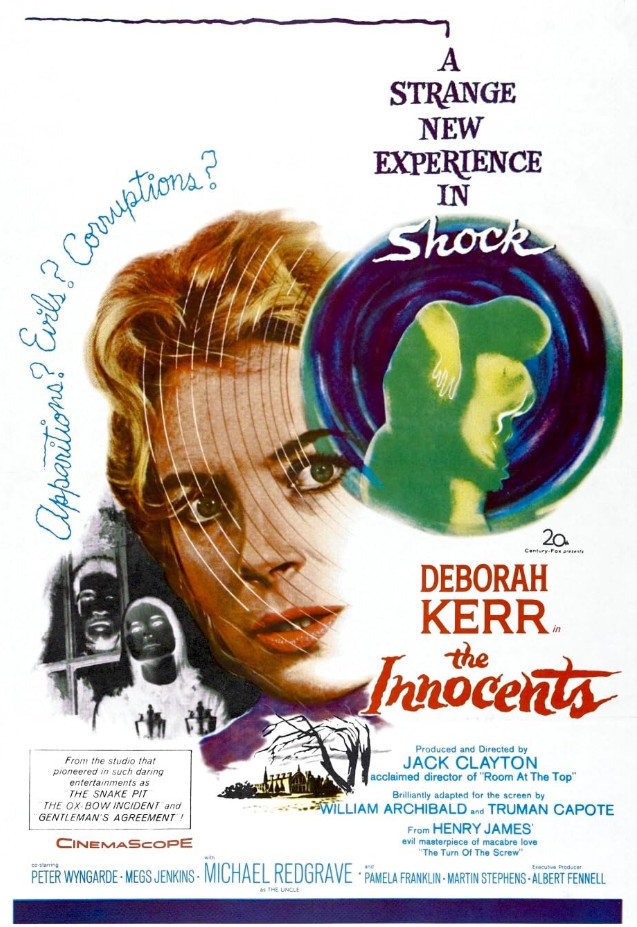
When you have a show as iconic and successful as I Love Lucy, well-known guest stars are likely to pay the show a visit. On the aforementioned show itself, a collection of guest stars graced the screen, crossing paths with Lucy, Ricky, and their friends. One of those stars was Van Johnson, an actor I’m familiar with due to reviewing some of his films and his episodes of Murder, She Wrote. Since I haven’t written about any project from Van’s filmography since 2022, I found the I Love Lucy Blogathon as the perfect opportunity to check out another of his movies! A film of Van’s I’ve been meaning to review for years is the 1955 presentation, The End of the Affair. Recommended by Maddy from Maddy Loves Her Classic Films, I was intrigued by the mystery woven into the synopsis. Who is this third man Deborah Kerr’s character may be having a relationship with? The only way I was going to find an answer to that question is by watching The End of the Affair and sharing my honest opinion about it!

The End of the Affair (1955) poster created by Coronado Productions and Columbia Pictures

Things I liked about the film:

The acting: Like I mentioned in this review’s introduction, I have written about some of Van Johnson’s films as well as his episodes of Murder, She Wrote. What I’ve noticed from these projects is how Van has strong adaptability to his character’s experiences. This was also the case in The End of the Affair. While spending time with Deborah Kerr’s character, Sarah, Van’s character, Maurice, is all smiles and appears to be in a good mood. But when a neighbor named Mrs. Tomkins unexpectedly arrives to give Sarah some food, Maurice’s mood quickly changes. His eyes are downcast, not even looking at the neighbor. Maurice’s mouth displays a worried look as he frets over his secret relationship with Sarah being discovered. Even his tone of voice with Sarah is sharp, desperately trying to contain his feelings. This scene is just one example of Van’s versatility when it comes to his acting talents!

I was pleasantly surprised to discover Peter Cushing starred in The End of the Affair! Based on what I know about Peter’s career from his filmography, he either portrayed a character in a horror movie or he appeared for a limited period of time in a film. Comparing The End of the Affair with other projects of Peter’s I’ve seen, he was given a slightly larger role in the 1955 movie. My other observation is how his character, Henry, had a consistently friendly personality. Even when he suspects Sarah of having an affair, Henry’s demeanor is that of concern, with a worried look on his face. Speaking of Sarah, I want to discuss Deborah Kerr’s performance. In The End of the Affair, there were times when Deborah’s face said so much without the use of dialogue. A great example is when Sarah and Maurice reconnect after being apart for a year. During their walk together, fear shown through Sarah’s eyes. Her mouth was even tightly pursed, revealing little to no information to Maurice. In this scene, Sarah appears to keeping a secret, a secret she’s afraid might be discovered.

The mise-en-scène: Mise-en- scène is how a film’s scene is presented to the audience. One example from The End of the Affair is how mirrors were sometimes used as a form of foreshadowing. Toward the beginning of the film, Maurice spots Sarah hugging another man. She and the man can be seen through a near-by mirror. Because the creative team emphasized this interaction, Maurice’s suspicions of Sarah are hinted at. Later in the movie, when Sarah disappears from Maurice’s life, he calls her home, hoping she’ll pick up the phone. But every time Sarah is unavailable, the camera consistently shows a close-up of Maurice’s face, emphasizing his building frustration. This built-up frustration makes Maurice’s suspicions of Sarah grow even more. Because of how well mise-en-scène was utilized by the film’s creative team, the story was able to maintain a certain degree of intrigue.

The character of Albert Parkis: In movies like The End of the Affair, where serious topics are brought up, the detective character will usually carry a persona that matches the tone of the film. But in the 1955 movie, Albert Parkis provided a bright light to a darker story. Portrayed by John Mills, Albert was the private investigator hired by Maurice to solve the mystery of Sarah’s whereabouts. Any time he appeared on screen, Albert had such a cheerful, friendly personality. He sometimes brought his son along on investigations, in order to teach him how to solve mysteries. Albert’s interactions with Maurice were so lively, they were a joy to watch unfold. I wish Albert Parkis was given a larger role in The End of the Affair, as his involvement in the story was limited.

The I Love Lucy Blogathon banner created by Ari from The Classic Movie Muse

What I didn’t like about the film:

The “insta-love” trope: As I said earlier in this review, Maurice and Sarah share a secret romantic relationship. Their affair provides the basis for the film’s overarching conflict. But it was difficult for me to determine Van and Deborah’s on-screen chemistry. This flaw was due to the movie’s creative team choosing to adopt the “insta-love” trope. The beginning of the film shows Maurice being introduced to Sarah. In this introduction, Maurice hopes Sarah will provide insight to a book he’s writing. Several minutes later, they are starting to form their relationship. Sarah and Maurice even share a kiss within the first fifteen minutes of the story. With their relationship moving so quickly, I didn’t find myself as emotionally invested in Maurice and Sarah’s story as I could have been.

The underutilization of John Mills: When I talked about Albert Parkis, I said I wish he was given a larger role in The End of the Affair, as his involvement in the story was limited. This means the acting talents of John Mills were underutilized. On the film’s poster, you will see John Mills’ name listed as one of the top three billed actors in the production. However, this poster is somewhat misleading, as Peter Cushing receives more screen-time than John. After reviewing The Chalk Garden, I was looking forward to seeing another movie from John’s filmography. I was even curious about how John’s character’s story connected to Deborah’s character’s story. While I found out how these stories connected, I was disappointed by John’s limited involvement in the project.

A randomly produced reveal: The major conflict of The End of the Affair is figuring out the identity of the third man Sarah may be having a relationship with. I will not spoil this movie, in case any of my readers haven’t seen it yet. But what I will say is the mystery’s reveal was randomly produced. When Sarah’s secret is discovered, the answers are given toward the end of the story. Since there is no build-up leading into the reveal, the reveal itself almost feels like a major tonal shift. To prevent this flaw, information or clues related to the reveal should have been sprinkled throughout the movie. That way, the transition between the mystery and its reveal could have been smoother.

Vintage detective desk photo created by Olivier Bourgeois at freeimages.com. Photo by <a href=”/photographer/ornicar69-54520″>Olivier Bourgeois</a> from <a href=”https://freeimages.com/”>FreeImages</a&gt; Image found at freeimages.com.

My overall impression:

Van Johnson is one of the reasons why I selected The End of the Affair, as he was a guest star on I Love Lucy. When it comes to his movies, I thought those I saw were mostly ok. The 1955 project is no different. I was disappointed by the underutilization of John Mills’ acting talents, as well as the adoption of the “insta-love” trope. The mystery’s randomly produced reveal felt like a major tonal shift. However, The End of the Affair does have its strengths. The acting alone was one of the highlights of the film, from Van’s versatility to Deborah’s ability to convey ideas without using dialogue. The way mise-en-scène was used by the creative team allowed the story to maintain a certain degree of intrigue. I also liked Albert Parkis as a character. When it comes to character-driven stories involving serious topics, I find The Chalk Garden and Hallmark Hall of Fame’s A Tale of Two Cities as stronger titles. But, so far, I’ve only seen a handful of Van’s movies, so maybe I need to keep looking for a film of his I like.

Overall score: 6.1 out of 10

Have you seen The End of the Affair? Which is your favorite movie from Van Johnson’s filmography? Tell me in the comment section!

Have fun at the movies!

Sally Silverscreen