Hi, I'm Sally Silverscreen!
As long as I can remember, I have loved movies and the movie-going experience. Talking about movies, something dear to my heart, brings me so much joy. I am a fan of Hallmark and do enjoy watching their movies from time to time. When Calls the Heart is one of my favorite television shows and I am proud to call myself a Heartie! I look forward to sharing my thoughts about movies, When Calls the Heart, and Chesapeake Shores with you. To everyone who visits this blog, I hope you have a great experience when you come to 18 Cinema Lane!
-- Sally Silverscreen
Profile picture created by K from K at the Movies
https://katthemovies.wordpress.com/2019/03/30/graphic-design-is-my-passion/
With 2021 soon coming to a close, this will be my last movie review and my last blogathon entry of the year! Because the Christmas season is upon us, I figured a Christmas flick was the way to go! As was announced by MovieRob, December’s Genre Grandeur theme is Non-Disney Animated Films of the 90’s. While looking for possible titles through a general internet search, I came acrossThe Nutcracker Prince from 1990. Prior to writing this review, I had heard of the film. But I had never seen it. Over the years, it has been said most movie adaptations of The Nutcracker ballet are bad. Since I’ve only seen the Barbie version many years ago, I can’t agree or disagree with this statement. So, for this review of The Nutcracker Prince, I will only be judging the 1990 title.
The Nutcracker Prince(1990) poster created by Lacewood Productions, Boulevard Entertainment, Allied Filmmakers, and Cineplex Odeon Films
Things I liked about the film:
Use of color: The Nutcracker ballet is a production that is known for being colorful. Therefore, the use of color in an adaptation of this story can make or break it. The way color was used in The Nutcracker Prince complimented the source material! One good example is the Christmas party at Clara’s family’s house. The primary colors in the background were a faded red and coral. But Clara’s dress boasted a hue of sea foam green. This color selection allowed Clara’s dress to stand out against the background. It also gave Clara as a character definition and focus.
Utilizing the ballet’s musical pieces: Another iconic part of The Nutcracker ballet is its music! From the ‘Dance of the Sugar Plum Fairy’ to ‘Waltz of the Flowers’, these pieces of music have become a staple in not only the soundtrack of Christmas, but also in the world of classical music. What’s interesting about the ballet’s music in The Nutcracker Prince is how it was utilized in different parts of the story from the original show. The ‘Waltz of the Flowers’ can be heard twice in this film. The first time is during Clara’s family’s Christmas party, as the adult attendees are dancing a waltz. The second time is when Clara is dancing with the Nutcracker in the middle of the night. Only this time, she’s singing a song called ‘Save This Dance’, with the music from ‘Waltz of the Flowers’ serving as a background melody. Using these pieces in different contexts show how versatile they are. They elaborate a scene’s specific tone as well.
A backstory for the Nutcracker: In The Nutcracker ballet, the audience watches as the Nutcracker transforms into a human. Since there are no explanations provided for this transformation, the audience is forced to accept what happened at face value. In The Nutcracker Prince, the creative team makes sure to provide their audience with a backstory for the titular character. I can’t get into detail about this part of the story, as I don’t want to spoil the movie. But all I’ll say is there is an explanation given for why this character becomes a nutcracker. I like how this film’s creative team took a part of the ballet and gave it a new story. This shows one example of how they respected the source material while also bringing something new to the table!
No Land of Sweets: What sets The Nutcracker apart from other ballets is the second half of the production, reserved for the Land of Sweets. This is the part of the story where Clara and the Nutcracker visit the aforementioned land where sweet treats are brought to life through dance. The Nutcracker Prince omits the Land of Sweets. Instead, this land is replaced with The Land of the Dolls. From a creative perspective, I understand why the movie’s creative team made this decision, as they didn’t want to copy-and-paste the source material. But, on the other hand, I was disappointed by the lack of the Land of Sweets. That’s because I was curious to see how the ballet’s second half would translate to animation.
The amount of focus on The Mouse King vs. The Nutcracker: Within the ballet’s first half, the Nutcracker fights in a duel with The Mouse King, the villain in the story. Like The Nutcracker Prince, this duel served as a conflict in the ballet. However, it lasted for only one scene. In the movie, the conflict takes up the majority of the plot. Similar to what I said earlier, I understand why the film’s creative team made this decision, as they wanted to provide their story with a solid conflict. But because of that decision, it took away time from exploring The Land of the Dolls and showcasing elements from the Land of Sweets.
Unclear parts of the story: Within The Nutcracker Prince, there were a few parts of the story that I wish were clarified. On Christmas Eve, after Clara receives a doll named Marie, her parents say this is the last doll Clara will get. With little to no context provided, I was unsure if Clara was simply growing up or was about to pass away. At several points in the film, Uncle Drosselmeier mentions his nephew. To prevent spoilers from being revealed, I won’t share too many details about that part of the story. However, when Drosselmeier’s nephew does appear in the film, I was confused of the identity of this character. I’m assuming that information was supposed to be heavily implied. However, if it was related to the plot, it should have been clearly explained.
As I said in my introduction, I’ve heard most movie adaptations of The Nutcracker ballet are bad. The Nutcracker Prince from 1990 has been included in that conversation. But now that I have seen this movie, I can finally give my own honest opinion about it. With that said, I personally thought it was fine. With any adaptation, The Nutcracker Prince is not the “end all, be all”. Sure, there are parts of the story that could have been stronger. But I will give this film credit where it is due. Similar to what I’ve said about remakes, a good adaptation should do two things: respect the source material and bring something new and unique to the table. I can honestly say The Nutcracker Prince does both of those things! The story itself goes in different directions than the ballet. At the same time, the movie’s creative team uses elements of the ballet to their advantage, such as the colorful palette and the musical pieces. So, if you’re a fan of The Nutcracker, animated movies, or lesser-known projects of the ‘90s, then I would suggest adding The Nutcracker Prince to your to-watch list this Christmas season!
Overall score: 7.1 out of 10
Have you seen any film adaptation of The Nutcracker? Are there any animated movies you like watching during the Christmas season? Please tell me in the comment section below!
As of late 2021, there have been six actors who have portrayed one of the most iconic characters in cinematic history. Despite the fact I’m reviewing a Sherlock Holmes movie, the role I’m referring to is James Bond. Now, you’re probably wondering, “what does James Bond have to do with Sherlock Holmes”? Besides being British, both characters were portrayed by Roger Moore. When I was invited by Gill, from Realweegiemidget Reviews, to join the You Knew My Name: The Bond Not Bond Blogathon, I had to think about what film I wanted to write about. When I discovered Roger Moore starred in a Sherlock Holmes movie back in 1976, I thought it’d be an interesting title to cover. While I have reviewed my fair share of mystery films, including those that were made for television, I haven’t seen a lot of Sherlock Holmes related movies. Therefore, talking about Sherlock Holmes in New York will certainly make up for that!
Roger’s portrayal of Sherlock Holmes: While I haven’t seen any of Roger Moore’s films from the James Bond franchise, I have seen his performance in the 2011 Hallmark Channel movie, A Princess for Christmas. From what I remember, Roger carried his character, Edward Duke of Castlebury, with class and dignity. These same qualities were present in his portrayal of Sherlock Holmes. During Sherlock Holmes in New York, I could see some James Bond-esque qualities in the titular character. Roger’s ability to be suave as well as calm under pressure are just two examples. At certain moments in the story, Sherlock interacts with a woman named Irene Adler. Because there is history between these characters, Sherlock and Irene’s interactions contain a romantic flair. This is where the suaveness comes in, as Roger uses this to emphasize his on-screen chemistry with Charlotte Rampling. At the very beginning of the film, Sherlock faces off against Professor Moriarty. In this scene, Moriarty tries to hurt Sherlock at every chance he gets. But Sherlock never cracks under pressure. Instead, he consistently keeps his composure.
The historical accuracy: Recently, I reviewed the movie, Let Him Go. In that review, I talked about how the set design appeared to come from the ‘50s, despite the story taking place in the ‘60s. This caused the film’s time period to be unclear. Sherlock Holmes in New York takes place in March of 1901. Unlike Let Him Go, everything in the 1976 movie looked and felt like the 1900s! The costume design appeared historically accurate, with Sherlock Holmes’ outdoor wear serving as one example. Toward the beginning and end of the film, Sherlock sported the iconic plaid short cape and cap. But in New York, he wore a longer black cape and top hat. The historical accuracy was so on point, even the posters in The Empire State looked like it came from 1901. The font and basic design of these posters were just one detail that helped this movie’s creative team achieve the aesthetic they wanted for their project!
The presentation of New York City: When a movie or television show takes place in a beloved location, that place can be presented in two ways: an over-glamourized empire or a disgusting landscape covered by a glittering mask. With Sherlock Holmes in New York, the titular city was given to the audience “as is”. Even though the more polished areas of this destination could be seen, that was not the “end all, be all” in the story. In a handful of scenes, Sherlock Holmes explores the performance community of New York. He even goes undercover as a stage performer. The Big Apple is known for being one of the world’s entertainment hot-spots. While that part of this location was not emphasized, it did show some of the different components of one of America’s largest cities.
A pointless change of scenery: When a movie or television series chooses to change the location of their story, there needs to be a strong reason for that change. These reasons can range from expanding upon the overarching story to giving the protagonist(s) something interesting to do. With Sherlock Holmes in New York, though, none of these things happened. As a matter of fact, having Sherlock Holmes go to New York at all seemed unnecessary. If the mysteries in this film took place in England, it wouldn’t make much of a difference. That’s because none of the mysteries have any exclusive connection to New York itself. Having Sherlock solve the disappearances of immigrants from Ellis Island would have given him a stronger reason to be in New York, as Ellis Island is a part of New York and United States history. A child being kidnapped or a bank robbery can take place anytime and anywhere.
Not interactive enough: An appealing aspect of the mystery genre is the opportunity to solve the mystery alongside the protagonist. This allows the story to be interactive and engaging. I know one of Sherlock Holmes’ traits is his ability to figure out clues and possible scenarios in a short amount of time. But in Sherlock Holmes in New York, Sherlock figures things out so quickly, the audience doesn’t get a chance to engage with the mystery themselves. Instead, they’re forced to sit on the sidelines and watch the protagonist do everything, giving the audience a weak reason to stay invested in the story. Because of this, I found myself zoning out of the movie on a few occasions.
Lack of urgency: When a mystery takes place in current time, it gives that story a sense of urgency. The audience watches as the protagonist(s) races against the clock to solve a given mystery. While I won’t spoil Sherlock Holmes in New York, I will say a kidnapping takes place in the story. However, shortly after this crime takes place, Sherlock plays his violin in his hotel room. He then smokes his pipe all night. As I mentioned earlier, Sherlock Holmes is known for figuring out clues and scenarios in a short amount of time. That doesn’t give the story an excuse not to have urgency.
There was a time when having a movie take place in New York was the film’s selling point. From Friday the 13th Part VIII: Jason Takes Manhattan to A Troll in Central Park, movie studios wanted to take a bite out of The Big Apple for one reason or another. While I don’t know where or why this trend started, Sherlock Holmes in New York may have been one of the movies that caused this interesting ripple effect. Too bad the titular character didn’t have a stronger reason to visit The Empire State. The idea of Sherlock Holmes solving a mystery outside of England is not a bad one. But with the 1976 movie, the idea was better in theory than in practice. Add weak interactivity and a lack of urgency, this movie is not as strong as The Case of the Whitechapel Vampire, a Sherlock Holmes film I reviewed back in 2018. However, I did like Roger Moore’s portrayal of the famous detective. In fact, it’s a shame he didn’t receive more opportunities to appear in Sherlock Holmesstories. With this review completed, I need to make the time to see Roger’s filmsfrom the James Bond franchise. I just have to find the perfect opportunity to talk about them.
Overall score: 6-6.1 out of 10
Have you seen any Sherlock Holmes or James Bond films? If so, which one is your favorite? Let me know in the comment section below!
When I was invited by The Classic Movie Muse to join their It’s a Wonderful Life Blogathon, I had no idea what to write about. Because there are so many moving parts to this seventy-five-year-old film, it was kind of overwhelming to choose just one aspect. But then I remembered an editorial written by fellow blogger, J-Dub. On his blog, Dubsism, he has a series called ‘Movies Everybody Loves That I Hate’. The first entry was about It’s a Wonderful Life. In his editorial, J-Dub explains, without the sugar-coating, bells, or whistles, why he does’t like the Christmas classic. While I respect J-Dub’s opinion, I personally disagree with him. These differing viewpoints inspired me to write my editorial, where I defend It’s a Wonderful Life. Like I have said in previous editorials, my article is not meant to be mean-spirited or negative. It is only meant to express my opinion and present a different view to the subject of It’s a Wonderful Life. If you are interested in reading J-Dub’s article, you can visit his blog at dubsism.com.
Throughout the editorial, ‘Movies Everybody Loves That I Hate’: Episode 1 – “It’s A Wonderful Life”, J-Dub claims the film is a lie. He believes the film is not only filled with nihilism, but that Pottersville is wrongfully villainized. J-Dub also says the film tells the viewer they are among “jerks who will crush our dreams for no other reason so they can suck the life out of us”. This statement relates to J-Dub’s belief that everyone in George’s life is trying to hold him back. For this part of the editorial, I’m going to discuss three points. The first point is about Pottersville. While the glitzy sparkle of the “dream town” may give the appearance of a successful paradise, it’s what the city represents that is important.
When George first visits Pottersville, he is unfamiliar with his surroundings. Beloved locals have drastically changed, but so have its citizens. One of these citizens is Nick, a bartender who works at Martini’s Bar. In the “dream town”, Nick owns the bar. With this ownership comes a mean attitude. He not only treats George and Clarence horribly, he also embarrasses Mr. Gower. The pharmacist in this “dream town” is now an ostracized criminal who is known for poisoning a patient. This leads me to my second point. The idea of success is not a bad one. However, it has the ability to change people for the worse. Pottersville is also the complete opposite of Bedford Falls, with Bedford Falls representing familiarity. Why do so many movie studios and companies choose to revisit well known franchises and IPs? It’s because they can, sometimes, capitalize on a fandom’s familiarity with certain characters and stories. Familiarity can also be experienced during the Christmas/holiday season, as people may choose to gather with those they are familiar with or carry on familiar traditions. Therefore, Bedford Falls’ representation of familiarity debunks J-Dub’s claim of the film containing nihilism.
My third point involves the people in George’s life. Earlier in this part of my argument, I mentioned how J-Dub feels the characters surrounding George are holding him back. But when you pay attention to what these same characters are saying and doing, this is not the case. Let me bring up Mary as just one example. Ever since they were children, Mary knew George wanted to travel the world. That was the plan after they got married. But when the Bailey Building & Loan was in financial trouble due to the Great Depression, those plans quickly changed. After seeing George desperately trying to help his clients, it was Mary’s idea to use their honeymoon money to pay these clients. To make up for the financial sacrifice, Mary organizes a honeymoon dinner at the infamous Sycamore House. The living room in this house is decorated with posters of faraway lands. Music fills the room to help elaborate the immersion of travel. Throughout the scene, Bert and Ernie can be seen assisting Mary in her plan of giving George a thoughtful alternative. If she was truly a “millstone” around George’s neck, why would Mary bother helping George save the Building & Loan on more than one occasion? Why would she plan the honeymoon dinner on the same day as the aforementioned crisis? Heck, why would Mary take the time to pray for George at the beginning of the movie? Personally, I think Mary serves as George’s reminder of what really matters the most.
Because this blogathon is celebrating one of the most iconic Christmas movies of all time, I thought sharing my cat ornament would make sense. Screenshot taken by me, Sally Silverscreen.
George is the “Every Person”, Not a Criminal
A point J-Dub stresses in his editorial is how George Bailey is a criminal. This is because he sees the protagonist as “a predatory lender” by “economically enslaving a large part of the town’s population by saddling them with debt they can never pay”. There are instances throughout the movie where Bailey’s Building & Loan is struggling to get by. Potter has explained the operations of “Bailey Park”, where the homes are lower in initial value. But these things are not done to cheat the system or live above the law. As the audience can see even from George’s younger years, the folks at Bailey’s Building & Loan simply care about people.
When the viewer is first introduced to George’s father, he is conducting a meeting with Potter. In this meeting, Potter claims the establishment’s payments are late. While this statement is true, Mr. Bailey tells Potter he is waiting payment from his clients, as he extended their deadline in order to prevent them from losing their homes. As George grows up and eventually takes over the Building & Loan, he chooses to follow in his father’s footsteps by putting the customer first. The purpose of “Bailey Park” was to provide their customers with the option of owning a house, instead of renting one through Potter. Even when Uncle Billy loses the $8,000 the Building & Loan needs to stay afloat, the situation is nothing more than an accident. Though Potter does threaten to have George arrested for the missing $8,000, he does this because he thinks his plan will help him finally achieve the Building & Loan, the same establishment he has always wanted to own. As George’s father said about Potter, “He hates anybody that has what he can’t have”.
George Bailey is one of the most beloved characters in not only the realm of Christmas movies, but within the world of cinema. Like I said in the title of my second argument, George is the “every person”, which makes him a memorable and likable character. Throughout the story of It’s a Wonderful Life, George experiences his ups and downs. He can become so frustrated, he destroys the architectural corner of his living room. But there are moments where he places others before himself, with George helping Violet start a new chapter in her life by giving her money as one example. Even though George’s life plays out differently from those in the audience, it does contain a sense of relatability. While working in the drug store one day, George is mistreated by Mr. Gower. The pharmacist physically hurts and yells at George for not delivering a bundle of pills. During this ordeal, George stands up to his employer, explaining how the pharmacist mistakenly placed poison in the pill capsules. This mistake was caused by Mr. Gower’s consuming grief, due to his son, Robert, dying of Influenza. Everyone has experienced a time in their life when bravery was needed. Because bravery can look different for each individual, the audience may see George’s decision as a huge step in his story. They may also see it as “something big, something important”.
Similar to what I said about my cat ornament, I thought posting my Christmas tree from last year would make sense for this editorial. Screenshot taken by me, Sally Silverscreen.
Standing Up for Clarence
Another aspect of disagreement between J-Dub and I is Clarence the Angel. J-Dub is not a fan of this character. He claims Clarence uses “predatory skills” to give George a false narrative by “misrepresenting reality in order to make an exceptionally nihilistic point”. Even as the film begins, the script makes it pretty clear Clarence really wants to earn his wings. But if you’ve been waiting over 200 years to get what you wanted, you’d make sure you did your job as best you could. Plus, with Clarence having the “heart of a child”, he wants to find the best in George’s character. While Clarence accepts his mission with awaiting wings in mind, he is not selfish. At the end of the film, Clarence gives George his copy of Tom Sawyer. Also, when George makes his ultimate wish of having never been born, Clarence gives George what he wants. But this granted wish is used as a teachable moment; showing how getting what you want doesn’t always mean getting it the way you want.
The “dream world” Clarence creates was never meant to be literal or mess up time. Instead, this exaggerated alternate universe was simply a visual example of a very important point. After being kicked out of Nick’s Bar in the “dream world”, Clarence tells George “Each man’s life touches so many other lives”. Even though this can be said about any other character in this film, George is the one who needed to hear it the most. At that point in the story, George is filled with fear, insecurities, and self-doubt. In fact, one of George’s reasons for considering suicide was Potter’s harsh claim that George is “worth more dead than alive”. If it’s anybody giving a false narrative, it’s Potter. With that said, Clarence tries to expose Potter’s lies throughout his mission.
Since Clarence is an angel, sharing this angel ornament was appropriate for this part of the editorial. Screenshot taken by me, Sally Silverscreen.
George Plays His Part
In his editorial, J-Dub claims George “runs into a gigantic example of “crab in the bucket” syndrome”. This connects to his previously stated belief that the people in George’s life are holding him back. Toward the beginning of the film, George told his father he wanted to do “something big, something important”. That’s why he had dreams of going to college to become an architect. George’s father reminds him how working at the Building & Loan is important, as they are helping people acquire a home. As the story plays out, George’s father is proven right. Another way Mr. Bailey is proven right is during World War II. Everyone in Bedford Falls does their part to help the war effort. One of George’s responsibilities is hosting various drives, such as a scrap metal drive. Even though this seems like a small role in the grand scheme of things, it is “something big, something important”. United States history will tell you every aspect of the war effort provided a huge help in winning World War II. This includes things like scrap metal drives, as the metal was used to create weapons and machinery for the U.S. troops. Having those materials available was not only “big”, but “important” as well. George’s role may not have been glamourous like Potter’s life or news worthy like Harry’s military achievements. But to everyone who was helped by George, his role made a tremendous difference.
Though this editorial was submitted to celebrate the 75th anniversary of It’s a Wonderful Life, it was written to present a different opinion from that of a fellow blogger. J-Dub is not wrong for disliking this film and I’m not correct for defending it. What I’m emphasizing is how subjective film is. Both J-Dub and I approached the same movie. We each wrote an editorial, presenting the material in two differing ways. This provides more content for the reader and an opportunity to keep the conversation going. Maybe this is why It’s a Wonderful Life has been well-regarded for so long. Remember when I said how there are so many moving parts to this film? Well, I’m starting to realize that’s the beauty of it. No matter which aspect of the story you choose, there’s a conversation waiting to be spoken. With that said, I hope you check out J-Dub’s editorial. He put as much work into his as I did into mine. When it comes to blogathons, that’s what it’s really all about.
With production finished on When Calls the Heart, there has been a lot of speculation about the upcoming season. Because the show’s cast and crew has shared very few behind-the-scenes photos on social media, fans have been left in the dark about plot details, new cast members, and even season nine’s premiere date. While there is silence surrounding When Calls the Heart, I think it’s time I post my list of the top ten things I’d like to see in the show’s ninth season. Last year, I wrote a list titled ‘Top 10 Things I’d Like to See in Chesapeake Shores’ Fifth Season’. As I watched the show’s return in late summer of 2021, it was interesting to see how many things on my list came true. In fact, it was about half. So, with this When Calls the Heart related list, I’ll be curious to see how many of these subjects come to fruition. Since the series hasn’t received a Christmas movie for the second year in a row, I hope my list ties Hearties (the show’s fandom) over until the show comes back to television.
When Calls the Heartposter created by Crown Media Family Networks and Hallmark Channel.
For Bai Ling to Join the Main Cast
Back in March, I wrote an editorial titled ‘Why Bai Ling Should Join the Main Cast of ‘When Calls the Heart’’. In this article, I explained four reasons why this would be a good idea. A month after I published my editorial, Bai found and liked my Instagram post about it. I brought this up in one of my When Calls the Heart re-cap posts. But, like I mentioned in that ‘Sunset Over Hope Valley’ post, this doesn’t guarantee anything. As I said in my introduction, there have been no announcements about new cast members yet. Until we hear confirmation about whether or not Bai becomes a “Heartie”, I’ll provide a link to my aforementioned editorial, in case you’d like to read it.
In my editorial, ‘Why Bai Ling Should Join the Main Cast of ‘When Calls the Heart’’, I talk about how I’d like to see Bai portray Hope Valley’s first female Mountie. While this character doesn’t necessarily have to be portrayed by Bai Ling, I think a female Mountie would provide an interesting dynamic to the show. As I also mentioned in my editorial, it would fit the narrative When Calls the Heart has had since the beginning. If Hope Valley has women owning their own businesses and had a female Mayor at one point, they can have a female Mountie. Besides, it wouldn’t hurt the town to have more than one.
3. True Love for Henry Gowan
As I said in my season eight finale re-cap post, Henry’s storyline was one of the best. He was, honestly, the happiest he has ever been on this show. So, I’d like to see this happy momentum continue by watching Henry fall in love! But, if I had a say, I would want him to share a romantic relationship with someone new. In When Calls the Heart’s eight seasons, Henry has never experienced romance or true love. Therefore, this would provide the show with a new story and a new character!
4. An Attitude Change for Elizabeth
I’ve said before on my blog how I don’t like the direction Elizabeth is going. Ever since the end of season five, she has become more entitled and self-centered. It has gotten to the point where if Elizabeth continues to behave this way, the show’s viewership will drop. In order to prevent this from happening, I think Elizabeth should receive an attitude change. Seeing her become more selfless and putting others before herself would be refreshing. This change would also help Elizabeth gain more likability, something that she is currently losing. With her teaching job in jeopardy, a wake-up call for Elizabeth may be on its way.
5. A Brutally Honest Character
My favorite character in Jurassic Park is Dr. Ian Malcolm. His realism and common sense help him become the film’s “voice of reason”, allowing Ian to be brutally honest as well. I’ve been waiting for a character like Ian Malcom to make a permanent residence in Hope Valley. But any time this kind of character shows up, they only appear for a limited amount of time. Similar to the idea of Hope Valley’s first female Mountie, a brutally honest character would create an interesting dynamic among the citizens of Hope Valley. Sometimes, I feel like the characters on When Calls the Heart are too nice, almost like they’re afraid to be honest. A new resident who goes against that gain would definitely change that.
Season six saw the fruition of Hope Valley’s first public library. While I was happy to see an important resource come to Hallmark’s favorite Canadian town, I was frustrated by how quickly it came. This library became a reality partly because Elizabeth complained loud enough about the town not having one. Meanwhile, Rosemary has been dreaming about her theater since season two and still hasn’t received it. Season nine is the time for Rosemary’s dream to finally come true. It’s also time to see that ice cream parlor Opal brought up back in season five. The beauty of these two facilities is how the show’s creative team can use space they already have on set. Opportunities for new characters and stories could also grow thanks to the theater and/or ice cream parlor!
7. A Season Within a Season
Toward the beginning of When Calls the Heart’s eighth season, the story took place in late spring. An end-of-school-year celebration was a clear indication of that specific time. But as the season was coming to a close, Hope Valley’s children were going back to school. The issue with this change in time was how there was little acknowledgment to it, which led to confusion on my part. To make things less confusing for the viewers, including me, I would like to see season nine take place within a season. For instance, have the story of season nine take place exclusively during Spring. That way, the season would have a tighter timeline.
8. Adopting the Chesapeake Shores Model
One of the best parts of Chesapeake Shores’ fifth season was the new model the show’s creative team adopted. This new model was a cycle that allowed the characters to take a break from the overarching story. An example is featuring every character on one episode except Abby. In another episode, Abby will be back on the show, but Connor will be nowhere in sight. With this approach to storytelling, it allowed a more cohesive narrative to be told. It also helped the show’s overall pace move faster. When Calls the Heart’s cast is arguably larger than Chesapeake Shores’ cast. Because of this, the show could benefit from using Chesapeake Shores’ model.
9. Different Types of Pets
There’s a When Calls the Heart related blog I like called ‘When Calls The Heart Blog’. On this blog, I read a list titled ‘Personal Requests To The Writers…’ The list is similar to mine; a fan sharing what they’d like to see in future episodes. One of these requests is animals, as there haven’t been many pets on the show. I’d like to take it one step further by suggesting different types of pets be featured on When Calls the Heart. Sure, it’s nice to see a dog or horse every now and then. But how about adding a cat to the show? Or a cockatoo? Maybe even a ferret? When it comes to pets, I personally think the sky’s the limit!
10. A When Calls the Heart Thanksgiving Movie
I know what you’re thinking, “How Can When Calls the Heart have a Thanksgiving movie if the show takes place in Canada”? For those who don’t know, Canadians celebrate the holiday in October, while those in the United States celebrate Thanksgiving in November. The fact this holiday has two dates would work in Hallmark’s favor. Because their ‘Countdown to Christmas’ line-up starts in October, the network could start the line-up with a When Calls the Heart Thanksgiving Movie. Then when November comes around, Hallmark Channel could air the movie again, but have a sneak peek for the upcoming season included. A new When Calls the Heart film is something Hearties would look forward to, especially since there hasn’t been a movie from this series in two years. It could also boost ratings for the ‘Countdown to Christmas’ line-up.
During my recent mini hiatus, I was thinking about what movie to choose for the long-awaited Blog Follower Dedication Review. While I do have several movies on my DVR, I wanted to choose one that was different from those I have recently reviewed. So, when I saw the 2020 title, Let Him Go, I knew it was the right choice. Like I have stated in the past, the western genre is one that isn’t often covered on my blog. In fact, the last western film I wrote about was the 1999 Hallmark Hall of Fame production, Durango. With this current review, it’ll provide more content related to this specific genre. What makes Let Him Go unique from the other westerns I’ve talked about is how the story takes places later in the 20th century, as the story is set in the early ‘60s. Since I haven’t seen many “modern” westerns, I was curious to see how this type of story would be presented in a different lens. So, without further ado, let’s get this Blog Follower Dedication Review started!
Let Him Go poster created by The Mazur Kaplan Company, Focus Features, and Universal Pictures
Things I liked about the film:
The acting: While the cast of Let Him Go was strong, there were two actors who gave stand-out performances. The first one came from Lesley Manville. Portraying the Weboy family matriarch, Blanche, her character reminded me of the mob bosses from gangster movies of yesteryear. Lesley carried her character with her own distinct style and personality, which is reminiscent of the aforementioned mob bosses I brought up. Blanche’s attitude escalates over the course of the movie, becoming viler and more brutal. Even though I wasn’t a fan of Blanche, Lesley’s performance stole the show! The second performance was Booboo Stewart’s! His character, Peter, was my favorite in this film. Booboo’s portrayal consistently appeared genuine, which showed the strength of his acting abilities and the screenwriting. Peter’s presence also brought a sense of peace that was rarely found in this story. I, honestly, wish he was given more appearances in the movie.
The scenery: This movie takes place in Montana and North Dakota. But it was actually filmed in Alberta, Canada. No matter where Let Him Go was filmed, the scenery was beautiful to look at! At the beginning of George and Margaret’s road trip, large mountains dominated the background. That piece of earth was so majestic, I would guess photos and videos do not do those mountains justice. Surrounding these mountains were clear blue skies and grassy hills. All the natural elements came together to create a landscape that brought a sense of peace. I just wish more scenes had taken place outdoors.
The topics discussed: Like I mentioned in the introduction, Let Him Go is set in the early ‘60s. What should also be noted is how two of the film’s overarching topics are child abuse and domestic violence. Even though these subjects are met with a sense of urgency and seriousness today, it was interesting to see how they were viewed over fifty years ago. The attitude surrounding these topics, in the film, carried an “it’s none of my business” energy. This brought a sense of historical realism to the overall story. In Let Him Go, Peter says he was sent to an “Indian school” when he was younger, referring to the residential schools where Native American children were forced to attend. When it comes to entertainment media, these types of educational institutions are not often brought up. So, even though this particular subject was briefly brought up, it was an interesting to see the movie’s creative team include that topic at all.
A misleading trailer: Before watching Let Him Go, I saw its respective trailer, in an effort to determine if the film was worth seeing. In that trailer, the movie came across as an intense thriller. But when I actually saw the film, it was mostly a drama with thrilling elements. This reminds me of when I saw the 2015 movie, Forsaken. Because of the talent involved and the story’s western genre label, I expected more action in that movie. Instead, the script emphasized the drama in the protagonist’s life. Similarly, most of the action in Let Him Go took place during the climax. The story also revolved around the drama among the Blackledge family. With all that said, I found this film’s trailer misleading.
An unclear time period: As I’ve already said, the story is set in the early ‘60s. In fact, the majority of the film takes place in 1963. However, everything looked and felt like it came straight from the ‘50s. From the Blackledge’s kitchen to the cars in their Montana town, the set design and costumes appeared authentic for that period in time. Toward the beginning of the movie, I wasn’t sure if the story was set in the ‘50s or if the Blackledge family just liked a vintage style. When I saw a headstone bearing the death date of 1961, the time placement of the story became clear to me. The 1960s has a very distinct aesthetic, so I was disappointed it was absent from this film.
The Weboy brothers’ lack of distinctiveness: When the Weboy family is first introduced, the audience meets Blanche and her sons. Before this happens, one of the sons, Donnie, marries the Blackledge’s daughter-in-law, Lorna. Because of that event, Donnie is a memorable character. But his brothers appeared and acted very similar to one another. It got to the point where I had difficulty telling these characters apart. Not only is the screenwriting to blame for this, but I think there shouldn’t have been that many members of the Weboy family.
It feels good writing posts after taking some time away from my blog! I honestly did not mean for the hiatus to last two weeks. But I was working on some projects that weren’t blog related. Since I came back at the beginning of December, I can’t wait to check out some seasonal flicks! Now, back to this Blog Follower Dedication Review. Personally, I thought it was just ok. While I am glad I checked out another western, it wasn’t the product advertised. Plus, the film didn’t look or feel like the ‘60s. Despite these major flaws, there are aspects of the movie I did like. The topics discussed in the story provided historical realism, allowing the audience to glimpse how they were viewed back then. I also thought the acting was strong. As I wrap up this review, I want to take the time to thank all of my blog’s followers. Looking back on these three years, I still can’t believe how far I’ve come as a blogger.
Overall score: 6.5 out of 10
Have you seen any westerns lately? If so, would it be worth recommending? Let me know in the comment section!
November’s Genre Grandeur focuses on Live Action Disney Films. Since I happen to have a few movies of this nature on my DVR, I had some options for this month’s event. I also wanted to participate in Taking Up Room’s Distraction Blogathon. Because “red herrings” and “dangling carrots” are a part of the movie distractions subject, I decided to review one film for both events; the 1964 title, Emil and the Detectives. Before both blogathons, I had this movie on my DVR for two years. The intention to review the film was there, but I hadn’t gotten around to writing about it. With these aforementioned events, I now have an excuse to finally talk about Emil and the Detectives! So, find a comfy seat and grab your magnifying glasses, as I’m about to review this 1964 live-action project from Disney!
This poster for Emil and the Detectives is a screenshot from my television. Screenshot taken by me, Sally Silverscreen.
Things I liked about the film:
The camaraderie among the younger characters: When a story features a group of young characters who either are friends or become friends, the camaraderie between those characters needs to feel believable, especially if the story primarily revolves around them. With this movie, that camaraderie among Emil and the Detectives was definitely genuine! In the scene where Emil meets Gustav, the leader of the Detectives, the connection between these characters is strong, despite them having never met before. As Emil meets the rest of the Detectives, it feels like these group of boys have been friends all along. The strong camaraderie works with this story, as it gives the audience a reason to stay invested in the journey of the characters. The fact each character has their own distinct personality also works in the characters’ favor, as it allows each one to bring something different to the table. The acting performances and the script add to the strength of the characters’ camaraderie, as it makes the interactions between these characters look and feel realistic!
The German backdrop: Thinking about live-action Disney films from this time-period/era, Germany wouldn’t immediately come to mind for me when it comes to a movie’s setting. Even though this studio has created projects with interesting settings, such as The Moon-Spinners, these titles seem like exceptions to the rule. Emil and the Detectives not only takes place in Germany, but was also filmed there as well. While the story’s setting is the city, some of the buildings possess an old-world charm. The apartments displayed wood and brick styles, carrying a more vintage appearance than their more contemporary counterparts seen today. The details of these apartments were also very distinctive. When Pony meets one of the Detectives, her grandmother’s apartment door boasts a rich dark wood. A small stained-glass window and a gold mail slot can also be seen, emphasizing the antique fixtures of yesteryear. Toward the end of the film, the story takes place in an abandoned structure in ruin. Not only was the structure itself impressive, but it served as a reminder of the state of Germany post World War II. Because this film was released nineteen years after the end of World War II, it shows how these characters are not that far removed from this real-life event, providing a sense of realism to the story.
An introduction to the Film Noir genre: Back in 2018, I reviewed the 1978 Disney production, Return from Witch Mountain. In that review, I said the film and its predecessor, Escape to Witch Mountain, would be good introductions to the Science-Fiction (Sci-Fi) genre. Emil and the Detectives is also a good genre introduction, but to the Film Noir genre this time. While this film is not dark and gritty, the elements of Film Noir are certainly present. One great example is the character of Gustav. When a Film Noir story includes a detective, that character will usually have a strong, magnetic personality. This shows the audience this character can be trusted and is also approachable. Gustav is a charismatic child. Even though he is nowhere near perfect, solving any case is always his number one goal. He also displays strong leadership skills, such as helping the other Detectives use their skills to the case’s advantage. Despite being a child, Gustav is somewhat reminiscent of other detectives from the world of Film Noir, such as Philip from The Big Sleep.
Limited number of German accents: During the film’s opening credits, German-sounding names were shown on-screen. These opening credits also state Emil and the Detectives was filmed in West Berlin (a term very much of its time). So, I was expecting the majority of the characters to carry German accents. To my disappointment, the only characters using German accents were the adults. The younger characters spoke in either American or British accents, a creative decision I found somewhat jarring. I’m not going to fault the younger actors too much, especially since they were so young when they participated in this project. However, it does make me wonder why the movie’s creative team chose to set this story in Germany if they weren’t able to find actors who could pull off a German accent?
Weaker villains: There are three ingredients to making a stand-out villain: a unique appearance, a strong personality, and a memorable motive. While the Skrinks, the villains of Emil and the Detectives, possess two of the ingredients, they lack the latter: a motive. In one scene, the Skrinks are impressed by how one of the villains, The Mole, escaped from East Berlin by digging a tunnel under the Berlin Wall. But The Mole’s reason for wanting to escape from East Berlin is never revealed. Throughout the film, the Skrinks are attempting to rob a bank. Once again, the reason for committing this crime is not mentioned by any of the villains. The omission of these motives prevent the Skrinks from standing out among other villains from live-action Disney films.
Pony’s under-utilized talents: One of the younger characters, Pony, is interested in writing and journalism. She follows Emil and the Detectives because she wants to write about the Skrinks’ crime for her school’s newspaper. But, throughout the film, the audience doesn’t get to see Pony using any of her writing/journalistic skills. This is a shame because we do get to see the talents of the Detectives. For example, one of the boys happens to be talented in art. Therefore, his talents are used to create an artist’s rendition of one of the villains.
1964’s Emil and the Detectives is certainly one of Disney’s more unique, interesting projects. On the one hand, it kind of feels like a Disney production. The way two of the Skrinks are captured contains that “Disney magic” you’d expect from one of their stories. But, on the other hand, it kind of doesn’t feel like a production from Disney. That’s because the Detectives assume child-appropriate versions of actions and choices usually adopted by grown-ups. A perfect example is when Emil and one of the Detectives eat chocolate cigarettes as they wait for a phone call from the rest of their group. As I said in my review, Emil and the Detectives is a good introduction to the Film Noir genre, especially for younger viewers. Some of the genre’s elements are present, but the humor and light-heartedness prevent the story from becoming too dark. I can’t believe this movie has been sitting on my DVR for two years. While I always intended to review this picture, I’m glad I found the perfect opportunity to finally talk about it!
Overall score: 7.3-7.4 out of 10
Have you seen Emil and the Detectives? Are there any lesser known, live-action Disney films you’d like me to check out? Please let me know in the comment section below!
Back in August, The Classic Movie Muse invited me to join the Bernard Herrmann Blogathon! I immediately became interested, but wasn’t sure which film I would choose. While I am familiar with the movies Bernard’s music can be heard in, I’m not that familiar with Bernard as a composer. But with the blogathon taking place on Halloween weekend, I wanted to watch a film that fit the occasion. Originally, I was going to review 1962’s Cape Fear, the movie I wrote about for the 2nd Annual Spooky Classic Movie Blogathon. But, long story short, that didn’t work out. So instead, I chose to review The Trap from 1959! Based on the synopsis, it sounded like an exciting story involving gangsters, the law, and a whole lot of conflict. But did I find the movie enjoyable? If you want to know that answer, you’ll just have to keep reading my review!
The acting: I’m not familiar with Richard Widmark as an actor. However, I did like his performance in The Trap! The easy-going and suave persona Richard brought to his character, Ralph, reminded me of Frank Sinatra. His facial expressions and use of emotions were believable as well. When a tragic situation happens in his family, genuine fear was shown on Ralph’s face. Because he was in a dangerous circumstance in the story, Ralph became vulnerable both literally and emotionally. Another character that was vulnerable was Ralph’s brother, Tippy. At the beginning of the movie, Tippy’s alcohol dependency is apparent. With a relaxed body position, a pained look on his face, and a tired tone of voice, Earl Holliman effectively portrayed how this problem can take over someone’s personality. Starring alongside Earl and Richard was Tina Louise as Linda Anderson. This particular character was desperately trying to get by and hold on for dear life. But Linda never came across as desperate or frazzled. Instead, Tina brought a sense of charm and a likable personality to her role. Through the script and Tina’s performance, it highlights how Linda cared about how she presented herself.
The music: Despite being an uncredited composer on this project, I did like hearing Bernard Herrmann’s musical scores! Similar to Cape Fear, the music helped elevate a scene’s suspense. It also fit the emotion depicted in a specific scene. Anytime Ralph and Linda interacted with one another is a perfect example of this. A pleasant, dramatic tune could be heard in the background, the kind you’d hear in a romance movie. Because these characters have a history together, this type of music seemed fitting. It added memorability to those scenes as well.
Very little excitement: With a movie involving gangsters, the law, and conflict, you’d think it would be exciting. But unfortunately, this story was lacking in the excitement department. Sure, there was a gun fight and a car chase. But these moments were far and few between. The first half of the movie focused on the gangsters’ preparations, emphasizing telling over showing. A road trip that was mostly bland took over the film’s second half. While I continued to watch this movie in the hope some excitement would arrive, it sadly never came.
Emphasis on drama: On IMDB, The Trap is classified as a drama, as well as an action and crime movie. But the script placed more emphasis on the story’s drama. Most of this film focused on the strained relationships among the Anderson family. Even as Victor Massonetti (the leader of the movie’s gangster group) was attempting to escape the country, there was still time to feature Ralph having a conflict with one of his family members. While there’s nothing wrong with featuring drama in a story, it overshadowed the more exciting parts of The Trap. This certainly felt like the screenwriters had difficulty balancing these three genres.
The run-time: This movie has a run-time of an hour and twenty-four minutes. With the way the story focused on drama over action, I honestly think the run-time was too long. Some scenes were drawn out longer than necessary. For example, when Ralph was traveling in a car with Victor, those scenes felt like they were longer just for the sake of satisfying the run-time. The beginning of the movie also satisfied this run-time by maintaining a slower pace. With a shorter run-time, the story could have gotten straight to the point a lot sooner. It also would have prevented some scenes from feeling like they dragged on.
On the movie poster for The Trap, it says “Rocking the screen with triphammer impact!”. The only impact this movie had on me was making me want to fall asleep on more than one occasion. Within the first half, the story was reminiscent of 1954’s Suddenly, a movie I thought was just ok. But when the second half rolled around, it felt like a boring road trip film. As I said in my review, there was a gun fight and car chase in The Trap. But these exciting moments had such a limited presence in the overall story. One of the flaws of this film was relying too much on the drama genre. When a movie features gangsters, you expect action and excitement. Tensions over which man Linda truly loved were certainly not as riveting as the screenwriters thought. The Trap was, for me, a disappointment. While I liked the acting and music, it wasn’t enough to present a recommendation.
Overall score: 5.1 out of 10
Have you seen The Trap? If so, what are your thoughts on the film? Please share how you feel in the comment section below!
Happy Halloween to all my followers and readers! Like last year, I am participating in the Spooky Classic Movie Blogathon! For the first event, I reviewed 1953’s House of Wax, a movie I enjoyed. This time around, I’m reviewing the 1962 film, Cape Fear! When it comes to choosing which movie to watch around Halloween-time, the usual selections with fictious monsters, ghost stories, and haunted tales are preferred. But in my opinion, the most effective “scary movies” are the ones that involve real-life situations. In Cape Fear, a former prisoner seeks revenge against the lawyer who testified against him. This synopsis alone sounds more realistic and terrifying than even those scary movies that are considered “classic”. But is this movie as terrifying as it sounds? The only way to find out is if you keep reading!
Cape Fear (1962) poster created by Melville Productions, Talbot Productions, and Universal Pictures
Things I liked about the film:
The acting: Before watching Cape Fear, I had seen and reviewed Heaven Knows, Mr. Allison. One of the best aspects of that film was Robert Mitchum’s performance. In the 1962 movie, Robert’s portrayal of Max Cady stole the show! As a character, Max was a creepy and gross fellow. This was made possible through Robert’s facial expressions, body language, and dialogue. In Max’s first scene with Sam, there is a twinge of anger in Max’s voice. But his demeanor was controlled by a sense of calm. The combination ofanger and calm within Max Cady added to the character’s unsettling nature. Another actor that effectively balanced two emotions was Lori Martin! In a scene that takes place after a family emergency, Lori’s character, Nancy, appears calm. Yet, she can be seen crying as she talks to her mother in an angry tone. Without spoiling anything, Nancy did have a legitimate reason to be both sad and angry. But I found this performance impressive, especially for an actress so young!
I’ve seen and reviewed To Kill a Mockingbird and Amazing Grace and Chuck. Based on these two movies, it seems like GregoryPeck gets type-casted as either a lawyer or a politician. While he portrays a lawyer in Cape Fear, the script emphasized how his character is a family man. Like the aforementioned movies, Gregory carried his character, Sam, with professionalism and classiness. At the same time, he was given plenty of opportunity to express emotion. A great example is when Sam meets Max at a nearby restaurant. As Max is telling his story, Sam grows increasingly angry. This scene highlights the fierce protectiveness of a husband and a father. It also gave a sense of realism to Gregory’s character!
The music: Legendary composer Bernard Herrmann provided the music for Cape Fear. Throughout the film, his signature musical style could be consistently heard. Bernard’s strength is using music to elevate the suspense within a given scene. At the very beginning of the movie, Max is walking through the town as an ominous tune can be heard in the background. This effectively clued the audience in of what would come later in the story. It also let the audience know to pay attention to Max. With all that said, the music definitely added something special to the overall project!
The cinematography: I was not expecting the cinematography in Cape Fear to be as memorable as it was! It, honestly, reminded me of pictures directed by Alfred Hitchcock! One of my favorite scenes is when Peggy, Sam’s wife, has a dream about her and Sam. While Peggy is sleeping, ghostly images of her and Sam are presented over the main image. These images reveal their concerns over the movie’s events, as well as emphasize their desire for action. This way of presenting dialogue and character interactions was very interesting. It added a sense of spookiness to an already suspenseful story!
An exposition heavy beginning: Within the first twelve minutes of Cape Fear, the audience learns about Sam Bowden, his family, Max Cady, his arrest, and why he was arrested. Personally, I felt this was too much information to present in the film’s beginning. In fact, I was disappointed Max’s secrets were revealed so soon. What the screenwriter should have done was sprinkle this information throughout the story. That way, the audience would have a greater reason to stay invested in the mystery.
Dumb decisions from the characters: After a family emergency involving a dog, Sam warns his wife and daughter of Max’s dangerous nature. He instructs his daughter, Nancy, to only leave school and home with either him or his wife, Peggy. But more often than not, Nancy is left by herself, with Sam and Peggy putting her in a vulnerable position. One example is when Nancy gets out of school to find her mother’s car empty. While waiting in the car, Nancy sees Max and attempts to get away from him. Even though she succeeds in this plan, she ends up getting hit by an oncoming car in the process. I know her parents are human and humans make mistakes. However, these mistakes felt unbelievable after some time.
An unrelated court case: Featured in a few scenes, a court case involving an arthritic patient receiving surgery was addressed in Cape Fear. But the only connection this case had with the rest of the story was Sam as one of the associated lawyers. I wish the case had a more significant reason to be in the film. Maybe it could have something to do with Max’s past crime, with two separate mysteries becoming one. I, honestly, wanted to learn more about that case, but was sadly not given the chance.
As I said in my introduction, the most effective “scary movies” are the ones that involve real-life situations. Even though this is a fictional story, it is effective at being a scarier film! Max Cady is one of the most unsettling characters in film, with Robert Mitchum’s acting abilities highlighting the reason why. Come to think of it, this performance showed a different side to Robert’s talents. Bernard Herrmann’s music added to the scary nature of the story, emphasizing the suspense within the script. But the multiple dumb decisions of the characters took away some from the film’s believability. The beginning of the film was also exposition heavy. However, the overall production felt like an Alfred Hitchcock picture without actually being affiliated with Alfred Hitchcock. With this said, I’d recommend Cape Fear as your next pick for Halloween!
Overall score: 7.5 out of 10
Have you seen Cape Fear? Which movie would you watch on Halloween? Tell me in the comment section!
Two years ago, I wrote an editorial on why I felt Lestat and Akasha’s relationship from Queen of the Damned was very problematic. When I published that editorial, I had no idea how popular it would become. As of late October 2021, my editorial has garnered 1,301 views and counting! So, that success is a reason for this new editorial. I’ve read many articles and seen many videos about The Crow. But no one has talked about how toxic Top Dollar and Myca’s relationship is. In fact, I’d go so far as to say their relationship is worse than Lestat and Akasha’s. Like my previous editorial, I will present five key reasons why Top Dollar and Myca’s relationship is unhealthy. But before I start my explanations, let me bring up some disclaimers:
In this editorial, I will be addressing the subjects of inappropriate sibling relationships, violence, drug use, and crime. That is because the movie itself addresses these subjects. If you are sensitive to any of the aforementioned subjects, take this disclaimer as a fair warning.
This editorial was not written to be mean-spirited or negative. Its intent is to showcase my honest opinion about this topic.
This editorial was not written to disrespect any persons who worked on The Crow. This includes Michael Wincott and Bai Ling, who portrayed Top Dollar and Myca.
Like most of my editorials, this article is going to be long in length. If you are interested in reading this post, please allow yourself enough time to consume the content.
Unless I say otherwise, the screenshots in this editorial are screenshots I took with my cellphone.
A typical sibling relationship is meant to teach empathy, show how to get along with others, and help maintain a family unit. But with Top Dollar and Myca’s relationship, nothing about it is typical. In fact, it is downright inappropriate. In The Crow, it is revealed these characters are half-siblings. But instead of treating each other like siblings, they interact with each other like a romantic couple. In the very first scene Top Dollar and Myca appear in, it is heavily implied they engage in intercourse. Their physical interactions also appear more sensual in nature. The existence of Top Dollar and Myca’s relationship is illegal, especially in Michigan, the state The Crow takes place in. According to Michigan Legislature, they would be guilty of Criminal Sexual Conduct in the First Degree. This is because Top Dollar and Myca meet these two circumstances: “The actor is a member of the same household as the victim” and “The actor is related to the victim by blood or affinity to the fourth degree”. When the true nature of their relationship is revealed, Top Dollar says Myca is “my father’s daughter, that’s right”. This means both Top Dollar and Myca were fully aware of their involvement in an inappropriate sibling relationship.
While Top Dollar and Myca are aware of their relationship’s nature, they go out of their way to keep their relationship private. Any time Top Dollar and Myca engage in displays of affection, it is done when few people or no one is around. In the first scene these characters appear in, there is another woman in the room. However, this woman is dead. In their next scene, Top Dollar and Myca partake in consuming drugs or creating mystical concoctions. When T-Bird and Grange arrive at Club Trash’s lair, Top Dollar and Myca are careful when displaying their affection for one another. Myca sits beside Top Dollar, with his arm draped across her lap. But when T-Bird and Grange leave, Top Dollar places his hand on Myca’s thigh, a gesture that is typically known for being sensual. It should also be noted how this gesture was performed under the table. Out of all the characters in The Crow, only two of them know about Top Dollar and Myca’s relationship. These characters are Grange and Gideon. It’s safe to assume Grange was already aware of Top Dollar and Myca’s relationship prior to the film’s events. But Gideon finds out about this relationship when he visits Top Dollar at Club Trash’s lair.
Because it can be difficult to see, I put a yellow line next to Top Dollar’s arm. This shows how his arm is draped across Myca’s lap when T-Bird and Grange are around.
This time, I put a circle around Top Dollar’s hand, showing how it is now on Myca’s thigh. You can also see how Myca is holding back Top Dollar’s hair, a gesture I will talk about later in this editorial.
In this picture, it is clear to see how Top Dollar and Myca appear “professional” to keep up appearances.
One of my criticisms of The Crow is how some parts of the story don’t receive context. Top Dollar and Myca’s story is one of them. But based on what was said and not said by these characters, it is assumed their relationship is the result of an absent/dysfunctional family unit. In Top Dollar and Myca’s first scene, Top Dollar reveals the origin of a snow globe. This snow globe, displaying a miniature grave yard, was a birthday gift from their father when Top Dollar turned five. He tells Myca “Dad gave me this. Fifth birthday. He said ‘Childhood is over the moment you know you’re gonna die’.” Top Dollar brings up their father on two other occasions: when he tells Gideon Myca is his father’s daughter and when he tells Eric “Ya know, my daddy always used to say ‘Every man has a devil, and you can’t rest till you find him’.” Meanwile, Myca never brings their father up. In fact, when Top Dollar is talking about the snow globe, she doesn’t express any emotion toward her parent. According to David J. Schow, one of The Crow’s screenwriters, Top Dollar and Myca’s “father was in Vietnam”. In the book, The Crow: The story behind the film, “Top Dollar’s motivation would be to punish the world for Myca’s tragic life”. Taking all of this into account, it seems like Top Dollar and Myca’s father had no qualms about exposing his children to dark and harmful things, especially at a young age.
For this picture, an arrow points out the tear near Top Dollar’s eye, emphasizing how emotional the snow globe is making him.
Meanwhile, as Top Dollar is sharing the snow globe’s origin, Myca expresses no emotion.
They Enable Each Other
If you knew someone who was causing harm to themselves or other people, would you intervene and help them turn toward better choices? Most people would say “yes” if asked this question. But, in The Crow, Top Dollar and Myca do the complete opposite. During their introduction in the movie, Myca asks if the woman in the room is dead. Top Dollar responds by saying, “I think we broke her”, heavily implying they had something to do with the woman’s death. Myca then proceeds to remove the woman’s eyes, with Top Dollar silently watching her perform this act. Top Dollar was fully aware of how much damage he and Myca made in one evening. Despite this, he never tried to stop Myca from obtaining the eyes or question her reason for committing the act. In fact, Top Dollar never intervened during the process. While Myca’s desire to snatch someone’s eyes is explained, Top Dollar continues to enable Myca.
As you can see in this picture, Top Dollar expresses no concern for Myca’s harmful behavior.
In the next scene Top Dollar and Myca appear in, they engage in activities only they would leisurely choose to do. While Myca uses the aforementioned eyes to create a concoction involving smoke, Top Dollar is consuming drugs. During Myca’s “activity of leisure”, Top Dollar silently watches the entire time. He only gets involved when Myca creates smoke, as he ends up breathing it in. While this scene is taking place, Top Dollar’s plate of drugs are located right next to Myca’s goblet. Myca is fully aware of their presence, yet chooses to do nothing about it. What she does do is ignore Top Dollar’s drug use. When Grange and T-Bird arrive at Club Trash’s lair, Myca can be seen turning her body away from Top Dollar, facing her guests. Before Top Dollar consumes the drugs for the second time in this scene, Myca gets up from the table she is laying on and walks away from the situation. Even though she does return to sit beside Top Dollar, she ends up holding his hair back as he consumes the drugs for the third and final time in this scene.
An arrow pointing to Myca’s goblet and a circle around Top Dollar’s plate of drugs highlight how close they are to each other.
Before T-Bird and Grange show up, Myca is facing Top Dollar.
After T-Bird and Grange arrive, Myca turns away from Top Dollar and faces her guests.
The arrow is pointing to Myca’s shoulder, as she is rolling off the table and moving away from Top Dollar.
The previous scene I talked about isn’t the only time Myca turns a blind eye to Top Dollar’s harmful choices. When Gideon pays a visit to Club Trash’s lair, the intent of his visit is to call Top Dollar out for his lack of involvement. This is in relation to Gideon’s Pawn Shop being burned down in an earlier scene. It is in this current scene where Top Dollar reveals he and Myca are half-siblings. After this secret is revealed, Myca places her foot on Gideon’s chest as Top Dollar points his sword at Gideon, both actions attempting to intimidate their guest. Shortly after Gideon tells Top Dollar and Myca “I ain’t twisted like you two fucks”, Top Dollar proceeds to stab Gideon with his sword. Before Top Dollar receives a gun from Grange, Myca can be seen turning her head away from the situation. She turns her head back after Top Dollar kills Gideon.
This picture illustrates how Myca is enabling Top Dollar’s behavior by helping him intimidate Gideon.
This is the same picture/scene as above, but from a different angle.
This is a photo of Myca as she is turning her head away from Top Dollar’s crime, before he shoots Gideon.
This photo shows Top Dollar and Myca after he shoots Gideon, with Myca turning her head back.
When I first watched The Crow, I was really confused by Top Dollar and Myca’s decision to enable each other. Judging by their body language, their love for one another seems obvious. So, seeing them enable the other to hurt themselves or other people told a conflicting story. After talking with some fans of this film, I came up with three likely reasons why Top Dollar and Myca choose to enable one another. The first reason relates to the possible upbringing I talked about in my first point. Because Top Dollar and Myca were likely exposed to dark and harmful things for so long and often, these things have become their “normal”. The second reason is the precedent Top Dollar places on his environment. Since he is the leader of his villainous group, he is the one who sets that precedent, which is a “I don’t care because it’s none of my business” attitude/mindset. With that said, why should Myca be expected to care about Top Dollar’s drug use or violence when he doesn’t seem to care how or where she acquires eyeballs? The third and final reason is how the final product benefits them. As I already mentioned, Top Dollar only gets involved in Myca’s “activity of leisure” after she makes the smoke. This allows him to enjoy the fruits of her labor without worrying about how the smoke is created. In a meeting at Club Trash’s lair, Myca says “I like the pretty lights”, referencing the fires taking place throughout Detroit. This statement alone shows that Myca doesn’t seem to care how those fires came to fruition, but instead how these “pretty lights” make her feel.
This picture from The Crow: The Movie clearly shows Top Dollar and Myca looking disinterested in each other’s concerns and needs.
No Meaningful Conversations
As I said in my editorial, ‘Toxic Valentine: Why Lestat and Akasha’s relationship is very problematic in Queen of the Damned (2002)’, words are needed to build/strengthen a bond. In The Crow, the audience can hear Top Dollar and Myca talking to each other instead of at each other. But when one truly listens to what these characters are saying, it is evident how Top Dollar and Myca are not having meaningful conversations with one another. There are two scenes showing them carrying on a conversation. In the first scene, Myca sees Top Dollar becoming emotional over a snow globe. She acknowledges this by telling him “You are thinking about the past”. However, after Top Dollar tells her the story behind the snow globe, she changes the subject to the dead woman in the room. While Myca does give Top Dollar physical affection by hugging him and kissing him on the head, she doesn’t use words to get to the root of the unidentified problem. No questions about why this snow globe causes Top Dollar to get so emotional are asked. Similar personal moments or comforting sentiments are not shared either. Because of Myca’s decision to not verbally help Top Dollar through his emotions, those feelings and personal turmoil are bottled up and unaddressed instead of being resolved.
A picture of Top Dollar and Myca hugging before she learns the origins of the snow globe.
Instead of verbally comforting Top Dollar, Myca kisses his head.
In the second scene, Top Dollar wishes he were hungrier. He reveals this to Myca after she tells him “You are very restless”. But instead of trying to help Top Dollar find a solution to his problem, Myca says “Be careful what you ask for”. Hunger is a basic need, with eating being an important part of human life. The fact Myca is ignoring this basic need, especially after Top Dollar addressed it to her is concerning. In this same scene, Myca tells Top Dollar “There are energies aligning against you”. His response to her concern is “Seeing is believing, isn’t it?”. Like Myca’s response to Top Dollar’s hunger, Top Dollar’s reaction is also concerning. He doesn’t question what these “energies” are or try to verbally put Myca’s worries at ease. These examples in this point highlight what I talked about earlier: the precedent in Top Dollar and Myca’s environment carrying a “I don’t care because it’s none of my business” attitude/mindset.
In this picture, Top Dollar clearly looks like he doesn’t care about Myca’s concerns.
They Treat Others Horribly
Similar to Akasha from Queen of the Damned, Top Dollar and Myca treat other people horribly. This horrible treatment is experienced by most of the members of their community as well. Like I mentioned earlier, Top Dollar intimidates and kills Gideon, with Myca helping Top Dollar intimidate their guest. I also mentioned the dead woman whose eyes were removed by Myca. However, these are just two examples of their hurtful ways toward others. Whenever something bad happens to someone with a lower social ranking, Top Dollar does not show any amount of sympathy for them. Instead, he treats their misfortune as a joke. When T-Bird visits Club Trash’s lair, he informs Top Dollar of Tin Tin’s death. Top Dollar says he’ll provide a moment of silence for Tin Tin, but uses that time to consume more drugs. Later in the movie, at a meeting in Club Trash’s lair, Top Dollar tells the attendees how T-Bird will not come to their gathering. He says T-Bird has “a kind of a slight case of death” as if passing away is simply an inconvenience. This causes some of the meeting attendees to chuckle, like Top Dollar told a funny joke.
This photo highlights how annoyed Top Dollar looks by T-Bird’s death.
It should also be noted how complete strangers are not safe from Top Dollar and Myca’s harmful choices. As the story progresses, Eric Draven learns his and Shelly’s murders were caused by Top Dollar, as he ordered some of his members to remove Eric and Shelly from their apartment. When Eric crashes the meeting at Club Trash’s lair, Top Dollar orders the meeting’s attendees to kill Eric. While these attendees shoot Eric, Myca stands beside Top Dollar and watches the violence upfold. After the meeting ends earlier than expected, Top Dollar and Myca kidnap Sarah. They do this in an attempt to lure Eric and The Crow toward them, planning to kill both of them in the process. Based on the examples I provided, it is obvious that Top Dollar is the one who causes most of this harm, with Myca as his bystander.
As Top Dollar orders the meeting’s attendees to shoot Eric, Myca simply watches the violence unfold.
This is the same picture/scene as above, but from a closer angle.
No Sense of Shame
The most blatant aspect of Top Dollar and Myca’s part of the story is how they have no sense of shame for what they say and do. This is because they are never given a reason to feel a sense of shame. In Top Dollar and Myca’s environment, there are no “voices of reason” to hold them accountable for their actions and choices. Even when someone, like Gideon, tries to become a “voice of reason”, they end up facing consequences instead of Top Dollar and Myca. Two reasons are likely why “voices of reason” don’t exist in Top Dollar and Myca’s world. Like I’ve been saying in this editorial, the precedent in this environment carries a “I don’t care because it’s none of my business” attitude/mindset. Since Top Dollar and Myca don’t express any concern for others, the people in their environment have no incentive to care what Top Dollar and Myca do. Fear can also be a contributing factor. Top Dollar and Myca have the two highest social ranks in their environment. So, this fact can be a motivator to keep others in line. Out of all the people who work for Top Dollar and Myca, Skank is the only one who openly expresses this fear. After being forced to attend the meeting at Club Trash’s lair, Skank cowers in his seat when Top Dollar calls him out. Skank’s demeanor clearly displays unease, like he is afraid of upsetting Top Dollar. In a community where people are too afraid to speak up, it is no wonder Top Dollar and Myca’s behavior is allowed to run rampant.
This picture illustrates how Skank is cowering in his seat.
This other picture shows the fear in Skank’s face, emphasizing how uncomfortable he is near Top Dollar.
The one person who should have been a “voice of reason” is Grange. As Top Dollar and Myca’s bodyguard and the closest person to them, his job is to look out for their best interests. What he does instead is enable Top Dollar and Myca, as well as encourage them, to carry on their harmful ways. When T-Bird goes to Club Trash, he tells Grange he’d like to meet with Top Dollar. Grange says that won’t be possible because Top Dollar is in a meeting. The next scene reveals Grange’s lie, as Top Dollar is in a bedroom with Myca and a dead woman. This scene shows how Grange is enabling Top Dollar and Myca’s inappropriate sibling relationship while also turning a blind eye to it. When Top Dollar stabs Gideon during his visit to Club Trash’s lair, Grange gives Top Dollar the gun that would ultimately kill Gideon. He also tells Top Dollar and Myca he’ll get someone to remove the dead body. Later in the movie, when Myca discovers a connection between Eric and The Crow, Grange says “So kill the crow, then destroy the man”. He tells Top Dollar and Myca this as a way to enable them to hurt Eric and The Crow. Grange’s reaction to Top Dollar and Myca’s other harmful decisions, like kidnapping Sarah and enabling one another, is either silently playing along or ignoring the problem altogether. With all things considered, Grange shows how he isn’t doing his job well.
When Grange visits Top Dollar and Myca in Club Trash’s lair, he never points out their “activities of leisure” or calls them out for hurting themselves or others.
After I published my editorial about Lestat and Akasha’s relationship, I naively thought I would never come across or even talk about a relationship worse than theirs. But when I watched The Crow for the first time, Top Dollar and Myca proved that idea wrong. I can say with all honesty their relationship is one of the worst I’ve ever seen in cinema. It is so toxic, red flags pop up every time they appear on screen. At first glance, it seems like Top Dollar and Myca love each other. But when one looks beyond the surface, it is plain to see how weak their relationship is. They don’t have a strong sense of care for one another. When something important is addressed, whether it’s a concern, need, or feelings, Top Dollar and Myca ignore them. They also allow each other to hurt themselves or other people with no attempts at intervention. With the way they care so little about the other, it makes me wonder why Top Dollar and Myca are even together at all? But because their backstory would probably be as dark and harmful as the choices they make, maybe it’s better to leave that question unanswered.
Have fun at the movies!
Sally Silverscreen
References:
The Crow 1994
The Crow: The story behind the film by Bridget Baiss
The results of The 3rd Annual Gold Sally Awards were many months in the making! Like last year’s awards, I continued the tradition of nominating films and talent not exclusive to Hallmark. I also started presenting two voting polls at a time. In 2022, I will publish two polls in each post, as a way to move the polls along at a smoother pace. But, for now, let’s start the moment you’ve been waiting for: the results of my annual awards!
A collage of this year’s winners I created on PowerPoint. Screenshot taken by me, Sally Silverscreen.
Best Movie and Story: From Up on Poppy Hill
Best Ensemble: If You Believe
Best On-Screen Couple: Ally Walker and Tom Amandes — If You Believe
Best Actress: Margaret O’Brien – The Unfinished Dance
Best Actor: Neal McDonough – Grace & Glorie
Best Supporting Actress: Collin Wilcox Paxton – To Kill a Mockingbird
Best Supporting Actor:Fred Savage – The Boy Who Could Fly

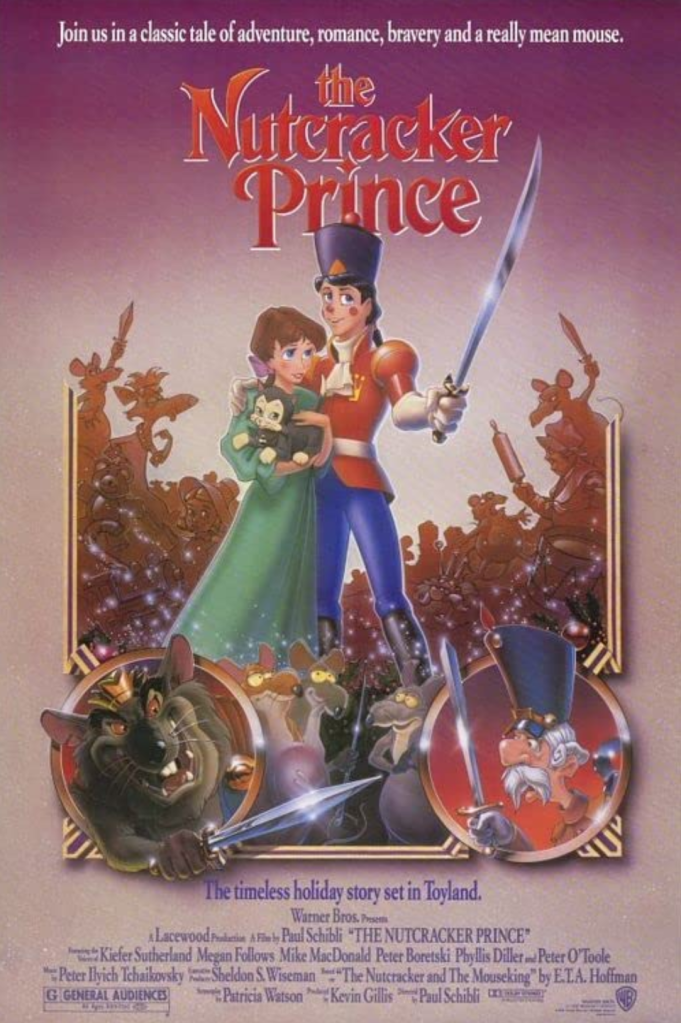


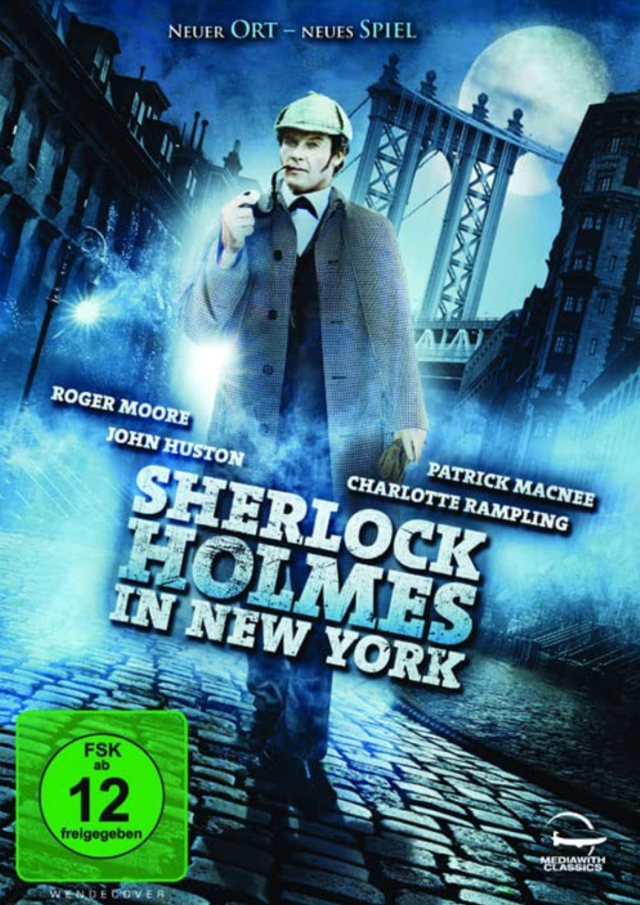











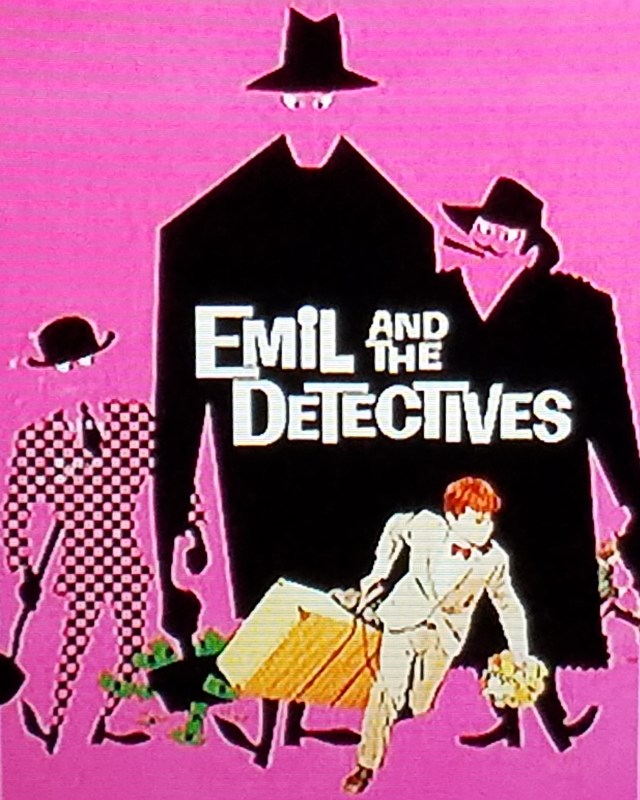


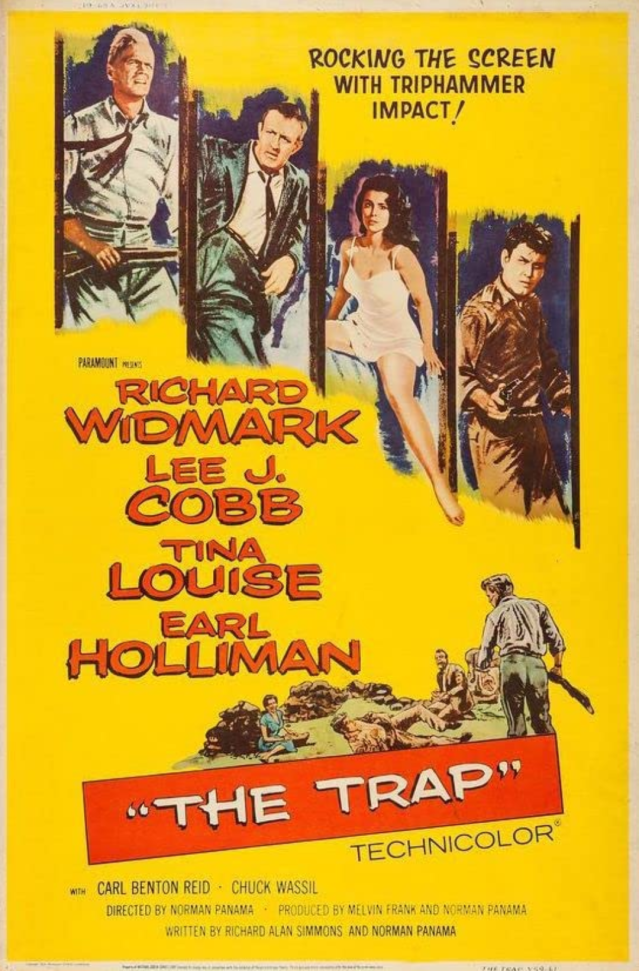
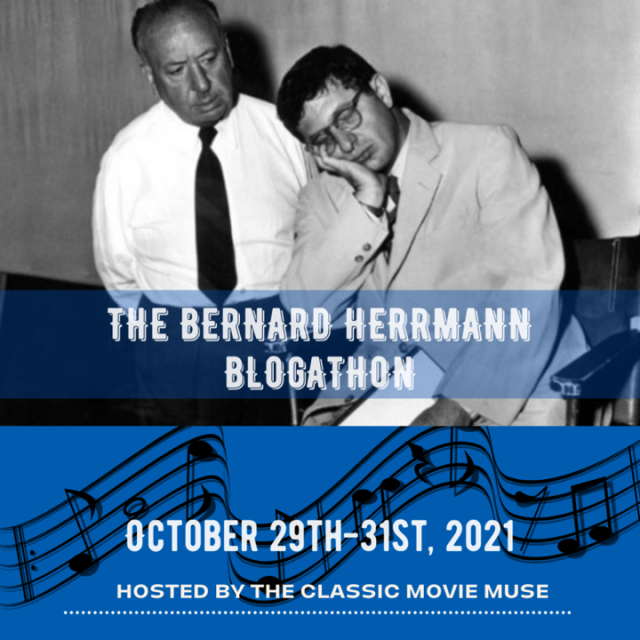

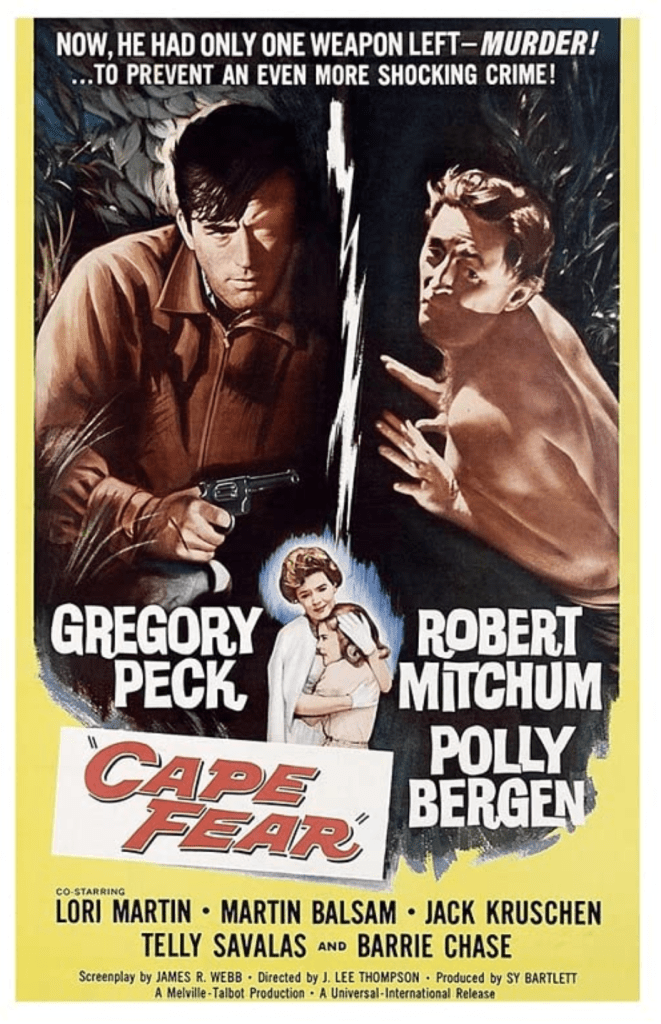


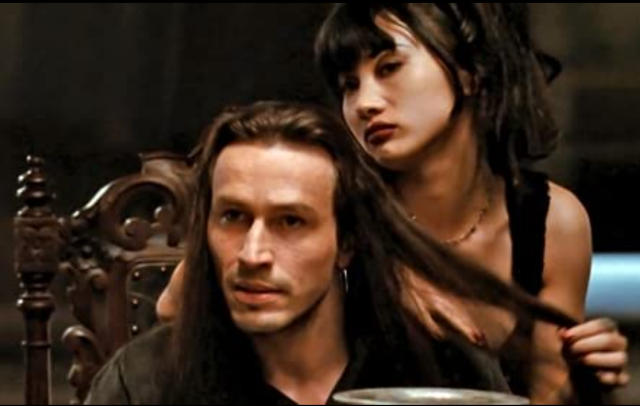


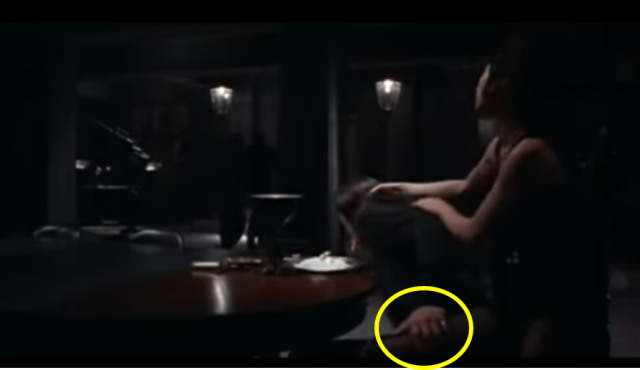
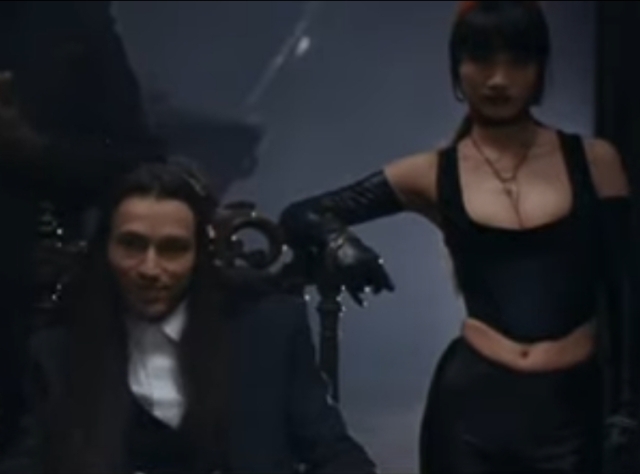


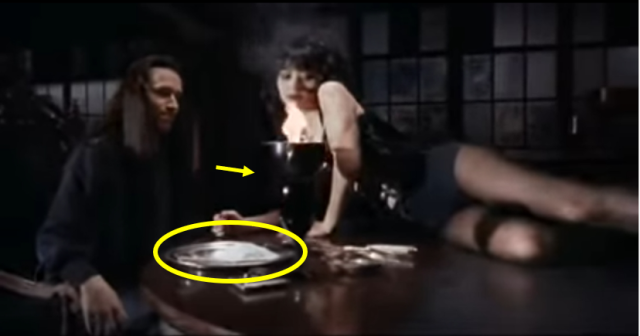


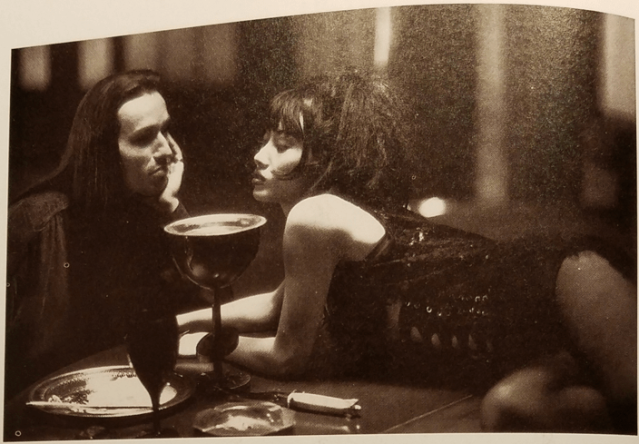

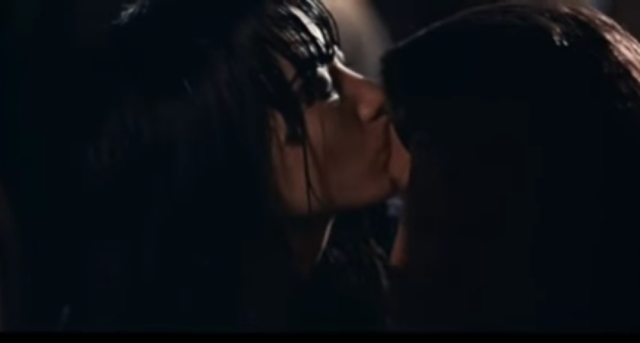


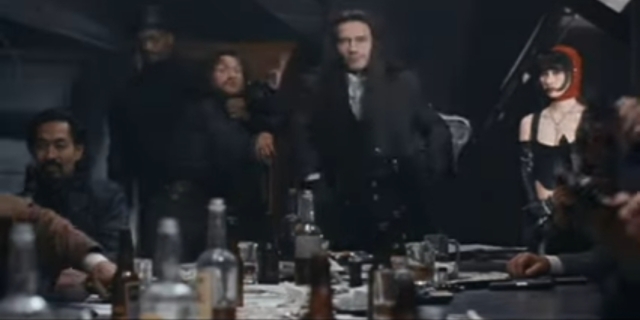

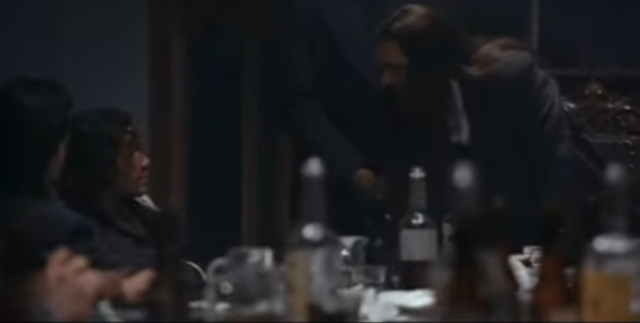
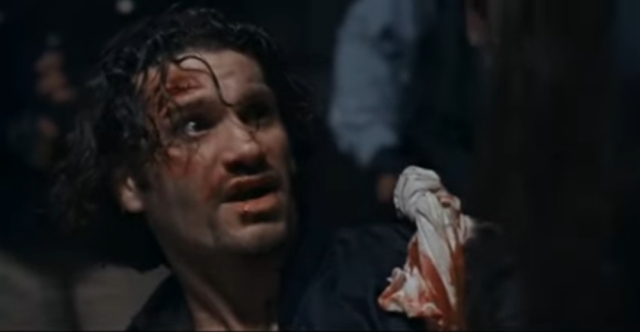

 18 Cinema Lane