The Christmas Movies Tag!

Two weeks ago, Hamlette (from Hamlette’s Soliloquy) tagged me in the Christmas Movies Tag! The timing of this tag was perfect because in 2024, I 1) wrote only four list articles and 2) participated in only one tag. With Christmas just around the corner, I found another reason to accept Hamlette’s invitation. Over 18 Cinema Lane’s six-year history, several Christmas movies have been reviewed. This helped when choosing titles for the Christmas Movies Tag. For films covered on my blog, I will provide the links in this tag if anyone is interested in reading my full thoughts on the featured movies. Before I begin the Christmas Movies Tag, I need to list the tag’s official rules, which are the following:

  • Fill out the prompts (expound as much or as little as you like)
  • Tag some friends (however many or few you feel like)
  • Have fun (this is mandatory)
The Christmas Movies Tag banner found on Hamlette’s Soliloquy

1. A favorite funny Christmas movie

Back in 2019, I discovered why The Nine Lives of Christmas is so beloved in the Hallmark fan community. One appealing aspect of the movie was definitely the humor! In my review of the 2014 film, I pointed out how the dialogue among the characters helped make the story’s very first scene hilarious. The genuineness of the dialogue was well-written and good-natured. I also mentioned how Ambrose the cat served as some of the film’s comic relief. Memorable moments, such as when the cat sits on Zachary’s chair, made my viewing experience enjoyable. At the time, most of Hallmark’s Christmas movies seemed light on humor. So, watching a humorous picture like The Nine Lives of Christmas was refreshing!

Take 3: The Nine Lives of Christmas Review

2. A favorite poignant Christmas movie

For this prompt, I chose two movies. The first is 2016’s Winter Thaw. From what I remember, the religious messages and themes associated with Christmas are prioritized over the holiday itself. In fact, there are so few references to the Christmas holiday, it’s easy to forget Winter Thaw is a Christmas movie at all. The second movie is one I reviewed last year; Christmas Princess from 2017! As I stated in my review, this film avoided several Christmas related tropes and clichés because Donaly’s journey to the Rose Court was the story’s main focus. Similar to Winter Thaw, the secular elements of Christmas don’t take center stage in Christmas Princess. But, like It’s a Wonderful Life, the 2017 presentation presents a story about a person trying to do “something big, something important”.

Take 3: Christmas Princess (2017) Review

3. A favorite romantic Christmas movie

Before I was a movie blogger, I saw the 2015 made-for-TV production, The Spirit of Christmas. Though it’s been almost ten years since I’ve seen the film, I remember how strong Thomas Beaudoin and Jen Lilley’s on-screen chemistry was! Because of this on-screen chemistry, I was invested in the story. I also rooted for Daniel and Kate to find a way to be together. The Spirit of Christmas is a film I’d love to revisit on 18 Cinema Lane!

4. A favorite feel-good Christmas movie

In 2022’s edition of my top ten best movies of the year list, A Godwink Christmas: Miracle of Love made history by becoming the first and, so far, only Christmas movie to be the best movie I saw in any given year! How the 2021 title earned this honor was having their story revolve around a group of people using their skills and talents to help a family in need. Including Advent gave this film a more unique identity and provided a newer approach to the Christmas movie genre. Showcasing Christmas activities, such as gift exchanging, in creative ways crafted A Godwink Christmas: Miracle of Love’s identity as well. Movies like this one make me wish Hallmark continued the Godwink series.

Take 3: A Godwink Christmas: Miracle of Love Review

5. A favorite movie adaptation of A Christmas Carol

Years ago, I saw the Hallmark Channel production, It’s Christmas, Carol! What I remember the most was how good Emmanuelle Vaugier’s and Carrie Fisher’s performance was! They were not only strong actresses individually, they also worked well together. The acting became one of the reasons why I liked this film. However, it’s been over ten years since I last saw it. Hopefully, I’ll receive a chance to revisit It’s Christmas, Carol!
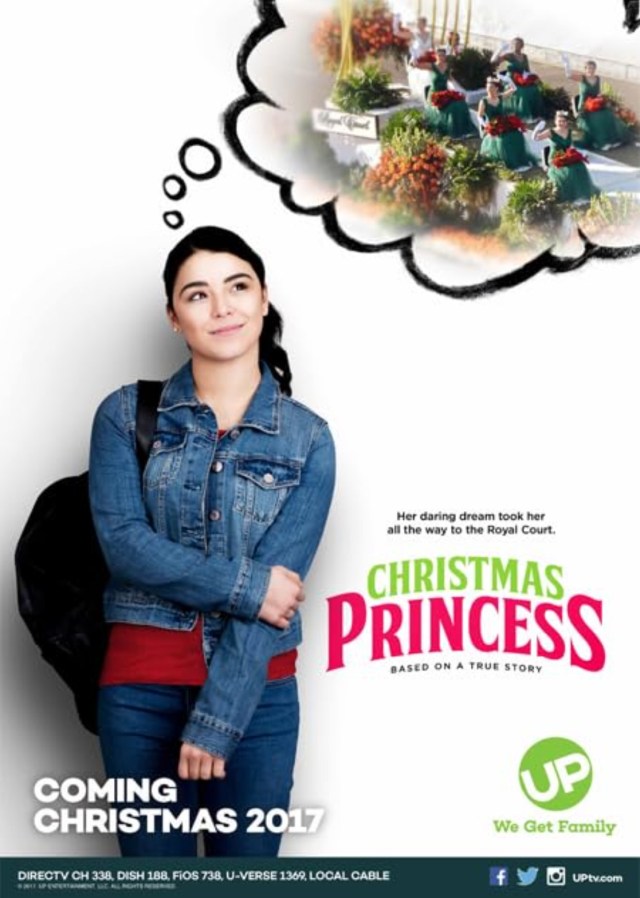
Christmas Princess (2017) poster created by Entertainment One and Really Real Films

6. A Christmas movie you watch any time of year

Similar to prompt number two, I’m selecting two films. I have reviewed both of these titles recently. My first choice is the 1991 television movie, Christmas on Division Street. One of the reasons why I liked this film is how the story’s messages and themes apply to the Christmas season as well as outside of Christmastime. But the appearance of Christmas is inconsistent in Christmas on Division Street, as the holiday isn’t recognized until forty minutes into an hour and thirty-three-minute story. My second choice is I Heard the Bells. In my review of the 2022 title, I compared I Heard the Bells to It’s a Wonderful Life. This is because both of these films are about more than just the Christmas holiday. They focus on a man and his story, also exploring how that man’s relationships affect his existence.

Take 3: Christmas on Division Street Review

Take 3: I Heard the Bells Review + 500 Follower Thank You

7. A Christmas movie that surprised you

My best movies of the year list of 2023 saw A Biltmore Christmas earning a spot in the list’s top three! When I wrote about the film, I explained how I had developed low expectations for the movie due to how much hype and publicity it received. I’m glad I gave A Biltmore Christmas a chance, as I was pleasantly surprised by how good it was! There were so many likable elements to this story, with the attention given to historical accuracy being just one of them. The script gave Hallmark Channel a different type of narrative for their Christmas pictures, utilizing historical fiction and aspects of time travel. A Biltmore Christmas even won the Gold Sally Award’s inaugural Top Gun: Maverick Award!

8. A favorite “but is it really a Christmas movie?” movie

One of the movies I reviewed in my Halloween Double Feature was 2002’s The Case of the Whitechapel Vampire. The most surprising part of that movie was the story taking place during the Christmas season. Even though Christmas played a minimal role in the film, it was interesting to see the holiday associated with vampires. It was also fascinating to watch an alternative Christmas mystery from Hallmark. The Case of the Whitechapel Vampire shows how the concept of vampires can be incorporated into almost any type of movie in almost any time of year. The 2002 picture is also proof how, when they put their mind to it, Hallmark can think outside-the-box when it comes to their Christmas movies.

Take 3: The Case of the Whitechapel Vampire Review (Halloween Double Feature Part 1)

9. The oldest Christmas movie you’ve seen

When I reviewed Meet Me in St. Louis in 2019, it became the oldest Christmas movie I saw and wrote about on my blog! Released in 1944, this film represents the best the Breen Code era had to offer, especially when it came to the musical genre. The acting keeps this movie going and the songs provide a good tonal balance throughout the production. Judy’s rendition of “Have Yourself a Merry Little Christmas” is so iconic! While there have been many versions of that song, Meet Me in St. Louis’ version is my favorite.

Take 3: Meet Me in St. Louis Review + 75 Follower Thank You

10. The newest Christmas movie you’ve seen

Due to Ainsley McGregor Mysteries: A Case for the Winemaker’s popularity, I reviewed the 2024 Great American Family presentation, A Little Women’s Christmas. To me, this was a fine, wholesome, and pleasant picture. I liked how the creative team showed respect for the source material. But I wasn’t a fan of how confusing the ending was. I also didn’t like the inclusion of the “it’s not what you think” cliché, as it added predictability to the story. However, A Little Women’s Christmas is still a movie I would recommend.

Take 3: A Little Women’s Christmas Review
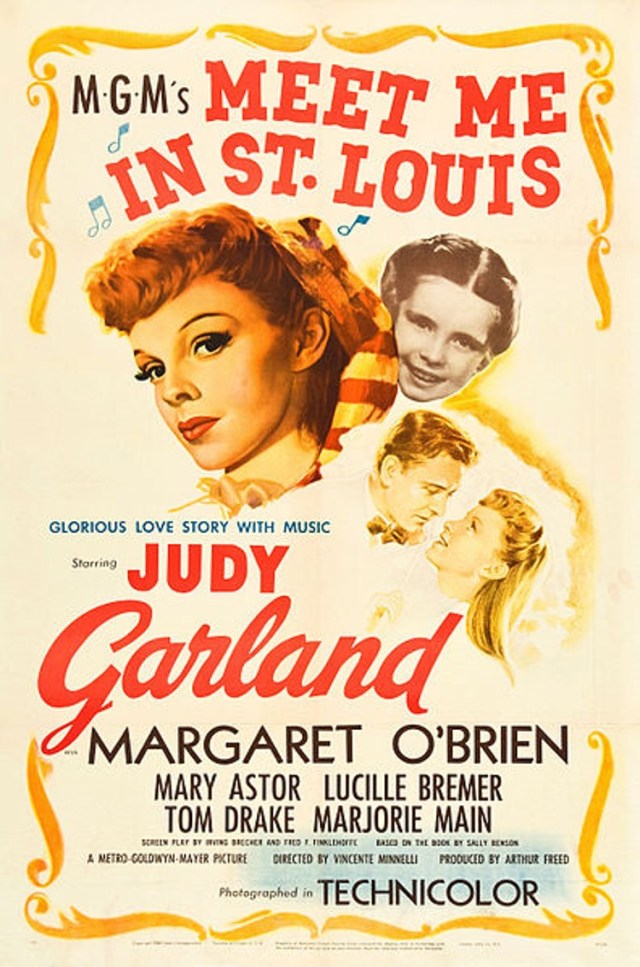
Meet Me in St. Louis poster created by Metro-Goldwyn-Mayer and Loew’s, Inc. Image found at https://commons.wikimedia.org/wiki/File:Meet_Me_in_St._Louis_poster.jpg

Since the month of December is usually the busiest time of year, not only because of the Christmas/holiday season, but also because of the days leading up to New Year’s, it can be challenging to set aside time to participate in a tag. I also want to express my gratitude for 18 Cinema Lane having another successful year. So, I’m giving my readers an open invitation to the Christmas Movies Tag! If you like what you’ve read, you’re welcome to create your own tag post any time you wish!

Have fun on Christmas!

Sally Silverscreen
Take 3: I Heard the Bells Review + 500 Follower Thank You

Six years ago, when 18 Cinema Lane was born, I never imagined my blog would receive five hundred followers. But because of these followers, the people who took the time to read what I had to say, this milestone became a reality! To express my gratitude, I’m, once again, thanking my blog’s followers by writing this Blog Follower Dedication Review. This time, however, I’m presenting this review in the style of an open letter to the chosen film. While visiting the blog, It’s a Wonderful Movie, I came across a post about the 2022 Christmas movie, I Heard the Bells. At first, I believed it was a new production from Great American Family. This belief piqued my interest, as I wanted to review one of the network’s Christmas films. Then, I discovered I Heard the Bells was, simply, airing on Great American Family. Instead of being deterred by this misunderstanding, I still selected the 2022 picture for my Blog Follower Dedication Review, as I never heard of this presentation before 2024. With the Christmas season in full swing, writing about I Heard the Bells felt like an appropriate choice. So, without further ado, let’s begin this open letter!

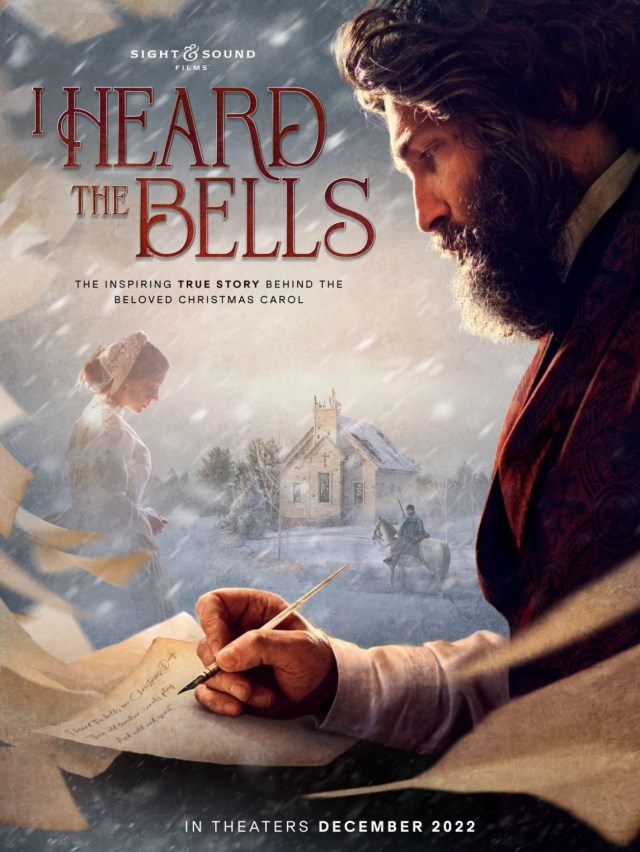
I Heard the Bells poster created by Sight & Sound Films

An open letter to I Heard the Bells:

As I write this letter, you remind me of another Christmas movie I know; Christmas on Division Street. That’s because you and the 1991 television film share one thing in common; meeting me by chance. If you hadn’t been featured on It’s a Wonderful Movie, I would never had heard about you. Then again, if I had paid closer attention, I would have known sooner you weren’t a Great American Family production. Despite that misunderstanding on my part, I still wanted to give you a fair chance. When it comes to writing about Christmas pictures, I root for every movie, including you, to be good. And that’s exactly what you are; good! With the seasonal entertainment landscape saturated with the same cliches, aesthetics, and story ideas, a Christmas movie needs to find a way to stand out from the competition. You, I Heard the Bells, succeeded in doing that!

Christmas Tree with boxes image created by Freepik at freepik.com. <a href=’https://www.freepik.com/free-vector/christmas-tree-out-of-gift-boxes_1448089.htm’>Designed by Freepik</a>. <a href=”https://www.freepik.com/free-photos-vectors/background”>Background vector created by Freepik</a>. Image found at freepik.com

In RKO 281 and Amadeus, Liev Schreiber and Tom Hulce brought humanity back to the names of Orson Welles and Amadeus. They also found the heart of the “genius” and put some genuine emotion behind it. Through his portrayal of Henry Wadsworth Longfellow, Stephen Atherholt followed in Liev and Tom’s footsteps. When it came to Stephen’s performance, however, he brought an emotional fire that helped make Henry a lively, well-rounded individual! Toward the beginning of the story, just hours before Christmas, Henry recites a poem. Combining facial expressions, vocal inflections, and body language, Henry was animated and captivating. He also spoke in a very poetic way, fitting for a man who had a way with words. Later in the story, after Henry experiences a tragedy, he gets into an argument with his son, Charley. At first, his eyes are downcast and he speaks in a softer tone, trying to avoid a conflict. But as Charley’s side of the argument becomes heated, Henry suddenly bursts with emotion. He quickly bolts from his seat and yells at his son, his anger spilling over. This reaction is so unexpected, Henry’s other children appear frightened.

Hand-written letter image created by Veraholera at freepik.com. <a href=”https://www.freepik.com/free-photos-vectors/background”>Background vector created by Veraholera – Freepik.com</a>. <a href=’https://www.freepik.com/free-vector/love-letter-pattern_1292902.htm’>Designed by Freepik</a>. Image found at freepik.com.

Through on-screen text, you made it known you were based on a true story. However, I still wish Stephen Atherholt and Rachel Day Hughes shared more scenes together. I already talked about Stephen’s portrayal of Henry Wadsworth Longfellow, explaining why it was good. Acting alongside Rachel, who portrayed Fanny Longfellow, Stephen shared strong on-screen chemistry with her! One of my favorite scenes is when Fanny and Henry dance together on Christmas. Their gentle waltz perfectly captures their romantic tenderness. Even in scenes taking place outside of Christmastime, this romantic tenderness was present between Henry and Fanny. At a dinner party, Henry is nervous about having his poetry recited in front of the party guests. During the poem’s introduction, Henry’s hand twitches. Fanny quickly puts her hand over his and even encourages him to lift up his eyes. Throughout this scene, Fanny’s encouragement is gentle, with her patience and kindness making Henry feel more comfortable in his situation. Though Rachel and Stephen shared only a few scenes together, they effectively showed how Fanny and Henry brought out the best in each other!

Envelope with hearts image created by Freepik at freepik.com. <a href=’https://www.freepik.com/free-photo/hearts-and-pink-envelope-for-mothers-day_1950691.htm’>Designed by Freepik</a>. <a href=”https://www.freepik.com/free-photos-vectors/love”>Love image created by Freepik</a>. Image found at freepik.com.

Bringing up RKO 281 and Amadeus again, these movies are historical pictures where attention to detail made their respective worlds feel visually immersive. It seems like you took another page out of Amadeus and RKO 281’s playbook by applying that attention to detail to Henry’s world! Watching this story unfold felt like traveling in time to the early 1860s. Whether it was the Civil War uniforms, the set design, or even a kite, every piece of this production appeared to be well-researched by your creative team. Remember when I brought up Henry reciting a poem hours before Christmas and the waltz between Henry and Fanny on Christmas? Those moments took place in the Longfellow home’s main sitting room, where era appropriate Christmas decorations can be seen. I noticed orange slices entwined on the garland above the fireplace, as well as candles illuminating the room. I even saw a Nativity set on a nearby table.

Adorable Christmas card image created by Rawpixel.com at freepik.com. <a href=’https://www.freepik.com/free-vector/christmas-greeting-card-vector_2824854.htm’>Designed by Rawpixel.com</a>. <a href=”https://www.freepik.com/free-photos-vectors/christmas”>Christmas vector created by Rawpixel.com – Freepik.com</a>. Image found at freepik.com.

While there was a lot to like about you, there were some things I didn’t like about you. One of them was how you were almost two hours long. I know you’re a fan of establishing shots, but did you really need that many? Personally, I think you could have either cut some of these shots or trimmed the establishing shots’ length. As I mentioned earlier in this letter, Henry experiences a tragedy. This event causes his appearance to change as time goes on. Even Charley’s hair looks different over time. Yet Henry’s daughters, Anne, Alice, and Edith, always looked the same despite the progression of years. For this flaw, I fault the director and casting director, as they should have been more mindful about how those in the story were presented. Speaking of those involved in the story, there are some people I wish were more involved in what was happening on-screen. Senator Charles Sumner, portrayed by Daniel Stargel, is one of Henry’s supporters. He even helps Charley find a respectable position in the military. But out of your almost two-hour story, Charles appears in only a handful of scenes. I remember how you’re based on a true story. However, that’s not going to change my mind on how Charles should have been given more appearances.

Do you remember at the beginning of this letter, when I said you reminded me of Christmas on Division Street? Well, there’s another Christmas movie you remind me of. That would be the classic It’s a Wonderful Life! For starters, you and the 1946 film are Christmas productions that are about more than just the Christmas holiday. Both of you focus on a man and his story, also exploring how that man’s relationships affect his existence. There’re also elements of faith in both stories. However, these elements are incorporated in different ways. Your delivery, as well as that of It’s a Wonderful Life, shows how much you cared about the overall presentation. In your case, your emphasis on attention to detail made the story look and feel so historically accurate, Henry’s world became immersive! Every acting performance was strong, especially Stephen’s and Rachel’s. Yes, you do have flaws. But I don’t think they will hold you back from, one day, becoming a classic! When I wrote about RKO 281 last year, I claimed good films leave a lasting impression. As I close this letter and move along on my blogging journey, I can honestly say you’ve done just that!

Sincerely,

Sally Silverscreen

P.S. I’ll give you a score of 7.6 out of 10.

Take 3: A Little Women’s Christmas Review

When I reviewed Ainsley McGregor Mysteries: A Case for the Winemaker two months ago, I knew that article would receive views. But I had no idea how popular it would become. As of mid-December, 2024, my review of Ainsley McGregor Mysteries: A Case for the Winemaker garnered over a thousand views! To capitalize on my readers’ interest in Great American Family films, I chose to write about one of the network’s Christmas pictures. From the “word of mouth” I’ve been hearing about 2024’s various made-for-TV Christmas movies, A Little Women’s Christmas has gathered the most praise. So, I wanted to see for myself if the film was worth the hype. Based on the few movies from Great American Family I’ve seen, their pictures have been either ok or decent. The only exception has been The Abigail Mysteries, which was one of the worst films I saw last year. Where does A Little Women’s Christmas fall among this spectrum? Read my review to find out!

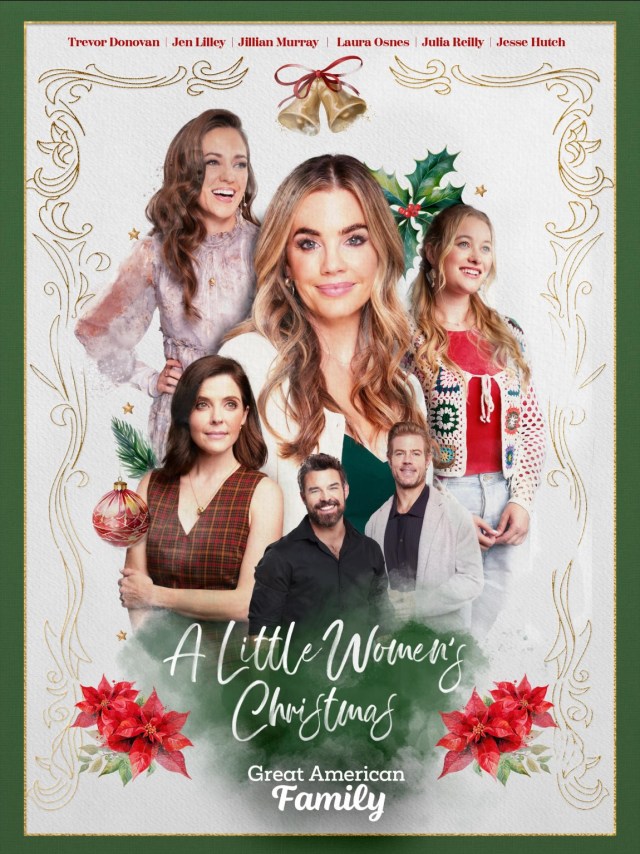
A Little Women’s Christmas poster created by Great American Family, True Brand Entertainment, Third Coast Film, Rebel Rocket Entertainment, and Empress of Soul Productions

Things I liked about the film:

The camaraderie between the March sisters: If a film’s creative team wants to tell a story involving a group of siblings, there needs to be strong camaraderie between those characters. The strength of the camaraderie depends on the strength of the acting performances. This is exactly what happened among the March sisters in A Little Women’s Christmas! When Jillian Murray, Jen Lilley, Julia Reilly, and Laura Osnes came together, the relationship between their characters felt believable. Whether the moment was heart-warming or heart-breaking, the March sisters had each other’s support and worked together when it mattered the most. These actresses allowed each character’s personality to shine through. Nurturing Meg, bubbly Amy, ambitious Jo, and kind Beth complimented one another, bringing out the best in each sister. With the combination of Jillian’s, Jen’s, Julia’s, and Laura’s acting abilities, the creative team behind A Little Women’s Christmas understood the assignment and recognized what makes Louisa’s source material so special!

The on-screen chemistry: Over the course of A Little Women’s Christmas, Jo gets to know a fellow writer from her publishing firm. This fellow writer is Fritz, portrayed by Trevor Donovan. During their interactions, Fritz is not only observant, but also has a drier sense of humor. As I mentioned earlier in this review, Jo is ambitious. However, she also tells things like it is. The combination of Fritz and Jo’s personalities created nice on-screen chemistry between Trevor and Jillian! The more time Jo and Fritz spent together, the more I felt they got along well with each other. The March sisters’ parents, Margaret and Robert, only appeared in one scene, through a video sent to the family. Despite this very brief appearance, I could sense the on-screen chemistry between Candace Kirkpatrick and James Arnold Taylor! In that one scene, the marriage between these characters felt believable. I, honestly, wish Robert and Margaret shared more scenes together!

The Little Women related Easter Eggs: IMDB claims A Little Women’s Christmas is “a contemporary retelling of Louisa May Alcott’s 1868 classic”. With this in mind, the movie’s creative team found clever ways to place Easter Eggs throughout their production! The town the March family is from is named Alcott Grove. Observant viewers and fans of the novel will point out how the town shares the last name of Little Women’s author. While Jo and Fritz pay a visit to The Mercantile Café, Jo introduces Fritz to Louisa May, the owner of the eatery. Louisa May of Alcott Grove happens to share the name of Louisa May Alcott. It was fun finding these Easter Eggs throughout the movie! The creative team’s respect for Louisa’s story was symbolized in the Easter Eggs.

Christmas book image created by Freepik at freepik.com. <a href=’https://www.freepik.com/free-psd/christmas-mockup-with-open-book_1482296.htm’>Designed by Freepik</a>. <a href=”https://www.freepik.com/free-photos-vectors/mockup”>Mockup psd created by Freepik</a>.  Image found at freepik.com.

What I didn’t like about the film:

The underutilization of DJ Bob: Throughout the movie, a man named DJ Bob makes Christmas related announcements from his studio at W.A.G. Radio. While exploring the town of Alcott Grove, Jo explains to Fritz how DJ Bob has become a beloved member of the community since he came to town in his red convertible one day. But other than what I just mentioned, DJ Bob has a very minimal role in the story. Personally, I think this was a missed opportunity, as DJ Bob could have been the glue that kept this script together. Besides being a radio host, DJ Bob could have been the character other characters turn to for advice. He also could have become “Mr. Fix It”, where he helps people solve their problems.

The “it’s not what you think” cliché: Before he leaves for Alcott Grove, Fritz is instructed by Jo’s editor-in-chief, Susanna, to mentor Jo as she works on a new novel. Even though Susanna encourages Fritz to be honest with Jo about the reason for his trip, he’s concerned about pressuring Jo to the point of ruining her creative spark. As soon as this conflict was set up in A Little Women’s Christmas, it was a matter of waiting for the inevitable to happen. The conflict expectedly led to the “it’s not what you think” cliché, causing Jo to assume the worst about Fritz. While I recognize the need for a conflict in Jo’s story, that conflict paired with the aforementioned cliché made this part of the movie more predictable. It also doesn’t help how Jo developed romantic feelings for Fritz within a matter of days, becoming upset because she gave her heart to a man she barely knew.

A confusing ending: For this part of my review, I will spoil A Little Women’s Christmas. If you haven’t seen this movie and are planning on watching it, please skip ahead to the part of my review titled “My overall impression”.

In A Little Women’s Christmas, Jo aspires to write her first young adult novel. But during her return to Alcott Grove, she’s constantly searching for inspiration. Using Fritz’s advice, Jo eventually chooses to base her story on her relationship with her sisters, reflecting on their lives together. One of the last scenes in the movie shows Jo writing the first chapter of her novel, which she titles Little Women. With a title like A Little Women’s Christmas, along with the Little Women related Easter Eggs, I assumed the film’s creative team acknowledged Louisa May Alcott’s story existed in the world of Alcott Grove. But with Jo naming her book, Little Women, I was left confused, wondering if the world of A Little Women’s Christmas was meant to be an alternate universe where Louisa and her story never existed?

Art tools image created by Freepik at freepik.com. <a href=’https://www.freepik.com/free-vector/flar-art-tools-pack_835368.htm’>Designed by Freepik</a>.  <a href=”https://www.freepik.com/free-photos-vectors/paint”>Paint vector created by Freepik</a>. Image found at freepik.com.

My overall impression:

Out of Great American Family’s movies I’ve seen, most of their productions have been ok or decent. A Little Women’s Christmas falls in the latter category. The 2024 picture was fine, wholesome, and pleasant. It was nice to see the creative team behind A Little Women’s Christmas show respect for the source material. From the camaraderie between the March sisters to the Little Women related Easter Eggs, fans of Louisa May Alcott’s story will find enjoyment in this film! Though there were aspects of the movie I liked, A Little Women’s Christmas did have its flaws. The inclusion of the “it’s not what you think” cliché contributed to part of the story being predictable. I also found the film’s ending confusing. But as I said before, this Great American Family production was fine as well as pleasant. If you’re interested in watching Christmas offerings from this network, I would recommend A Little Women’s Christmas!

Overall score: 7-7.1 out of 10

Have you seen A Little Women’s Christmas? Are there any Great American Family films you’d like me to check out? Tell me in the comment section!

Have fun at the movies!

Sally Silverscreen

Take 3: Christmas on Division Street Review

Have you ever been in a situation where instead of finding a movie, a movie found you? This is my case with the 1991 made-for-tv film, Christmas on Division Street. Earlier this year, I conducted research for my Sally Solves a Mystery article about who Bianca Marquez Walsh from As the World Turns is. During this process, a commercial for the movie crossed my path. As a movie blogger who reviews their fair share of television films, especially those that are Christmas themed, I’m always looking for potential movies to cover. So, I remembered the 1991 program in the hopes of reviewing it someday. Fast forward to mid-November, 2024. When I learned what Taking Up Room’s On the Spot Blogathon was about, I knew I had found the perfect movie to write about for the event! Plus, the blogathon took place in December, which gave me another reason to review Christmas on Division Street! Before 2024, I had never heard of the 1991 tv production. But I was familiar with the film’s lead actors. I had seen some of the projects from Fred Savage’s filmography; like The Princess Bride and The Wonder Years. Three years ago, I reviewed one of Hume Cronyn’s movies; the 1987 Hallmark Hall of Fame presentation, Foxfire. In the aforementioned commercial for Christmas on Division Street, I discovered the story was more unique from other Christmas productions I’ve covered on my blog. This is because the friendship between the main characters was prioritized.

Christmas on Division Street advertisement created by Columbia Pictures Television, Higher Ground Productions Inc., Morrow-Heus Productions, Procter & Gamble Productions (PGP), The Guber-Peters Company, W.I.C., and CBS

Things I liked about the film:

The acting: When you have a movie like Christmas on Division Street, where the story revolves around the friendship between two characters, it’s important to cast actors who can equally carry that production. Because of the strength of Fred’s and Hume’s performance, I was captivated by the story of Trevor and Cleveland! Hume’s character, Cleveland Meriwether, typically carries himself as a jolly mentor. He not only wanted to teach Trevor valuable lessons, he also wanted to help other people in need. However, there were moments that showed just how versatile of an actor Hume Cronyn is. After receiving a tin of cookies from Trevor, Cleveland heartily laughs to himself, remembering his friend’s kindness. Then, all of a sudden, Cleveland’s laughter morphs into sobbing, sadness now residing on his face. This transformation was seamless, showing Cleveland’s emotions bubbling over behind closed doors. The scene I described also presents Hume’s understanding for when and where to use emotionality.

Like I previously mentioned in this review, I was captivated by the story of Trevor and Cleveland because of the strength of Fred’s and Hume’s performance. One scene that illustrates this point is when Cleveland tries to help Trevor with an upcoming school assignment. After Cleveland reminds Trevor how they should be honest with each other, Trevor immediately becomes frustrated because he believes Cleveland has been dishonest with him. As he’s confronting Cleveland, Trevor’s tone of voice is sharp and his eyes narrow on Cleveland’s face. But as soon as Trevor calls Cleveland a “bum”, Trevor’s face quickly falls, realizing he’d messed up. Meanwhile, Cleveland looks deflated, as if his spirit had been crushed. Similar to Hume’s performance, Fred Savage knew how to use emotionality to his advantage. This knowledge allowed his portrayal of Trevor to be well-rounded!

Badja Djola portrayed Scorpio, a friend of Cleveland’s. Despite having limited appearances in Christmas on Division Street, he had such a commanding presence! One of my favorite scenes featuring Scorpio is when he’s sharing some of his backstory with Cleveland. With a combination of eye movements, vocal inflections, and even tilts of the head, Scorpio’s recollection was captivating. I clung on to every word, anticipating what he would say next. With everything I said, I wish Badja had received more screen time.

The messages and themes: As I mentioned in my review of Cancel Christmas, important messages and themes are sprinkled throughout the story of a typical Christmas film. While this was the case for Christmas on Division Street, the themes and messages within the story apply to the Christmas season as well as outside of Christmastime. A good example is when Trevor faces a dilemma; he doesn’t have any money for a ride home. With quick thinking, Cleveland tells Trevor he’s on his way to the bank. The next scene reveals Cleveland meant the blood bank, where he not only donates blood, he also makes enough money to help Trevor. This scene emphasizes how there are a variety of ways to help those in need any time of year. In another scene, Trevor tries to give Cleveland some used clothes. When he searches through the bag of clothes, Cleveland finds a long coat with a fur collar. Instead of taking the coat for himself, he gives the coat to a pregnant woman he knows. The theme of putting the needs of others before yourself is highlighted in this scene.

The inclusion of history: Toward the beginning of Christmas on Division Street, Trevor receives a class assignment to write a report about a topic relating to Philadelphia’s American Revolution history. Through this subplot, the movie’s creative team found an opportunity to incorporate history into the script. At the library, where Trevor and Cleveland first meet, Cleveland encourages Trevor to write about Benjamin Franklin. While Trevor takes notes, Cleveland shares how Benjamin Franklin created the first subscription library in Philadelphia. Cleveland also shares how Benjamin Franklin would sometimes write under the pen-name of Richard Saunders. Though these history lessons were brief, their inclusion in Christmas on Division Street was such a pleasant surprise!

The dialogue: I have said in the past how a made-for-TV movie’s dialogue can be very hit or miss. That’s because the quality of a television film’s dialogue depends on the skill and talent of the screenwriter. While watching Christmas on Division Street, I was impressed with this part of the production! The dialogue was not only clever, but also thoughtful. At the library one day, Cleveland meets with his social worker, Benedetti. After Benedetti expressed his frustrations over Cleveland’s lack of progress, Cleveland tells his social worker, “Weren’t for guys like me, you’d be out of a job. And before you know it, you’d be down here taking my place. I’d say I’m doing you a big favor”. Later in the movie, Cleveland gives the long coat with the fur collar to the pregnant woman he knows. Because Trevor was with Cleveland during this exchange, Cleveland says to Trevor, “Funny how people become invisible…when you keep your eyes closed”. Within these two examples, the screenwriter did a good job at providing Cleveland with character development through dialogue!

The On the Spot Blogathon banner created by Rebecca from Taking Up Room

What I didn’t like about the film:

An inconsistent appearance of Christmas: With a movie titled Christmas on Division Street, you’d think the Christmas holiday would have such a consistent presence, it would seem like Christmas was its own character in the story. But that’s not what happened in the 1991 film. When I watched about thirty minutes of Christmas on Division Street, I wondered, “Isn’t this a Christmas film”? That’s because there was no acknowledgment of Christmas. The only noticeable seasonal element was fallen leaves occasionally shown in Philadelphia’s landscape. Christmas is finally recognized about forty minutes into an hour and thirty-three-minute movie. I recognize the emphasis in Christmas on Division Street is placed on the messages and themes of the holiday instead of the holiday itself. However, I still wish Christmas had a more consistent appearance in the film.

A quick resolution: Earlier in this review, I said, toward the beginning of Christmas on Division Street, Trevor receives a class assignment to write a report about a topic relating to Philadelphia’s American Revolution history. This subplot is interconnected with another subplot; Trevor’s conflict with a fellow student named Derek. For most of the story, Derek picks on Trevor. He even goes so far as to steal Trevor’s idea for his history report. But after their history reports have been graded, Trevor learns a little about Derek’s home life. This knowledge not only makes Trevor sympathetic toward Derek, he also becomes Derek’s friend. The subplot I just wrote about represents one of the story’s themes; that “everybody’s got their story”. However, the resolution to this conflict was, in my opinion, reached too quickly.

Tonal whiplash: After gathering research for his history report, Trevor rescues a pair of blue carnation flowers from the garbage with Cleveland. In this heartwarming scene, Trevor says how Cleveland sometimes reminds him of his grandpa, who had recently passed away. A scene later, a dead body is being placed in a coroner’s car, with Benedetti telling Trevor and Cleveland a man named Jake had died. The next scene shows Trevor and his family attending an event at their church. This tonal whiplash was not a consistent flaw in Christmas on Division Street. But among these aforementioned scenes, the transition between tones should have been smoother.

Library image created by Freepik at freepik.com. <a href=’https://www.freepik.com/free-photo/stack-of-books-on-library-desk_2509490.htm’>Designed by Freepik</a>. <a href=”https://www.freepik.com/free-photos-vectors/school”>School image created by Freepik</a>. Image found at freepik.com.

My overall impression:

In the introduction of this review, I stated how I did not find Christmas on Division Street, the movie found me. After seeing the film, I can honestly say I’m glad it crossed my path! Out of the made-for-TV Christmas projects I’ve seen, let alone reviewed, the 1991 production is one of better programs ever created. The acting from both the lead actors and the supporting cast is equally strong. While Fred and Hume carried the story through the strength of their acting abilities, Badja found a way to make his character memorable. The dialogue was clever and thoughtful thanks to the screenwriter, Barry Morrow. In fact, the dialogue was one of most impressive parts of the movie! I wish Christmas had a more consistent presence throughout Christmas on Division Street. However, I recognize the themes and messages of Christmas were prioritized over the holiday itself. I also wish the conflict between Trevor and Derek hadn’t been resolved so quickly. But I acknowledge how this subplot represented the theme of “everybody’s got their story”. If you’re looking for a Christmas movie that’s found off the beaten path or could be considered a “hidden gem”, let Christmas on Division Street find you on your path!

Overall score: 7.5-7.6 out of 10

Have you seen Christmas on Division Street? Do you have a favorite Christmas film that is more “underrated”? Please tell me in the comment section!

Have fun at the movies!

Sally Silverscreen

Oh Lil Christmas Tree: 2024’s Official Ornament

2024 marks the 30th anniversary of Touched by An Angel. To honor this occasion, I reviewed three episodes of the show in September. These episodes were “The Southbound Bus”, “Psalm 151”, and “Mother’s Day”. Over the six years of 18 Cinema Lane’s existence, I’ve written about other Touched by An Angel episodes, including “The Spirit of Liberty Moon”. In that episode, Jean explains to Edward and Monica how fortune cookies are an American invention. So, with all that said, this year’s ornament is a golden fortune cookie!

As I wrote this ‘Oh Lil Christmas Tree’ article, I came to the realization this is the first ornament based on food. Screenshot taken by me, Sally Silverscreen.

Have fun on Christmas!

Sally Silverscreen

Take 3: The Reluctant Debutante Review

Out of all the decades covered on 18 Cinema Lane, the 1950s make such infrequent appearances. I did review the 1954 film, Dial M for Murder, last month. But my review before that was from last December, when I wrote about 1957’s The Curse of Frankenstein. This infrequency is one of the reasons why I’m reviewing the 1958 film, The Reluctant Debutante! Another reason is John Saxon’s involvement in the project. When I joined Realweegiemidget Reviews’ and Cinematic Catharsis’ blogathon, I wasn’t familiar with John Saxon as an actor. So, while exploring his filmography, I came across the 1958 movie. I was surprised to discover Angela Lansbury also starred in The Reluctant Debutante. Since I’ve seen few of Angela’s live-action films, there was yet another reason for me to review this production.

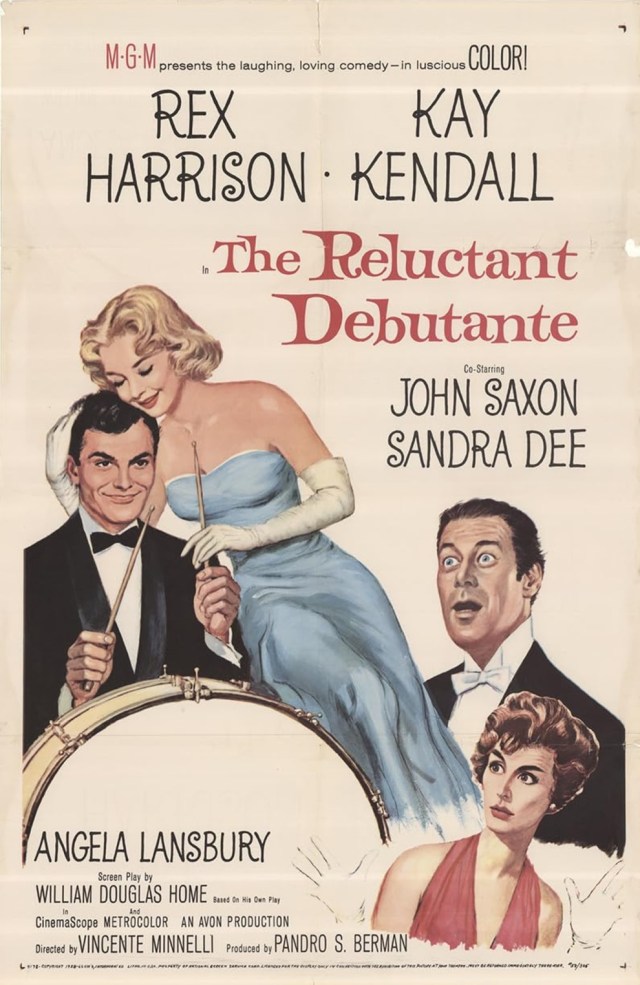
The Reluctant Debutante poster created by Avon Productions and Metro-Goldwyn-Mayer (MGM)

Things I liked about the film:

The acting: As I said in this review’s introduction, John Saxon is one of the reasons why I’m reviewing The Reluctant Debutante. Even though I wasn’t familiar with him as an actor, I liked his portrayal of David Parkson! Whenever he appeared in the movie, David always looked confident. Paired with that confidence was charisma, which helped David become such a memorable and likable character! What worked in John’s favor was the consistency of his performance. Having good on-screen camaraderie with Sandra Dee also worked in John’s favor. In the few scenes David and Jane, Sandra’s character, spent together, they appeared to get along so well. They also seemed to be on the same page when it came to several topics, such as the symbolism behind dancing and exploring the world. I, honestly, wish Sandra and John were given more appearances in The Reluctant Debutante because both of their performances were strong!

Like I also mentioned in this review’s introduction, Angela Lansbury’s involvement is another reason why I wrote about The Reluctant Debutante! Despite having limited appearances in the story, I really enjoyed watching Angela’s portrayal of Mabel Claremont! The best way I can describe this character is “the life of the party”. From the very first scene she appeared in, Mabel had such an exuberant personality. There was such a brightness to Mabel, I could understand why other characters might want to invite her to their events. Similar to John Saxon’s performance, Angela’s portrayal of Mabel was consistent. Mabel is another character I wish received more screen-time!

The on-screen chemistry: Rex Harrison and Kay Kendall portrayed Jane’s parents, Jimmy and Sheila, in The Reluctant Debutante. Shortly after these characters were introduced, I could immediately sense Kay and Rex’s on-screen chemistry! Throughout the story, Sheila and Jimmy’s marriage felt believable, like they were always meant to be together. When it came to the “debutante season”, Jimmy was the casual participant and Sheila became more involved in the process. Though they had their reasons for their “debutante season” beliefs, they still found a way to come together when it came to what was important, such as the well being of their daughter. Based on everything I said, Sheila and Jimmy displayed the “opposites attract” trope. With the strength of Kay and Rex’s acting abilities, both individually and together, this trope worked in Jimmy and Sheila’s favor!

The wardrobe: Debutante balls are known for showcasing exquisite fashion! When it came to the wardrobe department, The Reluctant Debutante did not disappoint! At a ball toward the beginning of the movie, Mabel wore a long-sleeved gown. This scoop-neck gown was covered in a lacy, deep-blue material, complimenting Angela’s light blonde hair. Adding extra sparkle was a large diamond necklace, a diamond tiara, and diamond earrings. One of my favorite dresses was Jane’s light-blue gown! Tiny bows found their place on the gown’s skirt. Sandra sometimes wore this dress with a light-blue satin cape and white gloves, which added elegance to the overall ensemble. Another outfit I liked is more casual in style. While at a restaurant with David Parkson, Jane wore a beige and brown plaid jumper dress over a beige blouse. Paired with this outfit was a khaki trench coat and a beige hat.

The John Saxon Blogathon banner created by Gill from Realweegiemidget Reviews and Barry from Cinematic Catharsis

What I didn’t like about the film:

A premise driven story: In the past, I’ve explained the difference between a premise driven and a plot driven story. In the case of The Reluctant Debutante, this story was premise driven. According to IMDB, the movie is about Jane and her parents participating in “Debutante season”. That part of the story was prioritized throughout the film. Taking a behind the scenes look at the debutante world is interesting. Halfway through the movie, though, I found myself asking, “Where’s the plot”? What The Reluctant Debutante was missing was a conflict, something to make the audience ask, “and then what happened”. This conflict could have ranged from Sheila and Jimmy organizing Jane’s debutante ball to Mabel convincing the Queen to continue the tradition of “debutante season”.

Drawn-out jokes: IMDB classifies The Reluctant Debutante as a comedy. Despite this label, I didn’t find myself laughing while watching the film. This weakness was due to the story’s jokes being drawn-out. A perfect example is how Sheila and Jimmy’s plans to overprotect Jane don’t go as expected. At one ball, Jimmy and Sheila are trying to find Jane. They race around the ballroom frantically looking for their daughter. Toward the end of the event, they discover Jane left with David Parkson. The very next scene revolves around Sheila and Jimmy worrying about Jane’s whereabouts, even going so far as to hiding in the kitchen and eavesdropping when Jane arrives home. I understand The Reluctant Debutante’s creative team was trying to tell a “comedy of errors” kind of story. In this movie, however, it took a long time for the errors to be resolved. In my aforementioned example, it took two whole scenes for Jane to be reunited with her parents. Watching The Reluctant Debutante felt like listening to a comedian spending too much time reaching their joke’s intended punchline.

Overlooked story ideas: While sightseeing in London, Mabel’s daughter, Clarissa, explains the “debutante season” to Jane. During this explanation, Clarissa tells Jane 1958 will be the last year for the “season” due to the Queen believing the practice outdated. Outside of Jane and Clarissa’s conversation, however, this detail isn’t brought up. Plus, none of the characters act as if the tradition of the “season” is ending anytime soon. I wish this part of the story had played a bigger role in The Reluctant Debutante. As I mentioned earlier in this review, it could have served as one of the story’s conflicts. It also would have given other characters, like Mabel and Clarissa, more involvement in the film.

Image of high school students dancing at prom created by Jan Sundstedt at freeimages.com. Photo by <a href=”/photographer/jansun-33414″>Jan Sundstedt</a> from <a href=”https://freeimages.com/”>FreeImages</a&gt;. Image found at freeimages.com.

My overall impression:

Movies from the 1950s are reviewed so infrequently on 18 Cinema Lane. So, when I find a film from the ‘50s to write about, I always root for that film to be good. With The Reluctant Debutante, however, I can’t say this movie is good. If anything, I was disappointed by it. The 1958 production was a premise driven story, a type of story that, in my opinion, contains less intrigue. The jokes lasted so long, it made the movie feel longer than one hour and thirty-four minutes. At one point, I almost fell asleep watching The Reluctant Debutante. Though I kept watching because the cast gave such strong performances. From Kay and Rex’s on-screen chemistry to Angela’s character being “the life of the party”, the acting was one of the few things I liked about the film. There’re even characters that should have received more screen-time, like David Parkson and Jane. During The Reluctant Debutante’s opening credits, I learned the movie was based on a play. What I also learned is how some plays were not meant to be adapted into a film.

Overall score: 5.5 out of 10

Have you seen The Reluctant Debutante? Which movie from the 1950s is your favorite? Let me know in the comment section!

Have fun at the movies!

Sally Silverscreen

Take 3: Cancel Christmas Review

When choosing to review a Hallmark Christmas film, I sometimes select an “older” production that isn’t featured during “Miracles of Christmas” or “Countdown to Christmas” as often as it used to. I figure if either Hallmark Channel or Hallmark Mystery continues to prioritize their “newer” movies, 18 Cinema Lane will take the time to give these “older” pictures their much-needed recognition. Cancel Christmas is one of these films. Premiering in the early 2010s, Cancel Christmas was released during a time when Hallmark Channel aired less than twenty movies during their “Countdown to Christmas” line-up. This movie was also released during a time when Hallmark’s Christmas projects weren’t mandated by the network’s brand, allowing each movie to be as creative as their respective creative team desired. When I wrote about hoops&yoyo’s Haunted Halloween, I mentioned how Hoops & Yoyo would appear in an article of things you can no longer find from Hallmark. If this article existed, Christmas movies featuring Santa would also be included. Comparing today’s Hallmark Channel with the network of yesteryear, Santa’s appearances in Christmas cinema have become rarer. So, similar to hoops&yoyo’s Haunted Halloween, Cancel Christmas serves as a time capsule of how different Hallmark Channel was over ten years ago.

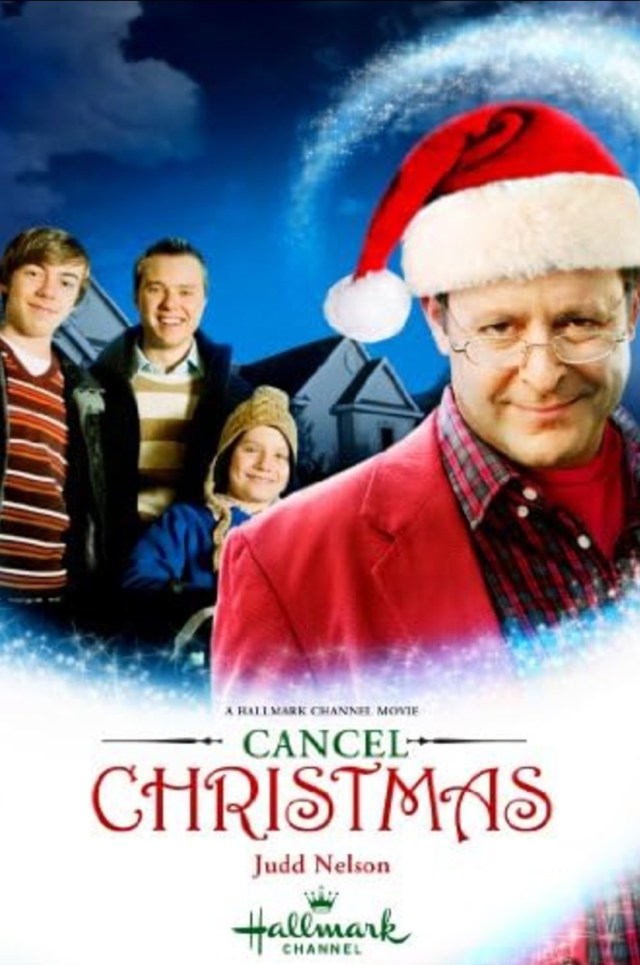
Cancel Christmas poster created by Chesler/Perlmutter Productions, Daro Film Distribution, and Hallmark Channel

Things I liked about the film:

The acting: Since the dawn of cinema, there have been countless portrayals of Santa. How Santa carries himself on screen depends on the actor, screenwriting, and director. In Cancel Christmas, Judd Nelson presented Santa in a way I don’t often see in the world of Christmas cinema. This movie shows Santa as softer-spoken, displaying jolliness through actions instead of just words. His overall demeanor was that of a “wise elder”; thoughtful, reflective, and willing to be a mentor when necessary. Judd’s portrayal of Santa stresses one of the themes of Cancel Christmas; it doesn’t matter what Santa looks like, what matters is the goodness in his heart. Working alongside Santa is an elf named Randal. Portrayed by Justin Landry, Randal ended up stealing the show! He was the perfect opposite to the character of Santa, being enthusiastically joyful and wearing a smile with an up-beat attitude. Randal’s laugh was infectious, making me laugh along with him. I, honestly, wish this movie had been about Randal!

If a Christmas movie features a “Scrooge” type character (a character whose heart changes over the course of the story), the character’s gradual change needs to feel genuine. The more genuine this transformation is, the more opportunities the audience receives to have empathy for that character. Sante Scaletta portrayed a “Scrooge” type character in Cancel Christmas. Farley Morgan is known as a bully at his school. Around his friend and authoritative figures, Farley carries an arrogant attitude. He presents himself as more invincible than he really is. But behind closed doors, the emotional walls surrounding Farley become dismantled. From happily playing with his dog, Kip, to tearfully sharing family memories with his father, Farley’s emotional range broadens. Because of Sante’s impressive performance, Farley’s gradual change in Cancel Christmas truly felt believably genuine!

The messages and themes: In a typical Christmas film, especially from Hallmark, important messages and themes are sprinkled throughout the story. These messages and themes serve as lessons for the audience to learn. They’re also ways for the audience to relate to the characters. As I mentioned earlier in this review, Farley is a bully at his school. Toward the beginning of Cancel Christmas, he and his friend, Steve, attempt to pull a prank on their teacher, Mrs. Claymore. However, Mrs. Claymore is spared from the prank because the prank ends up affecting someone else. At school one day, Mrs. Claymore tells Steve if she had been affected by the prank, it would have made her cry. She shares this to remind Steve how his and Farley’s actions have consequences.

The setting: On-screen text reveals how Cancel Christmas takes place in Atlanta, Georgia. This was a nice change of scenery from the backgrounds of most of Hallmark’s Christmas productions! Snowy, small towns have become a staple in the network’s Christmas cinema. The reality, though, is how not everyone’s environment reflects what Hallmark projects. By placing Cancel Christmas in Atlanta, Georgia, the movie’s creative team gives the audience an idea of what the Christmas season is like in one of America’s southern states. Relatable Christmas activities, such as making Christmas dinner and decorating the school, are emphasized throughout the story. Among Hallmark’s collection of Christmas films, southern states have rarely made an appearance. So, I appreciate Cancel Christmas’ creative team filling this particular creative void!

Adorable Santa image created by Freepik at freepik.com. <a href=’https://www.freepik.com/free-vector/christmas-background-with-funny-santa_1324597.htm’>Designed by Freepik</a>. <a href=”https://www.freepik.com/free-photos-vectors/background”>Background vector created by Freepik</a>. Image found at freepik.com.

What I didn’t like about the film:

A weak villain: Constance is introduced as the villain at the beginning of Cancel Christmas. She informs Santa his job is in jeopardy because of how spoiled the world’s children have become. While Santa speculates Constance’s motive for endangering his job, a clear explanation is never provided. Constance’s appearance in only three scenes prevented her from having a more intimidating presence. Jean Yoon, who portrayed Constance, gave a good performance with the provided script. But when it came to Constance being a weak villain, I fault the screenwriter.

Too many stories: Sometimes, a Hallmark Christmas movie will feature multiple stories within its script. The collection of stories can range from having one main plot and one or two sub-plots to a variety of characters crossing paths with one another. What makes some of these movies work is how all those stories are woven together. But, in Cancel Christmas, the threads between the stories were unimpressive, causing the script’s abundance of stories to be noticeable. Besides the main plot of Santa trying to save his job, there were about five sub-plots, from a news reporter trying to find the “real” Santa to Farley’s friend, Steve, organizing a fundraiser. There was creativity found within these sub-plots. In fact, some of them belonged in their own movie. However, all these stories ended up competing against each other in Cancel Christmas. It also doesn’t help how the film has a run-time of an hour and twenty-seven minutes. Having so many stories in one script made the movie feel kind of overwhelming.

Unnecessary clichés: I will commend the creative team behind Cancel Christmas for trying to incorporate as much creativity as possible into their project. But there were a few clichés that could have been left on the cutting room floor. As I mentioned in my list of the top ten worst clichés from Hallmark movies, the “business person is a jerk and/or out of touch” cliché has become one of the network’s more over-used clichés. It has, more often than not, been included in rom-coms, in order to make the businessman seem less desirable than the male protagonist. The “business person is a jerk and/or out of touch” cliché found a place in Cancel Christmas. In this movie, the cliché was connected to a story that has been adopted by a lot of entertainment media; the bully/antagonist having a tragic backstory and/or being misunderstood. To me, these parts of the story were more predictable than they needed to be. However, I understand their purpose in the movie was to instill compassion and empathy to the film’s audience.

Dog collection image created by Freepik at freepik.com. <a href=”https://www.freepik.com/free-photos-vectors/dog”>Dog vector created by freepik – http://www.freepik.com</a>. Image found at freepik.com.

My overall impression:

Hallmark Channel’s Christmas movies have changed since the network began in 2001. In the earlier years, these movies didn’t follow a pre-determined formula or adopt as many of the clichés viewers see today. Hallmark’s “older” productions were given more opportunities to find their respective audience because there were fewer Christmas films airing during the Christmas season. Like I said in my review, I commend the creative team behind Cancel Christmas for trying to incorporate as much creativity as possible into their project. From Judd Nelson’s portrayal of Santa to the story taking place in Atlanta, Georgia, these creative choices felt like a breath of fresh air compared to the network’s more recent offerings. Though there were things I liked about this film, it contained noticeable flaws. Not only was the villain weak, the movie featured too many stories. There were also some clichés that were, in my opinion, unnecessarily added to the film. I wish Hallmark would go back to making creativity the rule itself. So many stories and ideas could be told through the network’s programs. But with Hallmark making the same types of projects, the network seems content with creating repetitive and predictable presentations.

Overall score 7.1-7.2 out of 10

Have you seen Cancel Christmas? Are there any “older” Hallmark Christmas movies you enjoy watching? Please tell me in the comment section!

Have fun at the movies!

Sally Silverscreen
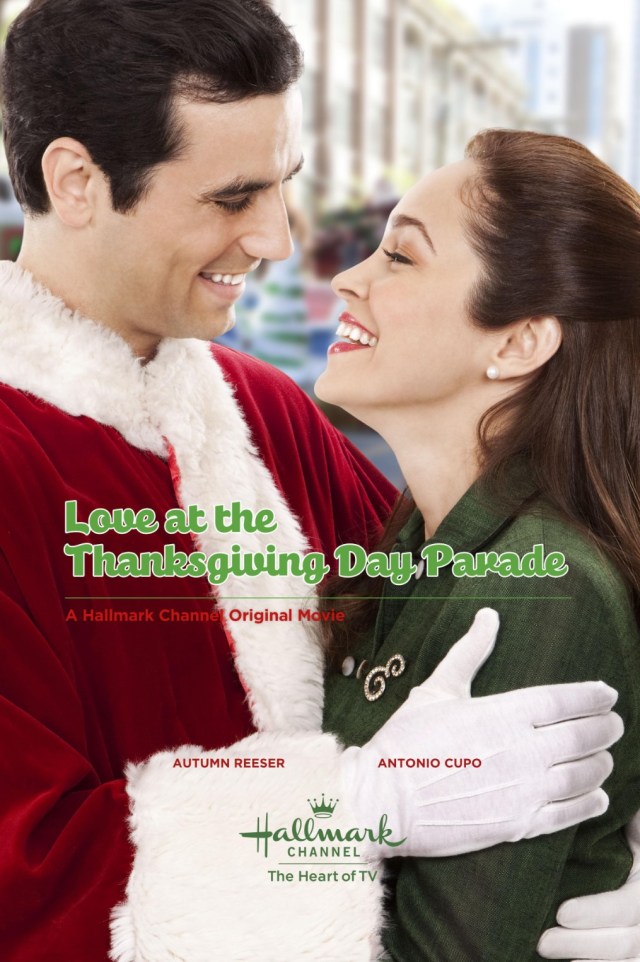
Take 3: Love at the Thanksgiving Day Parade Review

With Thanksgiving just around the corner, I decided to choose a Thanksgiving film as the first seasonal movie to review this Christmas/holiday season! While searching for options, the 2012 Hallmark presentation, Love at the Thanksgiving Day Parade, crossed my path. I hadn’t seen this film in its entirety prior to 2024. But over the years, I had heard good things about it. Within the Hallmark fan community, Love at the Thanksgiving Day Parade has received the title of “classic”. Because of that, I wanted to see for myself if the film’s hype was legitimate. Whenever a Hallmark movie becomes popular, I try to check out the movie in order to form my own opinion. Sometimes, I feel the hype was earned, like with the 2014 film, The Nine Lives of Christmas. But I have found myself disagreeing with popular opinion, such as with 2006’s The Christmas Card. What will be my thoughts on Love at the Thanksgiving Day Parade? If you want to know the answer, you have to keep reading my review!

Love at the Thanksgiving Day Parade poster created by Hallmark Channel, Pitchblack Pictures, and LaCanada

Things I liked about the film:

The acting: In a story that primarily revolves around the male and female protagonist, the likability of those characters is determined by the performance of the lead actor and actress. With their portrayal of Emily and Henry, Autumn Reeser and Antonio Cupo effortlessly carried Love at the Thanksgiving Day Parade! Emily is a bright, energetic, and up-beat woman. Her enthusiasm for Chicago’s Thanksgiving parade is charming, with that charm radiating off the screen. Throughout the movie, Autumn displays an understanding for her character’s emotional range. Emily’s energetic bubbliness is showcased enough to keep the character likable. Meanwhile, Antonio’s character, Henry, boasts a more serious personality. This seriousness doesn’t prevent Henry’s suave charisma from shining through. What Autumn’s and Antonio’s performance share in common is how consistent they are. That consistency helped make Henry and Emily strong characters!

Antonio and Autumn are not the only actors giving consistent performances in Love at the Thanksgiving Day Parade! From time to time, Emily interacts with a co-worker named Donna. Similar to Emily, Donna has a bubbly personality. Because of April Telek’s acting strengths, I looked forward to seeing Donna show up in the story. In fact, I wish Donna received a larger role in the film. Another likable character was Emily’s friend, Jaclyn. Despite appearing in the movie for a limited period of time, Ali Liebert helped her character shine by presenting Jaclyn with a warm, friendly personality. I wish Jaclyn was given her own sub-plot to be more involved in the story.

The on-screen chemistry: As I just talked about in this review, Autumn Reeser and Antonio Cupo effortlessly carried Love at the Thanksgiving Day Parade. Another reason why I believe this statement is because of their on-screen chemistry. This movie uses the trope of “opposites attract”. Because of the aforementioned performances of Antonio and Autumn, the attraction of Henry and Emily felt believable! Their banter went back-and-forth like a ping-pong game, providing lively, even funny interactions. The more time they spent together, the more Emily and Henry’s feelings for each other naturally progressed. Despite being “opposites”, these characters found common ground and tried to get on the same page. Henry and Emily kind of reminded me of Oliver and Shane from the Signed, Sealed, Delivered series.

Emily’s wardrobe: Throughout Love at the Thanksgiving Day Parade, Emily consistently wears vintage attire. I liked this creative decision because Emily’s wardrobe not only complimented Autumn, it made Emily a unique character! One of these outfits was a pink dress with matching jacket. Paired with a pink pillbox hat, this outfit represents the classy and sophisticated way Emily presents herself. Even when she takes a simple trip to the grocery store, Emily sports a deep teal, long-sleeved dress with a pleated skirt. When Henry invites her to a basketball game, Emily stays true to herself by wearing a red, short-sleeved blouse, dark blue jeans, and a red belt. The only “modern” part of the ensemble is a Chicago Bulls cap.

Image of Thanksgiving dinner created by Freepik at freepik.com. <a href=”https://www.freepik.com/free-photos-vectors/background”>Background vector created by freepik – http://www.freepik.com</a>. Image found at freepik.com.

What I didn’t like about the film:

A secondary holiday and parade: Hallmark does not create Thanksgiving movies often, especially this decade. So, when I watch one of their Thanksgiving pictures, I hope the holiday is featured similarly to Christmas in their Christmas productions. As the story progressed in Love at the Thanksgiving Day Parade, however, I quickly took notice of how Emily and Henry’s relationship was prioritized over Thanksgiving and the titular parade. The Thanksgiving holiday was barely referenced in this movie. There were no Thanksgiving decorations to be seen and I don’t recall any of the characters saying the word “turkey”. While parade preparations were shown throughout the film, they were only featured in short segments. This is a shame because aspects of the parade, such as “parade camp” or a group of clowns visiting children at the hospital, could have served as the story of their own movie. I wish the parade and/or Thanksgiving had been more involved in the plot. With Emily sharing a brief history of the parade early in the film, Love at the Thanksgiving Day Parade could have had a story similar to A Biltmore Christmas.

The “it’s not what you think” cliché: Among Hallmark’s collection of clichés is the “it’s not what you think” cliché. This is when the protagonist sees or hears something out of context and automatically assumes the worst. Hallmark has sometimes used this cliché in a way that complements the story, like in Easter Under Wraps and Rome in Love. But there are times when this cliché has been included in a movie just for the sake of it. In the case of Love at the Thanksgiving Day Parade, I understand the “it’s not what you think” cliché was intended to create conflict between Henry and Emily. However, I don’t think the cliché’s inclusion in the story was necessary because it happened right after Emily experienced a difficult time in her life. To me, that part of the film seemed cruel and a bit mean-spirited toward Emily.

A rushed backstory: One of the themes of Love at the Thanksgiving Day Parade is “looks can be deceiving”. Despite this theme being utilized well at times, the overall utilization of this theme was not consistent. During the film’s climax, important pieces of a character’s backstory are presented in a rushed manner. That information helps another character change their perception of the character in question. Instead of rushing to deliver this information before the end of the movie, it should have been given over the course of the film. That way, the audience has time to digest and ponder the character’s backstory.

Group of clowns image created by Freepik at freepik.com. Image by Freepik

My overall impression:

Because Hallmark creates so few Thanksgiving movies, I’m always rooting for their Thanksgiving pictures to be good. But, like Hallmark’s Christmas productions, these films are not created equal. As I’ve mentioned in the past, An Old Fashioned Thanksgiving is one of my favorite Hallmark films. One reason why is how Thanksgiving is acknowledged throughout the story. Unfortunately, Love at the Thanksgiving Day Parade did not follow in the footsteps of the 2008 film. In fact, Thanksgiving and the titular parade were overshadowed by Emily and Henry’s relationship. This is one of those movies where a better story idea can be found within the script. But the reason why I kept watching the film is because of the acting performances! Autumn Reeser and Antonio Cupo shined bright together, carrying the movie with their acting talents and on-screen chemistry. The supporting cast was strong as well. I liked Emily’s wardrobe because it helped make her such a memorable character. The combination of Autumn’s performance and the screenwriting contributed to that too. Out of Hallmark’s Thanksgiving projects I’ve seen, Love at the Thanksgiving Day Parade falls somewhere in the middle. While the 2012 picture isn’t bad, it could’ve been stronger.

Overall score: 6.7 out of 10

Have you seen Love at the Thanksgiving Day Parade? Has Hallmark created a Thanksgiving movie you’d like to see me review? Share your thoughts in the comment section!

Have fun on Thanksgiving!

Sally Silverscreen

My Movie Blogger’s Christmas Wish-List 2024

With the Christmas/holiday season fast approaching, it’s that time of year for my annual Movie Blogger’s Christmas Wish-List! For readers new to 18 Cinema Lane, this tradition shares the movie related things I’d like to receive for Christmas. The list’s format follows the quote; “Something you want, something you need, something to wear, and something to read”. The items on my list, including this year, have been a combination of realistic requests and wishful thinking. With those explanations said, let’s get into 2024’s Christmas wish-list!

Something You Want

Since there are movies associated with the Murder, She Wrote series, I will bring this want up in my wish-list. During my Cabot Cove-thon Blogathon, I published an editorial about why Universal Orlando Resort should host Murder, She Wrote weekend. Throughout this article, I explained why this event should work by presenting a basic concept of the event’s schedule. Murder, She Wrote weekend is an event where all parties involved would benefit. Universal Orlando Resort would receive an opportunity to not only make a profit, but to also utilize an intellectual property (IP) that used to have a presence in the park. Attractions and businesses within the park’s boundaries would be able to welcome more guests and increase their revenue. Fans of Murder, She Wrote would have a chance to meet other fans and celebrate the legacy of the show. If Murder, She Wrote weekend becomes an actual event, I think it has the potential to become a cherished Universal Orlando Resort tradition!

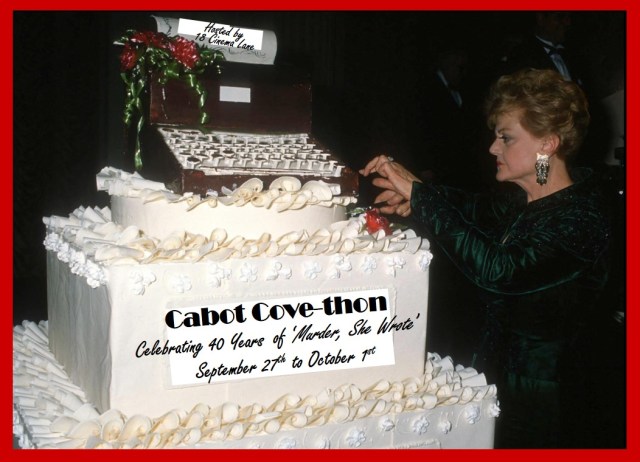
Cabot Cove-thon banner created by me, Sally Silverscreen. Original picture found on IMDB.

Something You Need to See

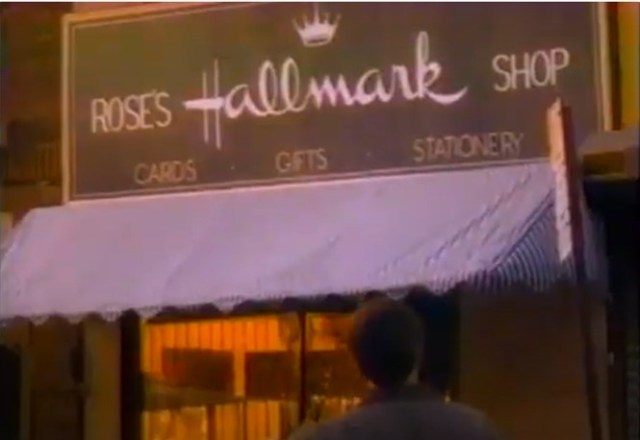
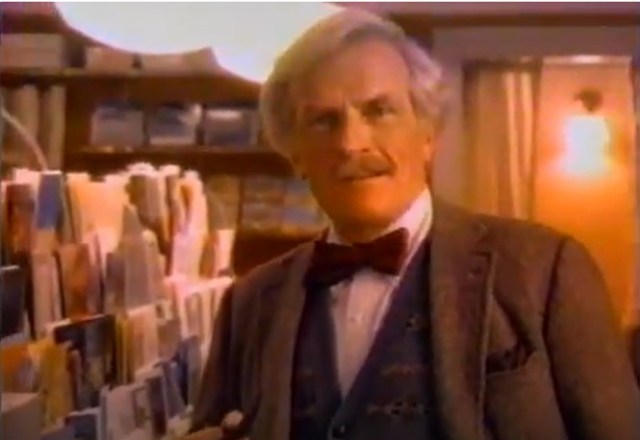
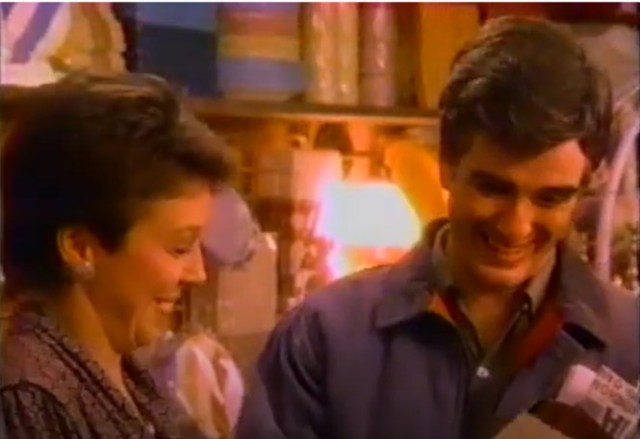
When I reviewed the Hallmark Hall of Fame movie, Pack of Lies, in June, I referenced a Hallmark commercial that was based on a true story. In this commercial, a man, whose first language is not English, is looking for the perfect card for his wife, who will soon arrive in the United States. When he goes to a Hallmark store, the man is assisted by an employee named Rose, who helps him find exactly what he is looking for. After watching this commercial, I developed a collection of questions: What happened to the man and his wife? Are they still together? Did she like the card he bought her? What about Rose, does she still work at Hallmark? Has she retired? And the biggest question of them all; what compelled Hallmark to turn this particular story into a commercial? With everything I just said, I think the commercial could serve as the story for a future Hallmark movie! If the Signed, Sealed, Delivered series continues, that commercial could also serve as a plot in a future Signed, Sealed, Delivered film!

This screenshot, taken by me, Sally Silverscreen, is from the aforementioned Hallmark commercial from 1987.

A movie related piece of clothing or accessory I’d want to wear

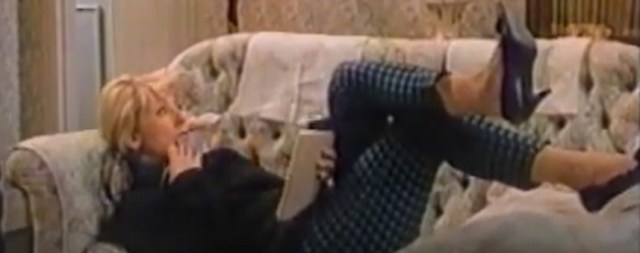
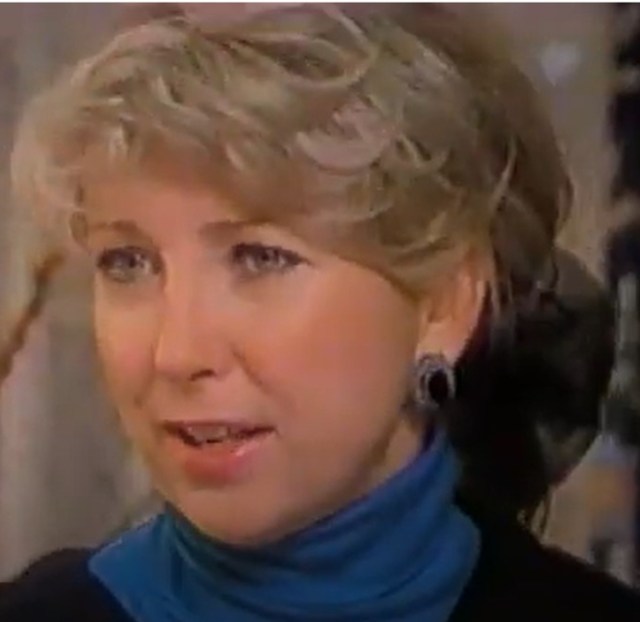
While we’re on subject of Pack of Lies, I want to talk about an outfit Teri Garr’s character, Helen, wore in the 1987 film! During Christmastime, Helen’s outfit was a black and blue ensemble that consisted of black kitten heels, black and blue plaid slacks, and a black sweater over a blue turtleneck. For accessories, Helen wore her hair in a black bow and displayed black stone earrings. I like this outfit because of how timeless it is! It works in either the 1960s, 1980s, or today!

This screenshot, taken by me, Sally Silverscreen, is from the Hallmark Hall of Fame movie, Pack of Lies. Because Helen wore this outfit in only one scene, this is the only time where her complete outfit is shown on-screen.
This screenshot, taken by me, Sally Silverscreen, is from the Hallmark Hall of Fame movie, Pack of Lies. Because Helen wore this outfit in only one scene, this is one of the few times her earrings and bow are featured on screen.

A book I’ve read that I’d like to see adapted into a film

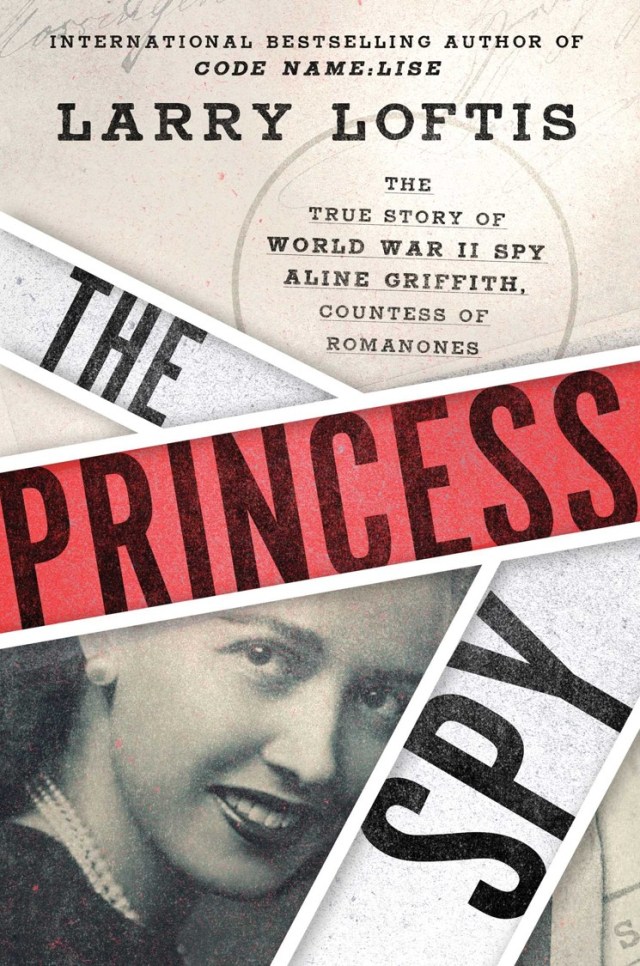
In my post about the Finally Fall Book Tag, I mentioned The Princess Spy being the best book I read for 2024’s Eurovisionathon. While discussing the book, I talked about how it was both educational and entertaining due to Larry Loftis’ research and literary skill. Looking back on other non-fiction stories from World War II, I realized how underrated Aline Griffith’s story is. When it comes to films taking place during World War II, the espionage side of the war effort is not commonly featured. Because of these factors, I would like to see The Princess Spy adapted into a movie!

The Princess Spy book cover found on Goodreads

What are your thoughts on my Christmas wish list? Are there any movie related things you’d like to receive during the Christmas/holiday season? Tell me in the comment section!

Have fun during the Christmas/holiday season!

Sally Silverscreen

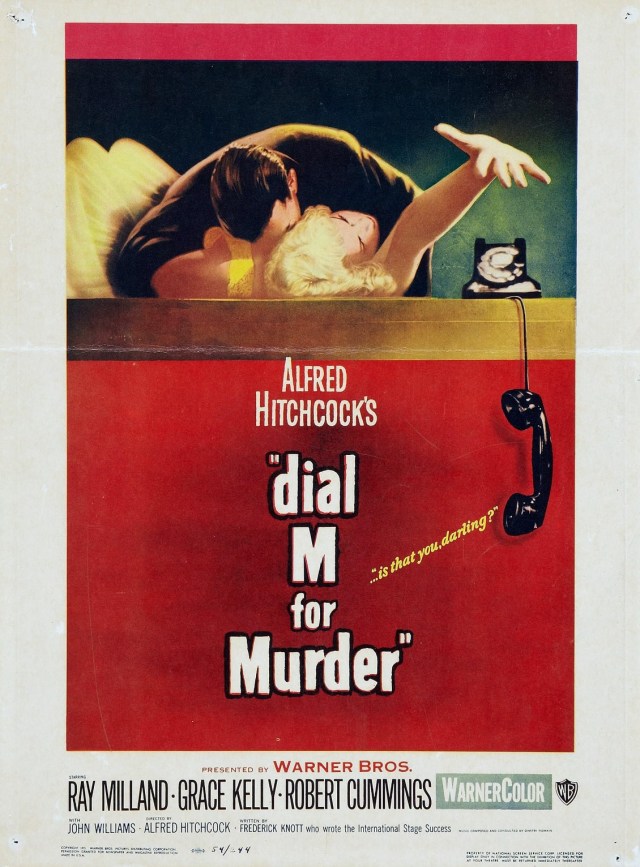
Take 3: Dial M for Murder Review

For this movie review, I chose to write about the 1954 film, Dial M for Murder, for two reasons. The first is how I selected this specific title for The 6th Wonderful Grace Kelly Blogathon, as Grace Kelly stars in the film. The second reason is how, prior to this review, I had never seen Dial M for Murder. Grace and Alfred are no strangers to 18 Cinema Lane. As of mid-November, 2024, I have reviewed two of Grace’s films; High Society (which I thought was fine) and To Catch a Thief (which I found just ok). Meanwhile, four of Alfred Hitchcock’s movies have been covered on my blog. Out of those titles, Strangers on a Train is, in my opinion, still the best one. But how does Dial M for Murder compare to any of Alfred’s films featured on 18 Cinema Lane? Find out by reading my review!

Dial M for Murder poster created by Warner Bros.

Things I liked about the film:

The acting: Since Grace Kelly is the reason why I chose to review Dial M for Murder, I will talk about her performance first. Out of her movies I’ve seen, I’ve noticed how her character portrayals have appeared at ease. Her performance in Dial M for Murder is no different, as her adopted mannerisms and reactions came across as realistic! While sharing a conversation with Mark (portrayed by Robert Cummings), Grace’s character, Margot, seems comfortable in his presence. She effortlessly moves around her apartment and, at times, stands close to him. But when she talks with Mark about how her husband, Tony, has changed, Margot appears to stare into the distance. The combination of her aforementioned stare and frown indicates how Tony’s behavior has troubled her. It also shows the audience how effective Grace’s acting talents are!

As I just said in this review, Robert Cummings portrays Mark, a close friend of Margot. Though they shared only a few scenes together, Grace and Robert displayed nice on-screen chemistry! The strength of Robert’s and Grace’s acting abilities helped their characters appear to truly get along with each other. While I liked Robert’s performance in Dial M for Murder, I was also impressed with Ray Milland’s performance! Similar to Grace’s portrayal of Margot, Ray’s portrayal of Tony showcases how adaptable his acting skills are. For example, Tony looks annoyed while at a restaurant with Mark. From the tone in his voice to constantly checking his watch, Tony clearly appears impatient. A few scenes later, as he’s on the phone with Margot, his demeanor quickly changes to concern due to what he hears over the phone. Throughout his performance, Ray effortlessly brought his character to life!

The use of lighting: Over the course of his career, Alfred Hitchcock has received the title of “Master of Suspense”. One reason why he was given this title is because of how he utilizes lighting to stir up a mood, present visually interesting concepts, or add suspense. In one scene, someone enters Margot and Tony’s apartment. This moment takes place at night, so the only light comes from the fireplace in the living room. An orange glow only providing light to certain areas of the room creates a suspenseful environment, giving the intruder places to hide. I brought up earlier in this review how Mark and Margot shared a conversation. Their conversation takes place in Tony and Margot’s apartment. Right before Tony returns home, Margot’s and Mark’s shadow departs from each other, keeping the closeness of their relationship a secret.

The use of color: Dial M for Murder’s opening credits reveal how the film’s creative team used “WarnerColor” in their project. I’m glad this movie was presented in color because it gave the creative team opportunities to utilize this visual technique to their advantage! Sometimes, the color red was incorporated into a character’s wardrobe. This ranged from Margot wearing a red dress at the beginning of the movie to Tony sporting deep red suspenders. One of the pieces of décor in Margot and Tony’s apartment were dark green curtains. In these examples, color was chosen to draw the audience’s attention to a person, object, or location in the room.

The 6th Wonderful Grace Kelly Blogathon banner created by Virginie from The Wonderful World of Cinema and Emily from The Flapper Dame

What I didn’t like about the film:

Exposition heavy: At the beginning of the movie, Margot shares with Mark how she recently lost her purse. She also tells him when her purse was returned, a letter Mark wrote her was missing. But shortly after Margot made this confession, an exposition heavy scene revealed the letter’s whereabouts, as well as who the story’s perpetrator was. Because this information was revealed so early in the movie, it took away a lot of the story’s suspense. So much exposition given within the film’s first ten minutes may also overwhelm the audience, possibly missing important information if they don’t actively pay attention to the dialogue.

A mystery that isn’t interactive: While talking about Dial M for Murder’s exposition heavy story, I said the perpetrator was revealed so early in the movie. This creative choice takes away the audience’s opportunity to solve the mystery of whodunit alongside the characters. What Dial M for Murder became was a story of how the perpetrator would get caught, similar to programs like Columbo and Diagnosis Murder. That creative decision forces the audience to simply watch the characters solve the story’s mystery. With everything I said, the mystery in Dial M for Murder wasn’t interactive.

A less intimidating antagonist: In some of Alfred Hitchcock’s movies, the antagonist is an intimidating person for a variety of reasons. Their intimidation can add suspense and intensity to a given film’s story. I will not spoil Dial M for Murder. However, I can honestly say I did not find the movie’s antagonist intimidating. Throughout the story, the antagonist kept making dumb decisions, which distracted from their attempts to be an intimidating character. It also didn’t help how the exposition heaviness of the film’s first ten minutes took away a lot of the story’s suspense. If anything, the antagonist in Dial M for Murder was annoying.

Colorful image of key created by orchidart at freepik.com. Flower vector created by orchidart – www.freepik.com

My overall impression:

As of the publication of this review, I have seen eight of Alfred Hitchcock’s films. While I was disappointed by The 39 Steps, I ended up liking Strangers on a Train. When it comes to Dial M for Murder, though, the movie lies somewhere in the middle. Grace Kelly’s performance was, once again, one of the best parts of the production! Her portrayal of Margot was so strong, her reactions and expressions appeared realistic! The use of lighting and color gave Alfred and his creative team ways to present visually creative ideas. But what held Dial M for Murder back from being a more intriguing project is how the first ten minutes of the story was exposition heavy, with this decision impacting the film’s suspense. The mystery not being interactive also takes away some of Dial M for Murder’s intrigue. Alfred’s film felt reminiscent of shows like Columbo and Diagnosis Murder, where the audience simply waits for the perpetrator to get caught. Personally, I prefer mystery stories where I’m left guessing whodunit.

Overall score: 6-6.1 out of 10

Have you seen Dial M for Murder? Which movie of Alfred Hitchcock’s would you like to see me review next? Tell me in the comment section!

Have fun at the movies!

Sally Silverscreen